
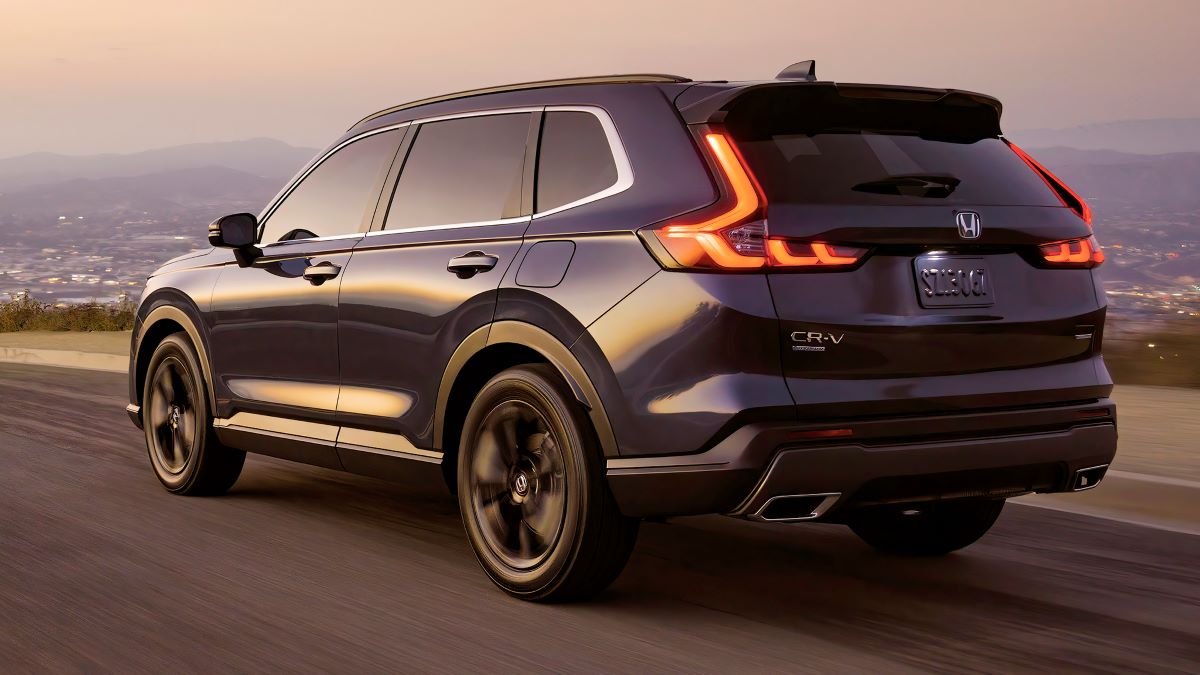
Crossovers dominate the American market because they promise versatility: elevated ride height, flexible cargo capacity, improved fuel economy compared to traditional SUVs, and car-like driving dynamics.
However, one specification that rarely appears in bold print on dealership stickers is suspension tuning.
Ride quality is largely determined by spring rates, damper calibration, bushing compliance, wheel size, and chassis rigidity.
These variables collectively define whether a vehicle glides over broken pavement or transmits every expansion joint into the cabin.
For U.S. drivers navigating concrete interstates, frost-heaved northern roads, urban potholes, and patchwork asphalt, suspension refinement materially affects long-term satisfaction.
Below are five crossovers recognized for smooth, well-damped ride quality, followed by five that prioritize handling sharpness, cost efficiency, or styling over comfort.
Crossovers With Smooth Suspensions
Ride quality remains one of the most decisive factors for crossover buyers. While power output, infotainment technology, and exterior styling often dominate marketing headlines, suspension tuning ultimately determines how a vehicle feels in daily use.
For commuters navigating broken pavement, families traveling long distances, or drivers prioritizing comfort over aggressive handling, a smooth suspension setup can significantly improve overall ownership satisfaction.
Modern crossovers vary widely in their chassis calibration. Some models emphasize sporty dynamics, tightening damping rates and steering response at the expense of compliance.
Others are engineered with a clear focus on isolation, absorbing road imperfections with minimal cabin intrusion. Spring rates, damper tuning, wheel size, tire selection, and chassis rigidity all contribute to how effectively a crossover filters out bumps, expansion joints, and uneven surfaces.
A well-tuned suspension does more than soften impacts. It reduces driver fatigue, improves passenger comfort, and enhances perceived refinement. Excessive harshness can transmit vibration into the cabin, increase noise levels, and make routine commuting unnecessarily tiring.
Conversely, an overly soft suspension can compromise stability and body control. The most successful comfort-oriented crossovers strike a precise balance, delivering composure without sacrificing control.
This article highlights crossovers that distinguish themselves through notably smooth suspension performance. Each model selected demonstrates consistent ride comfort across varied road conditions, supported by thoughtful chassis engineering rather than excessive softness alone.
For buyers who prioritize comfort, refinement, and everyday usability, these vehicles represent some of the most well-executed suspension setups in the segment.
1. Toyota Highlander
The Toyota Highlander has consistently been tuned with passenger comfort as a primary objective. Toyota engineers favor compliant spring rates and progressive damping that absorb mid- and low-frequency road disturbances effectively.
On highways with repetitive expansion joints, the Highlander remains composed with minimal vertical oscillation. Its longer wheelbase further contributes to stability, smoothing transitions over uneven pavement.
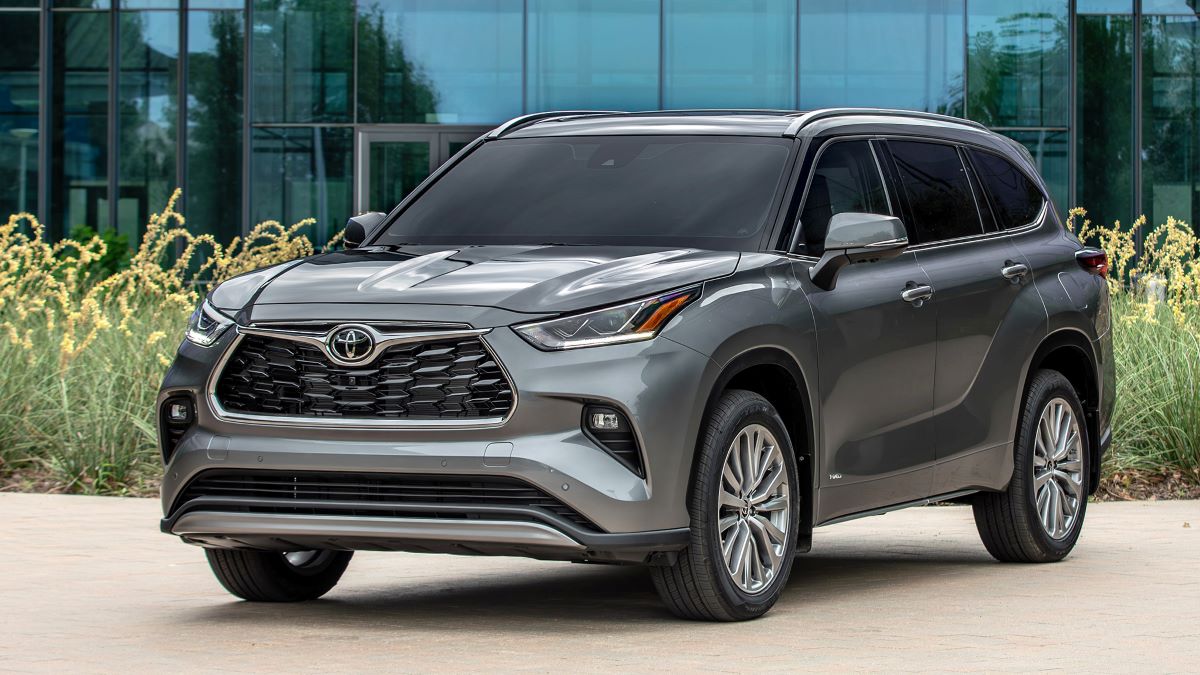
While not engineered for aggressive cornering, the Highlander excels in isolating passengers from road harshness.
The hybrid variant, despite additional battery mass, maintains similar composure due to well-matched suspension calibration. For families prioritizing quiet, fatigue-free interstate travel, this crossover is structurally aligned with that need.
The Toyota Highlander consistently ranks among crossovers recognized for balanced ride comfort, and within the context of five crossovers with smooth suspensions, it earns its place through measured chassis tuning and well-controlled damping rather than excessive softness.
Toyota engineered the Highlander to prioritize everyday composure, particularly for families and long-distance drivers who value ride isolation over sporty handling extremes.
The foundation of the Highlander’s smooth ride begins with its suspension architecture. It utilizes a MacPherson strut front suspension paired with a multi-link rear setup, calibrated to absorb common road imperfections without transmitting sharp impacts into the cabin.
The damping rates are tuned conservatively, allowing the vehicle to glide over expansion joints and uneven pavement with minimal harshness. Instead of reacting abruptly to surface irregularities, the chassis settles quickly after compression, maintaining composure across varied road textures.
Wheelbase length also contributes to stability and ride smoothness. The Highlander’s relatively long wheelbase enhances straight-line stability and reduces pitch movement over highway undulations.
This translates into less fore-aft rocking, especially noticeable during long interstate drives. For passengers in the second and third rows, this stability improves overall comfort by limiting motion-induced fatigue.
Cabin insulation further reinforces the perception of suspension smoothness. Toyota incorporates sound-deadening materials throughout the structure, reducing road and tire noise intrusion.
Even when equipped with larger wheel options, the Highlander maintains a subdued acoustic environment. By minimizing vibration and noise transfer, the crossover enhances the overall sense of refinement that complements its suspension tuning.
Steering calibration supports the comfort-focused approach. The steering system is light and predictable, reducing driver effort during city maneuvering while maintaining adequate feedback at highway speeds.
While not aggressively sporty, the setup aligns with the Highlander’s mission as a family-oriented vehicle. Body roll is present but controlled, and the suspension avoids excessive lean that could compromise passenger comfort.
2. Subaru Outback
The Subaru Outback occupies a unique space between wagon and crossover, but its suspension setup is notably comfort-oriented.
With generous suspension travel and well-balanced damper tuning, it performs exceptionally well on broken pavement and light gravel surfaces.
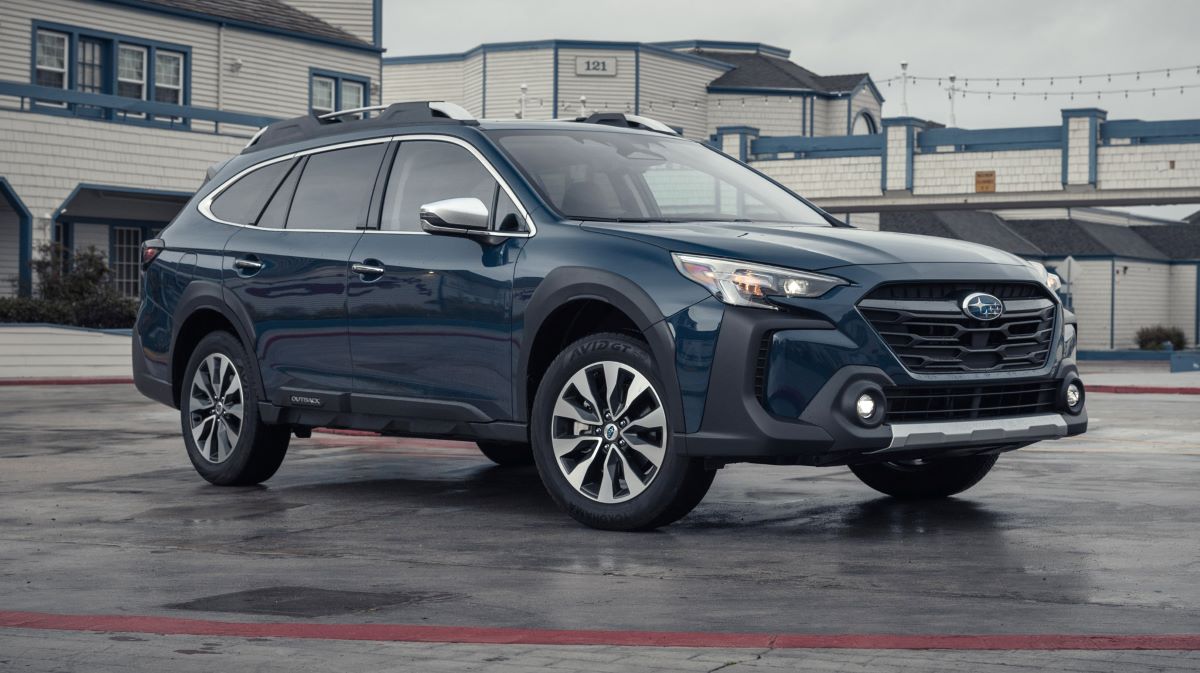
The platform tolerates surface irregularities without sharp rebound or harsh compression events. Its chassis allows moderate body roll, but the tradeoff benefits ride isolation.
Drivers in regions with deteriorating winter roads often appreciate the Outback’s ability to absorb sharp impacts without cabin intrusion. It is not overtly sporty, but its compliance is deliberate and effective.
3. Honda CR-V
The Honda CR-V achieves a refined balance between control and comfort. Honda’s latest generations have improved bushing isolation and damper responsiveness, reducing harshness over mid-corner bumps and uneven pavement.
The result is a compact crossover that absorbs most daily road imperfections without excessive float or secondary bounce.
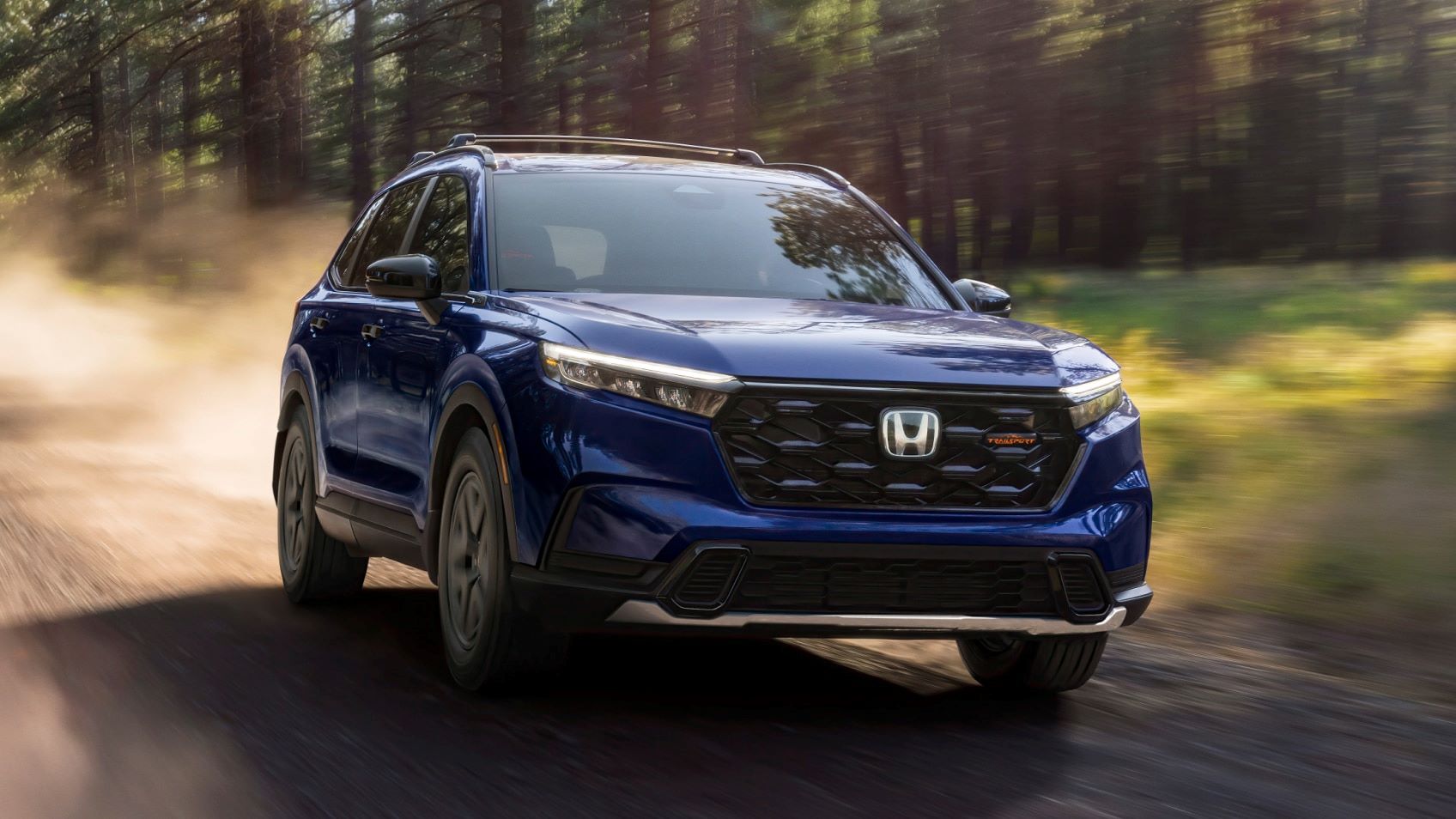
Its ride character is neutral and predictable. Rather than leaning toward softness or stiffness, the CR-V delivers controlled compliance.
For buyers seeking a compact crossover that performs well in urban and highway conditions alike, its suspension tuning is broadly adaptable.
The Honda CR-V earns recognition within the category of crossovers known for smooth suspensions due to its balanced chassis tuning and consistent ride composure across varied driving environments.
Rather than leaning toward aggressive sportiness or excessive softness, the CR-V is engineered to deliver controlled comfort, a characteristic that makes it particularly well-suited for commuting, family transport, and long-distance travel.
The suspension architecture consists of a MacPherson strut front setup and a multi-link rear system. Honda calibrates the spring and damper rates to absorb common road imperfections such as expansion joints, patched asphalt, and urban potholes without transmitting harsh impacts into the cabin.
The damping characteristics are progressive, meaning the suspension responds gently to minor irregularities while firming appropriately over larger undulations. This prevents the floaty sensation sometimes associated with overly soft crossovers while still maintaining a comfortable ride.
Wheelbase length and structural rigidity further enhance smoothness. The CR-V’s chassis benefits from a rigid body structure that reduces flex over uneven terrain. By limiting unwanted movement within the frame, the suspension can perform its job more precisely.
The relatively long wheelbase for its segment contributes to stable highway tracking and reduced pitch motion, particularly noticeable during extended interstate driving. Passengers experience fewer abrupt vertical movements compared to shorter-wheelbase competitors.
4. Hyundai Santa Fe
The Hyundai Santa Fe emphasizes ride isolation more than athleticism. Its suspension absorbs abrupt impacts competently, and cabin insulation further reduces perceived harshness.
In city environments with frequent potholes and inconsistent pavement quality, the Santa Fe remains settled and controlled.
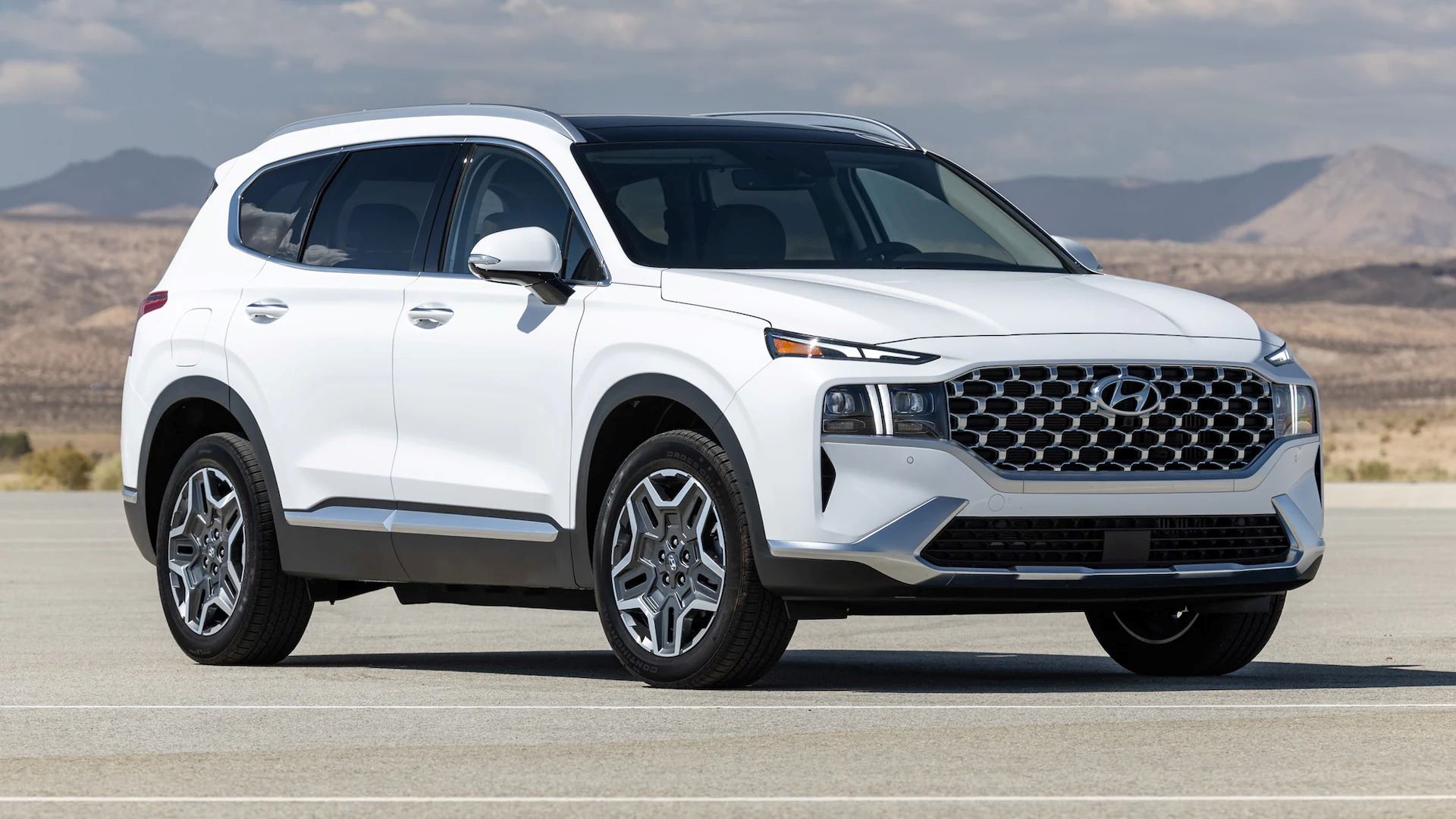
The steering response is moderate, but that calibration complements its comfort-first orientation.
Over longer distances, the suspension’s ability to suppress vibration contributes to reduced driver fatigue. Hyundai has progressively refined its chassis engineering, and this model reflects a mature approach to ride comfort.
5. Ford Edge
The Ford Edge, particularly in non-performance trims, delivers a stable and smooth ride. Its substantial curb weight and wide track enhance composure at highway speeds.
The suspension filters small cracks and surface texture effectively, limiting sharp cabin reactions.

While the performance-oriented ST trim introduces firmer tuning, standard versions prioritize comfort.
The Edge’s longer wheelbase relative to compact crossovers aids stability over uneven pavement, making it a practical choice for frequent interstate travel.
The Ford Edge fits comfortably within the category of crossovers recognized for smooth suspension tuning, particularly for drivers who prioritize highway comfort and everyday composure.
Positioned between compact and full-size segments, the Edge benefits from a wider stance and longer wheelbase than smaller crossovers, which directly contributes to its stable and controlled ride characteristics.
The suspension setup consists of a MacPherson strut front configuration and an independent multi-link rear system. Ford calibrates the damping with a clear emphasis on ride isolation. Over broken pavement, expansion joints, and coarse asphalt, the Edge absorbs impacts with minimal sharpness transmitted into the cabin.
The springs are tuned to provide compliance without excessive rebound, allowing the vehicle to settle quickly after encountering road irregularities. This controlled recovery prevents the floaty sensation sometimes associated with softer crossovers.
Wheelbase length plays a significant role in smoothing out highway undulations. The Edge tracks steadily at speed, reducing vertical oscillation over rolling surfaces.
Passengers experience less fore-aft pitch compared to shorter crossovers, which enhances long-distance comfort. The vehicle’s wider track also improves lateral stability, minimizing abrupt side-to-side motion during lane changes.
Crossovers That Feel Every Bump
Not all crossovers are tuned with ride comfort as the primary objective. While many models emphasize isolation and compliance, others prioritize sharp handling, steering responsiveness, and visual stance.
In these vehicles, firmer suspension calibrations, larger wheel packages, and low-profile tires can result in a driving experience that transmits more road texture into the cabin. For some buyers, this direct feedback enhances engagement. For others, it translates into noticeable harshness over imperfect pavement.
Suspension tuning is a deliberate engineering decision. Stiffer spring rates reduce body roll and improve cornering precision but can limit the suspension’s ability to absorb small road irregularities.
Larger alloy wheels with shorter sidewalls improve steering response and aesthetics, yet they reduce the cushioning effect that taller tires provide. Combined with tighter chassis calibrations, these choices can amplify the sensation of bumps, expansion joints, and uneven asphalt.
1. Mazda CX-50
The Mazda CX-50 is engineered with dynamic handling as a core priority. Firmer spring rates and tighter body control enhance steering precision and cornering stability.
However, this calibration results in more noticeable transmission of road texture into the cabin. On rough urban surfaces, impacts are sharper and more defined.
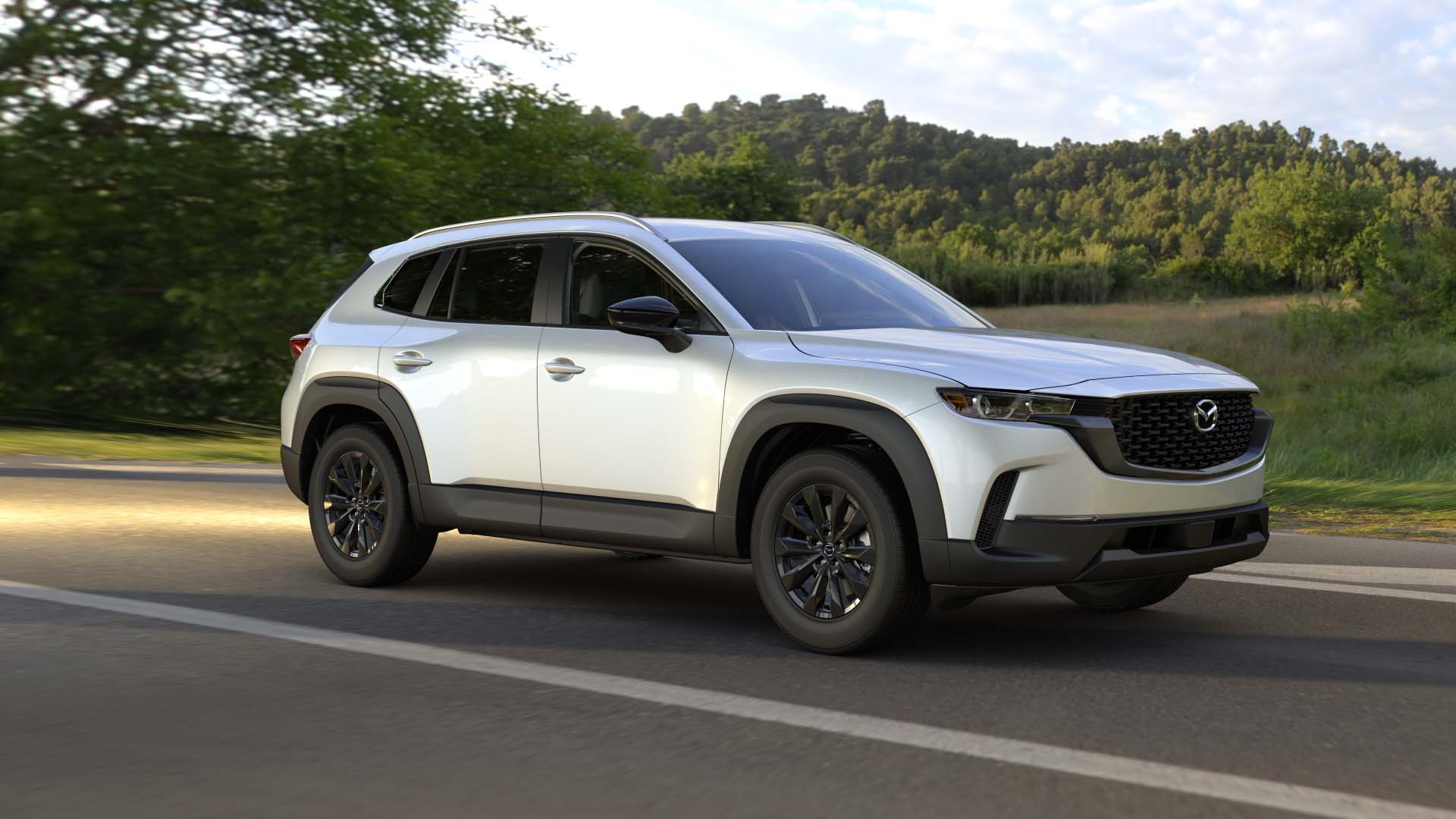
Drivers who value engagement may accept this compromise. For comfort-focused buyers, however, the CX-50’s suspension can feel comparatively rigid.
2. Chevrolet Trailblazer
The Chevrolet Trailblazer, particularly in its sport-oriented trims, fits into the category of crossovers that tend to transmit more road texture into the cabin than comfort-focused rivals. While it is positioned as a subcompact crossover aimed at urban buyers, certain chassis and wheel configurations result in a firmer ride that can make surface imperfections more noticeable.
The Trailblazer uses a MacPherson strut front suspension and a torsion beam rear setup on most configurations. This rear suspension design, while space-efficient and cost-effective, generally provides less independent wheel articulation compared to a multi-link system.
As a result, when encountering uneven pavement or sharp road irregularities, the rear end can transmit more direct impact into the cabin. On broken city streets, this setup may feel abrupt over potholes and expansion joints.
Wheel and tire sizing significantly influence the Trailblazer’s ride quality. Higher trims such as the RS often come equipped with larger alloy wheels and lower-profile tires.
While these contribute to sharper steering response and a sportier aesthetic, they reduce the cushioning effect provided by taller tire sidewalls. The result is more pronounced feedback from rough pavement. Small road imperfections that might be muted in softer crossovers are more clearly felt through the seat and steering wheel.
Suspension tuning also leans toward control rather than plushness. Chevrolet calibrates the Trailblazer to limit excessive body roll and maintain agility in tight urban maneuvering.
This provides responsive handling and predictable cornering behavior, but the trade-off is reduced compliance over uneven surfaces. The dampers are firm enough to control body motion effectively, yet this firmness can amplify vertical movement when traveling over coarse asphalt or patched roadway sections.
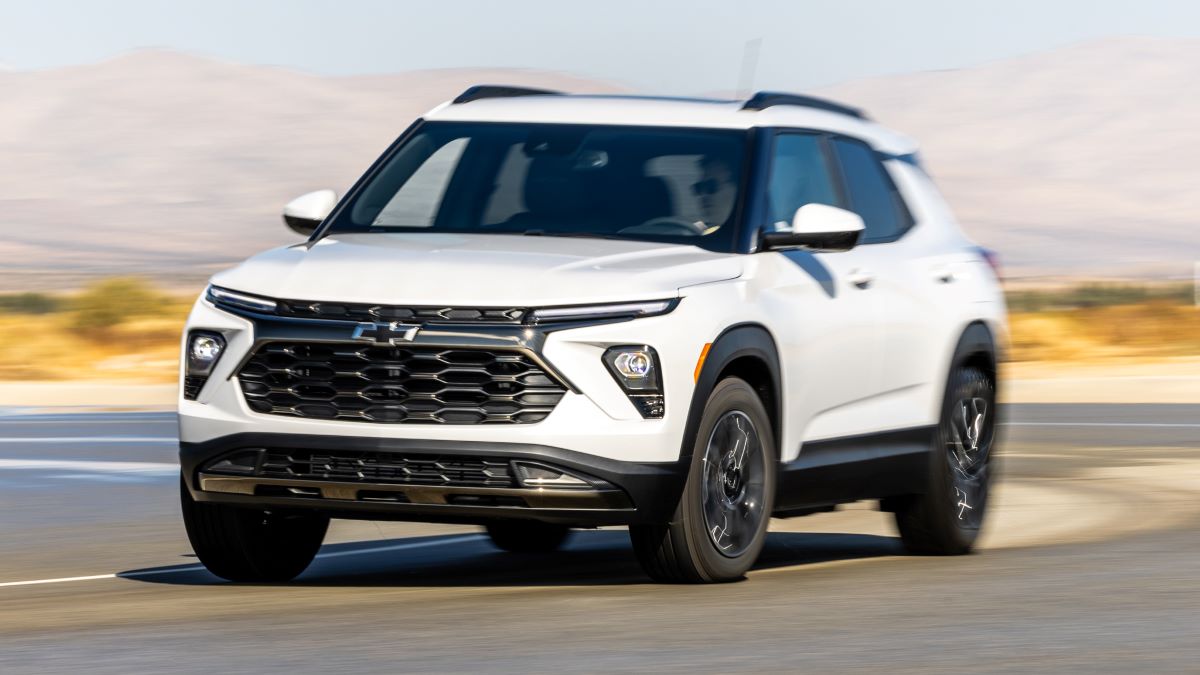
Shorter wheelbase dimensions further contribute to the sensation of bumps. Compared to larger crossovers, the Trailblazer has less distance between axles to smooth out undulations.
This can result in more noticeable pitch movement when driving over successive bumps or rolling road surfaces. On highways with worn pavement, occupants may experience mild but consistent vibration.
Cabin insulation is adequate for the segment but does not fully mask suspension feedback. Road noise and tire hum can become more apparent on rough surfaces, particularly when equipped with performance-oriented tires. While the vehicle remains structurally solid without excessive rattling, the ride does not prioritize isolation in the way larger, comfort-focused crossovers do.
It is important to note that this firmer ride character is not necessarily a design flaw. Many drivers prefer the connected, responsive feel that comes from tighter suspension calibration.
In urban environments with smoother roads, the Trailblazer feels agile and stable, with confident steering and controlled body motion. However, on deteriorated pavement or long highway stretches with coarse surfaces, the cumulative effect of the firmer setup becomes more noticeable.
3. Nissan Kicks
The Nissan Kicks falls into the category of subcompact crossovers that prioritize affordability, efficiency, and maneuverability over suspension refinement.
Within the context of crossovers that feel every bump, the Kicks demonstrates how platform simplicity, lightweight construction, and budget-focused engineering can result in a ride that transmits noticeable road imperfections into the cabin.
The suspension setup consists of a MacPherson strut front configuration paired with a torsion beam rear axle. While this layout is common in the subcompact segment due to packaging efficiency and cost control, it limits independent rear-wheel movement.
On uneven pavement, particularly over sharp-edged potholes or patched asphalt, the rear suspension can respond abruptly. Impacts tend to be felt more directly compared to crossovers equipped with multi-link rear systems designed for greater compliance.
Wheelbase length also contributes to ride characteristics. The Kicks has a relatively short wheelbase, which can amplify vertical movement over consecutive bumps.
Shorter distances between axles mean the vehicle has less opportunity to smooth out undulating road surfaces. On poorly maintained urban streets, occupants may notice sharper pitch motion as the suspension cycles more frequently.

Suspension tuning leans toward firmness in order to control body roll and maintain predictable handling. Although the Kicks is not marketed as a sporty vehicle, engineers calibrate the springs and dampers to prevent excessive lean during cornering.
This helps preserve stability but reduces the level of cushioning over rough pavement. Smaller road imperfections that might be muted in larger crossovers can feel pronounced inside the cabin.
Cabin insulation, while acceptable for its price point, does not fully isolate passengers from road noise and vibration. Tire hum and impact sounds are more apparent on coarse asphalt.
Combined with the firm damping characteristics, this can create a driving experience that feels busy on deteriorated surfaces. While the structure itself remains solid without excessive rattling, the overall impression is more utilitarian than refined.
Wheel and tire configurations also influence ride perception. Lower trims equipped with smaller wheels and taller sidewalls offer slightly improved compliance, as the additional rubber absorbs some surface irregularities. However, even in these versions, the suspension’s limited articulation prevents the vehicle from achieving the smoothness found in larger crossovers.
Another factor is the Kicks’ lightweight design. While beneficial for fuel economy and agility, lower overall mass can make the vehicle more reactive to road imperfections. Heavier crossovers often absorb minor bumps more effectively due to increased weight damping the motion. In contrast, the Kicks can feel more reactive to surface changes, particularly at highway speeds.
4. Jeep Compass
The Jeep Compass attempts to balance everyday drivability with mild off-road capability.
However, its on-road ride quality can feel firm and unsettled, especially in trims equipped with larger wheels and lower-profile tires. Short, sharp impacts are transmitted distinctly into the cabin.

The Jeep Compass occupies an interesting position in the compact crossover segment. While it emphasizes rugged styling and light off-road capability, certain trims and configurations place it among crossovers that transmit more road imperfections into the cabin than comfort-focused competitors.
Within the context of crossovers that feel every bump, the Compass demonstrates how suspension calibration, wheel size, and platform tuning can lean toward firmness rather than plush isolation.
The Compass utilizes a front MacPherson strut suspension paired with a multi-link rear setup. On paper, a multi-link rear suspension typically allows for improved wheel articulation and better ride quality compared to torsion beam systems. However, tuning plays a decisive role.
In many Compass trims, particularly Trailhawk and Sport variants equipped with larger wheels or off-road-focused tires, the suspension is calibrated for durability and body control rather than softness. This results in firmer damping characteristics that can make sharp road irregularities more noticeable.
Wheel and tire selection significantly affect ride comfort. Higher trims often feature larger alloy wheels with lower-profile tires, which reduce the amount of sidewall available to absorb small impacts.
On broken pavement or expansion joints, the cabin can experience sharper feedback. The combination of firm spring rates and reduced tire cushioning amplifies surface texture, especially in urban environments with inconsistent road quality.
The Compass’ relatively short wheelbase further contributes to ride sensitivity. Shorter wheelbase vehicles tend to experience more vertical movement over consecutive bumps because the distance between axles is insufficient to smooth out undulations. On highways with patched asphalt or concrete seams, passengers may feel repeated oscillations rather than a steady glide.
5. Mitsubishi Eclipse Cross
The Mitsubishi Eclipse Cross offers competitive pricing but falls short in suspension refinement.
Its damping can feel busy over uneven surfaces, with noticeable vertical motion on patched roads. Cabin insulation mitigates some noise, but impact harshness remains perceptible.
Although improvements have been made in recent model years, it does not achieve the composed ride quality of more established competitors in the segment.

Suspension tuning reflects engineering philosophy and market positioning.
Comfort-focused crossovers such as the Toyota Highlander, Subaru Outback, and Hyundai Santa Fe prioritize compliant spring rates and controlled damping to isolate passengers from poor road conditions.
In contrast, models like the Mazda CX-50 or Chevrolet Trailblazer emphasize either dynamic handling or cost containment, resulting in firmer, less forgiving ride characteristics.
For American buyers, the decision should align with real-world usage. Long-distance highway commuters and families traveling frequently may benefit from comfort-oriented setups.
Drivers who prioritize steering precision and body control may prefer firmer calibrations despite increased road feedback.
Evaluating ride quality through an extended test drive on varied pavement remains the most reliable method of determining long-term satisfaction.
