Winter weather poses a unique set of challenges for electric vehicles. Cold temperatures affect battery chemistry and energy efficiency in ways that are unfamiliar to drivers of gasoline vehicles. Many owners find that range can decrease significantly when the mercury drops, heating systems are running, and roads are treated with salt or snow.
At the same time, some electric vehicles manage these conditions far better than others, maintaining much of their advertised range even in frigid weather. Understanding this difference is crucial for anyone who lives in a region with cold winters or who plans to travel through such climates regularly.
The way each vehicle performs comes down to multiple factors including battery management, thermal control systems, drivetrain efficiency, and even tire choices that accompany the vehicle from the factory.
Some EVs handle these challenges with well‑engineered systems that minimize losses and preserve driver confidence. Others have design limitations that make their winter range drop considerably under similar conditions.
Battery thermal management plays a central role in winter performance. When a battery pack gets too cold, it cannot deliver energy as efficiently. Some vehicles have active thermal management that can heat the battery before and during driving to keep it in an optimal range.
Other vehicles rely on passive systems that simply let the pack cool down without intervention. The difference in how these systems operate leads to clear performance differences among models in winter temperatures. Heating the passenger cabin is also a factor.
Traditional heaters use a large amount of energy, and EVs must divert battery power to keep occupants warm. Some models offer heat pumps that use less energy, giving them an efficiency advantage in cold weather.
This article will present ten electric vehicles divided into two groups. The first group includes five models that have shown a solid ability to hold their range consistently in cold weather conditions. These are vehicles where drivers tend to report predictable mileage even when temperatures fall well below freezing.
The second group includes five models that tend to lose a noticeable portion of their range under similar winter weather conditions. These are vehicles where range can drop sharply and require more frequent charging stops. The aim of this article is not to criticize any specific vehicle but to provide a realistic look at how winter conditions influence electric driving.
This guidance can help prospective buyers make informed decisions based on climate, lifestyle, and driving needs. The goal is to paint a comprehensive picture that enables clear understanding, helping drivers know what to expect when cold weather arrives.
5 EVs With the Most Consistent Range in Winter
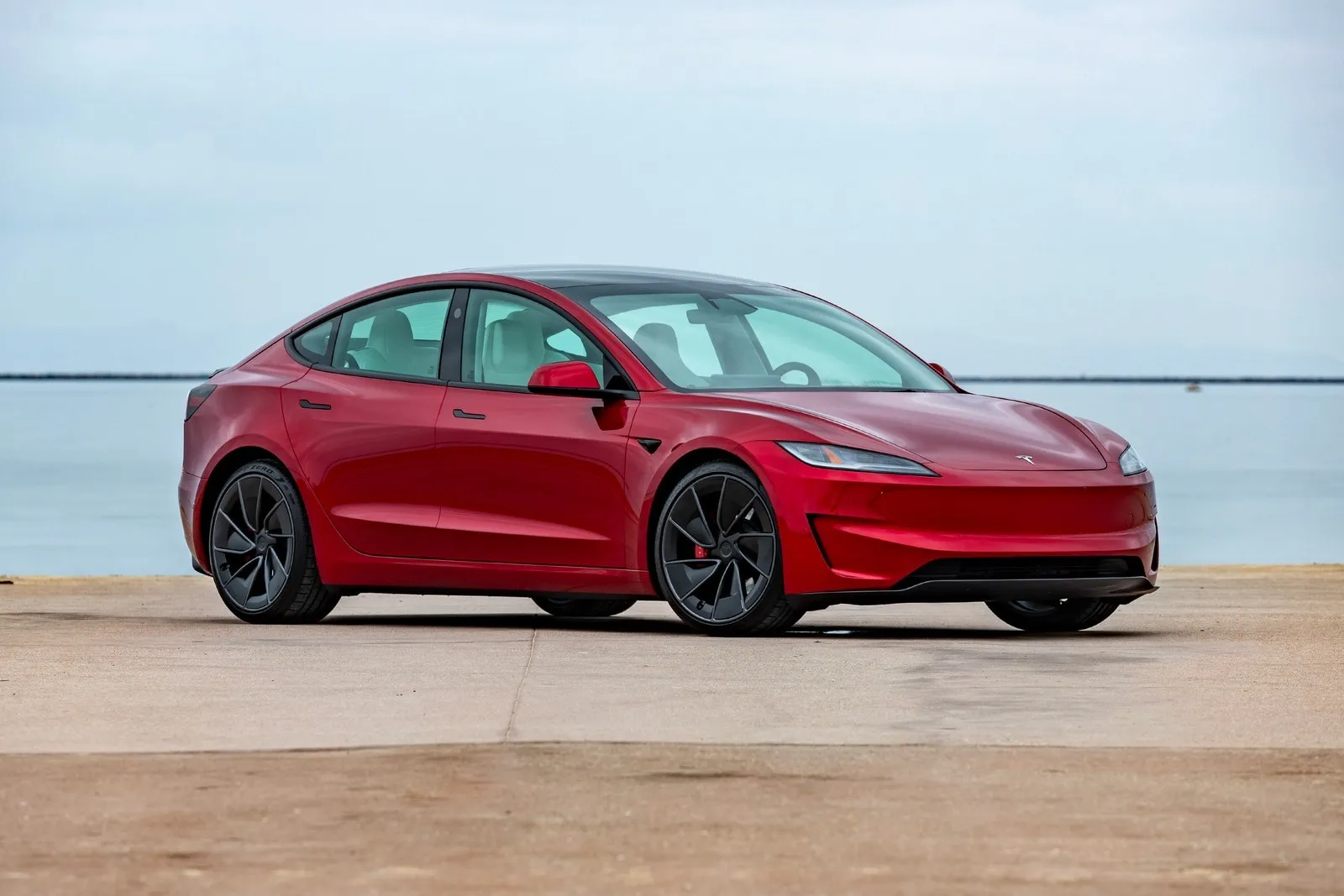
Tesla Model 3
The Tesla Model 3 has gained a strong reputation for consistent winter range performance compared to many other EVs. Its battery thermal control system works continuously to keep the pack within an efficient temperature window.
This thermal management helps reduce energy loss when ambient temperatures drop. Owners in cold climates often report that the Model 3 retains a usable portion of its typical range rather than dropping sharply overnight.
Heating efficiency in the Model 3 is supported by a heat pump system in later model years, which uses less power to warm the cabin than traditional resistive heaters. Consequently, less battery energy is diverted away from driving.
Cabin preconditioning before departure also helps reduce the need for energy consumption while on the road, preserving range. While all EVs see some reduction in cold weather, the Model 3’s combination of powertrain efficiency and thermal management helps it remain competitive.
A key benefit of the Model 3 is the energy efficiency of the drivetrain, which limits wasted energy during acceleration and in cruise. This efficiency translates to less demand on the battery, which becomes especially valuable under wintry conditions.
On long drives through cold weather, many Model 3 owners report predictable performance without extreme range loss, making it a reliable choice for those who must navigate severe winter climates quietly and with confidence.
The charging infrastructure and software updates also play a role. Frequent over‑the‑air updates have improved the Model 3’s efficiency and thermal control systems over time, helping it stay ahead in range consistency.
Tesla drivers often note that the vehicle’s app notifications and route planning tools specifically account for temperature effects, providing drivers with realistic expectations for available range even in low temperatures.
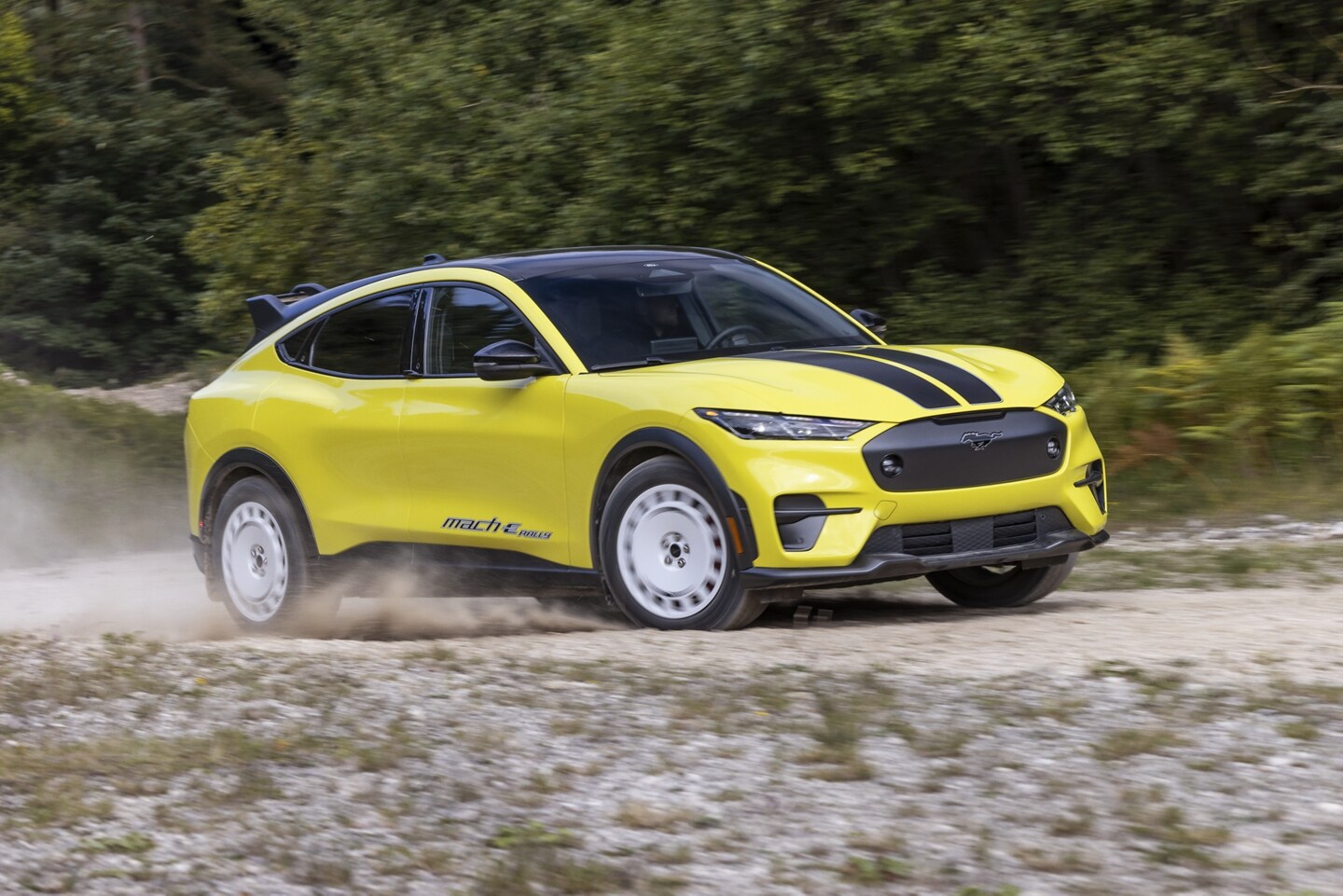
Ford Mustang Mach‑E
The Ford Mustang Mach‑E is another electric SUV that holds its range well in cold weather. Its thermal management system uses active liquid cooling and heating to keep the battery closer to operating temperatures that support efficiency. By minimizing the effects of low temperatures on the battery cells, the Mach‑E reduces the typical winter drop in range that many owners of other vehicles see.
The cabin heating system of the Mach‑E is designed to work efficiently, and in many trims a heat pump reduces the power load compared to resistive heating. This yields more usable range during cold days.
Preconditioning via the mobile app is also available, allowing a driver to warm the cabin and battery before departure without depleting the battery during driving, further enhancing real‑world winter performance.
Many drivers appreciate the Mach‑E’s balance of performance and comfort, even on snow‑covered roads. The vehicle’s all‑wheel drive option helps traction while the battery remains at a favorable temperature. In reported winter driving scenarios, the Mach‑E tends to use a moderate amount of energy relative to distance traveled, reducing the frustration of unexpectedly high range loss.
The vehicle’s powertrain efficiency plays a supporting role, as the electric drive uses energy effectively whether accelerating from a stop or cruising at highway speeds. The stability of the vehicle’s software and the adaptive systems that monitor battery health also contribute to solid performance in winter environments where other EVs might struggle more noticeably.
Owners in northern climates frequently mention that this model gives a predictable daily range even when nighttime temperatures dip below freezing. The combination of thermal management, efficiency, and thoughtful cabin heating makes the Mach‑E a strong contender for drivers who need dependable EV range throughout the winter season.
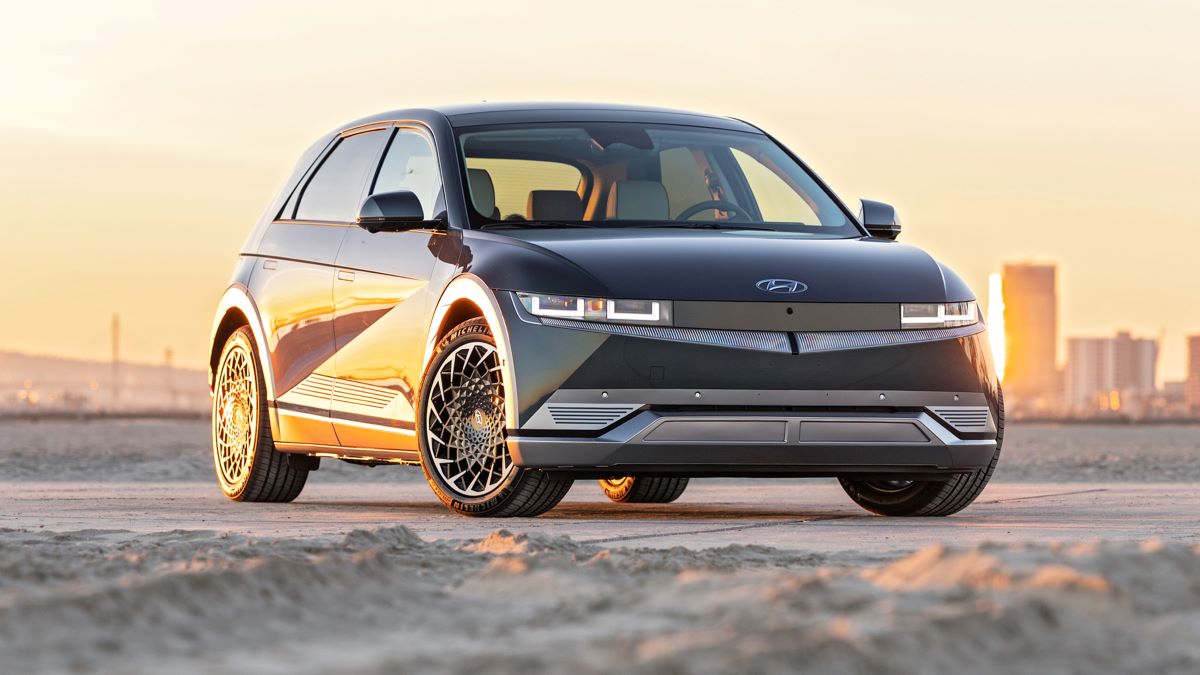
Hyundai Ioniq 5
The Hyundai Ioniq 5 consistently impresses in winter temperatures. Its battery temperature control system actively modulates heat loss and helps the pack remain in a temperature window that supports consistent driving range. This means that while some loss is inevitable in cold weather, it does not typically fall off as sharply as in vehicles without such systems.
The Ioniq 5’s heat pump is particularly effective at reducing the energy used for cabin heating. Because heating in cold weather can draw a significant portion of an EV’s energy, the presence of a heat pump is a noticeable advantage. Drivers report that heating the interior does not drain the battery as rapidly as in vehicles with traditional heating, leading to better winter efficiency.
Interior comfort is paired with practical design that helps drivers prepare for winter conditions before hitting the road. Schedule preconditioning and battery warming features allow drivers to start with the battery already in a favorable state. This can reduce early energy draw and make the rest of the drive more predictable, even on very cold mornings.
The Ioniq 5 also benefits from a generally efficient powertrain and regenerative braking system, which recovers energy when slowing down. While regenerative braking can be less effective at very low temperatures until the battery warms slightly, the balance between driving energy and regeneration remains favorable compared to many other EVs.
Drivers in regions with cold winters often choose the Ioniq 5 for its balanced performance and range reliability. Even on longer trips with sustained low temperatures, owners report being able to estimate range fairly accurately. The combination of active thermal systems and thoughtful vehicle features contribute to winter driving confidence that sets this model apart.
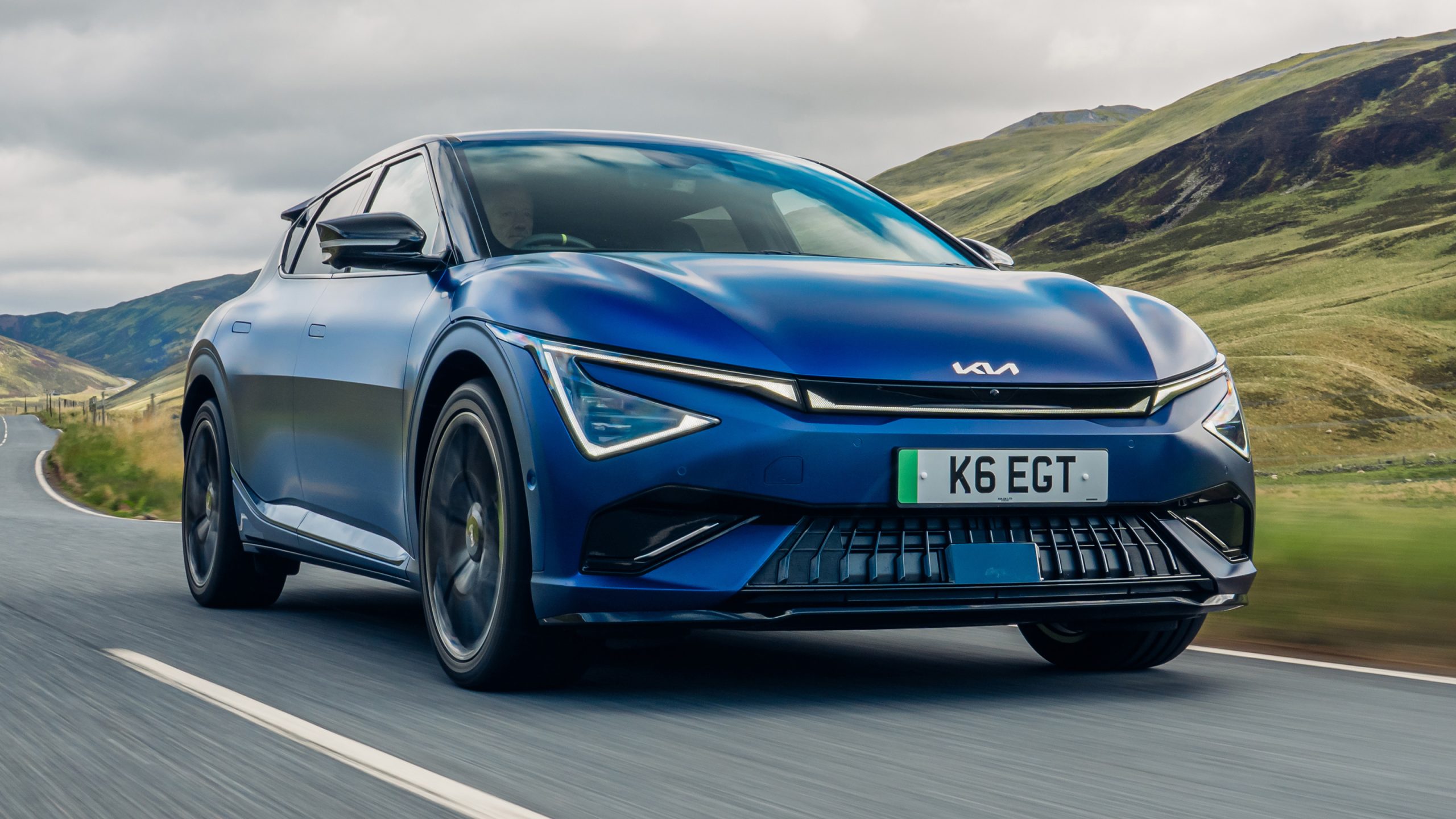
Kia EV6
The Kia EV6 is closely related to the Hyundai Ioniq 5 and shares many of its technology strengths. It uses active thermal management that helps maintain battery performance in cold weather. This system moderates temperature changes that can degrade efficiency, leading to better consistency in range compared to vehicles without similar capabilities.
The EV6 features an efficient heat pump in many configurations, which reduces energy consumption for heating the cabin. Because traditional electric heaters draw substantial power, the presence of a heat pump gives the EV6 an advantage in cold conditions. Owners often find that running the cabin heater does not impact range as drastically as they might have expected during winter drives.
Preconditioning options and smart systems allow drivers to optimize the vehicle before starting a trip. By bringing the battery up to a moderate temperature and warming the interior, initial energy draw during cold starts can be reduced. This benefit contributes to steadier consumption patterns and more reliable estimates for available range.
The EV6 also features a balanced powertrain that combines acceleration and cruising efficiency. This helps maintain energy use at reasonable levels even under demanding conditions. While regenerative braking can be limited until the battery warms, the energy picture remains more stable than in many other models.
Though all EVs see some reduction in winter performance, the EV6 consistently gives drivers a dependable sense of how far they can go even when cold temperatures persist. This dependability combined with strong efficiency makes it a desirable model for those who plan to drive in winter climates regularly.
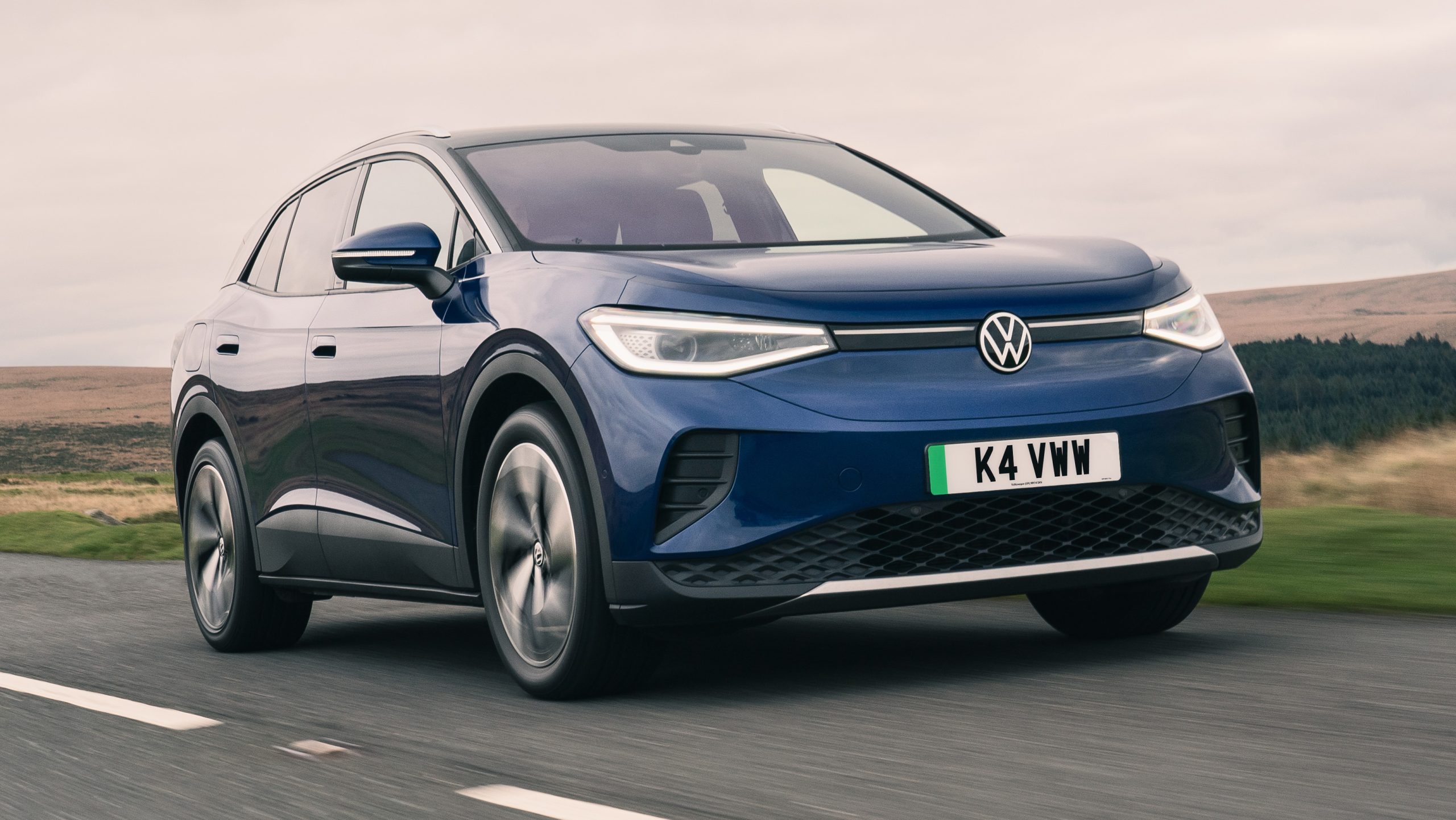
Volkswagen ID.4
The Volkswagen ID.4 manages winter range relatively well thanks to its active battery temperature control system. This thermal management works to keep the battery at useful temperatures that limit energy losses. While cold weather still has an impact, drivers tend to see a more moderate reduction in range compared to vehicles without adequate thermal systems.
A heat pump is available on many trims, which helps reduce the energy drawn by cabin heating systems. Supplemental heating systems that draw less power leave more battery energy for propulsion, improving winter range. Driver reports suggest that the ID.4’s heating strategy tends to be better balanced than many earlier electric vehicles.
Pre‑drive warming features let drivers schedule battery and cabin preparation. This lowers the energy draw while driving and helps preserve range on cold mornings. The vehicle’s software is tuned to prioritize efficiency, adjusting energy usage based on conditions that include outside temperature and driving patterns.
The ID.4’s drivetrain efficiency supports stable performance. While regenerative braking is less effective at initial cold temperatures, once the battery warms slightly, it contributes positively to energy recovery during deceleration. This effect is more noticeable in regular driving than in sudden temperature shifts, helping drivers achieve a predictably moderate winter range.
Although the ID.4 may not lead its class in every metric, it stands out as a vehicle that consistently performs without dramatic losses. Those who drive frequently in winter climates appreciate its balanced systems and range stability, making it a strong choice for drivers seeking a capable all‑around EV.
5 EVs That Tend to Underperform in Winter
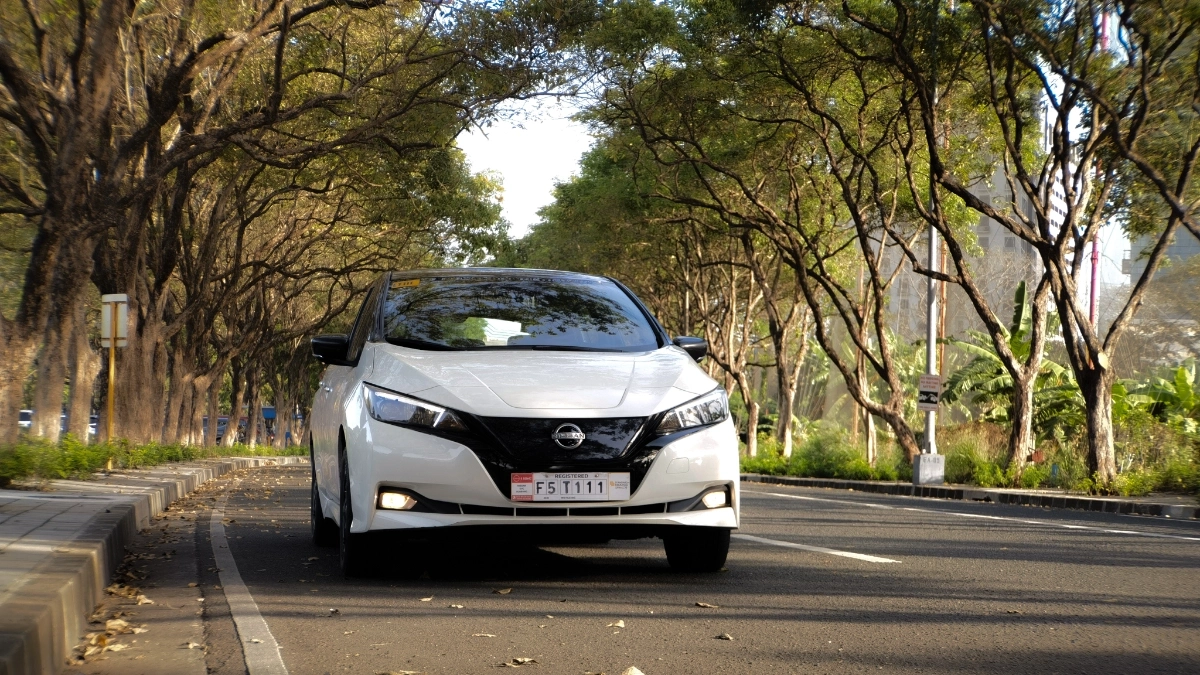
Nissan Leaf
The earlier generations of the Nissan Leaf lack active battery thermal management, which can significantly affect winter range. In cold temperatures, the battery pack cools rapidly and remains that way during driving. This can reduce the ability of the battery to deliver energy efficiently, resulting in a larger drop in range than in vehicles with thermal systems.
The Leaf’s heating system relies primarily on resistive heating, which draws significant power from the battery. In winter conditions, this can quickly deplete energy that would otherwise contribute to driving range. Drivers often notice that using the heater causes a stark drop in estimated range within a short period, especially on colder days.
Winter performance is also impacted by the Leaf’s battery chemistry, which is more sensitive to low temperatures. Without systems that actively warm the battery, the pack remains cold for longer periods and struggles to provide consistent energy. This can lead to unpredictable range estimates and more frequent charging stops.
Regenerative braking suffers in cold weather because the battery’s cold state cannot accept high rates of energy input. This reduces the effectiveness of energy recovery and increases reliance on the battery for propulsion. Drivers in winter climates report that this results in a noticeably reduced range compared to warmer conditions.
While the Leaf has advantages such as affordability and simplicity, its lack of thermal systems makes it less suitable for drivers who regularly encounter cold winter temperatures. Those who live in milder climates may find it more capable, but in freezing conditions the range loss can be a significant concern for daily driving.
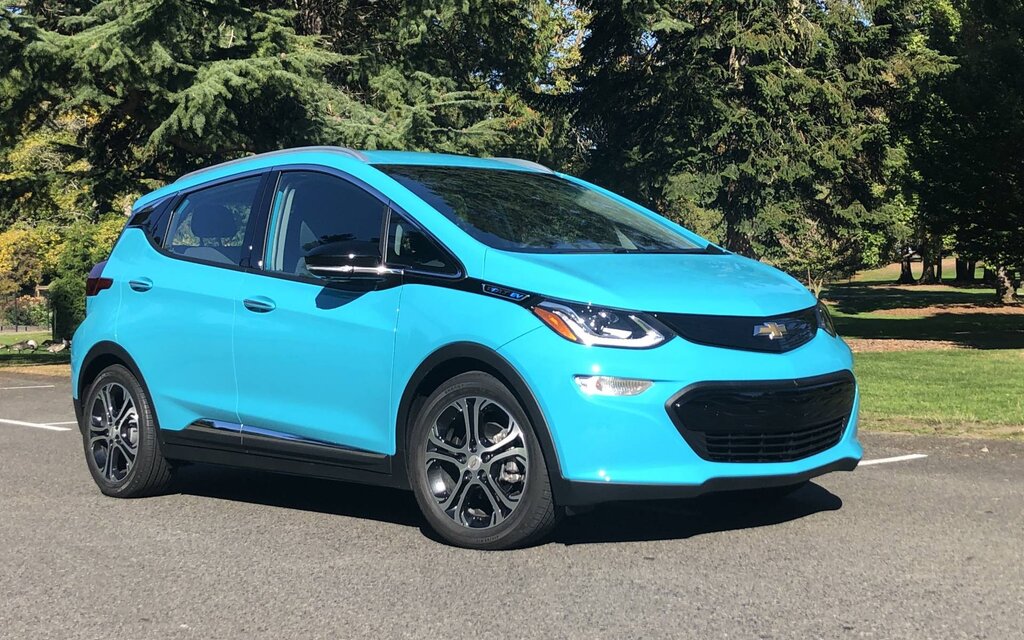
Chevrolet Bolt EV
The Chevrolet Bolt EV provides solid performance in general but can struggle with winter range due to relative inefficiencies in its thermal strategy. The Bolt lacks an active battery heating system that can moderate pack temperature under cold conditions. As a result, the battery cools quickly and leads to reduced energy availability in winter weather.
Its cabin heating system draws power from the battery without a heat pump in many trims, increasing the energy diverted away from driving range. In cold conditions this can result in faster depletion of the available charge. Driver reports often indicate a wider gap between advertised range and actual winter performance.
The Bolt’s regenerative braking is also less effective when the battery is cold. With colder cells, the battery cannot accept energy inputs as quickly, reducing the amount of recovered energy during deceleration. This means more reliance on stored charge for forward motion and less opportunity to regain energy.
Acceleration and cruising efficiency remain good in milder conditions but become less predictable as temperatures fall. Drivers may find that the range drops sharply over short periods, especially if heating systems are engaged without moderation. This contrasts with vehicles that manage these elements more seamlessly.
The Bolt’s winter range performance is adequate for shorter trips or mild temperatures. However, in sustained cold climates drivers often report noticeable losses in range. This pattern underscores the importance of thermal systems that the Bolt does not fully implement.
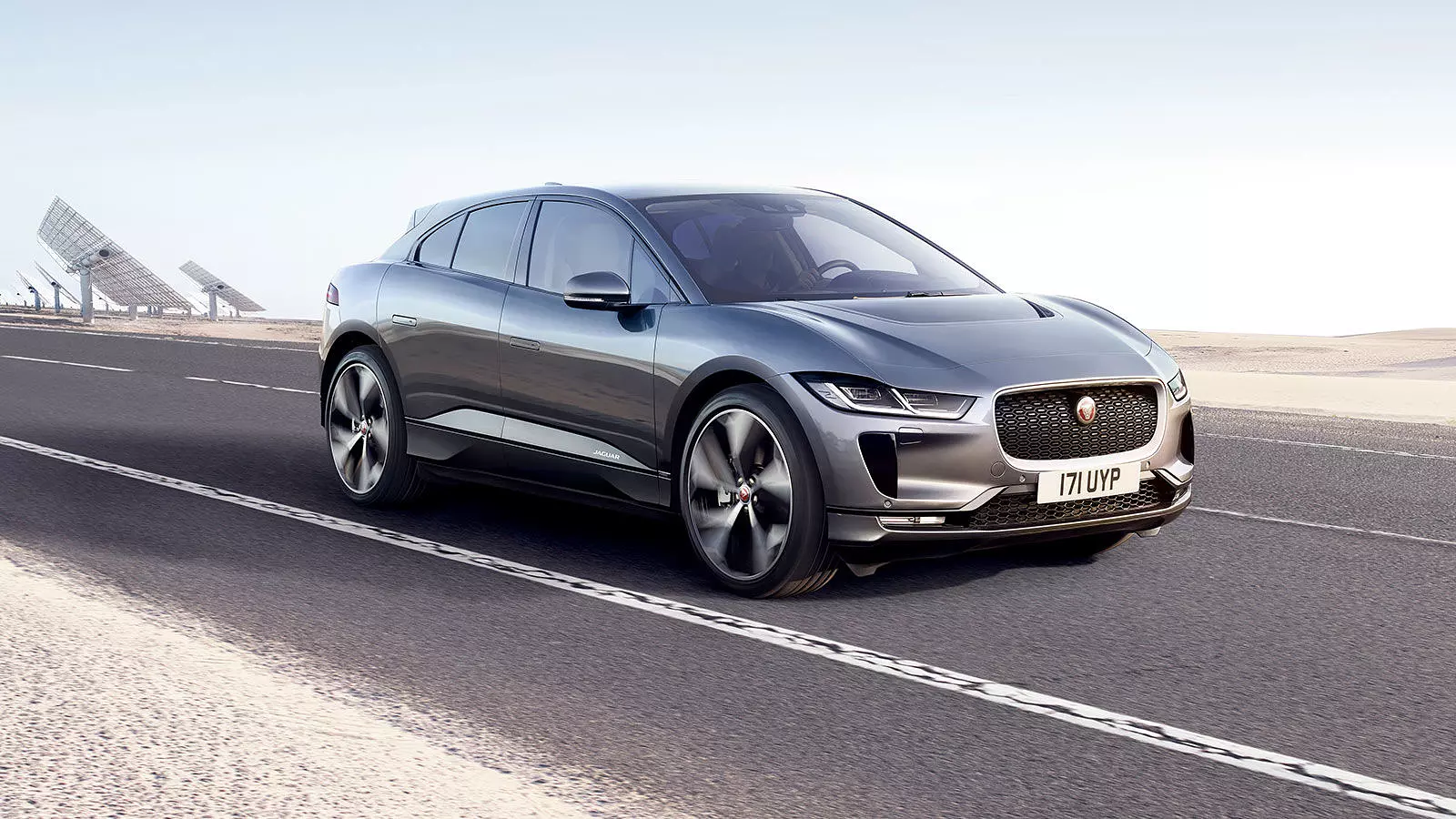
Jaguar I‑Pace
The Jaguar I‑Pace is a luxury EV with strong performance, yet its winter range can be disappointing for some drivers. While it has some thermal management elements, they do not keep the battery as warm as needed in severe cold. In winter temperatures this can lead to reduced energy delivery and lower usable range.
The I‑Pace’s cabin heater draws significant power, and while it performs well in keeping occupants warm, it also contributes to a steeper decline in range. This can be particularly noticeable on shorter winter trips where heating demands remain high relative to the energy used for driving.
Regenerative braking is part of the I‑Pace’s design, yet in low temperatures its effectiveness diminishes until the battery warms. This reduces the benefit of regenerative energy recovery, leaving drivers to rely more on stored charge. Combined with higher heating loads, the result can be a larger reduction in winter range than expected.
The performance‑oriented powertrain contributes to strong acceleration, but under cold conditions it can consume energy at a higher rate than more efficiency‑focused vehicles. When winter temperatures persist, the I‑Pace’s energy demands make range less consistent and predictable.
Drivers of the I‑Pace in cold climates often notice that it delivers a shorter range than similar vehicles with more advanced thermal systems. This reality may not be an issue in regions with mild winters, but in consistently cold weather the effects can be hard to ignore.
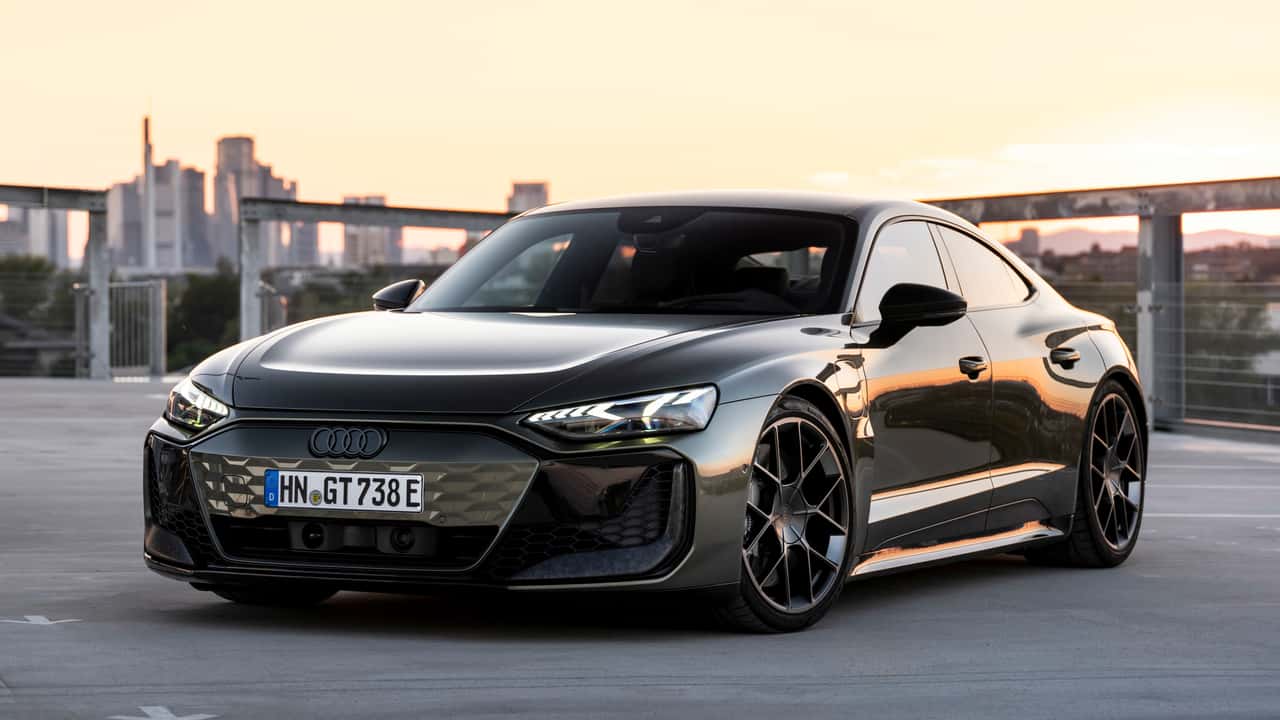
Audi e‑tron
The Audi e‑tron is a well‑built electric SUV that offers premium comfort and handling, yet its winter range performance is less impressive than some competitors. The vehicle’s battery thermal system is not as focused on extreme cold mitigation, leading to quicker cooling and reduced energy delivery when temperatures are low.
Heating systems in the e‑tron can draw substantial power in winter conditions, which adds to energy consumption. Without a highly efficient heat pump in every configuration, the cabin heater’s energy drain can significantly reduce the distance the vehicle can travel on a full charge.
Regenerative braking, designed to capture energy during deceleration, also loses effectiveness at lower temperatures. When the battery is too cold to accept energy, the system cannot return as much power to the pack. The result is lower energy recapture, increasing the demand on stored charge for propulsion.
Winter range in the e‑tron tends to be unpredictable for many drivers. Some find that the vehicle’s real‑world range falls well below expectations as soon as temperatures drop. This can create anxiety for those unprepared for frequent charging in cold weather.
While the Audi e‑tron excels in comfort and refinement, drivers living in colder regions may find its winter range performance to be a downside. Those who prioritize premium features may accept this trade‑off, but others may seek more winter‑resilient alternatives.
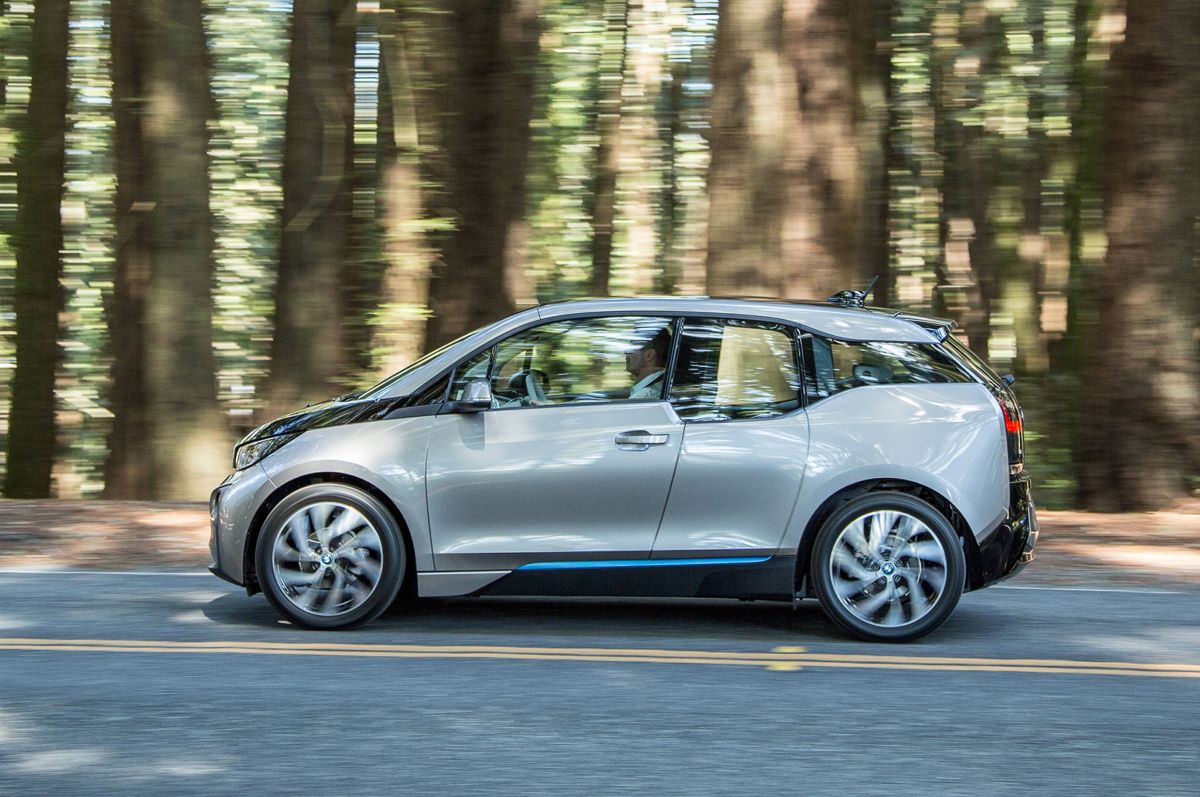
BMW i3
The BMW i3 is a distinctive electric vehicle with a lightweight design, yet its winter range can suffer due to limited thermal battery management. In cold conditions, the battery cools quickly and stays at lower temperatures, which negatively affects energy efficiency. The result is a more noticeable drop in available range compared to vehicles with stronger thermal control.
The heating system in the i3 relies on traditional electric heating elements that draw substantial power from the battery. This means that during winter driving, heating the cabin uses a large portion of the available energy, reducing what is left for propulsion. The impact is often significant enough for drivers to notice within short trips in cold weather.
Regenerative braking in cold temperatures is reduced because the battery cannot accept high charging rates until it warms. This prevents effective energy recovery during deceleration, forcing the vehicle to draw more from the battery for forward motion. Drivers feel this as an increase in consumption and a decrease in range.
The i3’s efficiency under moderate conditions is admirable due to its low weight and aerodynamic design. However, in winter, the lack of advanced temperature management and energy‑efficient heating systems undermines these benefits. The contrast between summer and winter range can be stark.
For drivers in cold weather climates, the i3 may require more frequent charging and range adjustments. While its unique design and driving character appeal to many, the winter performance limitations make range less predictable than many competing electric vehicles.