Automobile engines are marvels of engineering, designed to convert fuel into motion with precision and reliability. While many engines are built with the expectation of standard use and regular maintenance, a select group of engines are designed with an added layer of durability.
These engines go beyond normal engineering practices, incorporating overbuilt components that can withstand higher stress, extreme temperatures, and prolonged use.
Overbuilt components are parts manufactured with thicker materials, stronger alloys, reinforced fasteners, and robust design tolerances, all aimed at extending the lifespan of the engine and maintaining performance under demanding conditions.
Manufacturers often use these engines in vehicles intended for heavy-duty applications, motorsports, off-road adventures, or environments where reliability is critical. The philosophy behind overbuilt engines is simple: anticipate failure points before they occur and reinforce them to handle stresses that most engines would not survive.
In practical terms, overbuilt engines often feature upgraded crankshafts, pistons, cylinder heads, connecting rods, and valvetrain components. These elements are designed to resist wear, handle increased horsepower or torque output, and endure repeated thermal cycles without significant degradation.
For instance, a forged piston can tolerate higher combustion pressures than a standard cast piston, reducing the risk of cracking under high-performance conditions. Similarly, an over-engineered cylinder block might use thicker walls or additional reinforcement ribs to prevent flexing, which can compromise sealing and engine efficiency.
Some engines also incorporate advanced cooling systems, high-capacity oil pumps, and reinforced timing components to complement the strength of their internal structures.
The benefits of overbuilt engines extend beyond mere longevity. Vehicles equipped with such engines tend to maintain consistent performance over time, resist the effects of tuning or aftermarket modifications, and provide peace of mind in situations where reliability is non-negotiable.
These engines are particularly valued by enthusiasts who push their vehicles to the limits, whether in racing, towing, or extended off-road expeditions. While overbuilt components can add weight and cost, the tradeoff is an engine that can withstand punishment far beyond that of a standard production unit.
This makes overbuilt engines an important consideration for anyone seeking a combination of performance, resilience, and confidence in their vehicle’s heart.
In the following sections, we will examine ten engines from different manufacturers that are renowned for their overbuilt designs. Each engine represents a different approach to durability, reflecting the unique priorities of the engineers who designed them.
From V8 powerhouses in trucks to turbocharged four-cylinder workhorses, these engines provide valuable insight into what it takes to achieve long-lasting performance. By understanding the design philosophies and key components of these engines, readers can appreciate the technical achievements that make them capable of enduring demanding conditions for years without failure.
These examples serve as benchmarks for durability, offering lessons for both engineers and automotive enthusiasts alike. The engines highlighted here are not just powerful; they are testaments to the value of building strength into the very foundation of a vehicle.
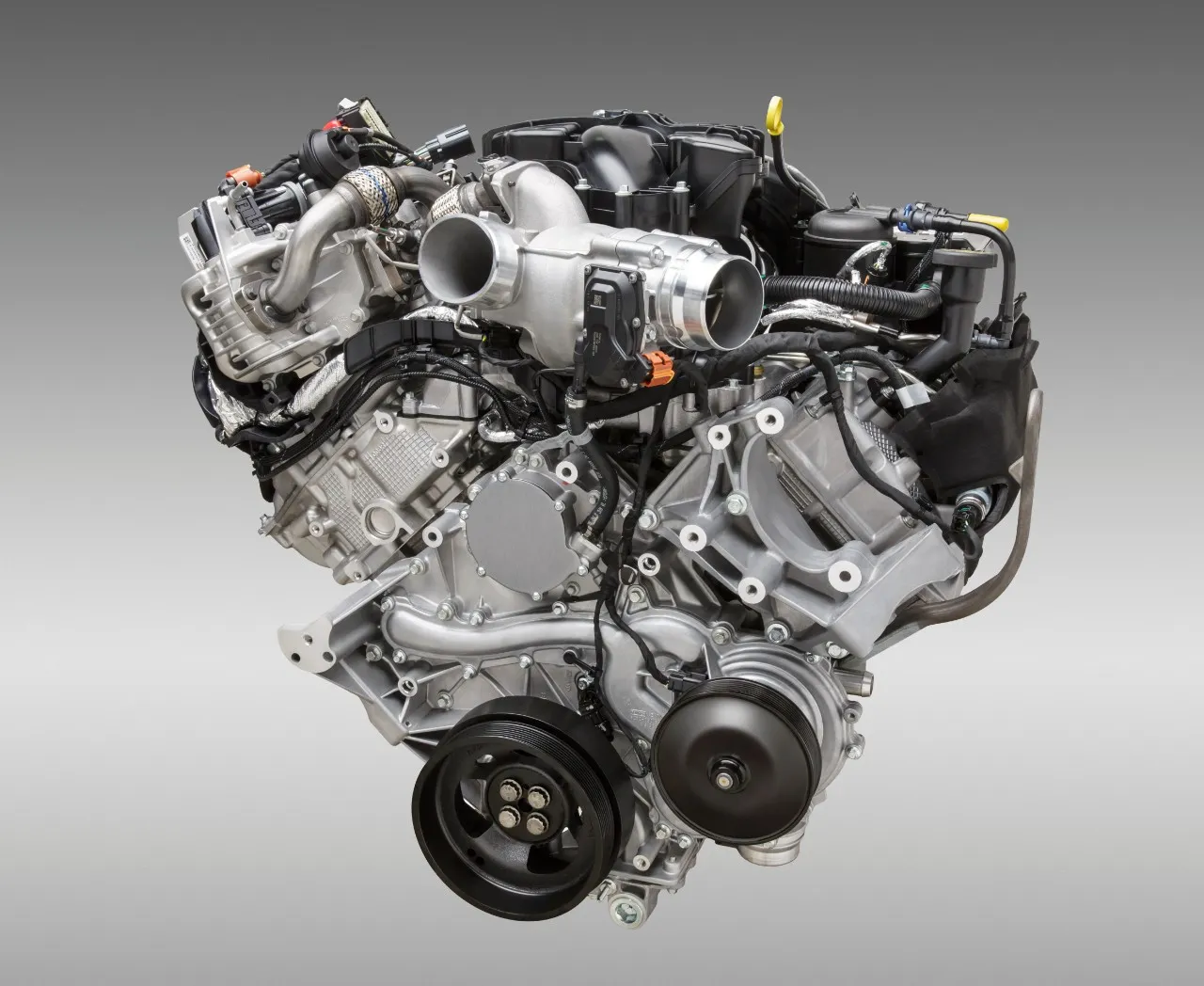
1. Ford 6.7L Power Stroke Diesel
The Ford 6.7L Power Stroke diesel engine is a staple in heavy-duty pickup applications. Designed to endure high towing loads and extended highway runs, it features a compacted graphite iron block that resists warping under extreme pressure.
The crankshaft is forged from high-strength steel, providing exceptional durability during high torque events. Its pistons and connecting rods are reinforced to handle elevated cylinder pressures generated by modern turbocharging systems.
The fuel system is engineered for precision and longevity, using high-pressure common rail technology that maintains reliability even under heavy-duty usage. Turbochargers are constructed with robust bearings and reinforced housings to resist fatigue over long service intervals.
Cooling and lubrication systems are oversized to manage heat and friction, preventing premature wear in the most demanding conditions. The design philosophy ensures the engine can deliver consistent performance even under repeated heavy loads.
Ford engineers focused on making internal components resistant to common failure modes. Cylinder heads feature high-quality alloys and extra-thick valve seats, reducing wear from constant high-pressure combustion.
The valvetrain uses hardened materials and precise tolerances to prevent fatigue. Bearings are selected to withstand high stress, and oil galleries are optimized to ensure proper lubrication in every scenario. These overbuilt elements allow the engine to operate efficiently while minimizing the risk of catastrophic failures.
The 6.7L Power Stroke also benefits from advanced emission control components without sacrificing durability. Diesel particulate filters and exhaust gas recirculation systems are designed to tolerate thermal cycling and aggressive backpressure conditions.
High-strength mounting points and reinforced accessory drives contribute to engine stability, particularly during towing or heavy-load operation. The combination of reinforced internals and robust peripheral systems makes this engine a benchmark in its class.
Owners of vehicles equipped with the 6.7L Power Stroke often report lifespans exceeding half a million miles when maintained properly. Regular oil changes and attention to fuel quality help maintain the durability inherent in the engine design.
Its reputation for surviving high-stress scenarios while retaining reliability has made it a favorite among commercial operators and enthusiasts who demand longevity from their diesel engines. This engine demonstrates how thoughtful overbuilding can produce a durable and high-performing power unit.
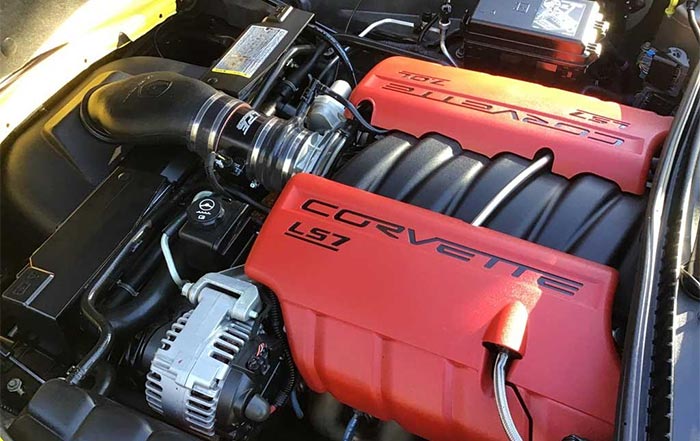
2. Chevrolet LS7 V8
The Chevrolet LS7 V8 is a high-performance engine built for both speed and strength. Its architecture relies on an aluminum block with cross-bolted main caps to maintain rigidity under extreme horsepower levels.
Forged aluminum pistons and titanium connecting rods reduce weight while handling significant combustion pressures. The crankshaft is forged from steel to withstand the high-revving demands of performance driving.
Cylinder heads are precision-ported and equipped with high-flow valves, allowing the engine to breathe efficiently without sacrificing durability.
The valvetrain uses lightweight rocker arms and strong valve springs, reducing stress while maintaining precise control. The oiling system is designed to ensure consistent lubrication across the engine, even during aggressive cornering or high RPM operation.
Heat management is a critical aspect of the LS7’s design. Large coolant passages and an efficient oil pump help control temperatures, preventing thermal fatigue on internal components.
Reinforced gaskets and seals are used throughout the engine to handle the pressures associated with high-performance operation. This careful attention to detail reduces the likelihood of leaks and long-term wear.
The LS7 also incorporates overbuilt ancillary components, including a robust timing chain and high-strength fasteners. These components ensure that the engine’s internal timing remains precise even under prolonged high-stress operation.
The combination of strength, lightweight construction, and precision engineering allows the LS7 to deliver high performance without compromising reliability.
Drivers and enthusiasts value the LS7 for its combination of power and durability. Its overbuilt nature allows for modifications that increase horsepower without risking catastrophic engine failure. The lessons learned from this engine have influenced the design of subsequent high-performance GM engines, emphasizing the importance of strength in performance-oriented applications.
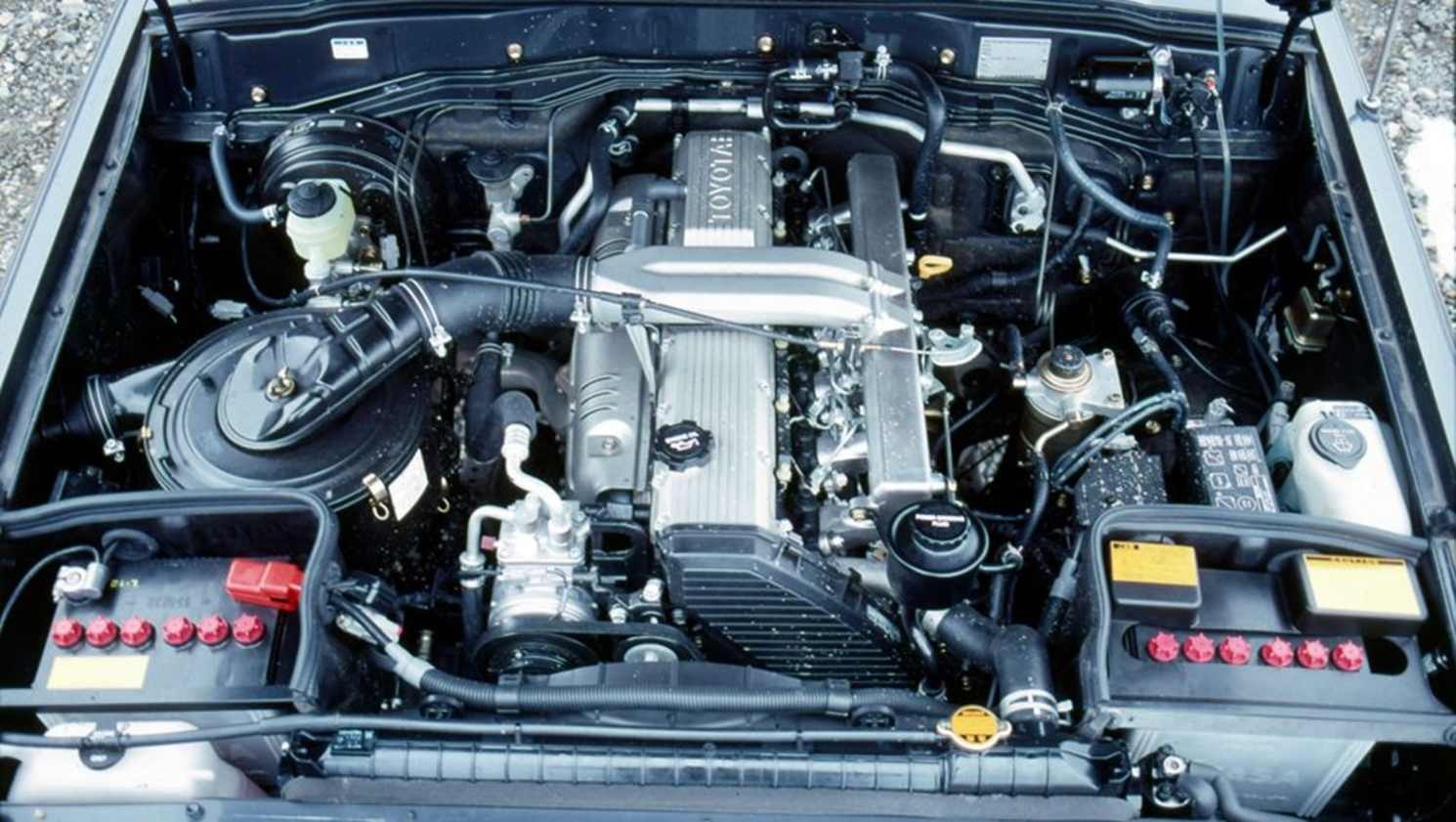
3. Toyota 1HZ Diesel
The Toyota 1HZ diesel engine has earned a reputation for unwavering reliability, particularly in off-road and commercial applications. Built for longevity rather than peak performance, the 1HZ relies on a cast-iron block that provides immense strength under continuous heavy loads.
The crankshaft is forged and balanced, reducing vibration and minimizing stress during prolonged operation. Pistons are designed to handle high compression ratios common in diesel engines, and the connecting rods are reinforced to prevent bending under repeated torque cycles.
Cylinder heads are simple yet incredibly durable, employing robust valve seats and hardened guides to maintain performance over hundreds of thousands of kilometers.
The valvetrain operates with hydraulic lifters, reducing maintenance demands while protecting against excessive wear. Its timing mechanism is mechanical and straightforward, favoring reliability over complexity. These design choices contribute to an engine that can operate for decades with basic maintenance.
Cooling and lubrication systems are overbuilt for extreme conditions. A large water pump circulates coolant efficiently even under high ambient temperatures, while a high-capacity oil pump ensures that bearings and moving parts remain well-lubricated.
The engine’s oil galleries are oversized and positioned to minimize oil starvation in any operating position, including steep inclines common in off-road use. Such design foresight reduces the risk of premature component failure.
The 1HZ is also resistant to fuel variations, a critical feature for regions with inconsistent diesel quality. The injection pump is designed for longevity, and components exposed to combustion are hardened to resist carbon buildup and wear.
Exhaust components are equally robust, capable of withstanding repeated thermal cycles without cracking. Every aspect of the engine is focused on creating a unit that can endure abuse while maintaining operational reliability.
Owners frequently report engines lasting over 500,000 kilometers with routine oil and filter changes, demonstrating the strength of the overbuilt design philosophy. Its continued use in Land Cruisers, heavy-duty trucks, and expedition vehicles around the world is a testament to the engine’s durability.
The Toyota 1HZ exemplifies how overbuilding components for simplicity and strength can result in an engine that thrives in harsh conditions while requiring minimal attention.
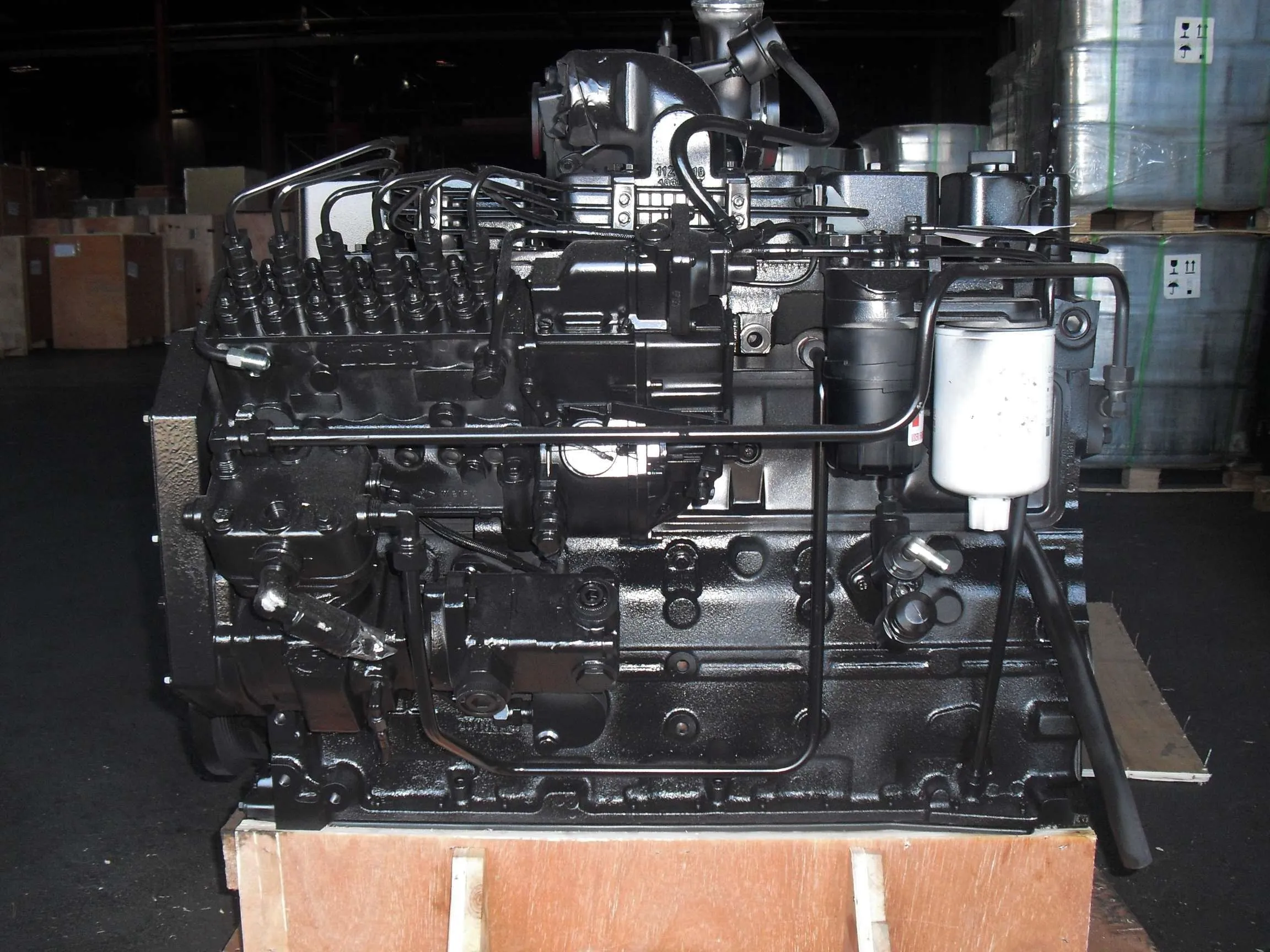
4. Cummins 6BT 5.9L Diesel
The Cummins 6BT 5.9L engine has been an icon in the world of diesel power for decades, particularly in trucks and industrial vehicles. Its cast-iron block offers exceptional rigidity, and the forged steel crankshaft can handle extreme torque without deformation.
Pistons are forged and feature heavy-duty rings to maintain compression under prolonged operation, while the connecting rods are thick and stress-resistant, contributing to the engine’s longevity.
Cylinder heads are constructed from high-grade cast iron with oversized valve seats, making them less prone to wear during high-mileage operation. The valvetrain is simple and strong, avoiding overly complex components that could fail under heavy use. Valve springs and guides are engineered to tolerate repeated high-stress cycles, ensuring that performance remains consistent for years.
The 6BT also features a robust fuel system, with mechanical injection pumps designed for reliability rather than sheer efficiency. Turbochargers, when included, are made with reinforced housings and heavy-duty bearings to resist fatigue.
Cooling and lubrication systems are oversized, ensuring the engine maintains stable temperatures and prevents premature component failure even under heavy towing or continuous operation.
Maintenance is straightforward, thanks to the engine’s simple design and durable components. Regular oil and filter changes, along with periodic inspection of fuel and cooling systems, are sufficient to keep the engine running reliably. This simplicity combined with overbuilt components is a primary reason for the 6BT’s widespread adoption in commercial, agricultural, and off-road environments.
The engine’s reputation is built on decades of evidence showing engines surpassing 750,000 kilometers with minimal major repairs. Its combination of reinforced internal parts, reliable fuel delivery, and efficient cooling demonstrates how overbuilt components can create an engine capable of decades of dependable operation.
For anyone needing a workhorse that prioritizes durability above all else, the Cummins 6BT stands as a premier example of engineering for longevity.
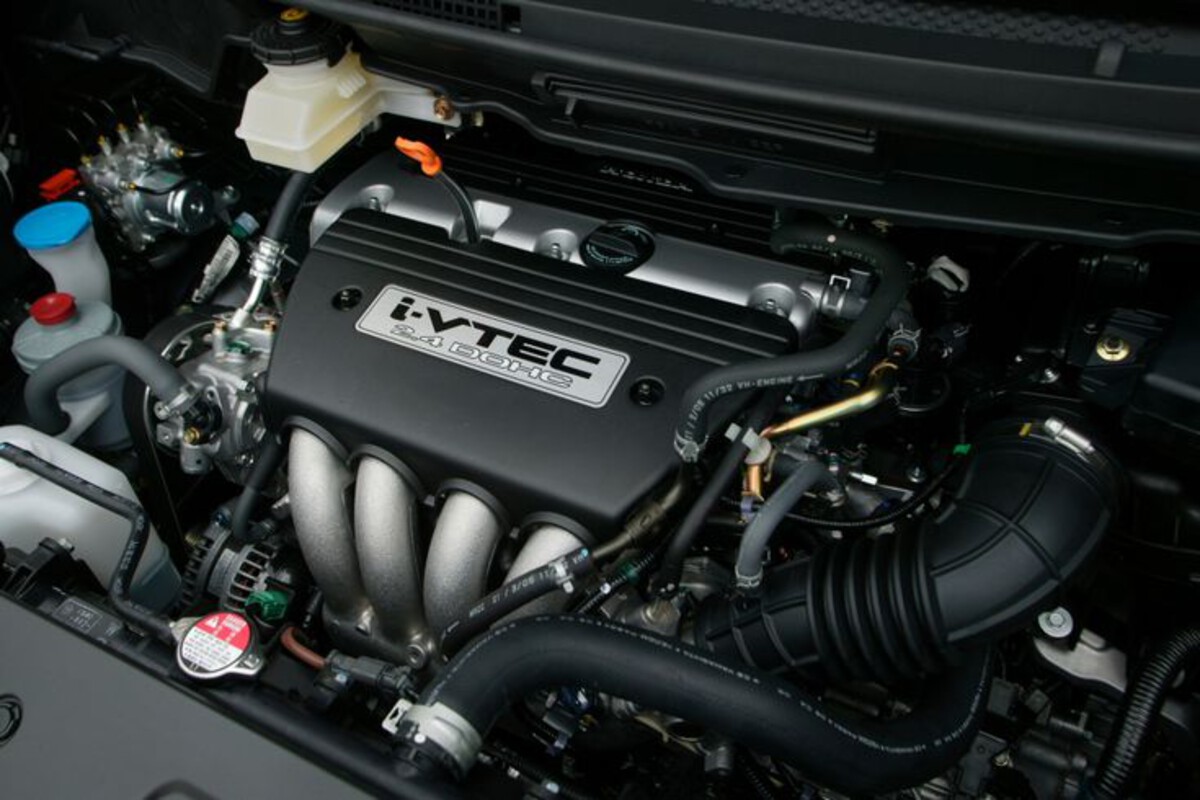
5. Honda K20 Series
The Honda K20 series of engines are often associated with performance, yet they are also renowned for overbuilt components that provide exceptional durability. The block is constructed from high-strength aluminum, reinforced with thicker cylinder walls to resist wear from high-rev operation.
Forged steel crankshafts and lightweight connecting rods contribute to balance and strength while allowing the engine to handle aggressive driving without internal damage.
Cylinder heads feature high-flow ports and robust valve train components. The intake and exhaust valves are crafted from hardened materials to resist wear under high RPM stress, and the camshaft is engineered for precision and durability. Timing chains are reinforced to avoid elongation, maintaining valve timing accuracy over long lifespans.
Cooling and lubrication systems are carefully designed to reduce thermal stress. A high-capacity water pump and optimized oil galleries ensure consistent circulation, preventing hotspots that could damage components. Pistons are forged and designed for controlled expansion under heat, reducing the risk of scoring or seizure during heavy driving. The combination of these overbuilt features allows enthusiasts to extract power without compromising reliability.
Even with aftermarket modifications, K20 engines can remain reliable for hundreds of thousands of kilometers if maintained correctly. Honda’s design philosophy emphasizes tight tolerances and quality materials, which translates to a power unit that resists premature wear while providing consistent performance. The engine’s durability and overbuilt characteristics have made it popular among tuners and daily drivers alike.
The K20 demonstrates that overbuilding does not require massive or heavy components; careful engineering, high-quality materials, and precise manufacturing can achieve a balance of strength, efficiency, and performance. Its reputation for surviving long-term high-rev use shows that overbuilt design can exist in compact, high-output engines without unnecessary bulk or weight.
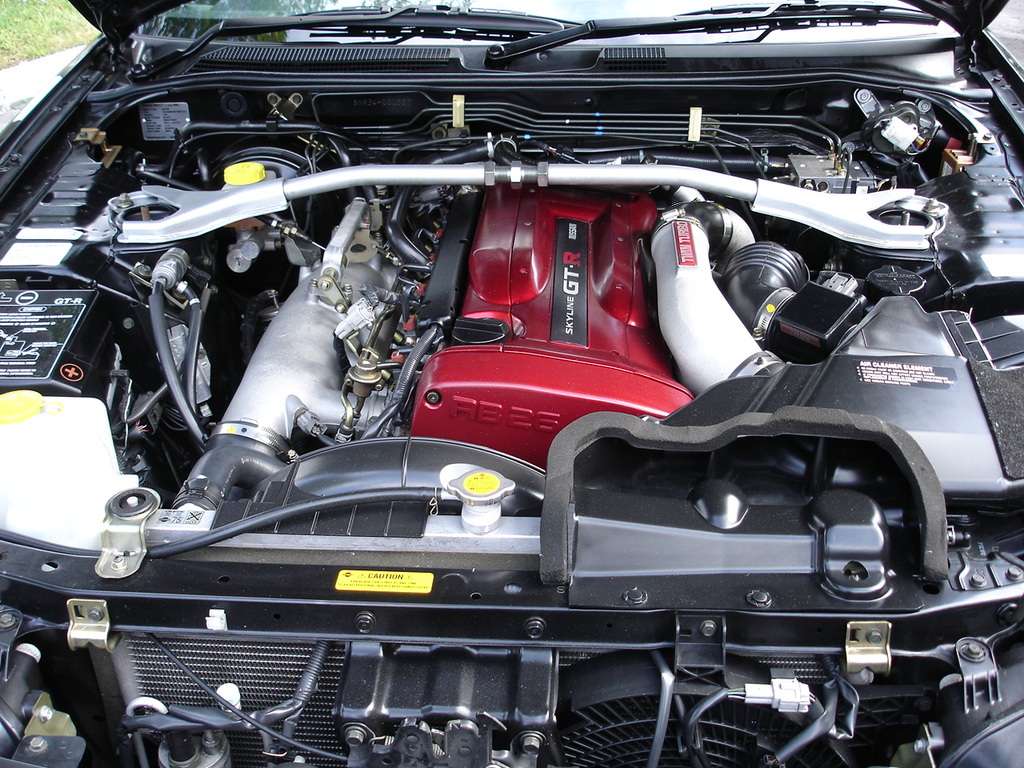
6. Nissan RB26DETT
The Nissan RB26DETT is a legendary inline-six engine, celebrated not only for its performance potential but also for its durability under extreme conditions. The engine block is made from high-strength cast iron, reinforced to withstand high cylinder pressures typical of turbocharged operation.
Its forged steel crankshaft is designed to tolerate elevated RPMs and torque, while the connecting rods are robustly engineered to resist bending and fatigue. Pistons are forged and feature reinforced skirts, allowing the engine to sustain repeated high-stress combustion cycles without cracking.
Cylinder heads are precision-machined from aluminum alloys, with strengthened valve seats and guides capable of enduring repeated high-temperature cycles. The dual overhead camshafts are supported by solid bearings and maintain precise timing even under high boost pressures.
The valvetrain uses strong springs and lightweight rocker arms, allowing it to cope with aggressive tuning without failure. Timing chains are reinforced to maintain alignment over long durations, reducing the risk of catastrophic timing-related damage.
Cooling and lubrication systems in the RB26DETT are intentionally overbuilt to handle the extra heat generated by turbocharging. Large oil galleries, high-capacity oil pumps, and efficient water jackets keep components within safe thermal limits.
Turbochargers are mounted on reinforced flanges with durable bearings to resist fatigue, while intercoolers and coolant pathways are designed to maintain efficiency under high thermal loads. These systems ensure that the engine remains stable even under prolonged spirited driving or racing conditions.
The fuel system is designed for precision and endurance, with high-pressure injectors and a durable fuel rail that maintain optimal combustion. The combination of robust internals and supporting systems allows the RB26DETT to consistently produce high horsepower while resisting wear that might otherwise compromise longevity.
Enthusiasts have reported engines exceeding 300,000 kilometers with modifications, demonstrating the overbuilt nature of the components.
This engine shows that performance and durability can coexist when engineers focus on overbuilding critical components. From the forged crankshaft to reinforced pistons and heads, the RB26DETT exemplifies an engine capable of delivering extreme power while retaining remarkable reliability.
Its design has influenced the creation of other turbocharged performance engines, proving that careful reinforcement of internal components is essential for both longevity and performance.
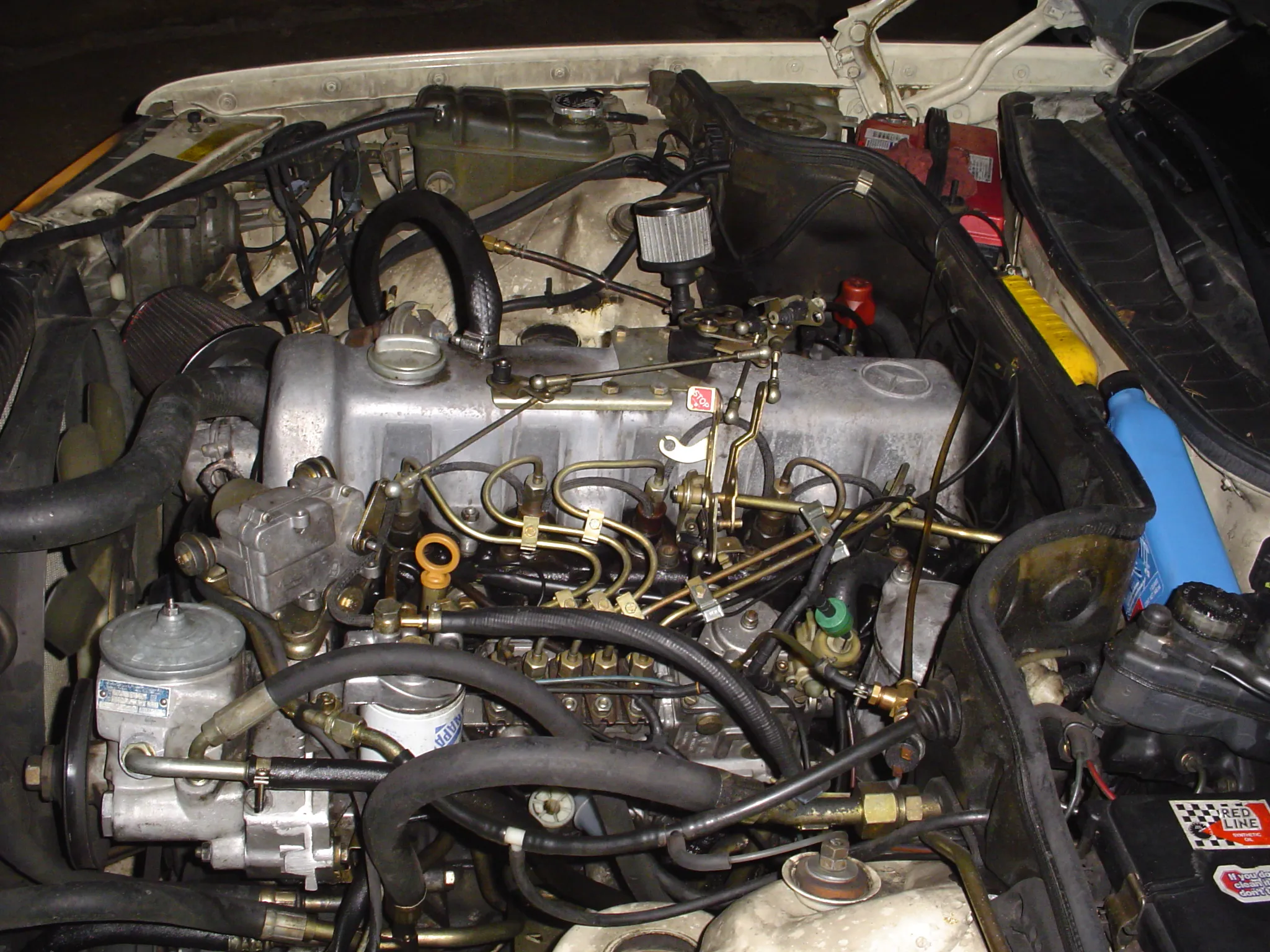
7. Mercedes OM617 Diesel
The Mercedes OM617 diesel engine is an icon of durability, known for surviving hundreds of thousands of miles with minimal issues. Its cast-iron block provides enormous strength and rigidity, while the forged steel crankshaft and robust connecting rods withstand extreme torque without distortion.
Pistons are designed to handle high compression ratios, and the cylinder heads feature hardened valve seats and guides to reduce wear from continuous operation.
The valvetrain of the OM617 is intentionally simple and robust. Pushrods and rocker arms are built to resist bending and fatigue, ensuring reliable operation even under heavy load. Timing gears are durable and maintain synchronization over long periods, minimizing maintenance needs. This simplicity contributes to the engine’s legendary reliability and ease of repair in remote locations.
Overbuilt cooling and lubrication systems help the engine manage heat efficiently. The oil pump is oversized, providing consistent pressure across all bearings and critical components. Large coolant passages reduce hotspots and prevent thermal fatigue, particularly important in diesel applications where combustion temperatures are high. These systems ensure that the OM617 can handle extreme conditions without internal failure.
Fuel delivery components are constructed with longevity in mind. Mechanical injection pumps, durable injectors, and reinforced fuel lines maintain reliable combustion over decades of operation. Exhaust components are also reinforced to resist thermal cycling and prevent cracks, a common failure point in lesser-built engines. This holistic approach to durability ensures that each part complements the others.
The OM617’s overbuilt design has made it a favorite among enthusiasts and professionals alike. Vehicles equipped with this engine often reach milestones of over 700,000 kilometers without major repairs. Its reputation is built on decades of practical evidence, proving that when every component is engineered for strength and reliability, an engine can continue performing under extreme stress for generations.
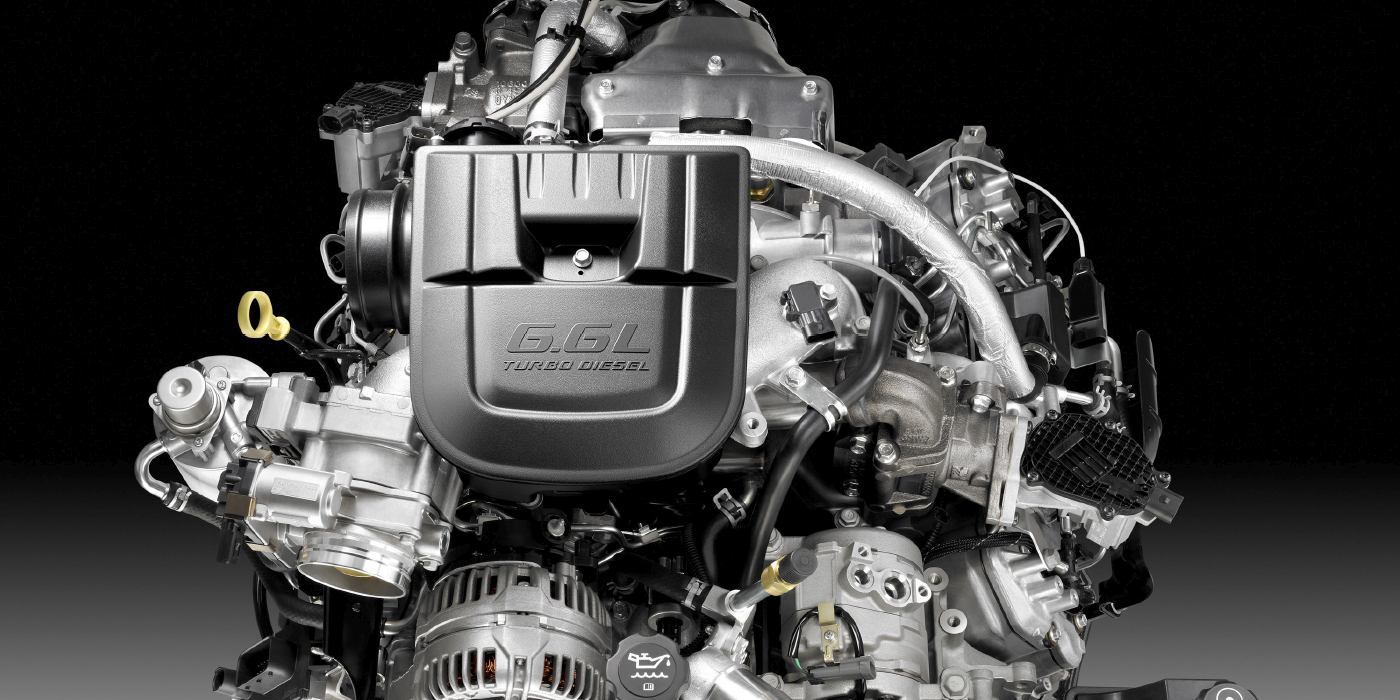
8. GM Duramax 6.6L LLY/LBZ
The GM Duramax 6.6L diesel, particularly the LLY and LBZ variants, is renowned for its overbuilt components and longevity. The engine block is cast from high-strength iron, capable of withstanding high compression pressures typical of turbo-diesel operation.
Forged steel crankshafts and reinforced connecting rods handle extreme torque loads without flexing or failure. Pistons are forged and feature thick skirts and reinforced crowns for enhanced durability.
Cylinder heads incorporate heavy-duty valve seats and hardened guides, ensuring long-term performance even under high boost levels. The valvetrain uses strong springs and durable rocker arms to maintain valve timing integrity, and the timing system is designed for minimal elongation over the engine’s lifespan. These components work together to create an engine that can survive repeated high-stress operation.
Cooling and lubrication systems are oversized to manage heat and friction under heavy-duty conditions. High-capacity oil pumps, reinforced galleries, and efficient water jackets prevent hotspots and ensure uniform temperature distribution.
Turbochargers are designed with robust bearings and housings to resist failure under repeated thermal and mechanical stress. These systems allow the Duramax to remain reliable during towing, commercial use, or performance tuning.
The fuel system is precision-engineered, with durable injectors and reinforced rails capable of maintaining consistent pressure over time. The injection pump and turbocharger system are carefully matched to prevent overloading components, further extending engine life. Maintenance is straightforward, with engines showing lifespans exceeding 500,000 kilometers when properly cared for.
Owners value the Duramax for its combination of power, efficiency, and unmatched durability. Its overbuilt design allows the engine to endure conditions that would quickly compromise lesser diesel engines.
The LLY and LBZ versions serve as prime examples of how reinforcing critical internal components can produce an engine capable of enduring high-performance or heavy-duty applications while maintaining long-term reliability.
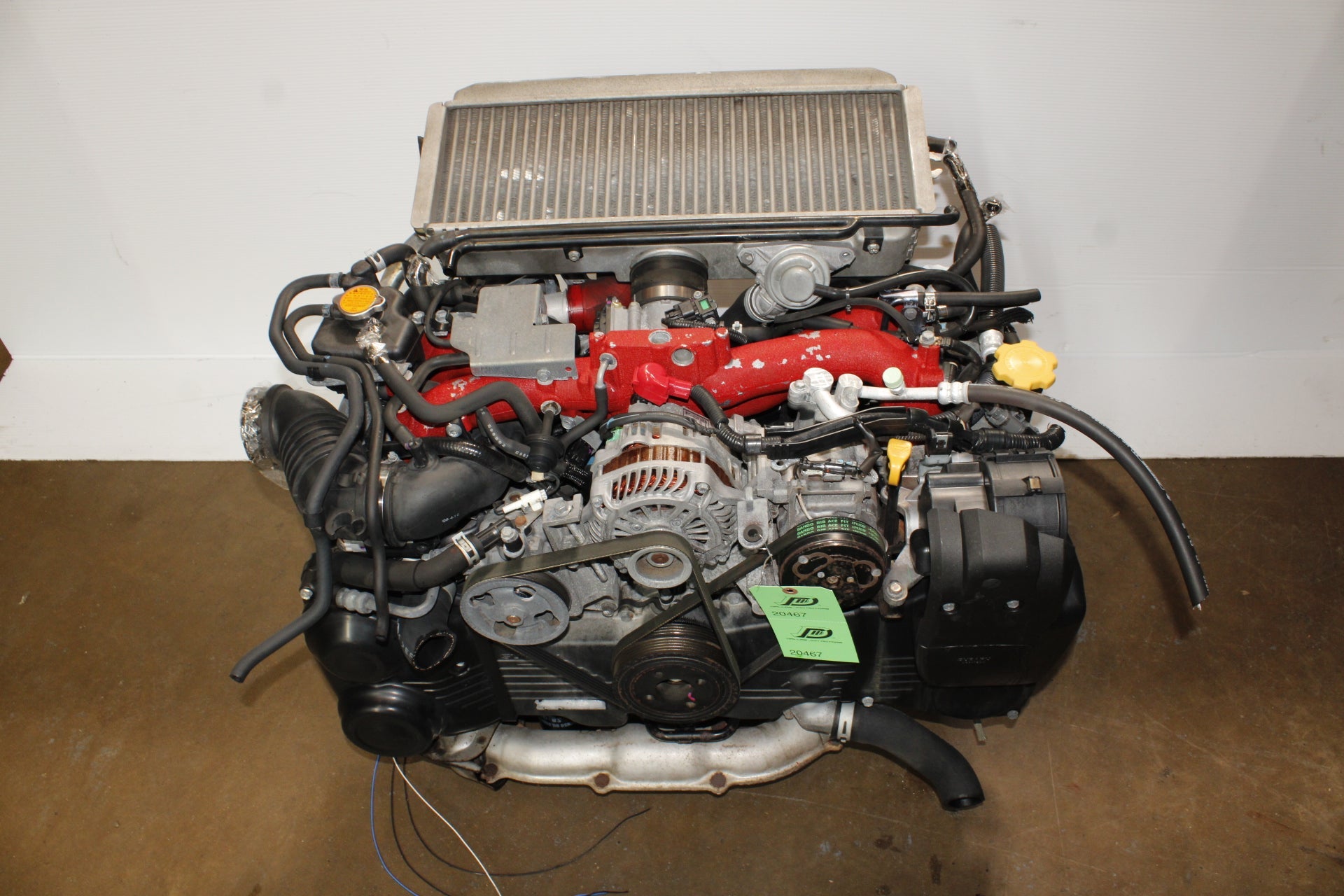
9. Subaru EJ25 Turbo
The Subaru EJ25 turbocharged engine has been used extensively in performance-oriented vehicles while maintaining a reputation for durability when engineered correctly. Its aluminum block is reinforced in high-stress areas to resist cylinder distortion, while the crankshaft is forged from steel for strength under boost. Pistons are often forged or high-strength cast, and the connecting rods are robustly designed to withstand high cylinder pressures.
Cylinder heads are reinforced, with hardened valve seats and guides to cope with high-rev, turbocharged operation. The valvetrain uses strong springs and reliable camshafts to maintain precise timing even under aggressive driving.
Timing belts or chains are engineered for durability, reducing the likelihood of failure during long-term use. These features make the engine capable of handling substantial modifications without compromising reliability.
Cooling and lubrication systems are carefully overbuilt. High-capacity oil pumps and optimized oil galleries ensure adequate lubrication to all critical moving parts, while enhanced water jackets reduce hotspots and thermal stress. Turbochargers are supported by reinforced housings and bearings to handle high exhaust temperatures. These design choices maintain engine integrity under continuous high-performance use.
Fuel delivery and ignition systems are engineered for longevity. High-pressure injectors, reinforced fuel rails, and robust ignition components ensure consistent combustion under stress. With proper maintenance, the EJ25 turbo has been reported to reach over 400,000 kilometers without major failures, demonstrating the strength of its overbuilt components.
The EJ25 turbo exemplifies how a compact, high-output engine can achieve durability through careful reinforcement of internal components. It balances performance potential with structural integrity, proving that even engines designed for sporty applications can benefit from overbuilt engineering practices. Enthusiasts appreciate the combination of tunability, power, and resilience inherent in this design.

10. Volkswagen 2.0 TDI
The Volkswagen 2.0 TDI engine with Pumpe Düse injection has long been recognized for its robust construction and ability to handle high mileage. Its cast-iron block provides significant structural rigidity, while the forged steel crankshaft and reinforced connecting rods handle elevated cylinder pressures without distortion.
Pistons are cast for strength and thermal resistance, allowing the engine to maintain performance under constant diesel combustion conditions.
Cylinder heads feature durable valve seats and guides to withstand repeated high-temperature cycles. The valvetrain is simple and strong, relying on reinforced components to maintain timing integrity for hundreds of thousands of kilometers. Timing chains are engineered for minimal elongation, reducing the risk of misalignment and valve damage. These overbuilt features contribute to the engine’s reputation for reliability.
Cooling and lubrication systems are oversized to ensure consistent operating temperatures and optimal lubrication. Oil galleries are positioned to prevent starvation during prolonged operation, and water jackets provide effective heat dissipation.
Turbochargers are reinforced to endure high exhaust temperatures and pressure, maintaining reliability under load. These systems ensure the engine can perform consistently in heavy-duty driving or harsh climates.
Fuel delivery components are engineered for precision and endurance. The Pumpe Düse system uses durable high-pressure injectors and robust fuel rails to maintain accurate injection timing over long periods.
Regular maintenance is straightforward, with many engines surpassing 500,000 kilometers without major repairs. The combination of reinforced internals and reliable systems makes the 2.0 TDI an example of practical overbuilt engineering in a small-displacement diesel.
Volkswagen’s focus on strengthening critical components demonstrates how careful material selection, component design, and system integration create a durable engine capable of withstanding years of demanding use. The 2.0 TDI shows that even engines designed for efficiency and everyday driving can benefit greatly from overbuilt engineering principles.