Some modern cars achieve the rare balance of honoring the past while embracing the future. Top 10 Modern Cars With Retro Styling That Will Age Gracefully showcases vehicles that combine heritage-inspired design with advanced performance, technology, and comfort.
From the Porsche 911’s elegant silhouette to the Ford Bronco’s rugged, functional shape, these cars maintain visual appeal through timeless proportions and purposeful details. Rounded headlights, distinctive rooflines, and classic body shapes are paired with modern engineering to deliver reliability and usability for today’s roads.
Vehicles such as the Alpine A110, Hyundai Ioniq 5, and Toyota Land Cruiser illustrate how nostalgia can be integrated with contemporary innovation. These cars offer drivers both a connection to automotive history and modern-day practicality, proving that thoughtful design can transcend trends and remain stylish for years to come.
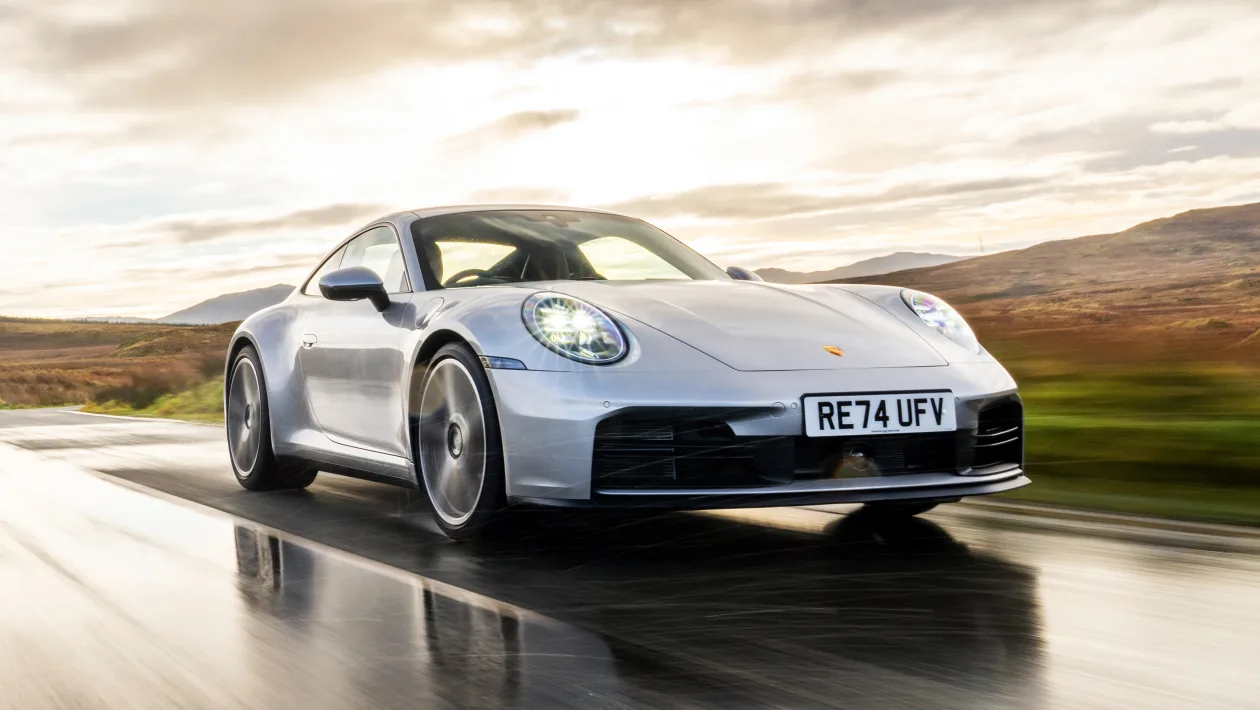
1. Porsche 911 (992): Timeless Design Meets Modern Performance
The Porsche 911 (992) exemplifies evolutionary design, preserving the iconic silhouette introduced in 1963. Its distinctive flyline roof, rear-engine layout, and smooth organic curves create a car that resists fleeting trends.
The 992 generation incorporates modern touches such as wide-body fenders, a full-width LED rear light bar, and a flatter, wider stance that recalls the 993, while remaining suitable for vintage concours events or contemporary racetracks. By focusing on elegance and proportion, the 911 maintains a timeless presence.
In terms of design, the 992 blends retro cues with advanced technology. Its wider, muscular body and sharply angled bonnet evoke classic 911s, while the rear features a single-piece light strip, and the interior combines digital dashboards with the traditional five-dial layout.
Special editions like the Sport Classic, which references the 1973 Carrera RS 2.7, enhance its nostalgic appeal. Smooth curves and purposeful lines replace jagged shapes, ensuring the car retains its visual appeal over time.
Performance is a defining feature of the 992. Aluminum body panels reduce weight, and the Porsche Active Suspension Management system delivers precise handling. Turbocharged engines produce high power, with the 444bhp Carrera S accelerating from 0 to 62 mph in 3.5 seconds when equipped with the Sport Chrono pack.
The rear-engine configuration, slightly shifted forward to accommodate the eight-speed PDK gearbox, continues to define the 911’s unique driving dynamics. High-speed stability is exceptional, steering is light yet precise, and traction control allows controlled oversteer. The Wet Mode keeps handling predictable in damp conditions, enhancing driver confidence.
Driving the 992 quickly dispels early concerns about its larger size, wider tires, and digital-focused cockpit. On track, it delivers an engaging and precise experience. The updated B6 3.0-liter flat-six turbo engine provides instant response and minimal turbo lag, while new exhaust and induction systems amplify the flat-six sound, making it both powerful and characterful.
Inside, the 911 features a horizontally oriented dashboard reminiscent of older models, retro toggle switches, and a large modern infotainment screen. This combination of heritage and technology ensures comfort and usability for daily driving as well as track performance.
The 992 proves that Porsche can evolve its flagship sports car while preserving the design, driving experience, and technological refinement that have made the 911 an automotive icon.
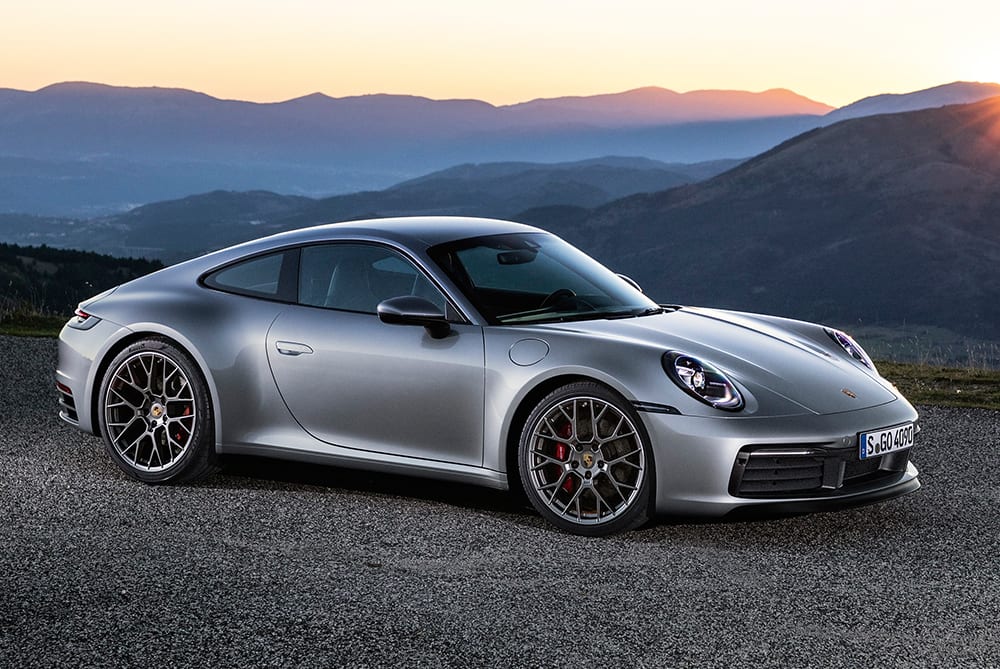
2. Ford Bronco: Retro Design with Modern Capability
The Ford Bronco revival in 2021 successfully captures the spirit of the original 1966 model. Designers used life-sized digital scans of the first-generation Bronco to preserve its boxy, modular proportions.
Signature round headlights, flat bodysides, and short overhangs convey a rugged, functional aesthetic that prioritizes utility over fashion, ensuring it will age gracefully for decades. Its simplicity and purposeful design make it appear as a tool rather than a trendy accessory.
The Bronco exemplifies retro-futurism by blending iconic 1960s styling with modern technology. The exterior retains the flat face, upright glass, and honest, boxy proportions, while interior technology includes a 12-inch SYNC 4 touchscreen, wireless Apple CarPlay and Android Auto, and 360-degree camera views.
Driver-assist features such as automated emergency braking and high-beam control enhance safety without compromising the classic look. Removable doors and roof panels on both two-door and four-door models echo the original open-air experience, reinforcing the vehicle’s adaptable and adventurous character.
Performance and off-road capability are core to the Bronco’s design. Engines range from a 300-hp turbocharged 2.3-liter four-cylinder to a 330-hp twin-turbo 2.7-liter V-6. Transmission options include a seven-speed manual or a 10-speed automatic. The four-wheel-drive system is driver-controlled, supported by independent front suspension, precise steering, and advanced G.O.A.T. modes for off-road terrain.
Options like 35-inch mud-terrain tires, beadlock-capable wheels, electronic locking differentials, and an anti-roll-bar disconnect feature enhance trail performance. Despite its off-road focus, the Bronco handles comfortably on highways, with better steering stability than competitors such as the Jeep Wrangler.
The interior is functional and durable, featuring hard plastics, rubberized flooring, and marine-grade vinyl upholstery. Front seats are spacious and supportive, while the rear accommodates adults comfortably. Cargo space is flexible, particularly in the four-door model, which can store all removable doors. Audio options include a standard seven-speaker system or an upgraded 12-speaker B&O stereo.
With its combination of classic design, modern technology, and genuine off-road performance, the Bronco delivers a timeless, practical, and fun SUV experience. It balances vintage nostalgia with contemporary capability, making it both a daily driver and a trail-ready vehicle that will remain desirable for years.
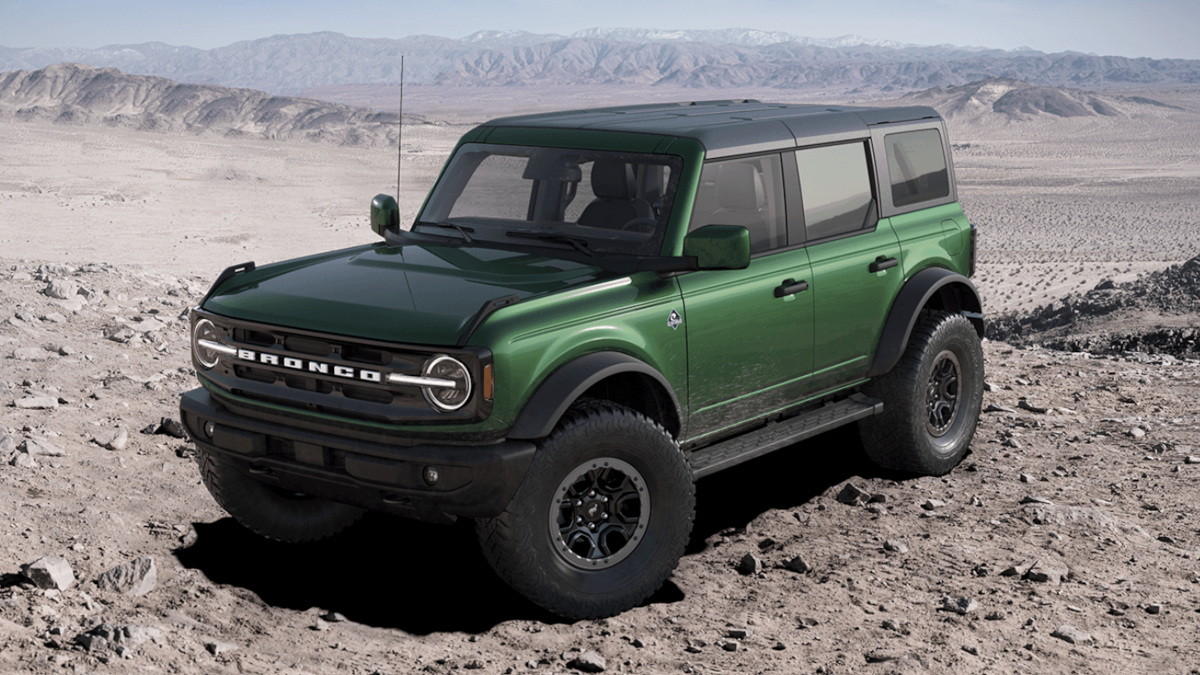
3. Hyundai Ioniq 5: Retro-Futurism Meets Electric Innovation
The Hyundai Ioniq 5 demonstrates how retro-futurism can create a timeless design. Inspired by the 1974 Pony Coupe by Giorgetto Giugiaro, it features sharp, geometric lines and the distinctive Parametric Pixel LED lighting that bridges 1980s digital aesthetics with modern technology.
Its clean surfaces, lack of excessive chrome, and minimalist approach give it an architectural quality that stands out in a market crowded with overly stylized electric vehicles. The Ioniq 5’s design feels instantly classic while maintaining a futuristic presence, ensuring it will age gracefully.
Inside, the cabin is spacious, airy, and functional, designed as a “living space” with eco-friendly materials. The flat floor and sliding center console enhance comfort, while rear-seat passengers benefit from a long wheelbase, ample shoulder room, and three-across seating that accommodates adults easily.
Cargo capacity is generous, offering 30 cubic feet behind the rear seats and 59 cubic feet with the seats folded. Infotainment features include a 12.3-inch touchscreen, a matching digital gauge cluster, wireless Apple CarPlay and Android Auto, five USB ports, and standard wireless smartphone charging on most trims. Optional Bose audio and advanced connectivity systems enhance the user experience.
The Ioniq 5 is available with multiple electric powertrains. Rear-wheel-drive versions produce 168 or 225 horsepower, while the dual-motor all-wheel-drive variant delivers 320 horsepower. The SEL AWD model can accelerate from 0 to 60 mph in 4.4 seconds.
Its low center of gravity and wide tires provide an athletic feel, though steering feedback could be improved. The XRT trim offers additional suspension compliance for uneven surfaces. The vehicle can tow up to 2,700 pounds when properly equipped, but Hyundai recommends towing only with all-wheel-drive models.
Range and charging performance are strong. EPA estimates place the battery range between 245 and 318 miles, depending on the configuration. The 800V system allows fast charging from 10 to 80 percent in around 20 minutes, with a rapid gain of approximately 68 miles in five minutes.
Safety and driver-assistance technology are standard, including adaptive cruise control, lane-keeping assist, and automated emergency braking. Hyundai complements the Ioniq 5 with one of the best warranty packages in the industry, featuring four years or 60,000 miles of coverage and three years of complimentary maintenance.
By merging a nostalgic design, functional interior, advanced EV technology, and future-proof capabilities, the Hyundai Ioniq 5 delivers a timeless, practical, and exciting electric vehicle experience.
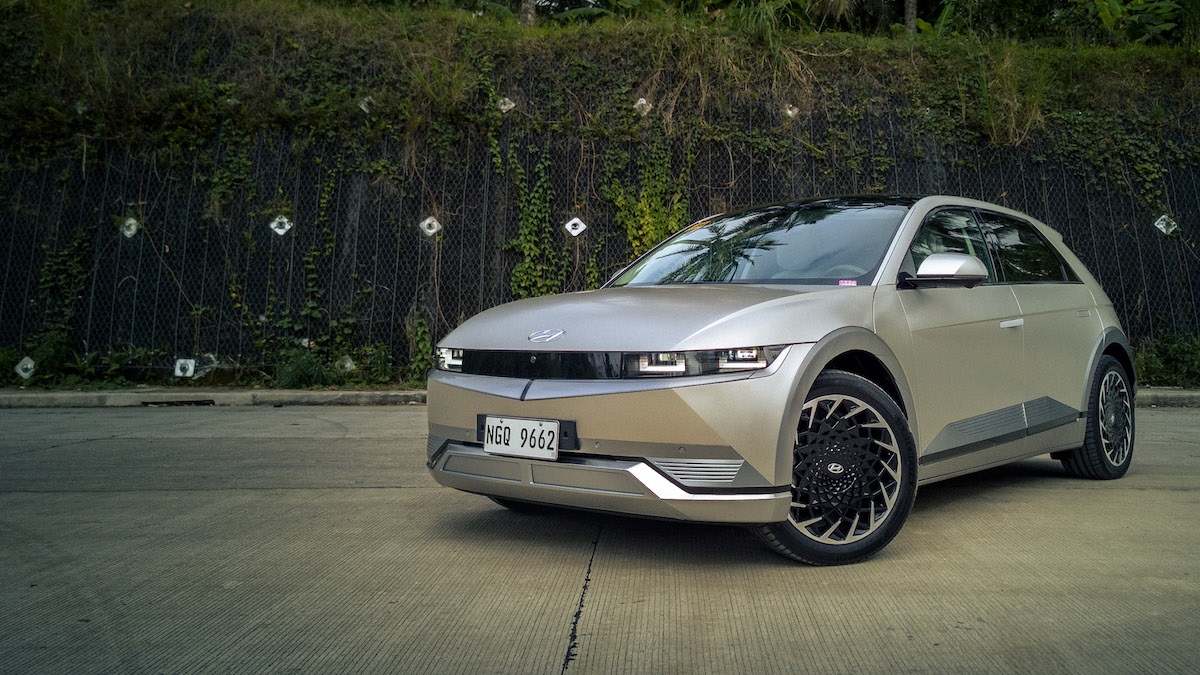
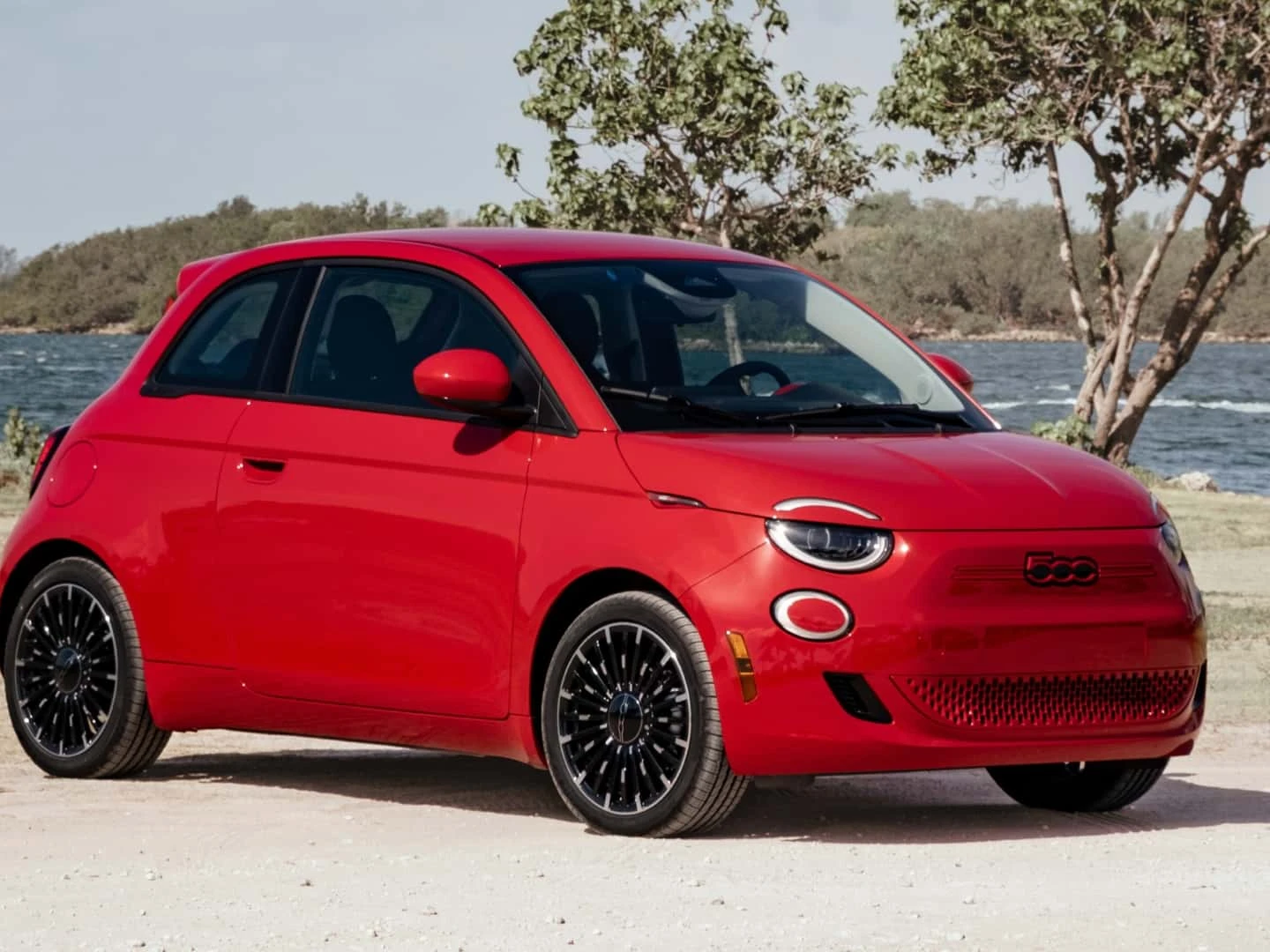
4. Fiat 500e: Iconic Italian Charm in an Urban EV
The Fiat 500e is a compact electric vehicle that combines classic Italian design with modern technology. It retains the distinctive “Cinquecento” DNA from the 1957 original, featuring a friendly, rounded face, petite footprint, and egg-shaped silhouette.
Its bubbly personality remains intact despite the transition to electric power, and the clean, minimal lines enhance its timeless appeal. The 500e is designed to be an emotional, stylish urban companion rather than a high-performance machine, ensuring it remains a recognizable and enduring city car.
Exterior design highlights include LED split headlights, flush door handles, and body-colored accents, all preserving the retro-modern charm while offering contemporary functionality.
The cabin is equally thoughtful, featuring a 10.25-inch touchscreen, a retro-styled digital gauge cluster, wireless smartphone charging, and a minimalist layout. Sustainable materials reinforce its eco-friendly credentials, and interior space is surprisingly usable for a city car, with modest rear seating and cargo room capable of handling groceries or small luggage.
Under the hood, the 500e is powered by a single front-mounted permanent-magnet electric motor producing 117 horsepower and 162 lb-ft of torque. It reaches 60 mph in roughly 7.8 seconds, with a top speed of 94 mph, making it well-suited for city driving rather than highway performance.
The lithium-ion battery has 37 kWh of usable capacity, providing an EPA-estimated range of 141 miles, though highway driving yields closer to 120 miles. Charging is efficient, with Level 2 home charging taking around six hours and DC fast charging replenishing 80 percent of the battery in about 35 minutes.
Despite its modest powertrain, the 500e handles urban roads with agility. Its small size, 9.7-meter turning circle, and well-calibrated steering make it nimble in tight spaces. Optional summer tires can improve grip, and regenerative braking with selectable modes adds versatility for city driving. The ride is firm on rough roads but comfortable on smooth pavement, aligning with its urban focus.
With a starting price under $38,000, a lightweight body, and thoughtfully designed technology, the Fiat 500e provides a stylish, efficient, and practical city-driving experience. It demonstrates that small, affordable electric cars can be charming, functional, and timeless, making them an enduring choice for eco-conscious urban commuters.
5. Volkswagen ID. Buzz: Nostalgic Charm Meets Modern EV Innovation
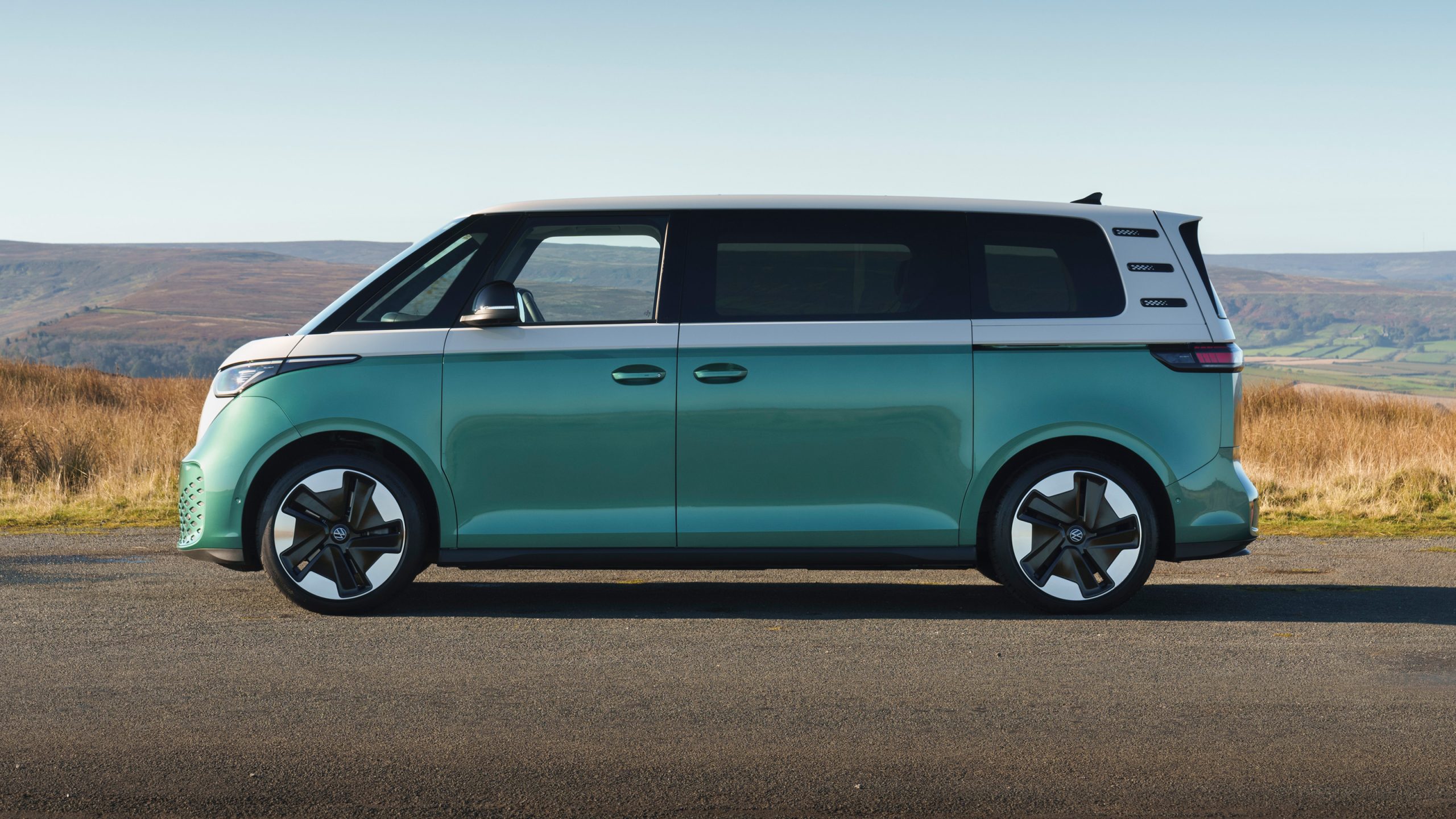
The Volkswagen ID. Buzz is a modern electric vehicle that captures the spirit and optimism of the 1960s Type 2 Microbus. Its design references the classic VW Kombi with features such as a bold VW badge, optional two-tone paint, a V-shaped hood, and a friendly, approachable front-end.
Unlike modern minivans trying to mimic SUVs, the ID. Buzz embraces a cheerful, non-aggressive aesthetic. This iconic styling, combined with practical engineering, ensures it remains relevant and desirable for years.
Inside, the ID. Buzz offers a minimalist and functional interior. A 12.9-inch infotainment screen and digital cockpit provide modern connectivity, while hidden features and open, airy spaces prioritize utility over cluttered controls.
The cabin’s playful, “happy” design appeals to a wide audience, from nostalgic baby boomers to young, eco-conscious families. Modular seating and generous cabin space enhance versatility, making the Buzz an ideal family vehicle or multi-purpose hauler.
Beneath its retro exterior, the ID. Buzz is built on Volkswagen’s MEB electric platform. This EV architecture delivers a low center of gravity, smooth and quiet driving dynamics, and efficient use of space.
Available in five- and seven-seat configurations, the Buzz offers comfort and practicality for daily commuting, school runs, or road trips. LED lighting and clever packaging maintain its futuristic feel while reinforcing the playful, non-aggressive character.
The ID. Buzz’s combination of heritage-inspired styling, modern technology, and electric powertrain gives it lasting appeal. Unlike vehicles designed purely around fleeting trends, the Buzz’s design celebrates cultural significance and functional charm, making it a long-term icon.
Its spacious interior, modular seating, and EV efficiency balance nostalgia with practical usability, ensuring it fits into contemporary lifestyles without feeling outdated.
While its price is higher than some competitors, the ID. Buzz remains a standout for buyers seeking an EV with character, practicality, and a connection to Volkswagen’s storied past. It demonstrates how thoughtful design and modern electric technology can combine to create a vehicle that is both functional and emotionally appealing, securing its place as a timeless family-friendly EV.
Also Read: 6 Cars With Advanced Safety Features That Actually Help Avoid Accidents
6. Alpine A110: Lightweight Elegance with Timeless Rally Heritage
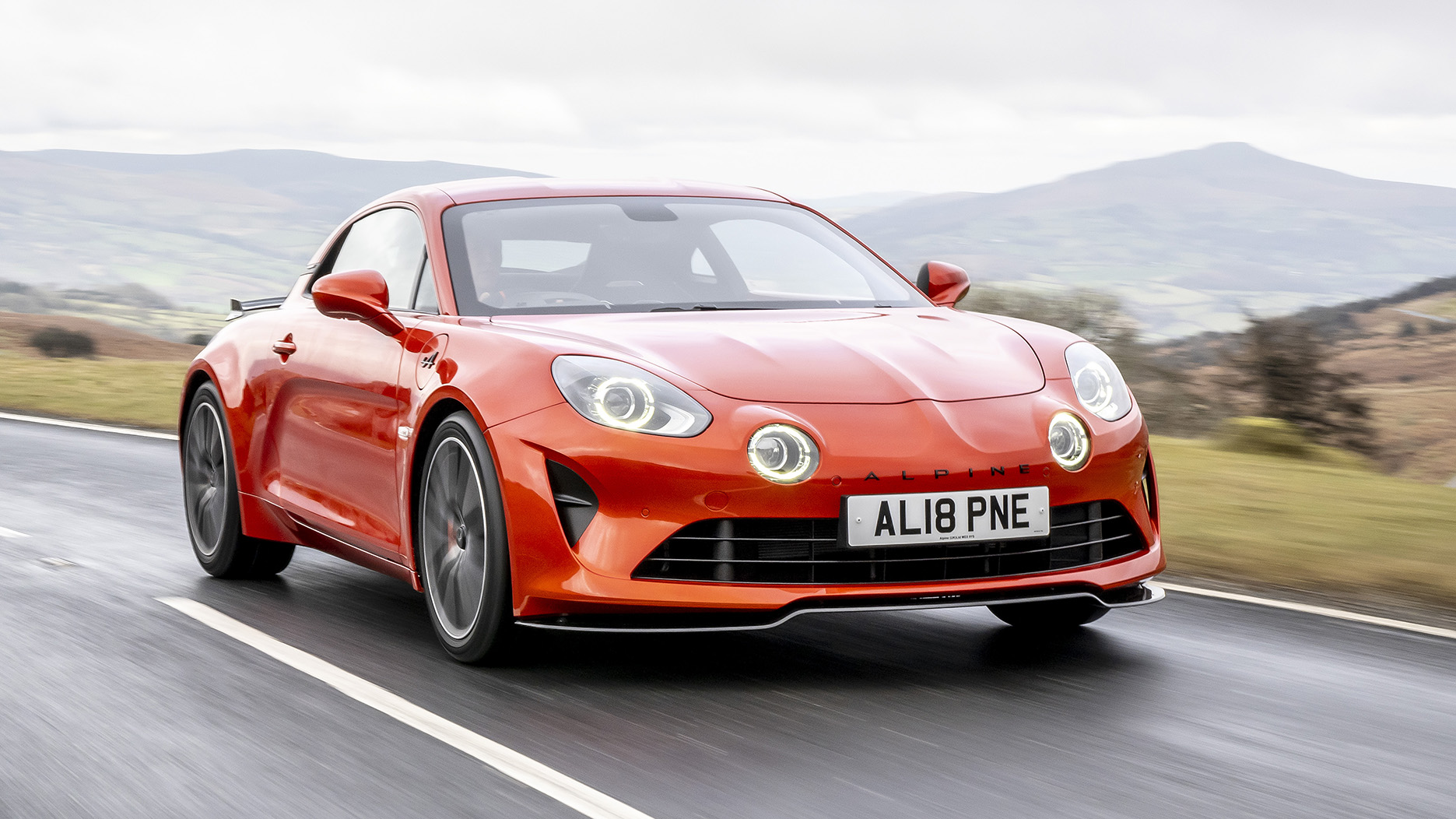
The Alpine A110 is a modern sports car that honors the spirit of its 1960s Berlinette ancestor through precise proportions, lightweight engineering, and minimalist design. Unlike many contemporary sports cars that rely on sheer size and brute power, the A110 prioritizes agility, balance, and driving enjoyment.
Its compact 2-door silhouette, quad-headlight setup, wraparound rear glass, and side-finned panels give it a distinctive French character while maintaining a timeless elegance that avoids fleeting trends.
Weighing just around 1,100 kilograms, the A110 demonstrates Alpine’s devotion to the principle of “just add lightness.” The aluminum-bodied chassis, suspension components, and attention to detail in even small elements, such as integrated brake systems and lightweight Sabelt seats, contribute to a featherweight package.
This engineering philosophy allows moderate horsepower to deliver exceptional performance, agility, and handling, without requiring oversized wheels, brakes, or heavy tires.
The mid-mounted 1.8-liter turbocharged engine powers the rear wheels through a seven-speed dual-clutch transmission. Depending on the version A110, GT, S, or R, output ranges from 248 to 296 horsepower with 236–250 lb-ft of torque. Acceleration to 62 mph occurs in the low fours, providing spirited performance while maintaining the light, playful feel characteristic of classic Alpine cars.
The compact, driver-focused cabin combines modern digital displays with high-quality materials, reinforcing the A110’s purpose as a precision instrument rather than a flashy gadget.
Alpine’s design philosophy emphasizes subtlety over aggression, creating a sports car that feels fresh and relevant even as automotive trends shift. The A110’s compact dimensions, lightweight construction, and focus on driving purity distinguish it from heavier competitors like the Porsche Cayman, Audi TT, or Lotus Emira.
It handles challenging roads with poise, agility, and minimal effort, demonstrating that performance does not require mass or excess.
With prices starting at $54,490 for the base model and reaching $122,000 for the top-of-the-line A110 R Le Mans edition, the A110 provides a range of options while staying true to its core philosophy. Its timeless design, rally heritage, and dedication to lightweight performance make the Alpine A110 a rare modern sports car that will continue to captivate enthusiasts and retain its allure for years.
7. Nissan Z: Modern Sports Car with Classic Z Heritage
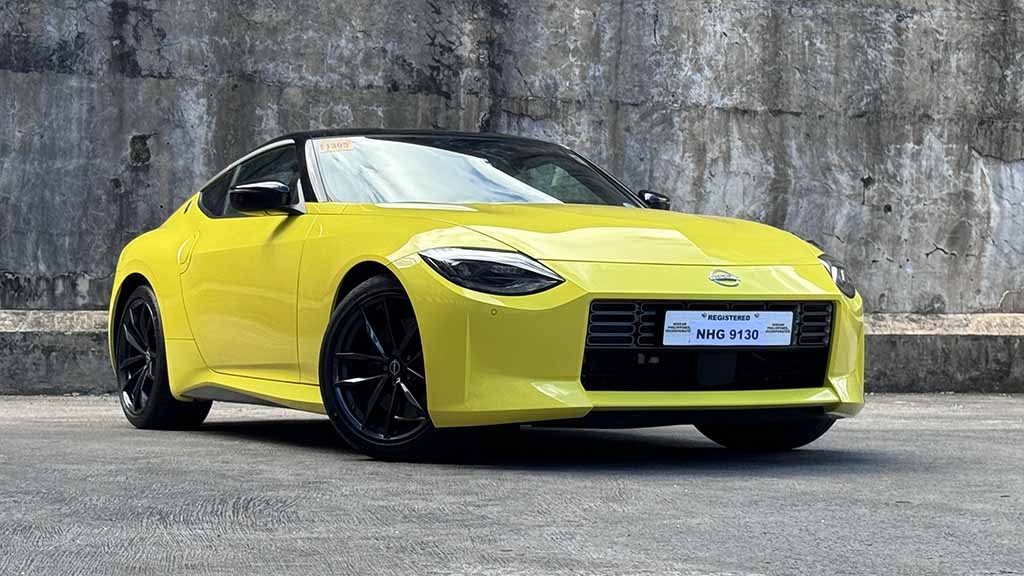
The Nissan Z (RZ34) continues the legacy of the iconic Z-car by blending retro design cues with modern performance. Its silhouette, long hood, and teardrop headlights pay homage to the 1970s 240Z, while the LED taillights reference the 1990s 300ZX.
This careful nod to multiple generations creates a familiar yet fresh aesthetic that avoids overcomplication. By minimizing excessive vents, wings, and aggressive surfacing seen on many contemporary sports cars, the Z achieves a clean, timeless design likely to remain stylish as automotive trends evolve.
At its core, the Z prioritizes a purist driving experience. The standard twin-turbo 3.5-liter V6 produces 400 horsepower and 350 lb-ft of torque, paired with a rear-wheel-drive layout and a six-speed manual transmission. For performance enthusiasts, the Z NISMO delivers 420 horsepower and 384 lb-ft of torque, along with a limited-slip differential, stiffer suspension, and upgraded brakes and wheels.
These features enhance handling on the racetrack while the standard model offers a more forgiving balance for spirited road driving. Acceleration is brisk, with 0–60 mph times of 4.5 seconds for the Performance trim and 3.9 seconds for the NISMO variant, though it falls slightly behind competitors such as the Toyota GR Supra or Porsche 718 Cayman in raw straight-line speed.
The cabin is driver-focused and compact, reflecting the Z’s two-seat, performance-oriented layout. Premium materials, Alcantara upholstery, and dual-zone automatic climate control complement retro-inspired gauges showing boost pressure and turbo speed.
Cargo space is modest but sufficient for short trips, accommodating about three carry-on suitcases. Infotainment includes an 8.0-inch touchscreen on the Sport trim, expandable to a 9.0-inch display on higher trims, supporting Apple CarPlay and Android Auto, along with an optional Bose premium audio system.
Fuel economy is estimated at 17–19 mpg city and 24–28 mpg highway, typical for a rear-wheel-drive sports coupe of its caliber.
Safety features include automated emergency braking, lane-departure warning, adaptive cruise control, and blind-spot monitoring. Warranty coverage includes three years or 36,000 miles limited and five years or 60,000 miles for the powertrain, along with two years or 24,000 miles of complimentary maintenance.
By combining analog driving engagement, classic Z styling, and modern amenities, the Nissan Z offers a rare balance of nostalgia and practicality. Its minimalist exterior, driver-centric interior, and rear-wheel-drive dynamics make it a future classic for enthusiasts who value timeless design and an authentic sports car experience.
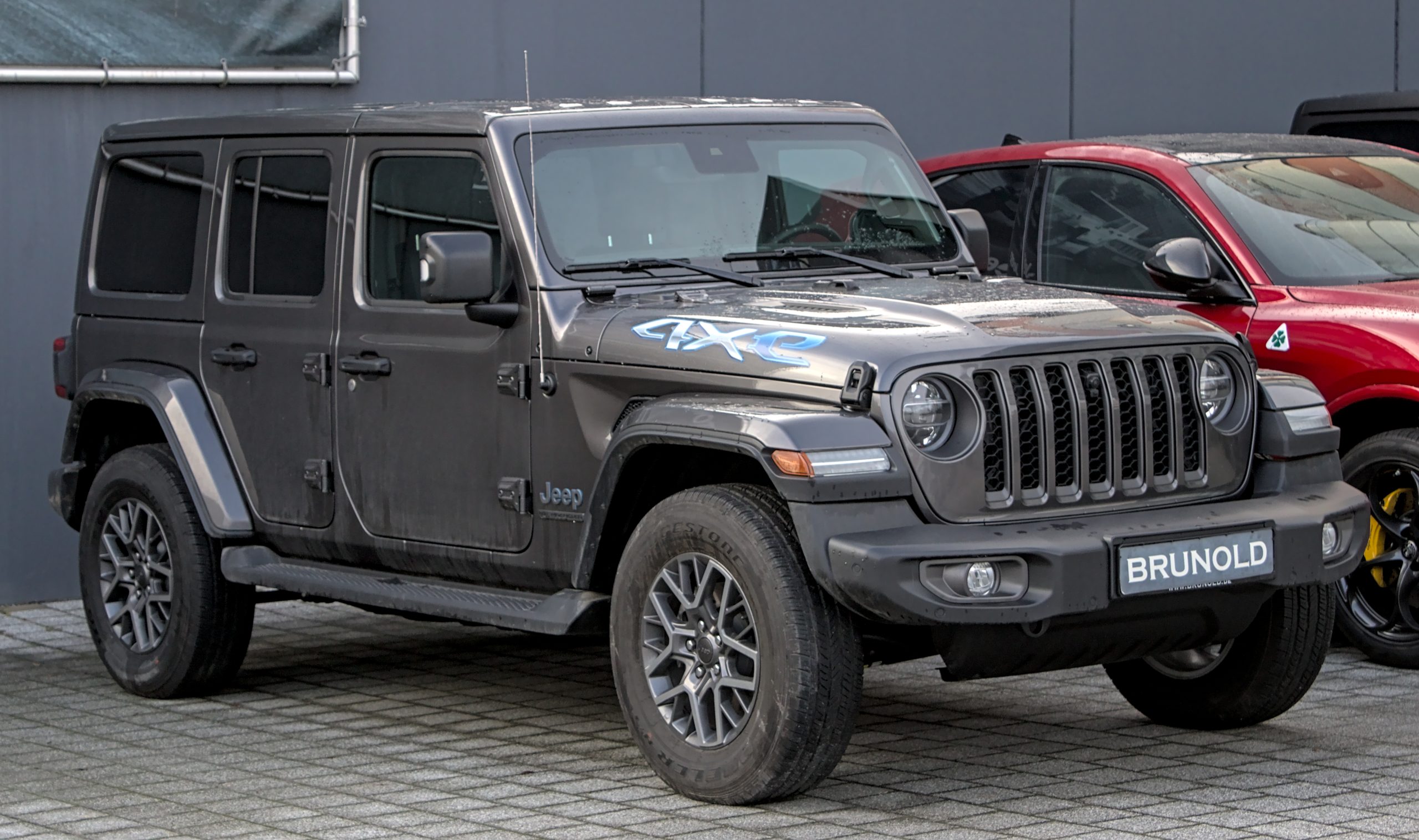
8. Jeep Wrangler (JL): Rugged Heritage Meets Modern Capability
The Jeep Wrangler (JL) is one of the most enduring vehicles on sale today, with a design that dates back to the WWII Willys MB. Its signature features include the seven-slot grille, round headlights, removable doors, and flat fenders.
These elements give the Wrangler a timeless, rugged appearance. By focusing on functionality and off-road capability instead of following styling trends, the Wrangler maintains a look that remains recognizable and relevant even after many years, making it a design that ages gracefully.
The modern JL combines classic styling with updated technology and comfort. Engine options include a 285-hp 3.6-liter V6, 270-hp turbocharged 2.0-liter four-cylinder, a 470-hp 6.4-liter V8, and the 4xe plug-in hybrid.
Transmission choices are a six-speed manual or an eight-speed automatic, while four-wheel-drive systems deliver strong off-road performance. Handling retains a traditional, truck-like feel, especially in the two-door model, while four-door versions benefit from improved suspension and a smoother ride.
Performance varies by model, with the V8 392 achieving 0 to 60 mph in 4.0 seconds and the standard V6 manual reaching the same speed in 6.1 seconds. Towing capacity ranges from 2,000 pounds in the two-door to 5,000 pounds for the 392. Fuel economy is modest, with EPA ratings between 13 and 20 miles per gallon in the city and 16 to 23 on the highway. Four-cylinder models achieve slightly better efficiency.
The interior combines retro charm with modern usability. Drivers sit high for a commanding view, while the cabin features durable materials and a Uconnect 5 infotainment system with a 12.3-inch touchscreen.
Wireless Apple CarPlay and Android Auto are standard, and an optional Alpine audio system is available. Cargo space differs between two- and four-door models, with the four-door accommodating more gear for trips.
Safety features are limited but include optional blind-spot monitoring, rear-cross-traffic alert, and rear parking sensors. Warranty coverage offers three years or 36,000 miles for the basic plan and five years or 60,000 miles for the powertrain, along with two complimentary maintenance visits.
By maintaining its classic design while adding key modern upgrades, the Jeep Wrangler JL continues to provide rugged off-road capability, everyday practicality, and enduring appeal for enthusiasts who value a timeless, functional vehicle.
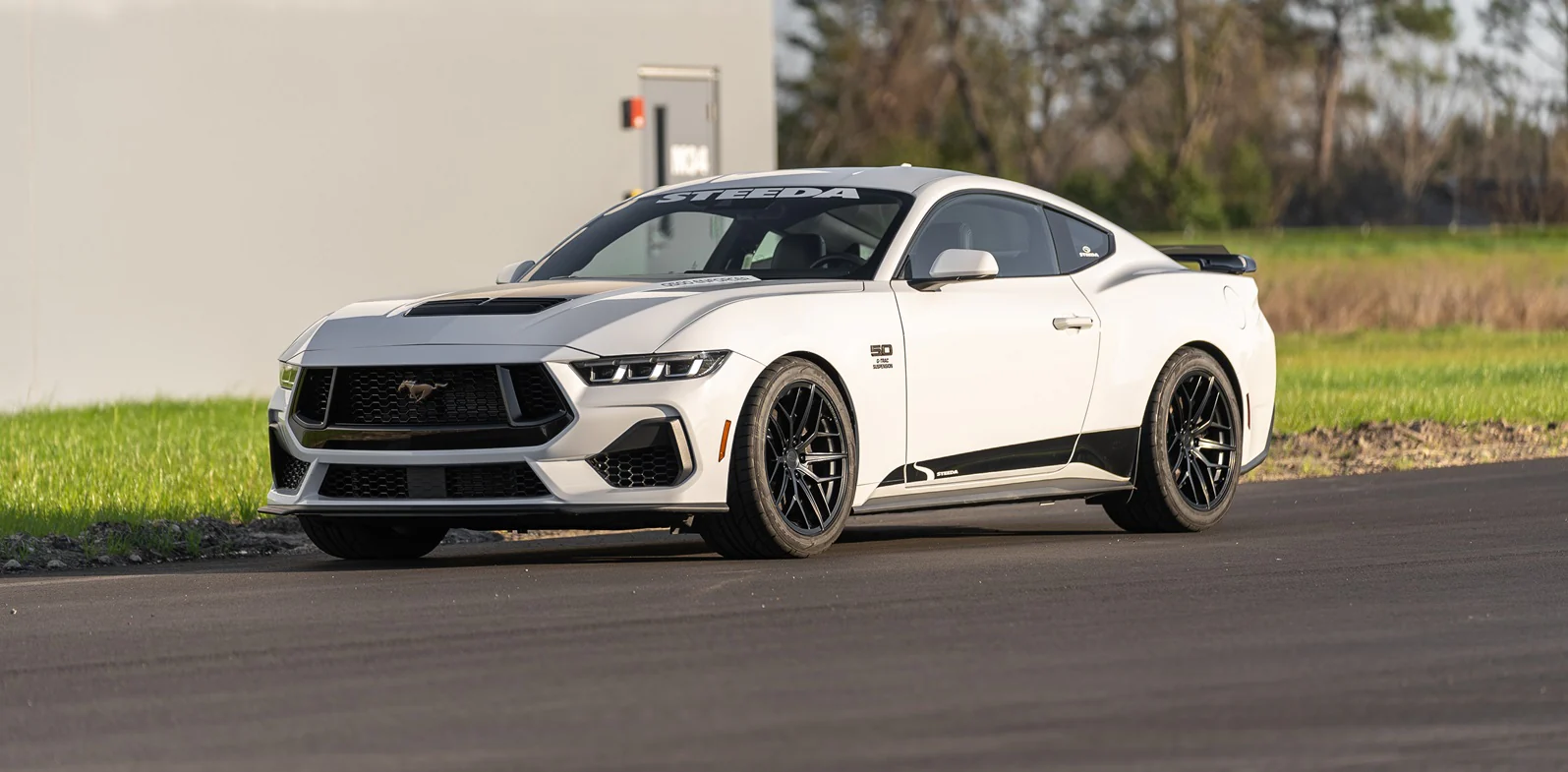
9. Ford Mustang (S650): Timeless Pony Car Evolution
The Ford Mustang (S650) continues the legacy of the classic pony car first introduced in 1964. Its design remains instantly recognizable, with a long hood, short rear deck, shark-bite nose, and signature tri-bar tail lights.
Unlike many modern coupes that adopt a “melted” or amorphous look, the S650 retains a sharp, chiseled stance that balances aggression with timeless appeal. This blend of retro-inspired exterior styling and modern technology ensures that the Mustang remains a cultural icon with enduring desirability.
The S650 integrates modern technology while honoring its heritage. Inside, the cabin features a 12.4-inch customizable digital instrument cluster, a 13.2-inch SYNC 4 infotainment touchscreen, wireless Apple CarPlay and Android Auto, and an optional wireless smartphone charger.
Ambient lighting and driver-focused displays adapt to the selected driving mode, while special throwback settings allow the digital cluster to mimic 1960s and 1980s Mustang gauges.
Interior options range from cloth seats to premium micro-suede and stitched trim, and the FX package adds nostalgic flair with plaid seat inserts and silver-and-blue accents. Cargo capacity is practical, accommodating five carry-on suitcases in the coupe trunk and 14 when rear seats are folded.
Performance is where the Mustang shines, particularly in V8 configurations. The base EcoBoost model uses a 2.3-liter turbocharged four-cylinder engine producing 315 horsepower, paired with a 10-speed automatic. The 5.0-liter Coyote V8 generates 480 horsepower and 415 pound-feet of torque, with an optional performance exhaust boosting output to 486 horsepower.
Track-focused models like the Dark Horse deliver 500 horsepower, adaptive dampers, and upgraded tires for serious handling. Transmission choices include a six-speed manual or 10-speed automatic. Acceleration is strong, with the GT reaching 60 mph in 4.2 seconds and the Dark Horse in 4.1 seconds.
Fuel economy varies by model, ranging from 22 to 33 mpg for the EcoBoost, 16 to 24 mpg for the V8 GT, and 14 to 22 mpg for the Dark Horse.
The Mustang offers robust driver-assistance features through Ford Co-Pilot360, including automated emergency braking, lane-departure warning, lane-keeping assist, and optional active pothole mitigation. Warranty coverage is standard with three years or 36,000 miles limited warranty and five years or 60,000 miles powertrain protection.
By combining classic pony car aesthetics, powerful engines, and modern digital amenities, the Ford Mustang S650 preserves its heritage while remaining relevant today. Its aggressive yet timeless styling, wide range of performance options, and thoughtful interior technology ensure it will continue to captivate enthusiasts for years to come.
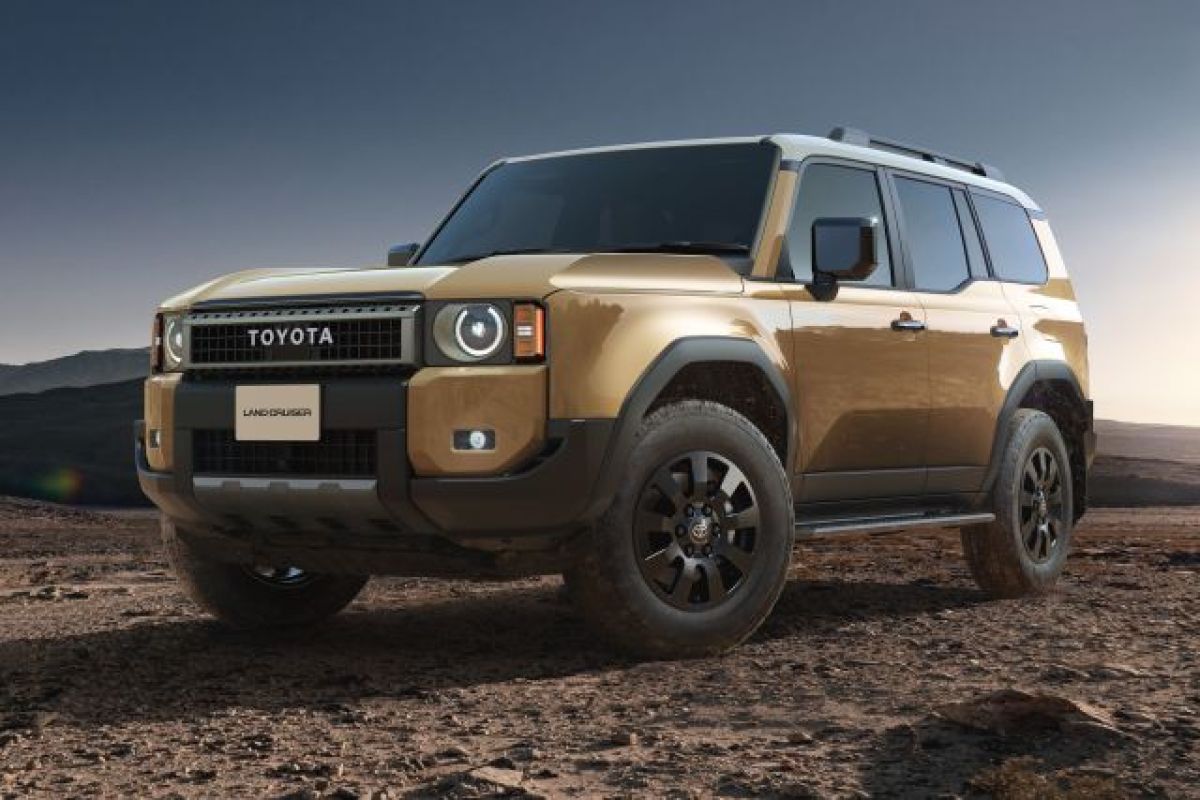
10. Toyota Land Cruiser (250 Series): Heritage Meets Modern Capability
The 2024 Toyota Land Cruiser (250 Series) marks a return to rugged, functional design rooted in the brand’s heritage, taking cues from the J60 series of the 1980s. Its boxy silhouette, upright A-pillars, and “TOYOTA” block lettering reject typical luxury SUV trends, emphasizing durability, simplicity, and timeless appeal.
With round or rectangular LED headlights, a flat roofline, short overhangs, and high-mounted functional components, the 250 Series combines retro styling with practical off-road capability, ensuring it remains relevant and desirable for decades.
Toyota’s design philosophy focuses on function over fashion, creating a vehicle that looks purposeful and professional rather than trendy. The exterior is damage-resistant, with optimized proportions for off-road performance, including steep approach and departure angles.
Lights, bumpers, and other key components are positioned high to protect against rocks and debris. This approach gives the Land Cruiser a rugged yet refined presence that will continue to impress as automotive trends evolve.
Built on Toyota’s TNGA-F platform, the 250 Series blends heritage-inspired styling with modern engineering. Advanced off-road systems, such as the Stabilizer Disconnect Mechanism and Multi-Terrain Monitor, provide state-of-the-art capability.
Powertrains include a 2.4-liter turbocharged hybrid and a 48V mild-hybrid diesel, producing 326 horsepower, paired with an eight-speed automatic transmission and four-wheel-drive system with low-range gearing, crawl control, and hill-descent control. The hybrid system delivers smooth torque and quiet operation, outperforming rivals like the Ford Bronco and Jeep Wrangler in comfort and refinement.
The interior merges rugged utility with modern convenience. Large, tactile controls allow use with gloves, while high-tech features include a 12.3-inch touchscreen, digital gauge cluster, Apple CarPlay, and Android Auto. Seats are comfortable and available with leather or ventilated options, and cargo space fits 17 carry-on suitcases behind the rear seats or 31 with the rear row folded.
Fuel economy is estimated at 22 mpg city, 25 mpg highway, and 23 mpg combined, with slight shortfalls in real-world testing. Standard safety features come from Toyota Safety Sense 3.0, including adaptive cruise control, lane-departure warning, automatic emergency braking, and lane-centering technology.
Toyota offers a three-year or 36,000-mile limited warranty, five years or 60,000 miles of powertrain coverage, a 10-year hybrid component warranty, and two years of complimentary maintenance.
By returning to a heritage-inspired, purpose-driven design and combining it with modern hybrid engineering and safety technology, the Toyota Land Cruiser 250 Series delivers a timeless, practical SUV that will remain relevant and desirable for years.
The vehicles featured here demonstrate how classic design can remain relevant in modern times. Each car blends iconic styling cues with contemporary technology, performance, and comfort, ensuring a lasting visual and functional presence. The Nissan Z offers a clean, performance-focused aesthetic, the Jeep Wrangler preserves its rugged, authentic character, and the Fiat 500e delivers charm and practicality for urban driving.
By merging nostalgia with modern innovation, these vehicles provide both emotional and practical value to drivers. They are enduring symbols of automotive heritage, proof that cars designed with respect for tradition can meet today’s expectations while retaining a timeless sense of style. Each one stands as an example of how modern cars can age gracefully without losing their identity.
Also Read: 10 Cars With Rear Hinged Doors That Are Surprisingly Practical