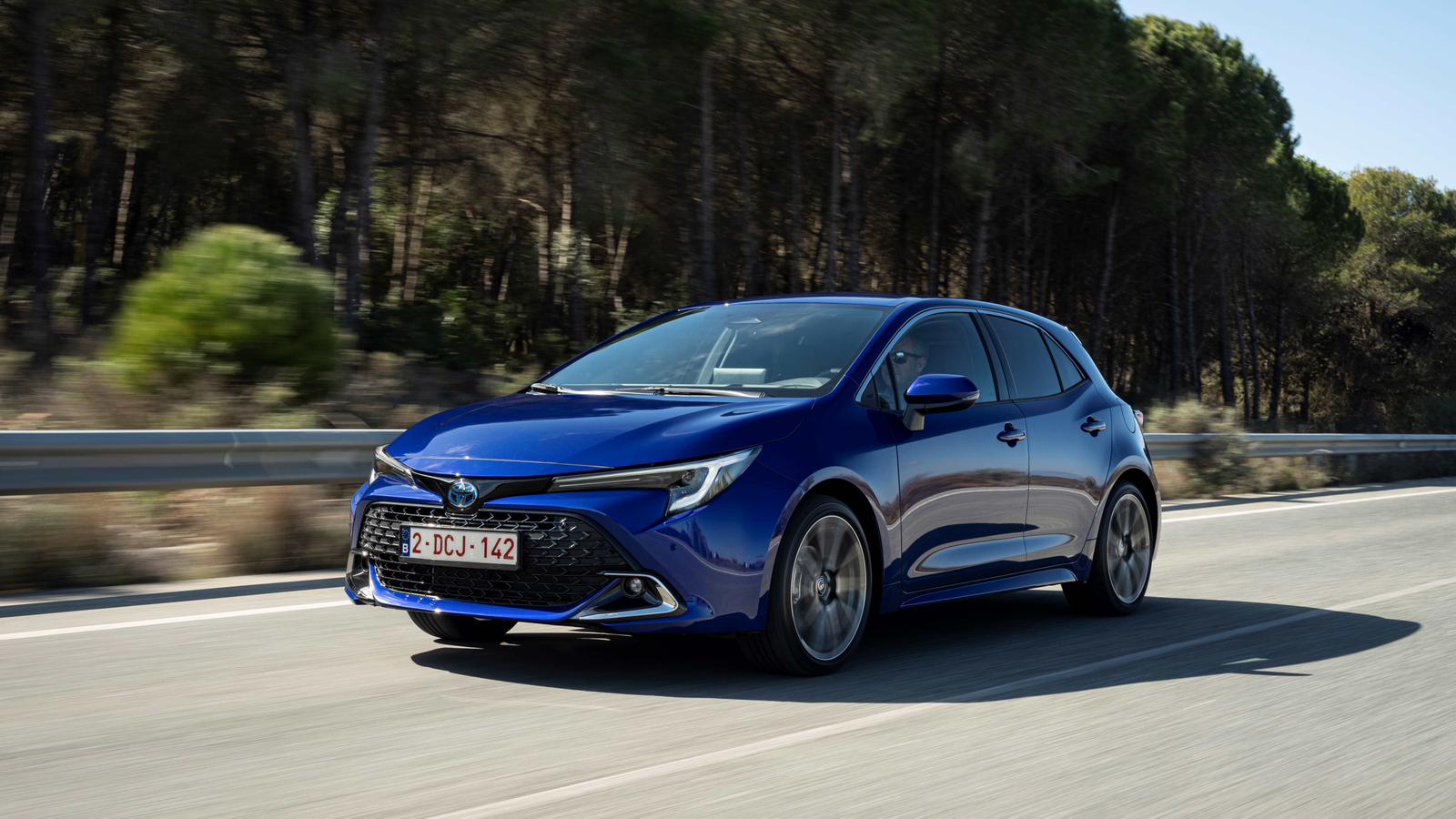
Practical cars are usually evaluated on rational criteria: fuel economy, interior space, reliability, safety ratings, and resale value.
For most American buyers, especially those commuting daily or managing family duties, those factors matter far more than lap times or horsepower figures.
Yet there’s another dimension that often goes unnoticed in spec sheets, the way a car feels when the road starts to twist.
Across the U.S., from the Blue Ridge Parkway to the Hill Country of Texas and the canyon roads of California, backroads remain one of the purest places to enjoy driving.
Surprisingly, some of the most rewarding cars in those settings aren’t sports cars at all. They’re practical, affordable, everyday machines that blend usability with genuine dynamic character.
The vehicles below aren’t exotic, expensive, or niche. They’re cars you can comfortably live with year-round, cars with real rear seats, usable cargo space, good fuel economy, and proven dependability.
Yet on a winding two-lane road, they reveal a level of steering precision, chassis balance, and driver engagement that feels far more playful than their sensible reputations suggest.
1. Honda Civic
The Honda Civic is a compact sedan and hatchback positioned as a practical, efficient daily driver with a reputation for reliability and balanced handling. In its current generation, it emphasizes structural rigidity, refined ride quality, and improved cabin insulation compared to prior models.
From a powertrain perspective, most markets receive a 2.0-liter naturally aspirated inline-four producing modest but predictable output, while higher trims offer a 1.5-liter turbocharged inline-four with stronger midrange torque.
Both engines are typically paired with a continuously variable transmission (CVT), calibrated for smooth response and fuel efficiency.
In performance-oriented variants such as the Honda Civic Si and Honda Civic Type R, Honda introduces a six-speed manual transmission and significantly more power, but the standard Civic remains focused on balanced usability.
Chassis tuning is one of the Civic’s defining characteristics. The suspension geometry and low center of gravity contribute to stable cornering behavior.
Steering input is direct and consistent, which enhances driver confidence on winding roads without making the ride harsh during urban commuting. Braking performance is predictable, and body control remains composed through transitions.
Interior design prioritizes ergonomics. The dashboard layout is horizontal and uncluttered, with physical climate controls and a centrally mounted infotainment display.
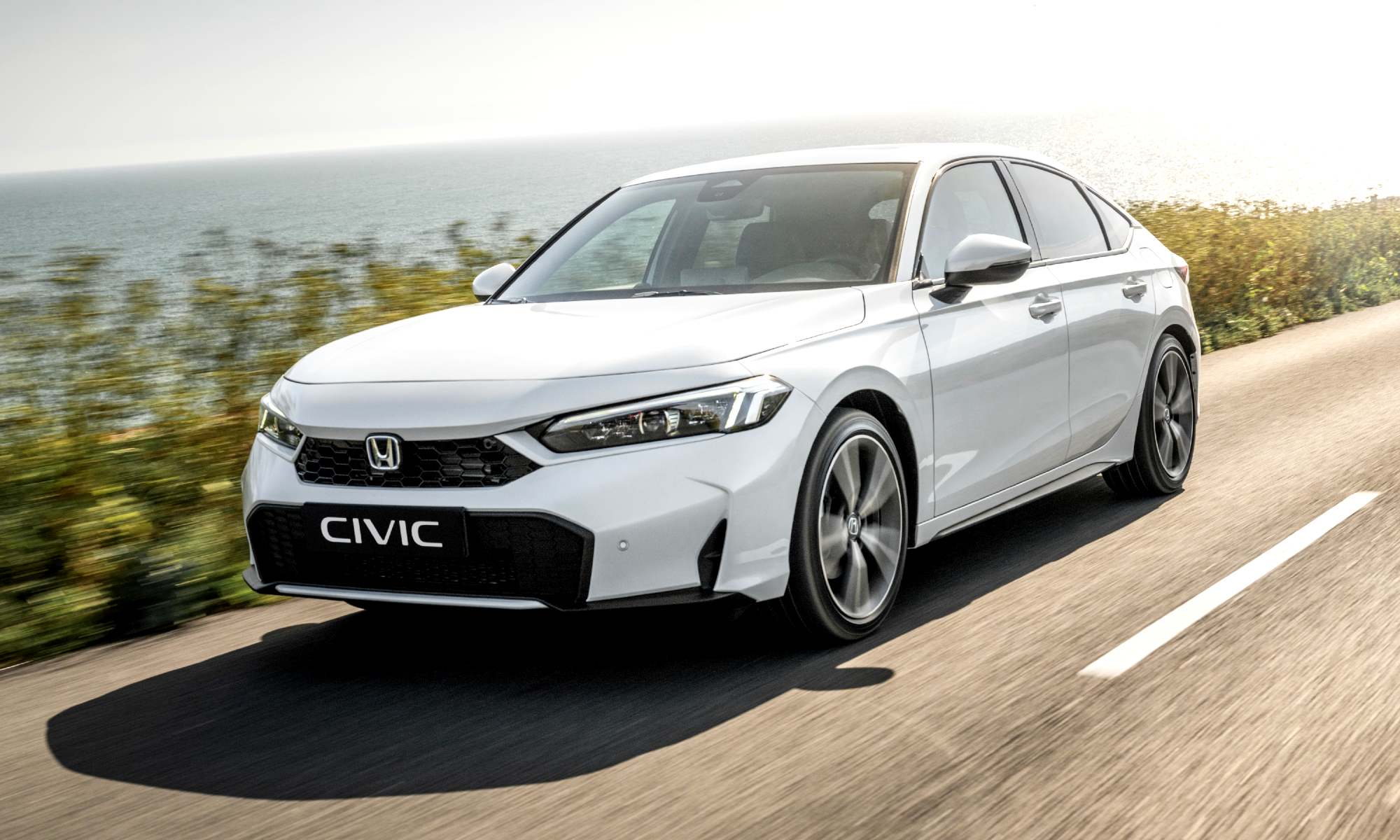
Material quality in upper trims approaches entry-level premium standards. Rear passenger space is competitive within the compact segment, and trunk capacity is sufficient for everyday needs, including travel or light cargo transport.
In terms of safety, the Civic is equipped with Honda Sensing, which includes adaptive cruise control, lane-keeping assist, collision mitigation braking, and road departure mitigation. These features position it strongly within its class for driver assistance technology.
Fuel economy remains a core advantage. Depending on configuration, the Civic delivers strong efficiency figures, reinforcing its appeal as a cost-effective long-term ownership proposition.
The Honda Civic represents a disciplined integration of practicality, efficiency, and engaging dynamics. It is not positioned as a pure sports car in standard form, but it consistently delivers above-average driving involvement for a compact commuter vehicle.
2. Mazda3
Mazda has built its brand identity around driving enjoyment, and the Mazda3 exemplifies that philosophy.
Available as a sedan or hatchback, and even with all-wheel drive in the U.S., it manages to feel more agile than most compact competitors. The steering is precise and well-weighted, and the suspension tuning prioritizes balance over softness.
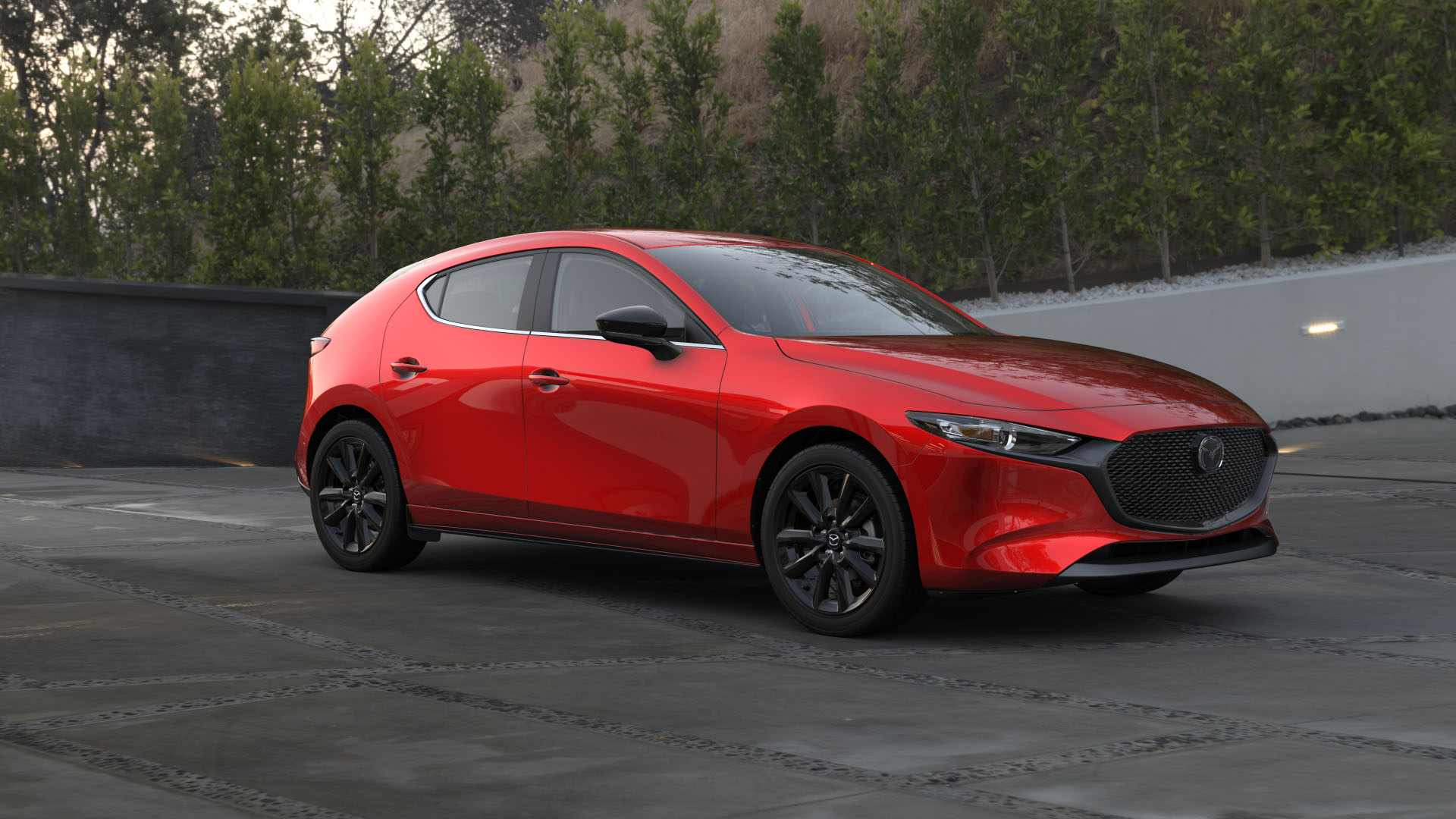
What makes the Mazda3 particularly compelling is how refined it feels. The cabin quality rivals entry-level luxury cars, and road noise is impressively subdued.
Yet on a twisty road, the car’s body control and predictable handling allow drivers to carry speed with confidence.
It may not be the quickest compact on paper, but the sense of cohesion between steering, throttle, and chassis makes it quietly entertaining.
3. Toyota Corolla Hatchback
The Toyota Corolla Hatchback is positioned as a compact practical vehicle, yet it distinguishes itself through sharper handling characteristics than many expect from the Corolla nameplate.
Built on Toyota’s TNGA-C platform, the hatchback benefits from a low center of gravity, increased structural rigidity, and a fully independent rear suspension, elements that materially improve dynamic behavior compared to older generations.
Power is delivered by a 2.0-liter Dynamic Force inline-four engine producing approximately 169 horsepower.
While output figures appear moderate on paper, the engine is responsive in the midrange and pairs effectively with either a continuously variable transmission (CVT) featuring a physical first gear for improved launch feel, or, in earlier model years, a six-speed manual transmission. The manual variant in particular enhances engagement on winding roads.
On backroads, the Corolla Hatchback exhibits controlled body roll and stable weight transfer. Steering calibration is precise, with consistent feedback that allows confident placement through tight corners.
Suspension tuning strikes a measured compromise: firm enough to maintain composure in rapid directional changes, yet compliant enough for daily commuting comfort. Braking performance is linear and predictable, supporting confident deceleration into bends.
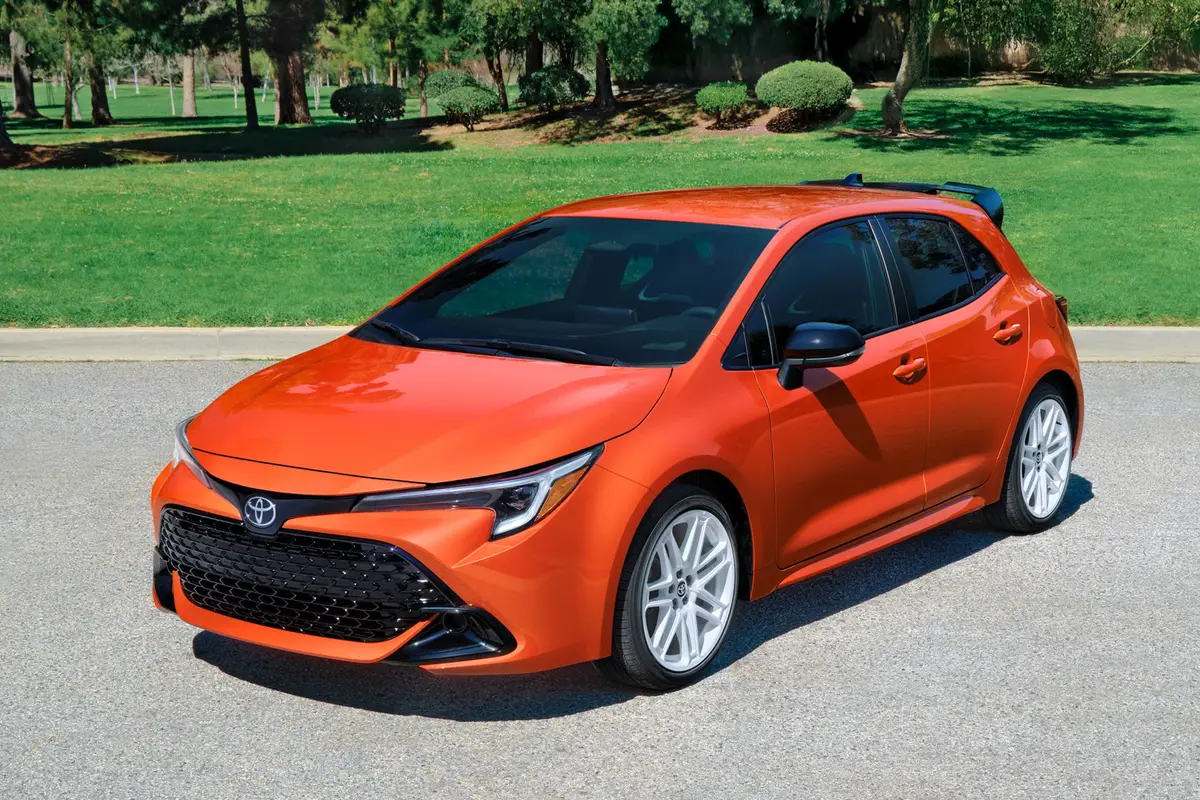
From a practical standpoint, the hatchback configuration offers flexible cargo capacity through split-folding rear seats.
While rear legroom is somewhat tighter than the sedan variant, it remains adequate for typical compact-segment expectations. Cabin ergonomics are straightforward, with physical controls for key functions and a centrally mounted infotainment system compatible with modern smartphone integration.
Safety technology is comprehensive. Toyota Safety Sense includes adaptive cruise control, lane departure alert with steering assist, automatic emergency braking, and road sign assist. These features reinforce the Corolla Hatchback’s role as a dependable daily driver.
Fuel efficiency remains a core strength, with combined economy figures that keep operating costs manageable. For drivers seeking a compact vehicle that balances reliability, efficiency, and genuinely responsive handling, the Toyota Corolla Hatchback offers a disciplined and cohesive package.
It demonstrates that practicality does not preclude driving engagement when chassis engineering and powertrain tuning are executed with intent.
4. Hyundai Elantra
Modern Elantras, particularly the sport-leaning trims, deliver more driver involvement than many buyers expect.
The platform feels stable at speed, and the steering, while light in daily driving, firms up enough to maintain accuracy through bends.
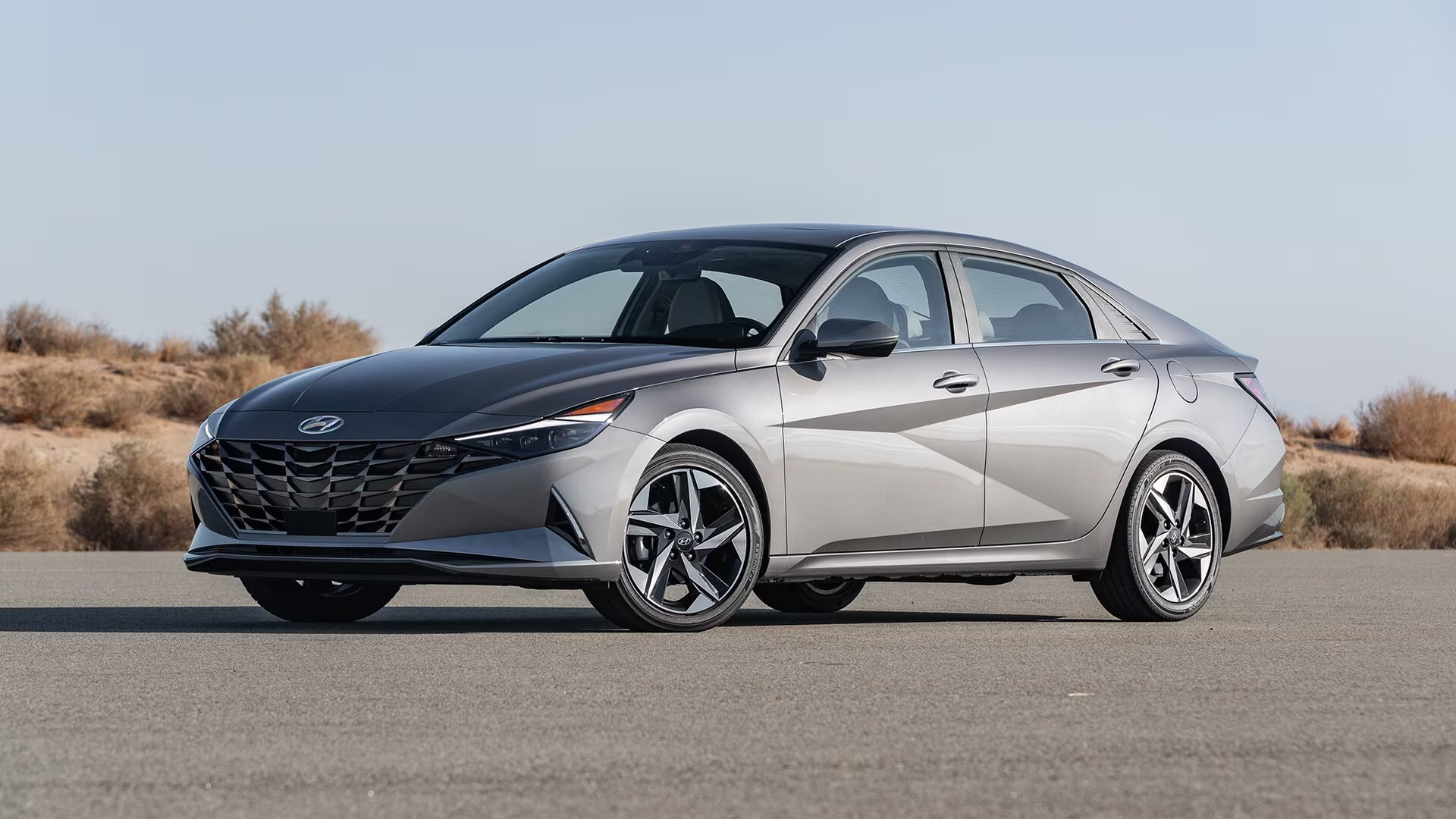
For U.S. commuters, the Elantra’s appeal includes strong warranty coverage, good fuel efficiency, and competitive pricing. Yet it avoids feeling numb.
The car’s front-end grip and relatively flat cornering attitude make it enjoyable on flowing two-lane roads. It’s an example of how mainstream sedans have quietly improved their dynamic capabilities over the past decade.
5. Volkswagen Jetta
The Jetta, particularly in well-equipped trims, blends European chassis tuning with everyday usability. Even below the performance-focused GLI, the Jetta feels planted and composed.
The steering is stable at highway speeds, and the suspension absorbs uneven pavement without sacrificing directional control.
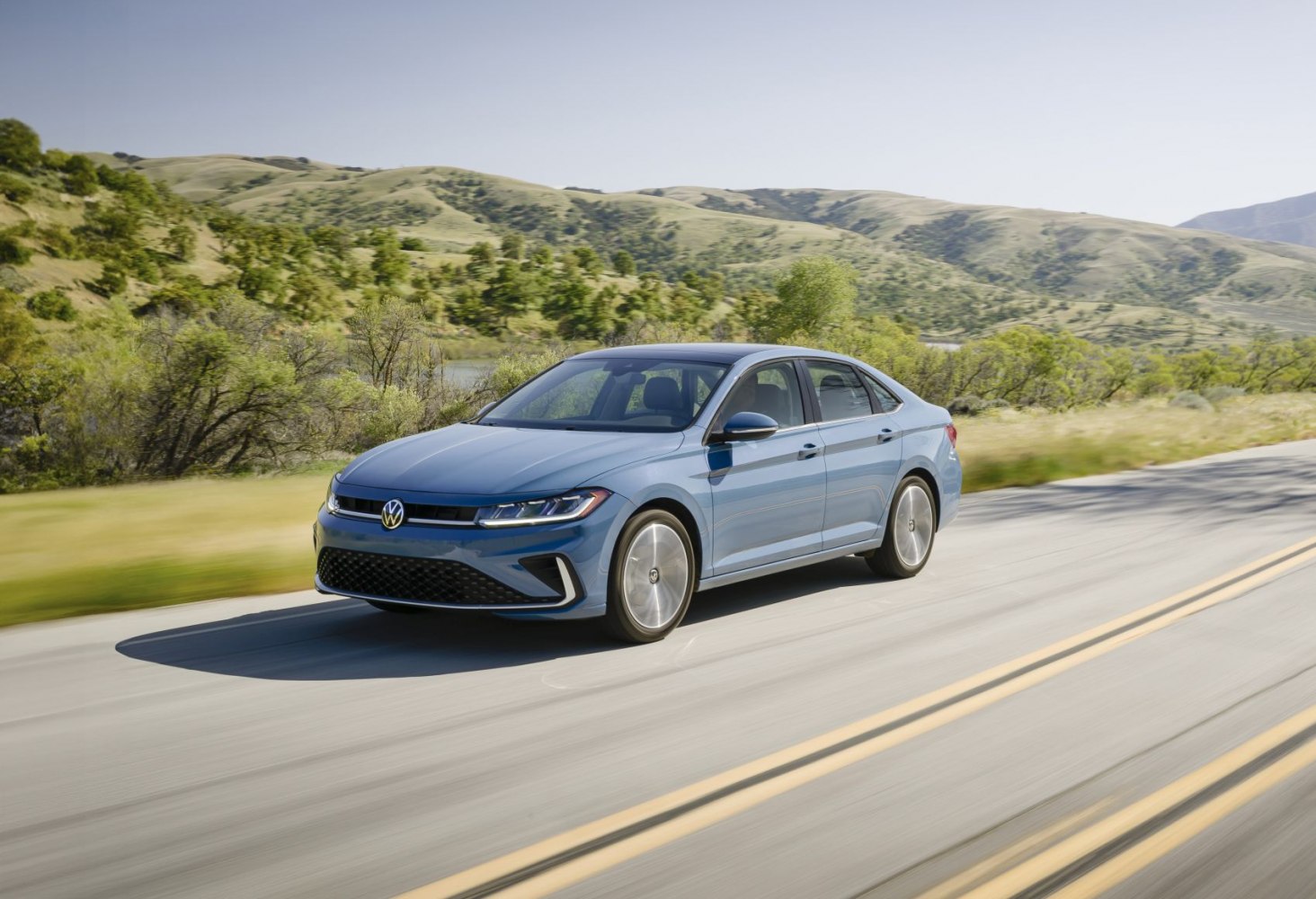
On backroads, the car’s long wheelbase contributes to stability through sweeping curves, while its turbocharged engine provides usable midrange torque.
It doesn’t demand aggressive driving; instead, it rewards smooth, measured inputs. For drivers who value understated design and solid road manners, it’s a quietly capable companion.
The Volkswagen Jetta occupies a pragmatic space in the compact sedan segment, yet it offers a level of chassis composure and steering precision that makes it unexpectedly rewarding on secondary roads.
Built on Volkswagen’s MQB architecture, the Jetta benefits from a relatively lightweight structure and well-engineered suspension geometry, contributing to predictable handling characteristics.
Most current trims are powered by a 1.5-liter turbocharged inline-four (EA211 Evo) producing around 158 horsepower and strong low-end torque.
The engine is paired with either a six-speed manual transmission (in select trims) or an eight-speed automatic.
The turbocharged torque delivery is broad and accessible, which is advantageous on undulating backroads where midrange responsiveness is more relevant than peak output. Throttle calibration is progressive rather than abrupt, aiding smooth corner exits.
The Jetta’s steering system is accurately weighted, with consistent feedback during turn-in. Body roll is controlled, particularly in trims equipped with the independent rear suspension.
Even torsion-beam variants maintain stability, though they are marginally less composed over mid-corner bumps. Damping strikes a disciplined balance between compliance and control, preserving ride comfort during daily commuting while maintaining structural coherence under dynamic driving.
Interior ergonomics reflect Volkswagen’s functional design philosophy. Controls are logically arranged, outward visibility is good, and seating comfort supports extended drives. Rear passenger space and trunk capacity exceed many rivals in the compact class, reinforcing the Jetta’s practicality for both personal and family use.
Fuel efficiency is another defining attribute. The 1.5-liter turbo engine delivers strong real-world economy figures, lowering total ownership costs without sacrificing usable performance.
Standard driver assistance systems typically include forward collision warning, automatic emergency braking, blind-spot monitoring, and rear cross-traffic alert, depending on trim.
In the context of practical cars that remain enjoyable on backroads, the Volkswagen Jetta distinguishes itself through structural stability, accessible turbo torque, and disciplined steering calibration.
It is not configured as a sport sedan in base form, but its engineering foundation allows it to deliver a composed and engaging driving experience within a rational, cost-effective package.
6. Subaru Impreza
Standard all-wheel drive sets the Impreza apart in the compact class. For drivers in regions with varied weather, snowy Northeast winters or rainy Pacific Northwest roads, that added traction enhances confidence year-round.
But it also contributes to stability on winding routes. The Impreza’s low boxer engine helps keep its center of gravity relatively low. On twisty pavement, it feels secure and balanced rather than edgy.
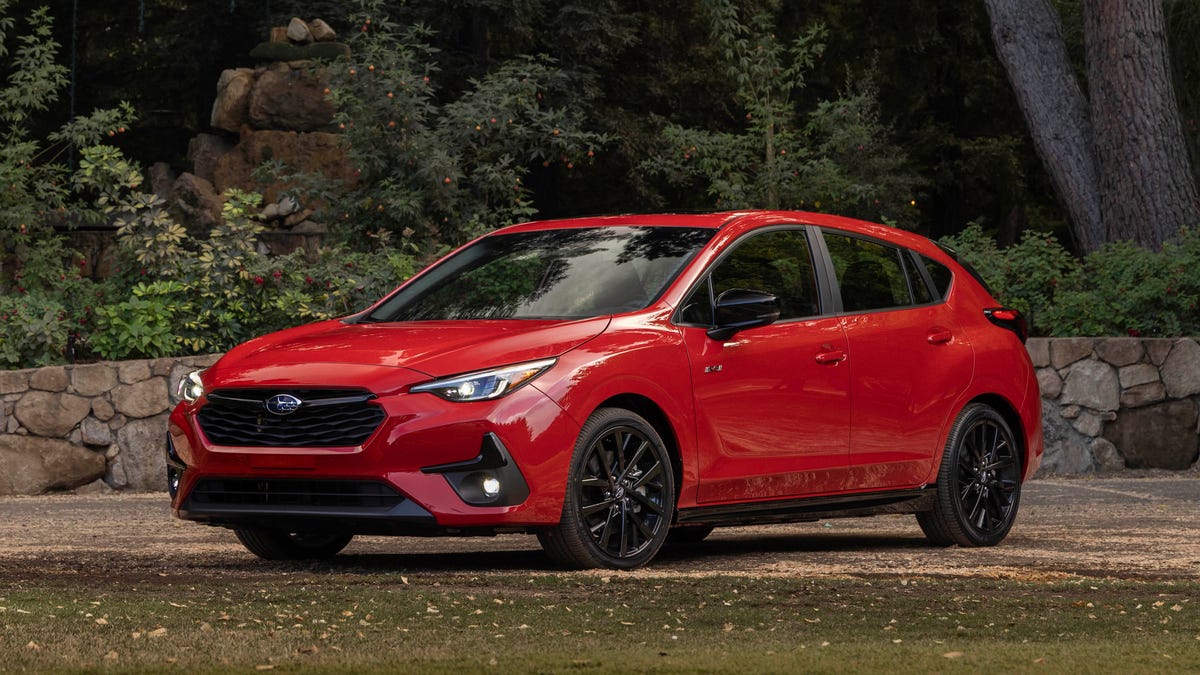
While not fast, it allows drivers to maintain consistent pace through corners, making it enjoyable in a controlled, predictable way.
Add practical hatchback cargo space, and it becomes a versatile daily driver with subtle dynamic depth.
7. Kia Forte
The Forte often competes on value, offering strong feature content for the price. Yet in certain trims, it also delivers engaging handling.
The chassis feels stable, and body motions are well controlled for a car in this segment.
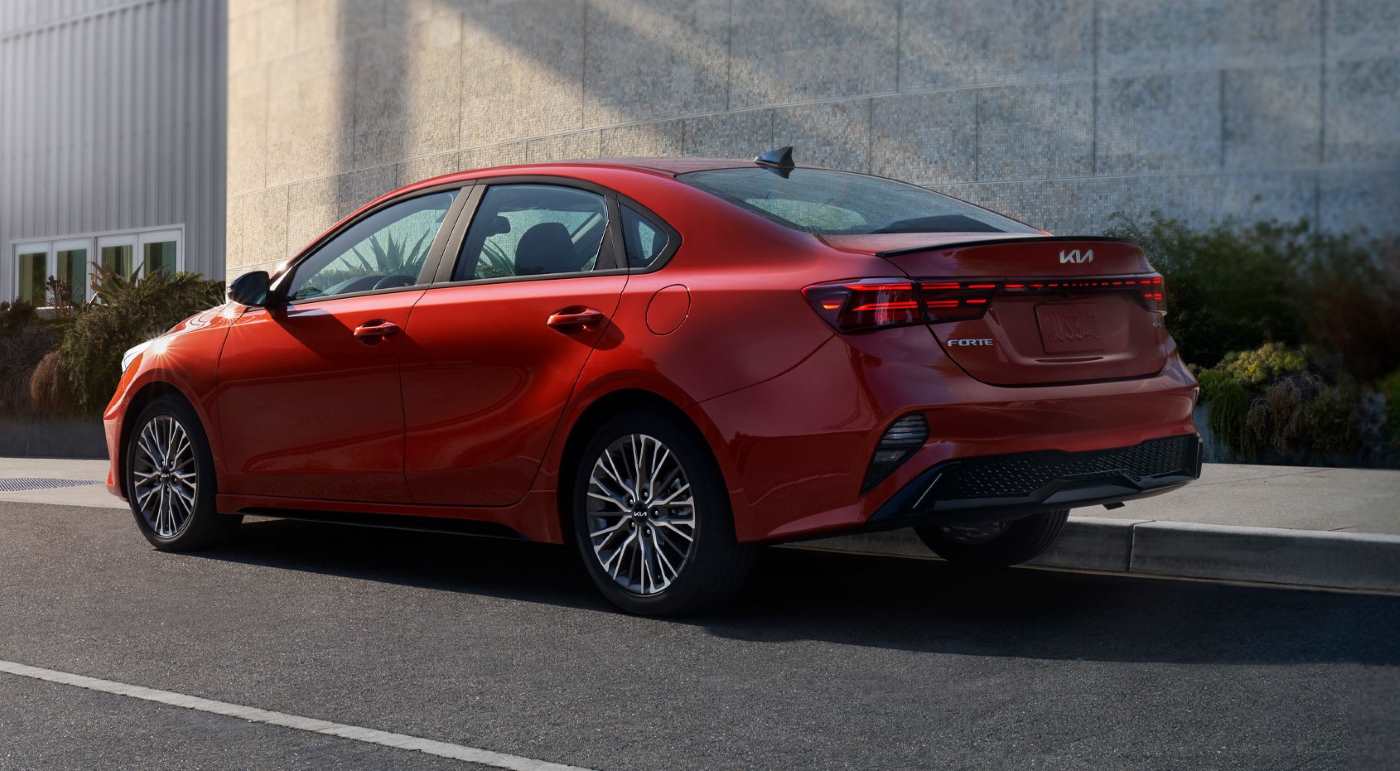
On backroads, the Forte’s predictable front-end grip and responsive throttle make it easy to drive briskly without drama.
It’s not a performance icon, but it offers a satisfying level of responsiveness while maintaining excellent fuel economy and a comfortable ride for daily use.
The Kia Forte is typically categorized as a value-oriented compact sedan, yet its chassis tuning and responsive steering make it more engaging on backroads than its positioning suggests.
While it prioritizes affordability and efficiency, the underlying engineering allows it to remain composed when driven with intent.
Most Forte trims are powered by a 2.0-liter naturally aspirated inline-four producing approximately 147 horsepower, paired with an intelligent variable transmission (IVT).
The engine is not high-output, but its linear throttle response and predictable power delivery are beneficial on winding roads where smooth modulation matters more than outright acceleration.
For drivers seeking greater engagement, the GT trim introduces a 1.6-liter turbocharged engine with significantly stronger torque and either a seven-speed dual-clutch transmission or a six-speed manual, substantially increasing dynamic capability.
The Forte’s steering system is calibrated for clarity rather than excessive lightness. Turn-in response is direct, and the chassis maintains reasonable composure through quick directional changes.
Body roll is present but controlled, and the suspension absorbs mid-corner imperfections without destabilizing the vehicle. The GT variant, with its multi-link rear suspension, demonstrates improved balance and cornering stability compared to lower trims equipped with a torsion-beam setup.
Fuel efficiency is a core strength, particularly with the 2.0-liter engine, making it viable for daily commuting. Standard safety features often include forward collision avoidance, lane keeping assist, and driver attention warning, depending on trim level.
Within the category of practical cars that are surprisingly fun on backroads, the Kia Forte earns consideration because of its balanced steering, stable chassis, and accessible turbocharged performance in GT form. It demonstrates that affordability does not inherently preclude dynamic competence.
8. Chevrolet Malibu
Midsize sedans are rarely associated with backroad enjoyment, yet the Malibu’s balanced ride and stable chassis make it more engaging than expected.
The steering is consistent and predictable, and the car remains composed over uneven pavement.
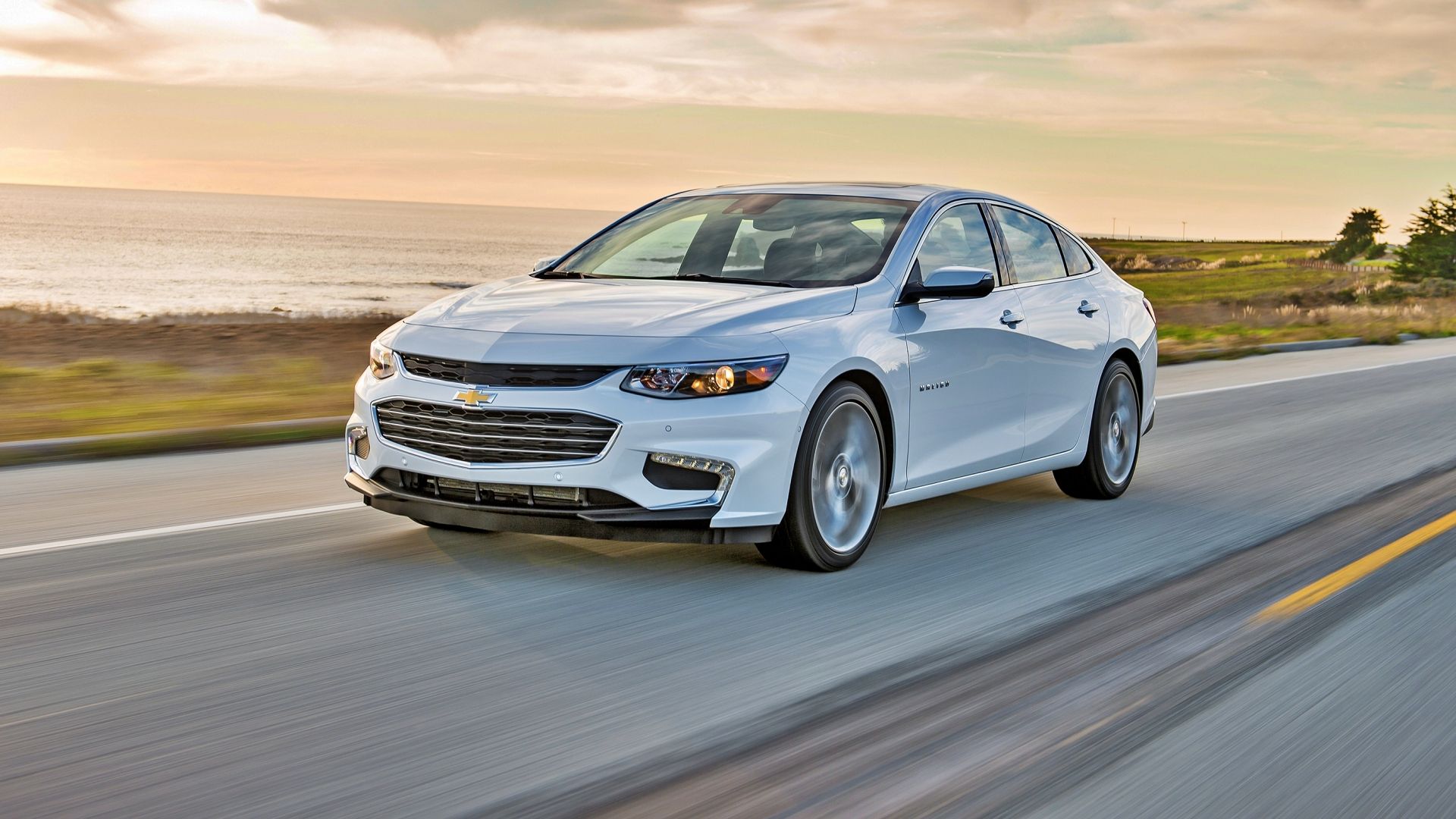
For American families, the Malibu’s spacious interior and smooth highway ride are primary selling points.
However, when the road tightens, its controlled body motions and responsive turbocharged engine give it a surprisingly fluid character.
It’s less about sharp agility and more about maintaining a confident, steady rhythm through curves.
The Chevrolet Malibu is generally viewed as a midsize commuter sedan focused on comfort and efficiency.
However, within the context of practical cars that can still deliver measured enjoyment on backroads, the Malibu’s chassis tuning and turbocharged torque make it more capable than its conservative image implies.
Power typically comes from a 1.5-liter turbocharged inline-four producing around 160 horsepower, paired with a continuously variable transmission (CVT).
While the output figures are modest for a midsize sedan, the turbocharged engine provides accessible low-end torque, which is useful when accelerating out of corners on rural roads. Throttle response is smooth and progressive, favoring stability rather than abrupt inputs.
Structurally, the Malibu benefits from a relatively low curb weight for its class. Steering is light in urban settings but becomes adequately weighted at speed.
It does not deliver sports-sedan sharpness, yet turn-in accuracy and mid-corner balance remain predictable.
Body roll is present but controlled, and the suspension damping absorbs uneven pavement without excessive float. On flowing backroads, the car maintains composure, particularly during steady-state cornering and controlled braking.
Ride comfort is one of the Malibu’s defining strengths. The suspension isolates road imperfections effectively, which allows longer drives on mixed-surface rural routes without fatigue. Braking feel is linear, supporting confident deceleration before tighter bends.
Practicality remains central to its appeal. Rear passenger space is generous for the segment, and the trunk offers substantial cargo capacity suitable for family or work use. The cabin layout emphasizes usability, with intuitive controls and a straightforward infotainment interface.
Fuel economy is competitive within the midsize category, reinforcing its role as a cost-conscious daily driver. Standard driver assistance features often include automatic emergency braking, lane keep assist, and forward collision alert.
In summary, while the Chevrolet Malibu is not engineered as a performance-focused sedan, its balanced ride quality, usable turbo torque, and structural stability allow it to perform competently on backroads.
It represents a practical midsize option that delivers composed, controlled driving dynamics without compromising everyday comfort.
9. Toyota Camry
The Camry’s transformation in recent generations has been significant. Built on a more rigid platform, it feels lower and more planted than older versions.
In sport-oriented trims, steering response improves, and suspension tuning becomes more assertive.
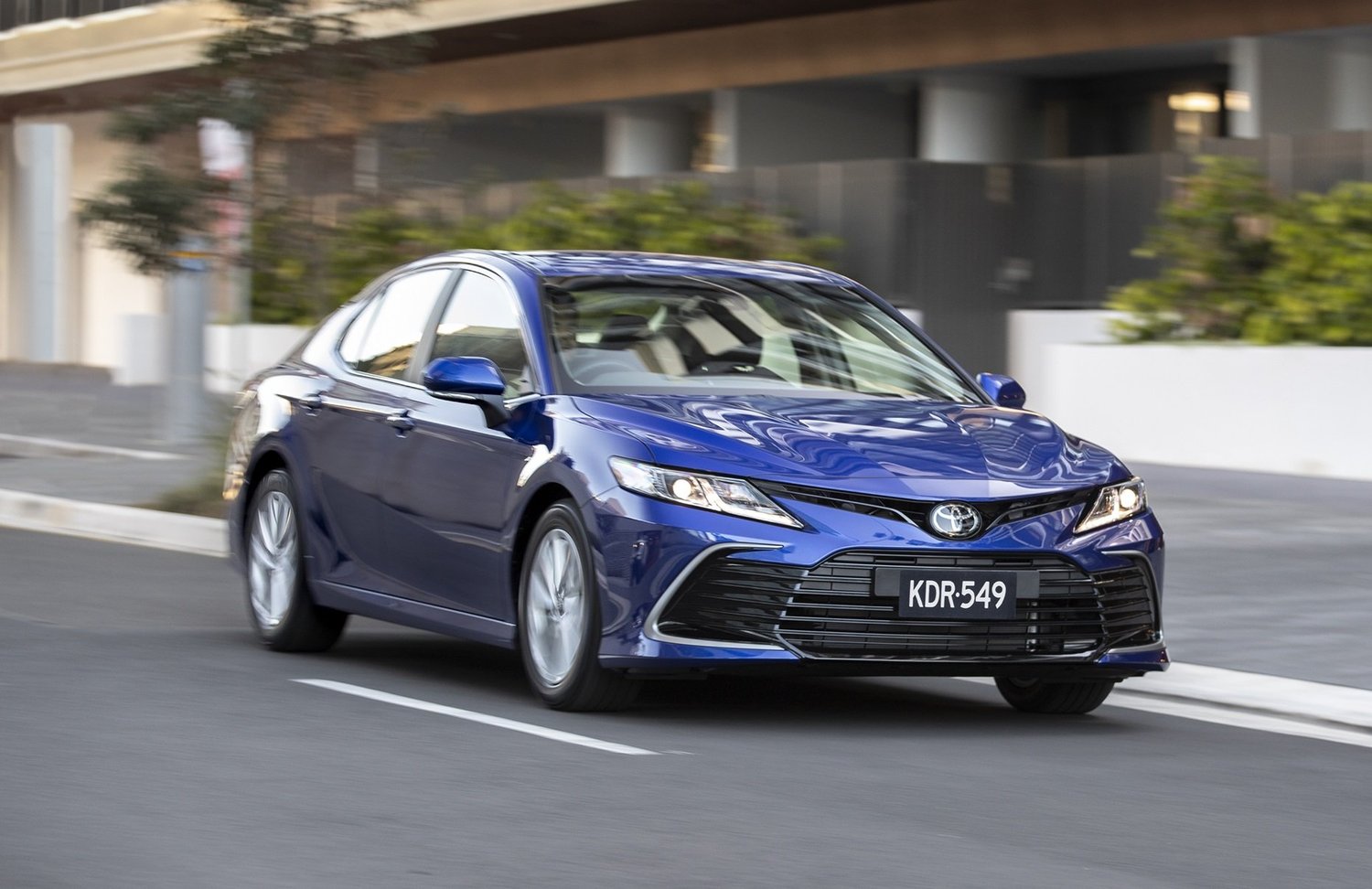
While many buyers prioritize the Camry’s reliability and resale value, it also handles winding roads with composure.
The chassis resists excessive body roll, and the car tracks cleanly through long sweepers. It remains comfortable for commuting and road trips, yet it no longer feels detached when driven with intent.
The Toyota Camry has traditionally been associated with reliability, comfort, and strong resale value. However, in recent generations, Toyota recalibrated the Camry’s chassis dynamics in a way that makes it unexpectedly capable on winding backroads while retaining its core practicality.
Built on Toyota’s TNGA-K platform, the Camry benefits from a lower center of gravity and increased structural rigidity compared to older iterations.
These engineering changes materially improved steering precision and cornering stability. Most trims are powered by a 2.5-liter naturally aspirated inline-four producing around 203 horsepower (higher in certain variants).
The engine delivers linear throttle response and strong midrange pull, which is particularly useful when exiting corners on undulating rural roads. An eight-speed automatic transmission provides smooth yet decisive gear changes.
For drivers seeking stronger performance, the available 3.5-liter V6 significantly increases output, delivering brisk acceleration that exceeds expectations for a midsize family sedan.
Even without the V6, the standard powertrain offers sufficient responsiveness to make backroad driving engaging rather than merely adequate.
Suspension tuning strikes a deliberate balance. Body roll is well controlled for a midsize sedan, and the steering system offers improved feedback compared to earlier Camry generations.
The SE and XSE trims, with sport-oriented suspension calibration, further sharpen handling response without excessively compromising ride comfort. Braking performance is stable and predictable, supporting confident deceleration before tighter bends.
From a practical standpoint, the Camry provides generous rear-seat space, a substantial trunk, and a cabin designed for ergonomic clarity.
Noise insulation is effective, reducing fatigue during extended drives. Fuel efficiency remains competitive within the segment, particularly with the four-cylinder engine and hybrid variants.
In the context of practical cars that remain enjoyable on backroads, the Toyota Camry distinguishes itself through structural balance and accessible power rather than overt sportiness.
It maintains its identity as a dependable midsize sedan while delivering a composed and surprisingly engaging driving experience when the road begins to curve.
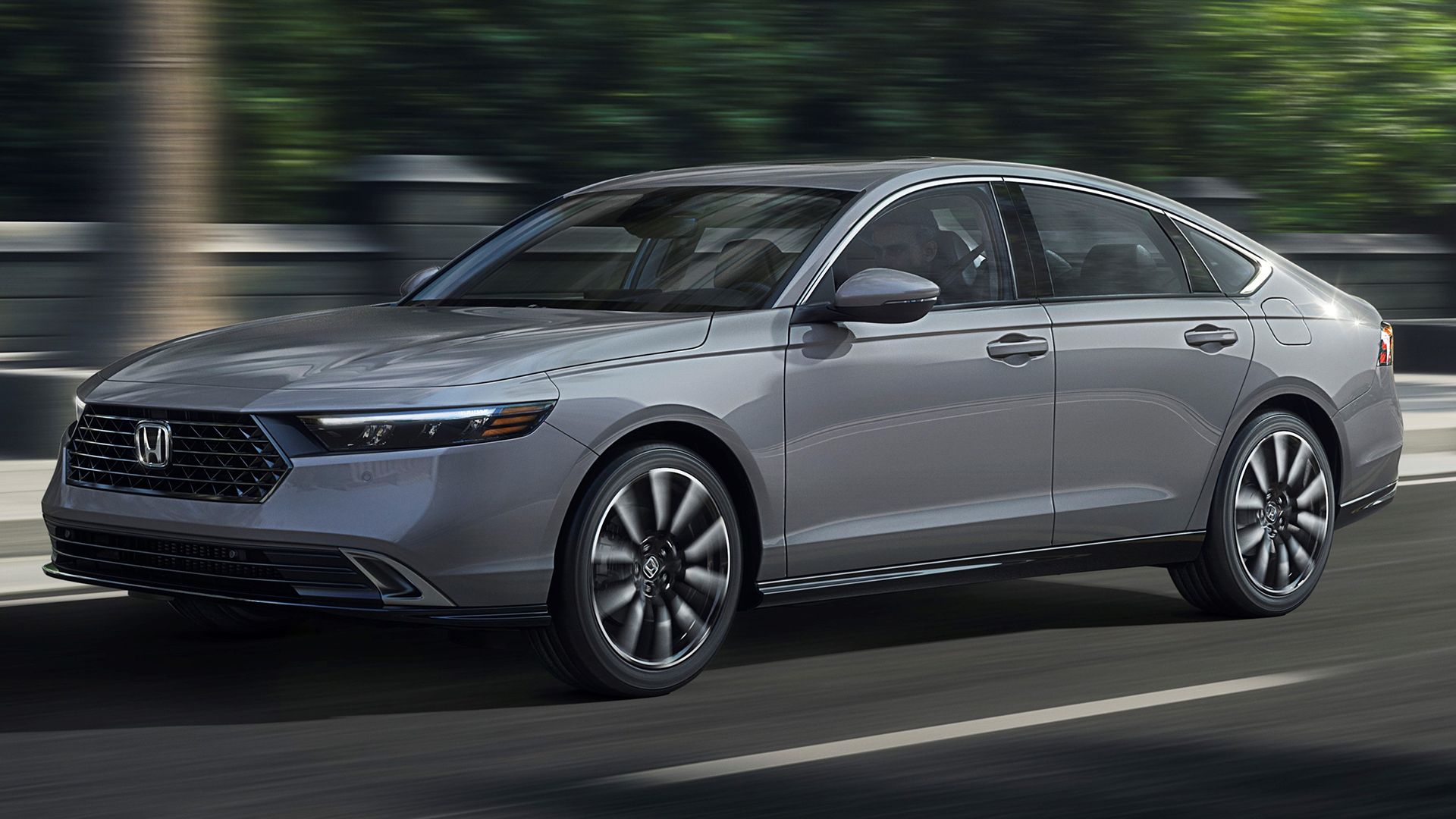
10. Honda Accord
The Accord has consistently balanced practicality with a degree of athleticism. Its steering is accurate, and the suspension strikes a careful compromise between comfort and control.
Turbocharged engines in U.S. models provide strong midrange torque, which is particularly useful when accelerating out of corners.
On a backroad, the Accord feels stable yet responsive. It doesn’t shrink around the driver like a small hatchback, but it carries speed confidently and communicates enough through the steering to remain engaging.
Combined with generous rear-seat space and strong safety ratings, it demonstrates that a family sedan can still satisfy an enthusiastic driver.
In the American market, practicality often drives purchase decisions. However, these ten cars illustrate that sensible choices do not have to be dull.
Thoughtful chassis engineering, responsive steering calibration, and balanced suspension tuning can transform an ordinary commute into a subtly rewarding experience.
For drivers who want one car to handle daily responsibilities and occasional weekend exploration, these models prove that practicality and enjoyment are not mutually exclusive.