
Four-wheel-drive vehicles were once considered niche tools, built primarily for ranchers, contractors, and serious off-road enthusiasts.
Today, they serve a broader role. In many parts of the United States, drivers want year-round traction for snow, rain, and poorly maintained roads without sacrificing everyday comfort.
The challenge in the used market is identifying 4×4 models that are not only capable but also mechanically durable and civil enough for daily commuting.
Reliability matters more in a pre-owned vehicle, particularly when it will be depended upon for weekday transportation.
The following eight used 4×4 models strike that balance. They offer proven drivetrains, manageable ownership costs, and ride quality that does not feel punishing during routine commutes.
These are vehicles with established reputations for longevity and practical usability rather than extreme specialization.
1. Toyota 4Runner (5th Generation, 2010–2023)
the Toyota 4Runner (5th Generation, 2010–2023) remains one of the most durable and predictable options on the used market.
Built on a traditional body-on-frame platform, it prioritizes long-term robustness over trend-driven refinement, which is precisely why it continues to hold value among buyers seeking dependable four-wheel-drive capability.
Throughout this generation, the 4Runner was powered by a 4.0-liter naturally aspirated V6 paired with a five-speed automatic transmission. This powertrain is mechanically straightforward and proven over time.
The absence of turbocharging reduces system complexity and long-term maintenance risk, making it attractive for used buyers concerned about durability. While not particularly fuel-efficient, the engine delivers consistent low-end torque and predictable throttle response, which suits both commuting and adverse weather driving.
For daily use, the 5th-generation 4Runner offers a commanding seating position, clear outward visibility, and straightforward controls.
Later model years introduced updated infotainment systems with smartphone integration, improving everyday convenience.
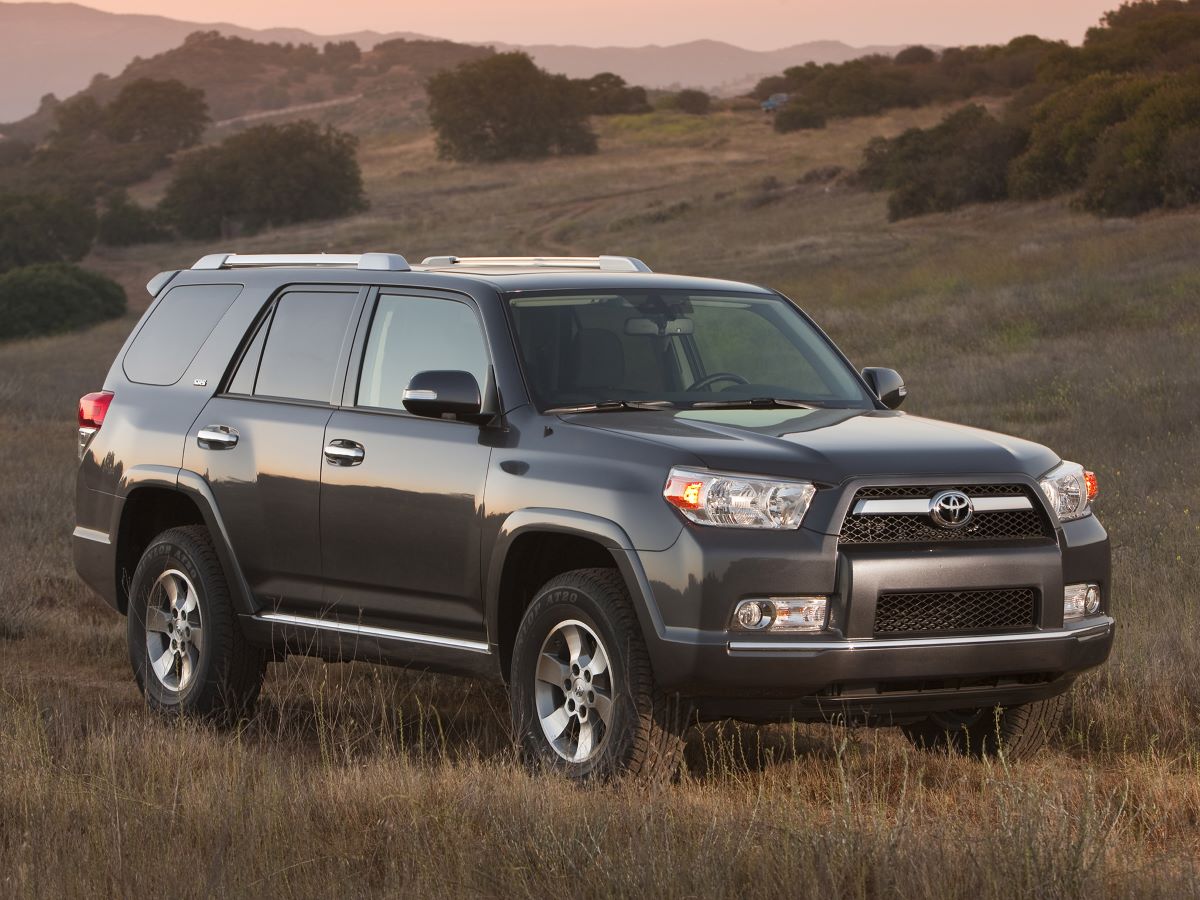
Road noise is higher than in most crossover SUVs due to its truck-based construction, but ride comfort is acceptable, particularly in non-TRD trims with softer suspension tuning.
Reliability is the central advantage. The 4Runner’s drivetrain components, including the transfer case and available locking rear differential, have established records of longevity when properly maintained.
Maintenance requirements are conventional and widely supported by independent repair shops across the United States. Known issues are limited and generally manageable, contributing to lower ownership uncertainty compared to more complex luxury 4×4 vehicles.
The available part-time or full-time 4WD systems, depending on trim, provide genuine capability in snow, heavy rain, and light off-road conditions. This makes the 4Runner suitable for drivers in regions with harsh winters or unpaved roads who still require a vehicle that can function reliably as a daily commuter.
Cargo capacity is generous, and interior materials are designed for durability rather than luxury. Resale value remains strong due to sustained demand and Toyota’s reputation for reliability.
The 2010–2023 Toyota 4Runner represents a conservative but dependable used 4×4 choice. It may not deliver crossover-level efficiency or modern refinement, but it compensates with mechanical durability, proven drivetrain performance, and consistent daily usability.
2. Toyota Tacoma (2012–2022)
The Toyota Tacoma spans the final years of the second generation (2012–2015) and the entirety of the third generation (2016–2022).
Across this period, the Tacoma maintained a body-on-frame construction with a reputation for durability, strong resale value, and consistent off-road capability.
From 2012 to 2015, the Tacoma was offered with either a 2.7-liter inline-four or a 4.0-liter naturally aspirated V6. The 4.0-liter V6 produced 236 horsepower and 266 lb-ft of torque and was paired with a five-speed automatic or six-speed manual transmission.
In 2016, the third generation introduced a 3.5-liter Atkinson-cycle V6 producing 278 horsepower and 265 lb-ft of torque, mated to a six-speed automatic or six-speed manual. The newer engine emphasized improved efficiency while maintaining competitive torque output.
Four-wheel-drive models feature a part-time 4×4 system with a two-speed transfer case. TRD Off-Road and TRD Pro trims include an electronically locking rear differential, Crawl Control, and Multi-Terrain Select.
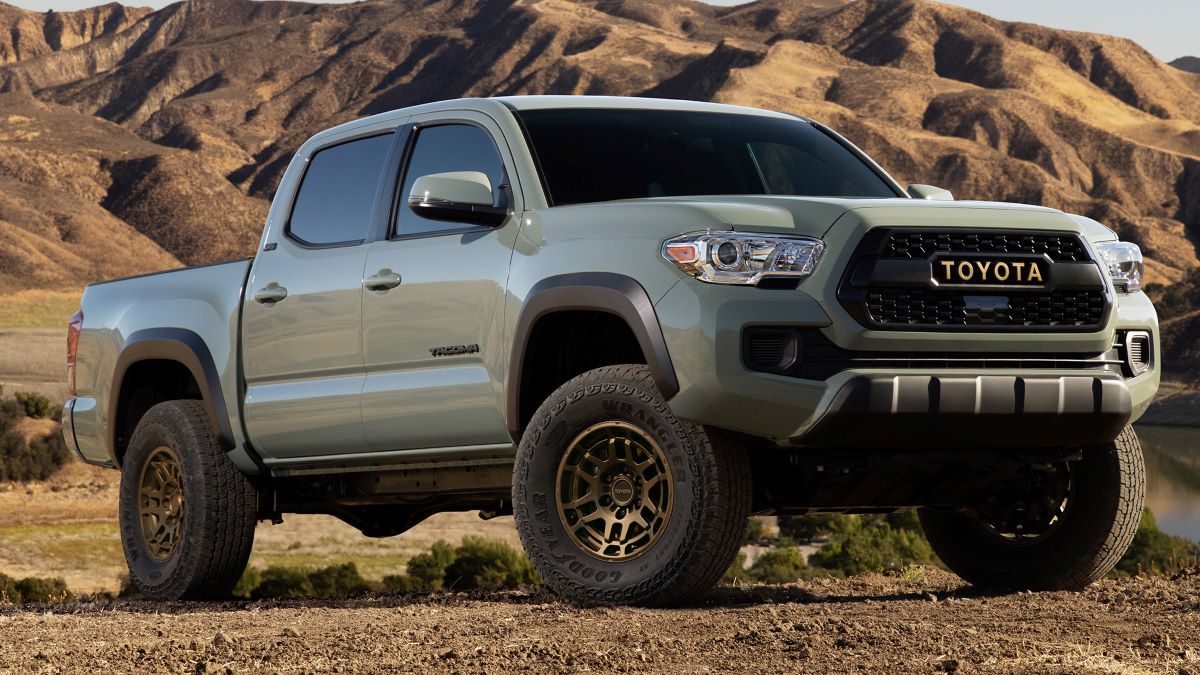
These systems adjust throttle response and braking to maintain traction in low-speed, low-grip conditions. Ground clearance varies by trim, typically around 9 to 9.4 inches, with skid plates protecting key underbody components on off-road-focused models.
Suspension consists of an independent front setup and a solid rear axle with leaf springs. This configuration supports payload capacity and durability while delivering predictable handling characteristics.
Ride quality is firm compared to unibody crossovers, but later third-generation models improved damping and cabin insulation.
Towing capacity generally ranges up to 6,400–6,800 pounds when properly equipped, depending on configuration. Payload ratings vary by cab and drivetrain selection.
Interior materials prioritize durability. Third-generation models introduced updated infotainment systems with touchscreen interfaces and later added Apple CarPlay and Android Auto integration. Seating configurations include Access Cab and Double Cab options, offering flexibility for passengers and cargo.
Fuel economy averages in the high teens for city driving and low 20s on the highway, depending on engine and drivetrain.
The 2012–2022 Toyota Tacoma combines proven body-on-frame engineering, multiple 4×4 configurations, and durable powertrains within a midsize pickup platform designed for sustained long-term use.
3. Ford F-150 (2015–2020 4×4 Models)
The Ford F-150 (2015–2020 4×4 models) is built on Ford’s thirteenth-generation aluminum-intensive platform.
The transition to a high-strength, military-grade aluminum alloy body significantly reduced curb weight compared to the previous steel-bodied generation, improving efficiency and handling without compromising structural integrity.
Multiple engine options were available during this period. These included a 3.5-liter naturally aspirated V6, a 2.7-liter EcoBoost twin-turbo V6, a 3.5-liter EcoBoost twin-turbo V6, and a 5.0-liter naturally aspirated V8. In later model years, a 3.0-liter Power Stroke turbo-diesel V6 was also offered.
The 2.7-liter and 3.5-liter EcoBoost engines are notable for delivering strong low-end torque, which enhances drivability in both daily commuting and load-bearing situations.
A six-speed automatic transmission was standard early in the cycle, with a ten-speed automatic introduced from 2017 onward on most configurations.
Four-wheel-drive models feature a part-time 4×4 system with a two-speed transfer case, offering high and low ranges.
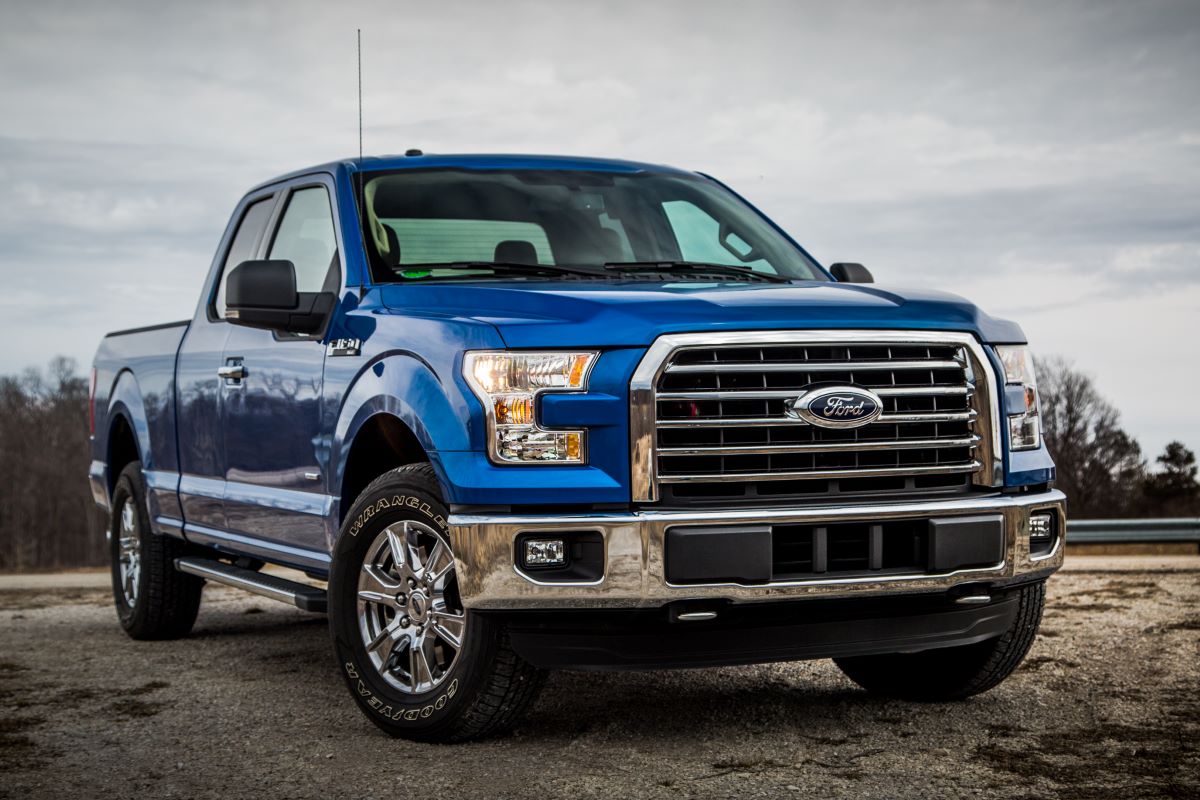
Electronic locking rear differentials were available, along with various terrain management modes depending on trim. Off-road-oriented FX4 packages added skid plates, off-road-tuned shocks, and hill descent control.
Suspension consists of an independent front setup and a solid rear axle with leaf springs, prioritizing payload capacity and durability.
Ride quality varies by configuration but is generally composed for a full-size pickup, particularly in higher trims with upgraded damping. Electric power steering provides consistent weighting and reduces parasitic losses compared to hydraulic systems.
Towing capacity, when properly equipped, exceeds 10,000 pounds in many configurations, with certain setups surpassing 12,000 pounds. Payload ratings vary widely depending on engine and axle ratio. Ground clearance and approach/departure angles depend on trim and wheel selection.
Interior configurations range from basic work-oriented cabins to higher trims with leather seating, advanced infotainment systems, and digital driver displays. SYNC 3 became widely available during this generation, improving usability and smartphone integration.
2015–2020 Ford F-150 4×4 models combine reduced weight, strong torque-focused engine options, and versatile drivetrain configurations, making them mechanically adaptable for both work applications and routine daily driving.
4. Lexus GX 460 (2014–2021)
Power is delivered by a 4.6-liter naturally aspirated V8 producing 301 horsepower and 329 lb-ft of torque, paired with a six-speed automatic transmission. The V8 provides smooth, linear acceleration and strong low-end torque, supporting both highway cruising and low-speed off-road operation.
A full-time four-wheel-drive system with a two-speed transfer case and a Torsen limited-slip center differential comes standard. Low-range gearing enhances torque multiplication for controlled traction in demanding conditions.
Ground clearance is approximately 8.1 inches in standard configuration. Approach and departure angles are competitive within the segment, and underbody protection is integrated for light-to-moderate trail use. Towing capacity is rated at up to 6,500 pounds when properly equipped.
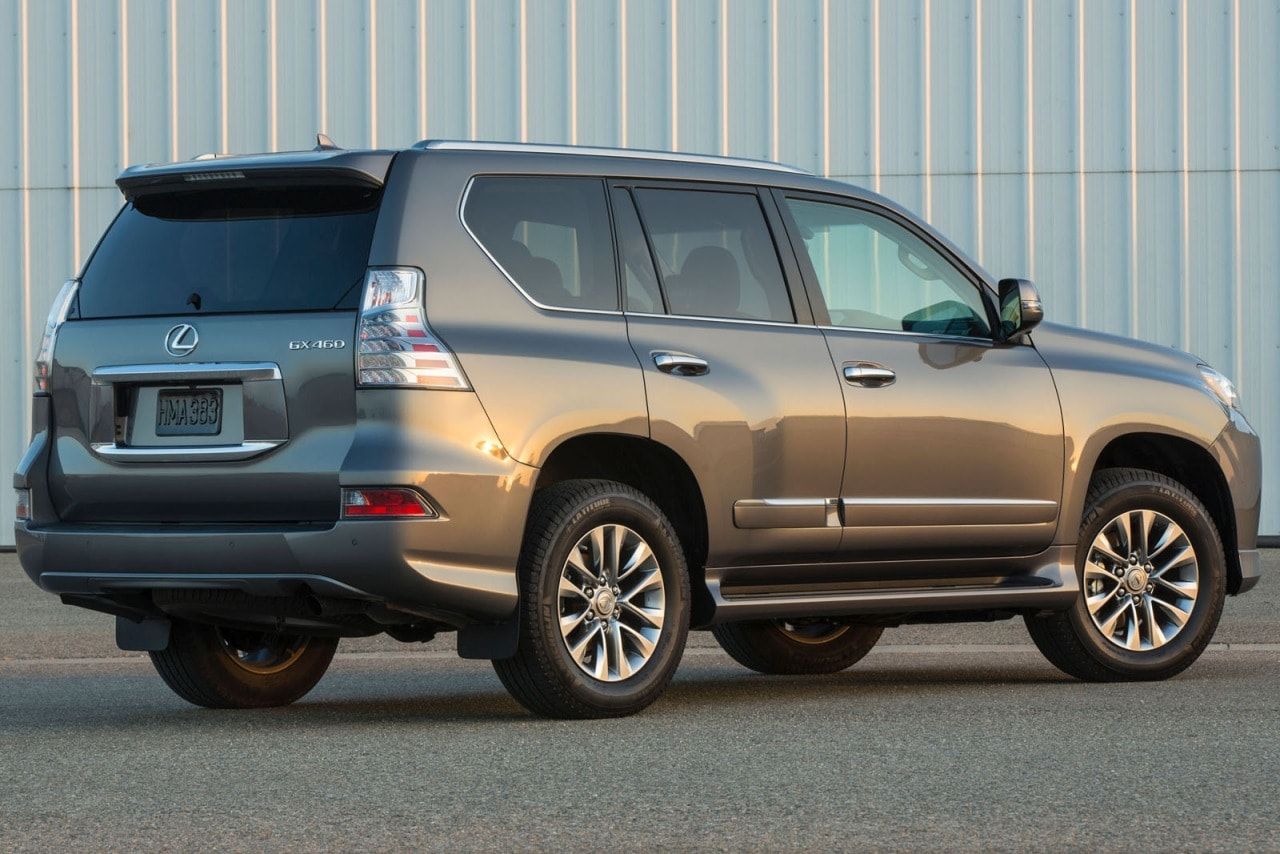
Interior materials emphasize durability and insulation. Leather upholstery, wood trim, and a traditionally designed dashboard characterize the cabin.
The infotainment interface remained conservative throughout this generation, relying on a joystick-style controller rather than a touchscreen in earlier years. Later updates improved connectivity, though the system remained less modern than some competitors.
Fuel economy reflects its V8 engine and body-on-frame design, typically averaging in the mid-teens in city driving and high teens on the highway.
Despite modest efficiency, the GX 460 maintains strong resale value due to its reliability reputation and long production run with minimal mechanical changes.
The 2014–2021 Lexus GX 460 is defined by structural robustness, proven V8 performance, and a full-time 4WD system engineered for longevity, balancing off-road capability with consistent on-road refinement.
5. Chevrolet Tahoe (2015–2020 4WD)
The Chevrolet Tahoe 4WD models are built on General Motors’ K2XX body-on-frame platform, sharing architecture with the Suburban and Silverado of the same era.
This generation retained traditional truck-based construction, emphasizing towing capability, drivetrain durability, and full-size passenger capacity.
Powertrain options during this period centered on naturally aspirated V8 engines. The standard engine was a 5.3-liter EcoTec3 V8 producing 355 horsepower and 383 lb-ft of torque, paired initially with a six-speed automatic transmission and later with a ten-speed automatic in select trims.
A 6.2-liter V8 producing 420 horsepower was available on higher trims beginning in later model years. Both engines utilized direct injection, variable valve timing, and cylinder deactivation technology to balance performance with efficiency.
Four-wheel-drive models use a two-speed transfer case with selectable high and low ranges. The system is designed for part-time engagement, allowing drivers to switch between 2WD, Auto, 4WD High, and 4WD Low depending on road conditions.
An available locking rear differential enhances traction in low-grip environments. Suspension consists of an independent front setup and a solid rear axle with coil springs. Magnetic Ride Control was available on upper trims, improving damping precision and ride stability.
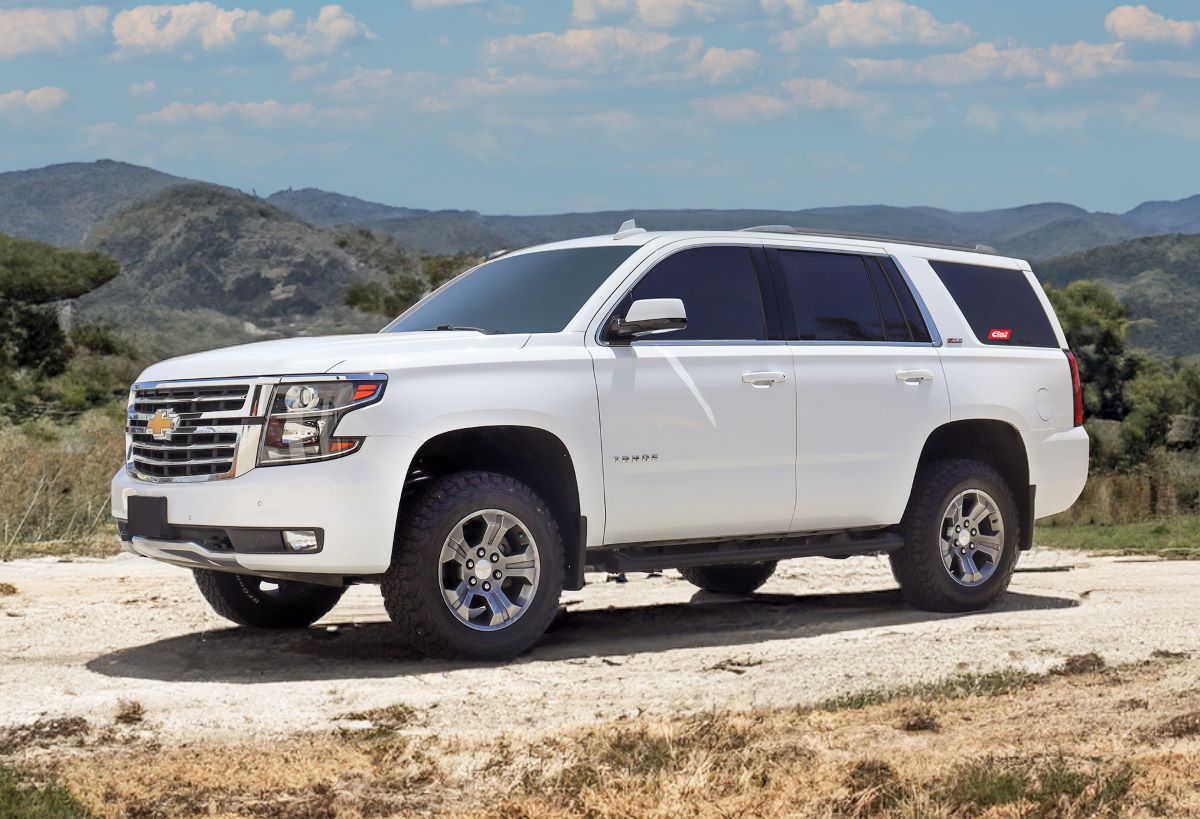
Ground clearance is approximately 8 inches, depending on configuration. Skid plates were available on certain packages, though the Tahoe is primarily engineered for on-road use with moderate off-road capability rather than extreme trail performance. Towing capacity can exceed 8,000 pounds when properly equipped.
Interior space is a primary strength. The Tahoe offers three-row seating with substantial cargo capacity, especially with rear seats folded.
Cabin materials vary by trim, ranging from durable cloth in lower trims to leather and wood accents in premium versions. Infotainment systems during this generation featured Chevrolet’s MyLink interface with touchscreen operation and smartphone integration.
Fuel economy averages in the mid-teens for city driving and low 20s on the highway, reflecting its V8 power and full-frame construction.
The 2015–2020 Chevrolet Tahoe 4WD combines traditional V8 performance, selectable four-wheel drive, and high passenger capacity within a structurally durable full-size SUV platform.
6. Honda Ridgeline (2017–2023 AWD/4WD Equivalent)
The Honda Ridgeline is a midsize pickup built on a unibody platform shared with the Honda Pilot and Passport rather than a traditional body-on-frame truck chassis. This construction prioritizes structural rigidity, ride comfort, and daily usability over heavy-duty payload capability.
All models in this generation are equipped with Honda’s i-VTM4 all-wheel-drive system, which functions as the practical equivalent of 4WD in this platform.
Power is supplied by a 3.5-liter naturally aspirated V6 producing 280 horsepower and 262 lb-ft of torque. Early model years were paired with a six-speed automatic transmission, while later versions transitioned to a nine-speed automatic.
The engine delivers smooth, linear acceleration with consistent midrange torque, suitable for highway merging and light towing.
The i-VTM4 AWD system uses torque vectoring to distribute power not only between the front and rear axles but also side-to-side at the rear. This improves traction in low-grip conditions such as snow or wet pavement.
The system includes selectable drive modes for snow, mud, and sand, which adjust throttle response and torque distribution accordingly. While it does not include a low-range transfer case, its electronic management provides effective traction for moderate off-road use.
Suspension consists of fully independent front and rear setups, contributing to stable handling and a more composed ride compared to many body-on-frame pickups.
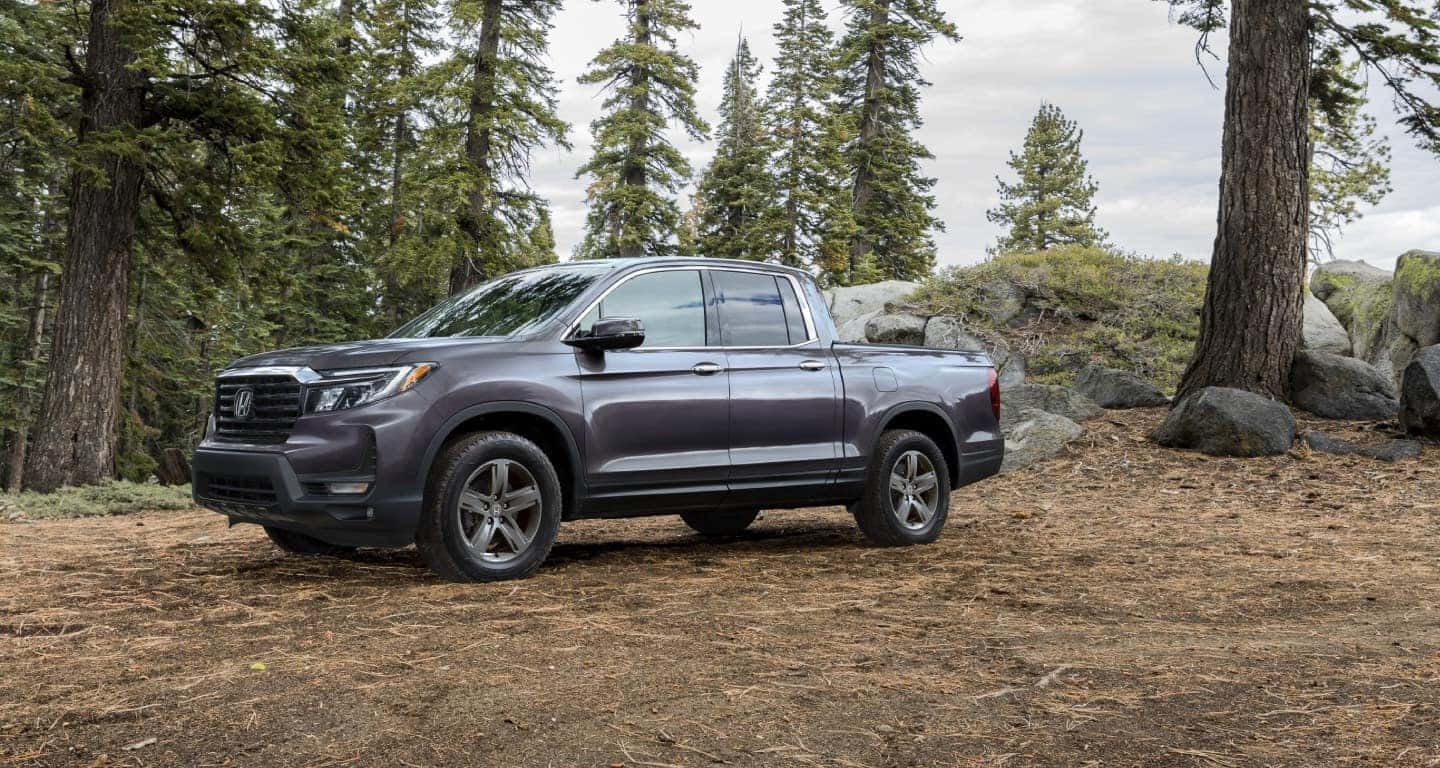
Steering is precise and well-weighted, supporting predictable maneuverability in urban environments. Ground clearance is approximately 7.6 inches, limiting extreme off-road capability but remaining adequate for light trail or adverse weather conditions.
Towing capacity is rated at up to 5,000 pounds when properly equipped. Payload capacity is competitive within the midsize segment, though lower than heavier-duty truck-based competitors.
The Ridgeline features a composite bed with an in-bed trunk for secure storage, along with a dual-action tailgate that opens both downward and sideways.
Interior materials emphasize comfort and practicality, with later models offering touchscreen infotainment systems featuring smartphone integration.
The 2017–2023 Honda Ridgeline combines unibody construction, a torque-vectoring AWD system, and V6 performance to deliver a truck platform optimized for daily driving and light-duty versatility rather than extreme off-road applications.
7. Jeep Grand Cherokee (2014–2019 with 3.6L V6)
When equipped with the 3.6-liter Pentastar V6 rather than more complex powertrains, the Grand Cherokee can be a dependable daily driver. Its available Quadra-Trac and Quadra-Drive systems provide genuine 4×4 capability.
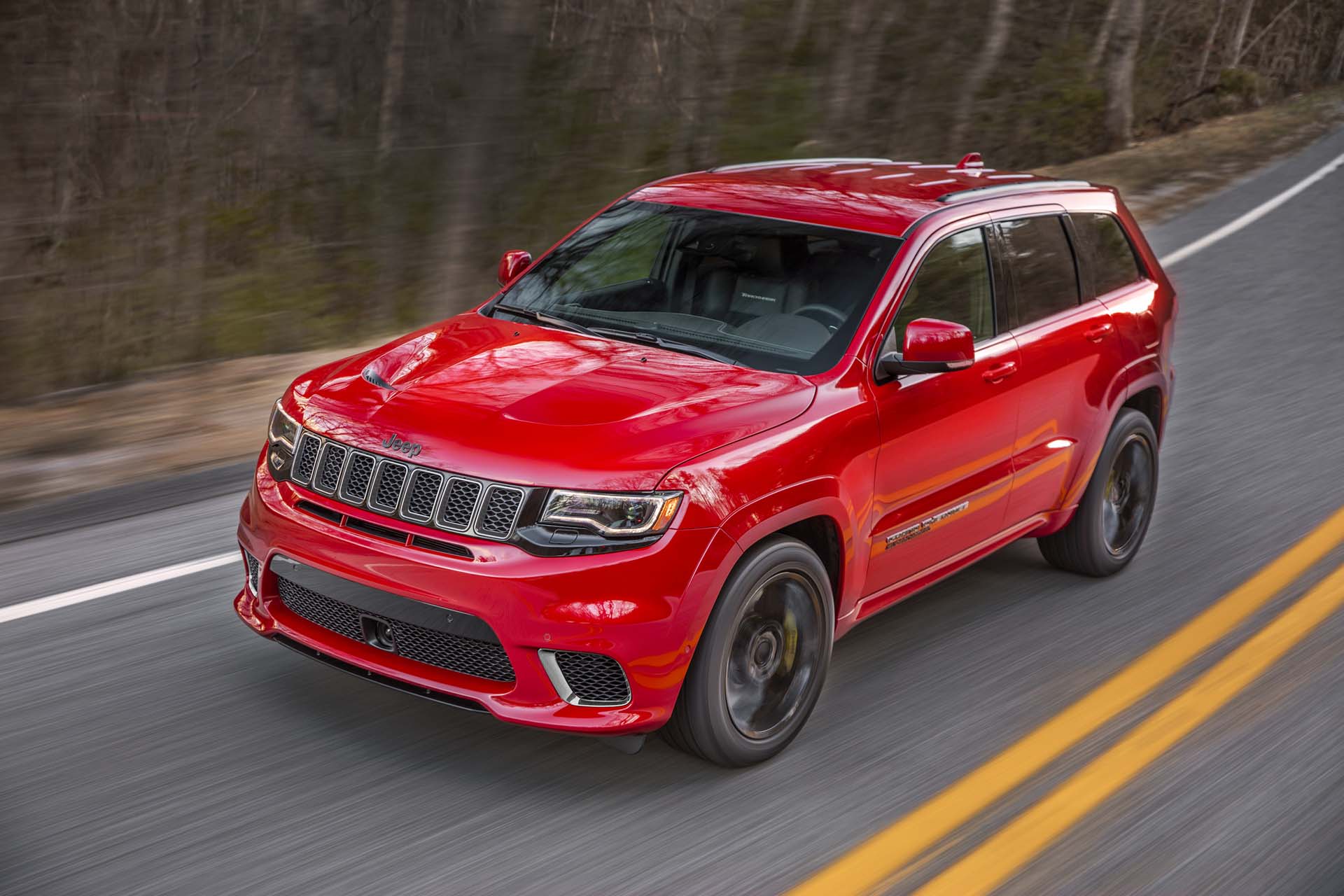
The Jeep Grand Cherokee equipped with the 3.6-liter Pentastar V6 represents one of the most balanced configurations of this generation.
Built on a unibody platform with independent front and rear suspension, the WK2 blends structural rigidity with improved on-road refinement compared to traditional body-on-frame SUVs.
The 3.6-liter naturally aspirated V6 produces 290 horsepower and 260 lb-ft of torque. It is paired with an eight-speed automatic transmission (ZF-sourced), which significantly improved shift quality and efficiency compared to earlier five-speed units.
The Pentastar engine is widely used across multiple Stellantis products, contributing to strong parts availability and a well-documented maintenance profile.
Several four-wheel-drive systems were available, including Quadra-Trac I, Quadra-Trac II, and Quadra-Drive II. Quadra-Trac II adds a two-speed transfer case with low-range gearing, while Quadra-Drive II incorporates an electronic limited-slip rear differential for enhanced traction.
The Selec-Terrain system allows drivers to adjust drivetrain calibration for snow, sand, mud, or rock conditions. Certain trims also offered the Quadra-Lift air suspension, which can raise ground clearance for off-road driving or lower the vehicle for improved aerodynamics.
Ride quality is a defining characteristic. The independent suspension setup provides more composed handling and reduced body motion compared to many truck-based SUVs.
Steering is electronically assisted, delivering consistent weighting and improved maneuverability in urban settings. Towing capacity with the V6 configuration is typically rated up to 6,200 pounds when properly equipped.
Interior design varies by trim level, ranging from durable cloth in base Laredo models to leather-appointed cabins with wood or metallic accents in Limited and Overland trims.
Fuel economy averages in the high teens in city driving and mid-20s on the highway, depending on drivetrain configuration.
The 2014–2019 Jeep Grand Cherokee with the 3.6L V6 combines proven engine durability, advanced four-wheel-drive options, and refined on-road dynamics within a structurally robust midsize SUV platform.
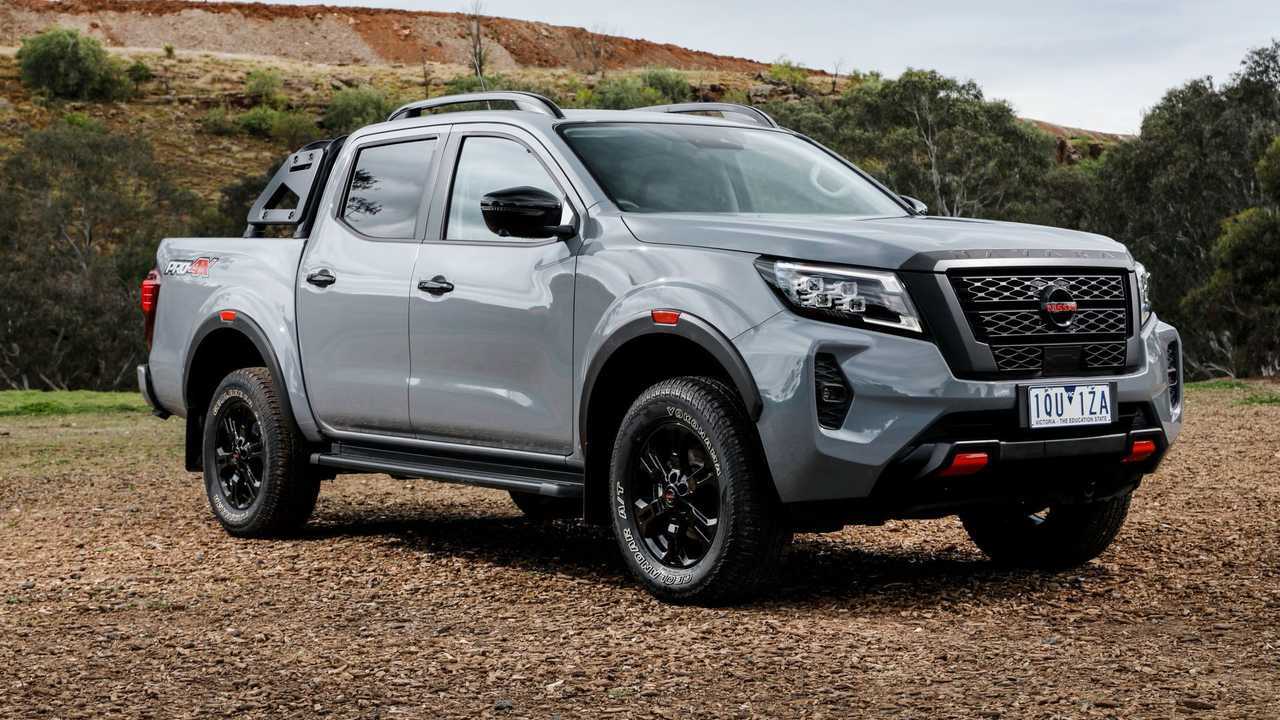
8. Nissan Frontier (2012–2021)
The Nissan Frontier is a midsize pickup built on a fully boxed ladder-frame chassis, emphasizing mechanical simplicity and long-term durability.
Throughout most of this production span, it was powered by a 4.0-liter naturally aspirated V6 producing 261 horsepower and 281 lb-ft of torque, paired with either a five-speed automatic or a six-speed manual transmission.
For the 2020–2021 model years, Nissan introduced a revised 3.8-liter V6 generating 310 horsepower, coupled exclusively with a nine-speed automatic transmission.
Rear-wheel drive was standard, while 4×4 models feature a part-time four-wheel-drive system with a two-speed transfer case offering high and low ranges.
Electronic shift-on-the-fly capability allows drivers to engage 4WD High while moving at moderate speeds, while 4WD Low is designed for reduced-speed traction scenarios. An electronic locking rear differential was available on PRO-4X trims, enhancing low-grip performance.
The suspension configuration consists of an independent front setup with a solid rear axle supported by leaf springs.
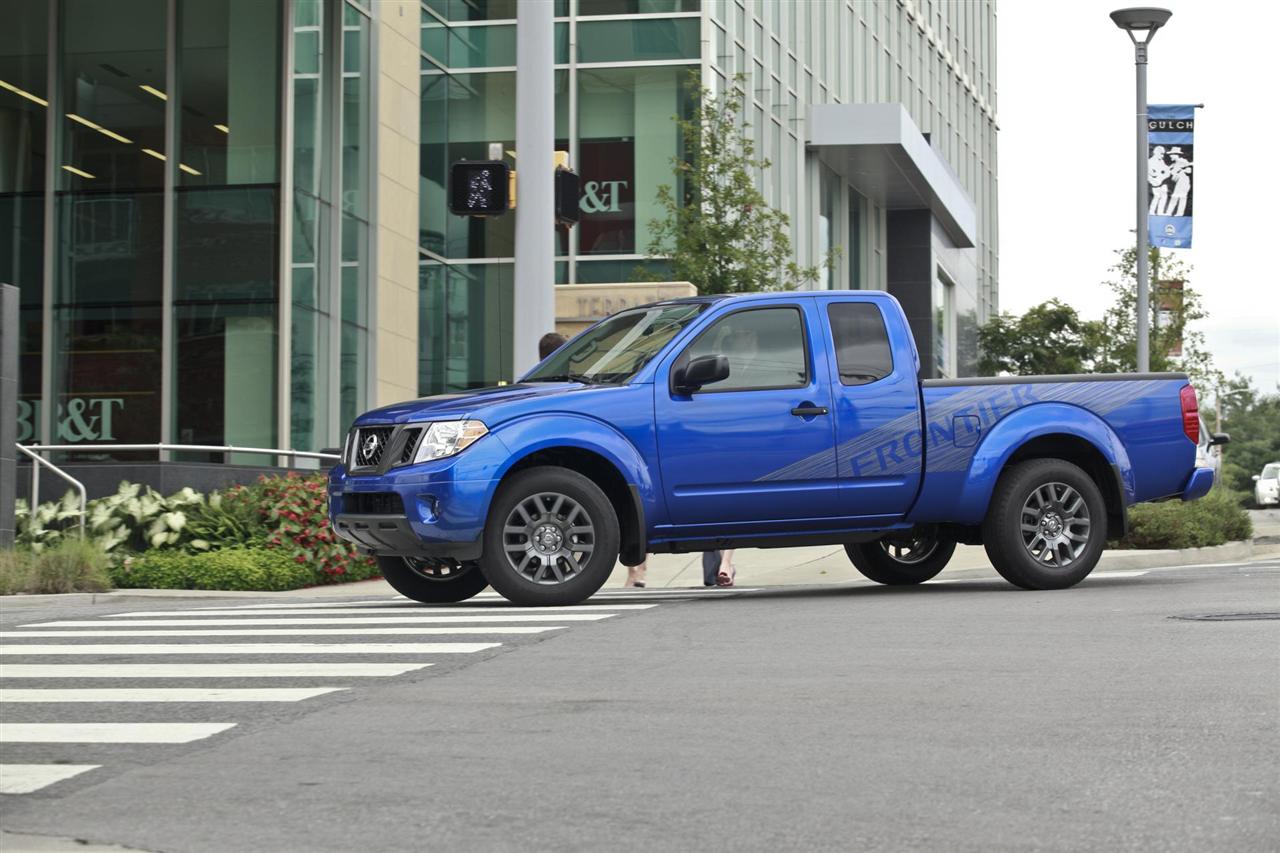
This layout prioritizes payload capacity and structural resilience. Ride quality is firm compared to crossover-based vehicles, but it remains stable and predictable. Steering is hydraulic, delivering consistent feedback and mechanical simplicity.
Ground clearance varies by trim, with PRO-4X models offering improved approach and departure angles.
Skid plates are standard on off-road-focused trims, protecting critical underbody components. Towing capacity generally ranges up to approximately 6,500 pounds when properly equipped, depending on drivetrain and configuration.
Interior design remained largely unchanged for much of this generation, reflecting its long production cycle. Materials are durable and functional rather than premium. Later model years introduced updated infotainment systems with touchscreen displays and smartphone integration, improving everyday usability.
Fuel economy averages in the mid-teens for city driving and low 20s on the highway, depending on engine and drivetrain selection.
The 2012–2021 Nissan Frontier is characterized by a proven V6 powertrain, straightforward four-wheel-drive hardware, and a durable frame architecture designed for sustained use in both work and daily driving environments.
Each has demonstrated the capacity to withstand high mileage while remaining usable and reasonably comfortable for everyday transportation.
