
Rural America presents a different set of automotive demands than suburban commuting or highway cruising.
Outside major metropolitan areas, drivers frequently encounter unpaved county roads, washboard gravel, rutted farm access lanes, steep driveways, and seasonal hazards like snow drifts or mud after heavy rain.
In these conditions, ground clearance is not a marketing statistic it is a functional requirement. Vehicles with sufficient ride height reduce the risk of underbody damage, oil pan strikes, torn splash shields, and premature suspension wear.
Conversely, vehicles engineered primarily for urban efficiency or performance handling often sit low to the ground, making them vulnerable to scraping, especially when fully loaded.
Ground clearance, measured as the distance between the lowest point of a vehicle’s underbody and the ground, typically ranges from about 4 to 5 inches in low-slung sports cars to more than 11 inches in dedicated off-road SUVs.
For rural drivers in the United States from the ranchlands of Texas to the gravel backroads of Montana or the Appalachian foothills clearance above 8 inches generally provides practical peace of mind. Below 6 inches, caution becomes necessary.
Below are five vehicles well-suited to rough rural conditions, followed by five that frequently scrape in uneven terrain.
Vehicles With High Ground Clearance for Rural Roads
Rural roads demand a different kind of vehicle. Long stretches of gravel, uneven dirt paths, deep ruts, seasonal mud, and unexpected washouts quickly expose the limitations of cars designed primarily for smooth pavement. In these environments, ground clearance is not a luxury feature, it is a functional requirement that directly affects capability, durability, and safety.
High ground clearance allows a vehicle to pass over rocks, debris, and uneven terrain without damaging the underbody. It reduces the risk of scraping critical components such as the oil pan, exhaust system, or suspension parts.
For drivers who regularly navigate farmland access roads, forest service routes, construction zones, or remote residential areas, this added height provides confidence and practical usability rather than mere off-road styling.
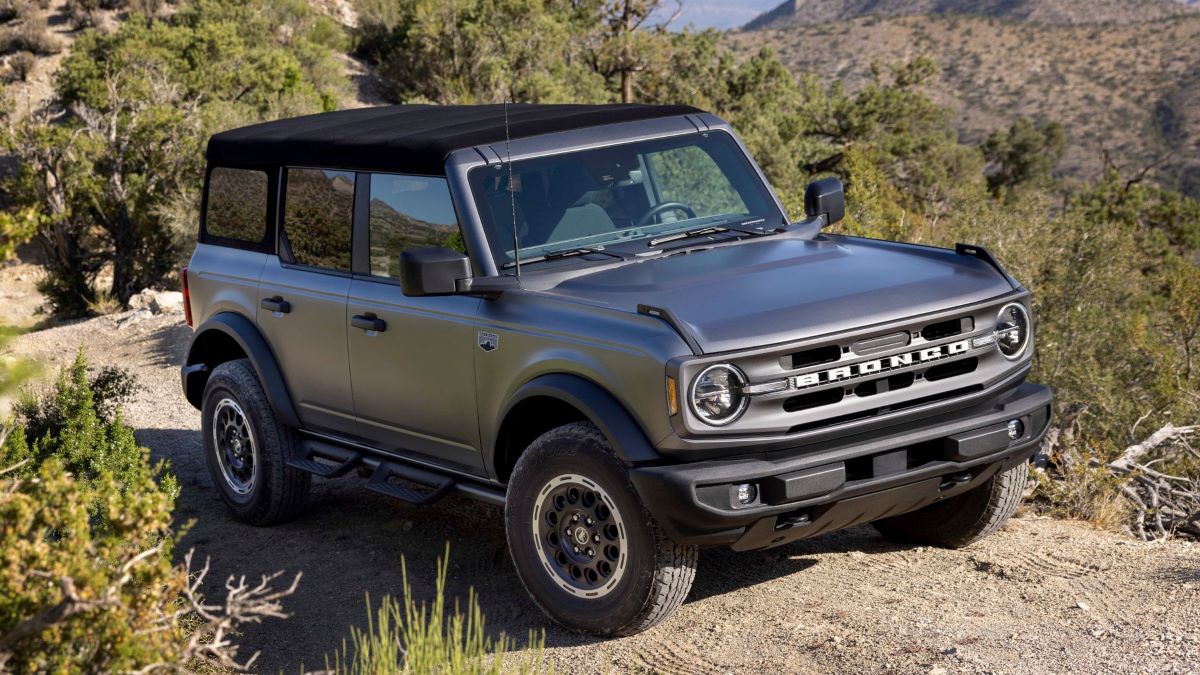
1. Ford Bronco
The Ford Bronco is engineered with terrain capability as a core design principle, making it a strong candidate for rural environments where road conditions are inconsistent and often unpredictable.
Unlike crossovers that merely adopt rugged styling cues, the Bronco is built on a body-on-frame platform, a construction method traditionally associated with durability and structural resilience. This foundation is particularly relevant for rural drivers who regularly encounter washboard gravel, deep ruts, standing water, or uneven dirt access roads.
Ground clearance varies by trim, but properly equipped Bronco models offer over 11 inches of clearance. That figure provides practical protection against underbody strikes when crossing rocks, navigating eroded paths, or traveling through fields and wooded areas.
The elevated ride height is complemented by favorable approach, breakover, and departure angles, which reduce the risk of scraping on steep inclines or abrupt terrain transitions common on rural properties.
Suspension design also plays a significant role. The Bronco’s independent front suspension enhances control over rough surfaces while maintaining articulation necessary for uneven ground.
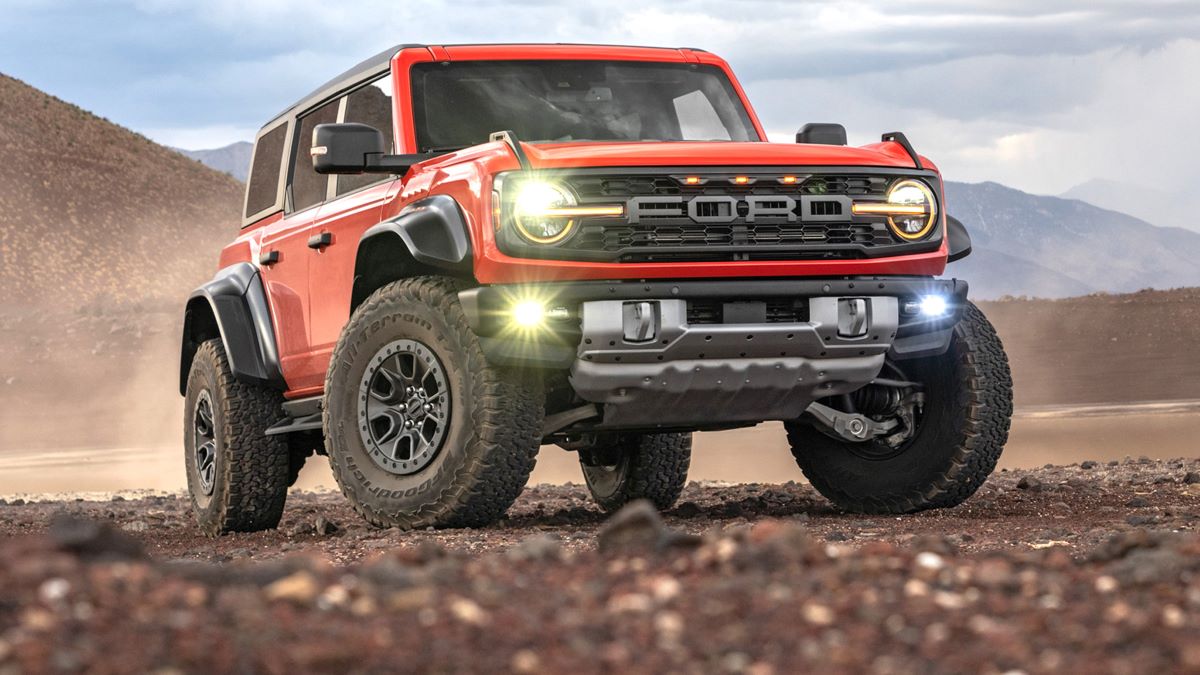
Available heavy-duty dampers and off-road tuned setups further improve stability over loose gravel and corrugated dirt roads, where lesser vehicles may feel unsettled. For drivers who travel long distances on rural highways before turning onto unpaved routes, this balance between on-road comfort and off-road capability is a practical advantage.
Drivetrain options strengthen its suitability. Four-wheel-drive systems, combined with selectable terrain management modes, allow drivers to adapt to mud, sand, snow, or loose rock conditions without requiring extensive technical knowledge. This is especially useful in regions where weather rapidly changes road surfaces from dry dust to deep mud.
Tire choice also contributes to performance. Many Bronco trims come equipped with all-terrain tires designed to maintain traction on gravel and dirt while resisting punctures. For rural households that tow small trailers, carry equipment, or transport supplies, the Bronco’s payload and towing capacity add further utility.
In the context of vehicles with high ground clearance for rural roads, the Ford Bronco stands out because its height is supported by structural durability, drivetrain competence, and suspension engineering. It is not simply elevated, it is purpose-built for challenging terrain.
2. Toyota 4Runner
The Toyota 4Runner has long maintained a reputation for durability, and that reputation is particularly relevant when evaluating vehicles suited for rural roads.
Built on a traditional body-on-frame platform, the 4Runner prioritizes structural strength and mechanical simplicity, traits that become valuable when traveling across uneven dirt tracks, gravel routes, or poorly maintained county roads.
Ground clearance on most 4Runner trims measures approximately 9.6 inches, while specialized off-road variants can offer slightly more depending on equipment and tire selection.
This level of clearance is sufficient to navigate rutted paths, shallow washouts, and debris without frequent underbody contact. For rural drivers, that translates to reduced risk of damaging critical components such as the skid plates, exhaust system, or fuel tank area when terrain conditions deteriorate.
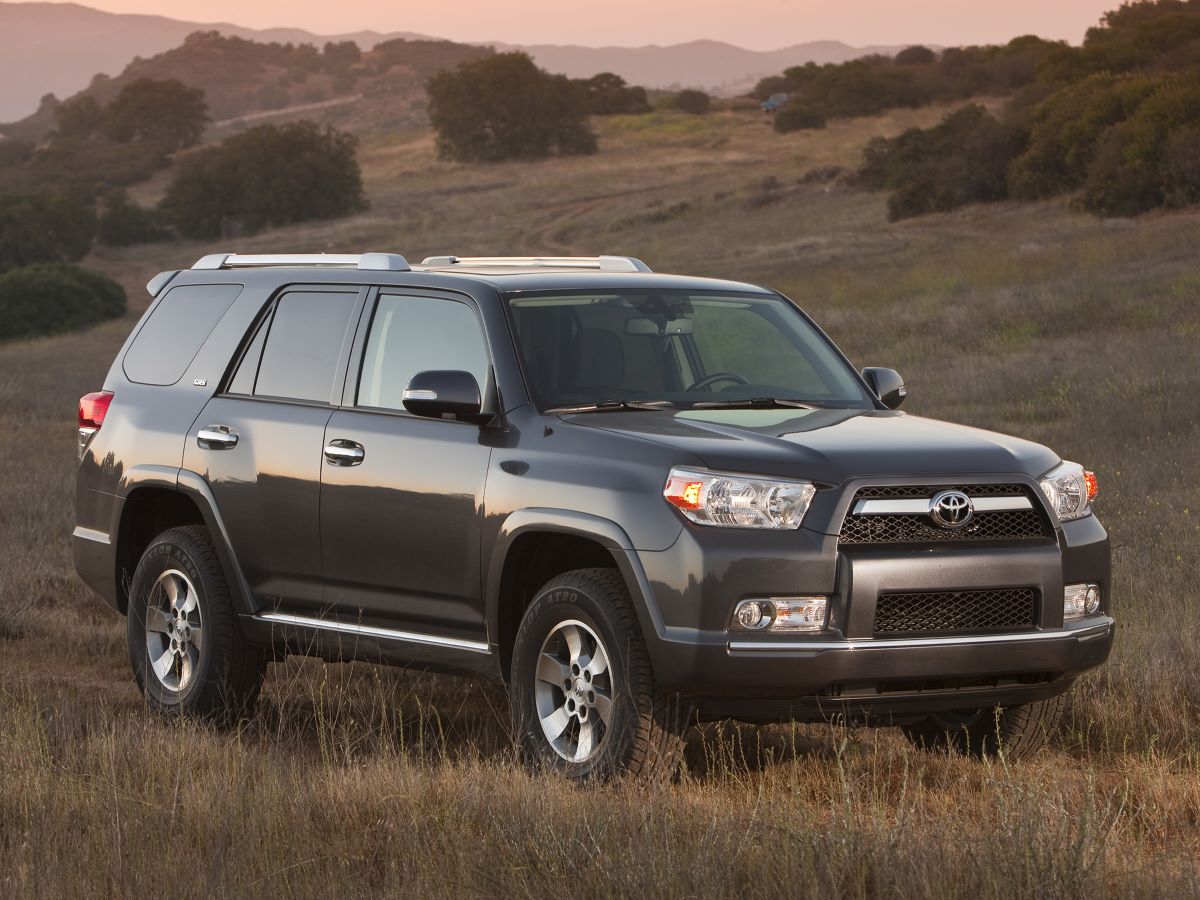
Suspension configuration further reinforces its suitability. The 4Runner employs a solid rear axle, a design choice that enhances durability and load-handling capability.
While independent rear suspension may offer smoother pavement behavior, a solid axle provides predictable articulation and strength on uneven surfaces. On washboard gravel roads common in agricultural regions, the 4Runner’s suspension tuning helps maintain composure and directional stability.
Four-wheel-drive models include a low-range transfer case, which is valuable for steep inclines, muddy fields, or snow-covered access roads. Available locking differentials on TRD Off-Road and TRD Pro trims increase traction in low-grip environments, allowing the vehicle to maintain forward progress where lighter-duty crossovers might struggle.
Beyond clearance and traction, the 4Runner offers practical interior utility. Its cargo area accommodates tools, equipment, or supplies without compromising passenger space. For rural households that tow small trailers, boats, or utility equipment, its towing capacity adds functional versatility.
In the context of vehicles with high ground clearance for rural roads, the Toyota 4Runner stands out not merely because of its ride height, but because that height is integrated into a platform engineered for longevity. It balances sufficient clearance, mechanical durability, and proven reliability, making it a pragmatic choice for sustained use in demanding rural conditions.
3. Jeep Wrangler
The Jeep Wrangler is widely regarded as one of the most capable off-road vehicles available, and that capability directly translates into strong performance on rural roads.
Unlike vehicles that are adapted for light-duty trail use, the Wrangler is purpose-built with off-road geometry and structural durability at its core. For drivers who regularly encounter deeply rutted dirt tracks, uneven farmland paths, or remote gravel access roads, this engineering focus is highly relevant.
Ground clearance varies by configuration, but most Wrangler models offer between 9.7 and over 10.8 inches of clearance, with Rubicon variants providing even greater height when equipped with larger tires.
This elevated stance allows the vehicle to clear rocks, fallen branches, and erosion damage without frequent undercarriage contact. In rural settings where maintenance schedules for roads can be inconsistent, that extra margin of clearance reduces mechanical risk.
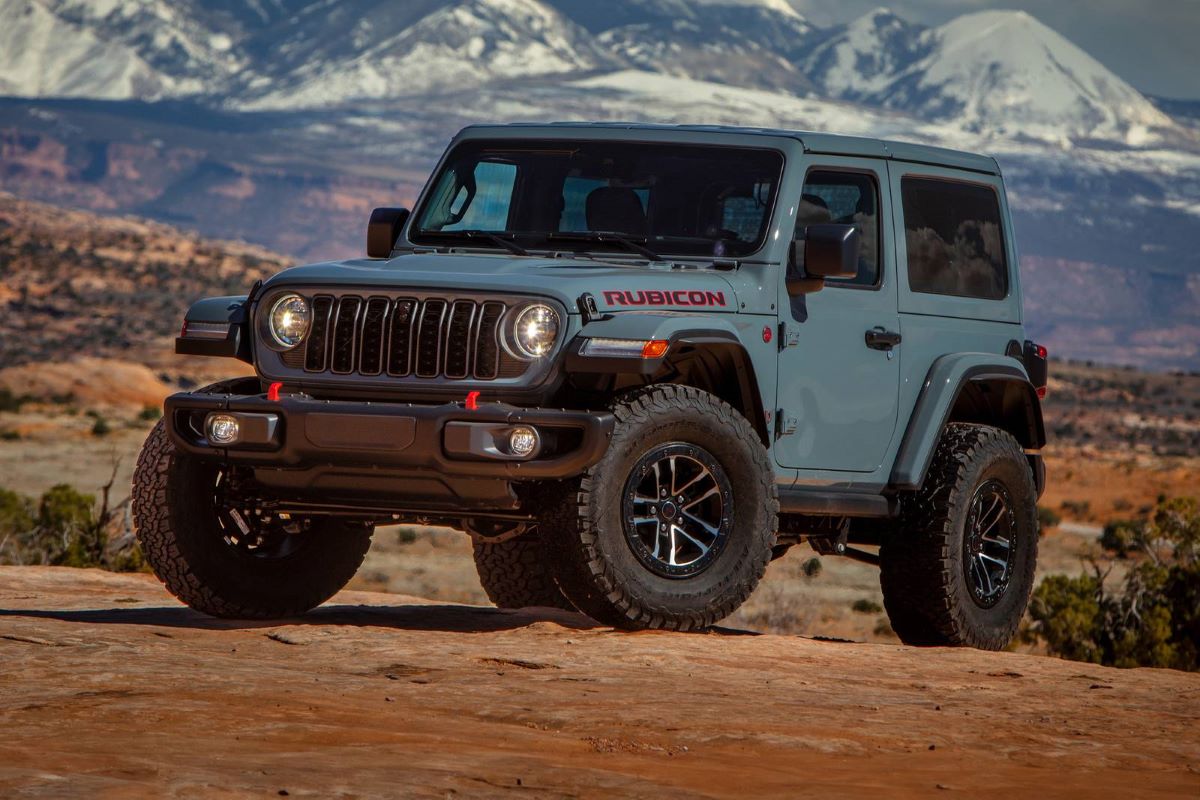
The Wrangler’s body-on-frame construction enhances durability when traversing uneven terrain. Solid front and rear axles contribute to superior articulation, allowing the wheels to maintain contact over irregular surfaces.
This is particularly useful on washed-out sections of dirt roads or when crossing uneven pasture access routes. While solid axles may compromise some on-road refinement compared to independent suspension systems, they deliver predictable strength and traction in demanding environments.
Four-wheel-drive capability is standard across the Wrangler lineup, and many trims include a low-range transfer case for controlled movement at low speeds.
The Rubicon model further adds locking differentials and disconnecting sway bars, increasing traction and suspension flexibility in loose or deeply uneven terrain. For rural property owners dealing with mud after heavy rain or snow accumulation in winter, these features provide functional reliability rather than optional luxury.
4. Subaru Outback Wilderness
The Subaru Outback Wilderness represents a different interpretation of rural capability compared to traditional body-on-frame SUVs. Rather than relying on heavy-duty truck architecture, it builds upon a unibody platform but enhances it with meaningful upgrades specifically targeted at rough terrain. For drivers who split time between paved highways and unmaintained rural roads, this balance can be particularly practical.
Ground clearance on the Outback Wilderness measures approximately 9.5 inches, which exceeds that of many compact SUVs and standard crossovers.
This additional height allows the vehicle to navigate washboard gravel, shallow ruts, and uneven dirt surfaces without consistent underbody scraping. For rural commuters who encounter seasonal road damage or farm access trails, this clearance provides functional protection rather than cosmetic lift.
The suspension system is recalibrated compared to the standard Outback, featuring longer coil springs and revised dampers to improve stability over broken surfaces.
While it does not employ solid axles like traditional off-road vehicles, the independent suspension setup contributes to composed handling at higher speeds on gravel roads. This is relevant in agricultural regions where long, straight unpaved stretches are common.
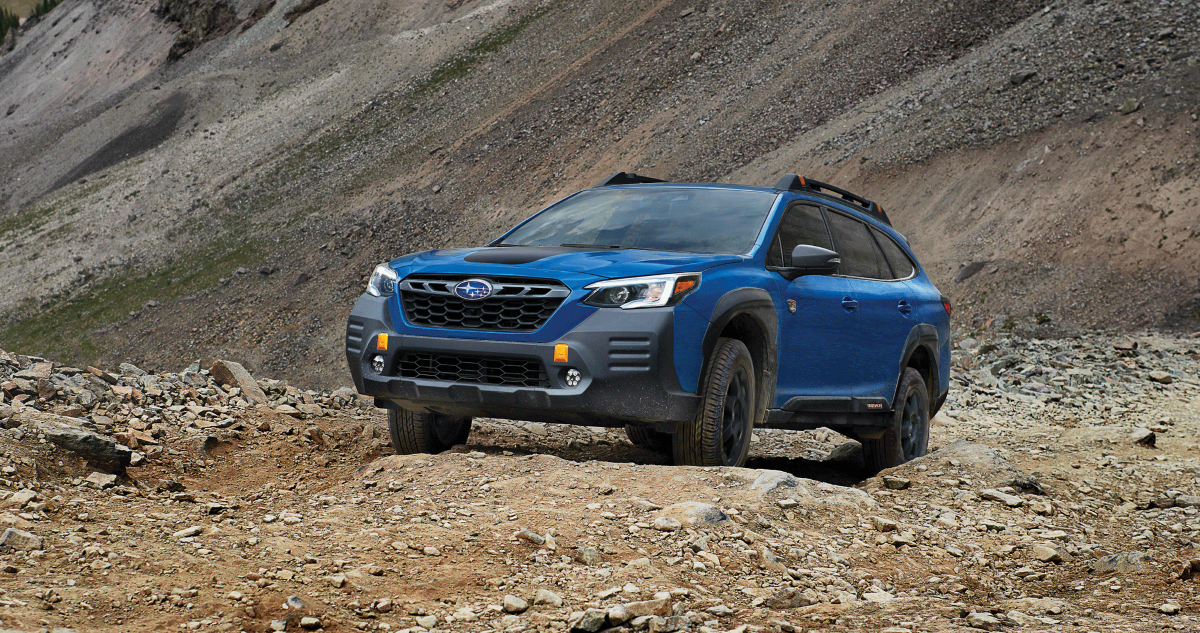
A key strength of the Outback Wilderness is Subaru’s symmetrical all-wheel-drive system. Unlike part-time four-wheel-drive systems that require manual engagement, the full-time AWD system continuously distributes power to maintain traction.
When combined with dual-function X-Mode, which adjusts throttle response and braking for low-traction surfaces such as mud or snow, the vehicle maintains steady control in variable rural conditions.
The Wilderness trim also includes underbody protection, all-terrain tires, and improved approach and departure angles compared to the standard model.
These enhancements increase durability when encountering rocks, debris, or uneven transitions between paved and dirt surfaces. For households that require cargo flexibility, the Outback’s wagon-style body provides substantial storage without sacrificing passenger comfort.
In the context of vehicles with high ground clearance for rural roads, the Subaru Outback Wilderness stands out as a lighter, more fuel-efficient alternative to larger SUVs. It delivers meaningful ride height, reliable all-weather traction, and suspension tuning suited to rough surfaces, making it well-matched for rural drivers who prioritize versatility alongside capability.
5. Chevrolet Silverado 1500 Trail Boss
The Chevrolet Silverado 1500 Trail Boss variant includes a factory lift and off-road suspension, yielding around 10 inches of ground clearance.
Full-size pickups remain common in rural America for towing, hauling, and farm use.
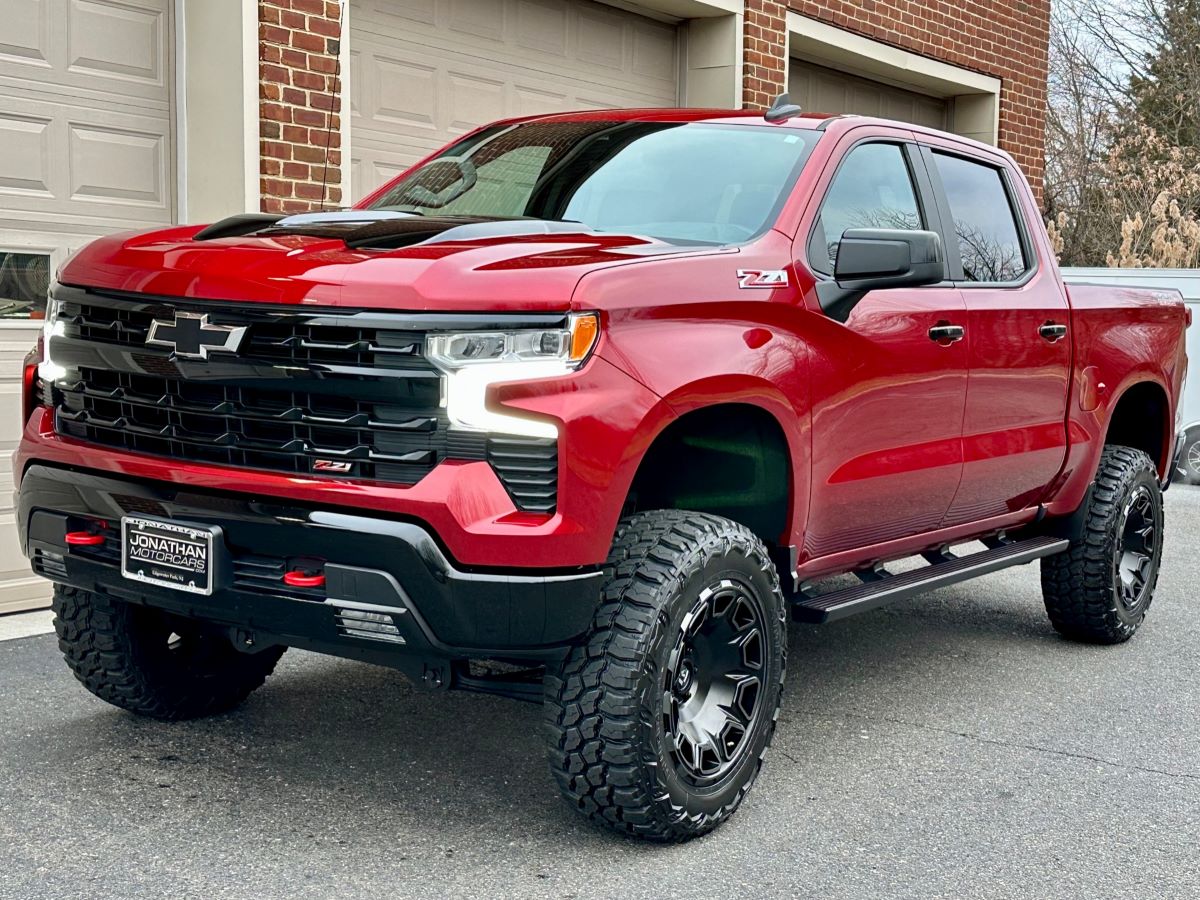
Elevated clearance ensures that heavy loads do not cause bottoming out when transitioning from paved roads to uneven fields or construction sites.
The combination of higher ride height and durable frame construction makes scraping unlikely except in extreme terrain.
Vehicles That Scrape Often on Rural Roads
Performance-focused trims can be especially susceptible. Sport suspensions typically use stiffer springs and lower ride heights to enhance responsiveness on pavement.
However, these same characteristics reduce compliance and clearance on broken surfaces. Even compact crossovers marketed for versatility may offer only modest ground clearance, insufficient for consistently rough roads.
Another overlooked factor is load sensitivity. When a vehicle carries passengers, cargo, or equipment, its effective ground clearance decreases. On rural properties where drivers frequently transport tools, supplies, or feed, this additional weight can turn marginal clearance into repeated scraping.
Beyond inconvenience, consistent underbody contact can lead to mechanical damage over time. Repeated impacts may loosen exhaust hangers, damage protective shields, or create small leaks that escalate into costly repairs.
For drivers who live on unpaved roads or regularly travel through farmland, selecting a vehicle with insufficient clearance often results in higher long-term maintenance costs.
1. Toyota Prius
The Toyota Prius is engineered primarily for aerodynamic efficiency and fuel economy, priorities that directly influence its ride height and underbody design. While it performs effectively in urban and suburban environments, those same characteristics can present challenges on rural roads where surface conditions are inconsistent and often poorly maintained.
Ground clearance on the fourth-generation Prius measures approximately 5.1 inches. That figure is significantly lower than most crossovers and even many compact sedans.
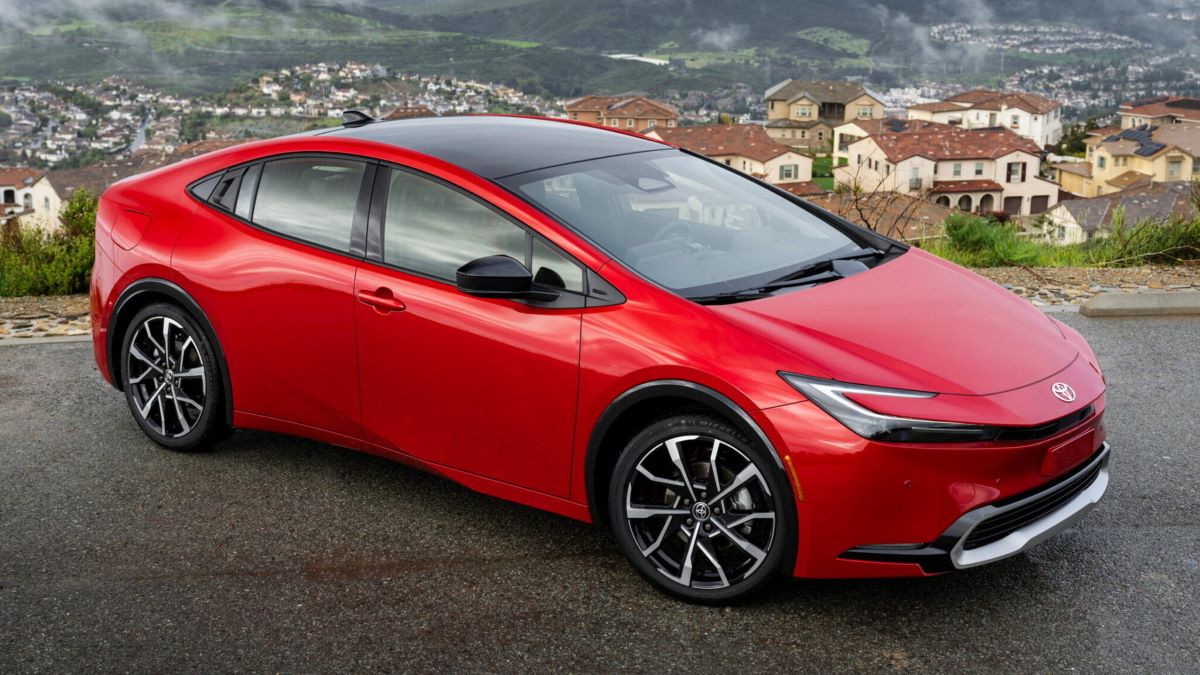
On smooth pavement, the reduced ride height contributes to improved stability and reduced drag. However, on gravel roads with deep ruts, raised center ridges, or abrupt elevation transitions, the limited clearance increases the likelihood of underbody contact.
The Prius also features an extended, low front fascia designed to improve aerodynamic flow. In rural settings where road grading is irregular, front bumper contact becomes a recurring concern rather than an isolated incident.
Suspension tuning further reflects its on-road focus. The Prius employs a relatively firm, efficiency-oriented setup with limited suspension travel.
2. Mazda MX-5 Miata
The Mazda MX-5 Miata is engineered with a clear objective: lightweight balance, low center of gravity, and responsive handling. These priorities define its appeal on paved roads but also explain why it is particularly vulnerable to scraping on rural routes.
Its design philosophy favors agility and aerodynamic efficiency over terrain clearance, which becomes immediately evident when road surfaces deteriorate.
Ground clearance on the ND-generation Miata measures approximately 5.3 inches. This low ride height enhances cornering stability and driver feedback on smooth asphalt, but it leaves limited margin when encountering gravel ridges, potholes, or uneven transitions common on rural roads. Even moderate surface irregularities can bring the underbody close to contact.

The front overhang and low bumper profile increase susceptibility. The Miata’s front fascia sits close to the ground to optimize airflow and styling proportions.
Suspension tuning further reinforces its pavement orientation. The Miata uses a sport-calibrated independent suspension with relatively firm damping and limited suspension travel.
While this configuration supports precise handling and minimal body roll, it reduces the vehicle’s ability to absorb deep ruts or abrupt elevation changes. On uneven terrain, bottoming out can occur more readily than in higher-riding vehicles.
Wheelbase length also contributes. Although compact, the Miata’s low breakover angle increases the risk of center scraping when cresting uneven surfaces. Combined with its lightweight construction, the chassis is not designed for frequent underbody impacts associated with rural driving conditions.
3. Chevrolet Corvette
The Chevrolet Corvette C8 is engineered as a mid-engine performance car, with design priorities centered on aerodynamics, chassis rigidity, and high-speed stability. Those priorities directly influence its ride height and body geometry, characteristics that make it highly effective on smooth pavement but particularly vulnerable on rural roads.
Ground clearance on the C8 Corvette measures approximately 5.3 inches, depending on configuration. While this low stance contributes to a lower center of gravity and improved handling dynamics, it significantly reduces tolerance for uneven terrain.
Gravel ridges, potholes, washboard surfaces, and abrupt grade transitions commonly found on rural roads can quickly bring the front splitter or underbody into contact with the ground.

The front overhang is especially susceptible. The Corvette’s extended, low-profile nose and aerodynamic splitter are designed to manage airflow at high speeds. On rural roads with steep driveway entries or uneven pavement-to-dirt transitions, the front fascia is often the first component to scrape. Even minor miscalculations in approach angle can result in contact.
Breakover angle is another limiting factor. The mid-engine layout positions the mass centrally, but the low chassis height increases the risk of underbody scraping when cresting raised gravel sections or uneven terrain. Rural routes with pronounced dips or crowned road surfaces amplify this vulnerability.
Suspension calibration further reinforces its pavement focus. The Corvette’s performance-tuned independent suspension, including available magnetic ride control, is optimized for precision and responsiveness.
While it can adapt damping characteristics, it does not provide the vertical travel or compliance required to comfortably absorb deep ruts or abrupt surface irregularities common outside paved environments.
4. Honda Civic (Sport trims)
The Honda Civic is engineered as a compact sedan and hatchback optimized for efficiency, affordability, and predictable on-road behavior. While it performs effectively in urban and highway conditions, its design priorities can make it susceptible to scraping when operated regularly on rural roads.
Ground clearance on the eleventh-generation Civic measures approximately 6.7 inches. Although this is higher than many sports cars, it remains modest compared to crossovers and SUVs commonly better suited for uneven terrain.
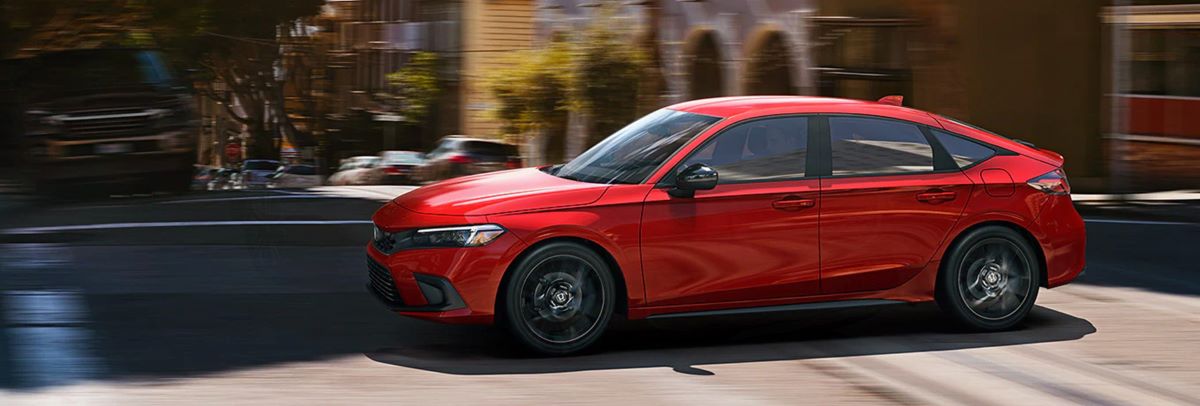
On gravel roads with pronounced center ridges, potholes, or seasonal washouts, this clearance can prove marginal, especially when the vehicle is fully loaded.
The front bumper design further increases vulnerability. Modern Civics feature extended, aerodynamically shaped front fascias that sit relatively low to improve airflow and styling proportions.
When transitioning from paved surfaces to uneven dirt roads or crossing steep driveway entries common in rural properties, the lower edge of the bumper may scrape if approach angles are not carefully managed.
5. Tesla Model 3 (Standard Suspension)
The Tesla Model 3 is engineered with efficiency, aerodynamic optimization, and battery packaging as primary design objectives. While it performs effectively in urban and highway conditions, these same priorities contribute to limitations when the vehicle is driven regularly on uneven rural roads.
Ground clearance on the Model 3 measures approximately 5.4 inches. This relatively low stance improves aerodynamic drag coefficients and overall driving stability, but it reduces tolerance for irregular surfaces.
Rural roads frequently feature raised gravel centers, potholes, washouts, and abrupt pavement-to-dirt transitions. In these environments, the limited clearance increases the probability of underbody contact.
Front-end geometry further contributes to scraping risk. The Model 3 features a low, extended front fascia designed to channel airflow efficiently. When entering steep driveways, crossing cattle guards, or navigating uneven terrain, the lower bumper edge can make contact if approach angles are not carefully managed.

The vehicle’s flat underbody design, which houses the structural battery pack, also plays a role. While the battery pack is reinforced and protected, it is integrated into a low-mounted chassis architecture that prioritizes a low center of gravity.
On crowned dirt roads or pronounced dips, the center section of the vehicle may approach the ground more closely than in higher-riding sedans or crossovers. Breakover angle becomes a relevant constraint when cresting uneven terrain.
Suspension tuning on the Model 3 emphasizes on-road composure and efficiency. The independent suspension system provides responsive handling and controlled ride quality on paved surfaces, but it offers limited suspension travel relative to vehicles designed for rough terrain. Deep ruts or abrupt vertical changes can compress the suspension quickly, increasing scraping likelihood.
Load sensitivity can compound the issue. Carrying passengers or cargo reduces effective ground clearance slightly, which can be significant on marginal surfaces. For rural drivers who frequently transport supplies over unpaved roads, this becomes a practical consideration.
In contrast, low-profile sedans and sports cars designed primarily for aerodynamics or cornering performance are inherently disadvantaged in environments where road surfaces are inconsistent.
Selecting the appropriate vehicle depends on geography, weather, and intended usage.
However, for frequent travel on unpaved or poorly maintained roads, elevated ride height remains one of the most consequential specifications to consider.
