

Picture this: your desk has wheels, your commute is measured in steps, and your office view changes whenever you feel like parking somewhere new. The idea of a mobile office has moved far beyond novelty. Freelancers, remote employees, small business owners, and creative professionals are turning used vans into practical, comfortable workspaces that rival traditional offices.
Yet not every van fits the bill. A true mobile office needs more than four walls and an engine. Interior height, cargo width, electrical capacity, cabin insulation, and smart ventilation all shape the daily experience. Some vans offer generous standing room and flat walls that welcome shelving and desks. Others leave you hunched over, fighting heat buildup and poor airflow.
Buying used adds another layer to the decision. Reliability history, available trims, roof options, and aftermarket support can make or break a conversion plan. A well-chosen van can feel like a studio apartment on wheels. A poor pick can feel like a metal box that traps heat and limits productivity.
Below are five used vans that shine as mobile office platforms. Each brings something distinct to the table, from towering roofs to clever layouts and solid track records. If you are serious about building a workspace that travels with you, these models deserve a close look.
5 Used Vans That Make Perfect Mobile Offices
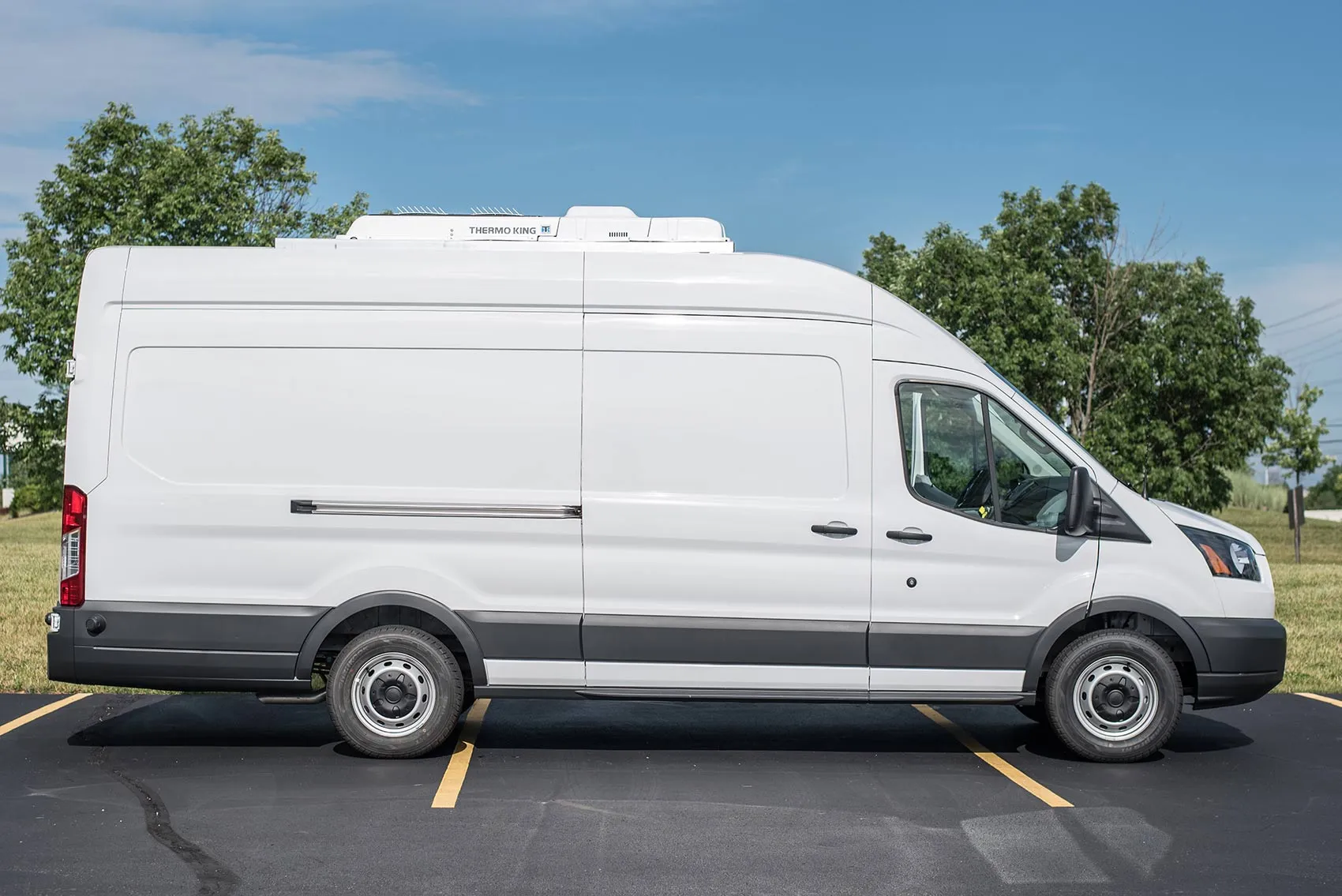
1. Ford Transit High Roof Extended Length
Estimate: $18,000 – $35,000
Room to breathe matters more than almost anything in a mobile office, and the Ford Transit High Roof Extended Length delivers that in spades. Step inside the high-roof version and you can stand upright without crouching, even if you are well over six feet tall. That simple advantage changes how the space feels. Instead of feeling like a cargo hold, it feels like a compact studio.
Layout flexibility stands out right away. The long wheelbase and extended body provide ample room for a dedicated desk area, storage cabinets, and even a small lounge or bench seat for client meetings. Flat side panels simplify the installation of insulation and wall coverings. Builders often praise the Transit for how friendly it is to custom cabinetry and wiring runs.
Powertrain options also make this van attractive on the used market. A range of gasoline and diesel engines was offered, and parts availability is strong across the country. That translates into easier repairs and less downtime. When your office depends on your van, reliability becomes part of your productivity strategy.
Another advantage lies in roof height choices. Even if the high roof is your goal, the availability of medium and low roof trims means there is a broad supply of used examples to choose from. You can prioritize mileage, service records, and condition rather than settling for whatever happens to be listed.
Cab comfort adds to the appeal. The driver’s seat position is upright and commanding, and modern infotainment systems in later models support Bluetooth and navigation. A comfortable drive encourages you to travel farther without fatigue, which opens up more working locations.
All told, the Ford Transit High Roof Extended Length feels purpose-built for a professional conversion. Spacious, adaptable, and widely supported, it sets a high bar for what a mobile office can be.
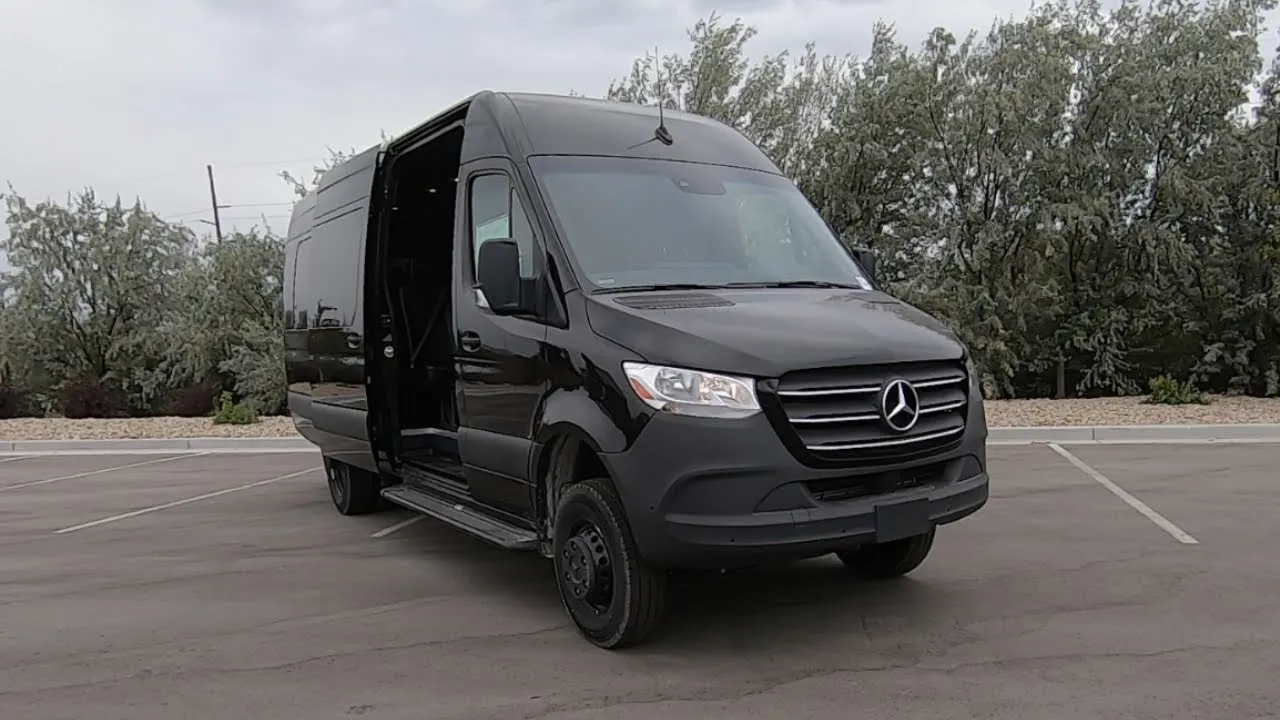
2. Mercedes-Benz Sprinter 170 Wheelbase High Roof
Estimate: $22,000 – $40,000
Sleek lines meet serious interior volume in the Mercedes-Benz Sprinter 170 Wheelbase High Roof. This van has earned a loyal following among van lifers and business owners alike, and for good reason. Step through the sliding door, and you are greeted with a tall, open cargo area that invites ambitious design plans.
Interior height in the high roof configuration allows most adults to stand comfortably. That feature alone makes long workdays more bearable. No one wants to answer emails while hunched over. With the 170-inch wheelbase, you also gain substantial floor space. A full-length desk, overhead cabinets, and a compact kitchenette can coexist without the layout feeling crowded.
Build quality often stands out in used Sprinters. Doors close with a solid feel, and cabin materials in higher trims create a refined driving environment. For professionals who meet clients in their van or use it as a traveling showroom, that touch of polish makes a difference.
Diesel engine options are a major draw. They tend to deliver good torque and respectable fuel efficiency for a vehicle of this size. Long highway stretches between projects or appointments feel less taxing when the engine is designed for endurance.
Another strength lies in aftermarket support. Because the Sprinter has been popular for years, you will find countless conversion guides, pre-made components, and electrical solutions tailored specifically to its dimensions. That shortens build time and reduces guesswork.
Potential buyers should examine maintenance records carefully, as repair costs can be higher than domestic alternatives. Even so, a well-maintained example rewards you with a professional-grade foundation for a rolling workspace.
Choose wisely, and the Mercedes-Benz Sprinter 170 Wheelbase High Roof can become a mobile office that blends comfort, presence, and versatility in one thoughtfully engineered package.
Also Read: 10 Used Performance Cars That Are Notorious for Expensive Clutch Jobs
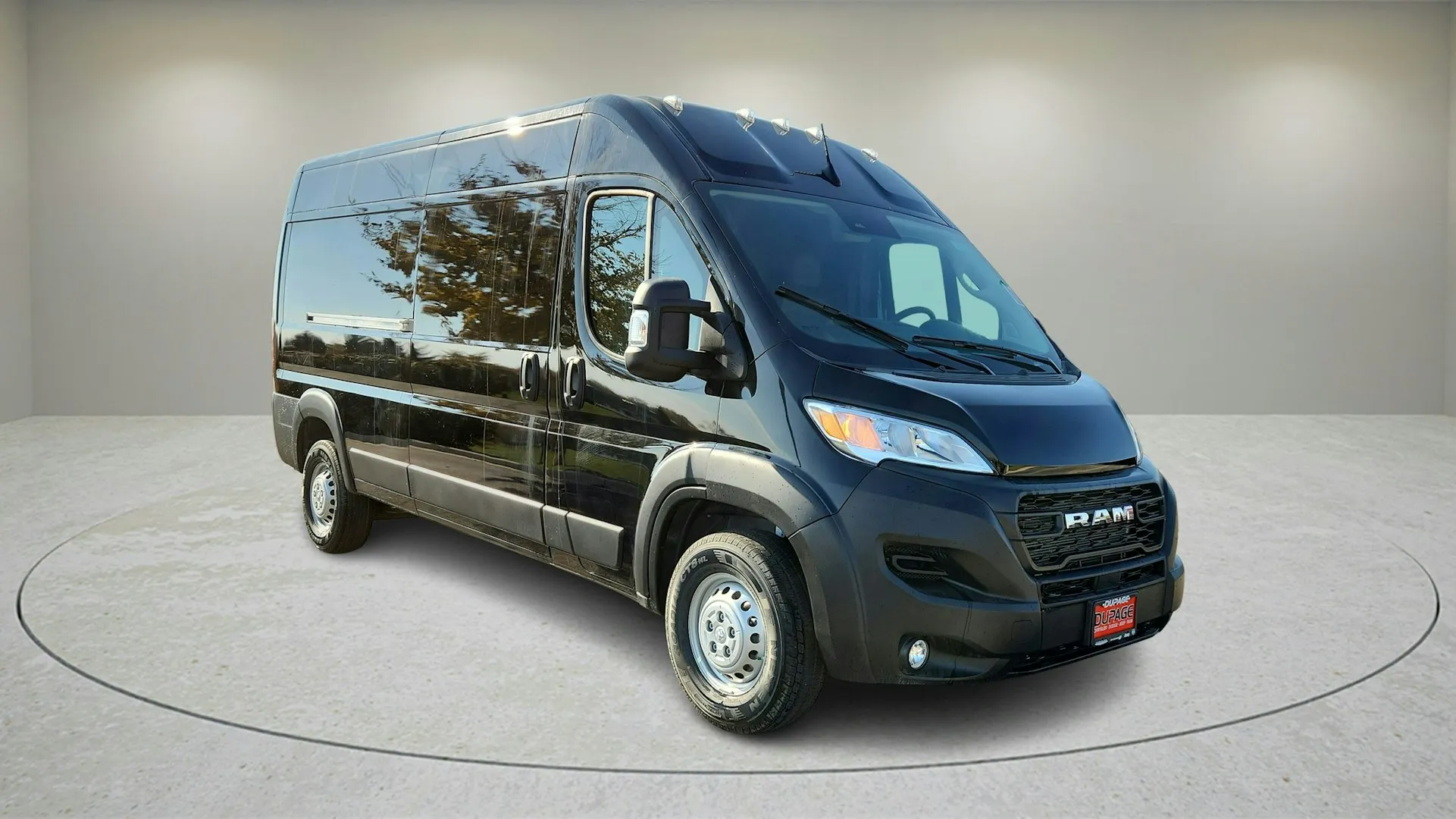
3. Ram ProMaster 2500 High Roof 159 Wheelbase
Estimate: $16,000 – $28,000
Front-wheel drive sets the Ram ProMaster 2500 High Roof 159 Wheelbase apart from many competitors, and that design choice influences everything from interior layout to winter driving. With no rear driveshaft tunnel running down the middle, the cargo floor sits low and flat. For a mobile office build, that simplicity pays off immediately.
Straight walls are another gift. Unlike vans with curved interiors, the ProMaster’s boxy shape allows cabinets, desks, and storage units to sit flush against the sides. That makes insulation and paneling easier as well. Builders often describe this van as one of the most user-friendly platforms for custom interiors.
Headroom in the high roof trim gives you enough clearance to stand upright. Add a well-placed roof vent and windows, and the space feels bright rather than cramped. The 159-inch wheelbase strikes a balance between maneuverability and usable space. Parking in urban areas feels less intimidating compared to longer models, yet you still have room for a dedicated workstation and storage.
Gasoline engines dominate the used ProMaster market, which can simplify maintenance in regions where diesel service is less common. Parts availability is strong, and many independent shops are familiar with the platform. Driving dynamics feel different from rear-wheel drive vans.
The front-wheel drive system can offer decent traction in slippery conditions, especially when the cargo area carries the weight of office equipment and batteries. Budget-conscious buyers often appreciate the ProMaster’s pricing on the used market. It tends to cost less than comparable high-roof competitors, freeing up funds for quality insulation, solar panels, or ergonomic furniture.
When thoughtfully converted, the Ram ProMaster 2500 High Roof 159 Wheelbase becomes a practical, approachable, and highly adaptable mobile office that does not demand luxury-level spending.
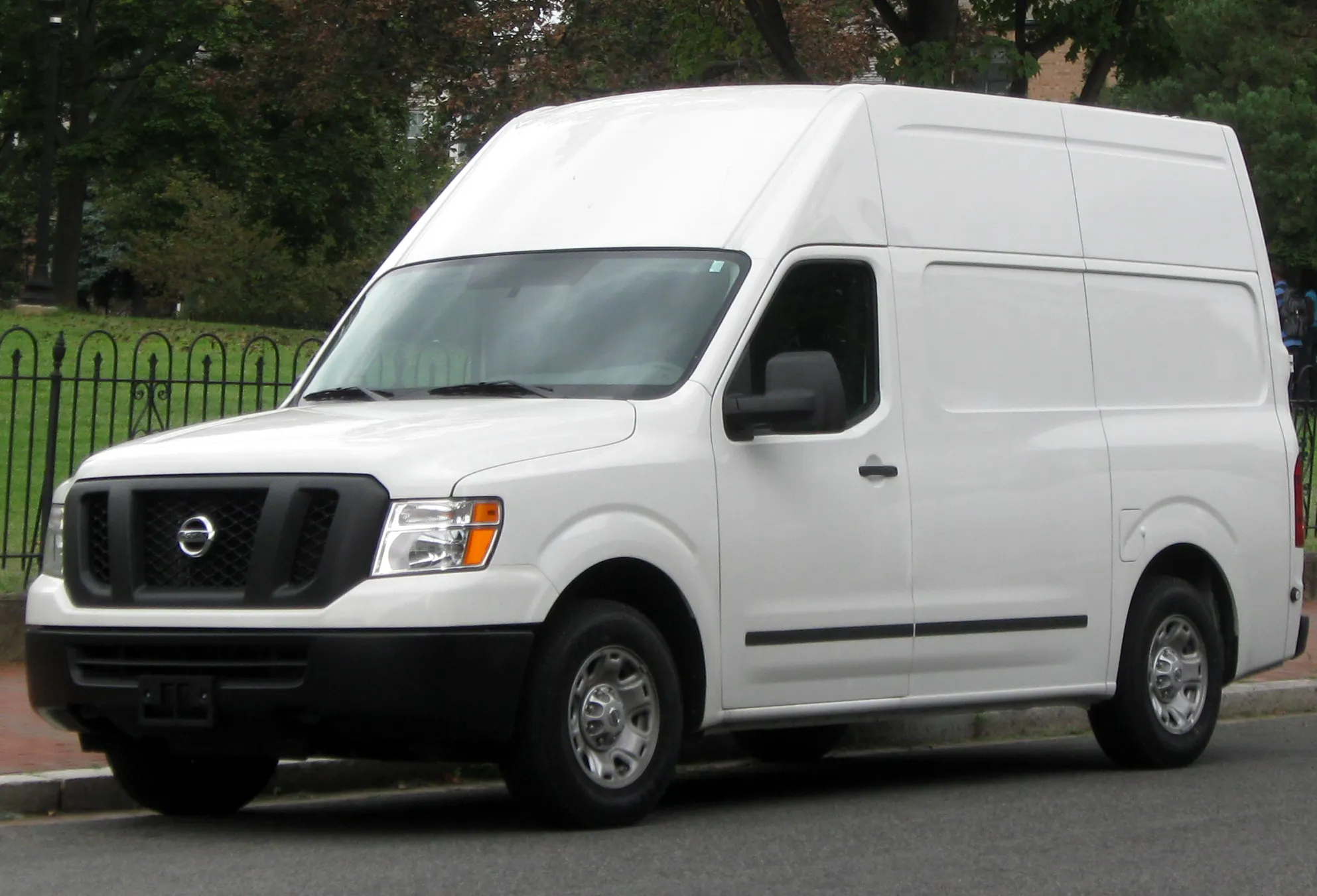
4. Nissan NV3500 HD High Roof
Estimate: $15,000 – $25,000
Bold styling gives the Nissan NV3500 HD High Roof a distinctive presence, yet its real value lies beneath the sheet metal. Designed with heavy-duty use in mind, this van offers a sturdy frame and powerful engine options that appeal to those who want durability above all else.
Interior height in the high roof version allows comfortable standing for most adults. That single feature expands the van’s usefulness as a workspace. You can install tall cabinets, overhead storage, and even acoustic panels without sacrificing comfort.
Under the hood, a strong V8 engine option delivers confident acceleration and towing capacity. Even if you never tow a trailer, that power can be reassuring when the van carries batteries, desks, shelving, and equipment. Used examples often show that these engines handle high mileage well when properly maintained.
Cab design feels more like a pickup truck than a European-style cargo van. Large seats, a wide dashboard, and straightforward controls create a familiar environment for drivers transitioning from traditional trucks. For business owners who spend hours behind the wheel, that familiarity reduces fatigue.
One area where the NV3500 HD shines is in simplicity. Its mechanical layout is less complicated than some diesel competitors. That can translate into easier service and fewer specialized parts. For a mobile office owner who values uptime, straightforward engineering holds real appeal.
Because this model was discontinued after the 2021 model year, used inventory varies by region. Still, prices can be attractive compared to other high-roof vans. Buyers willing to search carefully may find a well-maintained example at a compelling value.
With its combination of height, strength, and traditional truck-like character, the Nissan NV3500 HD High Roof stands as a dependable canvas for building a durable and comfortable mobile office.
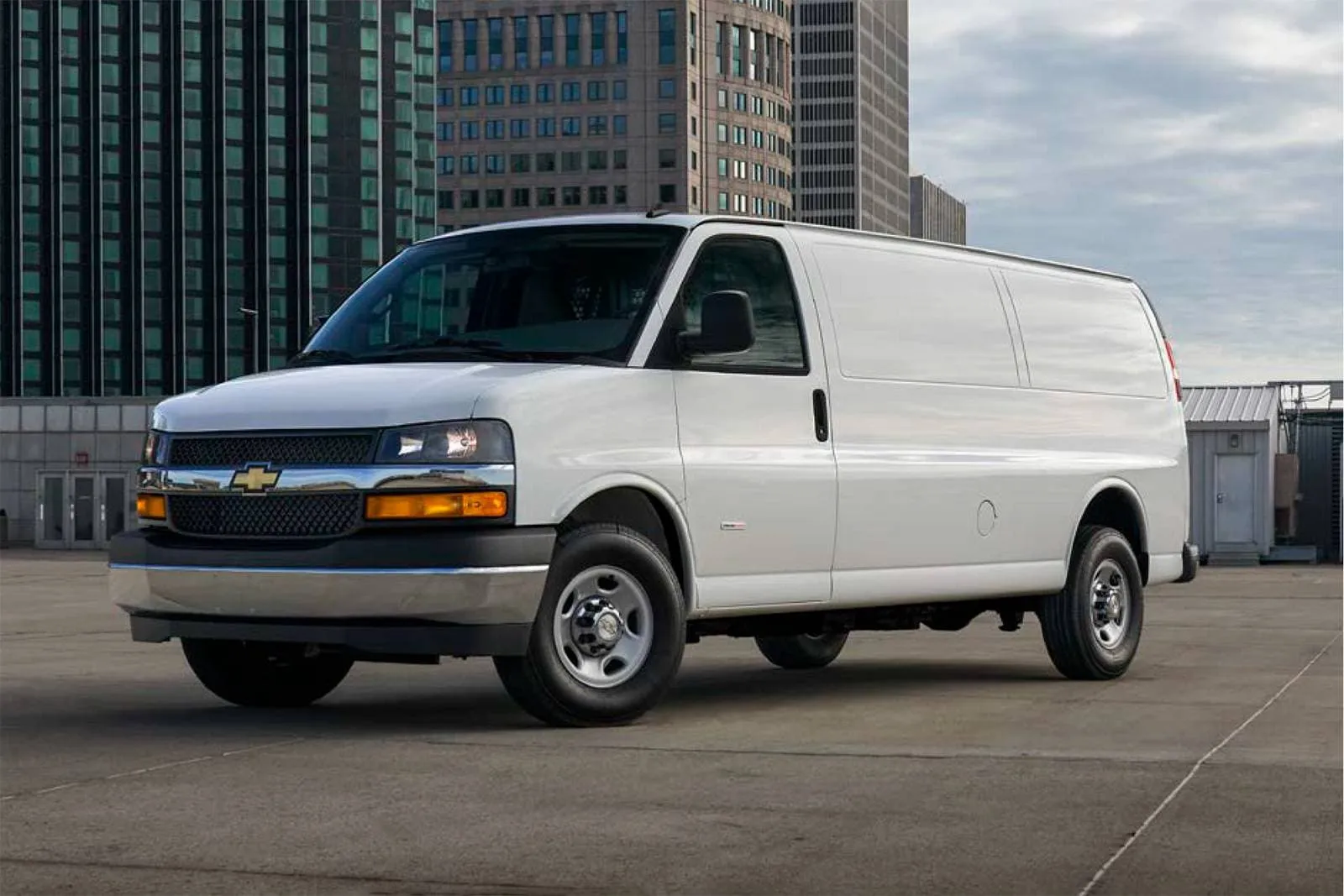
5. Chevrolet Express 3500 Extended Cargo Van
Estimate: $12,000 – $22,000
Classic and utilitarian, the Chevrolet Express 3500 Extended Cargo Van takes a different approach from newer European-style vans. It lacks a factory high roof option in most configurations, yet the extended body provides generous floor length that creative builders can use effectively.
Low roof height means you may not stand upright without an aftermarket roof modification. Even so, many mobile office builders choose this platform for its proven reliability and straightforward mechanical systems. The Express has been on the market for decades with gradual updates, which translates into wide parts availability and countless service technicians familiar with its design.
The extended version offers substantial cargo space from front to back. That length allows for a segmented layout. You might dedicate the front portion to a desk and storage, while the rear houses batteries, equipment racks, or product samples. Creative seating arrangements can also transform part of the cargo area into a small meeting space.
Engine options, including robust V8 choices, deliver confident performance even when the van carries heavy office infrastructure. Highway cruising feels stable, and towing capability remains strong for those who need to haul additional gear.
Another benefit lies in the purchase price. Used Chevrolet Express 3500 models often cost less than high roof alternatives, leaving budget room for a professional roof raise, upgraded insulation, or advanced electrical systems.
Drivers who prefer a traditional van layout and proven engineering often gravitate toward this model. It may require more modification to achieve full standing height, yet its durability and widespread support make it a practical starting point.
For those willing to customize thoughtfully, the Chevrolet Express 3500 Extended Cargo Van can develop from a simple work van into a reliable and efficient mobile office platform.
5 Used Vans With Poor Ventilation
A comfortable mobile office depends on airflow just as much as square footage. Fresh air keeps you alert during long work sessions, reduces condensation from breathing and cooking, and prevents electronics from overheating.
Certain vans, especially older compact and midsize models, struggle in this area due to limited window space, low roof height, and restricted rear ventilation. While they may serve well as delivery vehicles or basic transport, they can feel stifling when converted into workspaces.
Below are five used vans that present real challenges when it comes to ventilation and air circulation. Each has strengths in other areas, yet airflow limitations make them less suitable for a comfortable, full-time mobile office build.
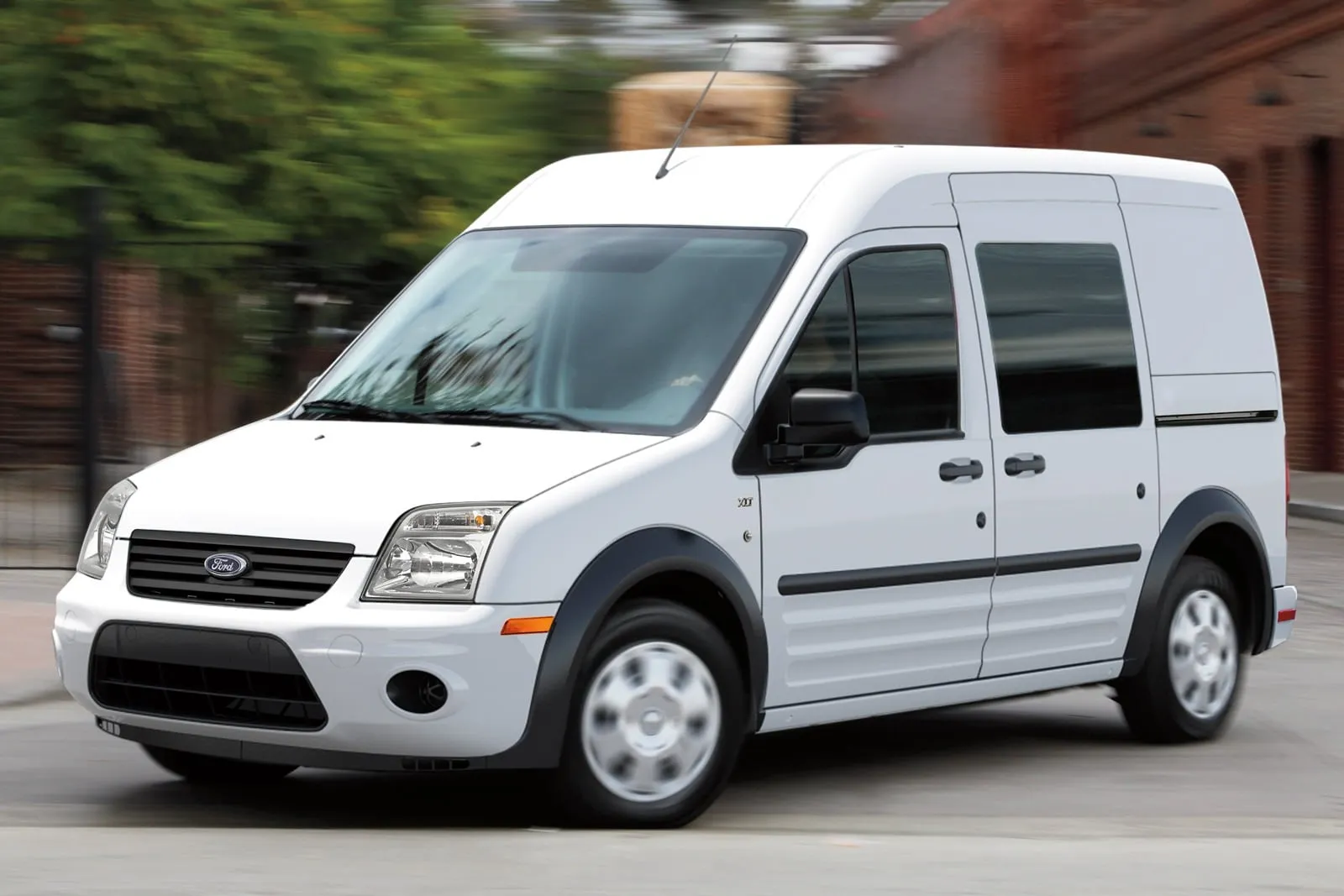
1. Ford Transit Connect Cargo Van
Estimate: $8,000 – $18,000
Compact proportions define the Ford Transit Connect Cargo Van, and while that size makes city driving easy, it creates real hurdles for ventilation. Step inside the cargo area of the most used models and you immediately notice the low ceiling and narrow width. Once insulation, wall panels, and cabinetry are added, the interior can feel tight, and air movement becomes restricted.
Rear cargo sections in many Transit Connect vans come without side windows. Solid metal panels block natural cross-breezes, and factory ventilation options are limited. Even with a roof vent installed, the small internal volume heats up quickly on warm days. Electronics such as laptops, routers, and battery systems can raise the interior temperature even more.
Another issue lies in the airflow between the cab and cargo area. A bulkhead divider is common in commercial versions. While it improves safety and noise control, it prevents air conditioning from circulating effectively into the rear unless modified. Removing or altering the partition requires additional expense and careful planning.
Low roof height compounds the problem. Standing upright is not possible in most versions, which means you spend your workday seated in a confined space. When warm air rises, it has nowhere to go. Without carefully placed vents and auxiliary fans, humidity builds quickly.
The Transit Connect works well for short service calls or mobile technicians who step in and out frequently. For extended work sessions inside a converted cargo area, though, the ventilation challenges become difficult to ignore. A compact footprint can be convenient, yet airflow limitations make this van less comfortable as a dedicated mobile office.
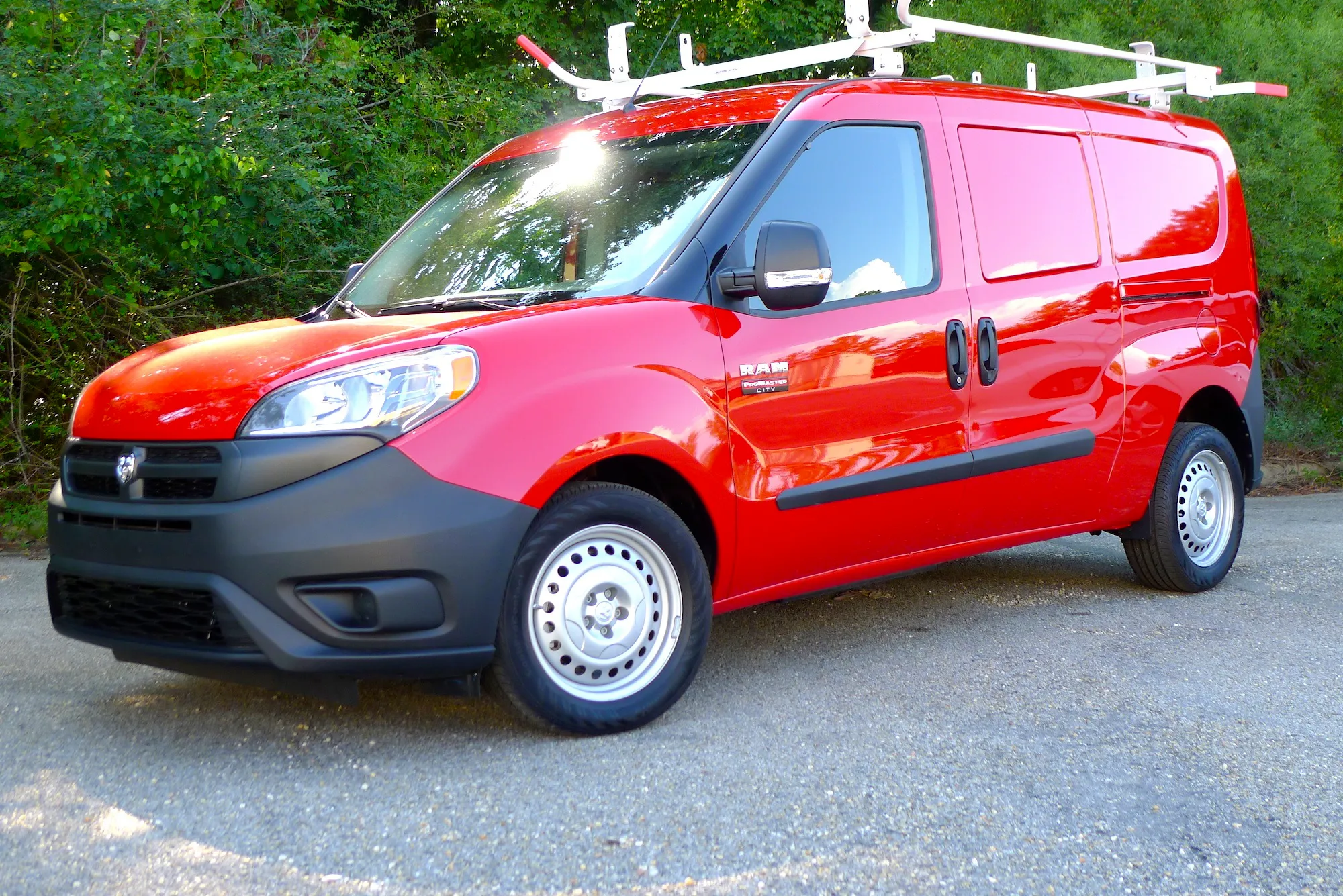
2. Ram ProMaster City Tradesman Cargo Van
Estimate: $9,000 – $17,000
Urban agility is the calling card of the Ram ProMaster City Tradesman Cargo Van, but interior ventilation rarely ranks among its strengths. Designed primarily for delivery and trade work, this van prioritizes cargo security over interior air circulation. Solid rear doors and minimal side window options limit natural airflow from the start.
Inside the cargo area, the roof height remains modest. Even after adding a single roof vent, warm air tends to linger. During sunny afternoons, the metal body absorbs heat and radiates it inward. Without multiple ventilation points, air exchange happens slowly, and the cabin can feel stuffy during extended work periods.
Factory climate control is concentrated in the front cabin. Similar to other compact vans, a bulkhead divider often separates the driver area from the cargo space. Unless modified, rear airflow from the air conditioning system barely reaches the converted office section. That forces builders to rely heavily on aftermarket fans or portable cooling units.
Window placement also affects lighting. Limited glass surfaces reduce natural light, which can make the interior feel closed in. Artificial lighting then adds extra heat. Small battery systems may struggle to power multiple fans and cooling devices for long stretches.
Maneuverability and fuel efficiency make the ProMaster City appealing for delivery businesses. As a stationary workspace, though, airflow limitations can lead to discomfort. Without careful upgrades such as dual roof vents, side windows, and enhanced insulation, the van’s interior environment may feel more like a cargo hold than a productive office.
For short visits and quick tasks, this model performs adequately. For long days spent typing, video conferencing, and managing projects inside the van, ventilation weaknesses create ongoing challenges that require thoughtful and sometimes costly solutions.
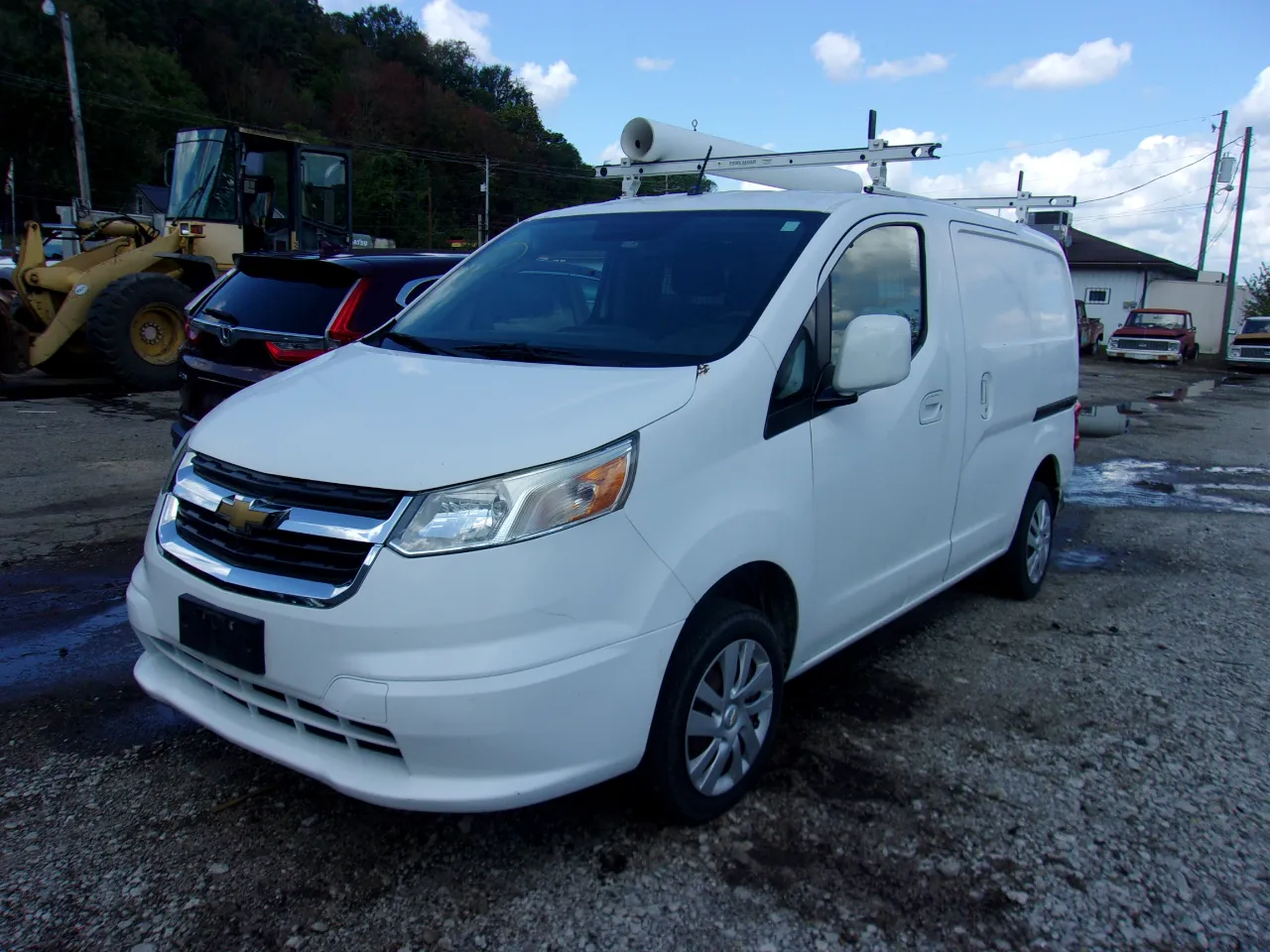
3. Chevrolet City Express Cargo Van
Estimate: $7,000 – $15,000
Built for compact commercial use, the Chevrolet City Express Cargo Van offers efficiency and simplicity. Airflow inside the cargo compartment, however, leaves much to be desired when repurposed as a mobile office.
Most City Express models feature solid metal side panels and rear doors without windows. This design enhances security for tools and packages but restricts cross-ventilation. When parked, fresh air has limited entry points unless additional windows are cut into the body.
Ceiling height presents another obstacle. The low roof prevents standing and limits vertical air circulation. Warm air collects quickly near the top of the van, and with minimal headroom, that heat remains close to the occupant. A single roof vent can help, yet the compact interior means temperatures rise fast under direct sunlight.
Insulation helps regulate heat, but adding thick layers further reduces usable space. After installing wall panels, flooring, and cabinets, the working area shrinks. Reduced interior volume makes airflow patterns even more limited.
Cab climate control does little for the rear section unless structural changes are made. Factory systems are not designed to cool a converted office space behind the driver. That reality pushes owners toward battery-powered fans or portable air conditioners, which demand additional electrical capacity.
Short wheelbase and easy handling make the Chevrolet City Express a convenient city vehicle. For professionals seeking a comfortable, breathable workspace inside the van for hours at a time, ventilation shortcomings can feel restrictive. Extensive modifications can improve airflow, yet they add cost and effort to a platform that begins with limited space.
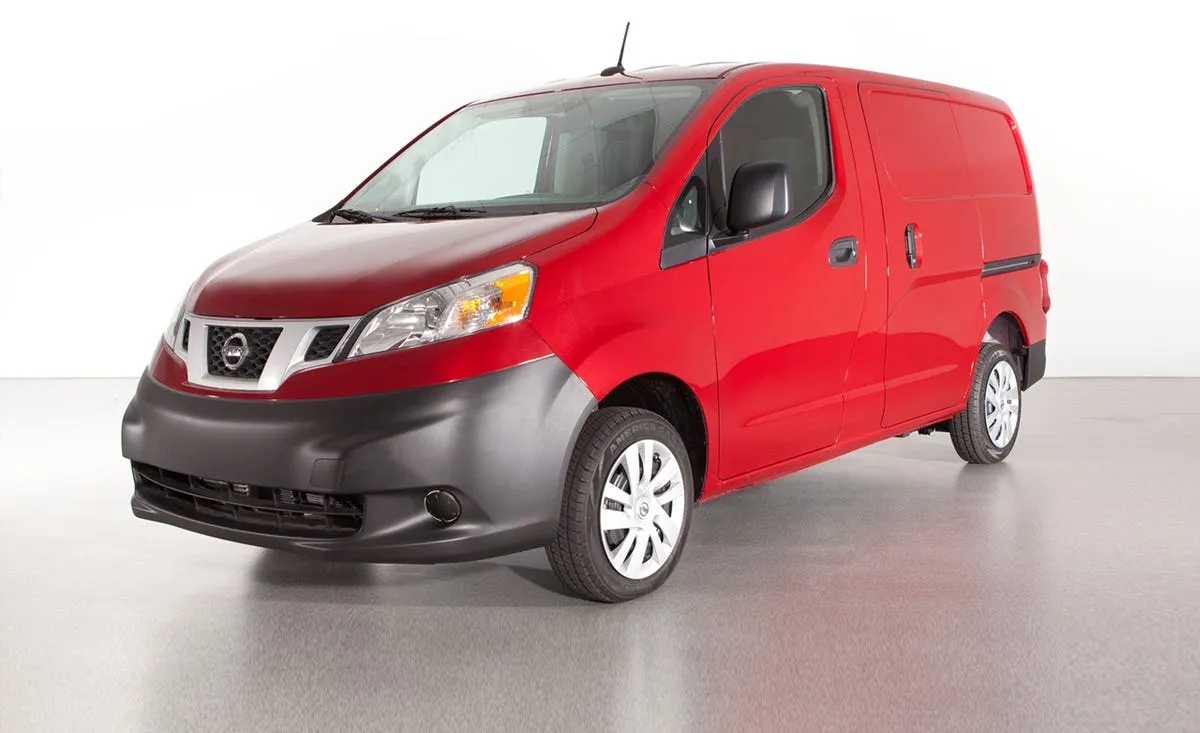
4. Nissan NV200 Compact Cargo
Estimate: $6,000 – $14,000
Straightforward and budget-friendly, the Nissan NV200 Compact Cargo attracts small business owners who want efficiency. When converted into a mobile office, airflow often becomes a concern.
Rear cargo sections typically lack side windows, creating a sealed environment once doors close. While that setup protects equipment, it also blocks natural cross-breezes. Installing aftermarket windows helps, though cutting into the body requires precision and expense.
Interior height remains low, preventing full standing room. With limited vertical clearance, hot air accumulates quickly. Even modest summer temperatures can turn the cargo area into a warm enclosure, especially if electronics and lighting are running.
Cab air conditioning struggles to cool the rear compartment effectively. Unless a pass-through opening is created, chilled air rarely circulates far beyond the front seats. Builders frequently add roof vents and powered fans to compensate, yet the small footprint means airflow patterns are restricted.
Insulation can moderate heat gain, but thick insulation narrows the interior width. Desk placement becomes tight, and limited spacing reduces air movement around work surfaces. Condensation from breathing or coffee preparation may linger longer in a compact space without adequate ventilation outlets.
For quick service stops and tool transport, the NV200 performs capably. As a stationary office used for long stretches, though, ventilation upgrades become almost mandatory. Without them, the van’s small dimensions and limited factory airflow options create a workspace that can feel stuffy and less comfortable than larger alternatives.
Also Read: 10 Used EVs Sitting on Dealer Lots And Why They’re Actually Great Buys
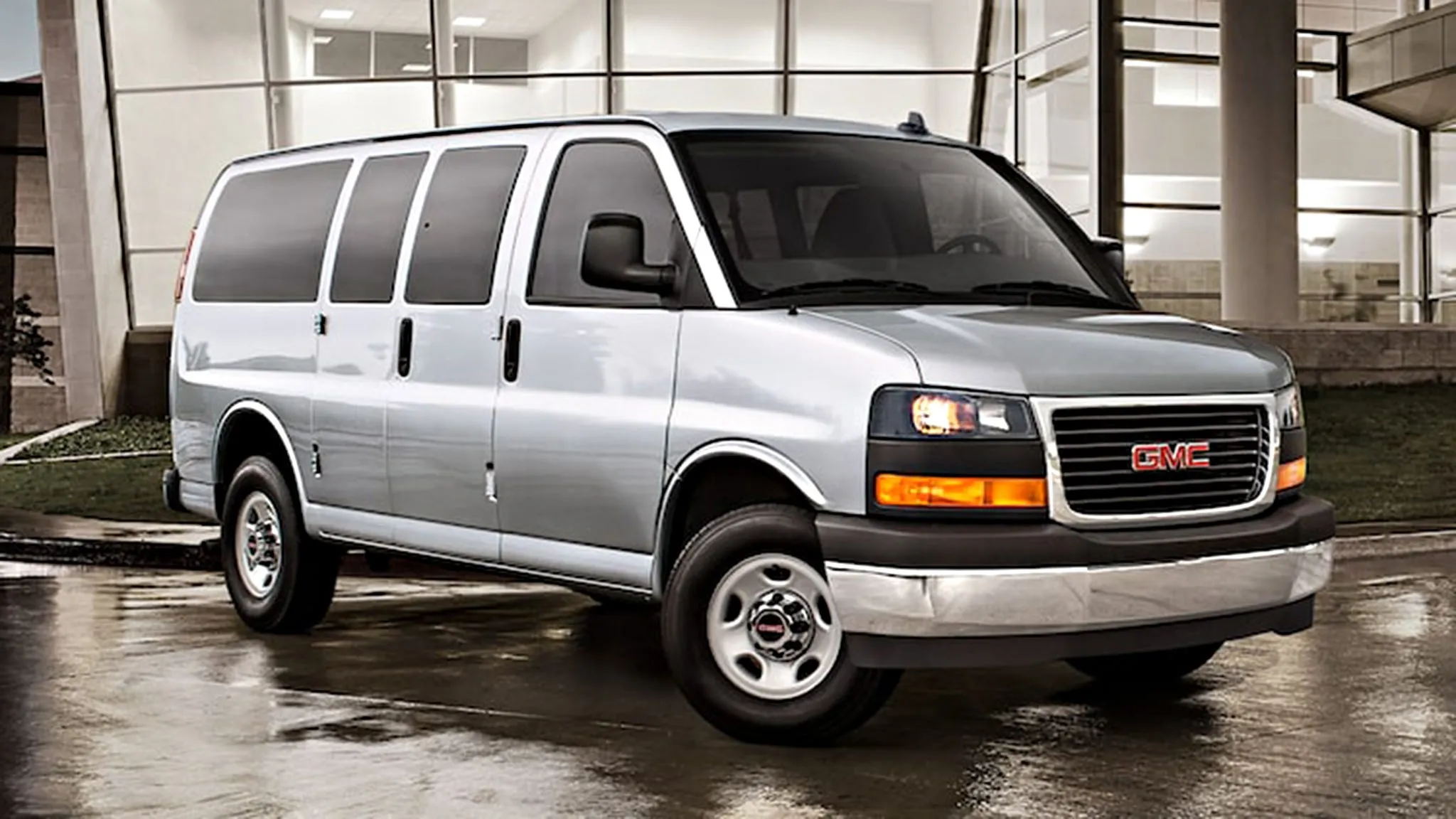
5. GMC Savana 2500 Cargo Van Standard Wheelbase
Estimate: $10,000 – $20,000
Traditional body-on-frame construction defines the GMC Savana 2500 Cargo Van Standard Wheelbase. While rugged and dependable, the standard wheelbase, low roof configuration presents ventilation challenges when converted into a mobile office.
The factory roof height in most Savana 2500 cargo trims prevents standing upright. Once insulation and ceiling panels are installed, headroom becomes even tighter. Limited vertical space restricts natural convection, allowing warm air to linger close to the ceiling.
Window availability also tends to be sparse in cargo versions. Solid side panels block cross ventilation, and rear doors often lack glass. Without aftermarket windows or multiple roof vents, fresh air circulation depends heavily on mechanical fans.
Cab air conditioning cools the front seats effectively, yet the rear cargo area may remain warm unless modifications are made. Creating duct extensions or removing partitions requires additional planning and expense.
Extended versions of this van provide more interior length, which can help with layout and airflow patterns. The standard wheelbase model offers less room to separate work zones from equipment storage. Tight spacing can restrict how air moves around desks, cabinets, and batteries.
Durability and proven engines make the GMC Savana 2500 appealing as a work vehicle. For a comfortable, well-ventilated mobile office, however, buyers must budget for thoughtful upgrades. Without additional vents, windows, and careful insulation choices, the interior can feel enclosed during long work sessions.
Choosing the right van from the start saves time, money, and frustration. Ventilation may not be the first feature people consider, yet it shapes daily comfort more than almost any other factor when your office lives on four wheels.
