
Scorching pavement, blazing sun, and air so thick it feels heavy can turn a simple drive into an endurance test. When temperatures climb into triple digits, air conditioning stops being a luxury and becomes a lifeline.
A vehicle’s cooling system can make the difference between arriving refreshed and stepping out drenched in sweat and frustration. That reality hits hardest in desert cities, humid coastal regions, and anywhere summer lingers a little too long.
Automakers approach climate control in different ways. Some engineer powerful compressors, smart cabin airflow, and rear-seat vents that keep every passenger comfortable.
Others deliver systems that look good on paper but struggle when the heat becomes relentless. Cabin size, insulation, vent placement, and even the type of glass used all influence how well a car keeps its interior cool.
This guide compares five vehicles known for strong air conditioning performance with five that often leave drivers wishing for stronger airflow. Each model listed here brings a distinct personality and engineering approach. Whether you drive daily in Phoenix, Houston, Las Vegas, or Miami, the right cooling system can change your entire ownership experience.
5 Cars With Excellent Air Conditioning for Hot Climates
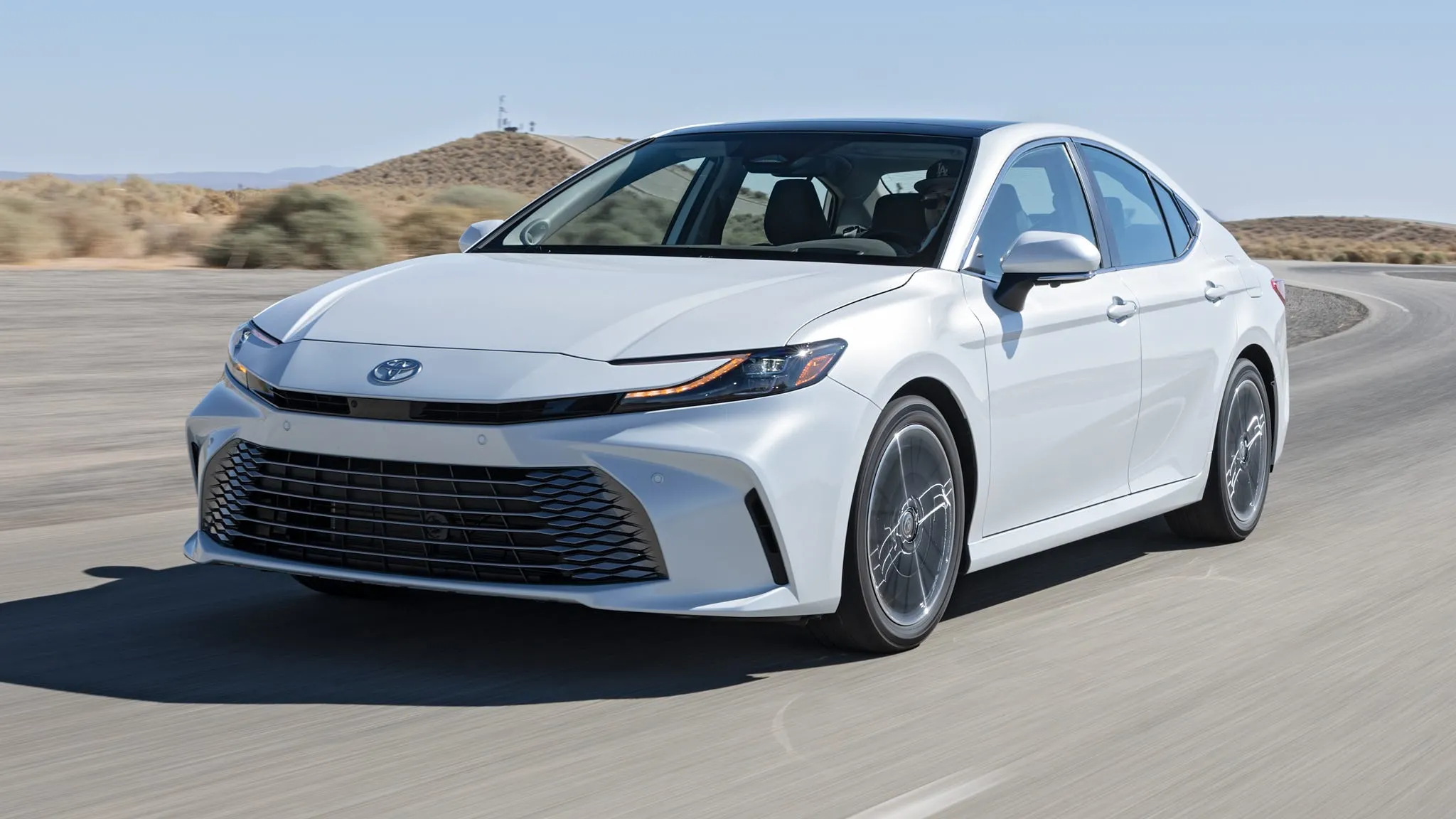
1. Toyota Camry XLE
Reliable sedans often win buyers over with practicality, yet the Toyota Camry XLE adds another strength to its long list of attributes: remarkably effective climate control. From the moment the engine starts, cold air arrives quickly and with purpose. Drivers in desert regions frequently praise how fast the cabin temperature drops, even after hours under direct sunlight.
Cabin insulation plays a major role in this performance. Toyota uses sound and heat-dampening materials that reduce the amount of exterior warmth entering the interior.
That extra layer of protection allows the air conditioning system to maintain cooler temperatures with less effort. Rear-seat passengers also benefit from dedicated air vents, which distribute cold air evenly rather than forcing front occupants to crank the system to maximum.
Dual-zone automatic climate control enhances comfort by allowing the driver and front passenger to set individual temperatures. Smart sensors measure cabin conditions and adjust airflow without constant manual correction. This reduces hot spots and ensures that cool air reaches both upper and lower areas of the cabin.
Vent placement deserves credit as well. Instead of focusing airflow narrowly, the Camry spreads it strategically across the dashboard and toward the footwells. That balanced distribution prevents the uncomfortable blast of icy air directly to the face while still cooling efficiently.
Real-world drivers consistently report that the Camry XLE handles long commutes in high heat without fading. Even in stop-and-go traffic, the compressor maintains steady output. Pair that with lightly tinted glass and available ventilated front seats, and the Camry becomes a dependable companion for harsh summers.
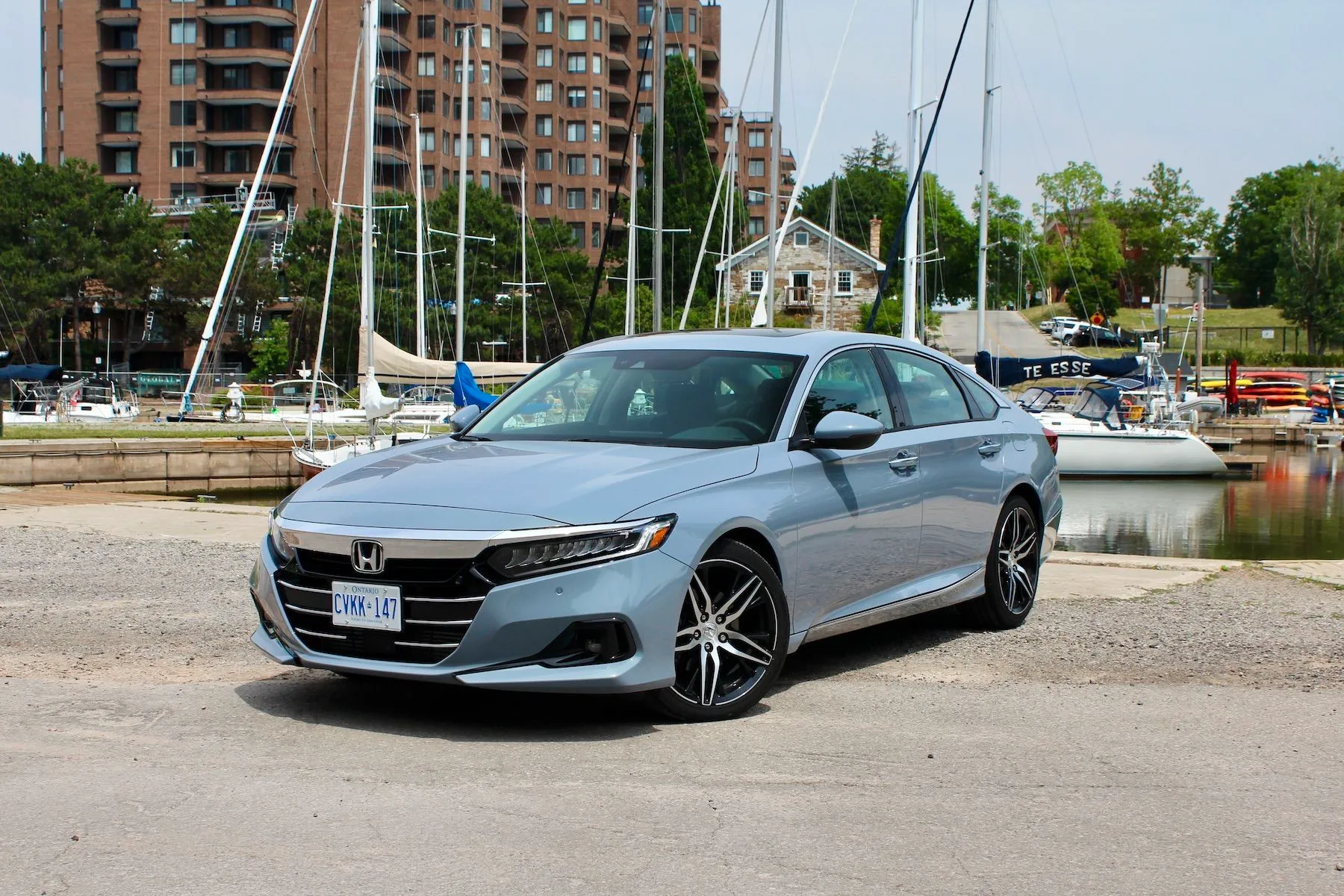
2. Honda Accord Touring
Comfort in a midsize sedan reaches a refined standard with the Honda Accord Touring, particularly when discussing its air conditioning performance in demanding climates. This trim level extends beyond premium finishes and advanced driver assistance features. It offers a cooling system deliberately engineered to perform efficiently under sustained heat exposure.
The moment the ignition is engaged, crisp and purposeful airflow emerges from the vents, displacing trapped warm air with remarkable speed. Drivers stepping into a cabin that has been exposed to hours of intense sunlight often observe how quickly interior conditions begin to stabilize. That immediate response reduces discomfort and creates a reassuring sense of reliability.
Interior material selection contributes meaningfully to this efficiency. Light-colored upholstery options, available in leather or high-grade synthetic materials, reflect solar radiation rather than absorbing it. Surfaces such as the dashboard and door panels are designed to resist excessive heat retention.
This reduces the thermal load placed on the climate control system at start-up. Instead of struggling to cool superheated surfaces, the system works in an environment already optimized to minimize temperature extremes. Such a thoughtful design shortens the time required to reach comfortable cabin conditions.
Tri-zone automatic climate control enhances the sense of personalized comfort. Front occupants can select independent temperature settings, while rear passengers enjoy direct authority over their own airflow preferences.
Rear air vents are positioned at an effective height to promote steady circulation rather than concentrating cool air solely in the front compartment. Air movement throughout the cabin feels continuous and balanced, avoiding pockets of stagnant warmth that can occur in vehicles lacking dedicated rear ventilation.
Performance during idle conditions deserves attention. Urban traffic, extended stoplights, and school pickup lines often reveal weaknesses in air conditioning systems. The Honda Accord Touring addresses this challenge through a compressor calibrated for consistent output even when engine speed is low.
Cabin temperature remains stable rather than fluctuating when the vehicle is stationary. That reliability is particularly valuable in regions where summer temperatures remain elevated well into the evening. Acoustic refinement further distinguishes this system. High fan speeds operate with minimal intrusion, allowing conversations to continue comfortably without raised voices.
Rather than producing a harsh blast of air, the system distributes cooling smoothly across multiple vent points. This measured delivery prevents discomfort while still reducing cabin temperature effectively. Remote engine start functionality enhances daily convenience.
Drivers can activate the climate system before entering the vehicle, allowing interior temperatures to decrease in advance. Opening the door no longer results in an overwhelming wave of trapped heat. Instead, occupants step into an environment already moving toward equilibrium.
Also Read: 10 Best Vehicles for People Who Frequently Move Large Furniture
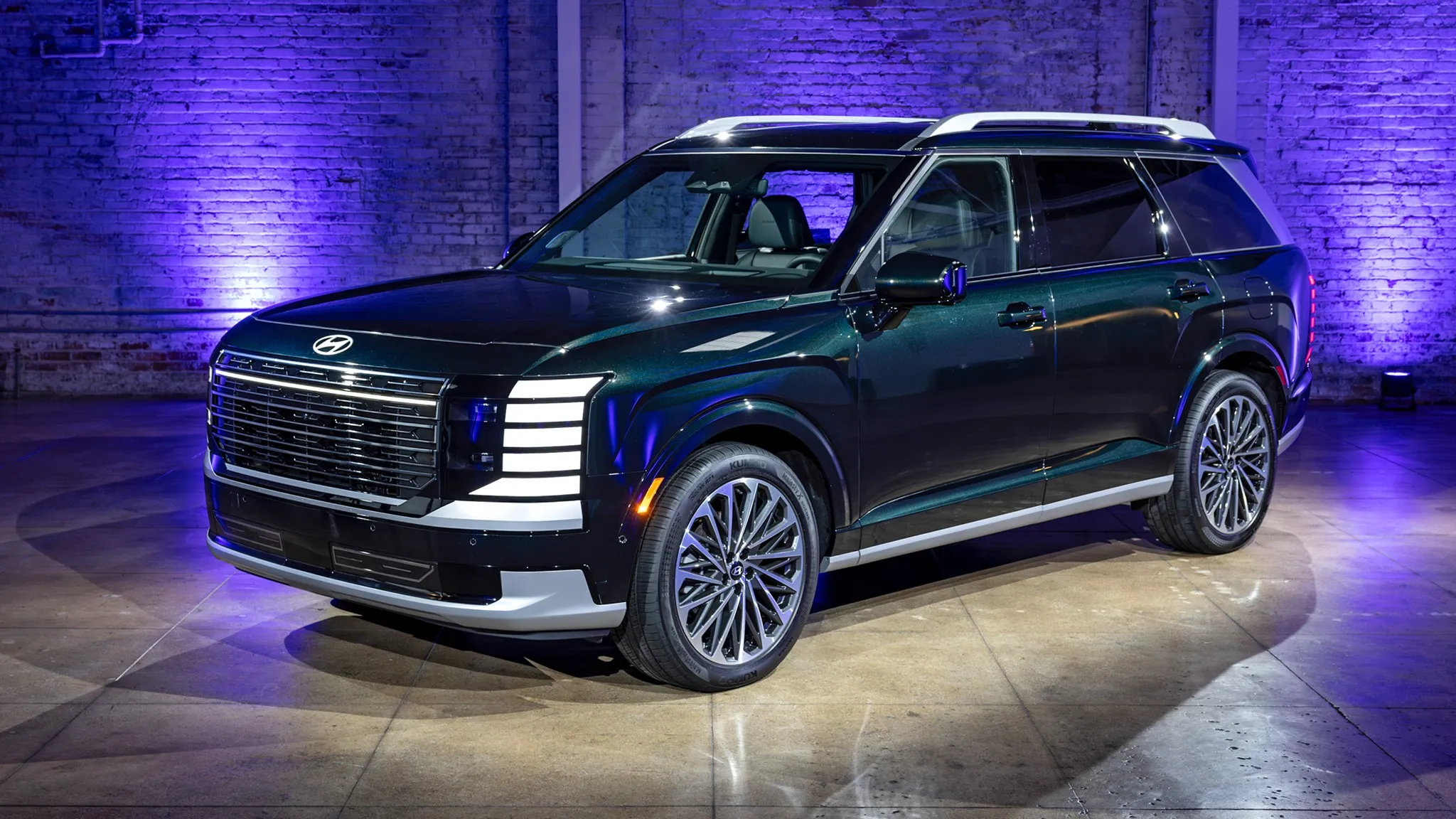
3. Hyundai Palisade Calligraphy
Large family SUVs face a tougher challenge when it comes to air conditioning. More cabin space means more air volume to cool. Hyundai meets that challenge confidently in the Palisade Calligraphy. This three-row SUV cools quickly and evenly, even with a full load of passengers.
Start the engine after hours in direct sun and you will notice a rapid response from the climate system. Cold air spreads across the front row immediately, then travels efficiently toward the second and third rows. Ceiling-mounted vents ensure that rear passengers receive airflow from above rather than relying only on dashboard circulation.
Insulated side windows and a well-sealed cabin prevent hot outside air from seeping in. That containment allows the system to maintain lower temperatures with less strain. Families traveling long distances in hot regions often appreciate how steady the cooling remains, even during extended highway drives.
Digital climate controls allow precise temperature adjustments for different zones. Drivers can prioritize cooling the rear cabin first if children or guests need faster relief. Meanwhile, ventilated front seats enhance comfort by circulating air through the seat cushions.
Performance at idle remains strong. While waiting in school pickup lines or sitting in city congestion, the Palisade keeps interior conditions comfortable. Its larger compressor handles heavy demand without faltering.
For households in scorching climates, an SUV that cools efficiently makes daily routines far more pleasant. Hyundai’s thoughtful design and balanced airflow distribution give the Palisade Calligraphy an advantage in places where summer feels endless.
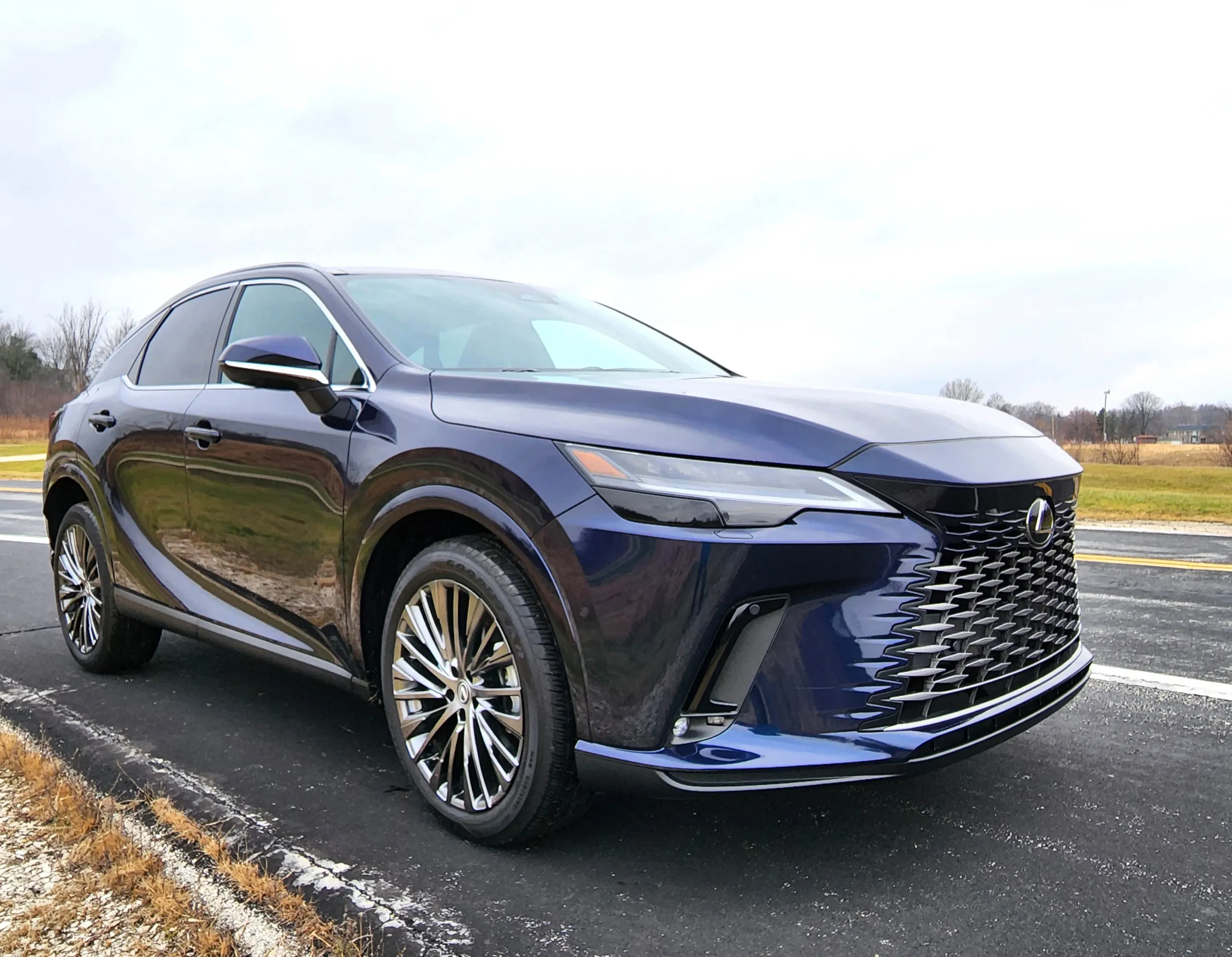
4. Lexus RX 350 Premium
Luxury often reveals itself in subtle details, and the Lexus RX 350 Premium demonstrates that philosophy through its climate control system. Instead of relying solely on brute force airflow, Lexus emphasizes smooth, consistent cooling that feels refined yet powerful.
Step inside a sunbaked RX and the system responds quickly. Sensors detect cabin heat levels and automatically adjust fan speed and vent direction. Air spreads evenly across upper and lower zones, reducing temperature without creating harsh blasts.
Rear-seat passengers receive dedicated vents positioned strategically to ensure equal distribution. Cabin materials, including available light leather and heat-resistant surfaces, minimize heat retention. That careful material selection helps the system stabilize temperatures efficiently.
Another benefit comes from Lexus’s insulation engineering. Thick door seals and acoustic glass block external heat intrusion. Once cooled, the interior maintains comfort with less ongoing effort from the compressor. Ventilated front seats enhance the experience further by pushing air through perforated leather.
Drivers feel relief not only from ambient air but also from direct seat cooling. During extended drives in high heat, this feature prevents discomfort from building gradually. Remote climate activation through the key fob or smartphone app allows pre-cooling before entry. Walking toward a vehicle that already feels comfortable changes the entire daily commute experience.
Owners consistently report strong performance in hot coastal states and desert cities alike. While some luxury vehicles focus primarily on aesthetics, the RX 350 Premium proves that practical cooling power remains central to true comfort.
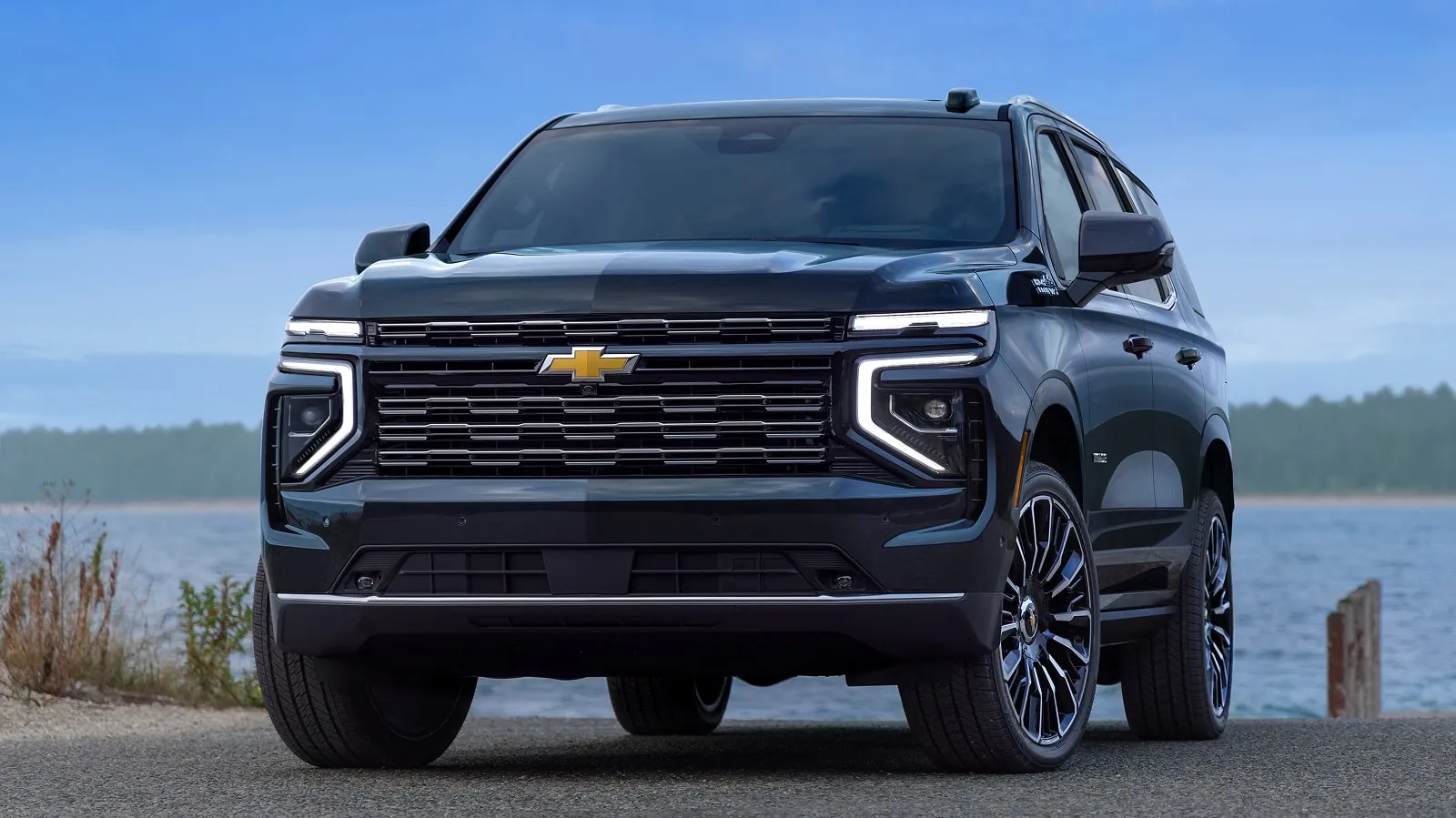
5. Chevrolet Tahoe High Country
Large SUVs require serious cooling capacity, and the Chevrolet Tahoe High Country delivers. With its expansive cabin and three rows of seating, this vehicle must manage a considerable volume of air. Fortunately, its air conditioning system is engineered to meet that demand head-on.
Powerful rear climate controls allow passengers in the second and third rows to adjust airflow independently. Ceiling vents distribute cold air downward, which promotes faster temperature reduction throughout the cabin. Instead of lingering heat near the roofline, chilled air circulates efficiently.
High-output compressors maintain steady cooling during long idle periods. Whether stuck in rush-hour traffic or parked briefly with the engine running, the Tahoe keeps temperatures stable. That reliability proves invaluable in extremely hot states where outdoor conditions remain intense even after sunset.
Insulated glass and robust door seals reduce solar heat gain. Sunlight filtering through large windows can raise cabin temperatures dramatically, yet the Tahoe’s protective measures help manage that load. Front occupants benefit from ventilated seats and multi-zone automatic climate control. Drivers can tailor airflow to their preference without compromising comfort for passengers.
Families who regularly transport several people often comment on how evenly the Tahoe cools each row. No one feels neglected in the back seat. That consistency makes road trips more enjoyable and daily errands less draining. For drivers who demand space without sacrificing cooling performance, the Chevrolet Tahoe High Country stands out as a dependable solution in sweltering environments.
5 Cars That Struggle With Air Conditioning in Hot Climates
Heat exposes weaknesses quickly, and certain vehicles reveal limitations in their cooling systems when temperatures climb past comfortable levels. While these cars may perform well in moderate conditions, drivers in extremely warm regions often report slower cooling times, uneven airflow, or reduced performance during heavy traffic. Below are five models that tend to struggle when summer becomes relentless.

1. Nissan Kicks SR
Subcompact crossovers offer affordability and efficiency, yet the Nissan Kicks SR often falls short in intense heat. Designed primarily for urban commuting, this lightweight vehicle features a smaller compressor and limited cabin insulation, which can work against it during prolonged exposure to high temperatures.
After sitting under direct sunlight, the interior can become extremely hot. When the engine starts, the air conditioning system requires extra time to push out trapped heat. Initial airflow may feel cool, but it often lacks the strong, forceful output needed to reduce cabin temperature quickly. Drivers frequently need to run the fan at maximum speed for extended periods, which increases cabin noise and reduces comfort.
Rear passengers face additional challenges. The absence of dedicated rear air vents means that cooling relies entirely on front airflow reaching the back seats. In especially hot climates, this setup leads to uneven temperature distribution, leaving rear occupants warmer than those in the front.
Idle performance can also present difficulties. In stop-and-go traffic, the system may struggle to maintain steady cooling. Cabin temperatures can rise gradually, especially during long waits at traffic lights or in congested city streets.
Interior materials contribute to the problem. Dark surfaces absorb sunlight easily, retaining heat that takes longer to dissipate. Without stronger insulation or higher output cooling hardware, the system must work harder to stabilize temperatures.
While the Nissan Kicks SR remains practical for mild environments, drivers living in desert cities or humid southern regions often desire more robust cooling capability. For occasional summer warmth, it performs adequately. In relentless heat, however, patience becomes necessary.
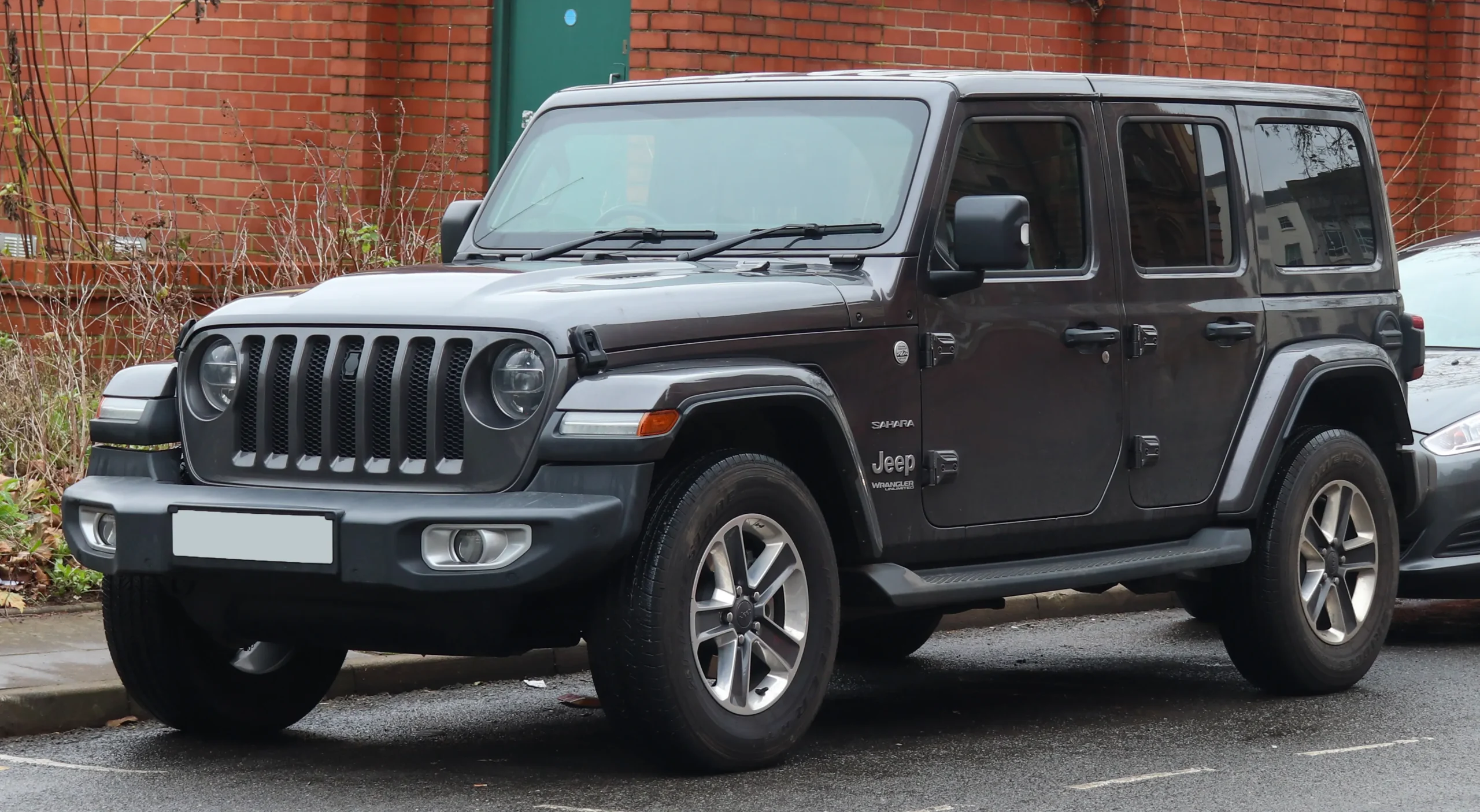
2. Jeep Wrangler Sport
Adventure vehicles prioritize durability and open-air driving, yet the Jeep Wrangler Sport faces challenges in extreme heat. Its removable roof panels and upright windshield design allow substantial solar exposure, which increases interior temperatures dramatically when parked outdoors.
Once inside a sunbaked Wrangler, occupants may notice that cooling takes longer than expected. The system pushes cold air effectively at high speeds, but the cabin’s boxy structure and minimal insulation make it harder to maintain lower temperatures. Air leaks around removable panels can allow warm air to seep in, forcing the system to work continuously.
Rear seating areas often receive limited direct airflow. Without overhead vents or multi-zone climate control, back-seat passengers depend largely on front airflow reaching them. During intense heat waves, that arrangement can leave uneven cooling patterns inside the cabin.
Idle cooling performance may also fluctuate. While driving at steady highway speeds, the system performs more consistently. However, during prolonged idling in heavy traffic, temperature stability can decline. That inconsistency becomes more noticeable in regions where outdoor temperatures remain high late into the evening.
Cabin materials tend to retain heat. Hard plastics and exposed surfaces absorb sunlight easily, which prolongs the time needed to reach comfortable interior conditions. Even with tinted windows, the greenhouse effect can be strong due to the vehicle’s upright design.
Jeep enthusiasts often value the Wrangler Sport for its off-road capability and unique styling. Still, those living in extremely hot climates should consider whether daily comfort matters as much as rugged versatility.
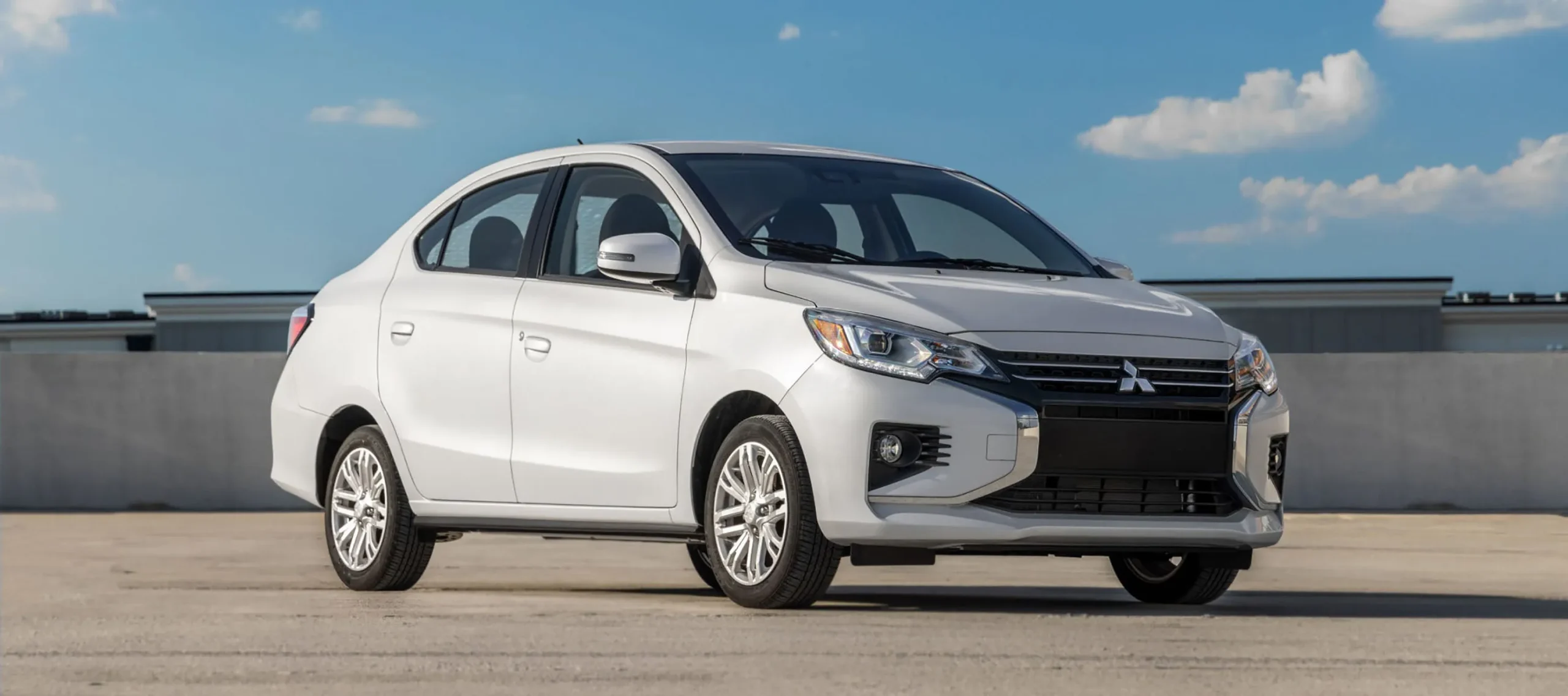
3. Mitsubishi Mirage G4
Budget-friendly sedans serve practical purposes, and the Mitsubishi Mirage G4 fits that role well. Yet its air conditioning system can feel underpowered when temperatures surge. Compact dimensions help somewhat, but the limited compressor capacity becomes evident during severe heat.
Initial cooling may seem adequate in moderate weather. Under intense sun, however, the system requires extended runtime to produce meaningful relief. Fan speeds at maximum often generate noticeable cabin noise without delivering strong airflow throughout the interior.
Rear passengers face restricted circulation due to the absence of dedicated vents. Front occupants receive direct cooling, but air reaching the back seats may feel weaker and less consistent. Families driving in hot regions sometimes find themselves increasing fan speeds frequently to compensate.
Performance during idling conditions reveals another limitation. In city traffic or long drive-through lines, cabin temperatures can climb gradually despite the system running at full capacity. That slow temperature creep becomes frustrating in climates where outdoor heat remains constant.
Interior insulation remains basic, which allows solar warmth to penetrate quickly. Once heated, surfaces radiate warmth back into the cabin, increasing the burden on the cooling system. Without stronger airflow or higher output compressors, comfort can be difficult to maintain during peak summer months.
While the Mirage G4 meets expectations for fuel efficiency and affordability, drivers in extreme climates may prefer a vehicle with more powerful climate control capabilities.
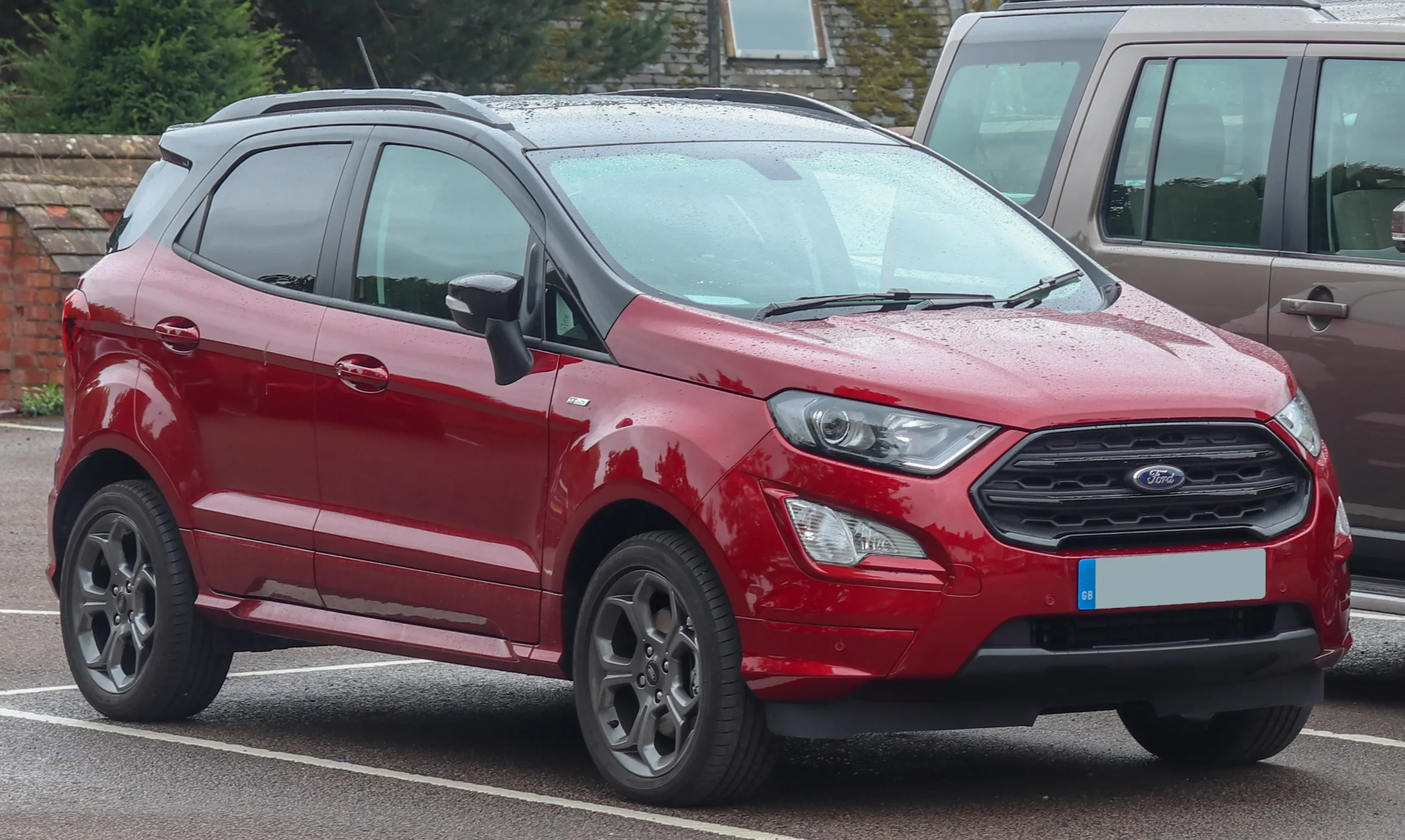
4. Ford EcoSport SE
Compact crossover vehicles are designed to provide practicality, fuel efficiency, and urban convenience. The Ford EcoSport SE reflects these priorities, yet its air conditioning performance may present limitations when exposed to intense and prolonged heat.
While the vehicle includes automatic climate control, the system’s cooling output can appear restrained when temperatures rise to extreme levels. Drivers in very hot regions may observe that cabin comfort requires more time and greater fan effort to achieve.
Extended exposure to direct sunlight often leaves the interior heavily heated. The EcoSport SE relies on a relatively small compressor, and this mechanical capacity influences how quickly the cabin temperature can be reduced. Upon start-up, the system begins cooling promptly; however, it may require sustained operation before the interior reaches a comfortable level.
Airflow from the dashboard vents primarily benefits front occupants, as the absence of ceiling-mounted or dedicated rear vents limits efficient distribution to the back seats. Rear passengers may therefore experience slower cooling, especially during the first several minutes of operation.
Traffic congestion further tests the system’s consistency. During prolonged idling, cooling performance can fluctuate slightly as the compressor cycles to maintain temperature settings. Drivers may find themselves increasing fan speed to compensate, which can introduce higher cabin noise levels.
Although the system continues functioning, its capacity to maintain a consistently cool atmosphere in extremely hot weather may not match that of larger vehicles equipped with more powerful climate components. Interior design elements also influence thermal retention. Dark dashboard surfaces and upholstery absorb solar radiation quickly, raising the ambient temperature inside the vehicle.
Once heated, these materials release warmth gradually, thereby prolonging the time required for the air conditioning system to stabilize cabin conditions. Limited insulation against solar gain means that heat can accumulate rapidly when the vehicle is parked outdoors without shade.
For drivers residing in regions with moderate seasonal warmth, the EcoSport SE provides satisfactory climate performance for everyday commuting. In areas characterized by persistent high temperatures, however, the vehicle’s cooling capacity may feel modest.
Prospective owners who prioritize strong and rapid air conditioning in extreme heat may wish to evaluate alternatives featuring larger compressors, enhanced insulation, and improved airflow distribution.
Also Read: 10 Vehicles With the Most Powerful Windshield Defroster Systems
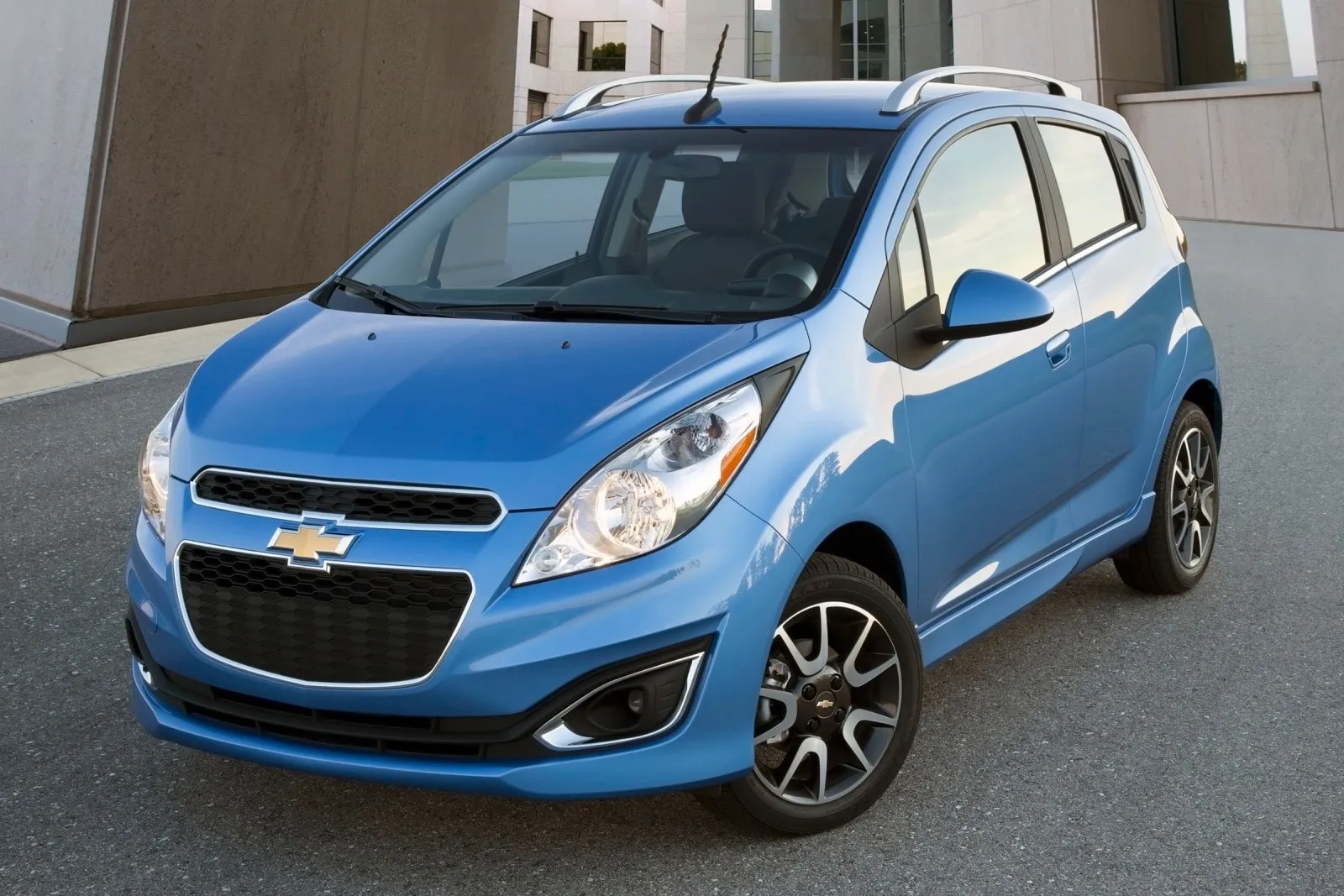
5. Chevrolet Spark 1LT
Subcompact hatchbacks emphasize affordability and efficiency, and the Chevrolet Spark 1LT adheres to this philosophy. While it serves urban commuters effectively, its air conditioning system may encounter challenges during extended periods of extreme heat.
With a compact cabin and modest cooling hardware, the Spark 1LT offers basic climate control; however, sustained comfort in very high temperatures can be difficult to maintain. Upon activation, airflow from the front vents feels cool and immediate.
Nevertheless, the circulation pattern throughout the cabin may appear uneven. Rear occupants depend largely on air traveling from the front seating area, as there are no dedicated rear vents to support balanced distribution. During particularly hot days, this arrangement can result in temperature differences between the front and rear sections of the vehicle.
Heavy traffic conditions impose additional strain on the cooling system. When idling for extended durations, the compressor cycles periodically to regulate output. During these cycles, cooling intensity may decrease slightly, allowing cabin warmth to increase incrementally. Drivers in regions where daytime heat remains severe may observe this gradual rise more clearly, particularly during prolonged stops.
Interior construction also contributes to thermal accumulation. The Spark’s relatively large window area, in proportion to its cabin size, permits substantial sunlight penetration. Dashboard and seat materials can absorb and retain heat quickly when parked in direct sunlight.
Without more robust insulation or higher output cooling components, the system requires additional time to counteract the elevated internal temperature. In climates characterized by moderate warmth, the Spark 1LT performs adequately for routine commuting and short journeys.
For residents of areas where summer heat persists throughout much of the year, expectations should be adjusted accordingly. Those who prioritize strong, rapid, and sustained cooling performance may prefer vehicles equipped with more powerful compressors and improved airflow engineering to ensure greater resilience in demanding temperature conditions.
