
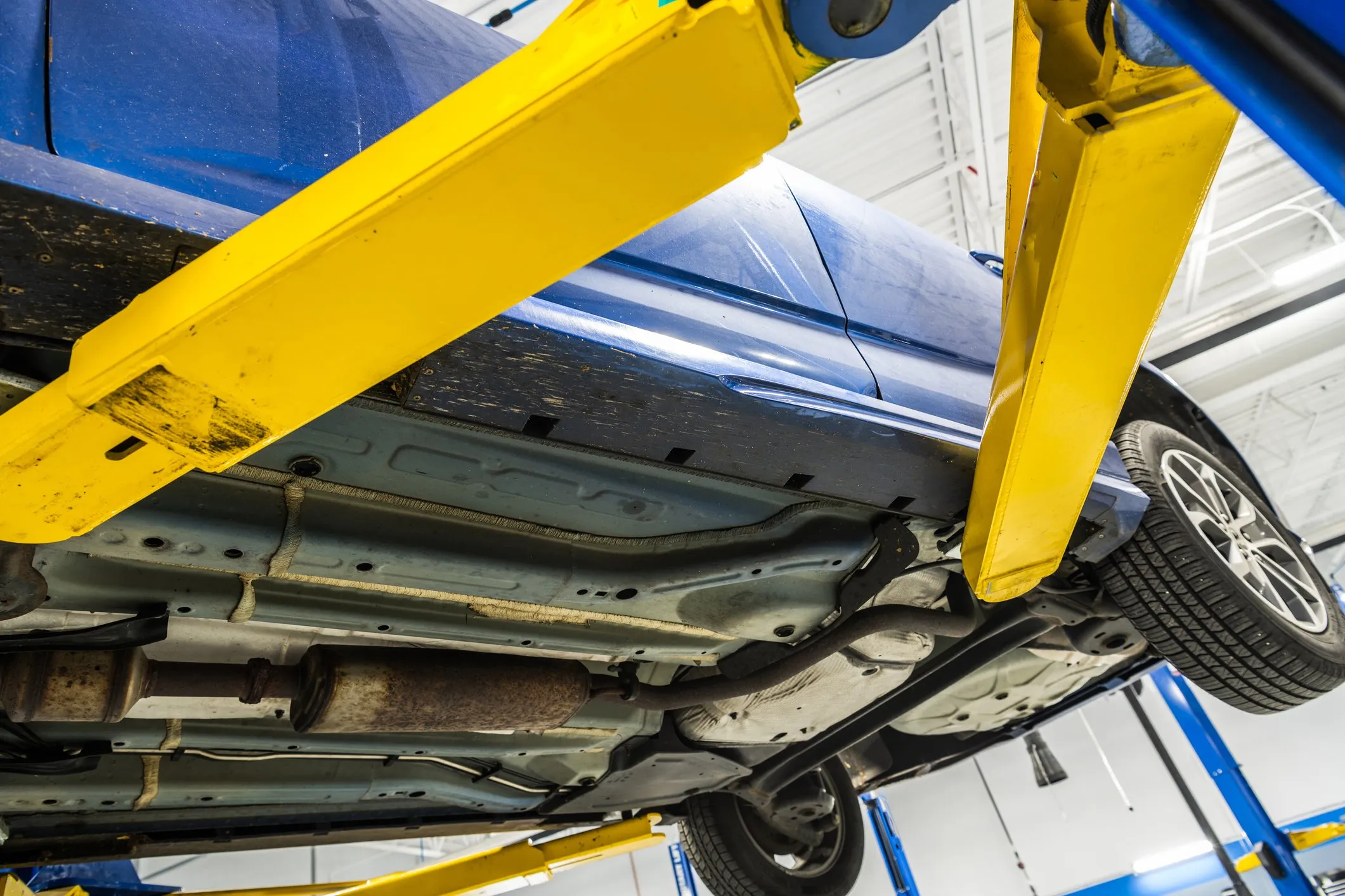
Road salt has a quiet way of doing damage. One winter season passes, then another, and suddenly, a vehicle that still looks great on the outside begins to suffer on the inside.
Corrosion builds slowly, eating away at metal parts most drivers never see until repairs become unavoidable. Suspension components weaken, brake lines corrode, and fasteners seize, all because moisture and salt were allowed to linger unchecked.
Protective undercarriage coatings exist to stop that process before it starts. These products form a barrier between exposed metal and harsh elements, limiting contact with salt, water, and debris.
Choosing the right coating is not about hype or price tags. It is about understanding how each formula performs under real-world driving conditions, how long it lasts, and what upkeep it requires.
Some coatings harden into durable shells, others remain flexible and self-healing, while a few rely on creeping action to reach seams and hidden cavities. Each approach suits a different type of driver, climate, and vehicle use pattern. Applying the wrong product can trap moisture, while the right one can extend the life of a vehicle by many years.
This guide breaks down ten widely used undercarriage protection options, explaining how each works, where it performs best, and what kind of ownership experience it creates. Attention stays on real-world performance rather than marketing promises. By the end, selecting a rust prevention strategy will feel less uncertain and far more practical.
1. Fluid Film Undercoating
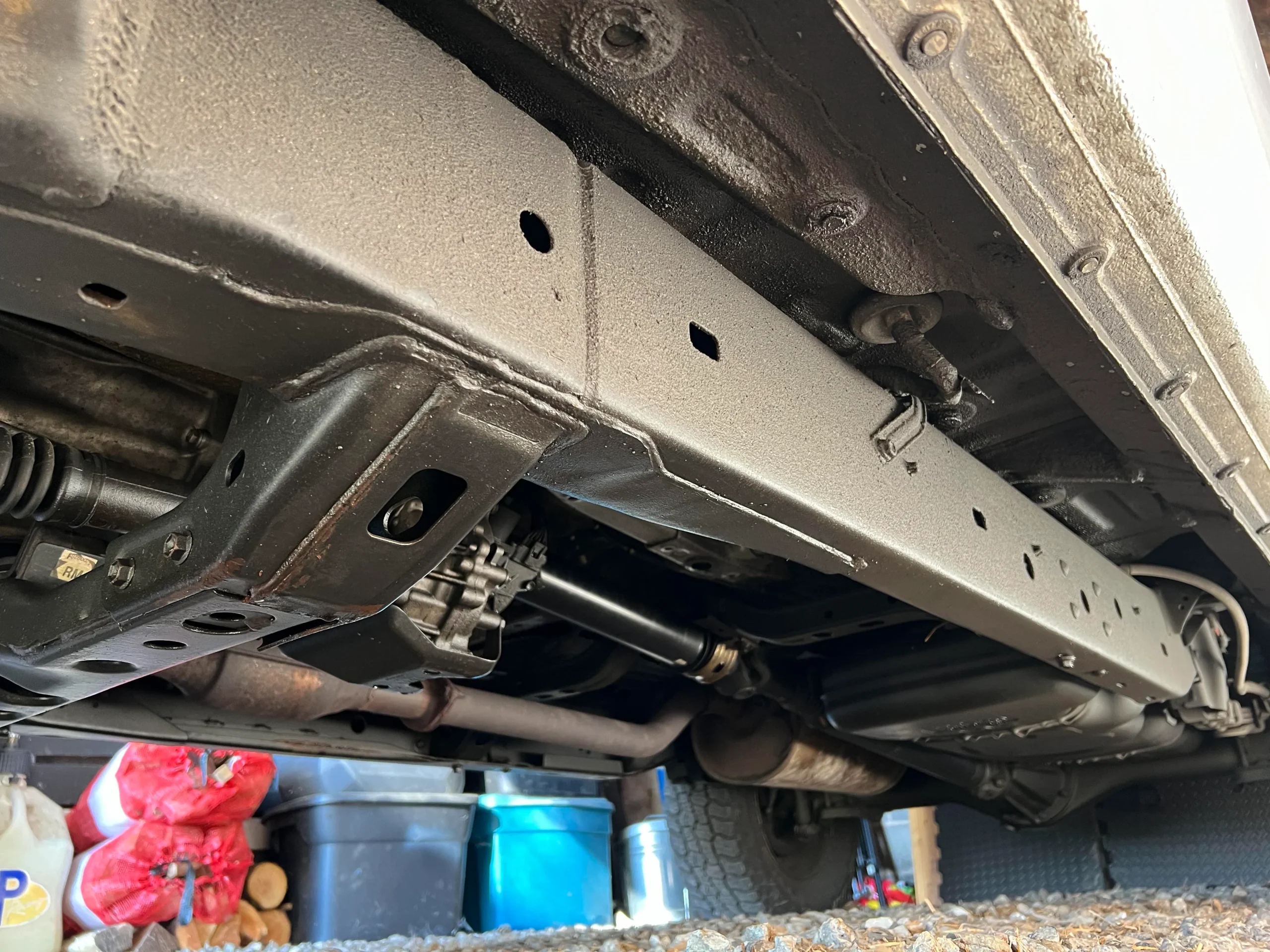
Fluid Film takes a very different approach to rust prevention, relying on movement rather than hardness. Made from lanolin-based compounds, this coating remains soft and oily long after application. Instead of sealing metal beneath a rigid shell, it creates a moisture-displacing layer that creeps into seams, overlaps, and tight spaces, where salt tends to reach first.
Application usually involves spraying the product directly onto exposed undercarriage surfaces, brake lines, suspension arms, and frame rails. Once applied, Fluid Film spreads slowly, coating areas that brushes and thick sprays often miss. This creeping behavior proves especially useful in climates where salt spray reaches every corner of the vehicle.
Durability depends on driving habits and weather exposure. Harsh winters and frequent car washes can thin the coating, making annual reapplication advisable. While this may sound inconvenient, the process remains quick and affordable compared to structural rust repairs. Reapplication also refreshes protection without the need to remove old material.
Another advantage lies in the safety of rubber and wiring. Fluid Film does not harden or crack, which prevents damage to bushings, seals, and electrical insulation. Mechanics often appreciate working on vehicles treated with this coating because fasteners resist seizing and components separate more easily.
Critics sometimes point to its messy nature. Drips can occur shortly after application, and the undercarriage may collect dust. Those cosmetic concerns rarely outweigh the protection benefits for drivers focused on long-term durability rather than showroom appearance.
Fluid Film suits owners willing to commit to regular upkeep in exchange for strong corrosion resistance. For vehicles driven through salted roads year after year, its forgiving and penetrative nature offers dependable protection.
2. WoolWax Underbody Protection
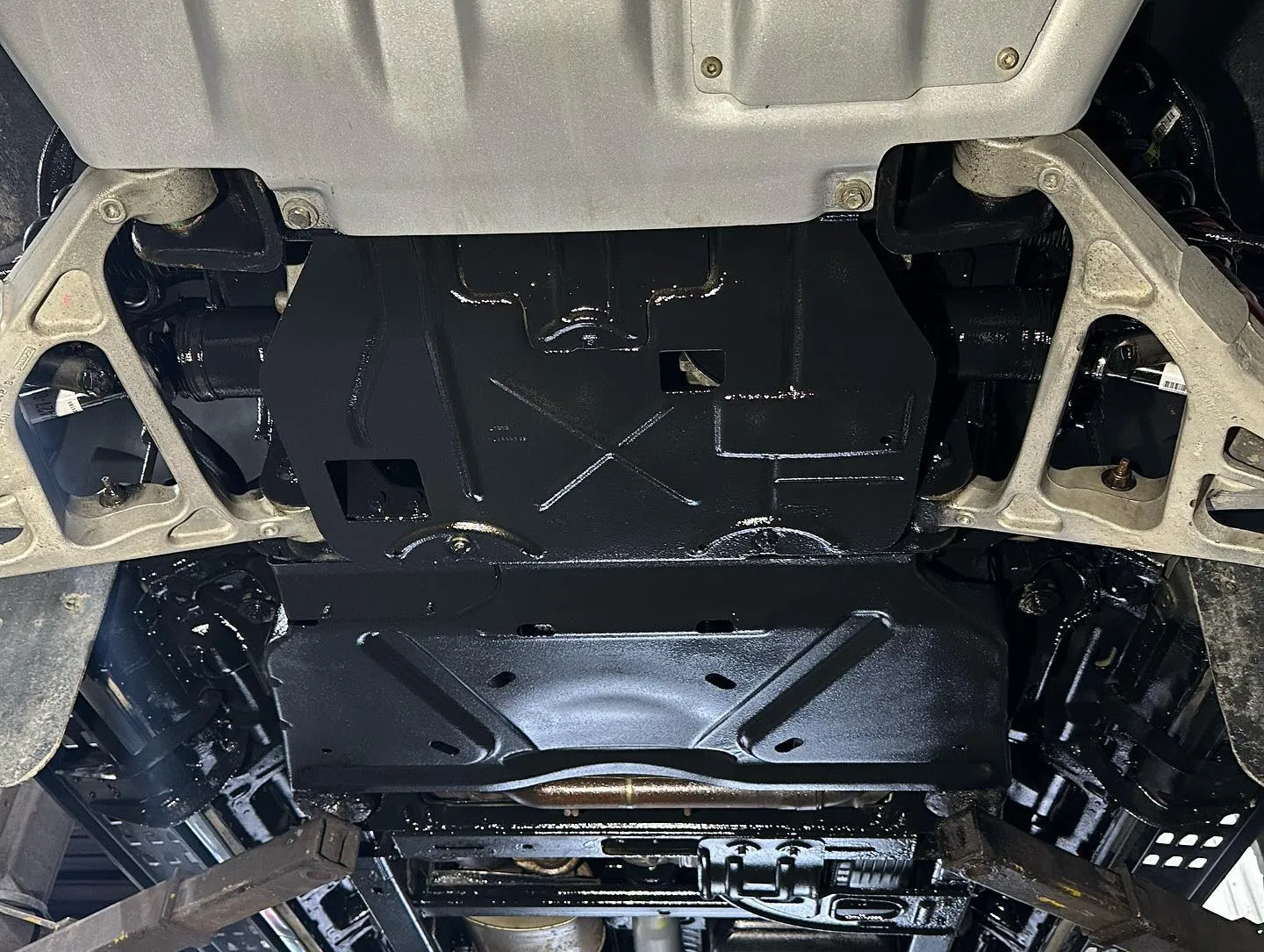
WoolWax builds upon the same lanolin foundation as Fluid Film but adds thickness and staying power. Designed to cling longer and resist wash-off, this coating appeals to drivers seeking extended protection without frequent reapplication.
Texture plays a central role in WoolWax’s performance. The thicker consistency allows it to remain in place even after repeated exposure to water and road spray. Once applied, it forms a dense, moisture-resistant layer that shields metal surfaces from corrosive contact. Seams, welds, and overlapping panels benefit greatly from this coverage.
Application methods vary from professional spray systems to consumer-grade equipment. Proper surface preparation improves adhesion, though the product remains forgiving compared to hard coatings. WoolWax continues to creep slowly, sealing areas initially missed during application.
Longevity stands out as a major advantage. Many users report effective protection lasting two full seasons or longer, depending on conditions. That durability reduces the frequency of service visits while maintaining consistent coverage.
Another strength lies in its compatibility with existing rust. WoolWax can be applied over lightly corroded surfaces, where it displaces moisture and slows further oxidation. While it does not reverse damage, it helps stabilize affected areas.
Odor remains a consideration. Lanolin-based products carry a distinct smell after application, though it fades with time. For some owners, this becomes a minor tradeoff for reliable undercarriage defense.
WoolWax fits drivers who want a balance between softness and longevity. It offers a practical middle ground between annual treatments and rigid coatings that risk cracking under stress.
Also Read: 8 Tips for Taking Professional Photos to Sell Your Car Faster
3. Cosmoline RP-342 Heavy-Duty Rust Preventive
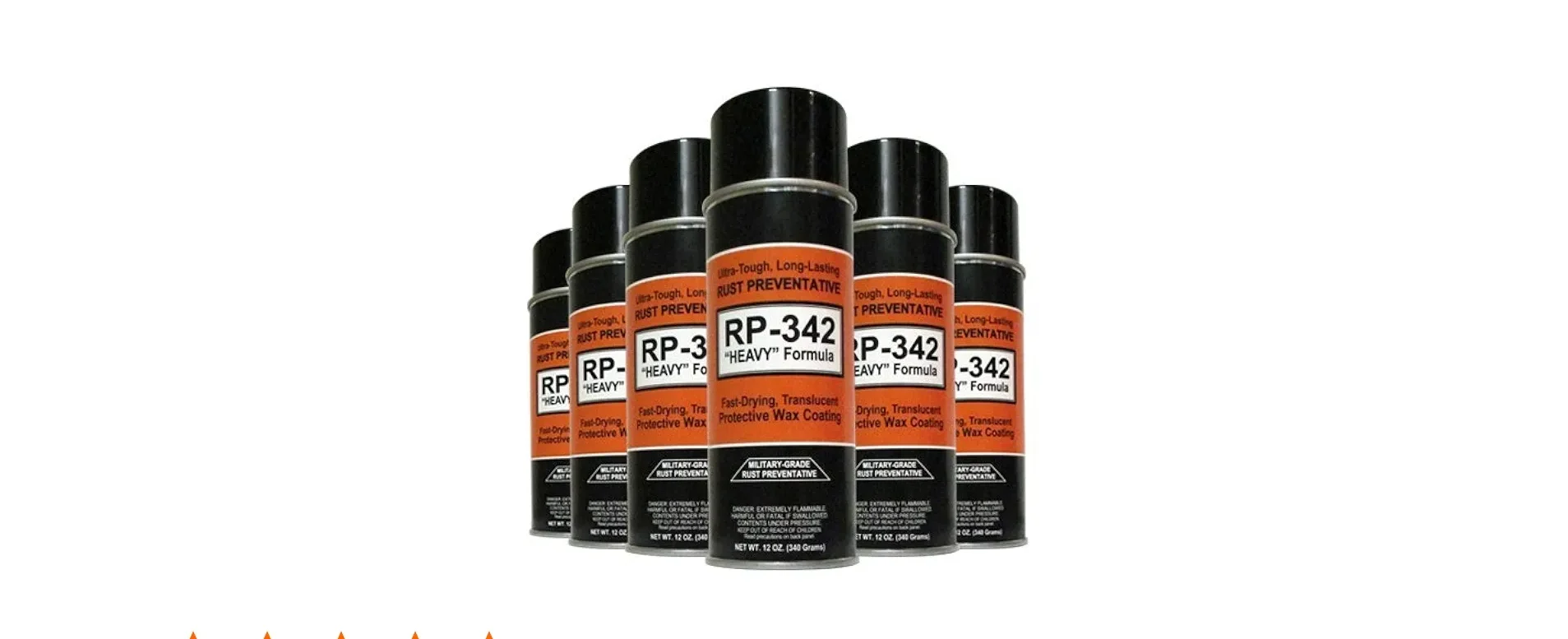
Cosmoline RP-342 Heavy-Duty Rust Preventive draws its foundational design philosophy directly from military-grade preservation standards, reflecting a product heritage that prioritises structural longevity above all competing considerations.
This wax-based protective coating undergoes a hardening process following application, producing a dense, consolidated barrier capable of withstanding prolonged exposure to road salt, atmospheric moisture, and physical debris impact without meaningful deterioration of its protective integrity.
Upon spray application to prepared metallic surfaces, the product cures progressively into a firm, amber-coloured protective shell that adheres with considerable tenacity to frame rails, underbody panels, and fuel tank exteriors.
This hardened layer substantially reduces the probability of coating displacement during winter road conditions, where salt-laden water and abrasive debris present continuous mechanical challenges to less durable protective formulations.
Durability constitutes this product’s most commercially persuasive attribute. A properly executed Cosmoline RP-342 application retains its protective effectiveness across several years of operational exposure, making it particularly attractive to vehicle owners who prefer extended maintenance intervals rather than annual treatment programmes.
This longevity equally benefits vehicles maintained in seasonal storage or operated intermittently through harsh environmental conditions.
Thorough surface preparation is an indispensable prerequisite for satisfactory application outcomes. Metallic surfaces must be entirely clean and dry before product contact, as moisture trapped beneath the cured coating layer accelerates rather than retards the corrosion it was applied to prevent.
Coating removal for repair access requires solvent application or mechanical scraping, which represents a practical inconvenience for vehicles requiring frequent component servicing. For long-term ownership vehicles where underbody disassembly occurs infrequently, this limitation carries considerably less operational consequence.
Cosmoline RP-342 remains most appropriately suited for vehicles expected to endure sustained salt exposure in minimal-maintenance operational contexts.
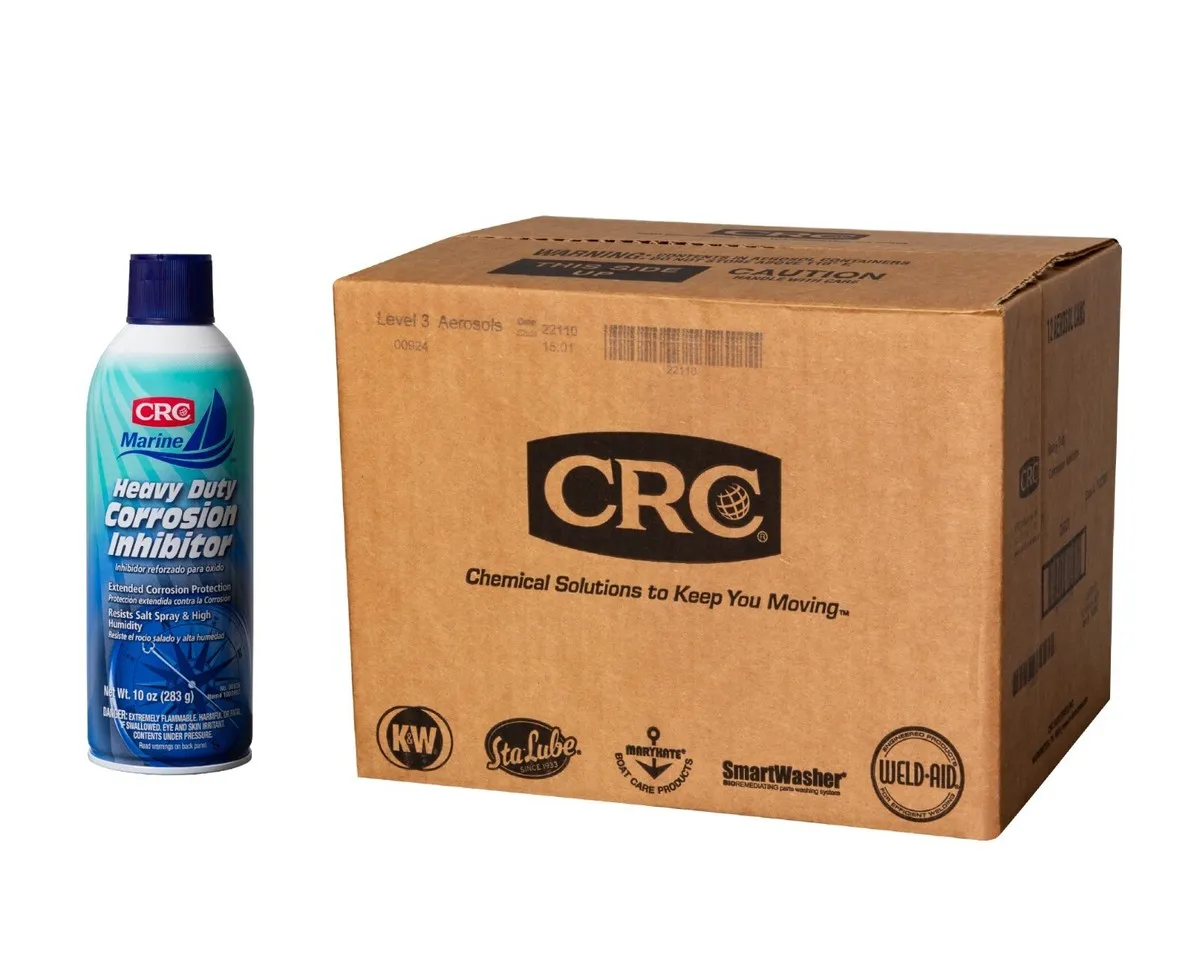
4. CRC Heavy Duty Corrosion Inhibitor
CRC Heavy Duty Corrosion Inhibitor delivers a hybrid protective formulation that intelligently combines the adhesive qualities of wax compounds with the penetrating characteristics of oil-based products, producing a sprayable corrosion prevention solution originally developed for demanding industrial applications.
This dual-property composition enables the coating to provide reliable surface adhesion whilst retaining sufficient material flexibility to resist the cracking and delamination that purely rigid wax coatings frequently exhibit under sustained mechanical vibration.
Application is accessible through both aerosol delivery and conventional spray equipment, accommodating professional workshop environments and informed private vehicle owners alike.
Following application, the formulation cures to a semi-dry protective film that resists moisture intrusion effectively whilst remaining meaningfully less brittle than fully hardened wax alternatives.
This balanced material behaviour reduces the risk of coating fracture across suspension components, crossmembers, underbody brackets, and exposed metallic fasteners subjected to continuous dynamic loading during vehicle operation.
CRC Heavy Duty Corrosion Inhibitor demonstrates commendable resistance to wash-off under wet road conditions and tolerates the thermal cycling between cold ambient temperatures and operational heat without accelerated surface degradation. These combined properties support reliable year-round protective performance across variable seasonal conditions.
Annual reapplication satisfies the maintenance requirements of most vehicle owners operating in moderately severe winter environments. Unlike certain lanolin-based competitive products, CRC Heavy Duty Corrosion Inhibitor cures to a comparatively clean surface finish that resists excessive road dust accumulation, thereby maintaining a more presentable undercarriage appearance between scheduled service intervals.
Vehicle owners seeking dependable salt corrosion resistance delivered through an industrially proven formulation, without the procedural demands associated with specialised application techniques, will find CRC Heavy Duty Corrosion Inhibitor a practically sound and professionally credible protective investment.
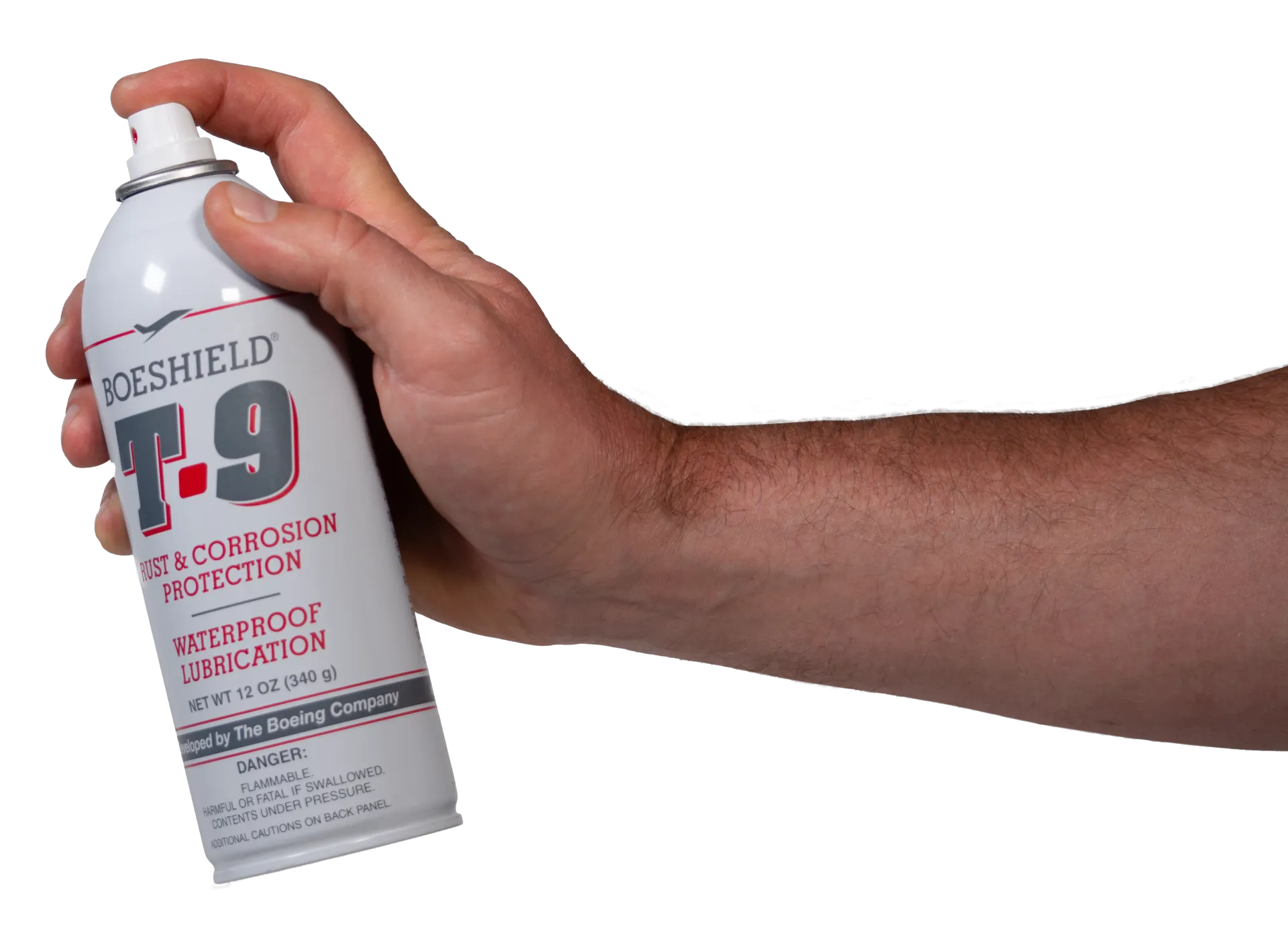
5. Boeshield T-9 Rust Protection
Boeshield T-9 Rust Protection carries a product development heritage rooted in the aerospace engineering sector, having been originally formulated to satisfy the stringent corrosion prevention requirements of aircraft component preservation before its subsequent adaptation for automotive application.
This distinguished technical origin confers upon the product a credibility that purely automotive-market formulations cannot claim with equivalent authority, and the underlying engineering principles that informed its aerospace development remain clearly evident in its operational performance characteristics.
Boeshield T-9’s thin wax formulation is specifically engineered to penetrate confined spaces, narrow seams, and tightly toleranced fastener interfaces that heavier protective coatings cannot adequately reach through surface application alone.
This penetrating behaviour ensures that corrosion prevention extends into the precise locations where moisture accumulation and oxygen exposure most readily initiate oxidation processes on unprotected metallic surfaces.
Following the curing period, treated surfaces present a dry tactile finish that resists the dust and particulate accumulation commonly associated with oil-based protective treatments.
Brake lines, exposed fasteners, body seams, and structural overlaps represent the application areas where Boeshield T-9 delivers its most practically valuable protective contribution, providing a moisture-resistant film that inhibits corrosion initiation without introducing the handling complications of heavier coating products.
Service life varies according to the severity of environmental exposure encountered during vehicle operation, though annual reapplication is the schedule most consistently recommended for vehicles operated regularly through winter road conditions.
Boeshield T-9 is most appropriately positioned as a targeted precision protection product rather than a comprehensive underbody coating system.
Vehicle owners who value clean application, ease of use, and reliable protective performance on specific vulnerable components will find Boeshield T-9 a consistently dependable addition to a broader vehicular corrosion prevention programme.
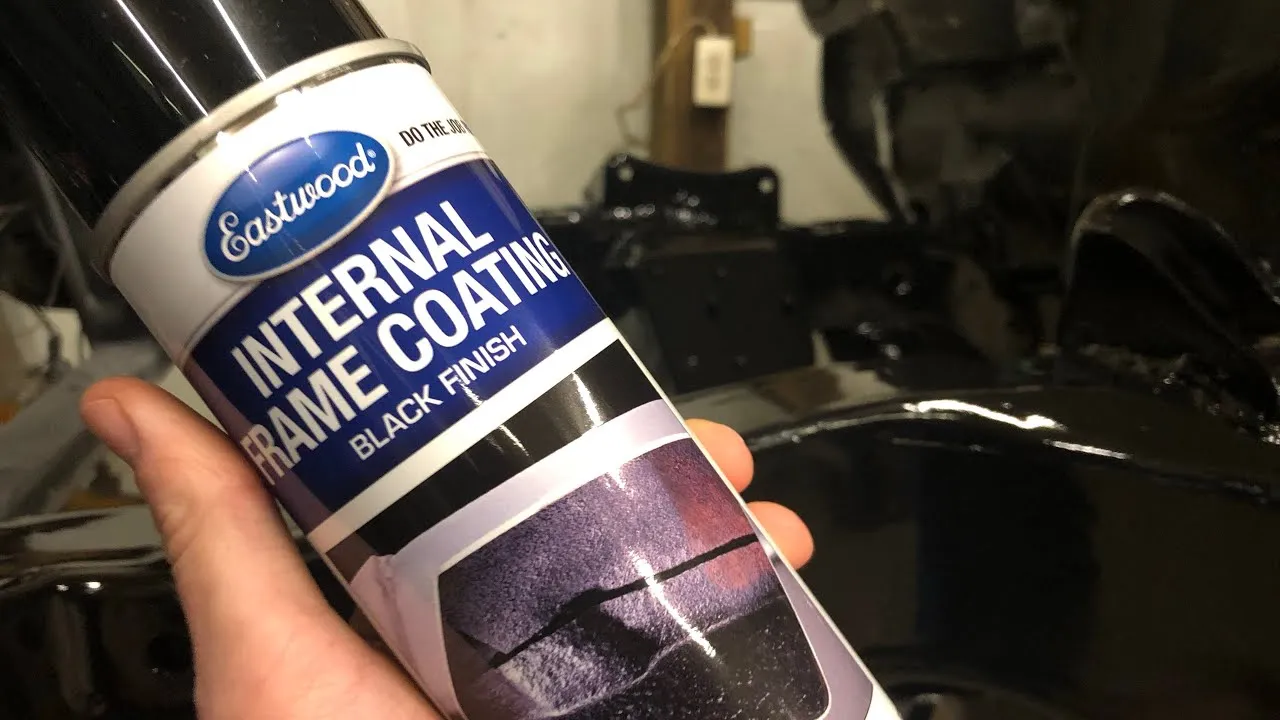
6. Eastwood Internal Frame Coating
Eastwood Internal Frame Coating focuses on areas most drivers never see, yet suffer the most damage. Boxed frames, enclosed rails, and hollow structural sections trap moisture and salt, creating ideal conditions for corrosion. This product targets those hidden zones directly, offering protection where conventional sprays cannot reach.
The application relies on a long, flexible nozzle designed to spray in a wide circular pattern. Once inserted into frame access points, the coating disperses evenly along interior walls. This reach allows the formula to coat seams, weld joints, and internal surfaces often ignored during rust prevention efforts.
Chemical composition plays a vital role. The coating combines zinc-rich compounds with corrosion inhibitors that bond to bare metal. Zinc provides sacrificial protection, meaning it corrodes before the underlying steel does. That reaction slows deterioration even when minor moisture intrusion occurs.
Drying characteristics balance penetration and adhesion. The coating begins as a thin liquid, flowing into crevices before curing into a durable layer. Once set, it resists wash-out and vibration. Interior placement shields it from direct road spray, extending its service life considerably.
Maintenance requirements remain minimal. Many owners apply it once and leave it untouched for several years. Because it remains inside enclosed spaces, exposure to abrasion stays low. This makes it ideal for long-term vehicle ownership in regions where winter road treatment accelerates corrosion.
Limitations exist. Eastwood Internal Frame Coating does not replace external undercoating. It works best as part of a layered strategy, complementing surface protection products. Access holes may require drilling on some vehicles, which demands careful planning and sealing afterward.
Drivers committed to preserving structural integrity appreciate this product. While invisible after application, its impact becomes clear years later when frame components remain solid while untreated vehicles show advanced decay.
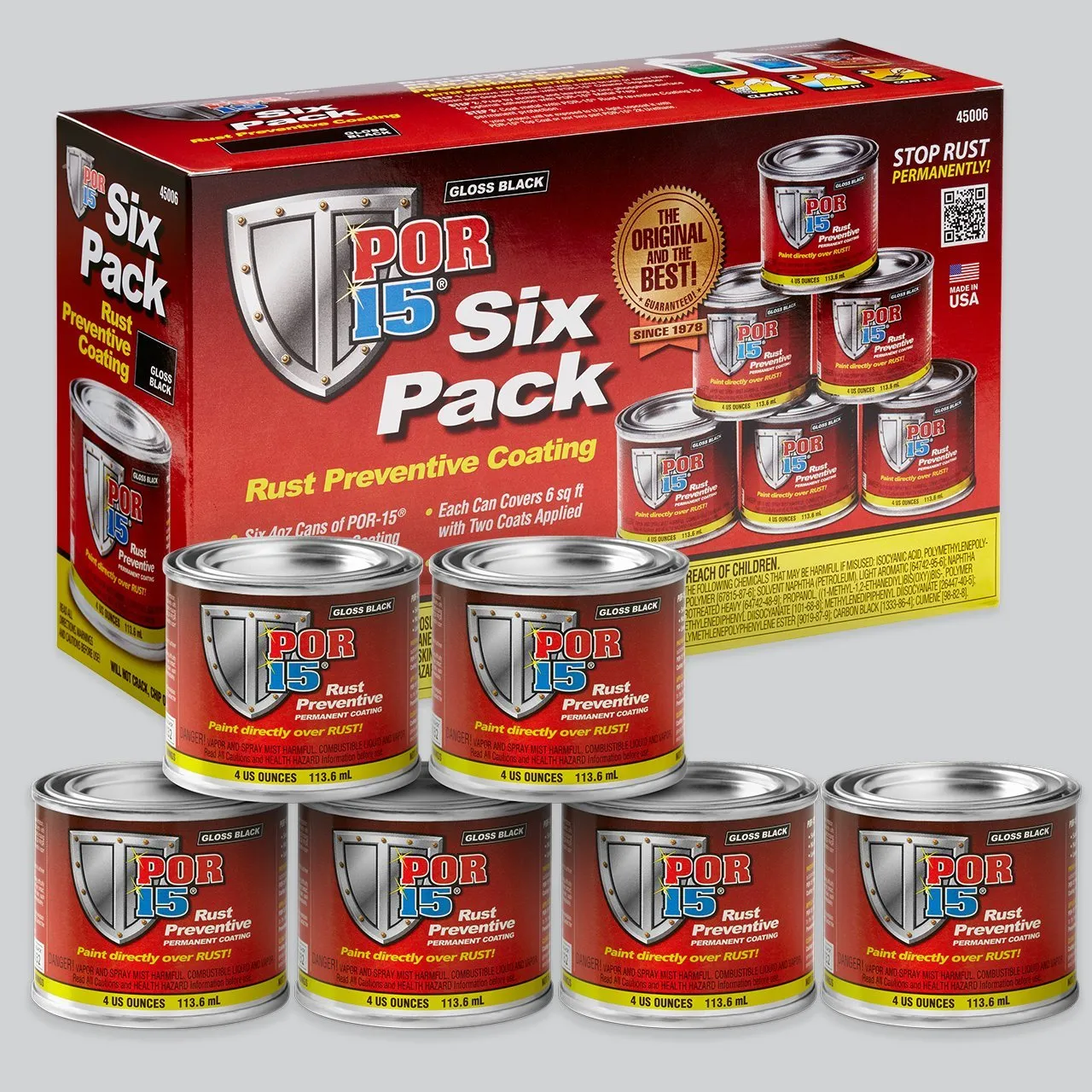
7. POR-15 Rust Preventive Coating
POR-15 approaches rust protection through transformation rather than coverage alone. Designed to bond directly to oxidized metal, this coating chemically seals corrosion, stopping further progression once cured. Its reputation rests on durability and hardness.
Surface preparation defines success. Loose rust must be removed, yet complete stripping to bare metal remains unnecessary. The coating bonds best to textured, lightly corroded surfaces, forming a non-porous barrier that blocks moisture and oxygen.
Once applied, POR-15 cures into a rock-hard finish. That hardness resists chipping, abrasion, and chemical exposure. Undercarriage components subjected to road debris benefit greatly from this resilience. Frames, control arms, and axle housings often become long-term beneficiaries.
Application demands patience. The coating reacts with moisture in the air, meaning open containers cure quickly. Careful handling, protective gear, and proper ventilation remain essential. Cleanup proves difficult once cured, as solvents lose effectiveness. UV sensitivity presents a limitation. Direct sunlight exposure can cause surface degradation, though this matters less for undercarriage use.
When applied beneath vehicles, sunlight rarely reaches treated areas. Longevity stands as a defining strength. Many vehicles treated with POR-15 show stable underbodies years later without reapplication. That durability suits owners willing to invest time upfront for extended protection.
POR-15 appeals to hands-on owners seeking permanent solutions. Its demanding application process rewards patience with lasting defense against salt-induced corrosion.
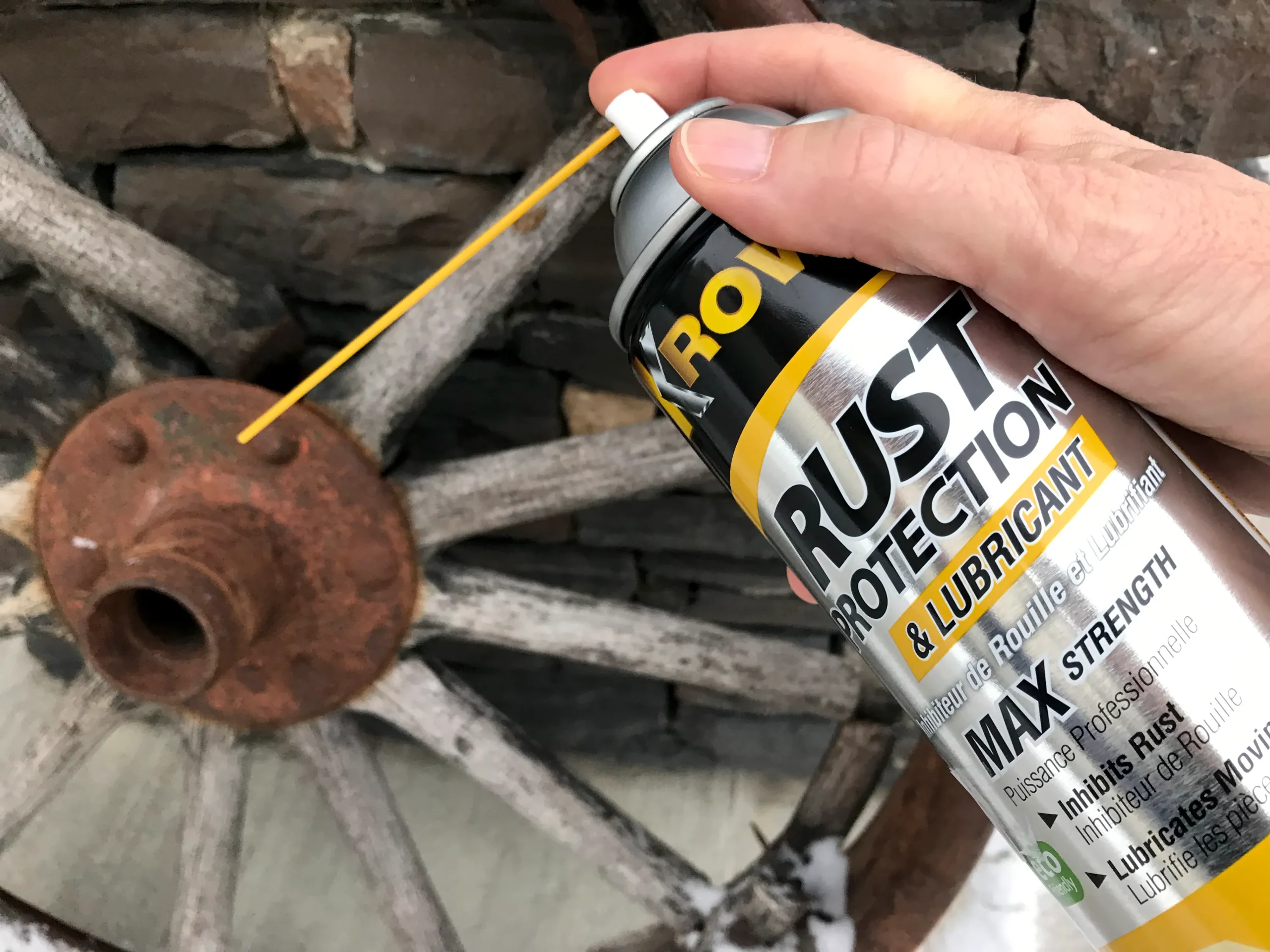
8. Krown Rust Control Treatment
Krown Rust Control Treatment represents one of the more scientifically deliberate approaches to vehicular corrosion prevention currently available within the automotive protection market.
Rather than relying upon surface sealing as its primary mechanism, this oil-based formulation operates through active fluid movement, penetrating seams, structural joints, and panel overlaps with considerable efficiency.
By displacing accumulated moisture and preventing the adhesion of road salt to exposed metallic surfaces, Krown addresses corrosion at its most fundamental point of origin rather than merely concealing evidence of its progress. Professional application constitutes the standard delivery method for this treatment, and the process reflects a level of procedural thoroughness that distinguishes it from consumer-grade alternatives.
Qualified technicians create access points through careful drilling, thereafter injecting the formulation directly into door cavities, structural frames, and enclosed body sections that conventional spray equipment cannot reach. External undercarriage areas subsequently receive a uniform application that ensures comprehensive metallic coverage across the vehicle’s most vulnerable lower surfaces.
A particularly commendable characteristic of Krown’s chemical composition is its capacity for self-renewal. Should road debris dislodge the protective material from a localised area during normal vehicle operation, the surrounding coating gradually migrates to replenish that exposed zone, thereby maintaining continuous protective coverage without requiring immediate human intervention.
This dynamic restorative behaviour represents a functional advantage over static coatings that remain permanently compromised once physically disturbed.
Annual reapplication constitutes the manufacturer’s recommended maintenance schedule, and whilst this introduces a recurring financial obligation, each successive treatment simultaneously refreshes existing protection and addresses newly developed exposure points identified during the technician’s inspection.
Vehicle owners who maintain this disciplined annual cycle consistently report substantially reduced corrosion damage relative to those who allow treatment intervals to lapse. It must be acknowledged that Krown’s oily composition attracts road dust during the period immediately following application, and minor material dripping may occur within the initial days of treatment.
These temporary inconveniences diminish considerably as the formulation settles, leaving behind a thin but functionally active protective film. Krown Rust Control Treatment is most appropriately recommended for vehicle owners who prioritise comprehensive internal cavity protection and material adaptability above cosmetic presentation.
9. Rust Check Underbody Protection
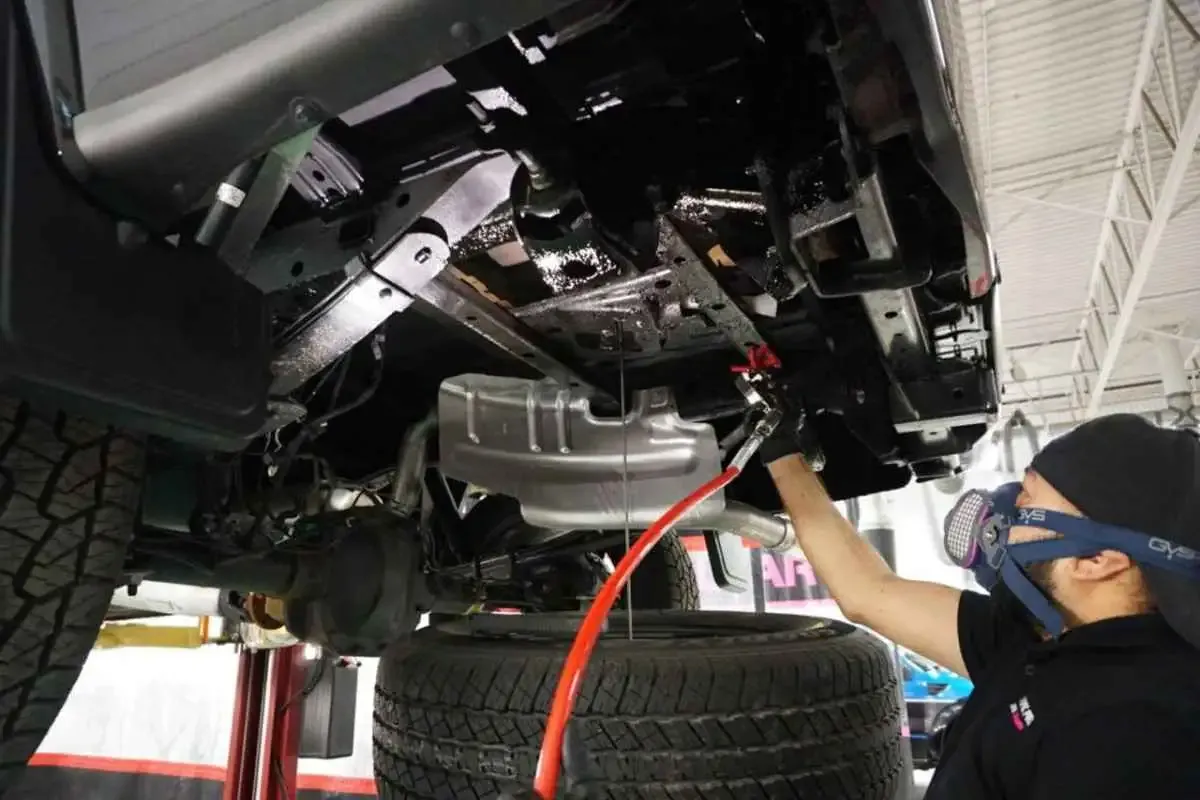
Rust Check employs a dual-application strategy that combines thin penetrating oil with thicker underbody coatings, creating a layered defense against salt-related corrosion. This method focuses on both concealed structural cavities and exposed metal surfaces, ensuring protection reaches areas commonly missed by single-layer treatments.
By addressing internal and external vulnerabilities together, the system offers broad coverage suited for vehicles frequently driven on treated roads. Initial treatment begins with the injection of a low-viscosity oil into doors, frame rails, rocker panels, and other enclosed sections.
This oil spreads aggressively, creeping along seams, spot welds, and joints where moisture tends to collect. Its ability to migrate allows it to reach corrosion-prone zones that rigid coatings cannot access. Once applied, the oil displaces water and salt residue, slowing the chemical reactions that lead to rust formation.
Attention then moves to exposed undercarriage components. A heavier protective coating is applied to suspension parts, floor pans, subframes, and other areas directly subjected to road spray. This thicker layer acts as a physical barrier, shielding metal from moisture impact and abrasive debris. Together, both applications work in coordination rather than isolation.
Ongoing effectiveness relies on regular renewal. Annual reapplication refreshes the oil’s penetration ability and reinforces surface coverage that may thin due to driving conditions. Each service visit also allows technicians to inspect vulnerable areas and address early signs of wear before damage becomes advanced. This repeated attention helps reduce long-term deterioration.
Results depend heavily on consistency. Vehicles treated regularly often maintain solid underbodies even after years of winter exposure. Missed applications can leave unprotected gaps where corrosion restarts. Owners who follow the recommended schedule typically see the best outcomes.
Rust Check suits drivers comfortable with planned upkeep. Its philosophy emphasizes steady prevention through repetition, offering reassurance for those who prefer ongoing care rather than one-time solutions.
Also Read: 8 Tips for Protecting Your Car Battery During Extreme Cold
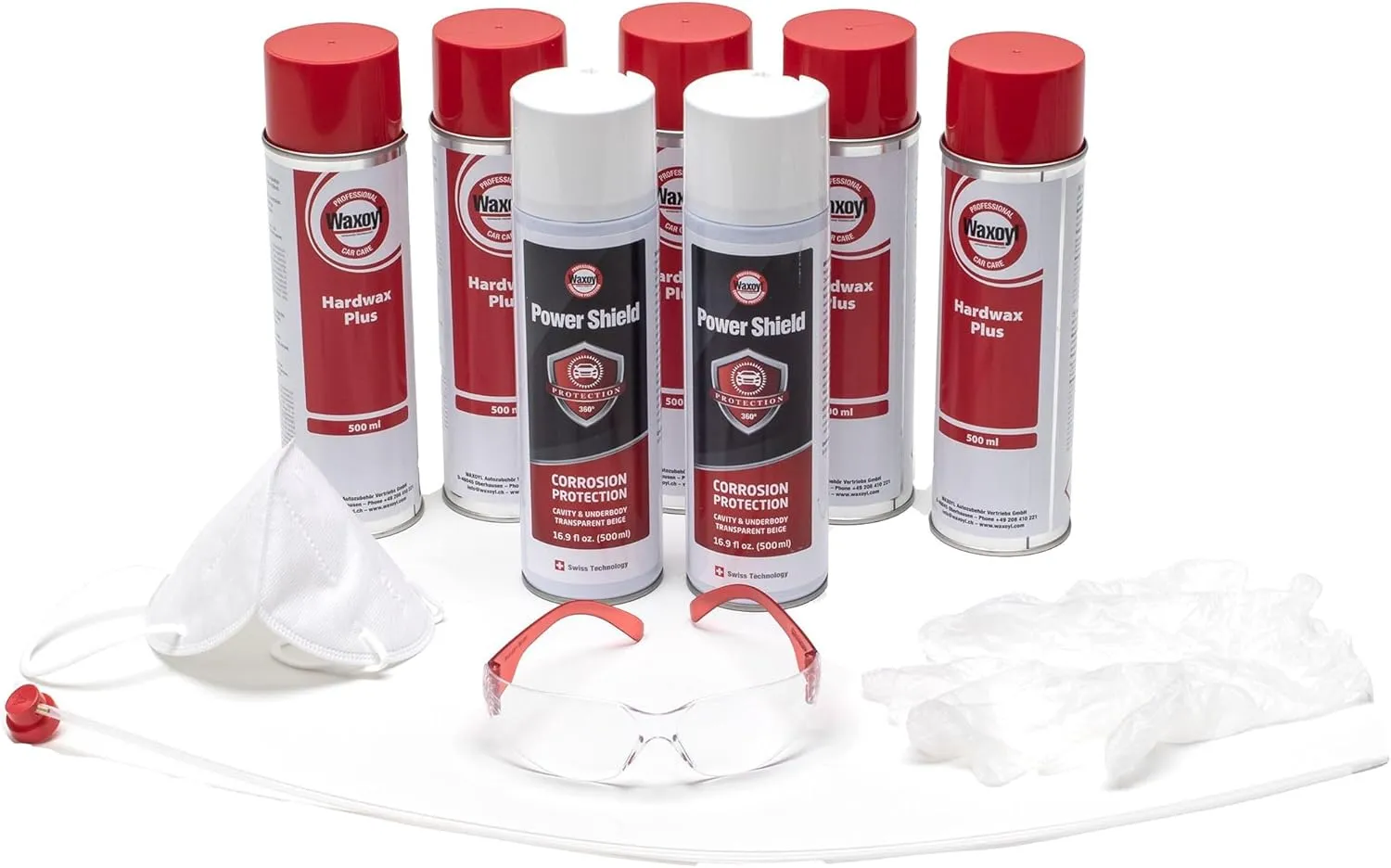
10. Waxoyl Hardwax Underbody Sealant
Waxoyl Hardwax Underbody Sealant occupies a well-defined position within the vehicular corrosion protection market by combining wax and resin compounds into a unified coating formulation specifically engineered to perform reliably within demanding environmental conditions.
Upon full curation, this product produces a protective layer characterised by both structural firmness and a degree of material flexibility that enables it to maintain its integrity across the mechanical stresses and thermal variations inherent to regular vehicle operation. This combination of hardness and adaptability represents the product’s most commercially distinctive engineering achievement.
Proper surface preparation is an essential prerequisite for satisfactory Waxoyl Hardwax application results. Treated surfaces must be thoroughly cleaned and completely dried before product contact, as residual moisture or surface contamination will compromise the adhesion quality of the cured coating and reduce its long-term protective effectiveness.
Once these preparatory conditions are satisfied, the product is delivered as a liquid spray that distributes evenly across metallic surfaces before setting progressively into a textured finish that bonds with considerable tenacity to the underlying metal substrate.
This hardened shell subsequently acts as a continuous barrier against salt spray penetration and water intrusion across multiple operational seasons.
Material flexibility constitutes the attribute that most meaningfully differentiates Waxoyl Hardwax from the category of brittle underbody coatings that have historically attracted criticism for fracturing under dynamic chassis loading.
Suspension articulation, drivetrain vibration, and structural flex generated during normal vehicle operation do not readily compromise the integrity of a properly applied and fully cured Waxoyl Hardwax layer.
This resistance to mechanical fracture preserves the coating’s continuity across the vehicle’s undercarriage throughout successive seasonal cycles, thereby maintaining protective coverage in areas that rigid alternative coatings would expose through cracking.
Reapplication intervals for Waxoyl Hardwax are considerably more generous than those associated with annually renewed fluid-based treatment systems. Depending upon the severity of road condition exposure and the intensity of the vehicle’s operational demands, the coating’s service life frequently extends across several years before renewal becomes necessary.
This durability derives from the coating’s substantial physical thickness and its inherent resistance to removal by vehicle washing and road abrasion, qualities that sustain its protective function through conditions that more fragile coatings cannot withstand without periodic supplementation.
Waxoyl Hardwax Underbody Sealant is most suitably recommended for vehicle owners who seek a corrosion protection solution offering dependable long-term performance without demanding the annually recurring maintenance commitment that fluid-based treatment programmes require.
Its protective barrier provides a structurally sound and practically effective defence against rust progression for vehicles subjected to consistent exposure to treated road surfaces throughout extended winter operational periods.
