Classic cars often conjure images of weekend drives and pristine garage displays, yet many are rarely seen on busy streets due to their age, mechanical quirks, or outdated safety features. However, a select group of vintage vehicles defies this stereotype, offering not only nostalgic charm but also genuine usability in modern traffic.
From the rugged practicality of the Toyota Land Cruiser FJ60 to the nimble fun of the Mazda MX-5 Miata, these classics combine durability, engineering foresight, and driver-focused design to remain reliable, comfortable, and safe for daily driving.
Whether it’s Volvo’s legendary crash-resistant 240 or Saab’s ergonomically designed 900, these cars prove that a classic can be more than a collector’s piece they can be a functional, enjoyable vehicle for today’s roads. This list explores eight such timeless classics that balance vintage character with modern-day practicality.
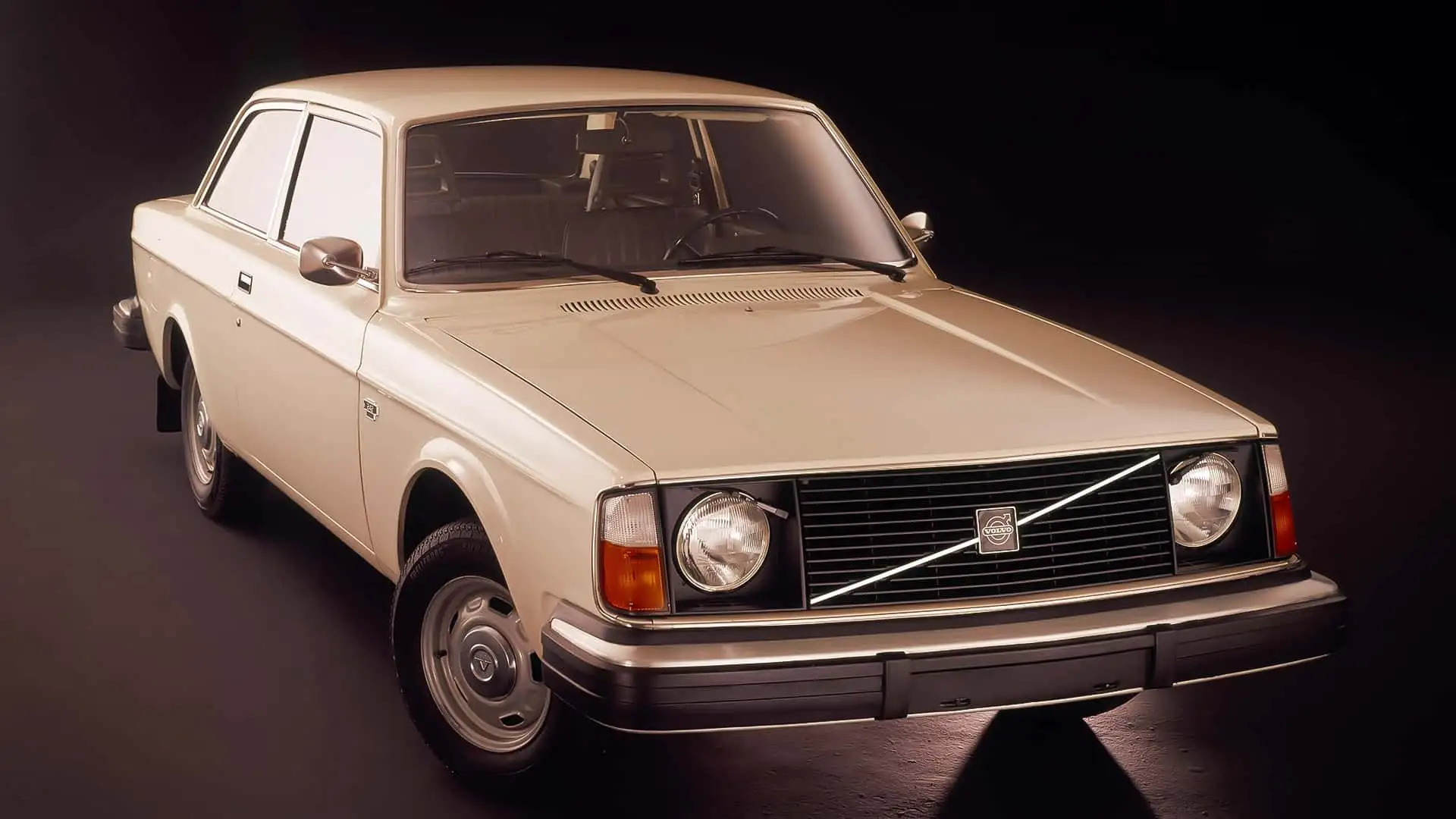
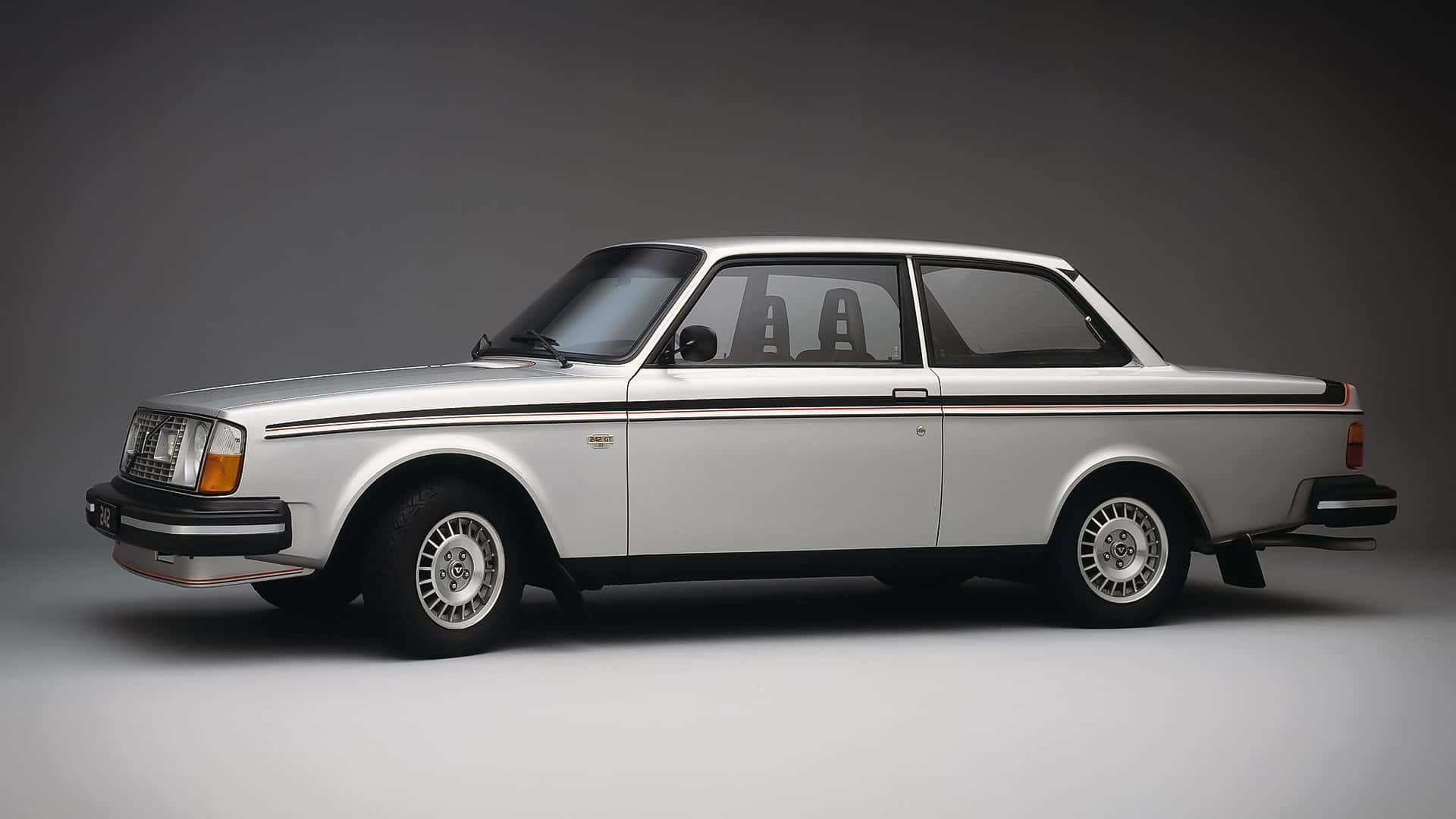
1. Volvo 240 (1974–1993): A Practical Classic for Everyday Driving
The Volvo 240, produced between 1974 and 1993, is widely regarded as one of the most dependable classic cars ever built and a rare vintage vehicle capable of serving as a reliable daily driver today.
Known for its boxy appearance and often nicknamed “The Brick,” the model reflects Volvo’s long-standing focus on safety, durability, and practicality. Nearly three million units were produced during its long production run, helping establish the 240 as an enduring automotive icon that continues to appeal to commuters and enthusiasts alike.
Central to the car’s reputation is Volvo’s B230 “Redblock” engine, famous for exceptional longevity. With basic maintenance, many engines exceed 300,000 miles, demonstrating remarkable mechanical resilience. The rear-wheel-drive layout is simple and accessible, allowing owners to perform many repairs without specialized tools or advanced technical knowledge.
Later versions introduced electronic fuel injection, improving reliability, smoother performance, and consistent starting in varying weather conditions. Although performance was never the car’s primary goal, the 240 can comfortably cruise at highway speeds of about 80 mph, making it compatible with modern traffic demands.
Safety played a defining role in the design of the Volvo 240. The car featured early crumple zones and a reinforced passenger compartment intended to absorb impact energy and protect occupants during collisions. Its structure was so strong that it became a benchmark for crash safety testing in the United States.
Three-point seatbelts were standard in all outboard seating positions when many competing vehicles still treated them as optional equipment.
Later models from 1991 to 1993 added anti-lock braking systems and driver-side airbags, features that aligned the car more closely with modern safety expectations. Studies conducted after its production ended reported extremely low occupant fatality rates compared with many vehicles of the same era.
The 240’s boxy design delivers practical advantages beyond its recognizable styling. Large windows and thin roof pillars provide excellent visibility in all directions, reducing blind spots and improving driver confidence.
Its rear-wheel-drive configuration also allows a tight turning circle, making parking and maneuvering easier in urban environments. Inside, Volvo emphasized comfort and ergonomics, fitting supportive seats that are often praised for long-distance driving comfort.
Wagon variants offer substantial cargo capacity with a square load area and additional underfloor storage, reinforcing the car’s reputation as a functional everyday vehicle.
Maintenance remains one of the strongest reasons the Volvo 240 is still usable today. Its mechanical simplicity means fewer electronic systems that can fail with age, and replacement parts remain widely available through specialist suppliers.
Rising interest in classic cars has increased prices, with usable examples typically starting around $5,000 and well-preserved models costing significantly more. The Volvo 240 remains a symbol of practical engineering, combining safety, reliability, and usability in a classic car that continues to meet modern driving needs.
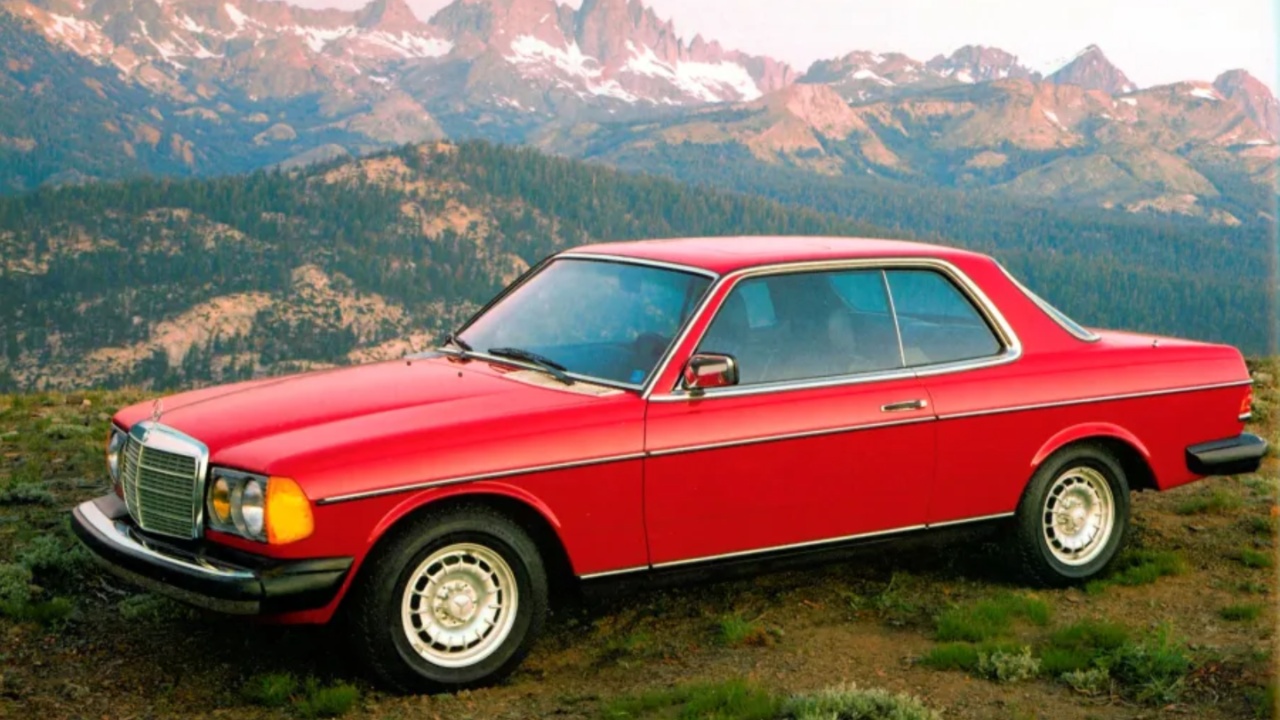
2. Mercedes-Benz W123 (1976–1985): The Benchmark of Durability and Timeless Engineering
The Mercedes-Benz W123, produced from 1976 to 1985, is widely considered one of the most durable passenger cars ever built. Designed during a period when Mercedes-Benz prioritized engineering excellence over production cost, the W123 was intentionally over-engineered to withstand extreme use, including service as taxis across Europe, the Middle East, and Africa.
Decades after production ended, it remains a realistic classic car for modern driving thanks to its mechanical strength, advanced safety features for its time, and everyday usability.
A major reason for the W123’s legendary reputation is its drivetrain durability. The OM617 3.0-liter inline-five diesel engine, especially in the 300D model, is famous for extraordinary longevity. Many examples have surpassed 500,000 miles with routine maintenance, and some have traveled far beyond that milestone without major engine rebuilds.
The engine’s mechanical simplicity reduces reliance on electronics, making failures easier to diagnose and repair compared with modern vehicles filled with sensors and software systems.
While naturally aspirated diesel versions such as the 240D are slow by contemporary standards, the 300D Turbo introduced in 1981 provides sufficient torque and acceleration to merge confidently onto highways and maintain modern traffic speeds.
Safety engineering also helped the W123 remain relevant long after its release. The car featured crumple zones, a reinforced passenger safety cell, and a collapsible steering column as standard equipment, technologies that later became industry norms.
Post-1982 models offered optional airbags and anti-lock braking systems, placing the vehicle closer to modern safety expectations than many classic cars of the same era. Power-assisted disc brakes on all four wheels provided dependable stopping performance that still feels competent today.
Ride quality is another defining strength. The W123 uses a double-wishbone front suspension and a semi-trailing arm rear axle tuned for comfort rather than aggressive handling. This setup absorbs road imperfections effectively, producing a smooth and stable driving experience often compared to a luxury sedan.
The tradeoff is noticeable body roll in corners, but the car excels at relaxed cruising and long-distance travel. Its heavy, planted feel contributes to driver confidence, particularly on highways.
Practical usability further supports the W123’s status as a daily drivable classic. Many models include power steering, power windows, and strong climate control systems, features that remain familiar to modern drivers.
Interior materials, particularly MB-Tex upholstery, are known for exceptional durability and frequently survive decades of use with minimal wear. Because more than 2.7 million units were produced and manufacturer support remains strong, replacement parts are still widely available through original equipment and aftermarket suppliers.
Despite its toughness, ownership requires attention to maintenance. Rust is the primary weakness, especially around wheel arches, floor pans, and battery trays. The complex vacuum system that controls locks and other functions can also develop leaks that require patient troubleshooting.
Well-maintained examples have risen in value, with clean models often starting around $8,000 and rarer coupe or wagon versions commanding significantly higher prices.
The W123 represents an era when longevity defined automotive design. Its solid construction, mechanical honesty, and comfortable driving character allow it to function not just as a collector’s item but as a dependable classic capable of serving modern transportation needs.
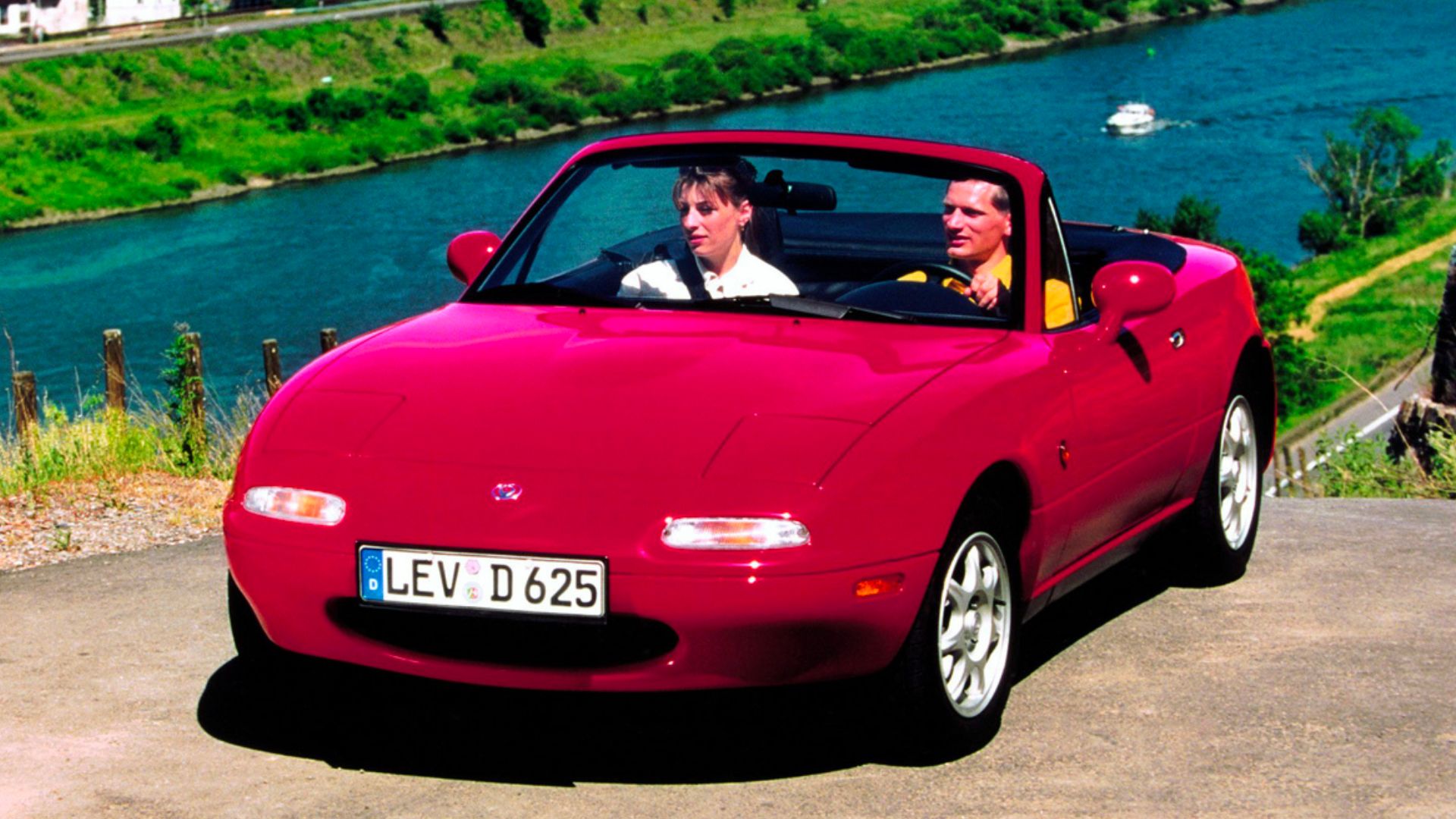
3. Mazda MX-5 Miata (NA, 1989–1997): Lightweight Simplicity and Everyday Driving Fun
The first-generation Mazda MX-5 Miata, produced from 1989 to 1997, is one of the most celebrated modern classic sports cars thanks to its lightweight design, dependable engineering, and engaging driving character.
Inspired by 1960s British roadsters but built with Japanese reliability, the NA Miata combines classic open-top charm with practicality that allows it to function comfortably in modern traffic. Its approachable nature, low operating costs, and strong enthusiast support have helped it remain one of the most accessible classic cars for daily use.
Weighing approximately 2,000 pounds, the NA Miata emphasizes agility rather than raw power. Its compact size allows drivers to maneuver easily through crowded city streets, tight parking spaces, and congested urban environments.
This small footprint encourages attentive driving and provides excellent situational awareness, supported by large windows and clear sightlines that enhance visibility whether the soft top is raised or lowered. The car’s balanced proportions and responsive handling make even low-speed commuting engaging, transforming routine drives into enjoyable experiences.
Power comes from simple and durable four-cylinder engines. Early models feature a 1.6-liter engine producing about 116 horsepower, while later versions received a 1.8-liter engine generating up to 133 horsepower. Although modest by modern performance standards, both engines are known for reliability when maintained properly with regular oil changes and scheduled timing belt service.
The engines are designed to rev freely, rewarding drivers who use the full power range rather than relying on outright speed. Paired with a precise manual transmission often praised as one of the best ever produced, the Miata delivers a connected and responsive driving feel rarely found in newer vehicles.
The NA Miata’s driving dynamics are a defining strength. Its near-perfect 50:50 weight distribution, rear-wheel-drive layout, and well-weighted steering create predictable handling and strong driver confidence.
Suspension tuning prioritizes balance and feedback, giving the car a playful, go-kart-like character while remaining comfortable enough for daily driving. A simple manual soft top can be opened or closed quickly, even from the driver’s seat, adding convenience in changing weather conditions.
Ownership costs remain low compared with those of many classic cars. Maintenance is straightforward due to mechanical simplicity, and replacement parts are widely available because more than one million Miatas have been produced across generations. Many mechanics are familiar with the platform, and an active global owner community provides extensive support and knowledge for repairs and upgrades.
Despite its strengths, buyers should recognize certain limitations. Early models lack modern safety technologies such as advanced airbags and stability systems, and the car’s small size can make it less visible among larger vehicles. Rust is the most significant concern, especially around rocker panels and rear wheel arches. Interior space is limited, with minimal storage and tighter accommodations for taller drivers.
The NA Miata remains an iconic example of affordable driving enjoyment. Its reliability, simplicity, and engaging character allow it to succeed not only as a weekend toy but also as a practical and enjoyable daily classic.
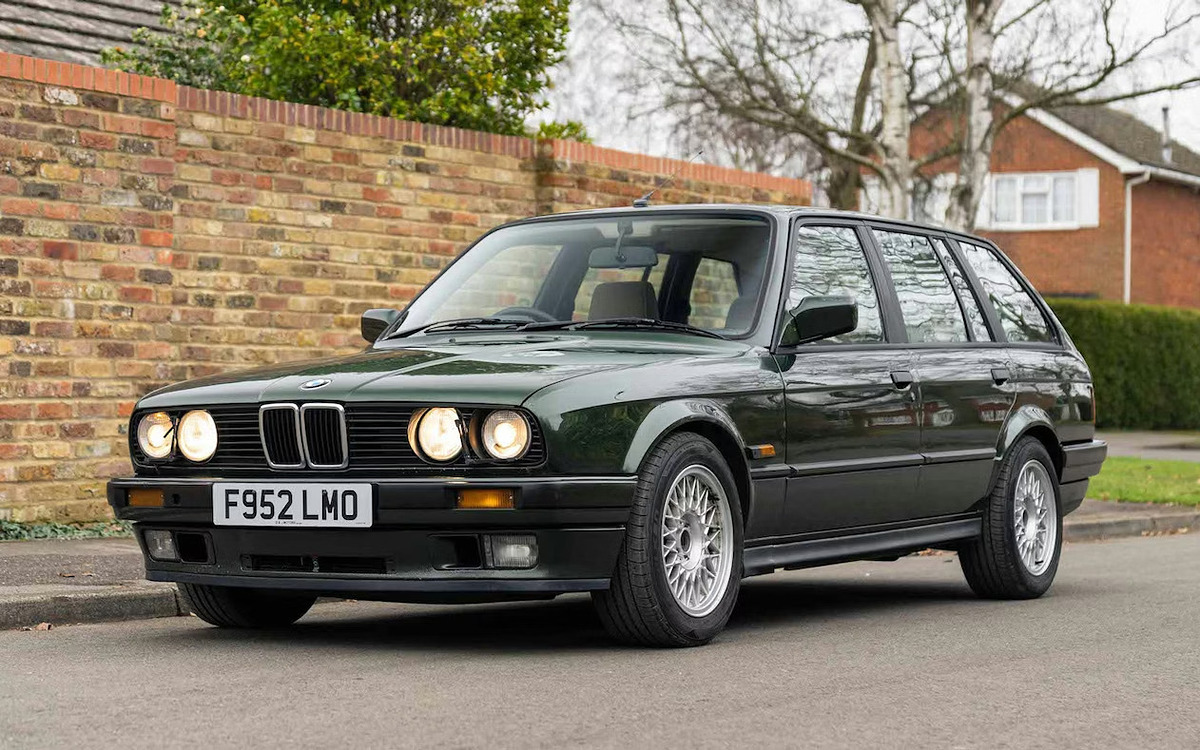
4. BMW 3 Series (E30, 1982–1994): The Classic Driver’s Car That Still Fits Modern Roads
The BMW 3 Series E30, produced from 1982 to 1994, is widely regarded as one of the most balanced and usable classic cars ever built. It established the 3 Series as a compact sports sedan that successfully combined performance, practicality, and everyday comfort.
Decades after its release, the E30 continues to function well in modern traffic thanks to its compact dimensions, durable mechanical design, and strong focus on driver engagement. For many enthusiasts, it represents a defining era of BMW engineering when simplicity and driving enjoyment were prioritized.
A key reason for the E30’s lasting appeal is its driving experience. Unlike modern cars that rely heavily on electronic steering systems, the E30 uses hydraulic power steering that provides clear feedback from the road. This direct connection makes routine commuting more engaging and predictable.
Its small footprint, paired with large windows and thin pillars, gives excellent outward visibility, allowing drivers to move through crowded streets and tight parking spaces with confidence and precision.
Performance depends largely on engine choice, but models such as the 325i are considered the most well-rounded. Equipped with a 2.5-liter inline-six M20 engine producing roughly 168 to 170 horsepower, the car delivers enough power to keep pace with modern highway traffic and merge safely at speed.
Four-cylinder variants offer simpler ownership and improved efficiency, while sport-oriented versions emphasize sharper handling. Although acceleration is modest compared with newer vehicles, the E30 excels through balance, responsiveness, and driver involvement rather than outright speed.
Mechanical reliability contributes greatly to the E30’s continued usability. The engines are mechanically straightforward compared with modern turbocharged designs and can remain dependable for many years when maintained properly.
Preventative maintenance is essential, particularly timing belt replacement every 50,000 to 60,000 miles on six-cylinder models to avoid major engine damage. The suspension system is durable and relatively simple to service, and BMW still supplies many original replacement components. A large aftermarket community also ensures that maintenance parts remain affordable and widely available.
The E30 expanded the 3 Series lineup with multiple body styles, including two-door and four-door sedans, convertibles, and the Touring wagon. Many cars came equipped with features still expected today, such as fuel injection, power steering, air conditioning, and comfortable seating, allowing the vehicle to serve as a genuine daily driver rather than a purely recreational classic.
Ownership does come with limitations. Safety technology reflects 1980s standards, meaning fewer airbags and no electronic stability control systems. Braking distances are longer than modern vehicles, requiring attentive driving habits.
Rust is the most significant concern, commonly affecting wheel arches, sills, suspension mounts, and battery trays, making structural condition more important than mileage when evaluating a car.
The BMW E30 remains admired because it delivers a pure and engaging driving experience while retaining everyday practicality. Its manageable size, reliable mechanical foundation, and timeless styling allow it to remain both an enthusiast favorite and a realistic classic for regular modern use.
Also read: Top 8 Cars for Commuters Who Spend Hours in Traffic Every Day
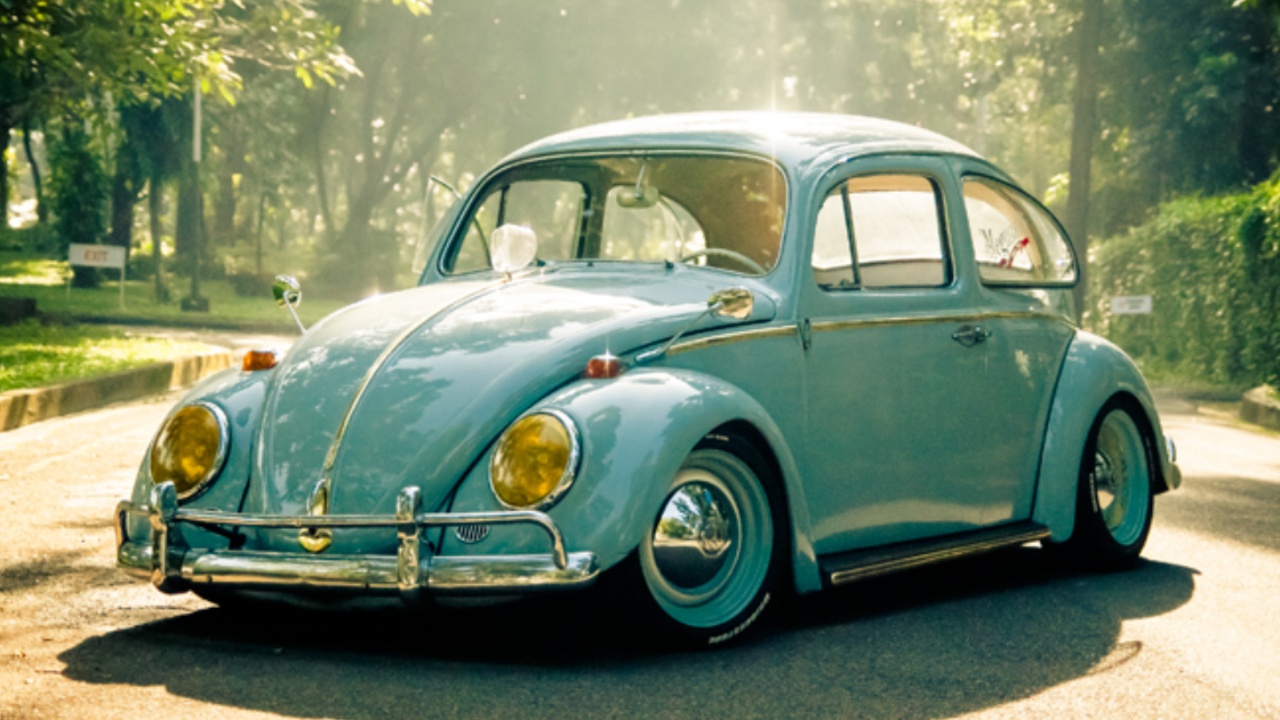
5. Volkswagen Beetle (1960s–1970s): The Simple Classic That Still Works in Modern Cities
The Volkswagen Beetle of the 1960s and 1970s remains one of the most recognizable and widely supported classic cars ever produced. Originally designed as an affordable “People’s Car,” it became a global automotive icon through its simplicity, durability, and approachable ownership experience.
Thanks to massive production numbers and decades of enthusiast support, the Beetle continues to function as a practical classic vehicle, particularly for urban driving where its compact size and straightforward mechanics shine.
A major reason the Beetle remains usable today is its mechanical simplicity. The air-cooled flat-four engine eliminates many components common in modern vehicles, including radiators, coolant hoses, and water pumps. With fewer systems that can fail, maintenance is relatively inexpensive and easy to perform using basic tools.
Routine servicing typically includes oil changes, valve adjustments, and carburetor tuning every 3,000 miles. While engines are durable when properly maintained, many require rebuilding after roughly 100,000 miles, reflecting the expectations of vehicles from that era rather than modern longevity standards.
In city environments, the Beetle performs better than its modest specifications suggest. Engines ranging from 1.2 to 1.6 liters produce between 40 and 60 horsepower, which results in slow acceleration by modern standards. However, strong low-speed torque allows the car to keep pace with typical urban traffic moving between 20 and 40 mph.
Its lightweight construction and small footprint make parking easy and allow drivers to move comfortably through crowded streets. Excellent outward visibility, aided by an upright cabin design and large windows, further improves driver awareness in busy conditions.
Driving dynamics reflect the Beetle’s unique rear-engine, rear-wheel-drive layout. The placement of the engine over the rear wheels provides strong traction, especially in poor weather conditions, though it can also make the car sensitive to crosswinds.
Steering feels light and communicative, and later models introduced suspension improvements that enhanced ride comfort and stability. Highway performance remains limited, and sustained high-speed interstate driving can feel strained without mechanical upgrades.
The interior emphasizes minimalism and practicality. Early models featured simple metal dashboards and basic instrumentation, while later versions added padded dashboards, improved safety features, and slightly increased cabin space.
Front seating is generally comfortable for daily use, though rear seating is best suited for children. Storage is divided between a small front trunk and additional space behind the rear seat. Heating systems, which rely on engine heat exchangers, are functional but often weak compared with modern climate control systems.
One of the Beetle’s greatest advantages is unmatched parts availability. Because millions were built, nearly every component can still be purchased new through aftermarket suppliers, allowing owners to restore or maintain cars with relative ease. Many drivers upgrade to disc brakes and electronic ignition systems to improve safety and reliability in modern traffic.
Despite limited power and minimal safety equipment, the Volkswagen Beetle remains a charming and functional classic. Its simplicity, affordability, and strong community support make it one of the most accessible vintage cars capable of serving as an enjoyable everyday companion.
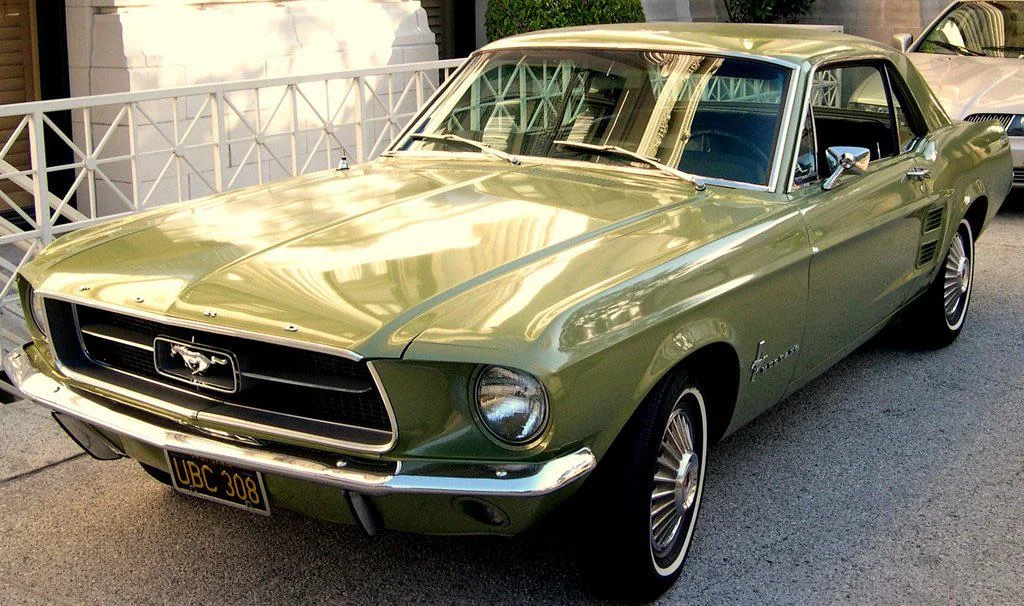
6. Ford Mustang (First Generation, 1964–1973): A Practical and Influential Classic
The first-generation Ford Mustang, produced from 1964½ to 1973, reshaped the automotive market by introducing the affordable “pony car,” blending sporty styling, compact proportions, and accessible performance.
While widely celebrated for its cultural impact and iconic appearance, the early Mustang also stands out as a surprisingly usable classic vehicle, thanks to its mechanical simplicity, strong parts availability, and adaptability to modern driving conditions.
One of the Mustang’s greatest strengths is mechanical reliability. Both the inline-six and V8 engines were designed with durability in mind, making them understressed and capable of long-term use when properly maintained.
These engines, along with sturdy driveline components, allow the car to handle daily driving demands more effectively than many classics from the same era. Six-cylinder models are often considered especially practical because they offer improved fuel economy while preserving the recognizable Mustang design.
The simplicity of the mechanical layout also means repairs are straightforward, allowing most mechanics to service the car without specialized expertise.
Another key advantage is the massive aftermarket support developed over decades of enthusiast interest. Replacement parts are widely available, making maintenance and restoration manageable compared to rarer classics. Owners can also install modern upgrades such as air conditioning, power steering, disc brakes, and improved suspension systems.
These modifications significantly improve comfort, safety, and drivability, helping the Mustang feel closer to a contemporary vehicle while retaining its vintage character. Structural reinforcements like export braces and subframe connectors further enhance chassis rigidity, addressing weaknesses in the original design.
The Mustang evolved considerably throughout its first generation. Early models from 1964½ to 1966 emphasized affordability and agility, using a Falcon-based platform with modest engine options.
Between 1967 and 1968, the car grew slightly larger to accommodate more powerful engines, including big-block V8s and performance variants. The 1969–1970 period marked the height of muscle car performance, introducing aggressive styling and high-performance trims such as the Mach 1 and Boss models.
By 1971–1973, the Mustang became heavier and more constrained by emissions regulations, resulting in reduced performance and signaling the end of the original generation.
Despite its strengths, the first-generation Mustang has limitations. Stock suspension and steering systems can feel basic compared to modern cars, and safety features are minimal by contemporary standards.
Rust is a significant concern, especially in areas like floor pans, cowl vents, and wheel arches, making careful inspection essential when purchasing one. Ride quality also leans toward relaxed cruising rather than precise sports handling.
Even with these drawbacks, the first-generation Mustang remains highly desirable because it balances classic appeal with real-world usability. Its timeless styling, mechanical accessibility, and upgrade potential allow enthusiasts to enjoy a historic vehicle that can still function comfortably in modern traffic.
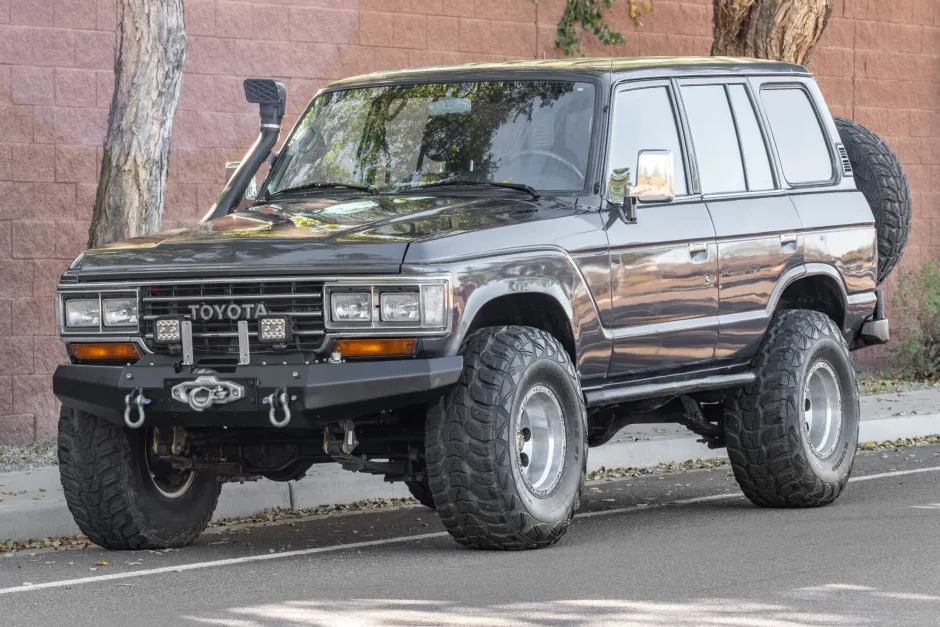
7. Toyota Land Cruiser FJ60 (1981–1990): Rugged Durability Meets Everyday Practicality
The Toyota Land Cruiser FJ60, produced from 1981 to 1990, represents a major turning point in the Land Cruiser lineage, transforming the brand’s famously rugged off-road vehicles into more comfortable, family-friendly wagons without sacrificing durability.
Designed with the philosophy of a “small truck,” the FJ60 combines heavy-duty construction, mechanical simplicity, and practical comfort features, allowing it to remain surprisingly usable in modern driving conditions despite its age.
At the heart of the FJ60’s appeal is its reputation for toughness. Built to withstand harsh environments and decades of use, the vehicle features an overengineered chassis and drivetrain meant for long service life. Its 4.2-liter 2F inline-six engine produces modest horsepower but delivers strong low-end torque, making it effective in stop-and-go traffic, steep terrain, and rough roads.
While acceleration is slow and highway merging requires patience, a well-maintained example can cruise steadily at highway speeds. Many vehicles exceed 300,000 miles with routine maintenance, reinforcing the model’s “bulletproof” reputation.
Unlike earlier Land Cruisers such as the more utilitarian FJ40, the FJ60 introduced comfort features aimed at daily usability. Power steering, air conditioning, padded interiors, and improved heating systems made it suitable for year-round commuting.
The wagon body style added practicality, offering generous cargo capacity and flexible seating arrangements for families or long trips. Large windows and a boxy design provide excellent outward visibility, which helps drivers manage city traffic and tight urban spaces with confidence.
Mechanical simplicity is another reason the FJ60 adapts well to modern use. With minimal electronics and easily rebuildable components, the vehicle avoids many of the complex failures associated with modern SUVs. Repairs are straightforward, and many parts remain serviceable decades later.
Owners often enhance drivability through subtle upgrades such as disc brake conversions, improved lighting, backup cameras, and modern audio systems, allowing the vehicle to meet contemporary expectations while preserving its classic character.
The later FJ62 variant, introduced from 1988 to 1990, improved everyday convenience further by adding fuel injection, an automatic transmission, and power windows. These upgrades enhanced cold starts, reliability, and ease of operation, though some enthusiasts prefer the earlier model’s traditional styling.
Ownership does come with challenges. Fuel economy typically falls in the low-teens mpg range, and highway driving can be noisy due to gearing designed for durability rather than efficiency.
Rust is the most serious concern, particularly in structural areas such as frame rails, wheel wells, and windshield surrounds, making careful inspection essential before purchase. High-mileage examples may also develop steering looseness that requires suspension attention.
Despite these drawbacks, the FJ60 has evolved from a niche enthusiast vehicle into a highly valued collector classic. Its combination of legendary reliability, practical comfort, and unmistakable character makes it a resilient and capable vintage SUV that remains functional in everyday driving environments.
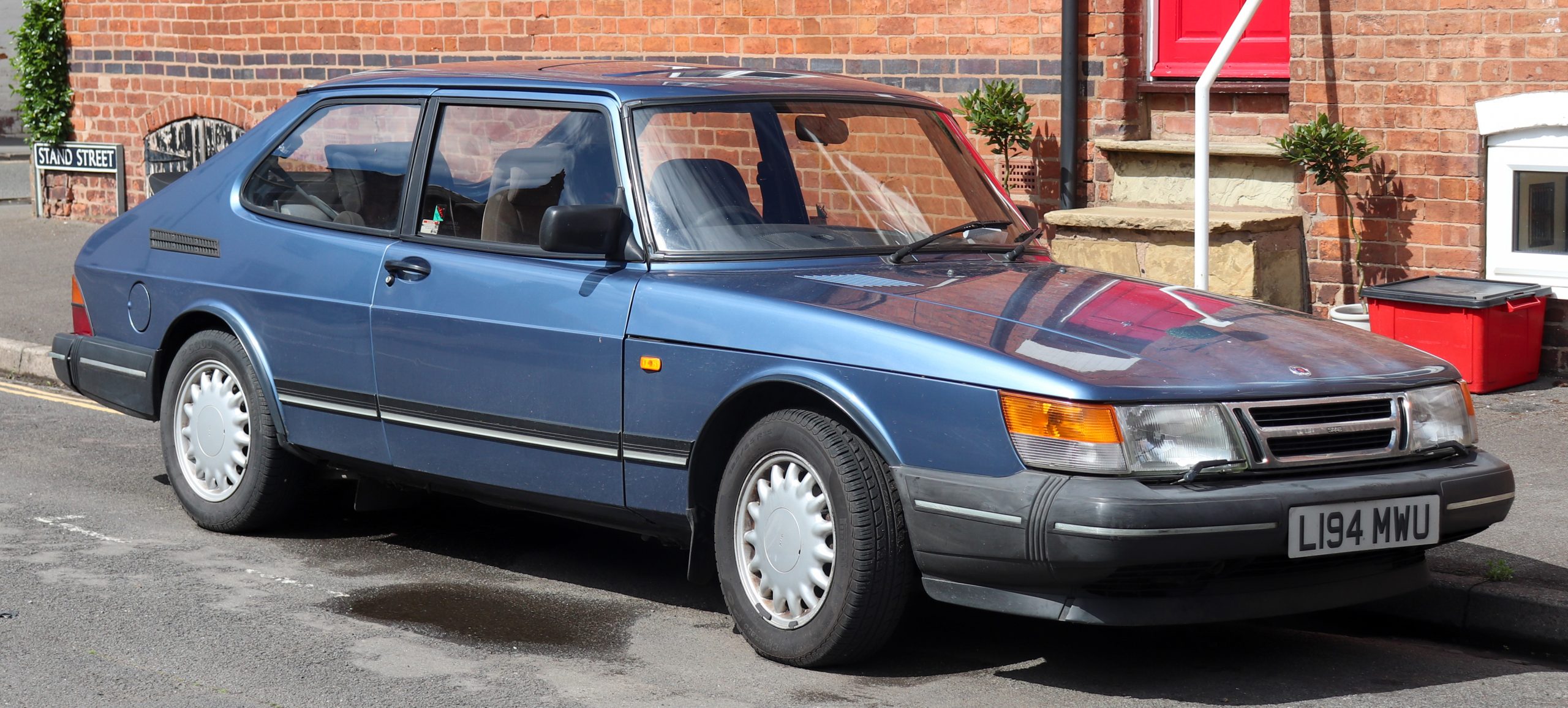
8. Saab 900 (1978–1993): A Safety-Focused Classic Built for Everyday Driving
The Saab 900, produced from 1978 to 1993 and often called the “Classic 900,” stands out among vintage cars for its ability to function comfortably in modern traffic.
Developed in Sweden for harsh Scandinavian climates, the car combined advanced safety engineering, front-wheel-drive stability, and an unusually driver-focused interior. These qualities made it not only distinctive in design but also highly practical as a daily commuter even decades after production ended.
Safety was one of the Saab 900’s defining priorities. At a time when many vehicles lacked basic protective features, Saab engineered the car to exceed strict safety standards. It featured a reinforced steel safety cage, strong side-impact protection, and carefully designed crumple zones intended to absorb collision forces.
Later models introduced anti-lock braking systems, improving control during emergency stops. Even small design choices reflected safety thinking, such as relocating the ignition switch between the seats to reduce the risk of knee injuries during crashes. This attention to occupant protection helped the 900 earn a reputation as one of the safest cars of its era.
Performance also contributed to its modern usability. While base models delivered modest power, turbocharged versions became the car’s defining feature. The Saab 900 Turbo offered strong mid-range acceleration, allowing confident highway merging and passing that still feels competitive today.
Its front-wheel-drive layout, paired with a uniquely angled engine installation, provided balanced weight distribution and excellent traction in rain, snow, or slippery road conditions. The car remains stable at highway speeds and handles uneven surfaces with composure, reflecting its development for challenging northern climates.
Inside, Saab’s aviation heritage shaped a cockpit designed around the driver. A wraparound windshield provides exceptional visibility with minimal blind spots, while controls are angled toward the driver for intuitive use.
The seats are frequently praised for their orthopedic design and long-distance comfort, making the 900 especially well suited to extended commutes or road trips. Hatchback versions add significant practicality, offering cargo capacity comparable to a small wagon while maintaining a compact exterior footprint.
Durability further strengthens the Saab 900’s appeal. Engines and chassis components were intentionally overbuilt, allowing many examples to exceed 200,000 miles with proper maintenance.
Routine service items are generally accessible, though certain repairs require specialized knowledge due to the car’s unconventional engineering. Known concerns include rust in structural areas, aging timing chains, and gearbox wear, particularly in manual transmissions.
Over time, the Saab 900 evolved through updates such as the introduction of 16-valve turbo engines, a popular convertible model, and aerodynamic styling revisions. Despite quirks like noticeable body roll and unusual mechanical layouts, the Classic 900 remains a cult favorite.
Its blend of safety innovation, comfort, practicality, and distinctive personality makes it one of the few classic cars capable of meeting everyday driving demands while preserving a unique automotive identity.
Owning a classic car today does not have to mean sacrificing comfort, safety, or reliability. The eight cars featured, including the Mercedes-Benz W123 and Volkswagen Beetle, show that carefully designed vintage vehicles can perform well in modern traffic. Each model offers strengths such as highway-ready performance, practical interiors, and proven durability, allowing them to remain fully functional on today’s roads.
Driving one of these classics allows enthusiasts to enjoy historic style and engaging experiences without constant worry about mechanical failures. For those who want both automotive character and everyday practicality, these eight cars prove that some vintage vehicles are ready to handle modern driving with confidence, style, and reliability.
Also read: 10 Cars With Rear Hinged Doors That Are Surprisingly Practical