Classic muscle cars often steal the spotlight in automotive restoration, but when it comes to accessibility, affordability, and hands-on learning, vintage trucks hold a unique advantage. Unlike many high-performance cars with rare parts, complex electronics, and delicate finishes, these rugged pickups offer mechanical simplicity, body-on-frame construction, and widespread parts availability.
From the iconic 1967–1972 Chevrolet C10 to the compact 1982–1993 Chevrolet S10, these trucks provide a forgiving platform for restorers of all skill levels. With durable engines, straightforward suspensions, and modular designs, they allow enthusiasts to tackle everything from rust repair to engine swaps without the stress or cost often associated with muscle cars.
Whether the goal is a faithful restoration, a functional daily driver, or a custom restomod, vintage trucks offer versatility, nostalgia, and a rewarding DIY experience that has helped cement their place in automotive history.
1. 1967–1972 Chevrolet C10: A Classic Pickup Legend
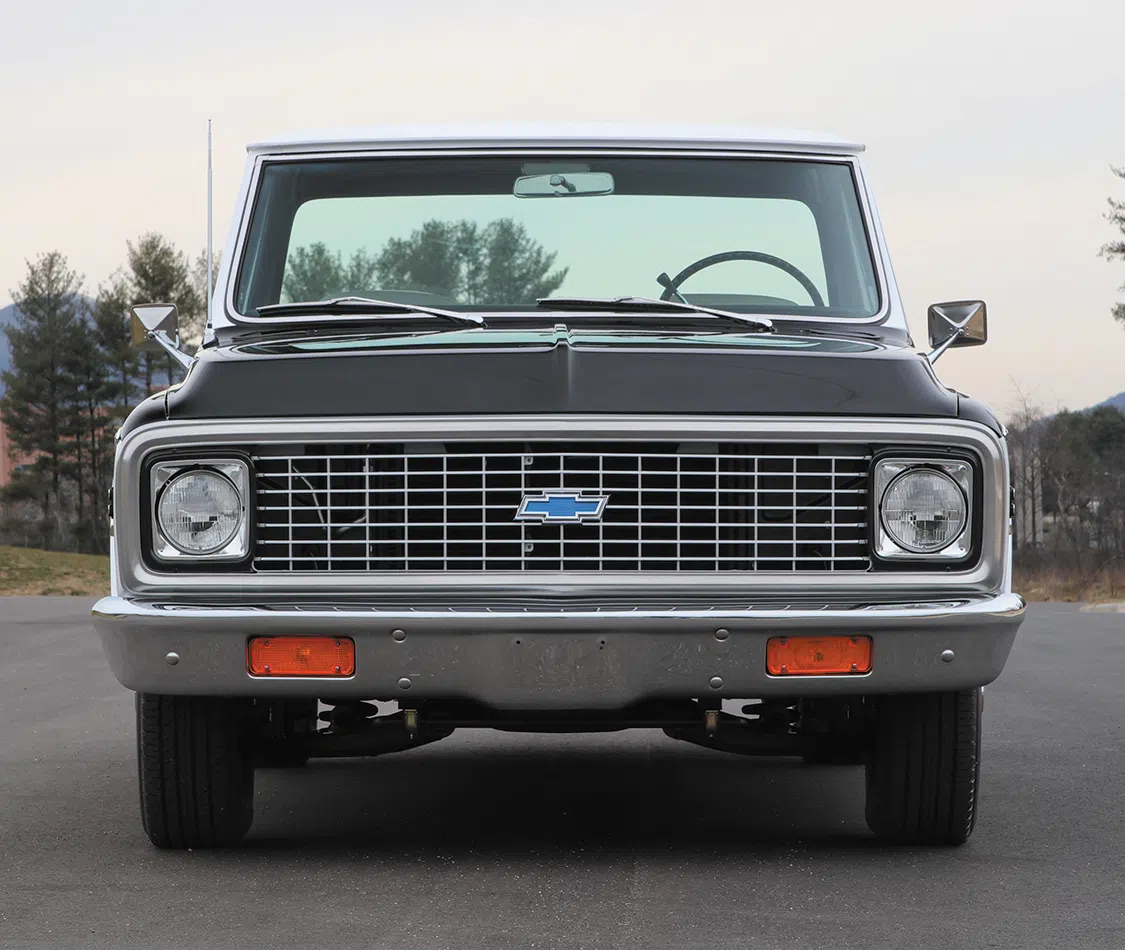
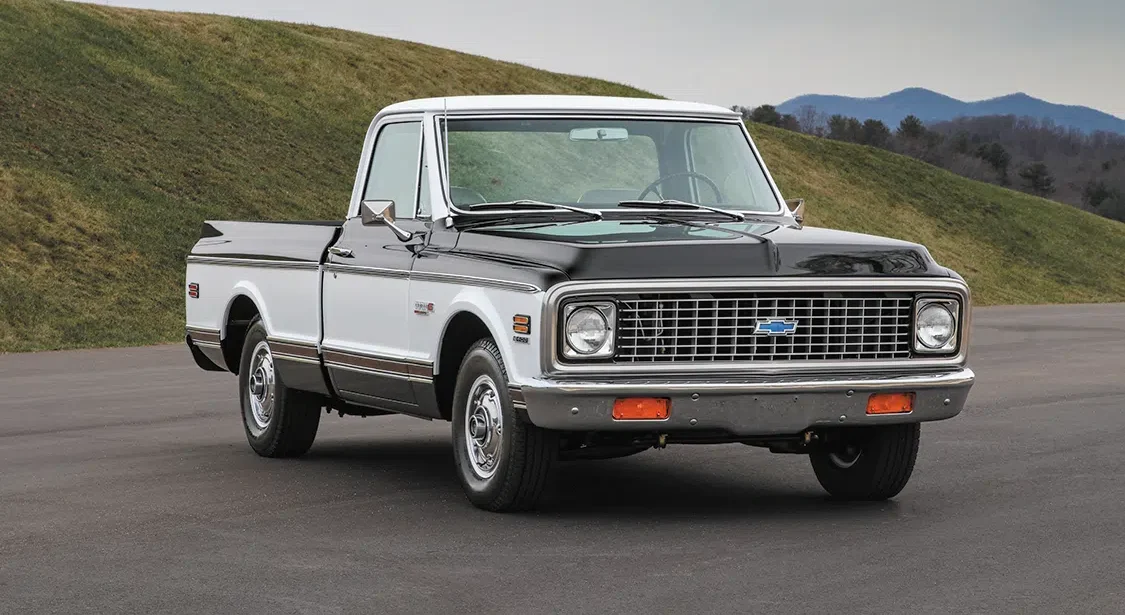
The 1967–1972 Chevrolet C10, part of the renowned “Action Line” series, has earned its status as a favorite in the truck restoration world. Its appeal lies in a blend of classic styling, mechanical simplicity, and adaptability for modern upgrades.
Unlike many vintage muscle cars with intricate interiors and difficult-to-source parts, the C10’s utilitarian cab and straightforward design make restoration approachable, even for beginners. Enthusiasts benefit from a vast aftermarket ecosystem, with every bolt, panel, and trim piece readily available through suppliers like LMC Truck or Raybuck Auto Body Parts.
Mechanically, the C10 is forgiving and durable. The trucks were built for work, featuring simple V8 or inline-six engines, basic suspension systems with trailing arms and coil springs, and body-on-frame construction.
This design allows for easier rust repair, structural work, and straightforward DIY upgrades, making the C10 ideal for “restomodding” modernizing with fuel injection, power disc brakes, and updated suspension. Parts interchangeability within the 1967–1972 generation and compatibility with other GM vehicles further simplify maintenance and upgrades.
Owners consistently praise the truck’s reliability. Over decades of use, routine maintenance typically includes fuel pump replacement, brake relining, water pump or alternator swaps, and occasional carburetor work.
Despite its age, many trucks continue to perform well on the road, with some accumulating over 200,000 miles while retaining their charm. While rust can be an issue in areas like rocker panels and cab corners, replacement panels are inexpensive and widely available, making restoration less daunting than with classic muscle cars.
The C10’s driving experience is another highlight. Its coil-spring rear suspension offers a smoother ride than many contemporaneous pickups, and its inline-six or small-block V8 engines provide sufficient torque and fuel economy for hauling and everyday driving. The column-shift manual transmission adds to the nostalgic appeal, creating a connection between driver and vehicle that modern trucks rarely replicate.
Beyond mechanical excellence, the 1967–1972 C10 holds sentimental value. Many owners recall family experiences, memorable drives, and the timeless pleasure of a well-maintained classic truck.
Its styling remains appealing, and the simple yet elegant design continues to draw admiration. Today, the C10 stands alongside other iconic pickups, such as the Chevy Cameo and Ford F-1, as a symbol of ruggedness, style, and accessibility, making it a top choice for collectors and hobbyists alike.
2. 1953–1956 Ford F-100: The Classic “Effie” Pickup
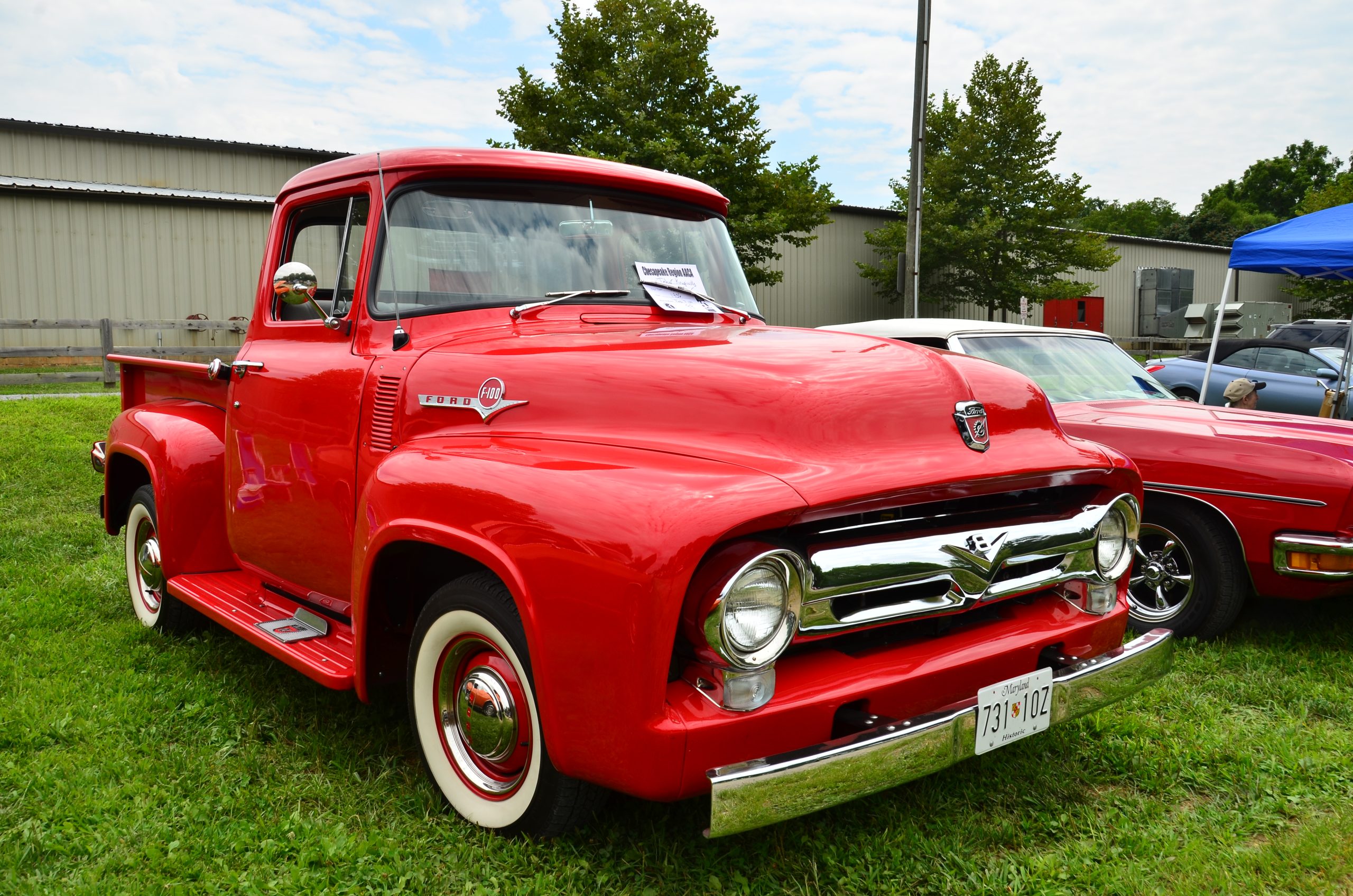
The 1953–1956 Ford F-100, known affectionately as “Effies,” is a symbol of 1950s Americana. Its distinctive fat fenders, wraparound windshield, and simple, rugged design make it one of the most sought-after trucks for restoration.
Unlike many muscle cars that have complex trim and fragile high-performance components, the F-100 offers mechanical simplicity, structural durability, and a large engine bay that can accommodate the original Flathead V8 or modern engines such as the Coyote.
Its body-on-frame construction allows easy frame-off restorations, and specialized parts suppliers and enthusiast communities make almost every replacement component readily available.
Mechanically, the F-100 is straightforward and beginner-friendly. The trucks were produced with minimal electronics, spacious engine bays, and simple wiring, which makes maintenance and upgrades easier than most vintage muscle cars. Common engine options include the 223ci inline-six and the 239ci or 272ci Y-block V8.
Many restorers modernize their trucks with independent front suspension kits, disc brakes, and updated drivetrains, combining classic styling with contemporary drivability. Parts from heavier F-250 and F-350 trucks are often compatible, providing additional options for repairs and upgrades.
The F-100 is popular as a driver-quality classic. Unlike rare muscle cars that are often restored only for show, these trucks are frequently rebuilt for regular use, offering both functionality and style.
Rust can be a concern in the floors, bed, and cab corners, but replacement panels are widely available and affordable. The 1956 model, known as the Big Window F-100, is particularly prized for its wraparound rear glass and upgraded 12-volt electrical system, which improves reliability and ease of use.
Jeff Freitas’ 1953 F-100 demonstrates the potential of these trucks as both daily drivers and showpieces. Over many years, he transformed his truck into the pro-street “Blue Tiki Devil,” incorporating a rebuilt 1967 Ford Cobra Jet V8, air ride suspension, custom chassis work, and a lowered cab.
The interior was upgraded with BMW bucket seats, a custom gauge cluster, and high-end audio, while the bed was hand-fabricated with walnut planks and stainless steel stringers. Every aspect of the truck was carefully restored and modernized while retaining its classic character.
The 1953–1956 Ford F-100 is an ideal restoration project. Its robust construction, simple mechanics, wide availability of parts, and timeless styling make it suitable for beginners and advanced restorers alike. From functional daily drivers to show-stopping custom builds, these trucks continue to embody durability, charm, and the enduring appeal of classic American pickups.
3. 1973–1987 Chevrolet “Square-Body”: The Classic Restomod Favorite
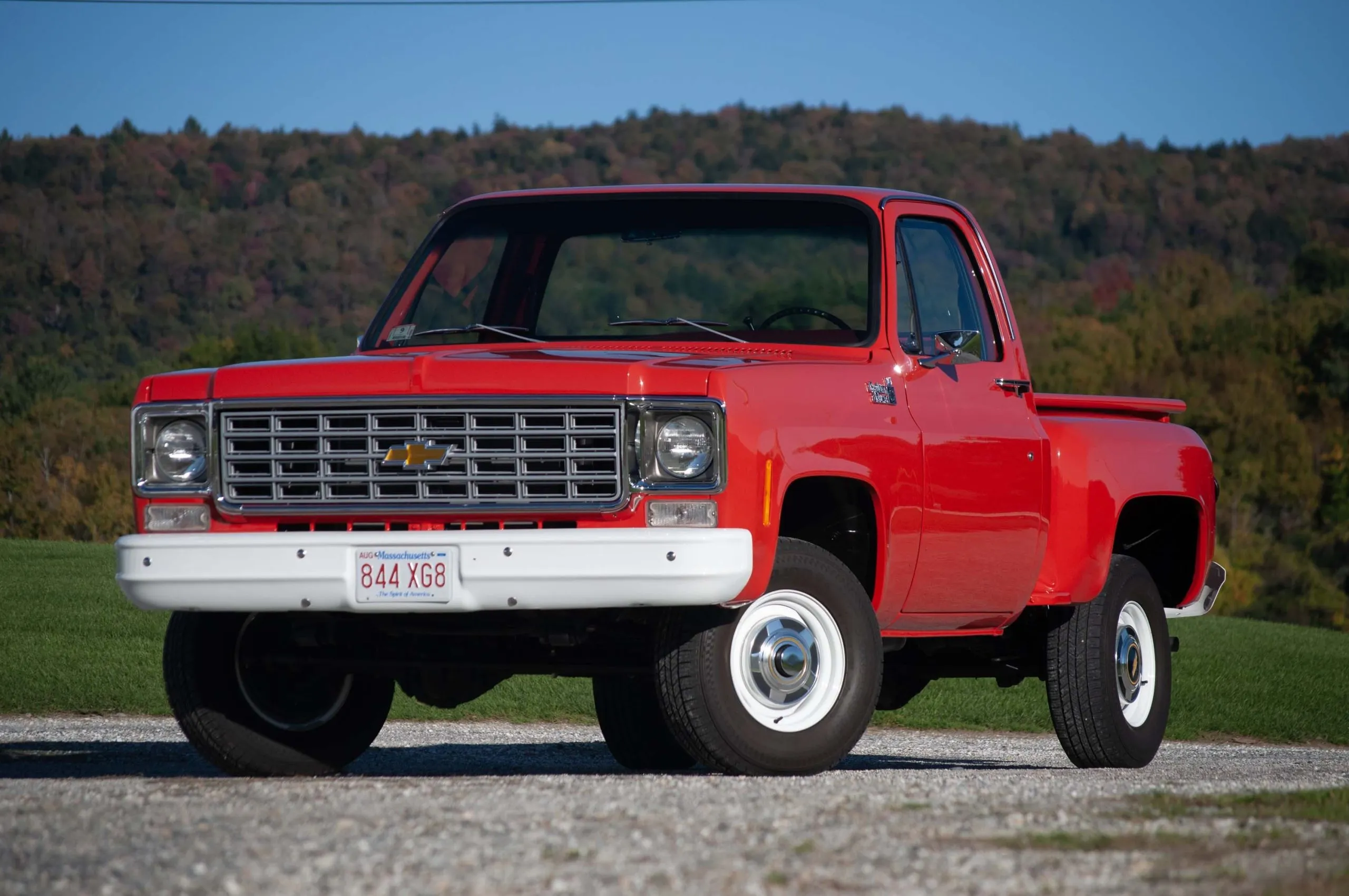
The 1973–1987 Chevrolet “Square-Body” C/K trucks are a cornerstone of classic truck restoration. Produced for 14 years, over ten million units rolled off assembly lines, making parts abundant and affordable. Their iconic boxy design, with sharp flares and flat panels, simplifies bodywork and painting compared to the complex curves of vintage muscle cars.
The combination of rugged construction, mechanical simplicity, and vast parts availability makes these trucks an ideal choice for first-time restorers and experienced builders alike.
Mechanically, the Square-Body trucks are forgiving and easy to maintain. Most repairs require only basic hand tools, and commonly used GM small-block engines, such as the 350 cubic-inch V8, are straightforward to service. The trucks’ large engine bays also accommodate modern engine swaps like LS engines or other restomod upgrades.
With durable transmissions including the TH350 and TH400, front disc brakes, and independent front suspension on two-wheel-drive models, the trucks offer a comfortable, car-like ride while remaining rugged enough for heavy-duty work. Leaf-spring rear suspension provides stability and durability for both daily driving and hauling.
The series is highly versatile. The K-series four-wheel-drive models are popular among off-road enthusiasts, while various trim levels, from basic work trucks to fully equipped Silverado models, allow restorers to choose the style and functionality they prefer. Double-wall construction adds to the structural integrity, and the trucks’ wide, low stance improves access and visibility compared to earlier generations.
Rust is the primary concern for Square-Body restorations, particularly in cab corners, rocker panels, bed floors, and around wheel arches. Early models from 1973 to 1975 are especially susceptible, requiring careful inspection before purchase. Fuel system design and boxy aerodynamics also result in lower fuel efficiency compared to modern trucks, but these issues are generally manageable for enthusiasts.
The Square-Body’s enduring popularity is supported by large online communities, extensive forums, and readily available documentation, making troubleshooting and restoration advice easy to access.
These trucks are frequently chosen for restomods because they combine classic styling, affordability, and mechanical simplicity with the ability to modernize performance and comfort. Today, the 1973–1987 Chevrolet C/K series stands as a classic American icon, prized for its durability, customization potential, and timeless appeal in both restoration and modification circles.
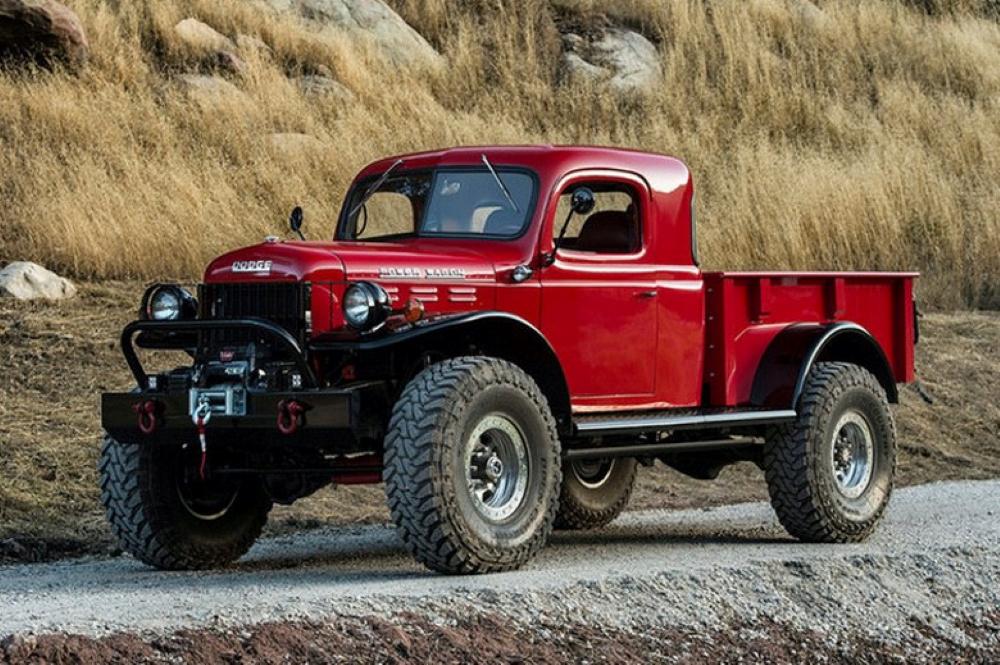
4. 1946–1968 Dodge Power Wagon: The Military-Derived Workhorse
The 1946–1968 Dodge Power Wagon is a legendary, military-derived 4×4 pickup, renowned for its extreme durability and rugged design. Originally adapted from Dodge’s World War II military trucks, the Power Wagon was built to endure severe off-road conditions and heavy-duty work.
Unlike 1960s and 1970s muscle cars, it emphasizes functionality over speed or style, offering a straightforward, mechanical platform that is ideal for restoration. Its heavy-duty steel construction, primitive mechanical systems, and spartan interiors make it a highly accessible project for enthusiasts seeking a truck with purpose and character.
Mechanically, the Power Wagon is refreshingly simple. Early models were powered by a 230-cubic-inch flathead inline-six engine producing around 92 to 94 horsepower, which was upgraded in 1961 to a 251-cubic-inch version. The trucks feature solid axles, leaf-spring suspension, and basic drum brakes, all of which are easy to service.
The two-speed transfer case provides high and low gearing for exceptional off-road performance, and the open engine bay allows for engine swaps or performance upgrades, including modern V8 or diesel engines. The ladder-frame chassis is robust, and although rust can occur in cab corners and beds, repairs are generally straightforward compared to unibody cars.
Parts availability is another advantage. The Power Wagon’s design remained largely unchanged from 1946 to 1968, meaning components are highly interchangeable across model years. Military surplus parts and specialized suppliers, such as Vintage Power Wagons, offer nearly every component needed for restoration.
Unlike muscle cars, these trucks do not require precise matching numbers or delicate trim work, reducing stress during the restoration process. Patina is often considered a desirable aesthetic, and interiors are minimal, making cosmetic restoration simpler and more forgiving.
The Power Wagon’s utility and versatility are key to its enduring appeal. With a 3,000-pound payload, an 8-foot cargo bed, high ground clearance, and optional front-mounted winches, it functions as a street-legal tractor.
While it is not designed for highway speed and the ride is harsh, its military heritage and rugged appearance make it a standout classic. Today, the Dodge Power Wagon is highly sought after by collectors and restomod enthusiasts alike, combining mechanical simplicity, iconic styling, and off-road capability in a uniquely durable package.
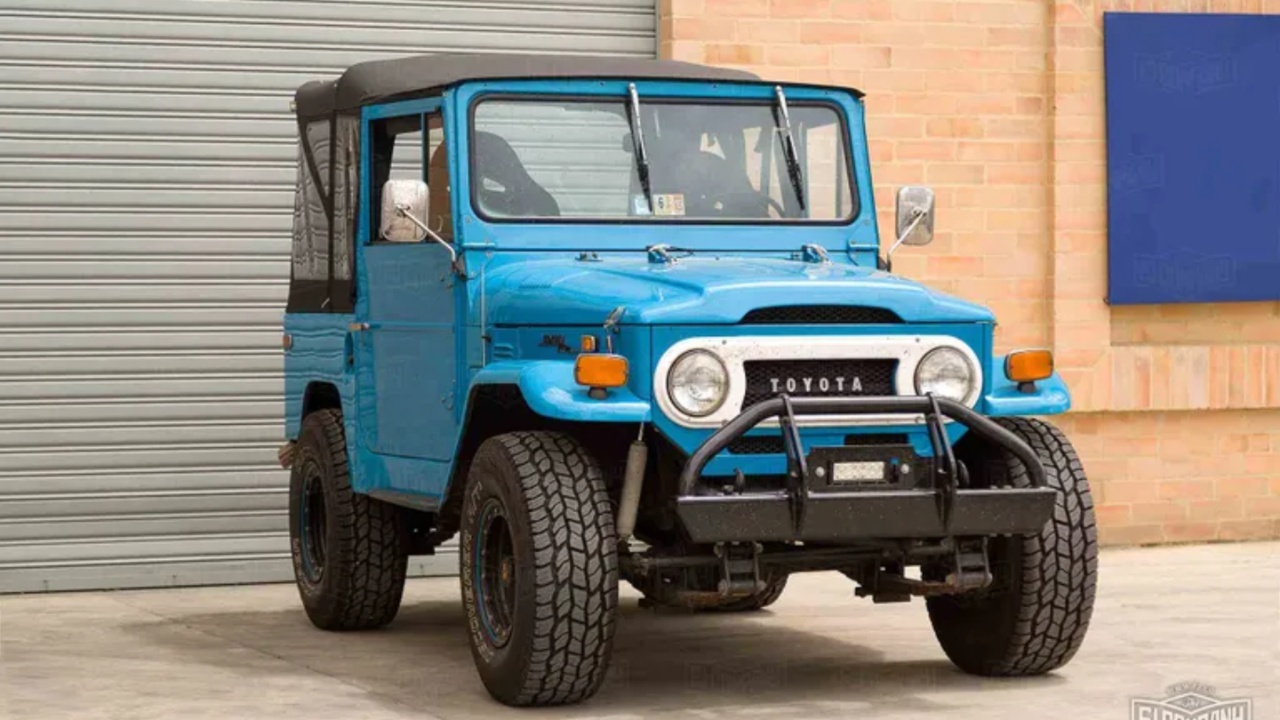
5. 1960–1984 Toyota Land Cruiser FJ40: The Rugged Restoration Icon
The 1960–1984 Toyota Land Cruiser FJ40 is widely regarded as a global icon of reliability and off-road capability. Built for extreme environments, the FJ40 was designed with simplicity and durability in mind.
Its truck-based chassis and modular design allow for easy restoration, as body panels like doors and the roof can be removed for painting or repair. Unlike many classic American muscle cars, which often require precise alignment of unibody structures and rare trim pieces, the FJ40 offers an accessible, practical platform for DIY or professional restoration.
Mechanically, the FJ40 is exceptionally straightforward. Early models used the F inline-six engine, later upgraded in 1975 to the 4.2L 2F engine. These engines are renowned for being “bulletproof,” with simple carburetors and ignition systems that are easy to service or rebuild.
The drivetrain features a robust ladder frame, solid front and rear axles, and a low-range transfer case, making suspension and chassis work uncomplicated. Front disc brakes were added in 1976, improving safety while maintaining the vehicle’s rugged character.
The FJ40’s body-on-frame construction further simplifies restoration. The frame can be separated from the tub for a full frame-off rebuild, while the flat or simply curved steel panels make welding and rust repair easier than the complex bodywork of muscle cars.
Bolt-on components such as fenders, doors, and the removable roof allow for modular assembly, reducing labor and costs. Rust is the main concern, particularly on the roof, frame, and body panels, but replacement panels are readily available.
Parts support for the FJ40 is extensive. Dedicated suppliers, including Specter Off-Road and Cool Cruisers of Texas, offer almost every component needed, and Toyota’s GR Heritage Parts program reproduces essential hard-to-find items.
This ensures even rare gaskets and specialized hardware are easy to source. The FJ40 is also popular for restomods, with modern upgrades such as GM LS engine swaps, power steering, and disc brakes making the trucks practical for daily use while retaining their classic aesthetic.
The FJ40 is ideal for enthusiasts seeking a rugged, over-engineered classic 4×4. Its simplicity, durability, and global community support make restoration and modernization accessible, while its timeless styling and off-road capability ensure it remains a highly prized and iconic vehicle among collectors and off-road enthusiasts worldwide.
Also read: 5 Cars With Simple Dash Layouts vs 5 With Confusing Ones
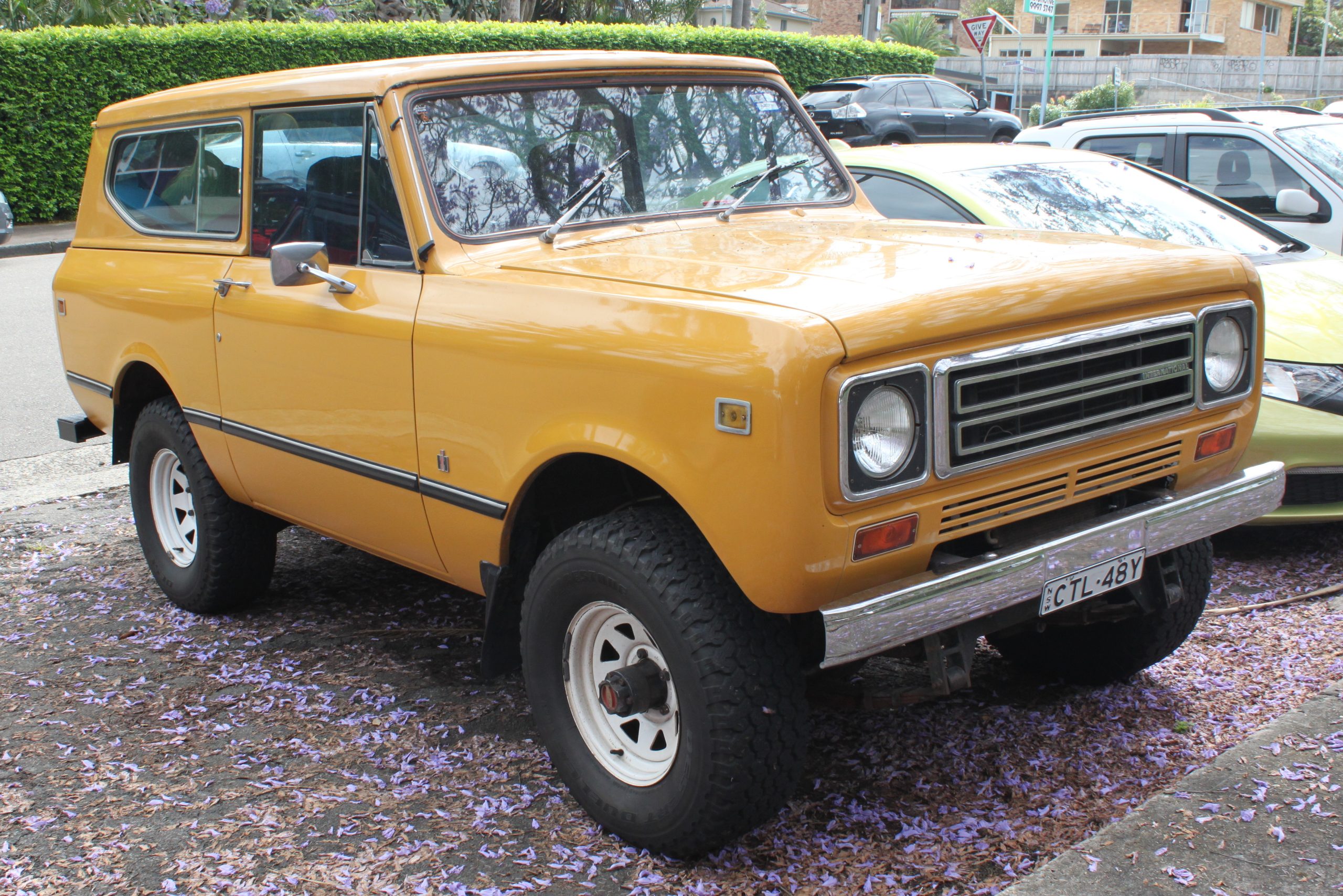
6. 1961–1980 International Harvester Scout: The Rugged Compact SUV
The 1961–1980 International Harvester Scout is a pioneering compact SUV designed for durability, versatility, and off-road capability. Built by a tractor company, the Scout reflects its industrial roots with heavy-gauge steel, simple mechanics, and a rugged, truck-based construction.
Unlike many classic muscle cars, it lacks complex electronics, unibody structures, or delicate trim, making it highly accessible for restoration. Its boxy, analog design and modular body allow for straightforward repairs, while a dedicated enthusiast community ensures parts and technical guidance are easy to find.
Mechanically, the Scout is simple and durable. Early Scout 80 models used a 152-cubic-inch inline-four engine producing 93 horsepower, with four-wheel drive available. Later models, including the Scout II, offered larger V8 engines and more comfort features. The ladder-frame chassis and solid axles make drivetrain, suspension, and brake work manageable for DIY enthusiasts.
Rust can be an issue due to the vehicle’s age, but high-quality reproduction parts and specialized vendors make body repairs and floor pan replacements straightforward. Removable roofs, doors, and fold-down windshields further simplify restoration and maintenance access.
Parts support for the Scout is robust, particularly for the popular 1972–1980 Scout II. Aftermarket suppliers and community networks provide everything from wiring harnesses to suspension upgrades.
This allows restorers to perform full restorations or restomods with modern enhancements, such as engine swaps, suspension lifts, and upgraded brakes. Unlike muscle cars that often demand precise matching numbers and flawless finishes, the Scout rewards function and ruggedness, reducing both cost and stress for restorers.
The Scout is also highly versatile. Early models were Spartan workhorses, while later Scout II versions offered a more refined driving experience and expanded trim options, including the Terra and Traveler.
Its strong low-RPM torque and off-road capabilities make it a practical vehicle for both daily driving and recreational use. Pricing ranges from around $19,000 for early models in good condition to over $63,000 for top-tier examples, with high-level restorations exceeding $100,000.
The International Harvester Scout combines mechanical simplicity, rugged design, and strong off-road performance, making it an ideal project for enthusiasts seeking a compact, functional classic SUV. Its durability, modular construction, and global enthusiast support ensure that it remains a highly desirable vehicle for restoration and modification alike.
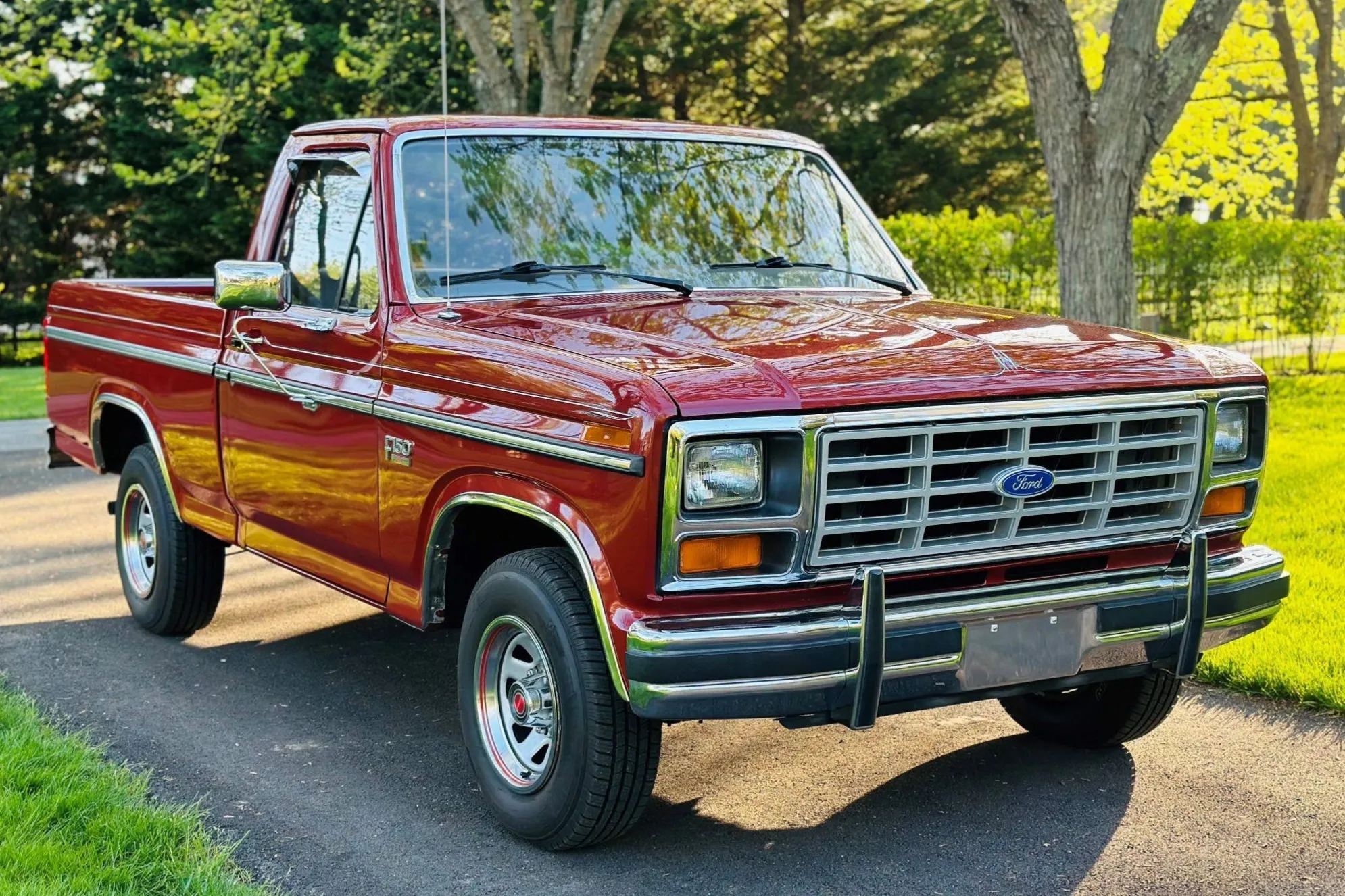
7. 1980–1986 Ford F-150 “Bullnose”: The Affordable Classic Workhorse
The 1980–1986 Ford F-150, nicknamed the “Bullnose” for its distinct squared-off front end, represents a bridge between vintage and modern trucks. Affordable, durable, and mechanically simple, these trucks are increasingly popular among restoration enthusiasts.
Built as workhorses, the Bullnose F-150 features modular components and a spacious engine bay, making it an excellent platform for learning mechanical restoration or performing full frame-up rebuilds.
Mechanically, the Bullnose trucks are straightforward and robust. Many feature the legendary 300 cubic-inch (4.9L) inline-six, known for reliability and ease of maintenance, while others use 302 (5.0L) or 351 (5.8L) Windsor V8s with abundant parts availability.
The Twin I-Beam front suspension is durable, easy to service, and ideal for restoring or upgrading with new bushings. Body-on-frame construction allows the body to be separated for comprehensive restorations, and the trucks’ simple carbureted or early fuel-injected systems reduce mechanical complexity compared to muscle cars.
Parts support is extensive and cost-effective. Many components are interchangeable with later F-150 models through 1996, making salvage yards a rich resource for affordable restoration panels like cab corners, rocker panels, and floor pans.
Aftermarket support includes suspension lifts, engine upgrades, and interior enhancements. The trucks’ modular design, straightforward mechanical layout, and well-maintained examples allow hobbyists to purchase a “revive-it-and-drive-it” project without a huge initial investment.
The Bullnose F-150 combines practicality with classic style. Restored trucks are reliable enough for daily driving or light towing, and ergonomics are improved over 1970s models. The truck’s popularity ensures a strong community with forums, advice, and restoration guides. Common concerns include rust in cab corners, floor pans, and frame rails, as well as early 1980s electrical quirks or fuel system complexity.
The 1980–1986 Ford F-150 Bullnose is a highly desirable, accessible classic. It offers affordable entry into vintage truck restoration, durable engineering, and modular design that rewards both beginners and experienced enthusiasts.
Its combination of nostalgic styling, practicality, and mechanical simplicity makes it a versatile platform for stock restorations or modernized restomods, while its rising popularity cements its status as a modern classic among affordable vintage trucks.
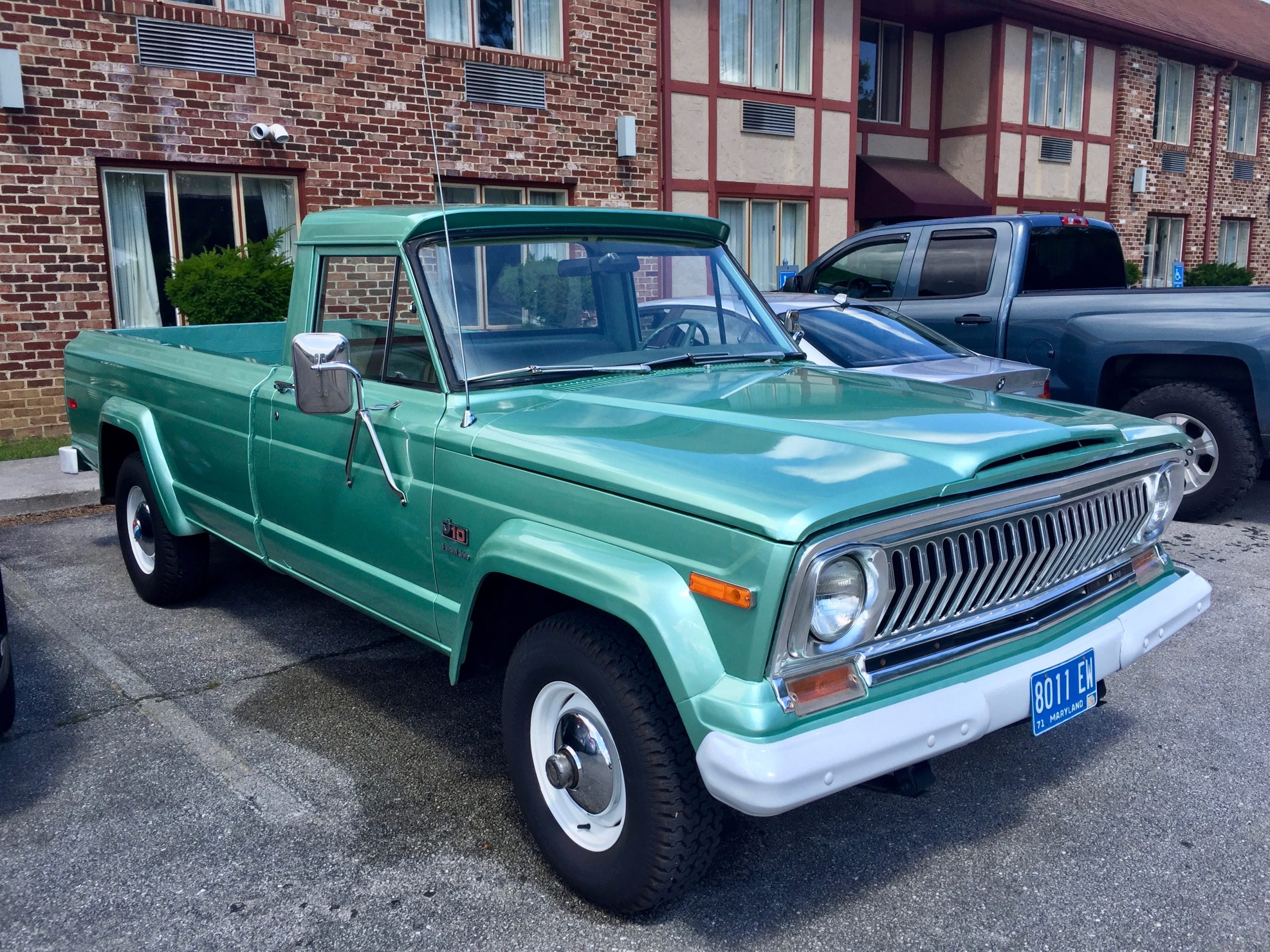
8. 1963–1987 Jeep J-Series: Rugged Full-Size Pickup
The 1963–1987 Jeep J-Series, including the Gladiator and later J-10 and J-20 models, is a classic full-size pickup known for rugged durability and mechanical simplicity. Built on a body-on-frame platform shared with the iconic Wagoneer, these trucks were designed for work and off-road capability rather than comfort or speed.
Their straightforward engineering, modular design, and long production run make them highly approachable for restoration projects, especially compared to complex, high-demand muscle cars.
Mechanically, the J-Series is simple and durable. Early models featured the 3.8L Tornado inline-six, later replaced by reliable AMC V8 engines such as the 360 or 401 cubic-inch options.
The solid axles, leaf springs, and manual or early automatic transmissions are easy to service, and carbureted engines simplify tuning and rebuilds for home mechanics. The robust drivetrain and widely available parts from related AMC products, including the Wagoneer and Cherokee, make maintenance and component swaps straightforward.
The long production run of nearly 25 years means parts from a 1980s model often fit a 1960s truck. Enthusiast support is strong, with specialized suppliers like BJ’s Off-Road and JeepHeritage providing reproduction and NOS components, including body panels, suspension parts, and drivetrain components. Online forums and detailed tutorials further ease restoration by offering step-by-step guidance.
Body-on-frame construction makes separating the cab and bed for rust repair or frame-off restoration simple. The boxy, minimalistic sheet metal is easier to work with than the curved body panels of muscle cars, and rust-prone areas are identifiable and accessible for repair. While rust in the floors and bed is common, the platform’s durability allows restorers to focus on functionality rather than perfection.
Pricing for J-Series trucks is generally moderate, making them more accessible than many collectible muscle cars, with room in the budget for restoration work. Once restored, they provide a commanding driving position, off-road capability, and a 2-ton payload, though ride comfort is stiff and highway speeds are limited.
The Jeep J-Series is a highly practical restoration project for enthusiasts seeking a full-size, rugged pickup. Its simple mechanics, long-lived platform, interchangeable parts, and strong aftermarket support make it a rewarding and manageable vintage truck restoration.
9. 1955–1959 Chevrolet Task Force: Iconic 50s Pickup
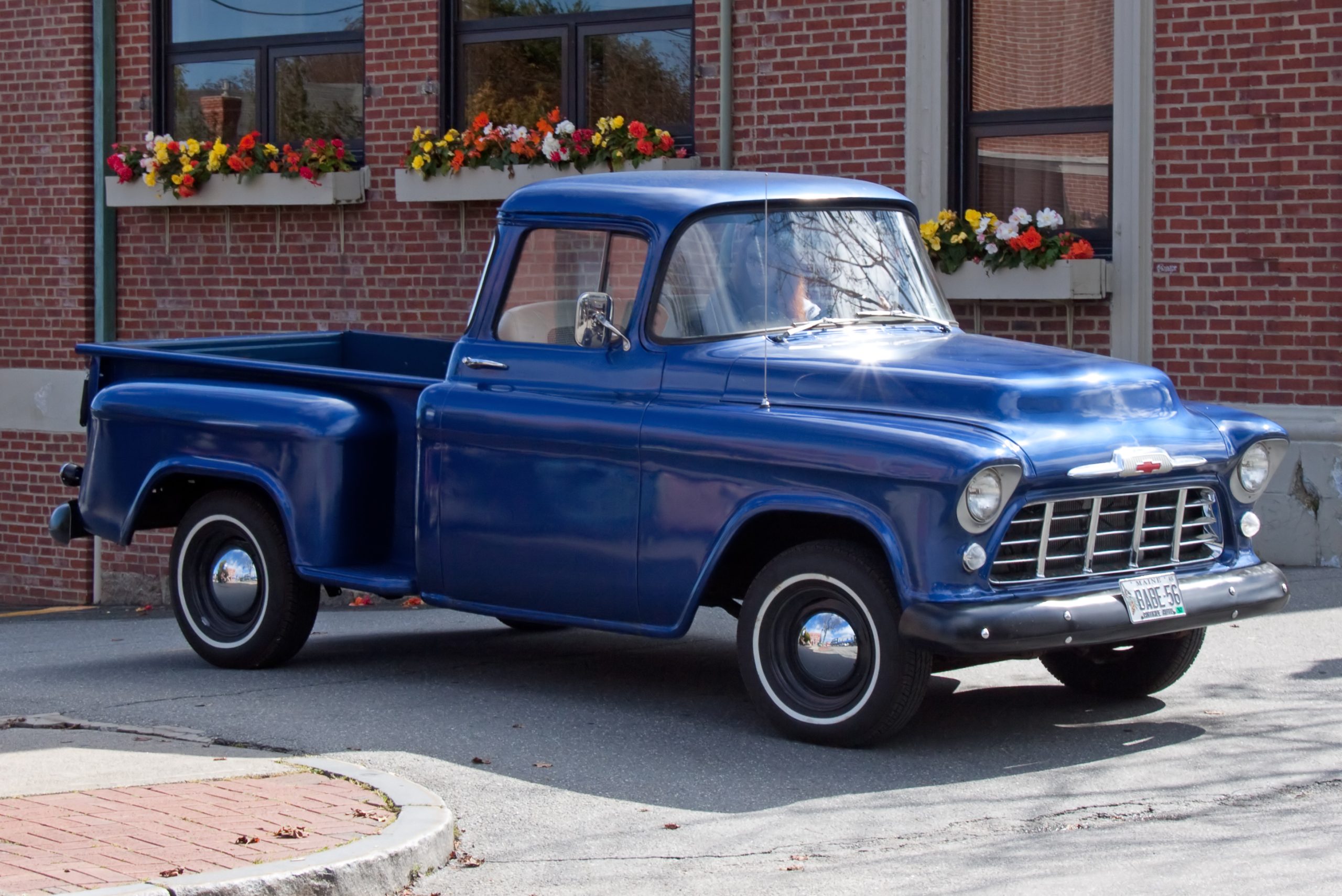
The 1955–1959 Chevrolet Task Force series marked a turning point in pickup design, blending car-like style with rugged utility. These trucks introduced the legendary Small Block V8, wraparound windshields, and hooded headlights, setting the stage for modern pickup aesthetics.
Despite their stylish 1950s appearance, the Task Force trucks are mechanically straightforward, making them highly accessible for restoration projects compared to complex 1960s and 70s muscle cars.
Mechanically, the Task Force series is simple and DIY-friendly. Early models were powered by the 235-cubic-inch Thriftmaster inline-six, a reliable and inexpensive engine to rebuild. Later V8 options, including the 265- and 283-cubic-inch small blocks, provide modern restomod possibilities.
The trucks feature fully mechanical systems, a spacious engine bay, and a 12-volt electrical system, which simplifies upgrades to lights, ignition, and other accessories. The body-on-frame construction allows the cab or bed to be lifted for suspension or frame repairs, while bolted-on body panels make alignment and replacement straightforward.
Parts availability is one of the Task Force’s greatest strengths. High production numbers and GM parts interchangeability ensure a steady supply of donor components, and reproduction sheet metal, trim, and interior kits are widely available from suppliers like LMC Truck and Classic Industries.
The combination of common mechanical components, standardized features, and readily available aftermarket support reduces restoration stress and costs.
These trucks are also versatile for restomod projects. Modern engine swaps, transmission upgrades, and updated suspension components can be accommodated with relative ease, transforming a classic Task Force into a reliable, daily-drivable truck.
The series includes light-duty Apaches, heavy-duty Spartans, and the style-focused Cameo Carrier, which introduced fiberglass rear fenders and marketing for personal-use pickups. The 1958 Fleetside bed update offered a conventional wide steel bed, expanding usability.
Rust remains the primary challenge, particularly in cab corners, floor pans, door steps, and lower fender sections, but replacement panels are easy to source.
The 1955–1959 Chevrolet Task Force combines iconic styling, durable construction, and accessible mechanical systems, making it a popular choice for both beginner and intermediate restorers. Its timeless design and versatility ensure strong demand for restored and custom versions today.
10. 1982–1993 Chevrolet S10: Compact Classic Pickup
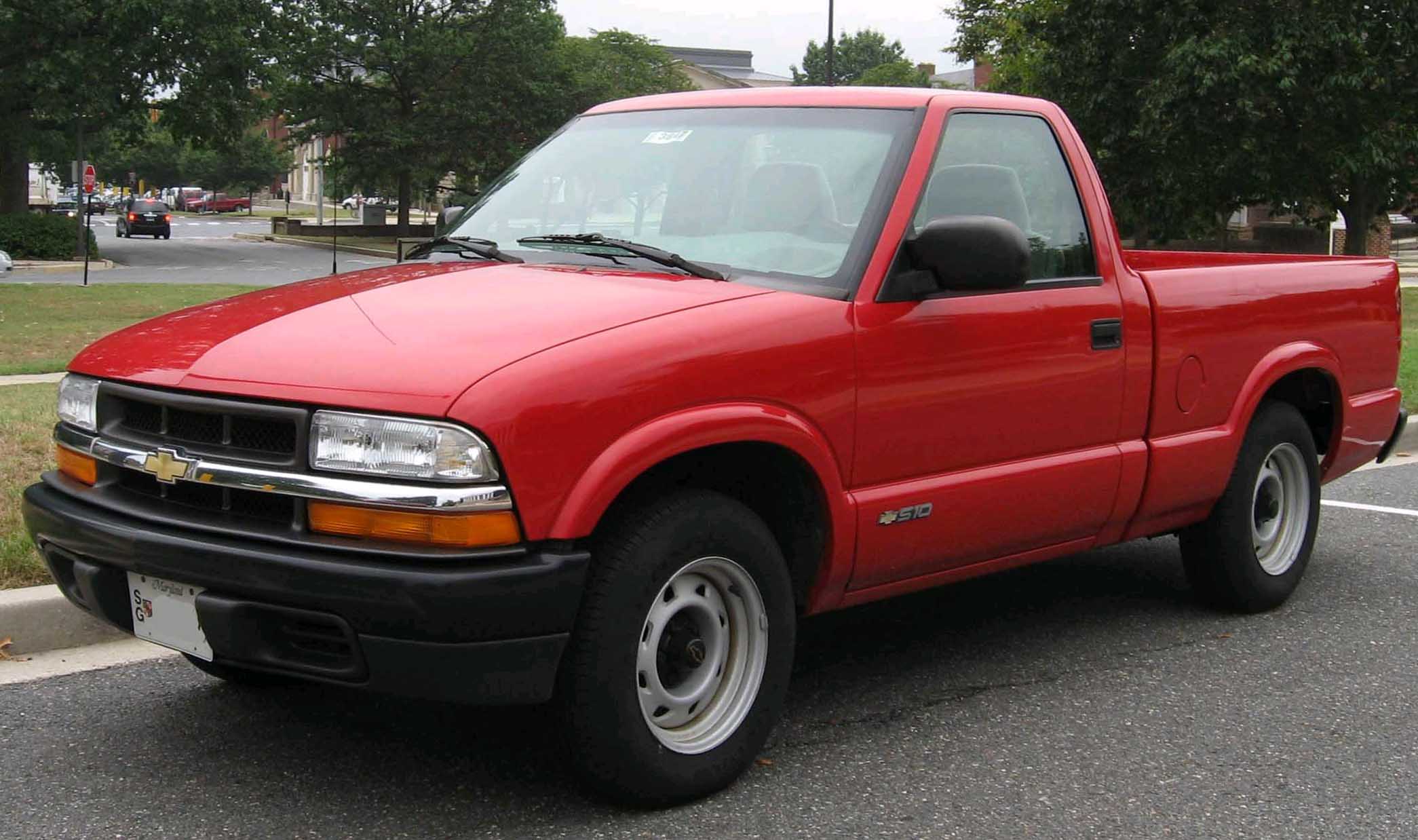
The 1982–1993 Chevrolet S10 is the first domestically produced compact pickup from General Motors and has earned a reputation as an ideal restoration candidate for hobbyists.
Its small size, straightforward mechanical design, and modular body-on-frame construction make it highly approachable compared to complex 1960s and 70s muscle cars. Lightweight yet durable, the S10 combines affordability, ease of repair, and adaptability, making it a perfect entry point for first-time restorers.
Mechanically, the S10 is simple and robust. Early models relied on carbureted four-cylinder engines, such as the “Iron Duke” 2.5L, or the optional 2.8L V6, while later models included the more capable 4.3L V6. The spacious engine bay allows easy access for maintenance, rebuilds, or engine swaps, including popular LS V8 conversions.
Its body-on-frame construction enables full body-off restorations, drivetrain upgrades, or suspension modifications without excessive difficulty. The minimalist design means there are few computerized systems to troubleshoot, keeping restoration manageable for home mechanics.
Parts availability and interchangeability are major advantages for S10 restorers. GM’s parts-sharing approach ensures many components are compatible with other Chevrolet and GMC vehicles.
Reproduction panels, interior components, and performance parts are widely available from suppliers like LMC Truck and Classic Industries, often at low cost. Enthusiast communities provide guidance for common modifications, including lowering kits, suspension upgrades, and engine swaps, making the S10 a versatile platform for both classic and restomod builds.
The S10’s compact size, affordability, and prevalence make it an accessible project. Clean donor trucks or replacement parts remain easy to find at salvage yards, reducing restoration expenses. The primary challenge is rust, particularly in cab corners, rocker panels, bed corners, and frames in older “Rust Belt” vehicles. However, these issues are generally straightforward to repair with basic welding skills.
Durable, reliable, and versatile, the first-generation Chevrolet S10 has proven itself as both a workhorse and a hobbyist favorite. Its practical design, low cost of entry, and simple engineering make it a rewarding alternative to higher-value muscle cars. Capable of towing and daily driving, the S10 remains a popular choice for restoration enthusiasts looking for a manageable, budget-friendly project with plenty of aftermarket support.
The top 10 vintage trucks highlighted in this guide prove that restoration success doesn’t require rare or high-priced muscle cars. Vehicles like the Ford F-100, Toyota FJ40, and International Harvester Scout combine durability, simplicity, and strong aftermarket support, making them ideal for hobbyists and first-time restorers.
With straightforward mechanical systems, easily sourced parts, and modular body construction, these trucks offer a practical yet nostalgic restoration experience. Beyond reliability, their classic styling, off-road capability, and historical significance make each project uniquely rewarding.
From workhorse pickups to versatile compact trucks, these vehicles exemplify how mechanical accessibility and timeless design can transform a restoration project into a manageable, enjoyable, and visually striking classic. For collectors, DIY enthusiasts, or anyone looking for a hands-on introduction to vintage vehicles, these trucks stand as approachable, enduring icons of automotive history.
Also read: Top 10 Cars That Came With a Matching Bike or Scooter