
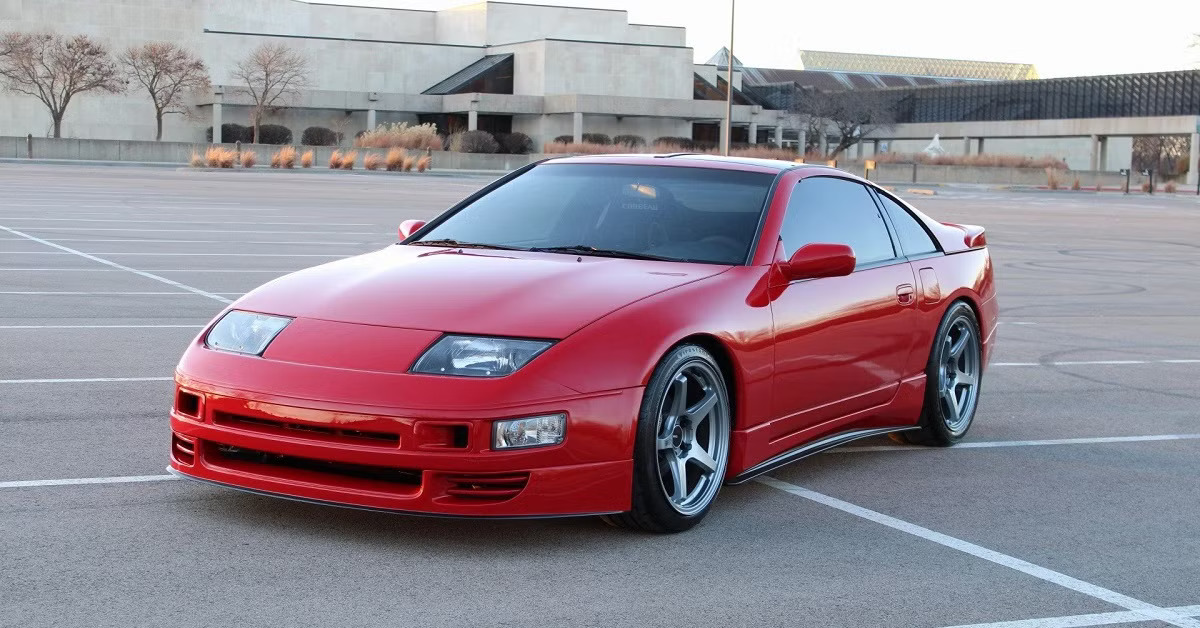
The 1990s marked one of the most experimental and exciting eras in automotive history, when manufacturers pushed engineering boundaries and created performance cars that blended technology, style, and driving engagement in ways that still feel special today.
While icons like the Supra, RX-7, and Skyline often dominate conversations about the decade, many equally impressive machines quietly slipped into obscurity. Some were overshadowed by stronger marketing, others arrived before buyers fully understood their innovation, and a few simply carried the wrong badge at the wrong time.
Today, these overlooked models represent some of the best opportunities for enthusiasts and collectors seeking authentic analog driving experiences without paying inflated collector prices.
From Japanese engineering marvels to American grand tourers packed with advanced technology, these cars capture the spirit of a bold automotive era. The following six forgotten performance cars prove that true driver-focused machines are not always the most famous ones.
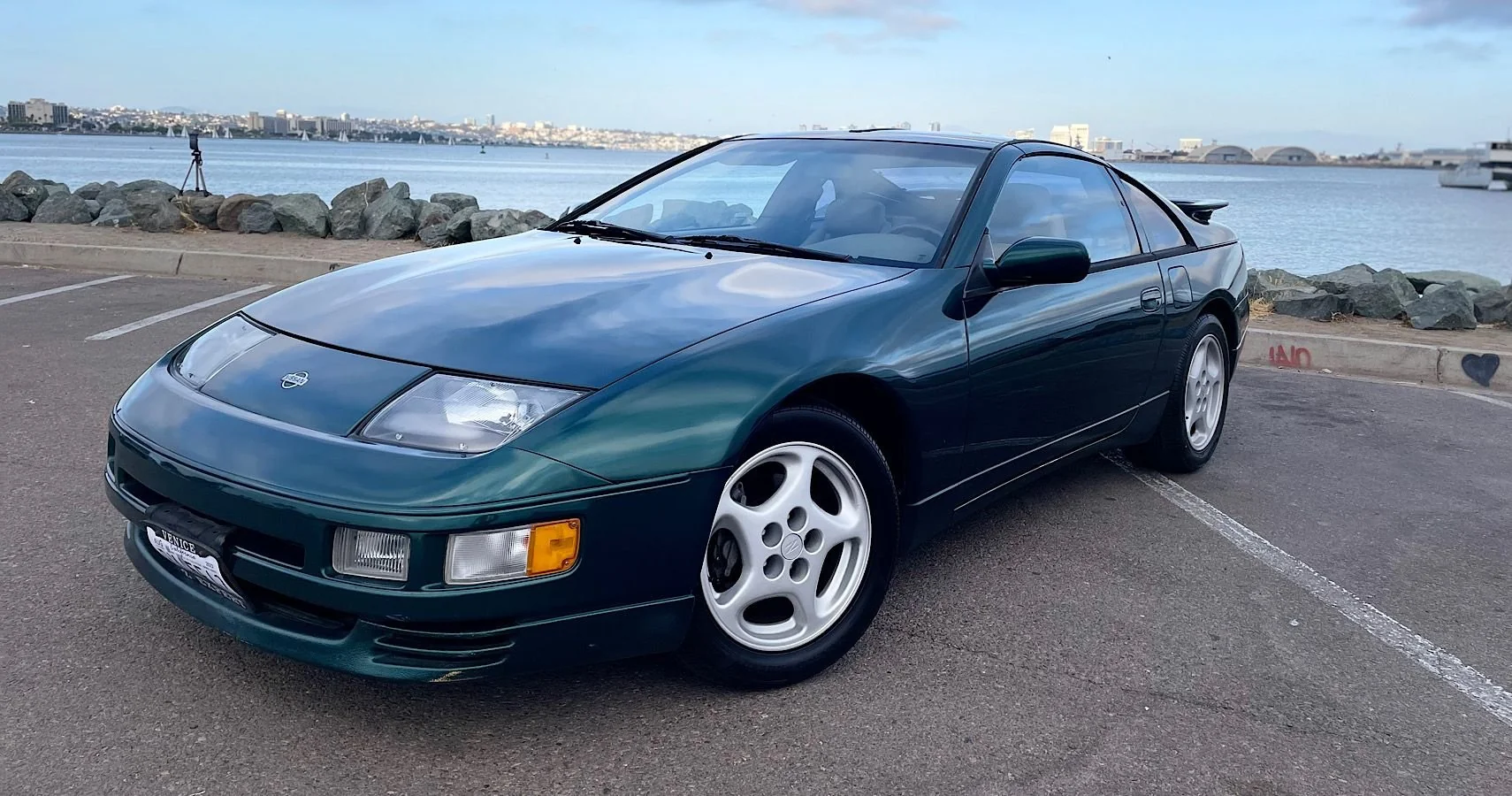
1. Nissan 300ZX (Z32): The Forgotten 90s JDM Icon
The Nissan 300ZX (Z32), produced between 1989 and 2000, is one of the most advanced Japanese sports cars of the 1990s, although it was often overshadowed by the Toyota Supra and Mazda RX-7.
Its combination of cutting-edge technology, striking design, and strong tuning potential has earned it the status of a modern classic. The Z32 featured a cockpit-style interior, a wide, low-slung body, and a targa top, giving it a distinct 1990s aesthetic and a supercar-like presence on the road.
The Z32 was technologically impressive for its time. It included the Super HICAS four-wheel steering system and adjustable Sport and Touring suspension modes, which made the car extremely agile and responsive. The design was optimized using a CRAY-2 supercomputer, resulting in a low drag coefficient of 0.31 and superior stability at high speeds.
Its headlights were even licensed for use on the Lamborghini Diablo, showing the influence of its design. While these innovations were impressive, they sometimes intimidated traditional sports car buyers. Rising yen values and the growing popularity of SUVs in the US led to its discontinuation in 1996, causing it to fade from the spotlight.
Performance was a major strength of the Z32. The twin-turbo (TT) VG30DETT engine produced 300 horsepower and could reach 0 to 60 miles per hour in about 5 to 5.5 seconds, making it one of the fastest cars of its era.
The naturally aspirated (NA) VG30DE engine produced 222 horsepower, which is more modest but still offered an enjoyable driving experience with a precise five-speed transmission and rear-wheel drive.
All models included a multilink front suspension and a VLSD for enhanced handling, while four-piston front calipers and two-piston rear calipers provided firm and reliable braking. The TT model also offers strong tuning potential, as modifications to the intake, exhaust, or boost can produce significant increases in power.
Owning a Z32 requires careful attention to maintenance. The timing belt must be replaced every 60,000 miles to avoid serious engine damage. The engine bay is very cramped, making repairs time-consuming, and work such as plenum removal or injector replacement can take several hours.
T-tops can develop leaks if the seals are old, and previous owners who skipped steps in maintenance can leave the car temperamental. For buyers, it is important to check documentation and service history carefully. Despite these challenges, the Z32 rewards owners with a unique analog driving experience and a strong community of dedicated enthusiasts.
Even today, the 300ZX remains a relative bargain compared to the soaring prices of Supras and RX-7s. Its bold styling, advanced features, and strong performance ensure it continues to impress on the road.
Both NA and twin-turbo models provide a distinctive experience that captures the spirit of 1990s Japanese sports cars. For collectors and enthusiasts, the Z32 is a modern classic that offers style, performance, and a connection to the golden era of JDM performance.
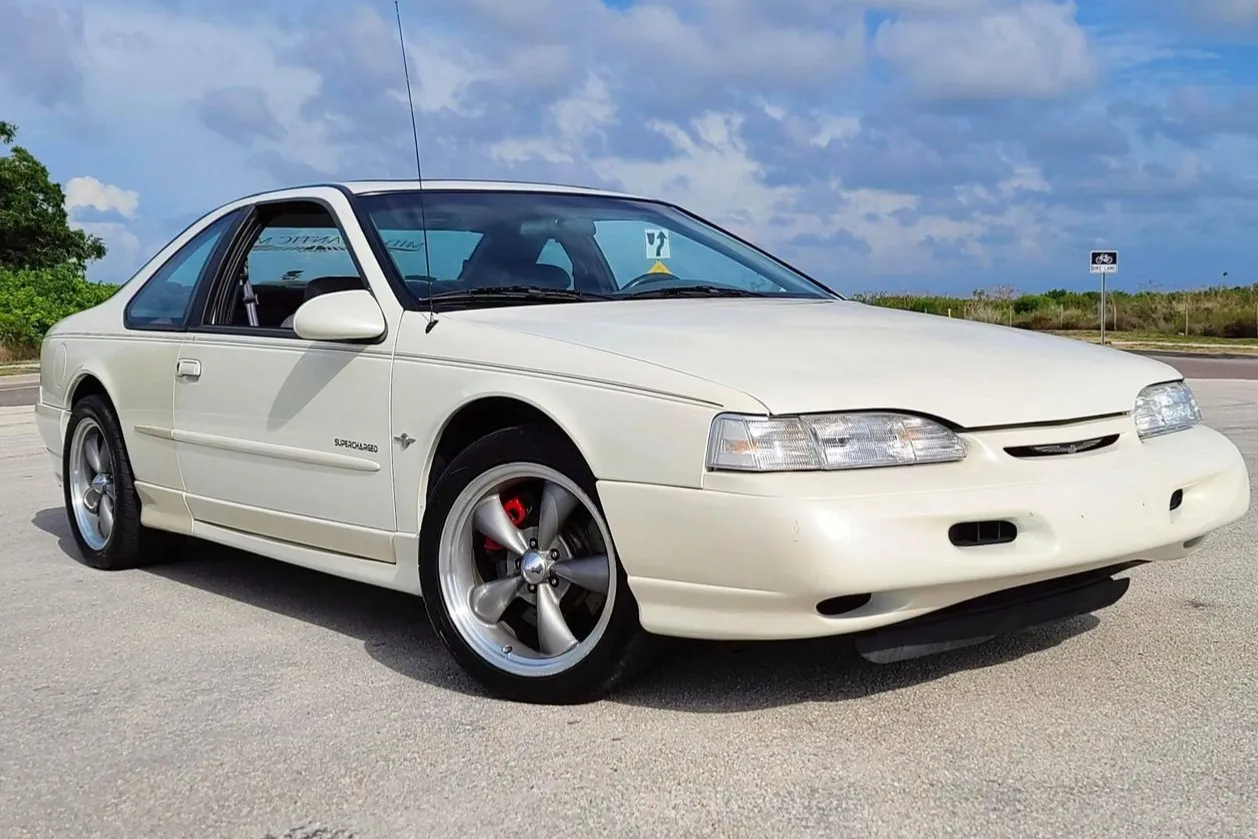
2. Ford Thunderbird Super Coupe: A Forgotten American Grand Tourer
The 1989 to 1995 Ford Thunderbird Super Coupe (SC) stands as one of the most unique performance cars of the early 1990s, blending American styling with European-inspired engineering.
While many performance cars of the era relied on large V8 engines and straight-line speed, the Super Coupe took a different approach by focusing on balance, comfort, and refined power delivery. Designed as a rear-wheel-drive personal luxury coupe, it aimed to compete with German grand touring cars while offering a distinctly American driving experience.
Powering the Super Coupe was an Eaton-supercharged 3.8-liter V6 engine that prioritized torque and smooth acceleration rather than aggressive sound. Early models produced 210 horsepower and 315 lb-ft of torque, while revised 1994 to 1995 versions increased output to 230 horsepower and 330 lb-ft of torque.
The strong mid-range performance made the car especially capable during highway driving, where effortless acceleration and stability defined the experience. Buyers could choose between a four-speed automatic transmission or a rare five-speed manual, with the manual version widely considered the most desirable because it transformed the car into a far more engaging and responsive performance coupe.
A major highlight of the Thunderbird Super Coupe was its advanced chassis design. Built on Ford’s MN12 platform, the car featured independent rear suspension, a feature uncommon among American vehicles at the time. This setup improved ride quality and handling, giving the car a composed and planted feel through corners.
Many models also included electronically adjustable shocks, allowing drivers to switch between comfort and sport-oriented driving characteristics. Four-wheel disc brakes with ABS, speed-sensitive power steering, and a limited-slip differential further enhanced control and confidence on the road.
Inside, the Super Coupe emphasized comfort and practicality alongside performance. The cabin offered supportive sport bucket seats with adjustable bolstering, a driver-focused layout, and upscale features that reflected its grand touring purpose.
Owners often praise the interior for being comfortable during long trips while still maintaining a sporty atmosphere. This balance allowed the car to function as both a daily driver and a long-distance cruiser, distinguishing it from more aggressive muscle cars of the same period.
Despite its innovation and capabilities, the Thunderbird Super Coupe never achieved widespread recognition. Its sophisticated engineering and V6 powertrain differed from traditional American performance expectations, which contributed to its status as an overlooked classic.
Today, it remains significantly more affordable than many comparable performance cars from the era, making it an appealing choice for enthusiasts seeking value and uniqueness.
Prospective buyers should consider several maintenance factors. Early models are known for head gasket issues, and the supercharger system requires careful upkeep as the vehicle ages. Certain suspension components, especially those tied to electronic ride control systems, can be difficult to replace due to limited parts availability.
Rust inspection is also important, particularly around rocker panels. Enthusiasts often recommend the 1994 to 1995 models because they feature improved supercharger design, stronger components, and interior updates.
The Thunderbird Super Coupe represents an American interpretation of the grand touring concept, combining comfort, advanced technology, and supercharged performance. For drivers willing to maintain it properly, the car delivers a distinctive experience that continues to surprise modern audiences and highlights an ambitious chapter in Ford’s performance history.
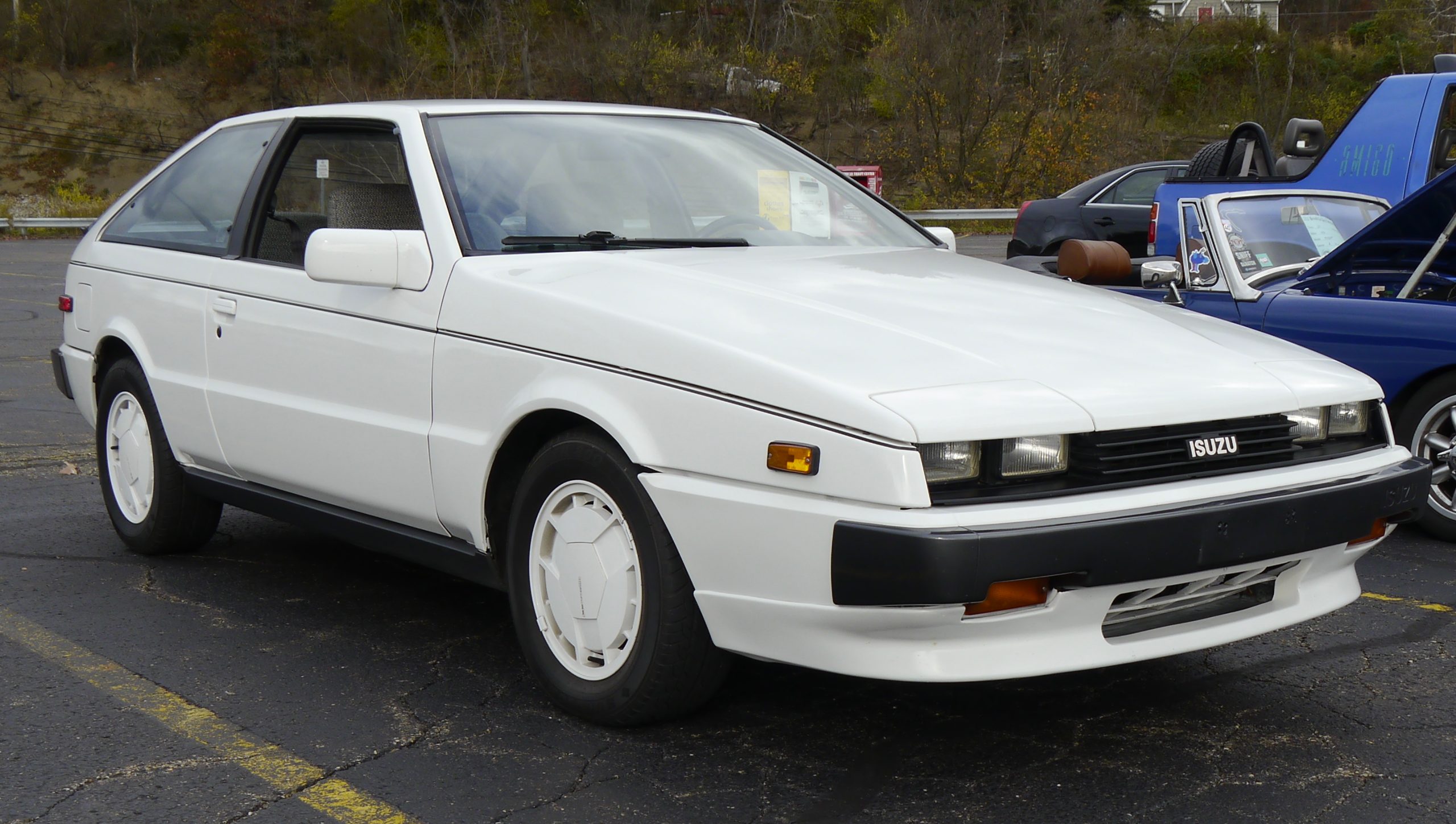
3. Isuzu Impulse RS: The Rare Lotus-Tuned Sleeper of the 90s
The 1991 Isuzu Impulse RS stands as one of the most obscure yet fascinating performance cars of the early 1990s. Often described as a true “if you know, you know” vehicle, the Impulse RS combined turbocharged power, all-wheel drive capability, and Lotus-tuned handling into a compact package that rivaled more famous sports cars of its era.
Produced in extremely limited numbers, with only about 700 to 800 units imported to the United States and far fewer surviving today, the Impulse RS has become a rare cult classic appreciated by enthusiasts who value engineering innovation and driving engagement.
At the heart of the Impulse RS is a 1.6-liter DOHC turbocharged four-cylinder engine producing 160 horsepower and approximately 150 lb-ft of torque. While these figures may appear modest by modern standards, the lightweight chassis and responsive turbocharged power delivery allow the car to feel lively and energetic.
Paired exclusively with a five-speed manual transmission, the engine encourages driver involvement and rewards precise gear changes. Acceleration from 0 to 60 mph occurs in roughly 9 to 11 seconds, but the car’s real strength lies in its ability to maintain speed through corners rather than dominate straight-line races.
What truly defines the Impulse RS is its handling. The car proudly carries the “Handling by Lotus” badge, signifying suspension tuning developed with assistance from Lotus engineers. Upgraded springs, stabilizer bars, and a carefully balanced chassis give the car exceptional agility and grip.
A unique passive rear steering setup enhances stability during cornering, creating a planted and confident feel that many drivers describe as being “on rails.” The full-time all-wheel drive system, featuring a 43:57 front-to-rear torque split, further improves traction and allows strong acceleration when exiting corners.
The Impulse RS also stands out as a sleeper performance car. Its understated styling hides its advanced mechanical setup, making it an unexpected performer at car meets or on winding roads. During a time when Isuzu attempted to compete technologically with larger manufacturers, the Impulse RS represented a bold engineering effort that prioritized balance and driver experience over marketing appeal.
Despite its strengths, ownership comes with challenges. Replacement parts can be difficult to locate, particularly specialized components such as rear suspension struts. The all-wheel drive system, while effective, can develop expensive issues if poorly maintained or heavily stressed.
Rust is another concern, especially in regions where road salt is commonly used. Some models also experienced recalls related to the steering wheel center hub. Inside, the cabin reflects a typical early 1990s design, with materials that may feel dated or inexpensive compared to competitors. Road noise and a firm ride can also reduce comfort during long drives.
Even with these drawbacks, many owners praise the Impulse RS for its mechanical durability and engaging driving dynamics when properly maintained.
Its rarity adds significant appeal, with estimates suggesting only around 130 roadworthy examples remain today. This scarcity, combined with its unique Lotus-tuned suspension and turbocharged all-wheel drive configuration, has helped the car gain recognition among collectors.
The Isuzu Impulse RS represents a distinctive chapter in Japanese automotive history. It delivers a raw and driver-focused experience that highlights creativity and engineering ambition from an era when manufacturers experimented boldly. For enthusiasts seeking something rare, unconventional, and rewarding to drive, the Impulse RS remains a hidden gem worthy of rediscovery.
Also Read: 5 Cars With Simple Dash Layouts vs 5 With Confusing Ones
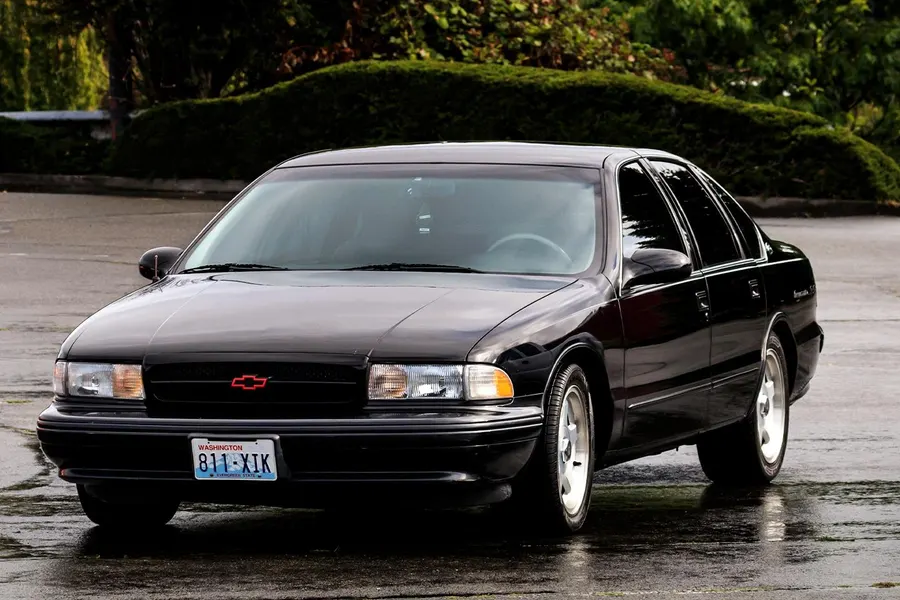
4. Chevrolet Impala SS: The Muscle Sedan That Blended Power and Practicality
The 1994 to 1996 Chevrolet Impala SS remains one of the most recognizable American performance sedans of the modern era, combining muscle car power with full-size family car practicality.
Built from the Chevrolet Caprice platform, the Impala SS transformed a traditional body-on-frame sedan into a bold street machine by pairing aggressive styling with Corvette-derived performance. Its blacked-out appearance, lowered stance, and commanding presence quickly earned it cult status among enthusiasts who wanted both performance and everyday usability.
At the core of the Impala SS was the 5.7-liter LT1 V8 engine, shared with the Chevrolet Corvette of the same period. This engine delivered strong torque and effortless acceleration, allowing the large sedan to achieve surprising performance despite its weight.
With a 0 to 60 mph time of approximately 5.6 seconds, the Impala SS proved that a full-size four-door car could compete with many sports cars of its time. The engine emphasized smooth, accessible power rather than high-revving aggression, making the car especially effective during highway driving and quick launches from a stop.
Unlike smaller performance cars, the Impala SS prioritized comfort and usability alongside speed. Its spacious interior and large trunk made it practical for families, while the suspension tuning allowed for a smooth and compliant ride during daily driving.
The car’s body-on-frame construction contributed to durability and gave it the feel of a traditional American sedan. This dual personality created an interesting balance between performance and practicality, as the vehicle could function as both a comfortable cruiser and a powerful street machine.
The Impala SS gained popularity because of its understated yet menacing design. Subtle SS badging, dark exterior trim, and distinctive wheels gave the car a stealthy appearance that hid its performance potential.
Enthusiasts appreciated this sleeper-like quality, as the car looked restrained compared to flashier sports cars while delivering serious power when needed. The combination of muscular styling and real-world practicality made it appealing to drivers who wanted performance without sacrificing everyday comfort.
Despite its strengths, the Impala SS was not without limitations. Its large size and weight affected handling dynamics, and it was never intended to be a precision sports sedan. Body roll and soft suspension tuning reduced agility during aggressive cornering, emphasizing comfort over sharp handling response.
The driving experience focused more on straight-line acceleration and relaxed cruising than technical performance driving. Still, many drivers valued the car for exactly these characteristics, viewing it as a classic American muscle sedan rather than a track-focused machine.
Today, the 1994 to 1996 Impala SS is widely considered a modern classic. Its combination of rear-wheel drive layout, V8 performance, and practical design represents a style of American automotive engineering that has largely disappeared.
The car appeals to collectors and enthusiasts seeking a vehicle with a strong personality, historical significance, and everyday usability. Its reputation as a powerful yet functional family sedan continues to define its legacy.
The Chevrolet Impala SS stands as a symbol of 1990s performance innovation, proving that practicality and muscle car performance could coexist in one imposing and unforgettable package.
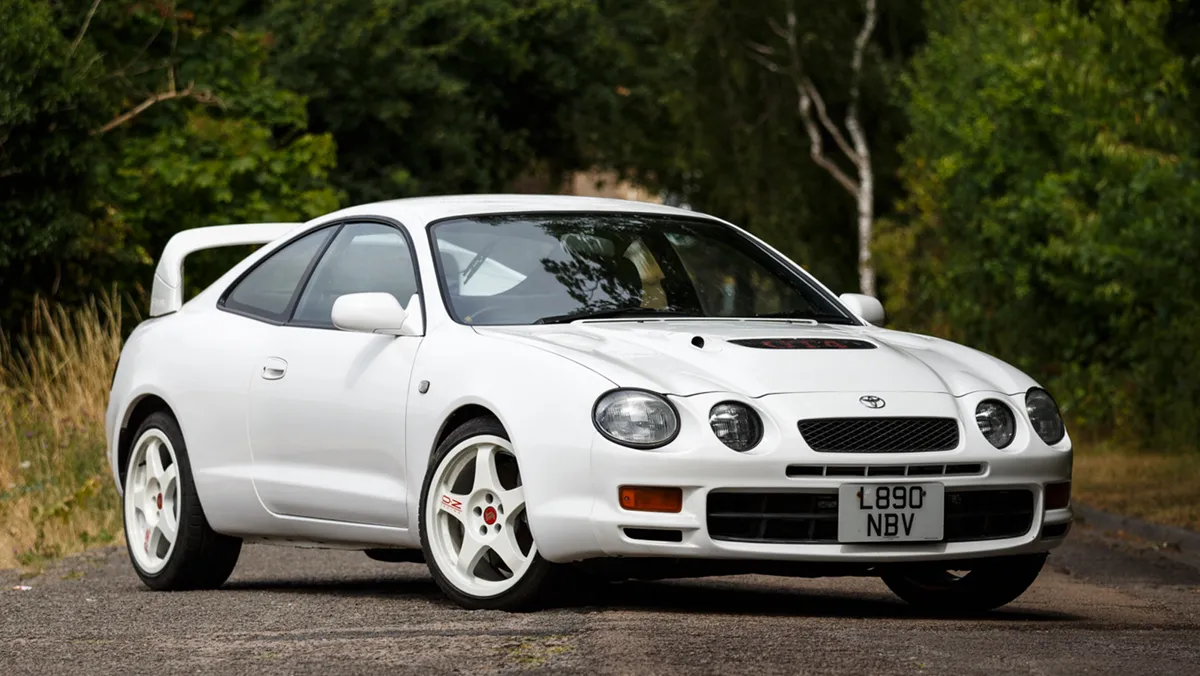
5. Toyota Celica GT-Four (ST205): The Overlooked Rally Homologation Legend
The 1994 to 1999 Toyota Celica GT-Four (ST205) is one of the most technically advanced and underrated performance cars of the 1990s Japanese automotive era. Built as a genuine World Rally Championship homologation special, the ST205 represented Toyota’s peak rally engineering during a time when manufacturers created road cars directly derived from competition machines.
Although often overshadowed by icons such as the Subaru Impreza WRX and Mitsubishi Lancer Evolution, the GT-Four combined sophisticated all-wheel-drive performance, durable turbocharged power, and everyday usability in a refined package that is increasingly recognized by enthusiasts and collectors.
At the heart of the ST205 lies the turbocharged 2.0-liter 3S-GTE engine, producing roughly 240 to 255 horsepower depending on the market. Developed with durability and tuning potential in mind, the engine delivers strong mid-range acceleration and a progressive power build characteristic of classic turbocharged cars.
Power increases steadily before surging past 3000 rpm, creating an engaging and mechanical driving experience. Paired with a permanent all-wheel-drive system, the car provides excellent traction and stability across a variety of road conditions, making it equally capable on dry pavement, wet roads, or loose rally-style surfaces.
A defining feature of the ST205 is its advanced chassis engineering. Toyota introduced the Super Strut suspension system to improve cornering grip and reduce torque steer, giving the car impressive balance and confidence through turns. Steering feedback is heavy and communicative, offering a level of driver connection that many modern vehicles lack.
Large brakes, derived from performance Toyota models, provide strong stopping power that complements the car’s rally-focused performance capabilities. The result is a vehicle that feels planted and predictable while still encouraging spirited driving on twisty roads.
The GT-Four’s rally heritage plays a major role in its identity. Toyota produced approximately 2,500 units to satisfy homologation requirements, many equipped with competition-oriented features such as an aluminum hood, intercooler water spray provisions, and aerodynamic enhancements, including the iconic high-rise rear wing.
The car’s World Rally Championship campaign became infamous after Toyota was banned in 1995 for using an extremely sophisticated turbo restrictor bypass device that allowed significantly increased airflow. Although controversial, the engineering ingenuity behind the system demonstrated Toyota’s relentless pursuit of performance innovation.
Despite its impressive credentials, the ST205 remained relatively overlooked during its release. High pricing compared to rivals and limited exposure in certain markets prevented it from achieving the same popularity as competing rally cars. Attention during the 1990s also focused heavily on other Japanese performance legends, leaving the Celica GT-Four underappreciated for many years.
Today, the ST205 is gaining recognition as a valuable modern classic. It offers a more refined interior and greater daily usability than many rally-inspired competitors while maintaining authentic motorsport DNA.
Buyers should be aware of potential rust issues, tight engine bay packaging, and limited parts availability for specialized components such as the all-wheel-drive system and Super Strut suspension. Many surviving examples are Japanese imports, requiring careful inspection before purchase.
The Toyota Celica GT-Four (ST205) represents a rare blend of rally engineering, mechanical engagement, and practicality. As a true homologation special with growing collector interest, it stands as one of the most compelling and historically significant performance cars of the 1990s.
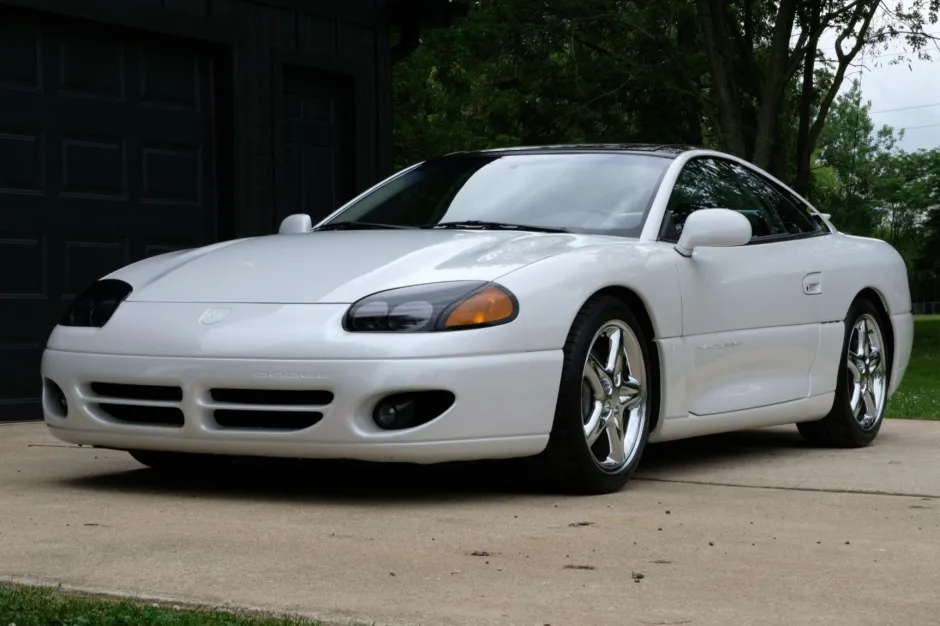
6. Dodge Stealth R/T Turbo: The Underrated Twin-Turbo Grand Tourer of the 1990s
The 1991 to 1996 Dodge Stealth R/T Turbo stands as one of the most technologically ambitious performance cars of the 1990s, blending American branding with advanced Japanese engineering. Developed through the Diamond-Star Motors partnership between Chrysler and Mitsubishi, the Stealth R/T Turbo was mechanically identical to the Mitsubishi 3000GT VR-4 but featured unique styling and Dodge badging.
Because collectors often favored its Japanese counterpart, the Stealth remained undervalued for decades despite offering the same performance, making it one of the most compelling hidden bargains from the era.
Powering the R/T Turbo is a 3.0-liter DOHC twin-turbocharged V6 engine that initially produced 300 horsepower and 307 lb-ft of torque. Later models received upgrades that increased output to 320 horsepower alongside a six-speed Getrag manual transmission introduced in 1994.
Combined with a permanent all-wheel-drive system, the car delivered impressive acceleration for its time, reaching 0 to 60 mph in roughly five seconds and completing the quarter mile in the mid-13-second range. Strong traction allowed drivers to deploy power confidently, especially during high-speed driving and aggressive corner exits.
One of the defining characteristics of the Stealth R/T Turbo was its extensive use of advanced technology. At a time when many sports cars relied purely on mechanical simplicity, the Stealth embraced innovation.
It featured four-wheel steering for improved stability and agility, electronically controlled suspension settings, and an active exhaust system that allowed drivers to switch between comfort and performance driving modes. Active aerodynamics further enhanced stability at speed, reinforcing the car’s identity as a high-tech grand tourer rather than a lightweight sports coupe.
Despite weighing more than 3,800 pounds, the Stealth performed exceptionally well on winding roads thanks to its all-wheel-drive grip and balanced chassis. Reviewers frequently praised its ability to transition smoothly through fast corners while maintaining composure at highway speeds.
The driving experience leaned toward high-speed confidence and long-distance comfort rather than raw agility, making it particularly suited for grand touring. Inside, the cockpit emphasized the driver with angled gauges displaying turbo boost, oil pressure, and temperature information. Front seats provided strong comfort for extended drives, though rear seating was cramped and largely impractical for adults.
The car’s styling also contributed to its appeal. Pop-up headlights, wide proportions, and aggressive body lines gave it an exotic presence often compared to far more expensive performance cars. Many enthusiasts nicknamed it a “baby Viper” due to its muscular appearance and Dodge performance identity.
Ownership, however, requires careful consideration. The Stealth’s dense engine bay makes routine maintenance labor-intensive, and aging electronics can present challenges. Common issues include transmission wear, transfer case leaks, and failures caused by neglected timing belt service intervals.
The all-wheel-drive system is particularly sensitive to mismatched tire sizes, which can lead to drivetrain damage if ignored. Replacement parts for specialized systems, such as electronically controlled suspension components, are becoming increasingly difficult to source as the car ages.
Market values remain relatively accessible compared to similar 1990s performance icons, with clean examples typically ranging between $15,000 and $25,000 depending on condition. Limited production numbers, especially the extremely rare 1996 models, are beginning to attract collector interest.
The Dodge Stealth R/T Turbo represents a unique combination of advanced engineering, strong performance, and distinctive styling, making it a standout modern classic for enthusiasts willing to maintain its complex but rewarding mechanical character.
The six cars highlighted here demonstrate that the 1990s produced far more performance legends than history often remembers. Each model represents a different philosophy, from high-tech Japanese sports coupes and rally-inspired machines to American performance cars that challenged expectations through innovation and versatility.
What connects them is not just speed or power, but character. These vehicles were built during a time when manufacturers experimented freely, resulting in designs and driving experiences that feel distinct compared to modern performance cars.
As prices for well-known 90s icons continue to rise, enthusiasts are increasingly turning toward these forgotten alternatives. They offer strong performance, historical significance, and a level of mechanical engagement that modern vehicles rarely replicate.
Buying one today is not only an investment in a potential future classic but also an opportunity to experience a defining chapter in automotive history before wider recognition finally catches up with their true value.
Also Read: 10 Cars With Rear Hinged Doors That Are Surprisingly Practical
