

The automotive industry is undergoing one of the most significant transformations in its history and it goes far beyond the shift from combustion engines to electric powertrains.
While the world has rightly celebrated the rise of EVs as a cleaner alternative to fossil-fuel-powered vehicles, a quieter but equally important revolution is taking place inside the cabin.
Car manufacturers are increasingly turning their attention to what their interiors are made of, how those materials are sourced, and critically what happens to them at the end of a vehicle’s life.
For decades, automotive interiors were dominated by virgin plastics, petroleum-derived synthetic fabrics, and adhesive-heavy composites that were nearly impossible to recycle.
These materials were cheap, durable, and easy to manufacture at scale, but they came at a steep environmental cost. Today, however, mounting pressure from consumers, regulators, and climate commitments is forcing automakers to completely rethink their approach to interior design and materials science.
In 2026, five car brands have distinguished themselves as true pioneers in this space not through greenwashing or vague sustainability pledges, but through measurable, documented commitments to recyclable, recycled, and bio-based interior materials. These brands are setting new benchmarks for what responsible automotive manufacturing can and should look like in the modern era.
1. BMW Group
When it comes to premium automotive manufacturing and environmental responsibility, few names carry as much weight as BMW Group. The German automaker has long been recognized for its engineering excellence, but in 2026, it is earning equal recognition for something less expected: its deeply considered, science-backed approach to sustainable interior materials.
BMW has not simply swapped out a few seat fabrics and called it a day. Instead, the brand has embedded circularity thinking into every layer of its interior design process, from the earliest concept sketches to the end-of-life recycling protocols that govern what happens to a vehicle once it leaves the road for good.
The cornerstone of BMW’s recyclable interior strategy in 2026 is its continued expansion of the “Secondary First” philosophy a guiding principle that mandates designers and engineers to consider recycled or renewable materials before reaching for virgin resources.
This approach has been most visibly expressed in the BMW iX and the newer i5 and i7 models, where the interiors tell a story of transformation. What was once ocean-bound plastic waste is now a refined, tactile surface lining the door panels. What were once discarded fishing nets are now woven into the floor mats that customers step onto every morning.
BMW’s partnership with Bcomp, the Swiss natural fiber composites company, has yielded particularly impressive results. The brand has incorporated ampliTex flax fiber panels a material derived from sustainably grown flax plants into several interior trim components.
These panels are not only lightweight, reducing vehicle weight and improving energy efficiency, but they are also fully compostable at the end of their lifecycle. This dual benefit performance and sustainability is precisely the kind of synergy BMW has been chasing, and in 2026, it has largely achieved it.

The brand’s Veganza material, a high-quality leather alternative made from a blend of recycled polyester and plant-based components, has become a flagship offering across multiple model lines.
Unlike traditional leather, which requires energy-intensive tanning processes and raises significant animal welfare concerns, Veganza offers a surface that is softer, more consistent, and dramatically easier to recycle.
BMW reports that Veganza-trimmed components can be separated and processed through existing polymer recycling streams with a recovery rate of over 85% a figure that stands in stark contrast to the near-zero recyclability of conventional leather-and-foam seat assemblies.
What makes BMW’s approach particularly noteworthy is its transparency. The company publishes detailed material passports for each of its models documents that specify exactly which materials are used in which components, their recycled content percentages, and the recommended end-of-life processing routes.
This level of traceability is rare in the industry and gives recyclers, regulators, and consumers the information they need to make informed decisions.
BMW has also invested heavily in take-back infrastructure, partnering with certified dismantlers across Europe to ensure that end-of-life vehicles are processed in ways that maximize material recovery.
The brand’s goal, clearly articulated in its 2026 sustainability roadmap, is to achieve a 50% recycled material content across all new interior components by 2030 an ambitious but increasingly credible target given the progress made in the last three years alone.
In 2026, BMW Group is not merely participating in the conversation about sustainable automotive interiors. It is actively leading it, demonstrating that luxury, performance, and genuine environmental responsibility are not competing values but complementary ones that, when pursued together, can define what the premium automotive experience means in the 21st century.
2. Volvo Cars
Volvo Cars has long been associated with safety it is, after all, the brand that gave the world the three-point seatbelt. But in 2026, Volvo is equally synonymous with another kind of protection: protecting the planet through a radical commitment to circular materials in its vehicle interiors.
The Swedish automaker’s approach to sustainability is rooted in a distinctly Scandinavian worldview one that sees human wellbeing and environmental stewardship not as separate concerns but as deeply interconnected imperatives.
This philosophy manifests in interiors that are not only beautiful and functional but designed from the ground up to be disassembled, recovered, and reused.
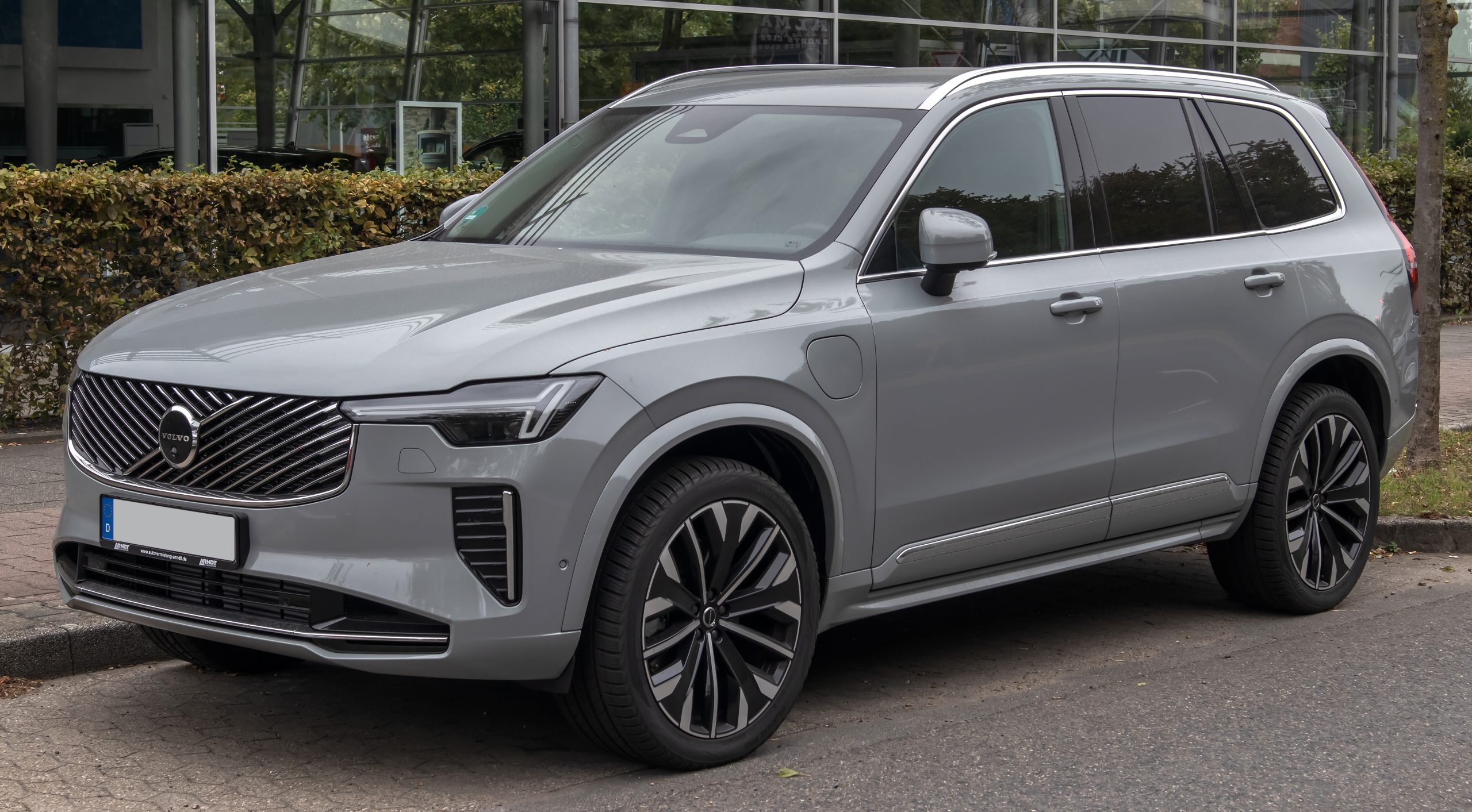
Volvo’s Ex90 SUV, the brand’s flagship electric model and the clearest expression of its long-term vision, showcases just how far recyclable interior materials have come.
The Ex90’s cabin features seats upholstered in a material called Nordico a proprietary fabric developed by Volvo and made entirely from recycled PET bottles, bio-attributed materials sourced from sustainable Swedish and Finnish forests, and reclaimed corks from the wine industry.
The result is a textile that feels premium, performs well under the demands of daily use, and carries a carbon footprint dramatically lower than conventional automotive upholstery.
But Volvo’s ambitions extend well beyond seat fabric. The brand has systematically audited every interior component across its model range to identify opportunities for recycled and recyclable material substitution.
Dashboard substrates, previously made from virgin ABS plastic, have been reformulated to incorporate a minimum of 25% post-consumer recycled content.
Carpet systems across the EX30, EX40, and EX90 models are made from 100% recycled yarn, derived primarily from plastic bottles collected in coastal communities an initiative that also addresses the growing crisis of ocean plastic pollution.
One of Volvo’s most forward-thinking moves has been its collaboration with materials innovator Renewlogy and its adoption of chemical recycling pathways for complex multi-layer components.
Traditional mechanical recycling struggles with components that combine multiple polymer types bonded with adhesives a common feature of automotive interiors.
Chemical recycling breaks these materials down to their molecular building blocks, allowing high-quality raw materials to be recovered and reused in new production cycles. Volvo’s investment in scaling this technology is helping to solve one of the most stubborn challenges in automotive circularity.
The brand’s “Design for Disassembly” initiative deserves special mention. Volvo’s interior designers now work with a strict set of guidelines that prioritize snap-fit connections over adhesive bonding, color-coded polymer identification markings on all plastic components, and modular construction that allows seats, panels, and trim pieces to be removed by recyclers without specialized tools.
These design choices add modest complexity to the manufacturing process but yield significant gains in end-of-life material recovery rates. Volvo has also been unusually candid about what it doesn’t yet know and what it still needs to improve a form of institutional honesty that builds trust with consumers and drives genuine progress.
The brand’s annual sustainability report details not just achievements but ongoing challenges, signaling a culture of accountability that goes beyond public relations. In 2026, Volvo Cars represents something rare in the automotive world: a brand whose sustainability commitments are backed by engineering rigor, supply chain accountability, and an authentic cultural commitment to leaving the world better than it found it.
3. Mercedes-Benz
Luxury and sustainability have long been seen as uneasy bedfellows. The traditional markers of premium automotive craftsmanship supple full-grain leather, exotic wood veneers, hand-stitched headliners are precisely the materials that carry the heaviest environmental burdens.
Mercedes-Benz, the brand most closely associated with the pinnacle of automotive luxury, has taken on the audacious challenge of dismantling this contradiction, and in 2026, it is making a compelling case that true luxury in the modern era means materials that are not only exquisite to the touch but responsible in their origin and destiny.
The Mercedes-Benz EQS, the brand’s flagship electric sedan and a rolling showcase of its sustainability ambitions, exemplifies this new definition of luxury.
The EQS is available with a fully vegan interior option called MANUFAKTUR Nappa Leather Alternative a material that achieves the visual richness and tactile sophistication of traditional Nappa leather without the use of any animal products.
More importantly, this material is engineered for recyclability from the outset, with a mono-material polymer composition that allows it to be processed through conventional plastic recycling streams at the end of its life.
Mercedes-Benz has also made significant strides with its use of DINAMICA a premium microfiber suede made from 73% recycled polyester derived from PET bottles and end-of-life textiles.
DINAMICA has been incorporated across headliners, door inserts, and steering wheel wraps in the EQS, EQE, and the new E-Class, bringing a material that was once a niche offering to the mainstream of the Mercedes lineup.
The material not only looks and feels exceptional but is fully recyclable and carries a certified Environmental Product Declaration verifying its reduced impact.

The brand’s partnership with Bemberg a supplier of cupro fiber made from cotton linter, a byproduct of cotton seed oil production has introduced another dimension of sustainability into the Mercedes interior palette.
Cupro is naturally derived, biodegradable, and breathable, making it an ideal lining material for storage compartments, sun visors, and seat bolster accents. It also dyes beautifully, allowing Mercedes designers to achieve the rich color depth they demand without compromising on environmental credentials.
Perhaps most impressive is Mercedes-Benz’s investment in its own material research infrastructure. The brand’s R&D center in Sindelfingen hosts a dedicated sustainable materials laboratory where chemists, engineers, and designers collaborate on next-generation interior solutions.
Current projects include bio-based polycarbonate composites derived from castor oil, mycelium-based padding alternatives, and fully recyclable structural foam that can replace the petroleum-derived foam currently used in seat cushions.
Mercedes-Benz has also committed to full supply chain transparency for its sustainable materials, publishing supplier certifications, recycled content audits, and lifecycle assessments for each key interior component.
For a brand that has historically guarded its supply chain information closely, this level of openness represents a genuine cultural shift one driven by the recognition that in 2026, discerning consumers demand accountability, not just aesthetics. Mercedes-Benz is proving that the future of luxury is not less beautiful but more thoughtful.
Also Read: 8 Tips for Protecting Your Car Battery During Extreme Cold
4. Rivian
If BMW, Volvo, and Mercedes represent the established order’s attempt to evolve, Rivian represents something different: a company built from the ground up with sustainability as a founding principle rather than a retrofitted value.
The American electric vehicle maker, best known for its R1T pickup truck and R1S SUV, has approached the question of interior materials with the freedom and radical creativity that comes from having no legacy systems to protect and no century-old supply chains to untangle.
In 2026, that freedom has translated into some of the most genuinely innovative and environmentally considered interior material choices in the entire automotive industry.
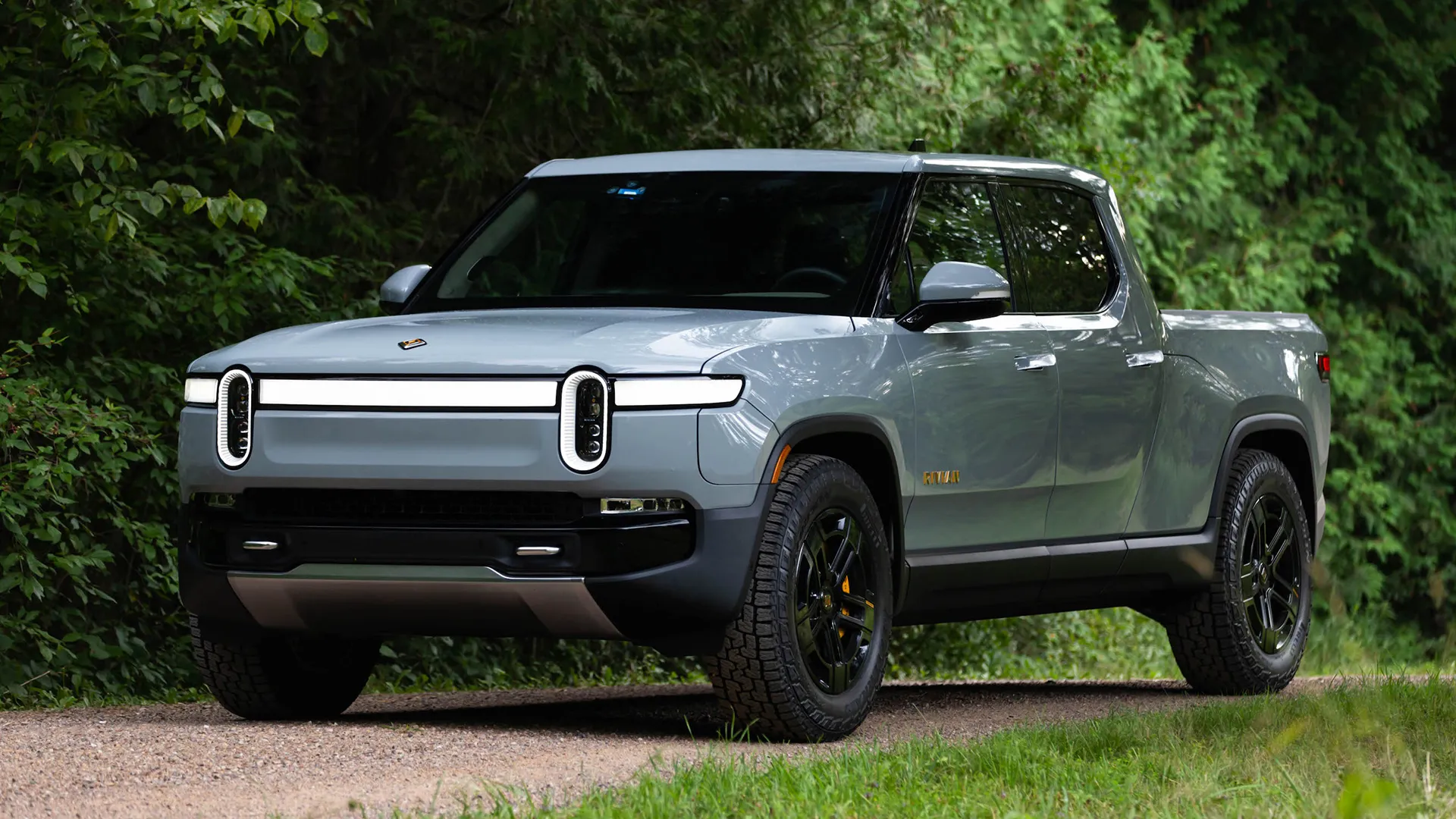
Rivian’s most celebrated material innovation is its Animal-Free Interior option, which the brand calls “the most comprehensively sustainable production vehicle interior in North America.”
Every surface in the Animal-Free interior seats, steering wheel, armrests, door pulls, center console is covered in materials that are not only free from animal products but also engineered for recyclability and reduced environmental impact.
The seat upholstery uses a proprietary material developed in collaboration with Ultrafabrics, a leader in performance textiles, that is made from 100% bio-based polyurethane derived from plant oils. This material matches the durability and tactile quality of conventional synthetic leather while offering a significantly lower carbon footprint.
Floor mats and carpeting in Rivian vehicles are made from 100% recycled content, incorporating both post-consumer recycled PET bottles and reclaimed fishing nets sourced through the Healthy Seas initiative.
Rivian has been particularly thoughtful about traceability each batch of recycled fishing net material is documented with GPS coordinates of its ocean collection point, allowing the brand to tell a specific, verifiable story about where its materials came from and what environmental harm their recovery prevented.
The structural components of the Rivian interior the door panels, dashboard substrate, and load floor incorporate significant proportions of natural fiber composites.
Rivian has partnered with Lingrove, a California-based materials company, to develop flax fiber reinforced panels that replace fiberglass and conventional plastic composites in these structural applications.
Flax fiber composites offer comparable stiffness and impact resistance to their conventional counterparts while being lighter, bio-based, and recyclable through industrial composting streams. The weight savings from these components contributes meaningfully to vehicle efficiency a reminder that sustainable materials and performance are not mutually exclusive.
Rivian has also pioneered what it calls “material honesty” in its interior design philosophy. Rather than covering natural or recycled materials with decorative laminates that disguise their origins, Rivian’s designers celebrate the inherent texture and visual character of sustainable materials.
The slight variation in weave patterns across recycled fiber panels, the organic surface grain of plant-based upholstery these qualities are treated as design assets rather than imperfections to be hidden.
This approach not only reduces the number of material layers in each component, simplifying recycling, but also creates an interior aesthetic that is distinctly Rivian honest, purposeful, and deeply connected to the natural world that the brand so explicitly set out to protect.
In 2026, Rivian stands as proof that a young company with bold values and genuine technical ambition can reshape the expectations of an entire industry.
Its interior material innovations are not incremental improvements on the status quo they are a vision of what automotive interiors could look like if every design decision started with the question: “What is the most responsible way to do this?”
5. Toyota
It is one thing to engineer a beautiful, sustainable interior for a premium electric vehicle that sells in the tens of thousands. It is quite another to do the same for a brand that sells millions of vehicles every year across dozens of markets, price points, and cultural contexts.
Toyota’s achievement in 2026 is perhaps the most impactful of any brand on this list precisely because it has managed to bring meaningful recyclable and recycled interior materials to scale not just as a showcase in a flagship model, but as a standard-of-practice across its broad global lineup.
Toyota’s commitment to sustainable interior materials is framed within its broader Toyota Environmental Challenge 2050, a long-term strategic roadmap that sets ambitious targets for carbon neutrality, water conservation, and circular resource use.
Within this framework, the company has set a specific goal of incorporating at least 30% recycled or bio-based materials in all interior components across its new model lineup by 2030. In 2026, Toyota is already exceeding this target in several key vehicles, demonstrating that the ambition is grounded in genuine engineering capability rather than aspirational projection.
The Toyota bZ4X, the brand’s primary battery electric offering, leads the charge with an interior that uses recycled PET fabric across seat upholstery, door trim, and headliner.
The recycled content in the bZ4X’s interior textile surfaces averages 88% post-consumer material a remarkable achievement that reflects years of supply chain development and materials testing.
Toyota has worked with longstanding textile suppliers across Japan and Southeast Asia to certify and scale these materials, ensuring consistent quality across high-volume production runs.

But Toyota’s sustainability story extends well beyond the bZ4X. The brand’s best-selling hybrid models the Camry, RAV4, and Corolla have also seen significant sustainable material upgrades in their 2025-2026 model year refreshes.
Bio-based plant-derived plastics, developed in partnership with Toyota’s materials research division and external chemical companies, have been introduced for glove box housings, cup holder bezels, and trim accents in these mass-market models.
These bio-plastics offer mechanical properties comparable to conventional ABS while being derived from renewable feedstocks and designed for compatibility with existing plastic recycling infrastructure.
Toyota has also made notable progress in reducing adhesive use throughout its interior assembly process a critical step toward easier end-of-life disassembly and material recovery.
The brand’s new mechanical fastening systems, developed over several years of R&D, allow interior components to be removed and separated without cutting or chemical stripping, dramatically improving the efficiency and economics of automotive recycling.
The brand’s investment in its own end-of-life vehicle recovery network in Japan one of the most advanced the world provides a closed-loop system where materials from scrapped Toyota vehicles can be tracked, recovered, and reintroduced into new production.
This infrastructure investment is perhaps Toyota’s most significant long-term contribution to automotive circularity, as it addresses the systemic challenge that undermines even the most well-intentioned material choices: what happens when the car dies.
Toyota’s approach to sustainable interior materials in 2026 is not flashy. It does not generate the kind of breathless press coverage that attaches itself to a startup’s announcement of a mycelium dashboard.
But its quiet, systematic, data-driven pursuit of circularity at massive scale may ultimately do more for the planet than all the premium showcase interiors combined. In a world where millions of new vehicles roll off production lines every year, Toyota’s ability to move the average to make the ordinary car genuinely more sustainable is a form of environmental leadership that deserves far more recognition than it typically receives.
Also Read: 5 Reasons to Buy a CPO Vehicle vs 5 Reasons to Buy From a Private Seller
