
The electric vehicle revolution has brought with it an unexpected advantage that gasoline-powered cars could never fully replicate: the ability to fundamentally improve a vehicle after it rolls off the assembly line.
While traditional combustion-engine cars age in largely predictable ways their mechanics slowly wearing down with no real remedy short of expensive hardware replacements electric vehicles exist in a unique technological space where software and hardware intersect in transformative ways.
Modern software updates are quietly rewriting the rules of automotive aging. An EV purchased five years ago can, in many cases, perform better today than it did on the day it was bought.
Battery management systems get smarter, charging speeds improve, new safety features are retrofitted digitally, and user interfaces evolve from clunky to intuitive all without the owner ever visiting a dealership.
This shift isn’t just good news for individual EV owners. It carries profound implications for sustainability, the second-hand EV market, and the broader goal of reducing automotive waste.
As manufacturers double down on over-the-air (OTA) technology and software-defined vehicle architectures, older EVs are becoming the unlikely beneficiaries of cutting-edge innovation. Here are ten remarkable ways modern software updates are breathing new life into older electric vehicles.
1. Battery Management System (BMS) Optimization
Of all the anxieties that early EV adopters carried with them, battery degradation ranked near the top. The fear was straightforward and rational: lithium-ion battery packs are expensive, they lose capacity over time, and replacing them could cost nearly as much as the car itself. For many owners of older EVs, this fear felt like a slow countdown to an unaffordable repair bill.
But software has quietly become one of the most powerful tools in the fight against battery degradation and it’s being deployed retroactively through over-the-air updates that older EVs receive just like their newer counterparts.
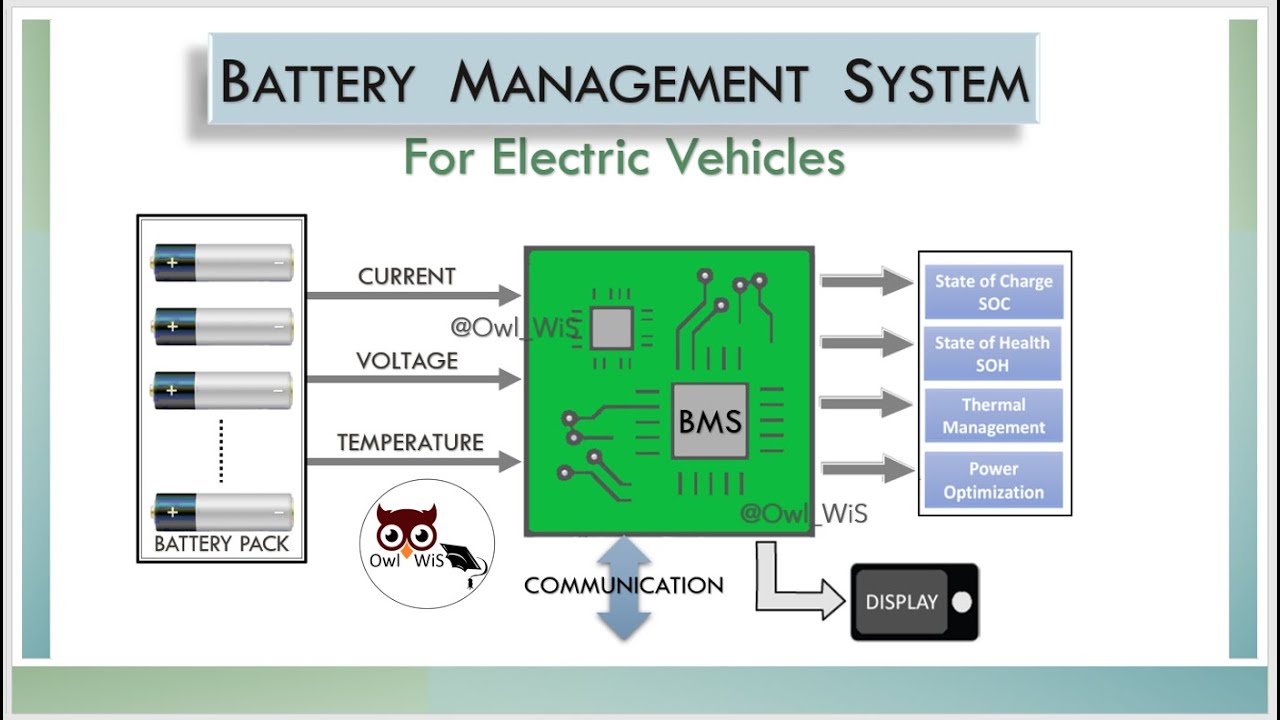
At the heart of this is the Battery Management System, or BMS. This software layer continuously monitors the state of each cell within a battery pack, tracking temperature, voltage, state of charge, and discharge rates in real time.
Early BMS software was competent but limited it worked with relatively blunt parameters, applying conservative charging curves and cooling strategies that prioritized caution over precision.
Modern BMS updates have transformed this into something far more sophisticated. Machine learning algorithms now allow the system to build a detailed picture of how a specific battery pack has aged, how it responds under different temperature conditions, and what charging patterns cause the least stress.
Rather than applying a one-size-fits-all management strategy, updated BMS software tailors its approach to the individual battery compensating for cells that have aged faster than others, redistributing load more intelligently, and deploying thermal management with a precision that early software simply couldn’t achieve.
The results are measurable and significant. Tesla, for example, has pushed BMS updates to older Model S and Model X vehicles that have demonstrably slowed the rate of capacity loss.
Owners who track their battery health metrics have reported that post-update degradation curves flatten noticeably. Nissan has similarly issued BMS improvements to older LEAF models, and Volkswagen has used software updates to optimize the thermal management of older ID.4 battery packs.
Beyond slowing degradation, modern BMS updates also improve how the battery communicates with other vehicle systems. Improved state-of-health estimation means the car gives more accurate range predictions, reducing the “range anxiety” that plagues older EV models notorious for optimistic range calculations.
The BMS now accounts for real-world variables ambient temperature, recent driving patterns, charging history and delivers estimates that drivers can actually trust.
There’s also a safety dimension. Updated BMS software has been used to address potential thermal runaway risks in older packs, improving the system’s ability to detect early warning signs and respond before problems escalate.
In some cases, these updates have been issued specifically in response to field data collected from vehicles already on the road a feedback loop that simply doesn’t exist for combustion-engine cars.
The broader implication is profound: the most expensive component in any EV the battery is no longer a fixed, slowly deteriorating asset. It’s a managed resource that gets smarter over time, and software is the tool making that possible.
2. Range Estimation Accuracy Improvements
Ask any early EV owner about their most frustrating daily experience, and a significant number will point to the same culprit: wildly inaccurate range estimates.
First-generation and early second-generation electric vehicles were often optimistic to a fault, displaying remaining range figures that bore little resemblance to reality once real-world driving conditions hills, headwinds, cold weather, highway speeds entered the picture.
This wasn’t purely a hardware limitation. Much of the inaccuracy stemmed from the software algorithms responsible for calculating and displaying range.
Early systems relied on relatively simple formulas: take the current state of charge, apply a fixed efficiency assumption, and produce a number. The problem is that EV efficiency is anything but fixed. It varies enormously based on speed, temperature, driving style, terrain, climate control usage, and battery age. Modern software updates have introduced dramatically more sophisticated range estimation engines to older vehicles.
These new algorithms draw on a far wider array of real-time data inputs, combining GPS-based topographical data (so the car knows whether it’s approaching a long uphill section), weather data integration, historical efficiency data specific to the driver’s own patterns, and dynamic adjustments for current battery temperature and health.
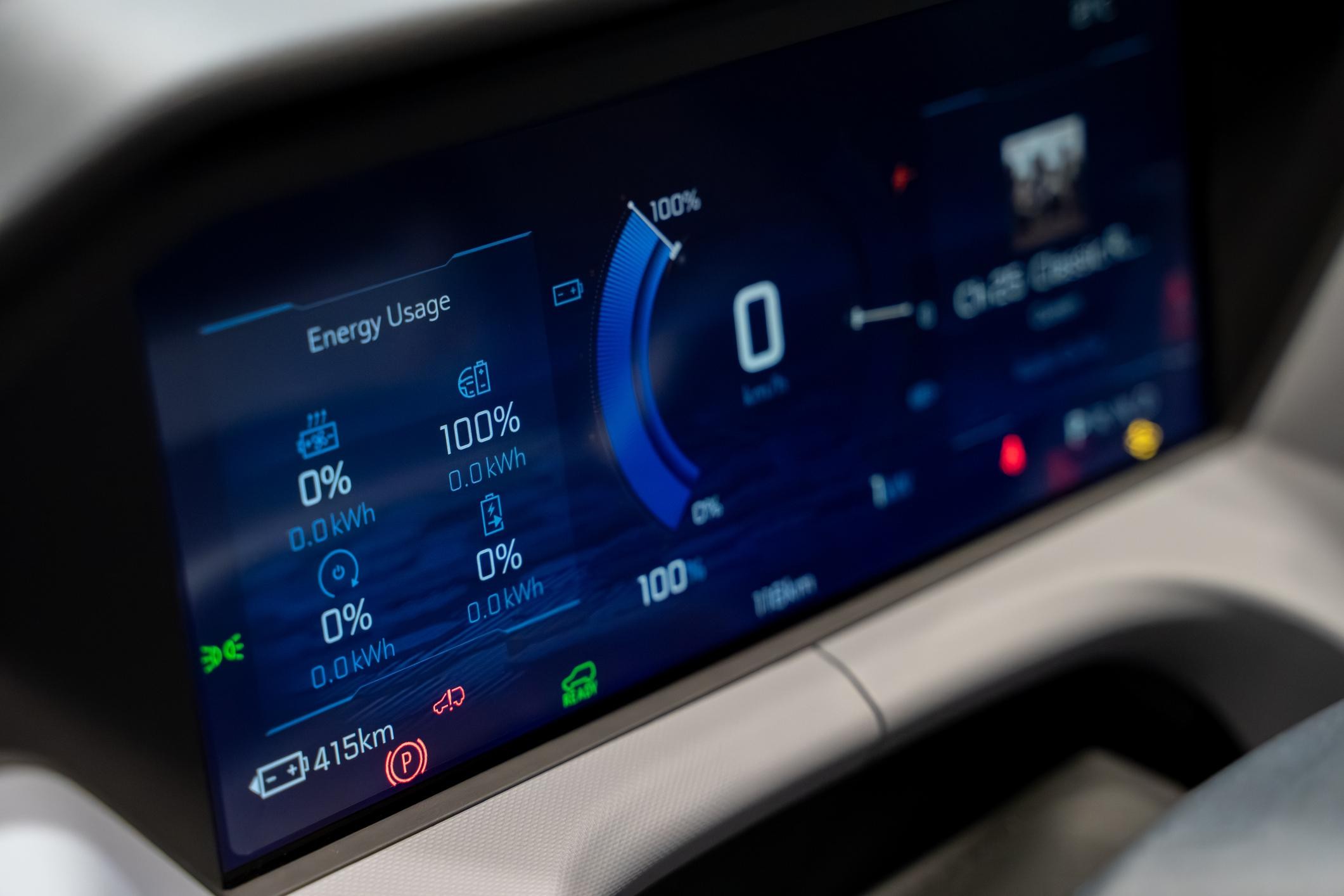
The improvement isn’t cosmetic. When a driver can genuinely trust the range figure on their dashboard, they change their behavior in positive ways they charge less frequently out of anxiety, they plan longer trips with greater confidence, and they experience less of the psychological toll that range anxiety imposes.
For older EVs that earned a reputation for unreliable range displays, a software update that brings their estimates in line with reality can meaningfully change how owners feel about and use their vehicles.
Some manufacturers have gone further, using crowdsourced efficiency data from their entire fleet to continuously refine range models. If thousands of vehicles have traveled a particular stretch of highway and reported consistent real-world efficiency figures, that data feeds back into the range algorithm, making it more accurate for every driver on that route.
Older vehicles receiving these updates essentially gain the benefit of years of accumulated fleet intelligence. This improvement also has a direct impact on the resale value and perception of older EV models.
Many used EV buyers shy away from early models with reputations for range anxiety. Software updates that genuinely resolve this issue rehabilitate the reputation of older vehicles and make them more attractive in the second-hand market extending their useful life in a very practical sense.
3. Charging Speed and Efficiency Enhancements
Charging speed is one of the most tangible measures of an EV’s practicality, and it’s an area where software has proven remarkably capable of delivering improvements to vehicles that were designed years before today’s charging standards emerged.
When older EVs were built, charging infrastructure was less developed, battery thermal management was less refined, and the software governing charging behavior was written with conservative assumptions.
Manufacturers erred on the side of caution, limiting charging rates to protect battery longevity sometimes more aggressively than the hardware actually required.
Over-the-air updates have allowed manufacturers to revisit these assumptions with the benefit of field data. After observing how battery packs behave across hundreds of thousands of real-world charging sessions, engineers have found room to safely increase charging rates in older vehicles.
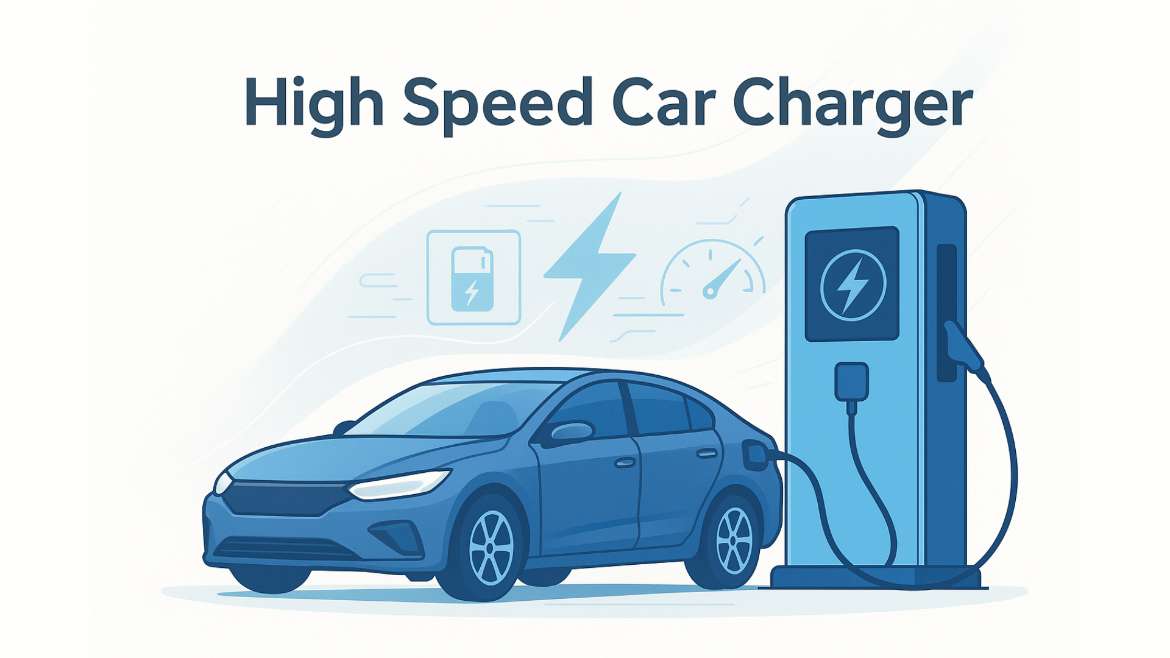
Tesla has done this repeatedly, pushing updates that have increased peak charging speeds on older Model 3 and Model Y vehicles. The result is tangible for owners a charging session that once took 45 minutes might now complete in 35, without any change to the physical hardware.
Software updates have also improved the precision of charging curves the way a vehicle manages charging speed across different states of charge. Early systems often applied crude curves that slowed charging aggressively well before it was necessary.
Updated charging curve software manages this taper more intelligently, maintaining higher speeds for longer portions of the charge cycle before easing off as the battery approaches full.
Preconditioning is another charging-related area transformed by software updates. Modern updates allow older EVs to intelligently warm or cool the battery before arriving at a DC fast charger, ensuring the pack is at optimal temperature when charging begins.
This can dramatically improve real-world charging speeds in cold climates a context where older EVs without preconditioning often delivered frustratingly slow charging performance. Owners in colder regions have reported that post-update charging behavior in winter feels like an entirely different experience.
The cumulative effect of these improvements adds up significantly over the life of a vehicle. A driver who charges primarily on DC fast chargers and recovers 30–60 minutes per year due to improved charging speeds gains meaningful time over a multi-year ownership period. And crucially, this improvement arrives at no cost, through an update downloaded quietly overnight.
4. Regenerative Braking Tuning
Regenerative braking is one of the most elegant features of electric vehicles a system that harvests kinetic energy during deceleration and feeds it back into the battery, simultaneously extending range and reducing wear on traditional friction brakes. But like so many EV technologies, its early implementation was a work in progress.
First-generation regenerative braking systems were often binary in feel either on or off or offered limited adjustment. They could feel jerky and unnatural, particularly at low speeds, making smooth city driving a skill that took time to develop.
Some early systems also failed to integrate seamlessly with friction brakes during more aggressive stops, creating an inconsistent pedal feel that unnerved drivers accustomed to conventional vehicles.
Software updates have progressively refined regenerative braking behavior in older EVs, making it smoother, more predictable, and more configurable. Modern updates allow much finer tuning of regeneration curves how strongly regen engages at different speeds, how it blends with friction brakes, and how it responds to driving inputs.
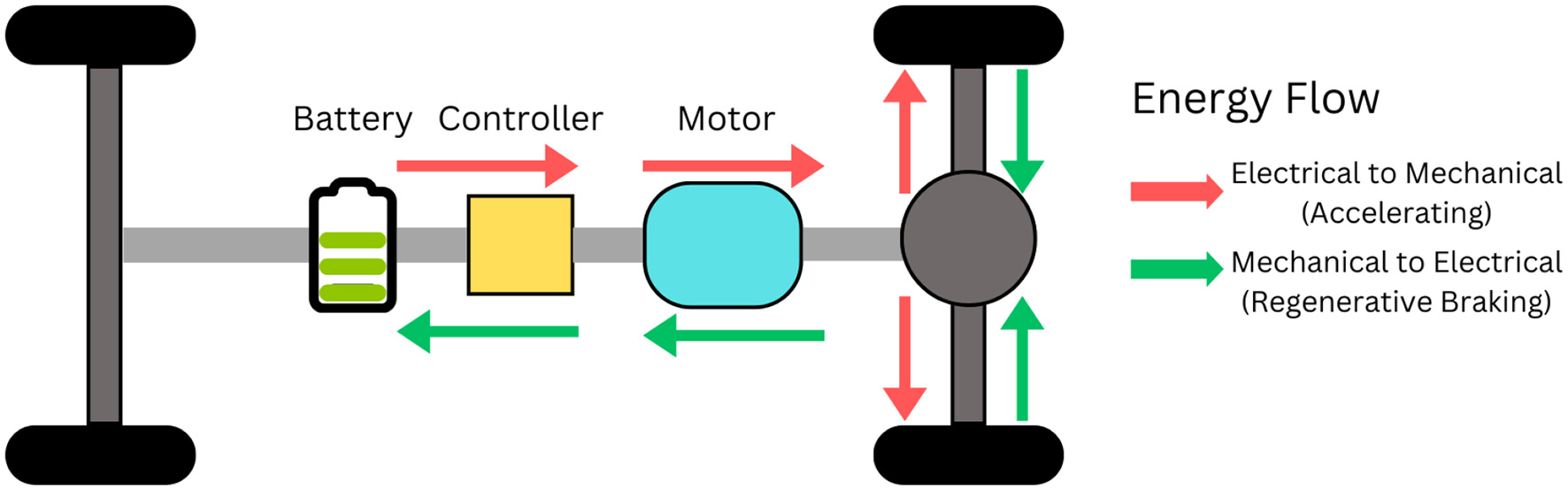
This has transformed the driving feel of older vehicles, making them more accessible to new EV drivers while satisfying experienced users who prefer one-pedal driving.
One-pedal driving itself the ability to bring the vehicle to a complete stop using regenerative braking alone, without touching the friction brake pedal has been added via software update to older EVs that didn’t originally support it.
This is a significant functional improvement. One-pedal driving reduces driver fatigue in stop-and-go traffic, further reduces brake wear, and recovers more energy during deceleration. Receiving this feature years after purchase, through an update, is a genuine expansion of the vehicle’s capabilities.
Regenerative braking updates have also incorporated environmental awareness. Some modern implementations adjust regen strength based on navigation data if the car knows a long downhill section is approaching, it can pre-engage stronger regeneration to prevent battery overcharge and maximize energy recovery. Older vehicles receiving these updates gain a level of situational intelligence that simply wasn’t possible with the static software they shipped with.
The sustainability angle is worth noting too. By extending the life of friction brake components which in some EV models last extraordinarily long due to reduced reliance on them updated regenerative braking systems reduce maintenance costs and the environmental footprint of replacement parts.
Also Read: 8 Myths About High Mileage Oil That You Should Stop Believing
5. Advanced Driver Assistance System (ADAS) Upgrades
Safety technology has advanced at a breathtaking pace over the past decade. Features that were exclusive to flagship luxury vehicles in the early 2010s adaptive cruise control, lane-keeping assistance, automatic emergency braking have not only become standard but have grown dramatically more capable.
The software algorithms underlying these systems have improved enormously, processing the same sensor data more intelligently to deliver better outcomes.
For owners of older EVs equipped with the physical hardware for ADAS features cameras, radar, ultrasonic sensors software updates have been a transformative gift. Rather than being locked into the safety capabilities their vehicle had on launch day, these owners have received genuinely meaningful upgrades as manufacturers pushed improved algorithms to their existing hardware.
Tesla’s approach to this has been the most dramatic and widely discussed. The company’s Autopilot and Full Self-Driving systems have evolved substantially over the years, with older vehicles equipped with the appropriate hardware receiving the same neural network improvements as newer ones.
Older Model 3 vehicles built in 2018 or 2019 now run object detection algorithms vastly more capable than anything available at their launch. The cameras haven’t changed; the software interpreting what those cameras see has become dramatically smarter.
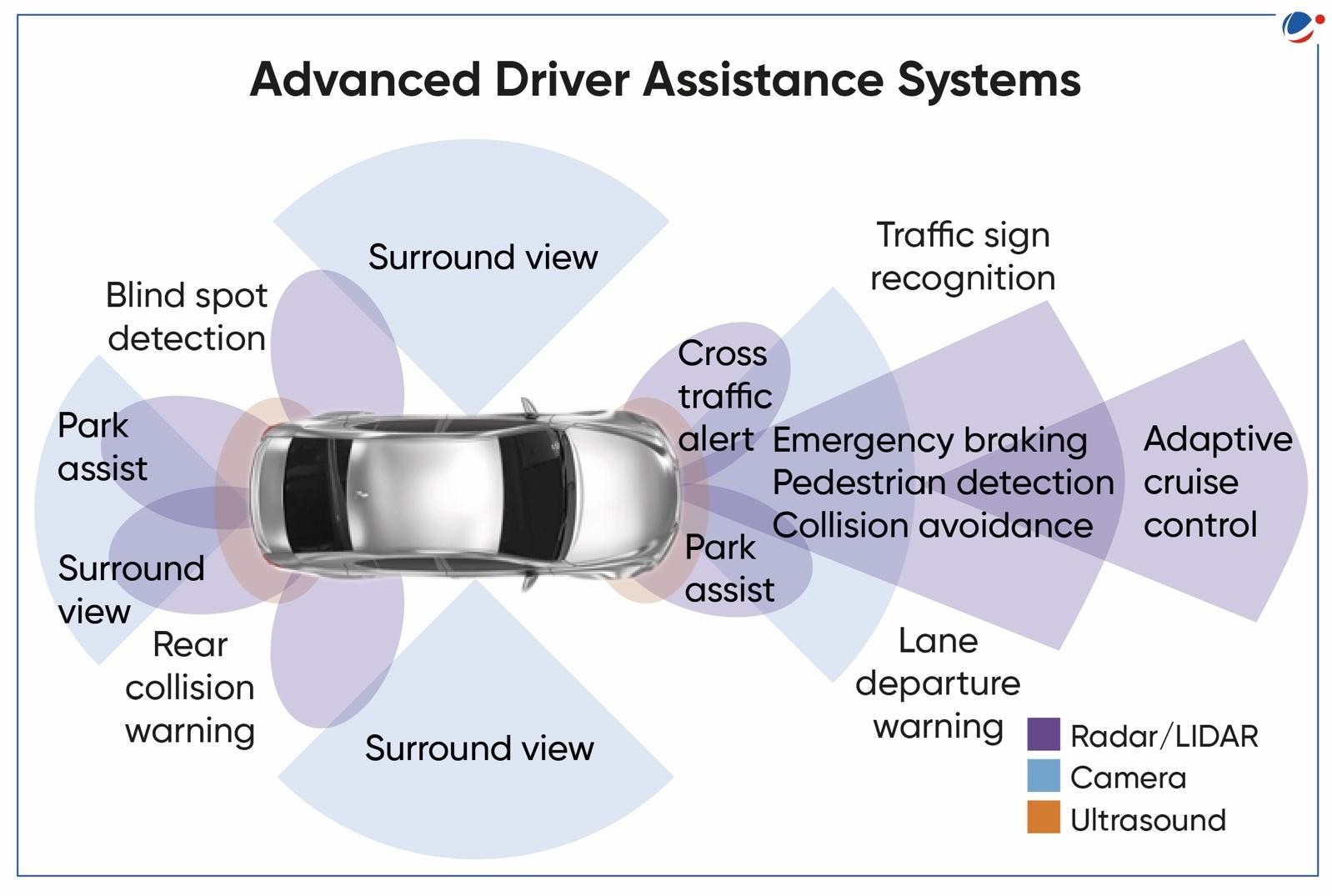
But Tesla isn’t alone. Rivian, Ford, General Motors, and several European manufacturers have pushed meaningful ADAS improvements to older vehicles. Improved pedestrian detection, enhanced lane-keeping precision, more responsive automatic emergency braking thresholds, and better performance in adverse weather conditions have all arrived via software update to vehicles years into their service lives.
These improvements have real safety consequences. Studies consistently show that ADAS features reduce accident rates, and updates that improve their reliability and expand their operating envelope directly translate to fewer collisions, injuries, and fatalities involving older vehicles.
A four-year-old EV with updated ADAS software may now be safer than it was when new an extraordinary reversal of the normal aging dynamic. There are limitations, of course. Software can only do so much with the sensor hardware available.
Vehicles built before certain sensor generations may be unable to receive some of the more advanced ADAS features regardless of software updates. But for the large installed base of EVs from the mid-2010s onward, ADAS software updates have meaningfully raised the safety ceiling without requiring any hardware changes.
6. Thermal Management and Climate Control Optimization
Temperature is the silent enemy of electric vehicle performance. Battery chemistry is sensitive to both extremes cold temperatures reduce available capacity and slow chemical reactions, while high temperatures accelerate degradation and risk thermal runaway.
Early EV thermal management systems handled these challenges with relatively crude tools, applying heating and cooling based on fixed thresholds and predetermined schedules.
Software updates have introduced substantially more sophisticated thermal management strategies to older vehicles, drawing on years of field data and advances in predictive modeling.
Rather than reacting to temperature conditions as they arise, modern thermal management software anticipates them pre-tempering the battery based on upcoming driving patterns, predicted weather, and scheduled charging sessions.
For owners of older EVs in extreme climates whether the deep cold of Scandinavian winters or the intense heat of desert summers these updates have made a noticeable difference in both performance and longevity.
Vehicles that previously lost significant range in cold weather now maintain better capacity through improved battery preheating strategies. Battery packs in hot climates that previously ran warmer than ideal now benefit from more aggressive proactive cooling.
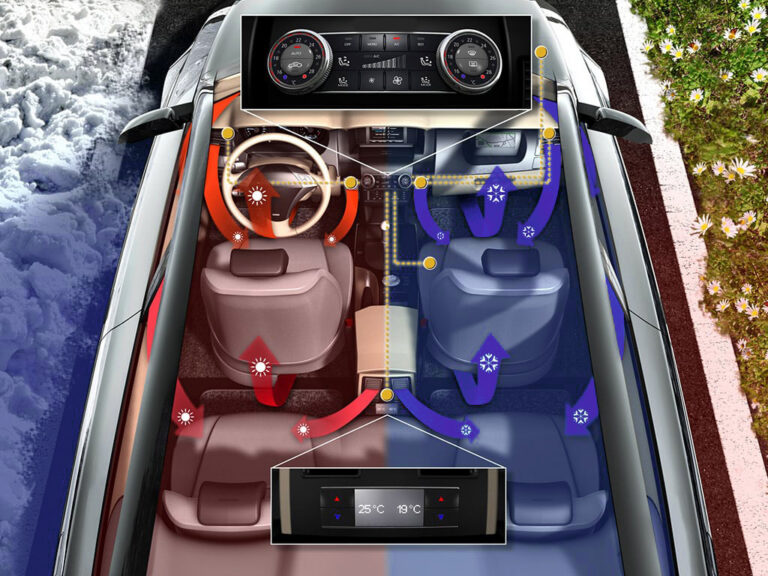
Heat pump optimization is another area where software updates have delivered real gains for older vehicles equipped with the hardware. Heat pumps are far more efficient than resistive heating for warming EV cabins in winter, but extracting maximum performance from them requires sophisticated software.
Updates that have improved heat pump control algorithms have meaningfully extended winter range on older vehicles sometimes recovering 10–15% of cold-weather range simply through better thermal system management.
Climate control itself the system governing cabin heating and cooling has also benefited. Smarter algorithms now allow older vehicles to more efficiently manage the energy trade-off between cabin comfort and battery range.
Features like departure scheduling, which allows the car to pre-condition the cabin to the desired temperature while still plugged in (using grid power rather than battery power), have been refined and expanded through software updates to offer more nuanced control and greater energy savings. The long-term battery health implications of improved thermal management are substantial.
Given that heat is the primary driver of long-term battery degradation, software updates that reduce the number of high-temperature excursions a battery experiences over its lifetime genuinely extend its useful capacity. This is one of the most direct ways software updates translate into measurable, long-term improvements in an older EV’s health and value.
7. User Interface and Infotainment Modernization
Few aspects of a vehicle age as visibly as its infotainment system. Technology expectations evolve rapidly, and the touchscreen interface that felt cutting-edge in 2017 can feel dated and clunky by 2022.
For combustion-engine vehicles, this aging is essentially irreversible short of expensive aftermarket replacements. For software-defined EVs, it’s a problem that updates can meaningfully address.
Manufacturers have used over-the-air updates to substantially modernize the interfaces of older vehicles, introducing new menu structures, redesigned visuals, improved responsiveness, and entirely new features.
Tesla has updated its touchscreen interface multiple times over the vehicles’ lifespans, with changes so significant that the driving experience of an older Model S today feels noticeably more modern than it did several years ago. The core hardware is the same; the software layer on top of it has been comprehensively refreshed.
Beyond aesthetics, interface updates have introduced functional improvements that older EV owners now take for granted. Voice assistant integration has improved substantially, with newer natural language processing models replacing the rigid command-based systems of early software generations.
Streaming music service integrations have been added, navigation systems have gained real-time traffic data and improved mapping, and connectivity features have expanded to accommodate newer smartphone integration standards.
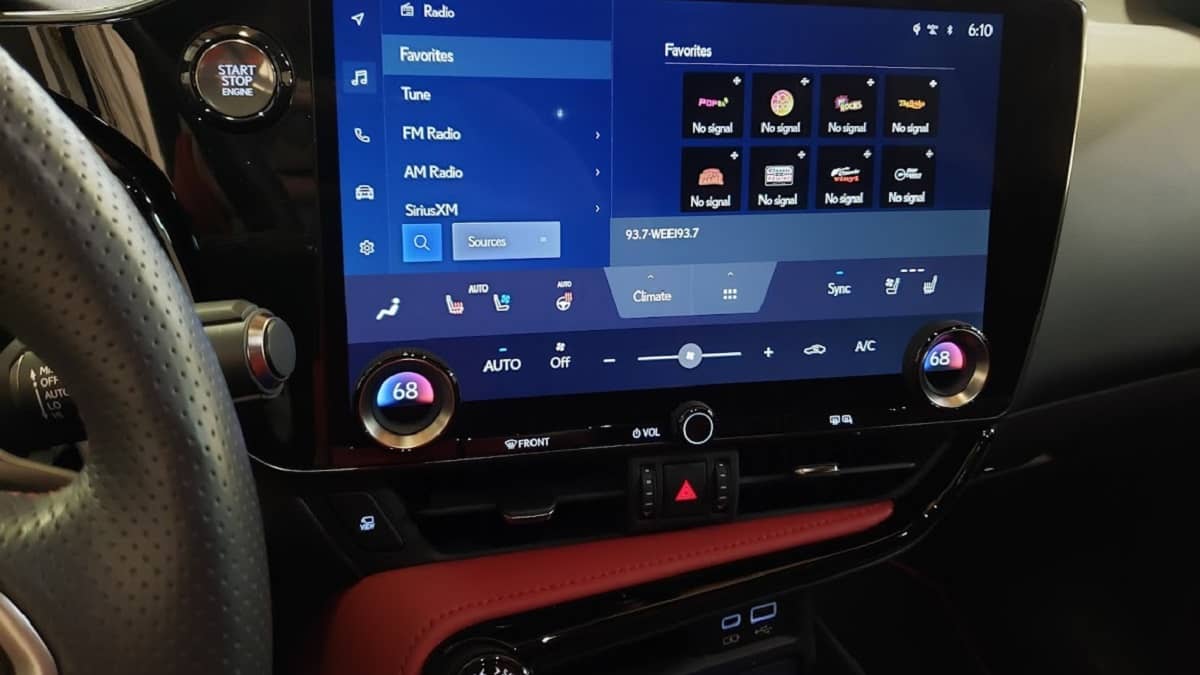
Accessibility improvements are another quiet beneficiary of interface updates. Larger text options, improved contrast modes, and better customization of the driver display have made older vehicles more usable for a wider range of drivers. These aren’t glamorous updates, but they meaningfully improve daily quality of life for owners.
App ecosystems have also expanded through software updates on compatible older vehicles. Features that once required purchasing a new model such as remote climate control via smartphone, trip planning integration, or vehicle health monitoring apps have been retrofitted digitally to older hardware where platform capabilities allow.
This effectively closes the feature gap between older and newer models, reducing the incentive to trade in and upgrade. The psychological impact of a refreshed interface shouldn’t be underestimated.
An EV owner who opens their car door and sees a familiar, modern, responsive interface feels differently about their vehicle than one who encounters a system that feels several years behind. Software-driven interface modernization is one of the most effective tools manufacturers have for maintaining owner satisfaction and brand loyalty over long ownership periods.
8. Energy Consumption and Efficiency Algorithms
Getting more miles from the same amount of energy is the automotive equivalent of getting more value from every dollar spent. For EV owners, efficiency improvements translate directly into extended range, reduced charging frequency, and lower operating costs.
Software updates targeting energy consumption algorithms have delivered meaningful efficiency gains to older vehicles in some cases equivalent to adding dozens of miles of range without touching the battery.
The gains come from multiple directions. Powertrain software governs how the electric motor converts electrical energy to mechanical motion, and early implementations often left efficiency on the table.
Updated algorithms have improved the smoothness of torque delivery, reduced unnecessary motor excitation, and optimized the efficiency of power electronics all contributing to lower energy consumption for the same driving behavior.
Routing and navigation efficiency has also improved substantially through software updates. Modern navigation algorithms don’t just find the fastest route; they find the most energy-efficient one, accounting for elevation changes, traffic patterns, road type, and the vehicle’s specific efficiency characteristics.
For older EVs that initially shipped with basic navigation systems, these updates have transformed route planning from a simple A-to-B calculation into genuine energy optimization.
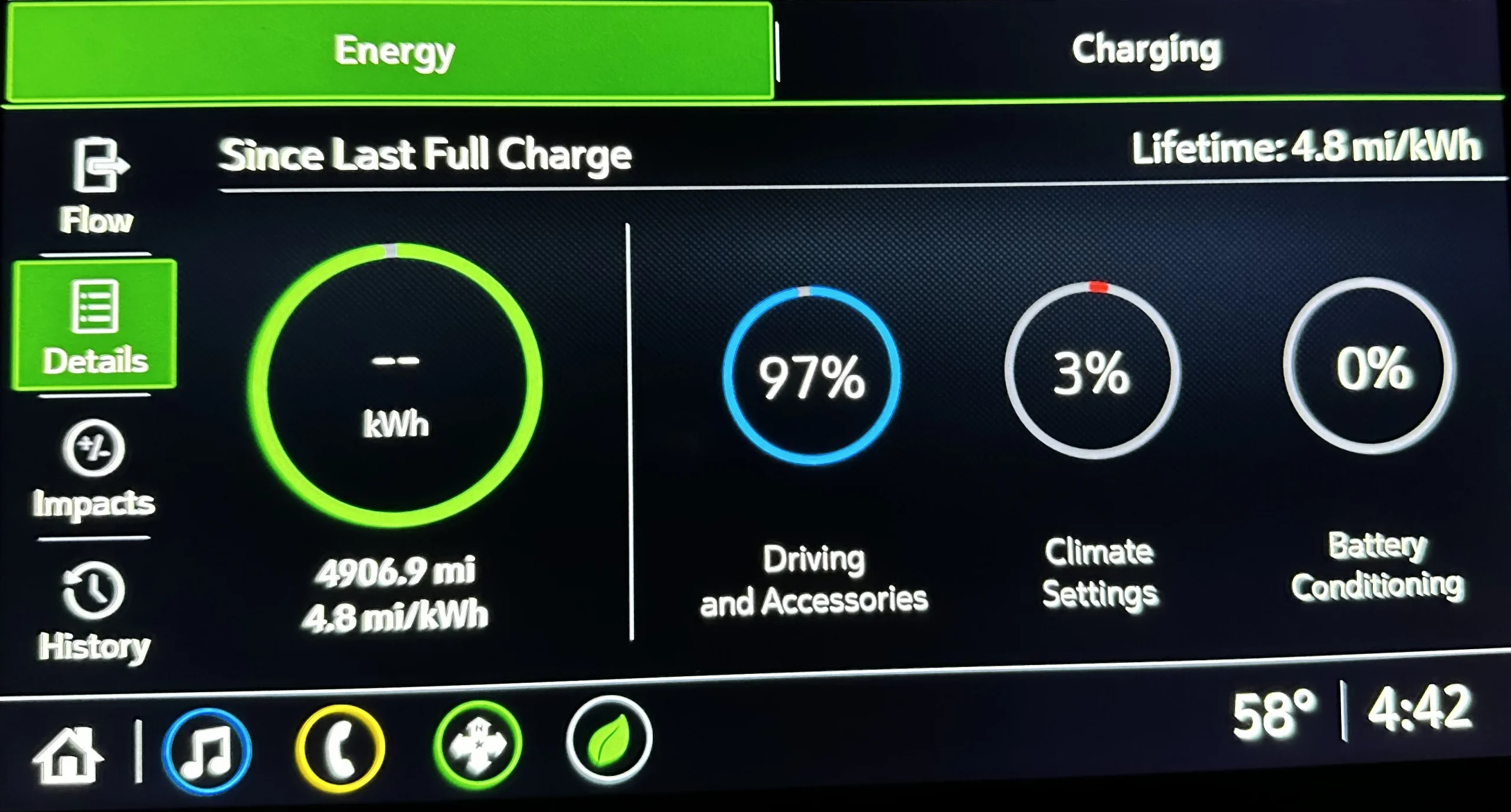
Eco-driving assistance features, such as systems that give real-time feedback on driving style and suggest behavior changes that improve efficiency have been added to older vehicles through software updates.
These features, which coach drivers on optimal acceleration profiles, coasting techniques, and speed management, can improve real-world efficiency by 5–15% for drivers who engage with them seriously.
Standby and sleep mode improvements represent another source of efficiency gains. Early EVs were often criticized for high “vampire drain” energy consumed while the car was parked and not in use.
Software updates have dramatically reduced this in many models, improving the algorithms governing what systems remain active during parking and how quickly the vehicle enters deep sleep mode.
For city dwellers who may leave their car parked for several days between uses, these improvements meaningfully reduce the energy lost to simply existing.
Collectively, these efficiency improvements extend the effective range of older vehicles and reduce their total cost of ownership two factors that directly influence how long owners choose to keep them. A vehicle that feels efficient and economical to operate is one that owners have less reason to replace.
9. Fleet Data Integration and Predictive Maintenance
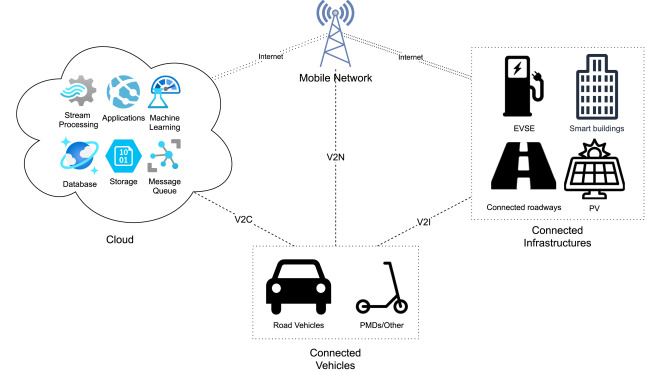
One of the most transformative aspects of the connected EV era is the emergence of fleet-level intelligence the ability for manufacturers to learn from the collective experience of every vehicle they’ve deployed and use that knowledge to improve the entire fleet.
For older EVs that remain connected, this intelligence flows back to them through software updates in ways that make them progressively smarter and more reliable.
Predictive maintenance is perhaps the most practically impactful expression of this capability. By analyzing data from hundreds of thousands of vehicles, manufacturers can identify early warning patterns that precede component failures, subtle signatures in motor behavior, charging system performance, or thermal management data that reliably indicate developing problems.
Older vehicles receiving updates that incorporate these recognition patterns can now flag potential issues weeks or months before they become failures, enabling owners to address them proactively rather than reactively. This shift from reactive to predictive maintenance has significant implications for both cost and vehicle longevity.
Catching a developing issue in the battery thermal management system before it causes degradation, or identifying a motor bearing showing early wear before it leads to a breakdown, can save thousands of dollars and extend the vehicle’s usable life substantially.
For older EVs that have already accumulated significant mileage, this kind of intelligent monitoring becomes increasingly valuable. Diagnostic software updates have also improved the quality and depth of information available through the vehicle’s onboard diagnostics and companion apps.
Older vehicles now generate more detailed health reports, provide clearer explanations of fault codes, and offer more actionable guidance when issues are detected.
This improves the ownership experience and helps independent mechanics not just manufacturer service centers service these vehicles more effectively.
Some manufacturers have introduced remote diagnostic capabilities through software updates, allowing service technicians to analyze a vehicle’s data remotely before the owner brings it in for service.
This reduces unnecessary service visits, speeds up diagnosis when visits are required, and enables more accurate parts ordering, reducing the downtime associated with service. For owners in areas with limited EV service infrastructure, remote diagnostics represent a meaningful practical improvement.
10. Software-Enabled Second Life and Resale Value Preservation
Perhaps the most systemic impact of software updates on older EVs is their effect on the second-hand market and the broader question of vehicle longevity at the societal level.
The conventional automotive wisdom has always been that vehicles depreciate steadily and lose features relative to newer models as they age. Software-defined EVs are challenging this assumption in fundamental ways.
An older EV that continues to receive meaningful software updates doesn’t age in the traditional sense. Its core functionality improves, its safety features advance, and its interface stays relatively current.
This has a measurable effect on resale values particularly for brands like Tesla that have most aggressively deployed OTA updates. Older Teslas hold their value better than older EVs from manufacturers with less active software update programs, and a significant part of that differential is attributable to the ongoing software investment.
Higher residual values benefit the entire ownership ecosystem. They make EVs more attractive as lease vehicles, since lower depreciation means lower monthly payments.
They make used EV purchasing less risky, since buyers can verify ongoing manufacturer support before committing. And they reduce the likelihood that older EVs end up prematurely retired or scrapped a significant sustainability benefit given the environmental cost of manufacturing new vehicles.
Software updates have also enabled some manufacturers to offer genuine feature additions to older vehicles as purchasable upgrades what the industry calls over-the-air monetization.
While this model has drawn criticism in some contexts (particularly when it involves limiting features that the hardware already supports), it also creates a pathway for older vehicles to gain capabilities enhanced battery capacity unlocking, advanced ADAS features, extended warranty coverage tied to software health monitoring that would otherwise be unavailable.
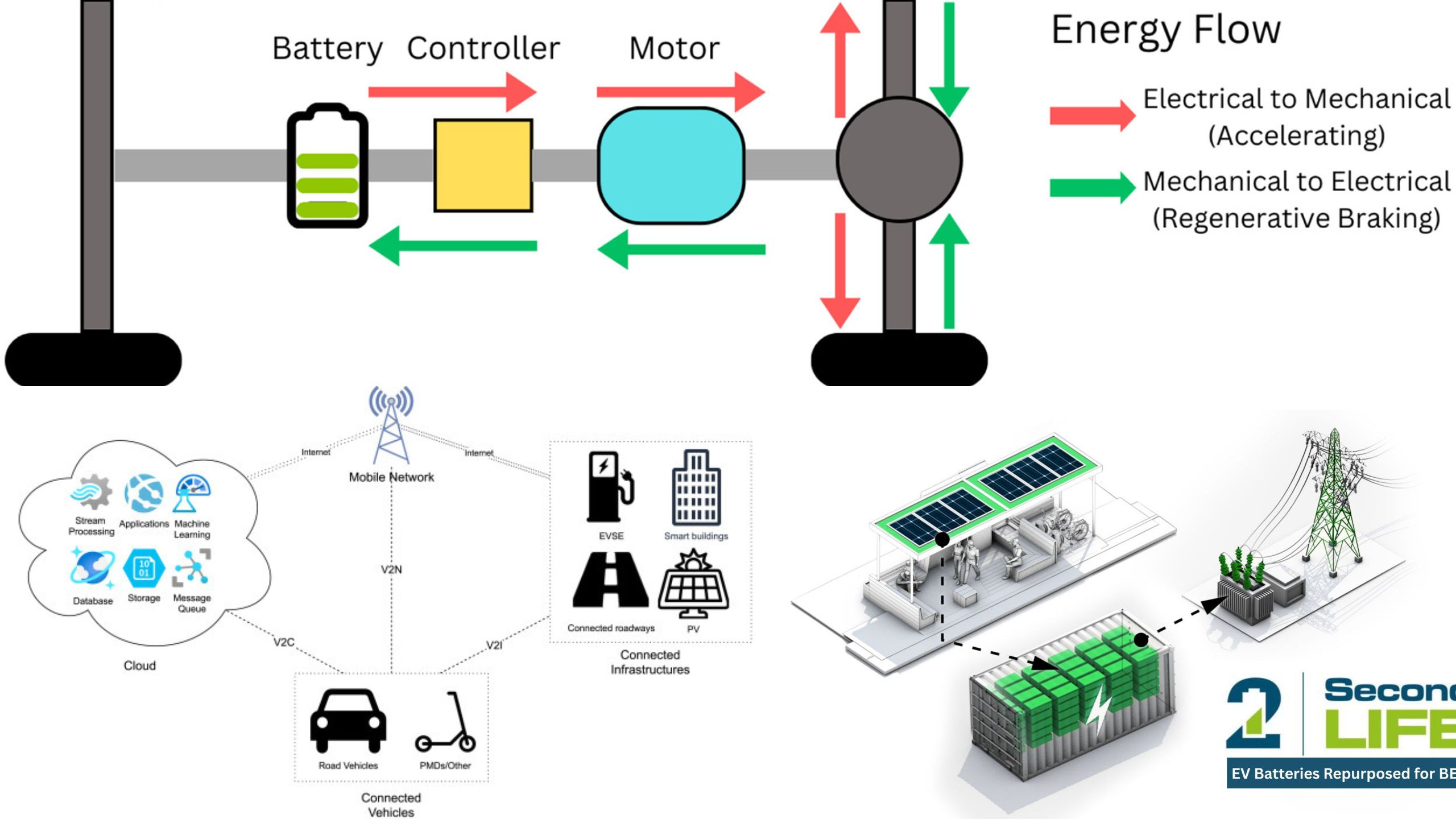
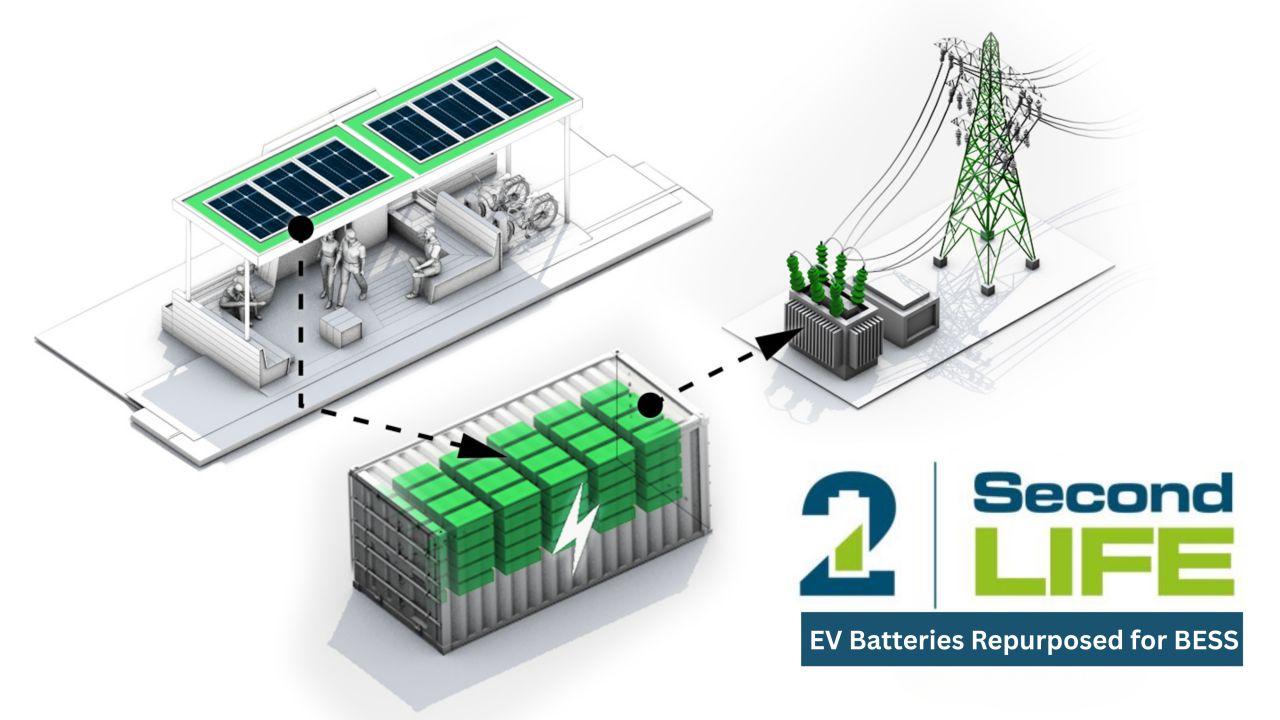
The concept of a “software-enabled second life” extends even to battery repurposing scenarios. Updates that more accurately characterize battery health make it easier to assess older packs for second-life applications stationary energy storage, lower-intensity vehicle use by providing better data on remaining capacity and cycle count.
This feeds into a circular economy model where EV components retain value and utility far longer than the vehicles themselves. Ultimately, the story of software updates and older EVs is a story about redefining what it means for a vehicle to age.
In a world where the most important systems are governed by code that can be rewritten, the traditional decay curve of automotive ownership is being bent and older electric vehicles are proving that in the right hands, technology-driven longevity is not just possible, but increasingly the norm.
Also Read: Top 10 Cars That Came With a Matching Bike or Scooter
