Modern vehicles offer unprecedented levels of technology, comfort, and performance, but these advancements often introduce complex electrical systems that can be prone to failure. From luxury sedans to electric trucks, many cars produced in the last two decades rely heavily on integrated modules, sensors, and infotainment systems that can malfunction unexpectedly.
These issues affect reliability, driving experience, and maintenance costs, particularly as parts become scarce or manufacturers discontinue components. This guide explores the top 10 cars known for electrical issues and how to spot them, starting with the first-generation Chrysler 200 (2011–2014), notorious for TIPM failures, and ending with the innovative Rivian R1T (2022–2023), whose proprietary electronics pose unique challenges.
Each model is examined for common electrical faults, signs to watch for, and the difficulties owners face in sourcing replacement parts or performing repairs, highlighting the balance between advanced technology and long-term ownership considerations.
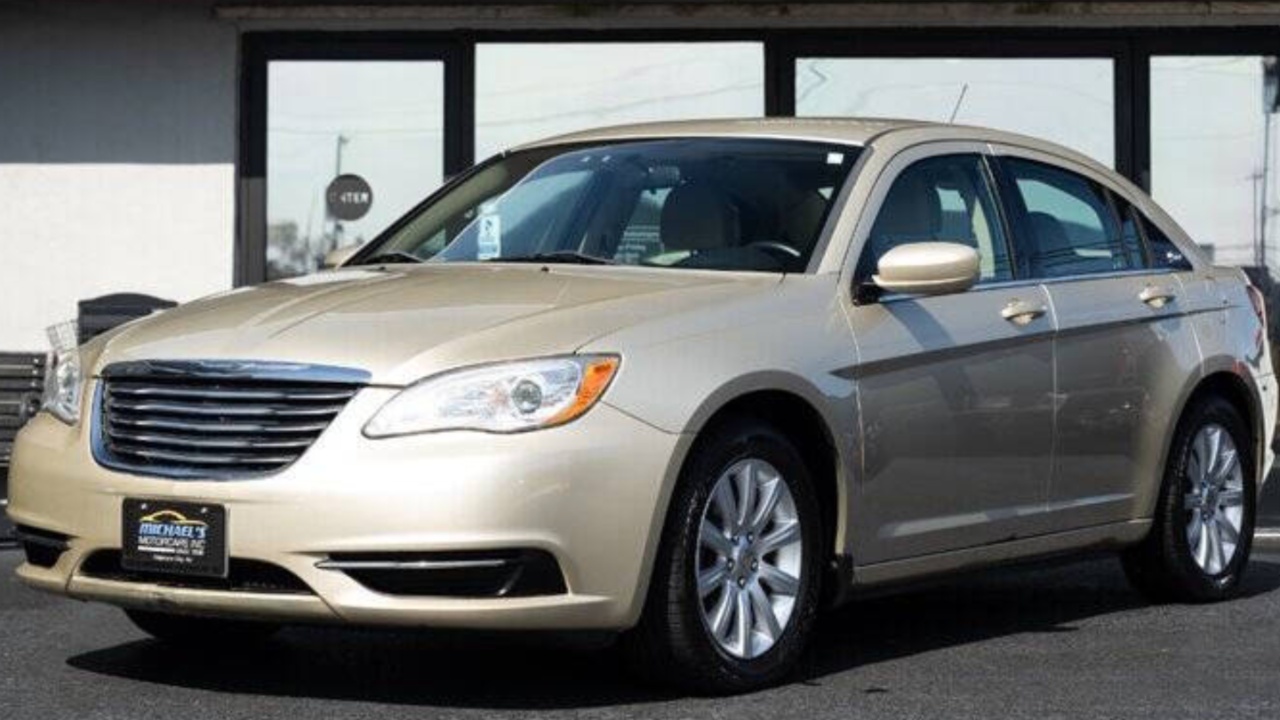
1. Chrysler 200 (2011–2014): Reliability Issues, Parts Scarcity, and Driving Experience
The first-generation Chrysler 200 (2011–2014) represents a transitional period in Chrysler’s history, combining modest improvements over the Chrysler Sebring with significant long-term ownership challenges. While the car offered competitive pricing and some interior upgrades, it has become increasingly difficult to maintain due to reliability concerns and limited parts availability.
One of the most notorious issues affecting this model is the failure of the Totally Integrated Power Module (TIPM), the vehicle’s central electrical control unit. When the TIPM malfunctions, it can produce unpredictable electrical behavior such as fuel pumps running continuously and draining the battery, random horn activation, engine stalling at highway speeds, flickering headlights, or “ghost” windshield wiper activity.
Owners often notice intermittent accessory failures or hard starting despite a healthy battery. Moisture intrusion and connector corrosion commonly trigger these problems, and repairs frequently require specialized electronic refurbishment rather than simple replacement.
Maintenance challenges are worsened by the Chrysler 200’s short production lifecycle. Produced for only four years before a complete redesign in 2015, the model had a limited installed base, discouraging aftermarket manufacturers from continuing parts production.
Additionally, the car was developed during Chrysler’s restructuring and merger with Fiat, resulting in “orphaned” engineering components that were quickly replaced by newer global platforms. Many specialized parts, especially those for hardtop convertible variants, were discontinued entirely, leaving owners dependent on used components.
Several critical parts are now difficult to source. Convertible top motors, regulators, and wiring harnesses are frequently labeled “no longer made” by dealerships.
Original interior trim pieces are also scarce because later redesigns replaced the criticized early materials. Even certain engine sensors, including crankshaft position sensors and EVAP system components specific to these model years, are becoming rare in standard auto parts markets.
To keep these vehicles operational, owners often rely on salvage yards for used OEM parts or specialized repair services that rebuild failing electronics like the TIPM. Some have also found limited success locating compatible components through older Daimler-Chrysler parts catalogs due to shared engineering history.
From a driving perspective, the Chrysler 200 delivered mixed results. Styling changes and interior revisions improved perceived quality compared to the Sebring, though many materials felt premium only at a glance.
The available 3.6-liter V6 engine provided strong performance, but chassis tuning lagged behind, resulting in body lean, understeer, and uninspiring handling during spirited driving. Ride comfort and cabin quietness were respectable, making the car suitable for relaxed commuting rather than enthusiastic driving.
The Chrysler 200 offered strong value pricing and incremental refinement but remained an average midsize sedan. Today, its electrical vulnerabilities and shrinking parts supply define ownership more than its original affordability or modest improvements.
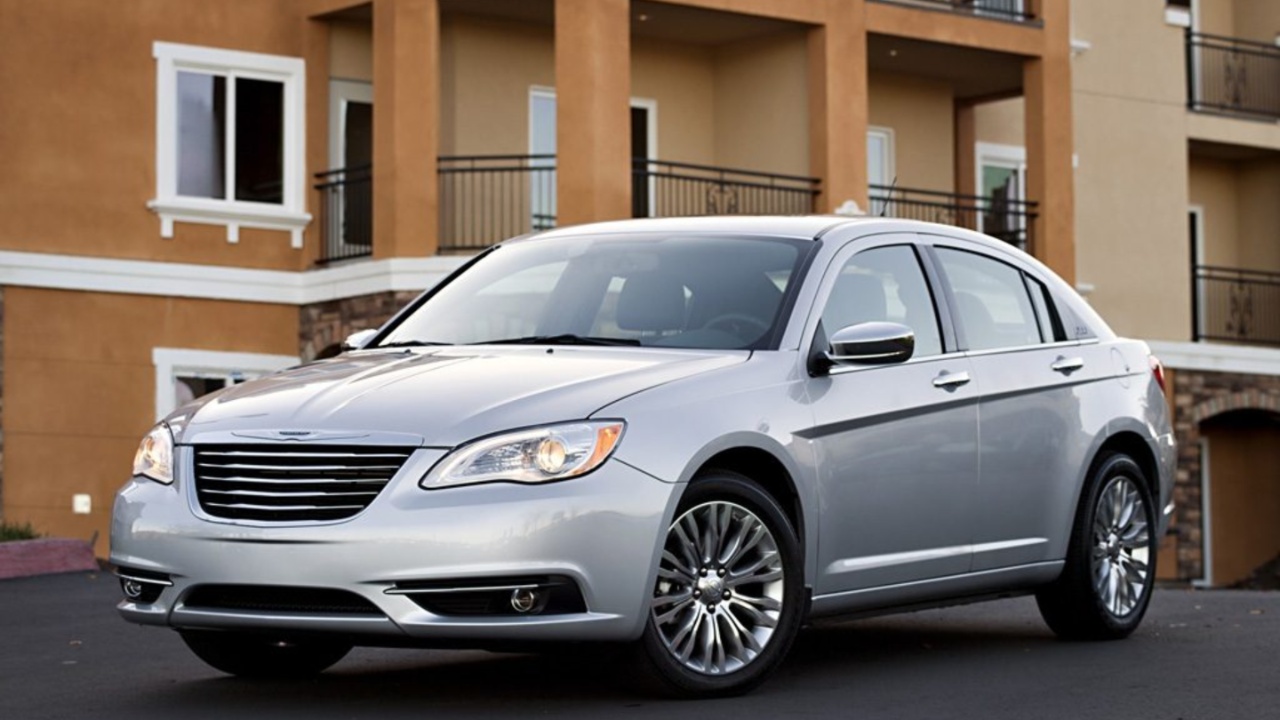
2. Land Rover Discovery 4 (2009–2016): A Modern Classic Facing Reliability and Parts Availability Challenges
The Land Rover Discovery 4 (2009 to 2016), commonly known as the Discovery 4 or D4, is widely considered a modern classic and the final refined version of Land Rover’s traditional boxy SUV design.
It represents the peak of the brand’s rugged heritage before newer generations shifted toward smoother styling and heavier reliance on advanced electronics. While the vehicle remains popular for its versatility and capability, maintaining one has become increasingly difficult due to complex systems and limited parts supply.
One of the most common ownership concerns involves electrical problems linked to CAN bus communication errors and persistent battery drain. A frequent cause is corrosion in the earth strap, or ground cable, which can lead to no-start situations, flickering dashboard displays, and erratic electronic behavior.
Water ingress from blocked sunroof drains is another known issue, allowing moisture to reach wiring connected to central locking and power windows. Owners often notice multiple warning lights appearing at once, sometimes called the “Christmas Tree” effect. Other warning signs include damp front footwells, frozen infotainment systems, or key fobs failing to register due to a malfunctioning Body Control Module (BCM).
The Discovery 4 earned its classic reputation because it combines luxury and practicality with serious off-road performance. It offers a spacious seven-seat interior, strong towing capacity of up to 3.5 tons, and an integrated body-frame construction that blends monocoque comfort with ladder-frame durability.
This engineering approach was discontinued in later models, increasing the D4’s desirability among enthusiasts. The post-2010 3.0 litre SDV6 diesel engine paired with an eight-speed automatic transmission is generally viewed as the most reliable and capable configuration.
Despite its strengths, parts availability has become a growing issue. As the model has aged beyond ten years, manufacturer support has declined, forcing owners to depend on scrapyards or specialized aftermarket suppliers.
Frequently failing components such as air suspension compressors, EGR valves, intake manifolds, electronic handbrake modules, and crankshaft assemblies are often in high demand and short supply. Past recalls and wider Jaguar Land Rover supply chain problems have further complicated sourcing genuine replacement parts.
On the road, the Discovery 4 delivers excellent ride comfort and commanding visibility, supported by standard air suspension and advanced Terrain Response technology for off-road driving. However, it also suffers from high fuel consumption, noticeable body roll in corners, and expensive maintenance requirements.
The Discovery 4 remains one of the most capable and practical SUVs of its era, but ownership requires careful maintenance planning and readiness for higher repair costs and limited parts availability.
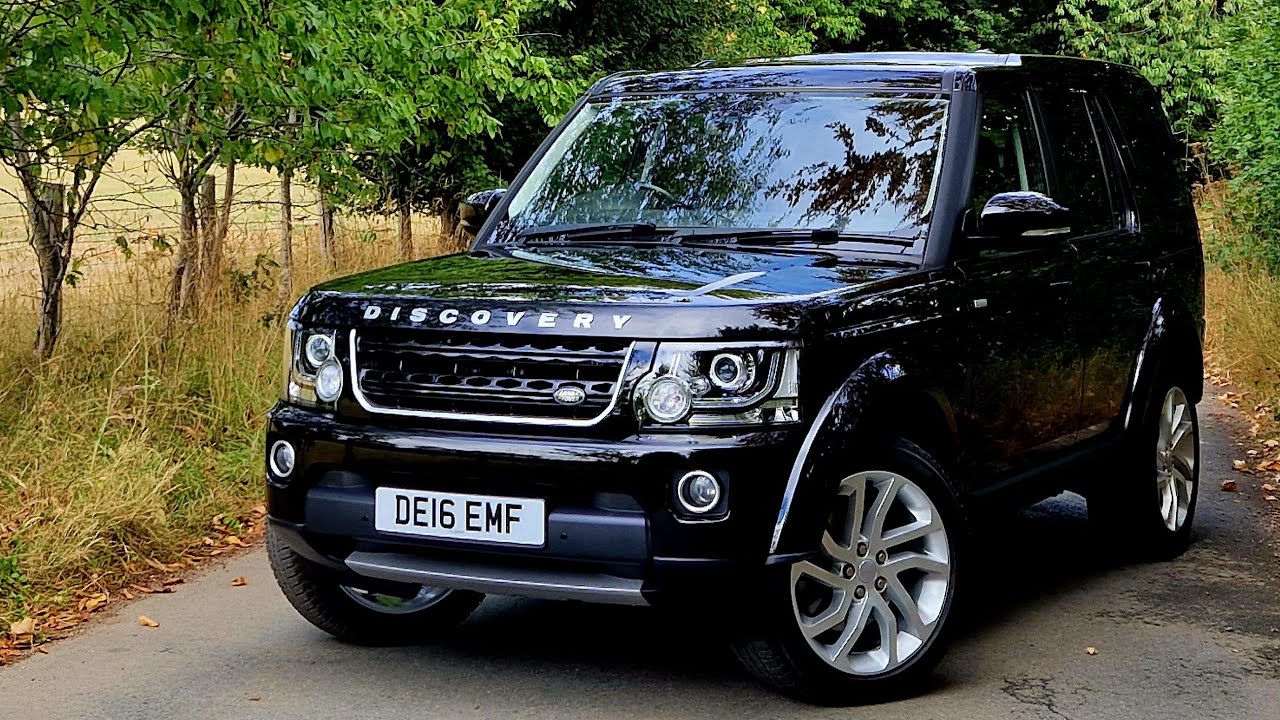
3. BMW 3 Series (2006–2013): A Driver’s Classic with Growing Maintenance Complexity
The 2006 to 2013 BMW 3 Series, known internally as the E90, E91, E92, and E93 generation, is widely regarded as a modern classic thanks to its engaging driving dynamics, balanced chassis, and strong lineup of inline six-cylinder engines.
Available as a sedan, wagon, coupe, and hardtop convertible, this generation represents one of the last BMW models to prioritize pure driving feel before the brand transitioned toward heavier digital integration and electric steering systems. Despite its strong enthusiast appeal, maintaining these vehicles has become increasingly challenging due to aging electronics, known mechanical weaknesses, and rising repair costs.
One defining characteristic of this generation is its traditional hydraulic power steering, which delivers precise feedback and road feel rarely found in newer cars. Combined with excellent chassis balance and responsive handling, the E90 series earned a reputation as a benchmark compact luxury sports sedan.
Naturally aspirated engines such as the N52 inline six are especially praised for reliability and smooth performance, while turbocharged models like the 335i offered impressive power and are now gaining recognition as future collectibles. The E92 M3, powered by a high-revving V8 engine, is particularly sought after among enthusiasts.
However, the model is also known for several recurring electrical and mechanical problems. Common electrical faults include failures of the blower motor regulator, window regulators, and crashes within the iDrive infotainment system.
A recalled battery power cable connector could corrode and cause sudden total electrical failure while driving. Owners may notice warning signs such as a chirping noise from the dashboard or complete power loss that temporarily resolves when battery cables are adjusted. Proper battery coding is essential after replacement to prevent alternator overcharging and further electrical issues.
Mechanical reliability varies by engine type. Turbocharged N54 models are notorious for high-pressure fuel pump failures, even after recalls, while aging cooling systems frequently suffer from failing electric water pumps and thermostats.
Oil leaks from the valve cover and oil filter housing gaskets are also common due to heat-related material degradation. Additionally, many engine components rely on plastic fittings that become brittle over time, increasing maintenance demands.
Although parts remain available, repairs often require specialized technicians and expensive OEM components. Complex sensor systems and integrated electronics can be difficult to diagnose outside authorized workshops, raising ownership costs.
The 2006 to 2013 BMW 3 Series delivers exceptional driving enjoyment and premium comfort, but it is not a low-maintenance vehicle. Buyers are strongly advised to choose well-documented examples and budget for ongoing preventative maintenance and repairs.
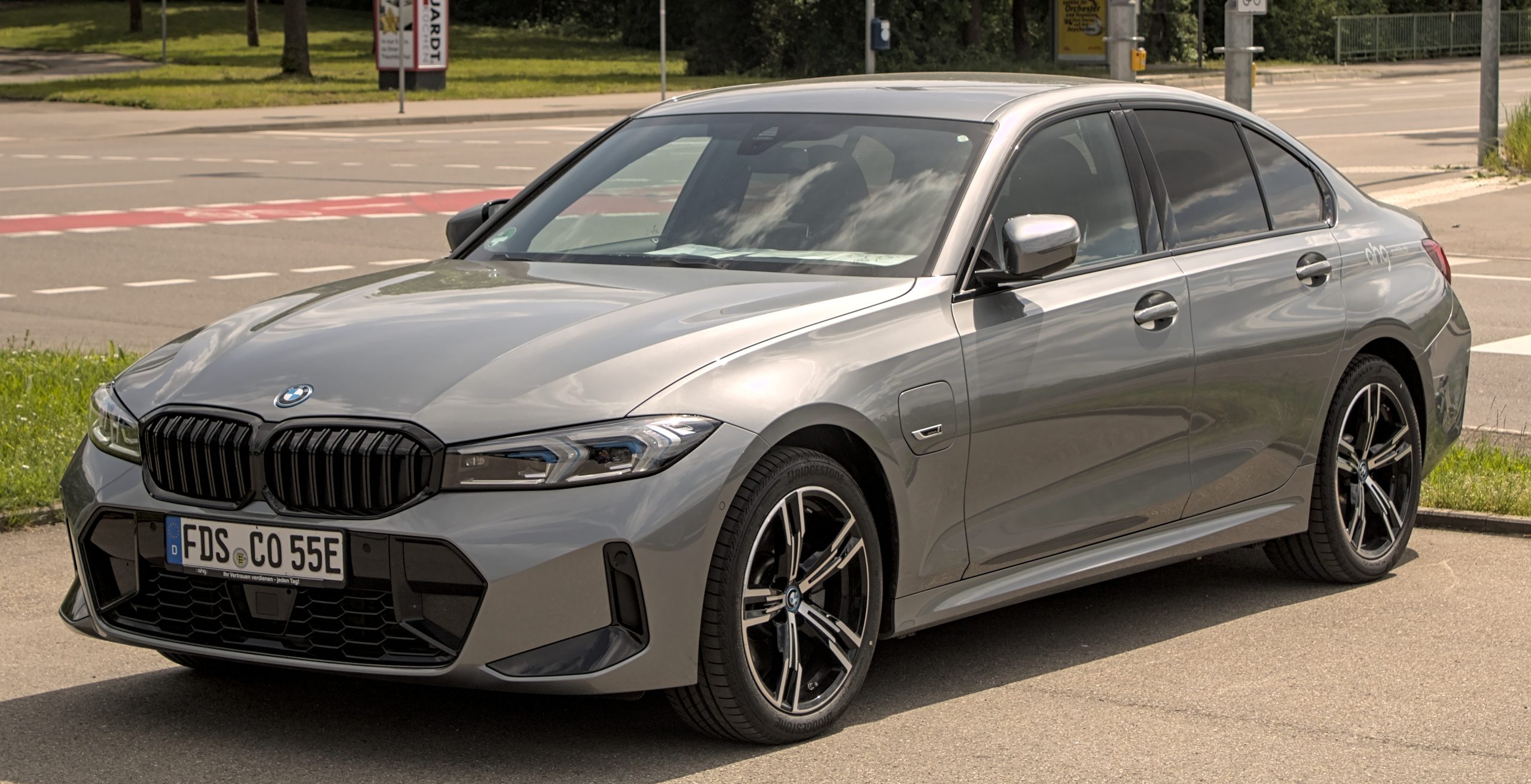
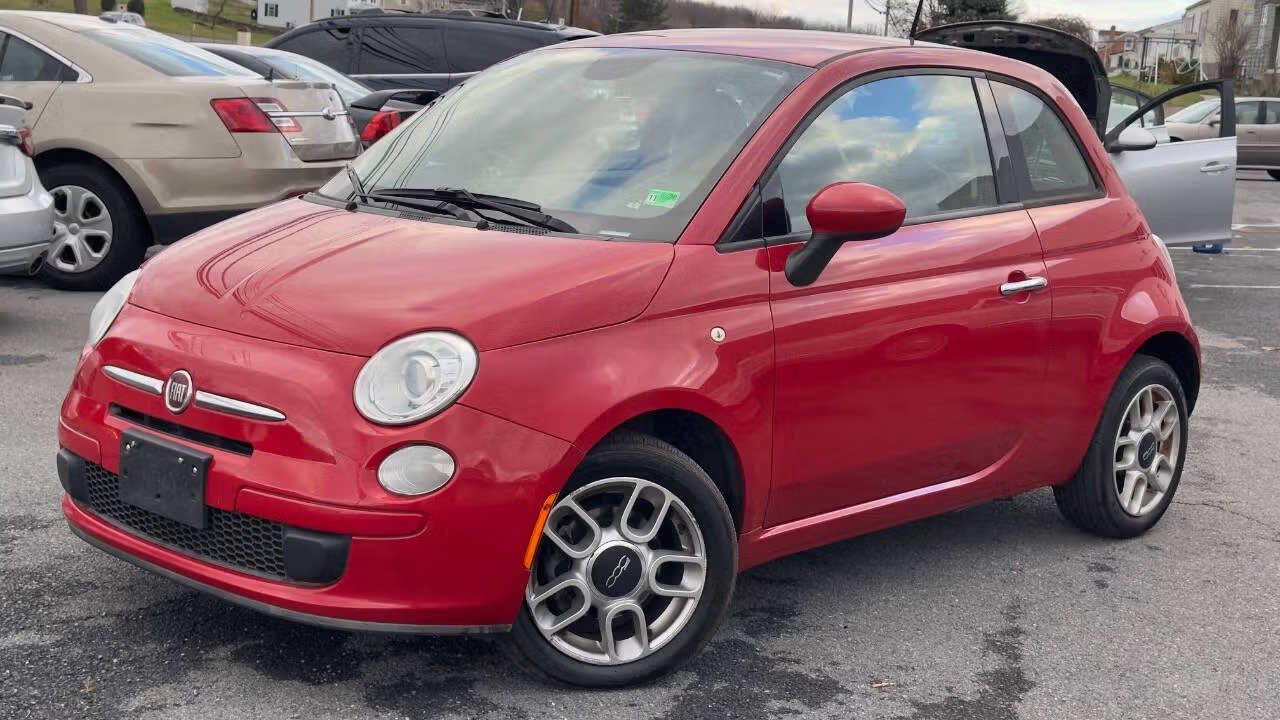
4. Fiat 500 (2012–2015): Retro Charm with Aging Electrical Issues and Limited Parts Supply
The 2012 to 2015 Fiat 500 has earned recognition as a modern classic thanks to its retro-inspired styling, compact city-friendly design, and cultural significance rooted in the original 1957 Cinquecento.
Celebrated for translating classic Italian aesthetics into a modern urban car, the Fiat 500 became a style icon supported by an enthusiastic global fan community. However, despite its charm and popularity, ownership has grown more complicated due to reliability concerns and increasing difficulty in sourcing replacement parts.
One of the most common technical problems involves wiring loom failures, particularly where the electrical harness passes through the rear tailgate hinge. Repeated opening and closing of the hatch places stress on the wiring, eventually causing wires to snap. This can lead to malfunctioning rear lights, inoperative hatch releases, or failed rear wipers.
Dashboard instrument clusters are another weak point, often developing internal circuitry faults that cause flickering or dim warning lights even when no real issue exists. Owners can identify potential problems by checking for pixelated or blank displays and inspecting the rubber wiring boot near the hatch hinges for frayed cables.
The Fiat 500’s modern classic status stems from its iconic design and cultural relevance. Its distinctive curves, chrome accents, and playful character helped it stand out in the subcompact segment, and the model continues to attract collectors and enthusiasts.
Its small footprint, nimble handling, and fuel efficiency make it well-suited for urban driving, though practicality is limited by cramped rear seating and modest cargo capacity.
Parts scarcity has become a growing challenge. While routine service items remain widely available, many interior trim pieces, such as armrests and door handles, have been discontinued despite being prone to breakage. Regional market shifts, especially Fiat’s reduced presence in North America, mean replacement parts often must be imported from Europe, increasing cost and wait times.
Unique trim components used in special editions and early regional variants are particularly difficult to locate. Specialized systems such as the Dualogic automated manual transmission and airbag modules may require dealer-level diagnostics and rare components.
Common maintenance concerns include clutch assembly recalls, premature suspension wear involving ball joints and control arm bushings, and aging electronic systems. Performance varies by model, with the standard 1.4-liter engine providing modest power while the Abarth version delivers a more spirited experience.
The Fiat 500 offers distinctive style and enjoyable city driving, but long-term ownership requires patience, careful maintenance, and readiness for parts sourcing challenges.
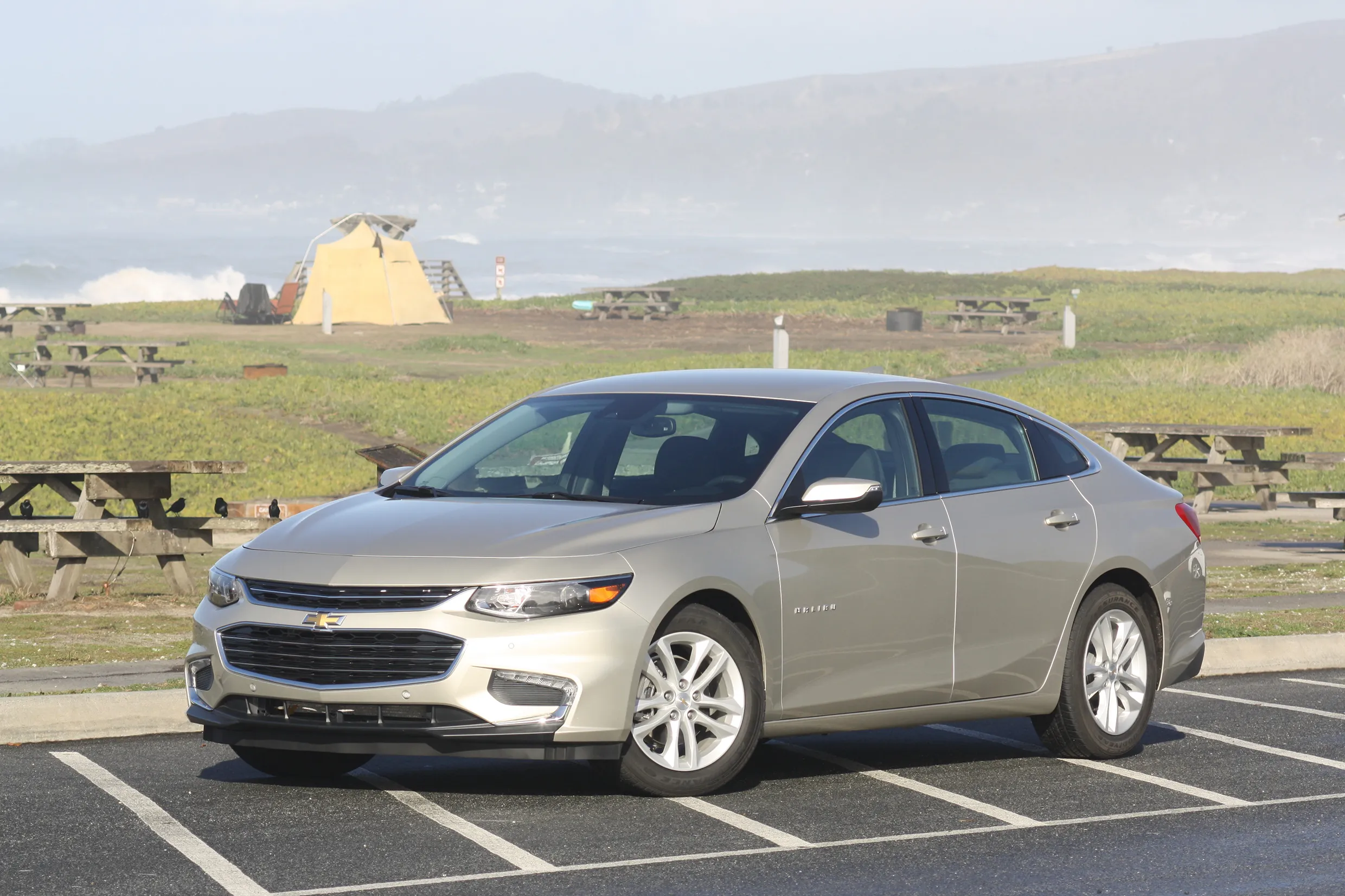
5. Chevrolet Malibu (2016): Modern Redesign with Advanced Tech and Maintenance Challenges
The 2016 Chevrolet Malibu marked a major turning point for the midsize sedan, launching the ninth generation with a full redesign. It introduced a lighter body, longer wheelbase, and a more aggressive, contemporary appearance compared to the 2013–2015 models.
While not a traditional vintage classic, it has earned “modern classic” status as a high-tech, definitive Malibu with turbocharged engines, advanced electronics, and improved interior space. Despite its strengths, aging examples face unique maintenance and parts challenges.
A frequent source of issues involves the Auto Start-Stop system and the secondary battery that supports it. Drivers report “Engine Power is Reduced” warnings and occasional stalling at stoplights when electronic control modules fail to coordinate restarts.
The electronic brake control module (EBCM) can trigger false traction control warnings. Symptoms often appear as hesitation during restarts or “U-prefix” OBD-II codes signaling communication problems between modules. Proper service and diagnostics are critical to prevent cascading electrical failures.
The 2016 Malibu shifted to smaller turbocharged engines, including a 1.5-liter four-cylinder producing 160 horsepower and a 2.0-liter turbo with 250 horsepower. These replaced the older 2.5-liter naturally aspirated engine, delivering competitive performance thanks to a significant weight reduction.
The 1.5-liter model accelerates from 0 to 60 mph in about 8.5 seconds and comes with a six-speed automatic, while the 2.0-liter uses an eight-speed automatic. Handling is compliant with minimal road noise, though low-rolling-resistance eco-tires limit braking and cornering performance.
Parts for the 2016 redesign are becoming harder to source. Complex electronics, proprietary infotainment systems, safety sensors, and turbocharger-specific components are prone to failure.
Transmission and electric power steering repairs often require full replacements, while some body panels face global backorders. Standard maintenance items remain widely available, but specialized components are expensive and often require dealer-level service.
The interior provides improved comfort, especially for rear passengers, with USB ports and individual air-conditioning vents. Cargo space is long but shallow, and higher-trim models offer premium materials and high-resolution infotainment. Base trims may feel dated due to cloth surfaces, but the cabin is a clear improvement over prior generations.
The 2016 Chevrolet Malibu combines substantial design, technology, and performance upgrades with complex maintenance requirements, making it a capable and stylish midsize sedan for those prepared to manage its advanced systems.
Also Read: Top 10 Cars That Were Ahead of Their Time and Failed Because of It
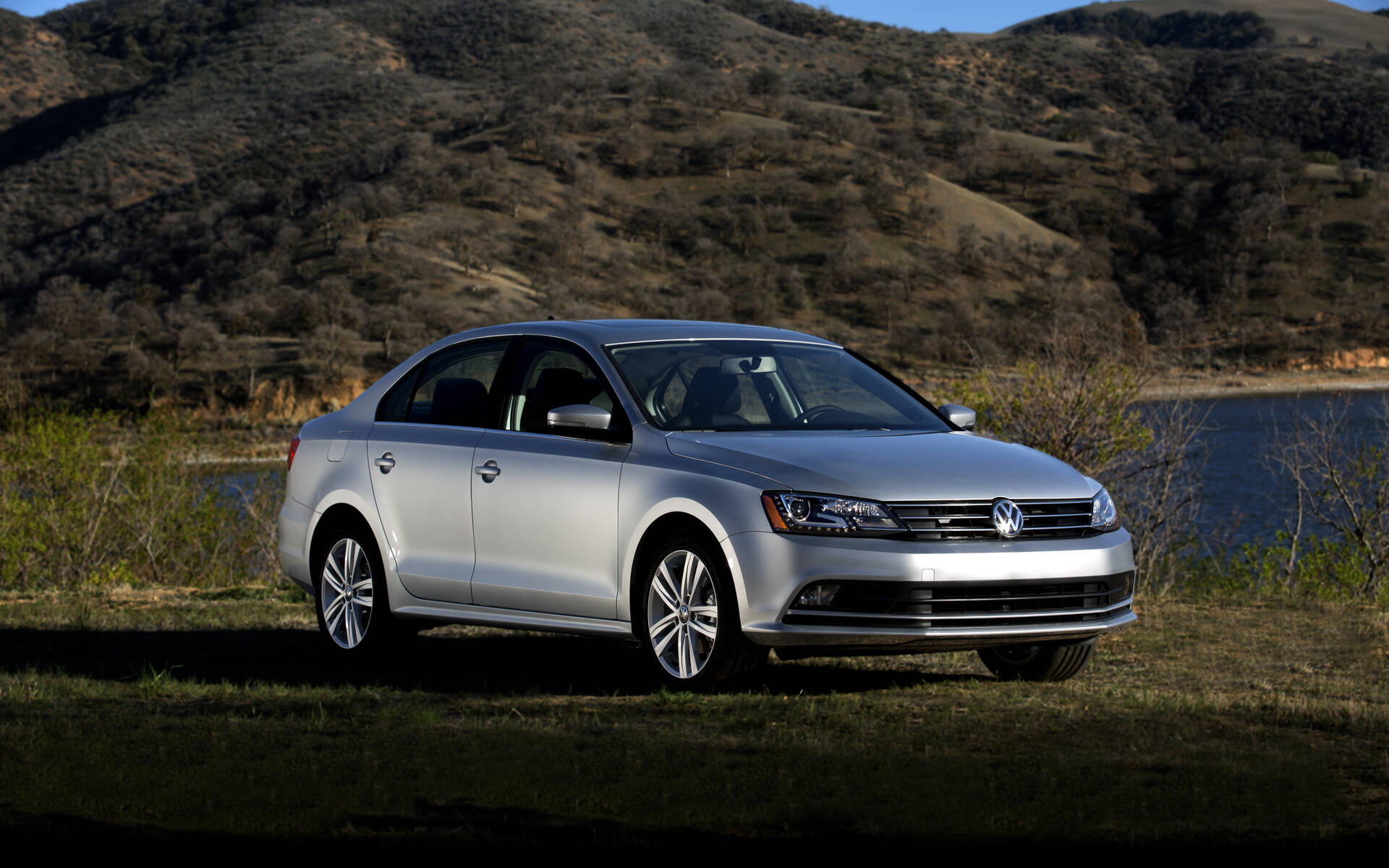
6. Volkswagen Jetta (2011–2018): A Reliable German Sedan Facing Modern Parts Challenges
The 2011 to 2018 Volkswagen Jetta, built on the A6 platform, is widely regarded as a durable, long-lasting sedan that blends refined German engineering with conservative, timeless styling. The sixth-generation Jetta marked a significant redesign, separating it visually from the Golf and offering a longer, lower, and more polished body.
With improved interior space and a focus on comfort, it became a competitive option against segment leaders like the Honda Civic and Toyota Corolla. Despite its appeal, aging models now face increasing maintenance challenges and parts scarcity.
Common issues in this generation include Electronic Control Module (ECM) glitches and faulty ignition switches. A failing ignition switch can prevent the engine from shutting off or cause the dashboard to lose power.
Sensors, particularly ABS and airbag sensors, are prone to early failure due to brittle wiring, while door harnesses can crack, leading to intermittent power windows or radios that stay on after locking. These problems often present as “ghost” warning lights that disappear after restarting the vehicle. Owners can diagnose electrical issues using OBD-II scanners to check for communication codes.
Parts availability has become a concern due to Volkswagen’s shift in focus toward electric vehicle production, reducing support for older petrol and diesel components.
The Jetta’s complex engineering, with numerous sub-model variations such as the GLI and base trims, complicates sourcing replacement parts. High-demand components, including ABS modules and ignition-related parts, are increasingly scarce, making repairs more challenging and often costly.
The 2011 redesign brought significant improvements. The interior, though simplified with more hard plastics, offers spacious front and rear seating and supportive, firm seats. The 2.5-liter five-cylinder engine in higher trims delivers 170 horsepower and 177 pound-feet of torque, while the base 2.0-liter four-cylinder produces 115 horsepower.
Transmissions include a five-speed manual and six-speed automatic, with the DSG dual-clutch reserved for GLI and diesel variants. Handling is taut and responsive, with firm yet comfortable ride quality, and sportier trims provide enhanced suspension and firmer seats for more engaging driving.
Despite minor interior compromises and electronic quirks, the A6 Jetta remains a reliable, practical sedan with a timeless design, solid driving dynamics, and strong appeal as a long-term daily driver. Owners should plan for potential parts scarcity and address electrical issues proactively to maintain the vehicle’s longevity.
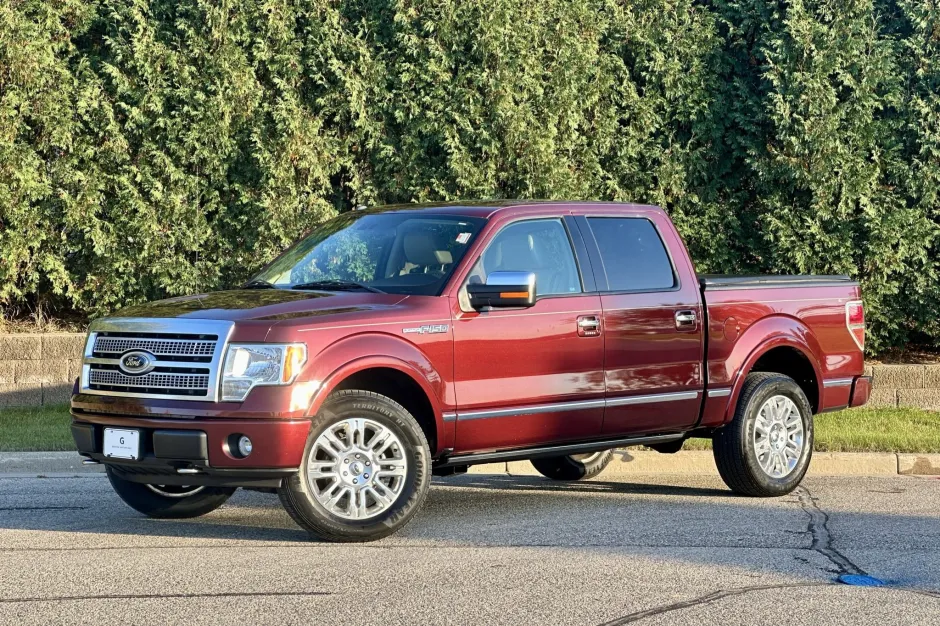
7. Ford F-150 (2009–2014): Rugged Pickup with Modern Features and Parts Challenges
The 2009–2014 Ford F-150, part of the 12th generation, is widely regarded as a modern classic due to its rugged design, the introduction of the EcoBoost engine, and significant updates in technology and comfort.
It offered buyers a versatile pickup with multiple cab and bed configurations, combining strong towing capacity with a commanding driving position. However, this generation faces some notable mechanical and electronic issues, as well as difficulties sourcing specific replacement parts.
A common problem in this era is “Fuse 27” syndrome, caused by an undersized fuel pump relay fuse in the engine bay. Heat buildup can melt the fuse, leading to a truck that cranks but fails to start.
Owners also report issues with the “MyFord Touch” infotainment system freezing or becoming unresponsive, often requiring a costly APIM module replacement. Signs of fuse problems include melted plastic or charring around the engine bay fuse box.
Parts availability is a challenge due to Ford’s frequent revisions of mechanical components and early obsolescence designations. Even parts that fail commonly, such as plastic heater core connectors, upper radiator hoses, and turbocharged engine vacuum pumps, are often hard to source.
Specialized electronics, like MyFord Touch head units and backup cameras, are discontinued or replaced with non-compatible versions. Interior components such as blend door actuators, dashboard bezels, and Lariat-specific trim often experience high demand, further limiting availability.
Driving dynamics reflect the truck’s purpose-built design. The F-150 rides higher than many competitors, giving excellent visibility but making ingress and egress more difficult for shorter drivers.
The six-speed automatic transmission introduced in this generation is smooth and responsive, while the EcoBoost engines provide respectable acceleration and highway cruising ability. Steering feel is adequate for a pickup, though ride comfort can be firm, especially with an empty bed or over rough surfaces.
The cabin blends ruggedness with subtle luxury, featuring leather-trimmed seats, deep door pockets, a well-laid-out center stack, and modern connectivity options like voice-activated Sync. Some plastics, however, feel harder than they appear, and headrest and seat adjustments may not accommodate all driver sizes comfortably.
Despite minor interior compromises and electronic quirks, the 2009–2014 Ford F-150 remains a durable, capable pickup with versatile configurations, modern features, and a reputation for toughness. Prospective owners should anticipate parts challenges and be prepared for occasional electronic or mechanical maintenance to keep the truck performing reliably.
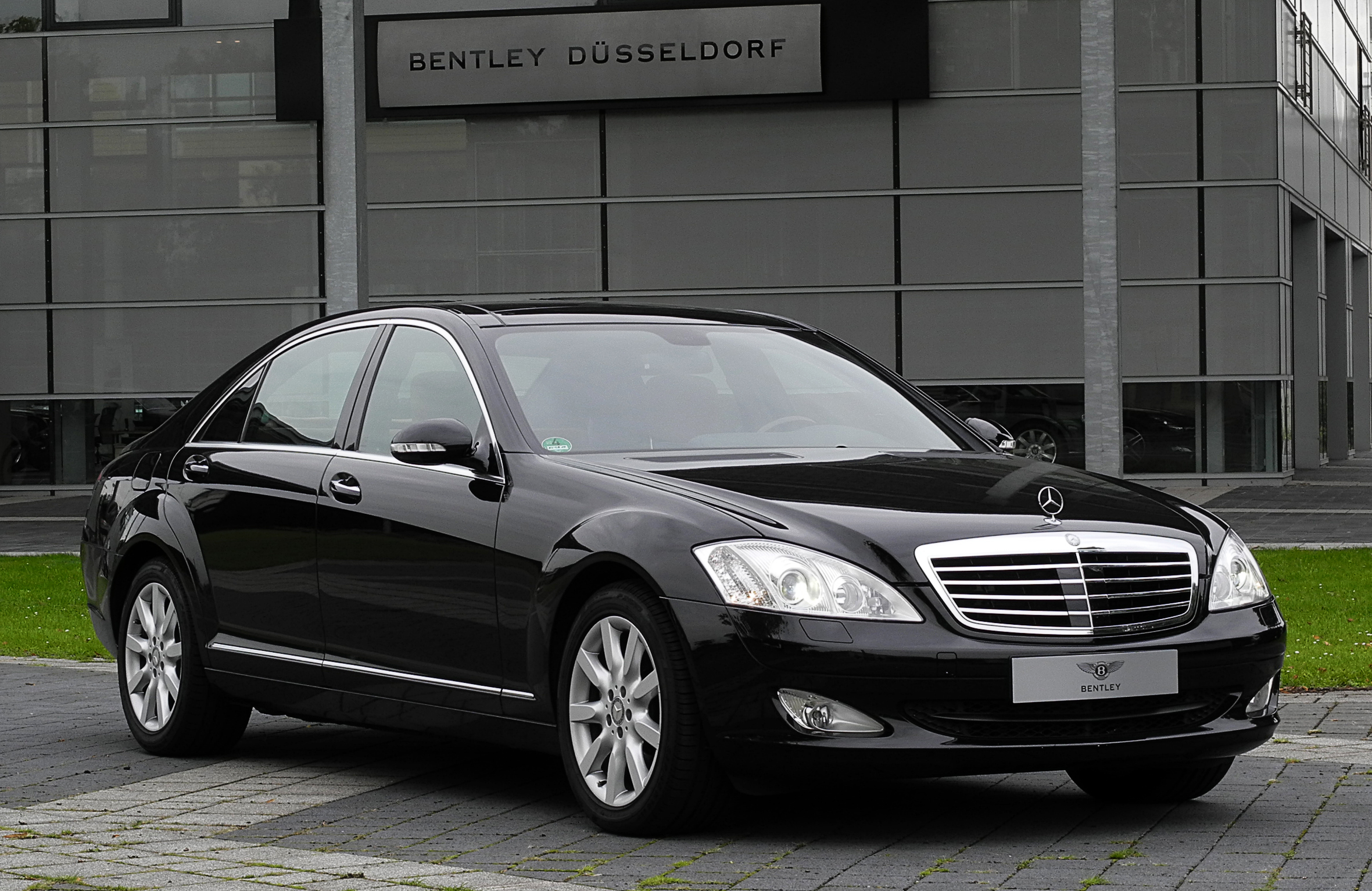
8. Mercedes-Benz S-Class (2007–2013): Pinnacle Luxury with Complex Maintenance
The 2007–2013 Mercedes-Benz S-Class (W221) is widely regarded as a modern classic, offering peak luxury, advanced technology, and powerful performance. It was a technological showcase of its era, featuring COMAND infotainment, radar-guided cruise control, night vision, and sophisticated lighting systems.
Its drivetrain, including the M273 V8 engine and 7G-TRONIC automatic transmission, is known for robustness, providing smooth power delivery and strong performance. The cabin delivers exceptional comfort, with air suspension, generous legroom, and premium materials such as a 14-speaker Harman/Kardon audio system.
Despite its engineering excellence, the W221 is notorious for maintenance challenges, primarily due to its highly complex electronics. Parasitic battery drain is common, often caused by modules like the COMAND system or seat adjustment computers remaining active while the car is parked.
The air suspension’s electronic compressor frequently fails, leading to a sagging vehicle or uneven ride. High-end components such as pre-facelift headlight assemblies and Airmatic suspension parts are expensive and increasingly rare, making repairs a significant investment. Specialized modules are often sealed units, which forces repair shops to replace rather than repair them.
Parts scarcity is further compounded by the W221’s age and luxury status. Many components were already costly at purchase, and owners often deferred maintenance as the car depreciated.
This neglect, combined with complex systems, means fewer well-maintained examples remain, and specific replacement parts can be extremely difficult to source. Even seemingly minor issues, like HVAC blower motor failures or electrical gremlins, may require high-cost dealer intervention. Interior wear, including peeling or cracked leather, is also common on higher-mileage models.
While durable in its mechanical core, the W221 exemplifies the trade-off between cutting-edge technology and long-term ownership complexity. Owners benefit from an ultra-comfortable, prestigious vehicle that drives and rides impressively, but they must plan for ongoing maintenance costs, particularly for electronics and air suspension.
A professional “quiescent current test” is often necessary to identify modules draining the battery, and careful inspection of suspension components is recommended before purchase.
The W221 S-Class remains a benchmark for luxury sedans, offering advanced features, powerful engines, and an opulent cabin. Its high-tech systems and specialized components, however, demand careful upkeep, making it a rewarding but potentially expensive modern classic to own and maintain.
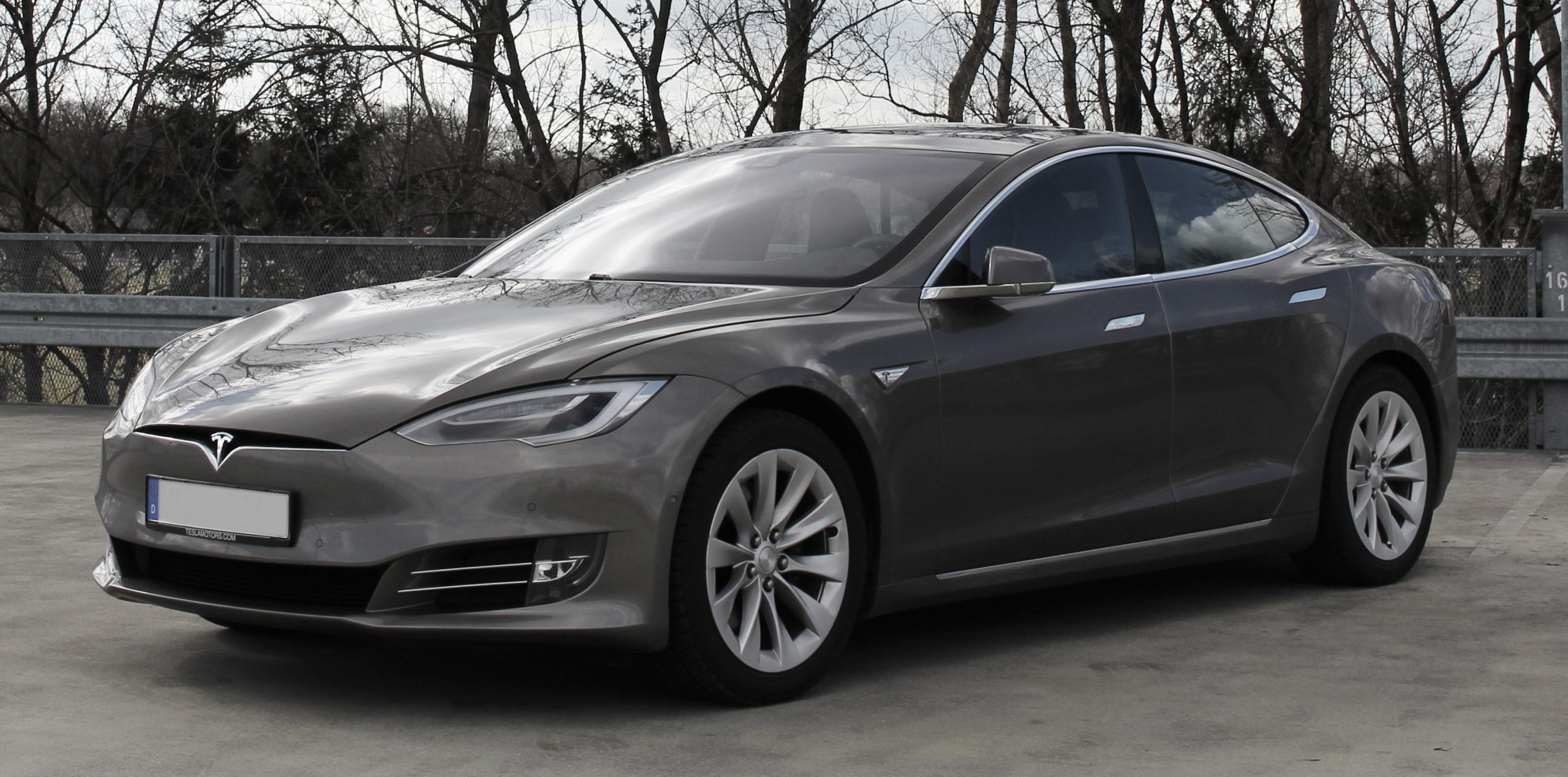
9. Tesla Model S (2012–2015): Pioneering Electric Luxury with Limited Support
The 2012–2015 Tesla Model S is considered a modern classic, representing the first generation of long-range, high-performance luxury electric vehicles. These early models proved that EVs could be both fast and desirable, offering groundbreaking acceleration, with the P85D reaching 0-60 mph in 3.1–4.4 seconds.
Early Model S units feature the now-iconic 17-inch Media Control Unit (MCU), leather interiors, and, by 2014–2015, optional early Autopilot hardware. Battery packs ranged from 60 kWh to 85 kWh, and many 2015 models retain over 80% capacity even after 200,000 miles, demonstrating notable longevity for first-generation EVs.
Despite its innovation, the 2012–2015 Model S faces significant parts scarcity and repair challenges. Tesla restricts parts to authorized service centers, limiting access to aftermarket or third-party suppliers. Rapid hardware evolution also complicates repairs, as components from newer models often do not fit these early vehicles.
Common failures include MCU issues where the touchscreen can lag or go completely black, faulty electronic door handles, and early battery degradation. Charging port sensors are also prone to malfunction, preventing the car from initiating a charge. Owners may notice laggy screens, yellowing display edges, or inconsistent charging recognition.
Aluminum body construction adds another layer of complexity, as damaged panels require specialized repair and are not commonly stocked. Suspension components on early units are also subject to wear, leading to additional maintenance considerations. Replacement parts for these early vehicles, including original batteries, screens, and door mechanisms, are often custom, costly, and difficult to source.
The Model S is prized not only for its performance and range but also for its historical significance in shaping the luxury EV market.
Early examples are considered collector-worthy as the vehicles that established Tesla’s reputation for combining speed, comfort, and technology in a fully electric platform. Models from 2014 and 2015 are generally preferred due to slightly improved reliability, more advanced hardware, and the introduction of partial Autopilot features.
The 2012–2015 Tesla Model S remains a pioneering luxury EV with remarkable performance and historical significance. Owners and enthusiasts must contend with limited parts availability, proprietary electronics, and early-generation hardware issues, making it a rewarding yet potentially challenging modern classic to maintain.
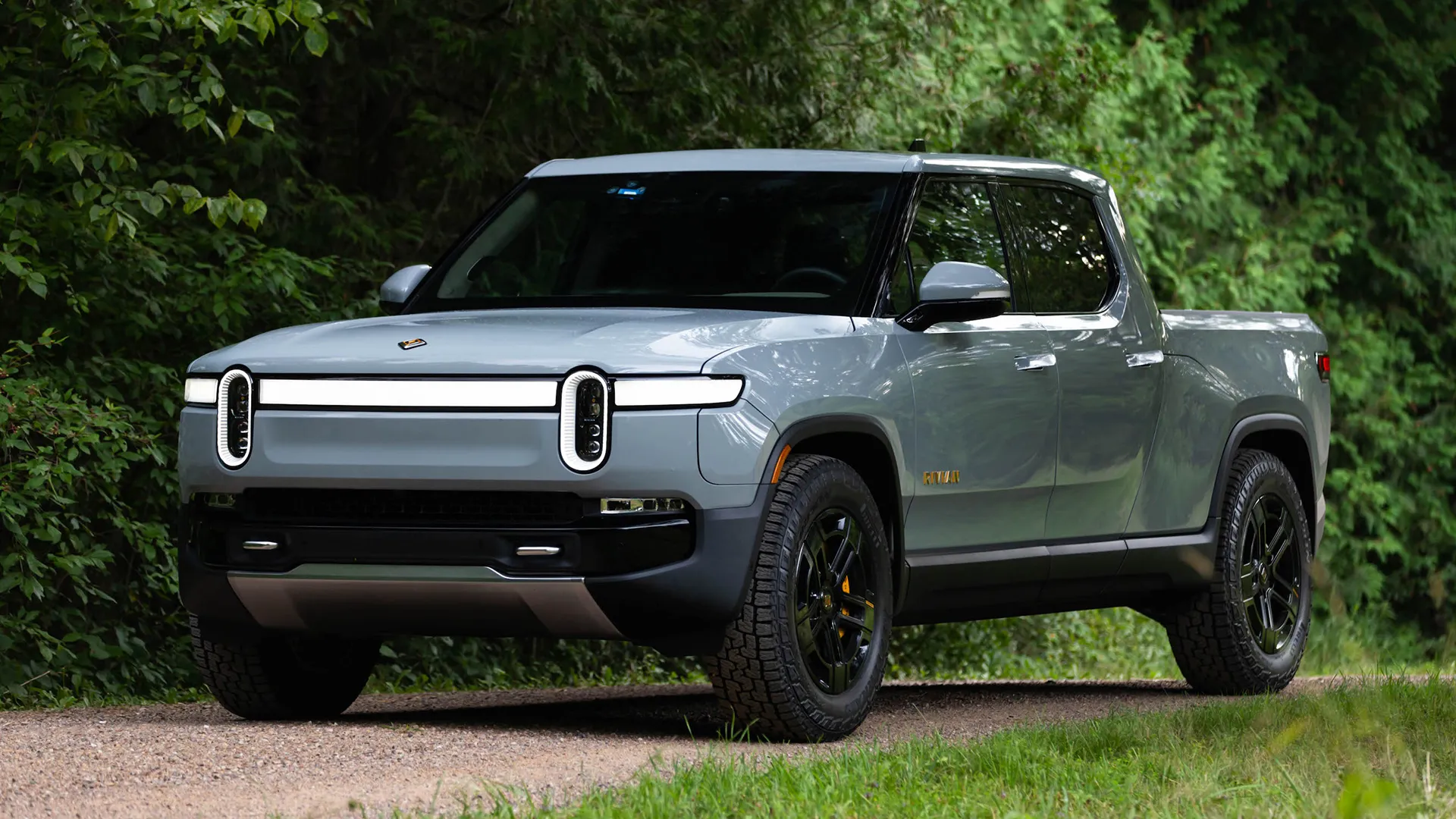
10. Rivian R1T (2022–2023): A Modern Classic in Electric Trucks
The 2022–2023 Rivian R1T represents the first generation of the company’s high-performance electric pickup, earning recognition as a modern classic due to its pioneering design and advanced hardware. This early model introduced innovative features such as the quad-motor all-wheel-drive system, delivering 835 horsepower, air suspension, and a range of up to 400 miles with the Max Pack battery.
The R1T also stands out for practical innovations like the Gear Tunnel, versatile bed, and superior off-road capability. Its cabin emphasizes comfort and minimalism, with a large, responsive infotainment screen and premium materials.
Despite its acclaim, early Rivian R1Ts face reliability and repair challenges. Software-driven electrical glitches are common, including freezing instrument clusters, vampire battery drain of 3–5% per day while parked, and jammed electronic actuators in the gear tunnel and frunk.
These problems are often mitigated by keeping all software updates current, but persistent issues may indicate underlying hardware instability. Repairs are complicated by the proprietary nature of almost all components, limited production volumes, and a lack of third-party aftermarket support. Owners must source parts directly from Rivian, which can result in long wait times.
The 2022–2023 models are particularly difficult to maintain because Rivian rapidly iterated its hardware. Launch Edition trucks included premium components like Meridian audio systems, specific 12-volt ports, and unique interior trim, many of which were removed or altered in later models.
Suspension components, fasteners, and half-shafts were updated quickly, making parts highly specific to narrow production windows. Combined with the truck’s weight of over 7,000 pounds, specialized air suspension, proprietary battery packs, and a complex quad-motor drivetrain, repairs require highly specialized knowledge and tools.
The R1T delivers supercar-like acceleration in roughly three seconds while maintaining luxury SUV-like ride quality, making it one of the most versatile and advanced pickups on the market.
However, its early status as a low-volume, first-generation model contributes to scarce parts and service delays. Enthusiasts value these trucks for their innovation, historical significance in the EV market, and impressive blend of utility, performance, and style.
The 2022–2023 Rivian R1T is a groundbreaking electric pickup that combines high performance, luxury, and versatility. Owners face challenges from proprietary parts, software glitches, and rapid hardware evolution, making it a rare and technically demanding modern classic to maintain.
Owning a modern classic often involves balancing the benefits of advanced technology with the challenges of potential maintenance issues. From early Tesla Model S units with MCU and door handle failures to the Mercedes-Benz S-Class W221’s parasitic battery drains and air suspension issues, even highly engineered vehicles can demand careful upkeep.
Trucks like the Ford F-150 and Rivian R1T show that versatility, performance, and innovation can come with proprietary components, scarce parts, and specialized service requirements.
Prospective owners should be alert to warning signs such as unresponsive electronics, flickering displays, or unusual behavior in vehicle systems, and plan for higher repair costs and longer wait times.
These 10 vehicles demonstrate groundbreaking engineering and innovation, but their electrical vulnerabilities highlight the importance of proactive maintenance and realistic expectations when owning a technology-driven modern classic.
Also Read: Top 10 Cars That Offer a Pure Analog Driving Experience