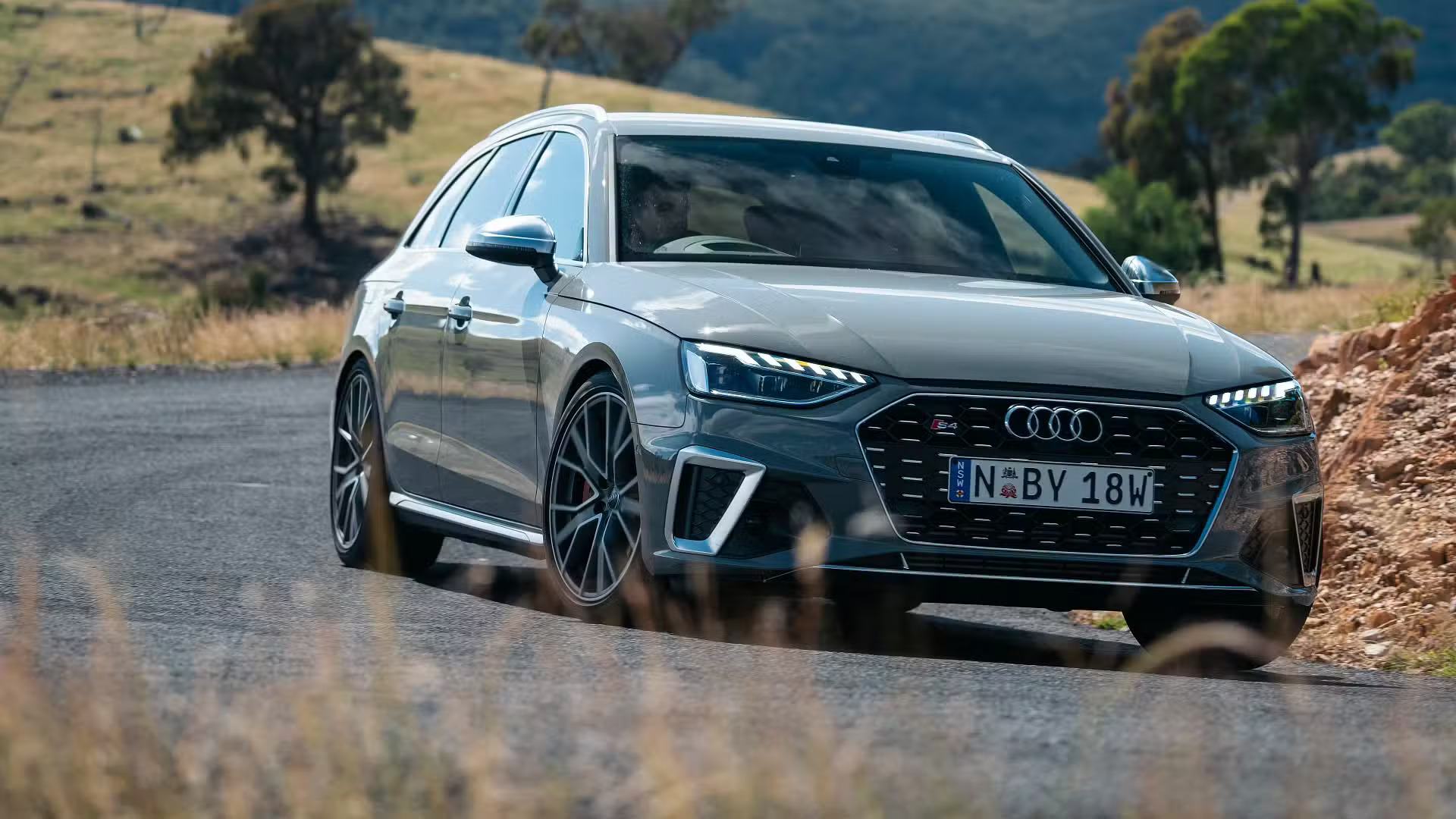
Some cars are masterpieces of engineering, but their innovative designs often make routine maintenance a major challenge. From tight engine bays to mid- or rear-mounted powertrains, certain vehicles require full engine removal for repairs that would be considered basic on other cars.
High-performance sports cars, luxury sedans, and advanced diesels all face similar constraints, where timing chains, turbochargers, oil pumps, or exhaust components are virtually inaccessible without dropping the engine or drivetrain. Models like the BMW N47, Ferrari F355, Subaru EJ-series, and Lamborghini Aventador are renowned for their performance, yet their layouts demand precise, labor-intensive service.
Understanding which vehicles require engine-out maintenance helps owners, enthusiasts, and prospective buyers prepare for higher labor costs, longer service times, and the need for specialized technicians. This list explores ten such vehicles where exceptional engineering and compact, high-performance designs come with the trade-off of challenging repair accessibility.
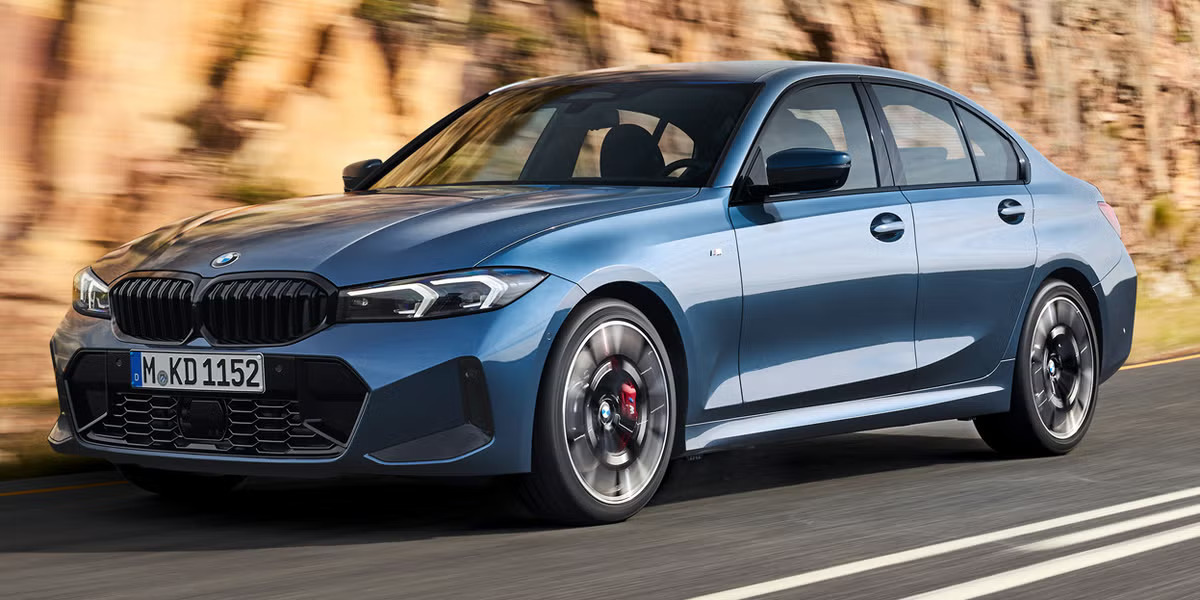
1. BMW N47 & N57 Diesel Engines: Rear-Mounted Timing Chain Design and Its Repair Implications
The BMW N47 (4-cylinder) and N57 (6-cylinder) diesel engines are widely recognized for their efficiency, torque, and performance, but they are equally infamous for their unusual rear-mounted timing chain design.
Unlike most engines, where timing components are located at the front for easy access, BMW positioned the timing chain at the rear of the engine, between the engine block and the transmission. While this configuration improves weight distribution, packaging efficiency, and pedestrian safety, it significantly complicates maintenance and repairs.
The primary issue arises from limited accessibility. Because the timing chain sits flush against the firewall and gearbox, technicians cannot access or remove the timing cover while the engine remains installed in the vehicle.
As a result, even routine preventive maintenance, particularly timing chain replacement, often requires separating the gearbox or removing the entire engine from the chassis. What would normally be considered a standard service becomes a labor-intensive and expensive procedure.
Timing chain problems are common in both engines, especially in early N47 models. Failures typically occur between 80,000 and 140,000 miles due to chain stretching, worn plastic guides, or complete chain breakage.
A snapped timing chain can cause catastrophic engine damage, allowing pistons to collide with valves. Because debris may circulate through the lubrication system, technicians frequently remove the engine to inspect internal components and clean the oil pump and sump thoroughly.
Engine removal is also required for several related repairs. Replacing connecting-rod bearings, addressing severe oil leaks from rear seals or oil pan gaskets, and performing inspections obstructed by subframes or drivetrain components often become engine-out jobs.
Removing the engine also improves repair precision, allowing mechanics to correctly lock crankshaft and camshaft timing using specialized tools and inspect nearby components such as the clutch, flywheel, and turbocharger.
Despite these drawbacks, the N47 and N57 engines deliver strong fuel economy and high torque. The N57 is generally smoother and more powerful, while the N47 excels in efficiency but demands stricter maintenance.
Regular oil changes, proactive timing chain replacement, and monitoring cold-start noises are essential for longevity. Later post-2011 versions improved reliability, but careful inspection around 100,000 miles remains strongly recommended to prevent costly failures.
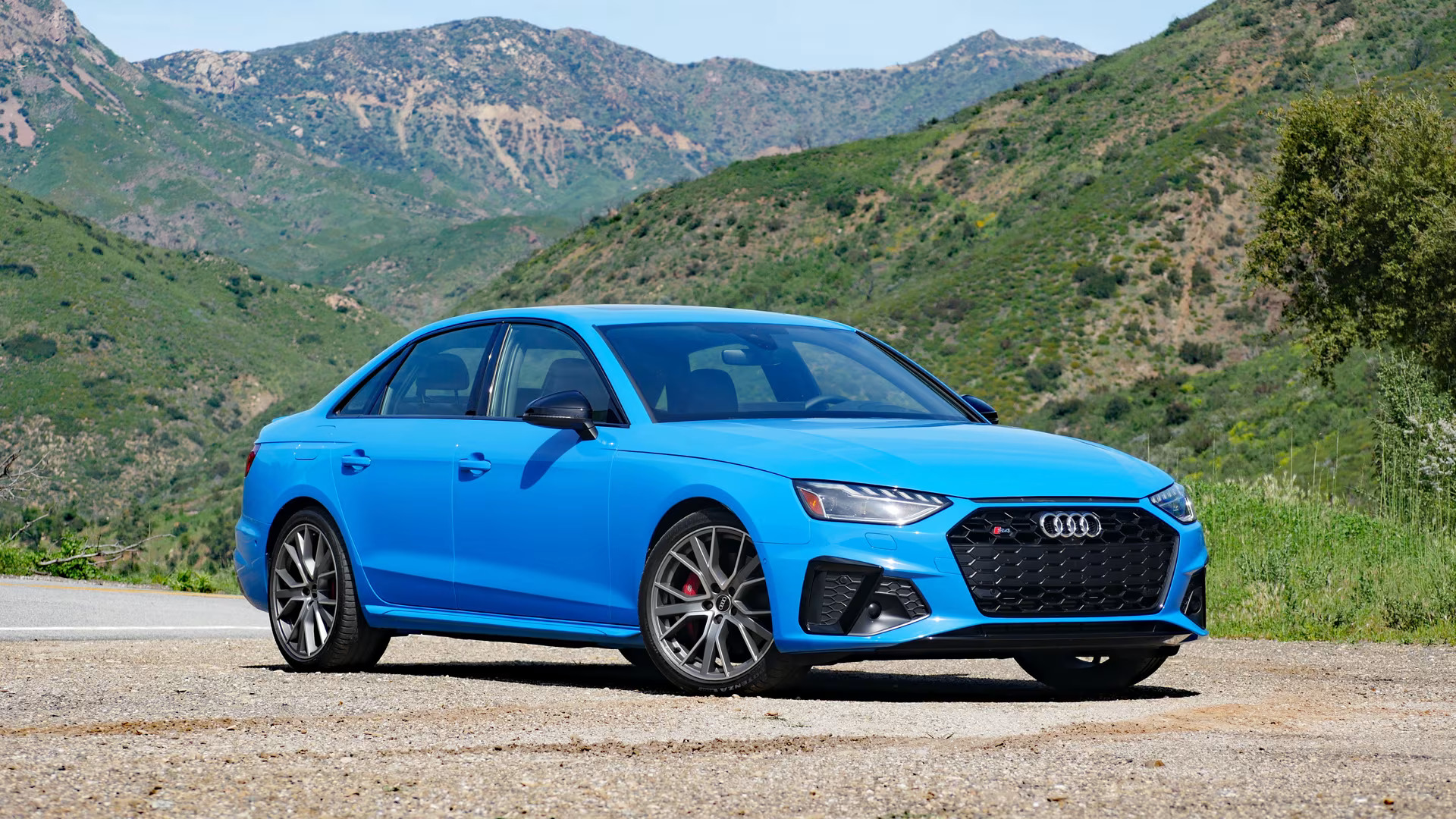
2. Audi S4 (B6 & B7): Tight V8 Packaging and Engine-Out Maintenance Requirements
The Audi S4 B6 (2003 to 2005) and B7 (2005 to 2008) generations are well-known performance sedans and wagons powered by a naturally aspirated 4.2-liter V8 engine paired with Audi’s quattro All Wheel Drive system.
These models gained popularity for their refined interiors, understated styling, and strong driving dynamics. However, they also developed a reputation for expensive maintenance due to engineering decisions that prioritized performance and packaging over service accessibility.
Audi installed the large V8 engine into a chassis originally designed for smaller four-cylinder engines, creating extremely tight space within the engine bay. To make the engine fit, Audi placed the timing chain system at the rear of the engine, facing the firewall instead of the front.
This setup includes the timing chains, tensioners, and plastic guides, all of which are critical components with known wear issues. Because there is very little clearance between the engine and the cabin, technicians cannot access these parts while the engine remains installed.
As a result, timing chain service almost always requires complete engine removal, transforming what would normally be a routine repair into a complex and labor-intensive procedure.
Timing chain guide and tensioner failures are among the most common problems in both B6 and B7 models. Over time, plastic guides can crack or deteriorate, often producing rattling noises during cold starts. If ignored, failure can lead to severe internal engine damage.
Due to the lack of working space, replacing these components involves removing the engine and sometimes the subframe, which significantly increases repair costs and downtime. Even relatively minor repairs, such as fixing oil leaks or accessing certain accessories, can become major jobs because of the cramped layout.
Despite these challenges, the S4 offers a rewarding driving experience. The V8 delivers smooth, linear power, and manual transmission models are especially valued by enthusiasts. The B7 generation introduced updated styling, revised suspension tuning, and minor interior improvements while maintaining similar mechanical characteristics.
Ownership requires careful maintenance planning. Buyers should seek vehicles with detailed service histories, monitor oil consumption, and check for timing chain noise. The B6 and B7 Audi S4 are often considered future classics, but they demand proactive maintenance and a realistic repair budget to remain reliable long term.
3. Porsche 911: Rear-Engine Engineering and the Need for Engine Removal
The Porsche 911, both classic and modern generations, is famous for its rear-engine layout, a defining characteristic that gives the car its distinctive handling, traction, and driving feel. While this design contributes greatly to performance and identity, it also creates significant challenges when it comes to maintenance and repair.
Many services considered routine on conventional front-engine vehicles often require complete engine removal in a 911 due to limited accessibility within the tightly packed rear engine compartment.
In the 911, the engine sits far behind the rear axle and is surrounded by bodywork, suspension components, and cooling systems. Classic air-cooled models feature large cooling fans and tightly arranged mechanical parts, while modern water-cooled versions add complex plumbing, turbochargers, and intake systems.
This dense packaging leaves very little working space, making it difficult or impossible to access key components from above or below while the engine remains installed.
As a result, Porsche engineered the engine and transmission as a single removable module that can be unbolted and lowered from the underside of the car. Although removing the engine may sound extreme, it is often the most efficient and safest method.
Skilled technicians can drop the powertrain in a few hours, allowing repairs that would otherwise take much longer in cramped conditions to be completed quickly and accurately without risking damage to surrounding components.
Several common maintenance tasks require this approach. These include clutch replacements, rear main seal repairs, timing chain tensioner servicing, exhaust and heat exchanger work, and major seal replacements.
On water-cooled 911 models produced between 1997 and 2008, servicing or replacing the intermediate shaft (IMS) bearing requires separating the engine and transmission, which necessitates removing the entire powertrain assembly.
Despite these service complexities, the Porsche 911 remains one of the most respected sports cars ever built. Classic models are praised for their raw, mechanical driving experience and distinctive flat-six sound, while modern generations combine advanced technology, turbocharged performance, and everyday usability. The car’s timeless design and balanced performance have helped maintain strong desirability across decades.
Engine removal in a Porsche 911 is not a flaw but a practical response to its unique engineering philosophy, prioritizing performance, precision, and compact packaging over conventional service accessibility.

4. Subaru EJ-Series Boxer Engines: Why Engine Removal Is Often Necessary
Subaru’s EJ-series boxer engines, used from 1989 to 2021, are renowned for their horizontally opposed design, low center of gravity, and rally heritage. Found in vehicles like the WRX, STI, and Legacy, these engines provide excellent handling, strong torque, and a distinct unequal-length header “rumble” that enthusiasts admire.
However, their wide, flat layout and tight packaging within the engine bay often make even routine maintenance tasks extremely difficult, leading many shops to remove the engine entirely for what would otherwise be considered basic repairs.
The EJ-series places cylinder heads directly against the car’s frame rails, leaving mere millimeters of clearance. This limited space makes in-car repairs like head gasket replacement, spark plug changes, or valve cover servicing challenging and prone to errors.
Head gaskets are a common failure point, particularly in the EJ25 2.5L engines from 1999 to 2011, often failing between 90,000 and 150,000 miles. Spark plugs are similarly difficult to access due to the cylinder heads’ horizontal positioning. In turbocharged models such as the EJ255 and EJ257, additional tightness from turbo plumbing further complicates service.
Engine removal offers several advantages. With the engine out, mechanics gain 360-degree access, allowing for proper cleaning, machining, and sealing of surfaces, critical steps that are often skipped when working in-car.
Subaru designed EJ engines for straightforward removal; electrical harnesses are generally self-contained, and the transmission does not need to be detached. Skilled technicians can remove the engine in under two hours, saving time and reducing the risk of improperly performed repairs that could compromise engine longevity.
The EJ-series also features an interference design, meaning timing belt failure can result in pistons striking valves, often necessitating a full rebuild. Proper maintenance, which is easier to perform with the engine out, is essential to prevent catastrophic damage. Known issues include head gasket leaks, oil consumption from breathers, and ringland failures in turbo models.
Despite these challenges, the EJ engine remains highly regarded for performance, tuning potential, and versatility. Its strong aftermarket support allows for modifications ranging from street tuning to rally applications. Owners who commit to careful, proactive maintenance can enjoy the EJ-series’ iconic handling, sound, and performance for high mileage, making it a legendary engine in Subaru’s lineup.

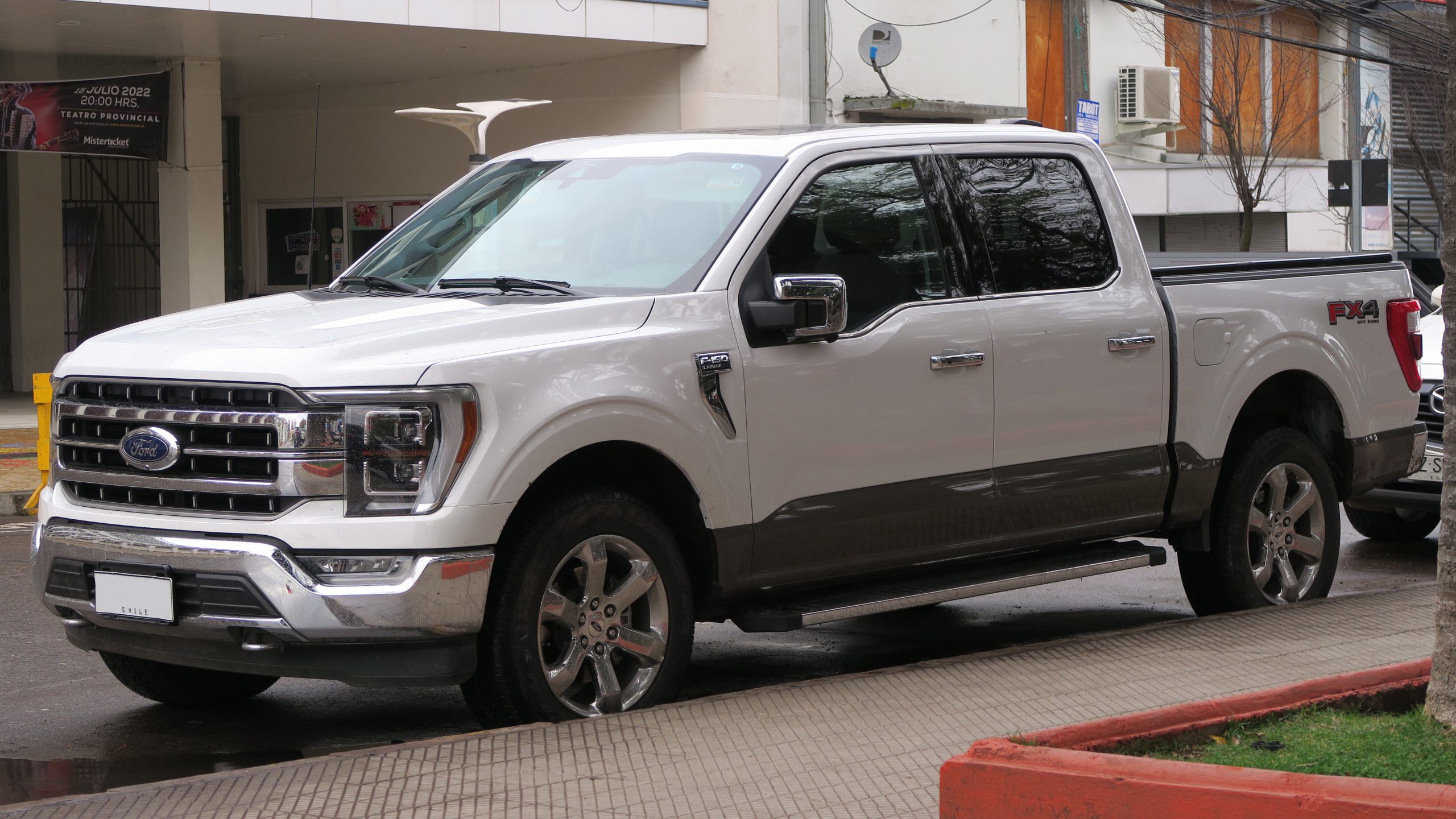
5. Ford F-Series Diesel Trucks: Cab-Off Service for Engine Access
Modern Ford F-150 and Super Duty trucks equipped with Power Stroke diesel engines are densely packed, creating significant challenges for even basic maintenance. The 6.7L Power Stroke, used in heavy-duty models, is surrounded by complex emissions systems, turbochargers, fuel systems, and exhaust components, leaving minimal clearance for technicians to access essential parts.
This tight packaging means that tasks like replacing oil pans, up-pipes, high-pressure oil pumps, or rear-mounted turbochargers often require removing the entire cab from the chassis. While this “cab-off” approach may seem extreme, it provides clear, unobstructed access, reducing the risk of damage during repairs and often saving time compared to struggling within the cramped engine bay.
Ford designed these trucks with cab-off serviceability in mind. The cab can be unbolted and lifted, allowing the engine to remain fully exposed on the rolling frame.
This design is particularly important for heavy-duty repairs like head stud installation or major engine work, which would otherwise be nearly impossible due to the tight space and interference from emissions hardware. Advanced emissions equipment, including bulky exhaust and DEF systems, further compounds accessibility challenges in modern diesel trucks.
For light-duty diesel applications, the 3.0L Power Stroke V6, offered in F-150s between 2018 and 2021, provides a more compact, fuel-efficient alternative. Producing 250 horsepower and 440 lb-ft of torque, it can tow up to 11,400 pounds while delivering roughly 30% better fuel economy than comparable gasoline engines.
Paired with a 10-speed automatic transmission, it offers smooth, linear power delivery, quiet operation, and excellent range, exceeding 800 miles on a single tank in some configurations. However, this diesel option comes at a premium, available only on higher trims, and requires maintenance of diesel exhaust fluid (DEF).
In contrast, the Super Duty F-250 and F-350 models are built for extreme towing and commercial use, often necessitating cab-off procedures for heavy repairs.
While the F-150 diesel prioritizes efficiency and daily usability, the cab-off design in all Power Stroke-equipped trucks highlights Ford’s solution to the inherent challenges of maintaining tightly packed diesel engines. Proper use of this system ensures reliable access and safer, faster repairs in even the most complex diesel applications.
Also Read: 5 Cars With Simple Dash Layouts vs 5 With Confusing Ones
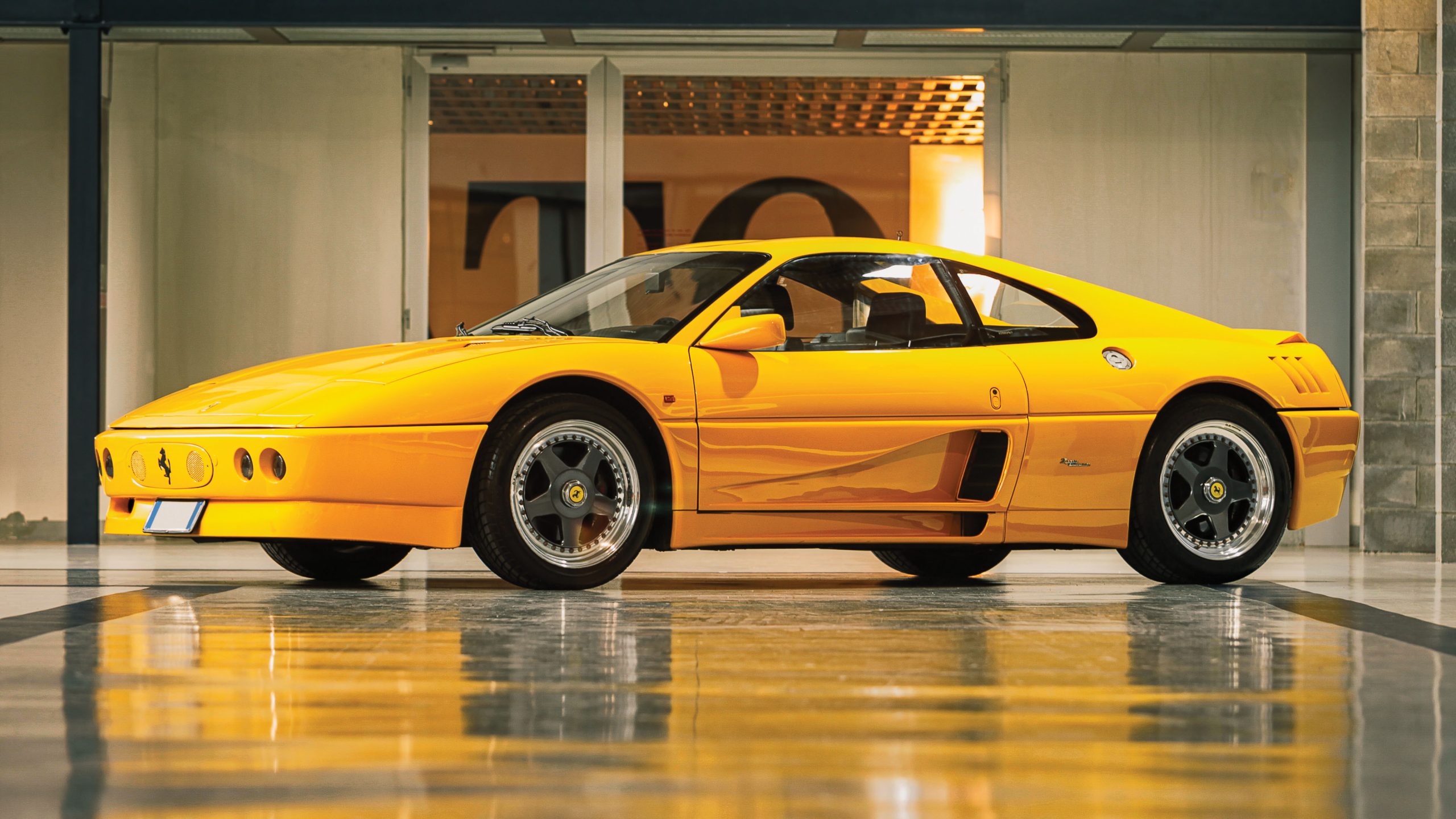
6. Ferrari 348 and F355: Engine-Out Maintenance and Performance Legacy
The Ferrari 348 and F355 are mid-engine V8 supercars known not only for their performance and design but also for their demanding maintenance. Both models require engine-out service for what is considered “basic” upkeep, particularly timing belt replacement. Due to extremely tight engine bay packaging, the belts face the passenger compartment, making access impossible with the engine installed.
The entire rear subframe, including engine, transmission, and suspension, must be removed as a single unit to replace the belts and accurately degree the camshafts. This “major service” is typically required every three to five years and can cost between $7,000 and $10,000, making these routine tasks some of the most expensive in automotive ownership.
The Ferrari 348, produced in the late 1980s and early 1990s, features a 3.4-liter V8 with four valves per cylinder, producing between 296 and 320 horsepower. Its manual, unassisted steering and analog driving dynamics provide a raw, “go-kart” experience, though parking and low-speed maneuvers can be challenging.
The F355, which succeeded the 348, increased displacement to 3.5 liters, adopted a five-valve-per-cylinder design, and produced 375 horsepower, revving beyond 8,000 rpm. The F355 also introduced modern amenities like power steering, active damping, and a 6-speed manual or F1-style paddle-shift transmission, refining handling and usability without compromising driving engagement.
Design evolution distinguishes the two models visually. The 348, often called a “baby Testarossa,” features horizontal side strakes and a squared-off rear, while the F355 showcases smoother Pininfarina styling, replacing strakes with integrated air intakes and returning to classic round quad taillights. Both remain highly desirable among collectors for their performance, aesthetic appeal, and Ferrari heritage.
Maintenance complexity is another key factor. The F355’s engine-out service can also address notoriously fragile headers, valve guides, and hydraulic systems on pre-1996 models, while the 348’s simpler design makes some services slightly easier and less costly.
However, both cars demand strict adherence to service intervals to avoid catastrophic engine damage. Attempting timing belt replacement without engine removal compromises camshaft timing and engine reliability.
The Ferrari 348 and F355 combine exceptional driving dynamics, iconic styling, and rich mechanical heritage, but prospective owners must budget for high-cost, mandatory engine-out maintenance every few years. Proper care ensures longevity and preserves the cars’ value as classic mid-engine Ferraris.
7. Mitsubishi 3000GT VR4: A 90s Technological Marvel with Maintenance Challenges
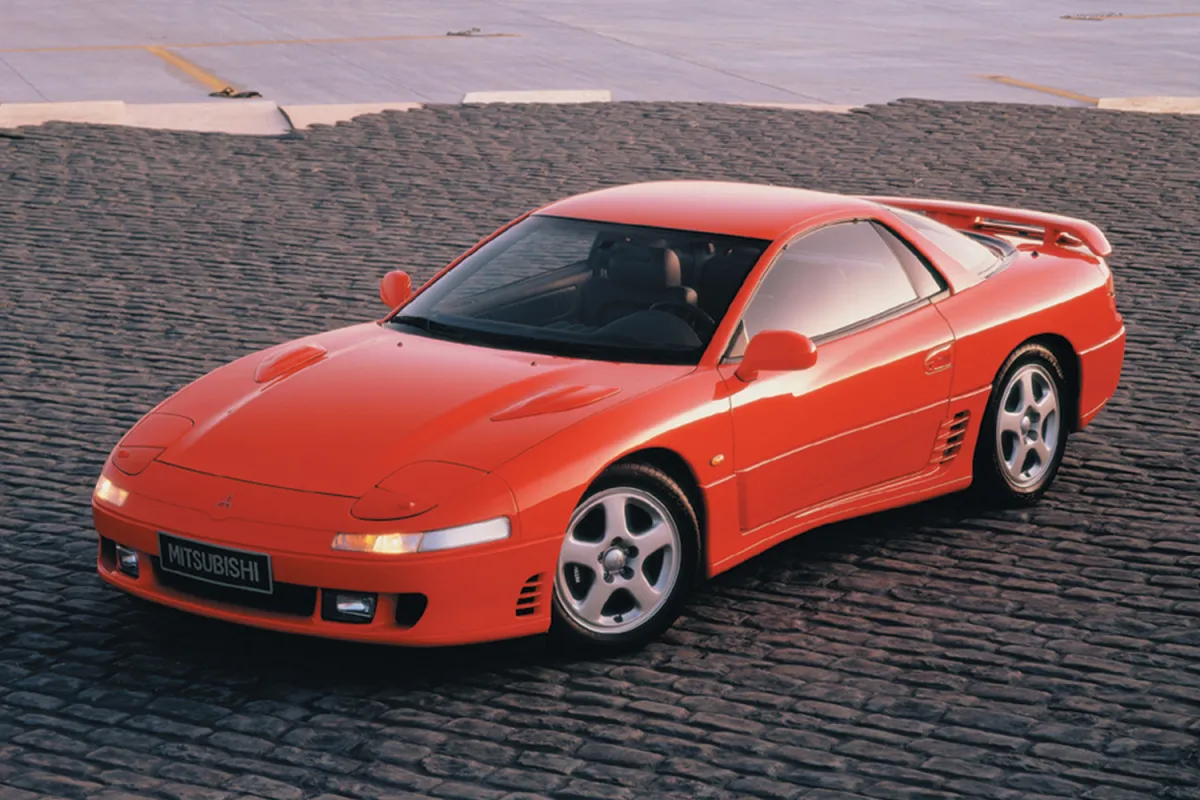
The Mitsubishi 3000GT VR4 was one of the most advanced Japanese grand tourers of the 1990s, packing a twin-turbo 3.0L V6, all-wheel drive, and four-wheel steering into a surprisingly heavy and complex chassis.
Its 320-hp engine, coupled with the Viscous Realtime AWD system, active aerodynamics, and advanced suspension, made the VR4 a technological showcase, capable of accelerating from 0–60 mph in roughly 4.8 seconds and competing with contemporaries like the Toyota Supra and Acura NSX.
Despite its performance, the car’s compact, transverse engine layout created a “packaging nightmare” that has made maintenance a significant challenge.
The engine bay is extremely tight, with the turbos, intercoolers, AWD transfer case, and engine-mounted accessories leaving minimal clearance. Even routine maintenance, such as alternator or starter replacement, can require hours of disassembly. More involved repairs, including turbo replacement, valve cover or oil pan service, and rear spark plug changes, often necessitate engine removal.
The cramped space around the engine and transmission, compounded by the bulky AWD system, makes in-place repairs inefficient, time-consuming, and risky. Many specialists recommend pulling the engine entirely to gain full access, ensuring repairs are accurate and avoiding collateral damage to surrounding components.
Despite these maintenance challenges, the 3000GT VR4 offers a sophisticated driving experience. Its AWD system and four-wheel steering provide exceptional stability and cornering performance for a vehicle exceeding 3,700 pounds.
Active aerodynamic elements, including the rear wing and front air dam, enhance high-speed handling, while the cabin combines 90s luxury with GT comfort, positioning the car as a comfortable high-speed cruiser rather than a lightweight, track-focused sports car.
Ownership requires dedication. Replacement parts can be difficult to source, and repairs are often labor-intensive due to the complex, tightly packed engine bay. High maintenance costs and heavyweight are notable drawbacks, but for enthusiasts, the VR4 remains an iconic example of 90s Japanese automotive innovation.
Its combination of luxury, cutting-edge technology, and strong performance has earned it a reputation as a “dark horse” classic, appealing to collectors who appreciate its advanced engineering and unique driving dynamics.
8. VW Touareg and Phaeton V10 TDI: Engineering Marvels with Costly Maintenance
The Volkswagen Touareg and Phaeton with the 5.0L V10 TDI are engineering masterpieces, yet their impressive design comes with significant maintenance challenges. The massive twin-turbo diesel engine fills nearly every inch of the engine bay, leaving almost no room for hands or tools.
Many components, including turbochargers, exhaust manifolds, alternators, starter motors, and tandem pumps, are inaccessible without removing the entire engine and transmission assembly.
Volkswagen even designed a specialized lowering table for this purpose, allowing the drivetrain to be dropped safely as a single unit. What might seem like a minor $200 sensor repair can easily turn into a $5,000 labor job because of the mandatory removal process.
The V10 TDI’s extreme packaging makes engine removal the preferred solution for many repairs. Gear-driven timing, turbos tucked into the lower corners, and deep V-mounted components leave little hope for conventional in-bay servicing.
Exhaust manifold cracks, turbo failures, oil seal leaks, and EGR cooler or thermostat replacements are all tasks that often require lowering the drivetrain.
Even skilled mechanics find it faster and more reliable to perform repairs with the engine out because cramped working conditions risk damage to other components. A trained technician can complete the drop in roughly four hours, after which repairs can be done efficiently and accurately.
Performance-wise, the V10 TDI delivers over 300 horsepower and more than 550 lb-ft of torque, making both the Touareg and Phaeton exceptional towing machines capable of hauling up to 7,700 lbs.
The vehicles combine immense power with smooth, planted handling and luxurious refinement. On the road, the Touareg feels stable and confident despite its weight, while the Phaeton provides a silent, effortless driving experience that rivals high-end sedans.
These capabilities come at a cost. Fuel economy is modest at around 23 mpg, and maintenance expenses are notoriously high due to the engine’s complexity and cramped layout. Owners also face potential issues with turbos, electrical systems, and dual-battery setups.
Despite their engineering brilliance, both vehicles reflect a no-compromise design philosophy under Ferdinand Piëch, delivering unmatched power, luxury, and sophistication while requiring significant investment and dedication to maintain reliability.

9. Mini Cooper R56 and F56: Compact Design Demands Engine Removal for Major Repairs
The Mini Cooper, particularly the R56 (2007–2013) and F56 (2014–present) generations, is famous for its compact, performance-oriented design. The transverse engine layout and tight packaging create an extremely cramped engine bay, making many repairs difficult or inefficient to perform in-car.
To access even minor components, the front bumper, radiator, and support structures must often be removed, placing the car in a so-called “service position.” Despite this, engine removal or lowering the subframe is frequently the preferred method for complex repairs, as it allows technicians unrestricted access and reduces labor time compared to struggling in tight spaces.
For the R56 generation, common issues that necessitate engine removal include timing chain tensioner or guide failures on the N14/N18 engines, turbocharger maintenance, clutch replacement, high-pressure fuel pump servicing, and oil leaks from the filter housing or rear main seal.
Many of these components are located in difficult-to-reach areas, making in-car repairs extremely labor-intensive and prone to mistakes. Removing the engine often allows these repairs to be completed more quickly and reliably.
In the F56 generation, engine removal is also beneficial for tasks like replacing crumbling engine mounts, repairing oil filter housing cracks, or servicing water pump and thermostat housings. Direct injection engines in both generations produce carbon buildup on intake valves, which requires specialized cleaning such as walnut blasting, although this does not always require engine removal.
Performance-wise, the F56 Mini Cooper offers improved reliability and comfort over the R56. Base Cooper models use a 1.5-liter three-cylinder engine while the Cooper S uses a 2.0-liter four-cylinder, delivering punchy performance with 0–60 mph times between 6.8 and 7.9 seconds.
Both generations retain sharp, “go-kart” handling and compact agility, though interior space is tight, particularly in three-door models. The F56 also provides a more refined cabin, better daily usability, and advanced transmission options, including dual-clutch automatics with rev-matching.
The Mini Cooper’s small size and tightly packed engine bay make engine removal the most efficient solution for high-quality, labor-intensive repairs. Experienced technicians can often remove the engine in under an hour, allowing long-lasting repairs to critical components such as the timing chain, clutch, or turbo system.
While the R56 is prone to timing chain and oil-related issues, the F56 is a more refined and reliable option, maintaining the iconic driving experience in a practical, premium compact package.

10. Lamborghini Aventador: Extreme Performance Demands Engine-Out Maintenance
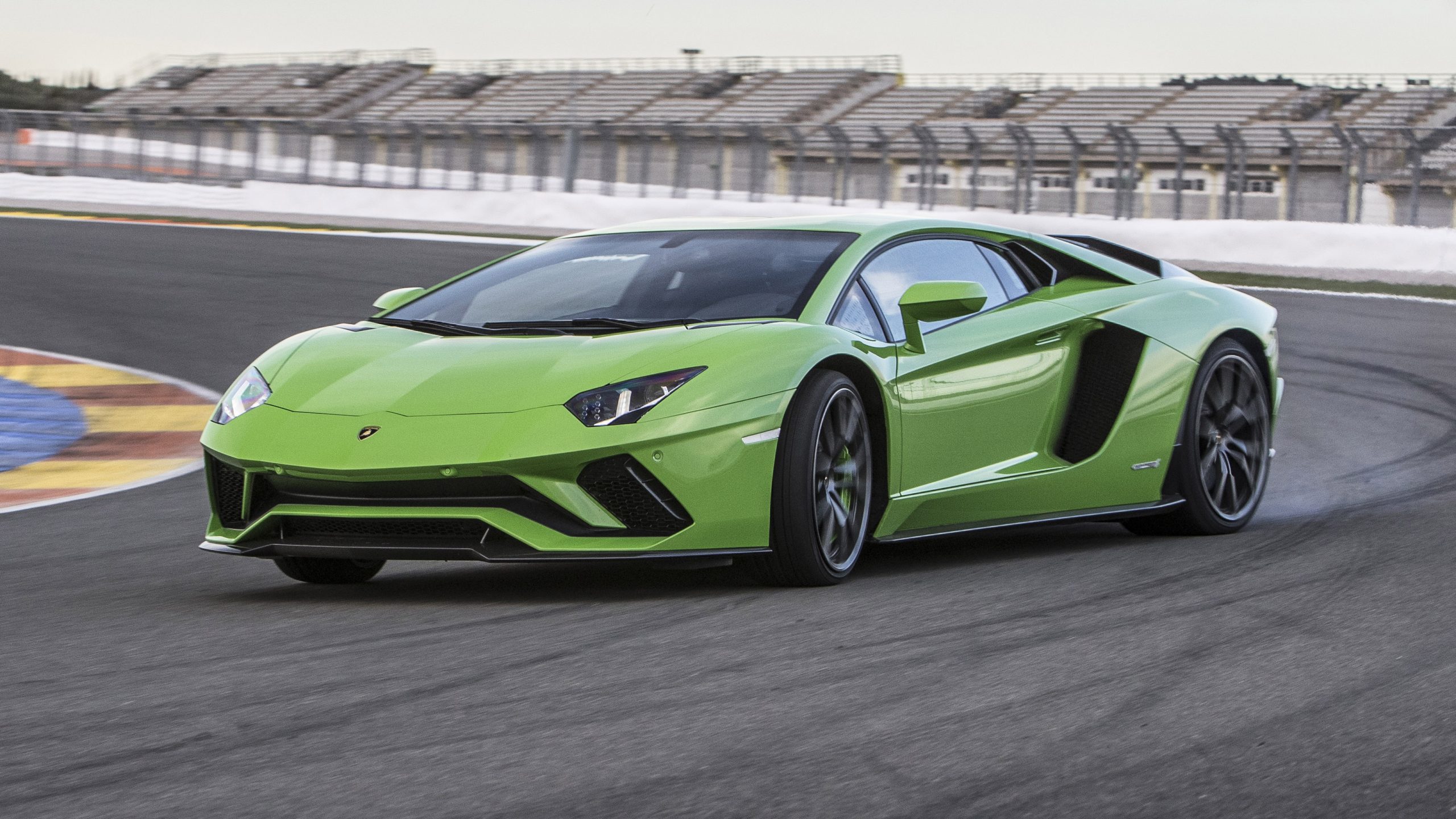
The Lamborghini Aventador, produced from 2012 to 2024, is a flagship V12 supercar renowned for extreme performance and dramatic design. Its carbon-fiber monocoque chassis forms a rigid, protective “tub” around the driver, with the 6.5-liter naturally aspirated V12 engine nestled deep into the rear subframe.
While this design enhances structural rigidity and high-speed stability, it leaves almost no clearance around the engine. As a result, even routine maintenance, such as timing chain inspections, spark plug replacements, or oil pump servicing, often requires removing the entire powertrain. This approach prioritizes precision and safety over convenience, making engine-out repairs standard for most labor-intensive tasks.
The Aventador’s tight engine bay packaging is the primary reason for engine removal. The V12 is wedged between the cabin and rear subframe, with many key components deeply recessed within the engine assembly. Tasks such as replacing pistons, rings, or addressing oil leaks are significantly easier and safer when the engine is removed.
While simple maintenance like oil changes can be performed in place, virtually any more involved repair demands full disassembly. High-performance engineering choices, including compact dimensions and a focus on output rather than accessibility, further complicate service. For mechanics, dropping the engine or rear subframe dramatically reduces labor time and minimizes the risk of damage during repair.
Performance is a defining aspect of the Aventador. The V12 produces between 740 and 770 horsepower depending on the variant, propelling the car from 0 to 62 mph in 2.9 seconds, with top speeds exceeding 217 mph. The SVJ variant, with active aerodynamics, is capable of record-breaking lap times on demanding tracks like the Nürburgring.
The driving experience is visceral, with an unmistakable high-revving engine note, sharp handling, and exceptional grip. However, the Aventador’s single-clutch transmission can feel jerky compared to modern dual-clutch setups, and the stiff ride, cramped cabin, and limited rear visibility make it challenging for daily use.
The Aventador exemplifies modern hypercar design, where peak performance and structural integrity outweigh serviceability. Engine removal is frequently required for major maintenance due to the compact, high-performance layout.
While ownership delivers extraordinary speed, sound, and style, it comes with high labor costs and mechanical complexity, reflecting the trade-offs inherent in extreme supercar engineering.
The ten cars highlighted show how innovation and performance can make even routine repairs complex. Engine removal is often a practical solution to limited access rather than a flaw in design.
Compact sports cars like the Mini Cooper F56 and Subaru EJ-series demonstrate how tight packaging complicates in-car service, while mid- or rear-engine supercars such as the Porsche 911, Ferrari F355, and Lamborghini Aventador emphasize precision and performance at the cost of accessibility.
Heavy-duty diesels like the VW V10 TDI and Ford Super Duty show that even large vehicles are not exempt from these challenges. Owners of these machines must plan for labor-intensive service, work with skilled technicians, and budget for higher maintenance costs.
Properly executed engine-out repairs ensure reliability, preserve performance, and maintain the value of these remarkable vehicles, making them both thrilling and demanding to own.
Also Read: Top 10 Cars That Can Drive Through Deep Water Without Stalling