European cars are celebrated for their engineering precision, driving dynamics, and advanced technology, yet many models face recurring issues with cooling system components. From the iconic BMW 3 Series E36 and E90 to the refined Audi A4, a common thread is the reliance on plastic parts such as water pumps, thermostat housings, expansion tanks, and coolant pipes.
High engine temperatures, turbocharging, and complex packaging often accelerate the degradation of these components, leading to cracks, leaks, and potential engine overheating. While these vehicles offer remarkable driving experiences, the risk of cooling system failure underscores the importance of proactive maintenance.
Owners who monitor coolant levels, replace vulnerable plastic parts at recommended intervals, and upgrade to metal alternatives where possible can enjoy the performance and luxury these cars offer without succumbing to avoidable mechanical failures. This guide highlights six European models that exemplify this balance between thrilling driving and maintenance vigilance.
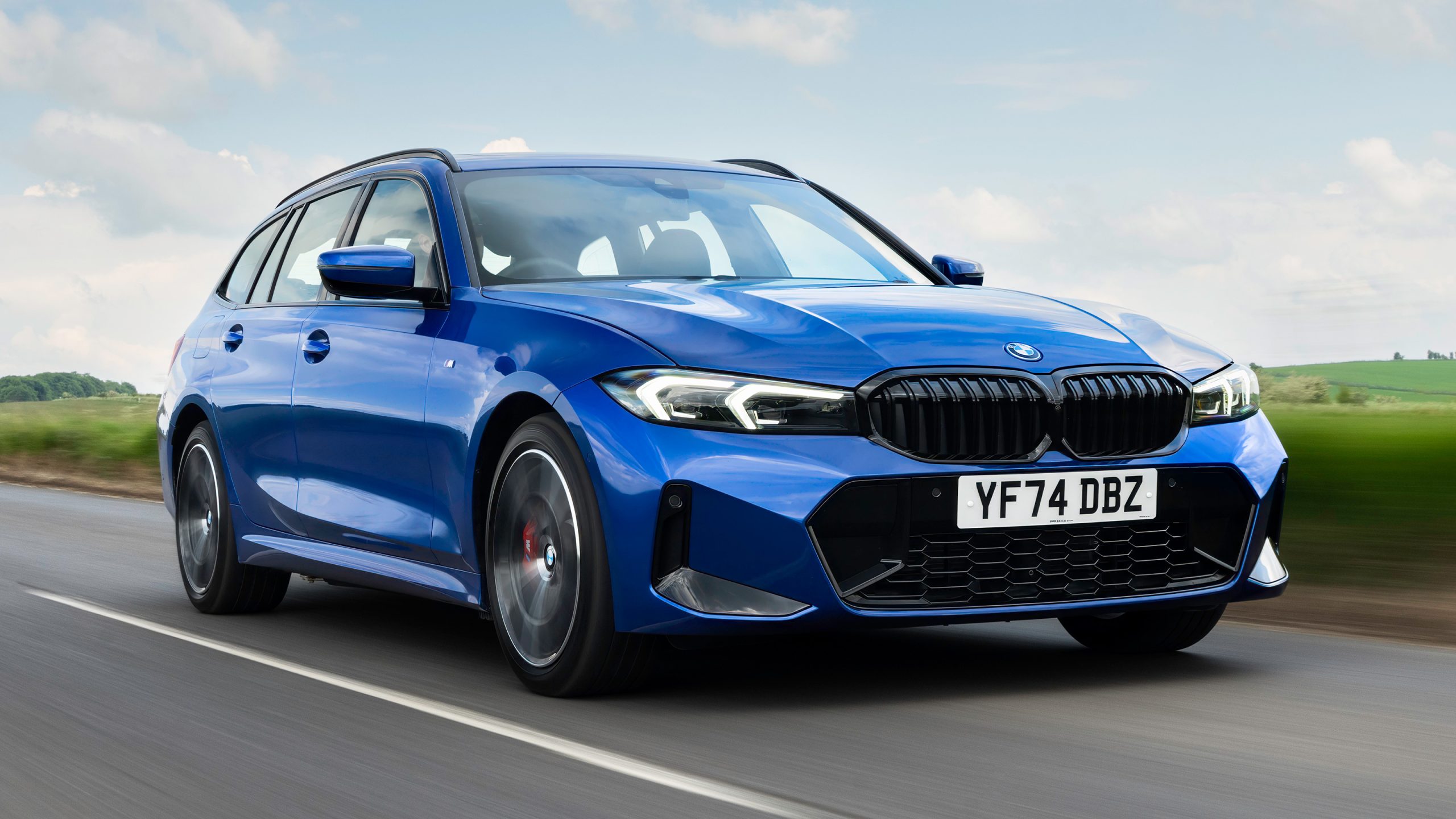
1. BMW 3 Series E36 and E90: Cooling Systems and Driving Experience
The BMW 3 Series, especially the E36 and E90 generations, is known for its engaging driving experience but has recurring cooling system issues. Both generations rely heavily on plastic components such as radiator necks, expansion tanks, thermostat housings, and water pump impellers.
Over time, these parts become brittle due to repeated heat cycles and high engine temperatures, leading to cracks, leaks, and possible engine overheating. The E36 often uses mechanical water pumps with plastic impellers that can break apart, while the E90 uses electric water pumps that can fail suddenly, often requiring replacement every 60,000 miles.
High operating temperatures and pressures in BMW engines further stress plastic and rubber components, while the differences in thermal expansion between aluminum engine parts and plastic connections create weak points that are prone to failure.
Plastic fatigue is a major cause of cooling system failures in both generations. Weak connections in radiator hoses, expansion tanks, and other plastic components often crack or leak under the stress of heat and pressure. E90 models in particular are vulnerable to water pump failures due to plastic impellers or the sudden malfunction of electric pumps. Preventive maintenance is essential for reliability.
Many owners replace the entire cooling system, including hoses, thermostat, water pump, and expansion tank, at intervals of 80,000 to 100,000 miles. Upgrading to aftermarket components that use metal instead of plastic in critical areas can significantly reduce the risk of failures and improve long-term reliability.
The E36, produced from 1990 to 2000, represents an analog and lightweight driving experience. It introduced a driver-focused dashboard and the “Z-axle” multi-link rear suspension, which corrected the snap-oversteer issues of earlier models. Its lower curb weight and precise steering make the car feel agile and communicative.
The M50 and M52 inline-six engines provide smooth and linear power delivery with a distinctive mechanical sound. The E36 is ideal for enthusiasts who enjoy a hands-on driving experience or a drift project. Its compromises include aging interior plastics that become brittle and sagging headliners. The cooling system requires attention to avoid major engine problems.
The E90, produced from 2005 to 2013, brought modern refinement and turbocharged performance. Its chassis is stronger, materials are more luxurious, and the engines, including the twin-turbo N54 in the 335i, provide high torque and smooth acceleration. The E90 retains hydraulic power steering, giving it a connected driving feel, while offering better sound insulation, safety, and comfort suitable for daily use.
However, the complexity of technology, run-flat tires, and higher maintenance costs are drawbacks. Turbo models are prone to high-pressure fuel pump failures, and oil leaks are common from the valve cover, oil filter housing, and oil pan gaskets.
Choosing between the two depends on your priorities. The E36 is better for a weekend toy or project car that emphasizes mechanical connection and driver engagement. The E90 is more suitable as a daily driver that combines modern comfort with strong performance, while requiring careful attention to maintenance. Both generations reflect BMW’s philosophy of the “Ultimate Driving Machine” but in very different ways.
2. Jaguar XF X250: Cooling Challenges, Performance, and Ownership
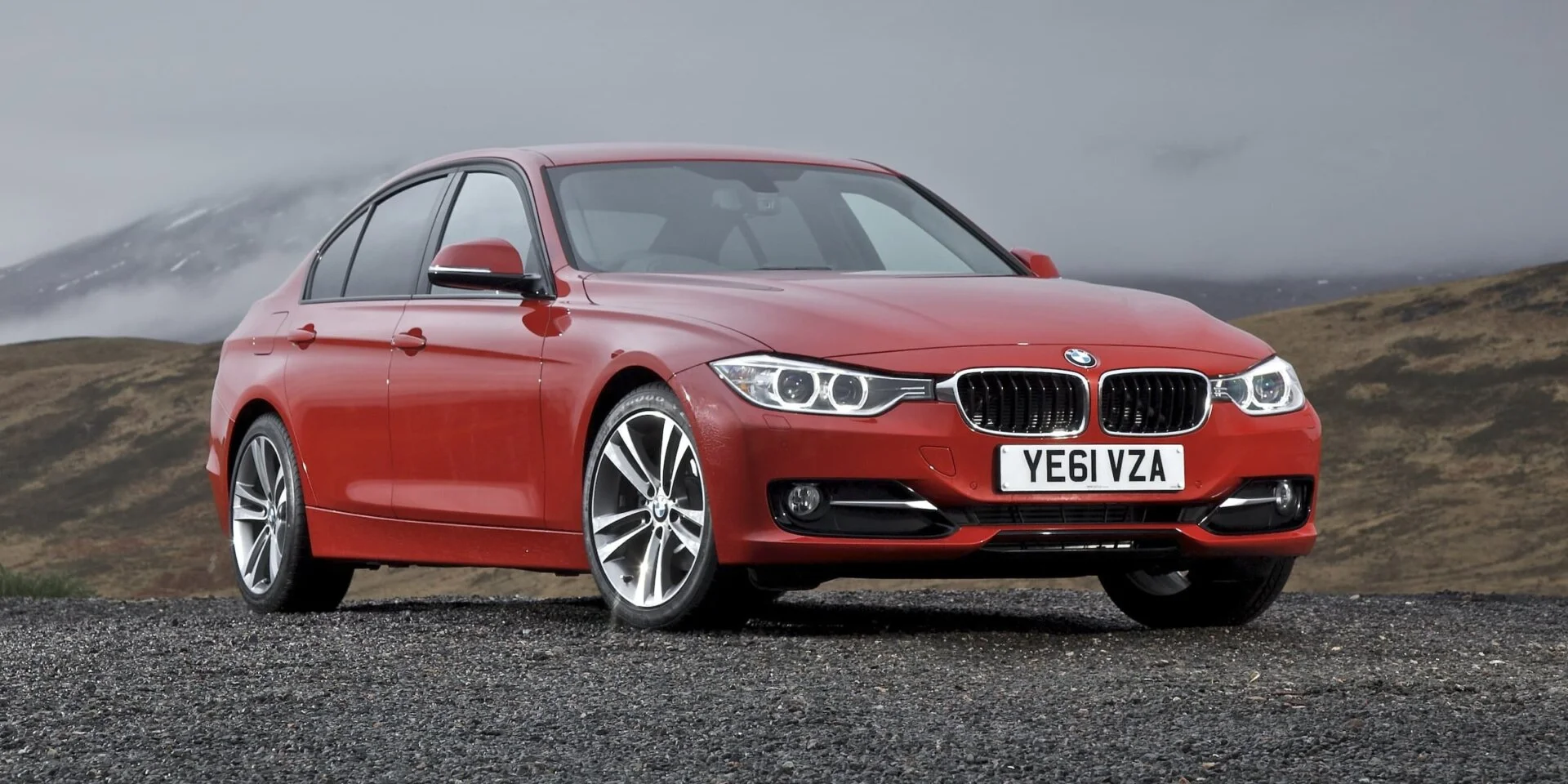
The Jaguar XF (X250), produced between 2008 and 2015, is celebrated for modern styling, engaging driving dynamics, and a luxurious interior, but it has notable cooling system vulnerabilities. Models equipped with the 5.0L V8 or 3.0L supercharged V6 are particularly prone to issues caused by plastic coolant crossover pipes that sit in the engine “vee.”
These pipes are exposed to extreme heat, which can cause them to crack at the seams, leading to hidden coolant leaks. Water pumps also commonly fail, either leaking from the weep hole or the front seal. Because many of these failures occur within the engine valley, leaks often remain unnoticed until the coolant level drops significantly, putting the engine at risk of severe overheating.
The X250 relies heavily on plastic components such as hoses, expansion tanks, and specialized coolant pipes. Over time, these parts become brittle and are susceptible to cracking under high pressure and high temperatures. Specific weak points include the plastic Y-pipe, water pump, thermostat housing, and expansion tank.
When these components fail, the cooling system loses pressure, and the engine can overheat quickly, causing potentially serious damage. Preventive maintenance is essential. Replacing plastic cooling parts before they fail and performing regular inspections, typically every 10,000 kilometers, are highly recommended to avoid costly engine repairs.
Despite these mechanical concerns, the XF X250 revitalized Jaguar’s image, moving away from the brand’s “old-man” reputation toward a modern and elegant design. Its driving dynamics are widely praised, often cited as a benchmark in its class for handling, agility, and steering feel. The chassis delivers a balanced ride, combining supple comfort with sharp, responsive handling.
Engine options provide versatility for different budgets and preferences. The 3.0L V6 diesel is considered the sweet spot, offering effortless torque of up to 368 lb-ft and smooth motorway cruising.
The 2.2L diesel, introduced in 2011, prioritizes fuel economy, achieving up to 57 mpg, though it is less refined. Performance-oriented models like the XFR and XFR-S feature the 5.0L supercharged V8, producing over 500 bhp and reaching 0–60 mph in under five seconds.
The interior emphasizes a sense of theater. Features such as the “heartbeat” starter button, rising rotary gear selector, and rotating air vents create a dramatic first impression.
Cabin materials include leather and wood, or aluminum in sportier trims, though some reviewers note the fit and finish do not always match the precision of competitors like the Audi A6. The boot offers a generous 540 litres of space, but rear legroom is limited due to the sloping roofline.
Common issues extend beyond the cooling system. Electrical problems include failing motorized air vents, faulty door latches, and phantom alarms often caused by water ingress under the passenger seat.
Diesel models can experience DPF clogging from short trips, while the 3.0L diesel may have cracked plastic inlet manifolds, and the 5.0L V8 is prone to timing chain tensioner wear in higher-mileage examples. Average annual maintenance costs are around $1,066, above the luxury midsize average of $739.
The Jaguar XF X250 is considered a design classic that delivers rewarding driving dynamics and character. With a full service history and attention to cooling system maintenance, it remains a compelling choice for enthusiasts seeking a stylish, performance-oriented alternative to German executive saloons.
3. Porsche Boxster and 911 M96 Engine: Cooling System and Reliability
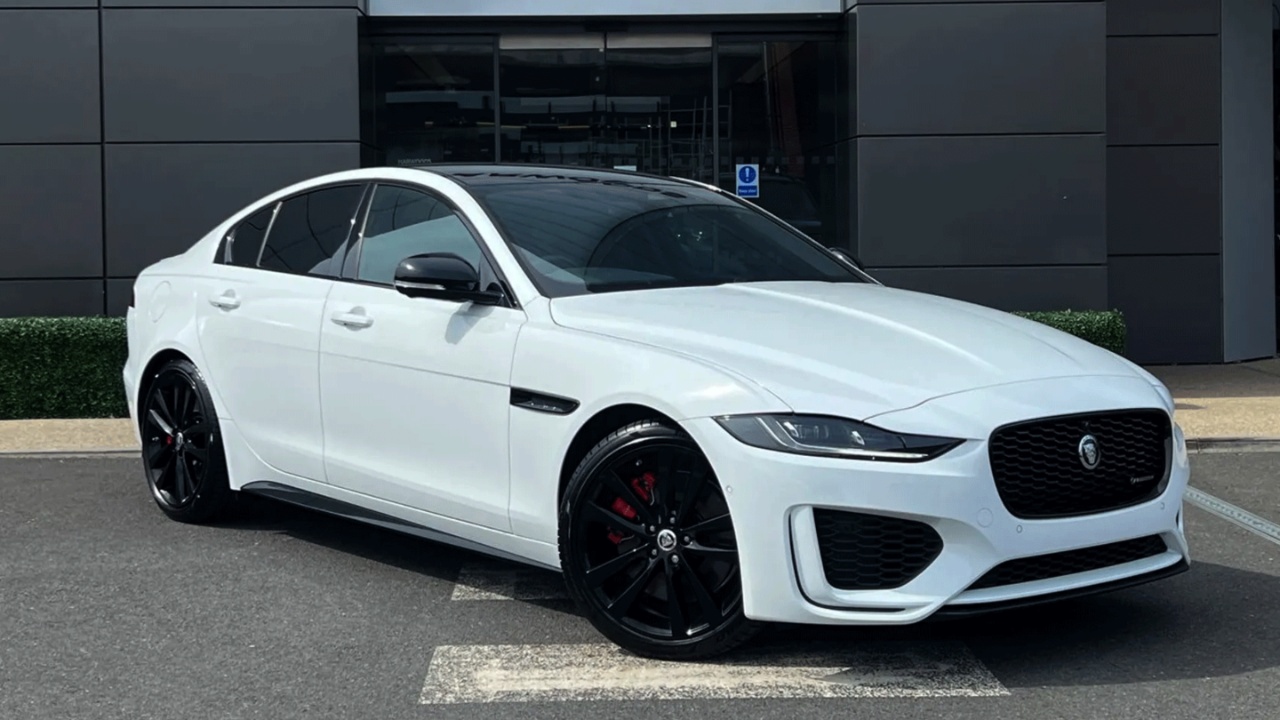
The Porsche M96 engine, used in the 986 Boxster (1997–2004) and 996 Carrera (1997–2005), marked Porsche’s transition from air-cooled to water-cooled engines. While it brought improved performance and efficiency, the M96 is notorious for its cooling system and mechanical vulnerabilities, requiring proactive maintenance to avoid catastrophic failure.
A primary concern is the water pump, which originally used a plastic composite impeller. When these impellers fail, they can break apart, clogging coolant passages or damaging the aluminum engine block. Front-mounted radiators are also prone to corrosion and leaks if debris, such as leaves and dirt accumulate and is not cleaned regularly.
The M96 engine’s cooling system is prone to failure due to plastic component degradation, intense under-hood heat, and complex packaging. Brittle plastic expansion tanks, water pump impellers, and coolant pipes can crack over time, leading to rapid coolant loss and engine overheating.
The long coolant pipes running from the rear-mounted or mid-mounted engine to the front radiators make the system difficult to bleed properly, creating air pockets that can result in localized hot spots.
These hot spots can cause cracked cylinder heads, leaking oil/coolant heat exchangers, and in severe cases, complete engine failure. Preventive maintenance, such as replacing water pumps and expansion tanks before failure, is essential for reliable operation.
From a performance standpoint, the M96 engine represents Porsche’s “Jekyll” side. Water cooling allowed Porsche to use four valves per cylinder, improving thermal management and consistent power delivery. The 986 Boxster engines, ranging from 2.5L to 3.2L, are praised for their linear power delivery and distinctive metallic rasp, making them rewarding to drive at higher RPMs.
The 996 Carrera, with 3.4L and 3.6L engines, is lighter than the outgoing air-cooled models, contributing to agile handling and precise steering response. These engines transformed the Boxster and 911 into more usable, daily-driver supercars while maintaining Porsche’s characteristic driving engagement.
On the reliability side, the M96 engine has earned a reputation for its “Hyde” traits. Key concerns include the IMS (Intermediate Shaft) bearing, cylinder bore scoring, and in some 3.4L engines, catastrophic cylinder wall failure or “D-chunking.” IMS bearing failure can cause timing chains to skip, resulting in valves colliding with pistons.
Early dual-row bearings are more robust than later single-row designs. Cylinder bore scoring, particularly in 3.4L and 3.6L engines, starts as faint ticking and eventually leads to high oil consumption and engine replacement. D-chunking, caused by localized overheating, can destroy the engine entirely.
Despite these issues, specialists note that failure rates are lower than often perceived. Many M96 engines surpass 100,000 miles without major problems, especially when preventative maintenance is performed.
Upgrading the IMS bearing with aftermarket solutions and replacing the water pump proactively can transform the M96 into a reliable, enjoyable engine. For buyers today, the M96 offers one of the most affordable entry points into Porsche ownership, delivering the performance, sound, and engagement that define the modern Porsche experience while rewarding owners who budget for preventive care.
Also Read: 5 Cars With Simple Dash Layouts vs 5 With Confusing Ones
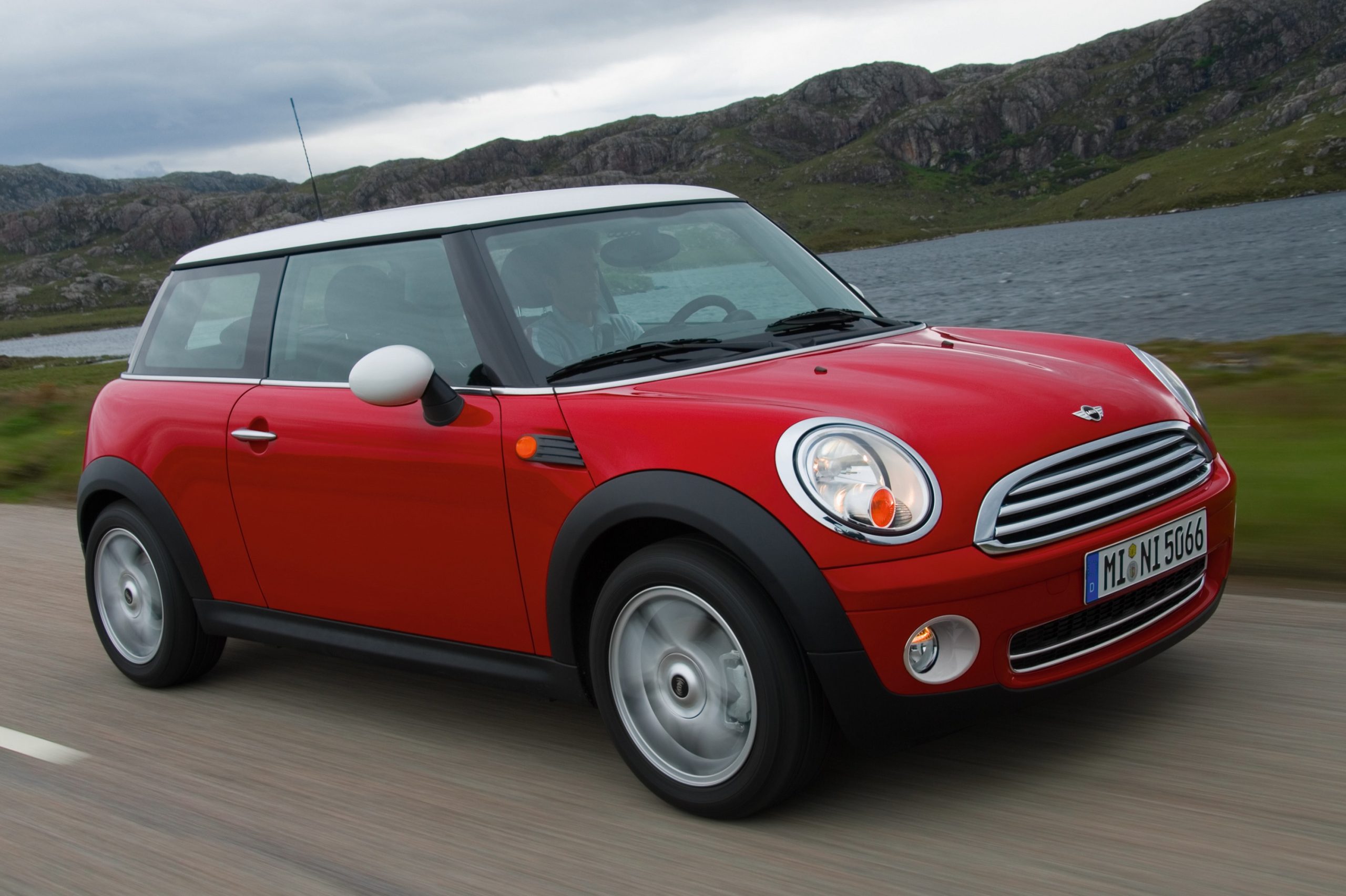
4. MINI Cooper S R53: Cooling System, Performance, and Ownership
The MINI Cooper S (R53), produced from 2002 to 2006, is a first-generation BMW-engineered MINI known for its supercharged 1.6L Tritec engine and go-kart-like driving dynamics. While highly engaging, the R53 has unique cooling system challenges that require proactive maintenance. Unlike traditional engines, the water pump is driven by the back of the supercharger rather than a belt.
If the supercharger’s internal oil is not serviced, the pump gears can strip, leading to total cooling failure. Owners often notice overheating at idle that disappears once the car is moving. Other common vulnerabilities include the plastic coolant expansion tank, which tends to split at the middle seam, and the thermostat housing, which can develop slow, hard-to-detect leaks.
The R53’s cooling system suffers from heavy reliance on brittle plastic components. The thermostat housing, expansion tank, and coolant crossover pipe degrade from the heat generated by the supercharged engine, which operates at high temperatures. Age-related wear also contributes to failures, with many original components reaching the end of their lifespan around 60,000–80,000 miles.
Specific points of concern include the thermostat housing sticking closed or leaking, expansion tanks cracking, crossover pipes breaking behind the intake manifold, and radiator or hose corrosion. Proactive maintenance, frequent coolant monitoring, and replacing plastic components with metal alternatives where possible can prevent serious overheating and engine damage.
At the heart of the R53 is the Eaton M45 supercharger. Pre-facelift models (2002–2004) produced 163 horsepower, while the 2005–2006 facelift versions offered 170 horsepower and shorter gearing for quicker acceleration.
The factory-sanctioned John Cooper Works (JCW) kit boosted output to 200–210 horsepower through a smaller supercharger pulley and revised cylinder head. The engine delivers a raw, mechanical character accompanied by the supercharger’s iconic high-pitched whine, contributing to the R53’s status as a modern classic.
Driving dynamics are a highlight of the R53. Hydraulic power steering provides precise feedback, and the multi-link “Z-axle” rear suspension, borrowed from BMW engineering, ensures minimal body roll and strong traction. However, this performance comes at the cost of comfort, particularly with the original 17-inch run-flat tires, which contribute to a stiff ride.
The interior combines retro charm with early-2000s BMW quality, featuring a large central speedometer and aircraft-style toggle switches. Front seats are supportive, but rear seats and boot space are cramped, making the car better suited as a two-plus-two rather than a full four-seater. Facelift models generally feature improved materials and a more desirable three-spoke steering wheel.
Ownership of the R53 requires attention to maintenance. The supercharger oil should be serviced every 80,000–100,000 miles to protect the water pump, while leaks from the crank sensor O-ring, sump gasket, and failing low-speed fan resistor are common. Chassis wear, such as “mushrooming” of front strut towers from hard driving, should also be monitored.
Despite these considerations, the R53 remains a purist favorite, offering analog engagement and steering feedback that modern MINIs cannot replicate. Prices for well-maintained examples typically range from $5,000 to $10,000, with JCW or GP models commanding higher values.
The MINI Cooper S R53 is a performance-focused, enthusiast-oriented compact car. Its supercharged engine, precise handling, and analog driving feel reward owners who are diligent with preventive maintenance and enjoy a raw, connected driving experience.
5. Volvo P1 Platform: Cooling System, Performance, and Ownership
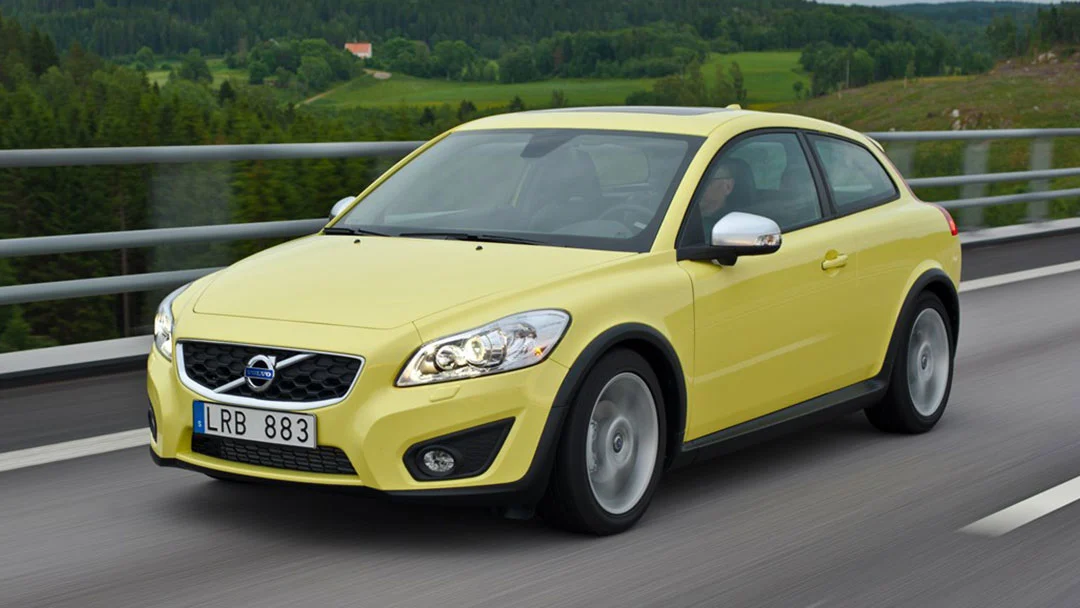
The Volvo P1 platform, spanning the S40, V50, C30, and C70 models produced from 2004 to 2013, is known for its solid build quality, engaging driving dynamics, and distinctive Scandinavian design. However, a key weakness in these vehicles is their cooling system, which relies heavily on plastic components.
The coolant expansion tank, radiator end tanks, thermostat housing, and water pump impeller are all made of plastic that degrades over time from high engine bay temperatures. This can lead to cracks, leaks, and catastrophic engine overheating if not addressed proactively.
Many early P1 models lacked a coolant level sensor, leaving drivers unaware of coolant loss until the temperature gauge spikes, risking damage to the aluminum cylinder head. Preventive replacement of these components at around 80,000 to 100,000 miles is strongly recommended to maintain reliability.
The cooling system failures are primarily caused by plastic degradation, high operating temperatures, transverse engine layout, and aging components. The plastic expansion tank can develop hairline cracks, the radiator end tanks and hoses can leak, and the water pump’s plastic impeller can fail, potentially sending debris into the engine.
The compact engine bay layout concentrates heat, accelerating the wear on rubber and plastic components. Proactive maintenance, including replacing the expansion tank, radiator, hoses, and water pump, is essential to avoid sudden overheating and prevent severe engine damage.
Beyond reliability concerns, the P1 platform offers a versatile and enjoyable driving experience. Developed during Ford’s ownership of Volvo, the architecture was shared with the Ford Focus Mk2 and Mazda3, resulting in compact cars that are more agile and engaging than previous boxy Volvos.
The lineup offers four distinct personalities: the S40 sedan, the V50 wagon, the C30 quirky 3-door hatchback with a glass tailgate, and the C70 convertible with a three-piece retractable hardtop.
Performance is centered around the T5 2.5L turbocharged inline-five engine, producing 227 horsepower with a distinctive “five-pot” warble that sets it apart from four-cylinder competitors.
Paired with the M66 6-speed manual transmission and optional Haldex all-wheel drive, these vehicles combine spirited performance with practical daily usability. The chassis, tuned with Ford and Mazda components, provides sharp handling and agility that still feels modern today.
The P1 interior introduced the innovative Floating Center Stack, emphasizing a minimalist, Scandinavian aesthetic with functional storage behind the dash. Materials are premium, though rear legroom in the S40 and C30 is tight, and the C70’s trunk space is limited when the roof is retracted.
Ownership benefits from the platform’s “Ford DNA,” which makes suspension and brake components affordable and widely available. However, common quirks include sunroof drain clogging leading to water ingress and electrical issues, PCV system diaphragm tears causing whistling and oil leaks, and the brittle plastic cooling components mentioned earlier.
The Volvo P1 platform strikes a balance between safety, style, and driver engagement. It lacks the complex electronics of newer Volvos but offers a personality and driving experience that stand out among compact European cars. With careful attention to cooling system maintenance, these vehicles remain reliable, enjoyable, and uniquely Swedish.
6. Audi A4: Cooling System, Performance, and Ownership
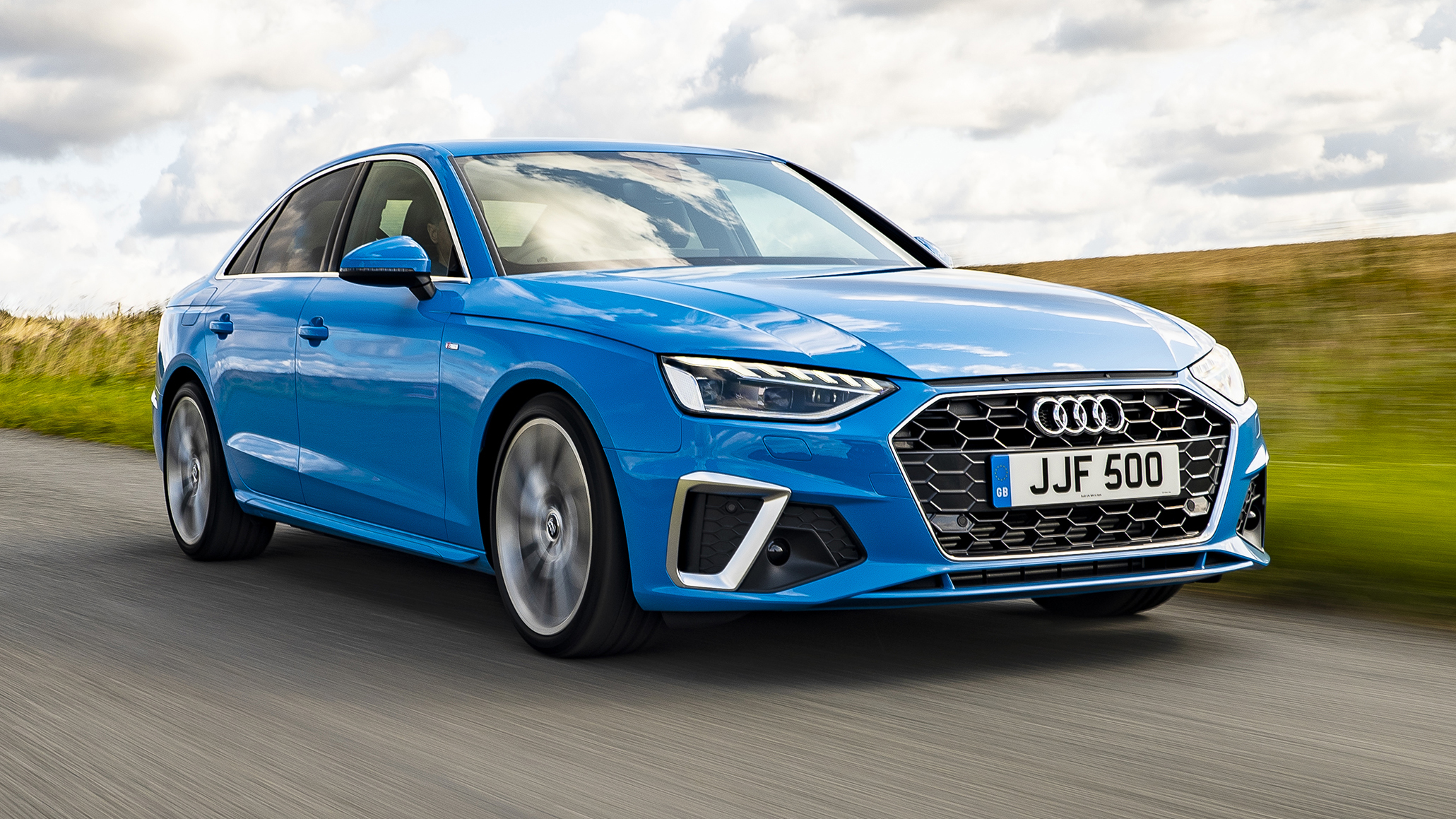
The Audi A4 is a benchmark executive sedan that combines refinement, technology, and safety, but its high-performance turbocharged engines are prone to cooling system issues. Like many modern European sedans, the A4 relies heavily on plastic components, including water pumps, thermostat housings, and coolant pipes.
These parts are designed for efficiency and lightweight performance, but can become brittle under constant heat and pressure, often failing between 60,000 and 90,000 miles.
Additional vulnerabilities arise from vacuum-actuated water pumps, where coolant leaks into vacuum lines, and sensitive electronic components such as electric fans and electronically controlled thermostats, which are prone to failure if exposed to excessive heat or road debris.
The most common points of failure include the water pump, thermostat housing, expansion tank, and hoses. High-compression, turbocharged engines operate at elevated temperatures, accelerating wear on rubber seals and plastic parts.
Neglecting regular coolant changes or subjecting the vehicle to high-demand driving in hot climates further increases the risk of internal corrosion and premature component failure. Proactive maintenance, careful monitoring, and timely replacement of plastic cooling components are essential for long-term reliability.
Despite these mechanical concerns, the Audi A4 excels in interior quality and technology. The cabin is widely regarded as one of the best in its class, featuring premium soft-touch materials and precise build quality. Audi’s Virtual Cockpit, a 12.3-inch digital instrument cluster, offers crisp graphics and an intuitive layout.
The MMI infotainment system features a 10.1-inch touchscreen with high-resolution displays and standard wireless Apple CarPlay and Android Auto. Interior space is generous for a compact executive sedan, comfortably seating four adults. The boot capacity ranges from 460 to 480 liters, with additional cargo options available in the A4 Avant (estate) and A4 Allroad models.
In terms of performance, the A4 provides a refined and composed driving experience. Most modern models use the 2.0-liter turbocharged four-cylinder EA888 engine. The 40 TFSI variant produces 201 horsepower, while the 45 TFSI delivers 261 horsepower, enabling a 0–60 mph time of approximately 5.3 seconds.
The Comfort Dynamic suspension provides a smooth ride over imperfections, though S-line models with larger wheels feel firmer. Handling is precise and confident, though steering feedback is lighter compared to a BMW 3 Series. For higher performance, the S4 model features a 349-hp V6 engine and a sport-tuned rear differential.
Reliability is generally mixed. While the EA888 engine is robust and well-supported, owners report occasional automatic transmission hesitations at low speeds and costly repairs for cooling system or sensor failures.
Maintenance costs for European luxury sedans tend to be higher, but routine servicing can help mitigate major issues. Audi’s focus on safety is consistent, with the A4 earning five-star NHTSA ratings and Top Safety Pick honors.
The Audi A4 is best suited for buyers who value refinement, technology, and comfort over raw driving thrills. It is a mature, understated executive sedan that excels as a long-distance cruiser, offering a serene cabin environment, advanced safety features, and a reliable powertrain when maintained proactively. It represents a balance of performance, practicality, and sophisticated design in the compact luxury segment.
Across the six European models discussed, cooling system reliability is a critical factor. Each car offers strong performance, distinctive character, and unique driving experiences while being vulnerable to plastic component failures from heat and pressure.
Proactive maintenance, including timely replacement of expansion tanks, hoses, and water pumps, allows owners to enjoy these vehicles without risking catastrophic engine damage.
From the analog and lightweight BMW E36 to the refined and modern Audi A4, understanding the weaknesses and performing preventative care transforms potential liabilities into manageable responsibilities. These cars demonstrate that even high-quality engineering requires attention.
Owners who maintain these vehicles carefully can preserve performance, reliability, and driving enjoyment, ensuring that the pleasure of European automotive design is experienced safely and sustainably.
Also read: Top 10 Cars That Can Drive Through Deep Water Without Stalling