Automakers have long relied on animal names to communicate character in a single word.
In the U.S. market especially, where branding carries real weight in showroom decisions, an evocative badge can frame how buyers perceive performance, durability, and personality before they ever turn a key.
A name like “Mustang” suggests freedom and speed; “Impala” implies grace and agility. But branding only works if the mechanical package underneath aligns with the metaphor.
Here are ten cars named after animals, evaluated not just for heritage and market impact in the United States, but for whether they genuinely embody the traits their names imply.
1. Ford Mustang
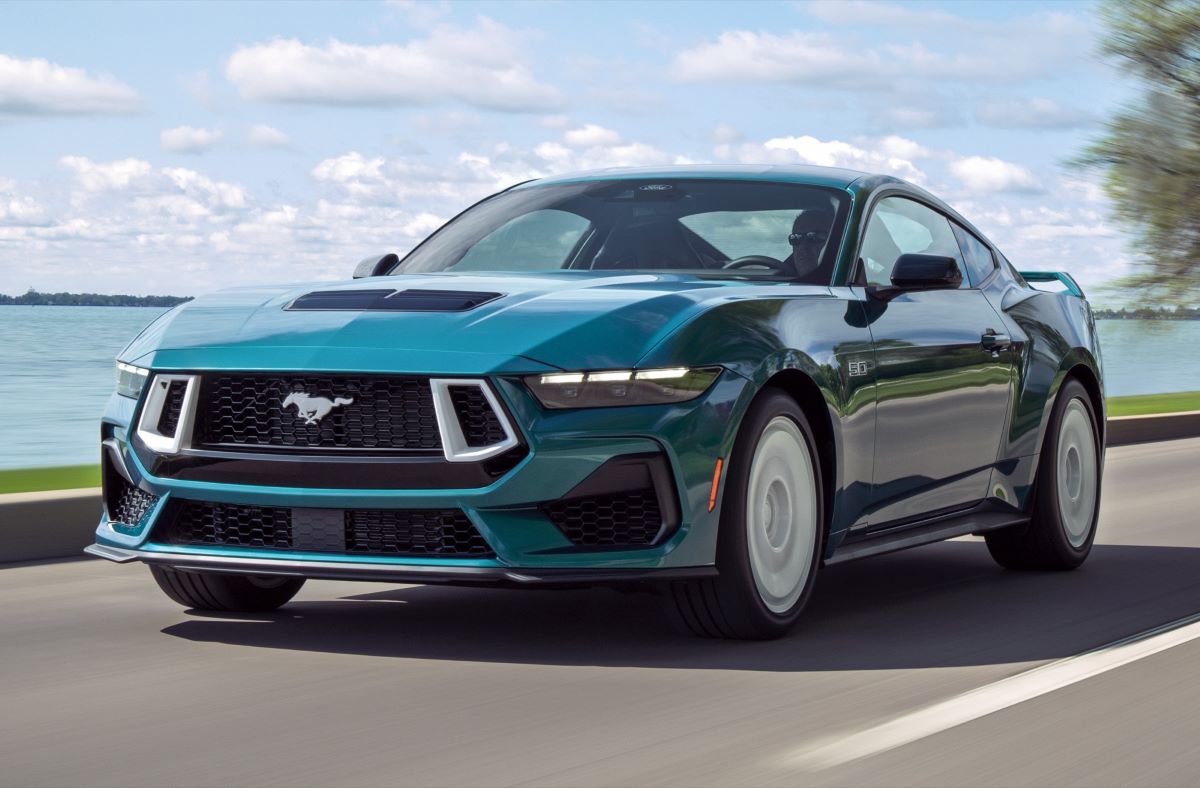
The horse in question is the American mustang: fast, untamed, and symbolic of open plains. Since its debut in 1964, the Mustang has defined the “pony car” segment in the U.S., combining relatively affordable performance with aggressive styling.
From the 5.0-liter V8 in the modern GT to high-performance variants like the Shelby GT500, the Mustang has consistently delivered straight-line speed and rear-wheel-drive dynamics.
There have been softer eras, particularly the Mustang II of the 1970s, when emissions regulations diluted performance.
But across six decades, the Mustang has largely upheld its name. It remains quick, loud when properly optioned, and unmistakably American.
The base powertrain in the Mustang is a turbocharged 2.3-liter four-cylinder EcoBoost engine producing 315 horsepower and 350 pound-feet of torque, paired exclusively with a 10-speed automatic transmission. Interestingly, that output is slightly lower than the previous generation’s EcoBoost Performance model, which delivered 330 horsepower.
While the EcoBoost setup offers solid performance and responsive power delivery, the true centerpiece of the Mustang lineup remains the 5.0-liter V-8. This naturally aspirated engine produces 480 horsepower and 415 pound-feet of torque and can be paired with either the ten-speed automatic transmission or, for enthusiasts, a more engaging six-speed manual gearbox.
Ford also notes that selecting the optional performance exhaust raises output slightly, increasing power to 486 horsepower and torque to 418 pound-feet.
For drivers seeking a more track-oriented experience, the Mustang Dark Horse represents a performance-focused step above the GT. This version uses a specially tuned 5.0-liter V-8 that generates 500 horsepower. In many ways, the Dark Horse serves as a continuation and evolution of the previous generation’s Mach 1, carrying forward its track-ready philosophy.
It comes equipped with adaptive dampers and rides on 19-inch Pirelli P Zero PZ4 tires designed to provide strong grip and stability. For those who want even greater track capability, Ford offers an optional handling package that replaces the standard tires with ultra-sticky Pirelli Trofeo RS rubber, which is engineered specifically for high-performance driving conditions.
Over successive generations, Ford has steadily refined the Mustang’s ride and handling characteristics, and the latest model continues that trend with noticeable improvements. The new version benefits from enhanced steering feel and more precise feedback, allowing drivers to better sense the road and maintain control during spirited driving.
The Dark Horse’s standard adaptive dampers also play an important role in balancing comfort with performance. These dampers help smooth out the harshness that often accompanies track-focused tires, effectively managing the aggressive nature that typically comes with high-performance setups designed for maximum grip and speed.
2. Chevrolet Impala
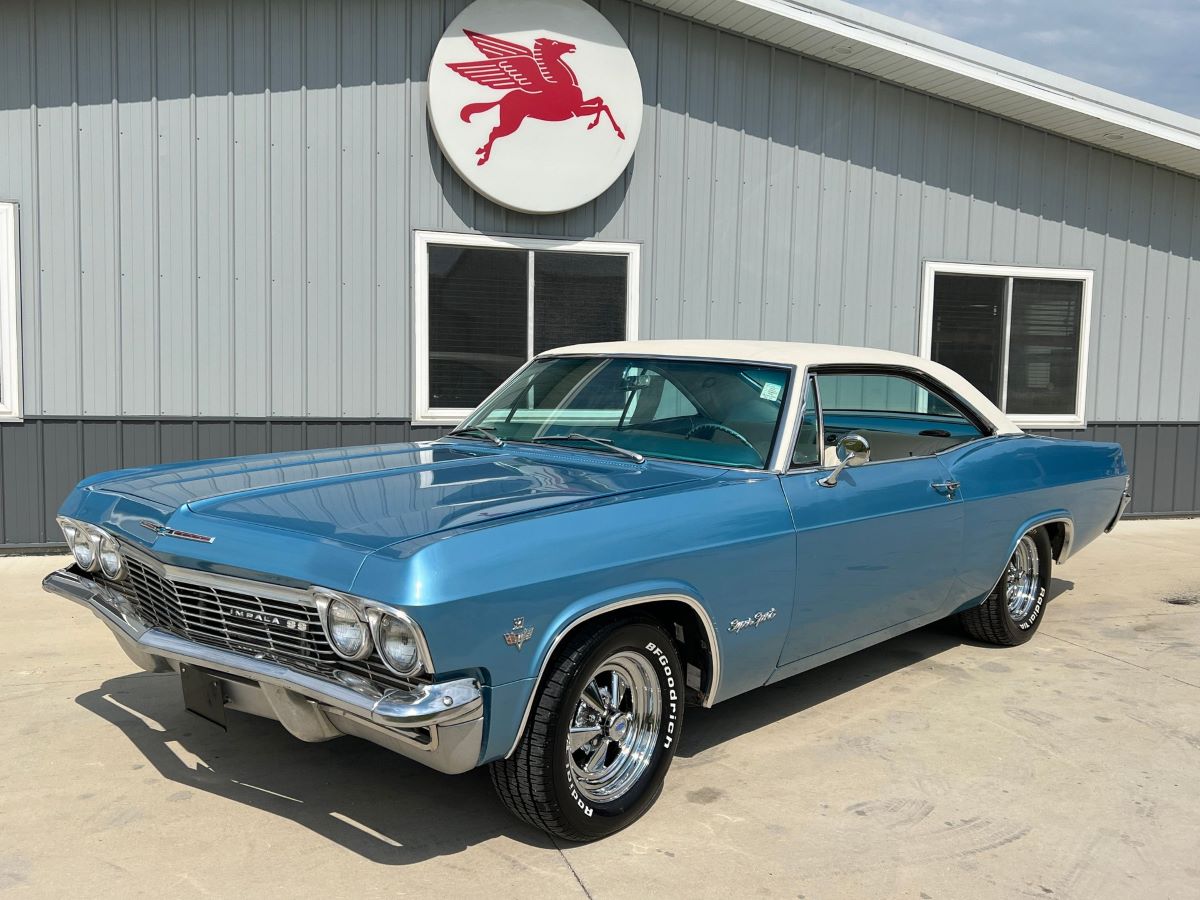
The impala is a swift African antelope known for agility. In the 1960s, the Impala badge represented large American performance sedans and coupes, especially in SS trim with big-block V8 power. Those cars were quick in a straight line but not especially agile.
In its later generations, especially the 2000s front-wheel-drive versions, the Impala became more of a fleet-oriented full-size sedan focused on comfort and cost efficiency.
The name fit better during the muscle car era than in its final, rental-lot-focused years. Verdict: Historically yes, in later decades less so.
General Motors revealed the 2014 Chevrolet Impala with the goal of maintaining the model’s long-standing position as one of the best-selling full-size sedans in the American market.
Although roughly 70% of its sales were attributed to fleet buyers, the Chevrolet Impala remained a cornerstone of the brand’s lineup, and the 2014 model continued that tradition. The tenth generation of the nameplate made its debut at the 2012 New York Auto Show, where it surprised many observers with its updated styling.
The redesign represented a notable leap forward, featuring design cues that echoed Impala models from the late 1960s and early 1970s, even though the car was built on the extended GM Epsilon II front-wheel-drive platform. This architecture was also shared with the Cadillac XTS and the Buick LaCrosse.
Designed during Chevrolet’s new-edge styling phase, the 2014 Impala featured sharp, angular headlights, with HID lamps available on the LTZ trim level.
Positioned between them was a pentagonal grille reminiscent of the one used on the Camaro, while the hood incorporated a pair of sculpted power domes. Lower down, the wraparound plastic bumper included a central air intake, which was flanked by two scoops that housed the available LED daytime running lights.
The car’s sweeping side profile, combined with a rear window that sloped downward toward the trunk, gave the 2014 Chevrolet Impala a silhouette reminiscent of the 1961 Impala Sport Coupe.
In addition, a longitudinal crease running along the front fenders and doors drew inspiration from the design created by Bill Mitchell for the third generation of the model. If those details were not enough to signal the heritage influence, the curved sculpted lines on the rear quarter panels served as a clear nod to the 1965 Impala SS.
At the rear, however, Chevrolet adopted a more contemporary design language. The tail featured angular LED taillights positioned at the corners, giving the back end a sharper appearance.
The short deck lid incorporated a subtle lip spoiler, and beneath the plastic bumper the automaker installed either a single or dual-exhaust setup, depending on the trim level. These exhaust outlets featured rectangular chrome tips integrated neatly into the lower apron.
Inside, the 2014 Chevrolet Impala delivered the spaciousness expected from a full-size sedan, helping convince buyers that it offered more than just fleet-vehicle practicality. The driver sat behind a binocular-style instrument cluster that included large round gauges for the speedometer and tachometer, with a color display for the onboard computer positioned between them.
Two additional smaller gauges at the top of the dashboard indicated fuel level and coolant temperature. The center stack was topped by a touchscreen infotainment display, which could slide upward to reveal a hidden storage compartment behind it.
The front bucket seats were well bolstered and available with leather upholstery, and they were separated by a center console that housed the gear selector, two cupholders, and a storage compartment.
A folding armrest with an additional cubby underneath further enhanced front-seat convenience. Passengers in the rear benefited from generous legroom made possible by the car’s long wheelbase. However, the transmission tunnel that ran through the cabin slightly reduced the space available for the middle passenger on the 60/40 split-folding rear bench seat.
Under the hood, the 2014 Chevrolet Impala was offered with a selection of inline-four and V6 gasoline engines, as well as a hybrid powertrain option. All versions were paired with six-speed automatic transmissions that allowed manual gear selection.
Although the platform was capable of supporting an all-wheel-drive system, the Impala was offered exclusively with front-wheel drive. Nevertheless, the availability of the hybrid drivetrain provided an option for improved fuel efficiency.
3. Dodge Viper
Few cars align with their animal names as precisely as the Viper. The snake is fast, dangerous, and unforgiving.
From its 1992 debut with an 8.0-liter V10 and no traction control to the later ACR track-focused variants, the Viper demanded respect. Early cars lacked basic safety aids and required skill to handle at the limit.
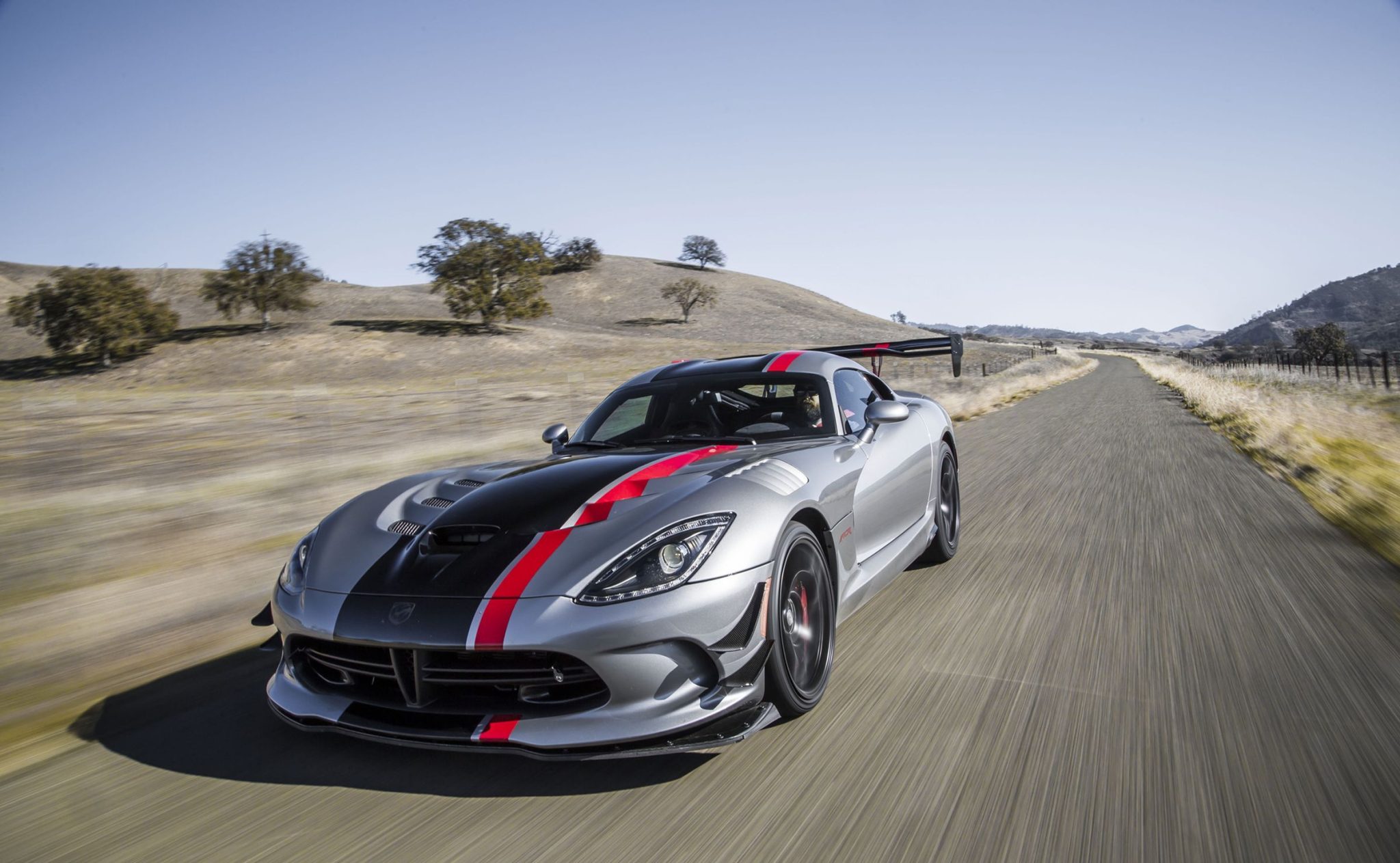
The Viper’s raw, torque-heavy delivery and intimidating driving dynamics made it one of the most visceral American sports cars ever sold. It was not refined, and that was the point. Verdict: It absolutely lives up to the name.
4. Volkswagen Beetle
The Beetle name originated as a nickname, referencing the car’s rounded, insect-like shape. In the U.S., the original air-cooled Beetle became a cultural icon: simple, durable, and modestly powered.
Beetles are small, resilient creatures, and the car matched that identity, basic but robust.
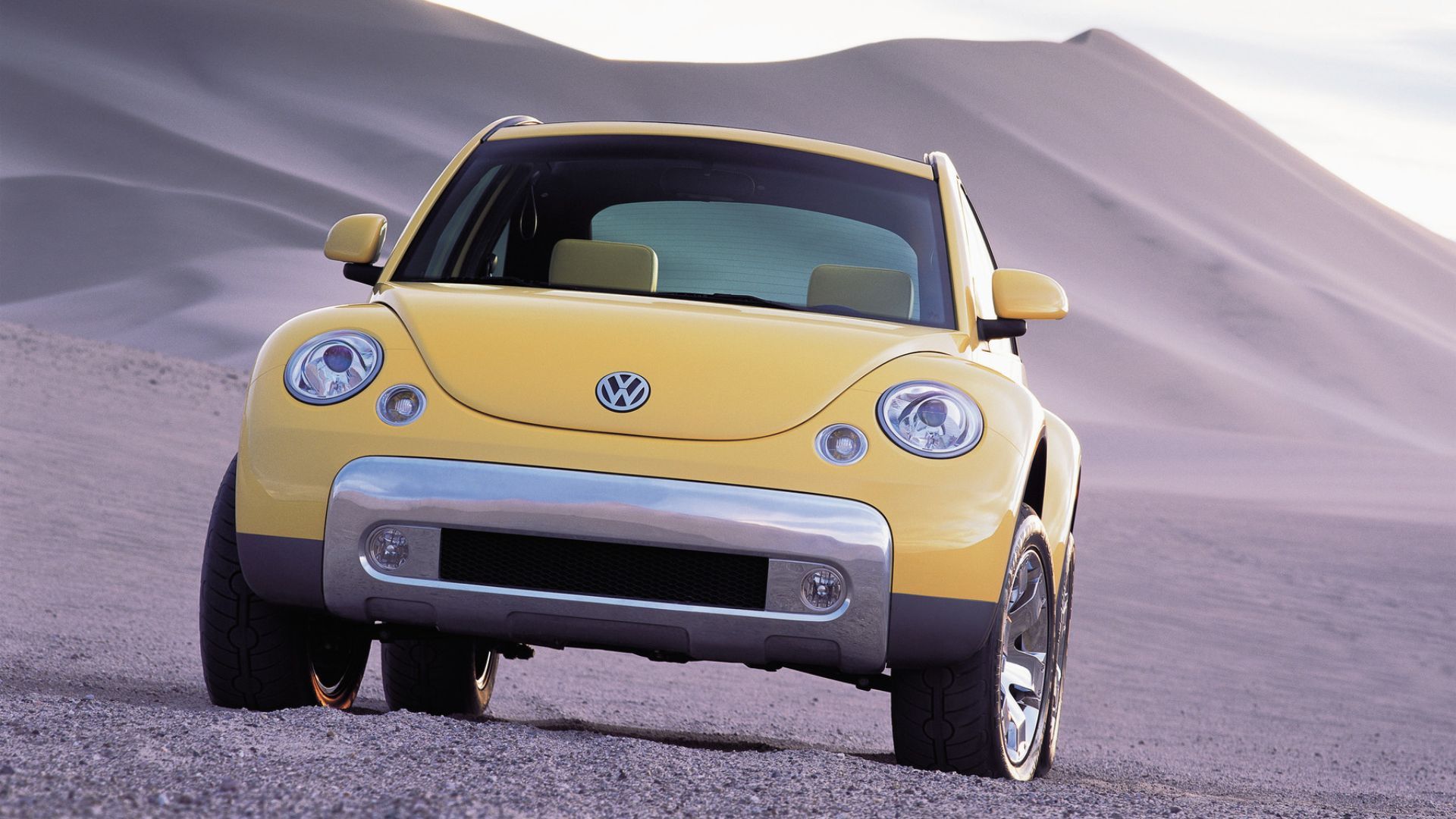
The late-1990s New Beetle leaned more heavily into retro styling and lifestyle branding, sacrificing some of the mechanical simplicity of the original.
Still, as a small, approachable, and distinctive car, the Beetle consistently reflected its namesake’s compact and durable qualities. Verdict: It fits the metaphor well.
Owners could also have the cars upgraded at specialist tuning shops to produce an impressive 100 PS (99 hp), allowing them to compete in a dedicated single-make racing series.
At the time, this concept represented another notable first in the world of motor racing. Four decades later, in 2013, Volkswagen revived the GSR label for a performance-focused Beetle variant. This modern interpretation was produced in a limited run of 3,500 units, the same number as the original 1973 Beetle GSR.
Just like the earlier model, the 2014 Volkswagen Beetle GSR received attention from the automaker’s motorsports division. At the front, the car maintained the Beetle’s recognizable design, including round Xenon headlights accented by LED daytime running lights beneath them. However, the lower section of the bumper set it apart from other Beetle variants.
Continuing the tribute to the original, the 2013 Volkswagen Beetle GSR adopted the signature yellow and black paint scheme. In addition to the black decals applied to the hood and tailgate, the updated version also featured a contrasting black roof. Longitudinal stripes and GSR lettering ran along the sides of the car, further emphasizing its special-edition identity.
The door mirrors and C-pillars were also finished in black, creating a strong visual contrast with the yellow bodywork. To reinforce its performance image, Volkswagen equipped the car with 19-inch alloy wheels wrapped in 235/40R19 tires, the same setup used on the Beetle Turbo.
At the rear, the Beetle GSR was fitted with a prominent spoiler mounted on the sloping tailgate, which incorporated the third brake light. A twin exhaust system positioned on either side of a rear diffuser completed the look of the sporty hatchback.
Inside the cabin, the 2013 Beetle GSR featured an interior that stood out from other versions of the model. The dashboard was finished in black and included a trio of additional gauges mounted on top. The driver’s instrument cluster displayed black dials complemented by red needles, while retaining the large fuel level gauge common to other Beetle variants.
The most notable changes, however, were found beneath the surface. Volkswagen equipped the Beetle GSR with the updated EA888 turbocharged inline-four TSI engine, producing 210 PS (207 hp).
Power was delivered through a standard six-speed manual transmission, while a six-speed dual-clutch automatic gearbox was available as an option. With this setup, the car could accelerate from naught to 60 mph (0–97 kph) in just 6.6 seconds before reaching an electronically limited top speed of 130 mph (209 kph).
5. Ford Bronco
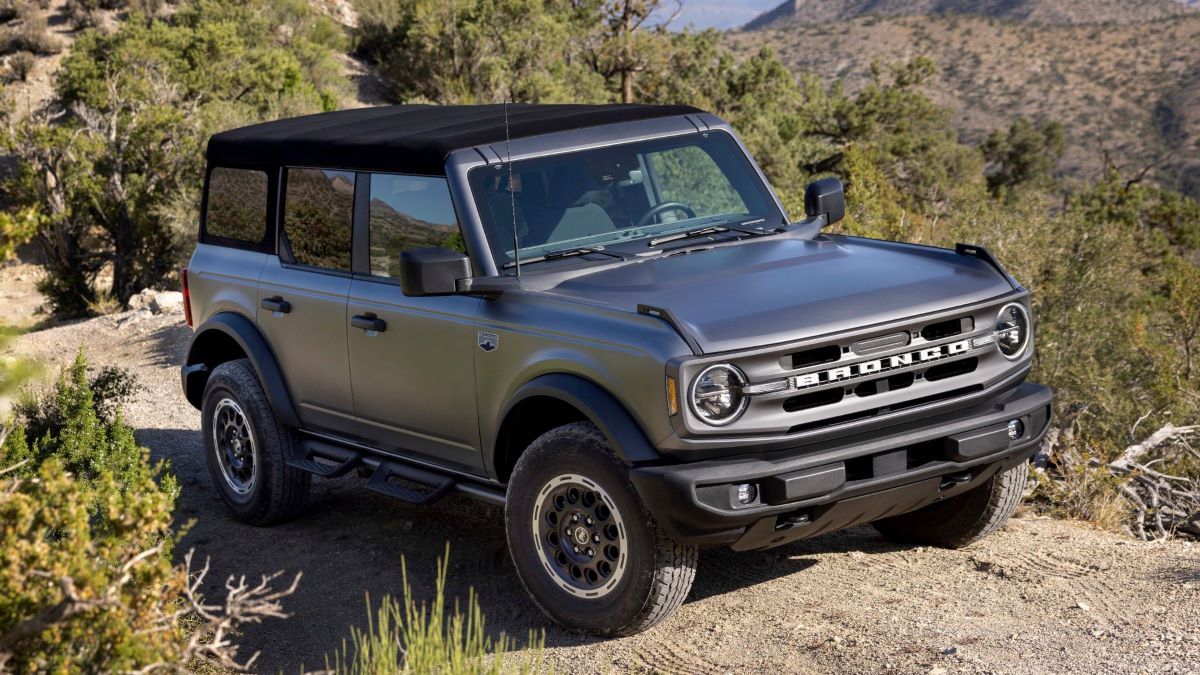
A bronco is an untamed horse, rugged and resistant to control. The original 1966 Bronco was a compact, body-on-frame off-roader aimed squarely at utility. It was simple, durable, and trail-capable.
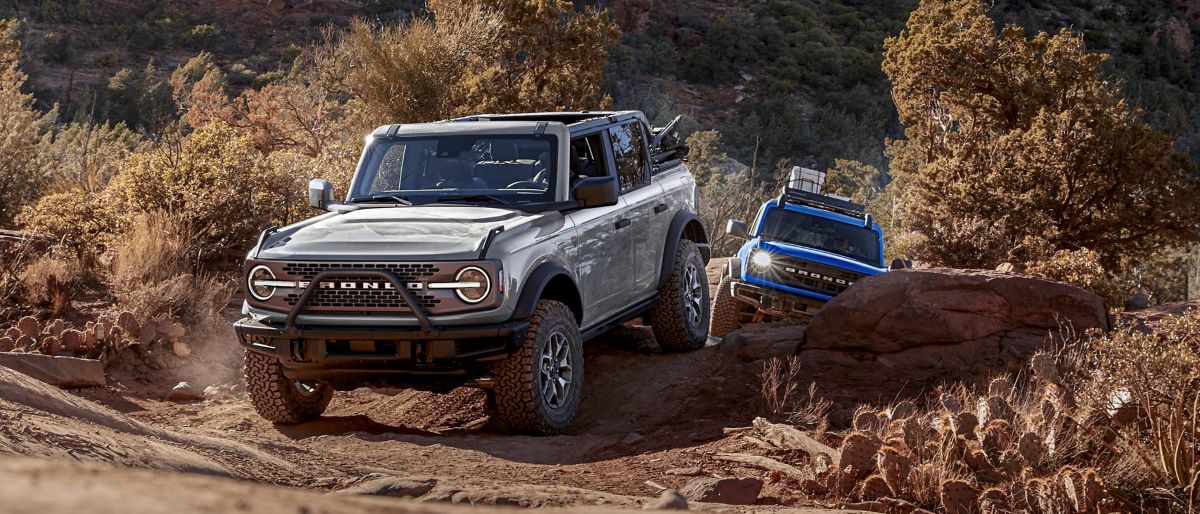
The modern Bronco, reintroduced in 2021, directly targets serious off-road performance with locking differentials, disconnecting sway bars, and advanced terrain management systems.
In U.S. markets where overlanding and trail culture are growing, the Bronco reclaims its wild image convincingly. Verdict: It strongly lives up to the name, especially in current form.
The Bronco is not offered with an eight-cylinder engine. Instead, buyers can choose between two turbocharged powertrains. The standard engine is a 2.3-liter turbocharged four-cylinder that produces 300 horsepower, while an optional twin-turbocharged 2.7-liter V-6 delivers 330 horsepower.
Both gasoline engines are paired with a 10-speed automatic transmission, although the smaller four-cylinder engine can also be equipped with a seven-speed manual gearbox. Despite their performance capabilities, neither engine stands out for delivering a particularly engaging exhaust note.
Every Bronco comes standard with four-wheel drive, reinforcing its focus on off-road capability. The vehicle also features an independent front suspension, which is a more advanced setup compared with the Jeep Wrangler’s traditional solid front axle. This design helps improve ride comfort and handling, particularly when driving on paved roads.
In addition, the Bronco offers a range of specialized equipment designed to enhance its performance in demanding terrain. Among the notable options are 35-inch mud-terrain tires, beadlock-capable wheels, electronically locking front and rear differentials, and a sway-bar disconnect system that increases wheel articulation when tackling rough trails.
During initial driving impressions, the Bronco demonstrated a surprising level of refinement when used on regular roads. Its steering feels more precise than the Wrangler’s, and the Ford delivers better overall handling in typical driving situations. Even so, certain traits remain evident.
When fitted with the largest available tires and the softest suspension setup, the Bronco exhibits noticeable brake dive during hard stops, and its body-on-frame construction is clearly perceptible while driving.
Nevertheless, the vehicle proves to be far more versatile than a single-purpose off-roader. In addition to its improved road manners, the Bronco remains fully capable of tackling extremely challenging terrain, making it a well-rounded choice for drivers who want both everyday usability and serious off-road performance.
6. Plymouth Barracuda
The barracuda is a predatory fish, sleek and aggressive. While the earliest Barracudas were essentially fastback derivatives of the Valiant, the 1970–1971 E-body redesign transformed the car into a genuine muscle icon.
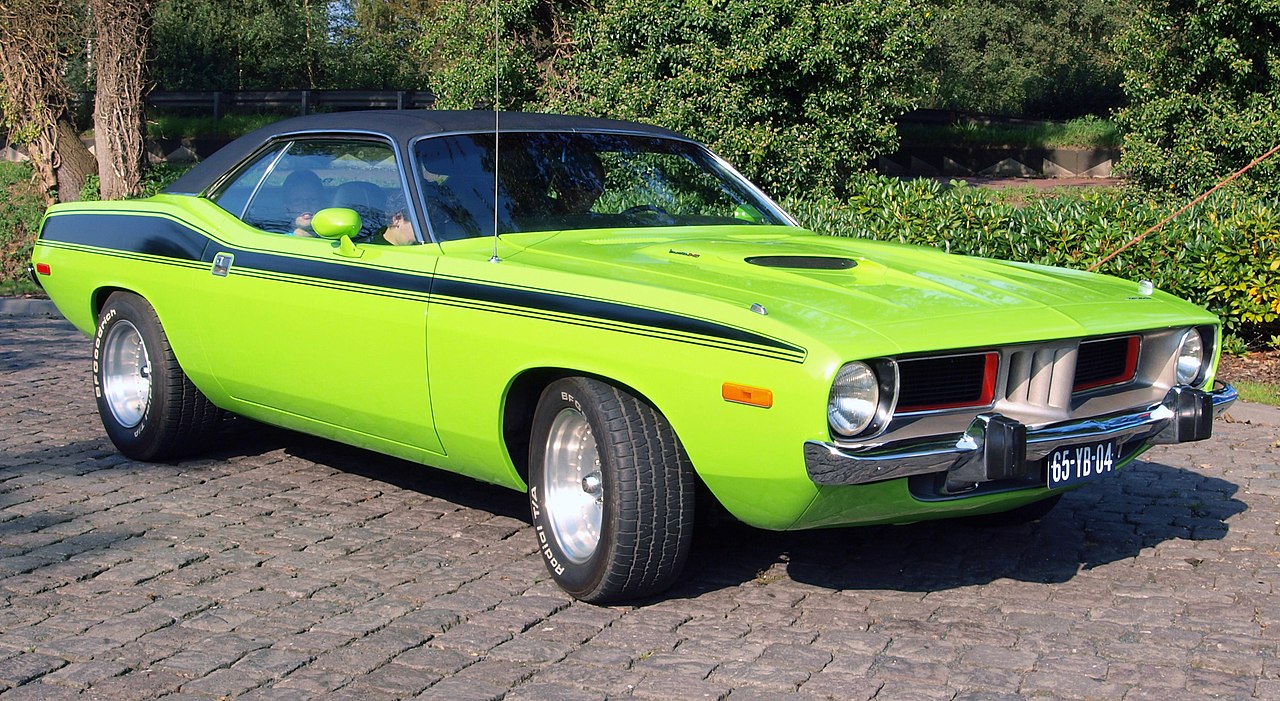
In HEMI ‘Cuda form, it delivered extreme straight-line performance and an unmistakably menacing presence.
Given its rarity and performance credentials, especially in big-block trims, the Barracuda fully earned its predatory branding. Verdict: It lives up to the name, particularly in its final generation.
7. AMC Eagle
An eagle symbolizes vision and dominance. The AMC Eagle, introduced in 1980, was one of the first mass-produced passenger cars with standard all-wheel drive.
In hindsight, it foreshadowed the crossover segment that now dominates the U.S. market.
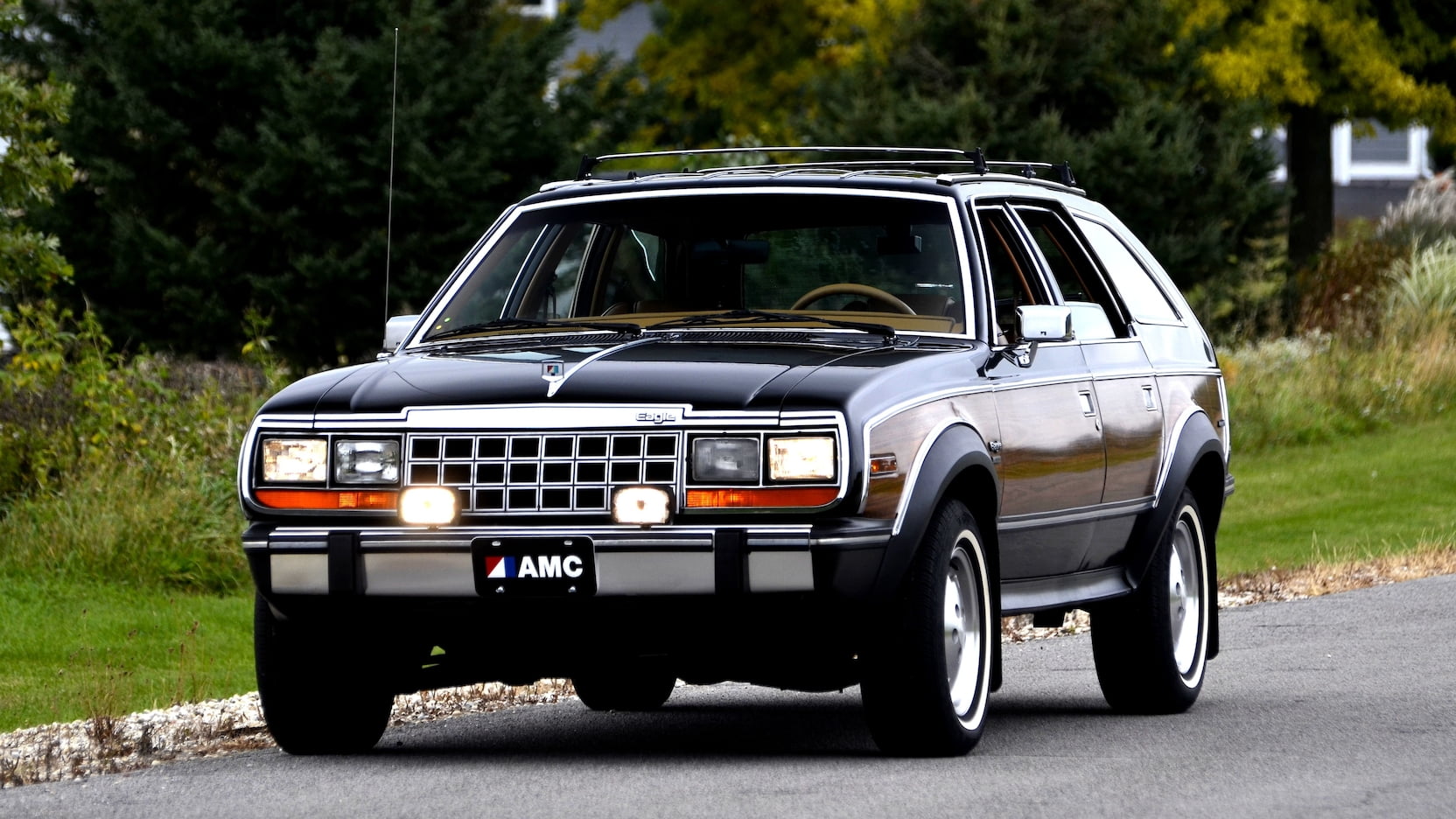
Performance was modest, and styling was conservative. However, its elevated ride height and AWD capability gave it practical versatility in snowbelt states.
While not powerful or particularly majestic, it was ahead of its time in concept. Verdict: Conceptually strong, dynamically less so.
8. Chevrolet Corvette Stingray
The stingray is streamlined and fast, moving fluidly through water. The Stingray name, first used in 1963, emphasized the Corvette’s sculpted body lines and performance ambitions.
The split-window C2 and the current mid-engine C8 Stingray both present sharp, aerodynamic styling.
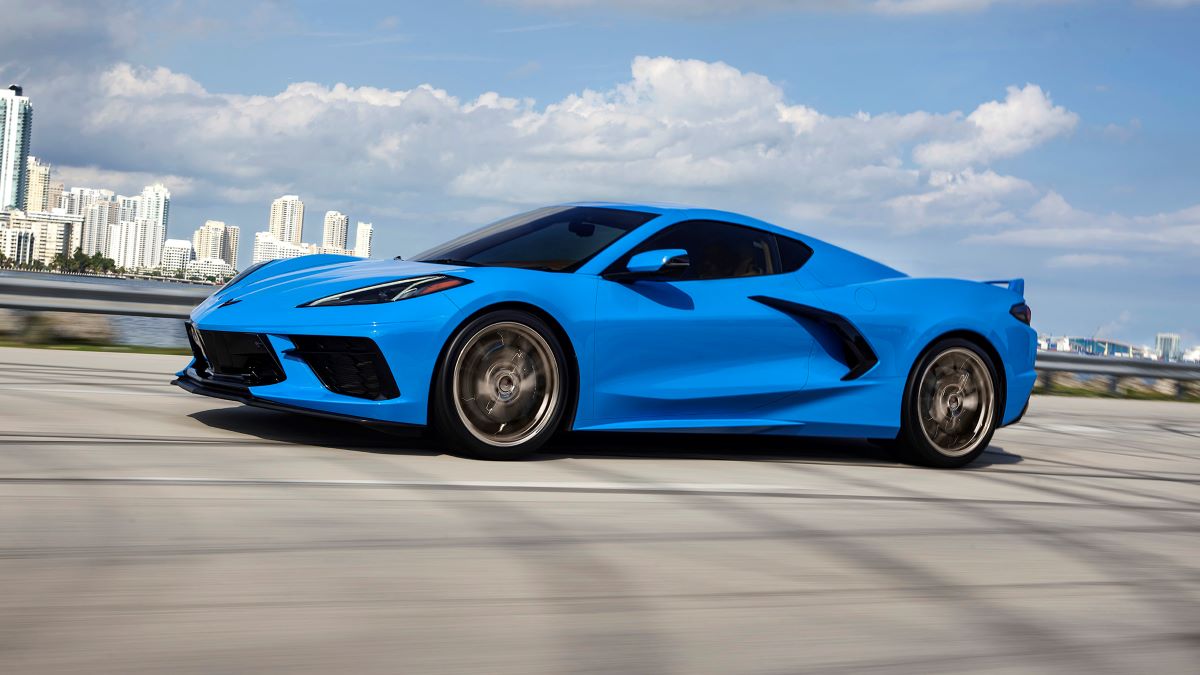
With sub-three-second 0–60 times in the latest C8 configuration, the Stingray combines grace and speed.
In the U.S. performance landscape, it competes with far more expensive European sports cars. Verdict: It lives up to the aquatic predator imagery.
With a heritage that dates back to the 1950s, the Chevrolet Corvette has long been a defining figure in performance-car culture. The current C8 generation moves that legacy in a new direction by placing its powerful V-8 engine behind the passenger compartment while still maintaining a price point that remains relatively attainable.
Delivering supercar-level performance along with extremely precise handling, the Corvette becomes an ideal track-day machine, particularly when equipped with the Z51 performance package.
Despite its performance focus, the car also provides an unexpectedly smooth ride over rough pavement, and its cabin offers enough comfort to make daily driving entirely feasible. Buyers can choose between a coupe and a convertible, with the coupe featuring a removable roof panel that allows for open-air driving.
Storage compartments located both behind the engine and in the front trunk provide enough cargo capacity for a weekend getaway. Its combination of accessible pricing, exceptional performance, and surprising practicality helped the Corvette secure a place on the 10Best list as well as a spot on the Editors’ Choice list.
For the 2022 model year, Chevrolet introduced several updates and special offerings. To commemorate the C8.R race car’s first competitive season, the company released a limited-edition appearance package inspired by the IMSA GTLM championship-winning race version.
Corvette racing logos are incorporated throughout the design, while the interior adopts a coordinated yellow and gray color scheme that echoes the exterior styling. Additional updates for 2022 include the availability of a new low-profile rear spoiler, three new exterior colors, and minor mechanical revisions such as an updated fuel pump and new fuel injectors.
The price of the 2022 Chevrolet Corvette starts at $62,295 and rises to $74,245 depending on the selected trim and options. The lineup begins with the 1LT Coupe priced at $62,295, followed by the recommended 2LT Coupe at $69,595, and the 3LT Coupe at $74,245.
The Corvette is offered as either a coupe or a convertible equipped with a folding hardtop roof. Since the coupe already features a removable roof panel for open-air driving, it represents a practical choice while also being the more affordable option. Rather than opting for the convertible, upgrading to the 2LT trim is often the better value.
This version adds several premium features, including a head-up display, wireless smartphone charging, heated and ventilated seats, a heated steering wheel, a 14-speaker Bose audio system, blind-spot monitoring, and other convenience technologies.
Although the engine’s position has changed, now mounted behind the passenger compartment rather than ahead of it, it remains a naturally aspirated 6.2-liter V-8. In its standard form, the engine produces 490 horsepower and 470 lb-ft of torque. horsepower.
The Z51 option also adds an electronic limited-slip rear differential, upgraded brakes, and performance-oriented summer tires. Power is delivered through an eight-speed dual-clutch automatic transmission, marking the first time such a gearbox has been used in a Corvette.
9. Mercury Cougar
A cougar suggests stealth and strength. The original Cougar shared underpinnings with the Mustang but offered more upscale trim and a slightly more refined character.
High-performance versions like the Eliminator delivered credible muscle credentials.
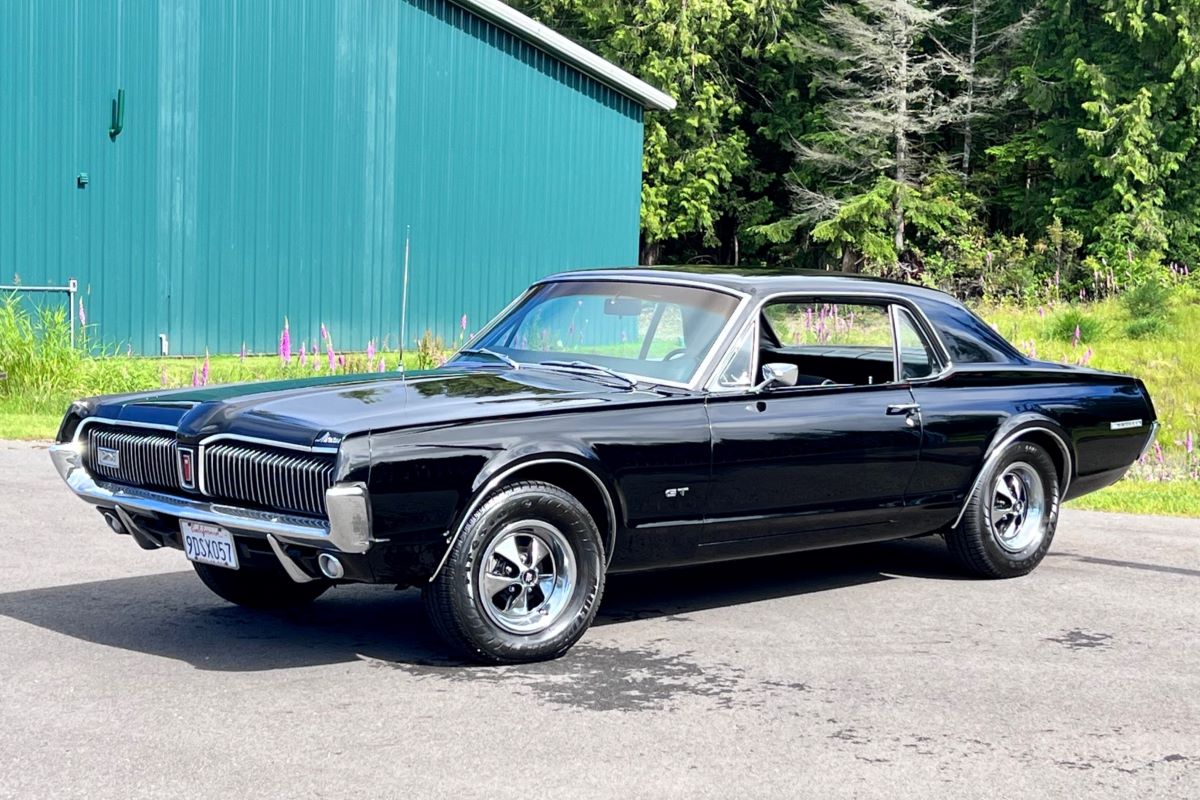
Over time, however, the Cougar badge migrated to personal luxury coupes and eventually compact front-wheel-drive cars in the 1990s. The early models justified the name; later ones diluted it. Verdict: Strong alignment in its first decade, weaker thereafter.
10. Lamborghini Huracán
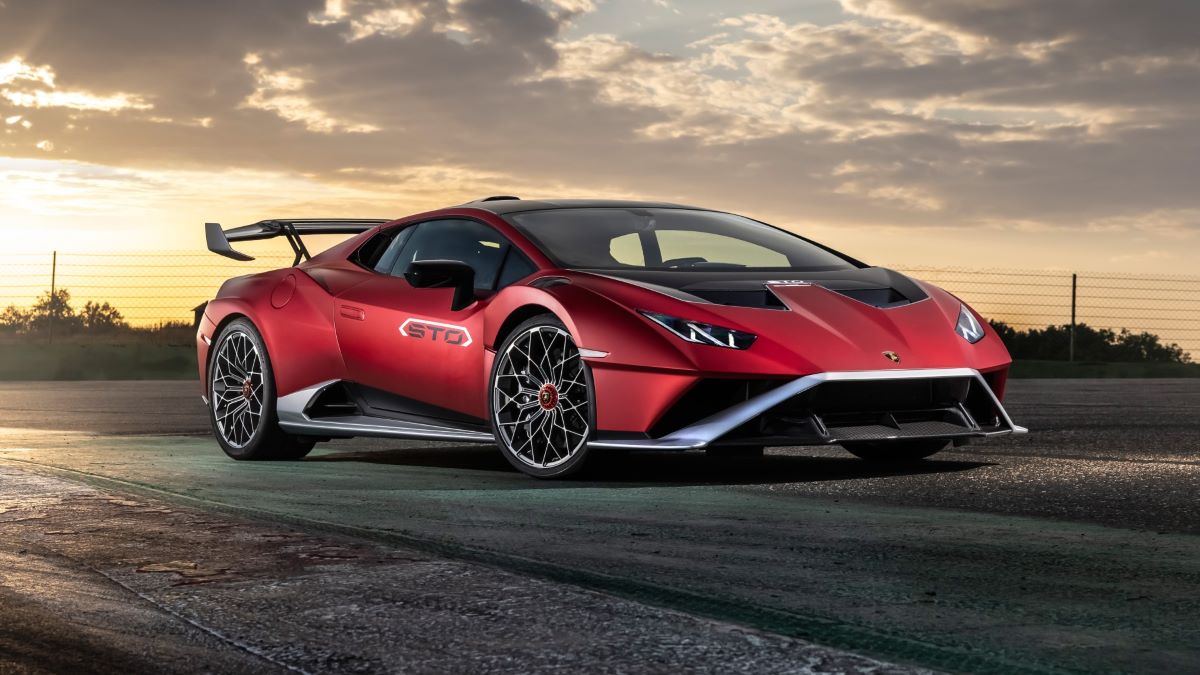
While not an animal species in the biological sense, “Huracán” references a famous Spanish fighting bull. Lamborghini’s tradition of bullfighting-inspired names aligns with aggression and spectacle.
The Huracán, with its naturally aspirated V10 and razor-sharp handling, delivers high-revving intensity and dramatic styling.
In U.S. markets where exotic car ownership often centers on performance and visual impact, the Huracán is both fast and theatrical. It performs as fiercely as its name suggests. Verdict: It fully embodies the branding.
In the American automotive context, animal names are more than marketing flourish; they are identity markers. The most successful examples, Mustang, Viper, Bronco, Stingray, combine symbolic coherence with measurable performance or capability.
When the engineering matches the metaphor, the name enhances legacy. When it does not, the badge becomes ornamental. Over decades, the cars that endure are those that respect the animal they borrow.