For American drivers who want strong fuel economy without stepping into hybrid complexity, there is a wide field of efficient gasoline-powered cars that deliver impressive miles per gallon using conventional internal combustion engines.
While hybrids such as the Toyota Prius dominate headlines, they are not the only path to efficiency.
Advances in engine downsizing, turbocharging, direct injection, variable valve timing, continuously variable transmissions (CVTs), and lightweight platforms have significantly improved fuel economy in non-hybrid vehicles over the last decade.
For buyers who prefer simpler mechanical systems, lower upfront costs, and potentially fewer long-term battery-related concerns, these gasoline-only models represent smart, pragmatic choices.
Below are ten of the most fuel-efficient non-hybrid cars currently available or recently sold in the U.S., each offering strong real-world efficiency without relying on electric assistance.
1. Mitsubishi Mirage
The Mirage achieves this primarily through low curb weight and modest power output rather than complex engineering.
It is not performance-oriented, but for urban commuters or delivery drivers prioritizing operating costs over acceleration, it is difficult to beat in terms of fuel savings per dollar spent.
The Mitsubishi Mirage has long been recognized as one of the most fuel-efficient non-hybrid cars available on the market. Designed with affordability and simplicity in mind, the Mirage focuses on lightweight construction and a small-displacement engine to deliver impressive fuel economy without relying on hybrid technology.
For drivers who want an economical vehicle that minimizes fuel consumption and ownership costs, the Mirage stands out as a practical and accessible option.
At the heart of the Mirage is a modest yet efficient 1.2-liter three-cylinder engine. While it does not aim to deliver high performance, the engine is carefully tuned to prioritize efficiency and everyday usability.
This compact powerplant produces modest horsepower, but its real advantage lies in its ability to consume very little fuel. Paired with either a five-speed manual transmission or a continuously variable transmission (CVT), the Mirage achieves fuel economy figures that rival many hybrid vehicles. The CVT version, in particular, helps optimize engine efficiency by maintaining ideal engine speeds during acceleration and cruising.
One of the key reasons for the Mirage’s excellent fuel economy is its lightweight design. Mitsubishi engineers kept the vehicle’s weight low by using compact dimensions and straightforward construction.
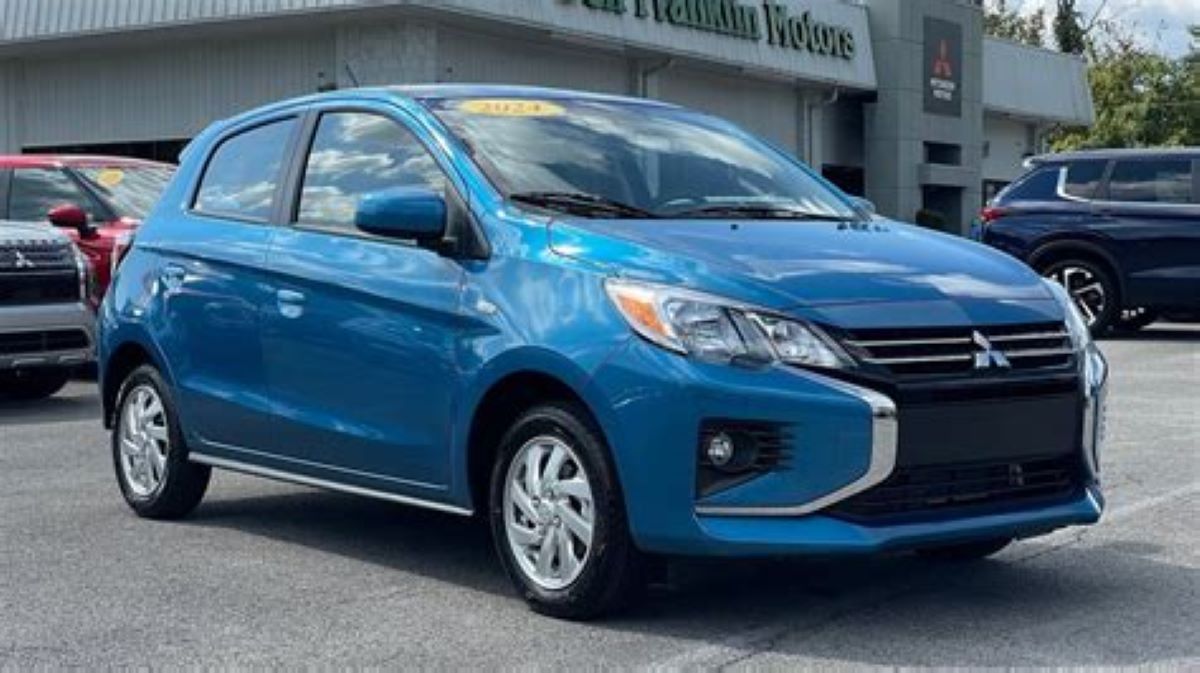
With less mass to move, the small engine can operate more efficiently, reducing fuel consumption during both city driving and highway travel. This lightweight approach also improves maneuverability, making the Mirage easy to drive in crowded urban environments where frequent stops and tight parking spaces are common.
Aerodynamics also play an important role in the Mirage’s efficiency. The car’s smooth body lines and carefully shaped exterior help reduce air resistance, allowing it to move through the air with less effort.
When combined with the efficient engine and transmission setup, these design choices help the Mirage achieve fuel economy ratings that often exceed 40 miles per gallon on the highway, depending on the model year and configuration.
Inside, the Mirage focuses on practicality rather than luxury. The cabin offers straightforward controls, a simple infotainment system, and enough space for daily commuting needs. While it is not a large vehicle, it provides adequate room for passengers and cargo in typical city-driving situations. Its compact size also makes it easy to park and navigate through narrow streets.
Another advantage of the Mirage is its affordability. Not only does it consume less fuel than many traditional gasoline vehicles, but it also has a relatively low purchase price and inexpensive maintenance costs. For budget-conscious buyers, this combination makes it an attractive option.
The Mitsubishi Mirage proves that strong fuel efficiency does not necessarily require a hybrid powertrain. Through lightweight engineering, a small yet efficient engine, and thoughtful design, the Mirage delivers impressive economy while keeping costs low and usability high for everyday drivers.
2. Kia Rio
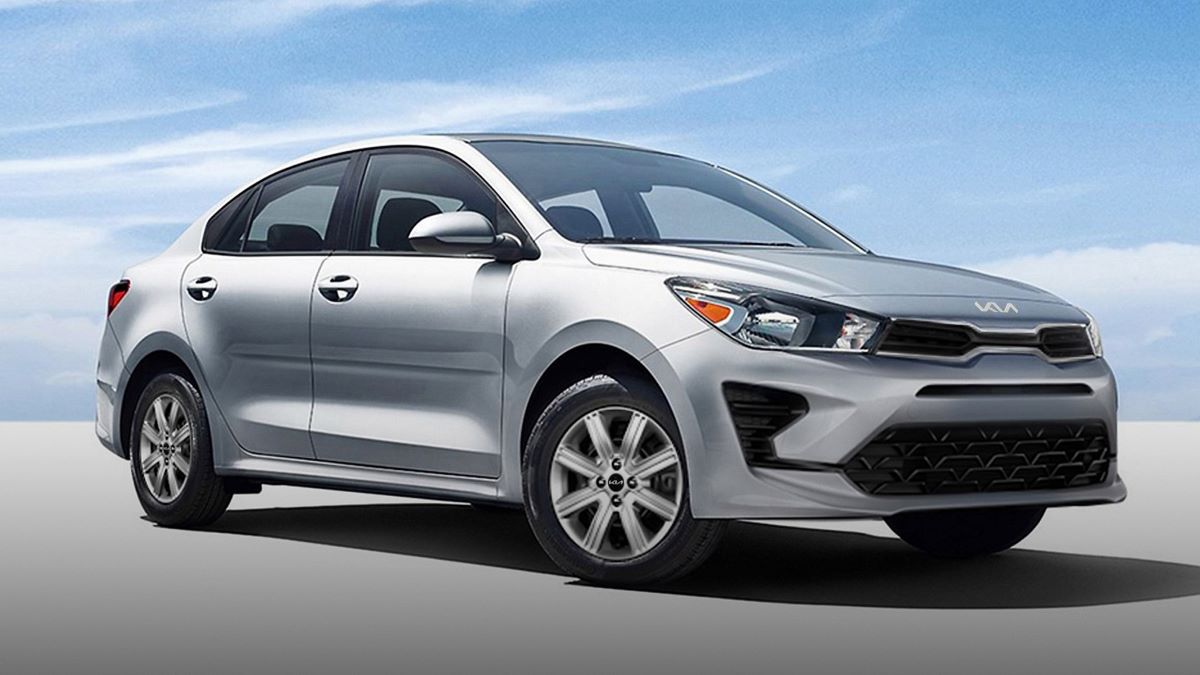
The Kia Rio offers around 32 mpg city and 41 mpg highway with its 1.6-liter four-cylinder engine. Unlike ultra-minimal subcompacts of the past, the Rio provides modern infotainment, solid build quality, and a composed ride.
The Kia Rio has built a strong reputation as one of the most efficient subcompact cars available without relying on hybrid technology. Designed to balance practicality, affordability, and low operating costs, the Rio demonstrates how thoughtful engineering and modern gasoline engines can deliver impressive fuel economy.
For drivers who want a dependable and efficient daily commuter without the added complexity of hybrid systems, the Rio remains a compelling choice.
Powering the Kia Rio is a 1.6-liter four-cylinder engine that focuses on efficiency while still providing adequate performance for everyday driving. Producing around 120 horsepower, the engine offers enough power for city traffic and highway cruising while maintaining low fuel consumption.
The engine is typically paired with an intelligent continuously variable transmission (CVT), which plays a key role in maximizing efficiency. By adjusting gear ratios seamlessly, the CVT allows the engine to operate at its most efficient speed, helping the Rio achieve fuel economy ratings that can exceed 40 miles per gallon on the highway in many configurations.
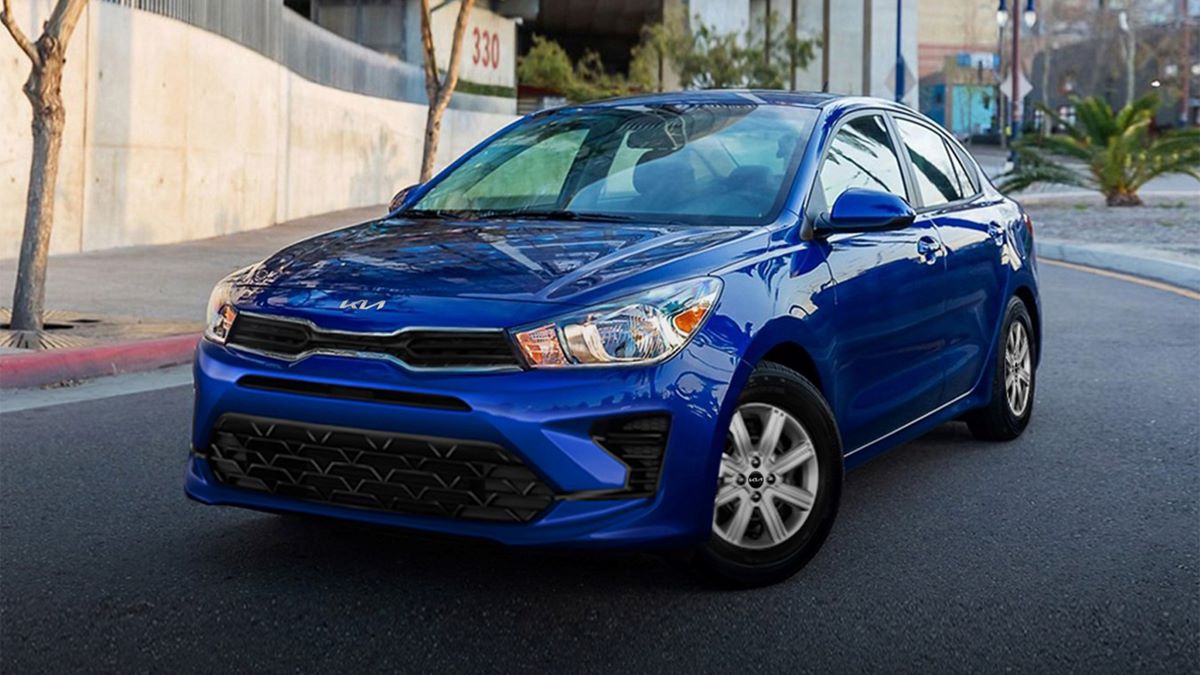
One of the Rio’s biggest advantages is its lightweight construction. As a subcompact car, it benefits from smaller dimensions and reduced overall mass, which means the engine requires less energy to move the vehicle.
This design approach not only improves fuel efficiency but also contributes to nimble handling and easy maneuverability in urban environments. Drivers often find the Rio particularly convenient in crowded cities where tight parking spaces and heavy traffic are common.
Aerodynamic efficiency also contributes to the Rio’s strong fuel economy. Kia designed the vehicle with smooth body lines and a refined front fascia that help reduce drag while driving at highway speeds. These subtle design improvements allow the car to move more efficiently through the air, further lowering fuel consumption during longer trips.
Inside, the Rio offers a surprisingly refined cabin for its class. The interior features a clean and modern layout with user-friendly controls and a straightforward infotainment system.
Despite its compact size, the Rio provides comfortable seating for passengers and practical cargo space for daily errands. Many versions also include useful technology such as smartphone connectivity, a touchscreen display, and driver-assistance features that enhance convenience and safety.
Affordability is another key factor that strengthens the Rio’s appeal. Its relatively low purchase price combined with excellent fuel economy makes it an economical choice for long-term ownership. Maintenance and insurance costs are typically lower than those of larger vehicles, which further reduces the overall cost of driving.
The Kia Rio demonstrates that exceptional fuel efficiency can be achieved without hybrid assistance. With its efficient four-cylinder engine, lightweight design, and practical features, the Rio offers drivers a smart and economical solution for everyday transportation while keeping fuel consumption impressively low.
3. Nissan Versa
The Nissan Versa stands out as one of the most practical and fuel-efficient subcompact sedans available without relying on hybrid technology. Designed to deliver affordability, reliability, and strong fuel economy, the Versa has become a popular choice for drivers seeking a straightforward daily commuter.
Its efficient gasoline engine, lightweight structure, and modern engineering allow it to achieve impressive fuel efficiency while maintaining a comfortable and practical driving experience.
Power for the Nissan Versa comes from a 1.6-liter four-cylinder engine that focuses on efficiency and smooth everyday performance. This engine produces around 122 horsepower, which is more than adequate for city commuting and steady highway cruising. Buyers can choose between a five-speed manual transmission or Nissan’s continuously variable transmission (CVT).
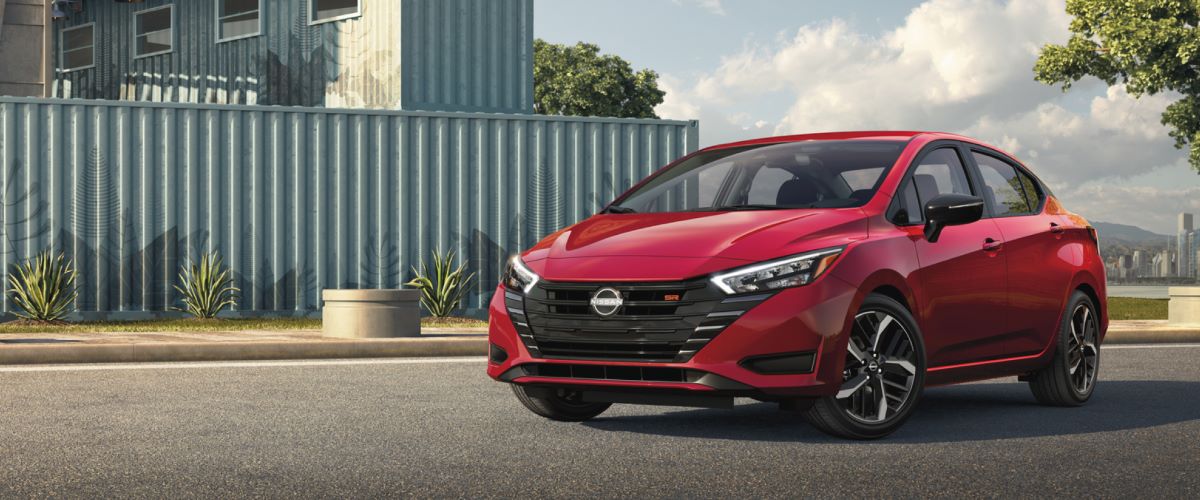
The CVT is particularly important in maximizing fuel economy, as it allows the engine to operate within its most efficient range by adjusting gear ratios seamlessly. With this setup, the Versa is capable of achieving highway fuel economy figures that approach or exceed 40 miles per gallon depending on the model year and driving conditions.
A major contributor to the Versa’s efficiency is its lightweight design. As a subcompact sedan, it is engineered to keep weight to a minimum while still providing structural strength and passenger comfort.
The reduced weight means the engine does not have to work as hard to move the vehicle, which directly improves fuel efficiency during both city driving and longer highway trips. This lightweight construction also enhances maneuverability, making the Versa easy to drive in dense urban environments where traffic and tight parking spaces are common.
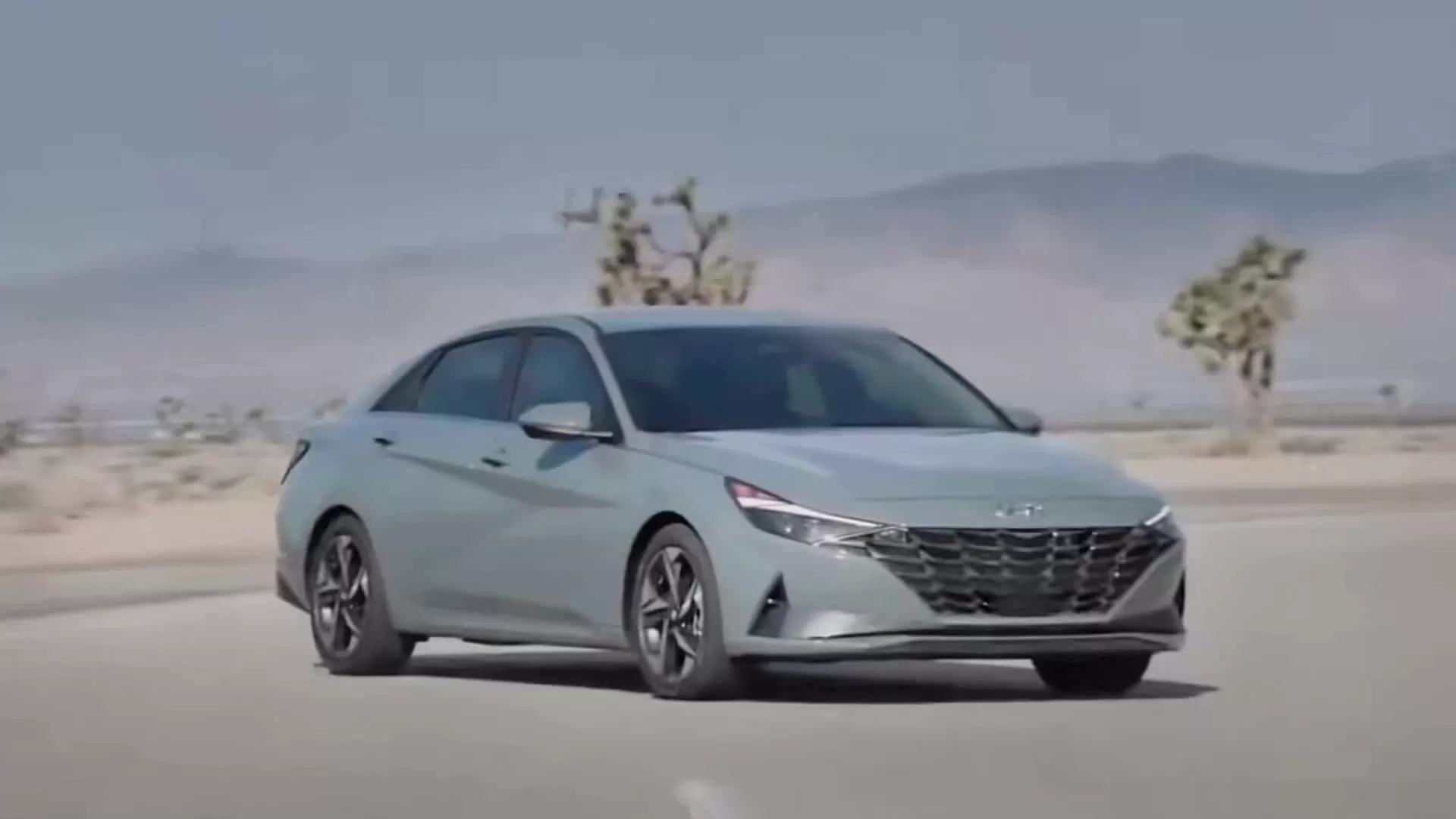
4. Hyundai Elantra (Gasoline Models)
The Hyundai Elantra has become one of the most recognizable compact sedans in the market, known for combining modern styling, practicality, and strong fuel efficiency without relying on hybrid technology.
Over the years, Hyundai has refined the Elantra to deliver a balanced driving experience while maintaining excellent fuel economy, making it a strong contender for drivers seeking an efficient gasoline-powered vehicle for daily use.
Under the hood, the standard Hyundai Elantra is powered by a 2.0-liter four-cylinder engine designed to provide dependable performance while prioritizing efficiency. This engine produces around 147 horsepower, offering enough power for everyday commuting, highway merging, and city driving.
The engine is paired with an intelligent continuously variable transmission (CVT), which helps maximize fuel economy by allowing the engine to operate within its most efficient power range. This combination enables the Elantra to achieve impressive fuel economy figures, often reaching over 40 miles per gallon on the highway depending on the model year and configuration.
One of the reasons the Elantra delivers such strong fuel efficiency is its refined engineering and lightweight construction. Hyundai carefully optimized the vehicle’s structure to reduce weight while maintaining safety and rigidity.
A lighter vehicle requires less energy to accelerate and maintain speed, which helps reduce fuel consumption during both urban driving and long-distance travel. This engineering approach allows the Elantra to compete with, and sometimes outperform, other non-hybrid compact sedans in terms of fuel economy.
Aerodynamics also play a significant role in the Elantra’s efficiency. The car features a sleek, modern design with sharp lines and a low, coupe-like roofline that improves airflow over the body.
Hyundai’s engineers worked to minimize drag by shaping the front fascia, side panels, and rear end to allow air to pass smoothly around the vehicle. These aerodynamic improvements contribute to better highway fuel economy while also giving the Elantra a distinctive and modern appearance.
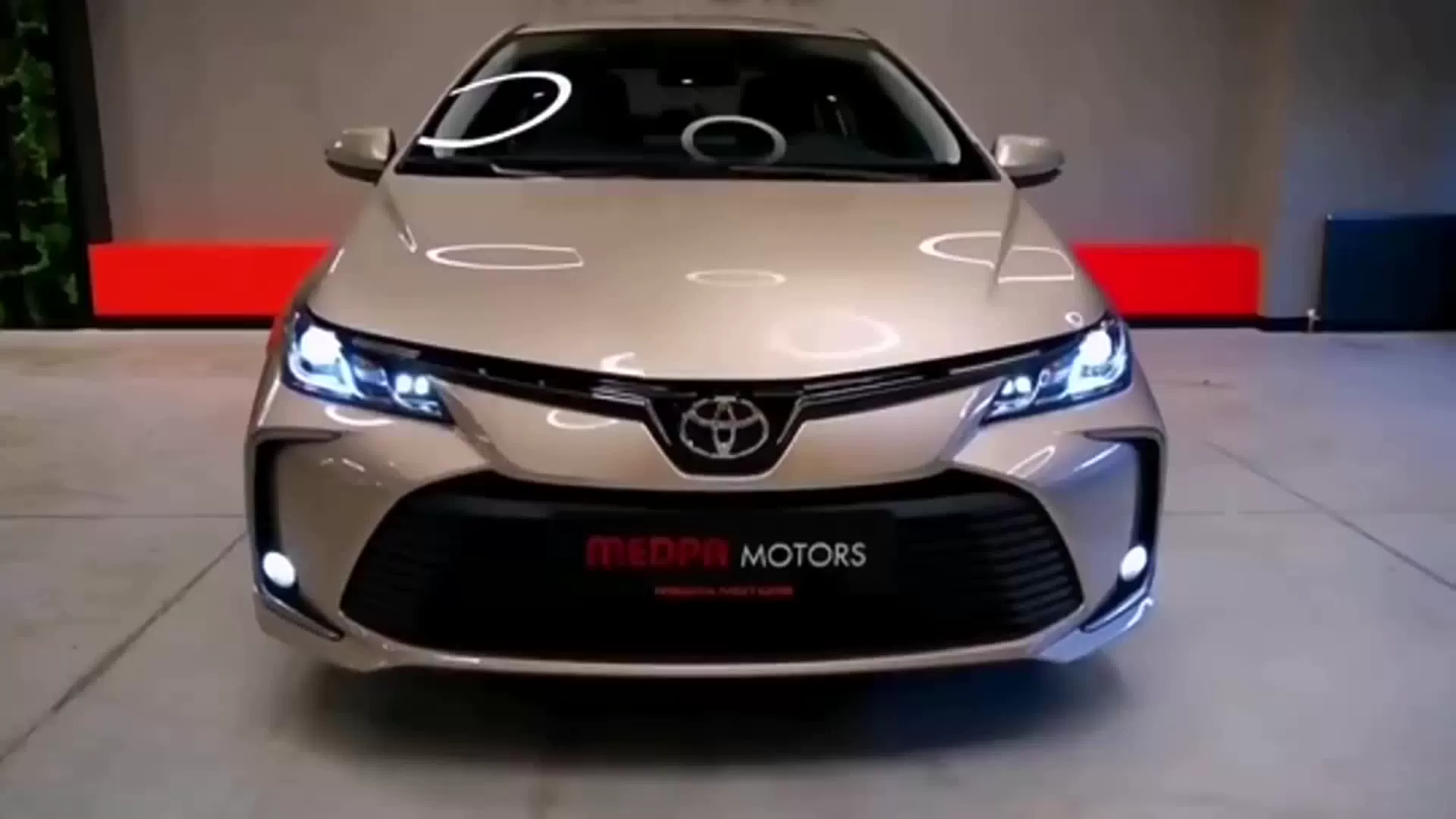
5. Toyota Corolla (Gasoline Models)
The Toyota Corolla has earned a long-standing reputation as one of the most dependable and fuel-efficient compact cars in the world. While Toyota offers hybrid versions of the Corolla in many markets, the standard gasoline-powered model remains an excellent example of how efficient engineering can deliver impressive fuel economy without the need for hybrid technology.
With its balanced performance, practical design, and strong reliability record, the Corolla continues to be a favorite among drivers looking for an economical daily vehicle.
Powering the standard Toyota Corolla is a naturally aspirated 2.0-liter four-cylinder engine designed to balance efficiency with everyday usability. This engine produces around 169 horsepower, providing enough performance for city driving, highway merging, and longer trips without sacrificing fuel economy.
The engine is typically paired with a continuously variable transmission (CVT), which helps optimize efficiency by keeping the engine operating within its most efficient power band. Thanks to this combination, the Corolla can achieve highway fuel economy figures that often exceed 40 miles per gallon depending on the model year and driving conditions.
One of the main factors behind the Corolla’s strong fuel economy is its efficient platform and lightweight construction. Built on Toyota’s TNGA architecture, the car benefits from improved structural rigidity while maintaining a relatively low curb weight.
A lighter vehicle requires less energy to accelerate and maintain speed, which directly improves fuel consumption in both city traffic and highway cruising. The TNGA platform also contributes to improved handling and ride comfort, making the Corolla more enjoyable to drive than many previous generations.
6. Honda Civic
The Honda Civic has long been recognized as one of the most efficient and well-rounded compact cars available, delivering excellent fuel economy without the need for hybrid technology.
Known for its reliability, balanced performance, and practical design, the Civic has remained a favorite among drivers who want an economical vehicle that still provides a refined driving experience. Its efficient gasoline engines and thoughtful engineering allow it to achieve impressive mileage while maintaining the performance and comfort expected from a modern compact sedan.
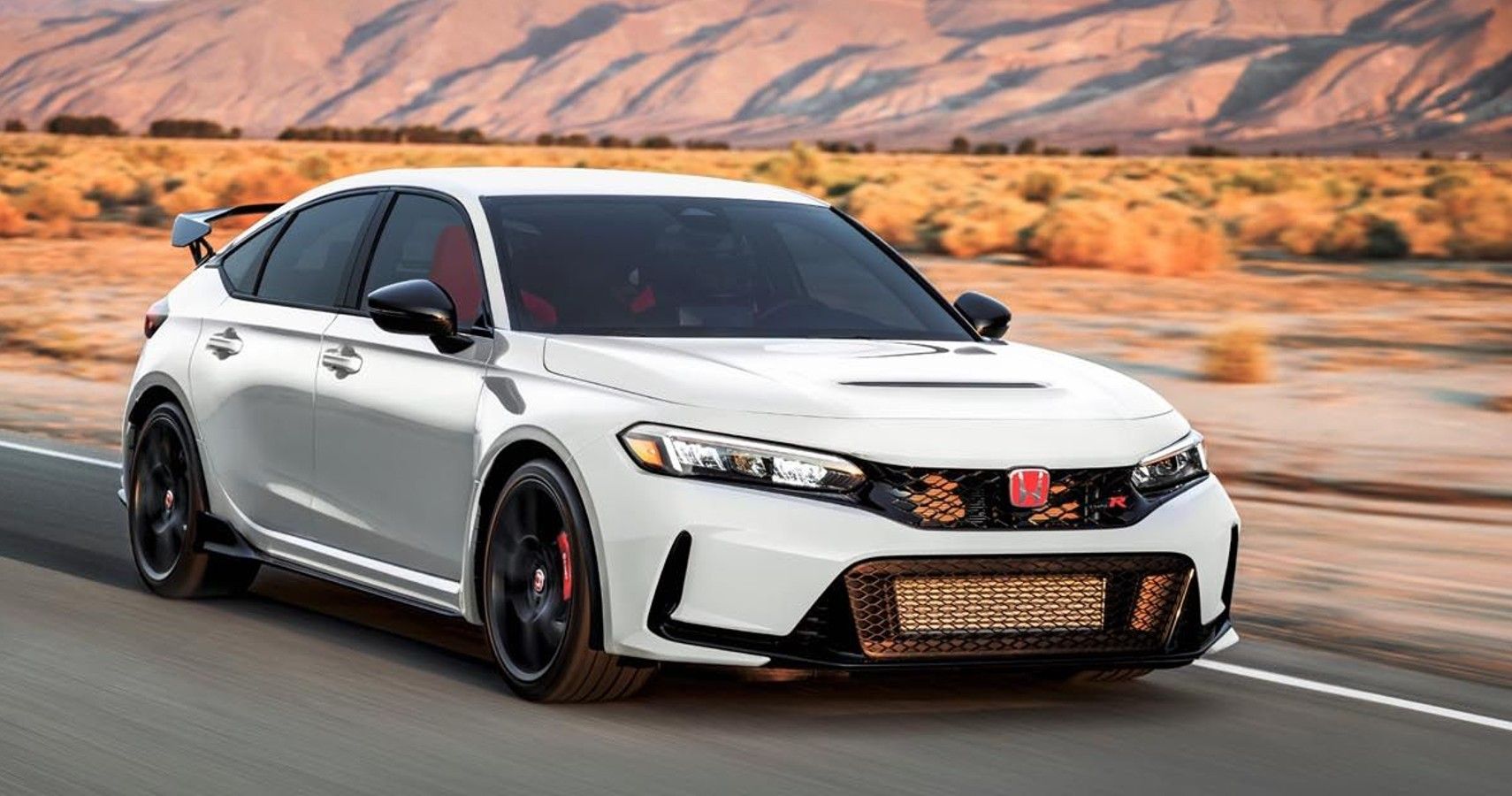
The standard Honda Civic is typically powered by a naturally aspirated 2.0-liter four-cylinder engine designed to provide a combination of efficiency and smooth performance. This engine produces around 158 horsepower, which is more than sufficient for everyday driving situations such as commuting, city traffic, and highway cruising.
The engine is commonly paired with a continuously variable transmission (CVT), which helps maximize fuel economy by keeping the engine operating within its most efficient range. With this setup, the Civic can achieve fuel economy ratings that often approach or exceed 40 miles per gallon on the highway, depending on the specific model year and configuration.
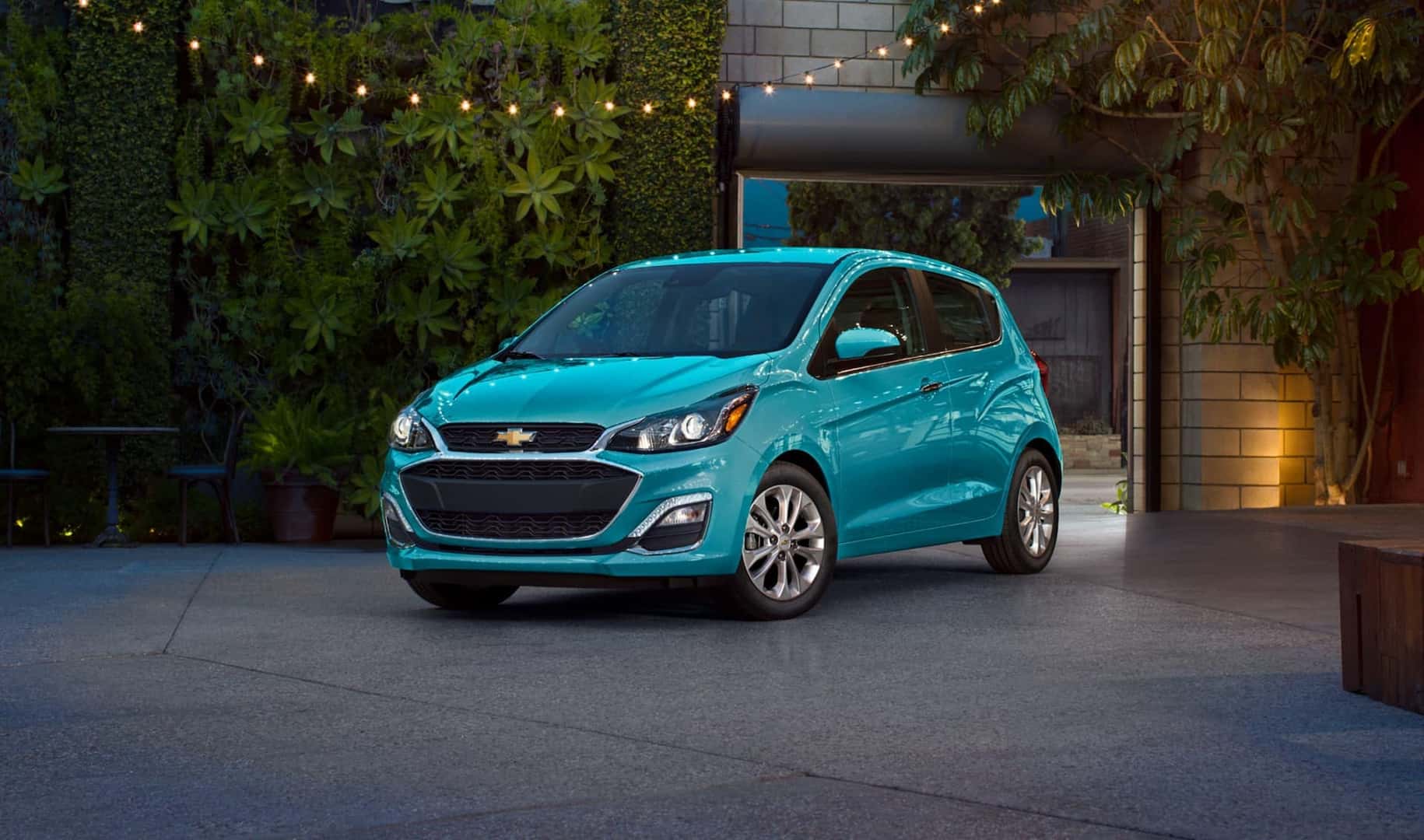
7. Chevrolet Spark
Though discontinued after the 2022 model year, the Chevrolet Spark remains relevant in the used market. With fuel economy around 30 mpg city and 38 mpg highway, it offers extremely low purchase prices and inexpensive maintenance.
The Chevrolet Spark is one of the smallest and most affordable cars available in the modern automotive market, yet it manages to deliver impressive fuel efficiency without relying on hybrid technology.
Designed primarily for urban mobility, the Spark focuses on simplicity, lightweight construction, and an efficient gasoline engine to keep fuel consumption low. For drivers looking for an economical vehicle that is easy to drive and inexpensive to operate, the Spark represents a practical and efficient choice.
Under the hood, the Chevrolet Spark is powered by a 1.4-liter four-cylinder engine that prioritizes efficiency over outright performance. The engine produces around 98 horsepower, which is modest but sufficient for city driving and short highway trips. Buyers can choose between a five-speed manual transmission or a continuously variable transmission (CVT).
The CVT plays a significant role in maximizing fuel economy because it allows the engine to operate within its most efficient power band by adjusting gear ratios smoothly. With this setup, the Spark is capable of achieving strong fuel economy figures, often approaching or exceeding 40 miles per gallon on the highway depending on driving conditions and model year.
8. Volkswagen Jetta
The Volkswagen Jetta has long been known as a practical compact sedan that combines European engineering with impressive fuel efficiency, all without relying on hybrid technology.
Designed to provide a comfortable driving experience while keeping operating costs low, the Jetta stands out as one of the most efficient gasoline-powered sedans in its segment. Its refined turbocharged engine, aerodynamic design, and balanced performance make it an excellent choice for drivers who want both efficiency and everyday usability.
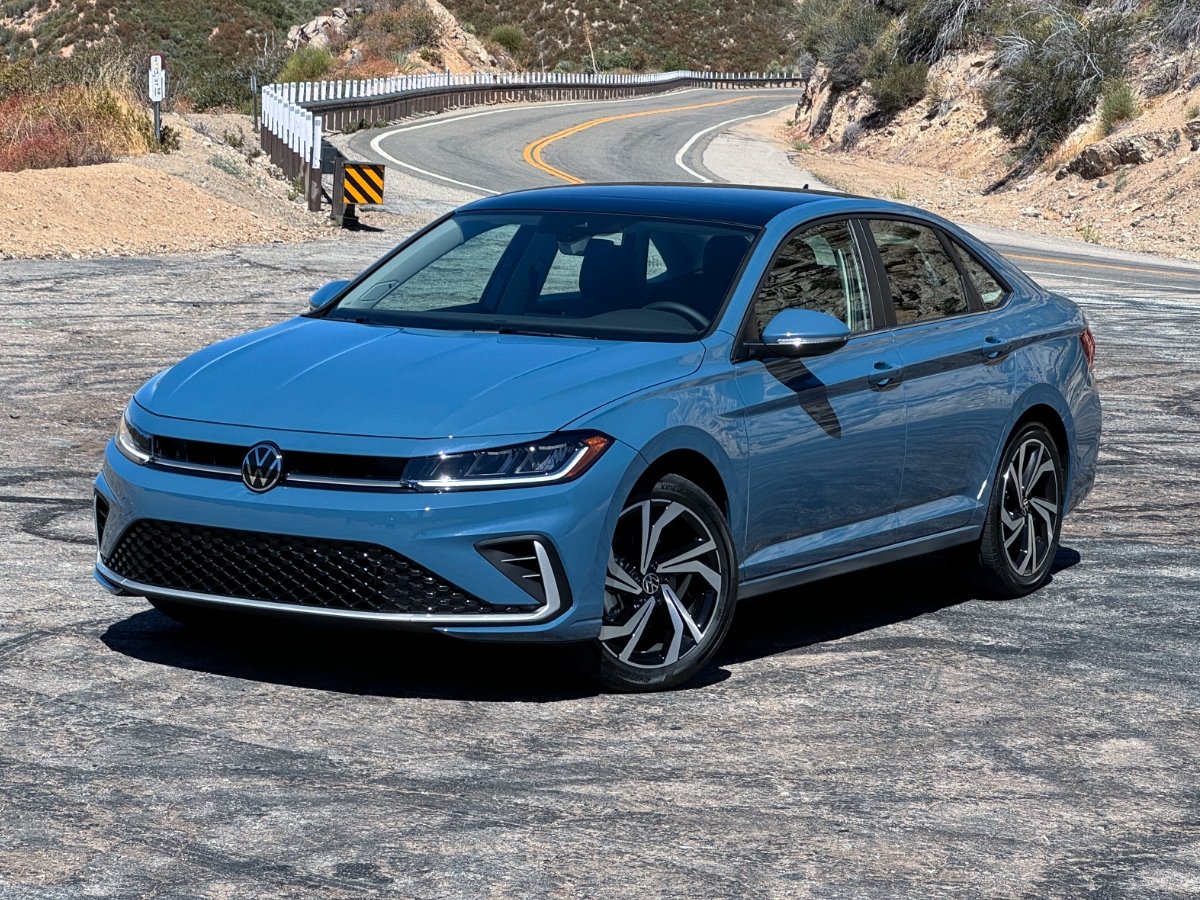
At the core of the modern Volkswagen Jetta is a turbocharged 1.5-liter four-cylinder engine from the company’s EA211 engine family. This engine produces around 158 horsepower and focuses heavily on efficiency through advanced engineering features such as direct fuel injection and turbocharging.
By using a small displacement combined with a turbocharger, the engine is able to deliver sufficient power while consuming less fuel than larger naturally aspirated engines. The Jetta is typically paired with either a six-speed manual transmission or an eight-speed automatic transmission, both of which are tuned to maximize fuel economy during everyday driving.
9. Nissan Sentra
The Nissan Sentra has evolved into a well-balanced compact sedan that delivers strong fuel efficiency without the need for hybrid technology. Known for its comfortable ride, modern design, and affordable ownership costs, the Sentra is designed to provide an efficient daily driving experience while maintaining practicality and reliability.
Its efficient gasoline engine, refined transmission, and aerodynamic design allow it to achieve impressive fuel economy figures, making it a strong option for drivers who want efficiency without the added complexity of a hybrid powertrain.
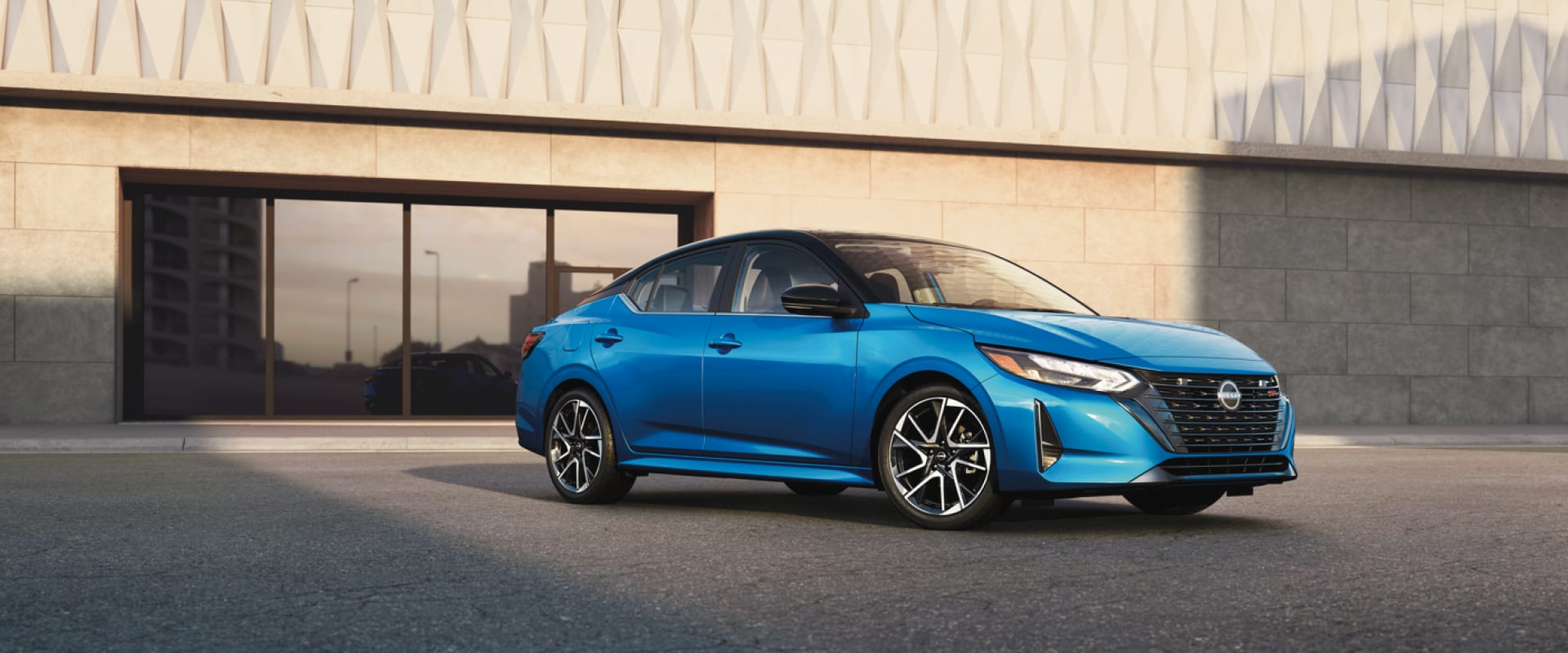
Powering the Nissan Sentra is a 2.0-liter four-cylinder engine that focuses on delivering a balance between efficiency and smooth performance. This engine produces approximately 149 horsepower, providing enough power for daily commuting, highway driving, and city traffic.
The engine is paired with Nissan’s Xtronic continuously variable transmission (CVT), which plays a crucial role in maximizing fuel economy. The CVT allows the engine to operate within its most efficient power range by adjusting gear ratios seamlessly, helping reduce unnecessary fuel consumption during acceleration and cruising.
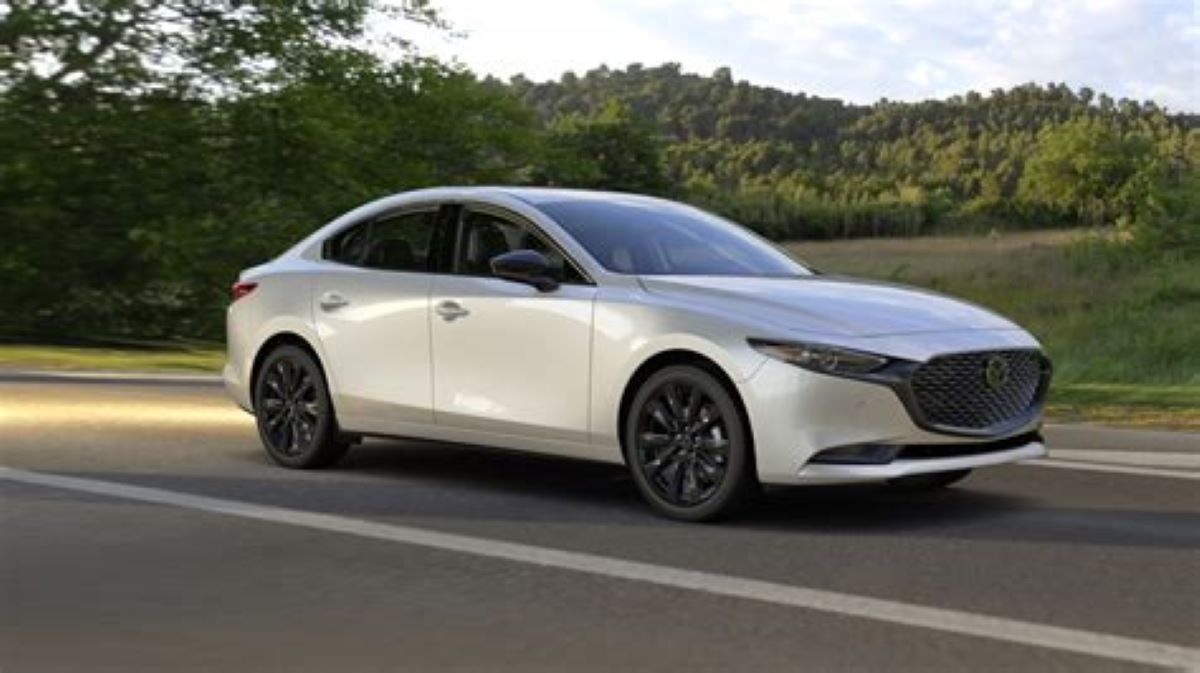
10. Mazda3
The Mazda3 achieves up to 26 mpg city and 35 mpg highway with its standard 2.5-liter engine.
While its numbers are slightly lower than some competitors, Mazda’s Skyactiv technology focuses on high compression ratios and combustion efficiency without hybridization.
The Mazda3 stands out for driving engagement and upscale interior design, offering efficiency without sacrificing character.
In the U.S. market, hybrid systems certainly push fuel economy further, but they introduce higher initial costs and additional mechanical complexity.
For many buyers, particularly those who drive moderate annual mileage or prefer traditional maintenance familiarity, these gasoline-only vehicles provide a compelling middle ground.
They combine proven internal combustion engineering with modern efficiency strategies to deliver fuel savings without batteries, regenerative braking systems, or dual-powertrain architecture.
Ultimately, the best choice depends on individual priorities. Subcompacts such as the Mitsubishi Mirage and Kia Rio maximize fuel economy at the lowest cost of entry.
Compact sedans like the Toyota Corolla and Honda Civic balance efficiency with comfort and longevity. Models like the Volkswagen Jetta and Mazda3 add refinement for drivers who want efficiency without sacrificing driving satisfaction.
For American consumers evaluating total cost of ownership, insurance, resale value, and long-term reliability, these ten vehicles demonstrate that hybrid technology is not the only path to economical driving.
Conventional gasoline cars have evolved significantly, and for many drivers, they remain the most straightforward and financially rational option.