Timing chain systems are essential for ensuring precise synchronization between the crankshaft and camshafts, which directly affects engine performance and longevity. However, some engines, despite their strong power output and efficiency, are prone to timing chain tensioner failures.
These failures are often caused by weak hydraulic tensioners, brittle plastic guides, or insufficient lubrication. When neglected, they can lead to severe engine damage. Engines such as the Volkswagen and Audi 2.0L TFSI EA888, BMW N47, and Jaguar 2.0L Ingenium Diesel have become notorious for these problems.
Factors like premature chain stretch, interference engine designs, oil dilution, and long oil change intervals increase the risk of failure. Recognizing warning signs such as rattling noises at cold start, hesitation, or timing-related fault codes is crucial for vehicle owners.
Proper preventive maintenance, regular inspections, and timely replacement of weak components are necessary to prevent catastrophic damage and maintain engine reliability.
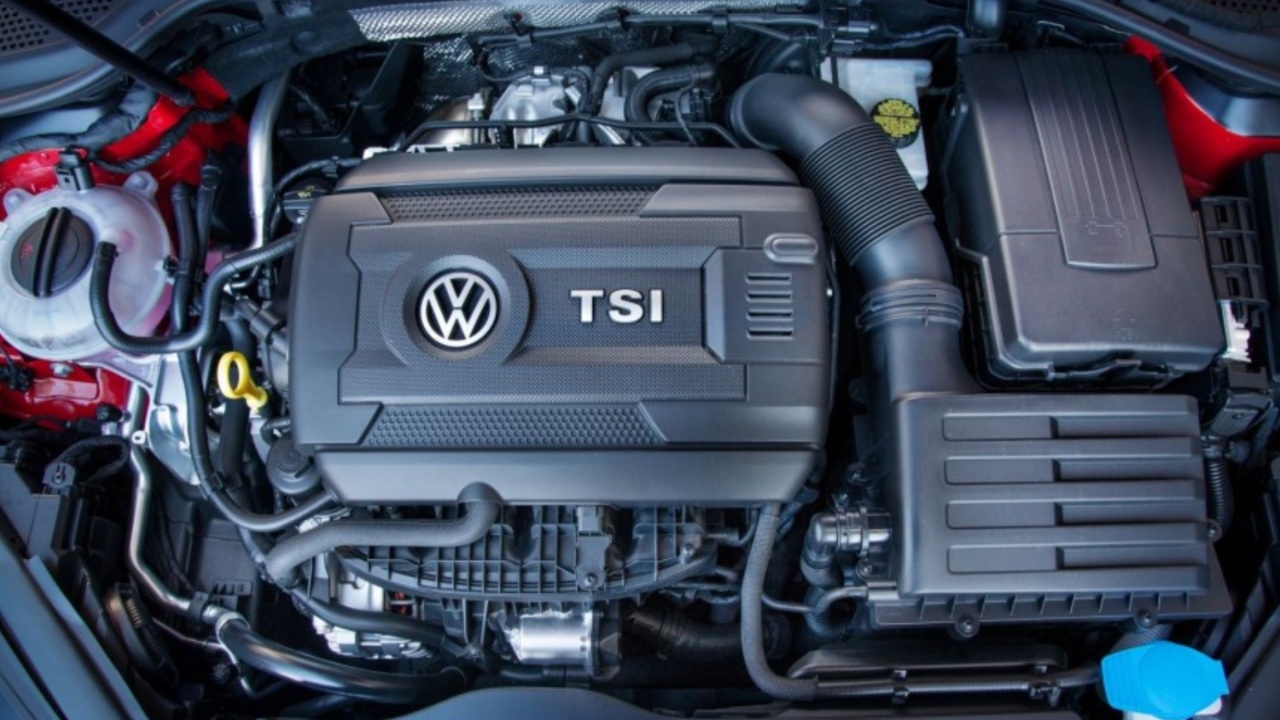
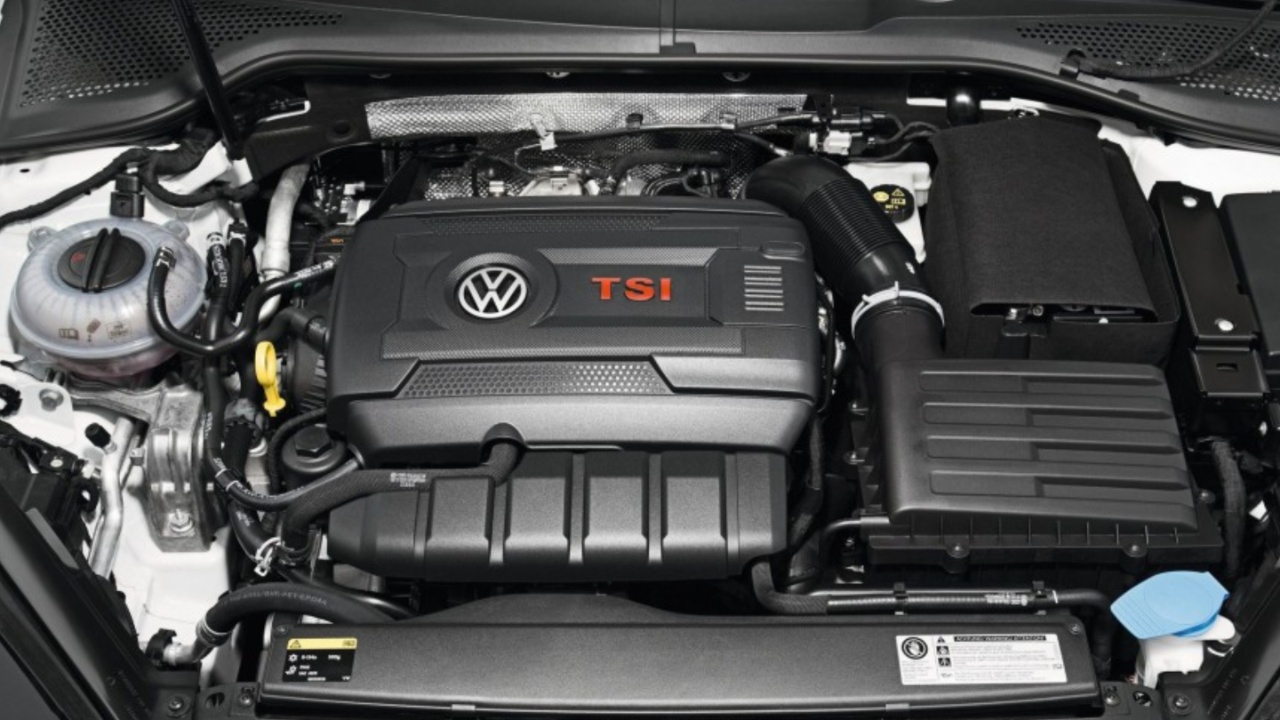
1. Volkswagen/Audi 2.0L TFSI (EA888 Gen 1 & 2)
The Volkswagen and Audi 2.0L TFSI EA888 Gen 1 and Gen 2 engines, produced approximately between 2008 and 2014, are known for combining strong performance with notable reliability concerns. These turbocharged four-cylinder engines were widely used in vehicles such as the Audi A4, Audi A3, Volkswagen Golf GTI, Jetta, and Tiguan.
In stock form, they typically produce between 170 and 220 horsepower while delivering good torque and fuel efficiency. Their tuning potential and widespread availability made them popular among enthusiasts, but early versions developed a reputation for serious mechanical weaknesses, particularly involving the timing chain system.
The most critical flaw involves the early hydraulic timing chain tensioner design. Gen 1 and early Gen 2 engines use a tensioner that depends mainly on engine oil pressure to maintain proper chain tension and lacks a strong mechanical locking mechanism.
As the engine ages, the internal ratcheting components can fail, allowing the tensioner to collapse when the engine is shut off. During the next startup, the timing chain may become loose and skip teeth.
This loss of synchronization often causes the pistons to collide with the valves, leading to catastrophic internal engine damage that frequently requires full engine replacement. Volkswagen and Audi later introduced an updated tensioner with an improved locking system, but many earlier engines remain at risk if this component has not been replaced.
Additional factors contribute to failure risk. The timing chains themselves are prone to premature stretching, which places extra strain on the already weak tensioner. Poor oil maintenance, extended service intervals, or low oil levels can reduce hydraulic pressure and accelerate wear. Common warning signs include rattling noises during cold starts, hesitation, and check engine lights related to timing correlation faults.
Other common issues include excessive oil consumption caused by defective piston rings, carbon buildup on intake valves due to direct injection, water pump and thermostat housing leaks, PCV valve failures, and ignition coil problems.
Despite these concerns, the engines respond well to performance modifications when properly maintained. Preventive replacement of the updated timing chain tensioner and strict oil change intervals of about 5,000 to 7,000 miles are essential to reduce the risk of severe engine failure.
2. BMW N47 2.0L Diesel
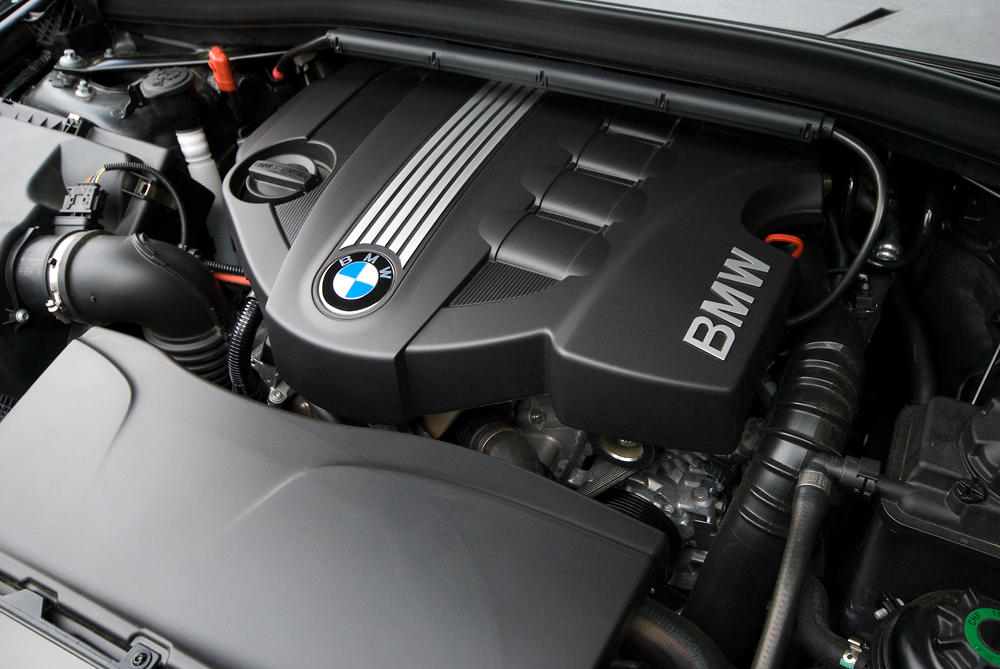
The BMW N47 2.0L diesel engine, produced between 2007 and 2014, is widely known for its strong fuel efficiency, high torque output, and broad use across BMW’s 1 Series, 3 Series, and 5 Series models.
Despite its performance and economic advantages, the engine developed a controversial reputation due to a major design flaw involving its timing chain system. This issue has made the N47 one of BMW’s most criticized modern diesel engines, largely because failures are both common and extremely expensive to repair.
The central problem lies in the placement of the timing chain at the rear of the engine, positioned between the engine block and the firewall. While intended to improve packaging and noise reduction, this configuration makes inspection and maintenance extremely difficult. A
ny significant repair involving the timing chain, tensioner, or guide rails typically requires complete engine removal, dramatically increasing labor costs. As a result, early warning signs are often ignored or missed entirely because the source of the noise is difficult to access and diagnose.
Timing chain failures occur due to a combination of design weaknesses and wear-related factors. The chain itself is prone to premature stretching, while the hydraulic tensioner often struggles to maintain sufficient pressure to compensate for the slack.
Over time, brittle plastic guide rails can crack or break, leading to excessive chain movement known as chain slap. Extended oil change intervals and inadequate lubrication further accelerate wear, especially given the engine’s high torque characteristics. These factors combine to create a high risk of sudden chain failure.
Common warning signs include a metallic rattling or buzzing sound from the rear of the engine, often compared to a sewing machine noise, and most noticeable around 1,500 RPM.
Ignoring these symptoms can lead to the timing chain snapping, which causes severe valve-to-piston contact and catastrophic engine damage. Repairs frequently require a full engine rebuild or replacement, with costs often exceeding several thousand dollars.
Later versions of the N47 received technical updates that improved chain durability and tensioner performance, reducing but not eliminating the problem. Preventive maintenance remains essential.
Frequent oil changes, early inspection of unusual noises, and proactive replacement of the timing chain assembly are considered the only reliable ways to ensure long-term durability. Vehicles with documented timing chain repairs or updated components are generally viewed as significantly safer ownership choices.
3. Ford 5.4L Triton V8 (3-Valve)
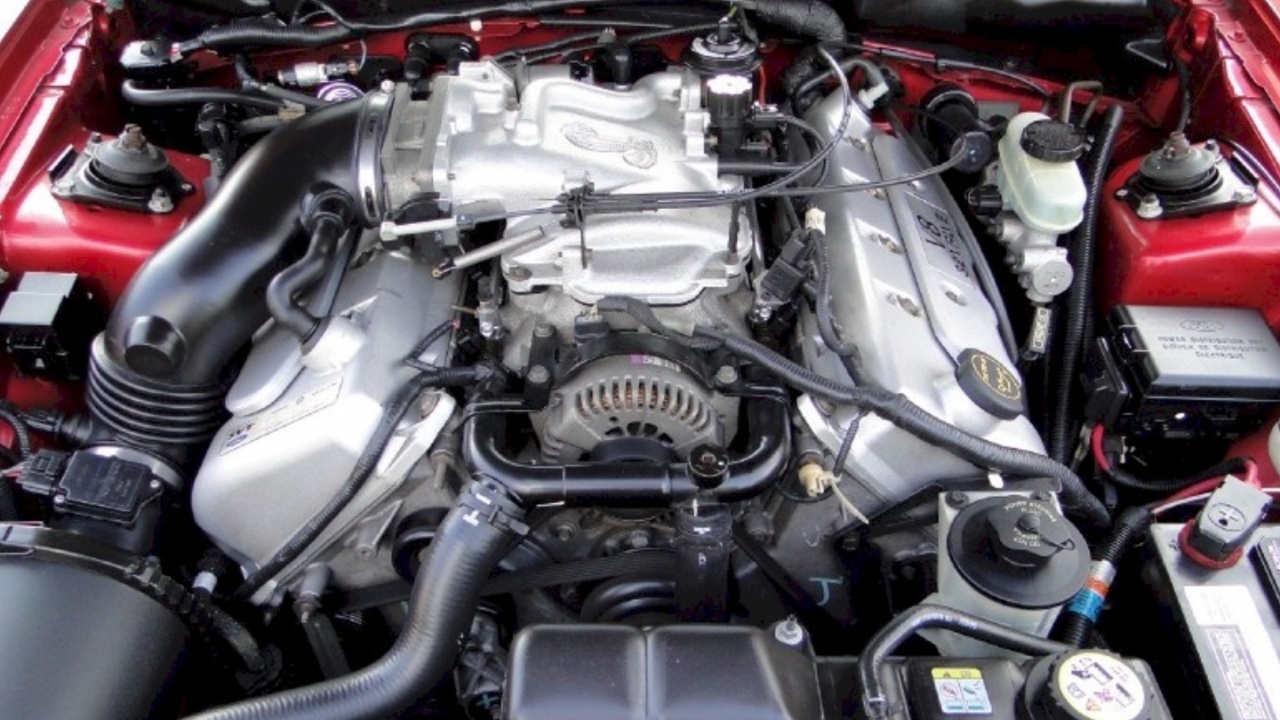
The Ford 5.4L Triton V8 3-Valve engine, produced from 2004 to 2010, powered popular vehicles such as the Ford F-150 and Ford Expedition and became well known for its strong towing capability and durable cast-iron construction. Designed to deliver high torque for trucks and heavy-duty applications, the engine can achieve long service life when properly maintained.
However, it also developed a reputation for significant reliability problems, primarily linked to oil pressure management and timing system failures. These issues often combine to create what many owners describe as a gradual but inevitable mechanical breakdown if maintenance is neglected.
At the center of the problem is the engine’s oil-dependent timing chain system. The hydraulic timing chain tensioners rely entirely on consistent oil pressure to maintain proper chain tension.
Over time, plastic seals within the tensioners can fail, causing a loss of oil pressure to critical components, including the cam phasers used for variable valve timing. When oil pressure drops, the timing chain loses tension and begins to move excessively, producing the well-known “Triton rattle,” a loud ticking or diesel-like noise during startup or idle.
The situation worsens because the timing chain guides are made from plastic. Once the chain becomes loose, it strikes these guides repeatedly, causing them to crack or shatter. Broken guide material can circulate through the engine and clog the oil pickup tube, reducing lubrication further and starving the upper engine components of oil.
This chain reaction accelerates wear and can eventually cause the timing chain to jump teeth or fail completely. Since the engine is an interference design, such failure often results in piston and valve contact, leading to severe internal damage.
Several contributing factors increase failure risk. Weak oil pumps, degraded oil at high temperatures, sludge buildup from infrequent oil changes, and extended service intervals all reduce oil pressure and worsen tensioner performance. Cam phaser failure is also common, as these components depend on the same oil supply for proper operation.
Other known concerns include difficult two-piece spark plugs that can break during removal and exhaust manifold leaks caused by warped components. Preventive maintenance is critical for longevity. Frequent oil changes, typically every 3,000 miles, along with early repair of rattling noises and updated timing components, are essential steps to reduce the likelihood of catastrophic engine failure and maintain reliability.
4. Mini Cooper 1.6L Turbo (N14 Engine)
The Mini Cooper 1.6L turbocharged N14 engine, used primarily in the 2007 to 2010 Mini Cooper S (R56 generation), is well known for delivering energetic performance and a distinctive “go-kart” driving experience. Producing lively power from a small displacement turbocharged engine, it quickly became popular among enthusiasts seeking a fun and responsive hot hatch.
Despite its engaging character, the N14 developed a poor reputation for reliability, largely due to persistent timing chain tensioner problems that earned it the nickname “Death Rattle” among owners and technicians.
The main issue centers on the hydraulic timing chain tensioner, which is prone to sticking or failing to extend properly. Because the tensioner depends on consistent oil pressure, even slightly low oil levels can prevent it from maintaining adequate chain tension.
When this occurs, the timing chain becomes loose, particularly during cold starts, creating a metallic rattling noise that signals early failure. Continued operation with insufficient tension allows the chain to stretch prematurely and eventually jump timing, which can cause valves to collide with pistons and result in severe engine damage.
Oil consumption significantly worsens the problem. The N14 engine is known for burning oil at a relatively high rate, meaning owners must frequently monitor and refill oil levels.
Reduced lubrication directly affects the hydraulic tensioner’s ability to function, accelerating wear and increasing the likelihood of failure. In response, Mini released several revised tensioner designs and bolts of varying lengths in an attempt to improve reliability, though these updates did not completely eliminate the issue.
Additional factors contribute to the engine’s maintenance challenges. As a direct-injection design, the N14 suffers from heavy carbon buildup on intake valves, which reduces efficiency and places additional strain on engine components. Other commonly reported problems include high-pressure fuel pump failures, oil leaks from valve cover and filter housing seals, and coolant leaks from thermostat components.
Warning signs typically include rattling noises during cold startup, rough running, or reduced performance. Preventive maintenance is essential for longevity. Frequent oil checks, short oil change intervals, and proactive replacement of the timing chain and tensioner assembly are strongly recommended.
Vehicles with documented repairs and careful maintenance histories are generally safer choices, while later Mini engines, such as the N18, introduced improvements that reduced many of these reliability concerns.
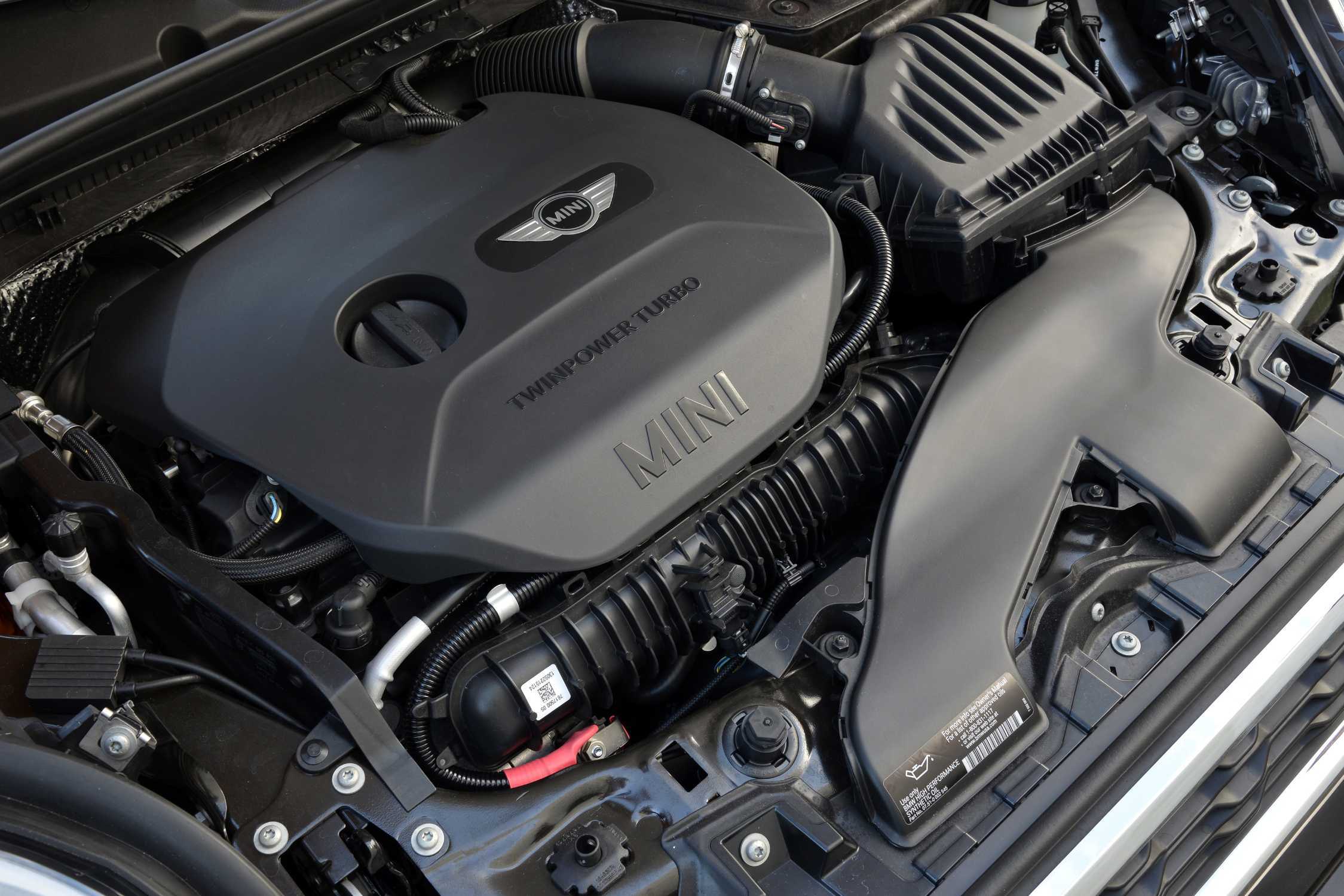
5. GM 2.4L Ecotec (LAF/LEA)
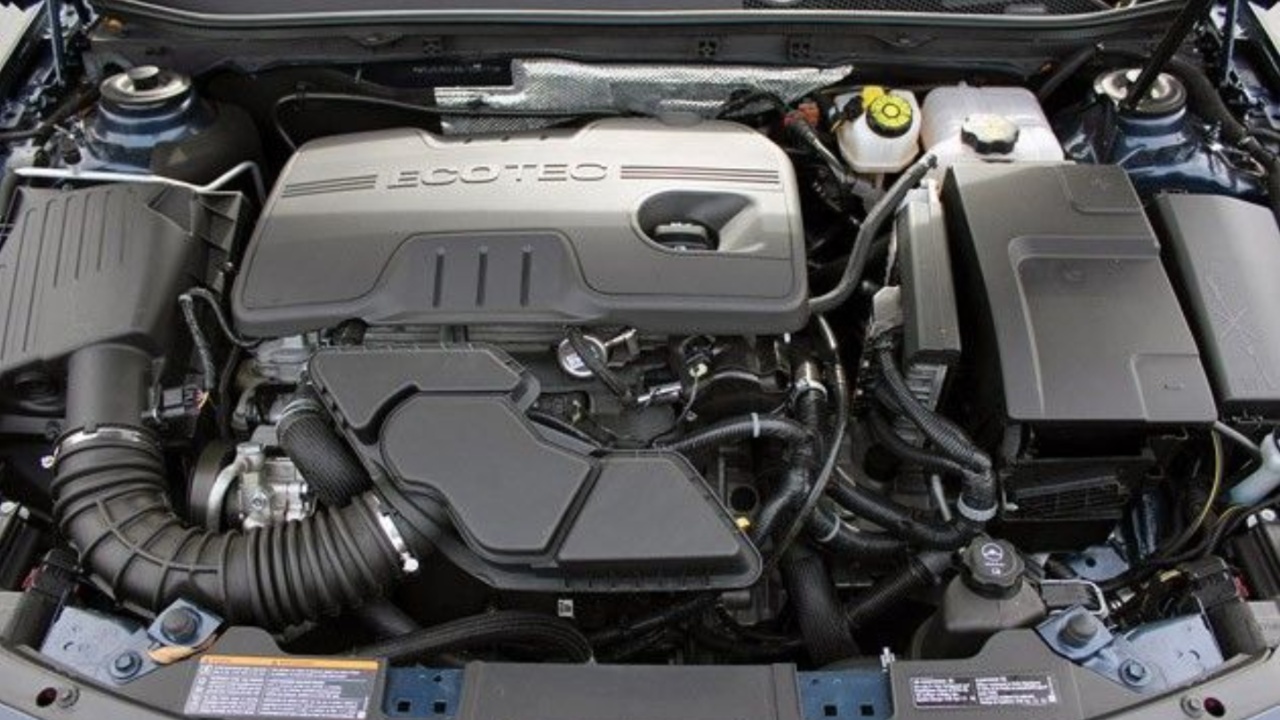
The GM 2.4L Ecotec engine, identified by the LAF and later LEA designations, was widely used between 2010 and 2017 in vehicles such as the Chevrolet Equinox, GMC Terrain, Buick Verano, and several other midsize General Motors models.
Designed to balance fuel efficiency and performance, the engine produces roughly 182 horsepower and incorporates direct injection and variable valve timing. While capable of dependable daily use under proper care, the engine developed a negative reputation due to severe oil consumption problems that directly contribute to timing chain system failures.
The primary issue begins with defective piston ring design. The low-tension oil control rings allow excessive oil to pass into the combustion chamber, where it burns during normal operation. Many engines consume oil at an unusually high rate, sometimes as much as one quart every 500 to 2,000 miles.
Because owners may not notice the rapid loss between service intervals, engines frequently operate with low oil levels. This creates a domino effect that severely impacts the timing chain system.
The timing chain tensioner relies on hydraulic oil pressure to maintain proper chain tension. When oil levels drop, the tensioner cannot apply sufficient pressure, allowing the chain to loosen. Early tensioner designs also suffer from internal spring weakness and mounting issues, including a pivot bolt that can loosen over time.
Once slack develops, the chain begins striking the plastic guide rails, producing a rattling sound often compared to marbles shaking inside a metal container. Continued operation leads to accelerated guide wear or breakage.
As the guides deteriorate, timing accuracy is compromised. The chain may stretch, skip teeth, or cut into nearby engine components. Since the 2.4L Ecotec is an interference engine, timing failure typically results in bent valves, piston damage, or complete engine seizure. Repairs often require extensive internal work or full engine replacement, creating significant expense for owners.
Additional contributing factors include PCV system problems that increase crankcase pressure and worsen oil consumption, along with long factory-recommended oil change intervals that allow sludge buildup to clog small oil passages feeding the tensioner. GM later released updated components and technical service bulletins, with post-2013 LEA versions showing some improvement, though risks remain.
Preventive maintenance is essential for longevity. Frequent oil level checks, shorter oil change intervals, and early attention to rattling noises or timing-related fault codes are critical steps to preventing catastrophic timing chain failure in these engines.
Also read: 5 Engines Famous for Longevity vs 5 With Timing Chain Headaches
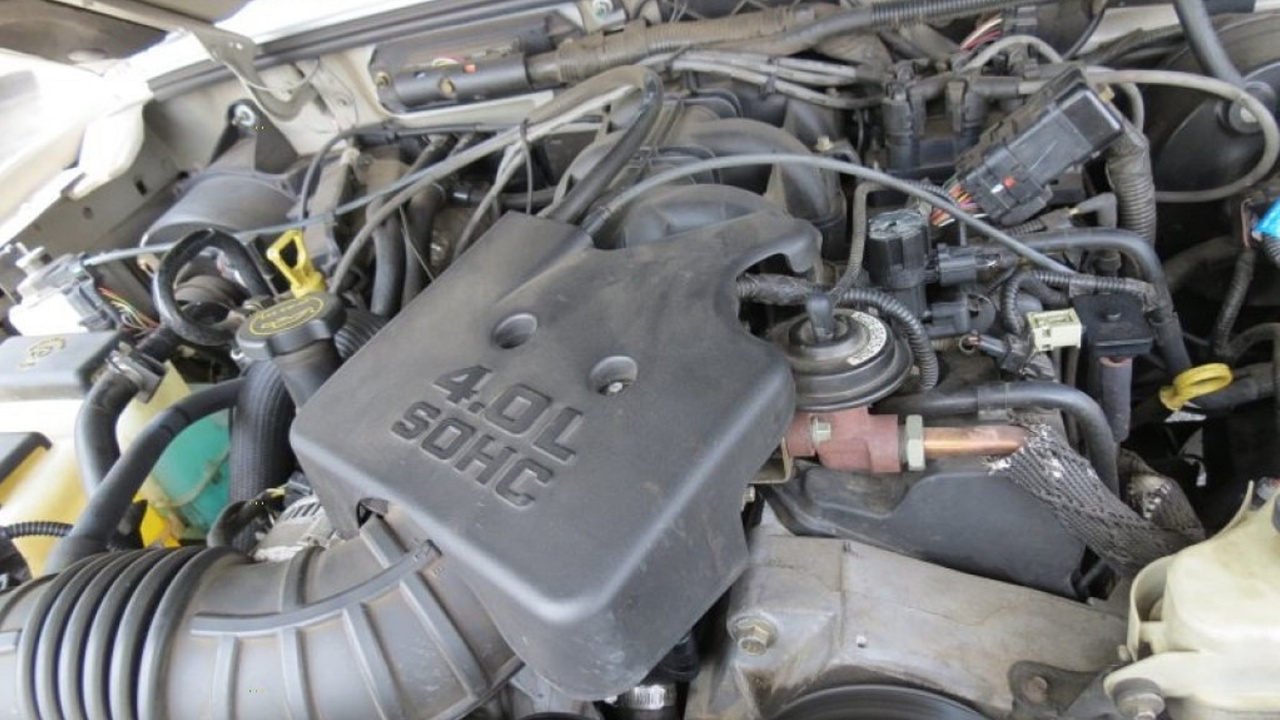
6. Ford 4.0L SOHC V6
The Ford 4.0L SOHC V6 engine, commonly known as the Cologne V6, was widely used between 1997 and 2010 in vehicles such as the Ford Explorer, Ranger, and Mustang. Designed to provide strong low-end torque and dependable performance for trucks and SUVs, the engine produces about 210 horsepower and 254 lb-ft of torque.
While capable of long service life when maintained properly, it gained a notorious reputation for complex and failure-prone timing chain components that often lead to extremely expensive repairs.
Unlike conventional engines that use a single timing chain, the 4.0L SOHC V6 employs a complicated three-chain system. It includes a primary front chain, a secondary front chain for one cylinder head, and a rear-mounted chain that drives the opposite camshaft.
The rear chain sits against the firewall, making access extremely difficult. Servicing this component frequently requires complete engine removal, meaning even minor failures can result in thousands of dollars in labor costs.
The most common failure point involves the timing chain guides and hydraulic tensioners. These components use plastic-backed guide surfaces that become brittle over time due to heat and wear. In many cases, guides begin breaking as early as 45,000 miles.
When the plastic deteriorates, the timing chains lose proper support and begin striking surrounding components, creating a distinctive rattling noise often described as “marbles in a can” or a spray paint can shaking during startup.
Hydraulic tensioners further contribute to the issue because they rely on stable oil pressure to maintain chain tension. Delayed oil pressure during cold starts, low oil levels, incorrect oil viscosity, or infrequent oil changes can prevent the tensioners from taking up slack quickly enough. Chain stretch then accelerates wear, causing additional damage to the already fragile guides.
If ignored, broken guide fragments can circulate through the oil system or allow the timing chain to skip teeth. Since the engine is an interference design, this loss of synchronization may cause piston-to-valve contact and catastrophic engine failure. Preventive solutions typically involve replacing the entire timing assembly with updated components, often using improved Motorcraft parts.
Regular oil changes with high-quality synthetic oil and prompt attention to startup rattles are essential for extending engine life. Engines that have already undergone timing system repairs are generally considered far safer ownership options.
7. BMW N20 2.0L Turbo
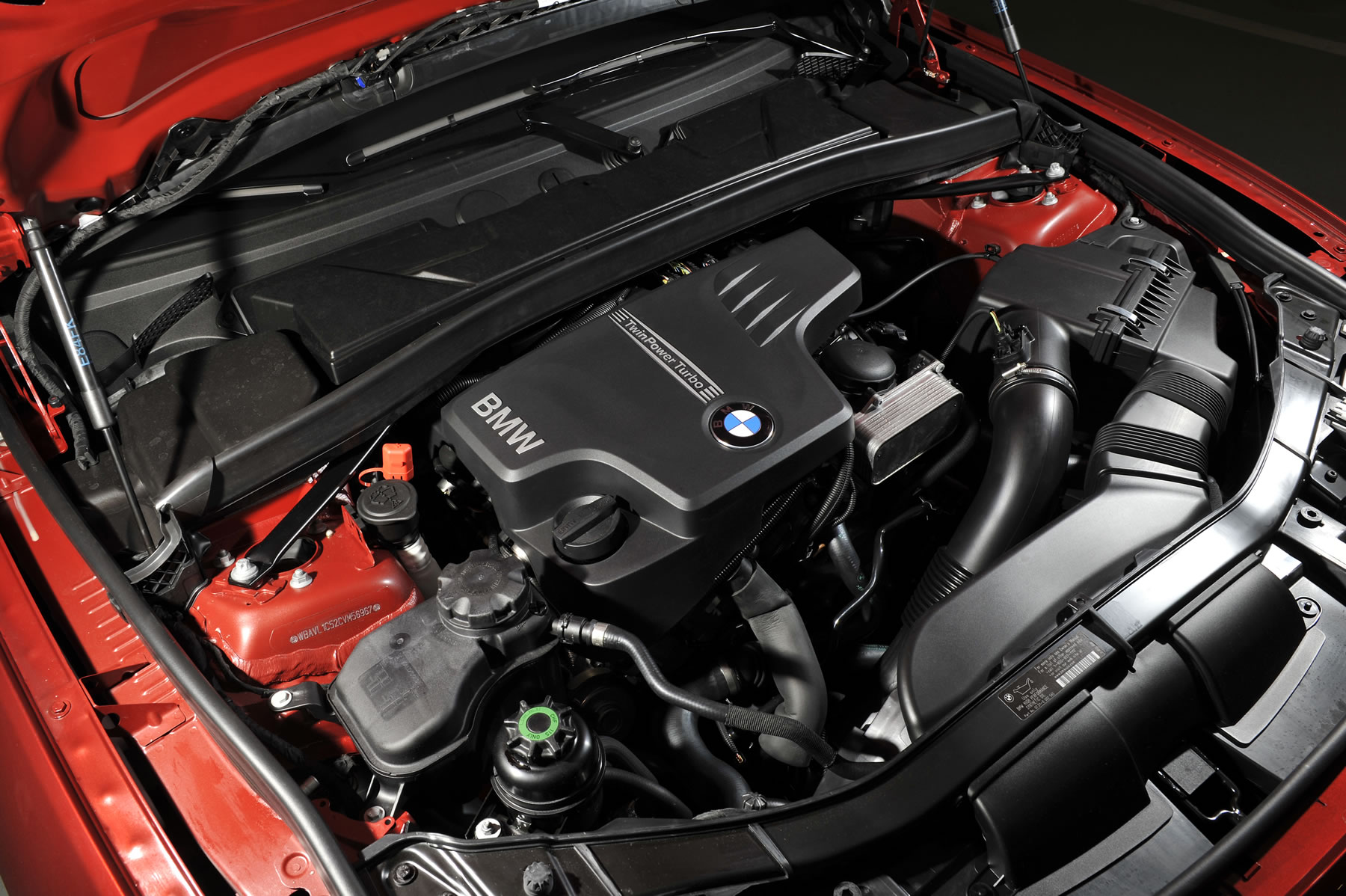
The BMW N20 2.0L turbocharged four-cylinder engine, introduced in 2011 and used in models such as the BMW 328i and 528i, was designed to replace BMW’s naturally aspirated inline-six engines while improving fuel efficiency and maintaining strong performance.
Producing between 180 and 241 horsepower with up to 258 lb-ft of torque, the lightweight aluminum engine delivered responsive acceleration and excellent fuel economy, often exceeding 30 mpg on the highway.
Despite its modern design and driving appeal, early production versions developed a serious reliability reputation due to widespread timing chain system failures, particularly in engines built from 2012 through early 2015.
The primary weakness involves the timing chain guides, which were manufactured from brittle plastic material that degrades under prolonged exposure to engine heat and oil. Over time, these guides crack and break apart, preventing the timing chain from remaining properly aligned.
As the guides fail, the chain develops excessive slack, placing increased stress on the hydraulic tensioner. The tensioner eventually reaches its adjustment limit and can no longer maintain proper tension, allowing the chain to slap against internal components.
This failure often produces warning signs such as a high-pitched whining or whirring noise during startup or acceleration, sometimes referred to as the “N20 whine.” If ignored, broken plastic fragments may fall into the oil pan and clog the oil pump pickup, reducing lubrication throughout the engine.
In severe cases, the timing chain can skip teeth or the oil pump drive chain may fail independently, causing immediate engine seizure. Because the N20 is an interference engine, loss of timing synchronization typically results in piston-to-valve contact and catastrophic engine damage.
Long factory oil change intervals further contributed to the issue. Extended service periods allowed sludge buildup that accelerated wear on the chain, guides, and tensioner. The rear-mounted timing assembly also makes inspection and replacement labor-intensive and costly.
BMW addressed the defect by updating timing chain components in January 2015 and extended warranties for many affected vehicles following a class-action lawsuit. Later engines are considered significantly more reliable.
Preventive maintenance remains critical for early models, including shorter oil change intervals, regular inspections for unusual noises, and proactive timing chain replacement around higher mileage to reduce the risk of sudden engine failure.
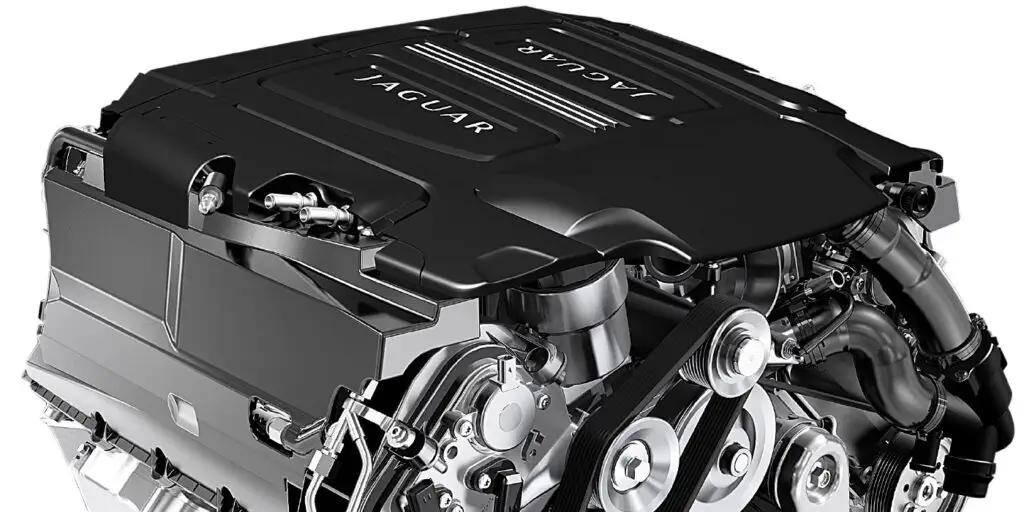
8. Jaguar/Land Rover 5.0L V8 (AJ133)
The Jaguar and Land Rover 5.0L V8 AJ133 engine, produced from 2009 through the early 2020s, is widely admired for its performance, sound, and refinement. Available in both naturally aspirated and supercharged forms, the engine powers vehicles such as the Range Rover, Jaguar F-Type, and several high-performance Jaguar sedans and SUVs.
Supercharged variants can produce well over 500 horsepower, delivering strong acceleration and a distinctive driving character. Despite its impressive capabilities, the AJ133 has developed a reputation for timing chain system weaknesses that can lead to extremely costly engine failures if not addressed proactively.
The primary concern involves premature wear of the timing chain guides and hydraulic tensioners, especially in models produced between 2010 and 2014. Early engines used plastic guide rails that were not durable enough to withstand long-term stress and heat exposure.
The tensioner design compounds the problem because the hardened steel tensioner ram presses directly against these plastic surfaces. Over time, the contact points wear down, creating excess clearance that allows the timing chain to loosen and begin rattling.
As wear progresses, the hydraulic tensioners may struggle to maintain proper chain tension, particularly during cold starts before oil pressure fully builds. Owners often notice a rattling sound at startup, which serves as an early warning sign of timing system deterioration.
If ignored, the chain can eventually skip timing or fail entirely. Because the AJ133 is an interference engine, such failure typically results in piston-to-valve contact and catastrophic internal damage that may require full engine replacement.
Extended factory oil service intervals also contributed to the issue. Longer intervals can lead to sludge buildup and reduced lubrication, accelerating wear on guides and tensioners. Land Rover later introduced updated components, including improved guide materials and hardened contact surfaces around 2014, which reduced but did not completely eliminate the risk.
Specialist technicians commonly recommend preventive replacement of the entire timing chain assembly, including upgraded guides and tensioners, between 70,000 and 100,000 miles.
Frequent oil changes, typically every 5,000 to 7,500 miles, are also considered essential for long-term reliability. When maintained carefully with updated components, the AJ133 can be a durable and rewarding high-performance engine, though ownership requires consistent attention and higher maintenance costs than average.
9. Mercedes-Benz M272 V6
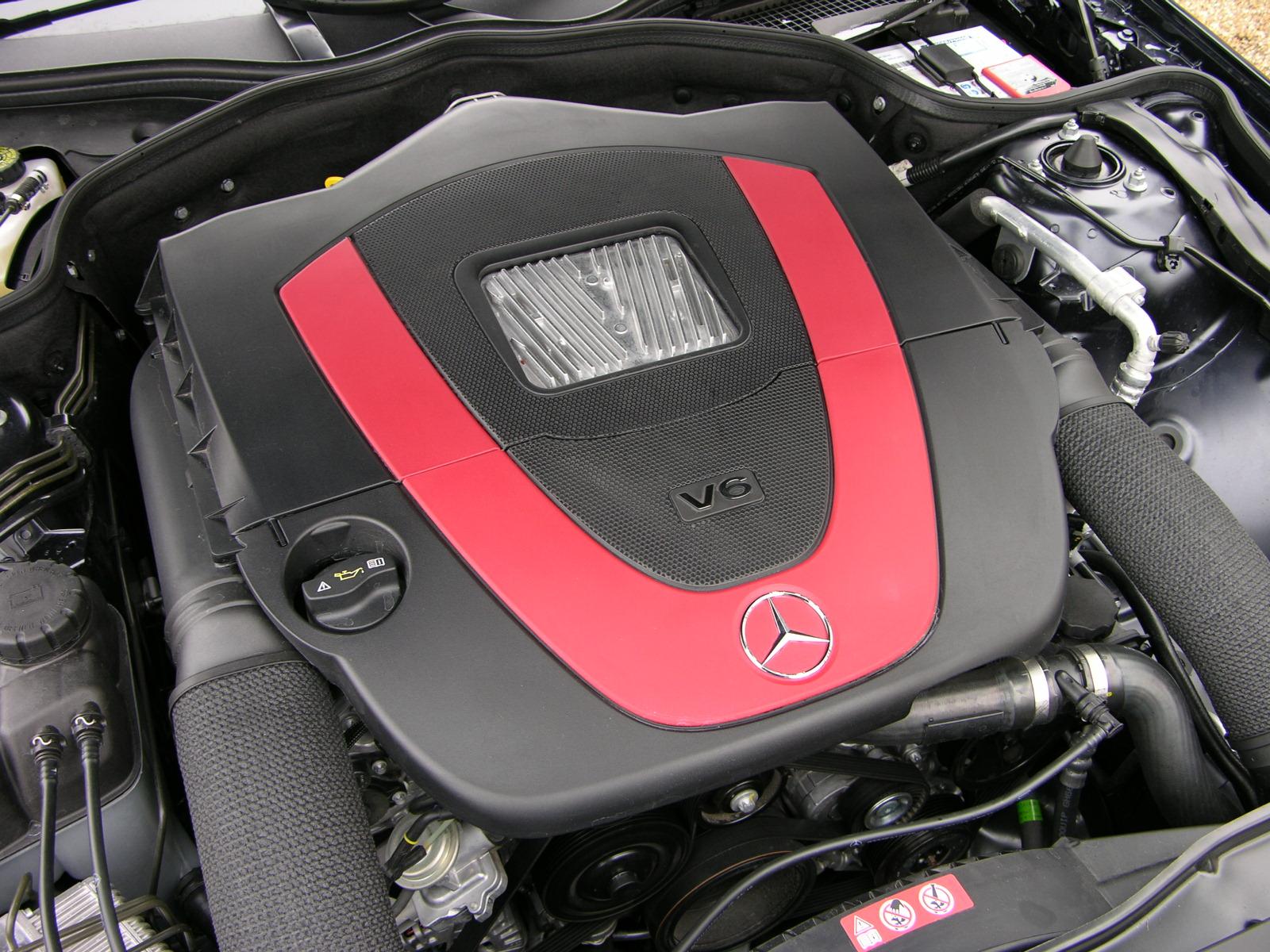
The Mercedes-Benz M272 2.5–3.5L V6 engine, produced from 2004 to 2008, powers a wide range of models from the C-Class and E-Class to the ML-Class.
Renowned for its smooth operation, good power delivery, and refinement, the early M272 engines developed a reputation for a critical timing chain system flaw linked to the balance shaft gears. This issue is particularly severe in engines with serial numbers below 2729..30 468993 and is considered one of the most expensive failures in Mercedes-Benz’s V6 lineup.
The root cause lies in the use of a softer-than-required metal alloy for the balance shaft sprockets. Over time, the gear teeth wear down prematurely, creating excessive slack in the timing chain that exceeds the adjustment capability of the hydraulic tensioner.
The tensioner itself is oil-dependent and lacks an effective check valve in early designs, meaning oil drains when the engine is off. On startup, the chain rattles until sufficient oil pressure builds, accelerating wear on both the chain and plastic timing guides. Degraded plastic guides further contribute to slack, making the chain prone to skipping teeth or seizing.
Symptoms of failure include a distinct rattling or ticking noise at cold start, rough idle, stalling, and a persistent Check Engine Light with codes such as P0016 through P0019, indicating camshaft-to-crankshaft timing issues. Metal shavings in the oil filter or pan during service are a common warning sign. Ignoring these issues can lead to catastrophic valve-to-piston contact, causing extensive engine damage.
Repairing the M272 timing system is labor-intensive and costly because the balance shaft is located deep within the engine. Addressing the problem often requires full engine removal, with total repair costs ranging from $8,000 to $12,000. Other related issues include intake manifold tumble flap failures, cam position sensor faults, and oil leaks, which can compound maintenance costs.
Preventive measures include checking the engine serial number to identify high-risk units and ensuring that any timing chain or balance shaft work has been completed.
While the M272 remains a smooth, responsive engine, early production models are best avoided or carefully inspected to ensure the balance shaft and timing chain system have been properly serviced. Regular oil changes with high-quality fluids are essential to minimizing hydraulic tensioner wear and prolonging engine life.
10. Jaguar 2.0L Ingenium Diesel
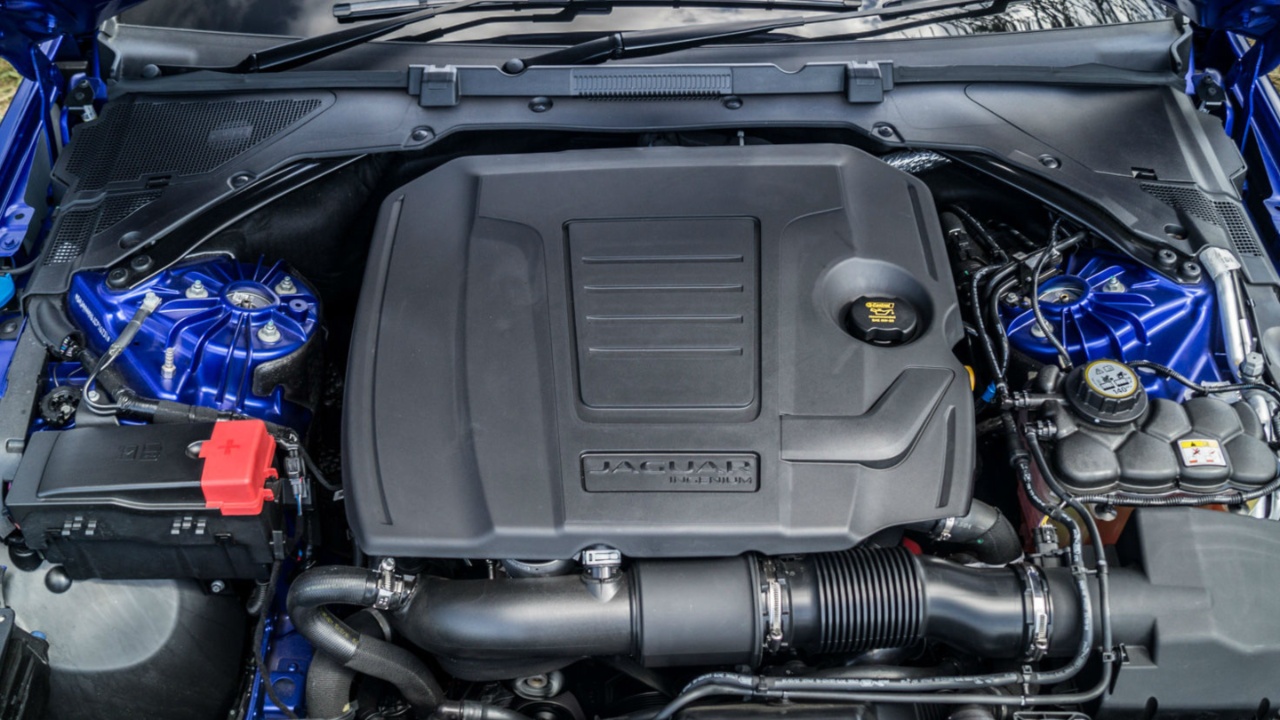
The Jaguar 2.0L Ingenium Diesel engine, produced between 2015 and 2020, was designed as a modern, efficient powerplant for vehicles such as the XE, XF, and F-Pace. Offering outputs of 163, 180, and 240 bhp, the engine delivers smooth performance, strong torque, and excellent fuel economy.
Despite these strengths, early Ingenium engines earned a reputation for high-risk reliability issues, primarily due to timing chain system failures linked to premature wear, oil dilution, and weak components.
The core problem originates from the engine’s narrow timing chain design and relatively fragile plastic guides and hydraulic tensioners. Frequent Diesel Particulate Filter (DPF) regenerations allow unburned fuel to mix with the engine oil, reducing viscosity and weakening lubrication.
Thin, contaminated oil fails to maintain proper tension on the chain, causing the tensioner to underperform and the chain to stretch rapidly. The long factory-recommended oil change intervals, often up to 21,000 miles, exacerbate these issues, allowing further oil degradation and accelerating wear on the timing system.
Early warning signs include a distinct metallic rattling noise on cold starts, often accompanied by a “Restricted Performance” message or check engine light. If unaddressed, the chain may jump teeth or snap entirely, leading to catastrophic interference engine damage where pistons collide with valves. Repairs are typically extensive and costly, sometimes requiring complete timing system replacement.
Preventive measures focus on stricter maintenance practices. Experts recommend shortening oil change intervals to 8,000–10,000 miles, using high-quality oils, and addressing DPF issues proactively. Limiting frequent short city trips can reduce incomplete DPF regenerations and oil dilution.
Pre-purchase inspections should prioritize timing chain and tensioner condition, especially for pre-2019 models, which are most susceptible to early failure. Post-2019 revisions improved some timing chain components, though diligence is still required.
While the Ingenium 2.0L diesel provides excellent efficiency and refined driving dynamics, its early models carry a significant risk of timing chain-related engine failure. Buyers and owners must prioritize oil maintenance, monitor for warning noises, and ensure preventative service to protect this otherwise capable engine from premature, costly damage.
The engines on this list show that even high-performance and modern engines can be vulnerable to timing chain tensioner issues. Vehicles such as the Mini Cooper N14, Ford 4.0L SOHC V6, and Jaguar/Land Rover AJ133 demonstrate that ignoring timing chain problems can result in extremely expensive repairs.
Owners must follow strict maintenance routines, including frequent oil changes, careful monitoring of engine noise, and proactive replacement of tensioners and guides. Early detection of problems and adherence to service recommendations are essential to avoid piston and valve damage.
While these engines are capable of excellent performance and efficiency, their reliability depends on careful maintenance and awareness of known weaknesses. Understanding these risks and addressing them early ensures that these engines remain functional and avoid catastrophic failures.
Also Read: Top 10 Cars That Require Engine Removal for Basic Repairs