Luxury SUVs combine premium comfort, advanced technology, and powerful performance, but these same qualities often make them difficult to repair outside a professional workshop. Modern high-end vehicles rely heavily on complex electronics, hybrid powertrains, adaptive suspension systems, and tightly packaged engine bays that prioritize efficiency and refinement rather than accessibility.
For home mechanics, what once was a simple repair can now require specialized diagnostic software, proprietary tools, and manufacturer-specific procedures. Even routine maintenance tasks may involve extensive disassembly or electronic recalibration.
This list explores the Top 10 Luxury SUVs That Are Difficult to Repair in a Home Garage, highlighting models that deliver impressive driving experiences while presenting serious challenges for do-it-yourself servicing.
From ultra luxury flagships to performance-focused SUVs, these vehicles demonstrate how innovation and convenience can come at the cost of repair simplicity, making professional maintenance almost unavoidable for long term ownership.
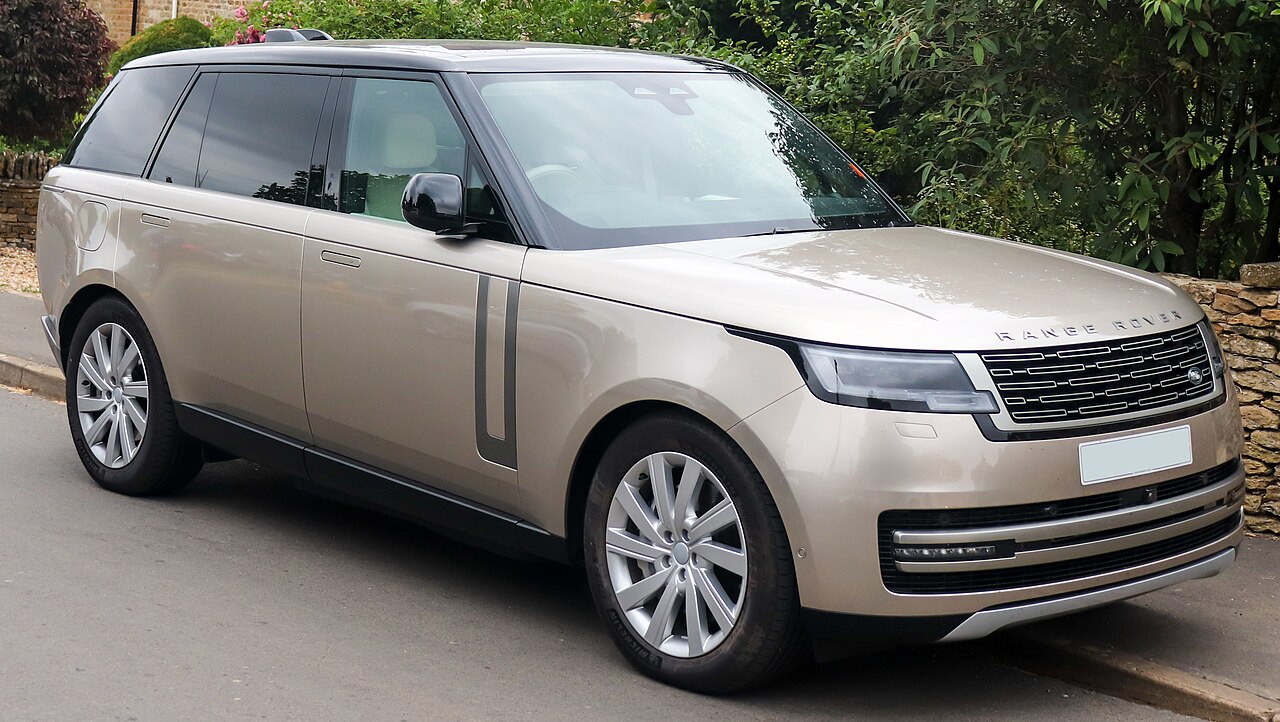
1. Land Rover Range Rover: Luxury, Performance, and Maintenance Challenges
The Land Rover Range Rover is a luxury SUV known for its advanced technology, off-road capability, and refined ride, but it presents significant maintenance challenges. Its sophisticated air suspension and integrated electronic systems provide exceptional comfort and handling, yet are fragile and complex.
A single air strut failure can involve a network of sensors, compressors, and control modules that require specialized diagnostic tools. The densely packed engine and drivetrain components make access for repairs difficult, often requiring professional lifts and non-standard tools. Proprietary parts and manufacturer-specific software further complicate DIY maintenance.
The Range Rover offers four main powertrain options. The entry-level P400 features a 395-hp turbocharged inline-six with a 48-volt mild-hybrid system. The P530 uses a 523-hp twin-turbo 4.4-liter V8, boosting towing capacity to 8,200 pounds. A plug-in hybrid P550e delivers 542 hp combined and 21 miles of electric-only range, while the range-topping P615 SV has a 606-hp twin-turbo V8.
All models have an 8-speed automatic transmission and four-wheel drive. The ride is exceptionally smooth in Comfort mode, while Dynamic mode firms the suspension slightly without compromising comfort. Acceleration is strong, with the P400 reaching 60 mph in 5.5 seconds and the P530 in 4.3 seconds. Fuel economy ranges from 16 to 24 mpg, depending on engine and driving conditions.
The interior emphasizes luxury, versatility, and passenger comfort. Buyers can choose traditional leather or more sustainable textiles. Seating configurations support four, five, or seven passengers, with generous legroom in long-wheelbase models. Cargo space ranges from 40.7 to 92.8 cubic feet, depending on seat configuration.
Features such as a motorized cargo divider and split rear liftgate add convenience. Infotainment is centered on a 13.1-inch touchscreen with the Pivi Pro interface, wireless Apple CarPlay and Android Auto, Amazon Alexa, and optional rear-seat entertainment. Meridian audio systems with up to 35 speakers deliver high-quality sound.
Safety features include automated emergency braking, adaptive cruise control, and lane-keeping assist. The limited warranty covers four years or 50,000 miles, but no complimentary maintenance is provided, unlike some competitors.
The Range Rover combines luxury, powerful performance, and off-road capability while demanding careful maintenance, specialized tools, and attention to complex systems to ensure reliability and preserve value.
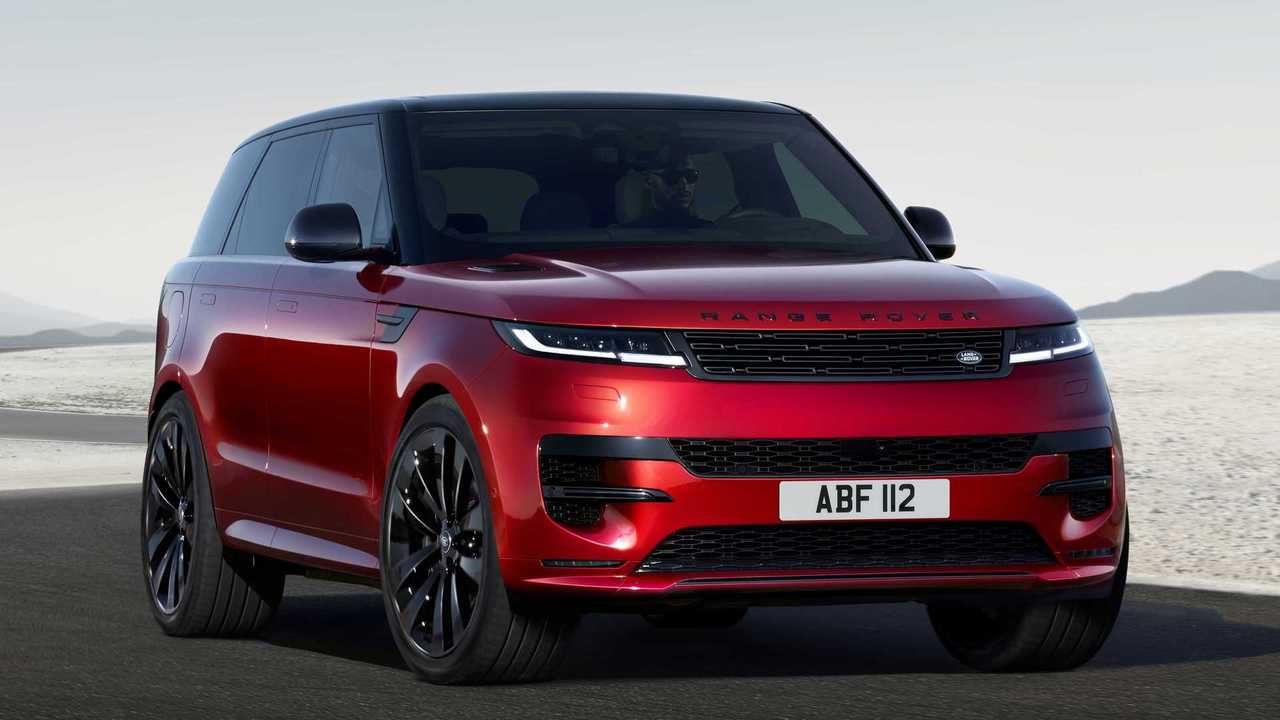
2. BMW X7: Performance, Luxury, and Repair Complexity
The BMW X7 is a full-size luxury SUV that showcases advanced German engineering, combining powerful performance, sophisticated electronics, and a high level of refinement. However, its extreme mechanical and electronic complexity makes home repairs extremely challenging.
Components are densely packed, and systems such as the Hot-V twin-turbo V8, adaptive air suspension, and 48V mild-hybrid network require specialized BMW ISTA/D diagnostic software and tools. Many parts are integrated, meaning failures like ABS sensor issues or transfer case problems often require replacing expensive assemblies rather than individual components.
Panoramic sunroof leaks and automatic transmission repairs are additional high-cost, high-complexity issues, and comprehensive service manuals for the G07 X7 are difficult to obtain.
The X7 offers a range of engines and drivetrains. The base xDrive40i features a 375-hp turbocharged inline-six, while the M60i has a 523-hp twin-turbo V8 with sportier suspension and rear-axle steering. The Alpina XB7 pushes output to 630 hp. All models pair with an eight-speed automatic and all-wheel drive.
Every X7 rides on adaptive air suspension with active anti-roll bars, providing impressive handling and comfort for a vehicle of its size. Acceleration is strong, with the xDrive40i reaching 60 mph in 4.6 seconds and the M60i in 3.8 seconds. Towing capacity is rated at 7,500 pounds, and fuel economy ranges from 16 to 24 mpg depending on engine and driving conditions.
Inside, the X7 blends luxury with utility. The cockpit features a 12.3-inch digital gauge cluster and a 14.9-inch infotainment touchscreen. Standard amenities include heated front seats, panoramic sunroof, power-adjustable steering wheel, and ambient lighting.
Interior space is generous, although the third row is best suited for shorter passengers on long trips. Cargo capacity is excellent, with up to 33 carry-on suitcases with seats folded. Infotainment includes iDrive controls, Wi-Fi hotspot, Digital Key, and available Harman/Kardon or Bowers & Wilkins audio systems.
Safety features are comprehensive, including forward-collision warning, automated emergency braking, blind-spot monitoring, rear cross-traffic alert, and lane-departure warning.
Warranty coverage includes four years or 50,000 miles for both limited and powertrain protection, with complimentary maintenance for three years or 36,000 miles. The BMW X7 delivers a combination of luxury, performance, and cutting-edge technology but demands professional-level maintenance to manage its complex systems.
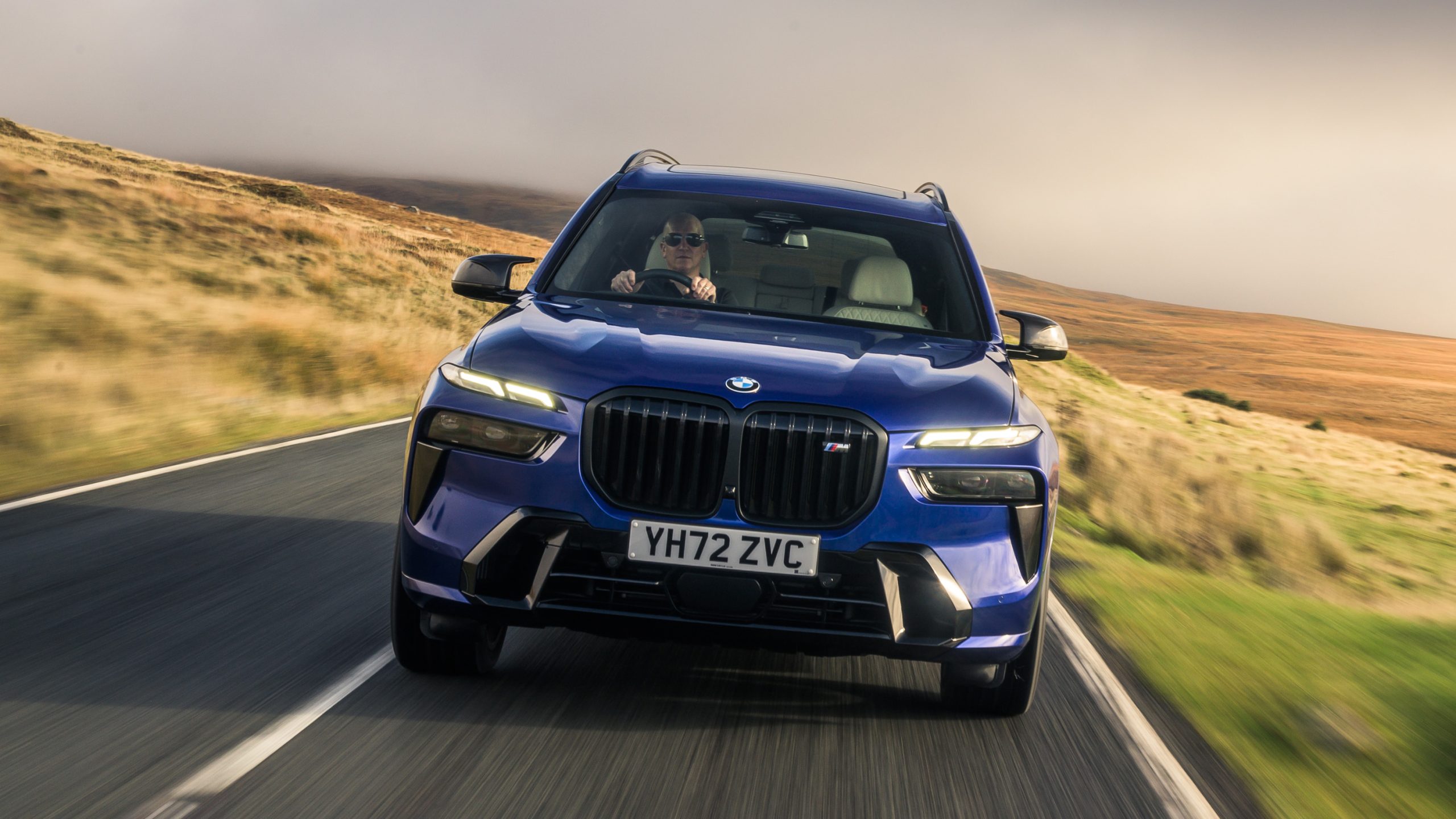
3. Audi Q7: Luxury, Performance, and Repair Complexity
The Audi Q7 is a premium midsize SUV that combines advanced technology, refined handling, and a spacious interior. Reviewers note that the Q7 can become “erratic” after 100,000 miles, particularly due to its complex all-wheel-drive (quattro) and transmission systems. Home repairs are difficult because of proprietary fasteners, tightly integrated electronics, and cramped engine bays.
Routine maintenance often requires major disassembly, including removing the front bumper and radiator assembly to access common components such as belts or the alternator. Common issues include cooling system failures, air suspension malfunctions, oil leaks, and timing chain tensioner problems. Specialized diagnostic tools like VCDS or VAS are often necessary, and many repairs demand professional German-car expertise.
The Q7 offers a choice of engines. The base Q7 45 features a 261-hp turbocharged 2.0-liter four-cylinder with a 12-volt mild-hybrid system. The more powerful Q7 55 uses a 355-hp turbocharged 3.0-liter V6 with a 48-volt mild-hybrid system. Both use an 8-speed automatic transmission and standard all-wheel drive.
Despite its large size, the Q7 feels agile, thanks to air-spring suspension, rear-wheel steering, and optional performance tires. The 0-60 mph time for the Q7 55 is 5.9 seconds, while the four-cylinder model is slightly slower. Towing capacity ranges from 4,400 pounds for the I-4 engine to 7,700 pounds for the V6. Fuel economy is 18-20 mpg city and 23-26 mpg highway, depending on the engine.
Inside, the Q7 is modern and tech-forward, with high-quality materials and well-cushioned, heated front seats. The second row uses a 35/30/35 split, allowing flexibility for passengers or child seats. The third row is best suited for children or shorter adults.
Cargo capacity ranges from 14 cubic feet with all seats in use to 70 cubic feet with all seats folded. Infotainment is handled by a 10.1-inch touchscreen paired with a standard 12.3-inch digital gauge cluster. Wireless Apple CarPlay, Android Auto, Wi-Fi hotspot, and optional Bang & Olufsen audio systems enhance connectivity and entertainment.
Safety features include adaptive cruise control, lane-keeping assist, and blind-spot monitoring, with options such as a 360-degree camera system and remote park assist.
Warranty coverage includes four years or 50,000 miles for both limited and powertrain protection, along with three years or 30,000 miles of complimentary maintenance. The Audi Q7 offers a combination of technology, comfort, and performance, but its intricate engineering and tight packaging require professional maintenance to ensure reliability.
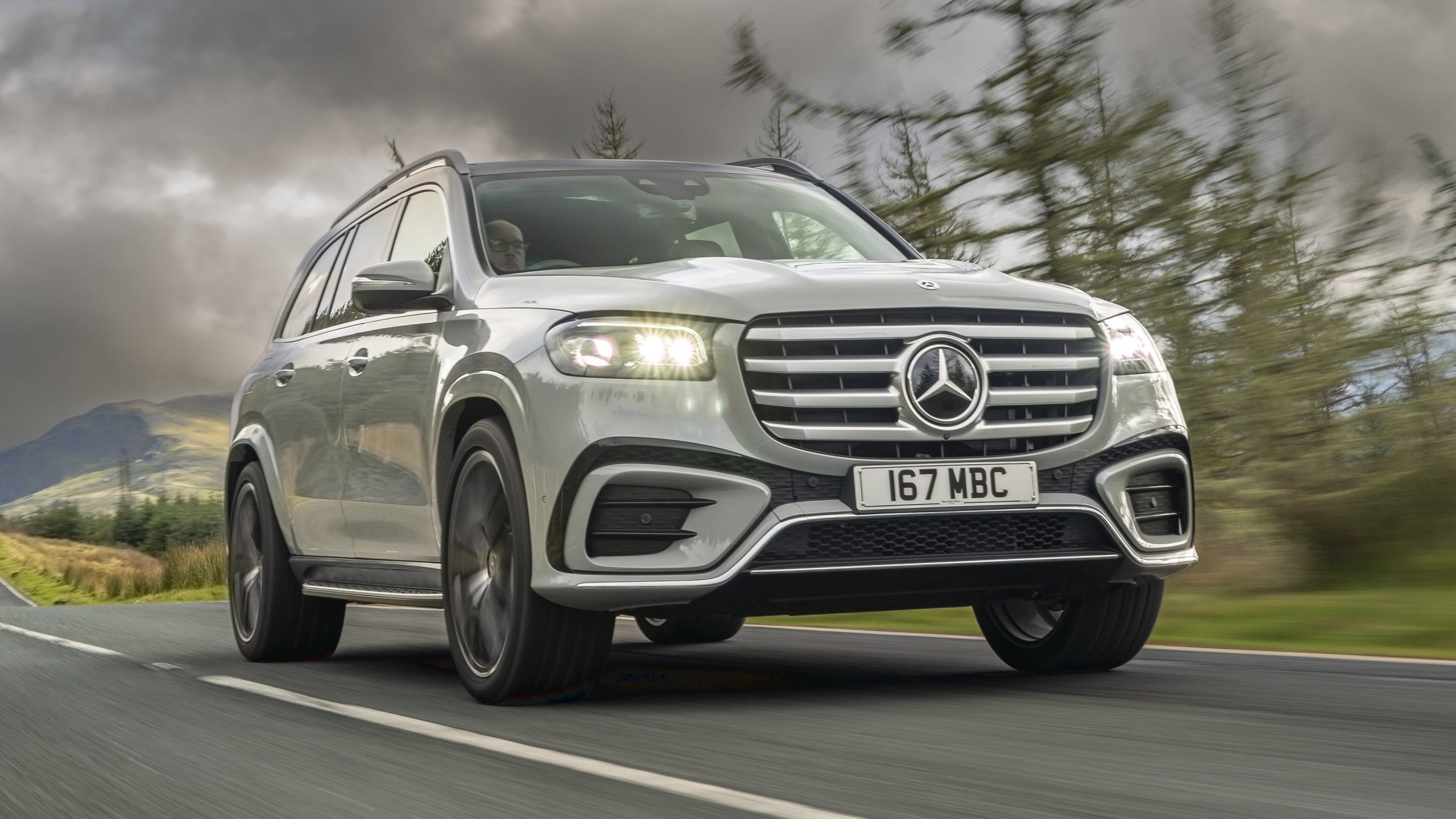
4. Mercedes-Benz GLS-Class: Advanced Luxury and Engineering Complexity
The Mercedes-Benz GLS-Class is a full-size luxury SUV designed to deliver premium comfort, advanced technology, and strong performance, but its highly sophisticated engineering makes home repairs extremely difficult. Often described as a “rolling computer,” the GLS integrates complex electronic systems such as the MBUX infotainment platform and advanced driver-assistance technologies.
Many repairs require Mercedes-specific diagnostic software and proprietary tools, limiting maintenance to professional technicians. The vehicle also uses specialized fasteners and one-time-use stretch bolts, meaning even moderate repairs may require new hardware and precise tools.
A major contributor to service difficulty is the advanced suspension technology. All GLS models feature air suspension, while higher trims offer E-Active Body Control, a 48-volt hydraulic system capable of adjusting each wheel independently using camera-based road scanning.
While this system greatly improves ride comfort, it is extremely complex and costly to service without factory-level equipment. Tightly packed turbocharged engines and intricate battery management systems further complicate routine maintenance. As a result, the GLS-Class has below-average predicted reliability and often requires specialized service rather than home garage repairs.
The GLS-Class is available in two primary models. The GLS450 uses a 375-hp turbocharged 3.0-liter inline-six with mild hybrid assistance, while the GLS580 features a 510-hp twin-turbocharged 4.0-liter V8. Both pair with a nine-speed automatic transmission and all-wheel drive.
Performance is strong for a large SUV, with 0-60 mph times of 5.4 seconds for the GLS450 and 4.7 seconds for the GLS580. Towing capacity reaches up to 7,700 pounds. Fuel economy ranges from 14 to 24 mpg, depending on engine choice, with the six-cylinder offering better efficiency.
Inside, the GLS emphasizes comfort and space. The cabin features high-quality materials, optional leather and wood trims, and seating for six or seven passengers. The third row is usable for adults, and cargo capacity ranges from 17 to 85 cubic feet depending on seat configuration.
Technology includes dual 12.3-inch displays running the MBUX system, wireless smartphone integration, navigation, Wi-Fi hotspot capability, and available Burmester audio systems. Standard safety features include adaptive cruise control, blind-spot monitoring, and lane-keeping assist. Warranty coverage lasts four years or 50,000 miles, though complimentary maintenance is not included.
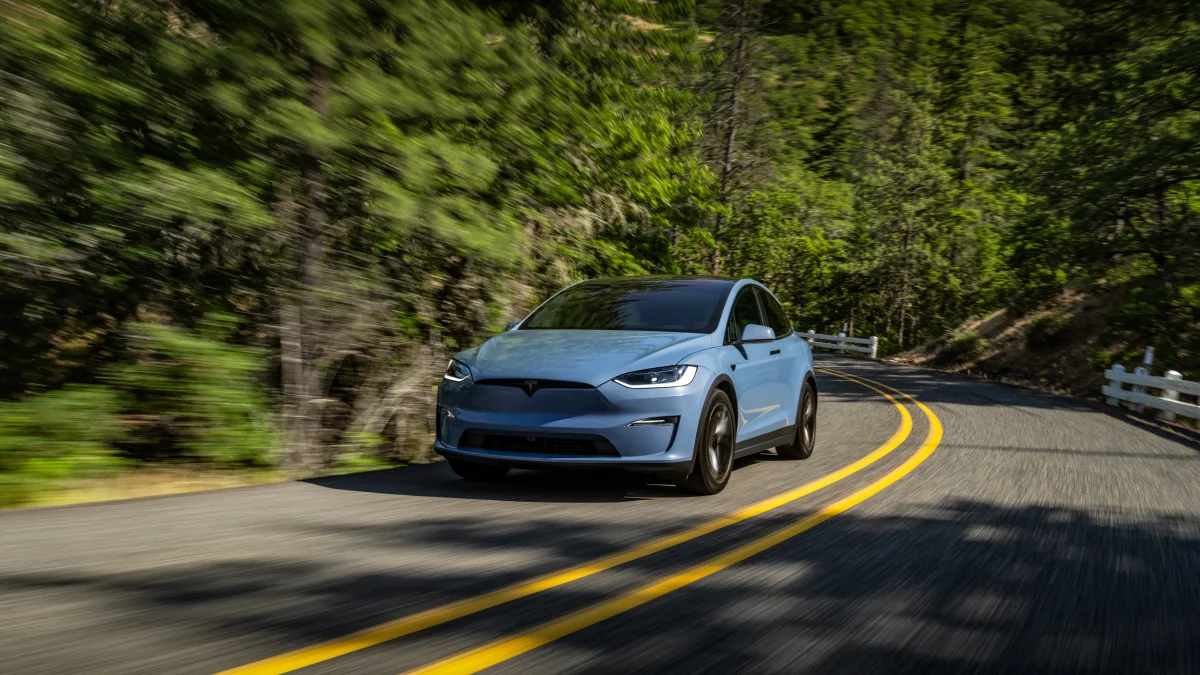
5. Tesla Model X: Technology, Performance, and Repair Challenges
The Tesla Model X stands out as a technologically advanced electric SUV that replaces traditional mechanical systems with highly integrated electronics and software. Unlike conventional vehicles with internal combustion engines, the Model X depends heavily on proprietary digital systems that complicate maintenance and repair.
Its distinctive Falcon Wing doors rely on ultrasonic sensors, electric motors, and complex hinges that frequently require precise calibration using Tesla’s proprietary software. Because many replacement components must be electronically paired with the vehicle’s central computer, owners often need certified technicians rather than home mechanics.
The SUV’s high-voltage battery system also introduces safety risks, as repairs demand specialized training and protective equipment to prevent electrocution. In addition, the aluminum-intensive body structure requires advanced tools and welding techniques that exceed the capabilities of most home garages.
Limited access to service manuals and restricted parts distribution further increase reliance on authorized Tesla service centers, contributing to higher repair costs compared with many other electric vehicles.
In terms of performance, the Model X delivers impressive power and acceleration. The standard dual motor configuration produces 670 horsepower and enables All Wheel Drive capability, allowing the SUV to accelerate from 0 to 60 mph in about 3.6 seconds.
The high-performance Plaid variant adds a third motor and increases output to 1020 horsepower, targeting extreme acceleration levels comparable to sports cars despite the vehicle’s large size and weight.
The Model X can tow up to 5000 pounds, making it functional for moderate hauling needs. It’s estimated driving range reaches 352 miles for the base version and 335 miles for the Plaid, with fast charging supported through Tesla’s Supercharger network.
Inside, the Model X features a minimalist cabin dominated by a large touchscreen that controls most vehicle functions. A digital instrument display sits ahead of the driver, and rear passengers receive their own entertainment screen.
While the expansive glass windshield and roof enhance visibility, critics note inconsistent build quality and a relatively plain interior, considering the vehicle’s premium price.
Safety technology includes Autopilot driver assistance, automated emergency braking, adaptive cruise control, and lane departure warning, though drivers must remain attentive. Warranty coverage includes four years or 50,000 miles of limited protection and an eight-year battery and powertrain warranty.
Also read: 5 Cars With Excellent Air Conditioning for Hot Climates vs 5 That Struggle
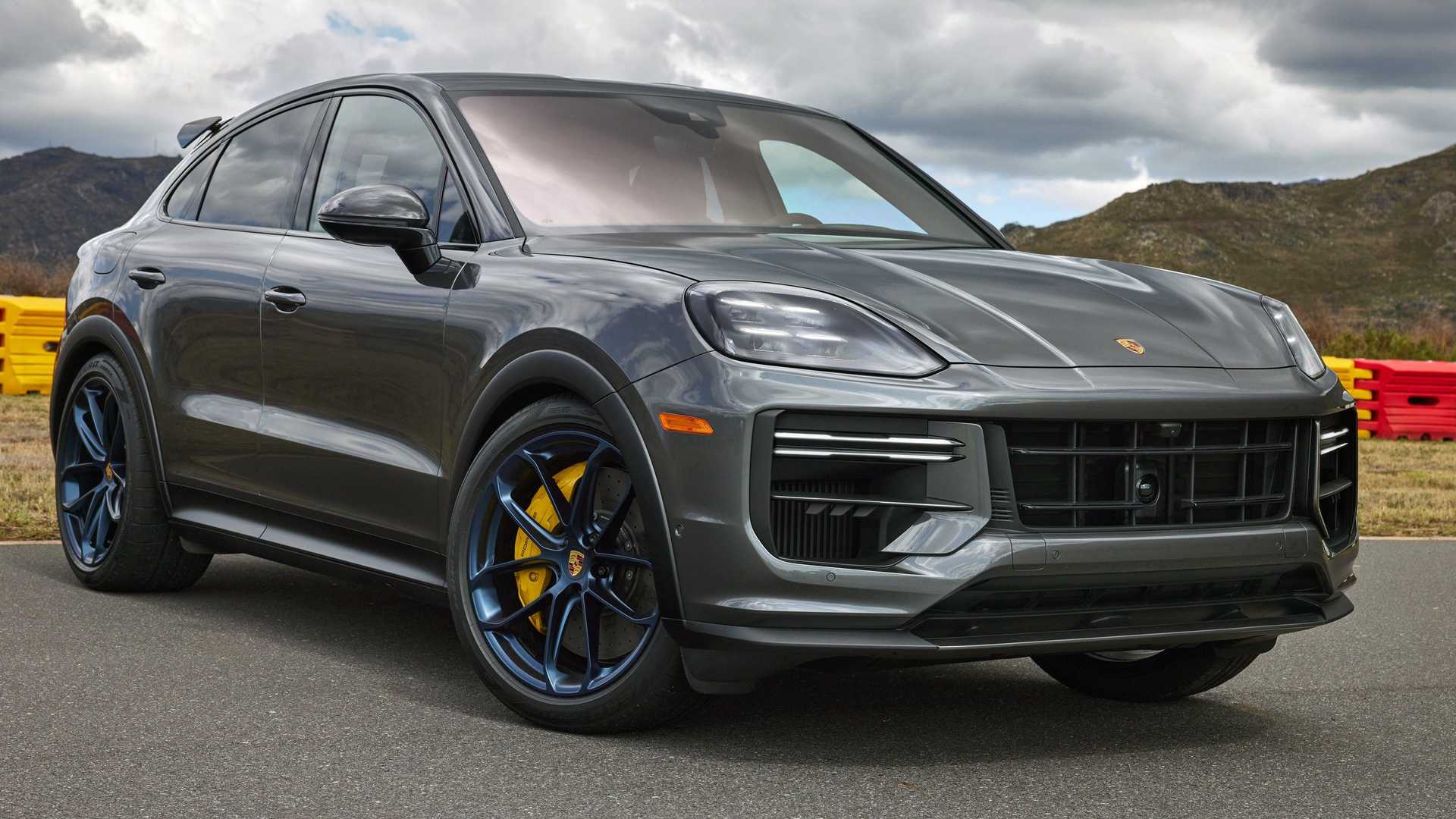
6. Porsche Cayenne: Performance Engineering and Repair Complexity
The Porsche Cayenne combines luxury SUV practicality with sports car-level engineering, but its performance-focused design makes repairs and maintenance difficult for home mechanics. Although it shares some mechanical foundations with the Audi Q7, Porsche adds specialized tuning and advanced systems that significantly increase technical complexity.
Features such as active anti-roll bars, rear axle steering, and electronically controlled suspension components are tightly integrated and often require proprietary diagnostic software and recalibration procedures after servicing.
Porsche’s engineering philosophy prioritizes driving performance rather than accessibility, meaning even minor repairs can involve labor-intensive disassembly. In some cases, technicians must remove major components like the intake manifold simply to access sensors.
One of the main repair challenges is the Cayenne’s advanced electronic architecture. Diagnosing faults typically requires Porsche’s dealer-level PIWIS diagnostic tools, which are not available to most independent or home mechanics.
The engine bay is densely packaged to maximize performance and weight distribution, making routine maintenance tasks such as spark plug replacement or leak repairs unusually time-consuming. High-performance components, including turbocharged engines, adaptive air suspension, and Porsche Active Suspension Management, also demand specialized tools and expertise.
Replacement parts are often expensive and must be genuine Porsche components, limiting affordable aftermarket options. Strict maintenance schedules are essential to prevent costly mechanical failures, meaning professional servicing is usually unavoidable beyond basic upkeep.
Performance is a defining strength of the Cayenne lineup. Engine options range from a 348-horsepower turbocharged V6 to several twin-turbocharged V8 variants producing up to 650 horsepower in the Turbo GT model. All versions use an eight-speed automatic transmission paired with All Wheel Drive.
Acceleration varies by model, with 0 to 60 mph times ranging from 4.7 seconds in the base version to a rapid 2.8 seconds in the Turbo GT. Adaptive dampers come standard, while optional air suspension, rear wheel steering, and active stabilization systems enhance handling and agility. The Cayenne can tow up to 7716 pounds, adding practical capability alongside performance.
Inside, the Cayenne features a customizable luxury cabin with multiple digital displays, premium materials, and extensive personalization options. Modern infotainment includes smartphone connectivity, voice assistance, and optional high-end audio systems.
Safety technology includes automated emergency braking, blind spot monitoring, and lane keeping assist. Warranty coverage lasts four years or 50,000 miles, with limited complimentary maintenance compared to some competitors.
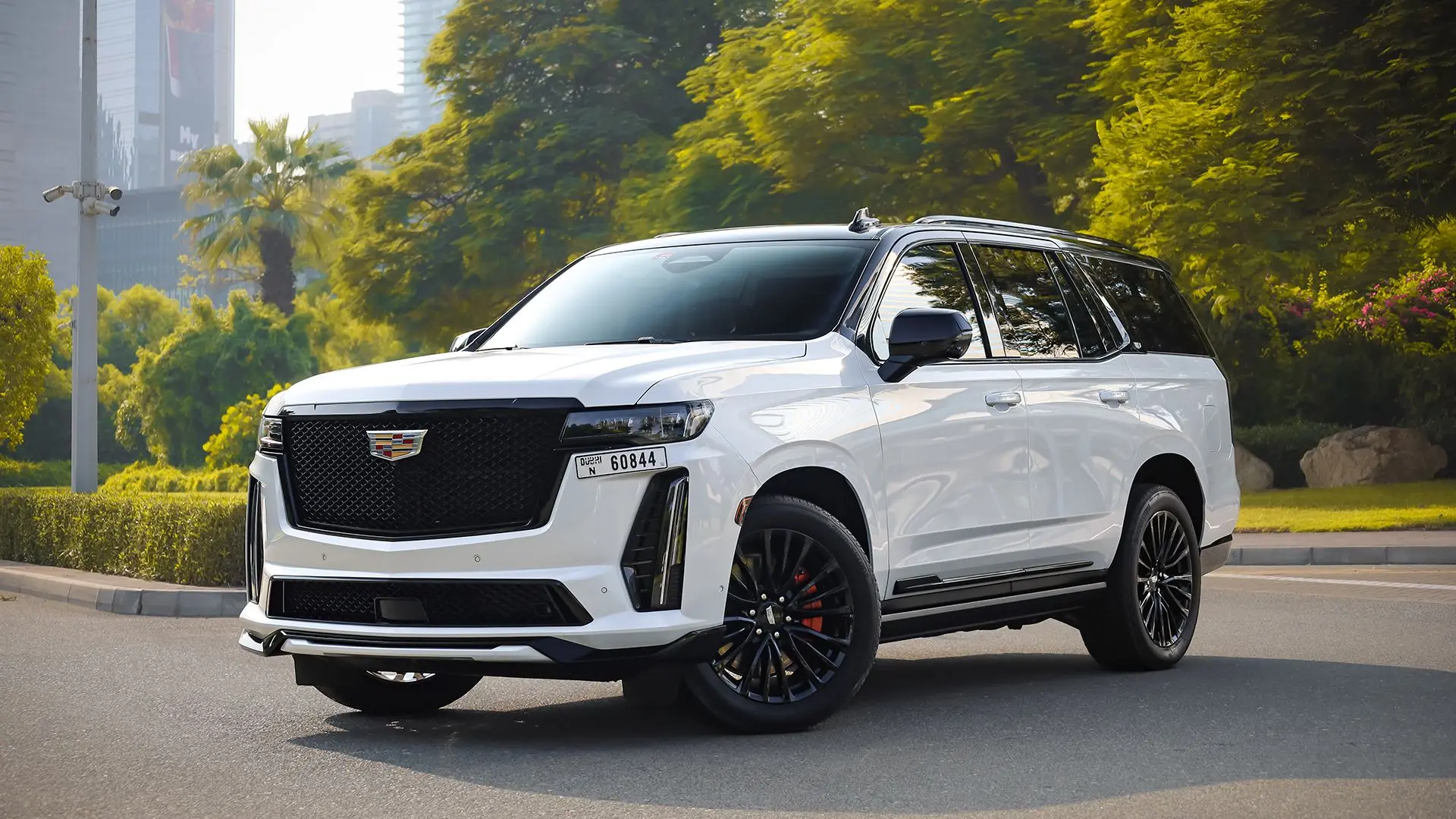
7. Cadillac Escalade: Luxury Technology and Repair Complexity
The Cadillac Escalade stands as one of the most technologically advanced full-size luxury SUVs on the market, but its sophisticated systems make home garage repairs especially challenging.
Although it shares a platform with General Motors trucks such as the Chevrolet Tahoe and GMC Yukon, the Escalade’s premium features introduce layers of complexity that often require professional tools, advanced diagnostics, and specialized equipment beyond the reach of most DIY mechanics.
A primary reason for the Escalade’s repair difficulty is its extensive electronic architecture. Modern models rely on interconnected control modules operating through a CAN bus network, meaning even minor component replacements, such as sensors, locks, or infotainment parts, may require software flashing or calibration using dealer-level diagnostic scanners.
The Cadillac User Experience infotainment system is also known for touchscreen failures that often demand delicate electronic repairs rather than simple part replacement. Additionally, advanced driver assistance features, such as Super Cruise, depend on cameras, radar, and sensors that must be precisely recalibrated after repairs such as windshield replacement or suspension work.
The Escalade’s suspension system further increases maintenance complexity. Magnetic Ride Control and optional air suspension continuously adjust damping using electronic monitoring systems.
While these technologies improve comfort and handling, repairs can be expensive and technically demanding, often requiring specialized tools to prevent system errors. Replacement air shocks alone can cost thousands of dollars due to their integrated electronics and precision components.
Mechanical servicing presents additional challenges despite the familiar 6.2-liter V8 engine platform. Active Fuel Management technology, designed to improve efficiency through cylinder deactivation, can suffer lifter failures that require extensive engine disassembly.
Transmission shudder issues in eight-speed and ten-speed gearboxes also demand specialized service procedures. The Escalade’s large physical size adds another obstacle, as extended models exceed nineteen feet in length, limiting workspace in typical home garages and making heavy components difficult to handle alone.
Beyond mechanical systems, luxury features introduce further repair complications. HVAC actuators, automated running boards, advanced lighting systems, and dense wiring harnesses require detailed electrical knowledge. While basic maintenance remains manageable, most significant repairs are better handled by professional technicians.
Despite these challenges, the Escalade delivers impressive performance and comfort, powered by a 420-horsepower V8 or a 682-horsepower supercharged engine in the Escalade V. Its expansive interior, massive digital display system, advanced safety technology, and strong towing capability reinforce its role as Cadillac’s flagship luxury SUV.
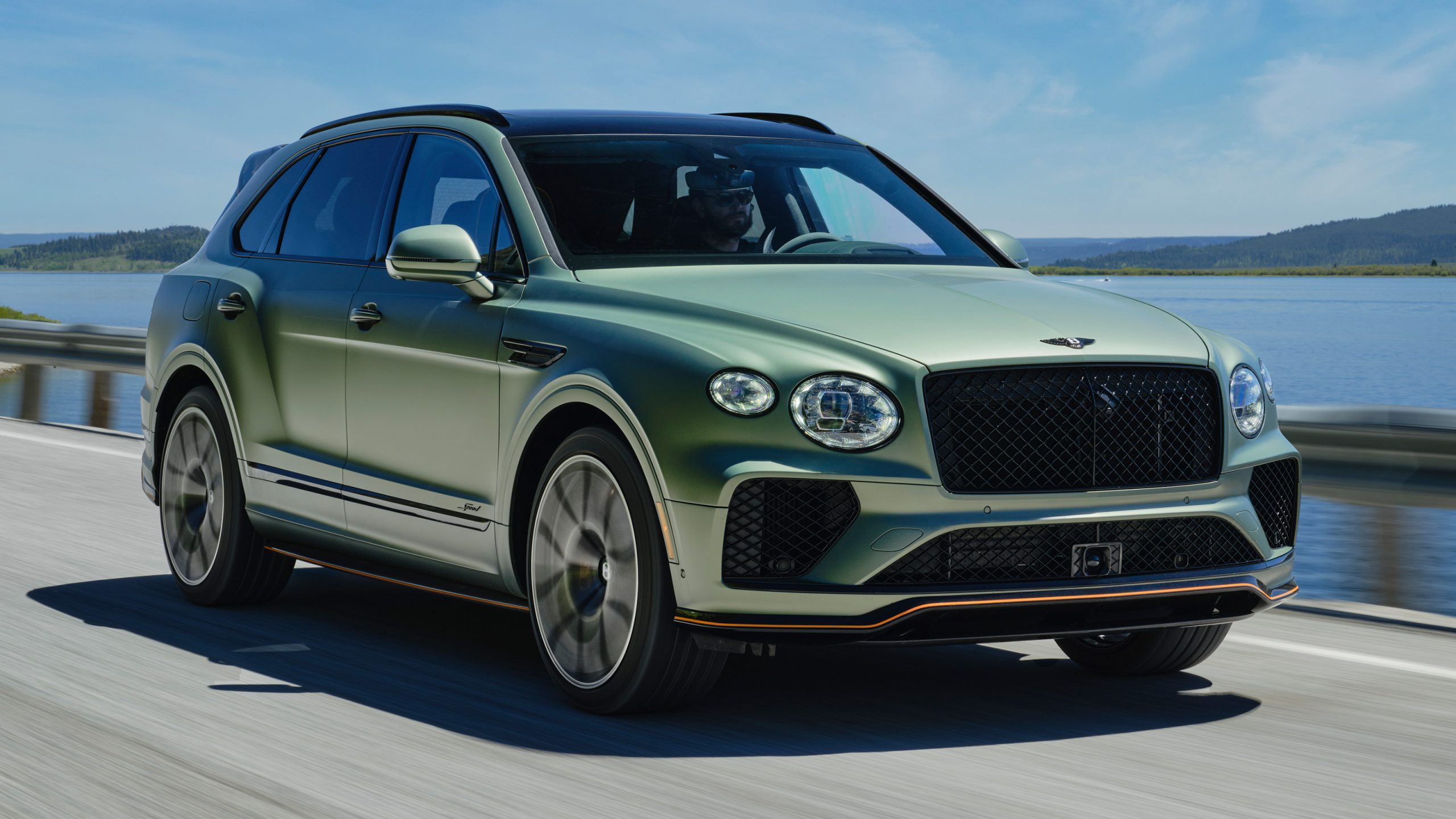
8. Bentley Bentayga: Ultra Luxury Engineering and Maintenance Challenges
The Bentley Bentayga represents the pinnacle of luxury SUV craftsmanship, combining hand-built construction, advanced technology, and high-performance engineering. While it delivers exceptional comfort and prestige, its complexity makes home repair or maintenance extremely difficult.
Unlike mass-produced vehicles, the Bentayga uses bespoke components, premium materials, and tightly integrated electronic systems that require specialized knowledge and dealer-level equipment. Proprietary diagnostic software is necessary for identifying faults, resetting service systems, and recalibrating electronic features, placing most repairs beyond the reach of home mechanics.
One major challenge lies in the vehicle’s densely packed engineering. Designed to balance performance, refinement, and luxury, the engine bay and chassis leave minimal working space, meaning even routine servicing may require professional lifts and specialized tools.
Earlier models featured a W12 engine, while newer versions rely primarily on a 4.0-liter twin-turbo V8 or a hybrid six-cylinder powertrain. Regardless of configuration, accessing mechanical components can be difficult because many parts are buried beneath layers of hardware and luxury trim.
The Bentayga also incorporates a sophisticated 48-volt active roll control system with tight tolerances that demand expert servicing and precise calibration.
Repair difficulty is increased by the extensive use of delicate interior materials such as handcrafted leather, polished wood, and intricate trim pieces. These elements can easily be damaged during disassembly, raising the financial risk of DIY repairs.
Many replacement parts are unique to Bentley and must be sourced directly from authorized suppliers, making them costly and sometimes difficult to obtain. The vehicle’s interconnected electrical and safety systems require professional calibration after service to ensure proper operation, further discouraging independent maintenance.
Beyond its engineering complexity, the Bentayga serves as Bentley’s flagship SUV and a cornerstone of the luxury market. Updated styling, extended wheelbase variants, and Mulliner customization options emphasize passenger comfort and personalization.
Performance-focused models such as the Bentayga Speed produce up to 641 horsepower, while features like four-wheel steering and advanced suspension enhance ride stability rather than outright sportiness.
Inside, the cabin prioritizes craftsmanship and comfort, offering extensive customization and limousine-like amenities. Warranty coverage and ownership costs reflect its ultra-luxury status, reinforcing that the Bentayga is designed for professional servicing rather than home garage repairs.
9. Jaguar F-PACE: Performance Appeal and Electronic Repair Complexity
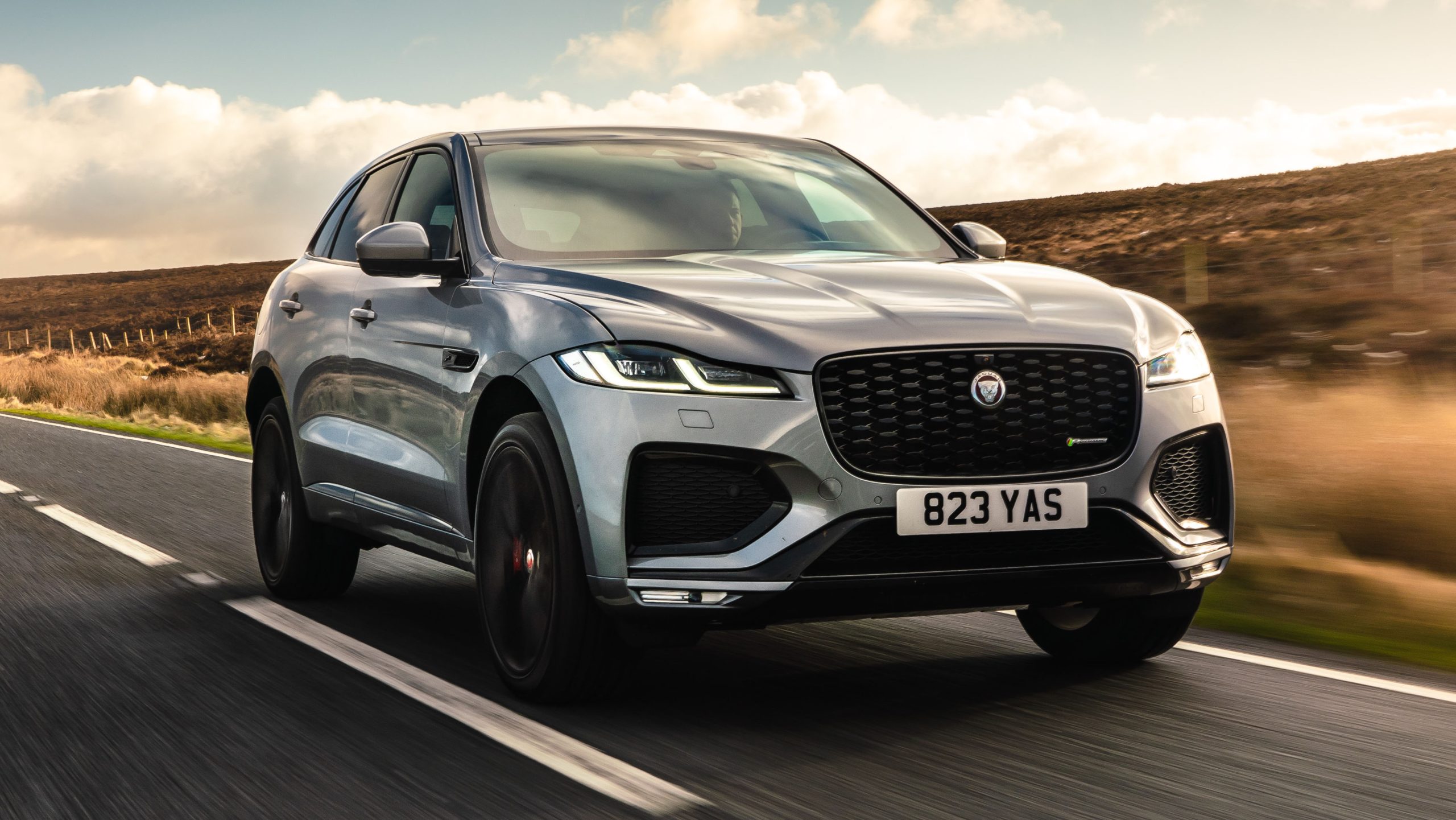
The Jaguar F-PACE blends sporty driving dynamics with luxury SUV practicality, but its advanced technology and engineering make home repairs particularly challenging. Although widely praised for handling and performance, the vehicle is frequently associated with electrical and software-related issues that require professional servicing.
Jaguar Land Rover employs a system of coded components, meaning even relatively simple parts such as window motors or lighting modules must be electronically programmed to the vehicle’s identification number using specialized diagnostic software like SDD or Pathfinder.
As a result, a correctly installed replacement part may not function unless activated through dealer-level tools, limiting the effectiveness of do-it-yourself repairs.
A major source of difficulty lies in the F-PACE’s sophisticated electronic architecture. Modern infotainment systems, sensors, and driver assistance features depend on complex computer networks that require proprietary diagnostics to troubleshoot failures.
Without access to these systems, diagnosing problems at home becomes extremely difficult. The SUV also uses a lightweight aluminum-intensive structure designed to improve performance and efficiency, but repairs to this material often require specialized welding or riveting equipment unavailable in typical home garages.
Combined with limited access to parts and high dealership labor costs, maintenance can become expensive and heavily dependent on authorized service centers.
Mechanical complexity further adds to repair challenges. Engine options include a 246-horsepower turbocharged four-cylinder and a more advanced 395-horsepower inline six that combines turbocharging, an electric supercharger, and a 48-volt hybrid system. These tightly packaged components require professional tools and expertise for maintenance.
The vehicle’s large size can also make maneuvering and working around it difficult in smaller garages. Long term ownership reports have noted issues such as infotainment screen malfunctions and coolant leaks, reinforcing the importance of warranty-backed servicing.
Despite these challenges, the F-PACE delivers strong performance and practicality. All models feature All Wheel Drive and an eight-speed automatic transmission, with the P400 reaching 60 mph in about 5.5 seconds. The interior emphasizes minimalist design, comfortable seating, and generous cargo capacity, supported by the Pivi Pro infotainment system with smartphone connectivity.
Safety features include adaptive cruise control, lane keeping assist, and automated emergency braking. Jaguar supports ownership with a five-year or 60,000-mile warranty and complimentary maintenance, helping offset concerns related to complexity and reliability.
10. Volvo XC90: Advanced Hybrid Engineering and Repair Challenges
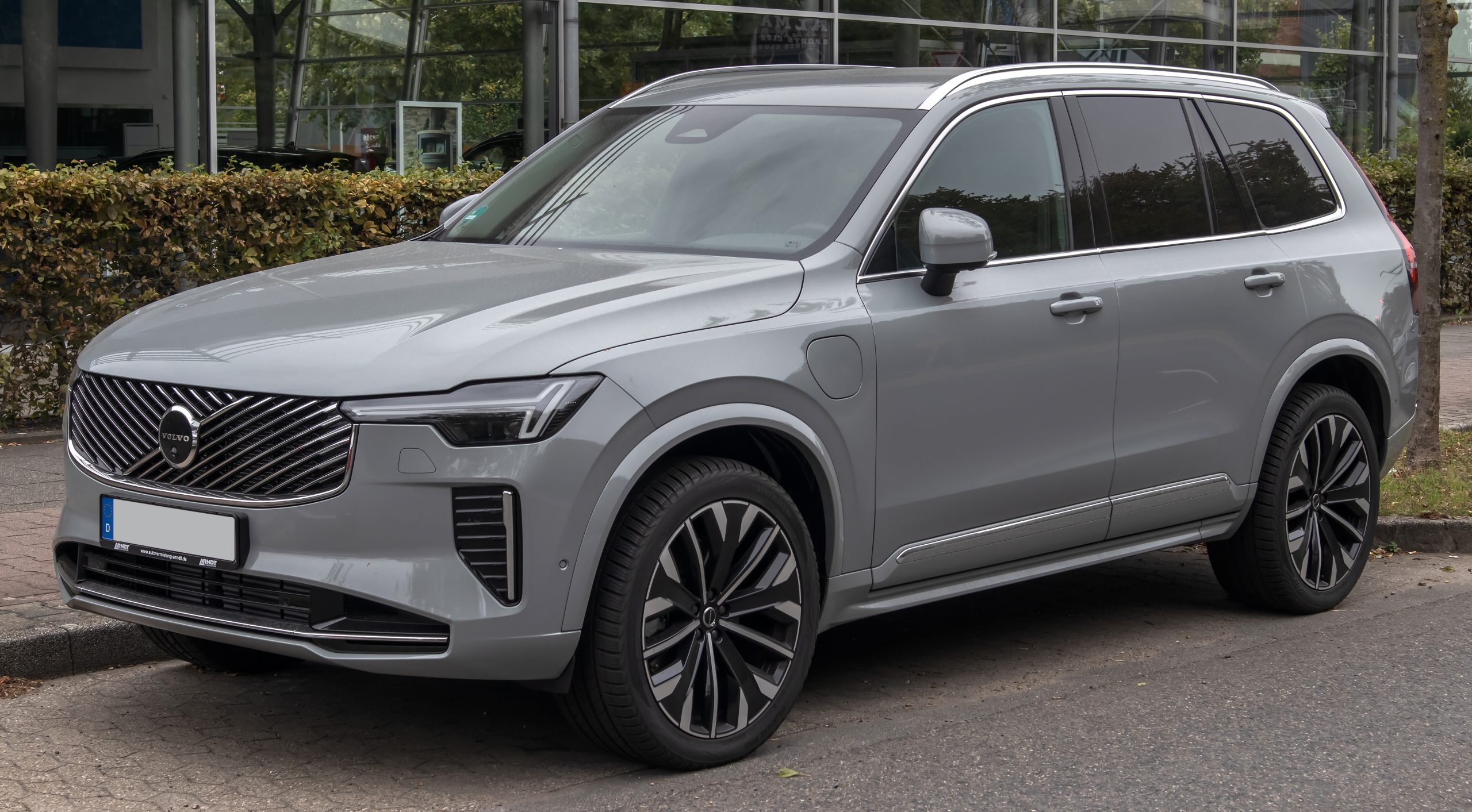
The Volvo XC90 combines Scandinavian luxury, advanced safety technology, and electrified performance, but its sophisticated engineering makes home garage repairs particularly difficult. Modern XC90 models, especially Recharge variants, use a complex “Twin Engine” setup that pairs a turbocharged and supercharged 2.0-liter engine with an electric motor.
This triple boosted configuration creates an extremely crowded engine bay filled with multiple cooling circuits, vacuum lines, and high voltage hybrid components. Accessing even a single failing part, such as a turbocharger or supercharger component, may require removing sections of the hybrid system’s wiring and cooling infrastructure, making DIY work impractical.
One of the biggest obstacles for home mechanics is the XC90’s advanced powertrain technology. The vehicle employs 48-volt mild hybrid systems in B5 and B6 models and a plug-in hybrid system in T8 versions, all of which require specialized high-voltage safety training and equipment.
Without proper tools and certification, working on these systems presents both technical and safety risks. Volvo also relies heavily on proprietary diagnostic software known as VIDA, which is required to clear fault codes, calibrate sensors, and integrate replacement components into the vehicle’s electronic network. This software dependency means that many repairs cannot be completed without dealer-level access.
Tight packaging further complicates maintenance. The engine bay is densely arranged to accommodate performance hardware and extensive safety features, limiting physical access to components. Even routine repairs can involve labor-intensive disassembly.
Advanced driver assistance systems add another layer of complexity, since repairs involving bumpers, windshields, or sensors often require precise recalibration using specialized equipment. These factors contribute to relatively high ownership costs, with long-term maintenance expenses estimated at more than $10,000 over ten years.
Despite repair challenges, the XC90 remains a refined and practical luxury SUV. All models include All Wheel Drive and an eight-speed automatic transmission, with power outputs ranging from 247 to 295 horsepower in mild hybrid trims. The ride is comfortable, especially with optional air suspension, while the interior emphasizes minimalist design and premium materials.
Technology features include an Android-based infotainment system with Google integration and Apple CarPlay. Volvo’s strong safety reputation is reinforced by standard driver assistance systems and complimentary scheduled maintenance coverage for three years, helping balance the vehicle’s technical complexity.
Luxury SUVs continue to push automotive innovation forward, offering remarkable comfort, safety, and performance that redefine modern driving expectations. However, as seen in this list, increasing technological sophistication often reduces repair accessibility for owners who prefer working on their vehicles at home.
Advanced electronics, proprietary software, hybrid systems, and tightly engineered components mean that many repairs now require certified technicians and specialized equipment.
While these SUVs deliver exceptional refinement and capability, ownership also involves planning for higher maintenance costs and professional servicing. Understanding these challenges helps buyers make informed decisions before investing in a premium vehicle.
Choosing a luxury SUV is not only about design, performance, or prestige but also about understanding the long term commitment required to maintain it properly. For enthusiasts and everyday drivers alike, recognizing repair complexity ensures fewer surprises and a more realistic ownership experience throughout the vehicle’s lifespan.
Also Read: Top 10 Cars That Are Easiest for DIY Mechanics to Service