

High-speed driving should feel steady, confident, and controlled. When a steering wheel begins to shake once speed increases, that sense of confidence disappears almost instantly. Even light vibration can trigger concern, while stronger shaking often signals a condition that deserves immediate attention.
These sensations rarely appear without reason. In most cases, vibration points to wear, imbalance, or alignment issues that have developed gradually and finally reached a point where they can no longer be ignored. Drivers often assume steering wheel vibration means something has gone seriously wrong.
That assumption is understandable, yet the causes are usually familiar mechanical problems rather than sudden failures. Tires, wheels, suspension components, and braking systems all play a role in keeping a vehicle stable at speed. When one part falls out of harmony, feedback travels directly to the steering wheel.
Understanding these causes helps drivers make smarter decisions. Some issues can be resolved quickly with routine service, while others demand deeper inspection before damage spreads. Ignoring vibration can shorten tire life, stress suspension components, and reduce driving confidence during highway travel.
This guide breaks down ten of the most common reasons steering wheels vibrate at higher speeds. Each section focuses on one cause, explains how it develops, and describes what drivers often feel behind the wheel. Real-world vehicle examples show how these issues appear across different makes and models. Recognizing the warning signs early protects comfort, safety, and long-term vehicle health.
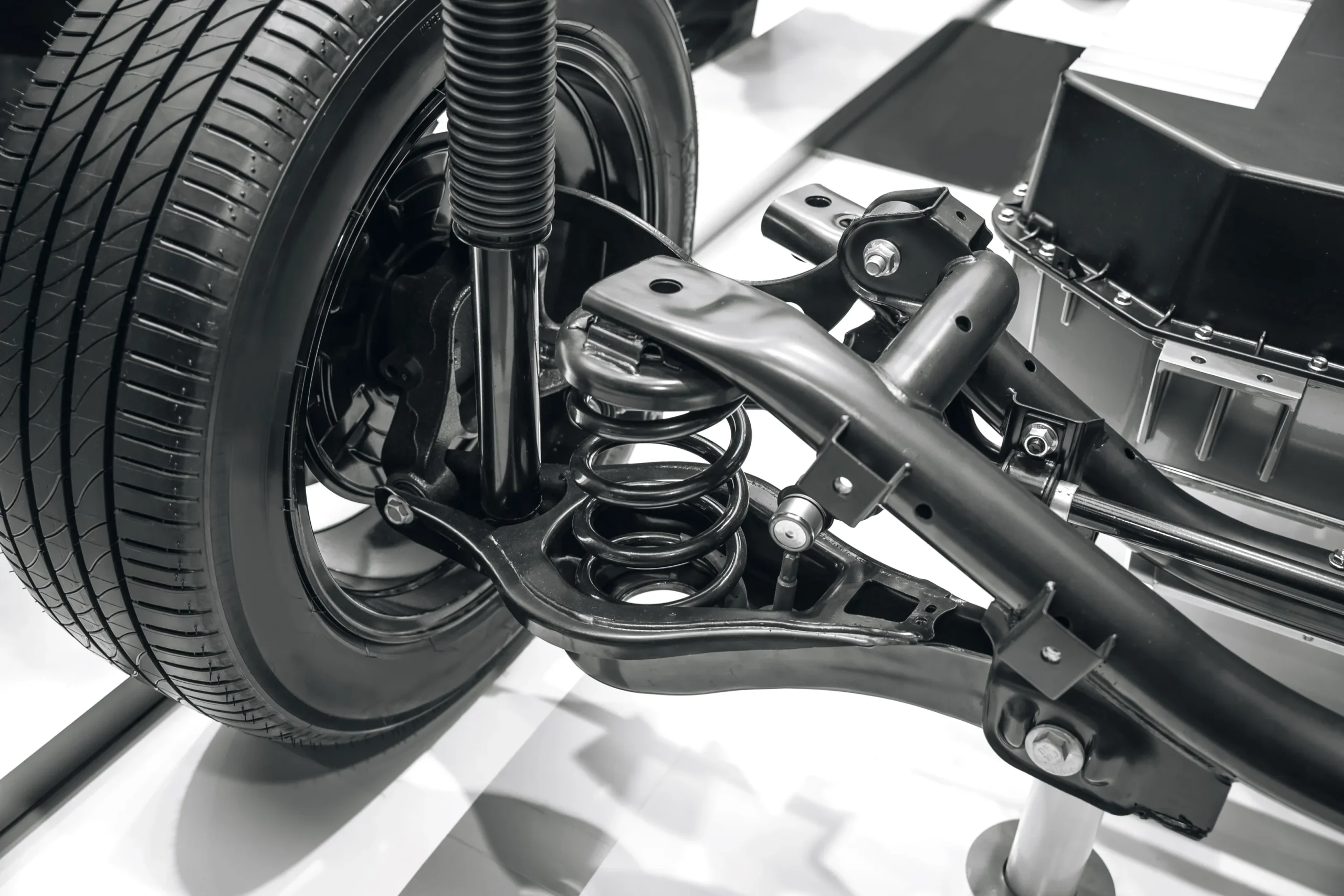
1. Out-of-Balance Tires: The Most Common Culprit Behind High-Speed Shake
Tire imbalance is responsible for more steering wheel vibration complaints than any other single cause, and it is worth understanding in real mechanical detail because the fix is simple, affordable, and completely effective when imbalance is actually the problem.
Every tire and wheel combination has small weight distribution variations that result from manufacturing tolerances, minor material density inconsistencies, and the natural variation in rubber compound distribution around the tire’s circumference.
These variations are small enough to be unnoticeable at low speeds but become increasingly problematic as rotational speed increases. Static imbalance, where the heavy spot is concentrated at one point around the tire’s circumference, produces a vertical bouncing motion in the wheel.
Dynamic imbalance, where the weight distribution is uneven across the width of the tire rather than just around its circumference, produces a side-to-side wobble that transmits more directly into steering feel. Most tire imbalance in real-world vehicles involves some combination of both types, and professional wheel balancing equipment addresses both simultaneously.
A properly balanced tire and wheel combination produces no measurable centrifugal force variation across its full rotational cycle, eliminating the vibration source. Consider the 2024 Hyundai Sonata N Line (eighth generation) as a practical example.
This is a front-wheel-drive sport sedan whose front tires carry both driving and steering loads, making them more sensitive to imbalance than rear tires on the same vehicle. An owner of this car, noticing steering wheel vibration that appeared gradually after 10,000 miles of driving and worsened progressively, is almost certainly experiencing normal imbalance development from tire wear, which is the most common scenario.
Rebalancing at regular service intervals, typically every 5,000 to 7,500 miles, prevents this vibration from developing and is one of the most cost-effective maintenance habits available to any vehicle owner.
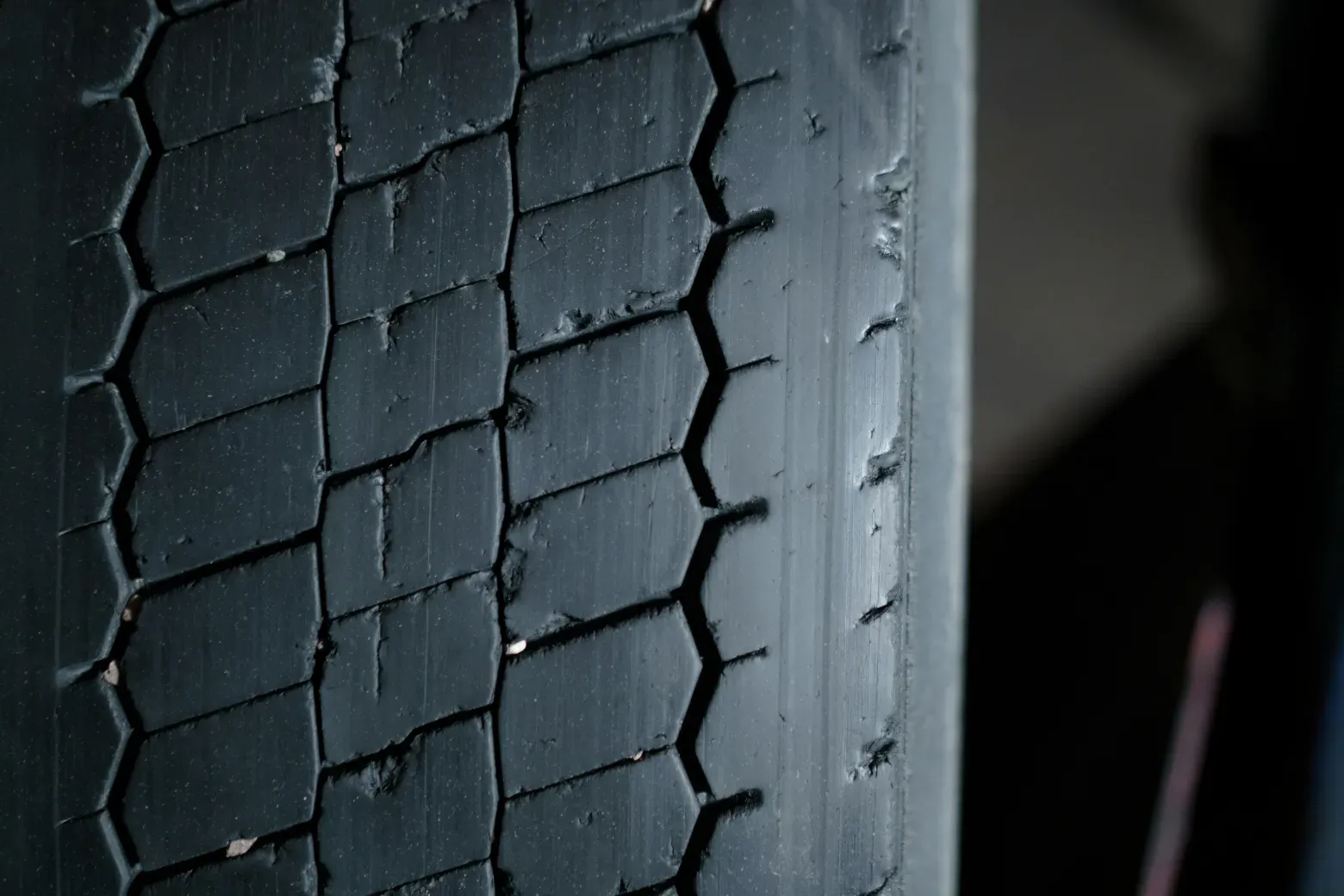
2. Tire Wear Patterns Gone Wrong: When Uneven Tread Causes Persistent Shaking
Uneven tire wear is a separate problem from imbalance, though the two are often confused because their symptoms can feel similar. Where imbalance results from weight distribution variation in an otherwise structurally uniform tire, uneven wear produces a tire whose contact patch profile changes around its circumference, creating a rolling surface that is not geometrically consistent.
As that irregular surface rolls against the road at highway speed, it generates vibration frequencies that travel through the suspension and steering system in a pattern that a simple rebalance will not cure. Several specific wear patterns generate steering wheel vibration at speed. Cupping, also called scalloping, produces a wavy, irregular wear pattern across the tire tread face caused by a wheel that bounces rather than rolls smoothly, typically from worn shock absorbers or struts.
A cupped tire creates a rhythmic vibration whose frequency increases proportionally with vehicle speed, producing a buzz or shimmy that feels superficially similar to imbalance but does not respond to balancing because the source is the tread geometry rather than weight distribution.
Edge wear, where one shoulder of the tire wears faster than the center or opposite shoulder, results from incorrect camber alignment and produces a vibration whose character changes depending on which direction the vehicle is turning. Diagnosing wear-pattern vibration requires physically inspecting the tires rather than simply spinning them on a balancer.
Running a hand across the tread surface in both directions and looking carefully across the tread face in good light reveals cupping, feathering, and edge wear patterns that automated balancing equipment does not detect. Worn tires with severe cupping or feathering generally cannot be corrected through alignment or balancing alone and require replacement to eliminate the vibration source.
Also Read: Top 10 Tips for Negotiating the Best Price on a New Car in 2026
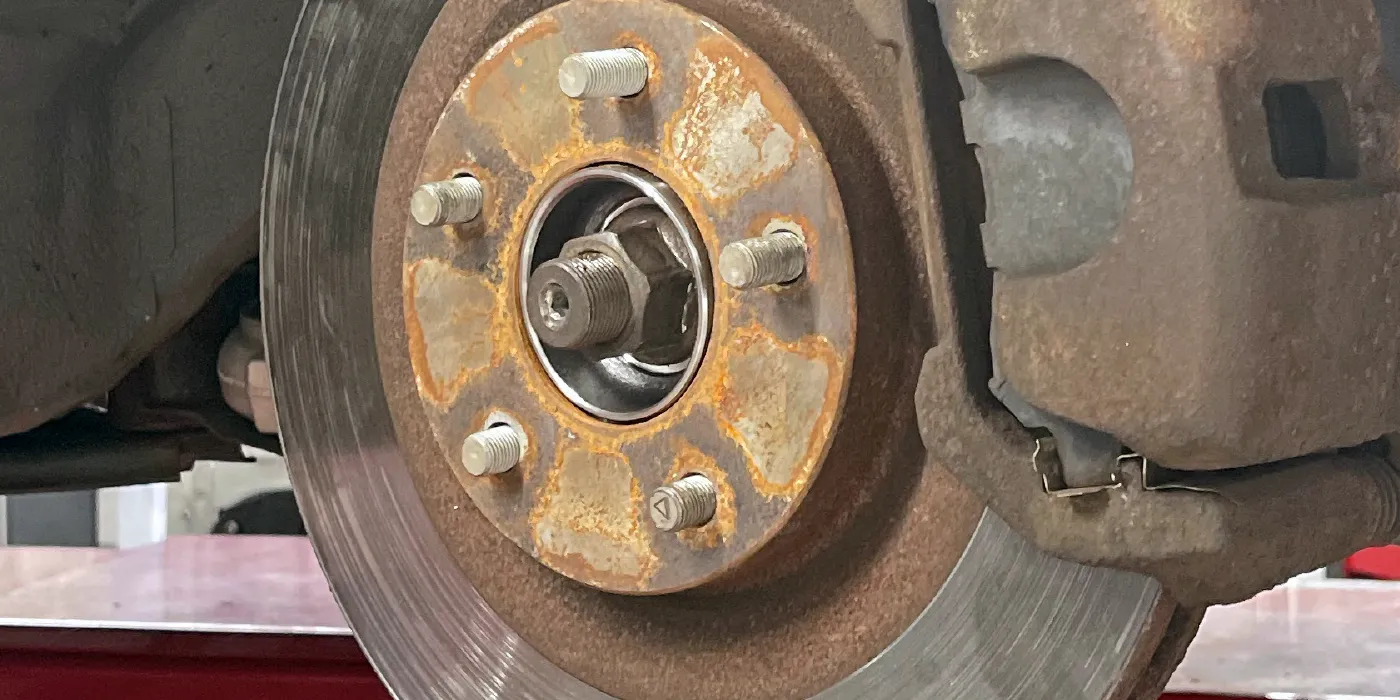
3. Wheel Runout: When the Wheel Itself Is No Longer Round
Most vibration discussions focus on tires, but the wheel itself can be the source of high-speed shake in ways that tire balancing and replacement will not address.
Wheel runout refers to any deviation of the wheel from perfect circularity or perfect lateral flatness, and even small amounts of runout can produce steering wheel vibration at highway speeds because the wheel’s geometric imperfection creates a cyclic variation in rolling radius or lateral position that the suspension and steering must absorb with every revolution.
Lateral runout, where the wheel wobbles from side to side rather than spinning in a perfectly flat plane, is particularly effective at transmitting vibration into the steering system because it creates a side-to-side force variation that the tie rods and steering rack respond to directly.
Radial runout, where the wheel is not perfectly circular and has a high spot that produces a slight bounce with each revolution, creates a vertical load variation that contributes to vibration felt through both the steering wheel and the seat.
Wheel runout develops from several sources. Curb impacts and pothole strikes are the most common causes, as the sudden shock load of wheel contact with a raised obstruction can permanently deform the wheel rim in ways that are not always visually apparent from a casual inspection.
Bent alloy wheels often look acceptable, but they measure with several millimeters of runout that produce clearly noticeable vibration at speed. Steel wheels are more resistant to permanent deformation from impact, but can still develop runout from severe impacts.
Detecting wheel runout requires either a dial indicator measurement on a wheel spin fixture or a road force balancing machine that measures runout during the balancing process. Standard spin balancers without runout measurement capability will not detect this problem, which is why a vehicle can return from a standard tire balance service still vibrating, leaving both the owner and the technician confused.
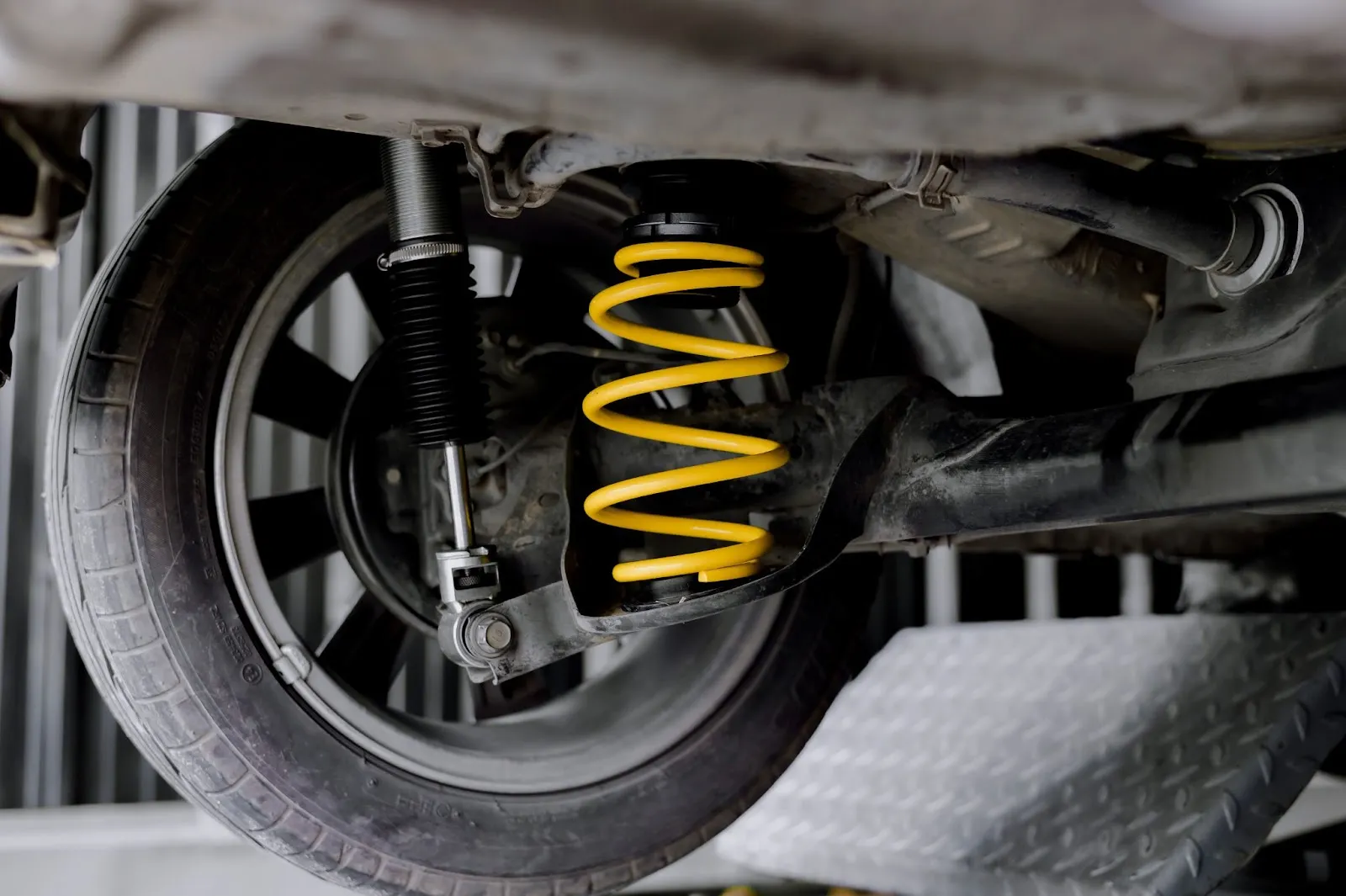
4. Worn or Damaged Suspension Components: When the Car’s Structure Cannot Hold Steady
Suspension components are the mechanical connection between your vehicle’s wheels and its body, and their condition directly determines how well the wheels track the road surface at speed.
When suspension components wear or sustain damage, they introduce looseness into the wheel’s movement that allows vibrations generated at the tire contact patch to reach the steering wheel without the damping and control that a healthy suspension system provides.
The result is steering wheel vibration that may feel similar to a tire imbalance but behaves differently in ways that careful observation can distinguish.
Ball joints connect the steering knuckle to the control arms and allow the wheel to move vertically with road surface variations while also pivoting for steering. Worn ball joints develop play, meaning the joint can move slightly in multiple directions beyond its intended range of motion.
At highway speed, this play allows the wheel to oscillate in small but rapid movements that generate a vibration felt through the steering. Severely worn ball joints are also a safety concern because they can fail catastrophically, and identifying wear before it reaches that stage is one of the most important reasons to address vibration complaints promptly.
Control arm bushings, which are rubber or polyurethane inserts that cushion the control arm’s mounting points to the vehicle subframe, harden, crack, and deteriorate with age and use. Deteriorated bushings allow the control arm to move in ways it should not, permitting wheel position variation under load that translates directly into vibration during highway driving.
Bushing deterioration is gradual and often not visible without careful inspection, making it a frequently overlooked vibration source that does not manifest clearly until damage is already advanced. Struts and shock absorbers control wheel bounce and maintain consistent tire contact with the road surface.
Worn shock absorbers that no longer control wheel movement effectively allow the tire to bounce and skip over road surface variations rather than rolling smoothly, generating vibration that increases with speed as the frequency of the wheel’s uncontrolled oscillation approaches the resonant frequency of the suspension system.
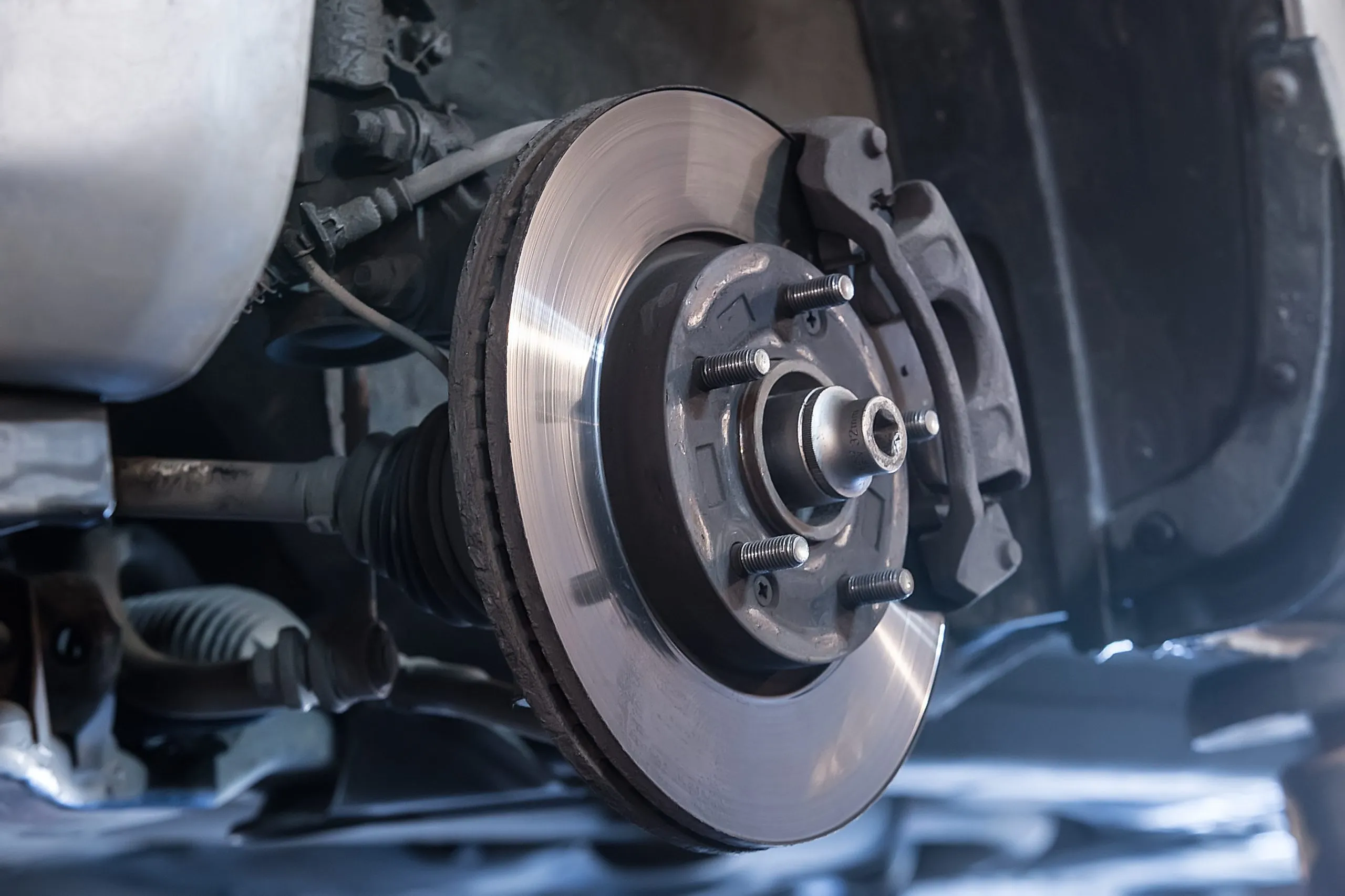
5. Brake Rotor Warping and Thickness Variation: Vibration That Gets Worse When You Brake
Brake-related steering wheel vibration has a distinctive characteristic that separates it from tire and suspension causes: it typically intensifies or appears only when the brake pedal is applied. This braking-specific behavior is the diagnostic clue that directs investigation toward the brake system rather than the tires or suspension, and recognizing it early can prevent unnecessary expenses in the wrong service area.
As a non-uniform rotor surface passes beneath the brake pad, the varying contact creates a pulsing braking force that the vehicle’s suspension and steering system transmit to the steering wheel as vibration. At highway speeds, the frequency of this pulsing is high enough to feel like a rapid buzz or shimmy that appears or worsens when the driver applies moderate to firm braking pressure.
Rotor thickness variation develops from several mechanisms. Thermal distortion from rapid cooling of a hot rotor, such as driving through a puddle or applying brakes heavily and then coming to a stop with the pads still in contact with the hot rotor, can produce localized surface geometry changes.
Uneven pad material transfer, where brake pad compound deposits unevenly on the rotor surface rather than in a uniform transfer film, creates high spots that mimic the effect of mechanical warping. Normal wear variation from uneven pad pressure due to sticky caliper slides or uneven pad wear can also produce thickness variation across the rotor surface.
Rotor thickness variation is measured using a micrometer at multiple points around the rotor circumference. A variation of more than approximately 0.001 inches between the thickest and thinnest measurements on a rotor is generally considered sufficient to produce noticeable vibration.
Rotors with this level of variation can sometimes be corrected by machining the surface flat on a brake lathe, though rotors that have worn below their minimum thickness specification require replacement rather than resurfacing.
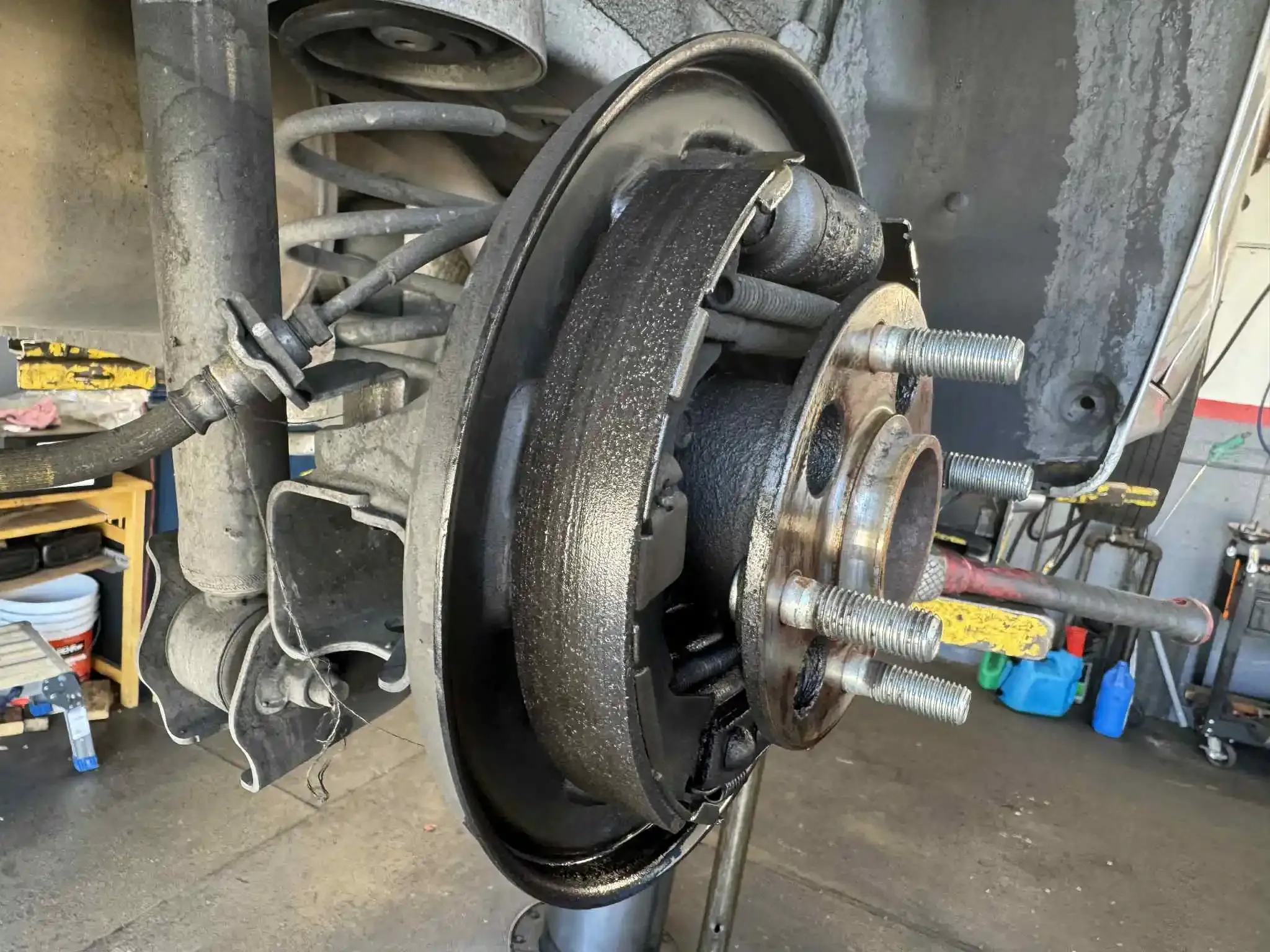
6. Wheel Bearing Failure: A Grinding Hum That Grows Into a Serious Shake
Wheel bearings operate silently and invisibly throughout their service life, requiring no adjustment and minimal attention right up until the point where they begin to fail. When a wheel bearing reaches the wear threshold where its internal rolling elements, races, and lubricant can no longer maintain precise, frictionless rotation, it produces a combination of noise and vibration that arrives at the steering wheel in a pattern that is recognizable once you know what to listen to and feel for.
Early-stage wheel bearing wear produces a low-frequency humming or growling noise that changes character when the vehicle is steered gently from side to side at highway speed. This noise modulation during cornering is one of the most reliable diagnostic indicators for wheel bearing wear, because the lateral load transfer that occurs during gentle lane changes increases the load on the bearing on one side and reduces it on the other, causing the noise to intensify in one turn direction and diminish in the other.
A bearing that growls during a gentle left lane change and quiets during a right lane change points to the right front bearing, and vice versa. As bearing wear progresses beyond the early noise stage, the internal clearance in the bearing increases to the point where the wheel develops measurable play.
This play allows the wheel and tire assembly to wobble slightly on its axis during rotation, generating a lateral oscillation that the steering system transmits directly as vibration. At highway speeds, even a small amount of bearing play creates a vibration frequency that is rapid, persistent, and felt throughout the steering wheel and sometimes the seat.
Wheel bearing failure can also produce intermittent or speed-specific vibration in its intermediate stages, where the bearing performs adequately at lower speeds but produces vibration above a specific speed threshold where centrifugal and dynamic loads exceed the worn bearing’s ability to control wheel position precisely. This speed-specific character is often mistaken for a tire imbalance, leading to repeated unsuccessful balance services before the bearing is identified.
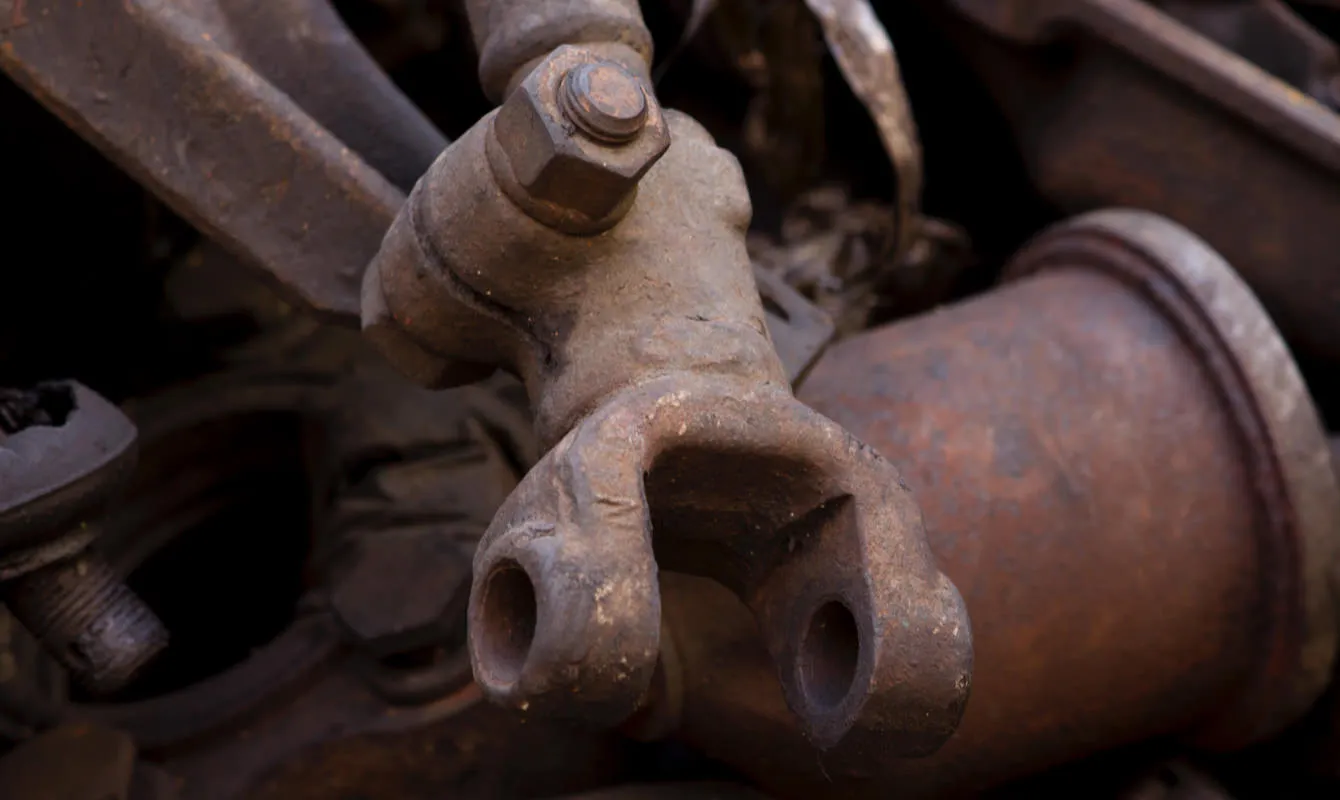
7. Driveshaft Imbalance and Universal Joint Wear: Vibration From the Vehicle’s Middle
Rear-wheel-drive and all-wheel-drive vehicles have driveshafts that transfer engine torque from the transmission to the rear axle or rear differential, and these rotating shafts can become sources of high-speed vibration when they develop imbalance, damage, or worn universal joints.
Driveshaft-related vibration has characteristics that distinguish it from tire and wheel causes, including a frequency that correlates with vehicle speed rather than engine speed and a vibration character that is often felt through the floor and seat alongside the steering wheel.
Driveshaft imbalance develops when the shaft’s rotational mass distribution is disrupted, typically through physical damage from road debris impact, the loss of a factory-installed balance weight, or corrosion that alters the shaft’s surface mass distribution.
Because driveshafts rotate at higher speeds than wheels on geared rear axle systems, even small imbalances generate vibration at frequencies that can resonate with vehicle structural components and transmit clearly to the steering wheel through the vehicle’s body structure.
Universal joints, which are the cross-shaped couplings that allow the driveshaft to transmit torque through angular changes in its path, develop wear in their needle bearing cups that introduces rotational irregularity into an otherwise smooth spinning shaft.
A worn U-joint does not rotate smoothly through its arc but instead produces a small acceleration and deceleration twice per shaft revolution at the joint’s cross, which the driver experiences as a vibration whose frequency is twice the driveshaft rotation speed. This characteristic double-frequency pattern can help distinguish U-joint vibration from simple imbalance during diagnostic assessment.
Identifying driveshaft vibration as the source of steering wheel shake requires raising the vehicle and inspecting the driveshaft for visible damage, corrosion, and missing balance weights, then manually checking universal joint tightness by attempting to rotate the driveshaft against held axle shafts. Any detectable play in the U-joint crosses confirms wear requiring replacement.
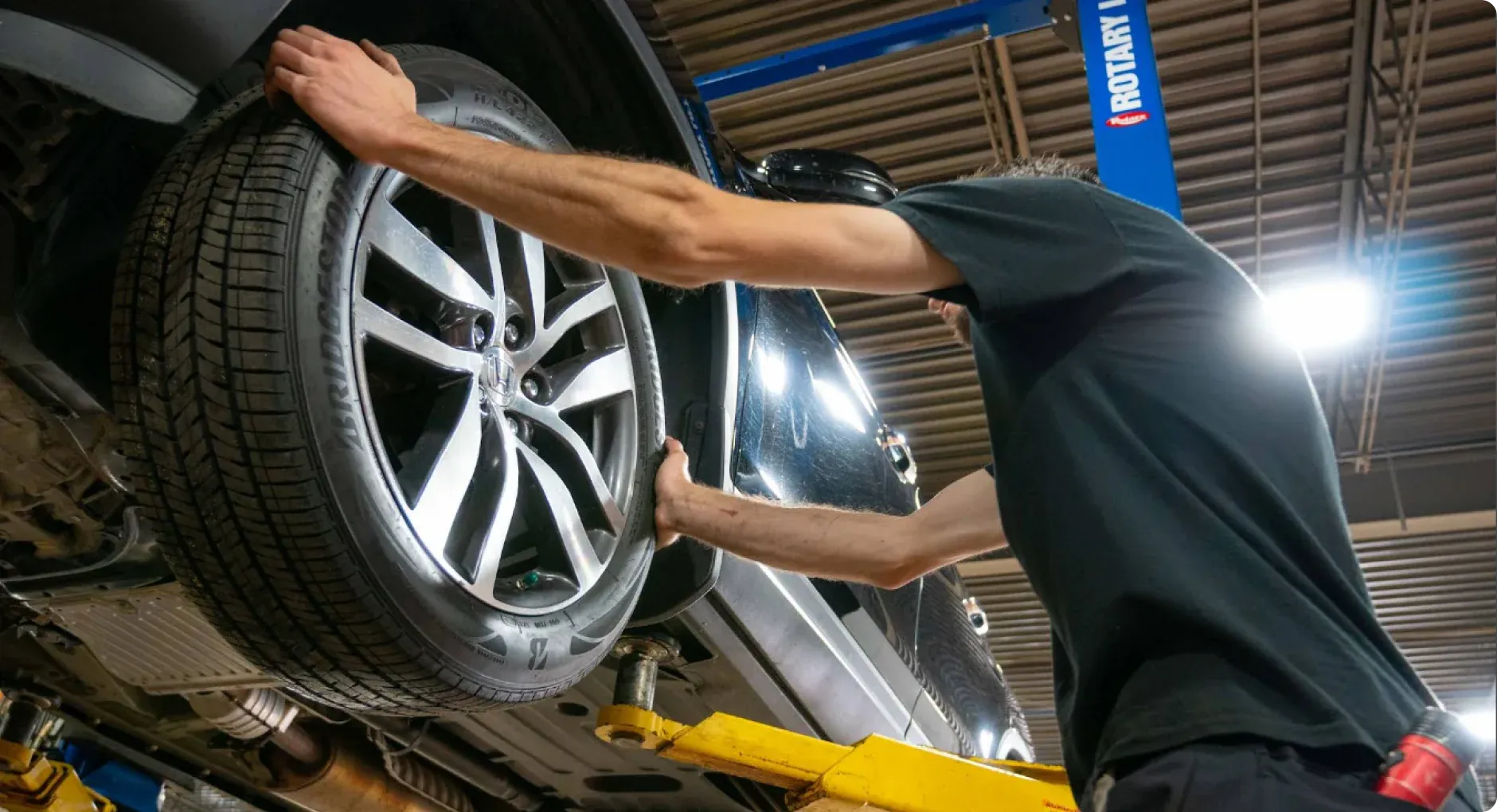
8. Improper Tire Installation and Mounting Errors: When the Workshop Caused the Problem
Not all steering wheel vibration has a mechanical wear or damage cause. A meaningful proportion of high-speed vibration complaints arises directly from errors made during tire installation, wheel mounting, or brake service, and identifying these installation-related causes requires knowing what to look for rather than assuming that the vibration source must be a worn component.
Improper torquing of wheel lug nuts is one of the most common installation errors that produces vibration. When lug nuts are not tightened to the correct torque specification and in the correct sequence, they create uneven clamping force distribution across the wheel hub flange that distorts the wheel’s seating position. This seating distortion produces runout that causes steering wheel vibration at speed in the same way that a bent wheel does.
Overtightening with an impact wrench without a torque stick or torque wrench is the most frequent cause of this problem, and it is remarkably common at quick-change tire shops where speed of service takes priority over precision. Hub-centric fitment errors occur when aftermarket wheels with hub bore diameters larger than the vehicle’s hub diameter are installed without the correct hub-centric rings to fill the gap between the wheel bore and the hub pilot.
Without hub-centric rings, the wheel is centered by the lug nuts rather than by the hub pilot, producing a mounting condition where the wheel’s rotational axis does not precisely coincide with the hub’s rotational axis. This misalignment creates an imbalance condition that cannot be corrected by standard wheel balancing and requires either installing correct hub-centric rings or replacing the wheels with correctly fitting alternatives.
For a vehicle like the 2023 Honda Pilot TrailSport AWD (fourth generation), whose owners frequently rotate between all-season and winter tire and wheel sets, ensuring correct lug nut torque and hub centric fitment on the winter wheel set is important because installation quality directly determines whether the winter setup delivers the smooth, vibration-free highway experience that the vehicle’s suspension is capable of providing.
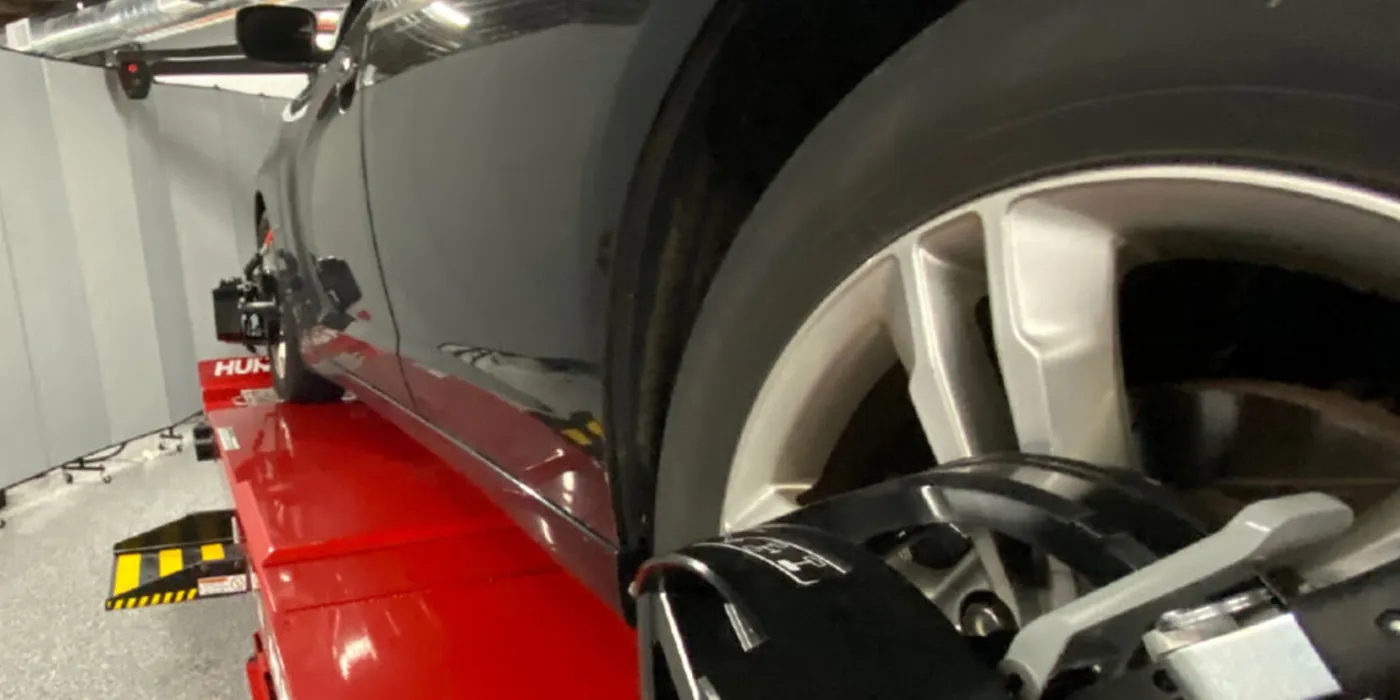
9. Alignment Problems: How Incorrect Wheel Geometry Creates Highway Instability
Wheel alignment describes the geometric relationship between the vehicle’s wheels and its suspension geometry, and when alignment parameters move outside their specified ranges, the resulting incorrect wheel geometry creates tire scrub, handling instability, and in certain cases, steering wheel vibration at highway speeds.
Understanding how specific alignment parameters produce vibration helps clarify why an alignment service is sometimes the correct response to a vibration complaint rather than a tire or suspension service. Toe misalignment, where the wheels point inward or outward relative to the vehicle’s direction of travel rather than being parallel or set at the small designed toe angle, creates a condition where the tires are constantly scrubbing against their intended direction of roll.
This scrubbing generates a lateral force variation as the tire deforms and recovers with each revolution, producing a vibration that can manifest as steering wheel shake at highway speeds, particularly during acceleration and deceleration. Severe toe misalignment also causes rapid, distinctive feathering wear patterns on the tire tread that make the alignment problem identifiable during a tire inspection.
Caster misalignment, specifically caster imbalance between the left and right front wheels, creates a steering pull condition combined with reduced directional stability at highway speed. A vehicle with unequal caster angles requires constant steering correction to maintain a straight line, and the driver’s correction inputs combined with the directional instability created by the unequal geometry can produce a handling sensation that includes elements of steering wheel vibration mixed with wandering and instability.
Also Read: 10 Must-Know Tips Before Working on Any Classic Car
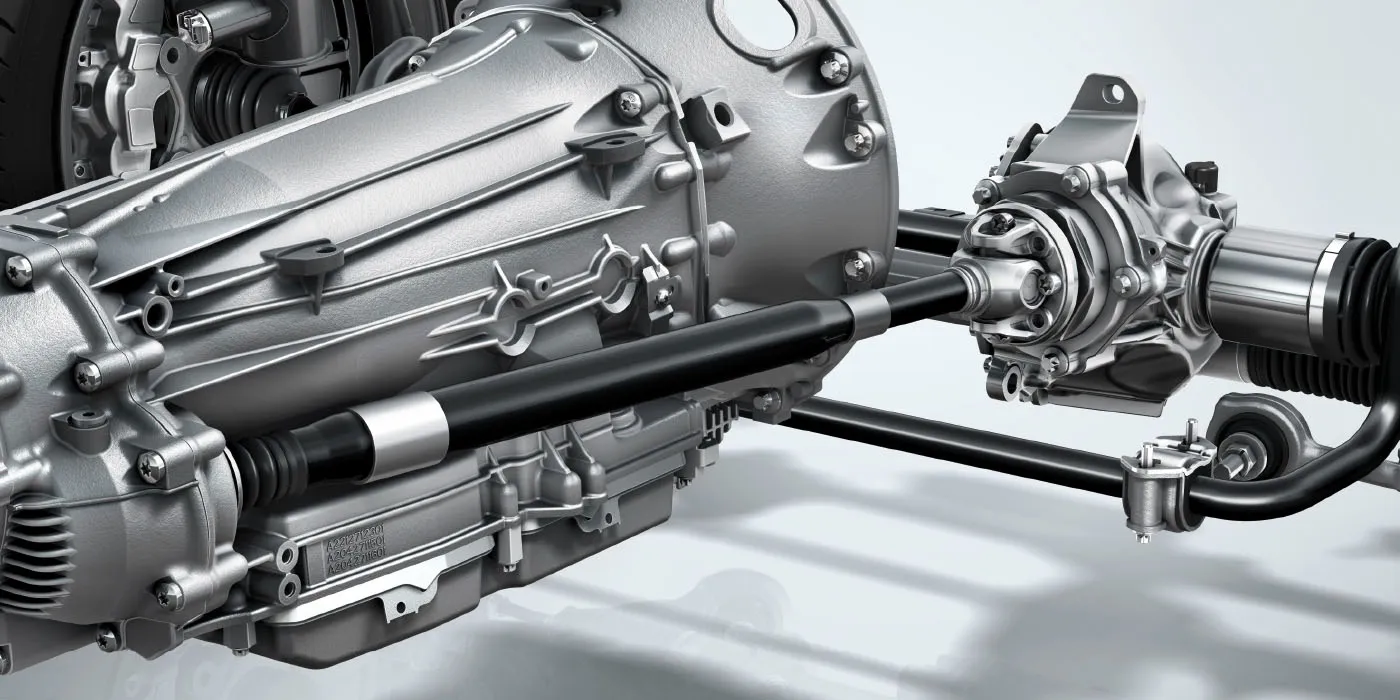
10. Engine and Drivetrain Mounts: Vibration From the Source of All Power
Engine and transmission mounts are the isolation points between the vehicle’s powertrain and its chassis, designed to allow the engine and transmission to vibrate, rock, and move under torque loading without transmitting those movements to the body and steering system.
When these mounts deteriorate, tear, or collapse, the isolation function they provide breaks down, and powertrain vibrations that were previously absorbed and contained now reach the steering wheel through the chassis structure.
Rubber engine mounts harden, crack, and eventually tear as they age, particularly in vehicles that operate in temperature extremes or accumulate high mileage. A torn engine mount allows the engine to move excessively under torque application, causing sudden movements that the chassis transmits as vibration or lurching sensations during acceleration.
At highway speeds, where consistent engine loading produces continuous vibration from combustion pulses and rotating assembly imbalance, a deteriorated mount that no longer adequately isolates the chassis from the engine allows a continuous vibration to feed through the steering column to the driver’s hands.
Transmission mounts perform the same function for the gearbox and, on rear-wheel-drive vehicles, for the driveshaft’s front attachment point. A collapsed transmission mount allows the transmission to sink downward under load, changing the driveshaft angle and creating vibration from the resulting universal joint angle changes alongside the direct vibration transmission through the failed mount.
An owner of a 2021 Jeep Wrangler Rubicon 392 (JL generation) reporting steering wheel vibration that feels different from tire shimmy and changes with engine load and throttle position at highway speed should prioritize motor mount inspection alongside any tire and wheel diagnosis.
This vehicle’s powerful 6.4-liter V8 engine generates substantial torque loads that mount components must manage, and deteriorated mounts on a high-torque application like this produce vibration that is immediately noticeable and grows progressively worse as mount condition continues to decline.
