Performance cars are engineered to deliver thrilling acceleration, sharp handling, and an exhilarating driving experience, but this pursuit of speed often comes with a hidden cost: tire longevity. From electric powerhouses like the Tesla Model 3 Performance and Model Y Performance to track-focused supercars like the McLaren 765LT and Porsche 911 GT3 RS, these vehicles push tires to their limits.
High torque, aggressive suspension geometry, sticky soft-compound tires, and high downforce all contribute to accelerated wear. Even sporty front-wheel-drive cars like the Honda Civic Type R experience rapid tire degradation due to concentrated loads on the front axle.
Understanding why these high-performance machines chew through rubber so quickly is essential for enthusiasts who want maximum enjoyment without unexpected maintenance headaches. In this guide, we explore six standout vehicles notorious for their fast tire wear, explaining the engineering and driving dynamics behind each case.
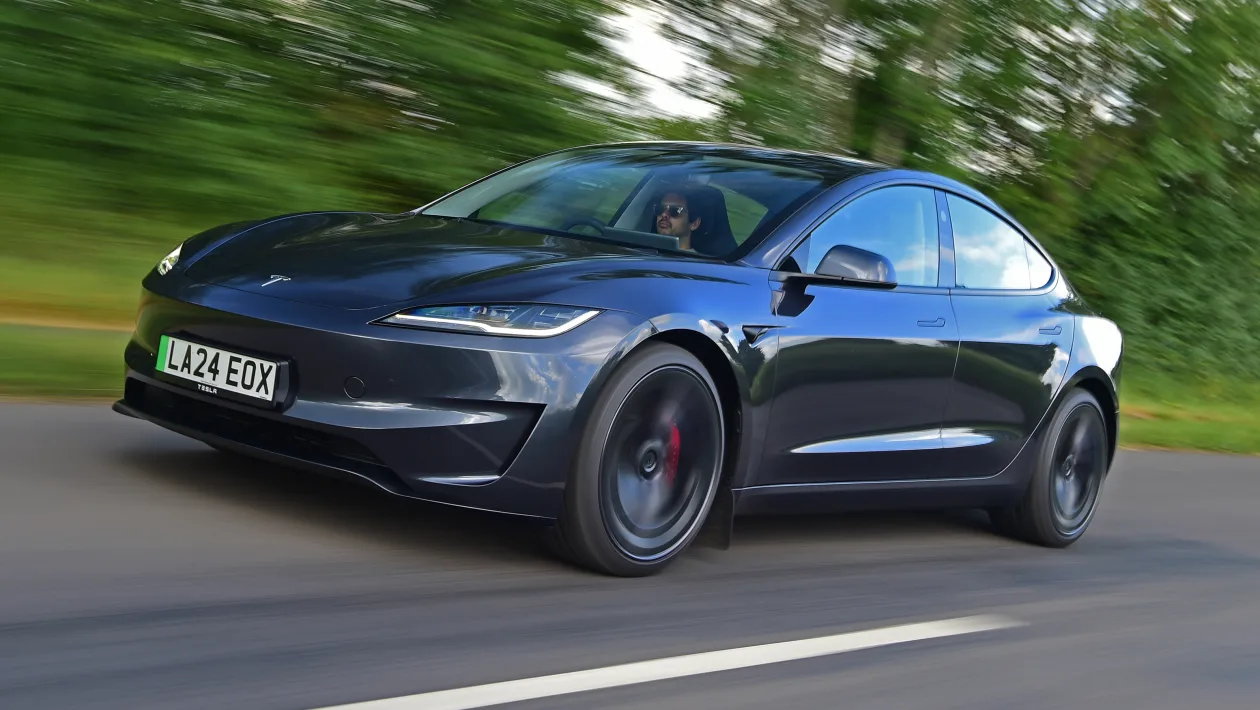
1. Tesla Model 3 Performance: Acceleration, Technology, and Rapid Tire Wear
The Tesla Model 3 Performance is one of the fastest and most technologically advanced electric sedans in its segment. It combines instant acceleration, high efficiency, and advanced software features, making it a favorite among EV enthusiasts. However, its performance-focused engineering also brings a drawback.
The Model 3 Performance is known for rapid tire wear, with some drivers reporting rear tire replacements as early as 15,000 to 30,000 miles. In the United Kingdom, studies have suggested it may require tires up to ten times more frequently than average vehicles. Tesla recommends tire rotations every 6,250 miles to manage uneven wear patterns caused by the car’s heavy battery and powerful torque.
The primary cause of accelerated tire wear is the Model 3 Performance’s instant electric torque. Unlike traditional gasoline engines that build power gradually, Tesla’s electric motors deliver maximum torque immediately when the accelerator is pressed.
This creates a “micro-slipping” effect where the tires lose small amounts of traction even without visible wheelspin, wearing down the tread with frequent acceleration. The vehicle’s heavy battery pack, which adds 500 to 800 pounds compared to similar gas-powered cars, increases stress on the tires during cornering, braking, and acceleration.
Soft-compound summer tires designed for maximum grip also wear faster than standard all-season tires. Factory suspension alignment often includes negative camber to improve handling, which can lead to inner-edge tire wear. Regenerative braking, which slows the car while recharging the battery, further stresses the rear tires because most braking force is applied there. Aggressive driving exacerbates these effects.
Despite these maintenance challenges, the Model 3 Performance delivers exceptional driving dynamics. Dual electric motors produce up to 510 horsepower, allowing a 0-60 mph time of 2.8 seconds. The low battery placement under the floor lowers the center of gravity, enhancing stability and sharp handling. Sport-tuned suspension, adaptive dampers, and upgraded brakes provide a firm yet controlled ride quality.
Range is competitive for an EV, with the Performance variant reaching approximately 260 miles in real-world testing. Charging via Tesla’s Supercharger network can replenish the battery from 10 percent to 90 percent in 39 minutes. Efficiency ratings range from 91 to 128 MPGe depending on the drivetrain.
The interior is minimalist, dominated by a 15.4-inch touchscreen that controls most functions. Front seats are supportive, but rear seating is more cramped. Cargo capacity is practical with a rear trunk and a small front storage compartment.
Safety and driver-assistance features are strong, including adaptive cruise control, automated emergency braking, lane-departure warning, and advanced Autopilot capabilities. Warranty coverage includes four years or 50,000 miles for the vehicle and eight years for the battery and powertrain.
The Tesla Model 3 Performance provides thrilling acceleration, cutting-edge technology, and efficient EV operation. However, owners should be prepared for frequent tire maintenance due to the combination of weight, instant torque, and soft performance tires.
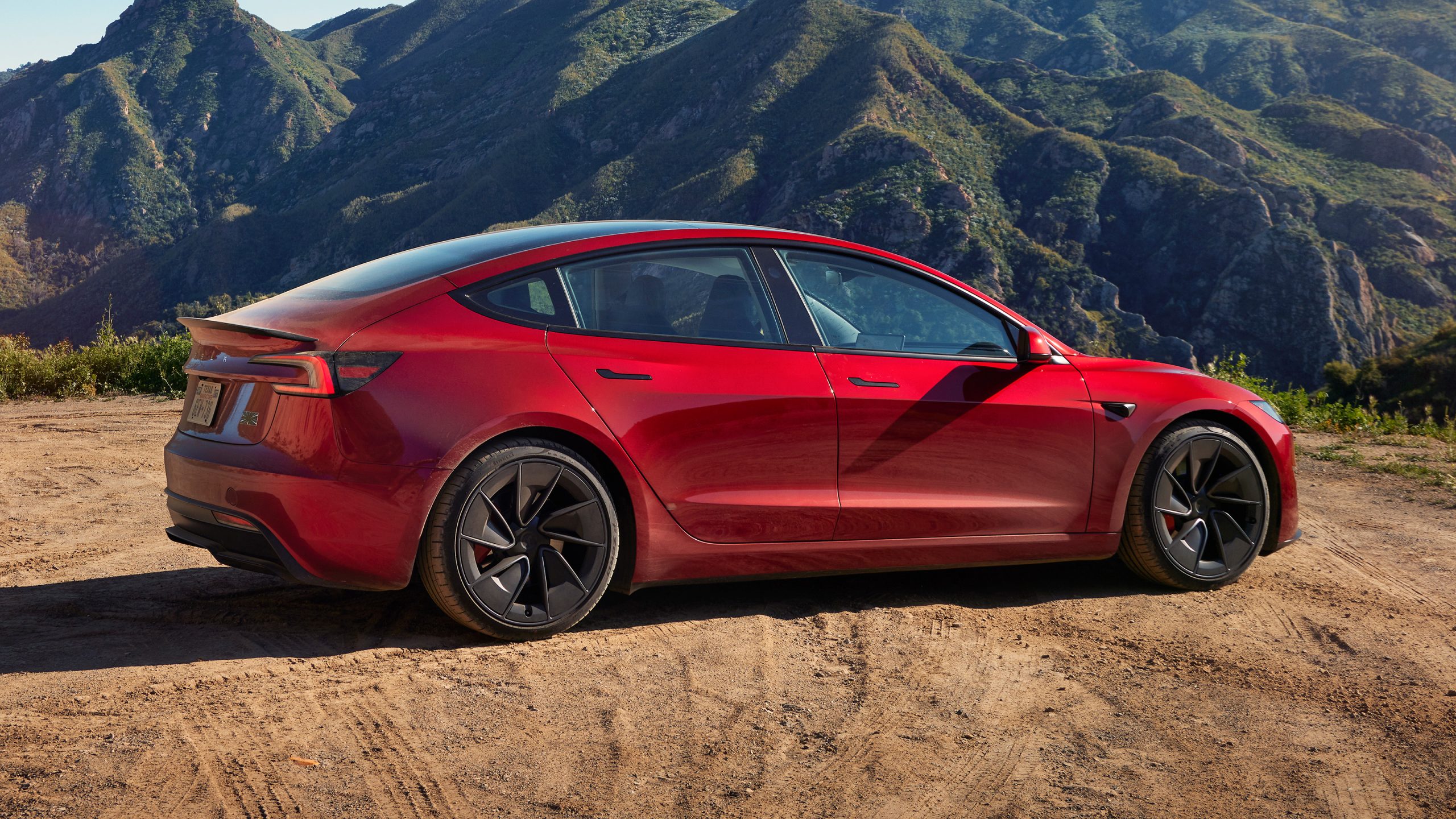
2. Tesla Model Y Performance: Powerful, Efficient, and Rapid Tire Wear
The Tesla Model Y Performance is the high-powered version of the popular Model Y, built for quick acceleration, agile handling, and enhanced driving dynamics. While it shares much with the long-range variant, the Performance model adds significant torque, increased horsepower, and subtle mechanical upgrades. These improvements make it a faster and more responsive SUV, but also contribute to accelerated tire wear.
Real-world data shows that while long-range Model Y models can often reach 40,000 miles on a single set of tires, the Performance model’s rear tires frequently need replacement between 25,000 and 30,000 miles. The SUV’s heavy battery, weighing between 4,400 and 4,600 pounds, combined with instant torque exceeding 400 pound-feet, creates micro-slipping that quickly wears the tire tread.
A staggered wheel setup with wider rear tires prevents standard front-to-rear rotation, worsening rear tire wear. Factory alignment settings, including aggressive negative rear camber, also cause inner-edge tread degradation.
Owners can take measures to reduce tire wear. Regular alignment checks help control the camber issue. Smooth acceleration and braking reduce scrubbing, while maintaining proper tire pressure ensures even load distribution.
The Model Y Performance includes mechanical and aerodynamic upgrades. It uses the LG 5M battery pack with 79 kWh usable capacity, similar to the Model 3 Performance, delivering 460 horsepower and a 0 to 62 mph sprint in 3.5 seconds.
Aerodynamic improvements include a revised front bumper, lower rear bumper, and a carbon strip spoiler, which reduce lift by 64 percent and drag by 10 percent. Updated 21-inch Arachnid 2.0 wheels feature wider rear tires for stability and performance.
Suspension and handling updates enhance control and comfort. New bushings, adaptive dampers, reinforced rear suspension components, and modified steering knuckles improve the SUV’s responsiveness over bumps and corners. Steering is precise but slightly numb, while braking is effective for daily driving. Cabin noise is reduced, with only minor tire and wind sounds at higher speeds.
Inside, the Model Y Performance offers a larger 16-inch central touchscreen with improved resolution, sporty front seats with electric thigh supports, carbon fiber accents, and aluminum pedals.
Rear passengers have access to an eight-inch screen for climate and infotainment control. Practical features include a panoramic glass roof, a spacious cargo area, and access to Tesla’s Supercharger network with fast charging from 10 to 80 percent in under 30 minutes.
The Tesla Model Y Performance combines family-friendly space with thrilling acceleration and advanced engineering. Its powerful drivetrain and performance-oriented setup result in quick tire wear, especially on the rear axle, making proper maintenance essential.
For those seeking maximum speed and sporty driving, the Performance model excels, while drivers focused on efficiency, tire longevity, and everyday usability may find the Long Range AWD variant a more practical and balanced option.
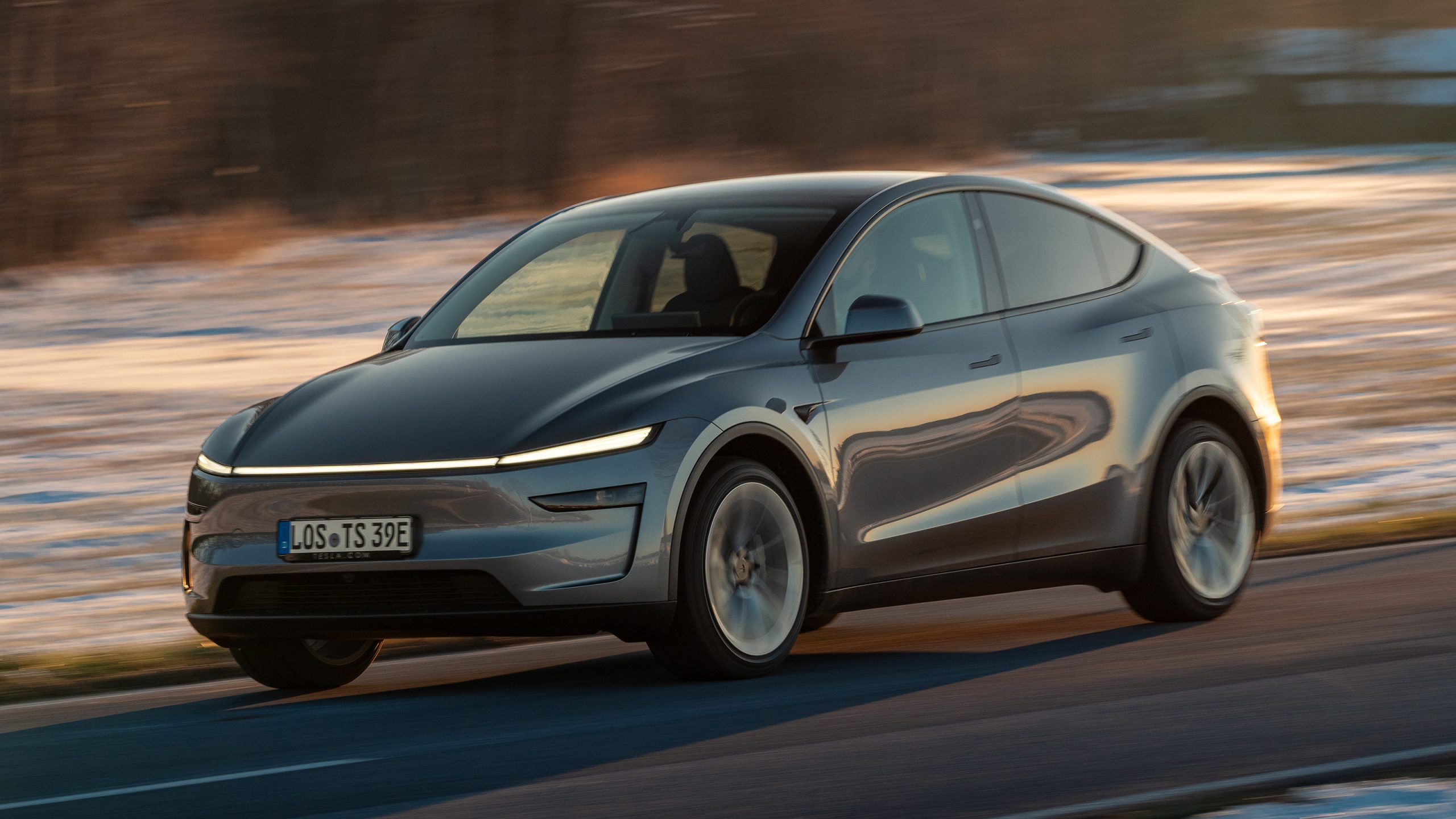
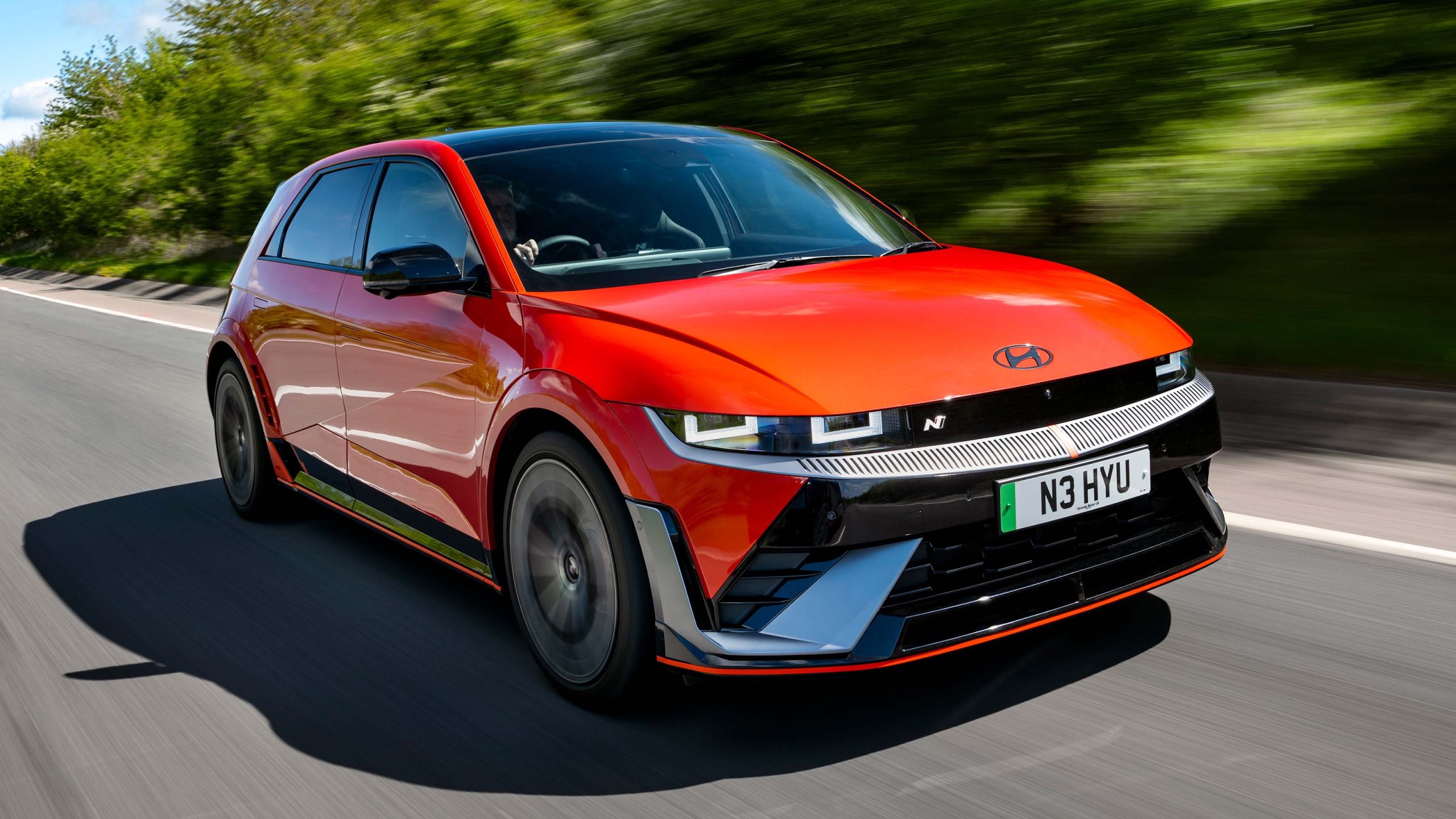
3. Hyundai Ioniq 5 N: High Performance with Rapid Tire Wear
The Hyundai Ioniq 5 N is a high-performance electric vehicle designed for thrill and agility, but its capabilities come at the cost of rapid tire wear. The vehicle features an “N Drift Optimizer,” a system that actively manages torque to maintain drift angles, which is explicitly designed to wear tires quickly.
Even without engaging drifting features, the Ioniq 5 N’s 650 PS output and 0-100 km/h sprint in 3.4 seconds generate intense heat and friction, putting immense stress on the tires. Drivers have reported replacing factory tires as early as 10,000 to 15,000 miles, particularly under aggressive driving or track use.
Several factors contribute to the Ioniq 5 N’s tire consumption. First, the vehicle is heavy, weighing approximately 4,800 pounds, which increases the load on tires during cornering and braking. Second, the electric motors provide instant, high torque, which causes micro-slipping or scrubbing of the tires even during everyday driving.
Third, the car comes equipped with soft performance-oriented tires, such as Pirelli P Zero 275/35-21, designed for maximum grip rather than durability. Fourth, the aggressive factory alignment, including negative camber and specific toe settings, leads to inner-edge tire wear.
Finally, spirited driving habits are encouraged by features such as N Launch Control, which, combined with the rear-biased all-wheel-drive system, accelerates rear tire degradation.
Owners looking to mitigate rapid tire wear can consider regular alignment checks, maintaining proper tire pressure, and opting for more durable high-performance all-season tires such as the Michelin Pilot Sport All Season 4s. Despite these challenges, the Ioniq 5 N maintains impressive performance metrics, thanks to a variety of powertrain configurations.
The rear-wheel-drive version generates 168 to 225 horsepower depending on the battery, while the all-wheel-drive version delivers up to 320 horsepower. The SUV maintains a low center of gravity with its wide tires, providing agile handling and a smooth ride across varied road surfaces. Acceleration from 0 to 60 mph is accomplished in approximately 4.4 seconds, which is competitive among electric SUVs in its class.
The Ioniq 5 N offers practical features for daily use. Interior space is generous, with ample headroom and shoulder room in both the front and rear seats. Cargo capacity measures 30 cubic feet behind the rear seats and expands to 59 cubic feet with the seats folded.
The infotainment system includes a 12.3-inch touchscreen and a digital gauge cluster, along with wireless Apple CarPlay, Android Auto, and multiple USB and 12-volt ports. Safety features include adaptive cruise control, lane-keeping assist, and automated emergency braking, with optional blind-spot monitoring and a surround-view camera.
Range and charging performance are competitive. The standard 63.0-kWh battery provides an EPA-estimated 245 miles, while the larger 84.0-kWh battery extends range up to 318 miles.
DC fast-charging allows a 10 to 80 percent recharge in roughly 20 minutes, and the vehicle can add around 68 miles in five minutes. Hyundai complements the Ioniq 5 N with strong warranty coverage, including four years or 60,000 miles for the limited warranty and four years or 70,000 miles for the powertrain, plus three years or 45,000 miles of complimentary maintenance.
The Hyundai Ioniq 5 N is a driver-focused EV that delivers exhilarating performance, advanced technology, and spacious practicality, but owners should anticipate accelerated tire wear due to its torque, weight, alignment, and soft performance tires.
Also Read: 5 Cars With Simple Dash Layouts vs 5 With Confusing Ones
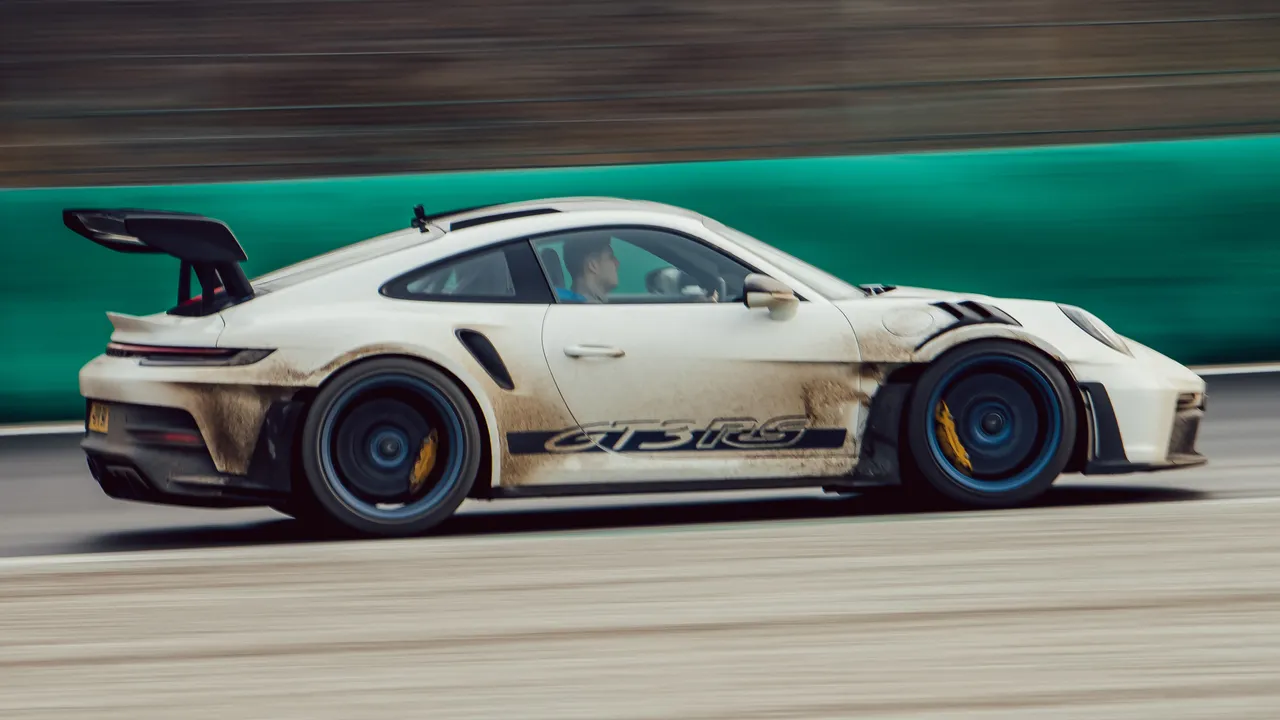
4. Porsche 911 GT3 RS: Track-Focused Excellence with Rapid Tire Wear
The Porsche 911 GT3 RS is a road-legal sports car engineered for extreme performance on circuits. Its design prioritizes speed, precision, and grip over durability, particularly in its tires. Equipped with ultra-soft, semi-slick tires such as the Pirelli P Zero Trofeo RS or Michelin Pilot Sport Cup 2, the GT3 RS can wear through a set in as little as 450 to 500 kilometers on track.
These tires are essentially street-legal race rubber, offering minimal tread and soft compounds for maximum adhesion. The car’s rear-engine layout, massive aerodynamic downforce, and rear-heavy weight distribution place extraordinary loads on the 335 mm rear tires, causing rapid wear. On regular roads, aggressive track-focused alignment with negative camber can create uneven tire wear, especially along the inner edges.
Several factors contribute to the GT3 RS’s high tire consumption. First, the specialized tire compounds heat up quickly, providing excellent grip but wearing down rapidly under high-friction conditions.
Second, the aggressive suspension geometry is set to optimize cornering performance, which increases wear on the edges when driven off-track. Third, the aerodynamic features, including a massive rear wing and active aero elements, generate up to 860 kg of downforce at high speed. This downforce improves stability and cornering but forces the tires to work harder, accelerating tread loss.
Fourth, the rear-engine configuration concentrates weight and power on the rear tires during acceleration, while braking shifts weight forward, stressing the front tires. Finally, the GT3 RS is intended for high-performance track use. Racetrack surfaces, repeated heat cycling, and constant high-speed cornering all contribute to rapid tire degradation.
The GT3 RS combines a naturally aspirated 4.0-liter flat-six engine with a seven-speed PDK transmission. Producing 518 horsepower at 8,500 rpm, the car achieves 0-60 mph in about three seconds and reaches a top speed of 184 mph. Advanced aerodynamics, including the swan-neck rear wing and airflow management, ensure that downforce is maximized without excessive drag.
The Weissach Package further enhances track performance with carbon fiber anti-roll bars, magnesium wheels, and lightweight suspension components. Suspension adjustments for bump, rebound, and damper stiffness can be made on the fly in Track mode, allowing drivers to fine-tune the car’s behavior to suit specific circuits or driving styles.
Despite its track-focused setup, the GT3 RS retains road usability. The cabin features a small steering wheel, supportive racing seats, and Alcantara trim, while the PCM infotainment system provides navigation and media controls. Visibility is good for a high-performance sports car, though storage space is limited due to the roll cage and aerodynamic components.
Running costs are high, with front Michelin Cup 2 tires priced at £600 and 335-section rear tires around £1,000. Ceramic brakes are optional and costly to replace or resurface, but these expenses are offset by the car’s unparalleled performance on the track.
The Porsche 911 GT3 RS delivers extraordinary precision, grip, and driving engagement for track enthusiasts. Its advanced chassis, suspension, and aerodynamics provide confidence at extreme speeds, while its tires and consumables are engineered to match the vehicle’s performance-focused philosophy.
Owners must expect rapid tire wear and high maintenance costs, but the GT3 RS remains one of the most capable and thrilling track-oriented road cars ever produced, blending extreme performance with relative accessibility on public roads.
5. McLaren 765LT: Extreme Track Focus with Rapid Tire Wear
The McLaren 765LT, part of McLaren’s “Longtail” lineup, is a track-oriented supercar engineered for maximum performance rather than daily usability or tire longevity. Equipped with Pirelli P Zero Trofeo R tires, this car prioritizes grip, acceleration, and cornering precision. These tires feature ultra-soft compounds designed to maximize traction, but they wear quickly under high stress.
Enthusiasts often report needing replacements after only a few intense track days or a few thousand aggressive road miles. The 765LT’s design ensures that the tires are pushed to their limits, making them a consumable component in the pursuit of performance.
Several factors drive the rapid tire wear on the 765LT. First, the ultra-soft tire compounds are extremely sticky and optimized for dry grip, not mileage. Second, the 765LT’s twin-turbo V8 produces 755 horsepower, capable of spinning the rear tires at high speeds, even in fourth gear.
This constant struggle for traction sheds rubber faster than conventional street cars. Third, the car generates 25 percent more downforce than the 720S, pressing the tires into the road and increasing lateral and longitudinal loads during high-speed cornering. These forces accelerate tread degradation.
Fourth, the suspension setup is performance-oriented, with aggressive wheel alignment and negative camber to enhance handling. While this improves cornering, it contributes to uneven and faster tire wear. Finally, the carbon-ceramic brakes, capable of stopping from 124 mph in just 108 meters, create additional heat and friction, further eroding the tire surface.
The 765LT is also lighter and more track-focused than its sibling, the 720S. It is 80 kg lighter, achieved through extensive use of carbon fiber, titanium exhausts, thinner glass, and other weight-saving measures. Its final drive is shortened, the suspension is bespoke, and the track is wider, allowing for higher cornering speeds.
These enhancements, combined with an additional 45 horsepower over the 720S, allow the 765LT to reach 124 mph from a standstill in seven seconds, offering blistering pace on track. While similar to the McLaren Senna in downforce and handling dynamics, the 765LT is more accessible and slightly less extreme, striking a balance between performance and usability.
Driving impressions highlight the 765LT’s razor-sharp handling. Unlike some high-powered supercars that oversteer or drift easily, the 765LT maintains composure through its open differential, rewarding smooth and precise inputs with astonishing speed.
On a warm, dry track, it can lap four seconds quicker than a 720S, while only being 2.5 seconds slower than the Senna. The car remains engaging and communicative without demanding overly aggressive driving techniques, offering a rare combination of precision, speed, and driver confidence.
Despite its focus on the track, it also includes luggage space and maintains a reasonable on-road ride and refinement, enhancing practicality relative to other extreme McLarens.
The McLaren 765LT is a supercar built for extreme track performance. Its ultra-soft tires, immense power, high downforce, and aggressive suspension geometry make it a consumable-focused vehicle where tire wear is inevitable.
The combination of cutting-edge engineering, light weight, and driver-focused dynamics results in a car that delivers both intense track performance and surprisingly usable road manners, though at the cost of frequent tire replacements and high running costs. The 765LT stands out as a highly capable, thrilling, and more accessible alternative to McLaren’s even more extreme Senna.

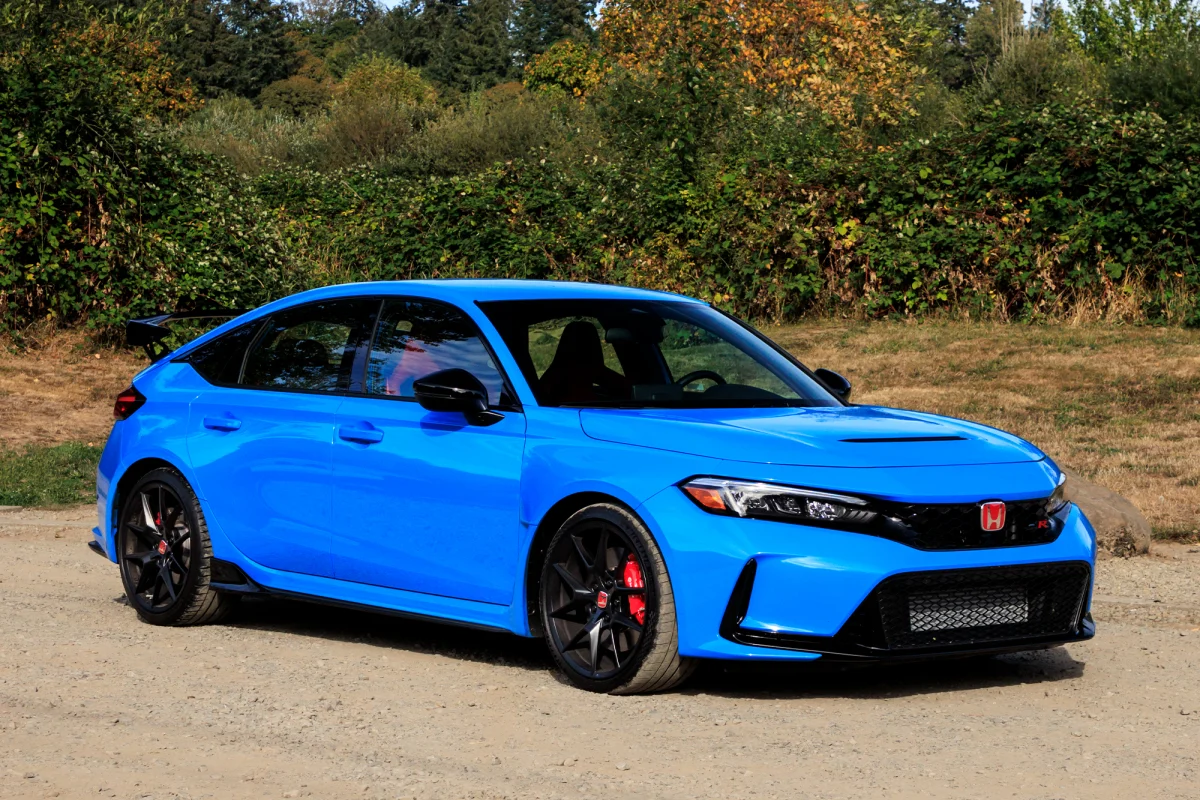
6. Honda Civic Type R: Front-Wheel-Drive Performance and Tire Challenges
The Honda Civic Type R is a high-performance front-wheel-drive hatchback designed for track-level handling, but this focus on performance causes rapid tire wear. The front tires carry most of the load, handling 100 percent of the engine’s 300-plus horsepower, 60 percent of the braking, and all steering forces.
This concentration of stress, combined with soft high-grip tires such as the Michelin Pilot Sport Cup 2, leads to accelerated wear. Drivers often report that spirited driving can wear tires down in less than 10,000 miles, with the inner edges particularly affected due to the car’s aggressive negative camber.
Several factors contribute to the Civic Type R’s fast tire wear. First, the soft high-performance tire compounds are designed for maximum grip rather than long life. These sticky tires heat up quickly and lose tread much faster than standard all-season tires.
Second, the front-wheel-drive layout focuses acceleration, steering, and braking forces on the front tires, which causes them to wear roughly twice as fast as the rear tires. Third, the track-tuned suspension geometry, including negative camber and specific toe settings, improves cornering but results in uneven tread wear along the edges.
Fourth, earlier FK8 models used 20-inch low-profile tires, which have less sidewall flex and are more prone to wear during aggressive cornering. Fifth, driver behavior, including rapid acceleration, heavy braking, and spirited driving, increases tire stress, especially on track or during high-speed runs.
There are ways to extend tire life. Switching to 18-inch wheels provides more sidewall, which improves durability and allows slightly cheaper replacement tires. Regular tire rotation every 5,000 miles helps distribute wear more evenly between the front and rear tires.
Maintaining proper tire pressure ensures consistent contact with the road and reduces edge wear. Regular wheel alignment checks are also important because the performance suspension can shift under stress, leading to uneven wear.
The Civic Type R is powered by a 315-hp turbocharged 2.0-liter four-cylinder engine paired with a 6-speed manual transmission. Its dual-axis front strut suspension reduces torque steer and allows precise handling under heavy acceleration.
Testing shows the 2023 Civic Type R completes a 0–150–0 mph speed test in 52.7 seconds and reaches 0–60 mph in 4.9 seconds, outperforming cars like the Hyundai Elantra N with a manual transmission.
The Civic Type R also balances performance with practicality. The interior includes supportive front seats, a digital gauge cluster with shift lights, and red-accented trim. Rear passenger space is similar to the standard Civic hatchback, and cargo capacity allows seven carry-on suitcases behind the rear seats and 20 with the seats folded.
Infotainment features include a 9-inch touchscreen, wireless Apple CarPlay, Android Auto, and a 12-speaker Bose stereo. Standard safety systems include adaptive cruise control, lane-keeping assist, and automated emergency braking.
The Honda Civic Type R delivers track-capable performance in a practical package, but its front-wheel-drive layout, aggressive suspension, and sticky performance tires mean tire wear is rapid. Careful maintenance and mindful driving can extend tire life, but spirited driving and track use will inevitably consume tires quickly, reflecting the car’s emphasis on handling, grip, and driving excitement over longevity.
High-performance vehicles provide unmatched driving excitement, but tire wear is an inevitable trade-off. Cars like the Hyundai Ioniq 5 N, Tesla Performance models, McLaren 765LT, Porsche 911 GT3 RS, and Honda Civic Type R demonstrate how torque, downforce, soft tire compounds, and aggressive alignment settings accelerate tread degradation.
Owners must be prepared for frequent tire rotations, proper alignment, and mindful driving to maintain performance while prolonging tire life. These vehicles reward precision and spirited driving, but their consumable tires are a reminder that extreme performance comes at a cost.
For enthusiasts, understanding the balance between grip, speed, and tire longevity is key to enjoying these machines safely and responsibly. While the tires may wear fast, the driving experience these cars offer remains unmatched, making them thrilling choices for those seeking both performance and engagement on the road or track.
Also Read: 10 Cars With the Best Storage Solutions for Small Items