

Turbocharged engines have transformed the way modern vehicles deliver power. A compact engine that once struggled to produce strong acceleration can now deliver confident thrust thanks to a turbocharger forcing more air into the combustion chamber.
That extra boost translates into quicker response, better highway passing power, and in many cases, improved fuel efficiency. Yet behind that smooth surge of acceleration sits a component that operates under intense heat and pressure.
Temperatures inside a turbocharger can climb to extreme levels within minutes of spirited driving. Oil circulates at high speed to lubricate delicate bearings. Exhaust gases spin the turbine at astonishing revolutions per minute. All of that activity happens in a small housing tucked tightly under the hood.
When treated properly, a turbocharger can last well beyond 100,000 miles. When neglected, it can fail far earlier than expected. Protecting this precision-engineered device does not require advanced mechanical training.
Simple habits, thoughtful driving behavior, and consistent care can preserve performance and reduce costly repairs. From daily commuting in a Ford F-150 EcoBoost to spirited runs in a Porsche 911 Turbo, the principles remain the same.
The following ten tips outline practical steps that help keep your turbocharger cool, lubricated, and working as intended. Whether you drive a compact sedan or a high-performance sports car, these strategies will help you protect one of the hardest-working components in your vehicle.
1. Let the Engine Warm Up Before Demanding Boost
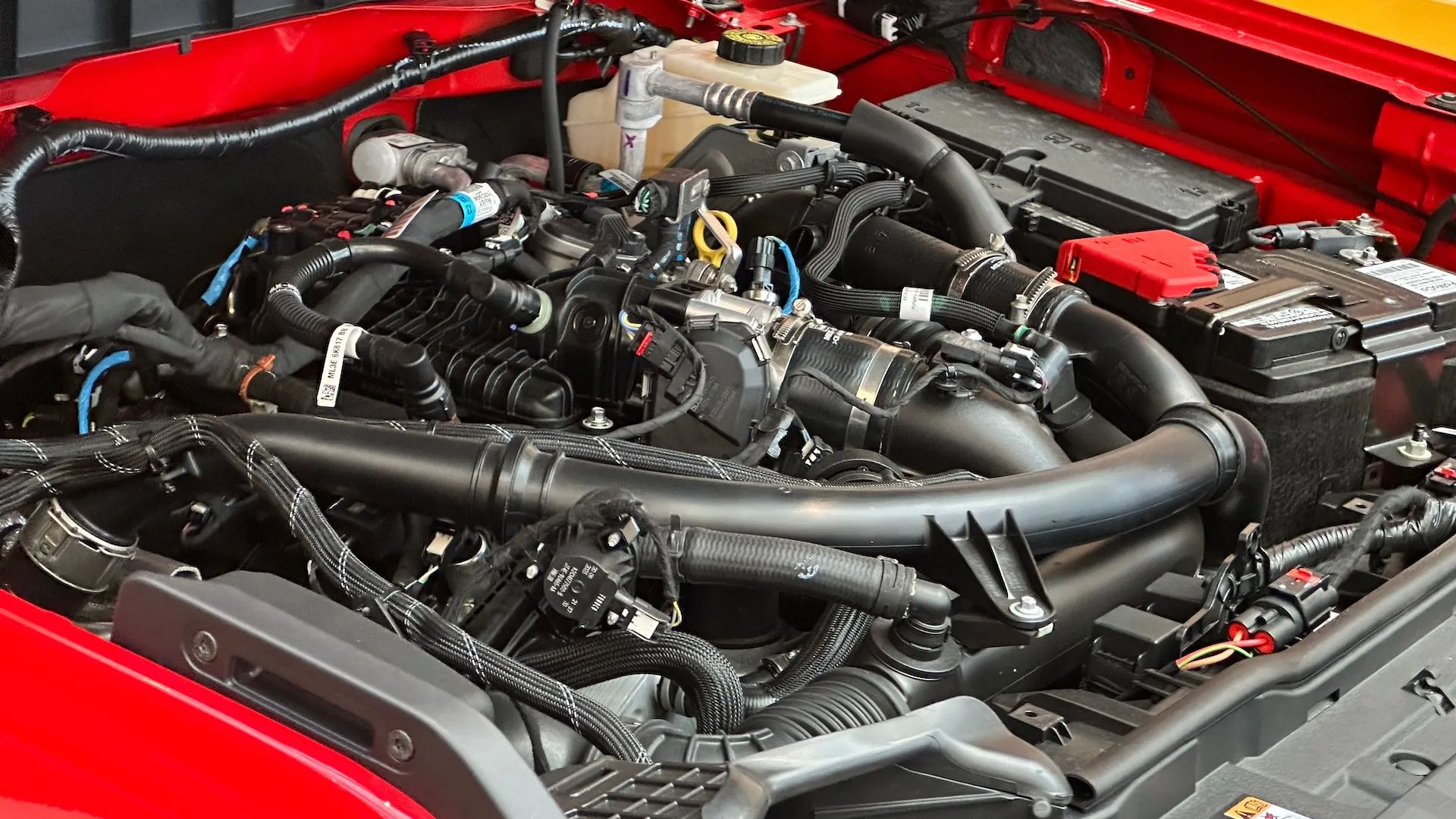
Example: Ford F-150 EcoBoost
Cold starts demand patience. Oil thickens at lower temperatures, and turbocharger bearings depend on steady lubrication from the moment the engine fires up. Pressing hard on the accelerator immediately after startup forces the turbo to spin rapidly before oil has reached optimal flow. That early stress can shorten the lifespan of internal components.
Drivers of the Ford F-150 EcoBoost often appreciate how quickly the truck delivers torque. Twin turbochargers provide strong pulling power even at low engine speeds. Despite that responsiveness, restraint during the first few minutes of driving pays off.
Gentle acceleration allows oil to circulate thoroughly through the engine and turbo system. Waiting until coolant and oil temperatures stabilize ensures that moving parts expand properly and operate within their designed tolerances.
Short trips can be especially hard on turbocharged engines. If the vehicle rarely reaches full operating temperature, condensation and fuel dilution may accumulate in the oil. Extending driving time occasionally helps burn off moisture and protect internal components. A smooth and gradual warm-up routine becomes a daily investment in longevity.
Instead of idling for long periods, start the engine, wait about thirty seconds, and begin driving at light throttle. This approach balances efficiency with mechanical care. By the time you need stronger acceleration, oil pressure will be stable, and the turbocharger will be prepared to deliver boost without unnecessary strain.
A turbocharger thrives when treated with respect during those first critical minutes. That simple habit can reduce wear and preserve performance for years to come.

2. Cool Down Properly After Hard Driving
Example: Porsche 911 Turbo
High-performance driving generates substantial heat. Turbochargers rely on exhaust gases that can reach extreme temperatures during aggressive acceleration. Parking immediately after a spirited run traps that heat inside the turbo housing.
Oil left sitting in superheated components may begin to break down, leaving behind deposits that restrict lubrication pathways. Owners of the Porsche 911 Turbo experience exhilarating performance thanks to sophisticated forced induction engineering.
After enjoying strong acceleration or highway speeds, allowing the engine to idle briefly before shutting it off helps stabilize temperatures. This short cooldown period lets fresh oil circulate through the turbocharger, carrying heat away from bearings and turbine shafts.
Urban drivers face similar concerns after climbing steep hills or merging onto fast-moving highways. Even routine driving can generate heat if a sustained boost is involved. A one- to two-minute idle period offers valuable protection, particularly after demanding use.
Some modern vehicles incorporate electric water pumps or auxiliary cooling systems that continue operating after shutdown. Even with those features, gentle driving during the final mile before reaching your destination helps reduce peak temperatures. Easing off the throttle allows exhaust heat to decrease gradually.
Think of cooldown time as a small ritual that preserves precision components. That brief pause supports long-term durability and prevents oil coking inside the turbo housing. Heat management does not require special tools. A little patience after hard driving can make a noticeable difference in the health of your turbocharger.
Also Read: 8 Tips for Taking Professional Photos to Sell Your Car Faster
3. Use High-Quality Synthetic Oil and Change It on Schedule
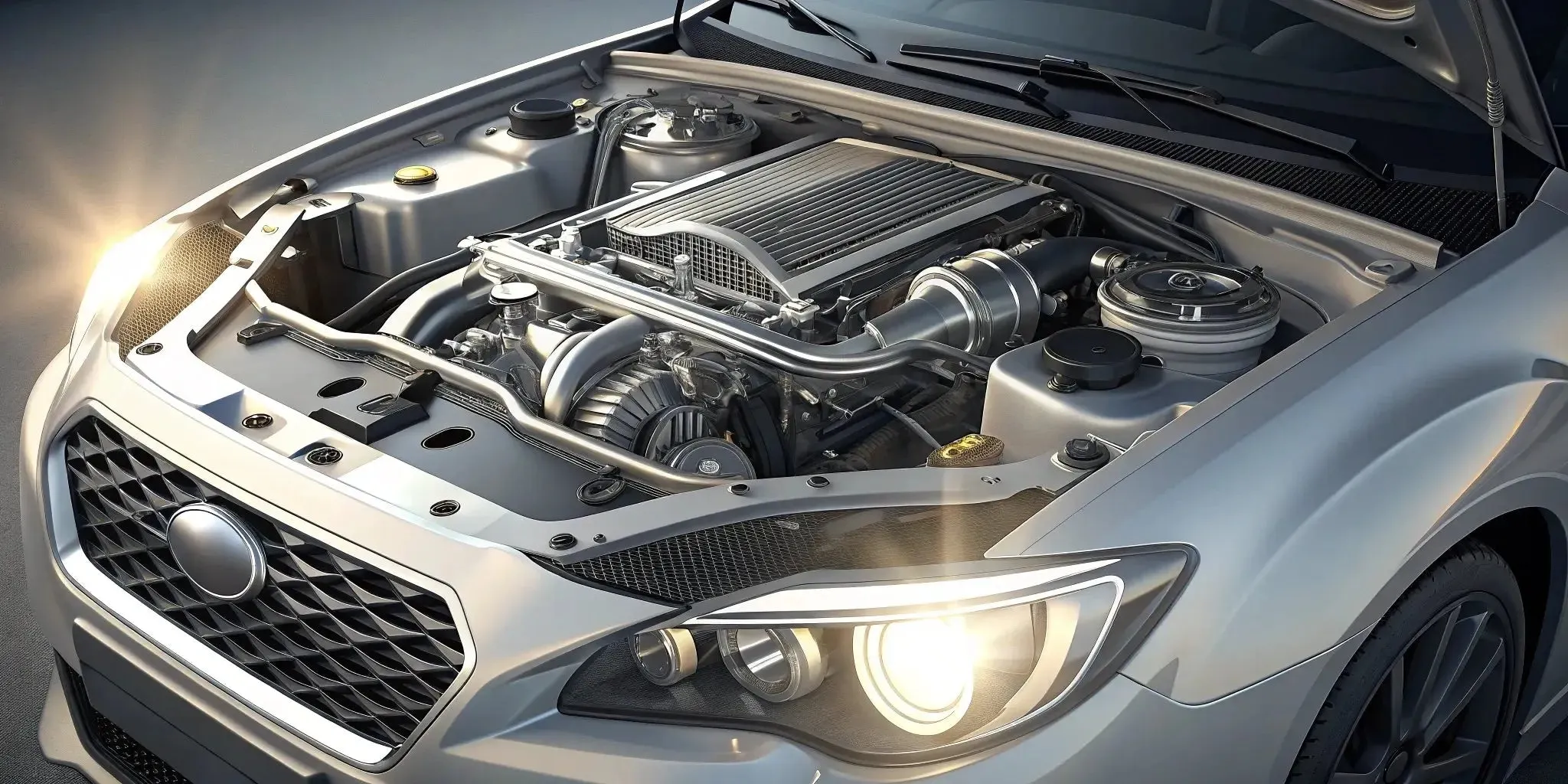
Example: Subaru WRX STI
Lubrication forms the lifeline of any turbocharged engine. Turbo shafts spin at extraordinary speeds, supported by thin layers of oil that prevent metal-to-metal contact. Lower-grade oil may break down faster under high heat, reducing its protective ability. Performance-focused vehicles such as the Subaru WRX STI depend heavily on consistent oil quality.
Turbocharged boxer engines generate strong boost pressure, and internal temperatures climb rapidly under spirited driving. Synthetic oil resists thermal breakdown more effectively than conventional alternatives. It maintains viscosity under stress and reduces deposit formation within turbo bearings.
Skipping oil changes can lead to contamination from combustion byproducts. Dirt and debris suspended in old oil circulate through delicate turbo components. That contamination increases friction and accelerates wear. Sticking to manufacturer-recommended service intervals helps ensure a steady supply of clean lubrication.
Checking oil levels between services also matters. Turbocharged engines sometimes consume small amounts of oil during normal operation. Running low reduces pressure and starves the turbocharger of needed lubrication. A quick dipstick inspection every few weeks can prevent serious damage.
Selecting oil that meets factory specifications is equally important. Automakers test specific formulations to protect turbo systems. Following those guidelines provides confidence that the oil can handle both heat and load demands.
Reliable performance begins with clean, high-quality oil. Investing in proper lubrication is one of the simplest and most effective ways to extend the life of a turbocharger.
4. Keep the Air Intake System Clean and Sealed
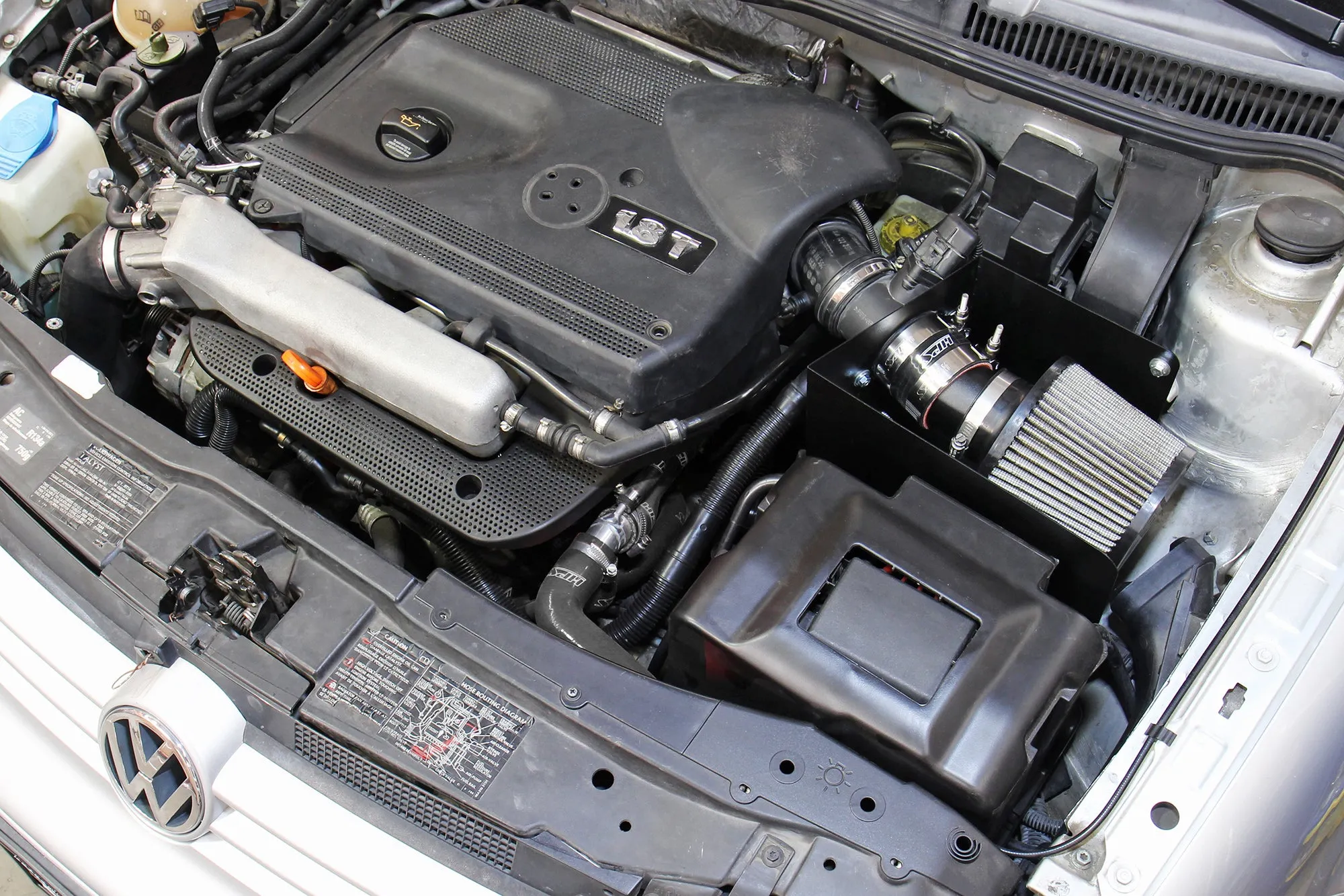
Example: Volkswagen Golf GTI
Air entering a turbocharged engine must be clean, measured, and unrestricted. A turbocharger draws in a high volume of air and compresses it before it reaches the combustion chamber. That process depends on smooth, debris-free airflow.
Even small contaminants can damage the compressor wheel, which spins at extremely high speeds. Dust, sand, or fragments from a deteriorated filter can cause tiny abrasions on the blades. Those minor imperfections may reduce efficiency and eventually affect boost pressure.
Performance-oriented hatchbacks such as the Volkswagen Golf GTI depend on precise airflow for sharp throttle response. When the air filter becomes clogged, the turbo works harder to achieve the target boost. Increased workload leads to higher temperatures and greater stress on internal components.
Replacing the air filter at the recommended interval helps maintain steady airflow and protects the compressor from contamination. Attention should also extend to the intake tubing. Rubber hoses and plastic ducts can develop cracks as they age.
A small split may allow unfiltered air to bypass the filter element. Loose clamps around couplers can create gaps where dust enters the system. Those openings also introduce unmetered air, which can disturb the engine’s air-fuel mixture and cause rough performance.
Routine inspection does not require advanced tools. A careful visual check during oil changes can reveal worn hoses, brittle plastic fittings, or loose connections. Ensuring that all clamps are tight and that the airbox seals properly helps preserve intake integrity.
Aftermarket intake systems deserve special care. Higher flow filters may improve responsiveness, yet filtration quality must remain strong. Cleaning reusable filters on schedule and applying the correct amount of filter oil prevents dirt from passing through. Over-oiling can contaminate mass airflow sensors, which may lead to inaccurate readings and performance problems.
Clean air supports efficient combustion and a stable boost. By maintaining a sealed and properly filtered intake system, drivers reduce unnecessary strain on the turbocharger. That consistent attention keeps performance sharp and extends the life of forced induction components.

5. Monitor and Maintain the Cooling System
Example: Chevrolet Silverado 2.7L Turbo
Heat management plays a central role in protecting a turbocharged engine. While oil lubricates the turbo’s moving parts, coolant regulates temperature across the engine block and cylinder head. Turbocharged engines generate higher combustion pressures, which create additional heat.
Without an effective cooling system, that heat can accumulate and damage sensitive components. Full-size trucks such as the Chevrolet Silverado 2.7L Turbo often operate under demanding conditions. Towing trailers, hauling heavy loads, or driving in hot climates increases thermal stress.
Under those circumstances, the cooling system must dissipate heat efficiently to protect both the engine and the turbocharger. A malfunctioning radiator or weak water pump can allow temperatures to rise quickly. Checking coolant levels on a regular basis helps prevent overheating.
Low coolant reduces the system’s ability to transfer heat away from critical areas. Drivers should also inspect coolant for discoloration or contamination. Replacing coolant according to manufacturer guidelines preserves corrosion inhibitors and maintains proper boiling protection.
Radiator fans and thermostats deserve equal attention. Electric fans must engage at the correct temperature to maintain airflow through the radiator. A faulty thermostat may stick closed, preventing coolant from circulating properly. Either issue can lead to unexpected temperature spikes that strain turbo components.
Hoses and clamps should remain secure and free from leaks. Even a small coolant leak can lower system pressure and compromise cooling efficiency. Addressing minor leaks promptly prevents larger failures later. Keeping the cooling system in excellent condition supports stable engine temperatures under both light and heavy use.
Controlled heat reduces stress on turbo bearings, seals, and surrounding components. Consistent temperature regulation promotes reliable boost and long-term durability.

6. Avoid Lugging the Engine at Low RPM
Example: BMW M340i xDrive
Heavy throttle at very low engine speeds places unnecessary stress on a turbocharger. Lugging happens when the driver demands strong acceleration while the engine is turning slowly, usually in a high gear. That habit creates high cylinder pressure and forces the turbo to build boost quickly without sufficient exhaust flow to support smooth operation.
Repeated lugging can increase heat and strain on both the turbo and internal engine components. Performance sedans such as the BMW M340i xDrive deliver impressive torque across a wide rev range. Its turbocharged inline six feels responsive even at lower speeds. Despite that flexibility, pressing the accelerator aggressively at 1,200 or 1,500 RPM in a tall gear is not ideal.
Allowing the transmission to downshift or manually selecting a lower gear keeps engine speed within a healthier range. Higher RPM under moderate load produces smoother boost delivery and reduces stress on the turbocharger.
Modern automatic transmissions often manage gear selection intelligently, yet drivers still influence behavior through throttle input. Gradual acceleration encourages appropriate downshifts. Manual transmission drivers should avoid climbing hills or merging onto highways in a gear that keeps the RPM too low.
Proper engine speed supports efficient airflow. When the exhaust flow is steady, the turbine spins with balance rather than abrupt surges. That stability reduces bearing wear and temperature spikes. Keeping RPM within a reasonable band during acceleration also improves throttle response and drivability.
A turbocharger operates best when airflow and engine speed work together. Choosing the right gear, especially during demanding situations, prevents unnecessary strain. Thoughtful driving habits protect internal components and help preserve smooth, reliable boost delivery.
7. Inspect and Maintain the Intercooler System
Example: Audi S4 3.0T
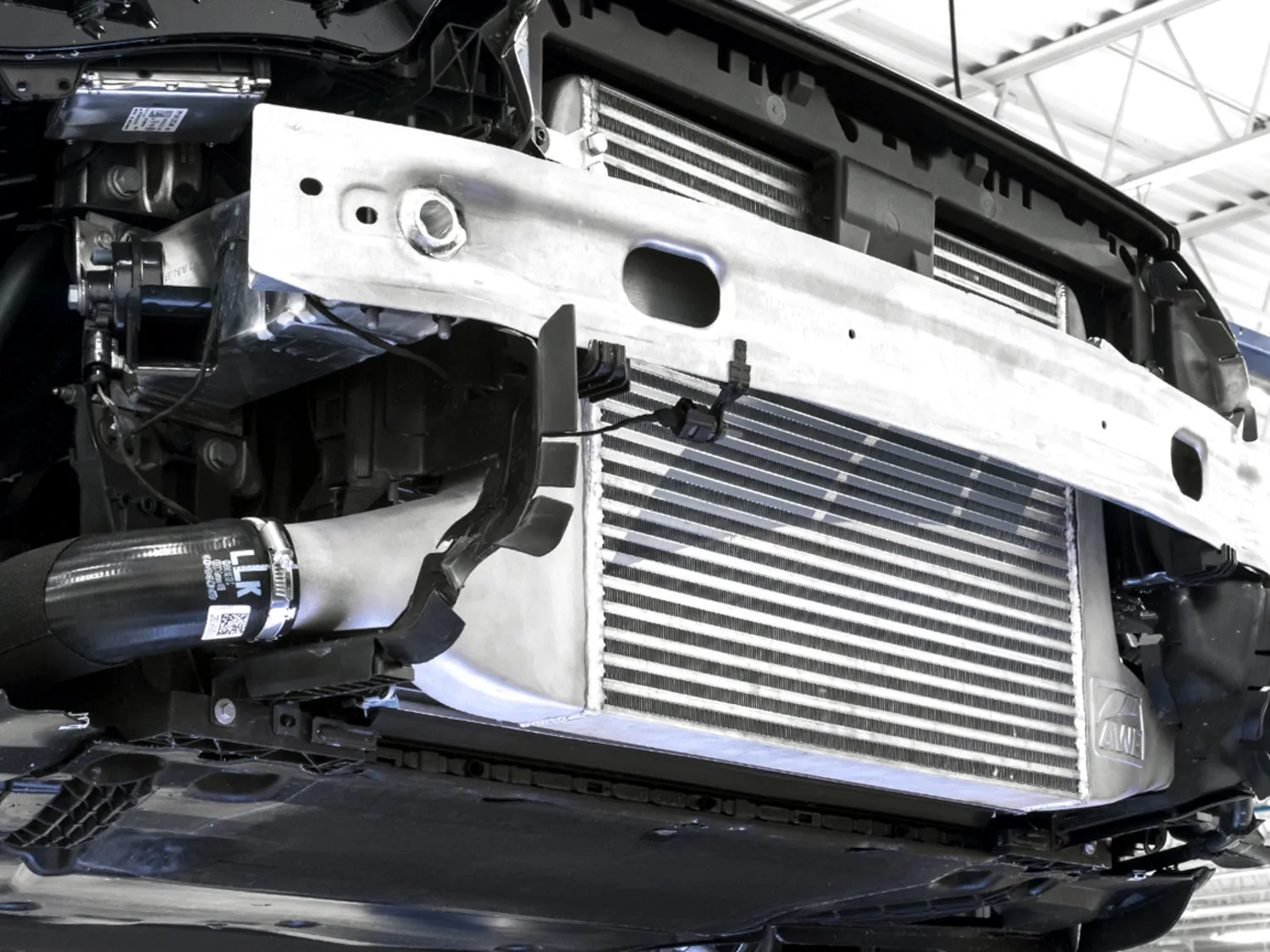
Compressed air leaving a turbocharger becomes hot. Hot air carries less oxygen, which reduces efficiency and increases the risk of detonation. Intercoolers cool the compressed air before it enters the engine. When the intercooler system performs properly, it lowers intake temperatures and supports stable combustion.
Sport sedans such as the Audi S4 3.0T rely on efficient charge air cooling to maintain consistent performance. Any restriction or leak in the intercooler system can raise intake temperatures. Higher temperatures force the turbo to work harder to achieve the desired boost levels. That extra workload contributes to heat buildup and mechanical wear.
Rubber hoses and couplers connect the turbocharger to the intercooler and then to the intake manifold. Those connections must remain secure and free from cracks. Oil residue around couplers may indicate a loose clamp or a small leak. Even minor pressure loss can affect boost control and increase strain on the turbo.
Road debris can also damage front-mounted intercoolers. Bent fins reduce airflow across the cooling surface. Periodic visual inspection helps ensure the core remains clean and unobstructed. Removing accumulated dirt and leaves restores airflow and improves heat dissipation.
Performance modifications sometimes include larger intercoolers. When installed correctly, upgraded components can reduce intake temperatures and improve efficiency. Proper fitment and secure mounting are essential to prevent vibration and leaks.
Stable intake air temperature supports engine reliability. By maintaining the intercooler system, drivers reduce thermal stress on the turbocharger. Cooler air allows the turbo to operate efficiently without excessive heat buildup, which promotes longer component life.

8. Pay Attention to Warning Signs and Boost Irregularities
Example: Mercedes AMG CLA 45
Subtle changes in performance often provide early clues about turbocharger health. Whistling sounds, delayed acceleration, or fluctuating boost levels may indicate developing issues. Ignoring those symptoms can allow minor concerns to grow into expensive repairs.
High-output vehicles such as the Mercedes AMG CLA 45 rely on precise boost control to deliver strong performance. Its turbocharged engine responds quickly when operating correctly. If acceleration feels weaker than usual or boost builds unevenly, inspection becomes necessary.
Faulty diverter valves, worn wastegate components, or small vacuum leaks can disrupt boost regulation. Dashboard warning lights should never be dismissed. Modern engine management systems monitor boost pressure, intake temperatures, and air-fuel ratios.
When sensors detect irregular readings, diagnostic trouble codes may appear. Prompt scanning and repair can prevent further damage. Unusual smoke from the exhaust also deserves attention. Blue smoke may signal oil entering the intake through worn turbo seals.
White or gray smoke could indicate other engine concerns that indirectly affect turbo performance. Any persistent change in exhaust appearance requires professional evaluation. Listening carefully during acceleration helps identify abnormal noises.
Grinding, rattling, or high-pitched whining beyond typical turbo sound may point to bearing wear or turbine damage. Addressing issues early often reduces repair costs and prevents catastrophic failure. A turbocharger communicates its condition through performance changes.
Staying alert to warning signs protects both engine and forced induction components. Swift action at the first sign of trouble helps maintain a consistent boost and dependable power delivery.

9. Use Quality Fuel and Keep the Combustion System Clean
Example: Honda Civic Type R
Fuel quality influences combustion temperature and engine efficiency. Turbocharged engines compress air, increasing cylinder pressure and heat inside each cylinder. Lower octane fuel can ignite prematurely under those demanding conditions, causing knock.
Persistent knocking raises internal temperatures and places stress on pistons, valves, head gaskets, and turbocharger components. Repeated detonation events may not always be immediately noticeable to the driver, yet the long-term effects can include damaged internals and reduced reliability.
High-performance models such as the Honda Civic Type R are engineered to operate with premium fuel for a reason. Higher octane fuel resists premature ignition, allowing the engine to run optimal ignition timing and maintain safe combustion under boost.
Engine control systems can adjust timing and reduce power when lower-grade fuel is used, but that adjustment often leads to reduced throttle response and increased exhaust heat. Running the recommended octane consistently helps maintain stable combustion and protects both the engine and turbocharger from unnecessary strain.
Fuel cleanliness matters just as much as octane rating. Carbon buildup inside intake valves and combustion chambers can disrupt airflow and create uneven burn patterns. When combustion becomes inconsistent, the turbocharger may need to work harder to reach target boost levels.
That added effort increases heat and rotational stress. Using high-quality fuel with proper detergent additives helps reduce deposit formation and maintain efficient airflow. Direct injection engines, common in modern turbocharged vehicles, are especially prone to intake valve deposits because fuel does not wash over the valves.
Periodic intake cleaning services can restore airflow and improve combustion stability. A clean combustion chamber allows the turbocharger to operate efficiently without compensating for airflow restrictions. Ignition components deserve attention as well.
Worn spark plugs or weak ignition coils can cause misfires under boost. Misfires send unburned fuel into the exhaust stream, raising temperatures and placing additional strain on the turbocharger. Replacing spark plugs at recommended intervals ensures strong spark energy and consistent combustion.
Clean fuel, proper octane, and healthy ignition components keep combustion temperatures controlled. Following manufacturer guidelines for fuel quality and service intervals supports dependable performance and extends turbocharger life.
Also Read: 8 Tips for Protecting Your Car Battery During Extreme Cold

10. Respect Factory Limits and Avoid Excessive Tuning
Example: Toyota GR Supra 3.0
Modern turbocharged engines respond well to performance tuning. Software recalibration can raise boost pressure and unlock additional horsepower. While increased output may feel exciting, a bigger boost also increases heat and internal stress. Exceeding factory specifications without supporting modifications can shorten turbocharger life.
Sports cars such as the Toyota GR Supra 3.0 offer strong performance from the factory. Engineers carefully match boost levels with fuel delivery, ignition timing, cooling capacity, and internal component strength. Each of these systems works together to maintain reliability under demanding conditions.
Raising boost beyond intended levels forces the turbocharger to spin faster and operate at higher temperatures. That additional strain affects bearings, seals, and turbine blades. Without upgraded cooling systems, reinforced pistons, stronger connecting rods, or improved fueling hardware, components may wear prematurely.
Aftermarket modifications require thoughtful planning rather than impulse decisions. Larger turbochargers, upgraded intercoolers, improved radiators, and high-flow fuel systems can support higher power levels when properly integrated. Skipping supporting upgrades while increasing boost places uneven stress on the engine.
Professional tuning plays a vital role in protecting the turbocharger. A calibrated tune that monitors air fuel ratios, knock activity, and exhaust gas temperatures helps maintain safe operating conditions. Generic software files that raise boost without precise adjustments may create lean conditions or excessive heat.
Driving habits also influence turbo health after tuning. Constant wide-open throttle operation keeps exhaust temperatures elevated for extended periods. Short bursts of acceleration followed by moderate cruising allow temperatures to stabilize. Monitoring gauges such as boost pressure and oil temperature provides additional awareness of engine stress.
Factory engineers build in safety margins to balance performance and longevity. Respecting those boundaries or upgrading components responsibly preserves reliability. Thoughtful tuning decisions allow drivers to enjoy stronger acceleration while protecting the turbocharger from unnecessary wear.
