Understanding how much a car will truly cost beyond its sticker price is a skill every responsible buyer should have. When a person purchases a vehicle, the expenses extend far beyond the initial payment. Fuel, insurance, repairs, maintenance, depreciation, and taxes all add up quickly.
People who plan responsibly choose vehicles where these ongoing costs remain manageable. This practice protects savings, reduces financial stress, and allows drivers to allocate resources toward other long‑term goals.
A car that retains value and requires fewer repairs can save significant amounts over time. Choosing a vehicle with a reputation for durability becomes essential for anyone who wants financial peace of mind.
Selecting a car based on total cost of ownership means weighing multiple factors together instead of focusing on only one. Some vehicles are inexpensive to buy but costly to maintain. Others have higher purchase prices yet deliver consistent reliability for years with fewer parts failing unexpectedly.
A balanced evaluation looks at average repair bills, typical fuel economy, annual depreciation, and how well a car holds value after multiple years of use.
Cars with lower costs often benefit from widely available components, strong aftermarket support, and widespread manufacturer networks. In some cases, hybrid or electric alternatives can also outperform traditional engines because they require less frequent routine maintenance.
Consumers have become increasingly aware that long‑term ownership costs are not uniform across the industry. Compact cars usually enjoy lower fuel expenses, while midsize vehicles may blend comfort with economy. Efficiency in design and engineering can influence repair frequency and outlays.
Model longevity and consistent performance in second‑hand markets are also important. Cars that appeal to many buyers secondhand typically experience slower depreciation.
Consequently, owners may recoup more value when they decide to sell or trade in. The idea is not simply to buy cheap vehicles but instead to invest in the option that burdens the budget the least over a span of years.
Insurance costs vary by model and driver profile, but vehicles with strong safety features often qualify for lower premiums. Automatic systems that prevent collisions, advanced braking technology, and manufacturer safety ratings all influence recurring expenses.
Drivers should also consider average fuel costs, since variations in mileage performance can amount to thousands of additional currency units across thousands of kilometers. For families or professionals who depend on their car daily, these decisions carry even greater importance.
When paired with smart driving habits and timely maintenance, a low‑cost car can transform a major purchase into a reliable partner over time. The following sections examine ten vehicles recognized in many communities for combining practicality, durability, and ongoing affordability in real use conditions.
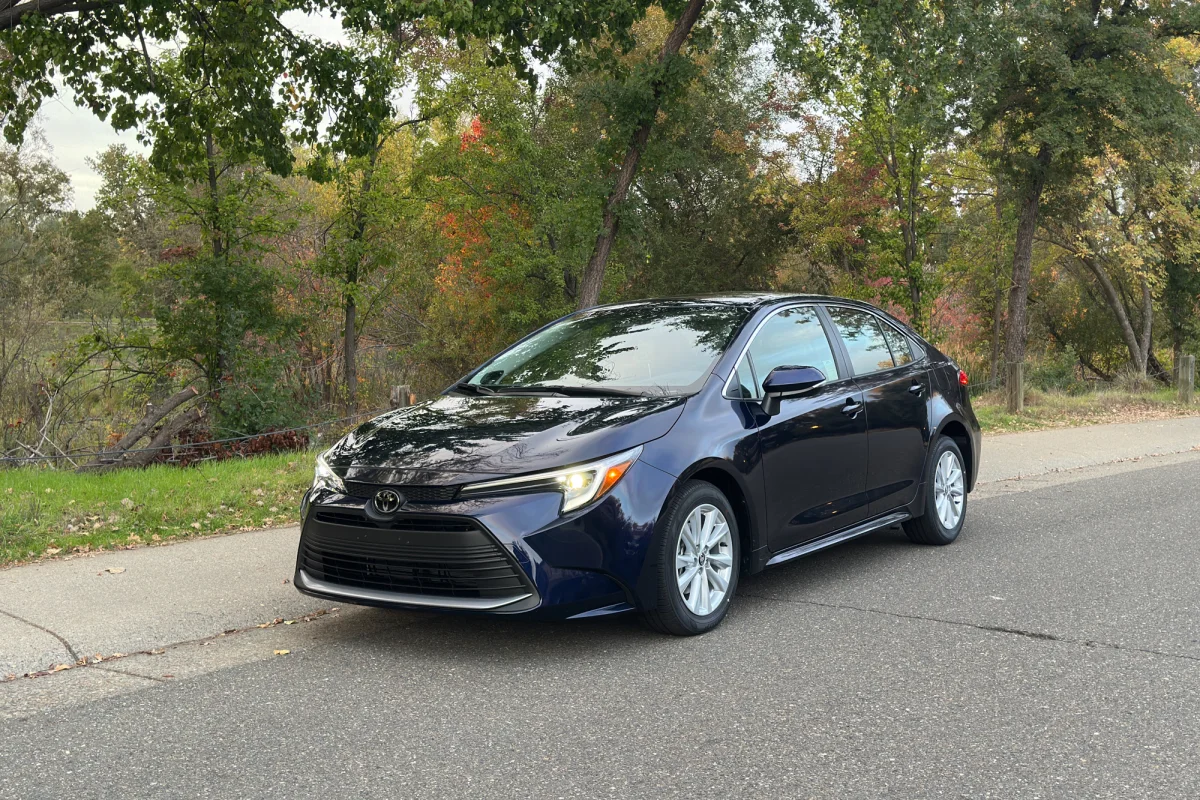
1. Toyota Corolla (Compact Sedan)
The Toyota Corolla has long been favored for its reliability and low operating costs. Drivers report that parts are affordable and repairs occur infrequently compared to some competitors. Fuel economy remains strong year after year, helping owners stretch every tank further. Insurance costs also tend to decline because the Corolla has a broad safety reputation.
Routine maintenance for this model requires attention to schedule but rarely surprises owners with large bills. Standard components are easy for technicians to access, so labor charges remain fair at most workshops.
When used on highways or city streets, the Corolla adapts well to different demands with minimal stress on mechanical parts. The design focuses on simplicity and endurance, which keeps unpredictable costs low.
Resale values for this car are stable thanks to a large market of buyers seeking trusted vehicles. People entering or exiting the used car market regularly include this model because it holds mileage well.
The predictable performance narrative builds confidence among new purchasers and repeat drivers alike. Depreciation still occurs, but at a slower rate compared to many other compact cars.
Fuel efficiency in this sedan averages favorable ratings under typical conditions, balancing urban traffic and long trips. Drivers who maintain moderate speeds and keep up with recommended services often see even better outcomes.
The combination of refined engineering and attention to core driving needs contributes to reduced expenditures. The ownership experience therefore aligns with cautious budgeting and steady performance.
The Toyota Corolla earns its position through dependable engineering, sensible design priorities, and a history of dependable use. Owners seldom express regret over choosing this vehicle when considering five years of operation.
Peace of mind and predictable outlays make it appealing for cost‑conscious drivers. This example showcases how measured design choices can lead to long‑term satisfaction.
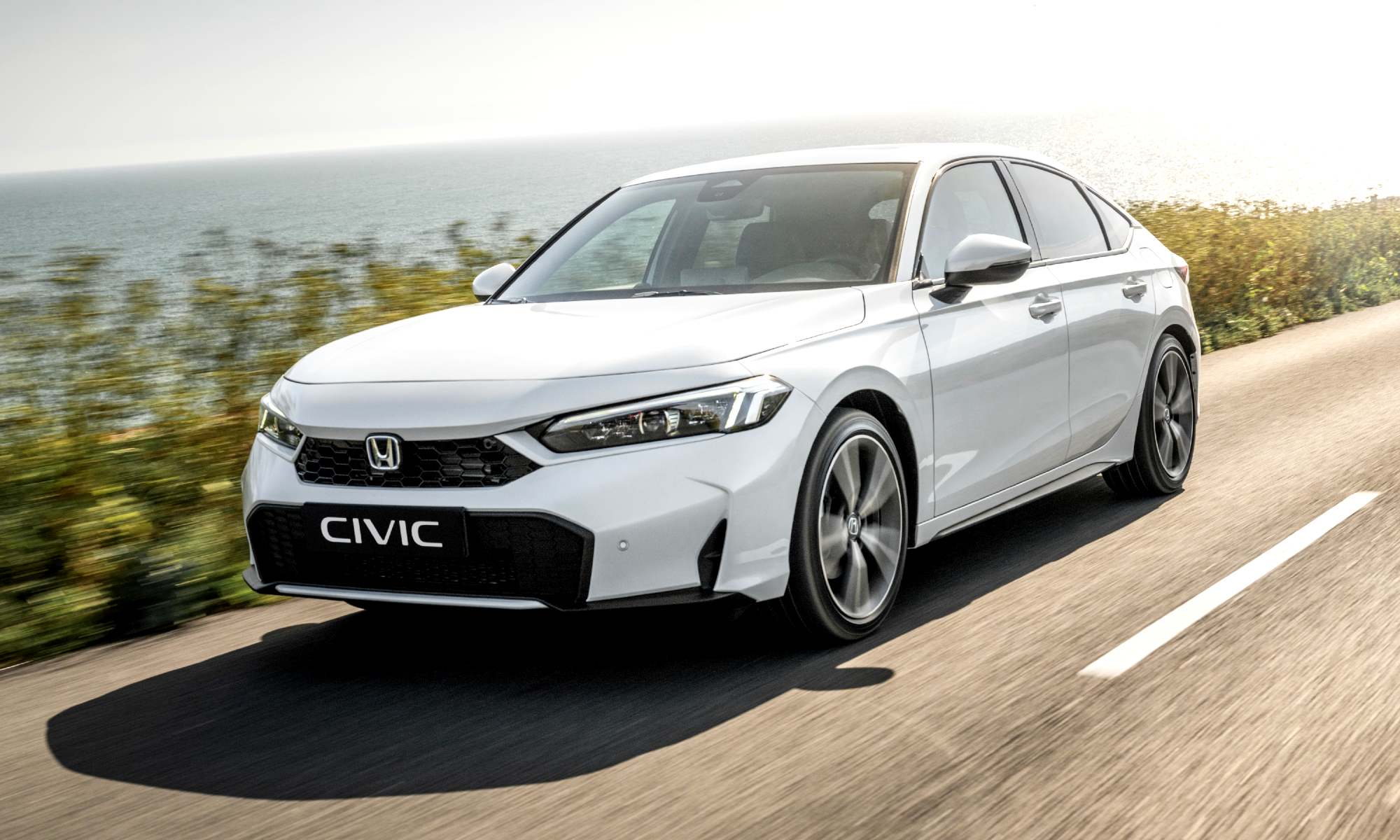
2. Honda Civic (Compact Car)
The Honda Civic remains one of the most respected vehicles in its class. Many drivers find that this car balances performance and economy without excessive maintenance. In five‑year spans, recurring expenses often fall below industry averages. Parts availability and widespread familiarity among mechanics keep service costs controlled.
Insurance rates for this model typically reflect its strong safety credentials and appeal in the market. Premiums may be lower for safe drivers who choose trim levels with additional protection features.
Fuel consumption is also a major advantage, responding well to both highway and inner‑city use. The Civic blends reliability with lively performance while minimizing unexpected financial burdens.
Depreciation for this vehicle is tempered by high demand in both new and used markets. Individuals who later sell find that appealing features attract buyers, preserving value. The structure of this car means that even older examples remain competitive in auctions and dealer listings. Such trends help owners recoup more of their investment after half a decade.
Owners appreciate the balance of technological refinement and straightforward maintenance. Regular servicing intervals fit comfortably into most budgets, and serious issues are rare when routine care is observed.
The design of components targets durability rather than novelty, which contributes to lower long‑term costs. Engines and transmissions have long histories of enduring extended usage without frequent overhauls.
Customer satisfaction with this model is consistently high when measured over extended time periods. Owners testify that the Civic remains comfortable, economical, and resilient when traveled extensively. These factors combine to make the car a dependable choice for people who want to manage expenses responsibly without feeling constrained by limited features.
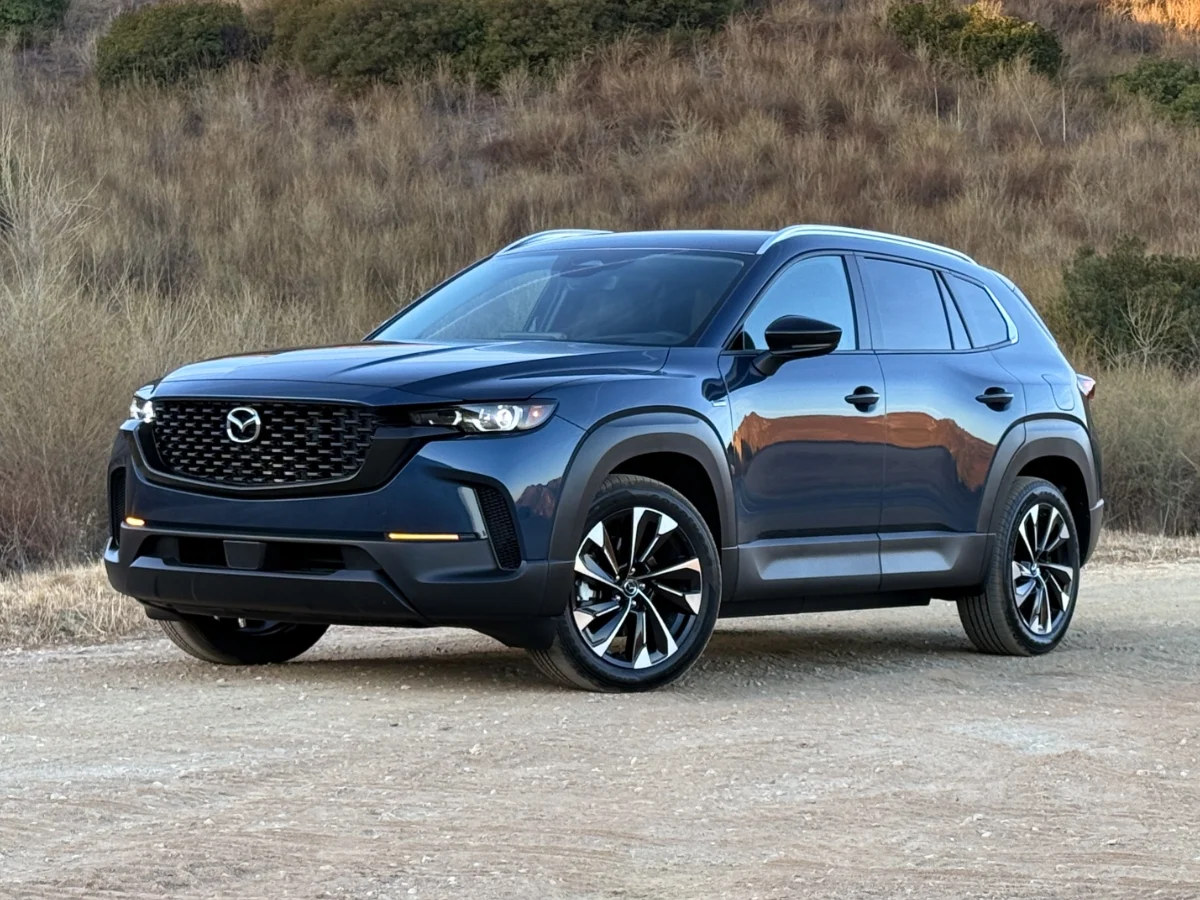
3. Mazda CX‑5 (Compact SUV)
The Mazda CX‑5 offers an appealing blend of utility and restraint in operating costs. Its engineering emphasizes efficiency and responsive driving dynamics, yet expenses beyond purchase often stay within reach.
Owners find that routine service intervals are manageable and that common repairs are not frequent. Fuel economy stands out among compact SUVs when compared with larger trucks that demand more frequent stops at fuel stations.
Insurance expenses for this crossover model align with moderate expectations given its class and safety honors. Providers often factor in strong crash avoidance ratings and occupant protection features.
These aspects contribute to fewer costly claims, stabilizing insurance premiums over time. The design ethos focuses on maximizing the value of each feature without introducing unnecessary complexity.
Depreciation patterns for the CX‑5 remain favorable because demand persists in the used market. Families and commuters like that the vehicle offers space without penalizing fuel costs.
Secondhand buyers often prioritize well‑maintained examples of this model, which supports resale value. This reduces the effective ownership cost when owners decide to move on after several years.
Mazda’s reputation for precise engineering and solid parts availability helps maintain fair repair bills. Most technicians understand the build thoroughly, making diagnostic and replacement work efficient.
Owners who adhere to recommended maintenance schedules experience fewer surprises and maintain strong confidence in continued performance. The experience blends capability with economic sensibility.
Day to day use reinforces why this model finds favor among budget‑minded buyers who also demand comfort. The balance between performance, fuel efficiency, and maintenance predictability makes it a credible choice for those assessing five‑year expenses. While no car is free of all cost, the Mazda CX‑5 provides realistic expectations and reliable service.
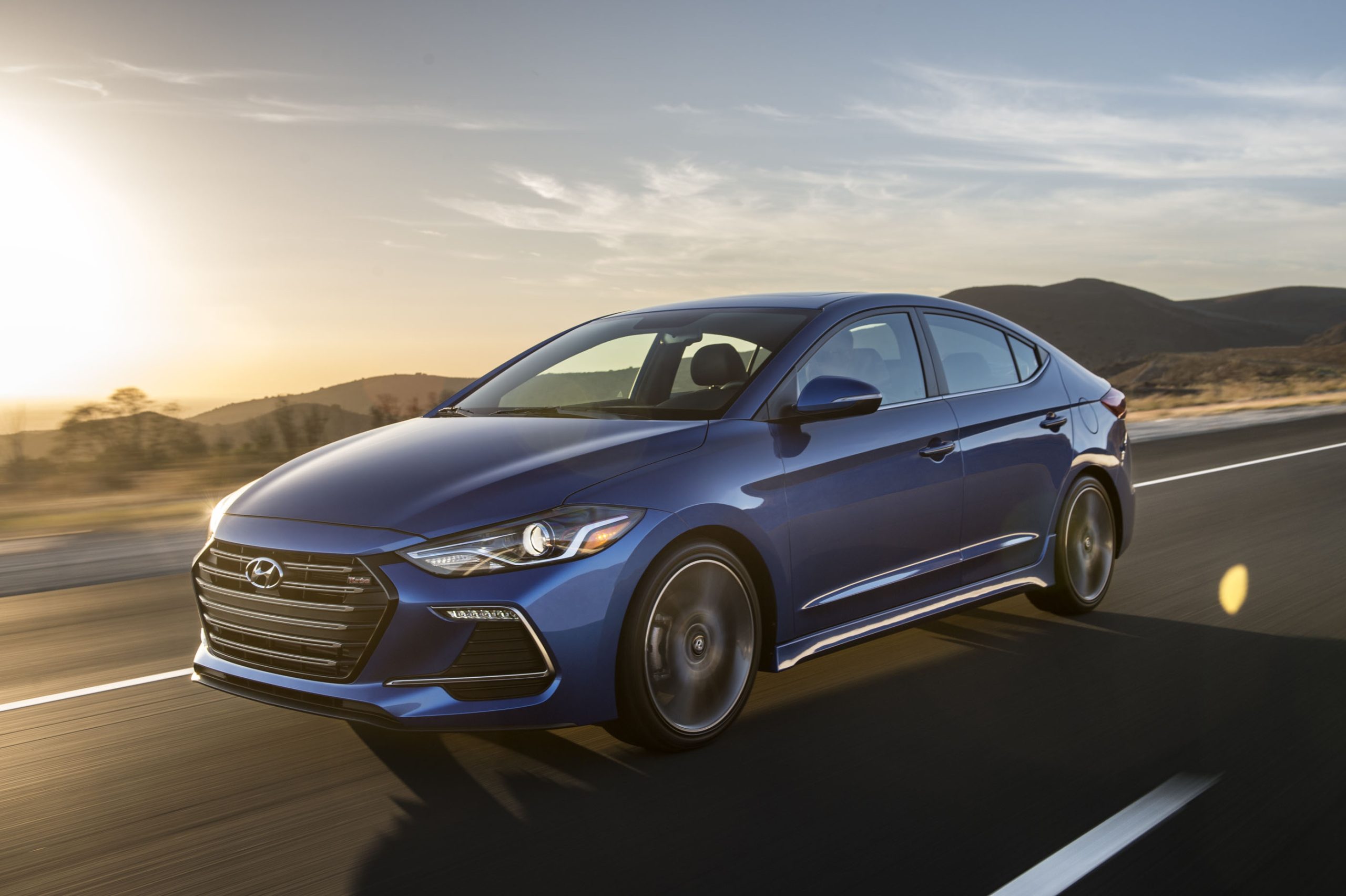
4. Hyundai Elantra (Compact Sedan)
The Hyundai Elantra has earned attention as a compact sedan that combines affordability with reasonable operating costs. Many drivers choose this model because it strikes a balance between initial investment and manageable ongoing expenses.
The design incorporates accessible technology without burdening owners with complex systems that often generate costly repairs. Fuel economy remains competitive within its category, giving drivers a comfortable blend of performance and efficiency.
Insurance costs for the Elantra typically track with its segment norms. Safety features integrated into this model mitigate risk factors that influence premium hikes. Drivers who maintain clean records and select safety options are usually rewarded with favorable rates. This aspect contributes to predictable annual costs and fewer surprises when policy renewals arrive.
Depreciation for the Elantra is softened by demand from a variety of drivers looking for reliable city cars. Its wide appeal means that secondhand shoppers continue to value this sedan among used fleets.
Resale value plays a significant role in total cost of ownership, as owners can recover more of their investment when they decide to transition to another vehicle. Depreciation impacts vary by region but remain positive.
Routine maintenance tasks on this sedan are straightforward for most service centers. Common repairs, when necessary, are priced in line with expectations for compact sedans.
Components are easy to source, and the network of Hyundai‑certified centers supports efficient servicing. Owners who follow recommended intervals for oil changes, brake checks, and coolant services tend to enjoy smoother experiences.
Driver reviews emphasize comfort and simplicity alongside economic operation. While the Elantra may not lead in every performance category, it offers stability and peace of mind regarding predictable expenses. The result is a vehicle that represents sensible choices for people focusing on long‑term affordability without overextending household budgets.
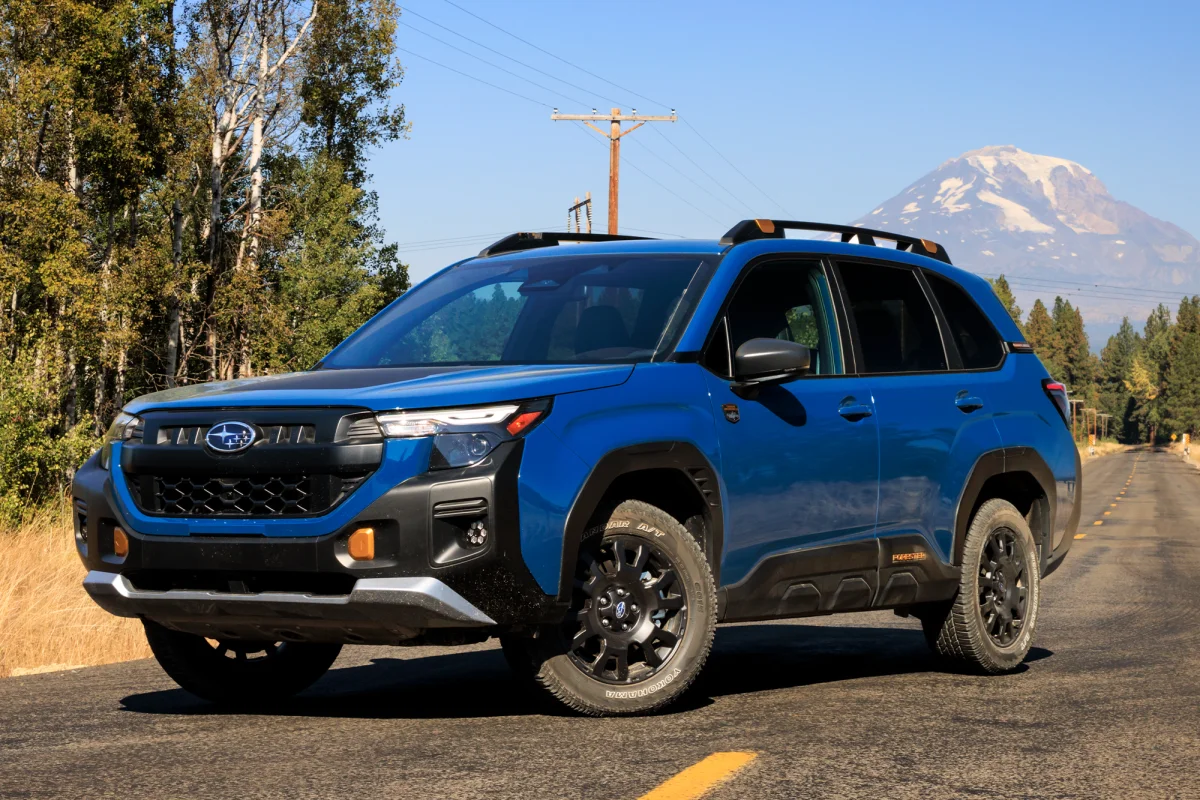
5. Subaru Forester (Compact SUV)
The Subaru Forester stands out in the compact SUV segment for its blend of functionality and long‑term value. Drivers appreciate its all‑weather capabilities, especially in markets with diverse conditions.
While fuel economy may not match smaller sedans, the utility and safety features often justify the slight difference in consumption. Owners planning ahead for five years of usage say that the Forester’s consistent performance helps control unexpected outlays.
Insurance rates reflect the strong safety scores and rugged build of this vehicle. Providers often view its features as risk‑reducing, which helps balance premiums relative to other SUVs.
The symmetrical all‑wheel‑drive system enhances traction and stability, contributing to safer journeys and fewer claimable incidents. These aspects make it attractive for drivers who need dependability across seasons.
Depreciation rates for the Forester remain competitive, thanks to consistent demand in both new and used markets. The model has a reputation for longevity, which can translate to stronger resale figures after several years.
Buyers looking for used SUVs know that a well‑maintained Forester often outperforms rivals in value retention. This dynamic helps lower the perceived cost of ownership over time.
Maintenance on this SUV requires regular attention to scheduled service tasks, yet serious repairs are infrequent when care standards are observed.
Technicians trained in Subaru systems handle common jobs efficiently, and parts are widely available. Owners praise how the design balances practicality with durability rather than leaning toward overly complex systems that could cause recurring issues.
Many find that the Forester’s space, comfort, and adaptability contribute to a positive ownership experience. While expenses such as fuel and tires weigh into the totals, the combined benefits of safety, resale strength, and predictable servicing help moderate the total cost over five years. For drivers seeking a robust SUV without burdensome ongoing expenses, this model remains a solid contender.

6. Kia Soul (Compact Crossover)
The Kia Soul is recognized for its practicality and modest ownership costs. Its boxy design offers surprising interior space, making it appealing for city driving and daily errands.
Fuel consumption is reasonable, even for a crossover, and owners often note that it achieves better than expected mileage under normal driving conditions. Repair frequency tends to be low, which helps keep monthly budgets consistent and predictable.
Insurance costs for the Soul are generally moderate, benefiting from strong safety ratings and predictable driving performance. Insurers recognize its size and structure as reducing risk compared with larger SUVs or performance vehicles. Choosing models with standard safety packages often results in further savings, supporting affordability over a five‑year period.
Depreciation on the Soul is steady, reflecting continued interest from a broad range of buyers. Its distinct appearance and utility make it attractive in the used market, helping owners recover a greater portion of their initial investment. Popularity among urban drivers reinforces the model’s resale strength and provides reassurance that ownership won’t erode value quickly.
Maintenance routines are straightforward and widely supported by Kia service centers. Parts are affordable and readily available, while labor costs remain reasonable due to the simplicity of the mechanical layout. Drivers who follow the recommended service schedule usually avoid unexpected bills, contributing to a low cost of ownership over time.
The Soul’s versatility and reliability make it appealing for people seeking a balance between utility and economics. Its combination of fuel efficiency, moderate insurance rates, and maintenance predictability ensures that a five‑year ownership cycle remains financially manageable. For buyers prioritizing long-term value, this model demonstrates how careful design can produce consistently favorable outcomes.
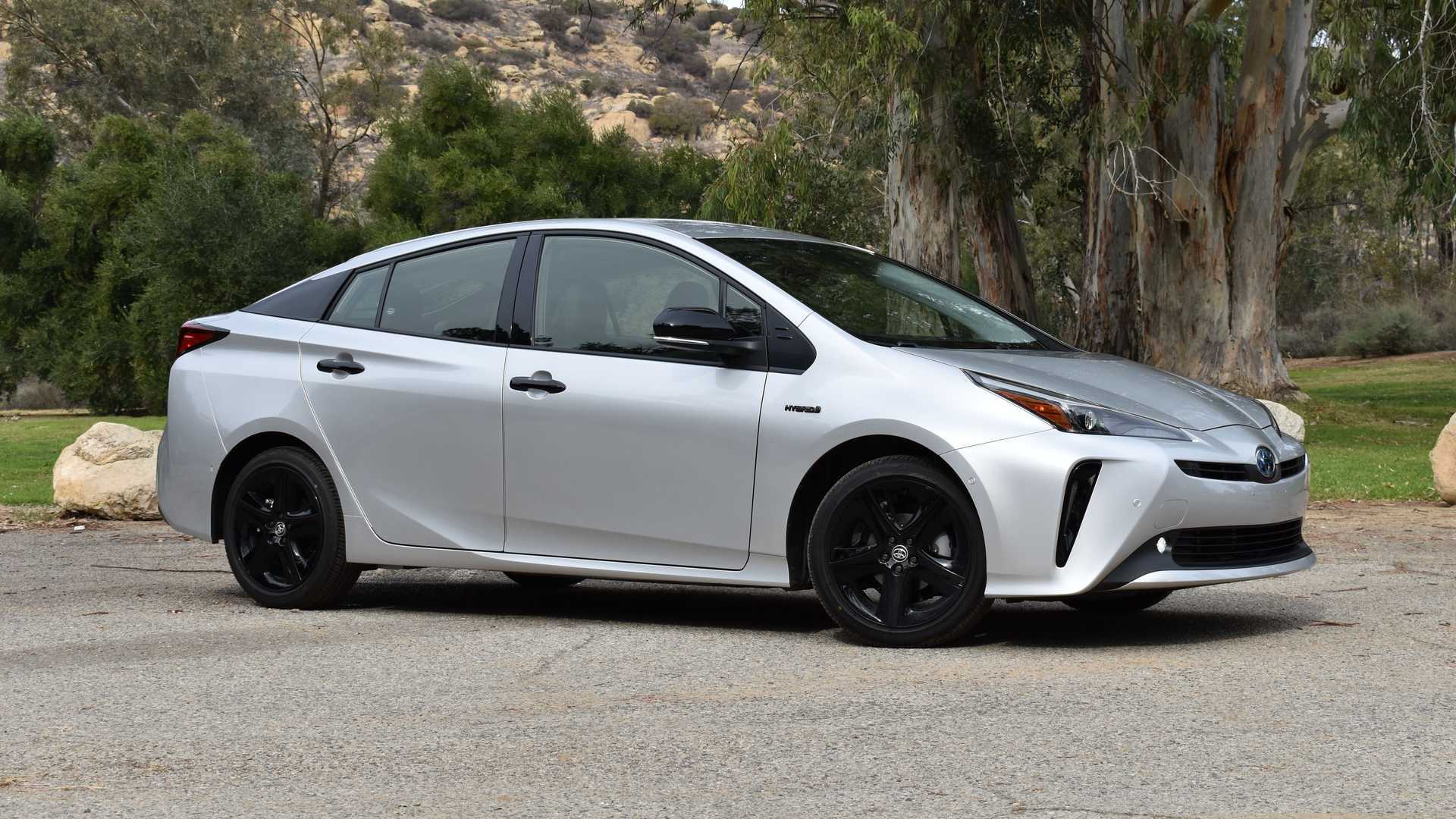
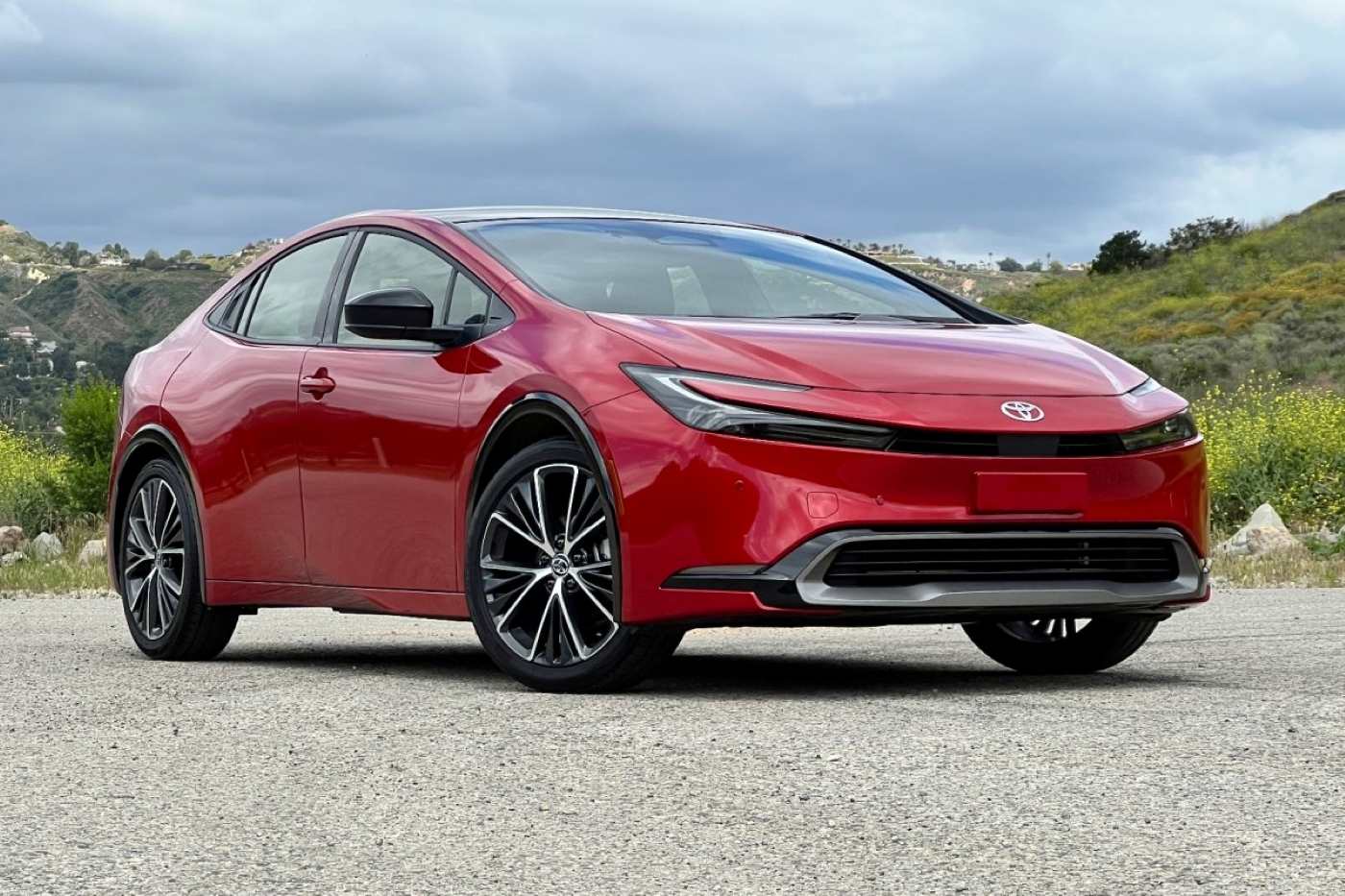
7. Toyota Prius (Hybrid Sedan)
The Toyota Prius has been a standout for drivers focused on fuel economy and low operating costs. Its hybrid powertrain reduces gasoline consumption dramatically, particularly for drivers in urban environments.
Owners report that the engine and battery systems are durable, requiring fewer unexpected repairs than comparable hybrid models. This combination of efficiency and reliability contributes significantly to affordability.
Insurance rates for the Prius are often competitive due to the vehicle’s safety profile and moderate power output. Insurers consider its modest performance and reputation for low-risk driving behavior when setting premiums. Drivers benefit from these lower annual costs, adding further to its reputation as a cost-effective choice.
Depreciation for the Prius is mitigated by strong demand among environmentally conscious buyers. Hybrid vehicles retain interest in the resale market, helping owners recoup value faster than typical gasoline-only sedans. Buyers know the car provides long-term efficiency, which encourages continued sales and a stable used-car market.
Maintenance is straightforward, with Toyota offering extensive dealer support and widely available replacement parts. Routine servicing, including hybrid system checks, tends to be predictable in cost. Drivers adhering to manufacturer schedules experience fewer surprises and maintain optimal vehicle performance throughout ownership.
The Prius demonstrates that prioritizing efficiency can translate into tangible financial benefits. Its low fuel costs, reasonable insurance, and predictable maintenance form a package that is especially attractive to buyers planning for a five-year ownership horizon. This sedan exemplifies how technology and reliability intersect to reduce long-term expenses.
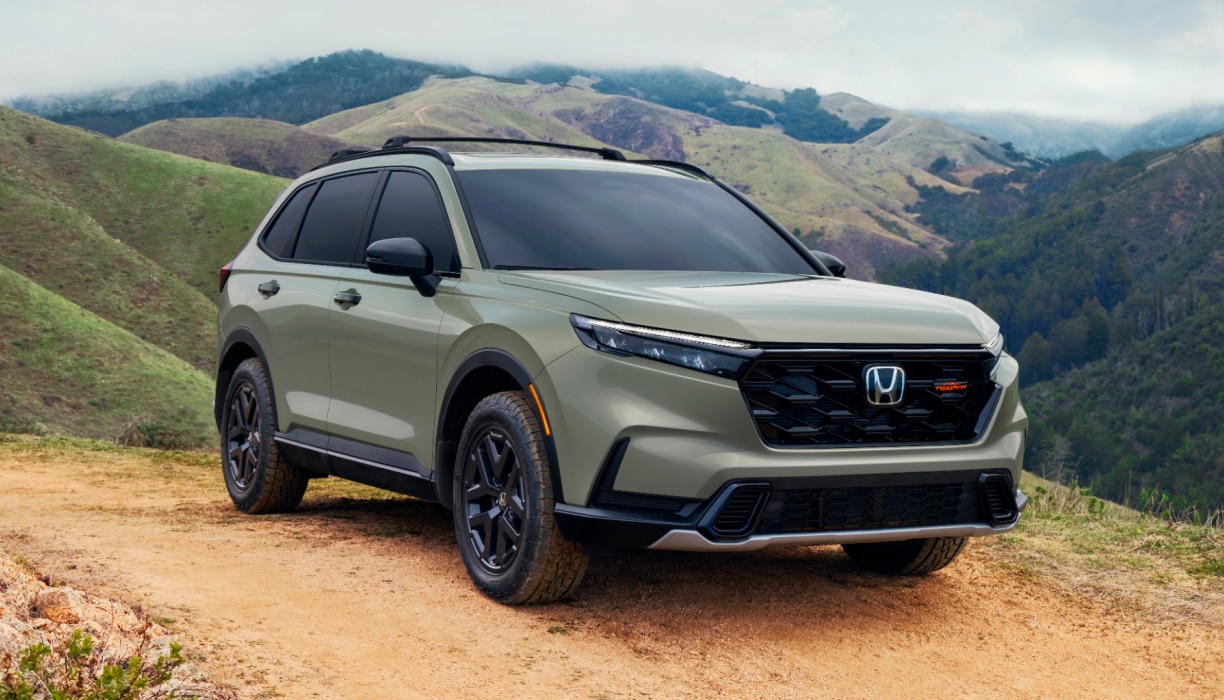
8. Honda CR-V (Compact SUV)
The Honda CR-V is a popular choice for families and commuters who want reliability without excessive costs. Its combination of fuel efficiency, passenger comfort, and cargo space makes it highly practical.
Owners report that service intervals are predictable and major repairs are rare, contributing to a consistently manageable budget. The CR-V blends usability with long-term financial stability.
Insurance premiums are moderate for this SUV due to its solid safety features and moderate engine options. Providers recognize that fewer accidents occur with vehicles equipped with advanced driver assistance systems. Selecting models with higher safety packages can further reduce premiums, lowering costs for conscientious drivers.
Depreciation is reasonable, with used CR-Vs maintaining high demand across diverse markets. Buyers appreciate the balance of size, reliability, and long-term durability, ensuring that resale values remain attractive even after several years of use. The car’s reputation reinforces the perception of low ownership risk.
Routine maintenance is straightforward and widely supported by Honda’s dealer network. Replacement parts are affordable, and common repairs are well understood, helping drivers avoid unexpectedly high bills. The CR-V’s durable design emphasizes longevity, so owners typically experience smooth operation with minimal disruptions.
Many drivers find that the CR-V’s versatility extends beyond cost savings, providing ample space for daily needs and long trips. Its combination of fuel economy, manageable insurance, reliable mechanics, and strong resale value ensures that ownership costs remain predictable. This model is a strong example of a vehicle designed with long-term affordability in mind.
9. Ford F-150 (Full-Size Pickup Truck)
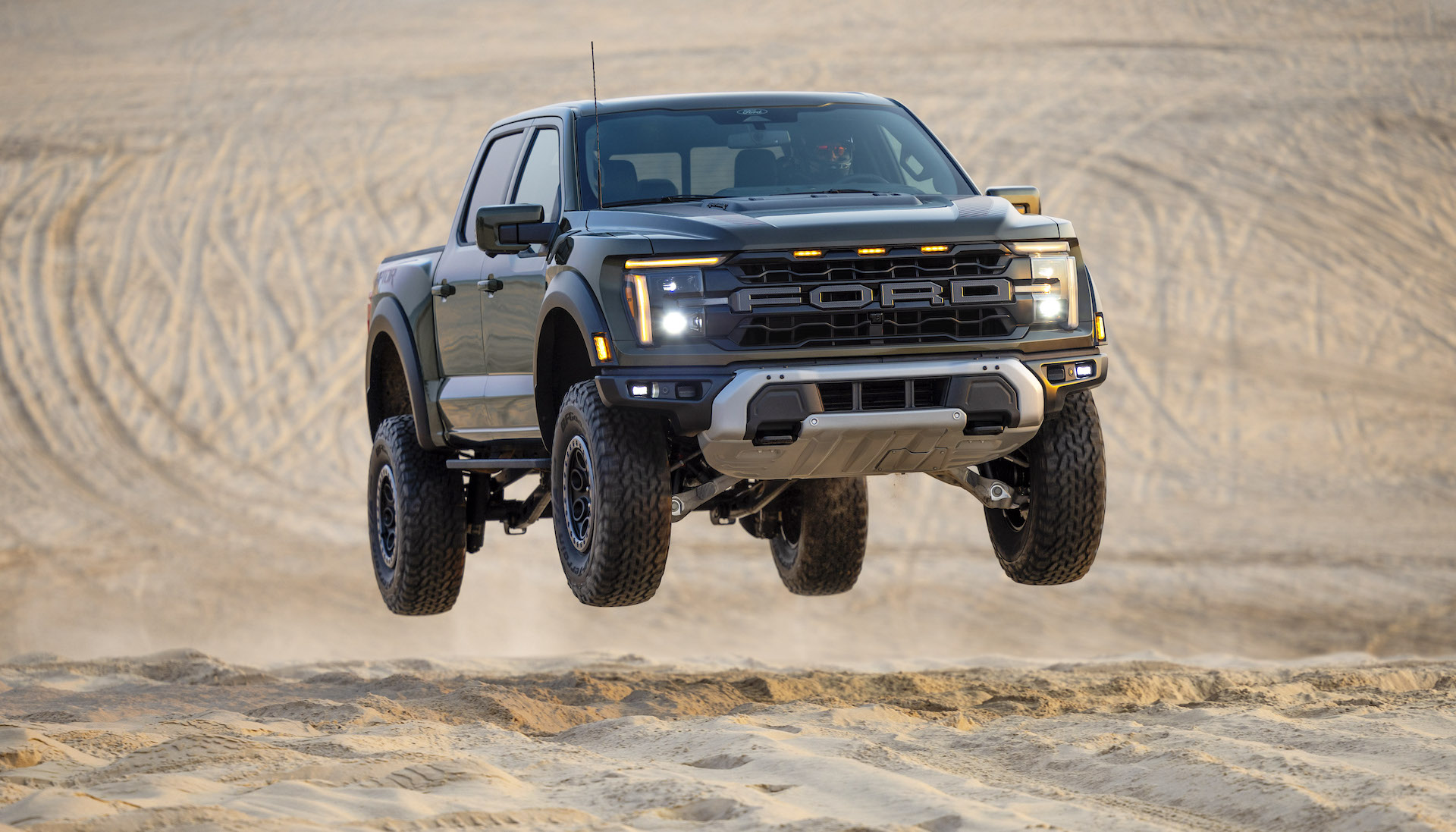
The Ford F-150 stands out among trucks for its blend of durability and efficient cost management. While larger than compact SUVs or sedans, careful selection of engine and trim can moderate fuel consumption. Owners praise its reliability under heavy workloads, noting that routine maintenance remains predictable and manageable. The F-150’s long-standing reputation ensures confidence in performance over several years.
Insurance premiums for this pickup are often higher than sedans but remain reasonable relative to class norms. Strong safety features and proven crashworthiness contribute to better risk assessment by insurers. Choosing trims with advanced safety systems can further reduce premium costs, improving affordability for careful drivers.
Depreciation is tempered by the F-150’s popularity in the used truck market. High demand among both commercial users and private owners keeps resale values stronger than typical full-size trucks. Buyers seeking durable pickups recognize this vehicle’s longevity, which helps offset the initial higher purchase price when calculated over five years.
Maintenance is supported by widespread availability of parts and a network of service centers familiar with the F-150. Common repairs and replacement items are cost-efficient, and many service providers can work on this model with minimal labor expense. Predictable maintenance helps owners avoid financial surprises.
Owners value the F-150 not only for durability but also for its capacity to handle demanding workloads. When combined with moderate insurance costs, manageable repair bills, and steady resale value, this truck provides a strong case for controlled long-term expenses. It demonstrates that even larger vehicles can remain financially practical with careful planning.
10. Chevrolet Bolt EV (Electric Vehicle)
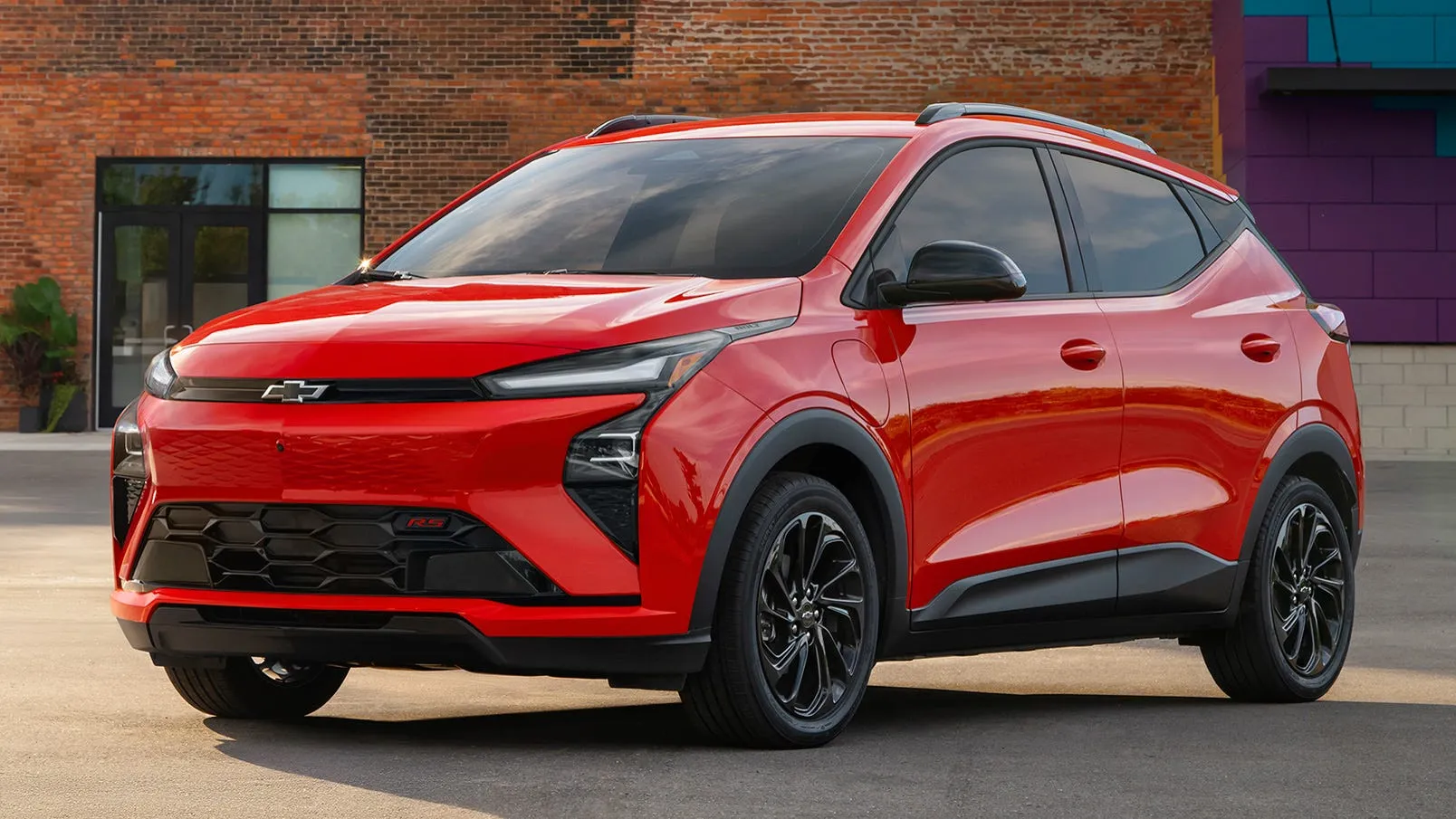
The Chevrolet Bolt EV represents an option for drivers focused on low operating costs and minimal maintenance. Electric motors reduce the need for traditional engine servicing, and electricity is generally cheaper than gasoline. Owners benefit from fewer moving parts, which reduces the likelihood of costly mechanical failures. The Bolt EV’s efficiency translates into significant savings over five years.
Insurance premiums for electric vehicles can vary, but the Bolt EV’s moderate size and safety features contribute to reasonable costs. Drivers often find that city and suburban coverage remains affordable, and incentives may apply depending on region. Lower ongoing fuel expenses complement the cost advantage.
Depreciation for the Bolt EV has been improving as interest in electric vehicles grows. Used EV buyers increasingly value reliable battery life and the latest safety features. While initial purchase prices are higher, the reduced cost of daily operation and strong resale potential help offset the upfront investment.
Maintenance is minimal compared to internal combustion vehicles. Routine checks for brakes, tires, and electronics are standard, and major repairs are rare. Electric drivetrain components are robust, and battery warranties typically cover significant time periods, giving owners reassurance over long-term costs.
Drivers appreciate the Bolt EV’s combination of urban efficiency, low maintenance, and predictable expenses. The savings on fuel, paired with reasonable insurance and low repair frequency, ensures that the five-year total cost of ownership remains attractive. This vehicle highlights how modern technology can provide a compelling financial case for ownership.