

Buying a used car can feel uncomfortable for a simple reason. Trust is never guaranteed. Shiny paint and a smooth test drive do not reveal what happened months or years earlier. Engine wear, suspension fatigue, hidden repairs, and incomplete service histories often stay out of sight.
Inspection reports are meant to solve this problem, yet not all brands treat transparency with the same seriousness. Some provide brief checklists that raise more questions than answers. Others commit to deep documentation that allows buyers to evaluate a vehicle with clarity and confidence.
Transparent inspection reports change the tone of the used car experience. Instead of relying on verbal assurances, buyers can review documented findings, test results, and repair actions in writing. Clear reporting also moves accountability back to the seller. When inspection standards are published and consistently applied, customers gain a reference point that helps them compare vehicles fairly.
Several automotive brands have built strong reputations around inspection openness, especially through certified pre-owned programs and structured resale processes.
These brands invest in standardized inspections, technician accountability, and customer access to inspection data. While no used vehicle comes without risk, detailed reporting reduces uncertainty and places control back in the hands of the buyer.
This page focuses on eight brands that stand out for how clearly they present used car inspection information. Each section highlights one brand and a specific model, explaining how inspection transparency works in practice and why it matters during ownership decisions. The goal is not to persuade with marketing language, but to provide practical clarity for buyers who value documentation as much as price.
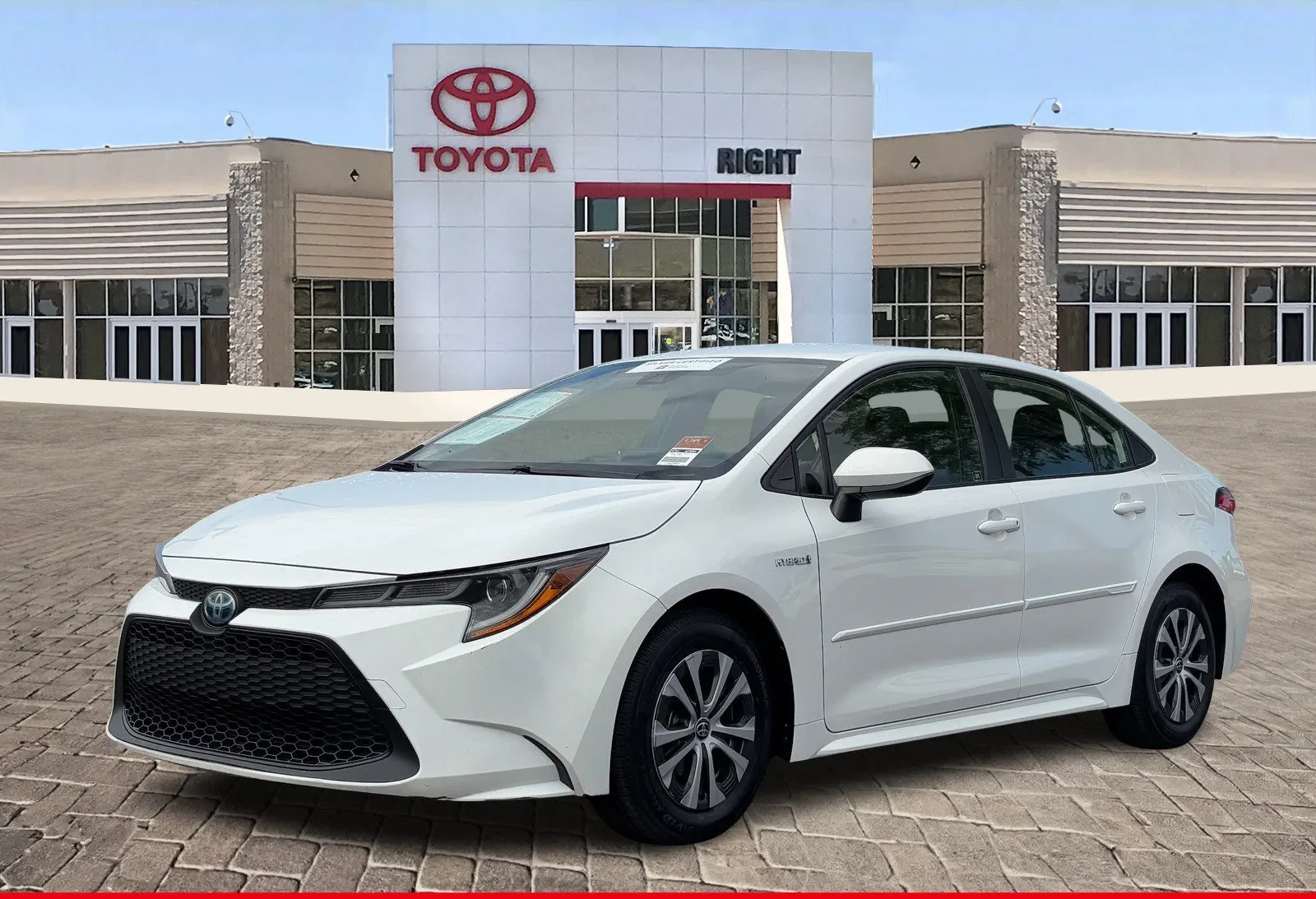
1. Toyota Certified Used Vehicles
Toyota Camry XSE V6
Clarity defines Toyota’s certified inspection process, especially when applied to a vehicle such as the Toyota Camry XSE V6. Toyota’s certification standards require a documented multi-point inspection performed by factory-trained technicians. Each inspection step is recorded and reviewed before certification approval.
Buyers receive a written checklist that covers powertrain condition, braking components, steering response, suspension wear, interior electronics, safety systems, and exterior integrity. Attention to mechanical condition receives priority during Camry certification. Engine performance testing includes diagnostic scans, idle stability checks, and road evaluation under load.
Transmission behavior is assessed during both low-speed and highway driving, with any abnormal move patterns flagged for repair. Brake system condition is documented with pad thickness measurements rather than general descriptions. Suspension components are visually inspected and tested for noise or instability during controlled driving scenarios.
Documentation transparency extends beyond mechanical systems. Interior inspection results list wear conditions for seats, switches, climate controls, and infotainment systems. Exterior reporting includes paint consistency, panel alignment, lighting operation, and windshield condition. Any cosmetic correction completed before certification is disclosed rather than concealed.
Toyota also includes vehicle history verification alongside inspection results. Title status, accident disclosures, and mileage consistency checks are included in the certification file. Buyers reviewing a used Camry XSE V6 can see which issues were found, which were corrected, and which areas met standards without intervention.
This level of openness supports long-term ownership planning. Clear inspection records help buyers anticipate future service needs rather than discover them unexpectedly. Toyota’s structured reporting approach turns the inspection process into a reference document instead of a sales formality, making it one of the most buyer-friendly certification systems in the used market.
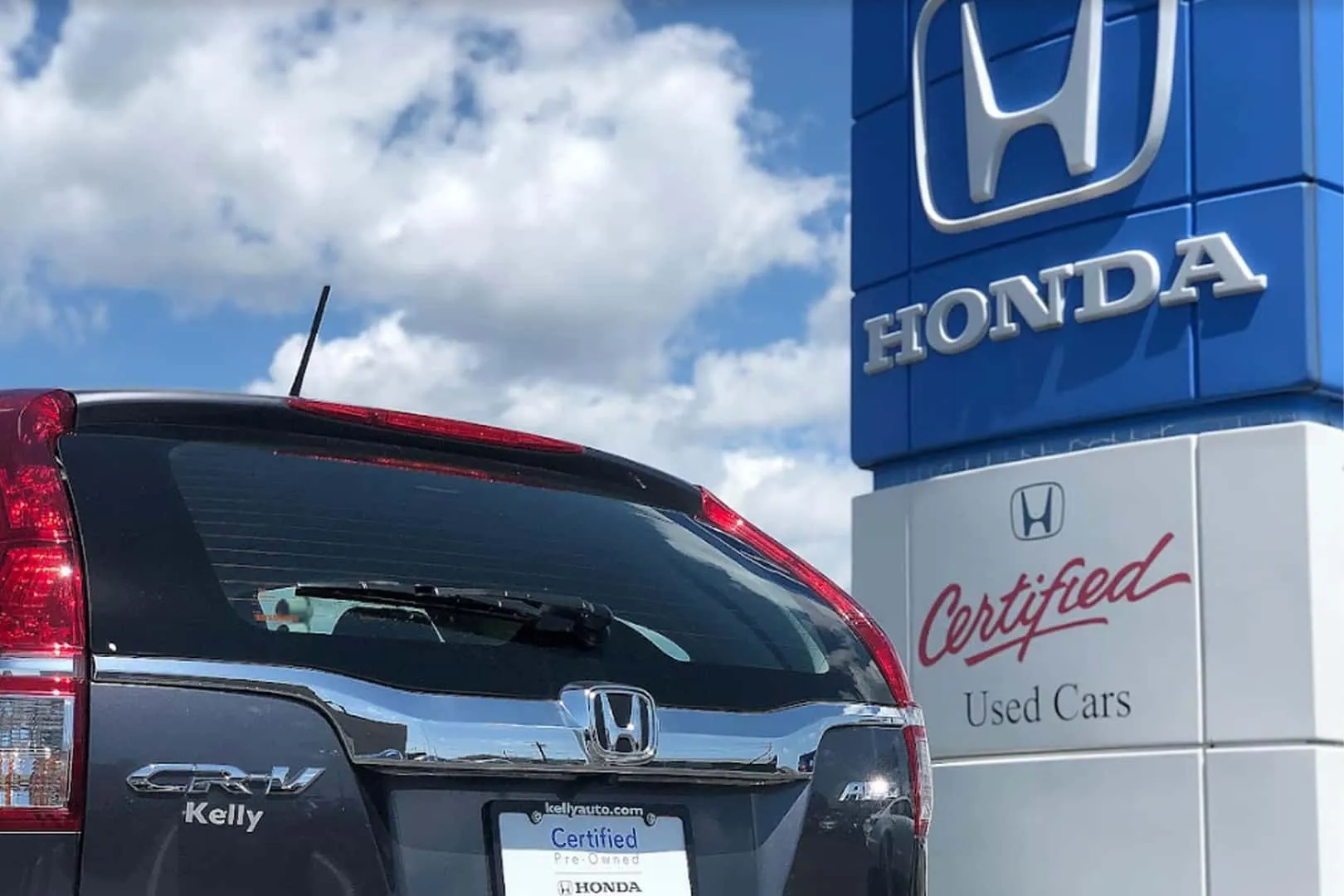
2. Honda Certified Pre-Owned
Honda Accord Touring 2.0T
Honda’s certified inspection framework emphasizes consistency, and the Honda Accord Touring 2.0T reflects how that system benefits buyers seeking detail. Certification requires a comprehensive inspection that follows a fixed checklist used across all authorized Honda dealers. Each inspection point demands verification rather than assumption, and documentation is retained as part of the vehicle’s certified record.
Powertrain evaluation begins with electronic diagnostics and extends into physical inspection. Turbocharger performance is verified under controlled driving conditions, ensuring boost delivery and throttle response remain within factory expectations. Transmission operation receives scrutiny, especially the move behavior during acceleration and deceleration. Any deviation from standard operation must be corrected before certification proceeds.
Chassis evaluation forms another major component. Steering alignment, suspension integrity, and braking performance are measured and recorded. Brake pad and rotor condition are logged with remaining service life estimates, offering buyers clear expectations rather than vague descriptions. Tire condition reporting includes tread depth measurements for each wheel instead of average assessments.
Interior inspection reporting separates functional evaluation from cosmetic condition. Audio systems, driver assistance features, climate controls, and digital displays are tested individually. Wear patterns on seating surfaces and controls are described accurately, allowing buyers to assess prior usage without surprises.
Honda also provides buyers with access to inspection summaries and warranty coverage details linked directly to the certified status. This documentation creates continuity between inspection results and post-purchase ownership support. The Accord Touring 2.0T benefits from this structure by presenting itself as a documented asset rather than a mystery purchase.
Transparency here does not rely on trust in brand reputation alone. Written verification, consistent inspection standards, and accessible documentation combine to reduce ambiguity, placing Honda among the brands that treat inspection disclosure as a responsibility rather than an optional courtesy.
Also Read: 10 Pro Tips That Keep a Chevy Camaro ZL1 Running Strong
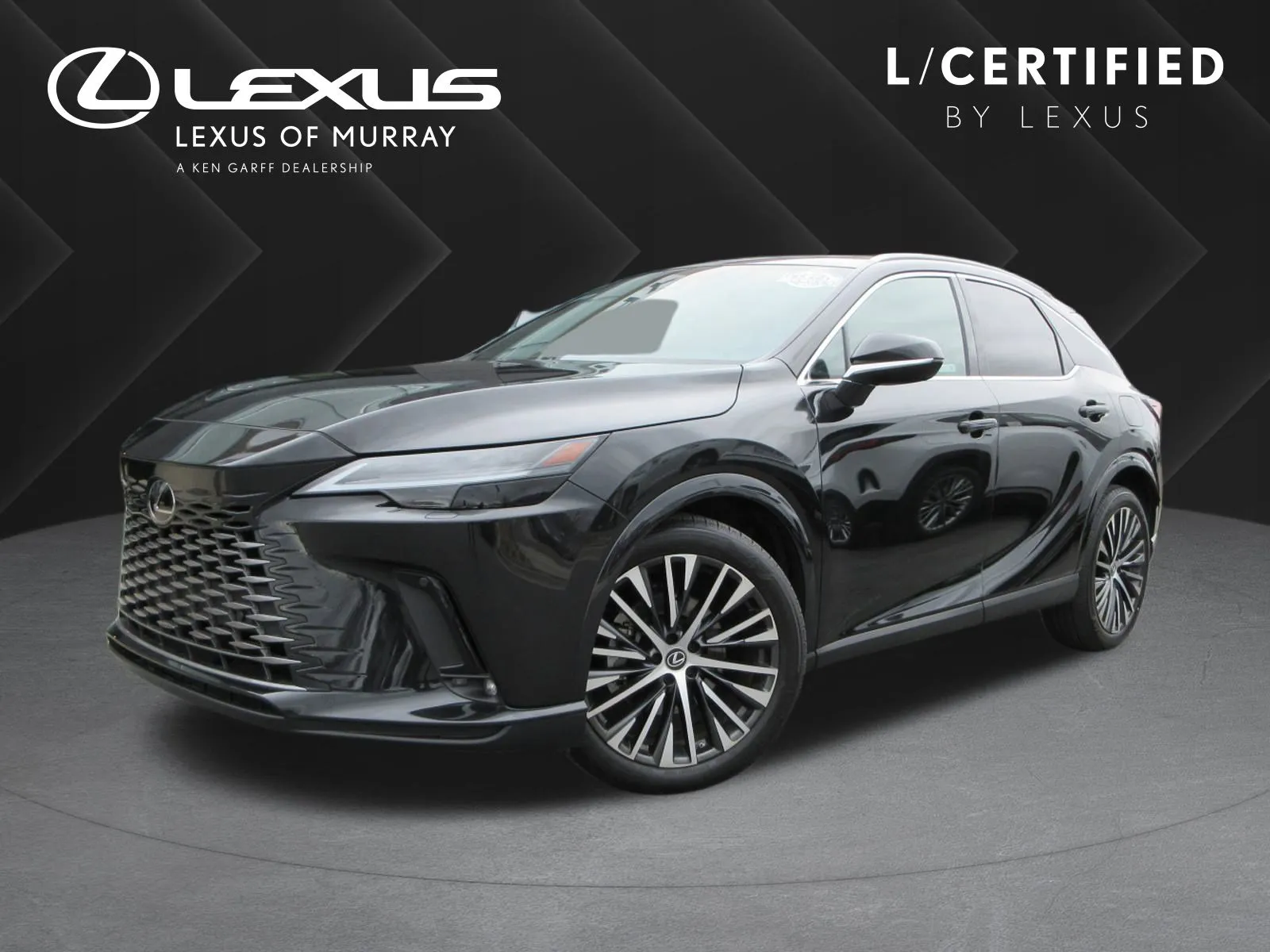
3. Lexus Certified
Lexus RX 350 F Sport
Precision defines the Lexus certified inspection process, and the Lexus RX 350 F Sport demonstrates how detailed reporting aligns with luxury expectations. Certification requires a rigorous inspection performed by Lexus-trained technicians who follow model-specific evaluation standards. Inspection documentation reflects that specialization, with detailed reporting tied directly to vehicle systems and performance benchmarks.
Mechanical inspection focuses on refinement as much as function. Engine smoothness, noise levels, and response consistency are evaluated during extended road testing. Transmission operation is assessed across multiple drive modes to verify seamless engagement. Suspension tuning and ride control receive close attention, particularly in F Sport configurations where handling characteristics differ from standard trims.
Inspection transparency includes advanced system verification. Driver assistance technologies, adaptive cruise control, lane support features, and collision avoidance systems are tested and logged individually. Results indicate both functional status and calibration accuracy. Buyers receive confirmation that these systems perform as designed rather than simply powering on.
Interior condition reporting reflects Lexus’ attention to detail. Leather surfaces, trim materials, and control interfaces are examined for wear consistency. Any refurbishment completed before certification is recorded rather than implied. Exterior inspection documentation includes paint quality, panel alignment, lighting performance, and wheel condition, with repair disclosures listed clearly.
Lexus pairs inspection reports with vehicle history validation and warranty documentation that extends beyond basic coverage. Buyers reviewing a certified RX 350 F Sport gain access to a cohesive record that explains the vehicle’s current condition and certified support structure.
This approach reduces the uncertainty often associated with luxury used vehicles. Transparent inspection reporting allows buyers to evaluate value based on documented facts rather than assumptions tied to brand image. Lexus maintains trust by showing its work, not by asking buyers to accept assurances without evidence.
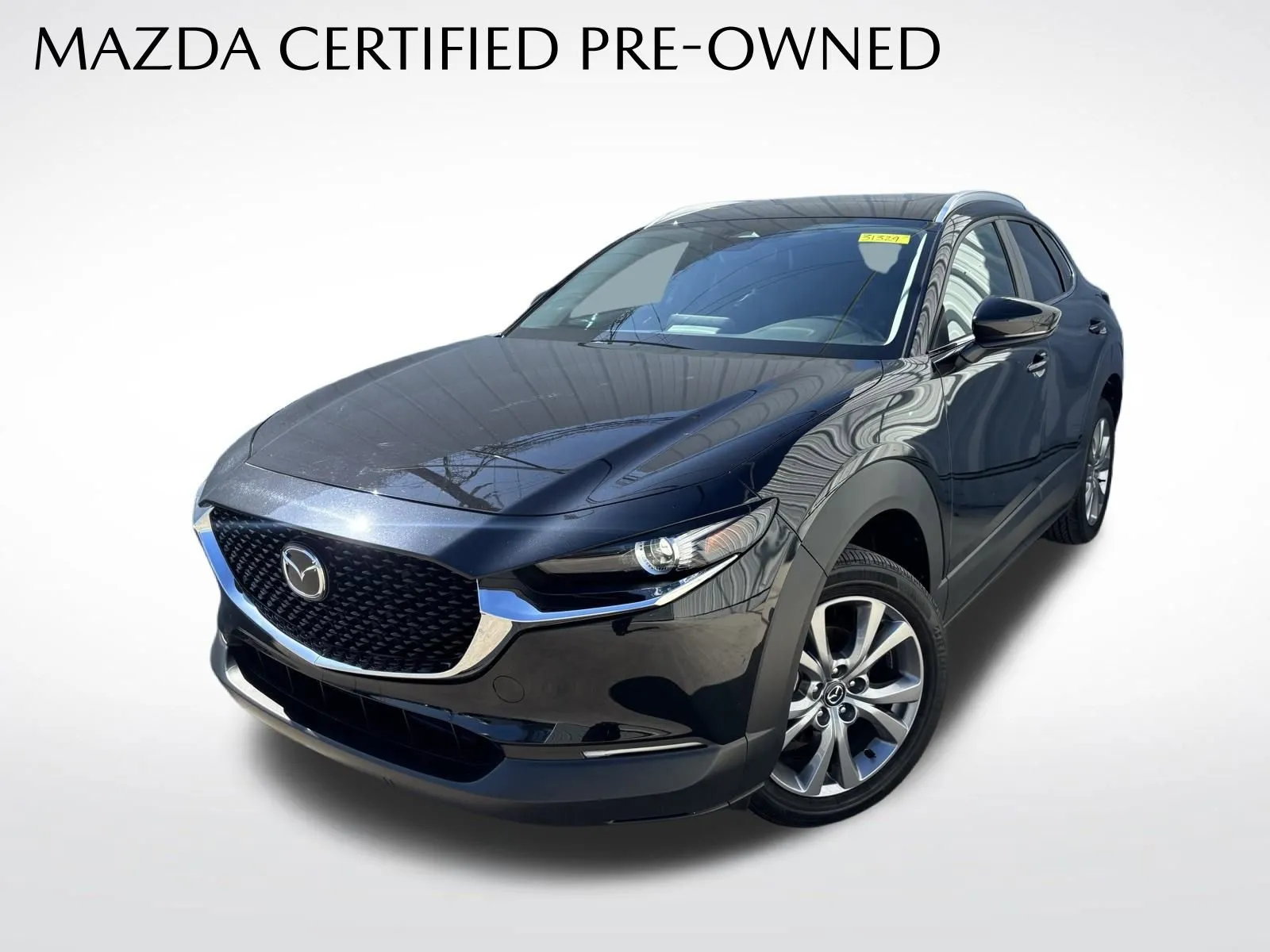
4. Mazda Certified Pre-Owned
Mazda CX 5 Turbo Signature
Mazda’s approach to certified inspections centers on communication clarity, and the Mazda CX 5 Turbo Signature highlights how structured reporting builds buyer confidence. Certification requires a detailed inspection that balances mechanical evaluation with practical ownership considerations. Each inspection step follows Mazda’s standardized checklist, and results are documented for buyer review.
Engine and drivetrain assessment begins with diagnostic scans followed by real world driving evaluation. Turbocharger response, throttle consistency, and transmission behavior are tested across varied conditions. Any deviation from factory performance standards requires correction before certification approval. Documentation specifies both the issue and the resolution performed.
Chassis and safety systems receive equal focus. Suspension condition, steering response, braking performance, and tire wear are evaluated and recorded with measurable criteria. Brake component life is documented in usable terms, offering buyers insight into upcoming service timelines.
Interior inspection reporting avoids general statements. Climate systems, infotainment interfaces, driver assistance features, and electrical components are tested individually. Cosmetic wear is described accurately rather than minimized, allowing buyers to understand prior usage patterns.
Mazda also integrates vehicle history reporting with inspection results, creating a unified document rather than separate disclosures. This combined approach helps buyers review accident records, ownership history, and inspection findings in one place. The CX 5 Turbo Signature benefits from this transparency by presenting itself as a well-documented vehicle with defined condition standards.
Mazda’s certification process does not rely on marketing language. It relies on inspection visibility. Buyers receive information that supports informed decisions, making Mazda one of the brands that consistently treats inspection reporting as a core part of the used vehicle experience rather than an afterthought.
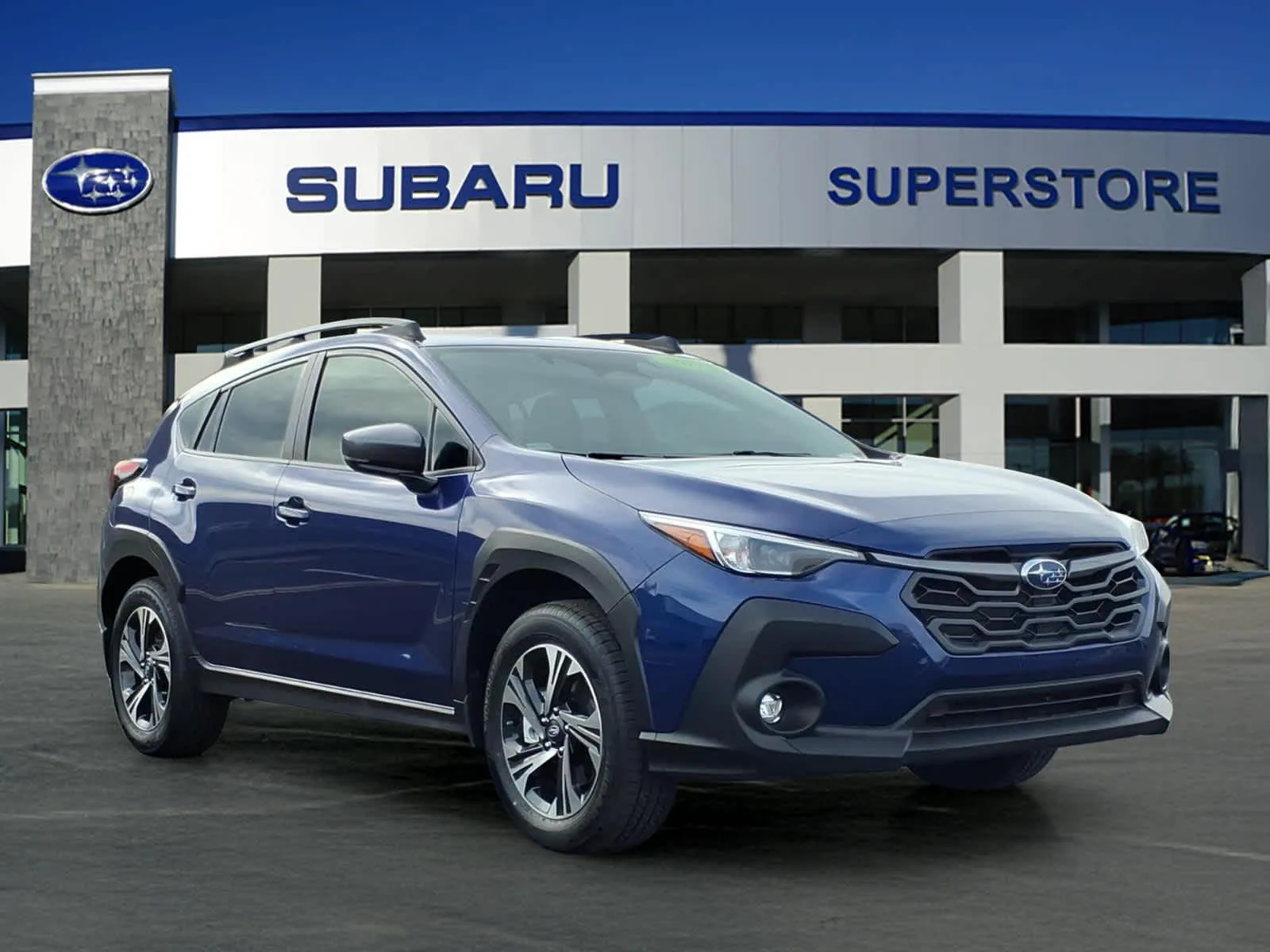
5. Subaru Certified Pre-Owned
Subaru Outback Touring XT
Subaru’s certified inspection system emphasizes accountability, and the Subaru Outback Touring XT shows how structured reporting can reduce buyer uncertainty. Certification begins with a detailed inspection performed by Subaru-trained technicians who follow a standardized checklist developed around real ownership issues rather than sales presentation.
Each inspection step must be verified, documented, and approved before the vehicle qualifies for certification. Mechanical evaluation starts with the turbocharged engine and the All Wheel Drive system. Diagnostic scans are paired with road testing that checks throttle response, turbo operation, and drivetrain behavior under varied driving conditions.
The symmetrical All Wheel Drive system receives focused attention, including differential operation, axle condition, and drivetrain noise evaluation. Findings are written clearly, and any corrective work completed before sale is listed in the inspection record. Safety systems play a central role in Subaru reporting.
EyeSight driver assistance technology is tested for calibration accuracy, camera alignment, and system response. Inspection documentation confirms proper operation rather than simple activation. Brake system reporting includes pad thickness measurements and rotor condition descriptions that allow buyers to estimate future service needs.
Interior inspection reporting highlights functional condition first. Climate controls, infotainment systems, power accessories, and seating adjustments are tested individually. Wear on upholstery and trim is described honestly, giving buyers a realistic picture of prior use. Exterior reporting includes body panel alignment, paint condition, glass integrity, and lighting operation.
Subaru also integrates vehicle history data with inspection findings. Title status, mileage verification, and accident disclosures appear alongside inspection results, creating a single reference document. Buyers reviewing a certified Outback Touring XT receive more than reassurance.
They receive documented evidence of condition, repairs, and system performance. This level of disclosure supports informed decisions and reflects Subaru’s commitment to inspection transparency as part of its brand identity.

6. BMW Certified Pre-Owned
BMW 330i xDrive Sedan
BMW approaches certified inspections with a technical mindset, and the BMW 330i xDrive Sedan demonstrates how structured reporting supports buyer confidence in a performance-oriented brand. Certification requires a comprehensive inspection conducted by BMW technicians who follow factory-specific procedures tied directly to vehicle systems and software.
Powertrain evaluation focuses on precision. Engine diagnostics assess fuel delivery, ignition performance, and emission system behavior. Transmission operation is tested across drive modes to verify smooth engagement and response accuracy. The xDrive All Wheel Drive system undergoes additional evaluation to confirm torque distribution and driveline integrity. Results are documented with clarity rather than summarized loosely.
Chassis inspection includes suspension component testing, steering feedback evaluation, and brake performance measurement. Brake wear reporting specifies remaining service life, while tire condition reporting lists tread depth per wheel. This information allows buyers to plan maintenance without relying on estimates.
BMW also places strong emphasis on electronic systems. Infotainment, driver assistance features, and vehicle software are tested for proper operation and updated where required. Inspection reports confirm software status, which matters for long-term usability in modern BMW vehicles.
Interior and exterior reporting balances cosmetic condition with functional integrity. Upholstery wear, trim condition, paint quality, and glass condition are recorded honestly. Any cosmetic refinishing performed before certification is disclosed rather than hidden.
Buyers receive access to inspection summaries and certification warranty details that align directly with inspection outcomes. The 330i xDrive benefits from this transparency by presenting itself as a documented purchase rather than a gamble. BMW’s inspection reporting reinforces trust through detail, not through assumption.

7. Volvo Certified by Volvo
Volvo XC60 T6 AWD
Volvo’s certified inspection philosophy centers on safety verification, and the Volvo XC60 T6 AWD illustrates how deep reporting supports that priority. Certification requires a structured inspection performed by Volvo technicians trained specifically on the brand’s safety and powertrain systems.
Each inspection step produces documented results that are retained in the vehicle record, providing buyers with a clear, organized account of what was checked, what was found, and what was corrected before the vehicle entered the certified inventory. Mechanical inspection includes engine diagnostics, verification of turbocharger and supercharger performance, and analysis of transmission behavior.
Volvo’s twin-charged powertrain in the XC60 T6, which combines supercharging and turbocharging in a single engine architecture, requires technicians with specific brand training to evaluate correctly. Standard generic inspections often miss the nuances of this system’s behavior, but Volvo’s certification protocol addresses this directly by requiring brand-specific diagnostic tooling and documented performance benchmarks.
Any deviation from factory standards must be addressed before certification proceeds, with repair documentation attached to the vehicle’s file. All-wheel-drive system evaluation receives dedicated testing to confirm proper engagement timing, torque distribution response, and driveline behavior under simulated load conditions.
This level of AWD verification matters considerably for buyers in climates where AWD performance is a genuine daily requirement rather than an occasional convenience. Buyers can review exactly what the AWD system was tested for and confirm that it passed each evaluation criterion before taking ownership.
Safety system evaluation forms a substantial portion of Volvo’s reporting process, and this is where the program most clearly reflects the brand’s core identity. Collision avoidance technology, adaptive cruise control, lane support systems, pilot assist functionality, and braking assistance features are tested individually rather than as a collective group.
Reports confirm calibration accuracy and functional performance, not just system presence. Knowing that City Safety and Oncoming Lane Mitigation were individually verified provides a level of assurance that a general safety systems check simply cannot match. Interior inspection documentation addresses both comfort and control systems with equal attention.
Climate operation across all zones, infotainment responsiveness, digital driver display accuracy, and full seating adjustment range are evaluated and recorded. Wear patterns on interior materials are described clearly, using consistent language that allows buyers to assess prior usage patterns and form a realistic picture of the vehicle’s care history.
Exterior inspection reporting covers body panel alignment, paint condition across all surfaces, lighting system function, and glass integrity, including windshield chip assessment. Any refinishing or replacement work completed during certification preparation is listed transparently in the report, so buyers are never left guessing about what work was done or why.
Volvo combines its inspection reporting with vehicle history verification and full certification warranty documentation. Buyers reviewing a certified XC60 T6 AWD gain access to a comprehensive account of condition, safety system readiness, and the support coverage that backs every certified vehicle.
This approach reflects Volvo’s brand values by treating inspection transparency as a safety responsibility rather than simply a sales tool, and it produces a buyer experience where confidence is earned through documentation rather than assumed through brand reputation alone.
Also Read: 10 Pro Tips That Help a Chevy Bolt EV Stay Reliable

8. Audi Certified Pre-Owned
Audi A6 Premium Plus quattro
Audi’s certified inspection process reflects its engineering-driven identity, and the Audi A6 Premium Plus quattro demonstrates how detailed, technically precise reporting supports genuinely informed buying decisions. Certification requires a multi-stage inspection performed by Audi-trained technicians using brand-specific diagnostic tools, proprietary software platforms, and structured road testing protocols developed specifically for Audi’s vehicle architectures.
This is not a general inspection adapted for Audi vehicles. It is a program built from the ground up around Audi’s engineering standards. Engine and drivetrain evaluation includes turbocharger performance checks across the operating range, transmission move quality, and response testing for Audi’s S tronic dual-clutch or Tiptronic automatic, depending on specification, and quattro all-wheel-drive verification under dynamic conditions.
Diagnostic scans using Audi’s ODIS software identify current software status, stored fault codes, and fault history, including any codes that were cleared before the inspection, a detail that less rigorous programs frequently miss. Road testing confirms real-world operation under the acceleration, braking, and cornering conditions that a buyer would experience in normal driving.
Findings are recorded with technical precision, and every corrective action taken before certification is documented with parts and labor detail. Chassis and braking systems receive a thorough evaluation under controlled conditions that go beyond a simple visual inspection. Suspension integrity across all four corners, steering response, including center feel and lock-to-lock consistency, and braking efficiency under measured application are each tested and documented.
Brake wear reporting includes measurable pad thickness data for each wheel position rather than general descriptions like acceptable or worn. Tire condition reporting specifies tread depth measurements at multiple points across each tire’s face, giving buyers specific data to assess remaining tire service life.
Audi places particular emphasis on electronic system inspection, which reflects the A6’s role as a technology showcase for the brand. Infotainment system functionality, including navigation accuracy, media connectivity, and voice recognition performance, digital instrument cluster display integrity, driver assistance feature operation, and vehicle connectivity system status, is all tested individually.
Software updates are applied where outstanding releases exist, and documentation confirms that each system was tested in its updated state. Buyers who depend on features like Audi Pre Sense, adaptive cruise with traffic jam assist, and lane centering can review individual test results rather than relying on a general assurance.
Interior and exterior reporting balances appearance documentation with functional assessment. Upholstery condition, trim wear patterns, paint quality across all panels, including door jambs and trunk apertures, and body panel alignment are described accurately using standardized language that enables direct comparison between vehicles.
Any cosmetic correction work performed before certification, including paint touch-up, upholstery repair, or trim replacement, appears in the inspection file with a clear notation of what was addressed. Audi provides buyers with direct access to inspection summaries and certification warranty details that are tied to specific inspection results rather than presented as generic program benefits.
A certified A6 Premium Plus quattro buyer knows exactly what was checked, what was found, what was corrected, and what warranty coverage applies to each system. Audi’s inspection reporting builds confidence through technical clarity, supporting buyers who value precise information as much as the driving experience that the A6’s refined chassis and powerful turbocharged engine deliver on every road.
