Buying a used car can feel like a smart financial decision, especially when luxury, performance, or family-friendly models become affordable on the secondhand market. However, not every used vehicle is a wise purchase, particularly if you do not have access to a trusted mechanic.
Some cars are engineered with advanced technology, complex powertrains, or performance-focused components that demand specialized maintenance and frequent attention. While these vehicles may deliver excellent driving dynamics, premium comfort, or impressive horsepower, ownership can quickly become expensive when repairs arise.
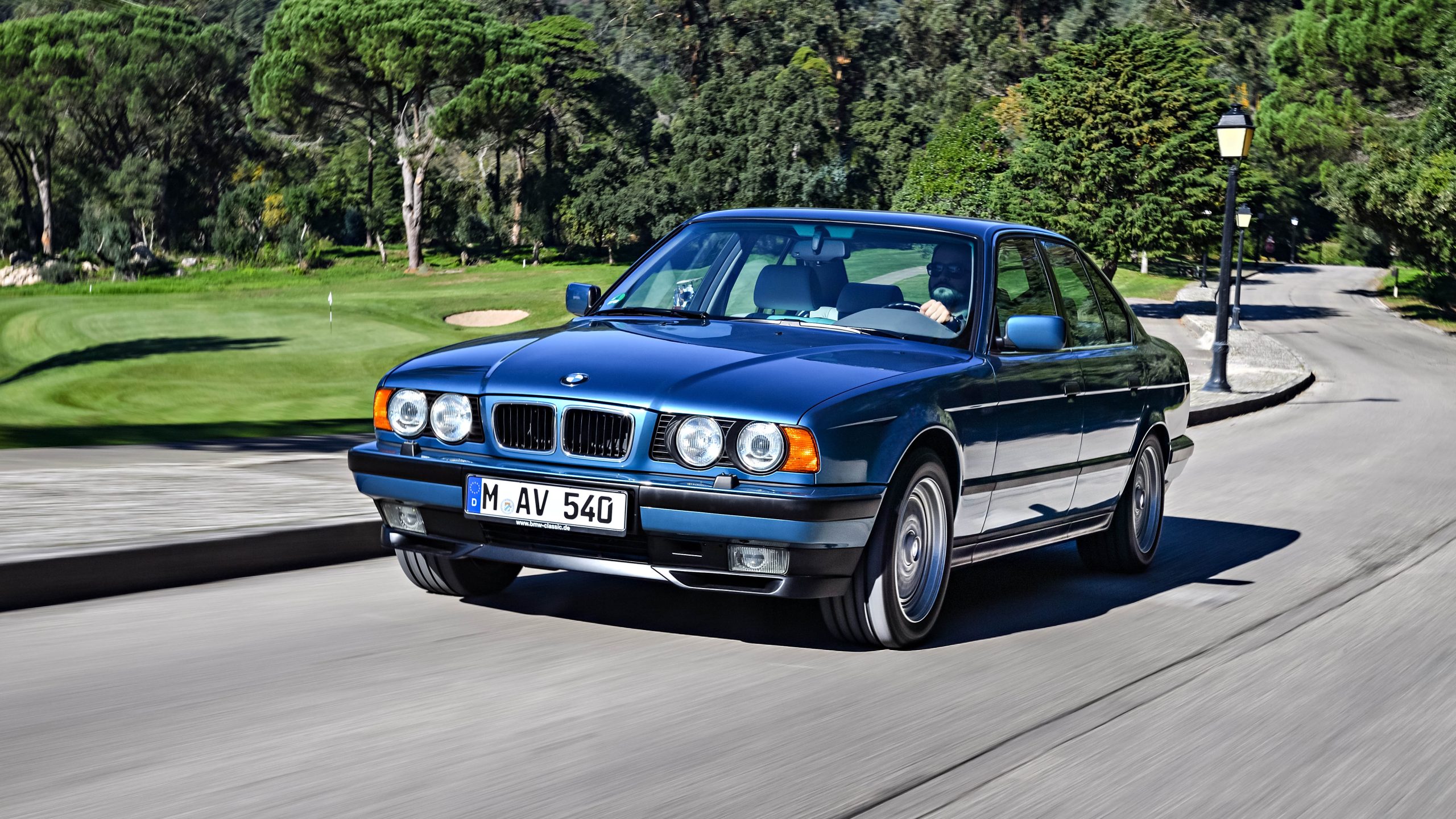
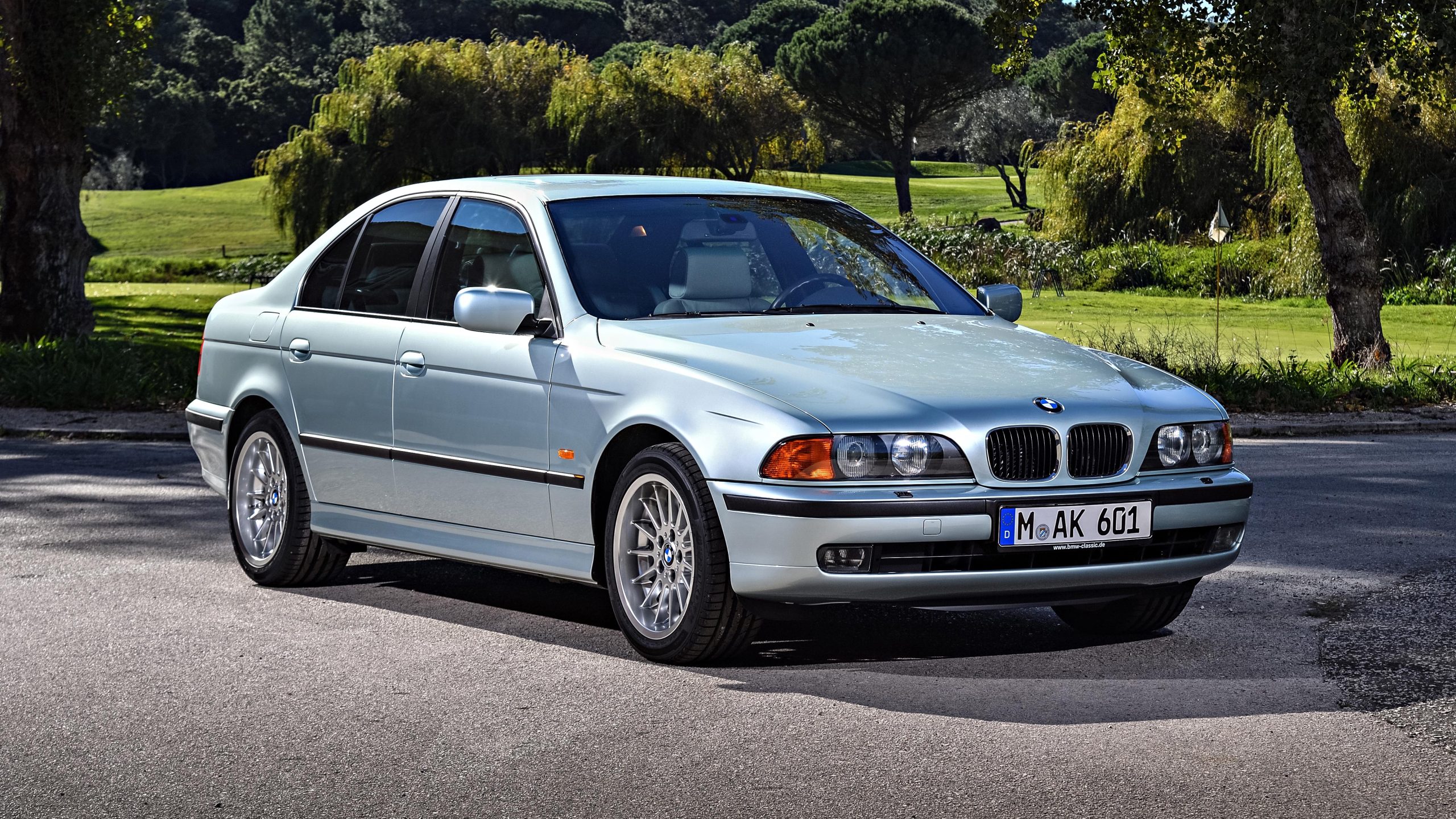
This list highlights the Top 10 Used Cars You Should Avoid If You Do Not Have a Mechanic, starting with older generations of the BMW 5 Series, a sedan known for driving excellence but also demanding upkeep.
From luxury sedans and performance cars to hybrid SUVs and family crossovers, each vehicle featured here shares a common trait: hidden ownership challenges that can overwhelm unprepared buyers and turn a bargain purchase into a costly long-term commitment.
1. BMW 5 Series (Older Generations) – Performance, Maintenance, and Tire Wear
Older generations of the BMW 5 Series, particularly the E39 (1995–2003), E60/E61 (2003–2010), and early F10 (2010–2017) models, are celebrated for their blend of luxury, engaging handling, and classic design.
The E39 is praised for its timeless styling, smooth inline-six engines, and reliability when properly maintained. The E60 introduced advanced technology, including the early iDrive system, though its styling divided opinions. The F10 emphasized comfort and adaptive suspension but is often seen as less “pure” than its predecessors.
However, these models are prone to maintenance challenges. Key issues include cooling system failures, such as plastic water pumps and thermostats, which can fail suddenly. Diesel models with the N47 engine may suffer timing chain stretch, a severe problem requiring labor-intensive repairs.
Electrical issues with iDrive and various sensors can trigger “limp mode,” often resulting in costly repairs at specialized shops. V8 and V10 engines in these generations also carry higher maintenance demands.
Tire wear is another prominent concern. Older 5 Series models often experience rapid, uneven wear due to performance-oriented suspension geometry, heavy vehicle weight, and soft, high-performance tires. Factory alignment settings typically use significant negative camber and aggressive toe, improving cornering but causing rear inner tire wear.
Suspension component wear, particularly in bushings and ball joints over 100,000 miles, can exacerbate uneven tread wear. Soft compound and run-flat tires further accelerate degradation, while the car’s weight and engine torque increase stress on tires during normal driving. Aggressive driving habits common among 5 Series owners also contribute to faster tire wear.
Common patterns include rear inner-edge wear and, occasionally, front outer-edge wear, especially under spirited driving or worn suspension. Mitigation strategies include adjusting alignments, replacing aging suspension components, and switching to non-run-flat performance tires like Michelin Pilot Sports to improve tread life and ride comfort.
Older BMW 5 Series cars offer an enticing mix of luxury, performance, and design heritage, but potential buyers must be aware of cooling, electrical, and suspension-related issues.
Proper maintenance, careful tire selection, and alignment attention are essential for enjoying these vehicles without excessive upkeep costs. The 530i with the M54 engine and the 520d models are often recommended as reliable, balanced choices for enthusiasts and practical drivers alike.
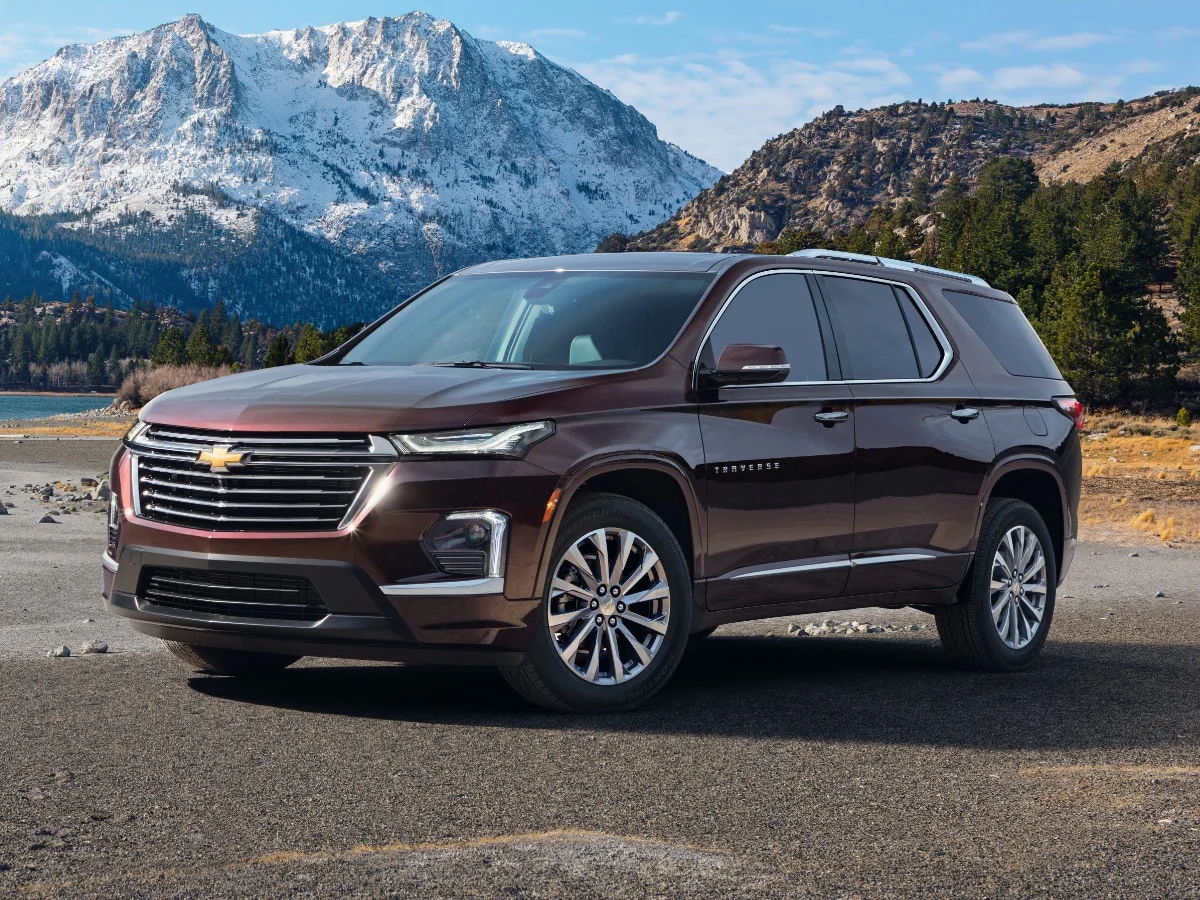
2. Chevrolet Traverse – Family-Friendly SUV with Powertrain Concerns and Tire Wear
The Chevrolet Traverse is a mid-size, three-row SUV designed for family practicality, offering spacious seating for seven to eight passengers and over 97 cubic feet of cargo space with the seats folded. It features a turbocharged 2.5-liter four-cylinder engine paired with an eight-speed automatic transmission, and all-wheel drive is optional.
The Z71 trim adds off-road capability, including all-terrain tires, a twin-clutch AWD system, suspension tweaks, and terrain-specific driving modes. Despite these features, the Traverse is not particularly engaging to drive; steering feels slow and truck-like, while throttle response is somewhat sluggish.
The all-wheel-drive model reaches 60 mph in 7.3 seconds, slower than previous V6 versions, though braking and body-roll control are adequate, and the ride is comfortable.
However, the Traverse has a troubling reputation for unexpected transmission failures and timing chain issues, which can lead to multi-thousand-dollar repairs. Timing chain failures risk severe engine damage if not caught promptly, and transmission slips can leave drivers stranded.
Unlike simpler vehicles, these issues often require extensive “tear-down” labor and dealership-level diagnostics, making the SUV a risky choice for buyers prioritizing reliability.
The Traverse also experiences rapid tire wear, driven by its heavy curb weight, high torque output, and front-wheel-drive bias. Front tires bear the brunt of steering, braking, and acceleration, often wearing out twice as fast as the rear tires.
Softer all-season performance tires, misalignment, worn suspension components, aggressive driving habits, and neglected tire rotations accelerate tread degradation, with some owners replacing tires as early as 10,000–30,000 miles. Tire longevity can be improved through regular rotations, alignment checks, and careful pressure maintenance.
On the comfort and tech side, the Traverse excels. It includes a massive 17.7-inch infotainment touchscreen with Google-based software, an 11-inch digital gauge cluster, wireless smartphone charging, and available onboard Wi-Fi.
Safety features include standard automated emergency braking, pedestrian and cyclist detection, and optional GM Super Cruise hands-free driving. Warranty coverage is standard for the segment, with a 3-year/36,000-mile limited warranty, a 5-year/60,000-mile powertrain warranty, and one complimentary maintenance visit.
The Chevrolet Traverse balances family-friendly space and comfort with capable powertrains, though potential buyers should be aware of high-cost transmission and timing chain issues and the vehicle’s accelerated tire wear, which can significantly affect ownership experience.
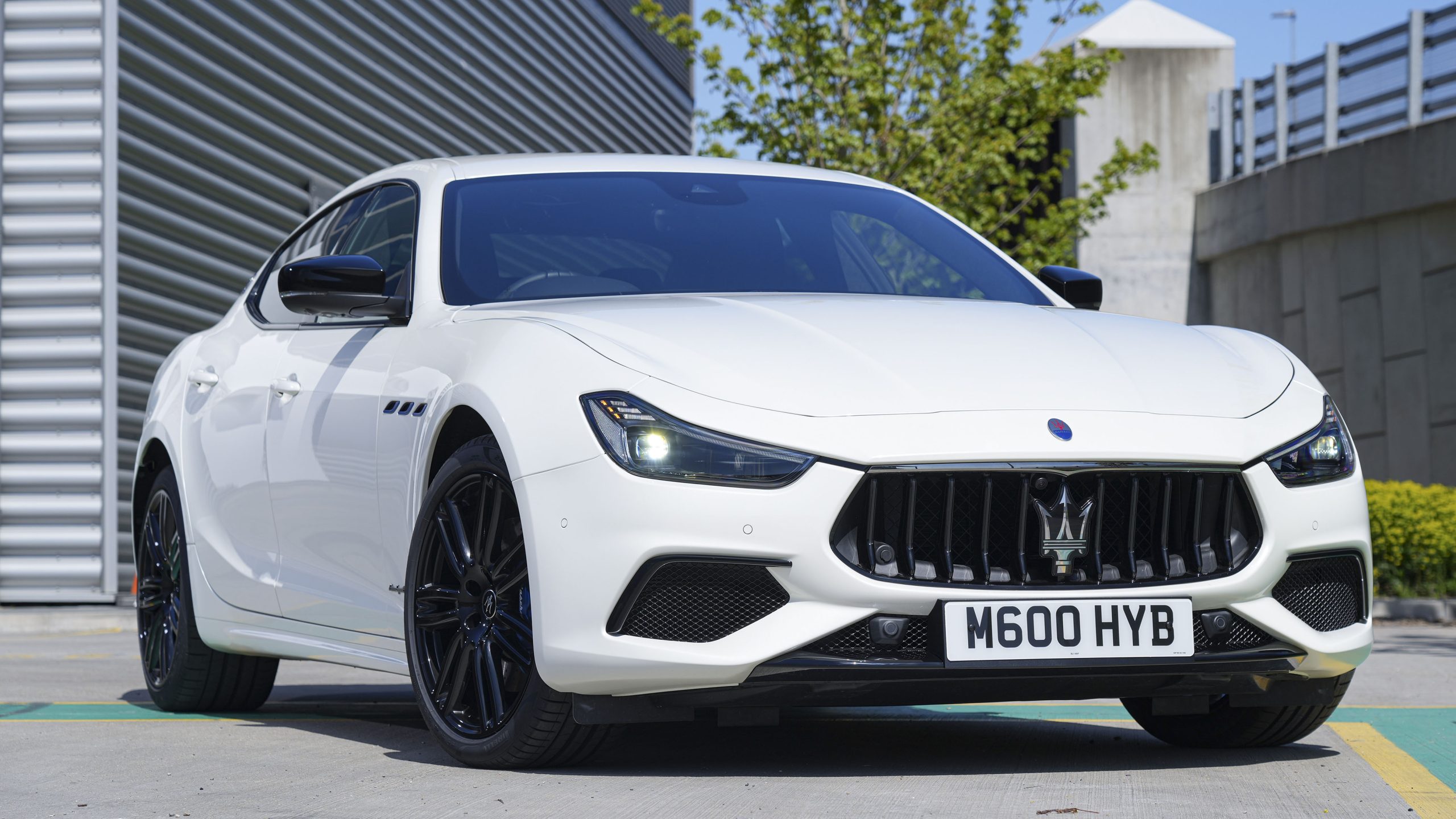
3. Maserati Ghibli: Luxury Performance with Costly Maintenance and Tire Wear Challenges
The Maserati Ghibli combines Italian styling, sporty performance, and luxury sedan comfort, making it an appealing option on the used market. Despite its attractive pricing compared to rivals, ownership expenses can be surprisingly high. Routine maintenance alone can be expensive, with basic oil changes costing more than $1,000 due to specialized labor requirements and high-performance engine oil.
Mechanical concerns are also common, including premature brake wear and clutch failures that may appear as early as 15,000 miles, with repairs reaching about $4,000. Early models are known for electrical glitches and deteriorating interior buttons, both of which are costly to repair and often require dealership expertise.
Rapid tire wear is another significant issue frequently reported by owners. The Ghibli is engineered with aggressive factory alignment settings designed to enhance handling and cornering ability rather than maximize tire life.
Increased camber and toe angles place extra stress on the inner edges of the tires, causing accelerated wear. Many drivers report needing new tires within 10,000 to 15,000 miles, particularly on the rear wheels. Low-speed tire scrub, sometimes called “crabbing,” can also occur during tight turns, further increasing tire degradation.
Several design factors contribute to this problem. The car typically uses soft summer-performance tires that prioritize grip instead of durability. Many models feature a staggered tire setup with different sizes front and rear, preventing rotation and shortening usable tread life.
The sedan’s weight, often exceeding 4,000 pounds, combined with powerful engines producing more than 400 horsepower, places additional strain on tires during acceleration and spirited driving.
Suspension components such as control arm bushings may wear prematurely, quickly affecting alignment and causing uneven tread patterns. Owners often manage tire wear through frequent alignment checks, proper tire pressure maintenance, and switching to longer-lasting performance tires.
Performance remains a highlight of the Ghibli experience. The Modena trim features a twin-turbo V6 producing 424 horsepower, while the Trofeo variant offers a 572-hp twin-turbo V8 capable of rapid acceleration. The driving character balances sharp handling with refinement, supported by a modern infotainment system and stylish interior materials, though some shared components reduce the sense of exclusivity.
The Maserati Ghibli delivers distinctive performance and visual appeal, but high maintenance costs, reliability concerns, and frequent tire replacements make ownership best suited to dedicated enthusiasts prepared for premium expenses.
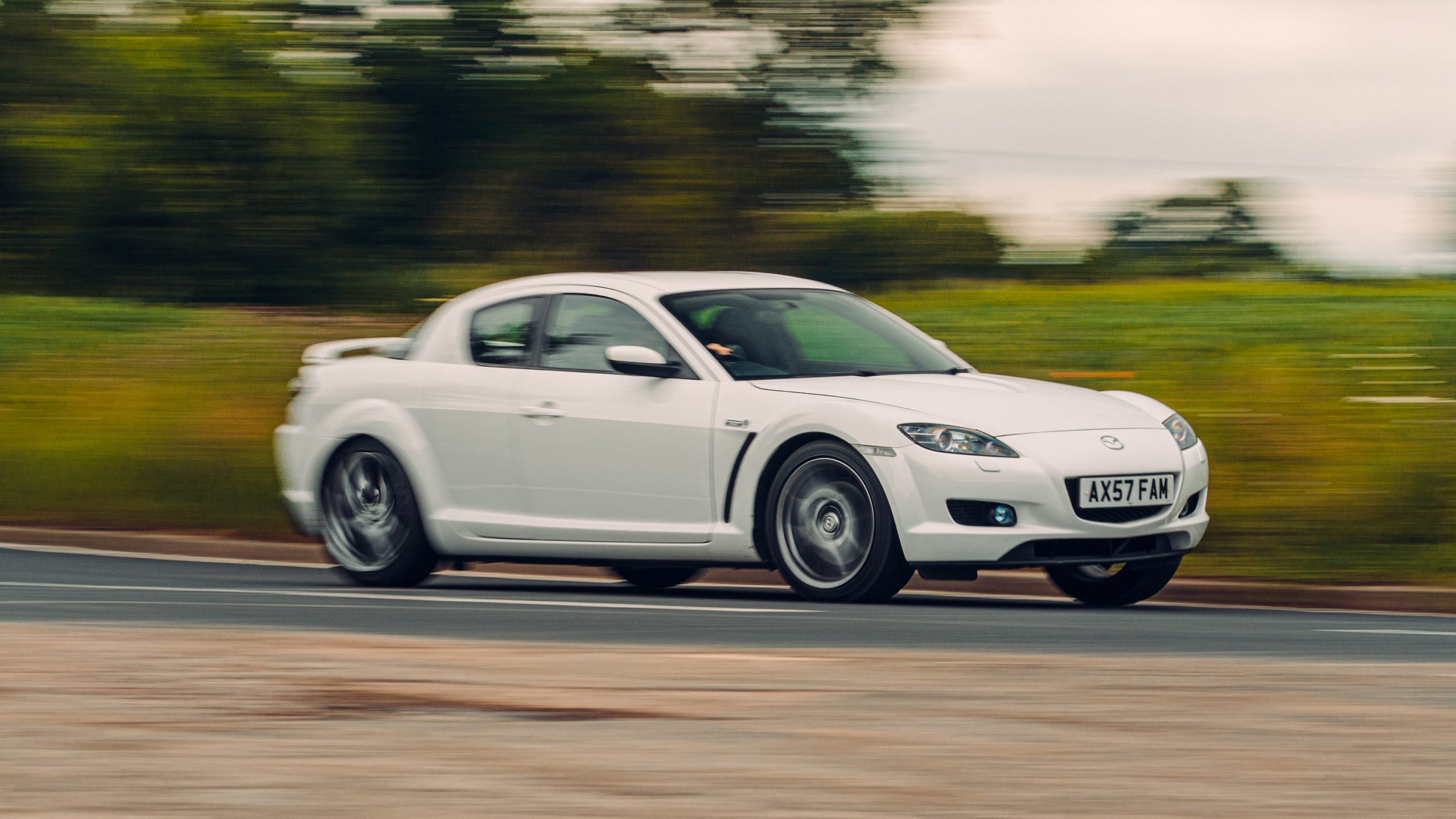
4. Mazda RX-8 – Rotary Power, High Maintenance, and Tire Challenges
The Mazda RX-8 is a unique sports car defined by its rotary (Renesis) engine, which operates differently from traditional piston engines. Unlike conventional vehicles, the RX-8 requires highly specialized maintenance. Owners must “redline” the engine regularly to clear carbon deposits and add two-cycle oil to every tank of fuel to lubricate the apex seals.
Failure to follow these protocols can lead to low compression and catastrophic engine failure, often before 80,000 miles. Its high oil consumption and tendency to flood during short trips make it particularly challenging for non-enthusiasts.
The RX-8 is also notorious for rapid tire wear, a result of its lightweight chassis, aggressive suspension geometry, soft performance tires, and a high-revving engine that encourages spirited driving. The double-wishbone front and multi-link rear suspension provide exceptional handling but promote uneven tire wear, often on the inside edges.
Soft, sticky tires maximize traction but degrade quickly, while the car’s rotary engine with its 9,000 RPM redline pushes drivers to operate at high revs, further accelerating tire wear. Additionally, directional tires and staggered wheel sizes prevent standard rotation, compounding uneven wear.
Worn bushings, weak shocks, and aggressive driving habits also contribute to faster tread loss. To mitigate these issues, owners often recommend regular alignments, careful tire-pressure monitoring, and using high-quality non-run-flat performance tires.
Launched in 2003, the RX-8 arrived as mid-sized coupes were declining in popularity, carving a niche alongside cars like the Nissan 350Z and Honda S2000. It drew on the legacy of the RX-7 with a 1.3-liter twin-rotor engine producing 227 bhp, paired with a manual gearbox. Unlike the turbocharged RX-7, the RX-8 is naturally aspirated, delivering only 156 lb-ft of torque.
This requires drivers to work the engine hard for performance, but the payoff is a light, well-balanced car weighing just 1,300 kg (around 150 kg lighter than a 350Z), with a near-perfect 50:50 weight distribution. Despite its compact size, the RX-8 offers practical rear seats accessed via signature rear-hinged doors, a feature now echoed in the MX-30 EV.
The RX-8 is an exotic, high-revving sports car that rewards dedicated enthusiasts but punishes neglect. Its combination of a unique rotary engine, sensitive suspension, and soft tires creates both exhilarating performance and maintenance challenges.
Well-maintained examples remain appealing for their driving purity, lightweight agility, and distinctive styling, though prospective buyers should approach with care and realistic expectations.
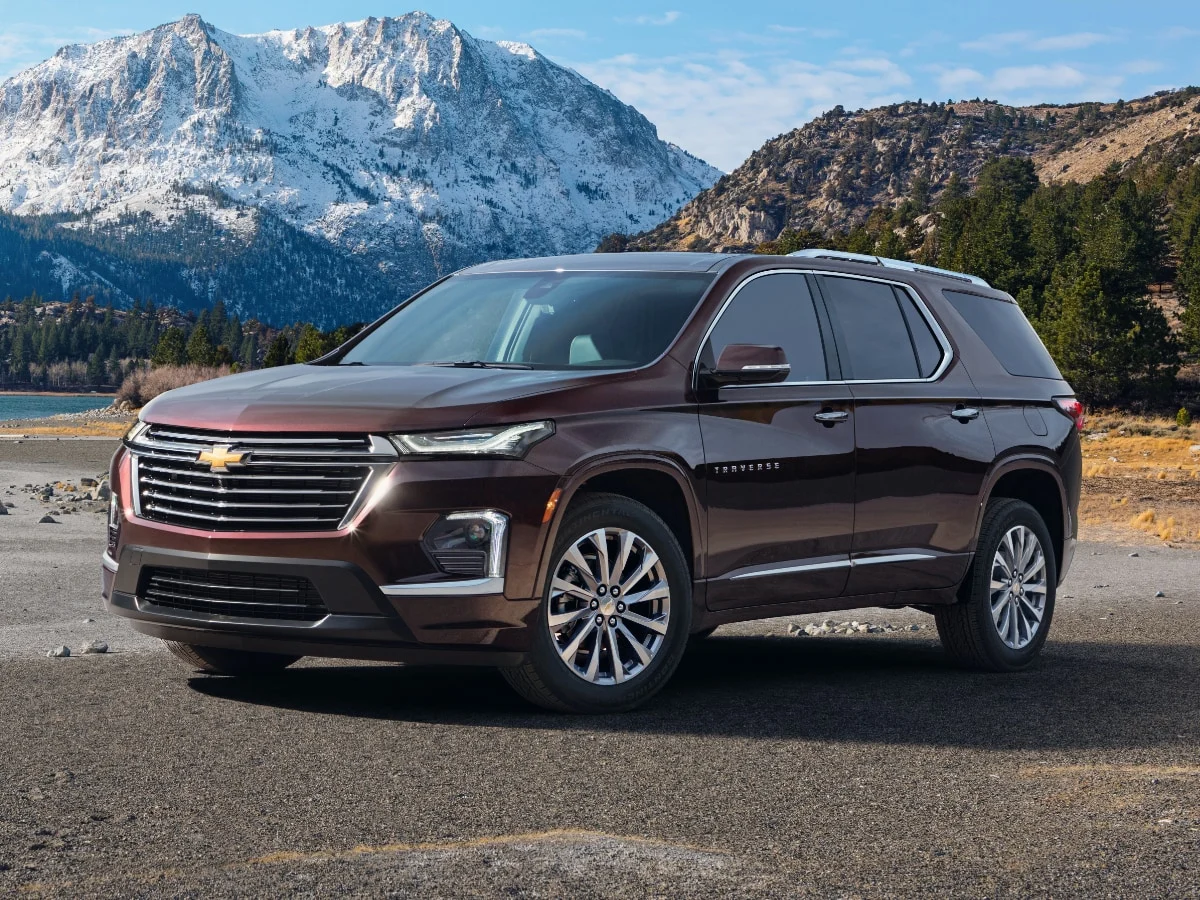
5. Chevrolet Traverse – Family-Friendly SUV with Powertrain Concerns and Tire Wear
The Chevrolet Traverse is a mid-size, three-row SUV designed for family practicality, offering spacious seating for seven to eight passengers and over 97 cubic feet of cargo space with the seats folded. It features a turbocharged 2.5-liter four-cylinder engine paired with an eight-speed automatic transmission, and all-wheel drive is optional.
The Z71 trim adds off-road capability, including all-terrain tires, a twin-clutch AWD system, suspension tweaks, and terrain-specific driving modes. Despite these features, the Traverse is not particularly engaging to drive; steering feels slow and truck-like, while throttle response is somewhat sluggish.
The all-wheel-drive model reaches 60 mph in 7.3 seconds, slower than previous V6 versions, though braking and body-roll control are adequate, and the ride is comfortable.
However, the Traverse has a troubling reputation for unexpected transmission failures and timing chain issues, which can lead to multi-thousand-dollar repairs. Timing chain failures risk severe engine damage if not caught promptly, and transmission slips can leave drivers stranded.
Unlike simpler vehicles, these issues often require extensive “tear-down” labor and dealership-level diagnostics, making the SUV a risky choice for buyers prioritizing reliability.
The Traverse also experiences rapid tire wear, driven by its heavy curb weight, high torque output, and front-wheel-drive bias. Front tires bear the brunt of steering, braking, and acceleration, often wearing out twice as fast as the rear tires.
Softer all-season performance tires, misalignment, worn suspension components, aggressive driving habits, and neglected tire rotations accelerate tread degradation, with some owners replacing tires as early as 10,000–30,000 miles. Tire longevity can be improved through regular rotations, alignment checks, and careful pressure maintenance.
On the comfort and tech side, the Traverse excels. It includes a massive 17.7-inch infotainment touchscreen with Google-based software, an 11-inch digital gauge cluster, wireless smartphone charging, and available onboard Wi-Fi. Safety features include standard automated emergency braking, pedestrian and cyclist detection, and optional GM Super Cruise hands-free driving.
Warranty coverage is standard for the segment, with a 3-year/36,000-mile limited warranty, a 5-year/60,000-mile powertrain warranty, and one complimentary maintenance visit.
The Chevrolet Traverse balances family-friendly space and comfort with capable powertrains, though potential buyers should be aware of high-cost transmission and timing chain issues and the vehicle’s accelerated tire wear, which can significantly affect ownership experience.
Also Read: 5 Cars With Simple Dash Layouts vs 5 With Confusing Ones
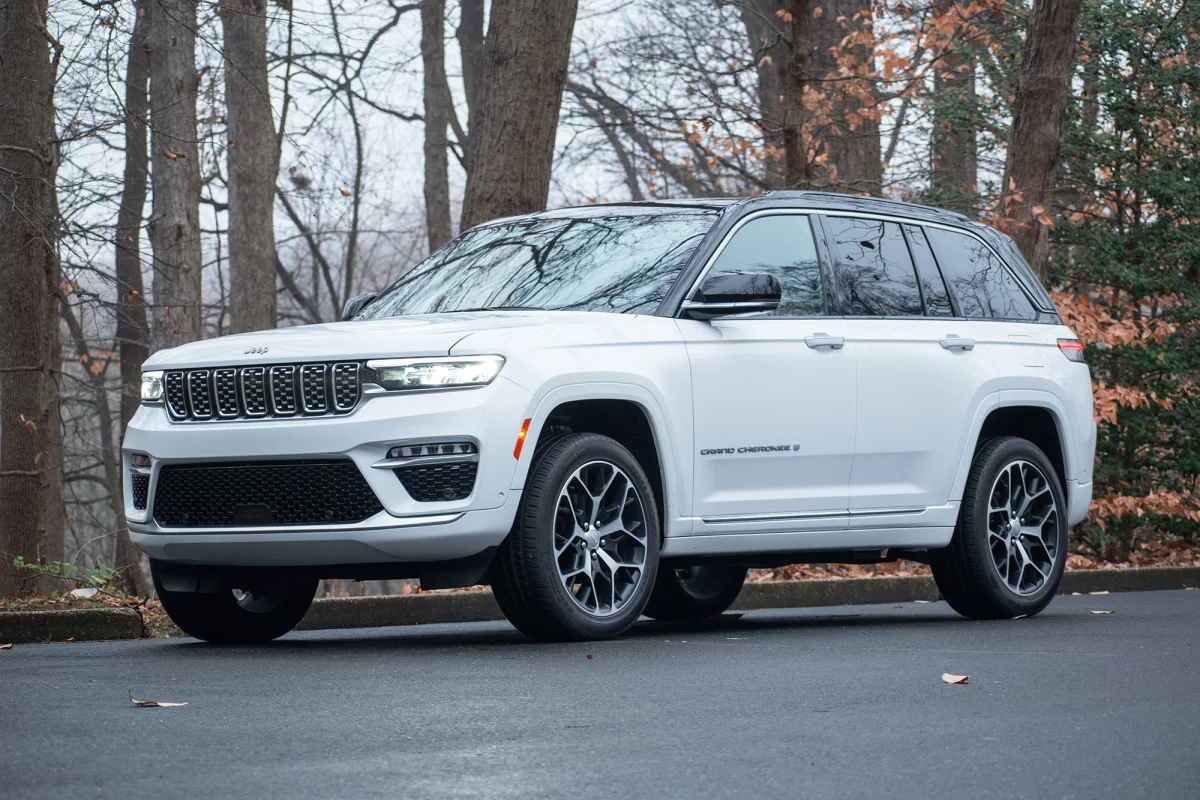
6. Jeep Grand Cherokee: Capability and Comfort Paired with Reliability and Tire Wear Concerns
The Jeep Grand Cherokee is a popular mid-size SUV known for its blend of off-road capability, comfortable ride quality, and upscale interior options. While it delivers strong performance and practicality, used models are frequently associated with mechanical and electrical issues that can frustrate owners seeking dependable transportation.
Common complaints include rough transmission shifts, engine overheating, and warped brake rotors that cause steering wheel vibration and reduced braking confidence.
One of the most notorious problem areas is the Totally Integrated Power Module (TIPM), which can trigger unpredictable electrical behavior such as non-functioning wipers, random horn activation, or failure to start. Diagnosing these problems can be difficult and expensive, especially for owners without technical expertise.
Rapid tire wear is another widely reported concern, particularly in high-performance trims such as the SRT and Trackhawk. Several factors contribute to accelerated tire degradation. The Grand Cherokee’s heavy curb weight, powerful engines, and high torque output place significant stress on tires during acceleration and braking.
Performance-oriented factory tires often use softer rubber compounds to maximize grip, but these materials naturally wear faster than standard all-season options. Aggressive driving habits further increase friction and heat, reducing tread life.
Suspension setup also plays a role. Models equipped with air suspension require precise alignment, and worn bushings or misalignment can cause uneven tire contact with the road, resulting in feathering or edge wear.
Drivers who frequently use lower ride-height settings, such as Sport or Aero modes, may see faster and less even tire wear. Poor maintenance practices, including infrequent tire rotation or improper tire pressure, can shorten tire lifespan considerably. While some owners replace tires as early as 15,000 to 30,000 miles, consistent maintenance can improve longevity.
Performance varies by engine choice. Most models use a 293-horsepower 3.6-liter V6 paired with an eight-speed automatic transmission, while a 324-horsepower turbocharged four-cylinder is also available. Multiple drivetrain options enhance off-road capability, and the SUV can tow up to 6,200 pounds.
Inside, the Grand Cherokee offers spacious seating, modern infotainment technology, and available premium materials, along with standard driver-assistance features such as automatic emergency braking and lane-keeping assist.
The Jeep Grand Cherokee delivers comfort, capability, and strong performance, but buyers should carefully consider its history of electrical issues and accelerated tire wear when evaluating long-term ownership costs.
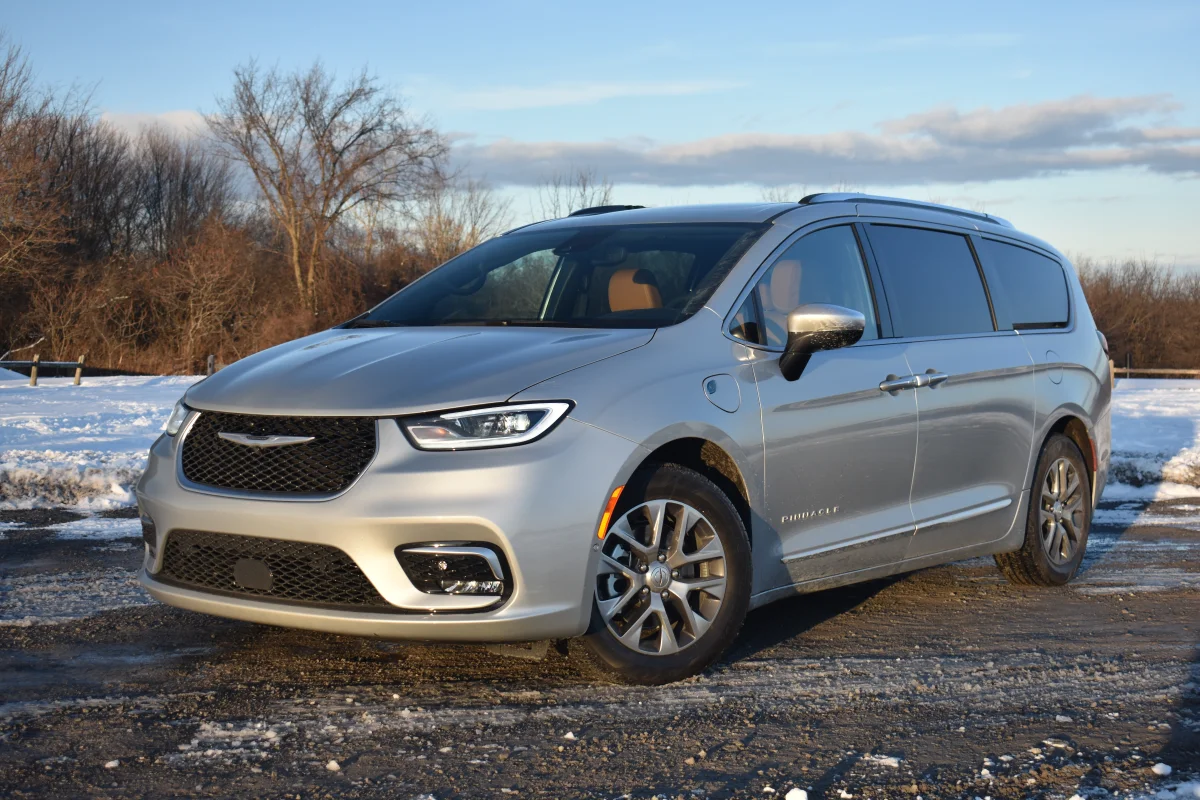
7. Chrysler Pacifica Hybrid (2018–2024): Advanced Efficiency with Complex Reliability and Tire Wear Challenges
The Chrysler Pacifica Hybrid (2018–2024) stands out as one of the most technologically ambitious minivans ever produced, offering plug-in hybrid efficiency combined with family-friendly practicality.
As the only electrified minivan widely available in its segment, it delivers impressive fuel economy, three-row seating, and a comfortable ride. However, its advanced engineering introduces complications that can make ownership challenging, particularly for used buyers.
Reliability ratings have frequently fallen below average due to the complexity of the plug-in hybrid system. Common issues involve the high-voltage battery, hybrid cooling components, and the specialized transmission that coordinates electric and gasoline power.
Because many independent repair shops lack certification to service hybrid systems, owners often rely on dealerships for repairs, where labor costs are higher, and parts delays can extend service times.
Real-world ownership reports also mention infotainment glitches, suspension noises, and occasional battery-related concerns that required warranty attention. While maintenance costs during warranty periods can remain manageable, long-term ownership may become expensive once coverage expires.
Another widely reported concern is rapid tire wear. Despite being a family minivan rather than a performance vehicle, the Pacifica Hybrid behaves similarly to high-torque cars in terms of tire stress. The primary factor is weight. The addition of a large lithium-ion battery significantly increases vehicle mass compared with the gasoline-only Pacifica, placing greater pressure on the tires and increasing friction with the road surface.
Instant torque from the electric motor also accelerates tread wear. Electric propulsion delivers full torque immediately from a stop, creating stronger tire scrubbing during acceleration. Since the Pacifica Hybrid uses a front-wheel-drive layout, the front tires handle acceleration, steering, and much of the braking force, causing them to wear faster than the rear tires.
Alignment geometry further contributes to the issue. Rear suspension settings often include noticeable negative camber to stabilize the heavier vehicle, which leads to premature wear along the inner edges of the tires.
In addition, factory-installed low rolling resistance tires are optimized for efficiency and electric range rather than durability, meaning they typically have shorter tread life. Regenerative braking and heavy passenger loads can also create unique wear patterns.
Owners commonly manage these problems through frequent tire rotations, regular alignment checks, and switching to longer-lasting aftermarket tires, though this may slightly reduce electric driving range.
The Pacifica Hybrid remains an innovative and efficient family vehicle with unmatched practicality in the electrified minivan market, but its mechanical complexity and faster tire wear make careful maintenance essential for long-term satisfaction.
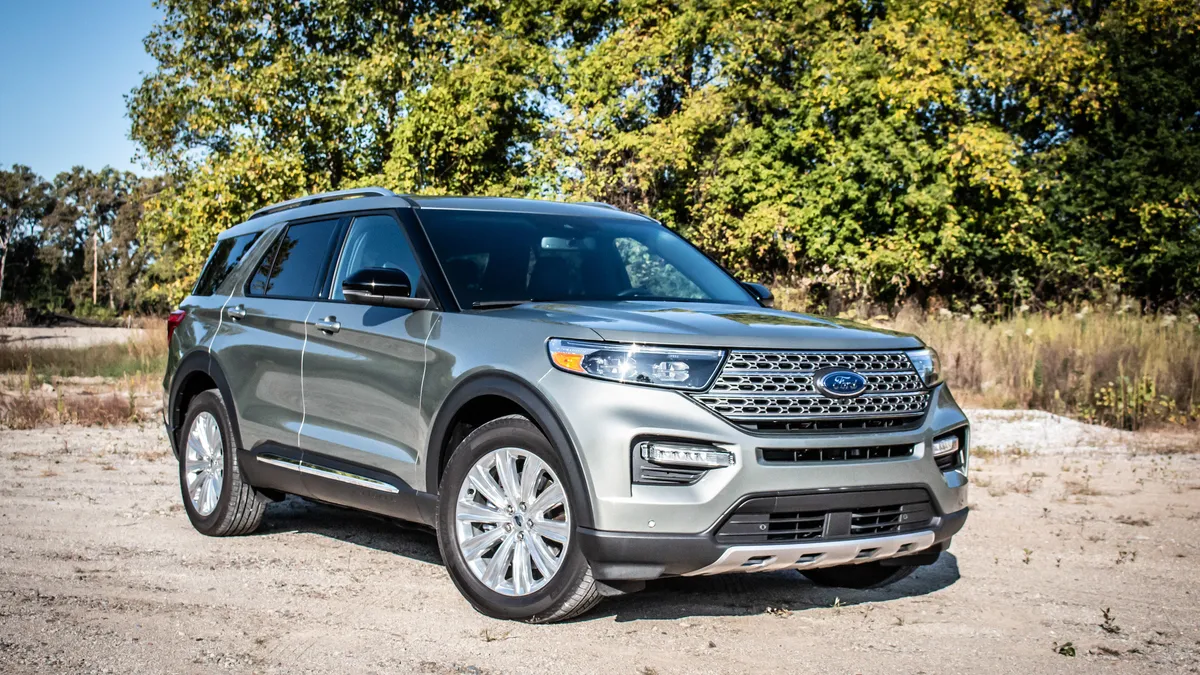
8. 2020 Ford Explorer: First-Year Redesign Problems and Accelerated Tire Wear Concerns
The 2020 Ford Explorer marked a major redesign for Ford’s popular three-row SUV, introducing a new rear-wheel-drive platform, updated technology, and more performance-focused driving dynamics. While the redesign improved handling and powertrain capability, the first production year was plagued by quality issues that made it one of the more problematic model years to own.
As a first-year model, the 2020 Explorer experienced numerous recalls and early reliability concerns. Reported problems included transmission wiring defects and rear axle hub failures that could allow the vehicle to roll away even when parked.
Beyond official recalls, many owners encountered persistent infotainment software glitches, electronic malfunctions, and interior rattles that were difficult to diagnose without professional assistance.
These issues often frustrated owners because symptoms appeared inconsistent, making repairs time-consuming and sometimes expensive. Later model years, particularly 2022 and newer versions, addressed many of these early production flaws through updated components and software improvements.
Another widely reported drawback is rapid tire wear, especially on the high-performance Explorer ST trim. Some owners reported needing new tires within 10,000 to 20,000 miles. Several engineering factors contribute to this accelerated wear.
The Explorer ST uses aggressive rear camber settings designed to improve cornering stability by tilting the rear tires inward. While this enhances handling performance, it causes excessive wear along the inner edges of the tires.
Performance-oriented tire compounds further shorten lifespan. The ST’s large 21-inch wheels are paired with soft, high-grip tires that prioritize traction over durability. Combined with the SUV’s 400-horsepower turbocharged V6 engine and rear-biased all-wheel-drive system, acceleration places significant stress on the rear tires.
The vehicle’s heavy curb weight and sport-tuned suspension also increase friction and heat buildup, which speeds up tread degradation. Some owners note that factory suspension settings limit camber adjustment, making it difficult to correct uneven wear without aftermarket modifications.
Despite these concerns, the redesigned Explorer offers notable strengths. Engine options provide strong acceleration, towing capability is competitive, and the switch to a rear-wheel-drive layout improves driving dynamics.
Modern infotainment features and smartphone connectivity add everyday convenience. However, critics highlight a cramped third row, interior materials that feel less premium than expected, and a firmer ride quality.
The 2020 Explorer ultimately delivers strong performance and capability, but early reliability issues and unusually fast tire wear mean buyers should approach this specific model year cautiously.
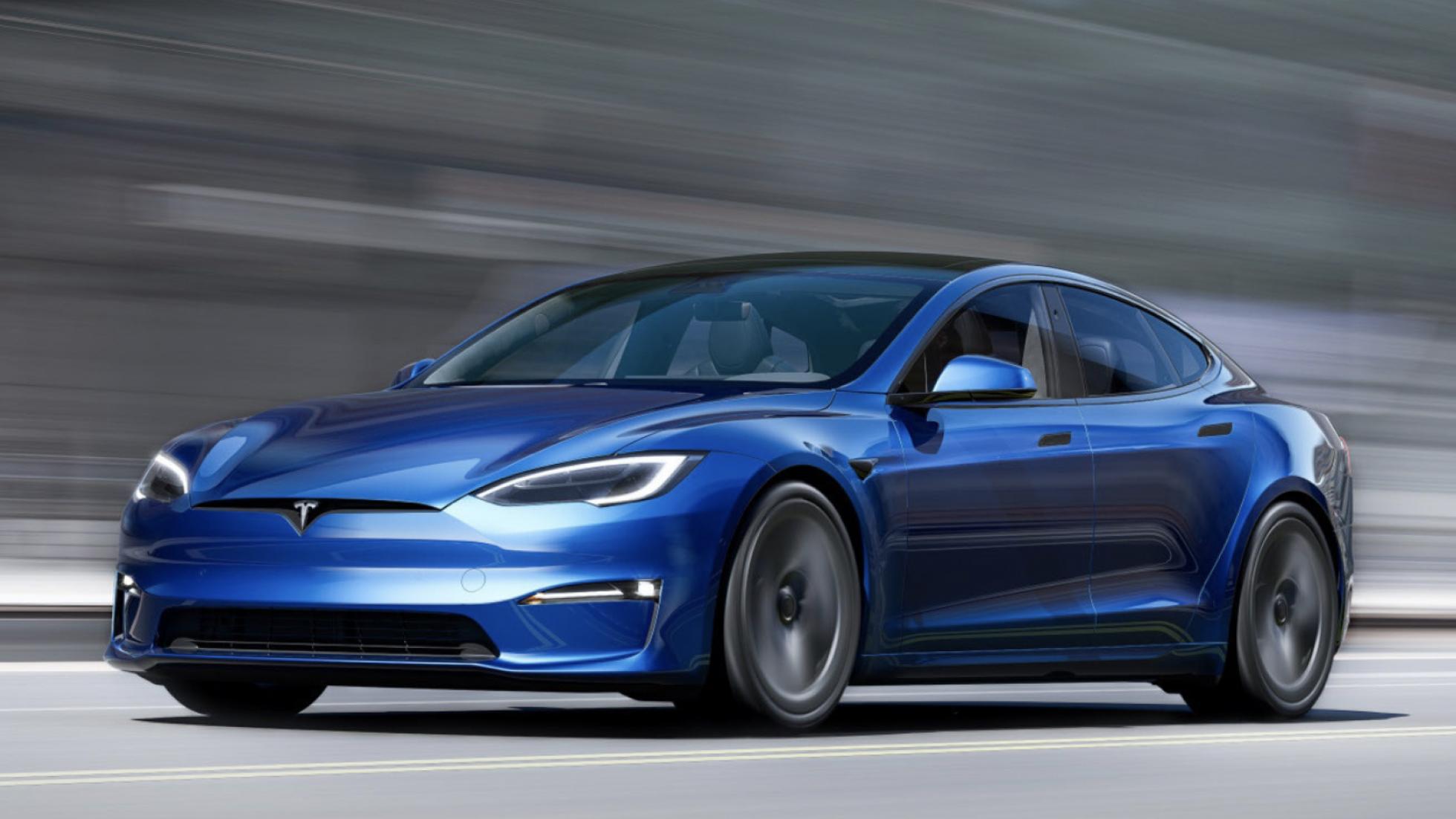
9. 2021 Tesla Model S: Cutting-Edge Performance with Limited Repair Access and Rapid Tire Wear
The 2021 Tesla Model S represents a major evolution of Tesla’s flagship electric sedan, combining industry-leading performance, long driving range, and advanced technology. While the refreshed model remains one of the most influential electric vehicles ever built, owning a used example can present unique challenges, particularly for buyers unfamiliar with electric vehicle maintenance or independent repair options.
One of the biggest concerns is limited repair accessibility. The 2021 Model S received worse-than-average reliability ratings, with commonly reported issues including failing door handles, prematurely worn suspension components, and touchscreen discoloration known as “screen yellowing.”
Unlike traditional automakers, Tesla restricts access to parts and diagnostic software, meaning most repairs must be completed at official Tesla Service Centers.
Independent mechanics generally cannot perform diagnostics or obtain factory components, leaving owners with fewer repair choices and little opportunity to seek lower-cost second opinions. For non-technical owners, this centralized service model can lead to higher expenses and longer wait times for even minor fixes.
Another widely discussed drawback is accelerated tire wear, especially on Long Range and high-performance Plaid variants. Several engineering characteristics contribute to this issue. Electric motors deliver instant torque, producing immediate acceleration that can cause subtle but constant tire slipping during normal driving.
This “micro slipping” gradually scrubs rubber from the tires, even without aggressive driving. The Model S also carries significant weight due to its large battery pack, placing continuous stress on tires during braking, cornering, and acceleration.
Factory alignment settings further increase wear. The refreshed 2021 model uses aggressive rear negative camber to improve high-speed stability and handling, but this causes the inner edges of the rear tires to wear much faster than the rest of the tread. Because rear camber adjustment is limited from the factory, uneven wear is often unavoidable without aftermarket modifications.
Soft performance tires, such as Michelin Pilot Sport or Pirelli P Zero models, provide excellent grip but naturally sacrifice longevity. Staggered tire setups on performance trims also prevent traditional front-to-back rotations, making even wear harder to achieve.
Despite these drawbacks, the Model S remains exceptionally quick, comfortable, and technologically advanced. With up to 402 miles of range, rapid acceleration, spacious cargo capacity, and advanced driver-assistance features, it continues to define the modern electric luxury sedan. However, prospective buyers should carefully consider repair limitations and maintenance demands before ownership.
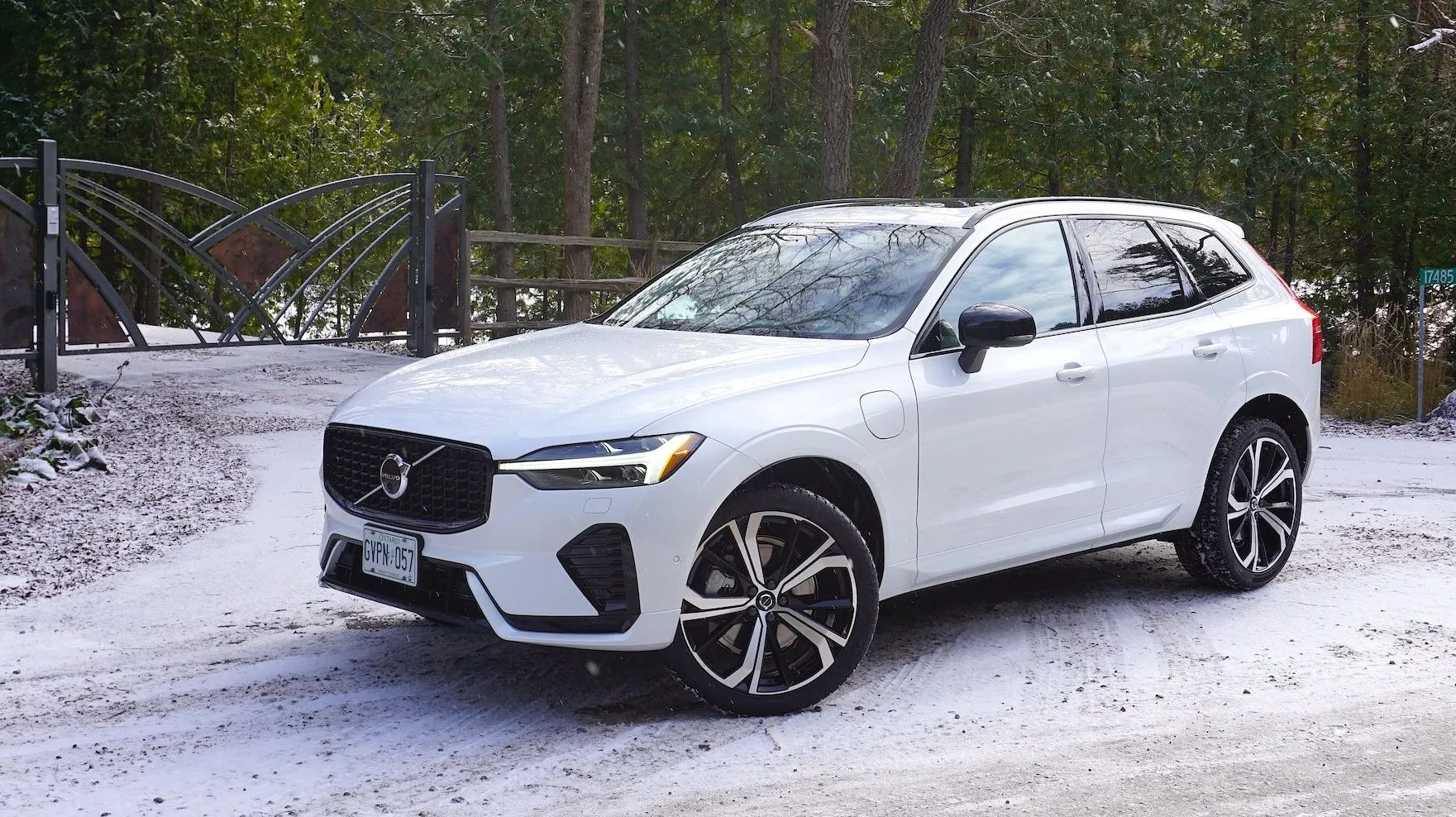
10. Volvo XC60 Hybrid: Strong Performance Undermined by Complexity and High Tire Wear
The Volvo XC60 Hybrid, particularly the Recharge plug-in hybrid variant, blends luxury, safety, and impressive performance into a compact SUV package. However, its advanced engineering also introduces significant complexity that can make long-term ownership challenging, especially for buyers without access to specialized hybrid technicians.
While Volvo maintains a strong reputation for safety and refined interiors, the hybrid XC60 is often criticized for reliability concerns and higher-than-expected maintenance demands.
At the heart of the issue is the vehicle’s highly complicated powertrain. The XC60 Hybrid combines a turbocharged engine, a supercharged system, and an electric motor working together to deliver strong acceleration and efficiency. This “triple-power” setup produces excellent performance, with total output reaching over 450 horsepower in some trims, but it also increases the number of components that can fail.
Owners have reported inconsistent power delivery, braking system irregularities, cooling system leaks, and recurring electrical or sensor faults that frequently require software updates. Because many repairs involve hybrid electronics and proprietary systems, servicing often requires dealerships or specialists familiar with Volvo’s hybrid architecture, which can quickly drive maintenance costs upward.
Another common ownership complaint is rapid tire wear. Many XC60 Hybrid owners report tire replacements as early as 10,000 to 20,000 miles, significantly sooner than expected for a luxury SUV. Several engineering factors contribute to this problem.
Instant torque from the electric motor places heavy stress on the tires during acceleration, creating small amounts of tire slip that gradually wear down the tread. The plug-in battery pack also adds substantial weight compared with gasoline-only versions, increasing friction and pressure on the tires during braking and cornering.
Factory design choices further accelerate wear. Performance-oriented tires, often fitted from the factory, use softer rubber compounds designed for grip and quietness rather than longevity.
Aggressive alignment settings improve stability and handling but cause tires to scrub against the road surface at slight angles, leading to uneven edge wear. Some drivers also note relatively low recommended tire pressures, which can increase sidewall flex and heat buildup, shortening tire life.
Despite these drawbacks, the XC60 Hybrid offers a premium Scandinavian interior, strong safety technology, all-wheel drive capability, and efficient electric driving range. For buyers prioritizing performance and luxury, it remains appealing, but prospective owners should be prepared for specialized maintenance and potentially higher running costs over time.
Used cars often represent incredible value, but reliability and serviceability matter just as much as price or performance. The vehicles on this list are not necessarily bad cars. Many deliver outstanding comfort, technology, or driving excitement when properly maintained.
The problem arises when complex engineering, aggressive performance tuning, or specialized hybrid and electric systems require repairs beyond the reach of ordinary maintenance knowledge. Without a skilled mechanic or access to affordable specialist service, small issues can escalate into expensive repairs, frequent downtime, and ongoing frustration.
Before purchasing any used vehicle, buyers should research common problems, inspect maintenance records carefully, and budget realistically for repairs and tire replacements. Choosing a simpler, easier-to-service model can often provide a more enjoyable ownership experience in the long run. Ultimately, the best used car is not just the one you can afford to buy, but the one you can confidently afford to maintain.
Also Read: 5 Cars With Simple Dash Layouts vs 5 With Confusing Ones