
Modern vehicles are becoming increasingly sophisticated, and one area where complexity is particularly evident is automatic transmissions. Many automakers now use “sealed” or “lifetime” transmission systems designed to reduce maintenance, improve fuel efficiency, and protect internal components from contamination.
While these transmissions deliver smooth, responsive performance and advanced features, they also create significant challenges for owners and independent mechanics. Accessing fluid, performing maintenance, or addressing issues often requires specialized tools, temperature monitoring, and dealership-level diagnostic equipment.
From luxury SUVs like the BMW X5 and Mercedes-Benz GLE 450 to performance sedans such as the Kia Stinger AWD, and even everyday family vehicles like the Toyota Sienna, sealed transmissions have become common across multiple segments.
However, marketing claims of “lifetime” fluid often mask the reality that neglect can lead to premature wear, costly repairs, or complete transmission failure. Understanding the design, limitations, and maintenance requirements of these systems is essential for any prospective buyer or current owner.
1. BMW X5 ZF 8HP Transmission: Performance, Maintenance, and Reliability Considerations
The BMW X5 employs the ZF 8HP 8-speed automatic transmission, widely regarded as a benchmark in the industry for smoothness, speed, and efficiency. BMW markets the unit as having “lifetime” fluid, which can discourage routine maintenance. However, the manufacturer, ZF Friedrichshafen AG, recommends a fluid and filter change every 60,000 miles to prevent internal wear and prolong transmission life.
The 8HP is engineered for performance, offering fast, dual-clutch-like shifts, excellent fuel efficiency, hybrid compatibility, and the ability to handle high torque, making it suitable for both diesel and gasoline engines as well as mild and plug-in hybrid systems. Drivers often praise its versatility, describing comfort mode as silky smooth and sport/manual modes as highly responsive.
Despite its performance advantages, the ZF 8HP transmission presents significant maintenance challenges. It is a sealed unit with a plastic oil pan and integrated filter, no traditional dipstick, and a requirement for specific ZF-approved fluid, such as Lifeguard 8.
Servicing demands precise procedures, including filling at specific temperatures (30–50°C) while the engine is running and using diagnostic tools to monitor fluid levels. This makes DIY maintenance nearly impossible and generally requires professional service.
Common issues include mechatronic unit failures, leaking adapter seals or solenoids, and, in older models, plastic pan degradation. These problems can lead to erratic shifting, hesitation in traffic, or flare shifts on inclines. Preventative maintenance, such as fluid changes and upgrading to a steel pan, can mitigate these issues. Some owners also perform xHP TCU flashes to improve shift speed and customize performance.
The ZF 8HP in the BMW X5 combines exceptional reliability, smoothness, and adaptability, but its unique service requirements and potential for mechatronic or seal issues make regular maintenance crucial despite the “lifetime” fluid marketing. Proper care ensures long-term durability and sustained high-performance operation.

2. Ford Focus PowerShift DPS6 Transmission: Issues, Maintenance Challenges, and Reliability Concerns
The 2012–2017 Ford Focus is equipped with the PowerShift DPS6 dual-clutch transmission, a 6-speed “sealed” dry-clutch system designed to reduce maintenance by eliminating traditional torque converters and promoting “lifetime” fluid usage. While marketed as low-maintenance, the transmission has become infamous for chronic issues including shuddering, slipping, jerking, and premature failure.
Unlike traditional automatics, the DPS6 uses electronically controlled actuators and dry clutches, which accumulate dust and contamination, leading to performance problems in stop-and-go traffic and low-speed driving. The lack of a conventional torque converter gives the car a manual-like, sometimes hesitant feel, frustrating many drivers.
Service and maintenance of the DPS6 are complex and labor-intensive. There is no traditional dipstick or fluid access; checking levels requires specialized tools and removing components to access the fill plug.
Repairs often involve disassembling the battery, battery tray, and air box, and replacing clutches or seals can be costly. Additionally, the Transmission Control Module (TCM) must be recalibrated after any fluid replacement or clutch repair using proprietary Ford software, further complicating DIY service and forcing owners to rely heavily on dealerships.
Common failures include TCM malfunctions, input shaft seal leaks, stalling, and, in severe cases, total transmission failure. These issues were most pronounced in 2012–2016 models, prompting lawsuits, extended warranties, and widespread customer dissatisfaction.
Despite the transmission woes, the Ford Focus maintains strong fuel economy, good handling, and a generally enjoyable driving experience when the system functions correctly.
For reliability, the 5-speed or 6-speed manual variants are highly recommended over the dual-clutch automatic. If considering an automatic, potential buyers should confirm that the transmission has been repaired and updated with the latest K05 TCM software to mitigate common failures.
The PowerShift DPS6 delivers an innovative dual-clutch experience, but its dry-clutch design, difficult servicing procedures, and chronic reliability problems make it a high-maintenance option for owners. Awareness of these limitations is crucial for anyone purchasing or maintaining a 2012–2017 Ford Focus automatic.
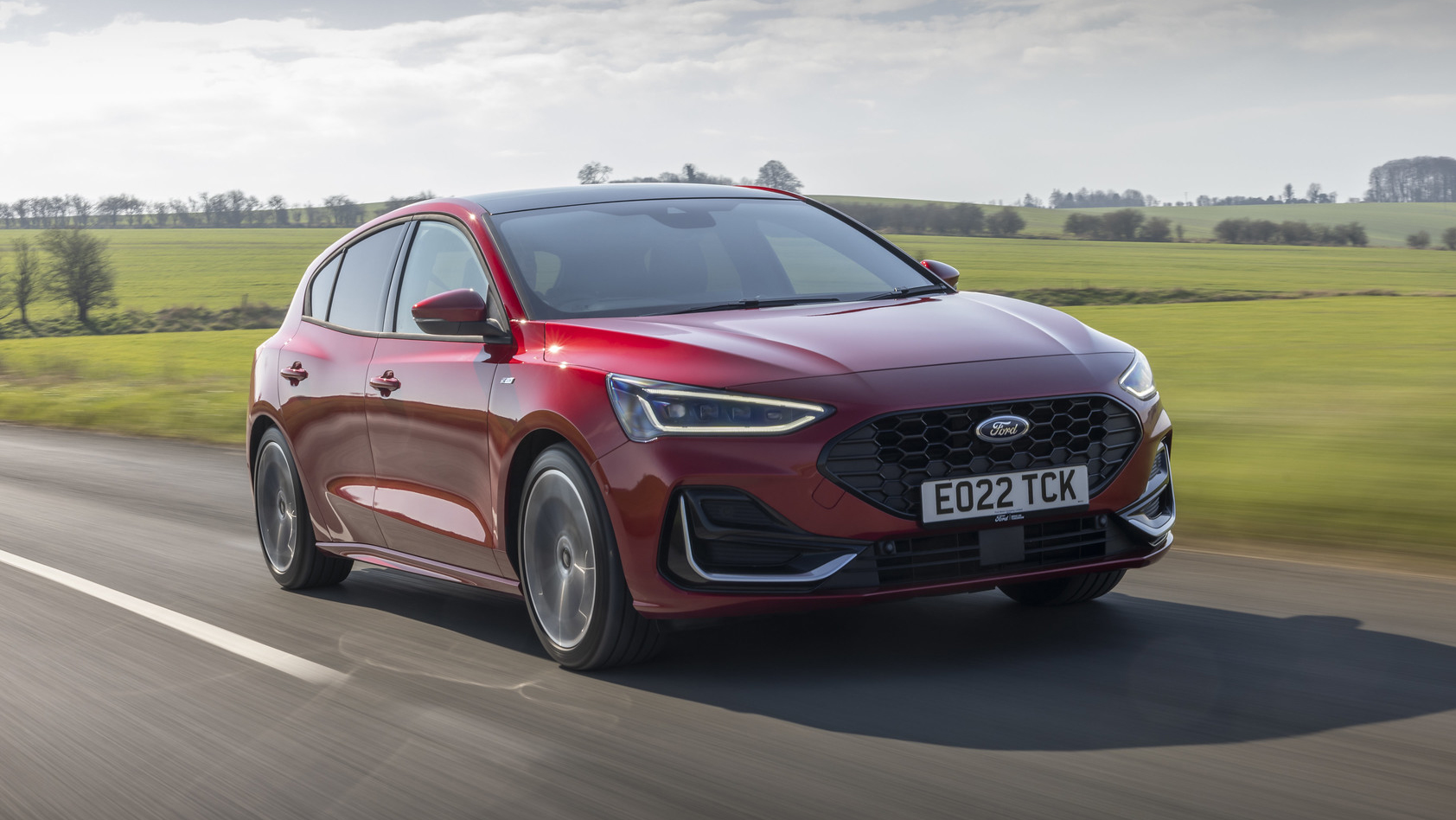
3. Nissan Altima CVT (2002–2017): High Efficiency Comes With Reliability Challenges
The Nissan Altima from 2002 to 2017 uses a Continuously Variable Transmission (CVT) designed for fuel efficiency, employing a belt-and-pulley system to optimize engine RPMs. While the CVT provides smooth driving and improved economy, its sealed design, marketed with “lifetime fluid,” has caused widespread reliability concerns.
The unit does not have a traditional dipstick and instead uses a locked charging pipe that requires specialized tools for fluid checks or refills. Service is further complicated because the NS-3 CVT fluid is specialized, high-heat resistant, and expensive. Improper fluid levels, even by a few ounces, can trigger limp mode, belt slippage, or complete transmission failure, often requiring a full replacement.
The CVT was designed to prioritize fuel efficiency and prevent misuse, but the marketing of “lifetime” fluid has encouraged neglect. Without regular monitoring, fluid degradation and overheating can cause the belt-and-pulley system to fail prematurely.
Servicing requires lifting the car, carefully monitoring fluid temperature, and filling the transmission with specialized pumps, making DIY maintenance impractical. Internal filters are often not replaceable during standard drain-and-fill procedures, adding to service complexity.
Reliability issues were especially pronounced in later generations. The 2002 to 2006 Altimas, particularly with manual transmissions, were generally reliable, but early CVTs began appearing. The 2007 to 2012 generation saw the introduction of problematic CVTs, with jerking and shuddering becoming common.
The 2013 to 2016 models were highly prone to premature failure, resulting in class-action lawsuits due to consistent shuddering, hesitation, and power loss. The 2017 models continued to show serious CVT issues, including slipping, stalling, and hesitation at highway speeds.
Symptoms of failure include jerking, shuddering, loss of power, and, in severe cases, complete inability to move. Frequent CVT fluid changes can help prolong life, but many units fail regardless.
Replacement costs for a failed CVT can exceed $5,000, often surpassing the value of older Altimas. For buyers seeking reliability, manual or traditional automatic transmissions are strongly recommended over CVT-equipped models, especially in later generations.
While the Altima CVT offers excellent fuel efficiency and smooth operation, its sensitive sealed design and high failure rates make it a high-risk option. Proper maintenance is difficult, costly, and often insufficient to prevent premature transmission issues, making informed ownership essential.
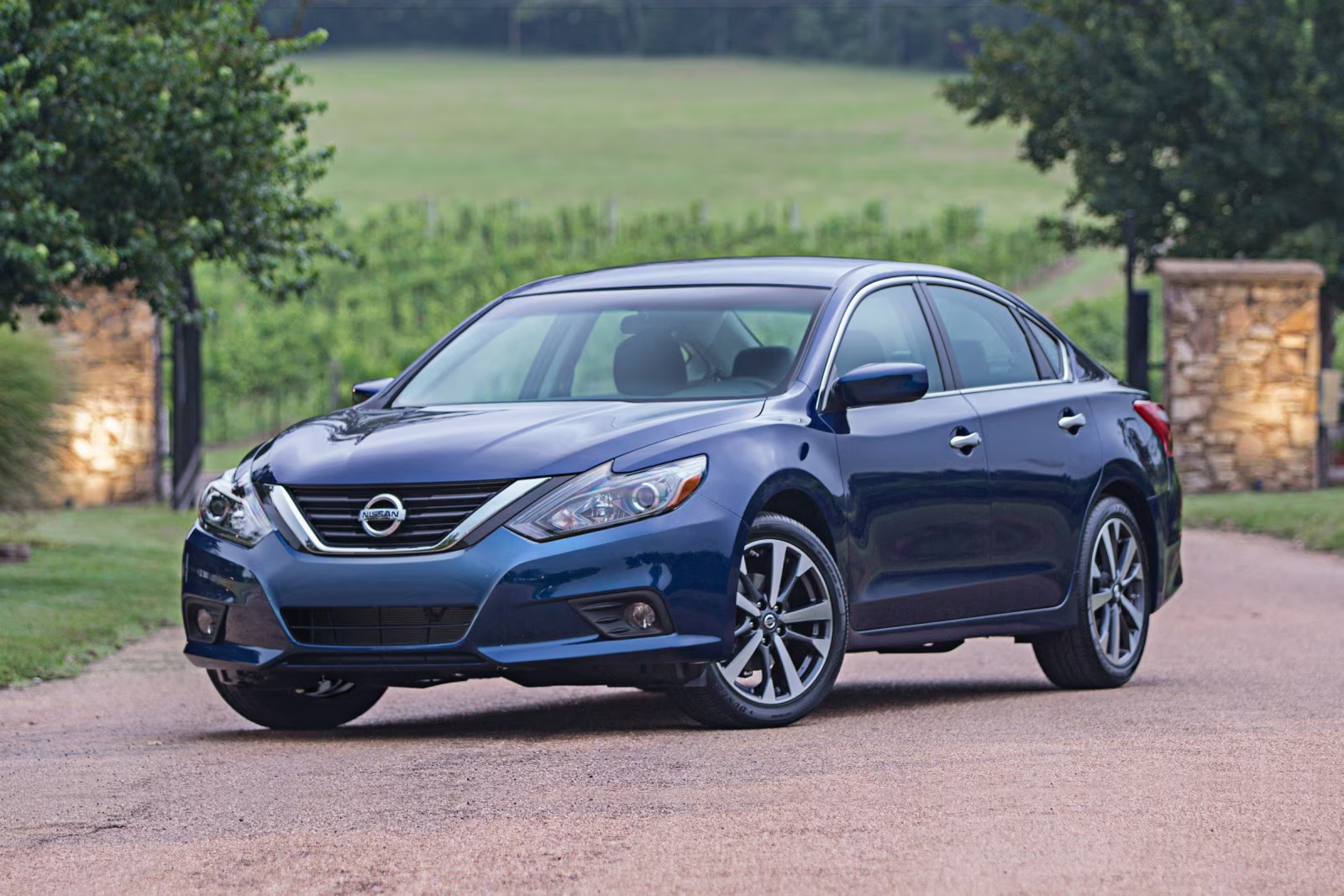
4. Mercedes-Benz GLE 450 9G-TRONIC Transmission: Luxury and Complexity in One Package
The Mercedes-Benz GLE 450 is equipped with the 9G-TRONIC nine-speed automatic transmission, a sophisticated unit designed for smooth, refined driving. This transmission is fully sealed to prevent contamination and maximize efficiency, but the design makes routine maintenance highly technical and challenging.
There is no traditional dipstick, and checking or filling the fluid requires precise temperature monitoring, typically between 35°C and 45°C, using the vehicle’s onboard computer or an external Mercedes-Benz Star Diagnostic System.
The plastic oil pan often contains an integrated filter, meaning the entire pan must be removed and replaced during service, sometimes necessitating the removal of exhaust components such as catalytic converter flanges. Specialized ATF, either “Blue” or “Gold,” is required, ensuring that only qualified service centers can handle the work.
While Mercedes markets the transmission as “sealed for life,” experts recommend service every 30,000 to 50,000 miles to prevent wear and maintain performance.
The complexity of the system includes precision filling procedures while the engine is running and, in AWD 4Matic models, integration with the transfer case, which increases heat exposure and demands high-spec fluid. These design choices reduce routine maintenance needs but significantly complicate DIY work.
Performance-wise, the 9G-TRONIC is praised for its smooth, buttery shifts and excellent pairing with the GLE 450’s 3.0L inline-six mild-hybrid engine. The transmission efficiently manages 369 lb-ft of torque while the 48-volt mild-hybrid system smooths stop-start operations and reduces turbo lag.
Driving modes adapt the transmission to different situations, with Comfort mode offering relaxed, seamless shifts and Sport mode delivering firmer, quicker responses.
Despite its acclaim, the transmission is not without minor issues. Some users report occasional hesitation, rough shifting, or clunking when engaging reverse, particularly in heavy traffic.
The 9G-TRONIC contributes significantly to the GLE 450’s reputation as a quiet, luxurious, and comfortable SUV, offering smooth power delivery, refined performance, and the high-quality feel expected from Mercedes-Benz. Proper maintenance, though challenging, is crucial for preserving the longevity and performance of this advanced automatic transmission.

Also Read: 5 Cars With Simple Dash Layouts vs 5 With Confusing Ones
5. Toyota Sienna 2013 and Newer: Sealed Transmission Challenges and Minivan Versatility
The 2013 and newer Toyota Sienna models feature a sealed automatic transmission filled with Toyota World Standard (WS) fluid. While Toyota claims this fluid can last the life of the vehicle under normal conditions, mechanics often recommend regular maintenance to prevent premature wear. The transmission lacks a traditional dipstick, instead requiring a precise overflow method to check fluid levels.
Service involves removing a straw-like overflow plug from the bottom of the pan when the fluid is within a narrow temperature window. If the fluid is too hot, excess fluid can drain out, and if too cold, insufficient fluid remains. This process makes fluid changes complicated for DIY owners and emphasizes the need for professional service.
The sealed design serves several purposes. It improves fuel efficiency, reduces contamination, and ensures cleaner fluid by eliminating the risk of debris entering through a dipstick.
Newer 8-speed models may also require cooler bypass procedures for proper fluid circulation. Although marketed as “lifetime” fluid, experts recommend changing the transmission fluid every 30,000 to 50,000 miles, especially to avoid failures after 100,000 miles. Neglecting fluid service can lead to serious transmission issues and costly repairs.
Beyond the transmission, the Sienna remains a practical, reliable family minivan. Most models come with a 3.5-liter V6 engine producing 266 to 296 horsepower, paired with available all-wheel drive (AWD), a feature unique in its segment.
Configurations allow seven or eight passengers, and trims range from the base L to the upscale Limited, with the sporty SE offering firmer suspension and distinct styling. The Sienna is praised for spacious interiors, safety ratings, reliability, and resale value.
However, there are drawbacks. Fuel economy is below that of some competitors, and cabin materials on earlier models can feel hard or dated. Higher trims with 19-inch wheels tend to ride stiffly.
AWD models may face short-lived run-flat tires, and higher-mileage vehicles can experience issues with AC compressors, power sliding doors, front suspension, or oil leaks. Infotainment and tech features may also feel outdated compared with newer minivans.
The 2013 and newer Toyota Sienna blends versatility, reliability, and family-friendly features with the complexity of a sealed automatic transmission, making proper maintenance essential for longevity and smooth performance.

6. Kia Stinger AWD: Sealed Transmission Challenges and Performance Highlights
The Kia Stinger AWD features a “sealed” all-wheel-drive system that is frequently marketed as having “lifetime” fluid. While this design aims to reduce maintenance, improve efficiency, and protect against contamination, it also makes servicing the transfer case and transmission challenging.
Most units lack a drain plug and rely only on a fill plug, making a complete fluid exchange extremely difficult without specialized tools or a suction pump. Kia’s official stance discourages regular fluid changes, but high-performance or spirited driving can cause fluid shear and overheating.
When the fluid degrades, the sealed nature of the system often means the entire transfer case or transmission must be replaced at high cost rather than serviced with fresh fluid.
The system is particularly difficult to maintain for several reasons. There is no traditional dipstick, so accurate measurement requires the vehicle to be level and on a lift, often using a check plug. The fluid must be at a precise operating temperature, typically between 96°C and 101°C, before filling, which requires extended driving and careful handling of hot components.
The fill procedure itself is bottom-up and complex, sometimes necessitating multiple drain-and-fill cycles to replace old fluid fully. Despite marketing claims, many experts recommend fluid replacement every 30,000 to 50,000 miles, especially for drivers who push the car hard, to prevent premature wear and extend the transmission’s lifespan.
Beyond transmission concerns, the Kia Stinger is a highly praised performance sedan. Top-tier 3.3L V6 GT trims deliver 365 horsepower, providing strong acceleration and planted handling. The AWD system contributes stability, and the vehicle combines a luxurious, driver-focused cabin with practical hatchback cargo space.
Features include Nappa leather, a well-integrated infotainment system, and support for wired Apple CarPlay and Android Auto. Drawbacks include limited rear headroom due to the coupe-like roofline, a slightly slower-feeling 8-speed automatic, and higher fuel consumption.
The Stinger offers excellent value compared with German rivals such as the Audi S5 and BMW 4 Series, combining performance, comfort, and technology at a more accessible price point.
Model updates, particularly the 2022 refresh, added a more efficient 2.5L engine, updated styling, and a larger 10.3-inch infotainment display, while the 3.3L GT2 remains the top-performing, best-equipped option. The Stinger balances high-performance driving with premium features, but its sealed AWD and transmission system require careful attention to ensure long-term reliability.
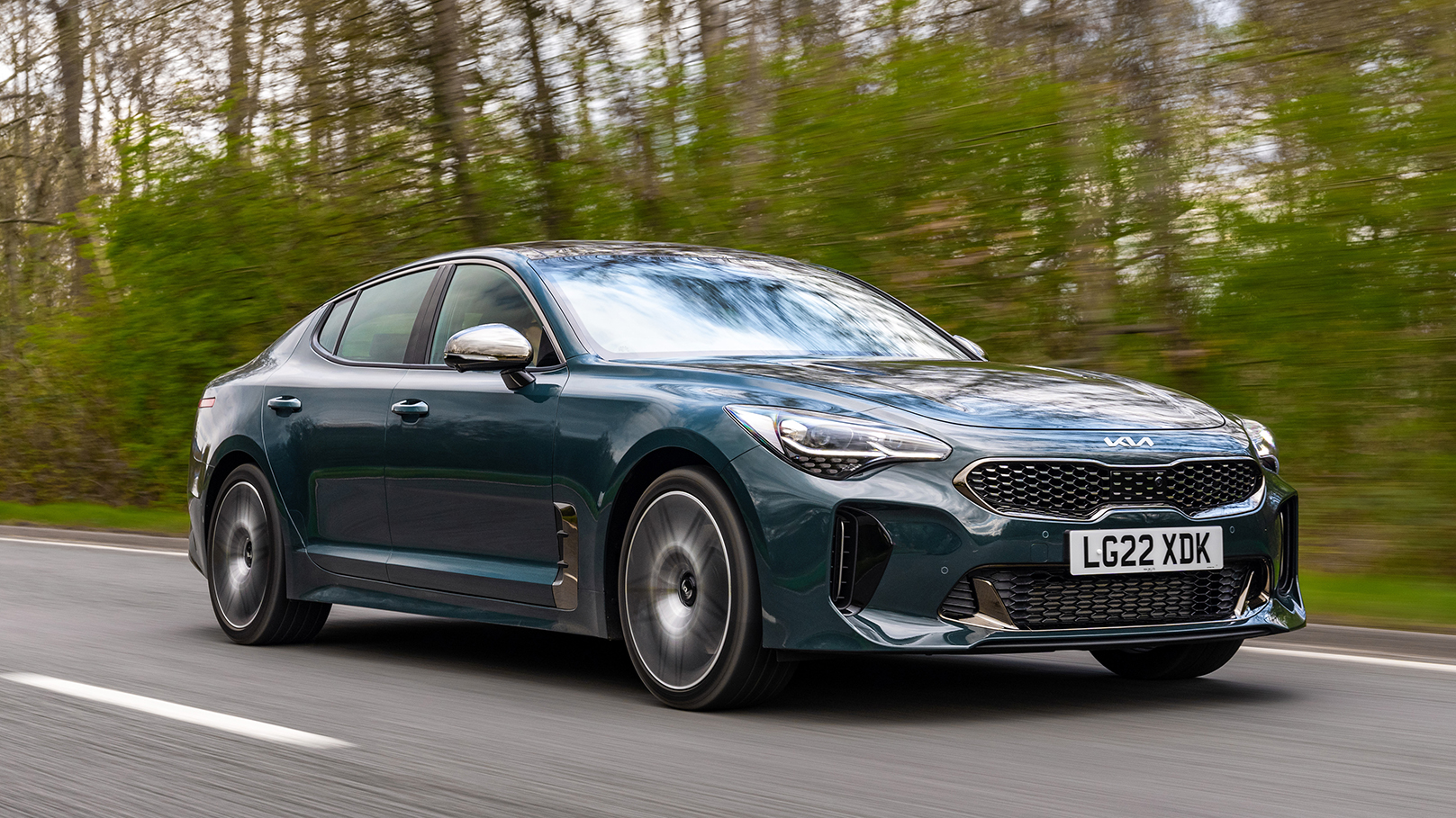
7. Ford Fiesta (2011–2014): PowerShift Dual-Clutch Transmission Challenges and Reliability Issues
The 2011–2014 Ford Fiesta uses the DPS6 PowerShift six-speed dual-clutch transmission, a “sealed” dry-clutch system designed to act like an automated manual. While marketed with “lifetime” fluid to reduce maintenance and improve fuel efficiency, the system is notoriously difficult to service and widely considered unreliable.
Unlike traditional automatics, the dry clutches do not use fluid for cooling, and most maintenance is limited to gear-side lubricant. The lack of a dipstick and limited access to fill and drain plugs make DIY servicing nearly impossible, forcing reliance on dealer-grade scan tools to perform essential clutch tooth adaptive learning after any service.
The design intent focused on efficiency and reduced maintenance, but it created high failure rates. Common problems include severe shuddering, jerking, hesitation, and premature clutch wear, especially in stop-and-go urban traffic. Oil leaks from input shaft seals can contaminate the dry clutches, causing further performance issues.
The Transmission Control Module (TCM) is also prone to faults, leading to stalling, erratic shifts, or complete transmission failure. These mechanical and electronic challenges made the Fiesta’s PowerShift system a source of frequent frustration for owners.
Despite the transmission’s fuel efficiency advantages, it negatively affects the driving experience, particularly at low speeds where hesitation and jerking are pronounced. Widespread complaints prompted Ford to extend powertrain warranties on affected models to seven years or 100,000 miles and led to class-action lawsuits.
For prospective buyers, careful consideration is crucial. Reviewing the service history to confirm repairs or replacements on the DPS6 PowerShift is essential, and opting for the 5-speed manual version is generally recommended for reliability and driving enjoyment.
While the system achieves good fuel economy, its complexity, difficult maintenance, and chronic reliability issues make it one of the most challenging sealed transmissions for the 2011–2014 Ford Fiesta.

8. Ram 2500 (2019–2023): Transmission Complexity and Service Challenges
The 2019–2023 Ram 2500 is offered with two primary transmissions depending on engine choice: the ZF 8HP75 8-speed automatic paired with the 6.4L HEMI gasoline engine, and the 68RFE 6-speed automatic used with the 6.7L Cummins diesel. While neither transmission is fully “sealed,” many models lack a traditional dipstick, leading to the perception that they are difficult or impossible to service.
Checking fluid levels requires specialized tools, precise temperature monitoring, and lifting the vehicle to access standpipes or fill plugs. Servicing also often involves heavy pans, integrated filters, and extensive bolt-torquing, followed by a Transmission Control Unit (TCU) software recalibration to ensure proper fluid pressures.
The ZF 8-speed is widely praised for smooth, crisp shifts, even when towing heavy loads up to 19,000 pounds. Its lower first gear provides improved launch capability for trailers, and it offers better engine braking and off-road control compared with the diesel variant.
In contrast, the 68RFE 6-speed diesel transmission is functional for heavy-duty use but has received criticism for “stiff jolts” during downshifts and general shifting irregularities.
Common problems include erratic shifts, gear slipping, delayed engagement, overheating under heavy towing, and fluid leaks. Over 200,000 trucks were recalled from 2020 to 2023 due to pressure and heat buildup that could force transmission fluid out of the dipstick tube, creating a fire risk.
The sealed or hard-to-access design of these transmissions is intended to protect against contamination, overfilling, and aeration, particularly under demanding towing or off-road conditions.
Some manuals advertise the fluid as “fill-for-life,” but experts recommend changing it every 30,000–60,000 miles, especially for trucks used in severe service conditions. Tight packaging and limited clearance near exhaust components make manual servicing difficult without specialized equipment, and filter replacement typically requires removing the entire pan.
For prospective buyers, particularly of diesel models, it is essential to verify recall completion and ensure that vent and dipstick tube repairs have been addressed. Despite these challenges, both transmissions perform well when properly maintained, with the gas-engine 8-speed providing superior drivability and towing ease compared with the diesel 6-speed.
Owners and technicians emphasize that understanding the service limitations and following recommended fluid maintenance can prevent premature wear and improve long-term reliability for these heavy-duty trucks.
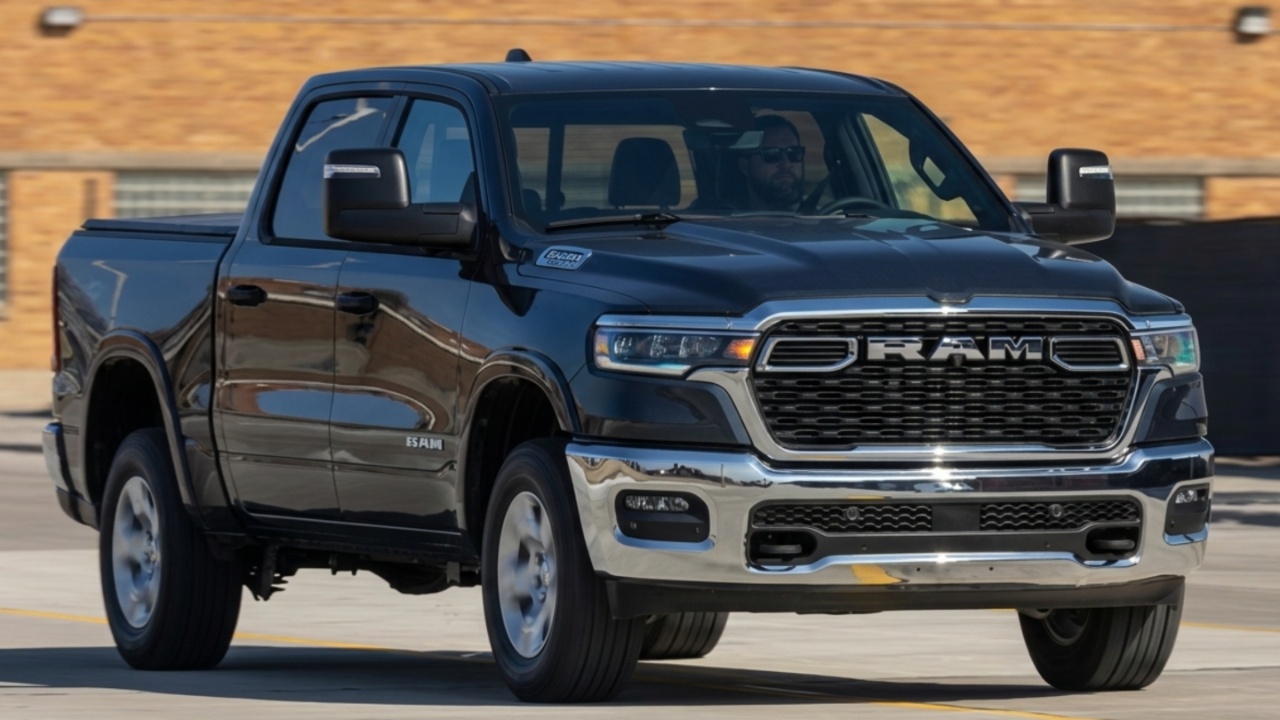
Sealed transmissions provide notable technological and performance benefits, including smooth shifting, improved efficiency, and protection against contamination. Across the eight vehicles highlighted, from the BMW X5 ZF 8HP to the Ram 2500 with its 8- and 6-speed transmissions, owners face common challenges including difficult access, complex service procedures, and high repair costs.
Despite claims of lifetime fluid, experts recommend regular service to extend transmission life and prevent premature failure, especially for vehicles used in towing, high-performance driving, or high-mileage situations.
Being informed about each system’s quirks, common issues, and service requirements allows owners to enjoy the benefits of advanced transmission technology while maintaining long-term reliability. With proper attention and maintenance, these sealed transmissions can deliver the performance, efficiency, and refinement modern drivers expect.
Also Read: Top 10 Cars With the Quietest Cabins for Under 40000 Dollars