Choosing the right SUV when you need to secure multiple car seats is one of the most important parts of family driving. Many parents and caregivers spend hours reading safety scores, test results, and user reviews when they want a vehicle that supports not just one child seat, but two or even three seats comfortably.
What makes an SUV especially valuable for this task is the quality, location, spacing, and usability of its anchor systems. Anchor systems provide points where car seats latch securely to the vehicle frame. When these systems are well designed, installation is straightforward and confidence rises among those who rely on them each day.
In everyday life, families often face hectic schedules that require safe transport for children of different ages. Infants, toddlers, and preschoolers each need specific types of seats that must be securely installed in the back of a vehicle.
The anchor system available in many SUVs offers fixed metal bars behind the seat that allow lower attachments on a car seat to click in with firm connection. At the same time, tether anchors on the back wall of the seat frame reduce forward motion in a crash. When anchor systems are easy to find, easy to use, and spaced well enough apart, family travel becomes less stressful and more secure.
Safety experts recommend that car seats be installed properly every time. Incorrect installation is one of the most common problems identified during safety inspections. Too loose, too tight, wrong angle, or skipped tether points can reduce effectiveness.
Vehicles with well‑designed anchor systems reduce the risk of mistakes because they make attachment points visible, accessible, and intuitive. That means parents spend less time wrestling with straps and more time focusing on the needs of their children. A good SUV for multiple car seats combines spacious interiors with thoughtful safety design.
Another factor that matters is the ease with which seats are swapped in and out. Some families use multiple seats that need frequent changeovers, such as moving a toddler seat in and out daily. Others may need to secure two seats on opposite sides of the back row, or even three seats if they are traveling with three children.
Anchor systems that are spaced widely and clearly marked save time and effort. They also reduce frustration and help make every trip safer because there is less chance of a missed connection or an improper snap.
In this article, we look at ten SUVs that stand out for their anchor system quality and layout for multiple car seats. These vehicles are chosen based on seating space, anchor accessibility, and design that supports family transportation needs.
The goal is to help families understand which SUVs might work best for secure and stress‑free installation of two or three car seats. Some of these SUVs offer standard anchor systems in all seating rows, while others provide optional packages that improve attachment options. Each choice reflects real‑world needs that busy drivers face when caring for young passengers.
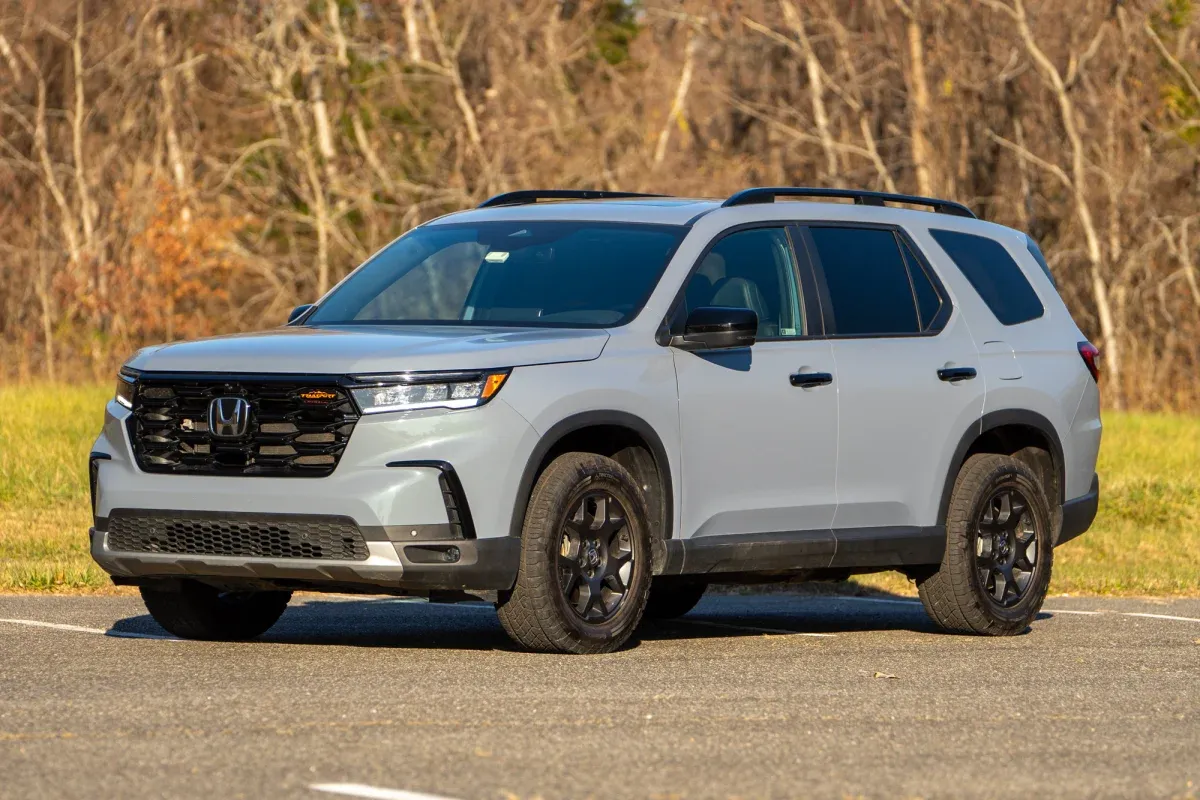
1. Honda Pilot
The Honda Pilot is widely recognized for its generous seating space and thoughtful interior design. Families who need to secure more than one car seat appreciate how the anchor points are placed consistently across the second row.
These lower anchors are easy to reach and allow two seats to be placed side by side without crowding. The third row also includes anchors in some trims, offering flexibility when traveling with extra children.
In addition to anchor accessibility, the spacing between the bars matters when installing multiple seats. The Pilot’s design places anchors at ideal distances, allowing seat shells to fit without interfering with adjacent attachments.
This makes installation smoother and reduces the risk of twisting or misalignment. Many parents report that they can secure two child seats in under a minute once they know where the connection points are.
Another advantage of the Pilot is the presence of top tether anchors behind the second row. These tethers improve safety by restraining forward motion during sudden stops or collisions.
The anchors are clearly marked and reinforced to handle the forces applied by modern car seats. For families with older toddlers and preschoolers, this feature adds reassurance that the seats are not just attached but fully stabilized.
The interior comfort of the Pilot also supports family travel needs. Ample legroom and adjustable seating positions prevent car seats from crowding passengers in other rows.
This means that parents can install seats in the second row while still leaving room for teenagers or adults up front. Cargo capacity and flexible seat folding options make the Pilot capable of handling luggage and gear without compromising seat safety locations.
The Honda Pilot combines roomy interiors with reliable anchor systems that simplify installation. Whether you are fitting two forward‑facing seats or a combination of rear and forward‑facing seats, the layout supports secure attachment without constant adjustments. Many families appreciate the balance of comfort, safety features, and usability that this SUV delivers for daily driving and long trips alike.
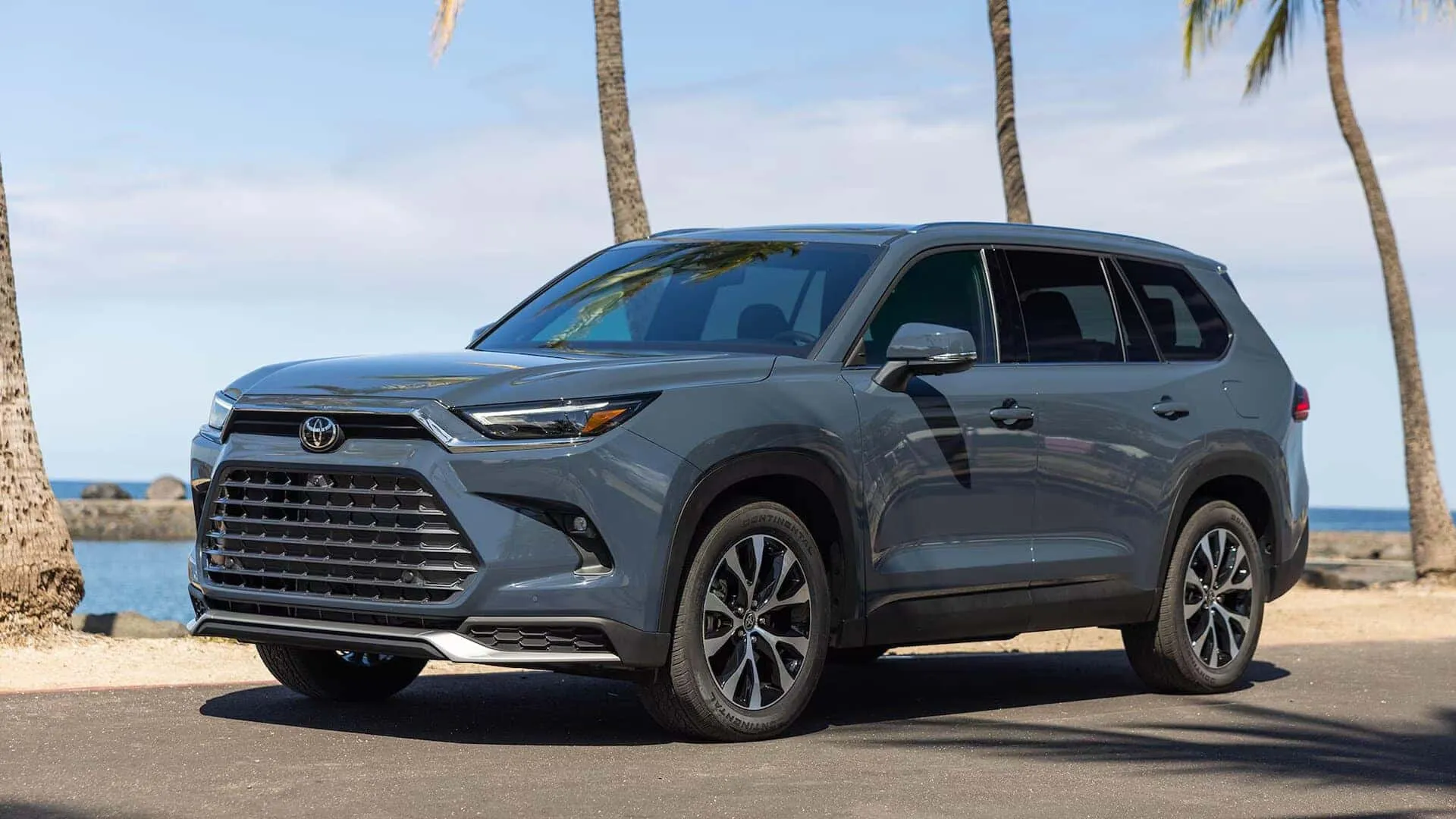
2. Toyota Highlander
The Toyota Highlander is another SUV that families favor because it offers a well‑designed seating arrangement with straightforward anchor access.
The second row features evenly spaced anchor bars that are easy to find and click into place. This helps parents avoid the frustration that can come from hard‑to‑reach anchor points in some vehicles. When you are securing multiple seats, visibility matters a great deal, and the Highlander provides that clarity.
In addition to the lower anchors, the Highlander’s tether points are located at the rear of each seating position. These tether anchors are securely mounted and clearly identified, making it simpler for drivers to connect the upper attachment straps.
This design improves stability, especially for forward‑facing seats used by older children. Car seats are less likely to shift, and this contributes to both safety and peace of mind.
Families who travel with infants and toddlers find that the Highlander also accommodates a range of seat types comfortably. Infant carrier bases fit well in the outboard positions and provide secure connections without excessive lean.
The combination of anchor bars and space between seats allows room for growth as children age into larger seats. This flexibility is valuable for households with children at different stages of development.
Beyond safety hardware, the Highlander’s interior layout contributes to convenience. Cup holders, storage compartments, and adjustable seats help families organize belongings alongside car seats. Rear climate control and easy‑to‑reach power outlets make long drives more comfortable for young riders. Parents can secure seats without sacrificing comfort or usability for other passengers.
The Toyota Highlander continues to be a strong choice for families prioritizing secure anchor systems and user‑friendly design. Its approach to seat attachment takes into account real‑life needs that arise when managing more than one car seat. With reliable hardware and thoughtful spacing, this SUV supports safe installation and helps reduce stress during travel days.
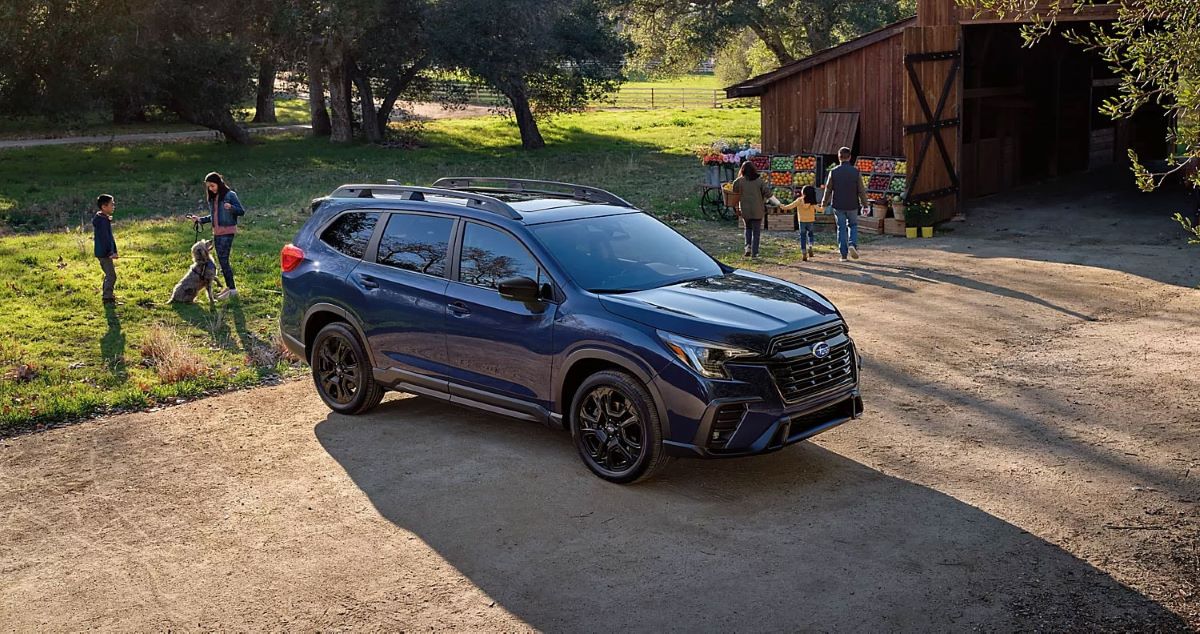
3. Subaru Ascent
The Subaru Ascent is known for combining rugged capability with family‑friendly features, and its anchor system is no exception. The second row of the Ascent offers multiple lower anchor points that are spaced so that two seats can be installed without crowding. This ease of use is especially appreciated by parents who frequently move seats between vehicles or adjust seating arrangements depending on need.
Alongside the lower bars, tether anchors in the Subaru Ascent are placed for straightforward access. These tethers provide secure connection points that help stabilize forward‑facing seats. When a vehicle includes several seating rows, the ability to reach tether mounts without wrestling with straps is essential. The Ascent’s design ensures that this task remains manageable even in everyday use.
One advantage of the Ascent is the generous interior width. Families who have three children often need room for three car seats. The Ascent’s seating configuration accommodates this possibility with less struggle than narrower vehicles. While wider seats still require careful fitting, the additional inches make a noticeable difference when securing multiple seats.
Beyond anchors, the Ascent offers features that support family travel such as adjustable headrests, simple recline mechanisms, and easy access through wide door openings. These complement the anchor system by making it easier to manage seat installation from outside the vehicle. Parents can reach anchor points without contorting around tight door frames, which reduces time and frustration.
In practice, many drivers find that the Subaru Ascent strikes a balance between performance, comfort, and safety design. The anchor system supports a variety of car seat configurations and keeps installation relatively simple compared to many competitors. When combined with the vehicle’s other family‑oriented features, it becomes an appealing choice for those who need reliable anchor points and space for growing families.
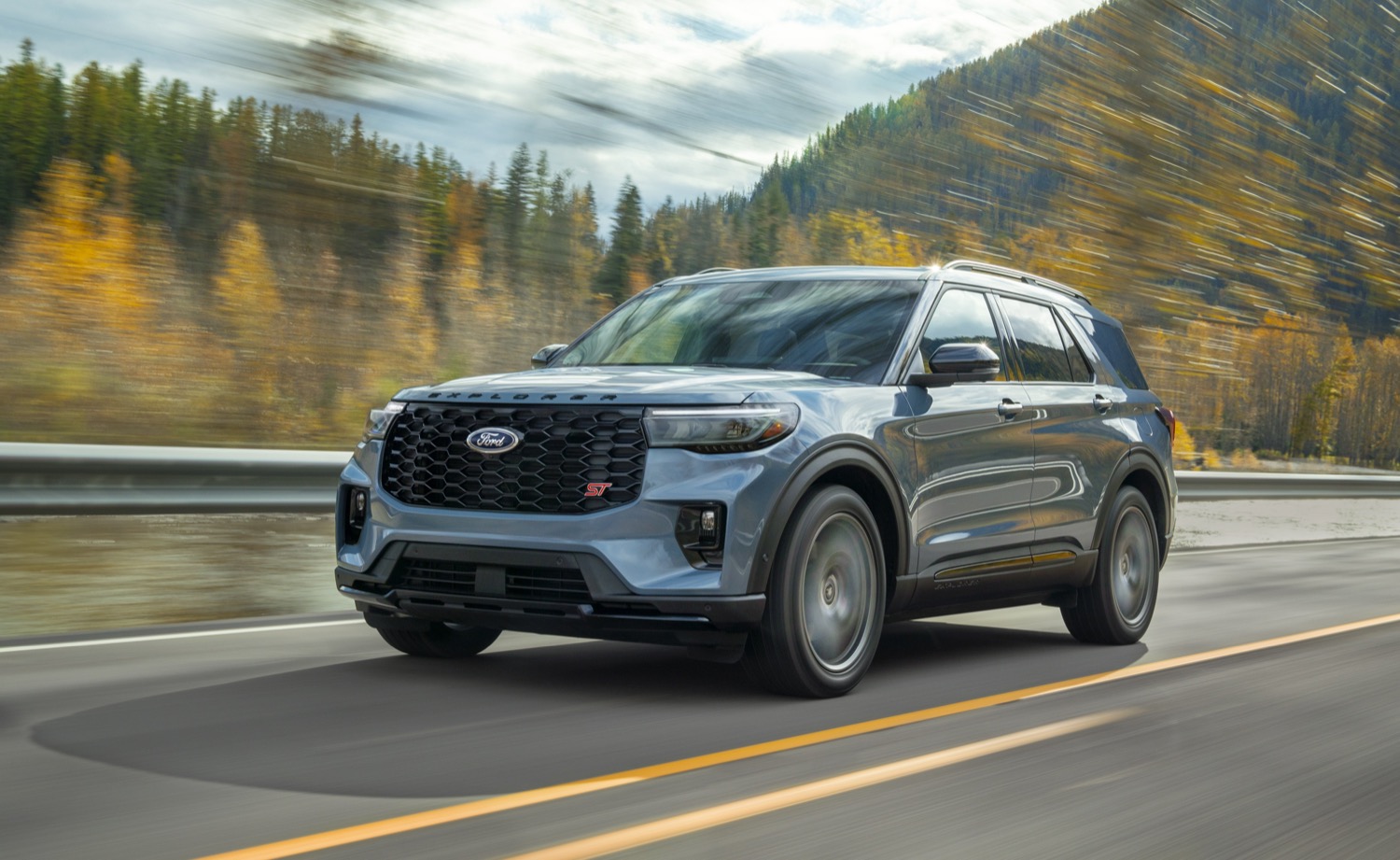
4. Ford Explorer
The Ford Explorer is a longstanding SUV that often appears on family safety recommendations due to its thoughtful seat layout and anchor design. The second and third rows provide anchor points that allow parents to install seats without undue difficulty.
In the second row, the lower anchors are visible and spaced to help secure two seats side by side. The third row also offers additional anchor locations for extra seating flexibility.
In addition to lower mounts, tether anchors in the Explorer are strategically positioned. These attachment points help reduce forward seat movement in the event of sudden stops. Because forward‑facing seats rely on secure tethers to remain stable, having well‑placed anchors contributes directly to safety. The Explorer’s design helps ensure that these connections are sturdy and easy to reach.
Another benefit of the Explorer is the adjustable seating options that enhance usability. Seats can slide forward or backward to adjust legroom and install seats more comfortably. This adjustability helps families who need to balance space for car seats and passengers. Once seats are attached to the anchors, adjustments can help tailor the fit for the child and the driver’s comfort.
The interior space of the Explorer also supports family needs. Large door openings and a roomy cabin make it easier to handle bulky car seats. This contributes to a smoother installation experience, especially when getting seats in and out on a daily basis. When combined with accessible anchor points, this makes the Explorer a solid option for multi‑seat families.
Families who choose the Ford Explorer often cite its balance of safety features and interior comfort. The anchor systems are more than functional hardware; they are part of a seating layout designed for frequent use. Being able to secure multiple car seats with confidence and relative ease makes the Explorer a vehicle that many families return to year after year.
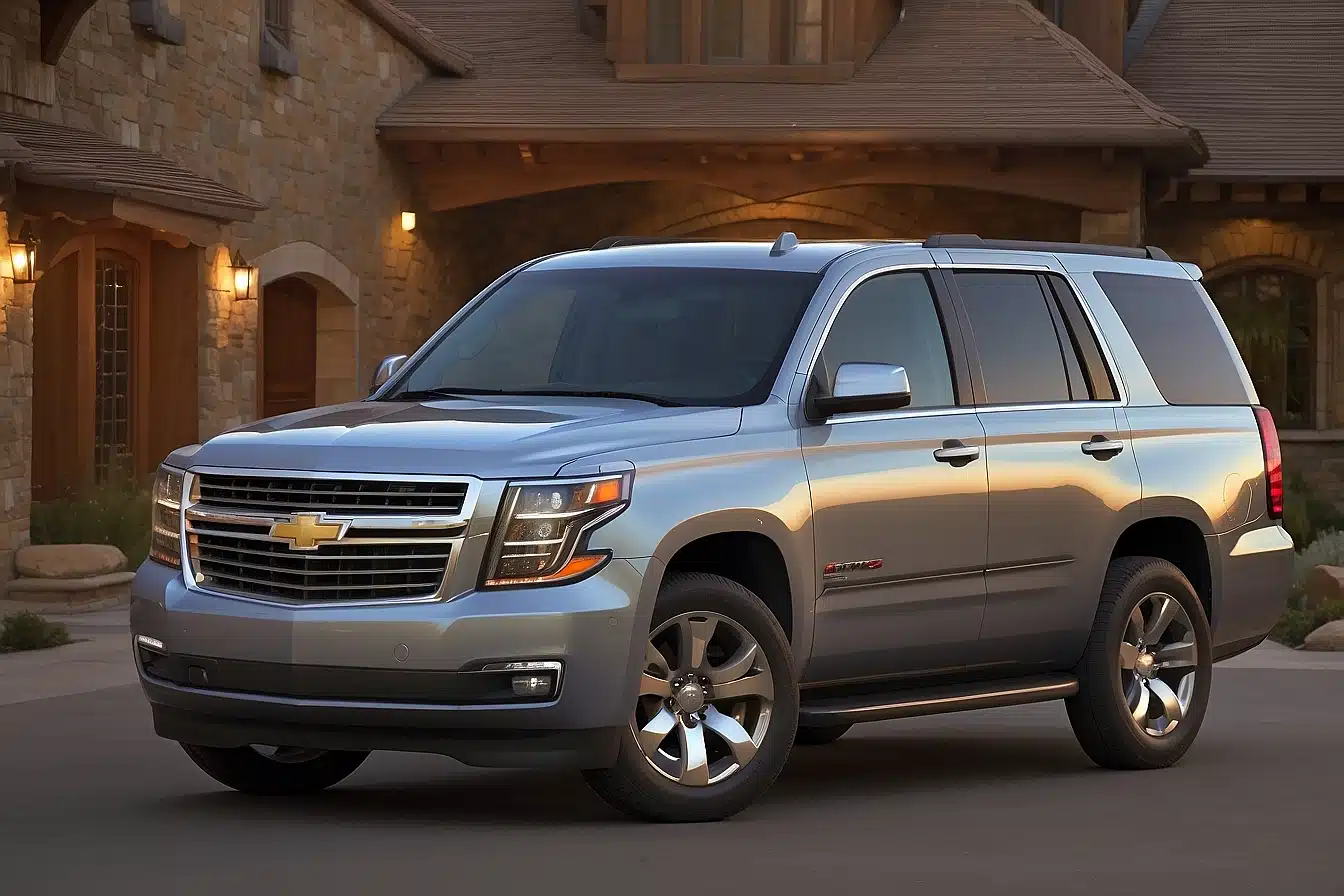
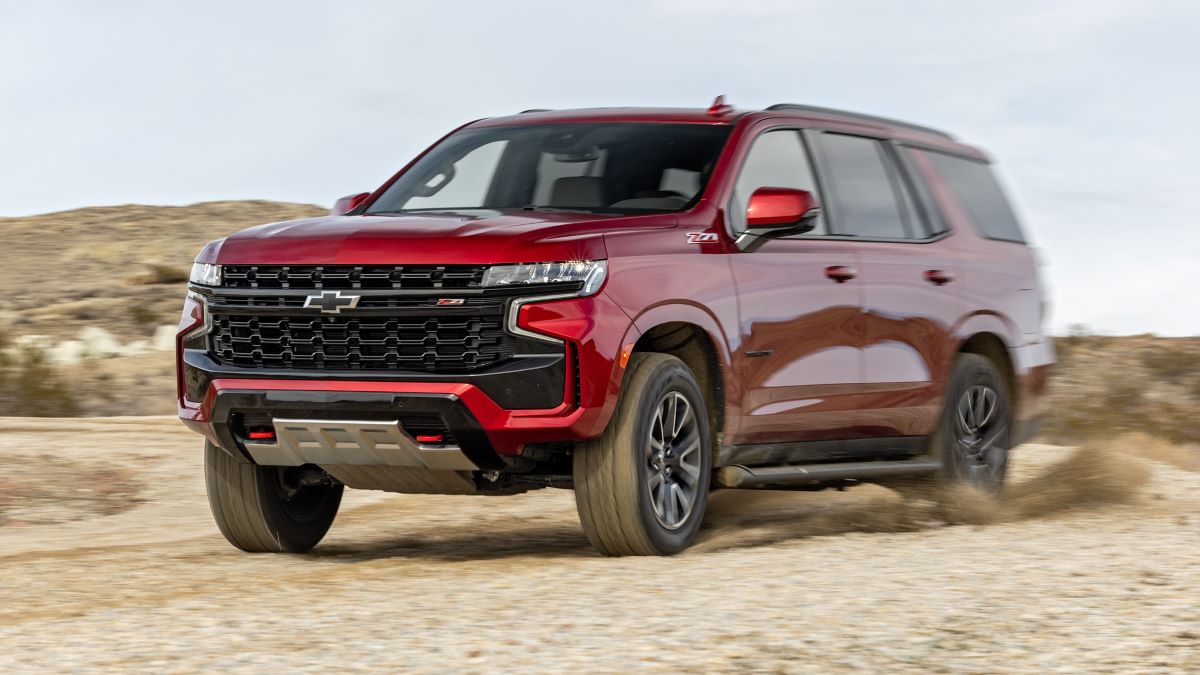
5. Chevrolet Tahoe
The Chevrolet Tahoe is a full‑size SUV that appeals to families needing room and robust safety equipment. One of its strengths is the anchor system that runs across the second row and into the third row. These lower anchors are positioned so that two seats can be installed without crowding, and in some cases three smaller seats fit with careful placement. The wide interior of the Tahoe supports multiple seat layouts with fewer constraints.
Tether anchors in the Tahoe are mounted securely and are easy to access from the seatbacks or cargo area. This makes it simpler to attach tether straps without reaching awkwardly around seat frames. The position of these mounts contributes to a stable installation, which is vital for forward‑facing seats. Families appreciate that the connection points are solid and navigable.
In addition to anchor hardware, the Tahoe’s generous cabin space enhances comfort for passengers and children alike. Plenty of headroom and legroom means that car seat placement does not compromise space for other riders. This larger interior also allows for more storage and gear while keeping seats firmly attached and properly spaced.
The Tahoe also offers optional features that further support family needs. Adjustable rear air vents, power outlets, and storage compartments help create a comfortable environment for longer trips. When combined with easy‑to‑reach anchor points, these elements make the Tahoe suitable for daily errands and extended family travel.
Many families choose the Chevrolet Tahoe because it combines strength, safety, and flexibility. Its anchor system is built with real‑world usage in mind, allowing multiple car seats to be secured with confidence. Spacious seating and thoughtful design elements reinforce the vehicle’s ability to handle family transportation demands effectively.
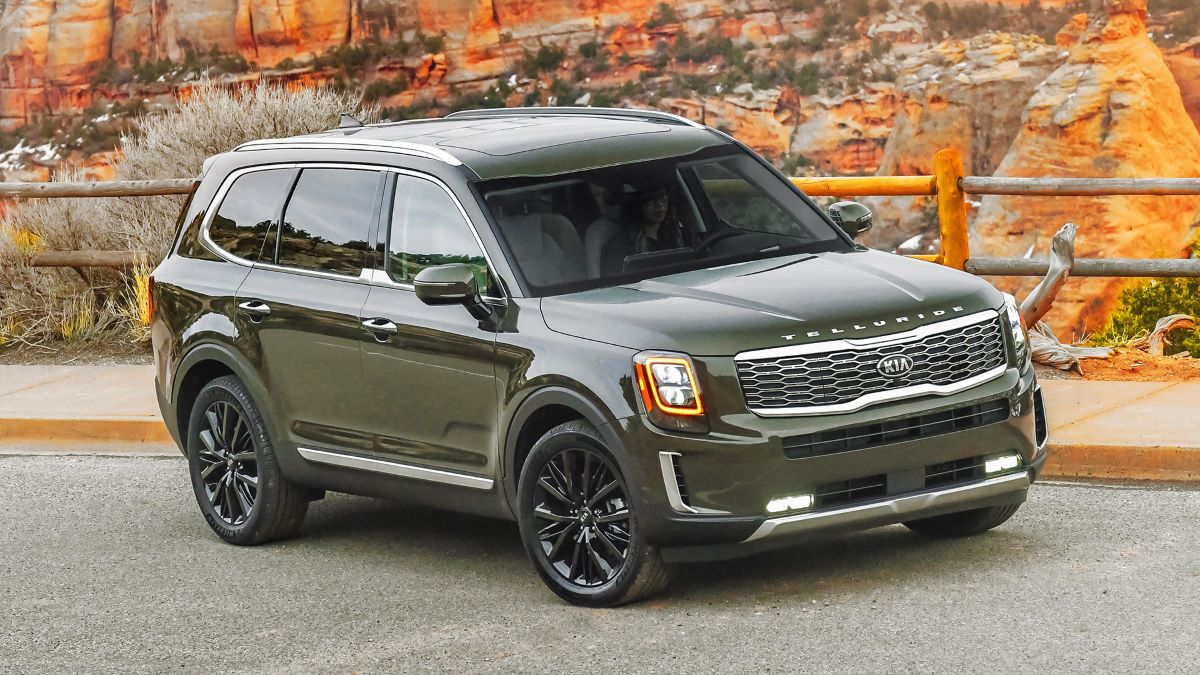
6. Kia Telluride
The Kia Telluride has quickly become popular among families for its blend of style, comfort, and safety design. The second‑row seats offer clearly marked lower anchor points that allow two seats to be installed without difficulty. The anchors are spaced to reduce interference, and the openings are large enough to accept car seat clips easily. This simplicity saves time and helps ensure that seats are installed properly.
Along with the lower anchors, the Telluride’s tether anchors are located in positions that are easy to reach. These attachment points provide secure connection for forward‑facing seats, contributing to stability during travel. Drivers often find that the tether straps click in without much struggle, which makes seat adjustments quicker when schedules are tight.
Another aspect of the Telluride’s interior is the balance between comfort and functionality. The seats are supportive, the cabin is quiet, and the spacing allows passengers to ride comfortably even with car seats installed. This combination helps families enjoy longer drives without feeling cramped or crowded. When car seats are properly attached, the interior remains accommodating for all occupants.
The Telluride also includes convenient storage and user‑friendly controls that complement the anchor system. Cup holders, USB ports, and air vents are well placed so that daily routines are easier to manage. Parents can secure car seats and still have accessibility to essentials without reaching awkwardly across seating surfaces.
For families who prioritize both style and practicality, the Kia Telluride delivers an anchor system that meets everyday needs. Clear anchor positions, stable tethers, and interior comfort make it a trailer, highway cruiser, and daily commuter that supports multi‑seat use with confidence.
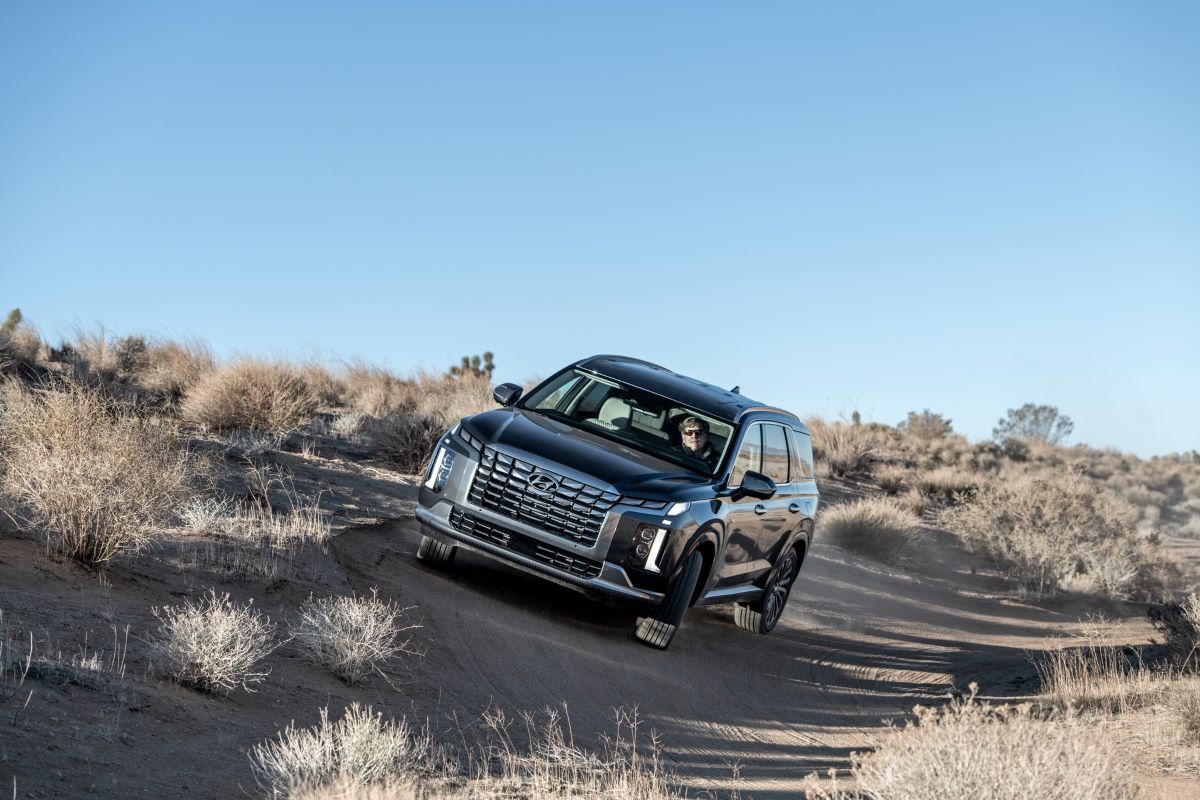
7. Hyundai Palisade
The Hyundai Palisade shares many strengths with its mechanical sibling, offering a seating design that supports secure car seat installation. In the second row, lower anchors are placed evenly and with enough space between them to fit two seats comfortably. Parents often find that the anchor bars are easy to locate without probing between seat cushions, saving time and reducing frustration during routine installs.
Tether anchors in the Palisade are sizeable and marked so they are visible without shifting cushions or headrests. This helps ensure that tether straps can be connected quickly and that forward‑facing seats remain stable in everyday use. The design supports a range of seat types, from infant carriers to booster seats, giving families flexibility as children grow.
Interior comfort is another strength of the Hyundai Palisade. Ample shoulder room and adjustable seating allow passengers and car seats to coexist without crowding. This spaciousness helps when multiple seats are installed across the row, as there is less chance of interference between adjacent seats. Wide door openings also help make installation easier.
The Palisade’s attention to detail extends to usability features such as storage compartments, accessible climate controls, and convenient access to power outlets. These elements work alongside the anchor system to make daily routines smoother. Families who spend time in traffic or on long journeys appreciate the thoughtful interior touches that enhance comfort and functionality.
For parents focused on both safety and interior usability, the Hyundai Palisade offers an anchor system and cabin layout that simplify car seat installation. Its combination of clear hardware placement, spacious seating, and convenient features makes it a strong contender among SUVs designed for families with multiple children.
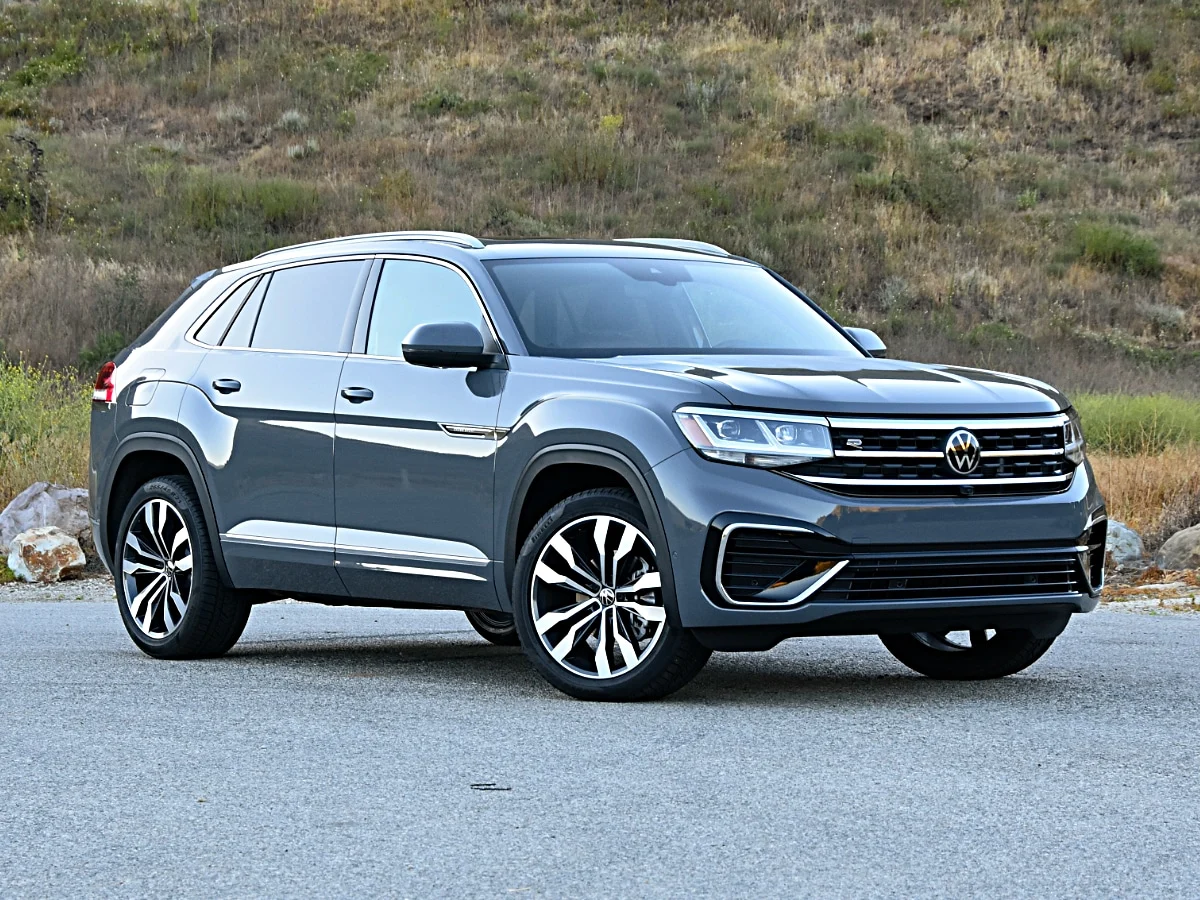
8. Volkswagen Atlas
The Volkswagen Atlas is an SUV that offers a roomier approach to interior space, which extends to its anchor system layout. The second row features lower anchor points that are spaced generously, allowing larger seats to be installed without crowding neighboring positions. This is especially helpful when two or three seats are needed across the row, as the added width reduces installation challenges.
In addition to lower mounts, the Atlas’s tether anchors are clearly visible at the back of each seating position. This helps drivers and caregivers locate attachment points without confusion or guesswork. Stable tether connections are essential for forward‑facing seats, and the Atlas’s design supports secure installation that reduces forward motion in emergency stops.
The Atlas also offers flexibility in seating arrangements with options for captain’s chairs or bench seats in the second row. This adaptability helps families tailor the interior layout to meet both passenger and car seat needs. A bench seat accommodates three passengers or seats, while captain’s chairs can provide additional space for accessing the third row.
Beyond anchor systems, the Atlas’s interior includes thoughtful touches like straightforward climate controls, user‑friendly storage, and large door openings for easier access. These features complement anchor usability by making it simpler to handle bulky seats during installation. When parents are not struggling with confined spaces, securing seats becomes a more efficient task.
Families who value interior space and practical anchor systems often find that the Volkswagen Atlas meets their needs well. With its generous width, accessible hardware, and flexible seating options, it supports multiple car seats in a way that balances convenience with safety for everyday travel.
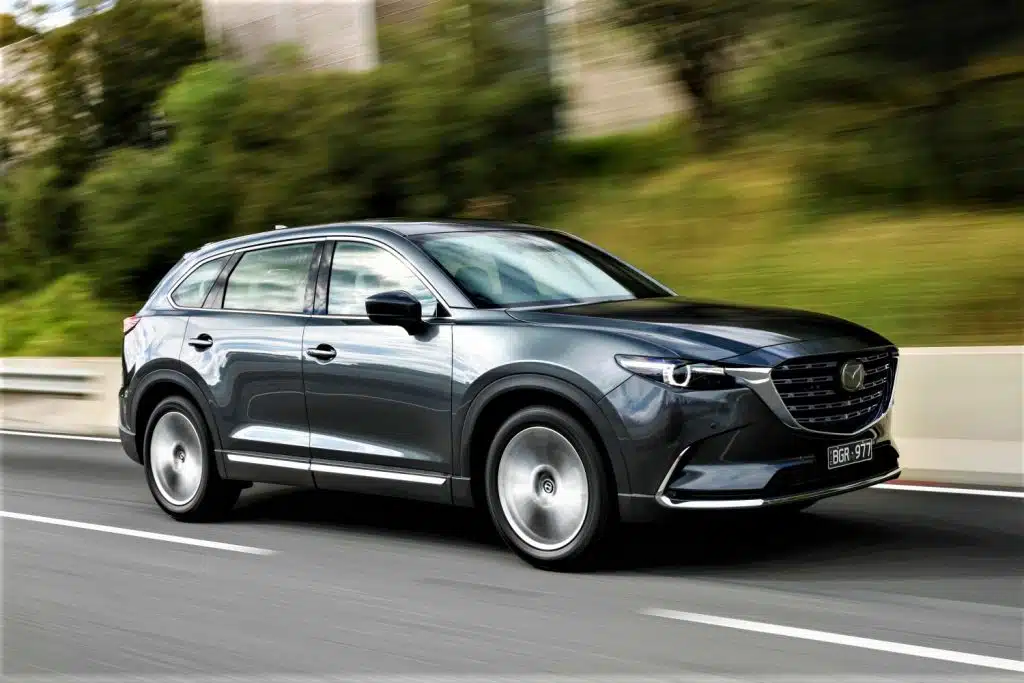
9. Mazda CX‑9
The Mazda CX‑9 blends a refined driving experience with a family‑oriented interior that includes effective anchor systems. In the second row, lower anchor points are located where seats can easily snap in. The layout is straightforward and does not require intricate searching between cushions. Families who have used multiple vehicles often note the ease with which seats connect in the Mazda’s rear seating area.
Tether anchors in the CX‑9 are placed at the top rear of the seatbacks. These connection points give forward‑facing seats additional stability, which is especially important for growing children. The Mazda’s design keeps these anchors visible and reachable, helping ensure that straps lie flat and secure without twisting or tangling behind the seats.
While the CX‑9 is narrower than some full‑size SUVs, it still provides supportive seating and a comfortable cabin environment. This comfort allows passengers to ride without conflict between adjacent car seats. Legroom remains sufficient even with seats installed, allowing both adults and children to share space without feeling cramped or restricted.
Additional interior amenities like accessible cup holders, connected USB ports, and adjustable climate controls help make daily excursions easier. These features work alongside the anchor system to support a family’s routine. When securing seats becomes intuitive rather than frustrating, drivers can focus more on the road and less on the installation process.
Parents who want a balance of driving dynamics and family functionality will appreciate the Mazda CX‑9. Its anchor system supports secure seat installation while its interior design promotes passenger comfort and ease of use. This combination makes it a competitive option for families requiring multiple car seats without compromising on ride quality.
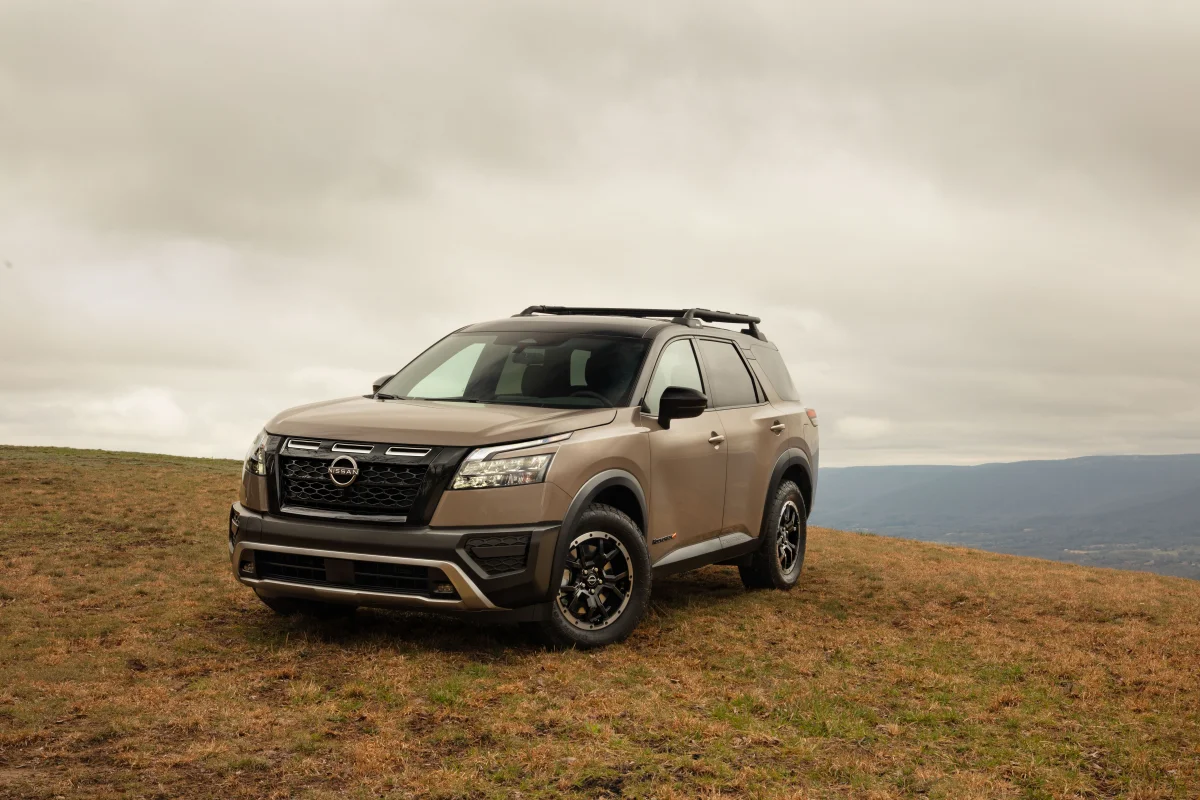
10. Nissan Pathfinder
The Nissan Pathfinder is another SUV that families appreciate for its practical anchor systems and thoughtfully designed interior. The second row features evenly spaced lower anchor points that allow two seats to be installed comfortably. These anchors are easy to locate, making the seat installation process more efficient for daily routines.
Tether anchors in the Pathfinder are mounted at the rear of the seatbacks. The positioning keeps straps visible and reachable without needing to search behind cushions. This adds confidence that car seats are secured properly, reducing the potential for installation errors that can occur when anchor points are hidden or hard to access.
One advantage of the Pathfinder is its balanced interior space, which allows passengers and car seats to coexist without crowding. Legroom remains sufficient even with seats installed in the second row. This means that adults sitting next to car seats still have room to ride comfortably over longer distances.
Additional interior features such as rear climate vents, storage compartments, and straightforward adjustment levers complement the anchor system. These convenience elements help families manage their daily travel needs without sacrificing comfort. The layout helps keep the back seat area organized, which can be especially beneficial when seats are installed frequently.
Families who choose the Nissan Pathfinder often cite the ease of managing multiple car seats alongside a practical interior. The anchor system, combined with accessible seating and useful features, makes it a reliable option for drivers seeking secure installation and everyday usability. It stands out as a balanced choice for those needing space and convenience in a family SUV.