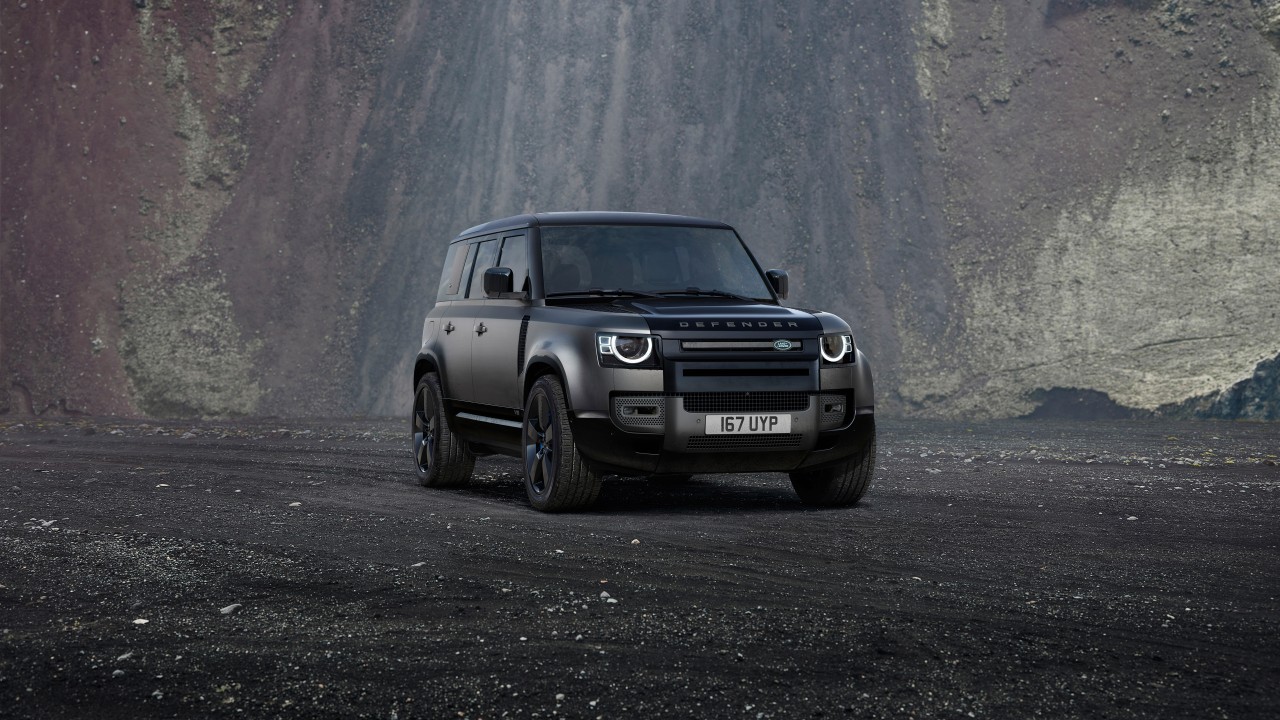
Choosing an SUV with enough ground clearance is one of the most important decisions for anyone planning frequent travel on rugged surfaces like dirt roads, rocky paths, and uneven trails in national parks.
Ground clearance refers to the distance between the lowest point of a vehicle’s undercarriage and the ground, and it directly affects the ability to pass over obstacles without damaging the underside.
Many standard SUVs are designed for city streets and highways, where smooth pavement is expected. However, when you venture into abundant with stones, tree roots, washouts, and steep angles, you need an SUV that not only sits high but can handle the whole environment with confidence.
Ground clearance is only one part of the picture when it comes to handling rough terrain, but it plays a huge role in avoiding common issues like scraping bumpers, stuck differentials, or bent skid plates. Other factors that support off‑road driving include suspension travel, tire size, approach and departure angles, and drivetrain capabilities.
Most national parks have a mix of maintained gravel roads, seasonal tracks, and sometimes unexpected obstacles that can challenge even cautious drivers. Choosing the right SUV means finding one with balanced attributes, one that feels stable on long paved stretches yet agile when the pavement ends.
In this article, the focus is on ten specific SUVs that offer enough ground clearance to tackle national park roads comfortably. These models vary in size, capability, price range, and brand history, but they share the common trait of being ready for mixed surfaces.
Some are engineered with off‑road use at the forefront, while others include packages that enhance their rough‑terrain performance. Across different manufacturers, there is a wide range of SUVs that can serve adventurers, families, photographers, and anyone else whose journeys take them beyond city limits.
Whether you prefer a traditional body‑on‑frame SUV, a modern crossover with adaptive features, or a rugged all‑terrain vehicle ready for serious dirt tracks, there is something in this list that will fit your needs. Each model is discussed in terms of its ground clearance measurement, how it performs on challenging roads, and why it stands out in real‑world use.
If your goal is to explore lesser‑travelled park routes, reach remote campgrounds, or simply feel confident that your vehicle can handle uneven surfaces, this guide will help you identify capable options. The following sections cover ten SUVs that meet these criteria and explain what makes them suitable for national park roads.
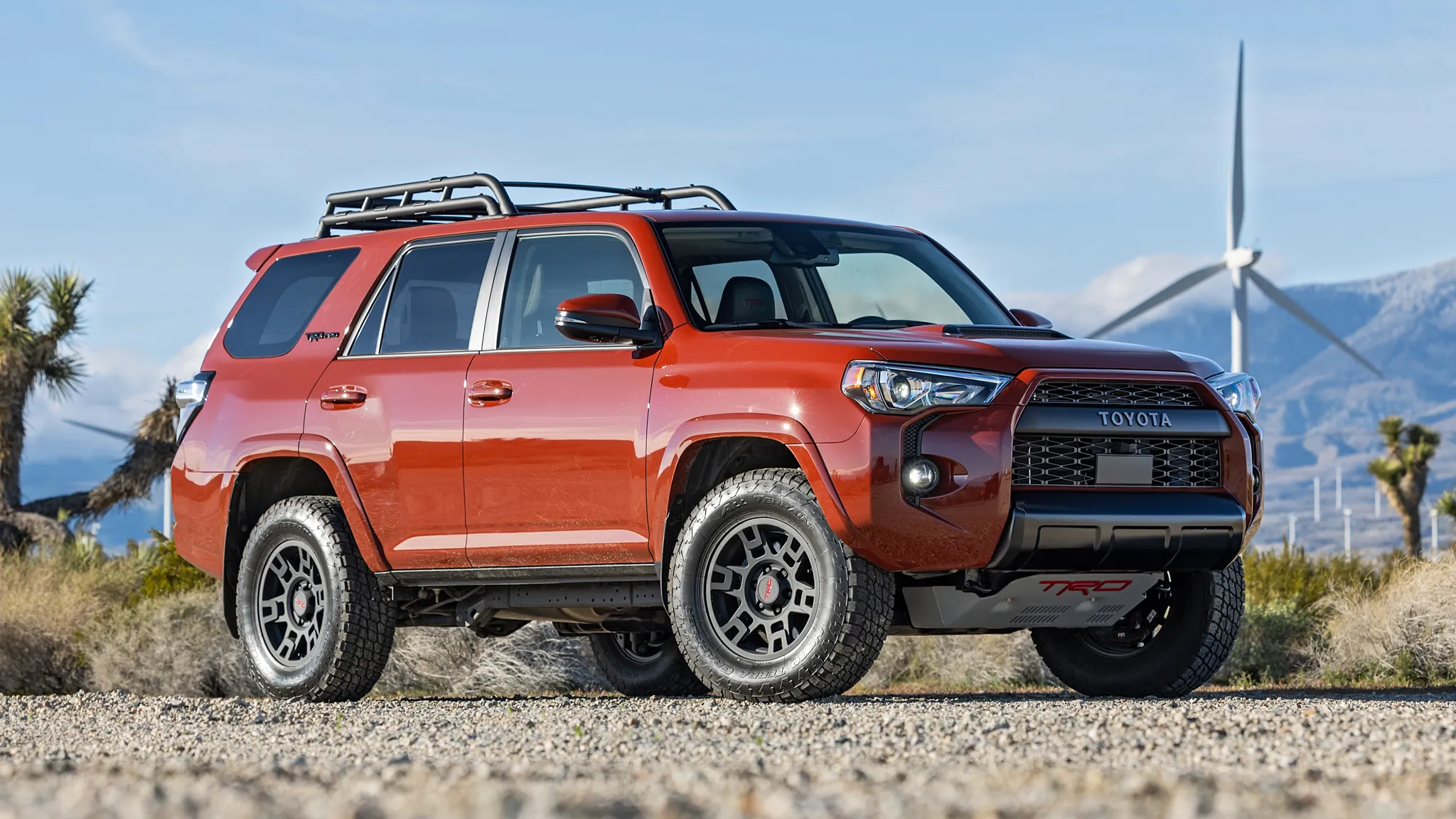
1. Toyota 4Runner
The Toyota 4Runner has built a reputation as a dependable SUV with serious off‑road prowess. It features a body‑on‑frame design, which is traditionally more rugged than unibody alternatives.
With generous ground clearance, the 4Runner manages significant bumps and rock‑strewn tracks in national parks without much fuss. The robust suspension system contributes to its capacity to absorb the irregularities of rough roads and retain driver confidence.
One of the standout features of the 4Runner is its available 4WD system with a locking rear differential. This setup helps distribute power efficiently when traction is limited.
Drivers who frequent muddy stretches or uneven gravel appreciate how the SUV maintains forward momentum. The approach and departure angles are also suited to trails that require climbing over taller obstacles or descending steep sections carefully.
Inside, the 4Runner provides ample space, making it suitable for families and gear alike. Whether you are hauling camping equipment, bicycles, or photography gear for nature shots, the cargo room is thoughtfully laid out.
Seating comfort supports long days on and off paved roads. While not the most refined ride on flat highways, its strength emerges when the terrain becomes unpredictable.
Fuel economy is not its strongest selling point, but for many buyers this is a compromise they accept in exchange for capability. The engine delivers reliable power, and maintenance is generally straightforward. For those who intend to take advantage of trail‑rated routes in national parks, the Toyota 4Runner remains a highly recommended contender that balances competence with practical usability.
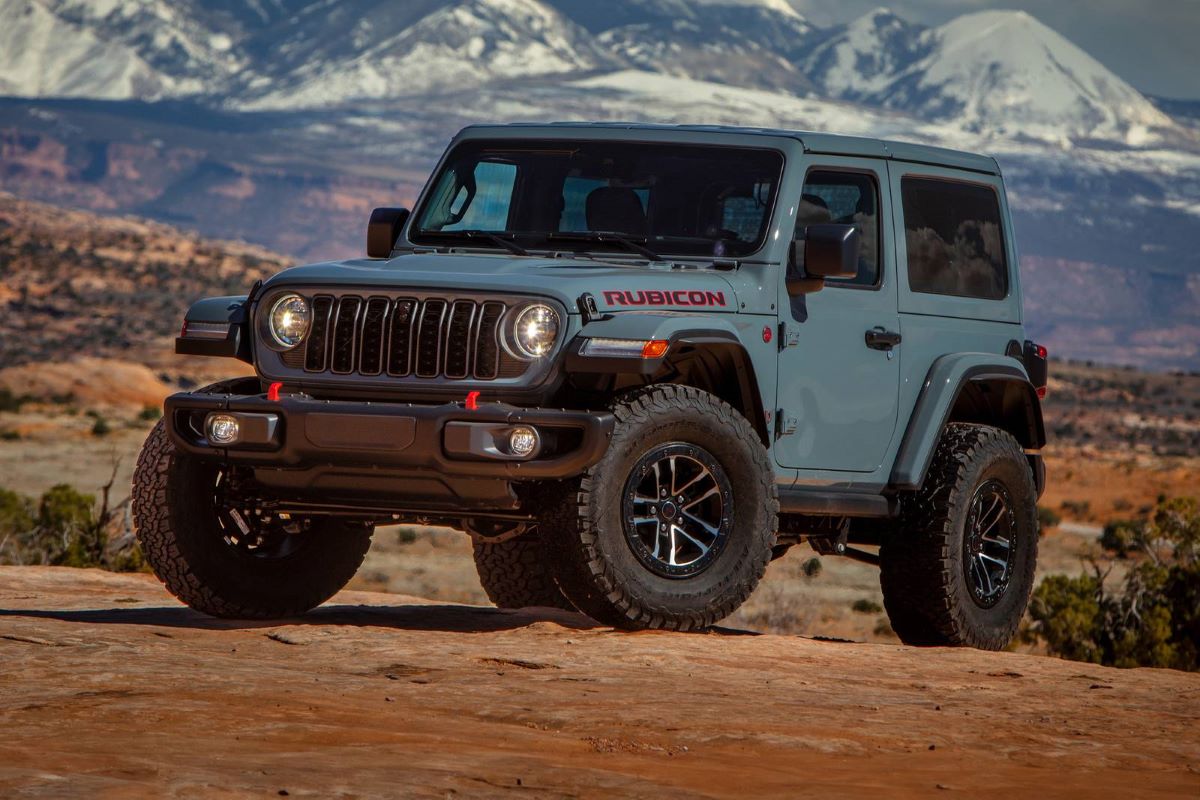
2. Jeep Wrangler
The Jeep Wrangler is often synonymous with off‑road performance, and for good reason. Its design prioritizes the ability to go where many vehicles dare not tread. The Wrangler stands tall with substantial ground clearance that allows it to move over rocks, deep ruts, and uneven backcountry roads with relative ease. The rugged build is paired with solid axles that enhance articulation when wheels encounter dips or rises.
Drivers heading into national parks will find the Wrangler’s four‑wheel drive systems highly effective. Manual and automatic options provide selectable terrain settings that improve traction on sand, dirt, or wet surfaces. The Trail Rated badge on certain trims indicates added capabilities in traction, water fording, maneuverability, articulation, and ground clearance. These characteristics resonate with adventurers seeking assurance in unpredictable conditions.
The Wrangler’s short overhangs further contribute to its off‑road aptitude. This means the SUV can tackle steep inclines without catching its bumpers or chassis. The removable doors and roof appeal to those who enjoy a more immersive outdoor experience, though this is more about fun than function. Nevertheless, it underlines the vehicle’s focus on outdoor passage rather than just suburban driving.
Comfort inside has improved in recent years, although it still leans toward utilitarian rather than luxurious. Seats are supportive for long days on uneven tracks, and the cabin is relatively easy to clean after dusty excursions. Technology features keep drivers connected, but simplicity is part of the Wrangler’s charm. For rougher national park roads, its core competencies shine.
Fuel efficiency may lag behind some crossover‑style SUVs, yet this trade‑off is expected in a vehicle designed for serious off‑road use. When a trip includes rocky tracks, forest roads, or less maintained routes, the Jeep Wrangler’s combination of ground clearance and capability makes it an appealing choice for those who demand more from their adventures.
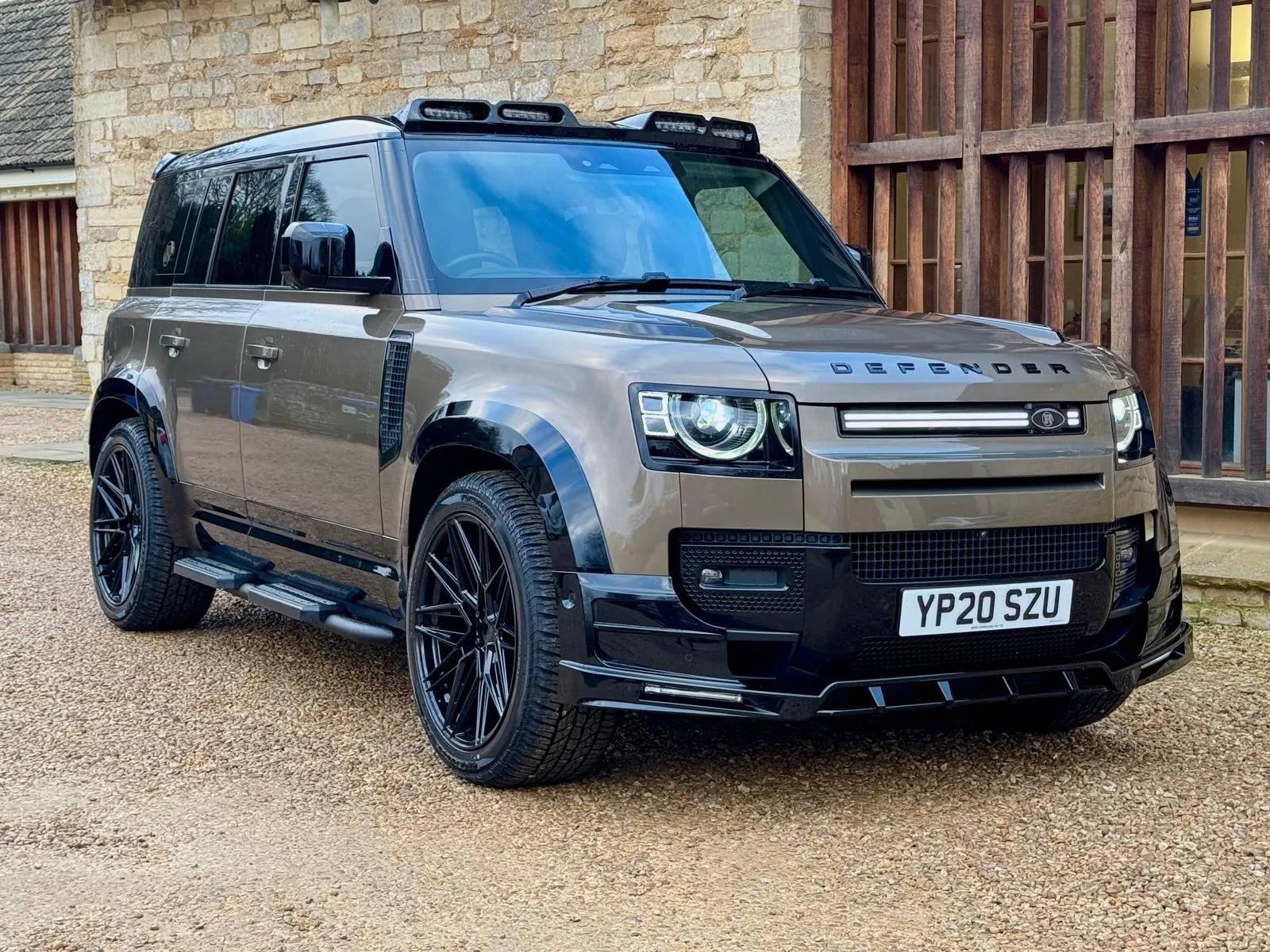
3. Land Rover Defender
Land Rover has a history of building capable off‑road vehicles, and the Defender exemplifies this ethos. It blends a refined interior with strong all‑terrain performance, making it suitable for national park roads that alternate between relaxed cruising and rougher surfaces.
The Defender offers high ground clearance that can also be adjusted electronically, enhancing its flexibility when encountering varying obstacles. This adaptive system allows drivers to raise or lower the SUV depending on conditions.
On rugged paths, the Defender’s traction control and advanced terrain modes support confident driving. Features like all‑wheel drive with torque vectoring ensure that power is distributed intelligently to the wheels that need it most. This is particularly helpful when navigating loose gravel or slippery patches during seasonal changes in national parks. The sophisticated suspension system plays a part in smoothing out irregular surfaces.
Despite its ruggedness, the Defender remains comfortable for everyday use. The interior reflects a blend of durable materials and modern tech that feels welcoming. Long drives over dirt roads or harder trails are less tiring thanks to thoughtful seat design and noise insulation. Storage space is generous, accommodating gear for extended stays or family trips.
The Defender’s presence on the road is unmistakable, marrying robust capability with an elegant silhouette. While some off‑road purists prefer simpler designs, many find the Defender’s balance between comfort and rough‑terrain performance attractive. In environments where the path veers from smooth to challenging, the SUV adapts with minimal fuss.
Cost and maintenance considerations are important for potential buyers. The Defender typically commands a premium price, and servicing may be more expensive than mainstream brands. However, for those who prioritize a vehicle that handles demanding national park roads while offering everyday usability, the Defender’s combination of features makes it a compelling option.
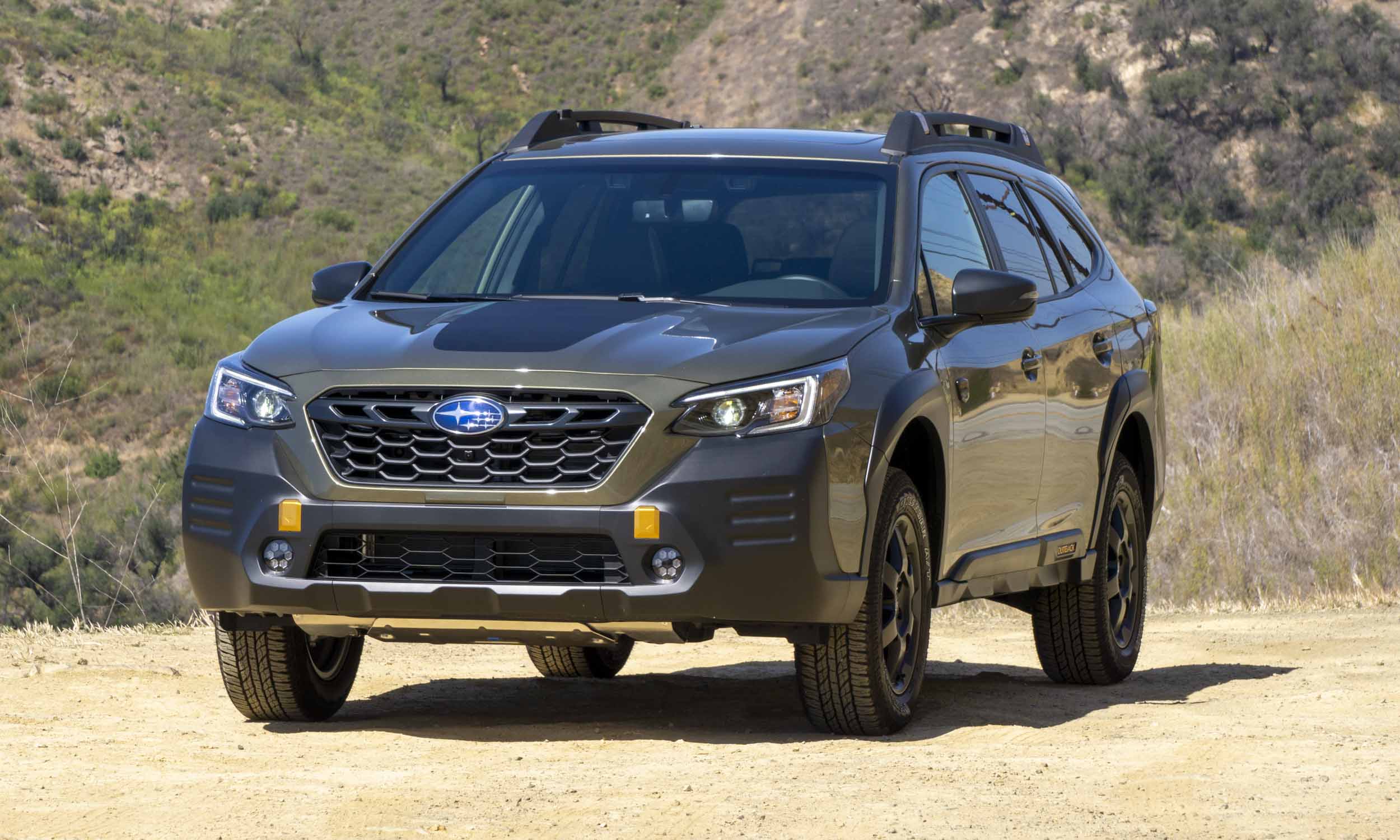
4. Subaru Outback Wilderness
The Subaru Outback Wilderness is a variation of the popular Outback designed for more challenging terrain. It increases ground clearance beyond the standard model, making it well suited for uneven routes and forest tracks that lead into national parks. This model retains Subaru’s hallmark symmetrical all‑wheel drive, known for balanced traction in varying conditions. The Wilderness trim adds rugged touches that support adventure‑oriented driving.
Its suspension is tuned for slightly greater wheel travel, helping the Outback maintain stability over rough surfaces. Although it is not a traditional SUV, the Wilderness variant bridges the gap between crossover and off‑road‑ready vehicle. Drivers appreciate how it manages gravel roads without feeling overly stiff or uncomfortable. The increased clearance means rocks and roots pose less risk to the undercarriage.
Inside, the Outback Wilderness continues with a practical and comfortable cabin layout. Seating is supportive, and materials are chosen for durability. Storage compartments are well distributed, making it easy to organize gear for hikes, photography, or long weekend trips. The ride remains composed even when the road quality fluctuates, which is a welcome characteristic on extended journeys.
Fuel economy is competitive for its class, adding efficiency to its list of strengths. For drivers who balance daily use with adventure travel, this model presents a versatile choice. It may not have the sheer ruggedness of larger SUVs, but for moderate off‑pavement travel and prolonged park road use, it performs admirably.
The Subaru Outback Wilderness offers a thoughtful mix of ground clearance, all‑terrain capability, and everyday usability, making it an attractive option for adventurers who appreciate both comfort and competence on less maintained roads.
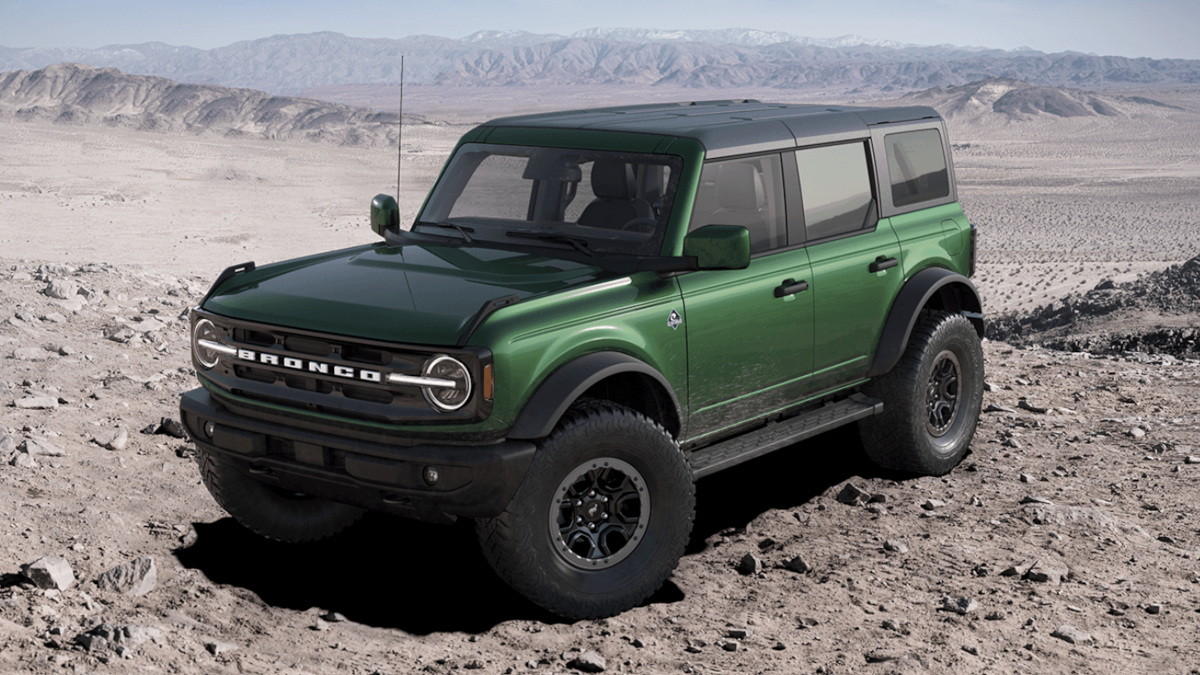
5. Ford Bronco
The Ford Bronco revives a classic nameplate with modern capability geared toward rough terrain. It emphasizes a strong ground clearance baseline that supports travel on bumpy and uneven surfaces often found in national parks.
Several trims and packages enhance off‑road performance, including features that help manage muddy, sandy, or rocky paths. The Bronco’s design reflects ruggedness and versatility in one package.
Engine options offer robust power delivery, which is beneficial when climbing steep grades or passing through softer surfaces. The available four‑wheel drive system, paired with advanced terrain modes, helps maintain traction where it counts. Whether the objective is a scenic overlook or a backcountry campground, the Bronco can handle shifts in terrain without overwhelming the driver.
Approach and departure angles are engineered to reduce the chance of scraping when entering or exiting steep sections. This is key on park roads where steep culverts or erosion create unexpected challenges. The Bronco’s suspension system helps smooth out jittery stretches, offering a consistent feel even when the road quality changes.
Inside, the SUV presents a blend of rugged styling and modern technology. Controls are designed for ease of use even when wearing gloves, and interior storage accommodates gear for extended journeys. Comfort levels support long days behind the wheel, and visibility is generally strong for trail driving.
Drivers who plan frequent backcountry travel find the Bronco’s balance of clearance, traction, and on‑road livability appealing. While some other SUVs focus more on paved comfort or outright rock crawling, the Bronco positions itself as a capable all‑terrain machine ready for park roads and beyond.
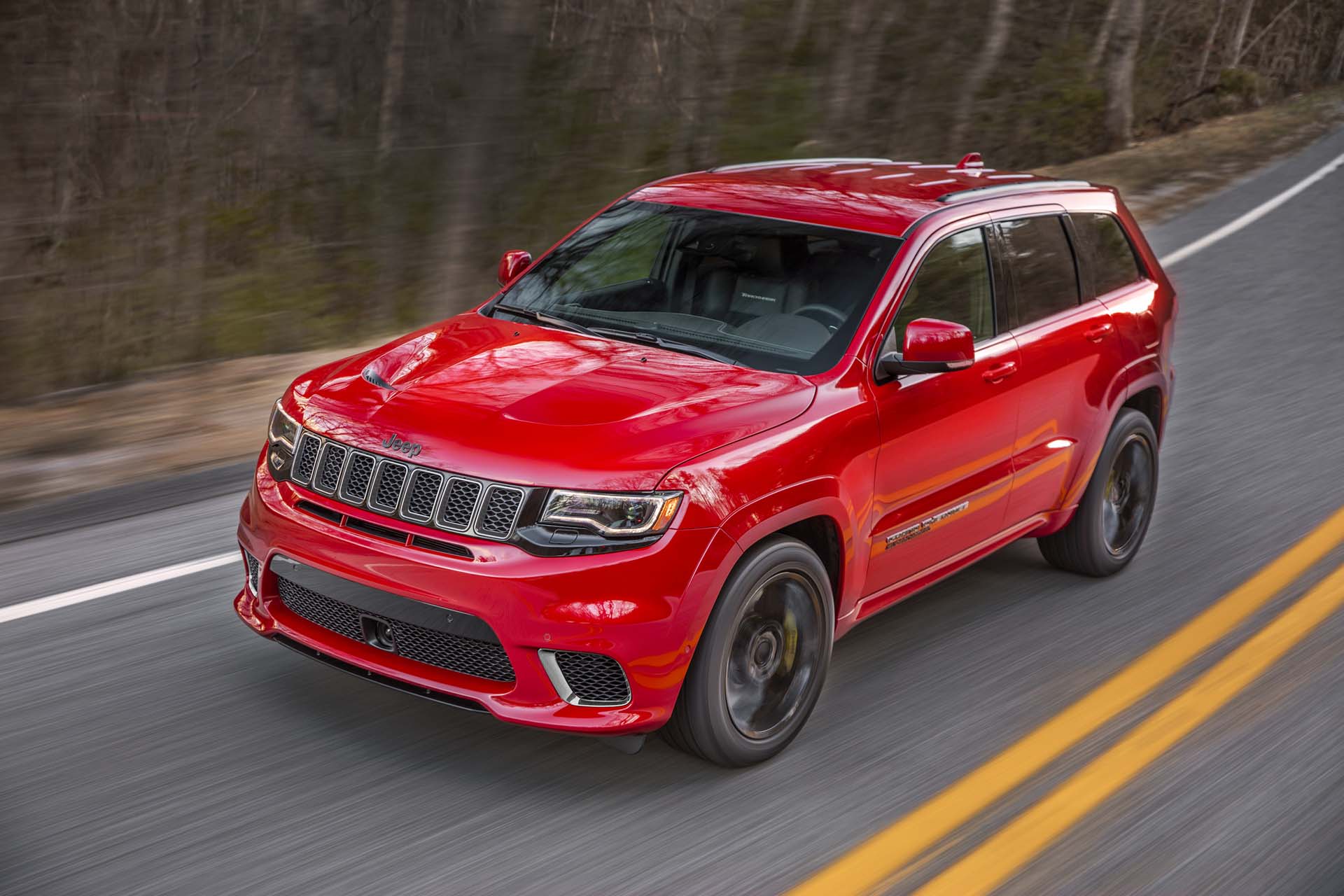
6. Jeep Grand Cherokee
The Jeep Grand Cherokee is a midsize SUV that successfully pairs refined driving manners with genuine capability. It offers configurations that include higher ground clearance and four‑wheel drive systems specifically designed for off‑pavement use. For national park roads that range from smooth gravel to dirt tracks, the Grand Cherokee provides a stable and confident presence.
One of its strengths is the variety of available terrain management systems that adapt engine output, transmission behavior, and traction control to suit changing surfaces. This means that when the pavement ends, the SUV can adjust to provide better grip and control. Combined with generous wheel travel, it feels planted even when the road becomes uneven.
The interior of the Grand Cherokee typically skews toward comfort and luxury, with supportive seating and premium materials. Long journeys across diverse terrain are less fatiguing thanks to thoughtful ergonomics. Storage space is ample for gear, and optional cargo features make organizing equipment more convenient.
Handling on paved roads remains composed, which makes the Grand Cherokee a good choice for those who split time between city driving and adventure travel. Its suspension balances comfort with firmness where needed to maintain confidence on rougher stretches. The combination of refinement and capability is a hallmark of this SUV.
Fuel economy varies depending on engine choice, but many find the trade‑off acceptable given the package. For adventurers who want capability without sacrificing everyday practicality, the Jeep Grand Cherokee stands out as a strong option for national park roads.
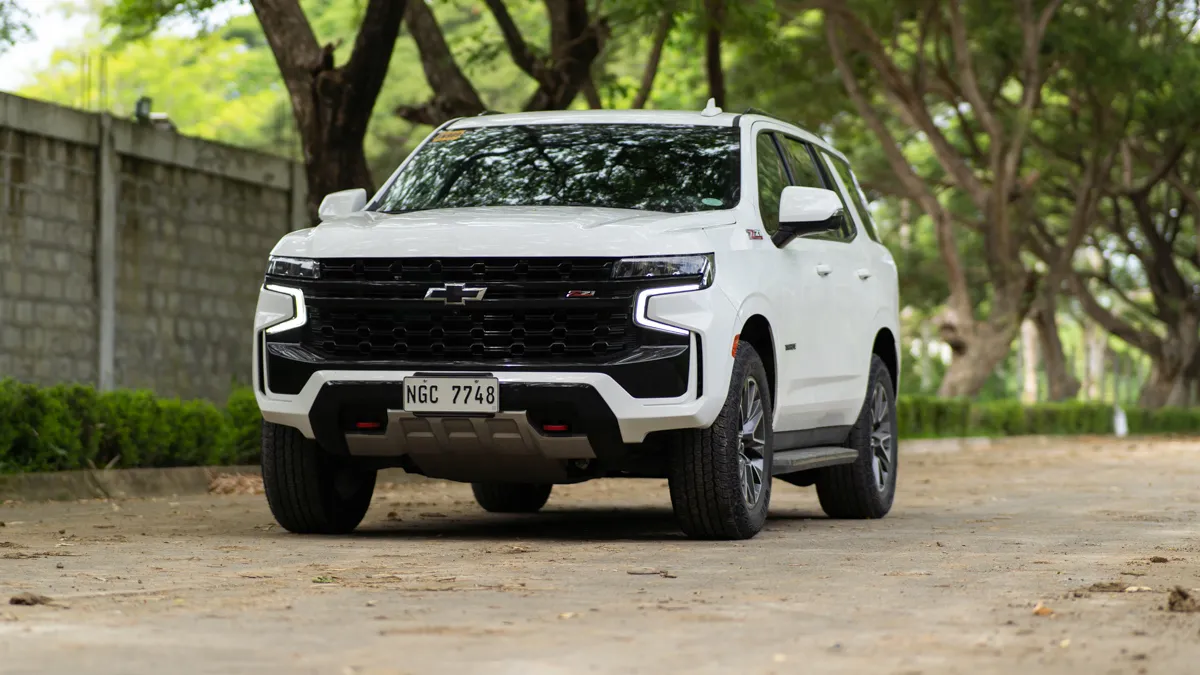
7. Chevrolet Tahoe Z71
The Chevrolet Tahoe Z71 is a full‑size SUV that brings significant presence and capability to rugged terrain. The Z71 package focuses on off‑road enhancements, including improved ground clearance, skid plates, and suspension tuned for rough surfaces. National park roads that are wide and uneven or narrow and rocky are easily addressed by the Tahoe’s strong build and generous size.
Powerful engine options provide ample torque for uphill climbs or hauling heavy loads like camping gear and boats. The four‑wheel drive system works in conjunction with traction control to maintain forward momentum even when conditions are less than ideal. The otherwise roomy SUV retains comfortable driving manners despite its larger footprint.
Inside, the Tahoe offers expansive seating for passengers and cargo alike. Families or groups with equipment for extended stays in natural areas will find the space extremely accommodating. The cabin design focuses on comfort and convenience, which helps during longer stretches of travel between towns and park entrances.
On rougher roads, the Z71 suspension absorbs impacts while keeping occupants comfortable. The improved clearance means drivers are less likely to worry about scraping the front or rear underbody. The SUV’s sheer size contributes to confidence when navigating rutted surfaces, though it also requires some awareness in tighter trails.
The Chevrolet Tahoe Z71 combines the advantages of a large SUV with practical off‑road enhancements. Its ground clearance and rugged setup make it fitting for national park routes, especially for those seeking space and capability in one vehicle.
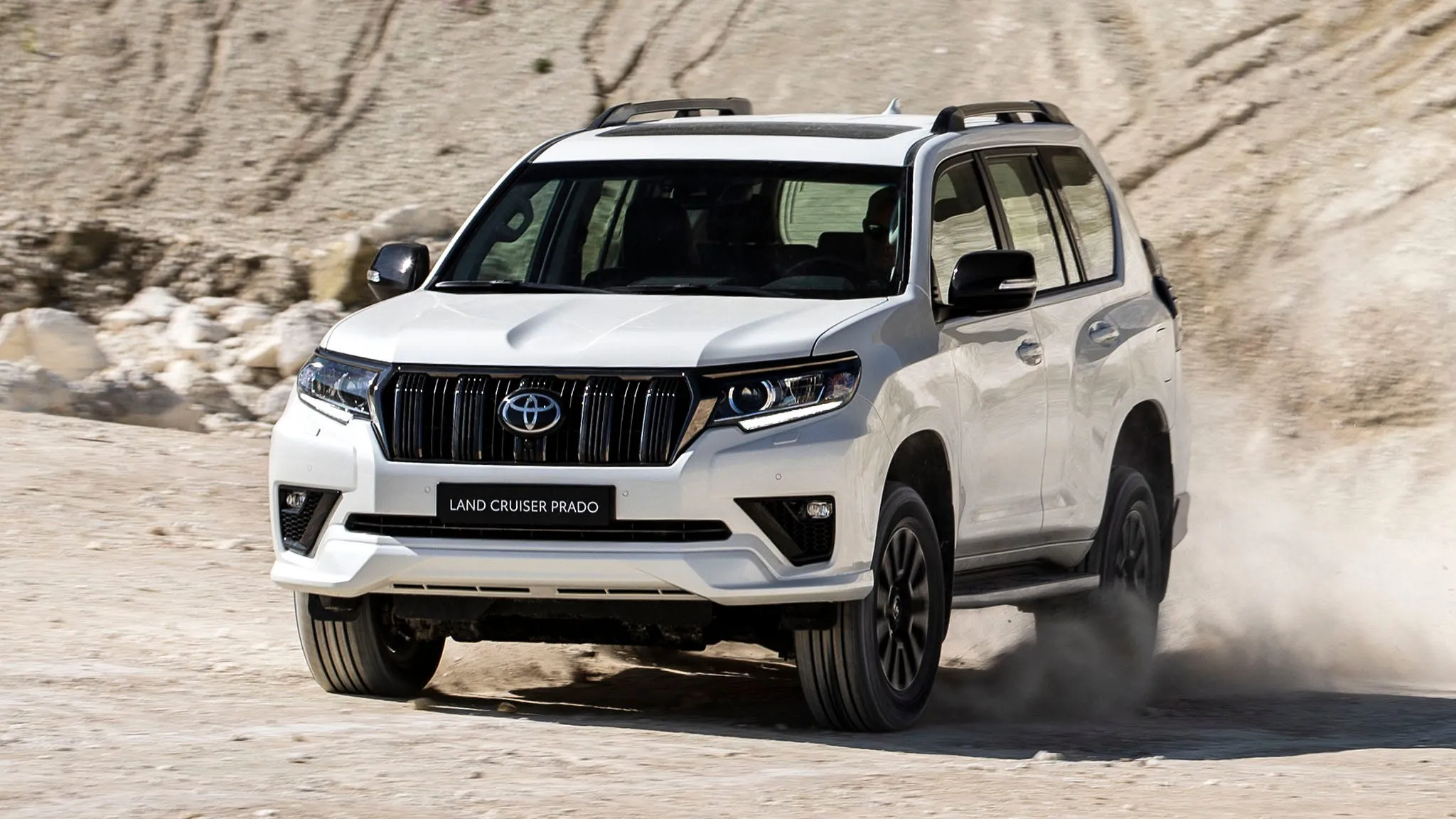
8. Toyota Land Cruiser Prado
The Toyota Land Cruiser Prado builds on a long tradition of reliable, capable SUVs suited to rough use. It offers a generous ground clearance that makes it capable of handling difficult roads with confidence. Combined with a robust four‑wheel drive system, the Prado is able to traverse rocky or uneven park roads without sacrificing comfort.
The suspension system on the Prado is tuned for both stability and comfort, which helps drivers and passengers feel more at ease on extended journeys. Long stretches across dirt, gravel, and uneven paths are absorbed gracefully, keeping the ride smooth. Locking differentials and terrain‑responsive systems enhance traction in conditions where grip may vary.
Inside, the Prado offers a comfortable cabin with supportive seats and practical amenities. Space for passengers and luggage makes it a good choice for families or groups that carry gear for extended outdoor activities. The interior materials are designed to withstand wear from outdoor equipment and boots.
The Prado’s reputation for durability means that many owners report strong performance after years of travel on demanding roads. This reliability factor makes it popular with adventurers who prioritize consistency. Its ground clearance adds to peace of mind when tackling less maintained park routes.
While not always the most fuel efficient, the Toyota Land Cruiser Prado’s blend of capability, comfort, and durability makes it a compelling choice for those planning significant travel on national park roads and similar environments.
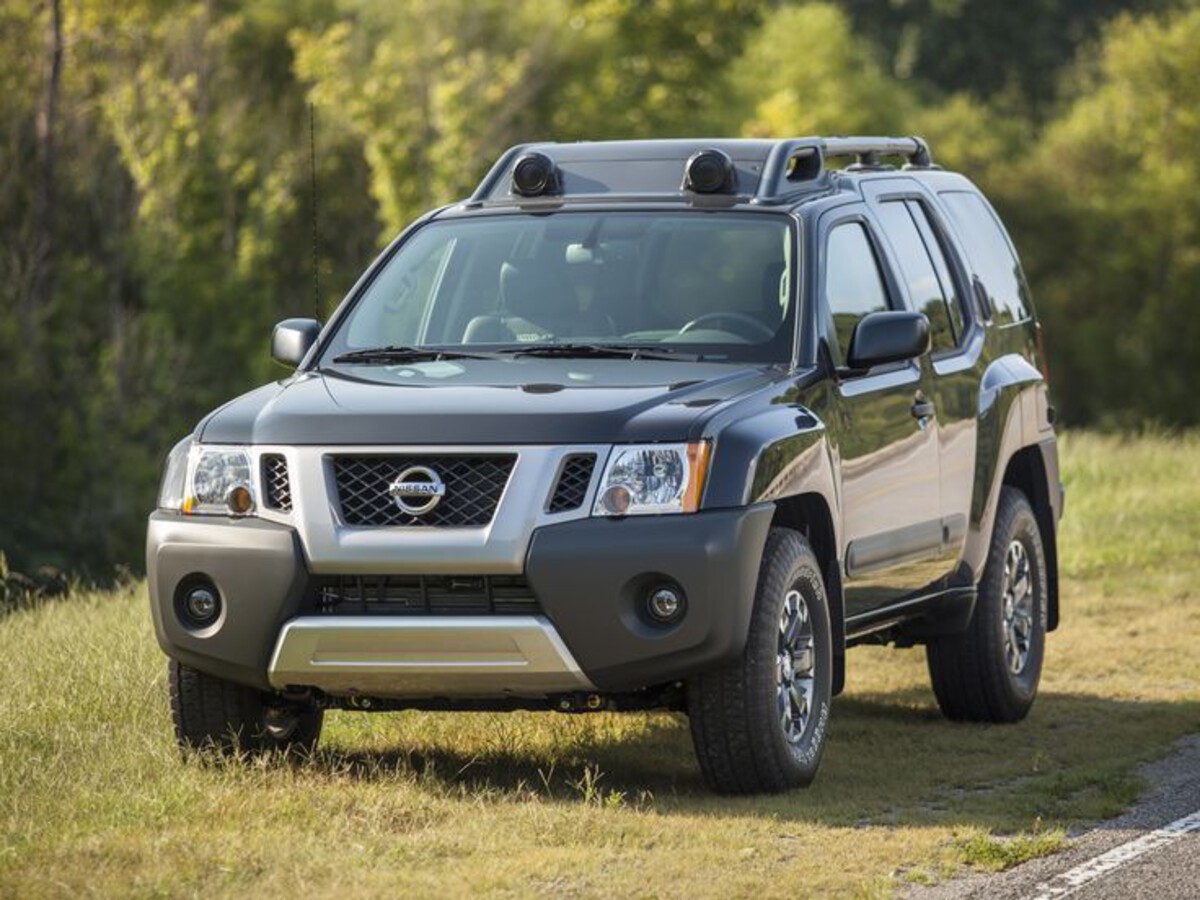
9. Nissan Xterra
The Nissan Xterra is an SUV that was developed with outdoor adventure in mind. It offers ground clearance that supports driving on uneven surfaces and rough tracks often encountered in and around national parks. Built to handle more unpredictable terrain, the Xterra’s suspension and chassis design provide a solid foundation for off‑pavement use.
Traction control and four‑wheel drive options help the Xterra maintain grip when the road becomes loose with dirt or gravel. Drivers appreciate how the SUV moves confidently over bumps and dips, responding with stability rather than unpredictability. Approach and departure angles are designed to minimize underbody contact when tackling steeper driveways or obstacles.
The interior is practical, with durable materials suited to handling gear and outdoor equipment. Seats are comfortable for longer trips, and cargo space is generous enough for essentials like camping kits, coolers, and sporting gear. The design supports a lifestyle that involves frequent travel beyond paved roads.
Engine performance is adequate for most adventure travel needs, providing enough power for uphill stretches and quick maneuvers when necessary. The combination of ground clearance, traction capability, and interior comfort gives the Xterra a balanced character that appeals to many outdoor enthusiasts.
Though the Xterra is no longer in current production, used models remain a popular choice for buyers seeking capable SUVs with ground clearance at often affordable prices. Its reputation for toughness and practicality keeps it on the consideration list for national park roads.
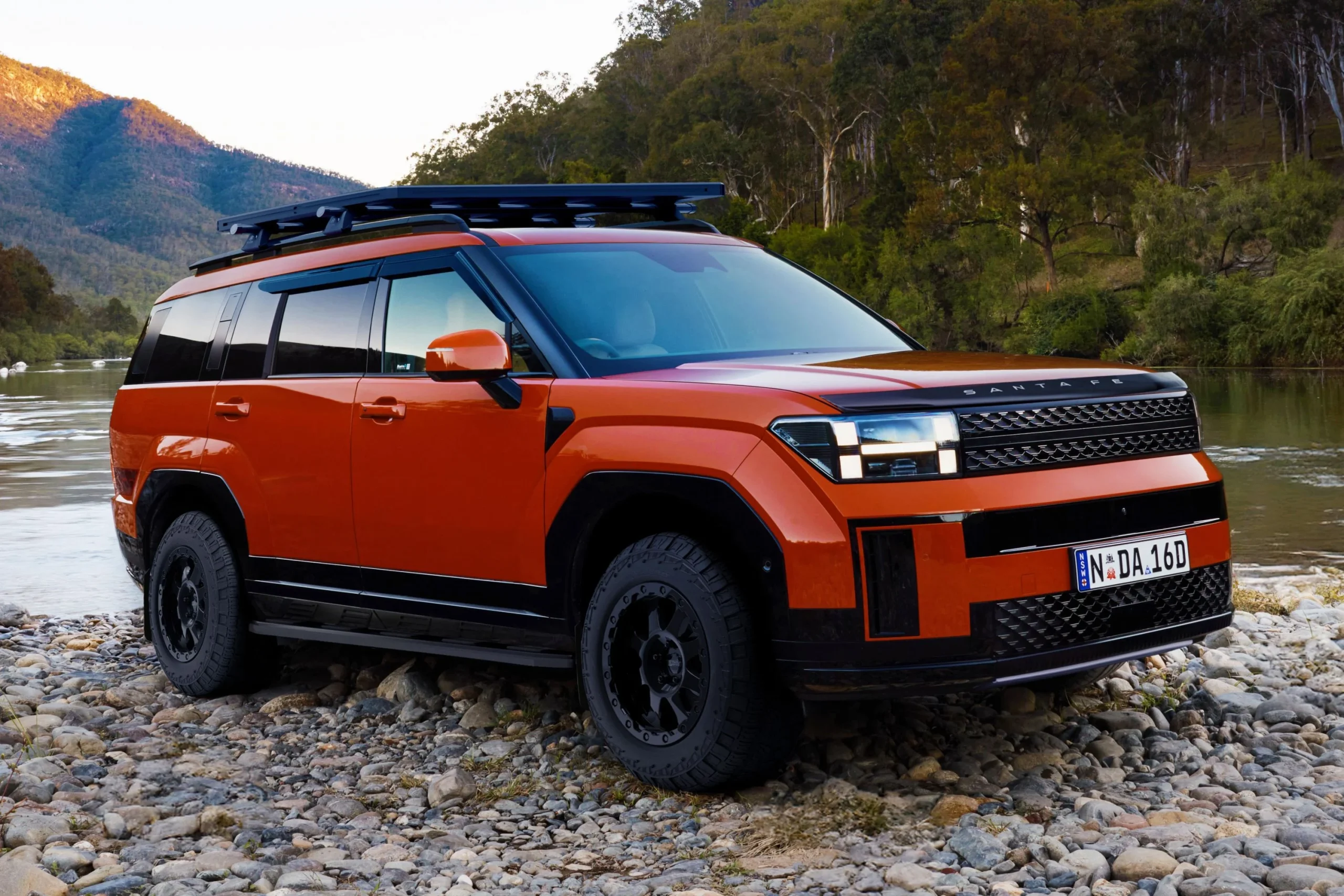
10. Hyundai Santa Fe XRT
The Hyundai Santa Fe XRT variant enhances the regular Santa Fe with features more suited to uneven roads. With higher ground clearance and rugged aesthetic cues, the XRT aims to bridge the gap between a family SUV and a more terrain‑ready vehicle. Its increased ride height helps it handle gravel, dirt, and uneven surfaces without the constant worry of scraping.
The all‑wheel drive system works with traction control to handle shifts between dry pavement and loose surfaces. While not as aggressive as some traditional off‑road‑focused SUVs, the Santa Fe XRT provides a competent and balanced driving experience. Suspension tuning supports comfort while adding enough travel to absorb surface irregularities.
Inside, the Santa Fe XRT features a comfortable, tech‑rich cabin that supports longer drives with ease. Seating is supportive, and materials are chosen for durability and style. Cargo space is generous, and the layout of storage compartments makes it easy to organize equipment for park trips.
Fuel efficiency is competitive, which appeals to drivers who want capability without a large impact on running costs. For those who value daily usability as much as occasional rough road travel, the Santa Fe XRT offers a practical compromise. Its ground clearance, combined with adaptive systems, makes it a solid choice for well‑maintained national park roads.
While not intended for extreme off‑road courses, the Hyundai Santa Fe XRT is an attractive option for drivers whose national park journeys include mixed surfaces and moderate challenges. Its balance of comfort, capability, and practicality make it a worthy addition to this list.