
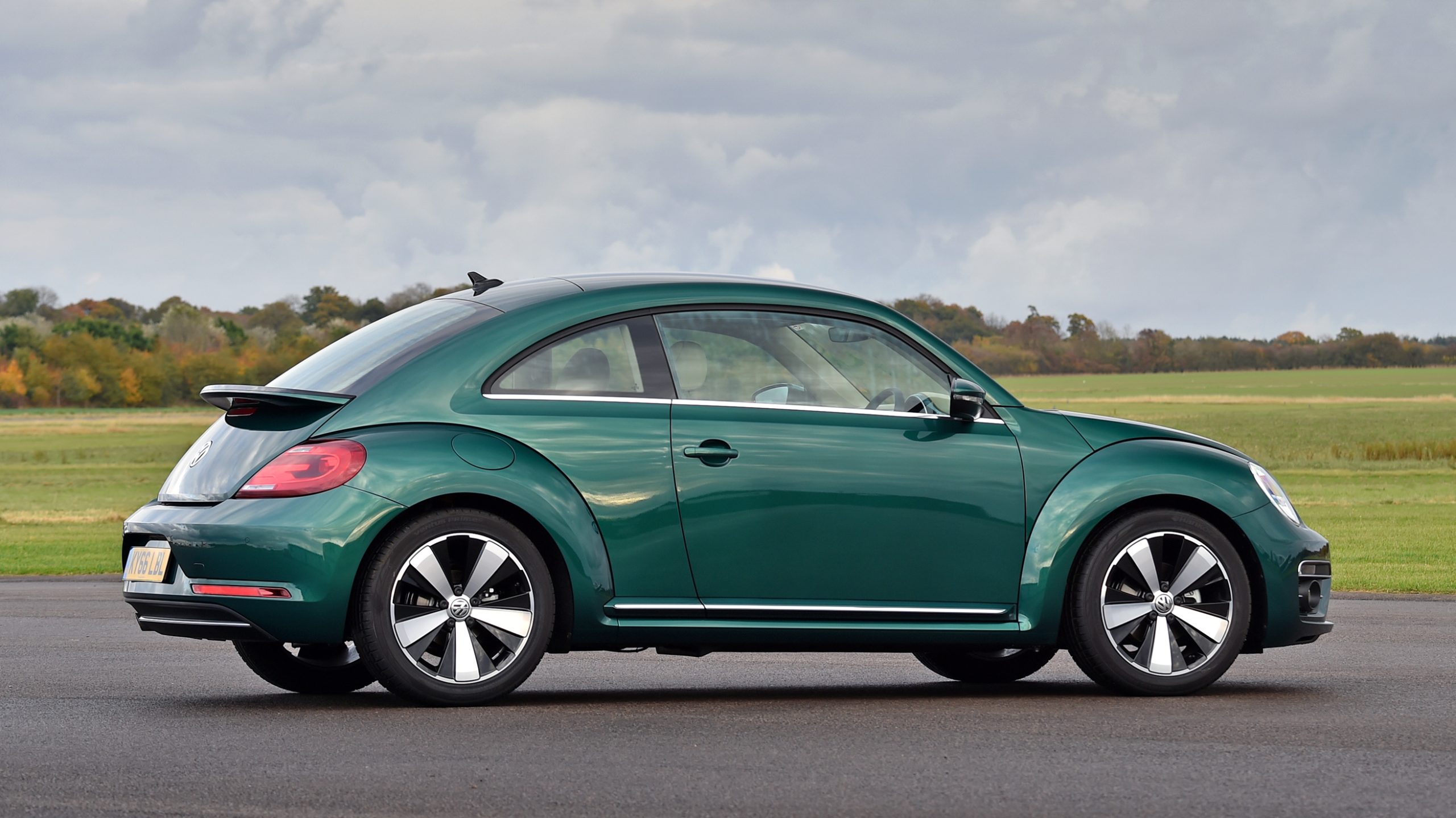
The evolution of the automobile is marked by a handful of vehicles that not only transformed transportation but also reshaped the very principles of automotive design. From the dawn of mass production with the Ford Model T to the software-driven innovation of the Tesla Model S, these six cars challenged conventions, redefined efficiency, and inspired new standards in performance, practicality, and sustainability.
Each represents a pivotal moment in history: the Volkswagen Beetle showed that compact cars could be functional and appealing, the Jeep Willys laid the foundation for off-road versatility, the BMC Mini revolutionized urban mobility with clever packaging, and the Toyota Prius pioneered hybrid technology for the mass market.
Together, these vehicles illustrate how vision, engineering, and innovation can alter consumer expectations and industry priorities, leaving a legacy that continues to influence the cars we drive today.
1. Ford Model T: Revolutionizing Automobiles and Industry
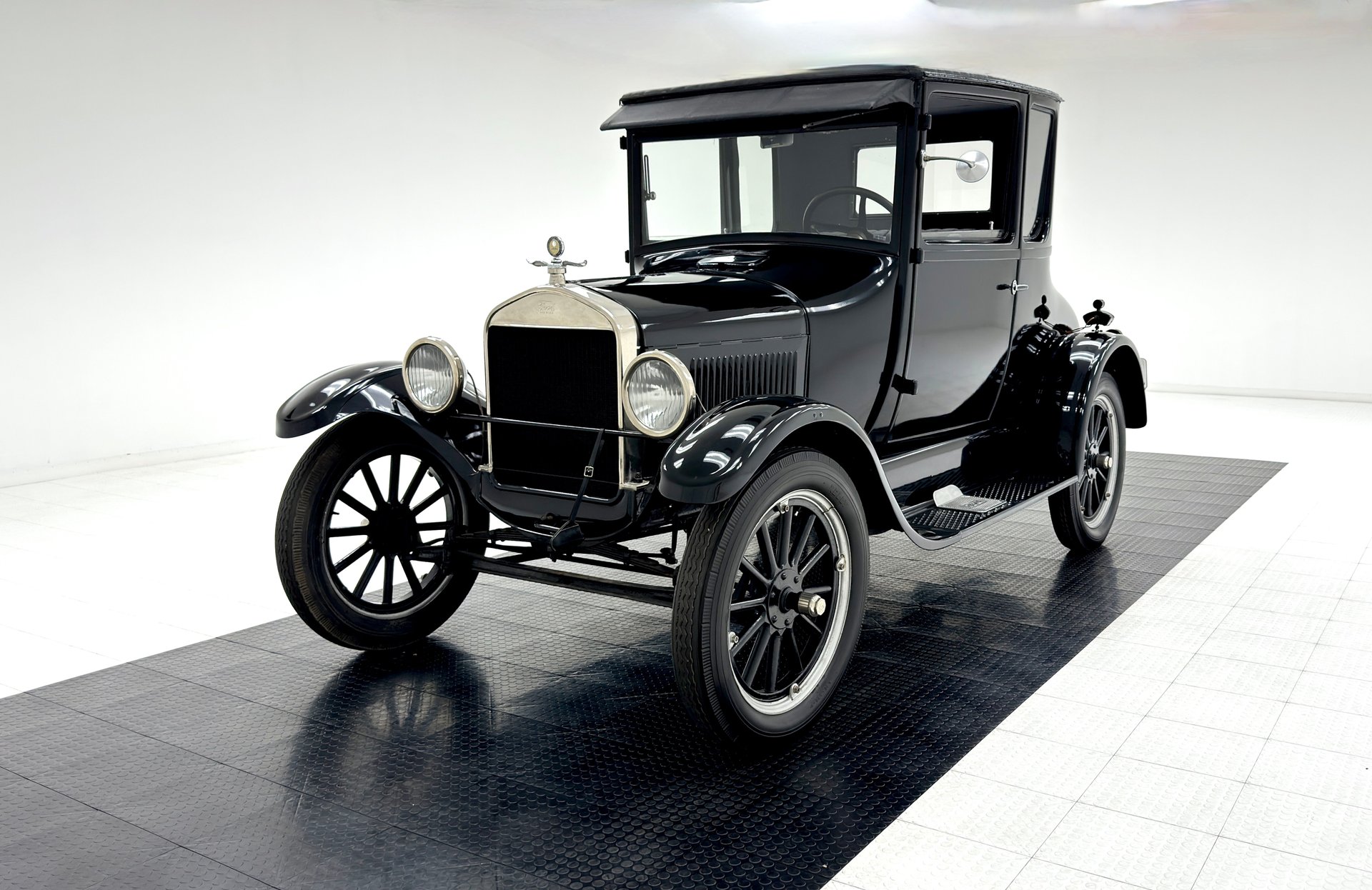
The 1908 Ford Model T was more than just a car. It became the foundation of modern industrial manufacturing. Before the Model T, automobiles were hand-built luxury items for the wealthy. Henry Ford changed this by implementing mass production techniques, most notably the moving assembly line introduced in 1913.
Inspired by earlier conveyor systems, this system reduced assembly time from 12.5 hours to only 93 minutes per vehicle. This made automobiles affordable for the middle class and set a new standard for industrial efficiency worldwide.
The Model T was designed for simplicity, durability, and functionality. It used lightweight vanadium steel and a strong chassis to handle rough and unpaved roads. The engine was a 2.9-liter four-cylinder producing 22 horsepower.
It had a trembler-coil ignition system that allowed it to run on various fuels, including ethanol. Its planetary-gear transmission, operated with two forward bands, anticipated the modern automatic gearbox. The steering system also used planetary gears, making it easier to operate and more reliable on uneven terrain.
A major innovation of the Model T was the use of interchangeable parts. This made repairs and maintenance fast and inexpensive. Standardizing components and production methods reduced costs from $850 in 1908 to $260 by 1924.
The car’s affordability and durability forced the global automotive industry to adopt similar high-volume, assembly-line manufacturing techniques. Ford’s methods showed that efficiency could coexist with quality and accessibility.
The Model T had a significant global impact. In Australia, it became extremely popular because it was lighter, more reliable, and cheaper than European alternatives. Between 1909 and 1925, Australians bought more than 140,000 units.
By 1920, almost half of all cars on Australian roads were Model Ts. Ford established assembly plants in Geelong, Sydney, Brisbane, and Adelaide to support local production. Kits for the Model T were shipped worldwide, with the crates ingeniously used as the car’s floorboards.
The Model T was not only practical but also versatile. Its high chassis, simple mechanics, and durable materials allowed it to function in cities and rural areas alike. Its affordability and ease of maintenance made it accessible to middle-class families and other countries striving to develop automobile markets.
Today, early Model Ts are valued by collectors. Local Australian versions remain affordable yet desirable. The Model T’s legacy is not only in its design but in its influence on modern production methods, global car ownership, and industrial standards. Henry Ford’s innovations put America on wheels and created a blueprint for production efficiency that continues to shape factories around the world.
2. Volkswagen Beetle: Functional Design and Global Influence
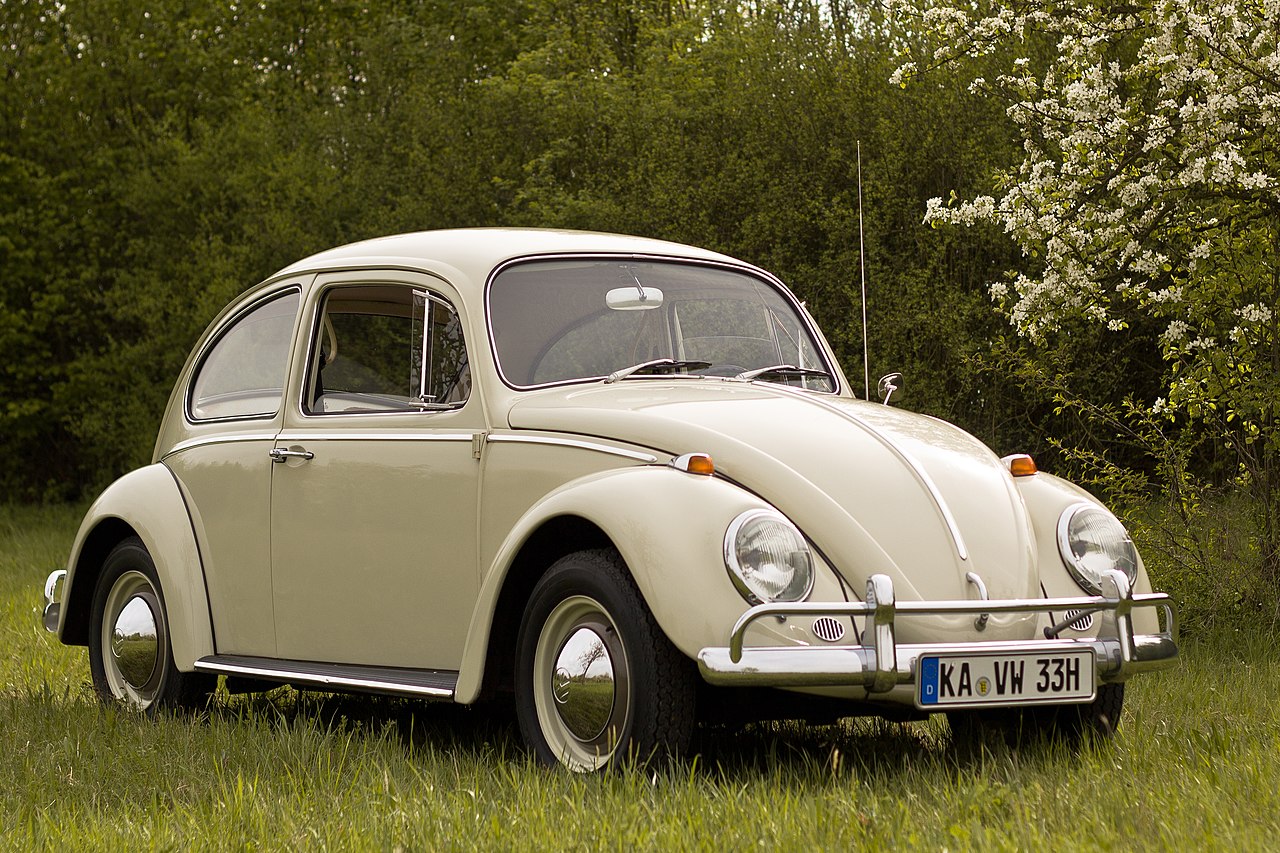
The 1938 Volkswagen Beetle is one of the most influential examples of practical automotive design. Unlike the boxy sedans common at the time, the Beetle embraced aerodynamic efficiency and functional minimalism. Its rounded, streamlined shape reduced air resistance, improved fuel economy, and maximized interior space despite the car’s small size.
Conceived as the “people’s car” or Volks Wagen, it showed that a reliable, compact vehicle could be mass-produced affordably and appeal to a broad audience. This concept laid the foundation for the global compact car movement and influenced decades of small car design.
The Beetle’s engineering was highly innovative. It featured a rear-mounted, air-cooled flat-four engine, eliminating the need for a radiator and providing reliable performance across extreme temperatures. This engine produced 25 horsepower and powered the car through a four-speed manual non-synchronized gearbox.
Drivers needed to use double-clutching for smooth shifting, reflecting the vehicle’s mechanically simple yet demanding design. The chassis consisted of a flat platform with a central structural tunnel, and the suspension used torsion bars to provide independent movement for all four wheels. This level of suspension sophistication was uncommon for economy cars of the era and contributed to the Beetle’s durability and ride comfort.
Functionality was central to the Beetle’s design. The steel monocoque body was strong yet lightweight, allowing for cost-effective mass production. The interior was designed for practical use, accommodating two adults and three children.
The cabin featured a simple dashboard with a centrally mounted speedometer and a small glove compartment. Despite the car’s compact size, the high roofline and efficient packaging made the interior feel spacious. Distinctive exterior features included running boards, a split rear window, and the curved body that defined the Beetle’s iconic silhouette.
Affordability and serviceability were key aspects of the Beetle’s success. Its simple mechanical layout, with fewer than 200 moving parts, allowed owners to maintain and repair the car without specialized tools.
The rear-engine, rear-wheel-drive platform became the basis for other Volkswagen models, including the Type 2 Transporter, demonstrating the versatility of the design. The Beetle’s combination of simple mechanics, durability, and practicality made it a model for efficient, mass-produced vehicles worldwide.
The Beetle’s influence extended globally. Pre-war prototypes were limited to only 44 units, yet the design principles established in 1938 became the blueprint for one of the most produced single-platform vehicles in history. Its reliability, efficient engineering, and practical design demonstrated that form and function could coexist in an affordable, mass-market automobile.
The 1938 Volkswagen Beetle was revolutionary because it prioritized functionality, durability, and affordability over luxury or speed.
Ferdinand Porsche’s design combined a rear-engine layout, aerodynamic shape, and simple yet effective mechanics to create a car that could serve ordinary families efficiently. The Beetle proved that small cars could be reliable, practical, and desirable. Its enduring influence continues to shape compact car design worldwide.
3. Jeep Willys: Blueprint of the Modern SUV
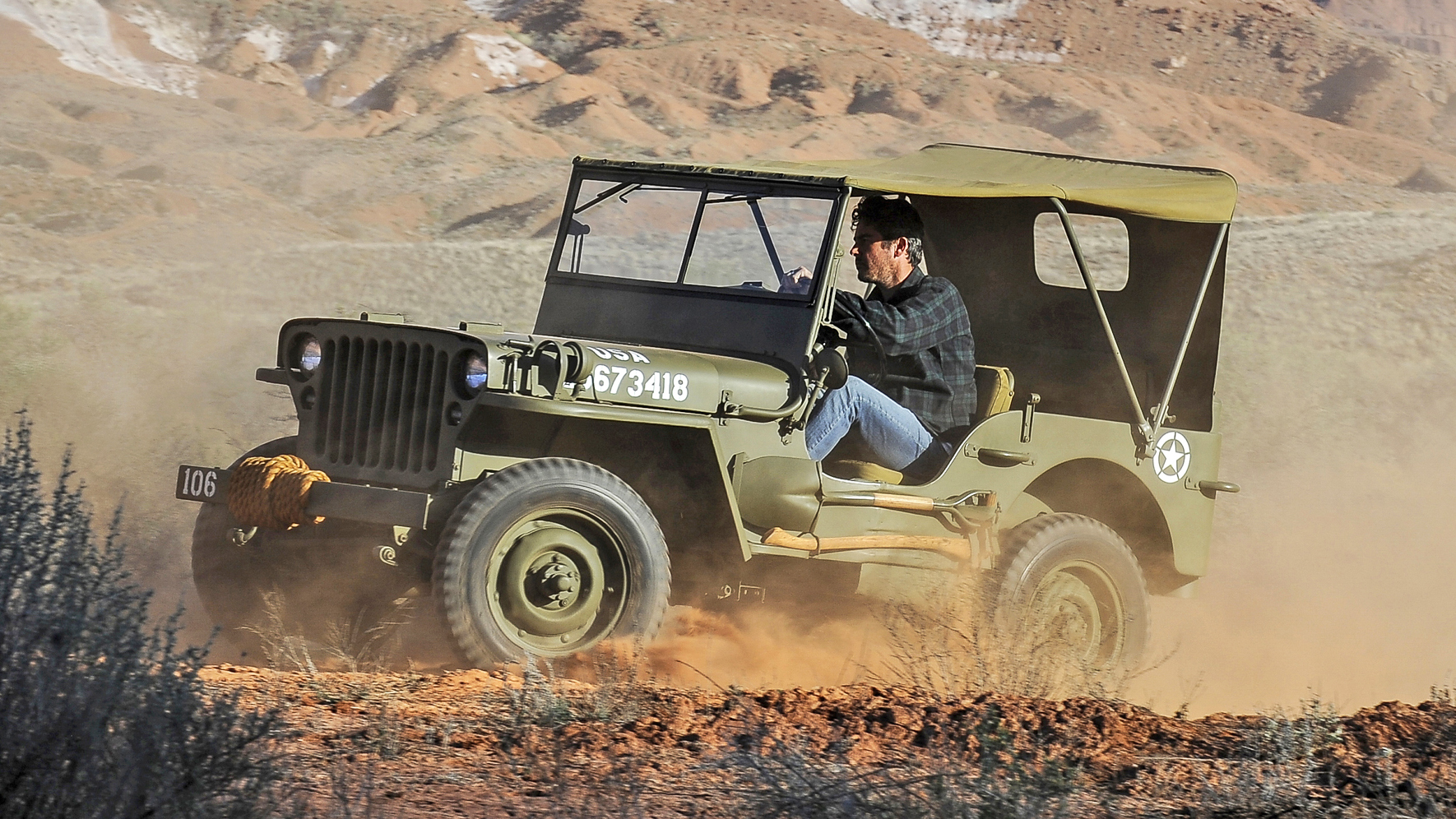
The 1941 Jeep Willys MB emerged from the urgent demands of World War II and became the foundation for the modern SUV and off-road vehicle category. Designed to meet the U.S. Army’s brief for a 1/4-ton 4×4 reconnaissance vehicle, the Willys MB emphasized utility, durability, and adaptability above all else.
Its minimalist, boxy design, high ground clearance, and four-wheel-drive system allowed it to traverse terrain that had previously been accessible only to horses or specialized vehicles. After the war, its civilian adaptation demonstrated a strong market demand for versatile, rugged vehicles, inspiring generations of sport utility vehicles from the Jeep Wrangler to the Land Rover.
The Willys MB’s design followed a “form follows function” philosophy. Every feature served a practical purpose. The flat hood could act as a field table, the foldable windshield increased visibility and storage options, and the removable top allowed for rapid adaptation to different environments.
The vehicle’s short wheelbase and flared fenders improved maneuverability on rough terrain. The body’s simple, utilitarian silhouette, sometimes called the “sardine tin on wheels,” became instantly recognizable and remains influential in modern Jeep designs. Its modularity allowed it to serve a wide range of roles, including reconnaissance, medical transport, farming, snow plowing, and even light military combat applications.
At the heart of the Willys MB was the 2.2-liter “Go-Devil” inline-four engine, which produced 60 horsepower and 105 lb-ft of torque. Though modest by today’s standards, the engine was tuned for low-end torque, enabling the vehicle to tackle mud, snow, and sand effectively. Coupled with a three-speed manual transmission and a two-speed transfer case, the drivetrain offered true four-wheel-drive capability.
Its suspension relied on heavy-duty leaf springs designed to carry loads up to 1,200 pounds, which made the ride stiff when unladen but highly durable under full capacity. Steering was basic, and the transmission required double-clutching due to the absence of synchromesh in first gear, making driving a skillful task that rewarded experienced operators.
The Willys MB’s interior was deliberately austere. Canvas seats, manual windshield wipers, and optional doors reflected a focus on durability and easy maintenance rather than comfort. Its simplicity allowed soldiers to repair and adapt the vehicle in the field quickly, reinforcing its reputation for rugged reliability.
Early models featured the distinctive slat grille, which was later replaced with stamped steel versions. The Jeep could also be modified for specialized military roles, such as mobile radio units or light weapon platforms, demonstrating its unmatched versatility.
The Jeep Willys established a lasting legacy. General George C. Marshall called it “America’s greatest contribution to modern warfare,” highlighting its critical role during World War II. Postwar, the Willys MB transitioned into the civilian Jeep (CJ) series, which eventually evolved into today’s Jeep Wrangler.
Its combination of durability, versatility, and utilitarian design influenced the SUV market worldwide. Today, a 1941 Willys in good condition is highly collectible, often selling between $29,500 and $46,000, a testament to its enduring cultural and automotive significance.
The Jeep Willys proved that a small, rugged, and practical vehicle could outperform larger, more ornate designs. By prioritizing utility, adaptability, and reliability, it created a blueprint for off-road vehicles and SUVs that remains relevant across civilian and military markets more than eighty years after its debut.
Also Read: 5 Cars With Simple Dash Layouts vs 5 With Confusing Ones
4. BMC Mini: Revolution in Compact Car Design
The 1959 BMC Mini, designed by Sir Alec Issigonis, transformed the concept of small-car engineering and urban mobility. Created in response to the 1956 Suez Crisis and rising fuel concerns, the Mini introduced an innovative transverse-engine, front-wheel-drive layout that maximized interior space while maintaining a compact footprint.
By turning the engine sideways and positioning the gearbox in the oil sump, Issigonis allowed 80 percent of the car’s ten-foot length to be used for passengers and luggage. This radical approach set a new standard for compact cars and influenced nearly every small hatchback and crossover produced in the decades that followed.
The Mini’s design emphasized space efficiency without compromising stability or comfort. The wheels were pushed to the extreme corners of the chassis, minimizing overhang and enhancing road handling. The interior was minimalist yet practical, with sliding windows and hollow doors that doubled as storage compartments.
The central speedometer simplified the dashboard, making it compatible with both left- and right-hand drive configurations. While early models lacked modern ergonomic features, the sense of spaciousness inside a ten-foot-long car was revolutionary for the time.
Performance and handling were also key features of the Mini. Its 848cc A-series engine produced 34 horsepower, modest by modern standards, yet the car’s low center of gravity and compact size gave it exceptional agility. The Alex Moulton-designed rubber cone suspension replaced traditional springs, providing a firm, responsive ride that became more compliant when the car was loaded.
With wheels at the extreme corners, the Mini earned a reputation for “go-kart” handling, delivering precise cornering and excellent feedback through the thin-rimmed steering wheel. This combination of small size, low weight, and tight handling made the Mini a popular choice for motorsports, including the Monte Carlo Rally.
Despite its innovations, the early 1959 models had some flaws. The small ten-inch wheels made potholes feel severe, and floor pans were prone to water leaks.
The mechanical soundtrack of the engine and transmission was loud and close to the driver, and external door hinges and the “wand” gear lever could feel flimsy compared with later improvements. Nevertheless, these quirks were overshadowed by the car’s practical design, surprising performance, and playful driving experience.
The Mini’s cultural impact was as significant as its engineering achievements. It was a vehicle that transcended class boundaries, equally suited to a working-class street in London or the driveway of a royal palace. It demonstrated that economy cars could be desirable to drive, blending practicality, efficiency, and fun.
The Mini proved that clever engineering and smart packaging could deliver maximum functionality in a tiny footprint, creating a new benchmark for compact urban vehicles.
The 1959 BMC Mini remains a milestone in automotive history. Its transverse-engine, front-wheel-drive layout, and wheel placement innovations are still industry standards today.
The Mini showed that small cars could be practical, efficient, and engaging, establishing a blueprint for modern hatchbacks and crossovers. Even as a vintage car, it offers a rewarding connection between driver and road, proving that innovative design and engineering can turn constraints into a timeless driving experience.

5. Toyota Prius: Pioneering the Hybrid Revolution
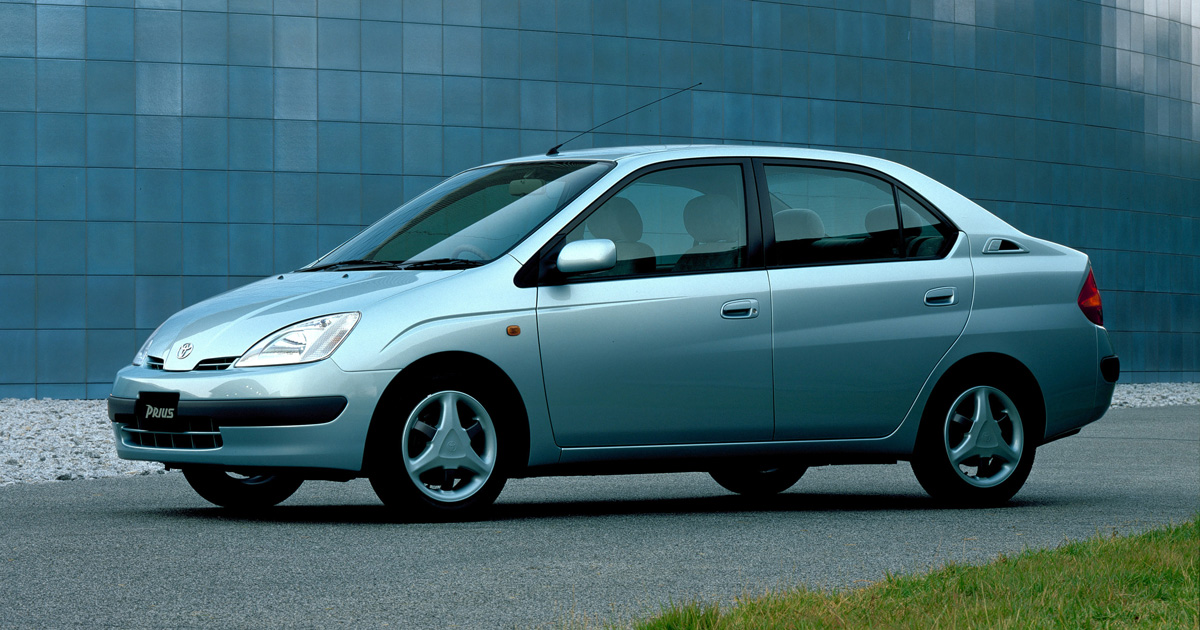
The 1997 Toyota Prius transformed the automotive industry by proving that hybrid-electric vehicles could be mass-produced and commercially successful. As the world’s first mass-market hybrid, its design prioritized efficiency and technology over traditional aesthetics.
The Prius introduced a wedge-shaped “Kammback” tail to reduce drag and maximize fuel economy, while its innovative powertrain combined a gasoline engine with electric motors to achieve a level of efficiency previously impossible in conventional cars.
Initially criticized for its unconventional appearance, the Prius quickly demonstrated that sustainability and practicality could drive automotive design, compelling competitors to invest heavily in green technology.
Development of the Prius began in 1993 when Toyota set ambitious fuel economy targets of 66 miles per gallon, nearly double the performance of conventional cars like the Corolla. Rather than simply improving internal combustion engines, the R&D team pursued a radical hybrid solution.
By 1997, the Toyota Hybrid System (THS) integrated a 1.5-liter Atkinson-cycle gasoline engine with a 40-horsepower electric motor, all mounted transversely to drive the front wheels.
A planetary gear set doubled as a continuous variable transmission (CVT), while an additional motor acted as a generator to charge the 40-cell Nickel-Metal Hydride (NiMH) battery mounted behind the rear seats. Clever packaging allowed the Prius to match the interior space of a larger car, while its small fuel tank and lightweight construction optimized efficiency.
The Prius’s performance emphasized efficiency over speed. Its 0-60 mph acceleration took 14 seconds, and top speed was just under 100 mph. Yet the electric motor provided instant torque, allowing responsive city driving and smooth low-speed operation.
Regenerative braking recovered energy during deceleration, further enhancing fuel economy. While the transition between electric and gasoline power could feel non-linear and handling was modest, the Prius’s design created a practical, quiet, and efficient driving experience that was revolutionary for its time.
Aerodynamics and specialized components played a critical role in the Prius’s success. Its triangular silhouette minimized drag, low-rolling-resistance tires reduced energy loss, and electric accessories, including air conditioning, allowed the vehicle to operate efficiently even when the engine was off.
This focus on thermal efficiency and energy recovery marked a fundamental shift in automotive priorities, encouraging manufacturers to consider environmental performance alongside traditional measures like speed and power.
The Prius quickly proved commercially viable. In Japan, initial demand exceeded the target of 1,000 units per month, leading Toyota to double production. Exports to the United States further expanded its reach, with 16,000 units sold in the first full year.
By the end of first-generation production in 2003, approximately 120,000 units had been built. Later generations improved power, fuel efficiency, and interior space, broadening the Prius’s appeal beyond environmentally conscious buyers to mainstream consumers. By 2010, global sales exceeded half a million units annually, making the Prius a symbol of practical, eco-friendly transportation.
The Toyota Prius demonstrated that hybrid technology could be mainstream, reliable, and desirable. By integrating electric and gasoline power, pioneering regenerative braking, and emphasizing aerodynamic efficiency, it reshaped automotive priorities and launched the industry toward electrification. Its success set the standard for modern hybrids and established Toyota as a leader in sustainable vehicle technology.
5. Tesla Model S: Redefining Electric Vehicles
The 2012 Tesla Model S transformed the perception of electric vehicles by combining high performance, long-range capability, and advanced technology in a luxury sedan. It challenged the stereotype that EVs were slow, limited in range, or uninspiring to drive.
Designed by Franz von Holzhausen, the Model S introduced the “skateboard” chassis, which houses the flat battery pack along the floor. This layout lowered the center of gravity, improving handling, and created a spacious cabin with additional storage, including a front trunk, or “frunk.” The car’s architecture set a new standard for EV design and influenced nearly all subsequent electric vehicles.
The Tesla Model S also redefined the car as a software-centric device. A massive 17-inch portrait touchscreen replaced most physical controls, controlling climate, navigation, media, and vehicle settings.
This software-first approach allowed Tesla to deliver features and improvements through Over-The-Air (OTA) updates, enabling performance enhancements and bug fixes without a physical visit to a service center. This combination of hardware and software forced traditional automakers to consider digital innovation as a core part of vehicle design.
Powering the Model S is an 85-kilowatt-hour lithium-ion battery driving a 416-horsepower electric motor. Peak torque of 443 lb-ft is available instantly, producing acceleration and responsiveness far beyond many gasoline-powered vehicles. The car can accelerate from 0 to 60 mph in 4.6 seconds, and its regulated top speed is 134 mph.
With a range exceeding 300 miles, the Model S alleviated common concerns about EV range while proving that electric cars could compete with traditional luxury sedans in performance and usability. Its low-mounted battery also contributed to a nearly perfect 47/53 front-to-rear weight distribution, enhancing stability and cornering.
Aerodynamics and efficiency were central to the Model S’s design. Its flowing lines, smooth underside, and minimal grille achieve a drag coefficient of 0.24, reducing energy consumption at highway speeds.
The regenerative braking system recovers kinetic energy during deceleration, allowing energy to be reused for propulsion, especially effective in city driving. The combination of these features contributed to both performance and efficiency, reinforcing the Model S as a technologically advanced vehicle.
The interior emphasizes comfort and usability while maintaining a minimalist aesthetic. Seating for five passengers is standard, with an optional rear-facing third row. The touchscreen interface enables intuitive control of climate, media, and navigation.
Although some features, such as voice commands or adjustable memory seats, were initially absent, Tesla’s software updates promised to expand functionality over time. The spacious cabin and storage flexibility rivaled conventional luxury sedans.
The Tesla Model S redefined electric vehicle expectations. It proved that EVs could be fast, practical, comfortable, and desirable, combining long-range capability with digital innovation.
By integrating performance, advanced aerodynamics, and software-centric features, Tesla forced the global automotive industry to rethink design priorities, making EVs competitive with, and often superior to, traditional internal combustion vehicles. Today, the Model S is recognized not only as a successful electric car but as a benchmark for the future of automotive technology.

These six groundbreaking vehicles demonstrate that automotive design is not just about aesthetics or speed; it is a reflection of technological ambition, cultural needs, and societal priorities.
Each model, from the mass-produced reliability of the Model T to the high-tech sophistication of the Tesla Model S, challenged prevailing norms and set new benchmarks for functionality, efficiency, and driver experience.
Their influence persists, shaping modern cars in ways both visible, such as hatchback layouts and SUV architecture, and subtle, like regenerative braking and software-first dashboards.
By pushing the limits of what a car could achieve, these innovators proved that thoughtful design could redefine an entire industry. The legacy of these six vehicles reminds us that true innovation combines creativity, engineering, and foresight, qualities that continue to drive the future of mobility.
Also Read: Top 10 Cars Named After Animals and Whether They Live Up to the Name
