When buying a car, durability often matters more than flashy features or high horsepower numbers. Many drivers want a vehicle that can handle years of commuting, road trips, heavy use, and changing conditions without constant repairs. Some cars are simply built better than others, using stronger components, proven engines, and engineering that focuses on longevity instead of short-term performance.
These vehicles often develop a reputation for running well past 200,000 miles and sometimes even exceeding 300,000 miles with proper maintenance. Owners frequently describe them as cars that “run forever” because major mechanical failures are uncommon when they are cared for properly.
In this list of Top 10 Durable Cars That Seem to Run Forever Without Major Issues, we highlight vehicles known for exceptional reliability and long-term endurance. From rugged body-on-frame SUVs and trucks to dependable sedans and efficient hybrids, these models consistently prove that thoughtful engineering and quality manufacturing can create vehicles capable of lasting decades on the road.
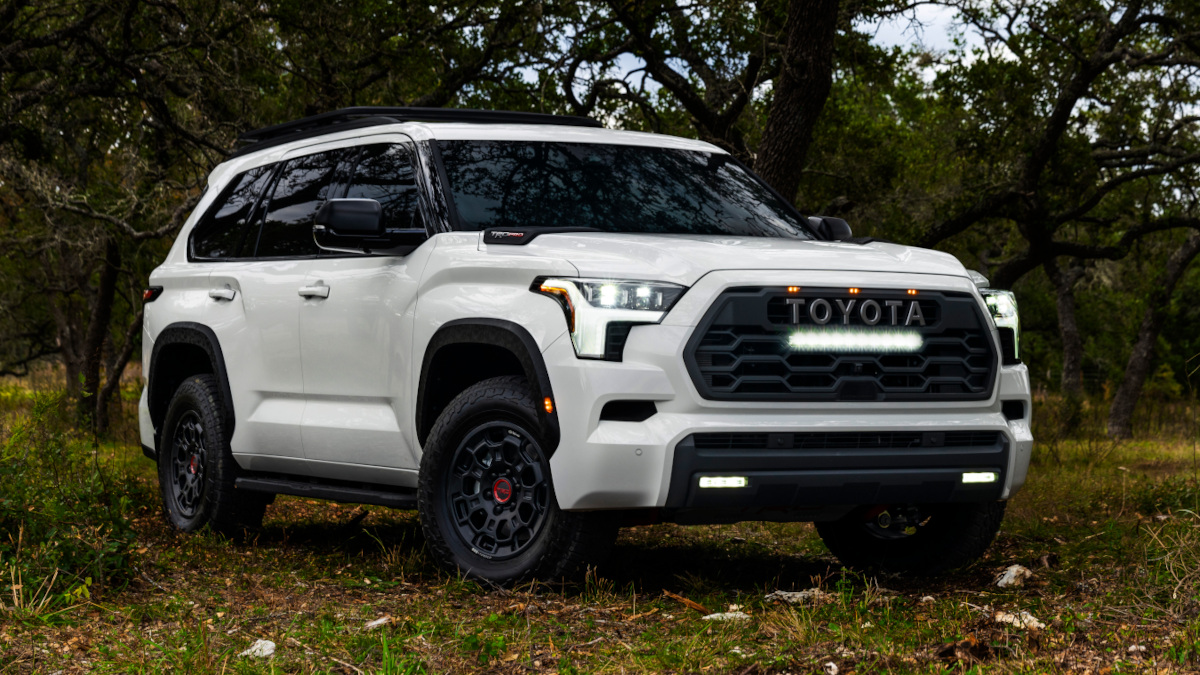
1. Toyota Sequoia: The Benchmark for SUV Longevity
The Toyota Sequoia is widely regarded as one of the most durable SUVs, with a 39.1% chance of reaching 250,000 miles over eight times the industry average. Its exceptional longevity stems from a truck-based, body-on-frame design built to endure heavy towing, family hauling, and off-road stress.
Early Sequoias (2001–2022) featured over-engineered V8 engines such as the 4.7L 2UZ-FE, 4.6L 1UR-FE, and 5.7L 3UR-FE, capable of running 300,000–500,000 miles with proper maintenance. These engines were deliberately under-stressed to reduce wear, while Toyota’s conservative approach to technology favored proven systems over complex or experimental features.
The latest Sequoia continues this legacy with the iForce MAX hybrid powertrain, combining a twin-turbo 3.4L V6 and an electric motor to produce 437 hp and 583 lb-ft of torque, paired with a 10-speed automatic transmission.
Built on the rugged Tundra platform, the Sequoia shares a fully boxed frame designed to handle heavy loads, towing, and off-road use. Its suspension is over-engineered for durability, and Toyota’s Kaizen philosophy of continuous improvement has refined components over extended production cycles, reducing failure risk.
Functionality is prioritized over flashy design, and parts often fail gradually, giving owners time for maintenance. The engine bay layout is straightforward, and many components are interchangeable with the Tundra, simplifying repairs and ensuring parts availability. Preventing frame rust, particularly in areas with road salt, is essential for reaching 300,000+ miles, alongside regular fluid changes and routine maintenance.
The Sequoia balances performance, comfort, and utility. Towing capacity ranges from 8,980 to 9,520 pounds, with fuel economy up to 22 mpg combined. Interiors seat seven to eight passengers, with options ranging from basic cloth to luxury leather, heated/cooled seats, panoramic sunroofs, and premium audio.
Cargo space is limited with all seats up, but folding the rear rows increases capacity. Technology includes a 14-inch touchscreen, smartphone mirroring, Wi-Fi hotspot, and standard advanced driver-assistance features.
Toyota backs the Sequoia with a three-year/36,000-mile limited warranty, five-year/60,000-mile powertrain warranty, and 10-year/150,000-mile hybrid coverage, plus two years or 25,000 miles of complimentary maintenance. Combined with its robust engineering and conservative design, the Sequoia remains the gold standard for long-lasting full-size SUVs, frequently exceeding 300,000 miles without major repairs.
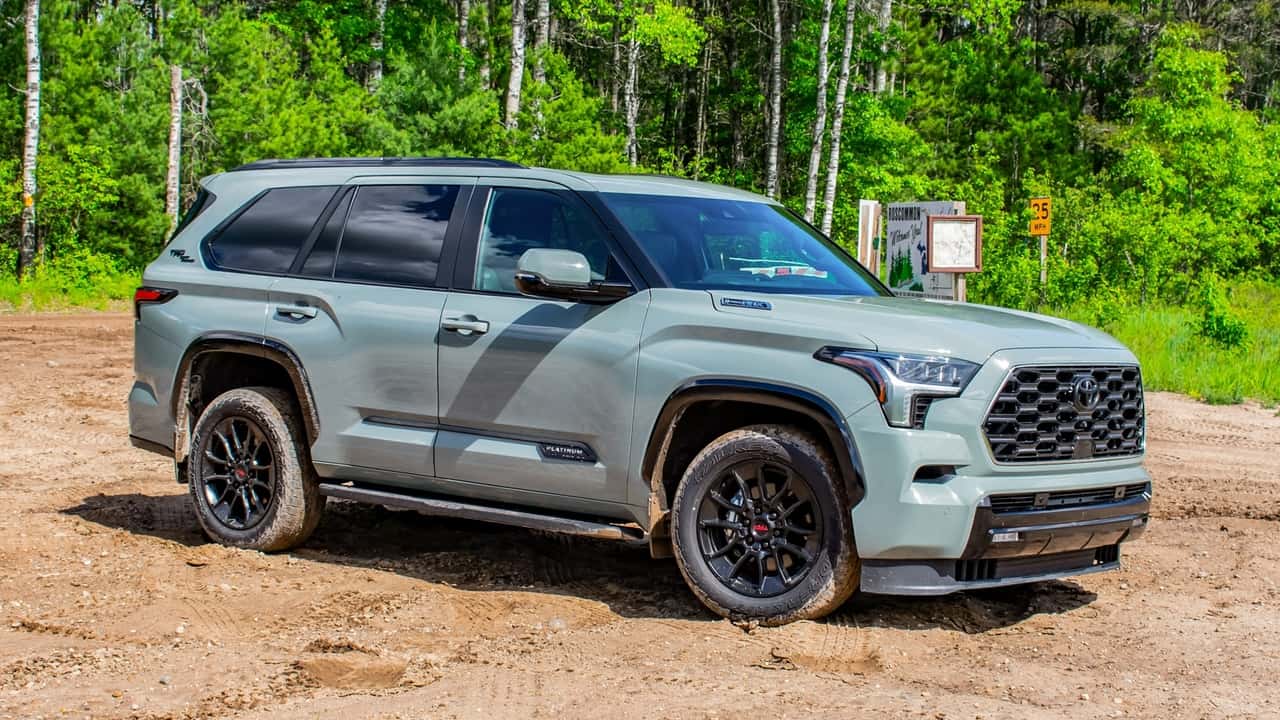
2. Toyota 4Runner: The “Bulletproof” SUV
The Toyota 4Runner is celebrated for its legendary durability, with a 32.9% chance of reaching 250,000 miles, and many models surpassing 300,000 miles. Its longevity stems from a conservative design approach, emphasizing proven engineering over constant redesigns. The 4.0-liter V6 and 5-speed automatic transmission have been refined over decades, eliminating common mechanical weak points.
Designed for off-road abuse, the 4Runner’s components are vastly under-stressed during daily driving, contributing to its reputation for reliability. Consumer Reports consistently ranks it as a top reliability pick, and owners appreciate that a 100,000-mile 4Runner feels mechanically identical to a brand-new one.
The SUV’s body-on-frame construction, shared with pickup trucks, is a key factor in its durability. This design handles torsional stress, heavy towing, and off-road punishment while providing a strong, long-lasting foundation. Toyota’s under-stressed powertrains, such as the 1GR-FE 4.0L V6 in the 5th generation (2010–2024) and the earlier 3.4L 5VZ-FE engine, are known for exceptional longevity, often exceeding 300,000 miles.
The 5-speed automatic transmission, though “old-school,” has fewer moving parts and sensors than modern gearboxes, reducing potential failure points. Simplified engineering with minimal complex electronics further enhances reliability and makes maintenance easier and cheaper over the vehicle’s lifespan.
The 4Runner combines rugged capability with practical utility. It offers towing up to 6,000 pounds, a rear-wheel-drive layout with optional full-time four-wheel drive, and off-road features like locking differentials, stabilizer-bar disconnects, and off-road cruise control.
Hybrid models add adjustable dampers for more extreme terrain. On-road, the 4Runner is functional though truck-like in handling, with quick steering and good visibility. Fuel economy for the 2025 model is rated at 22 mpg combined, with 20 city and 26 highway.
Inside, the 4Runner shares styling with the Tacoma, with an optional third-row seat for additional passengers. Infotainment ranges from an 8-inch touchscreen to an optional 14-inch display, with wireless Apple CarPlay, Android Auto, and optional wireless charging.
Standard Toyota Safety Sense 3.0 includes automated emergency braking, lane-departure warning, adaptive cruise control with lane centering, and driver alert systems. Toyota provides a three-year/36,000-mile limited warranty, a five-year/60,000-mile powertrain warranty, and two years of complimentary maintenance, underscoring the 4Runner’s reputation as a dependable, long-lasting SUV.
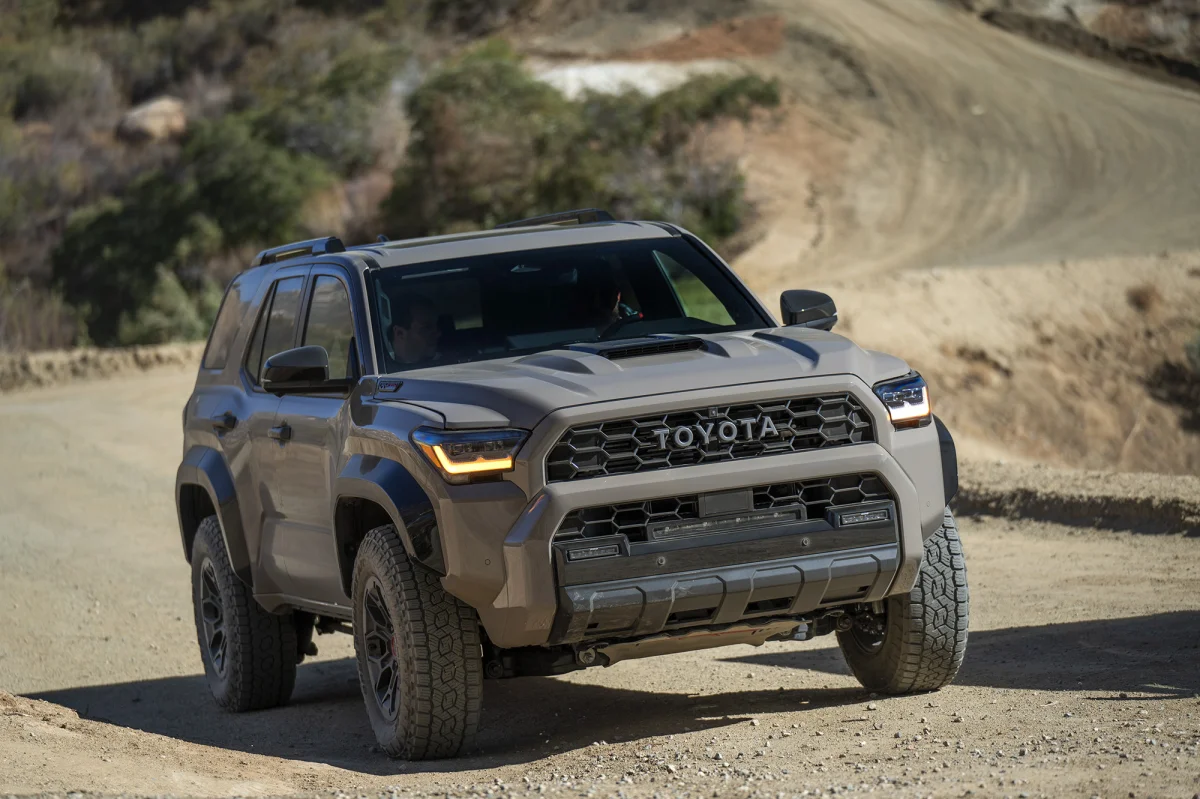
3. Toyota Tundra: The Full-Size Truck Built to Last
The Toyota Tundra is widely regarded as one of the most durable full-size trucks, with a 30 percent chance of exceeding 250,000 miles. Many well-maintained Tundras surpass 300,000 miles, and some have even reached one million miles on the original engine. Its longevity comes from over-engineered components, conservative powertrain choices, and a focus on structural integrity rather than chasing maximum power output.
The 5.7L V8 engine, used in the 2007 to 2021 generation, is a prime example of this approach, with thick castings, a simple valvetrain, and low-stress operation. The engines are designed with operating headroom to handle heavy loads without fatigue. The 5- and 6-speed automatic transmissions are tuned for smooth, low-stress torque delivery to reduce wear during towing and heavy use.
The Tundra’s body-on-frame construction adds to its durability. It features fully boxed frame rails and a fiber-reinforced composite bed that resists dents, corrosion, and damage from heavy cargo.
The truck is designed for thermal stability with an oversized cooling system, a large radiator, and high oil capacity to prevent overheating under heavy loads.
Toyota’s slow-evolution philosophy ensures minimal changes over long production cycles, allowing refinement of components for greater reliability. Maintenance is straightforward and less expensive than many competitors because of accessible engine bays and durable, long-lasting parts.
The current Tundra is powered by a twin-turbo 3.4-liter V6 that produces 348 to 389 horsepower and is paired with a 10-speed automatic transmission. Rear-wheel drive is standard with optional part-time four-wheel drive, and a coil-spring rear suspension provides a balance between heavy-duty capability and daily comfort.
Maximum towing capacity is 12,000 pounds, and payload capacity is 1,940 pounds. Fuel economy is rated at 17 to 18 miles per gallon in the city and 22 to 23 miles per gallon on the highway, with real-world tests averaging about 19 miles per gallon.
The interior provides functional comfort with first-row legroom up to 41.8 inches and multiple storage options. Infotainment features include an 8-inch touchscreen standard, an optional 14-inch screen, wireless Apple CarPlay, Android Auto, and premium audio options.
Toyota Safety Sense 2.5 comes standard and includes adaptive cruise control, lane-keeping assist, and automated emergency braking. Blind-spot monitoring and trailer detection are available on higher trims. Toyota offers a three-year or 36,000-mile limited warranty, five-year or 60,000-mile powertrain warranty, and two years or 25,000 miles of complimentary maintenance.
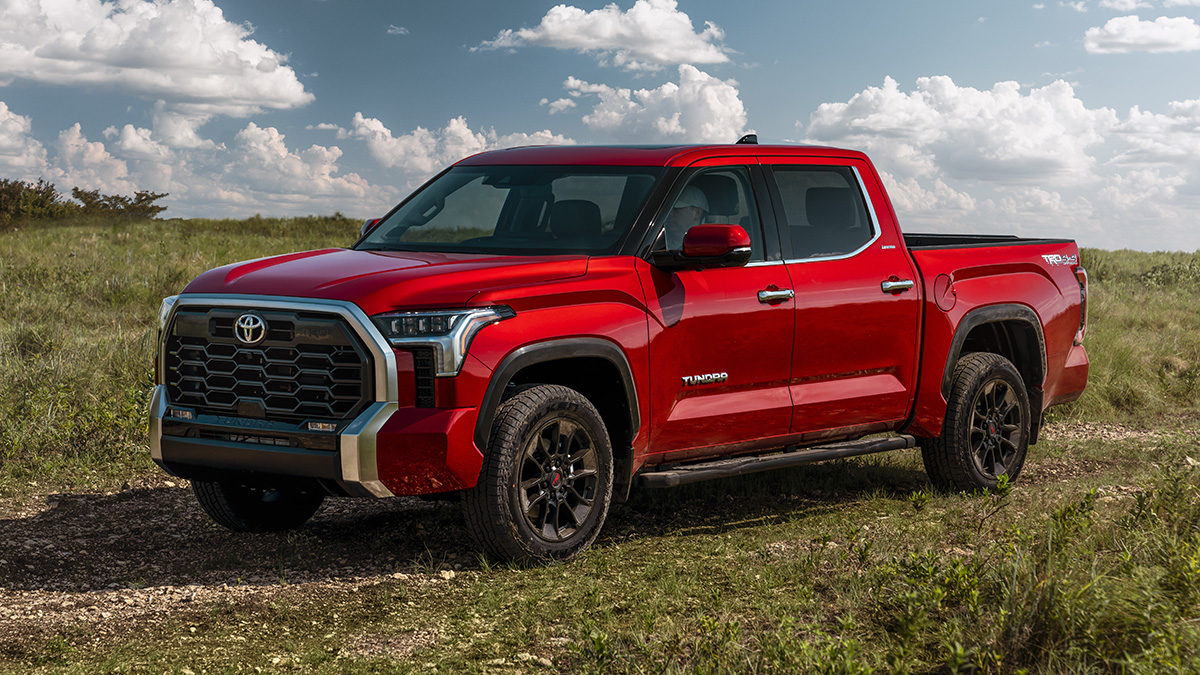
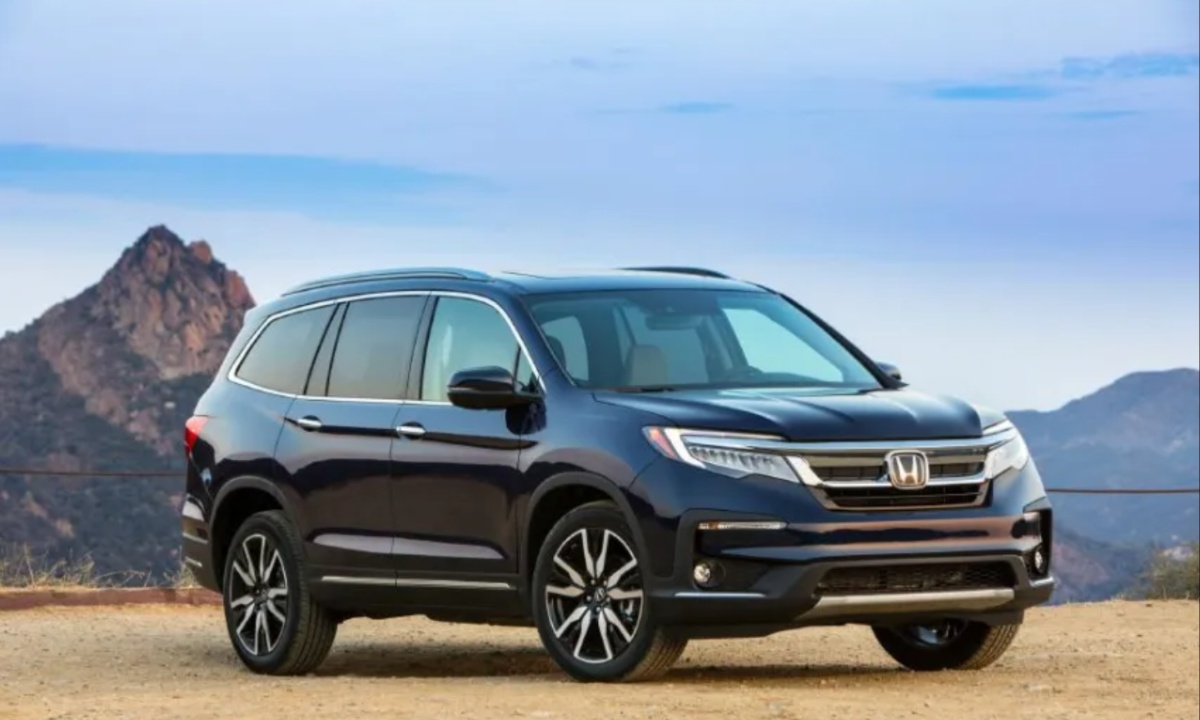
4. Honda Pilot: Durable, Family-Friendly, and Long-Lasting
The Honda Pilot is recognized as one of the most durable unibody crossovers, with a 13.1 percent chance of reaching 250,000 miles. Many Pilots regularly surpass 200,000 to 300,000 miles with routine maintenance, making it a reliable choice for families seeking longevity.
Its durability comes from a combination of a proven V6 engine, conservative engineering, and a focus on utility rather than complex or failure-prone electronics.
Unlike many modern SUVs with small, stressed turbocharged engines, the Pilot uses a naturally aspirated 3.5-liter V6, known for smooth power delivery and long-term stamina. Owners report reaching 300,000 miles with only standard timing belt and fluid replacements.
The Pilot is built on a unibody construction reinforced with Honda’s Advanced Compatibility Engineering™ (ACE™) design, providing a strong and safe frame while maintaining car-like driving characteristics. Its powertrain consists of well-engineered automatic transmissions ranging from 5-speed to 10-speed models, all designed to operate reliably under load.
Honda’s emphasis on consistent manufacturing quality, particularly at the Lincoln, Alabama, plant, ensures high reliability across model years. The Pilot’s suspension, which uses MacPherson struts in the front and a multi-link rear setup, is built to handle daily family driving and moderate off-road use without premature wear.
The Intelligent Variable Torque Management™ (i-VTM4®) all-wheel-drive system is durable, providing good traction with minimal mechanical stress.
Owners benefit from high resale value due to the Pilot’s reputation for reliability, as well as relatively low long-term maintenance costs. Key service items, such as timing belt replacement at around 100,000 miles, are well-understood by mechanics, making it easy to maintain a Pilot for 200,000 miles or more.
Proper care is critical, however, and some model years are known for issues, including certain transmissions and oil consumption, particularly 2003, 2005, 2009 to 2013, and 2016 models.
Modern Pilots deliver 285 horsepower through the 3.5-liter V6 paired with a 10-speed automatic. Front-wheel drive is standard, with all-wheel drive optional. The Pilot offers a maximum towing capacity of 5,000 pounds for AWD models. Fuel economy ranges from 18–19 mpg city and 23–27 mpg highway, depending on drivetrain and trim.
The interior seats up to eight passengers, with optional second-row captain’s chairs, and offers reasonable cargo capacity behind the third row. Infotainment includes a standard 12.3-inch touchscreen with wireless Apple CarPlay and Android Auto, and audio options range from a 7-speaker system to a 12-speaker Bose setup.
Safety is comprehensive with Honda Sensing as standard, including automated emergency braking, blind-spot monitoring, adaptive cruise control, and rear cross-traffic alert.
Warranty coverage includes three years or 36,000 miles limited, five years or 60,000 miles powertrain, and one year or 12,000 miles of complimentary maintenance. The Honda Pilot balances family comfort with long-term reliability, making it a standout in the three-row crossover segment.
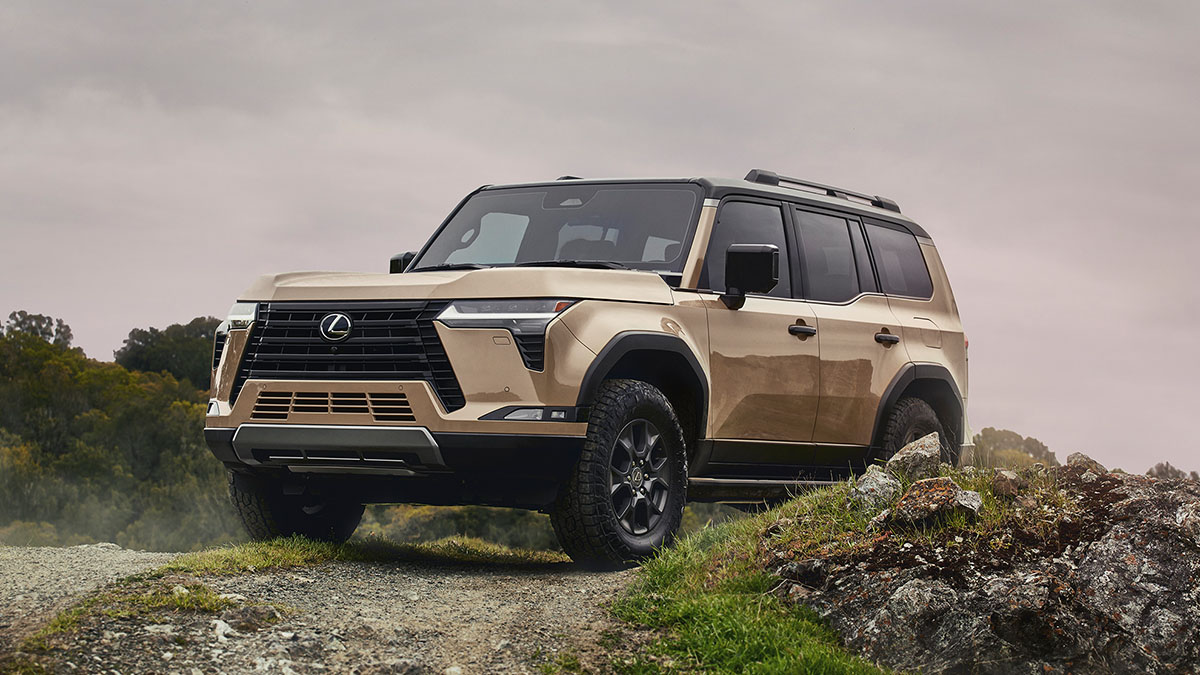
5. Lexus GX: Luxury SUV Built for Extreme Durability
The Lexus GX is widely known for combining luxury with exceptional durability, offering an estimated 18.3 percent chance of reaching 250,000 miles. Its reputation for longevity comes from its rugged engineering, which is closely tied to the global Toyota Land Cruiser Prado platform.
Unlike many luxury SUVs designed primarily for comfort, the GX is built to withstand harsh conditions and long-term use, making it one of the few premium vehicles capable of lasting decades with proper maintenance.
A key factor behind the GX’s durability is its body-on-frame construction, a design commonly used in trucks and off-road vehicles. This structure provides a strong, separate frame that can handle off-road stress, towing loads, and rough environments better than the unibody construction found in most luxury crossovers.
Because the GX shares its platform with vehicles designed for global markets where reliability is essential, its suspension, cooling systems, and four-wheel-drive components are engineered to endure demanding conditions.
Older GX models, particularly the GX 460 produced between 2010 and 2023, feature the highly respected 4.6-liter V8 engine (1UR-FE). This engine is widely regarded as extremely reliable, with many vehicles surpassing 250,000 miles when properly maintained.
The engine’s simple and durable design minimizes major mechanical issues while providing strong and consistent performance. Combined with Lexus’ strict quality control standards and high manufacturing precision, these models are known for their long-term reliability and resistance to premature wear.
The newest generation, the GX 550, introduces a twin-turbocharged 3.4-liter V6 engine producing 349 horsepower, paired with a 10-speed automatic transmission and standard four-wheel drive.
Off-road-oriented trims such as Overtrail include features like skid plates, all-terrain tires, crawl control, and the Electronic Kinetic Dynamic Suspension System (E-KDSS), which improves traction and stability on uneven terrain. The GX550 can tow up to 9,096 pounds, making it more capable than many competing luxury SUVs.
Inside, the GX offers a premium interior with available leather upholstery, modern technology, and seating for up to seven passengers. A 14-inch infotainment system, wireless Apple CarPlay and Android Auto, and an optional Mark Levinson 21-speaker sound system enhance the driving experience. Safety features such as adaptive cruise control, lane-keeping assist, and automated emergency braking are also standard.
With its blend of luxury, off-road capability, and rugged engineering, the Lexus GX stands out as a rare premium SUV that is built to last well beyond typical vehicle lifespans.
Also Read: 5 Cars With Simple Dash Layouts vs 5 With Confusing Ones
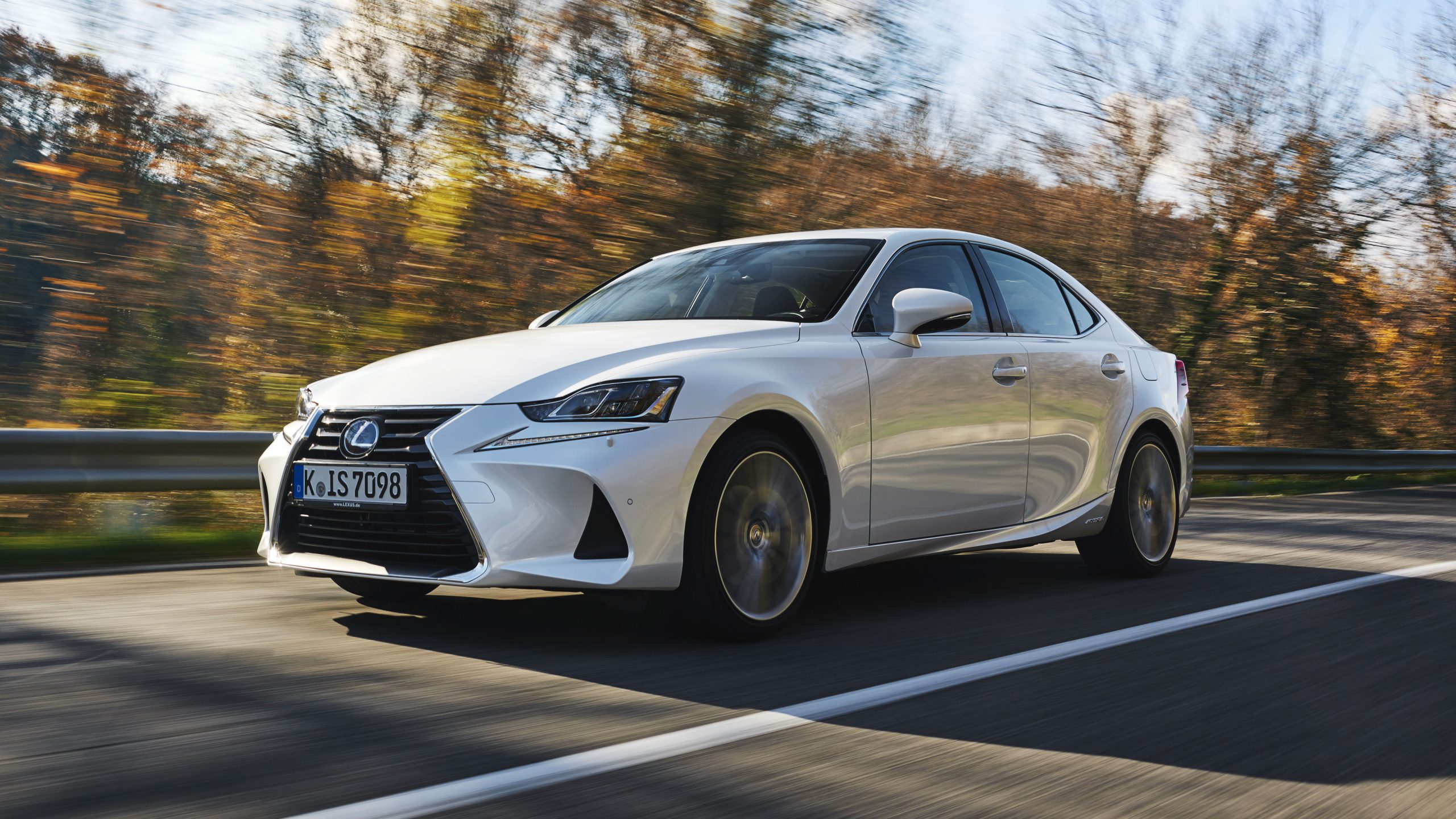
6. Lexus IS: A Luxury Sports Sedan Built for Exceptional Longevity
The Lexus IS stands out as one of the most durable passenger cars available, with an estimated 27.5 percent chance of reaching 250,000 miles, nearly six times higher than the industry average. Its long-lasting reputation comes from Lexus’s conservative engineering philosophy, high manufacturing standards, and the use of proven mechanical components rather than experimental technology.
Unlike many luxury rivals that prioritize cutting-edge features, the IS focuses on durability and long-term ownership, allowing drivers to enjoy a sporty sedan without worrying about expensive failures at high mileage.
A key reason for the Lexus IS’s reliability is its overengineered powertrain. Many models use the well-known 3.5-liter V6 engine (2GR-FE or 2GR-FSE), which produces around 311 horsepower but is not pushed to its mechanical limits. Because the engine operates well within its performance capacity, it experiences less stress over time.
In addition, many IS models rely on naturally aspirated engines instead of turbocharged ones. Without high-pressure turbo systems, there are fewer components that can wear out prematurely. The car is paired with durable 6-speed or 8-speed automatic transmissions, which are also known for long-term reliability.
Another factor behind the IS’s durability is Lexus’s conservative engineering approach. Instead of constantly introducing entirely new technology, Lexus tends to refine proven designs over many years.
For example, the third-generation IS retained similar mechanical components for a long time, allowing engineers to perfect the design and eliminate potential issues. This philosophy significantly reduces unexpected reliability problems compared to competitors that frequently release new, untested systems.
High-quality manufacturing also plays a major role. Lexus vehicles are produced under strict quality control standards, ensuring that everything from engine components to interior materials is built to last.
Tight construction tolerances help prevent the rattles, leaks, and structural wear commonly associated with aging vehicles. The IS also benefits from effective rustproofing, which helps protect the vehicle’s structure over long periods.
Ownership costs are another advantage. Because the IS shares many components with Toyota models, replacement parts are easier to source and generally less expensive than those used by European luxury brands. Annual maintenance costs average about $551, significantly lower than the luxury car industry average of roughly $739.
The Lexus IS combines sport-sedan performance with exceptional durability. With proper maintenance, many examples comfortably reach 250,000 to 300,000 miles, making it one of the few luxury vehicles that remains dependable well beyond 150,000 miles.
7. Toyota Prius: A Hybrid Designed for Efficiency and Long-Term Durability
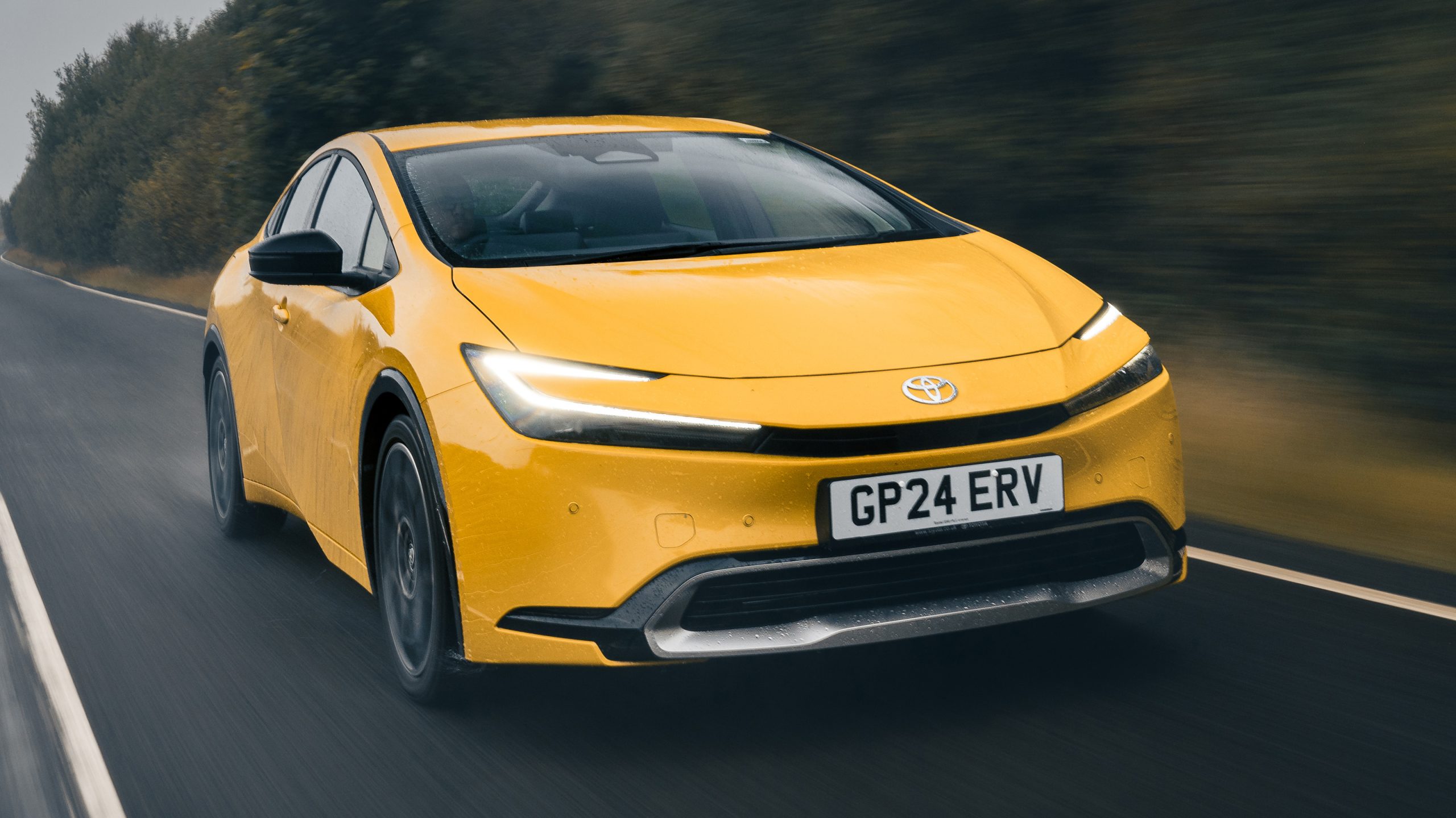
The Toyota Prius has built a reputation as one of the most durable hybrid vehicles on the road, disproving the common belief that hybrid systems are fragile. Studies suggest the Prius has about a 12.2 percent chance of reaching 250,000 miles, and many real-world examples go far beyond that.
Prius models are frequently used as taxis around the world, where some vehicles have surpassed 300,000 to 400,000 miles, and in rare cases, even 500,000 miles with proper maintenance. Its longevity comes from thoughtful engineering that reduces mechanical stress and improves efficiency across the entire powertrain.
A major factor behind the Prius’s durability is Toyota’s Hybrid Synergy Drive system. Instead of using a traditional automatic transmission with complex components like clutches, torque converters, or belts, the Prius relies on a planetary gear-based electronic continuously variable transmission (e-CVT).
This simpler design eliminates many common failure points found in conventional transmissions. In addition, the electric motor assists the gasoline engine during acceleration and low-speed driving, reducing the engine’s workload and slowing long-term wear.
The Prius also uses an Atkinson-cycle gasoline engine, which is designed for high thermal efficiency and cooler operating temperatures. Because the engine does not operate under extreme stress, it can last significantly longer than engines tuned purely for performance. The hybrid system also allows the engine to shut off during idling or low-speed driving, further reducing unnecessary wear.
Another advantage is the Prius’s durable hybrid battery system. Toyota engineered the battery to last 8 to 15 years or more, typically covering 100,000 to 200,000 miles before needing replacement.
Sophisticated battery management systems regulate temperature and charging cycles, helping prevent overheating and premature degradation. Interestingly, regular driving often helps maintain battery health, while vehicles left unused for long periods are more likely to experience battery issues.
Mechanical wear is also reduced through features like regenerative braking, which uses the electric motor to slow the vehicle and recharge the battery. Because of this system, traditional brake pads and rotors are used less frequently and can last well over 100,000 miles. The Prius also eliminates parts such as a traditional starter motor and alternator, further reducing potential points of failure.
The Toyota Prius combines efficient hybrid technology with conservative engineering and strong quality control. These factors make it one of the most reliable and cost-effective vehicles for long-term ownership.
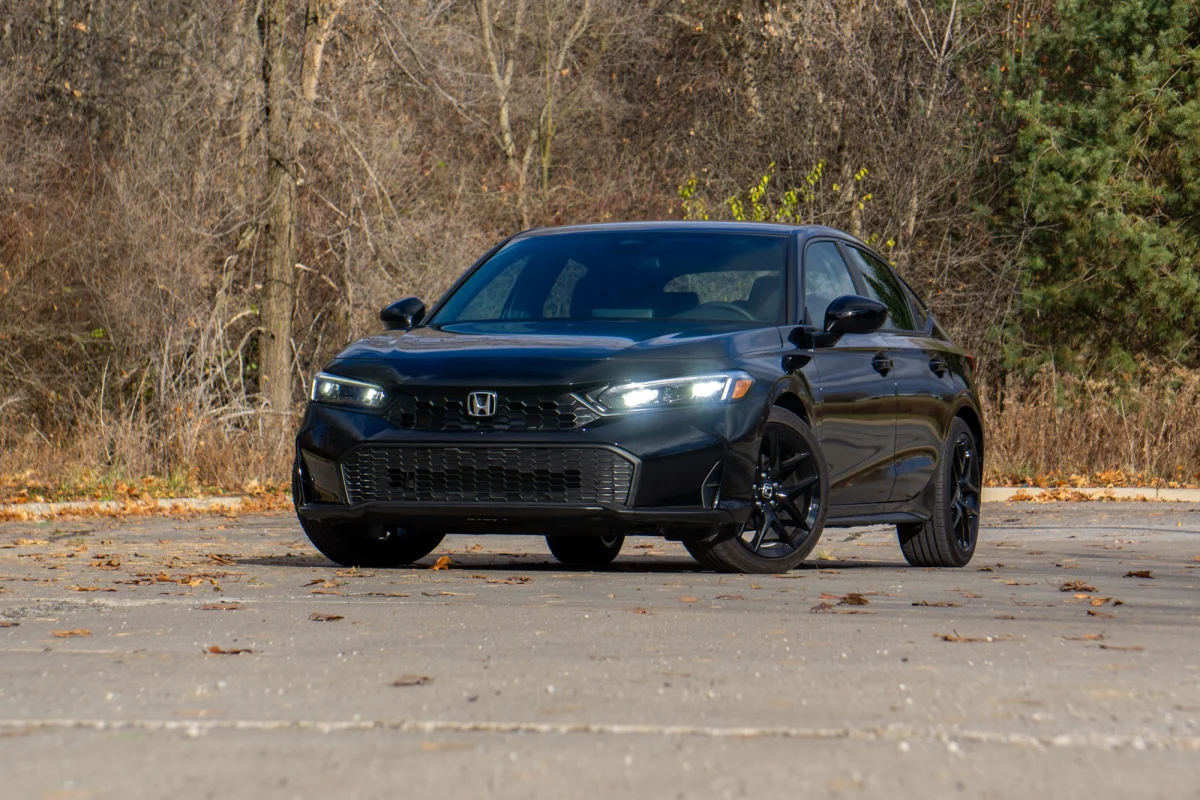
8. Honda Civic: A Compact Car Known for Longevity and Dependability
The Honda Civic has long been recognized as one of the most durable compact cars available, with roughly a 10.9 percent chance of reaching 250,000 miles. Many Civics regularly surpass 200,000 to 300,000 miles, and with proper maintenance, they can remain on the road for 15 to 20 years or more.
Because of this reliability, the Civic has become a popular choice for commuters who drive long distances daily. Its strong durability also supports high resale values, since buyers know that even a Civic with significant mileage can continue running for many more years.
A key factor behind the Civic’s longevity is Honda’s strong engineering and manufacturing standards. Engines such as the well-known D-series and K-series are built with durable internal components, including strong pistons and reinforced cylinder liners. These engines are also designed to reduce internal friction, which limits wear over time and helps maintain performance even after hundreds of thousands of miles.
Honda supports this durability with strict quality-control systems that ensure each vehicle meets consistent production standards. In testing, earlier Civic generations were even run continuously for long periods to demonstrate the engine’s ability to endure sustained use without failure.
Another reason for the Civic’s long lifespan is its simple and practical design philosophy. Unlike many vehicles packed with complicated technology, the Civic focuses on straightforward mechanical systems. Fewer complex electronic components mean fewer potential failures as the vehicle ages.
This simplicity also makes the car easier and less expensive to repair. Mechanics can access most parts easily, which keeps labor costs lower. In addition, the Civic’s widespread popularity ensures that replacement parts are readily available and affordable. Its average annual maintenance cost of about $368 is lower than many competing vehicles.
The Civic’s engines are also designed for efficiency rather than extreme performance, which reduces stress on major components. Engines that operate under lower pressure and temperature tend to last longer, helping explain why many Civics exceed 300,000 miles. In rare cases, well-maintained examples have even reached 500,000 miles or more on the original engine and transmission.
While certain model years experienced issues, such as transmission problems in early 2000s versions, the Civic remains widely respected for reliability. With consistent maintenance, it continues to be one of the most dependable and economical vehicles for long-term ownership.
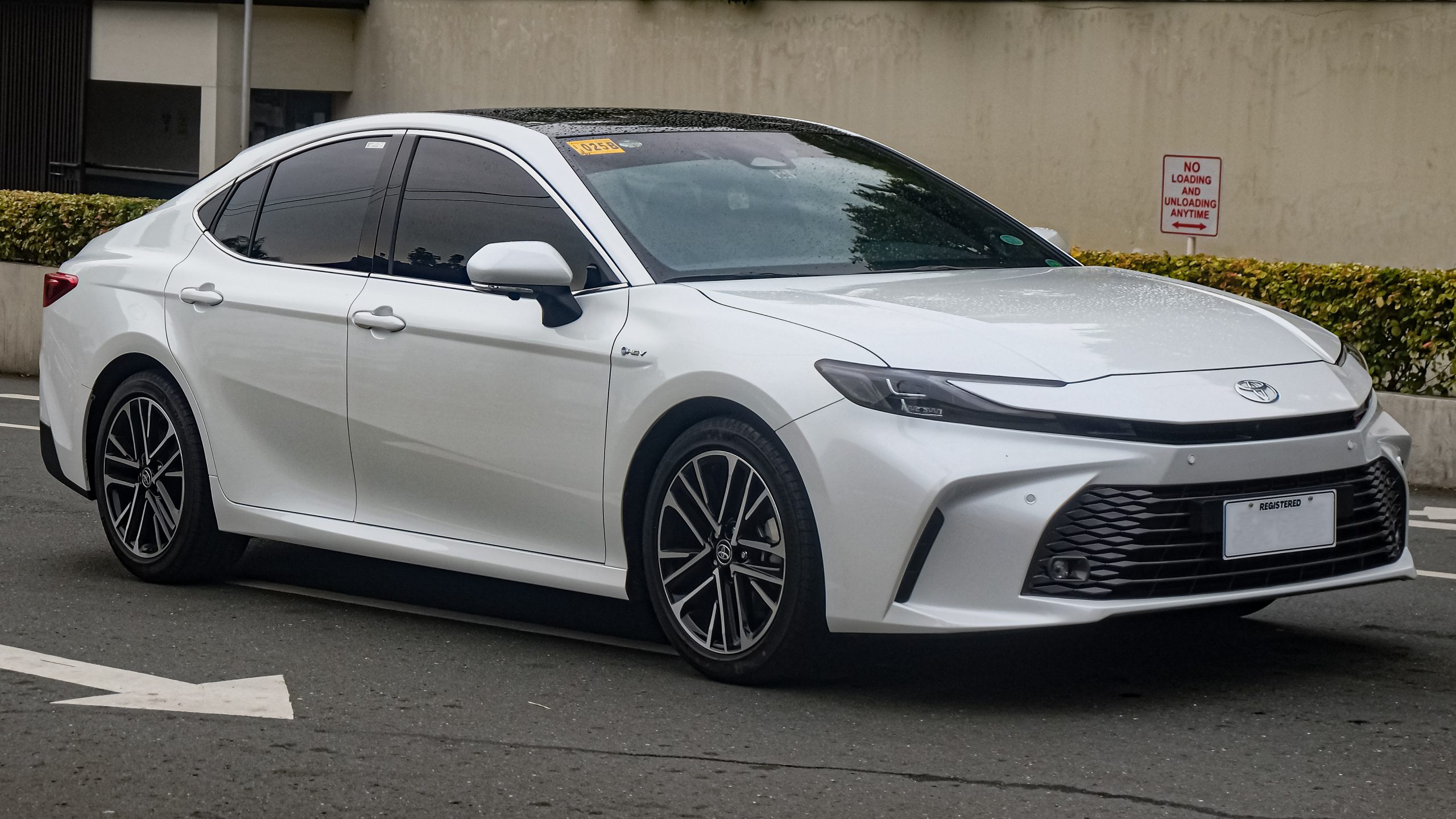
9. Toyota Camry: A Global Benchmark for Reliability and Longevity
The Toyota Camry has earned a reputation as one of the most dependable sedans in the world, with about a 10.2 percent chance of reaching 250,000 miles. For decades, it has been known as a practical and worry-free vehicle designed to deliver consistent performance over long periods of ownership.
Many Camrys remain on the road for 200,000 miles or more, and some continue well beyond that with routine maintenance. This long lifespan reflects Toyota’s long-standing focus on Quality, Durability, and Reliability (QDR), principles that guide the design and manufacturing of every Camry generation.
A major reason for the Camry’s durability is Toyota’s conservative engineering philosophy. Instead of frequently introducing complex or experimental technology, Toyota typically refines proven engines and transmissions over time.
By improving existing systems rather than replacing them entirely, the company reduces the likelihood of unexpected failures. These designs prioritize durability and smooth daily operation rather than pushing components to their performance limits.
The Camry also benefits from Toyota’s renowned Toyota Production System (TPS), which emphasizes strict quality control and efficient manufacturing. This system ensures that each vehicle is assembled with consistent precision and attention to detail.
Components such as seals, electrical connectors, and cooling systems are built to resist wear and environmental damage over time. Because of these standards, organizations like Consumer Reports frequently rate the Camry highly for predicted reliability.
Another important factor is the car’s simple and proven powertrain design. The engines and transmissions used in the Camry are engineered for long-term durability and are widely known for operating smoothly with minimal mechanical problems.
Even when issues arise, they are typically related to normal wear rather than major design flaws. This straightforward design also makes repairs easier and more affordable compared with vehicles that rely on complex systems.
Low operating costs further strengthen the Camry’s reputation as a dependable long-term vehicle. Replacement parts are widely available and relatively inexpensive due to the model’s global popularity. Routine maintenance usually involves basic services such as oil changes, fluid replacements, and brake maintenance.
Because of these factors, the Camry has become a trusted choice for drivers who want a vehicle that starts reliably every day and remains dependable for many years. With proper care and maintenance, it continues to serve as one of the most durable and practical sedans available.
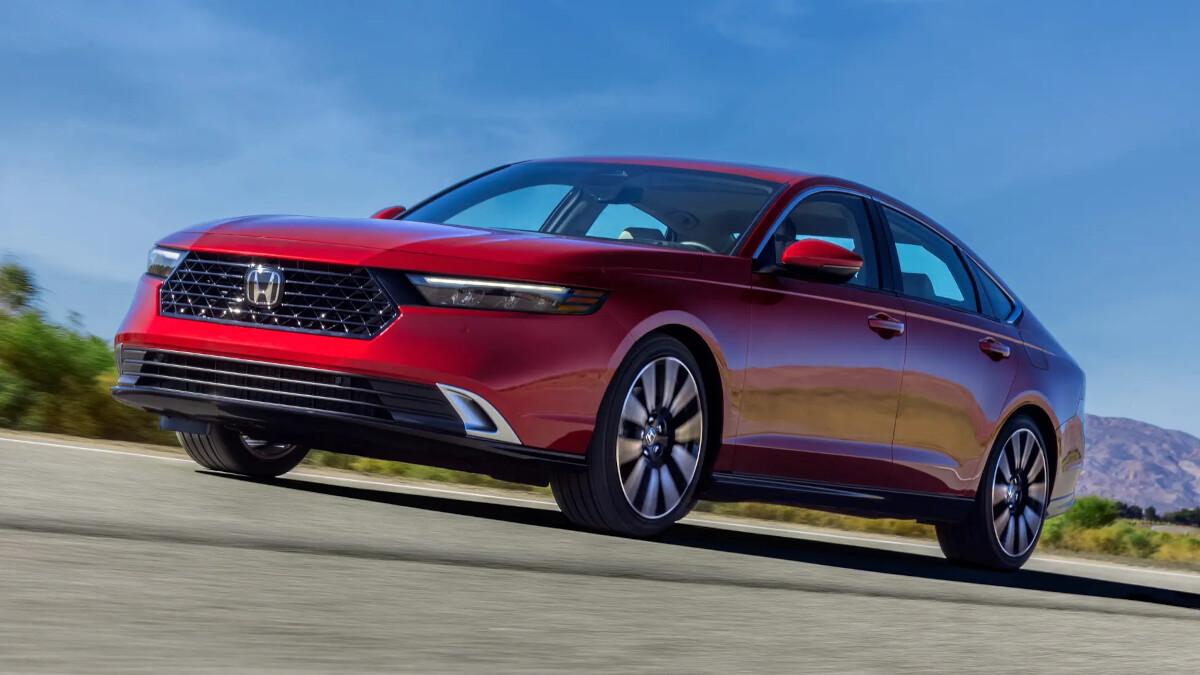
10 . Honda Accord: A Midsize Sedan Built for Longevity
The Honda Accord has earned a reputation as one of the most dependable midsize sedans, with about an 8.8 percent chance of reaching 250,000 miles, more than three times the average for many vehicles in its class. Many Accords regularly reach 200,000 to 300,000 miles, and some even surpass that mark with consistent maintenance.
Drivers often note that while other sedans begin to feel worn after around 150,000 miles, a properly maintained Accord can remain smooth, responsive, and well-assembled. Its durability is widely supported by long-term owners who frequently document vehicles exceeding 300,000 miles, reinforcing the model’s reputation as a reliable long-term investment.
One major reason for this durability is Honda’s strong engine and transmission engineering. Honda engines, particularly the well-known K-Series, are designed for efficiency and long service life. These engines use high-quality materials such as heat-resistant aluminum alloys for engine blocks and cylinder heads, helping them resist warping and wear during extended use.
The mechanical design also avoids unnecessary complexity, meaning fewer parts that could potentially fail. Transmissions used in the Accord, including both traditional automatics and modern continuously variable transmissions, are engineered to handle high mileage with minimal issues when properly maintained.
Another important factor is Honda’s commitment to precise manufacturing and quality control. The company applies strict statistical process control during production to ensure each vehicle meets consistent standards.
Instead of introducing radical redesigns with every generation, Honda improves the Accord gradually through an evolutionary design process. This approach allows engineers to refine proven components over time while reducing the risks associated with completely new systems.
The Accord is also known for its ease of maintenance and repair. Maintenance costs are typically lower than those of many competing midsize sedans, and replacement parts are widely available because of the model’s long history and high production numbers.
Modern Accords also include a maintenance reminder system that alerts drivers when services such as oil changes or inspections are needed, helping prevent small problems from developing into larger repairs.
The vehicle is designed to handle daily driving demands, including commuting, heavy traffic, and long highway trips. Its durability, combined with strong resale value, encourages many owners to maintain their cars carefully. With routine maintenance and attention to minor issues, the Honda Accord remains a reliable sedan capable of providing many years of dependable service.
Durability does not happen by accident. The vehicles on this list have earned their reputation through careful engineering, conservative design choices, and a focus on long-term reliability rather than short-lived trends.
Many of them rely on proven engines, simple mechanical systems, and strong structural designs that allow them to withstand years of daily driving. Because of this approach, it is not unusual to see these cars and trucks reaching 200,000, 300,000, or even more miles when owners follow basic maintenance schedules.
Another important reason these vehicles last so long is their strong support network. Parts are widely available, mechanics are familiar with their systems, and manufacturers often refine the same platforms for many years. This combination helps reduce repair costs and makes long-term ownership practical. For drivers who want a vehicle that delivers dependable performance for many years, these durable models stand out as some of the most trustworthy choices available.
Also read: Top 10 Cars With the Most Interchangeable Parts Across Different Years