
Car doors are usually designed with a simple purpose: allow entry and exit efficiently and safely. Yet, for some vehicles, designers sought to make doors a feature that was as unique as the car itself. Over the decades, some automakers have experimented with unconventional door designs that are often more eye-catching than practical.
These mechanisms range from doors that swing upward to ones that rotate in unusual ways, reflecting both innovation and a desire to stand out in a competitive market.
The history of car doors is as varied as the vehicles themselves. Early automobiles often had doors similar to those on carriages, requiring a certain effort to open and close. As cars evolved, manufacturers began experimenting with hinges, sliding systems, and scissor designs.
Some were aimed at improving aerodynamics, while others were purely stylistic. Luxury and sports cars, in particular, embraced the challenge of creating doors that would leave a strong impression, blending engineering with theatricality.
Beyond aesthetics, these bizarre mechanisms often challenge conventional assumptions about how a car should function. While most doors open outward and downward, some vehicles invert this pattern entirely.
Certain designs facilitate entry in tight spaces, while others emphasize the drama of arriving in a vehicle. The engineering behind these doors often involves complex hinges, counterweights, or electronic systems to ensure they operate smoothly.
Bizarre door mechanisms also reflect a larger trend in automotive culture. They cater to enthusiasts who value uniqueness, innovation, and design ingenuity over practicality alone. From limited-edition supercars to concept vehicles, these doors often become a talking point, sometimes overshadowing the performance of the car itself.
They can turn a simple parking lot into a stage for automotive theater, attracting attention from passersby and photographers alike.
This article will examine ten cars that pushed the boundaries of conventional design through their door mechanisms. Each entry will highlight the vehicle’s design philosophy, the mechanics of its doors, and how these features contributed to the car’s identity.
The list spans decades and continents, showcasing both historical innovations and modern interpretations. Whether the goal was style, function, or both, these cars prove that even something as simple as a door can be transformed into a statement. Understanding these unusual designs also provides insight into the creativity of automotive engineers, who balance form, function, and spectacle in unexpected ways.

1. Lamborghini Countach – Scissor Doors
The Lamborghini Countach is one of the most iconic supercars ever made. Its scissor doors rotate upward rather than outward, giving the car a futuristic appearance. The design made it easier to park in tight spaces, though the primary goal was visual impact. Countach owners often found themselves drawing attention simply by opening the doors.
The engineering behind these doors involves a pivoting hinge near the front corner of the roof. This allows the door to rise vertically, creating a dramatic silhouette. Lamborghini refined this mechanism over the years to ensure stability and durability. The hinges are reinforced to support the weight of heavy aluminum doors.
These scissor doors became a defining feature of Lamborghini’s brand. They communicate performance and exclusivity even before the engine starts. Photographers and car enthusiasts often use the doors as a framing device in images. The Countach’s doors set a precedent that would influence later models for decades.
While visually striking, scissor doors are not without challenges. Maintenance can be costly, as precise alignment is critical to prevent damage. Opening them in low-ceiling areas may require careful maneuvering. Despite these practical considerations, most owners consider the dramatic effect well worth it.
Lamborghini later incorporated scissor doors into other flagship models. Each iteration introduced slight mechanical improvements for smoother operation. The Countach remains the original symbol of the upward-opening phenomenon, combining engineering and theatricality. Its doors are as memorable as the car’s wedge-shaped design.

2. DeLorean DMC-12 – Gullwing Doors
The DeLorean DMC-12 features gullwing doors that open upward in a manner reminiscent of an airplane wing. These doors became legendary, partly due to the car’s appearance in popular culture. The design requires torsion bars to lift the doors smoothly. The effect is striking, particularly for a stainless steel-bodied vehicle.
The engineering challenge involved counterbalancing the doors’ weight while ensuring safety. Early prototypes faced issues with leaks and hinge failure. John DeLorean’s team resolved these problems with reinforced hinges and precise geometry. Despite these fixes, the doors remained a technical curiosity.
Gullwing doors create an aura of sophistication and futuristic flair. They allow passengers to enter a car with a sense of ceremony. Photographers often highlight the upward motion as a focal point. The doors are particularly in low-light conditions when shadows emphasize the shape.
These doors have advantages and drawbacks. They save lateral space but require vertical clearance, which can be limiting in some garages. Repairs and replacements are expensive, yet collectors prize their originality. The design elevates the DMC-12 from mere transportation to a statement piece.
The gullwing mechanism inspired other manufacturers, including Mercedes-Benz and certain concept cars. Its success lies in combining dramatic presentation with practical function. The DMC-12’s doors remain an icon of unconventional design in automotive history.

3. Mercedes-Benz SLS AMG – Gullwing Revival
The Mercedes-Benz SLS AMG reintroduced gullwing doors in the 2010s. Paying homage to the classic 1950s 300SL, the SLS utilized modern engineering to improve functionality. Gas struts assist in lifting the doors, reducing the physical effort required. The vehicle’s wide stance enhances the dramatic appearance.
Safety features were integrated to comply with contemporary standards. Sensors detect obstacles and prevent the doors from opening in dangerous conditions. The hinges and supports are built to last under repeated use. Mercedes refined the mechanism to avoid issues seen in older gullwing models.
The doors contribute to the car’s performance image. When opened, they suggest both elegance and aggression. Owners often choose the SLS for the thrill of opening the doors in public spaces. They also provide a visual signature that distinguishes the vehicle from competitors.
Practicality is still a consideration. The doors demand vertical clearance, making them tricky in some parking structures. Side impact protection is built into the body to compensate for the upward-opening design. Engineers achieved a balance between drama and everyday usability.
The SLS AMG’s gullwing doors demonstrate how historical inspiration can meet modern technology. They honor the past while incorporating safety, durability, and style. These doors are a centerpiece of the car’s identity and a major selling point for enthusiasts.

4. Tesla Model X – Falcon Wing Doors
Tesla Model X introduces falcon wing doors, which open upward and outward in a double-hinged motion. This allows access to the rear seats even in tight spaces. Sensors detect nearby obstacles, adjusting the door path automatically. The mechanism combines electronic control with precise engineering.
Falcon wing doors require significant structural reinforcement to handle stress. The hinges must support both vertical and outward forces. Tesla invested heavily in testing to ensure reliability over thousands of cycles. The doors are electronically synchronized for smooth operation.
These doors make a strong impression on passengers and onlookers. They convey a sense of innovation and technological advancement. Parents appreciate the ease of loading children and cargo. Photographers use the doors’ motion as a dynamic element in vehicle shots.
The complexity of falcon wings can lead to maintenance challenges. Motors, sensors, and hinges must be carefully maintained. Malfunctions, while rare, are more complicated to repair than conventional doors. Tesla addresses this through software updates and service support.
Tesla’s falcon wing doors represent the merging of practicality and spectacle. They redefine how vehicle access can be handled in urban settings. By combining innovation with utility, these doors illustrate the potential for design to transform everyday functions.
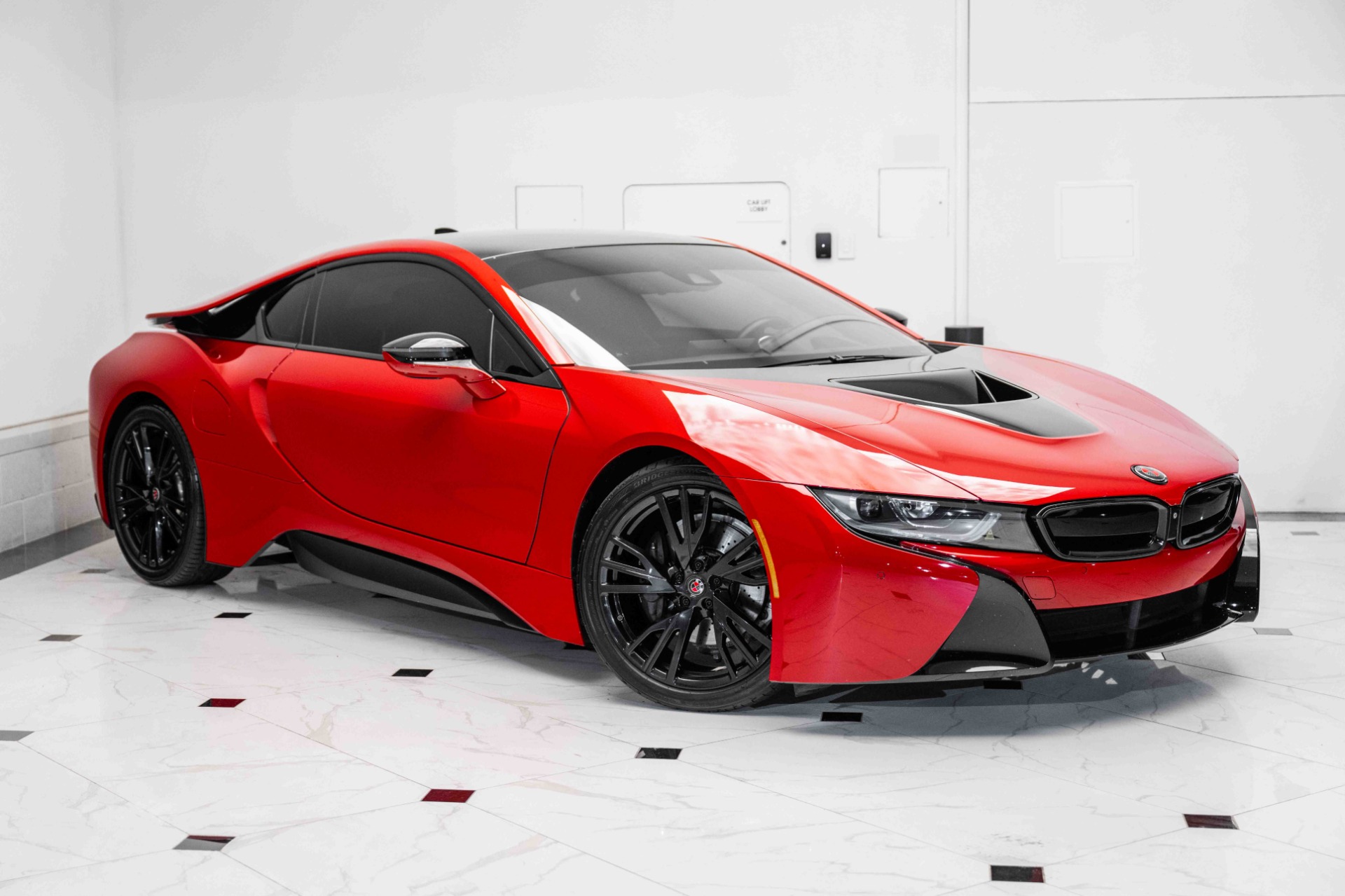
5. BMW i8 – Butterfly Doors
The BMW i8 features butterfly doors that pivot upward and outward from a hinge near the A-pillar. These doors emphasize sportiness and futuristic styling. They are lighter than gullwing doors, reducing strain on hinges and allowing smoother operation. The effect complements the car’s aerodynamic profile.
Engineering butterfly doors involves precise balancing. Counterweights and struts ensure the door opens without excessive effort. Alignment must be perfect to maintain sealing and safety. BMW refined these mechanisms to withstand repeated use under daily conditions.
Butterfly doors enhance the visual appeal of the i8. When open, they create a dramatic sense of movement, even when the car is stationary. They also highlight the car’s low-slung, aggressive stance. Photographers often frame the doors as part of the overall composition.
While elegant, butterfly doors still have constraints. They need some lateral clearance, making tight parking tricky. Repair costs are higher than conventional doors, though the benefits in style often outweigh practical concerns. Owners value the attention these doors attract.
The i8 demonstrates how butterfly doors can combine aesthetics with functional engineering. They provide accessibility while enhancing the vehicle’s identity. This design reflects BMW’s commitment to innovation and visual storytelling in automotive design.
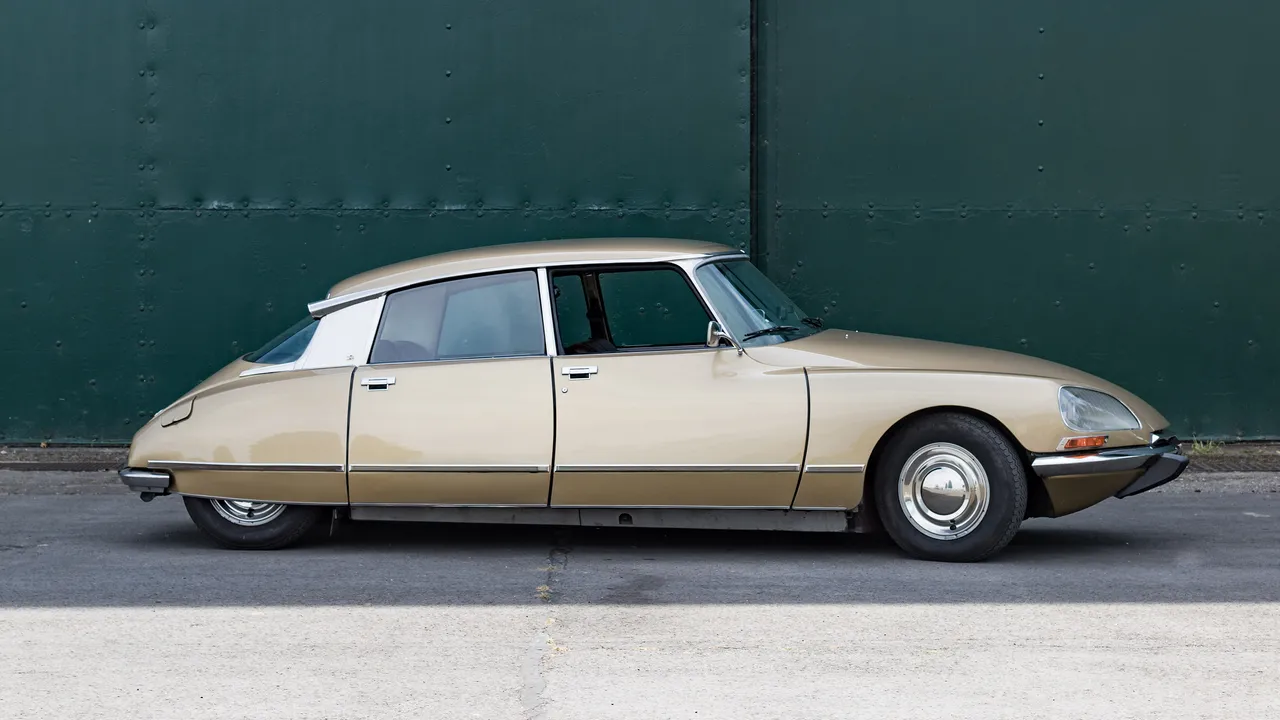
6. Citroën DS – Suicide Doors
The Citroën DS, a French classic from the mid-20th century, features rear-hinged doors often called suicide doors. Unlike conventional doors, these open from the front edge rather than the rear.
This design allows easier access to the back seats, particularly in tight urban spaces, but it also challenges traditional perceptions of car entry. The DS combined elegance with functional creativity, making its doors a memorable feature.
The engineering of suicide doors focuses on hinge placement and structural integrity. Designers reinforced the frame to prevent the doors from swinging open during motion. Special latching mechanisms ensure safety, compensating for the unusual pivot. This attention to detail allowed the DS to maintain high standards of reliability despite its unconventional layout.
The doors contributed to the car’s reputation for comfort and style. Passengers could step into the rear compartment with less effort, as the door swung away from them. The design also enabled a wider opening compared to standard doors, facilitating the entry of taller individuals or bulkier items. It made the DS stand out from its contemporaries in both practical and aesthetic ways.
Safety concerns initially gave the design its notorious nickname. If a rear-hinged door opened while driving, the airflow could pull it outward violently. Citroën addressed this with improved locks and hinge reinforcement, making the doors secure for everyday use. Despite the early controversy, these doors became a hallmark of the model.
Suicide doors in the DS inspired future vehicles that sought to blend accessibility with elegance. While less common today, this design remains iconic in automotive history. The DS illustrates how even subtle changes in door mechanics can transform the user experience and create lasting visual identity.
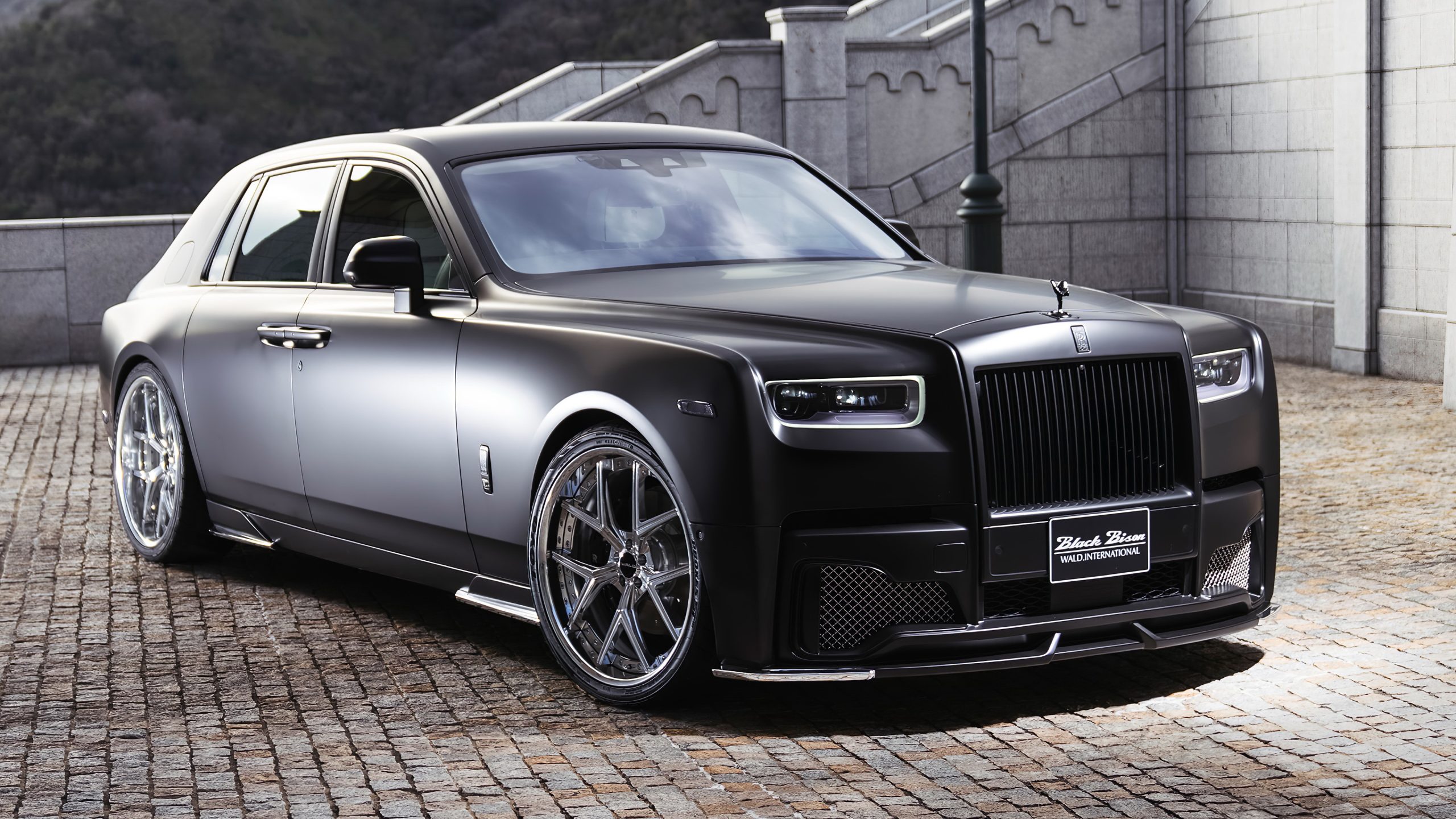
7. Rolls-Royce Phantom – Coach Doors
Rolls-Royce revived the concept of coach doors in its modern Phantom, echoing classic designs of early luxury automobiles. These doors, rear-hinged like the Citroën DS, emphasize grandeur and accessibility. The design allows for smooth entry and exit while maintaining a dignified presence. Every movement feels ceremonial, aligning with Rolls-Royce’s reputation for refinement.
The engineering behind these doors is highly advanced. Gas struts and electronic sensors control the motion, ensuring they open and close with minimal effort. Structural reinforcements guarantee passenger safety and smooth alignment with the car’s body. Precision engineering ensures consistency, even in extreme temperatures or over long-term use.
Coach doors add visual drama to the Phantom’s appearance. They enhance the perception of luxury and exclusivity. Passengers often pause to admire the motion, which has become a signature of the brand. Photographers frequently feature the doors in full swing to highlight the vehicle’s stately elegance.
Functionality complements aesthetics. Despite their size, the doors provide surprisingly convenient access to the rear seats. Rolls-Royce engineers optimize hinge placement to allow comfortable ingress, even when wearing formal attire. The combination of mechanics and artistry defines the car’s appeal.
The Phantom demonstrates how historical inspiration can meet modern technology. Coach doors offer more than style; they provide an experience of elegance, ceremony, and sophistication. This type of door reflects a commitment to tradition while integrating contemporary engineering solutions.

8. McLaren F1 – Dihedral Doors
The McLaren F1, one of the most celebrated supercars, uses dihedral doors that rotate upward and outward in a distinctive motion. This design enhances both style and ergonomics. The door movement allows easy access to the driver and passenger, despite the car’s extremely low profile. Each door opens like a wing, creating a striking visual impression.
Engineering dihedral doors requires exact calibration. Hinges and struts must support the weight of the carbon-fiber door panels. The rotation angle is carefully calculated to prevent collision with curbs or other vehicles. McLaren also accounted for aerodynamic performance, ensuring the doors do not interfere with airflow when open.
Dihedral doors contribute to the F1’s legendary status. They communicate exclusivity and high performance before the engine even starts. Photographers and enthusiasts often focus on the doors in promotional images, framing them as part of the car’s signature look. The motion emphasizes both design and functionality.
Practicality is considered despite the dramatic presentation. Low ground clearance can make entry tricky, but the door angle provides enough space for passengers to maneuver comfortably. Maintenance is straightforward for high-end mechanics, though replacement parts remain expensive. The doors blend utility with extraordinary aesthetics.
The McLaren F1’s dihedral doors inspired future models, including the McLaren P1 and other hypercars. They demonstrate how a clever hinge design can balance accessibility, safety, and visual impact. For many, the doors are as iconic as the car’s record-breaking performance.

9. Toyota Sera – Butterfly Doors on a Budget
The Toyota Sera, a compact sports coupe from the 1990s, features butterfly doors that mimic high-end supercar designs. Unlike exotic vehicles, the Sera brought unusual door mechanisms to a more accessible price range. The upward-opening doors gave it a futuristic look, distinguishing it from ordinary compact cars.
Engineering for the Sera’s doors involved lightweight materials and precise struts. The pivot system is simpler than that of luxury supercars but still delivers a smooth, dramatic motion. Toyota balanced durability and cost-effectiveness, making the design reliable for everyday use. The doors are surprisingly easy to operate, even in narrow parking spaces.
Butterfly doors added significant appeal for buyers seeking something unique. The Sera became a conversation starter, often attracting enthusiasts who valued innovation at a lower price point. The doors enhanced the car’s identity, providing a sense of drama usually reserved for more expensive vehicles.
Despite their charm, the doors required attention to alignment and sealing. Poor adjustment could lead to wind noise or leaks. However, the overall design achieved the intended effect, combining style with functionality. Owners reported high satisfaction, especially regarding the novelty factor.
The Toyota Sera shows that unusual door mechanisms are not limited to exotic supercars. Even compact vehicles can incorporate innovative engineering to stand out in a crowded market. Its butterfly doors exemplify how creativity can be accessible without sacrificing reliability.
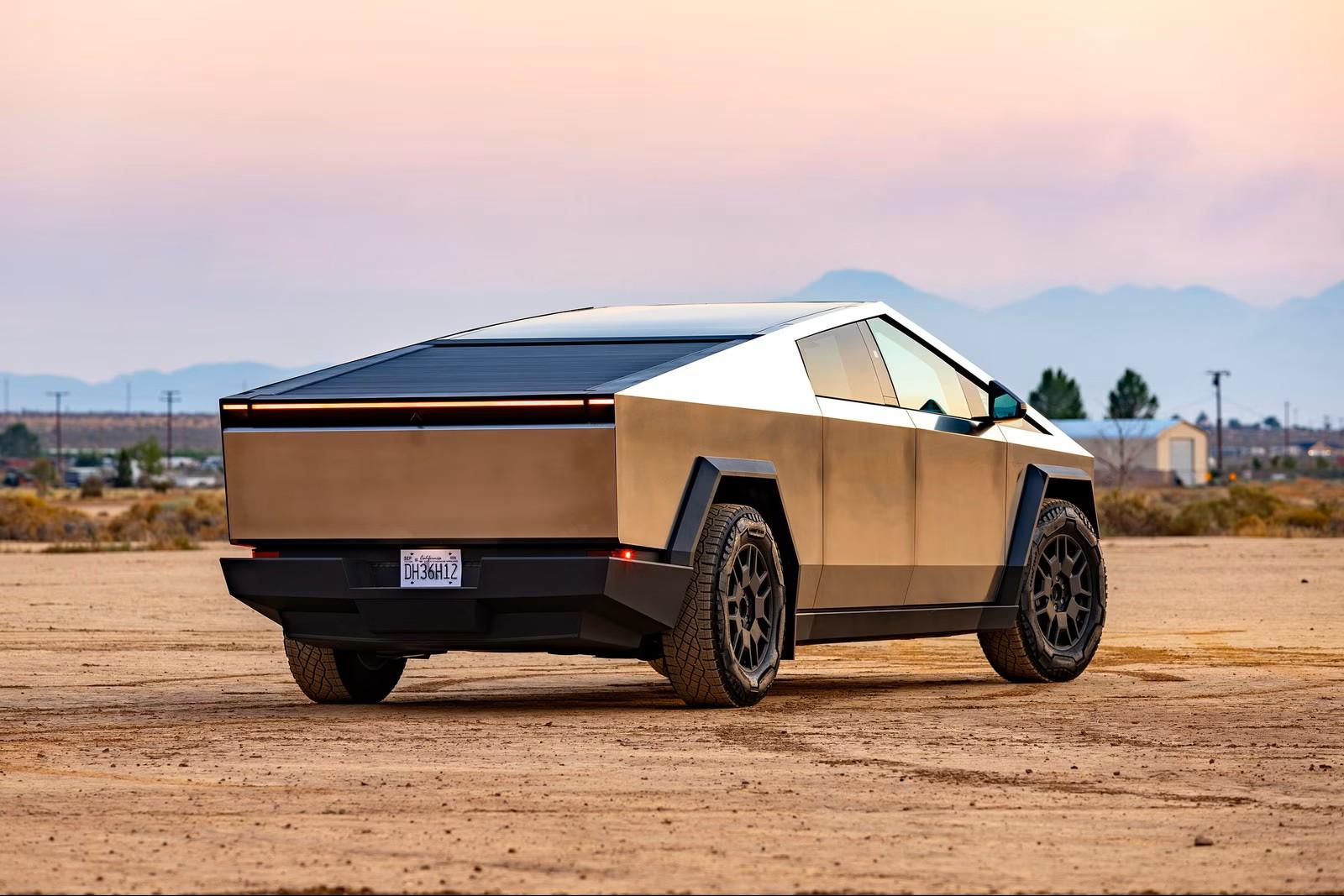
10. Tesla Cybertruck – Future-Forward Door Concepts
The Tesla Cybertruck introduces a bold approach to door design, emphasizing strength, utility, and futuristic aesthetics. While the doors appear conventional at first glance, their heavy-duty construction and electronic latches create a unique experience. The design reflects Tesla’s broader philosophy of rethinking automotive norms.
Engineering the Cybertruck doors requires balancing armor-like rigidity with usability. The exoskeleton-style panels demand strong hinges and electronically assisted opening. Sensors ensure that doors operate smoothly despite the vehicle’s angular, unconventional form. Tesla aims to combine industrial strength with everyday functionality.
The doors contribute to the Cybertruck’s polarizing visual identity. They suggest a utilitarian, almost sci-fi approach to vehicle design. The motion and feel of the doors emphasize solidity and durability. Owners and observers alike experience the impression of a vehicle built for extremes.
Practicality plays a significant role, despite the striking appearance. The doors provide ample clearance for passengers and cargo. Reinforced hinges accommodate repeated heavy use, and electronic sensors prevent accidental impacts. Functionality and spectacle coexist in a careful engineering balance.
The Cybertruck represents a new chapter in unconventional doors. While not as theatrical as supercar designs, they push the boundaries of what truck doors can communicate. They showcase Tesla’s commitment to innovation, demonstrating that even large, utilitarian vehicles can rethink traditional mechanics.