Automobiles are more than just machines; they are reflections of design, culture, and sometimes sheer happenstance. The names of cars often play a pivotal role in how they are perceived, remembered, and celebrated over decades. Some names evoke speed, luxury, or power, while others carry a sense of sophistication or heritage.
However, what many enthusiasts and casual drivers might not realize is that several iconic cars almost bore completely different names, and their histories could have unfolded very differently if those original ideas had been kept. A car’s name is not simply a label but a key component of its identity, influencing marketing, emotional attachment, and even sales.
Naming a car is a careful blend of creativity, strategy, and cultural awareness, requiring teams to anticipate global reception, linguistic implications, and competitive positioning. Many names are chosen to convey an image, whether it’s the elegance of a sedan, the raw performance of a sports car, or the adventurous spirit of an SUV.
Choosing the wrong name can lead to awkward marketing campaigns, misunderstandings in international markets, and missed opportunities to build a legendary reputation. Over the years, manufacturers have frequently reconsidered their choices, shifting from experimental or technical designations to names that resonate more strongly with consumers.
These alternative names often reflect a different vision for the vehicle or a road not taken in the brand’s narrative. Some of the original ideas were literal, while others were highly imaginative, inspired by mythology, nature, or historical figures.
The cars that eventually became cultural icons were almost something else entirely, which makes it fascinating to consider how the world of automobiles might have changed if the original names had stuck. The stories behind these naming changes reveal not only marketing ingenuity but also the sensitivity required to navigate different cultures, markets, and consumer expectations.
In this article, we examine ten legendary cars that came very close to having alternative names, tracing the decisions, influences, and sometimes the near-mistakes that almost altered automotive history forever.
1. Ford Mustang
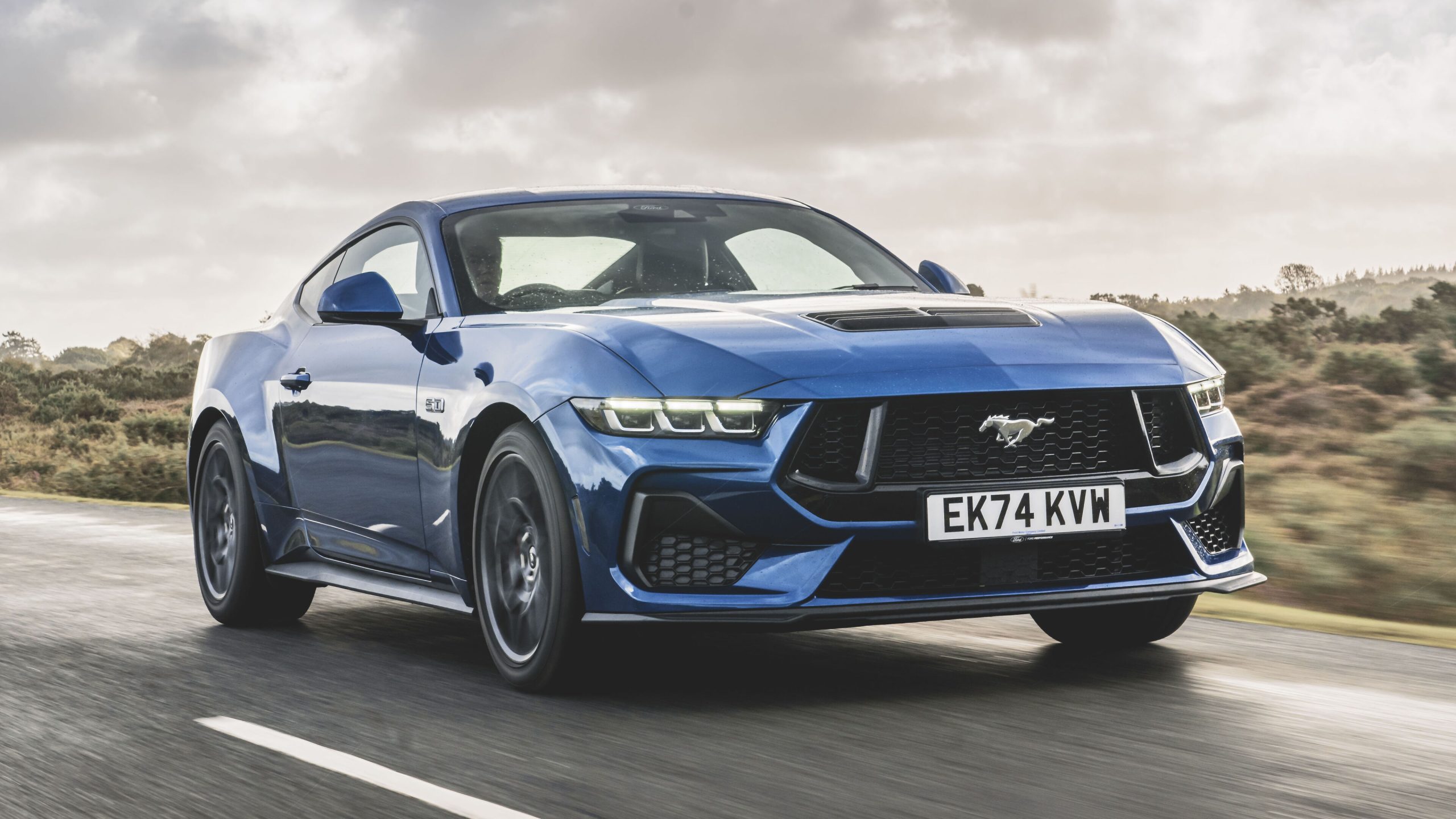
The Ford Mustang is a symbol of American muscle, celebrated for its style, performance, and accessibility. Originally, the Mustang could have been known as the “Cougar,” a name that Ford seriously considered during early development.
The choice of “Cougar” would have likely shifted the car’s identity toward a more aggressive and predatory image, emphasizing power over versatility.
Designers and marketers debated the emotional response each name would generate among buyers, weighing familiarity against a sense of excitement. In the end, the Mustang name was chosen to evoke freedom, speed, and the open road, cementing its place in automotive history.
Interestingly, the “Cougar” name was eventually used by Mercury, another Ford brand, giving the concept a home without overshadowing the Mustang. The Mustang’s iconic status may have been very different if it had carried a name more associated with stealth than exhilaration.
Consumers connect deeply with names, and the Mustang managed to capture the imagination of a generation seeking youthful rebellion and style. Had it been the Cougar, enthusiasts may have viewed it as slightly less accessible or even intimidating. The choice of Mustang combined familiarity with the romanticism of wild horses, balancing power with emotional resonance.
Early sketches and marketing drafts indicate that designers initially wanted a name that conveyed raw performance, but the final decision emphasized versatility and broad appeal. The Mustang could attract both young buyers seeking excitement and older drivers wanting a stylish, reliable vehicle.
By avoiding the Cougar, Ford maintained a certain aspirational quality while still signaling sporty performance. The final name also allowed for a range of trim levels and variants without diluting the car’s core identity. Over time, the Mustang became synonymous with freedom and individualism, qualities that might have been less pronounced under a different name.
The decision-making process was influenced by focus groups, market research, and even reactions to existing vehicles with predatory names. Ford’s marketing team recognized that a name like Cougar could alienate some customers, while Mustang offered broader appeal and a sense of adventure.
The name helped establish a brand legacy that extended across decades and inspired countless spin-offs and adaptations. From movies to music, the Mustang’s identity was enhanced by its evocative name, reinforcing its place as a cultural icon.
The Mustang serves as a case study in how a name can shape perception, influence sales, and cement a vehicle’s status in history. While the Cougar name might have worked in its own way, the Mustang’s combination of power, elegance, and freedom resonates more universally.
The choice demonstrates the careful balance between performance-oriented imagery and emotional connection that automotive brands must navigate. By choosing wisely, Ford ensured that the Mustang’s legacy would endure far beyond its engineering and styling achievements.
2. Chevrolet Camaro
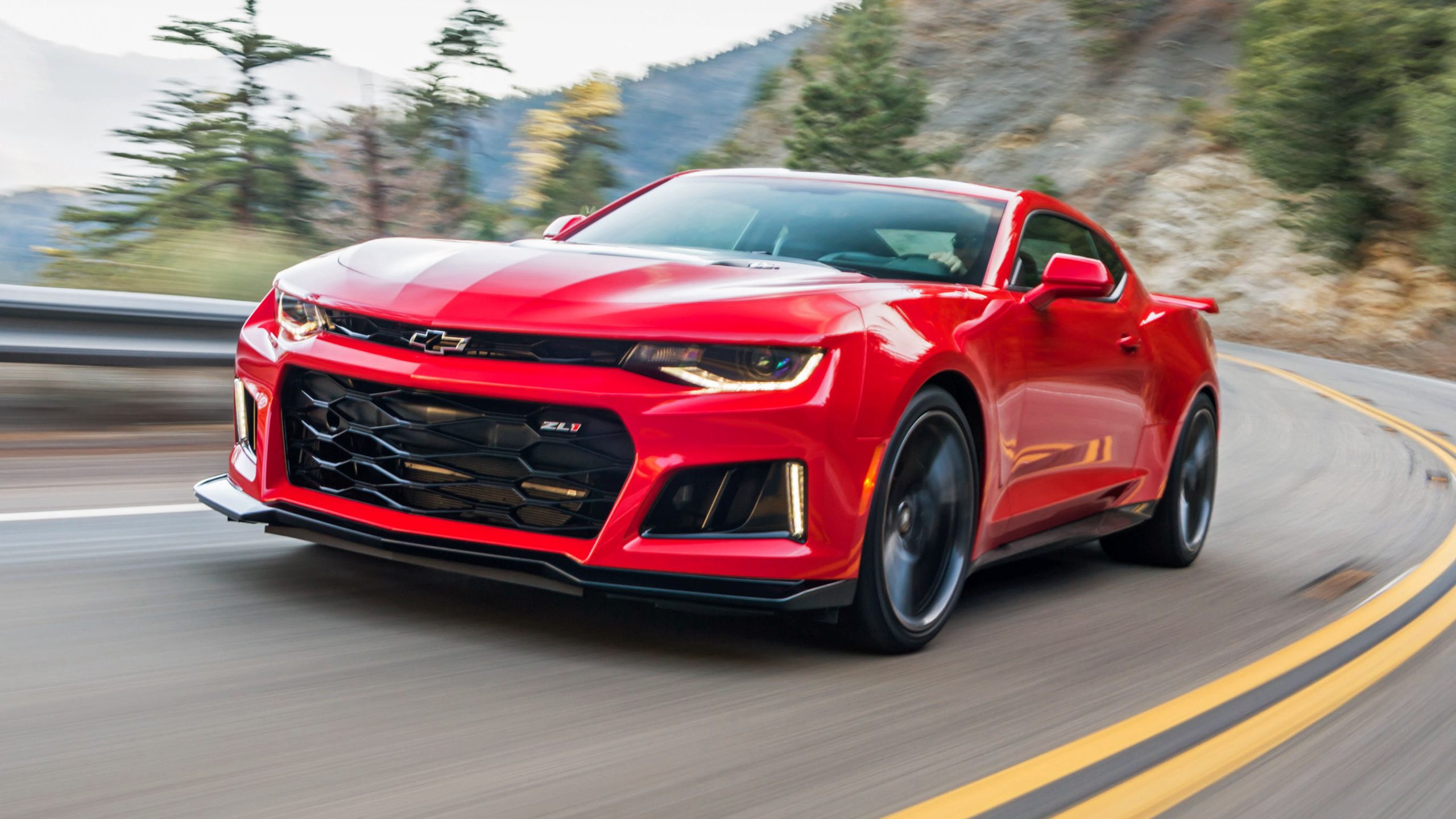
The Chevrolet Camaro is another car whose name almost took a very different path. In early internal discussions, Chevrolet considered calling the vehicle the “Panther” or “Coupe X,” reflecting an emphasis on aggressive styling and performance.
The Camaro name itself was chosen to suggest camaraderie and companionship, appealing to younger buyers seeking a sporty yet approachable car. By selecting a name that was more relatable and less intimidating, Chevrolet positioned the Camaro as an aspirational but attainable sports car.
The name could have been problematic internationally, as some options had negative or confusing connotations in certain languages. Marketing teams were careful to avoid any linguistic pitfalls that might hinder global appeal. “Panther” would have been more aggressive but potentially less versatile as a brand identifier.
The Camaro name allowed Chevrolet to build a story of excitement without sacrificing broader market acceptance. In the 1960s, naming a car required a delicate balance between edginess and mainstream appeal, and Camaro hit that balance perfectly.
Ford had the Mustang, and Dodge and Pontiac were developing their own sporty lines. Chevrolet needed a name that could stand out without directly copying or clashing with existing icons.
The choice of Camaro positioned the car as fresh, modern, and distinctive, contributing to its enduring popularity. Early focus group reactions showed that Camaro evoked positive emotions associated with fun, youth, and individuality, qualities that “Coupe X” lacked.
Chevrolet’s branding strategy also included the development of various trim levels and performance packages, and the Camaro name offered flexibility. It could encompass base models, high-performance variants, and special editions without feeling inconsistent.
The alternative names might have boxed the car into a narrower identity, limiting its growth potential. Today, the Camaro name is globally recognized, and its early marketing emphasized excitement, affordability, and style.
The decision highlights the critical role of naming in automotive history. While the Camaro could have succeeded under a different name, the chosen identity helped the car resonate emotionally with buyers and carve out a distinct place in the muscle car era. It shows that even small decisions, like a name, can have a major influence on a vehicle’s reception, cultural significance, and long-term legacy.
3. Porsche 911
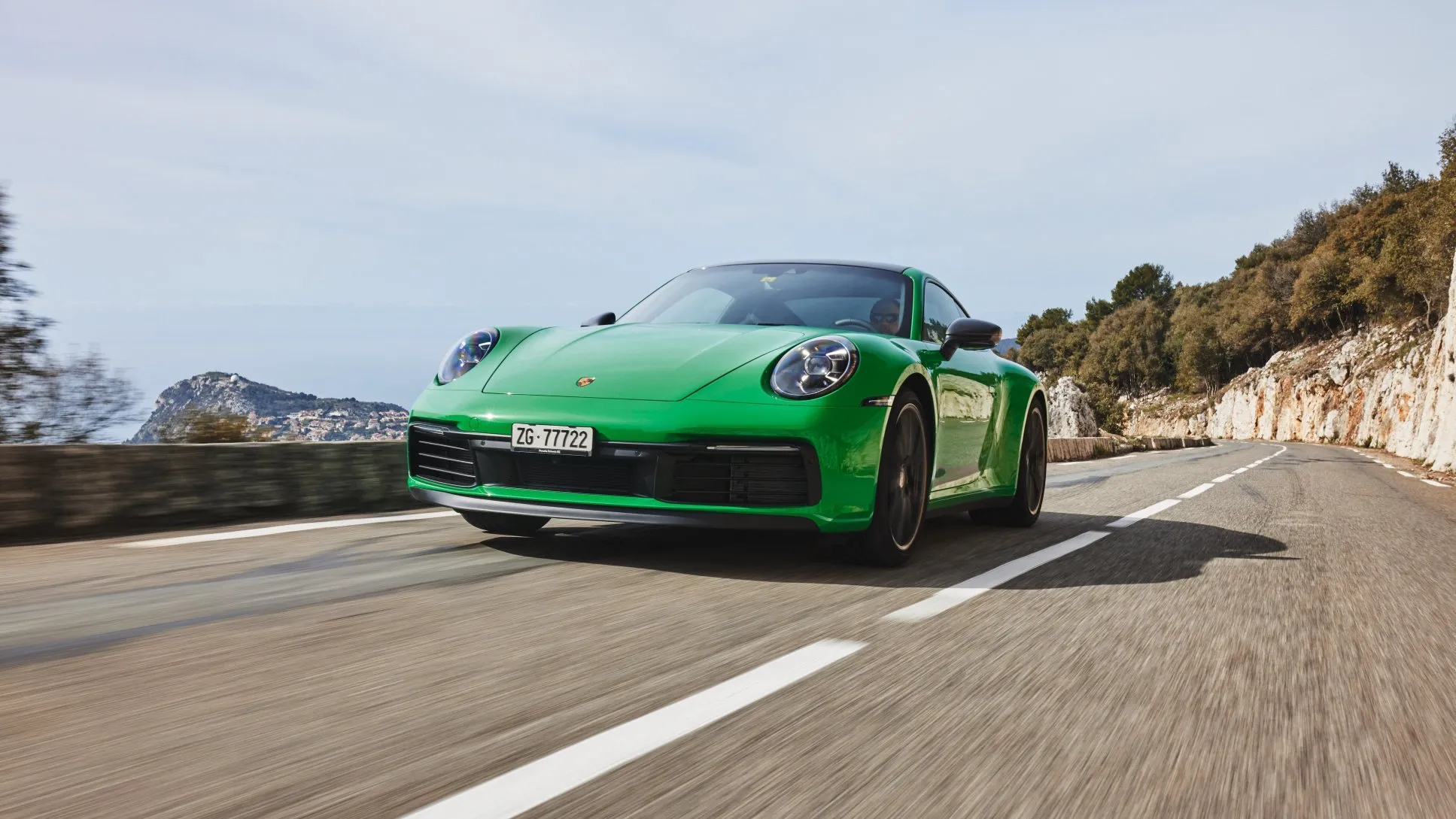
The Porsche 911 is widely regarded as one of the most iconic sports cars ever created, a symbol of precision engineering and timeless design. Interestingly, the car was almost called the “Porsche 901,” a name that was used in the earliest prototypes and marketing materials.
However, Peugeot had a trademark on all three-digit numbers with a zero in the middle, which forced Porsche to reconsider the name. This legal conflict led to the adoption of “911,” a designation that at first seemed unconventional but would eventually become one of the most recognized names in automotive history.
The story highlights how legal and business considerations can influence something as culturally significant as a car name, demonstrating that even a global icon can be shaped by seemingly small practicalities.
The original 901 designation had been intended to represent a logical continuation of Porsche’s numerical naming system, emphasizing engineering evolution rather than marketing flair. Engineers and designers viewed the name as a simple progression from earlier models, communicating innovation and continuity.
Changing to 911 might have seemed abrupt, but the new designation carried its own mystique. The repetition of ones gave the car a unique rhythm that was easy to remember, and this unintended consequence arguably contributed to the model’s legendary status. It’s fascinating to think how a minor legal restriction led to a more memorable name that arguably enhanced the car’s aura of exclusivity and sophistication.
Marketing campaigns initially faced the challenge of introducing the 911 name to a public that was accustomed to more conventional designations. The team had to emphasize continuity and performance while explaining the change in a way that maintained consumer confidence.
Despite the initial hurdles, the 911 name quickly became associated with quality, precision, and performance. Enthusiasts embraced the new moniker, and over time it became synonymous with Porsche itself. The car’s engineering and design brilliance would have been recognized under any name, but the distinctiveness of “911” helped cement its identity in the minds of buyers worldwide.
The Porsche 911 also represents an interesting case of how a numerical designation can carry emotional weight. Unlike more evocative names, numbers can suggest technical mastery and seriousness, appealing to a different audience than the Mustang or Camaro.
The shift from 901 to 911 created a subtle sense of uniqueness, signaling that this was not just another sports car but a model destined for a lasting legacy. Today, the 911 is celebrated for its continuity and evolution, qualities that might not have been as strongly associated with the 901 name.
The Porsche 911 illustrates the interplay between legal constraints, marketing strategy, and cultural impact. A seemingly small decision regarding numbers and trademarks reshaped how the world remembers one of the greatest sports cars ever made.
It serves as a reminder that every aspect of a car’s identity, including its name, is the result of complex decisions that blend creativity, practicality, and timing. The 911 name may have been born from necessity, but it became a defining feature of Porsche’s enduring legacy.
4. Nissan GT-R
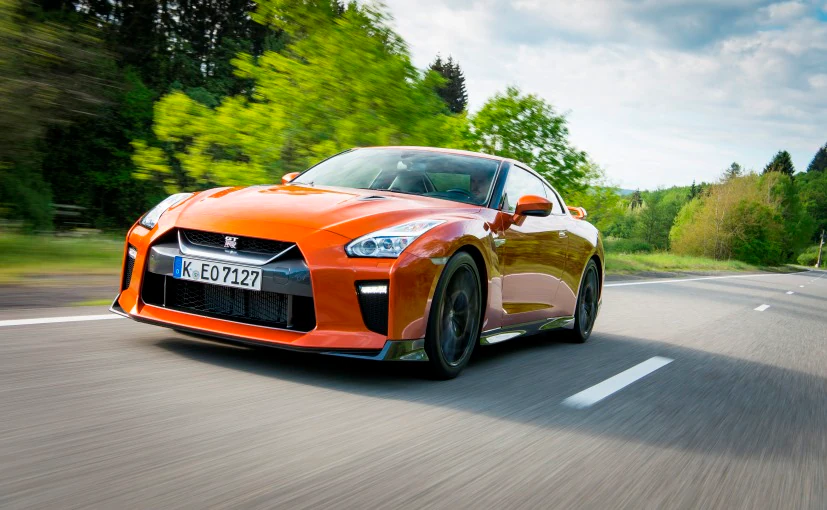
The Nissan GT-R, often celebrated for its high-performance engineering and legendary racing pedigree, almost carried a different name during its early conception. In the planning stages, Nissan considered names such as “Skyline R36” or simply “R36,” aligning with their internal numbering system.
These names emphasized lineage and continuity rather than excitement or mystique, which may have appealed to enthusiasts familiar with the Skyline legacy but risked alienating a broader market. The decision to go with “GT-R” emphasized performance and racing heritage, signaling the car’s place as a serious contender in the global sports car arena.
The GT-R name carries a combination of simplicity and power, with “GT” representing Grand Touring and “R” standing for racing. This designation communicated a high-performance focus while remaining accessible to consumers and collectors alike.
By choosing a name that reflected both style and capability, Nissan ensured that the car’s identity would resonate with enthusiasts without feeling overly technical or abstract. Alternative names like “R36” could have been accurate but might have lacked the drama and excitement that makes the GT-R so legendary today.
The name also allowed Nissan to distinguish the GT-R from its more conventional Skyline siblings, creating a clear separation in the brand lineup.
Another factor in the naming decision was the car’s position in motorsports and popular culture. The GT-R had earned a reputation on the racetrack for speed, precision, and durability, and the name needed to convey that pedigree. A simple alphanumeric label might have failed to communicate the car’s competitive edge and aspirational qualities.
By choosing GT-R, Nissan created a symbol of excellence that extended beyond marketing into real-world performance and fan devotion. Enthusiasts and collectors often regard the GT-R name as synonymous with Japanese engineering mastery, a legacy that might have been muted under a less evocative designation.
The decision also reflected a global marketing strategy. Nissan wanted a name that would be memorable and easily pronounced across multiple markets, ensuring international appeal. “GT-R” is concise, punchy, and distinctive, allowing it to stand out in advertisements, media coverage, and cultural references.
Early alternative names, while technically accurate, might have seemed cumbersome or lacked international resonance. The chosen name contributed to the GT-R’s status as a symbol of high-performance innovation, both in Japan and abroad.
The GT-R demonstrates how a name can carry meaning far beyond letters or numbers. It embodies speed, performance, and racing excellence, qualities that resonate with enthusiasts worldwide. The car’s near-alternative names reveal that a different choice could have shifted its cultural perception, but the final decision ensured that the GT-R would become an enduring icon in automotive history.
5. Lamborghini Miura
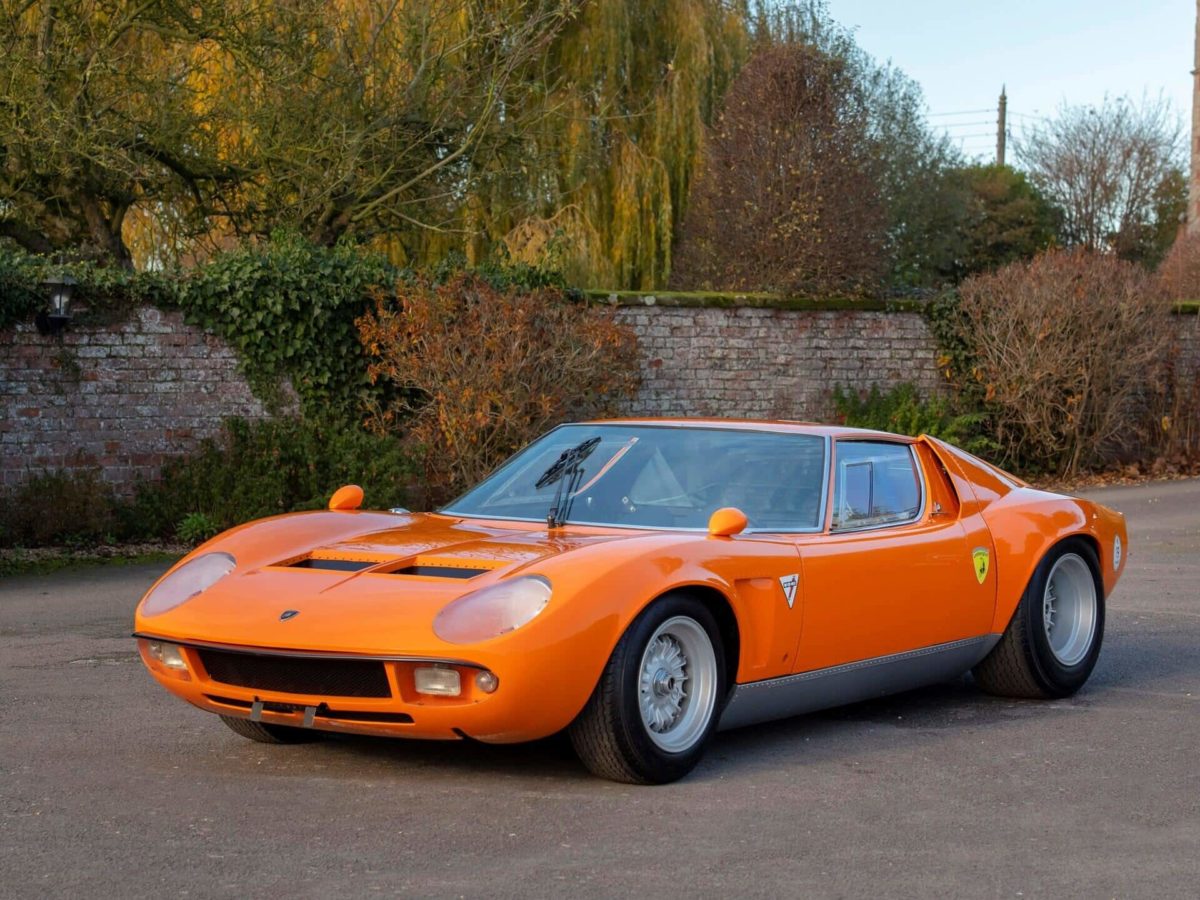
The Lamborghini Miura, often hailed as the world’s first supercar in terms of design and performance, almost had a different name during its early development. The car was initially considered for names like “P400” or “P400S,” reflecting Lamborghini’s internal model numbering, which would have aligned it with other prototypes but lacked character or emotional appeal.
Such names would have emphasized technical specifications rather than the style and innovation that defined the Miura. The eventual decision to adopt the Miura name, inspired by a famous line of Spanish fighting bulls, tied the car’s identity to power, elegance, and an almost untamable spirit.
The choice of Miura reflected Lamborghini’s desire to create a car that combined beauty with performance, distinguishing it from its contemporaries. While “P400” would have sounded clinical and purely mechanical, Miura evokes passion, danger, and artistry.
The name alone communicates the thrill of the driving experience, aligning with the vehicle’s revolutionary mid-engine layout and curvaceous design. Lamborghini recognized that the emotional connection fostered by a name could elevate the car beyond simple specifications, creating a timeless icon that would inspire generations of enthusiasts and designers alike.
Marketing and public perception played a crucial role in this decision. Lamborghini wanted a name that would resonate with a global audience, evoking exclusivity and excitement while remaining easy to pronounce and remember. The Miura name gave the car a romantic aura, aligning perfectly with its status as a groundbreaking supercar.
Designers and executives understood that a numerical designation like “P400” could limit the vehicle’s appeal to a narrower audience of automotive engineers or collectors. By choosing Miura, the brand ensured that the car would be recognized for its daring, innovative, and stylish character.
The Miura’s name also complements its revolutionary engineering. As one of the first production cars to feature a mid-engine layout, it represented a bold departure from convention.
The Spanish bull-inspired moniker adds a sense of daring and aggression to the vehicle’s aesthetic, communicating the car’s power and prestige before a single engine is started. The alternative numeric names might have obscured these qualities, emphasizing technicality over charisma and leaving the Miura without the emotional resonance it now enjoys.
Lamborghini’s decision to abandon technical model numbers in favor of Miura underscores the importance of identity in automotive branding. The name enhanced the car’s mystique, helped cement its place in cultural history, and gave a personality that matched its engineering feats.
Miura was more than a car; it was an experience, and the name played an essential role in making that experience unforgettable.
6. Ferrari F40
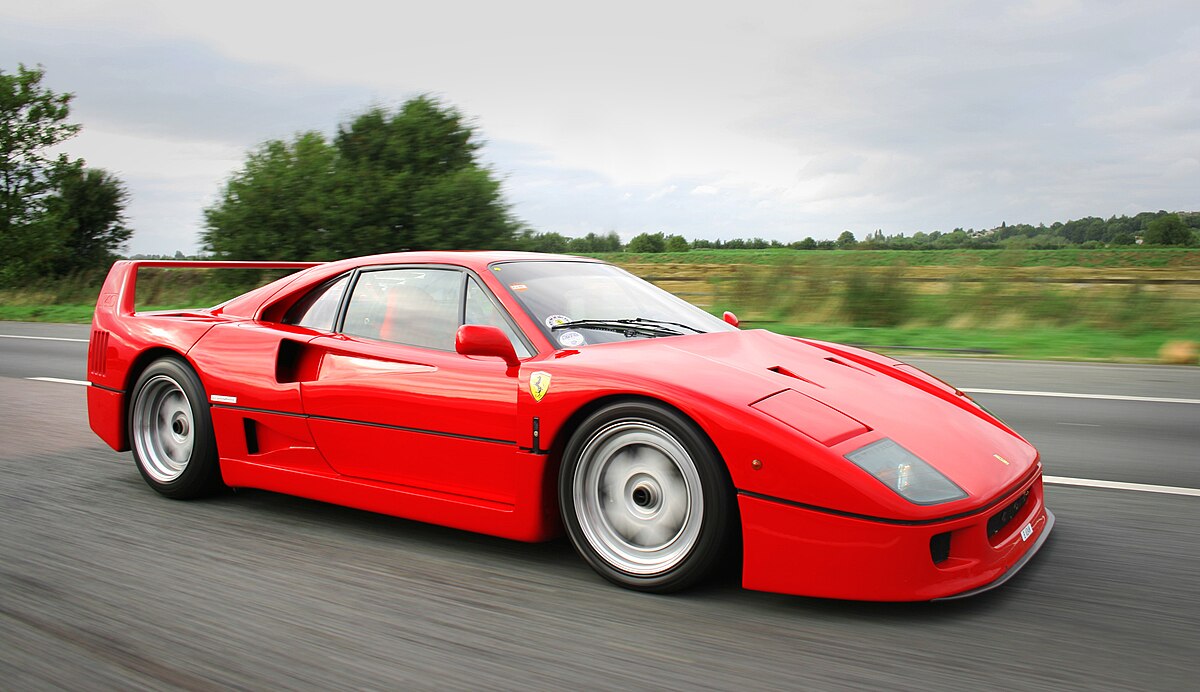
The Ferrari F40 is a legendary supercar, revered for its raw performance, striking design, and status as a symbol of automotive excellence. Before its final naming, Ferrari considered options like “F120” or “GTO Evoluzione,” which would have connected the model to Ferrari’s existing lineage.
While technically accurate, these names lacked the emotional immediacy and punch needed for a car of this stature. “F40” was chosen to commemorate Ferrari’s 40th anniversary, giving the car historical significance and a sense of celebration that no numerical code could match.
The F40 name perfectly balances simplicity and gravitas. It is easy to remember, instantly recognizable, and suggests performance without being overly descriptive. Ferrari’s leadership understood that the name needed to evoke emotion, particularly because the F40 represented a culmination of decades of racing innovation and brand prestige.
By avoiding cumbersome alternatives, Ferrari ensured that the F40 would stand alone as an aspirational icon, attracting attention not just from car enthusiasts but from the general public fascinated by speed and achievement.
In addition to anniversary significance, the F40 name communicates a sense of purpose and engineering focus. Unlike prior GTO models, which relied heavily on racing heritage, the F40 conveys performance milestones without overexplaining technical details.
It signals to enthusiasts that this car is a benchmark of speed, handling, and engineering excellence. Had Ferrari opted for a more descriptive or lineage-based name, the car might have been appreciated primarily for its specifications rather than its cultural and emotional impact, limiting its influence on automotive history.
Marketing and media strategies further reinforced the F40’s legend. The name is punchy and symbolic, easily repeated in magazine headlines, advertisements, and conversations among enthusiasts.
Simplicity in branding ensured that the F40 would not be overshadowed by a complex or abstract name, enabling it to remain instantly memorable. The decision to link the name to a milestone anniversary also emphasized Ferrari’s long-standing reputation for excellence, further elevating the car’s cultural cachet.
The Ferrari F40 illustrates how a name can do more than identify a car, it can celebrate legacy, evoke emotion, and reinforce a brand’s story. A different name might have left the vehicle as a technical marvel, but the F40 became a legend, remembered not only for its engineering but for the cultural weight carried by its simple, evocative designation.
7. Dodge Viper
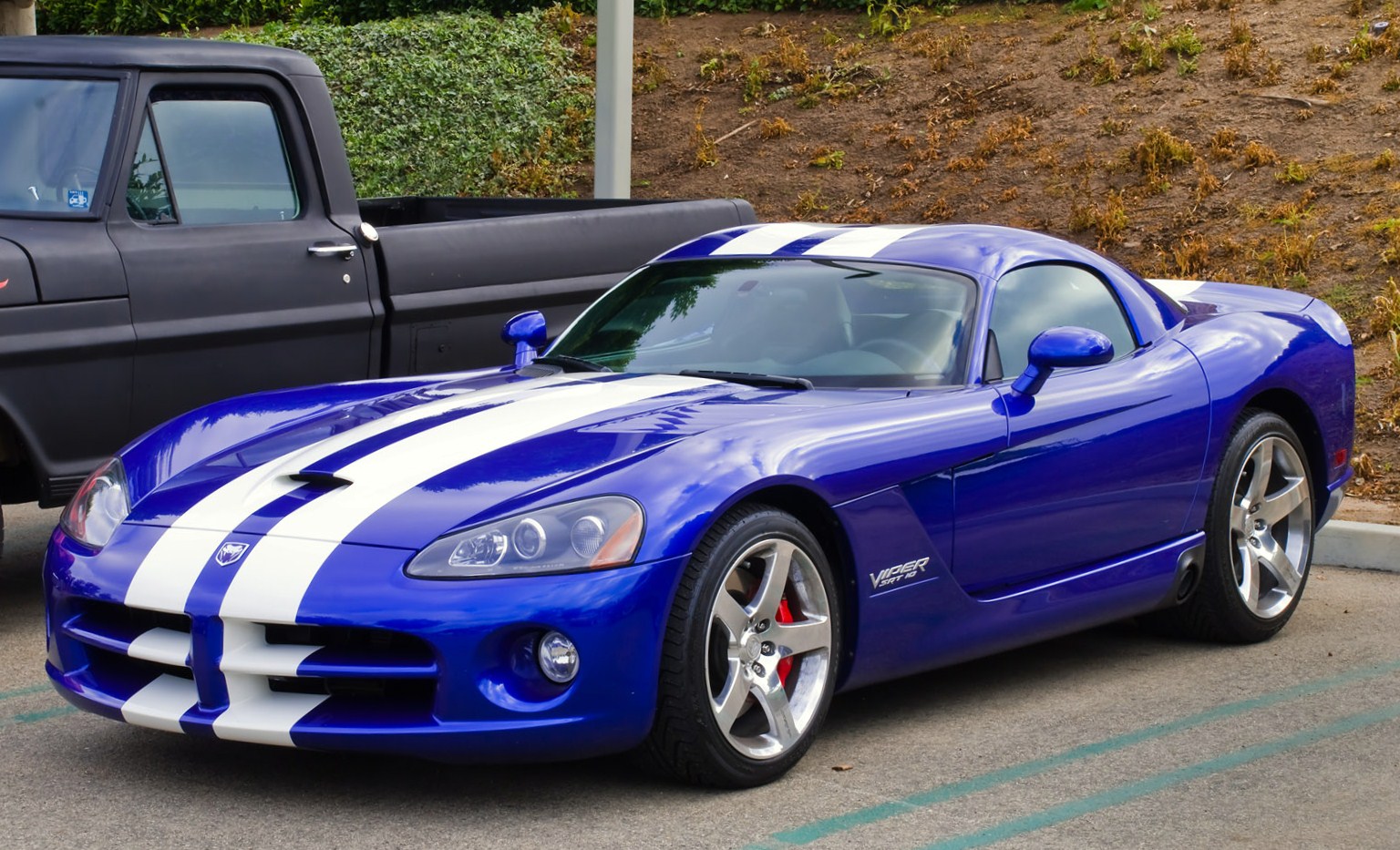
The Dodge Viper is a car synonymous with raw power and unapologetic performance. Early in its development, the vehicle was almost called the “Copperhead” or “Snake,” emphasizing its venomous nature and muscular aggression. While these names conveyed danger, they lacked the sleekness and instant impact that the team sought.
The name “Viper” was chosen, combining speed, power, and intimidation in a single evocative word. It perfectly encapsulated the car’s design ethos, a long, low profile with aggressive styling and a powerful V10 engine designed for thrill seekers.
The choice of Viper reflects a careful consideration of brand messaging and emotional resonance. Dodge wanted a name that was instantly memorable and capable of stirring excitement among enthusiasts.
The alternative options, while descriptive, might have seemed cartoonish or lacking gravitas. Viper conveys an elegance intertwined with danger, aligning with the car’s performance and image. It suggests aggression without losing style, a critical balance in building a sports car legend.
Marketing considerations were equally important. Dodge recognized that a name like Copperhead could confuse audiences unfamiliar with the connotations, while Snake might appear generic or uninspired.
Viper, by contrast, is unmistakable, immediately suggesting high stakes, speed, and precision. It also allowed for compelling advertising imagery and narratives, reinforcing the car’s identity as an apex predator on the road. These associations helped solidify its place in American automotive history.
The Viper’s name also reflects its cultural context. Introduced in the early 1990s, the car arrived when muscle and performance cars were reasserting themselves in the public imagination. The name had to be modern, aggressive, and memorable to stand out in a crowded market. By choosing Viper, Dodge ensured the vehicle would resonate with enthusiasts and collectors, fostering a dedicated following that persists to this day.
The Dodge Viper’s naming story demonstrates the importance of capturing character and personality in a single word. The decision to move away from alternative names allowed the car to embody danger, power, and excitement, ensuring that it would become one of the most recognizable and enduring American sports cars.
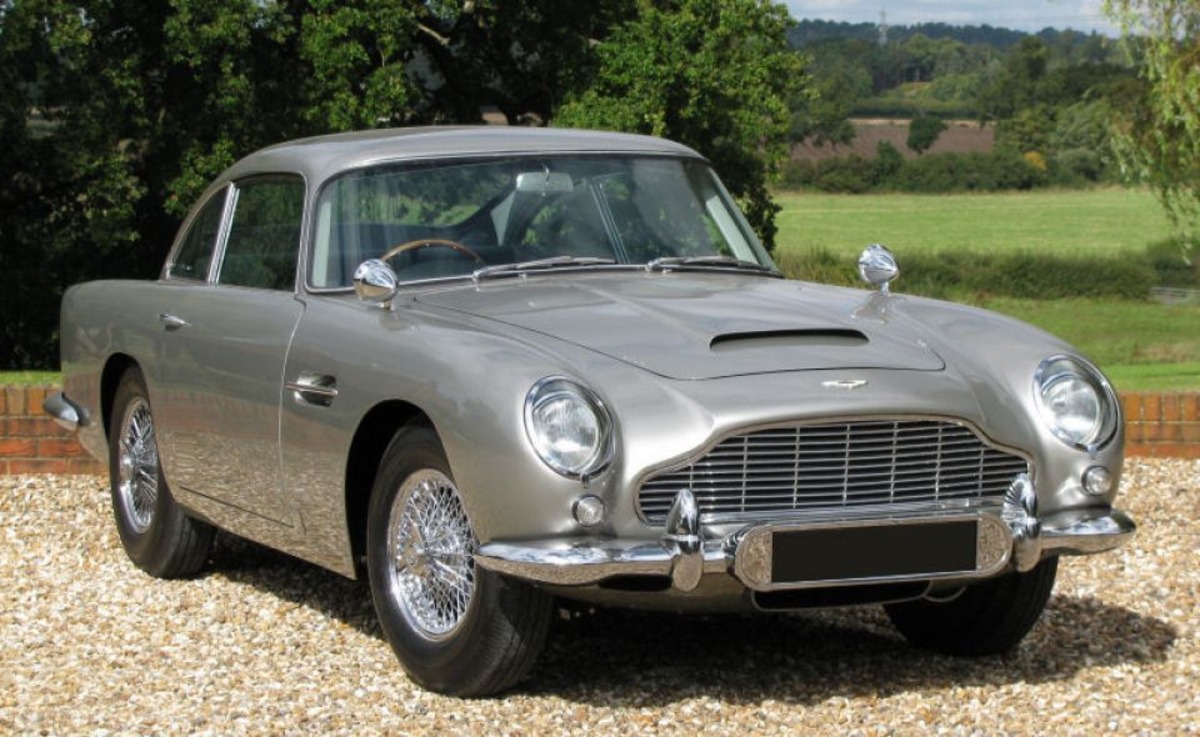
8. Aston Martin DB5
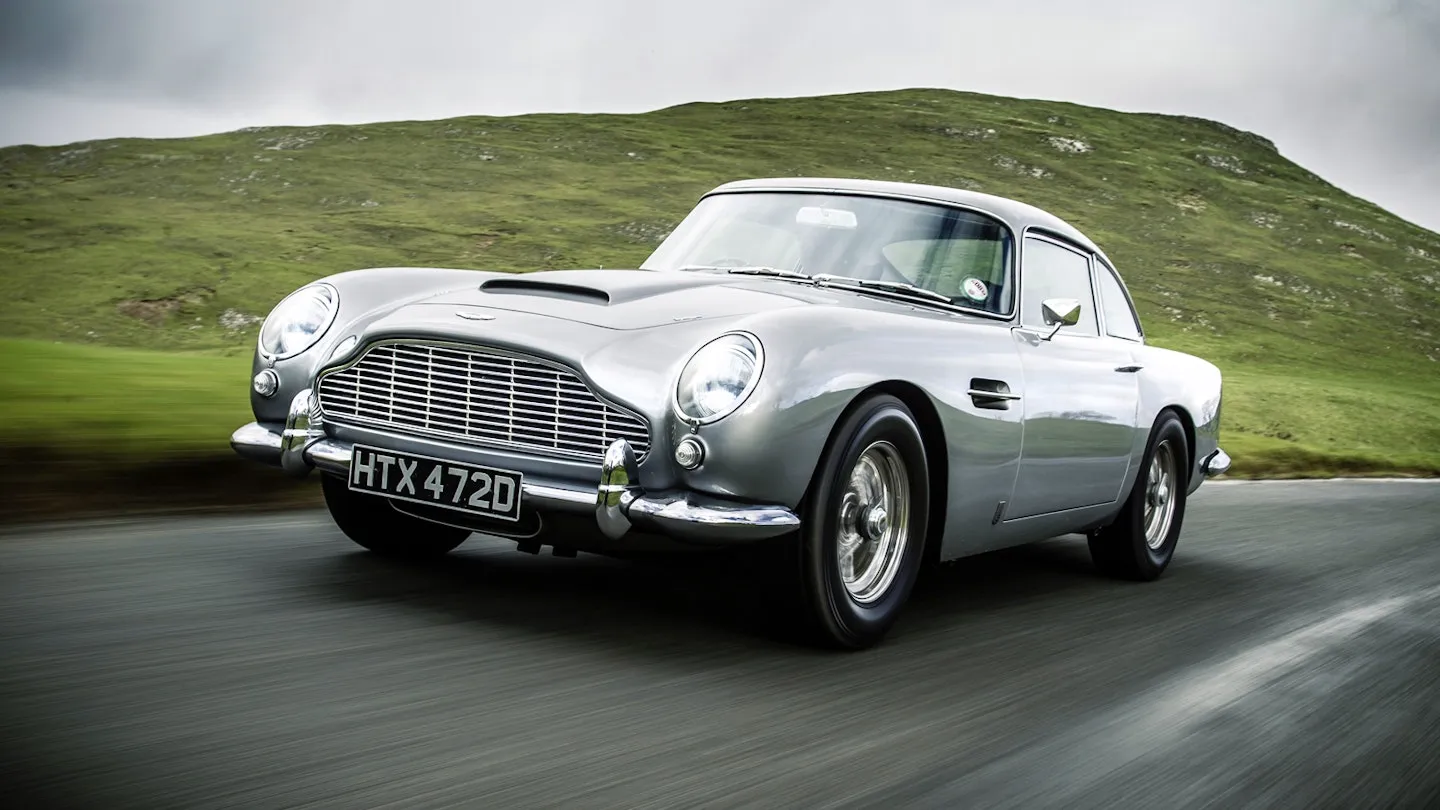
The Aston Martin DB5 is often celebrated as the quintessential luxury sports car, blending elegance, performance, and British sophistication. Interestingly, this car was almost named differently during its development phase.
Initially, engineers and designers considered names such as “DB Mark V” or even “DB Silver” to reflect the lineage and the refined materials used in the car. While these names acknowledged heritage, they lacked the charisma and cinematic resonance that the DB5 would eventually achieve.
Choosing the name DB5 allowed Aston Martin to maintain continuity with founder David Brown’s initials while giving the model its own unique personality, blending tradition with modernity.
The DB5 name quickly became synonymous with sophistication and understated power. Unlike more aggressive or flashy alternatives, it suggested class and precision engineering, qualities that defined Aston Martin’s brand identity.
While numeric names might have appeared sterile or purely technical in isolation, the DB5 carried a subtle narrative: it was a logical evolution of a lineage, yet distinct enough to create its own legacy. The decision reflects how automakers balance honoring history with creating a model that can stand alone in cultural consciousness.
Its cinematic debut in James Bond films further reinforced the significance of the DB5 name. A different name might not have resonated as powerfully with audiences or achieved the same global recognition. The DB5 became a symbol not just of performance but of elegance, espionage, and aspirational luxury. Choosing a name that combined lineage with flair allowed Aston Martin to craft an identity that remains iconic over half a century later.
Marketing and international appeal were also key considerations. DB5 was concise, easy to pronounce, and visually appealing on badges, advertisements, and promotional materials.
Alternative names, while technically correct or descriptive, might have lacked universal resonance, limiting the model’s reach beyond traditional British and European markets. By maintaining simplicity and elegance, Aston Martin ensured the DB5 would leave a lasting impression worldwide.
The DB5 demonstrates how a seemingly small decision in naming can shape cultural impact. The car’s enduring appeal is a combination of design, performance, and the narrative embedded in its name. A different choice could have left it respected but not celebrated, while DB5 became a benchmark for luxury, cinematic glamour, and automotive excellence that continues to inspire enthusiasts today.
9. Toyota Supra
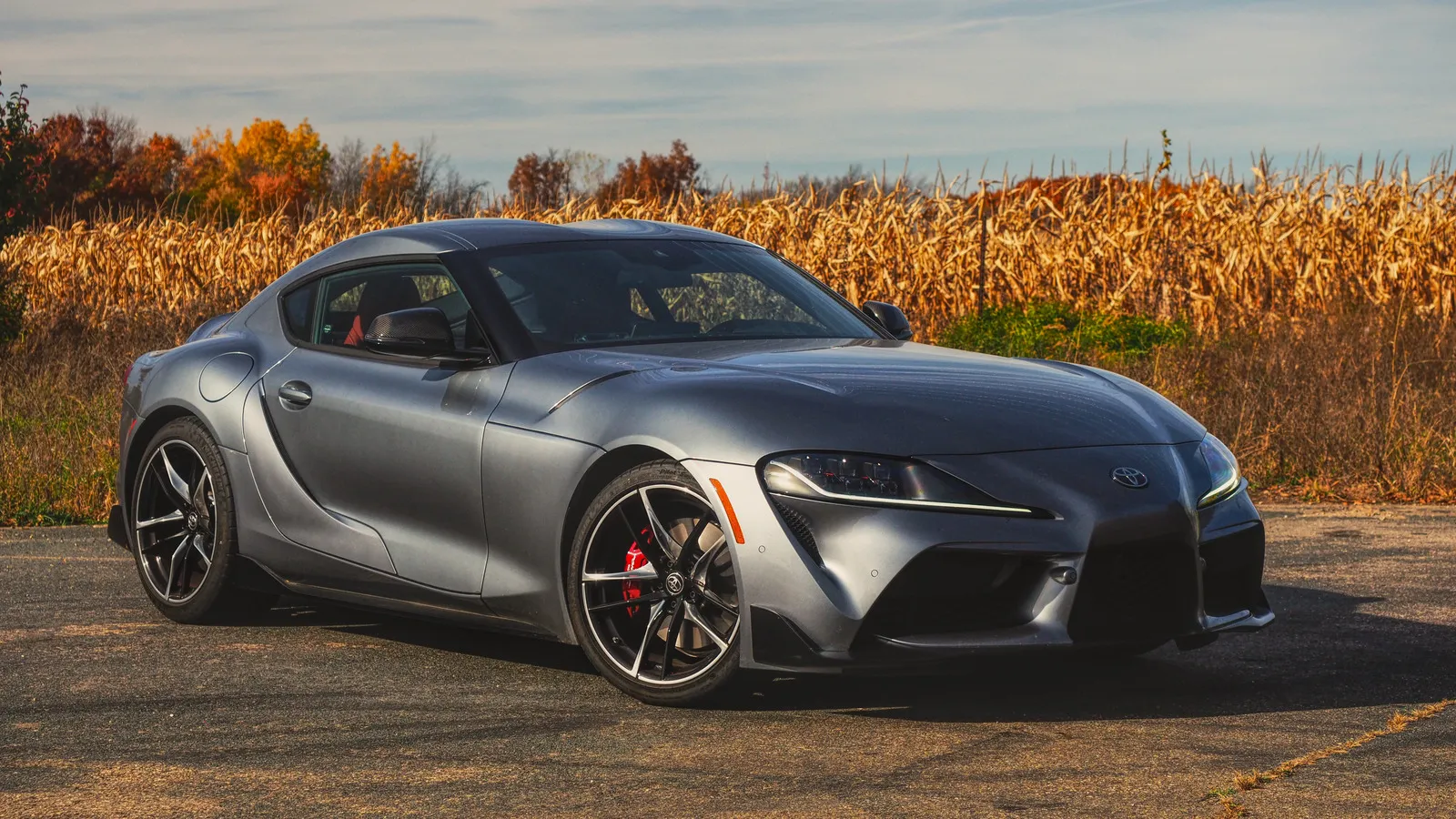
The Toyota Supra is a legendary Japanese sports car known for its engineering reliability and tuning potential. During early development, it was almost named the “Celica XX,” as it was originally conceived as a high-performance extension of the Toyota Celica line.
While this designation would have emphasized its connection to the existing model, it risked undermining the Supra’s identity as a standalone sports car. The decision to rename it “Supra,” a Latin word meaning “above” or “beyond,” gave the car its own distinct status, suggesting superiority in performance, style, and innovation.
The Supra name carries both simplicity and aspirational weight. It communicates that this is not just another sporty coupe but a vehicle that rises above its peers. By distancing itself from the Celica branding, Toyota allowed the Supra to evolve independently, giving designers the freedom to innovate without being restricted by lineage expectations.
This strategic decision helped the Supra appeal to enthusiasts seeking a car that was distinct, high-performing, and modern.
Marketing considerations were critical to the Supra’s success. The name needed to be memorable, resonant across global markets, and easy to promote in advertisements and media.
Celica XX might have sounded clunky or overly technical, especially outside Japan. Supra, on the other hand, was short, striking, and versatile, lending itself to international appeal while conveying an aura of excellence and advanced engineering. The Latin root added a subtle sophistication that differentiated it from competitors.
The Supra’s racing pedigree and tuning culture further reinforced the importance of its name. Enthusiasts needed a label that could stand alone as a symbol of performance and innovation.
By adopting Supra, Toyota created a model identity that could endure decades of cultural relevance, becoming a favorite in motorsports, street racing communities, and popular media. Alternative names would have tethered the car to an older generation or limited its perceived capabilities.
The Toyota Supra illustrates the importance of naming in creating a lasting sports car legacy. Its choice reflects careful consideration of identity, marketing, and cultural resonance. By moving beyond the Celica XX moniker, Toyota ensured that the Supra would rise above its origins, capturing the imagination of drivers and enthusiasts worldwide for decades to come.
10. BMW M3
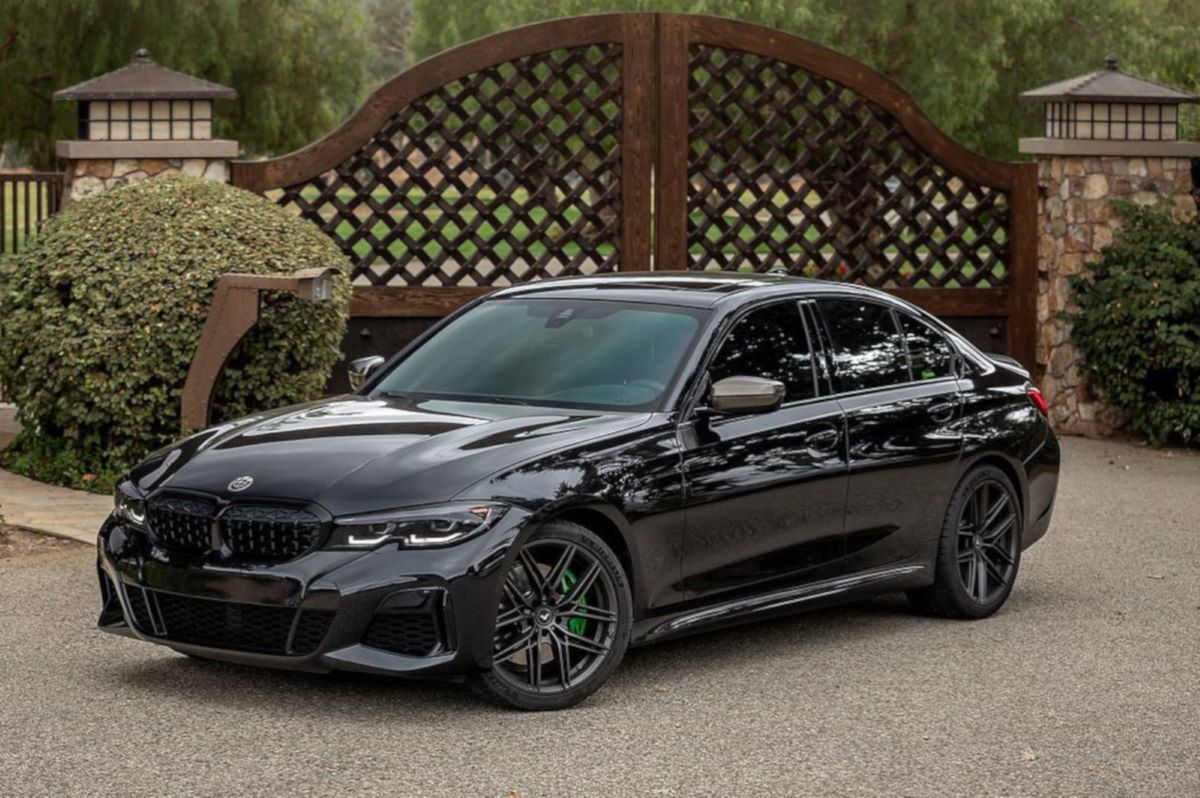
The BMW M3 is recognized as one of the finest performance sedans ever built, combining everyday usability with motorsport-level engineering. During its early planning, BMW considered names like “M2.5” or “3.0 CSL Evo,” reflecting its engine size and connection to previous models.
While accurate, these names risked limiting the car’s perception to enthusiasts with technical knowledge, rather than conveying a broader appeal or iconic status. The name M3, however, was chosen to communicate its role as the flagship high-performance version of the 3 Series, blending clarity, simplicity, and memorability.
M3 instantly conveys both lineage and performance. The “M” designation connects the car to BMW’s Motorsport division, signaling engineering excellence, track-ready capability, and prestige. The number “3” situates the vehicle within BMW’s familiar 3 Series range, giving buyers context while emphasizing its performance-focused identity.
Alternative names might have overcomplicated or diluted this message, whereas M3 clearly communicates both heritage and aspiration in just two characters.
Marketing strategy also influenced the decision. BMW needed a name that would be easily recognizable across diverse global markets, including Europe, North America, and Asia. Alphanumeric designations that were longer or more complex could confuse buyers or reduce the model’s memorability.
M3’s compact, bold name helped the car stand out in advertising, media coverage, and enthusiast communities, strengthening its cultural impact and legacy.
The M3 name also allowed for generations of evolution while maintaining continuity. Subsequent modelsM3 E30, E36, E46, and beyond, benefited from the simplicity and recognition of the original naming convention. Each new iteration retained the emotional and historical resonance of the M3 brand while allowing innovation and improvement in engineering, design, and technology. Alternative naming might have fractured this continuity, making it harder to build a consistent, enduring brand identity.
The BMW M3 illustrates how a concise, meaningful name can influence both perception and legacy. The choice demonstrates that a model’s identity is shaped not only by engineering and design but also by careful attention to how a name conveys performance, heritage, and aspiration. A different designation could have created a respected car, but M3 became a global icon synonymous with precision, power, and enduring automotive excellence.