The idea of a vehicle that can travel seamlessly on both land and water has fascinated people for decades. Such vehicles combine the mobility of cars with the versatility of boats, offering a unique solution for environments with lakes, rivers, or marshy terrains.
They are not just the stuff of science fiction or action movies; several designs are fully functional and legally capable of operating in both domains. These vehicles require engineering that balances buoyancy, stability, speed, and maneuverability, which makes their design far more complex than standard cars or boats. The challenge lies in making a vehicle light enough to float yet durable enough to handle the stresses of land travel.
For consumers and enthusiasts, amphibious vehicles provide both practical benefits and recreational opportunities. They are ideal for rescue missions in flooded areas, tourism on water-adjacent trails, or personal adventures that move across lakes and rivers without the need to switch vehicles.
Some are luxury items, built with comfort and speed in mind, while others are designed for military or utility purposes, emphasizing ruggedness and reliability. Their dual-purpose nature makes them rare, and owning one often attracts attention due to their novelty and engineering marvel.
Modern amphibious vehicles utilize advanced materials and propulsion systems to achieve this dual capability. Many employ retractable wheels, lightweight hulls, and water jets to transition between surfaces smoothly.
Their engineering involves careful calculations to ensure safety and efficiency, as a poorly designed amphibious vehicle could easily capsize or become inoperable on either land or water. These vehicles reflect innovation and creativity in the automotive and maritime industries, combining two distinct modes of transportation into one functional machine.
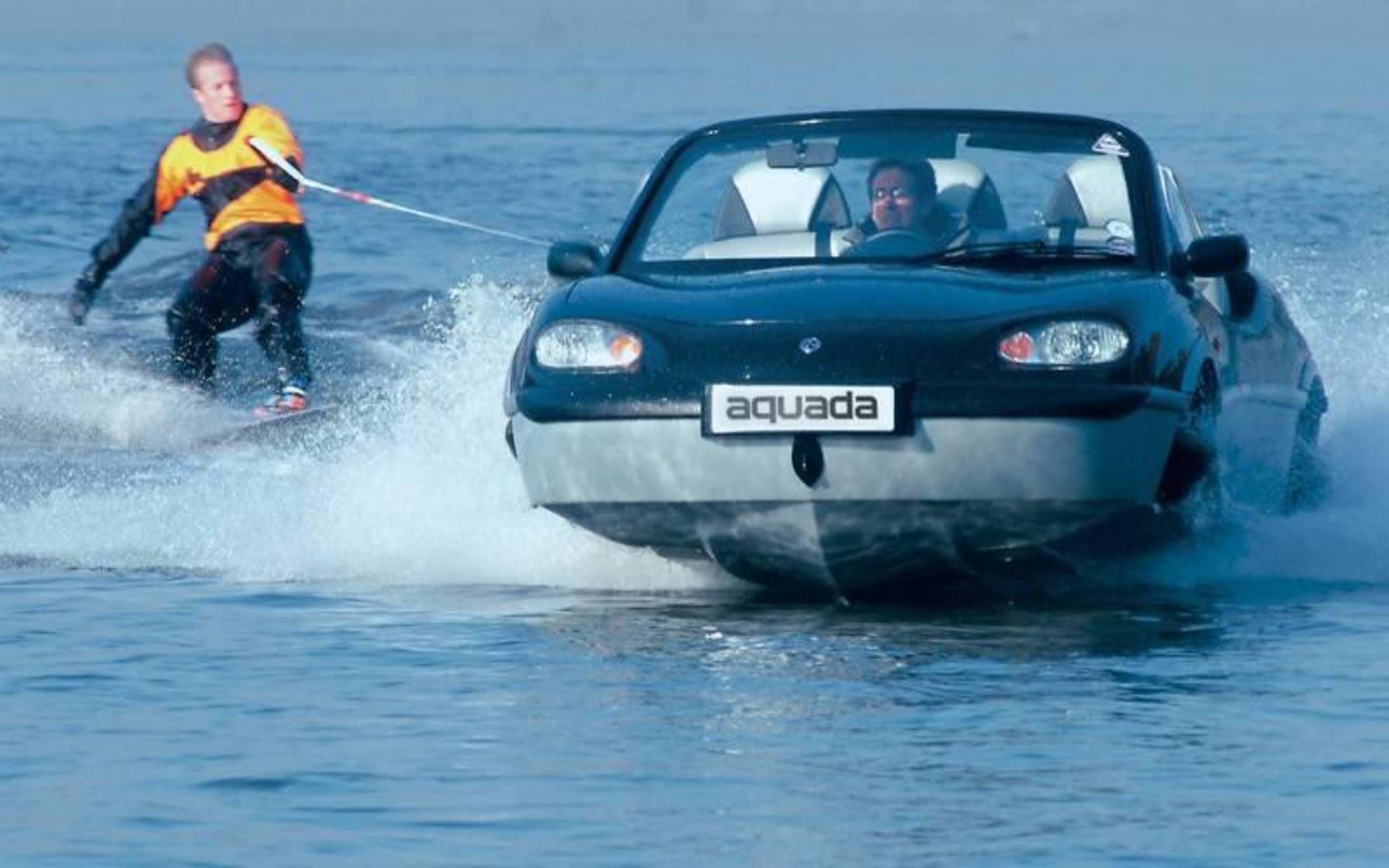
1. Gibbs Aquada
The Gibbs Aquada is a high-speed amphibious car that became famous for crossing the English Channel. It can reach over 160 kilometers per hour on land and 50 kilometers per hour on water, making it one of the fastest vehicles of its kind.
Its design includes retractable wheels and a lightweight hull, allowing seamless transitions between surfaces. The Aquada demonstrates how a vehicle can combine sports car aesthetics with marine capabilities.
Its interior mirrors that of a luxury road car, featuring comfortable seating and modern controls. Despite its performance on water, the vehicle does not compromise on land driving comfort or safety. The steering mechanism adapts automatically for water travel, enhancing control for drivers unfamiliar with boats. These features make the Aquada suitable for both casual enthusiasts and serious adventurers.
Engineers focused on maintaining stability in rough water while ensuring the vehicle handled corners efficiently on land. The hull shape reduces drag in water, while the suspension system absorbs shocks from uneven terrain. These design choices allow the Aquada to perform admirably in a range of conditions, from highways to lakes. It is an example of how engineering trade-offs can result in a highly functional amphibious vehicle.
The vehicle has also been used in promotional campaigns and television programs, showcasing its capabilities to a wide audience. Its speed and versatility attract attention and highlight the possibilities of combining land and water mobility in a single machine. The Aquada remains a benchmark for performance-oriented amphibious cars.
While not widely produced due to its high cost, the Gibbs Aquada has inspired other manufacturers to pursue similar designs. It demonstrates that speed, comfort, and versatility can coexist in an amphibious vehicle, setting a standard for future innovations. Its influence extends beyond consumer markets, impacting the development of both leisure and emergency response vehicles.
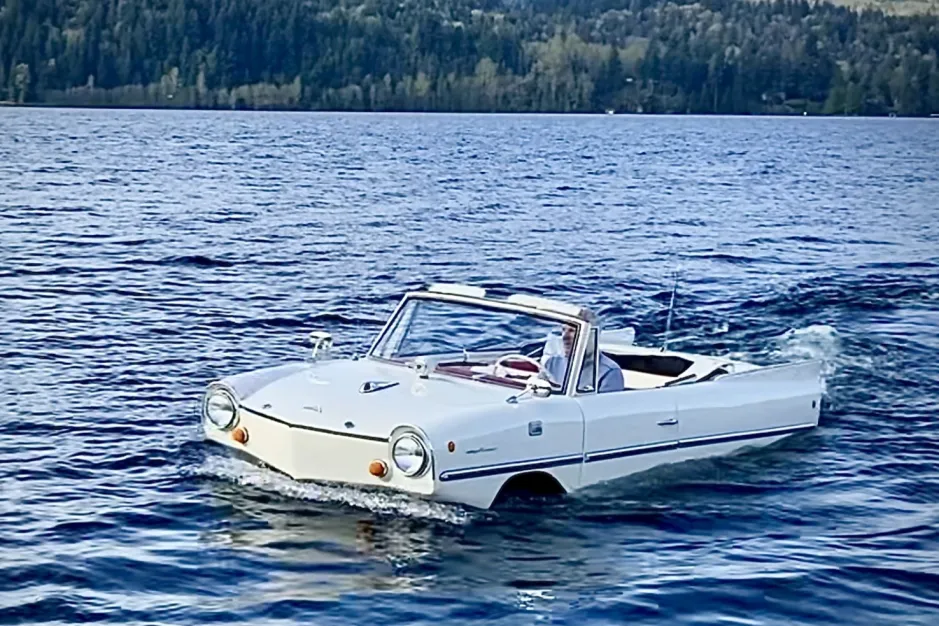
2. Amphicar Model 770
The Amphicar Model 770 was a classic amphibious vehicle produced in the 1960s. Known for its charming design, it became the first mass-produced car capable of driving on land and water. The vehicle features a fiberglass body and twin propellers for water propulsion, allowing it to transition between environments with relative ease. Its dual-purpose design made it a cultural icon of its era.
Performance on land is modest, as the vehicle was primarily designed for recreational use rather than speed. On water, it achieves speeds up to 7 knots, demonstrating practicality for short excursions across lakes or rivers. The Amphicar remains a collectible today, admired for its unique design and historical significance.
Its compact size allows for easy maneuverability, both in city streets and waterways. Safety features are basic compared to modern standards, but the Amphicar’s innovative concept set the stage for more advanced amphibious vehicles. Enthusiasts often restore these vehicles, maintaining their mechanical systems and original aesthetic.
The Amphicar also reflects the limitations of early amphibious designs. Balancing stability, propulsion, and weight was challenging, and compromises were necessary. Despite these challenges, the vehicle successfully proved that mass-market amphibious cars could exist. Its influence persists in contemporary designs that aim for functionality and charm.
Collectors and hobbyists continue to showcase Amphicars at events, highlighting their historical role in amphibious vehicle development. These vehicles represent a blend of automotive engineering and nautical innovation, demonstrating that creativity and ambition can produce machines capable of dual-environment travel.
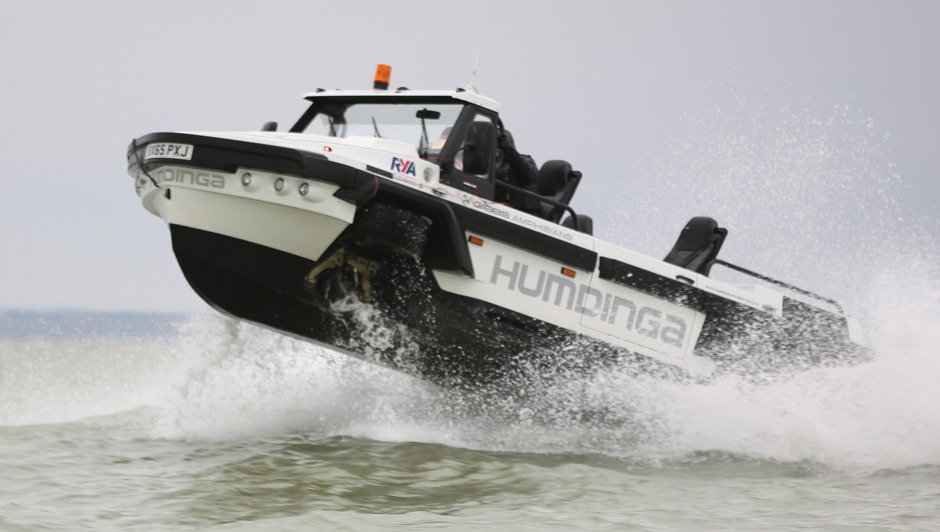
3. Gibbs Humdinga
The Gibbs Humdinga is a modern amphibious vehicle designed for utility and off-road performance. Its rugged construction allows it to operate in challenging terrains such as mud, snow, and rivers. With four-wheel drive and a powerful engine, it excels on land, while water propulsion is handled by integrated jets for smooth navigation across lakes or flooded areas.
This vehicle is particularly suited for rescue operations and military applications. Its versatility allows teams to respond quickly in emergencies where traditional vehicles would be hindered. Safety and reliability are key design priorities, ensuring the vehicle performs under demanding conditions without compromising control.
The Humdinga’s cabin is functional, designed for durability and practicality rather than luxury. The focus on utility ensures that the vehicle can handle heavy loads and rugged equipment. It combines marine and automotive engineering principles to provide consistent performance in both environments.
Engineering considerations included maintaining buoyancy despite the vehicle’s size and weight. Specialized materials and hull design ensure stability, even in rough waters. On land, suspension and traction systems allow it to traverse uneven surfaces efficiently, highlighting the careful balance between power and flotation.
Its applications extend beyond emergency scenarios, as the Humdinga can also serve in recreational off-roading and exploration. By combining land and water capabilities, it exemplifies the practical potential of amphibious vehicles in real-world situations where flexibility and performance are critical.
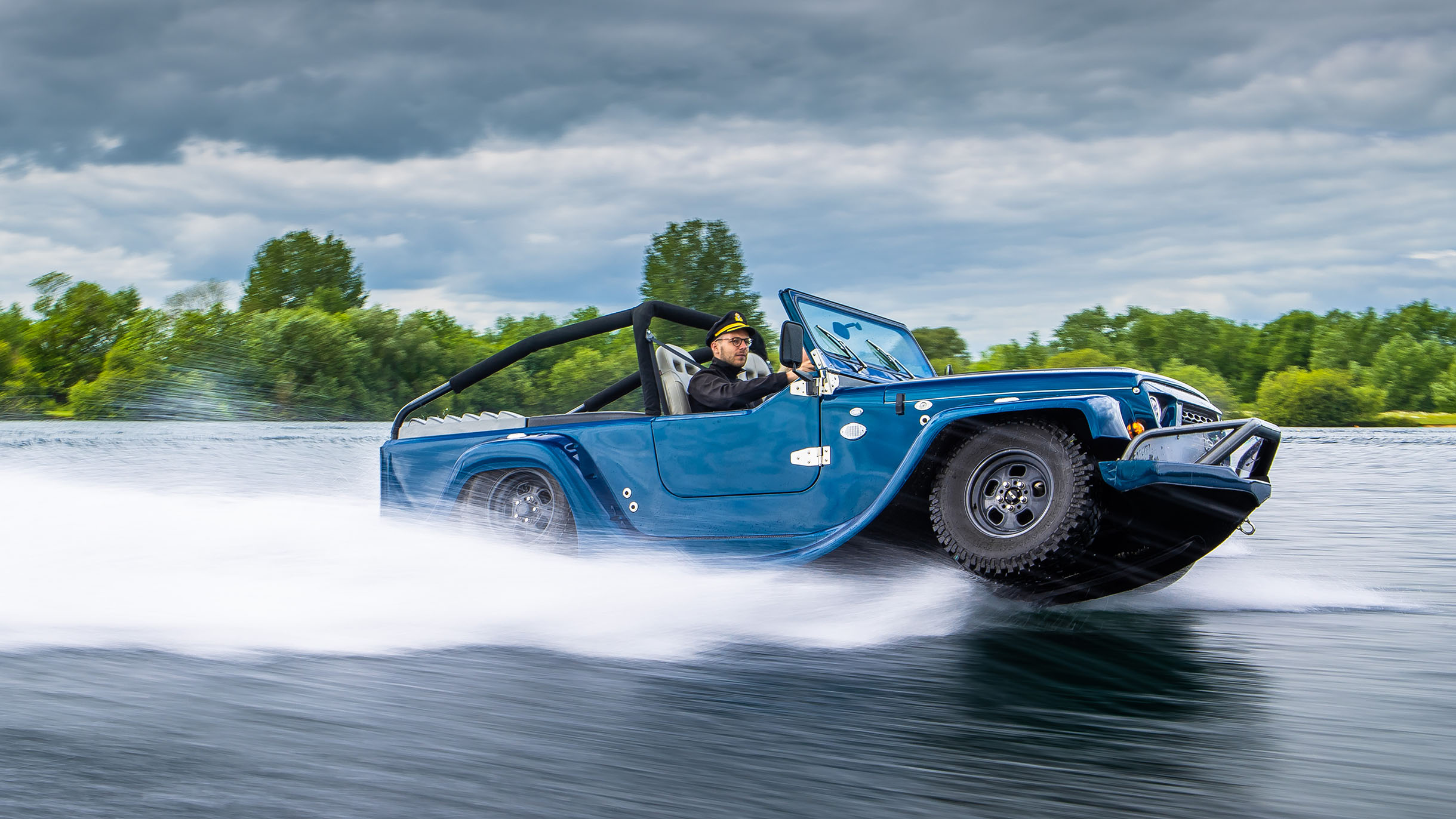
4. WaterCar Panther
The WaterCar Panther is a high-performance amphibious vehicle that resembles a sports utility vehicle. Its sleek design allows it to achieve impressive speeds on both land and water, making it a favorite among enthusiasts seeking adventure. The vehicle transitions quickly between terrains, reducing downtime and increasing usability in diverse environments.
Its engine is capable of generating significant horsepower, allowing for rapid acceleration and smooth handling on roads. On water, the Panther uses jet propulsion to navigate efficiently and maintain stability. The integration of both systems demonstrates sophisticated engineering and attention to performance.
The interior combines luxury with functionality, offering comfort without sacrificing utility. Safety systems are incorporated to ensure that drivers can confidently handle the vehicle on highways and waterways alike. This attention to detail enhances both usability and appeal.
Designers prioritized weight distribution to maintain balance in water while preserving traction and suspension performance on land. Hull shape, propulsion systems, and retractable wheels all contribute to a seamless transition between surfaces. These features make the Panther one of the more advanced amphibious vehicles in the recreational market.
The WaterCar Panther also highlights how consumer-focused amphibious vehicles can combine fun with practicality. Its versatility allows owners to enjoy both driving and boating experiences without investing in multiple vehicles, demonstrating the potential for amphibious technology to enhance leisure activities.
5. Gibbs Quadski
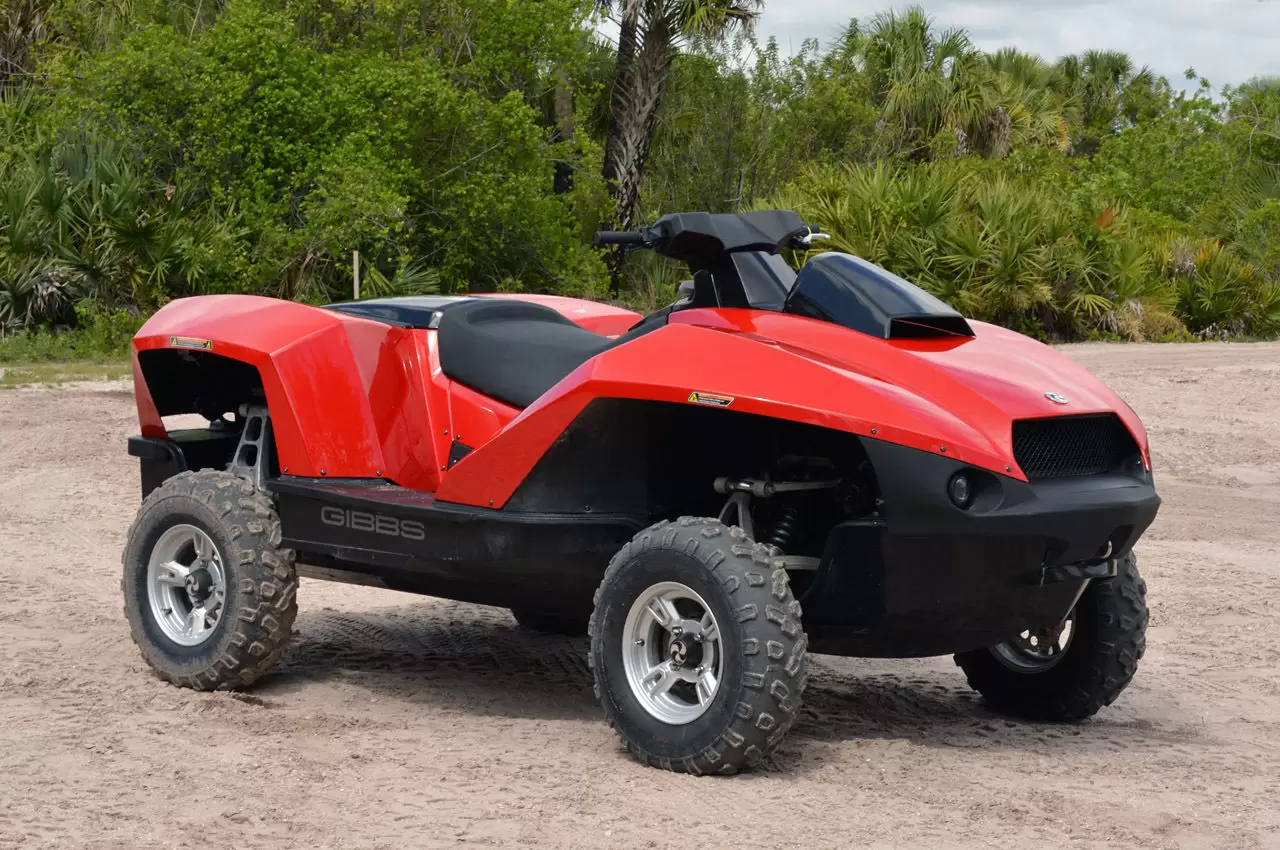
The Gibbs Quadski is a personal amphibious vehicle that operates like a combination of a jet ski and an ATV. It is designed for single riders, emphasizing speed and maneuverability in both land and water environments. The Quadski reaches high speeds, making it ideal for recreational use on lakes and rivers while maintaining off-road capability on trails.
Its lightweight frame and retractable wheels enable rapid transitions between terrains, often in under ten seconds. This feature enhances the user experience by providing fluid movement across diverse environments. The Quadski demonstrates how compact amphibious design can deliver both fun and efficiency.
On water, the Quadski behaves like a high-performance jet ski, with tight turning radius and stable control. On land, it rides like a standard ATV, handling rough paths with suspension optimized for shock absorption. This dual functionality has made it popular among adventure sports enthusiasts.
Engineers focused on maximizing performance without sacrificing safety. The vehicle includes emergency shut-off features, secure seating, and reliable propulsion systems to ensure users can enjoy it confidently. Its engineering showcases the potential of small amphibious vehicles for recreational applications.
The Gibbs Quadski represents a trend toward personal amphibious vehicles that are compact, versatile, and fast. It illustrates how technology can create machines that offer both practical and recreational benefits, bridging the gap between traditional land and water vehicles.
6. Panther Amphibious Vehicle (Luxury Edition)
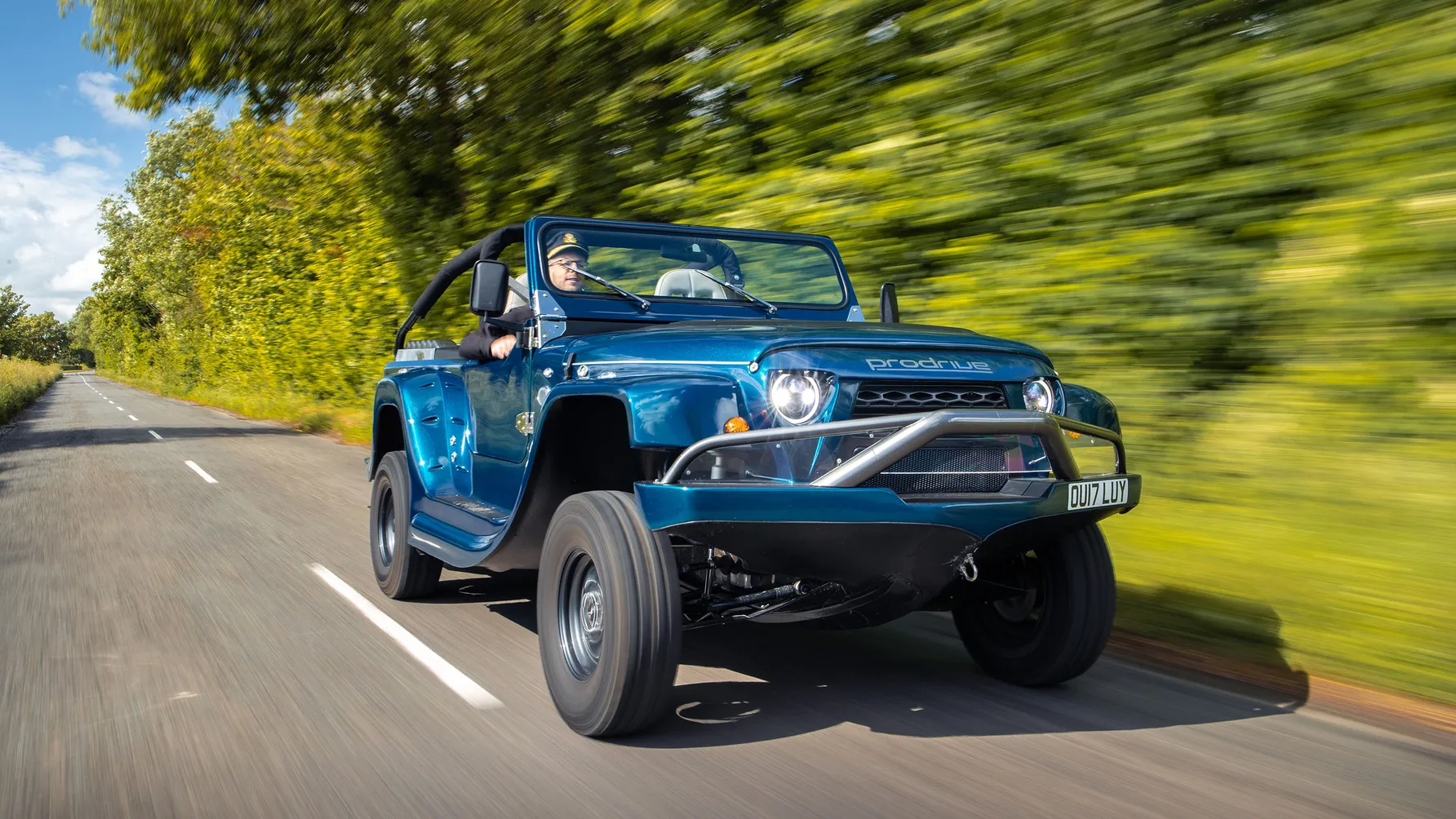
The Panther Amphibious Vehicle, a luxury-focused variant, combines high-end automotive styling with exceptional water performance. Unlike standard utility amphibious vehicles, this model places emphasis on design, comfort, and on-road performance while maintaining the ability to navigate water efficiently.
Its aerodynamic shape reduces drag, allowing higher speeds on both highways and waterways. The luxurious interior features ergonomic seating, advanced navigation systems, and durable yet stylish materials that can withstand exposure to both fresh and saltwater. Owners benefit from a vehicle that is both visually striking and mechanically versatile, offering the thrill of amphibious travel without compromising comfort.
The Panther uses a dual-propulsion system, where a conventional engine powers the wheels on land and a high-efficiency jet propulsion system activates when entering water. The transition process is smooth, taking mere seconds, and the vehicle automatically adjusts stability controls to ensure a safe ride.
The hull is reinforced with composite materials to prevent corrosion and enhance buoyancy, which allows the Panther to carry additional passengers and cargo without affecting performance. Such engineering demonstrates how luxury and functionality can coexist in amphibious design.
Handling is another area where the Panther excels. On land, it behaves like a high-performance SUV, capable of tackling winding roads, hills, and off-road trails. On water, the vehicle maintains stability and control even in choppy conditions, thanks to an intelligently designed hull shape and a carefully calculated center of gravity.
Steering adapts automatically to the environment, ensuring drivers can maneuver confidently whether in a tight parking lot or across a wide lake. This combination of precision and versatility elevates the Panther above many other amphibious vehicles that may sacrifice comfort or control for utility.
Safety has been prioritized through multiple redundant systems, including anti-slip surfaces, emergency flotation aids, and reinforced impact zones. Advanced electronic sensors help detect environmental conditions and adjust propulsion and suspension automatically to maintain balance.
Even at higher speeds, the vehicle is stable on both land and water, demonstrating that luxury amphibious vehicles can meet high performance and safety standards simultaneously. Owners gain both peace of mind and the excitement of driving a truly unique machine.
The Panther also offers recreational advantages beyond luxury. Its ability to transport passengers and cargo across varied terrains makes it ideal for lakeside resorts, private estates, or recreational expeditions. With a range of optional equipment, including waterproof storage compartments, entertainment systems, and enhanced lighting, this amphibious vehicle caters to users who want versatility, safety, and elegance in a single package. The Panther stands as a testament to how amphibious vehicles can merge functionality with lifestyle appeal.
7. Iguana Yachts Amphibian Car
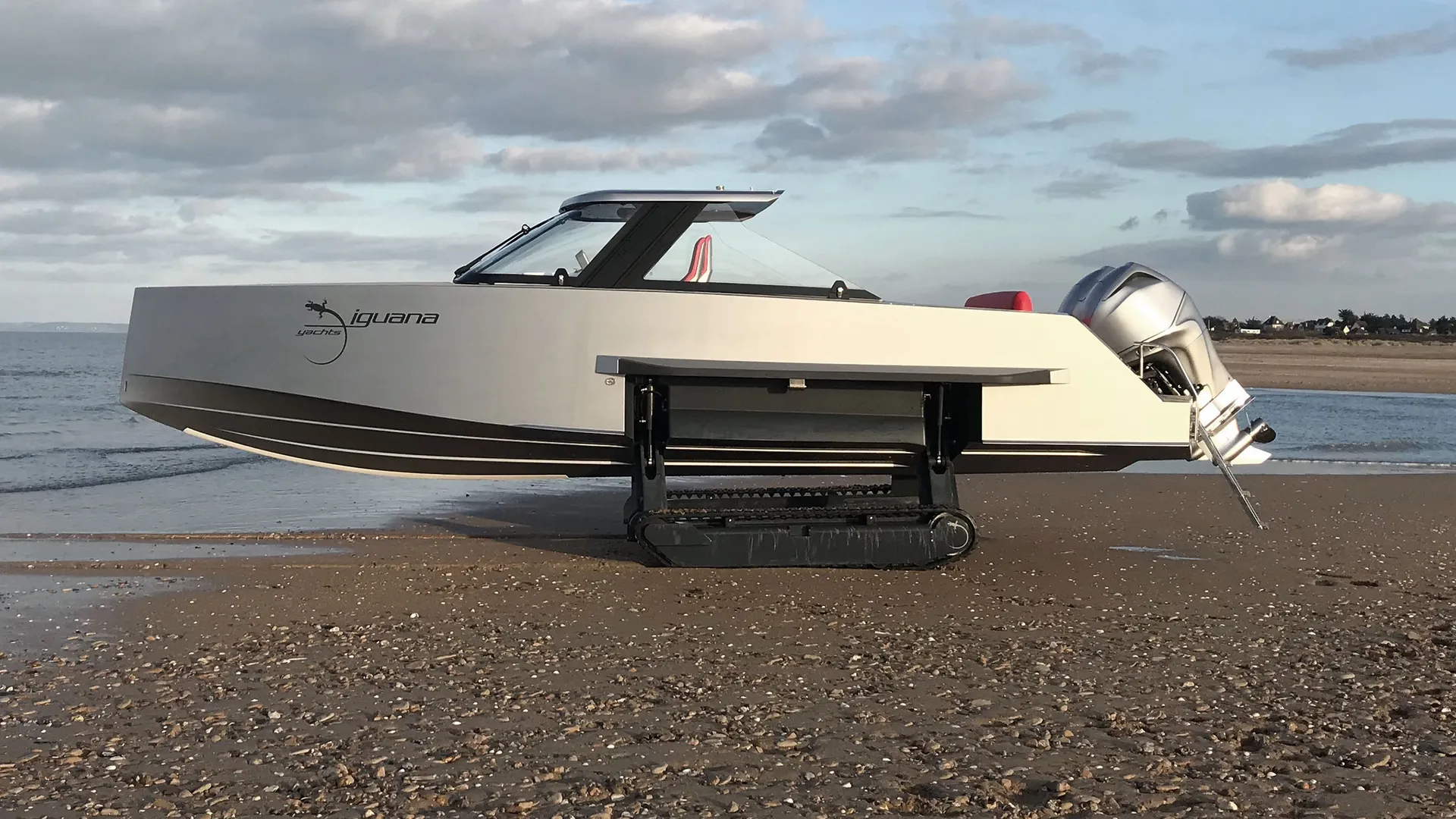
The Iguana Yachts Amphibian Car is a standout in design innovation, inspired by yacht engineering principles. Unlike traditional amphibious cars, it features a low center of gravity, retractable tracks, and patented hydrofoil systems that optimize stability on water.
Its designers focused on performance, safety, and aesthetic appeal, making it suitable for affluent buyers seeking a statement vehicle. The amphibious car operates efficiently on roads while delivering a boat-like experience on rivers and calm coastal areas, bridging the gap between luxury and adventure.
On land, the vehicle resembles a compact SUV, offering predictable handling, responsive braking, and traction control for uneven terrain. When entering water, its retractable wheels fold into the body while the hydrofoil or jet systems engage, allowing a smooth and fast transition.
The hull is crafted from lightweight, corrosion-resistant materials, ensuring durability without compromising performance. This combination of engineering and materials science enables the vehicle to maintain high speeds and stability in both environments.
The interior design complements the vehicle’s exterior, featuring premium leather seating, waterproof electronic controls, and digital navigation systems designed for both land and marine use. Cabin layout is optimized for comfort and visibility, giving the driver full control over the amphibious experience. The emphasis on luxury and usability ensures that long trips on water or road remain enjoyable without fatigue or compromise.
Safety systems are integrated into every aspect of the design. Sensors monitor water depth, speed, and wheel engagement, ensuring the transition from land to water occurs safely.
Hull reinforcement and shock-absorbing mechanisms protect passengers from impacts, while emergency flotation devices maintain buoyancy in extreme conditions. The attention to detail illustrates how amphibious vehicles can be practical, safe, and luxurious at the same time.
Its performance attracts both enthusiasts and professional users. While primarily marketed as a leisure vehicle, the Iguana Amphibian Car’s capabilities make it suitable for coastal rescue missions, scenic tours, or recreational trips in flood-prone areas. The seamless integration of automotive and marine technology positions this vehicle as a versatile solution for individuals seeking a combination of speed, stability, and elegance.
8. Rinspeed sQuba
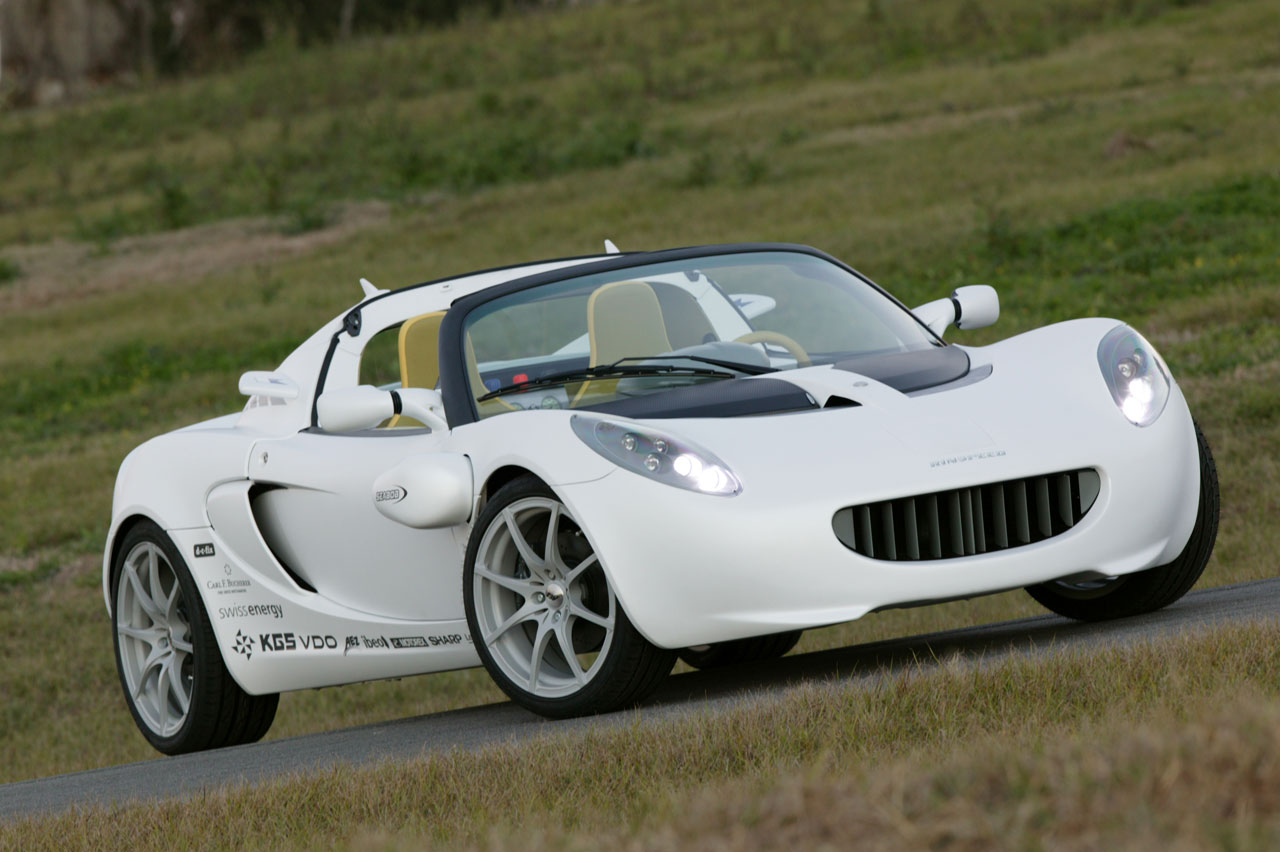
The Rinspeed sQuba is a unique amphibious concept vehicle designed to operate underwater as well as on land and water surfaces. Developed by Swiss engineers, it was envisioned as a next-generation exploration machine that blends automotive technology with submersible capabilities.
The sQuba uses electric motors for propulsion, allowing it to function quietly and efficiently while underwater. While not mass-produced, it highlights the future potential of amphibious vehicles that extend beyond traditional land-water boundaries.
On land, the sQuba behaves like a compact sports car, offering responsive handling and modern automotive amenities. Its lightweight construction allows for quick acceleration and smooth cornering.
Entering water activates retractable flotation devices and electric water jets, enabling the vehicle to float and maneuver at surface level. Advanced engineering ensures that the sQuba maintains balance and stability while transitioning between driving, floating, and submersible modes.
The underwater capability is particularly innovative. The sQuba can dive to limited depths, with the driver seated in a pressurized cabin and breathing through onboard oxygen supply. While speed is reduced underwater, the vehicle’s maneuverability remains impressive, offering an experience unlike any conventional amphibious car.
The integration of submersible technology demonstrates how engineering can redefine amphibious travel beyond the expected two domains.
The interior prioritizes safety and comfort despite the unusual environment. Instruments and controls are waterproof, and visibility is maintained through specially designed viewing panels.
Emergency systems, including buoyancy regulators and escape mechanisms, are incorporated to ensure passenger safety during submersion. The sQuba illustrates that amphibious vehicles can be designed with multiple operating environments in mind while remaining user-friendly and safe.
Although primarily a concept, the sQuba has influenced the design of experimental amphibious vehicles worldwide. It pushes the boundaries of traditional automotive design by demonstrating the possibilities of hybrid vehicles capable of traversing land, water, and underwater environments.
The vehicle exemplifies engineering innovation, creative thinking, and a forward-looking vision for multi-environment transportation.
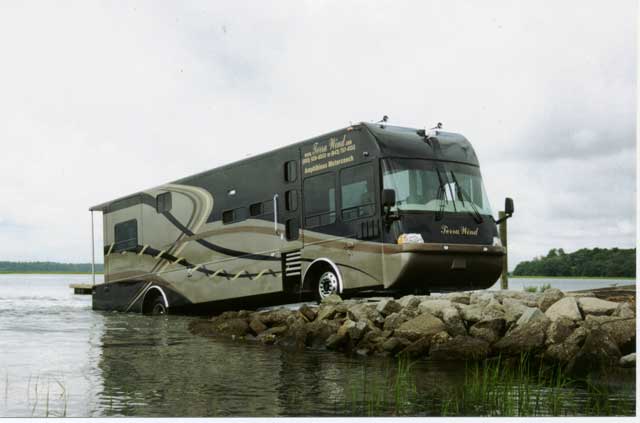
9. Terra Wind Amphibian
The Terra Wind Amphibian is engineered for off-road and recreational exploration, emphasizing versatility in extreme terrains. With robust tires, high ground clearance, and a durable chassis, it excels in mud, sand, and rocky routes while retaining the ability to cross lakes and shallow rivers.
Its water propulsion system utilizes twin jets, allowing controlled navigation in open water and calm rivers. The vehicle is designed to combine adventure with reliability, making it popular among explorers, outdoor enthusiasts, and rescue teams.
Land performance is enhanced through a reinforced suspension system, all-terrain tires, and a powerful engine capable of climbing steep inclines. Steering responsiveness ensures stability, while lightweight materials maintain buoyancy for water travel. This combination of attributes demonstrates a careful balance between power and floatation, a hallmark of well-engineered amphibious vehicles.
Water functionality is equally considered. The hull is designed to minimize drag and maintain directional control, even in flowing water. Transitioning from land to water is simple, with retractable wheels and automatic stabilization systems that prevent capsizing. These features make the Terra Wind a practical tool for expeditions where conventional vehicles would fail.
The cabin includes basic comfort features such as seating, controls, and storage space, focusing on functionality over luxury. Water-resistant materials are used extensively to ensure durability and maintain cleanliness during wet operations. The vehicle accommodates passengers and equipment without sacrificing performance, making it ideal for longer adventures where both land and water travel is required.
Its application extends beyond recreation. The Terra Wind is used in environmental surveys, flood relief efforts, and wildlife research, demonstrating the practical utility of amphibious engineering. By combining adaptability, robustness, and ease of operation, this vehicle provides an example of how amphibious machines can serve multiple purposes in real-world scenarios.
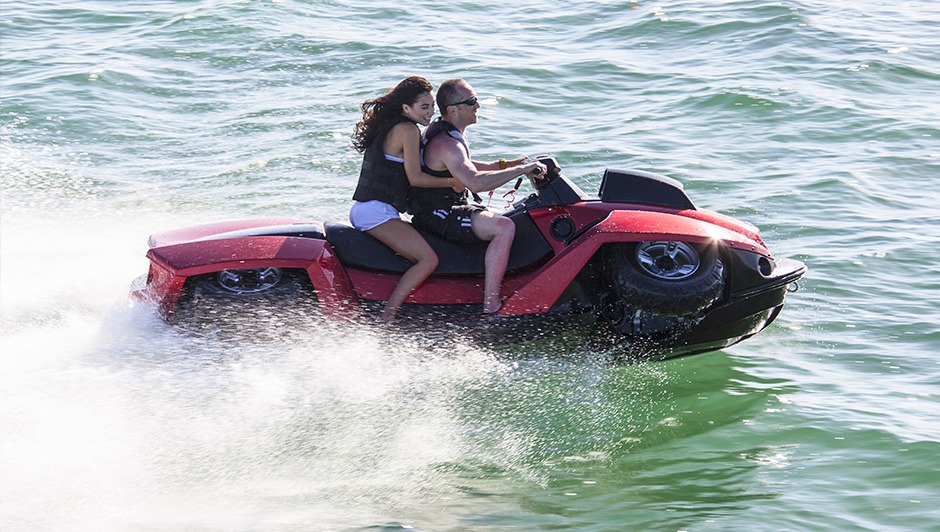
10. Gibbs Quadski 2.0
The Gibbs Quadski 2.0 is the latest iteration of the original Quadski, offering enhanced speed, stability, and user comfort. Designed for a single rider, it merges the excitement of a jet ski with the versatility of an ATV.
Engineers focused on improving acceleration, hull efficiency, and transition speed between land and water, ensuring a seamless experience for recreational users. The Quadski 2.0 has become a benchmark for personal amphibious vehicles due to its combination of performance and convenience.
Its land capabilities are impressive, with off-road suspension, durable tires, and responsive steering for navigating trails and uneven terrain. On water, the vehicle engages a jet propulsion system that provides fast and smooth movement across lakes, rivers, and calm coastal areas. The retractable wheels deploy and retract in seconds, allowing a nearly continuous journey without stopping for manual adjustments.
Safety enhancements include improved flotation systems, reinforced hull structures, and electronic stability controls. Drivers are protected from sudden impacts or rough water conditions, making the vehicle suitable for a wide range of skill levels. Attention to safety ensures that the Quadski 2.0 is both fun and responsible, blending excitement with reliability.
The interior and control systems are user-friendly, with intuitive dashboards, seating designed for comfort during extended rides, and accessible emergency controls. Its compact design ensures maneuverability, while performance-focused engineering allows for high-speed enjoyment without compromising stability or safety. These features make it one of the most advanced personal amphibious vehicles available.
The Quadski 2.0 represents the evolution of amphibious technology, offering a versatile and thrilling option for individuals seeking adventure on both land and water. Its design and performance illustrate how small, agile vehicles can deliver both utility and excitement, proving that personal amphibious vehicles can be engineered to meet modern demands for speed, safety, and versatility.