Modern vehicles are no longer just machines for transportation; they are sophisticated systems combining technology, design, and human interaction. Among the many elements that showcase a car’s technological prowess, the gauge cluster stands out as a crucial interface between the driver and the vehicle.
Once a simple set of dials displaying speed, fuel, and temperature, the gauge cluster has evolved into a digital and analog hybrid capable of providing vast amounts of information. Engineers and designers have transformed these dashboards into intricate assemblies that display performance data, navigation cues, entertainment information, and safety alerts, all while maintaining readability under a variety of driving conditions.
The complexity of a gauge cluster reflects the engineering and design ambitions of a car. High-performance sports cars often feature clusters that display engine metrics, lap times, g-forces, and tire pressures in real-time, requiring the driver to interpret a large volume of information quickly.
Luxury vehicles, on the other hand, prioritize customization and elegance, offering clusters with animated displays, high-resolution graphics, and integration with smartphone interfaces. Meanwhile, concept cars and limited editions often push boundaries even further, introducing entirely new ways of presenting vehicle information, sometimes at the cost of simplicity. These clusters can be visually overwhelming yet striking, merging art with technology.
Understanding complex gauge clusters also reveals the philosophy behind each vehicle’s design. Engineers must balance clarity, aesthetics, and functionality, ensuring that essential information is easy to find while allowing the cluster to display more advanced data for enthusiasts or professionals.
Drivers who experience these clusters often report a sense of immersion, as if the car communicates with them directly, rather than just providing standard readings.
For some vehicles, this immersion enhances the driving experience, offering a connection that transforms routine trips into more engaging journeys. The combination of mechanical engineering, software programming, and graphic design makes these clusters a marvel in automotive design.
Complex gauge clusters are not just about utility; they also serve as a status symbol. Owning a car with an intricate dashboard often signals technological sophistication and exclusivity. Collectors and car enthusiasts admire clusters that show the finest craftsmanship, such as precise needle movements, customizable display themes, and high-resolution instrumentation.
The attention to detail in these clusters is remarkable, and in some cases, the cluster itself becomes a signature feature of the car, a topic of discussion at automotive shows and among enthusiasts.
This article highlights ten vehicles that have pushed the boundaries of gauge cluster complexity. These cars represent a blend of innovation, engineering prowess, and aesthetic ambition. From high-performance sports cars with multifunctional displays to luxury sedans that redefine visual elegance, each cluster demonstrates unique approaches to presenting data.
While reading this list, it becomes clear how far automotive design has progressed and how the interface between driver and machine has become a defining characteristic of modern vehicles. The following sections examine these vehicles in detail, explaining what makes their gauge clusters stand out in the history of automotive design.
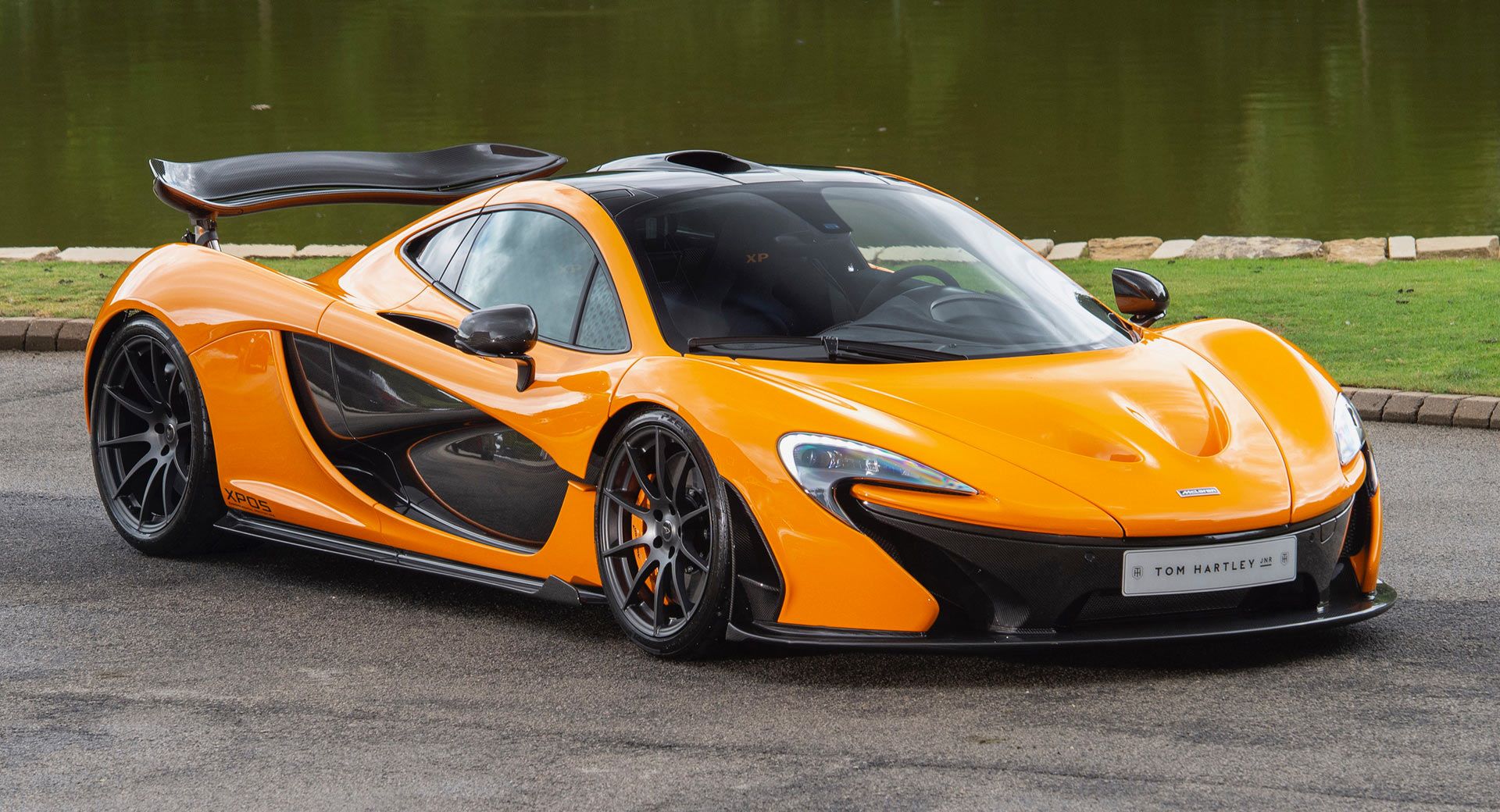
1. McLaren P1
The McLaren P1 integrates a digital-analog gauge cluster that balances performance metrics with futuristic aesthetics. Its central tachometer is complemented by a large digital screen that changes layout depending on the driving mode.
Drivers can view hybrid battery levels, electric motor output, and torque distribution, all while monitoring traditional engine metrics. The design emphasizes clarity at high speeds, but the level of detail remains astonishing for daily driving.
Switching between Comfort, Sport, and Track modes transforms the cluster dramatically. In Track mode, real-time g-force meters, brake temperature indicators, and tire pressures appear on the screen.
The responsiveness of the display is remarkable, updating information with minimal latency, allowing professional drivers to make split-second decisions. This integration of real-time data demonstrates the fusion of racing technology with street usability.
Customization is another feature of the P1’s cluster. Drivers can adjust the cluster’s color scheme and prioritize the data they find most relevant. For instance, some may highlight hybrid system efficiency, while others focus on lap times or engine RPM. The digital interface ensures flexibility without sacrificing readability, which is essential for high-performance scenarios.
The interface design emphasizes minimal distraction. Critical warnings are highlighted in red and positioned centrally, while secondary information occupies the peripheral areas of the screen.
Despite the large amount of data presented, McLaren engineers ensured that a first-time driver could quickly identify important metrics. This thoughtful design balances complexity with usability.
The combination of analog and digital elements creates a signature experience. The physical tachometer needle provides an intuitive sense of engine speed, while the digital displays allow for dynamic information presentation.
The P1’s gauge cluster is not just functional; it communicates the car’s hybrid performance ethos and racing pedigree to the driver, making each drive feel highly interactive.
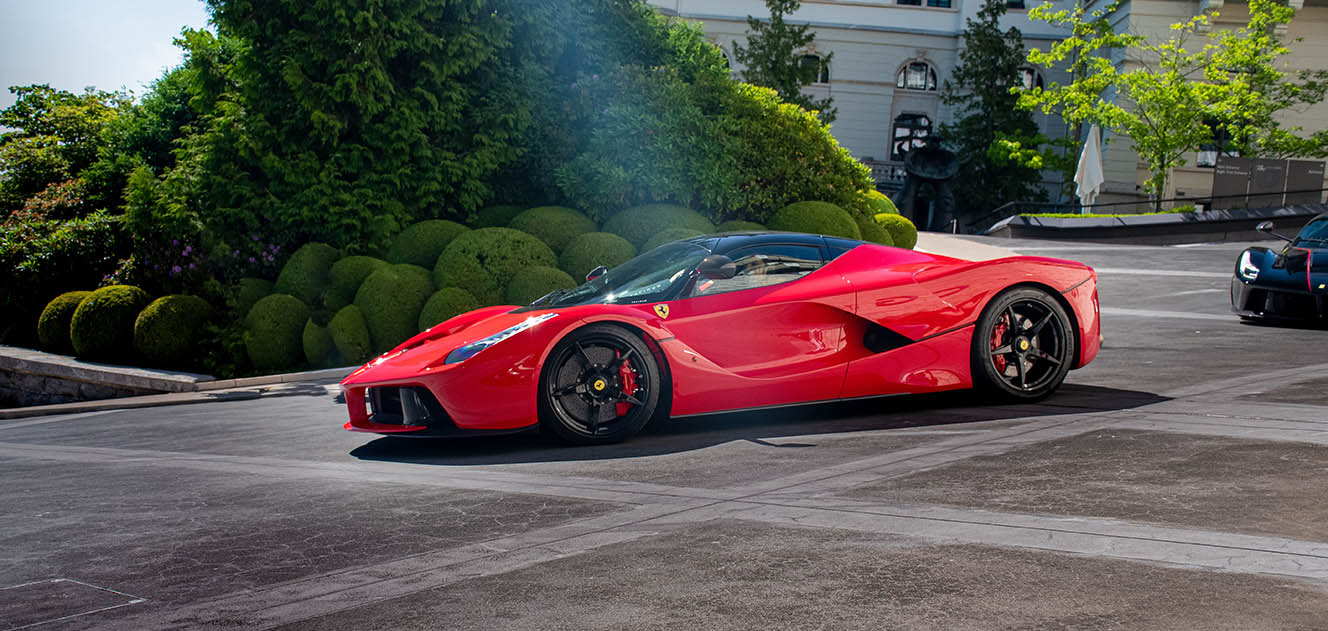
2. Ferrari LaFerrari
The LaFerrari features a driver-focused digital cluster designed for high-speed operation. Its layout emphasizes the central tachometer, with hybrid power metrics displayed around it.
The system shows instant power distribution, battery charge, and torque curves alongside traditional engine data. This approach ensures that drivers can monitor both combustion and electric performance seamlessly.
Adjustable display modes allow drivers to switch between everyday driving and high-performance racing information. Track mode provides lap times, tire pressures, brake temperatures, and g-force readings.
Each parameter updates in real-time, giving drivers the precision needed for professional track use. The integration of this data into a compact display shows Ferrari’s commitment to performance optimization.
The cluster also includes predictive indicators that react to driving style. For example, energy recovery suggestions and optimal shift points appear dynamically based on speed and throttle input. This level of interactivity transforms the cluster into an intelligent co-pilot, guiding drivers to maximize efficiency and performance simultaneously.
Visual clarity is a priority despite the dense information. Ferrari uses high-contrast graphics and layered data presentation, ensuring that critical metrics stand out even in bright daylight. The use of animation subtly draws attention to urgent information without overwhelming the driver, blending technology and design effortlessly.
The LaFerrari cluster exemplifies a harmonious marriage of aesthetics and functionality. It communicates advanced engineering while maintaining the excitement of traditional sports car instrumentation. Every element, from the tachometer sweep to digital readouts, enhances the sensation of driving a cutting-edge hybrid hypercar.
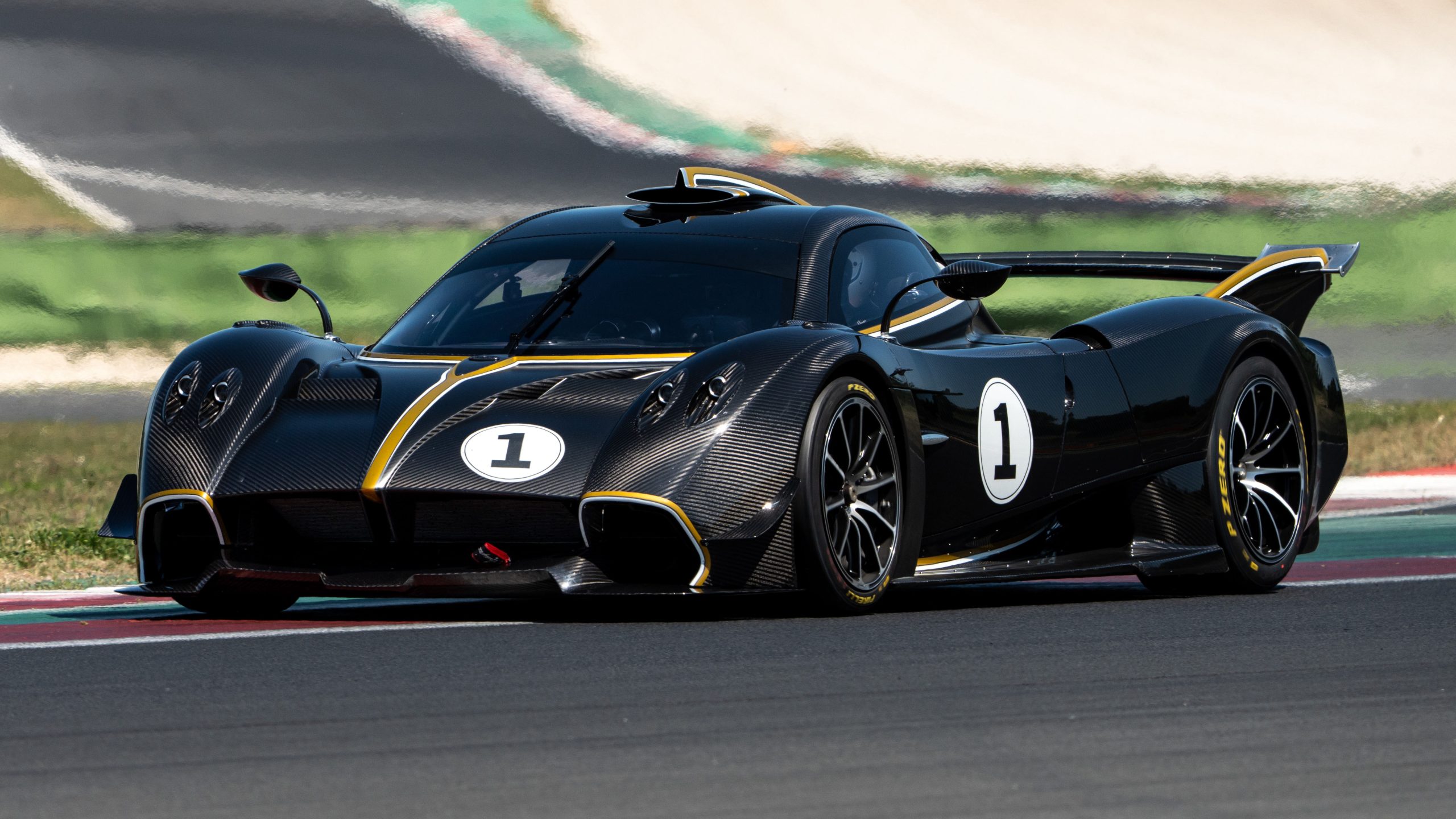
3. Pagani Huayra
The Pagani Huayra’s gauge cluster blends mechanical artistry with advanced technology, reflecting the brand’s philosophy of craftsmanship and performance. It features multiple circular dials that provide speed, RPM, and essential engine metrics, while integrated digital screens display turbo boost, oil temperature, and suspension settings.
The arrangement creates a layered visual experience, making each glance at the cluster both functional and aesthetically captivating.
One of the most distinctive aspects of the Huayra’s cluster is its dynamic response to driving modes. Comfort and Sport modes adjust the cluster’s lighting, highlighting specific dials and changing the focus between fuel economy and engine performance.
This adaptability ensures that drivers are always presented with the most relevant information, reducing cognitive load while enhancing the driving experience.
Pagani emphasizes manual interaction with the cluster, incorporating intricate knobs and switches alongside the digital displays. This hybrid approach allows the driver to feel connected to the car’s mechanical essence while still benefiting from real-time data updates. The tactile feedback contributes to a more immersive driving experience, a hallmark of Italian hypercar design.
The cluster also communicates advanced performance metrics with clarity. Turbo pressure, intercooler temperature, and real-time suspension adjustments are displayed in precise increments. The driver can monitor these values without losing focus on the road, demonstrating how engineering and design merge to create both beauty and usability.
The aesthetic choices in the Huayra’s cluster reflect Pagani’s philosophy of art as part of engineering. Carbon fiber surrounds, polished metal accents, and intricate needle designs elevate the dashboard from a functional instrument to a visual masterpiece. Every detail conveys exclusivity and precision, making the Huayra one of the most memorable gauge clusters in automotive history.
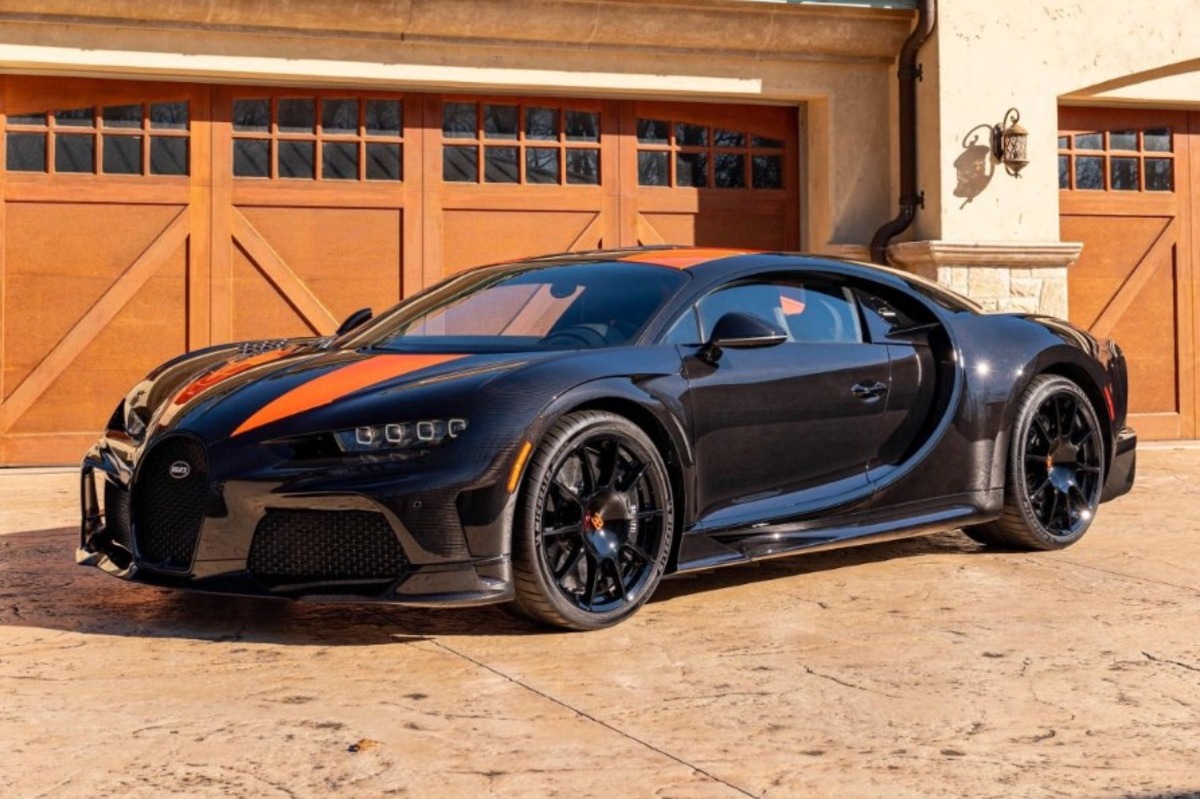
4. Bugatti Chiron
The Bugatti Chiron features a sleek, driver-focused cluster designed to handle extreme performance data without distraction. Its digital tachometer dominates the central portion, surrounded by supporting displays for power delivery, torque distribution, and top-speed tracking. Every element is designed to be readable at high speeds, ensuring drivers can access critical information with minimal eye movement.
Advanced modes in the Chiron adjust the cluster dynamically, highlighting different parameters depending on driving context. Top-speed mode, for example, prioritizes speed and gear information while reducing other non-essential readings. Track mode emphasizes tire temperatures, g-forces, and engine output, giving drivers full visibility into performance under high-stress conditions.
The Chiron’s cluster integrates both digital and analog cues, maintaining a sense of tradition while benefiting from modern technology. Smooth animations accompany needle movements and digital readouts, ensuring a consistent and precise representation of vehicle dynamics. This combination allows drivers to intuitively understand engine behavior without relying solely on numeric data.
Customization options allow owners to select display colors and prioritize the information they find most relevant. Drivers can emphasize hybrid system metrics, tire conditions, or lap times, tailoring the interface to individual preferences. This level of personalization is unusual for cars in this performance class, highlighting Bugatti’s attention to driver experience.
The cluster also reflects Bugatti’s philosophy of understated elegance. Unlike more aggressive sports cars, the Chiron communicates information efficiently and cleanly, using subtle cues and smooth transitions. This balance of performance data and visual refinement makes the Chiron’s gauge cluster both functional and aesthetically striking.
5. Lamborghini Aventador SVJ
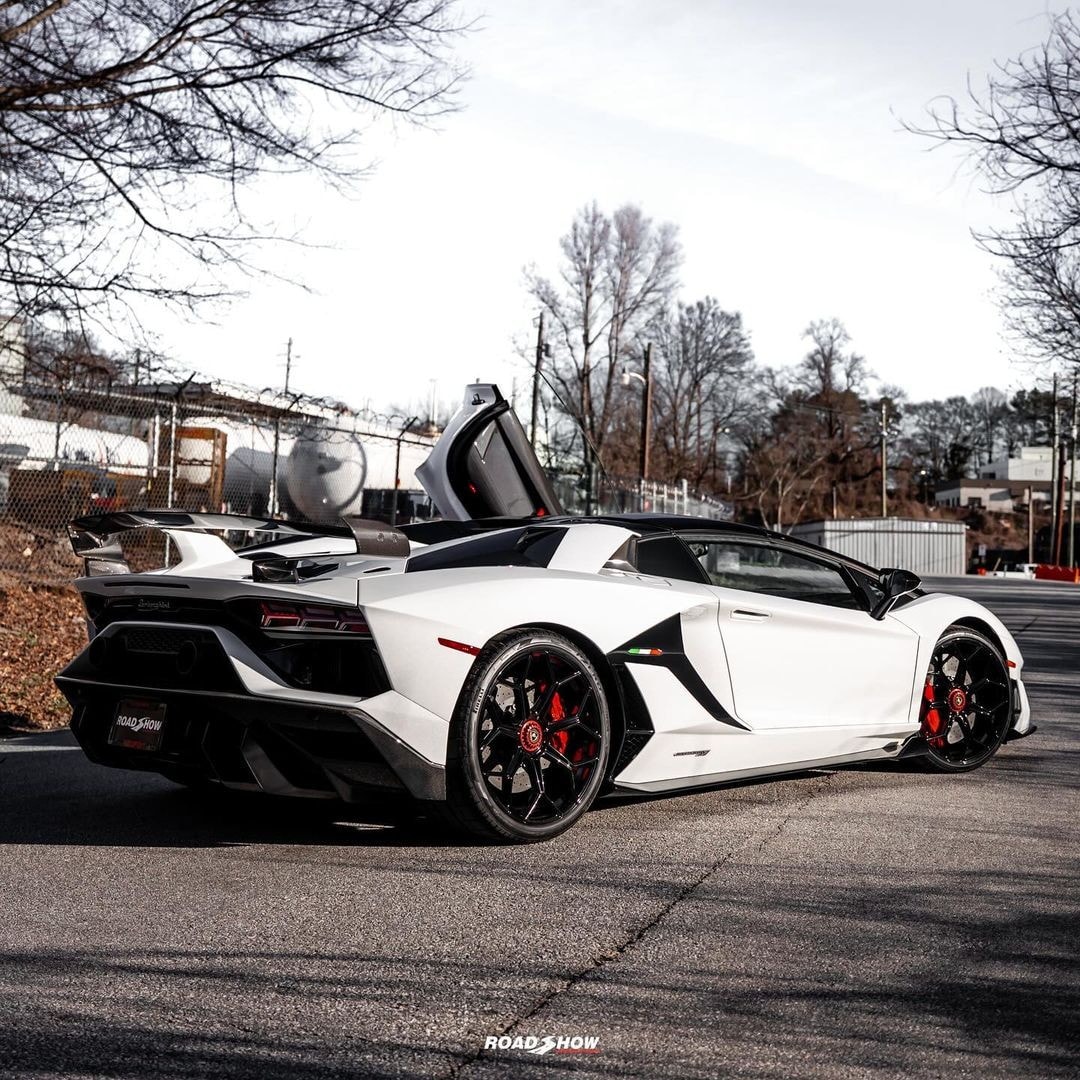
The Aventador SVJ’s gauge cluster is a mix of analog tradition and modern digital displays, designed to convey extreme performance information in a clear manner. Central to the cluster is a large tachometer, surrounded by smaller digital panels showing speed, temperature, tire pressure, and lap timing. The design ensures that essential data is immediately visible while supplementary metrics are available at a glance.
Driving modes significantly influence the cluster’s display. In Strada mode, the focus is on comfort and clarity, showing basic speed and engine readings. Sport and Corsa modes transform the cluster, bringing up detailed engine maps, g-force indicators, and dynamic torque distribution. This adaptability allows the driver to have tailored information depending on driving conditions.
The Aventador SVJ cluster integrates vivid graphics and high-contrast colors to improve readability. Rapidly changing information such as boost pressure and tire temperatures are presented with animated visual cues, making them easy to interpret even under high-speed driving scenarios. The balance between aesthetics and function enhances the sense of control and immersion.
Customization plays a role in the Aventador cluster, with options for display color, metric units, and data prioritization. Drivers can adjust the layout according to personal preference, whether they want a minimalist approach or a fully detailed performance display. This flexibility is particularly valuable for enthusiasts who track lap times or fine-tune driving dynamics.
The SVJ’s cluster also emphasizes Lamborghini’s signature aggressive styling. Angular shapes, bold colors, and racing-inspired needle movements reinforce the car’s identity. The cluster communicates not only performance metrics but also the emotion of driving a high-powered Italian supercar, making it an integral part of the Aventador experience.
6. Koenigsegg Jesko
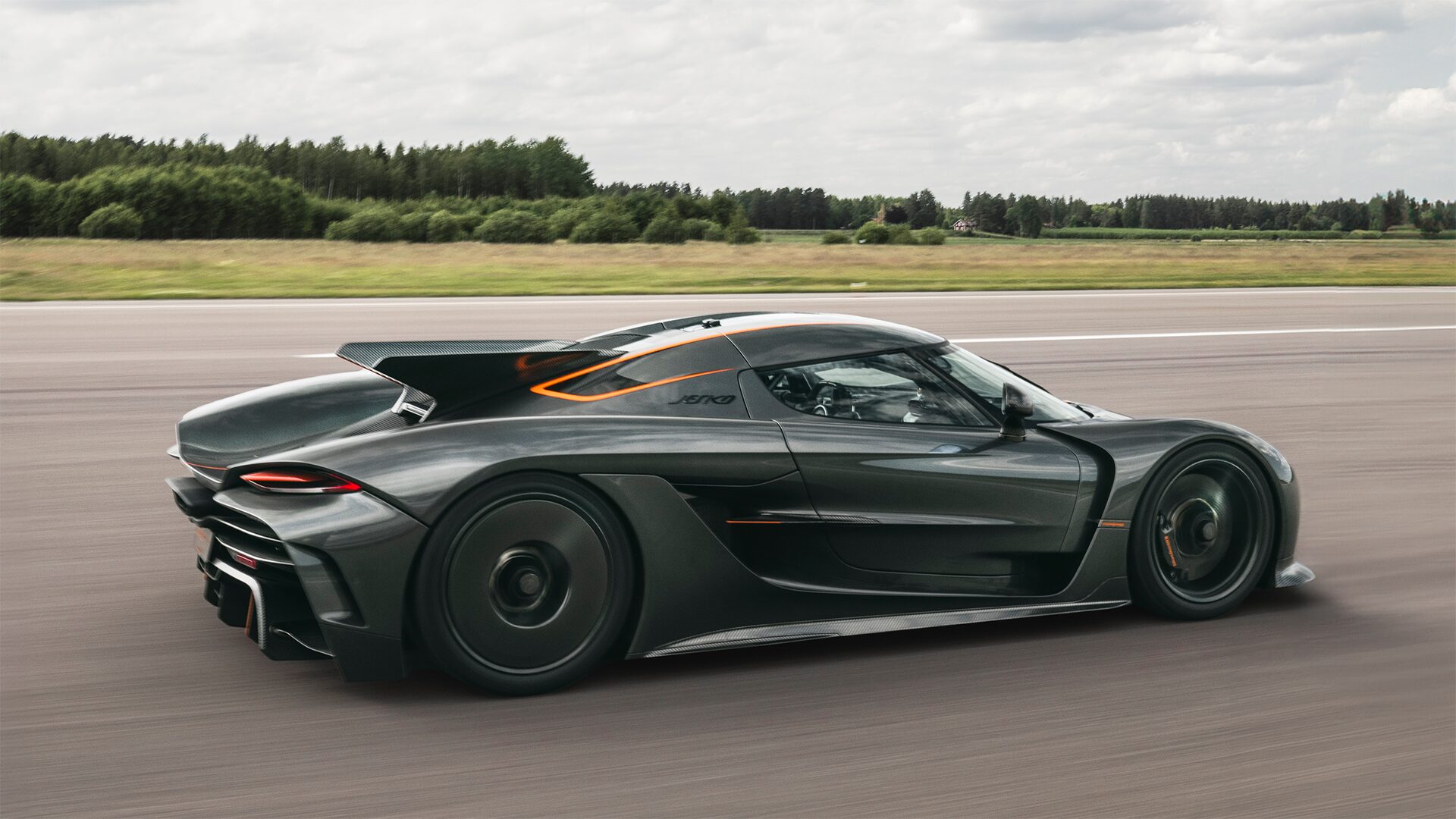
The Koenigsegg Jesko features a highly futuristic gauge cluster that integrates analog dials with fully configurable digital displays. Its central tachometer dominates the interface, emphasizing the car’s extraordinary 1600-horsepower engine.
Surrounding it, multiple digital panels provide live data on torque, turbo pressure, gear ratios, and suspension settings. This combination allows drivers to monitor extreme performance metrics without distraction.
Jesko’s display adapts seamlessly to different driving modes, shifting priorities based on driving conditions. In Normal mode, the focus is on basic engine and speed metrics, while Track mode brings advanced parameters such as tire temperature, lateral g-force, and dynamic power distribution to the forefront. This mode-specific adaptability ensures that the driver always has the most relevant information for safe and effective handling.
The cluster’s interactivity extends to predictive performance suggestions. Optimal shift points, power curve analysis, and braking guidance are visually displayed based on speed and throttle input. This integration transforms the cluster into an intelligent co-pilot, helping drivers manage a hypercar that can exceed 300 miles per hour under ideal conditions. The system makes extreme performance accessible without overwhelming the driver.
Koenigsegg emphasizes clarity through design choices, using bright, high-contrast displays, sharp needle movements, and subtle animations to differentiate critical and secondary data. Even under bright sunlight or high-speed scenarios, drivers can quickly locate essential information while enjoying a visually striking interface. The design carefully balances complexity and usability.
Finally, the Jesko’s gauge cluster embodies the company’s philosophy of innovation and exclusivity. The combination of precision engineering, advanced software, and customizable layout gives each driver a unique experience. Every glance at the cluster reinforces the hypercar’s identity, transforming what could be overwhelming information into a thrilling, intuitive connection between driver and machine.
7. Aston Martin Valkyrie
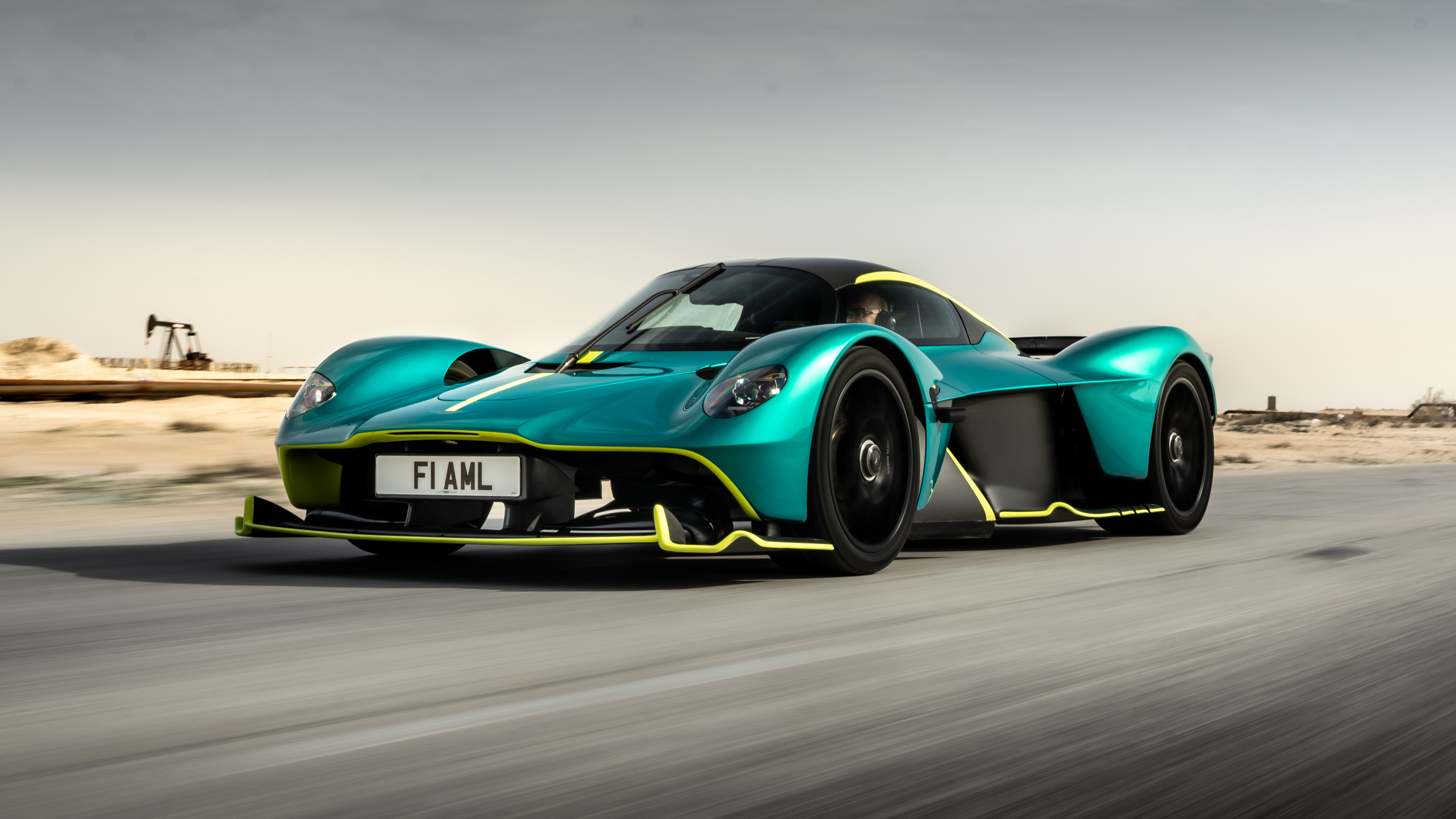
The Aston Martin Valkyrie features a minimalist yet highly functional gauge cluster that prioritizes aerodynamic and engine performance data. Its layout combines a central analog tachometer with extensive digital readouts surrounding it, including power output, hybrid system efficiency, and tire temperature readings. The interface is designed to convey a massive amount of information in a manner that remains clear and precise.
Driving modes significantly impact the Valkyrie’s cluster display. In Comfort mode, only essential speed and engine metrics are shown, maintaining simplicity for street use. Race and Track modes activate detailed telemetry, including lateral and longitudinal g-forces, torque curves, and energy recovery system statistics. The system adapts instantaneously, offering the driver the right data for every scenario.
The Valkyrie also emphasizes interactivity, with real-time guidance for engine and hybrid performance. Shift points, energy distribution, and brake balance recommendations appear dynamically, enabling drivers to exploit the car’s extreme capabilities safely. This predictive functionality enhances driver confidence when handling a vehicle that produces over 1000 horsepower.
High contrast, minimal clutter, and carefully chosen animations ensure readability without distraction. Critical alerts are highlighted visually and audibly, while secondary data occupies peripheral areas. The design shows Aston Martin’s commitment to combining functionality with elegance, creating an interface that is both precise and refined.
Finally, the Valkyrie’s cluster is a reflection of Formula 1-inspired engineering, translating racetrack technology into a road-legal hypercar. Each element of the dashboard conveys purpose and performance. The result is a gauge cluster that merges aesthetics, precision, and real-time information, elevating the driver’s experience to match the car’s exceptional engineering.
8. Porsche 918 Spyder
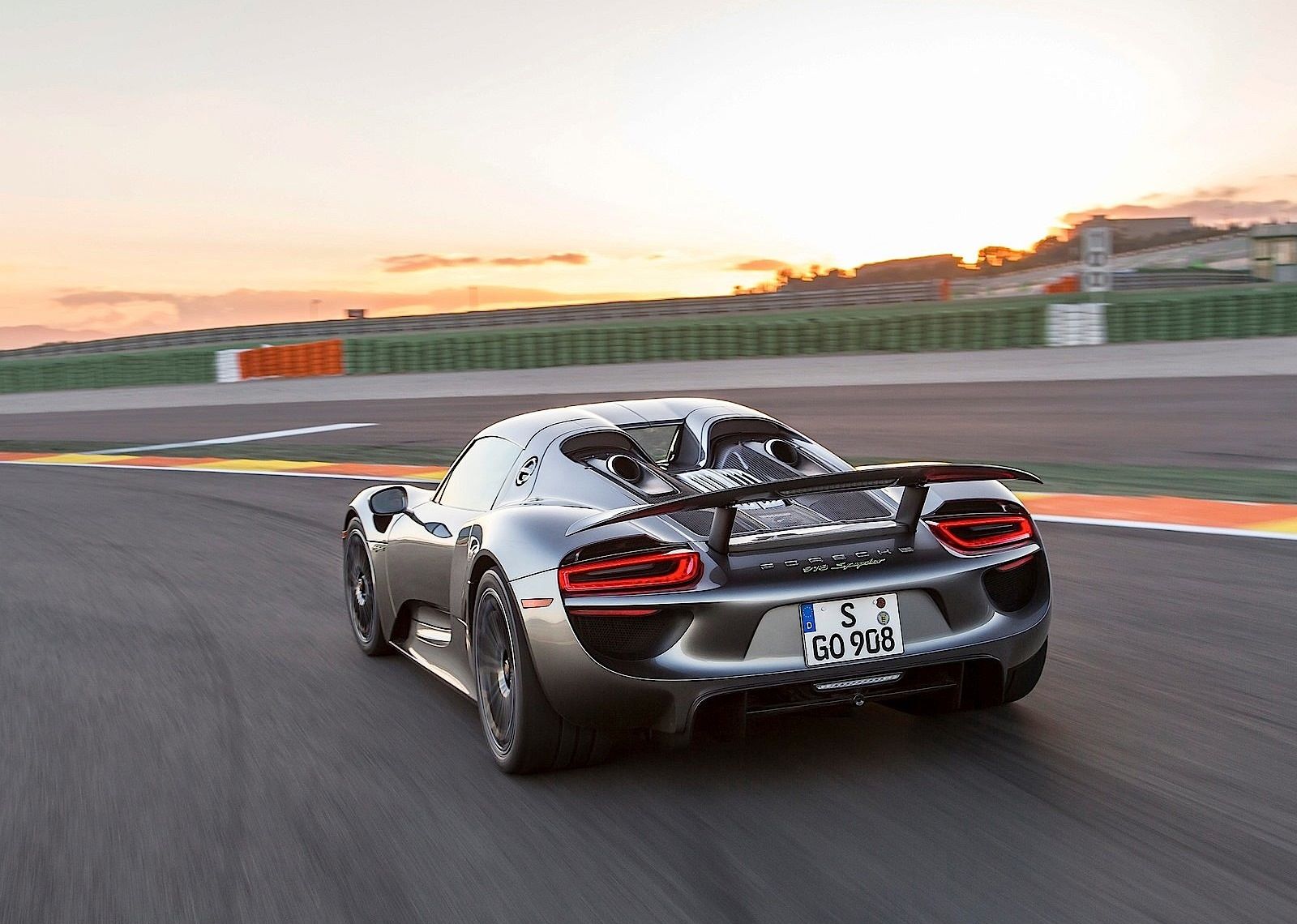
The Porsche 918 Spyder’s gauge cluster integrates traditional analog dials with advanced digital displays, emphasizing both performance and hybrid efficiency. Its central tachometer is flanked by digital readouts that show electric motor output, battery charge, and torque distribution. This layout ensures drivers can monitor both conventional and hybrid performance metrics seamlessly.
Driving modes play a major role in the 918’s cluster design. Normal and Sport modes focus on basic metrics such as speed and engine performance. Race mode activates advanced telemetry, displaying lap times, brake temperatures, and tire pressures. The ability to switch contextually allows the driver to prioritize relevant information without being overwhelmed.
The hybrid-specific displays are particularly advanced. Real-time energy flow, regenerative braking feedback, and optimal electric-motor usage indicators help drivers maximize efficiency while maintaining high performance. These metrics are presented in intuitive visual formats that are easy to interpret even during spirited driving.
Porsche emphasizes readability and ergonomics through contrast, layout, and font choices. Important data is highlighted through color and positioning, while secondary metrics remain accessible but unobtrusive. The combination of analog and digital elements ensures a balance between tradition and modern technology.
Finally, the 918 Spyder’s gauge cluster exemplifies Porsche’s philosophy of driver engagement. It communicates the car’s dual nature as both a high-performance sports car and a hybrid technological marvel. Every glance provides actionable information, allowing the driver to feel fully connected to the car’s dynamic systems while enjoying a visually sophisticated interface.
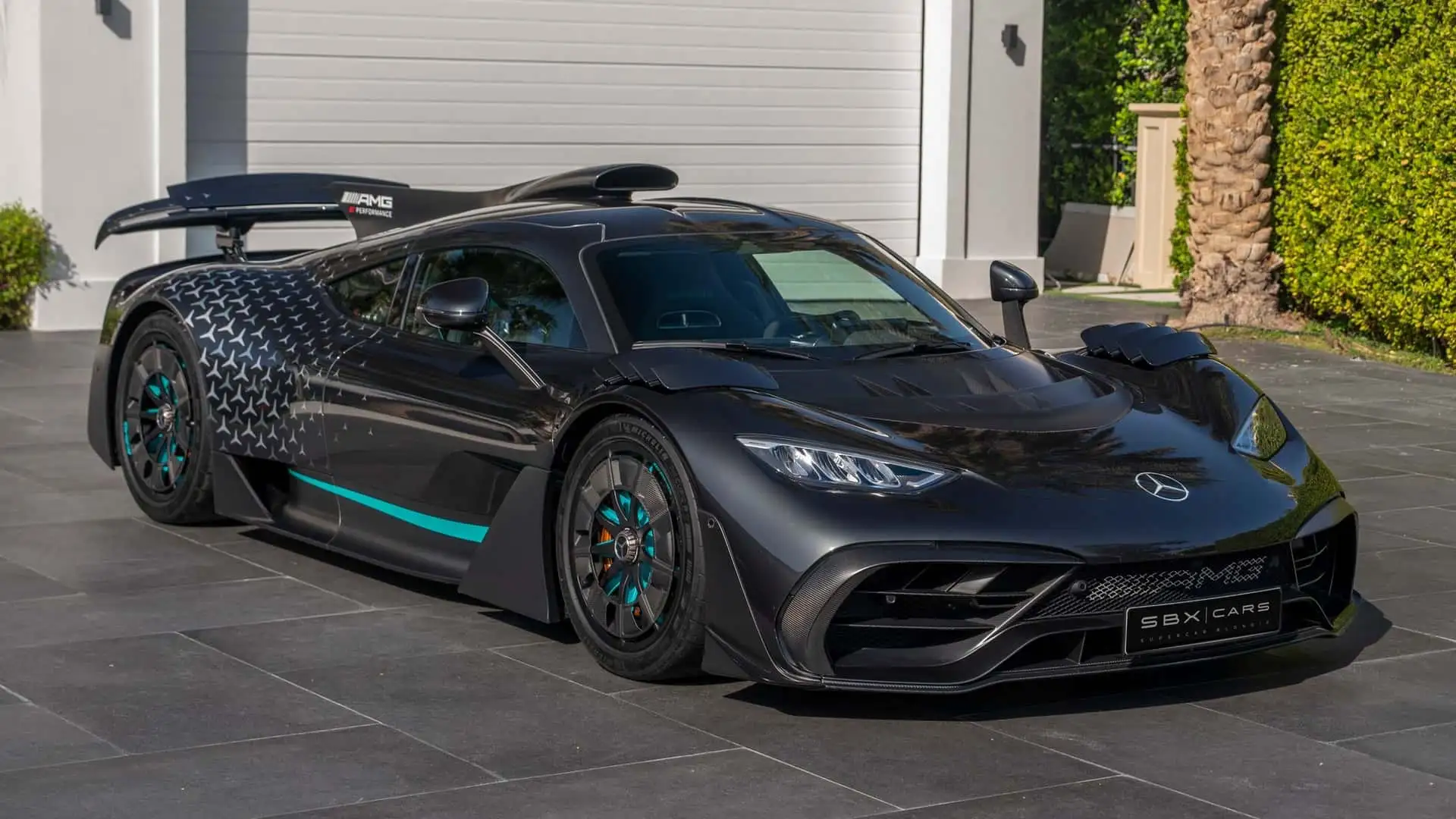
9. Mercedes-AMG One
The Mercedes-AMG One features a high-tech cluster inspired by Formula 1, designed to relay vast performance data with maximum clarity. Its central tachometer is digital but mimics the look of a traditional dial. Surrounding it are multiple panels showing hybrid system output, gear ratios, suspension settings, and lateral g-forces. Every detail is engineered for readability at extreme speeds.
Driving modes dramatically change the cluster layout, emphasizing different metrics depending on the conditions. Road mode simplifies the interface, showing only essential speed and power metrics. Track mode unlocks a flood of telemetry, including braking pressure, torque vectoring, tire temperatures, and engine mapping, allowing drivers to optimize performance in real-time.
The cluster’s interactivity extends to predictive guidance, displaying shift recommendations, energy recovery instructions, and hybrid system efficiency metrics. The AMG One communicates with the driver in real-time, providing both situational awareness and performance optimization suggestions, essential for handling its complex powertrain.
Visual design is meticulously considered. High contrast colors, clear typography, and dynamic animations ensure that even the most detailed information is easy to process. Alerts and warnings are highlighted immediately, while less critical data fades into peripheral areas. The balance of aesthetic and functional clarity reflects Mercedes’ engineering precision.
Finally, the AMG One cluster translates the experience of Formula 1 into a street-legal hypercar. It communicates the car’s advanced hybrid and aerodynamic systems in a visually striking and intuitive way. Every glance enhances the connection between driver and vehicle, making the cluster not just an interface but a defining feature of the hypercar experience.
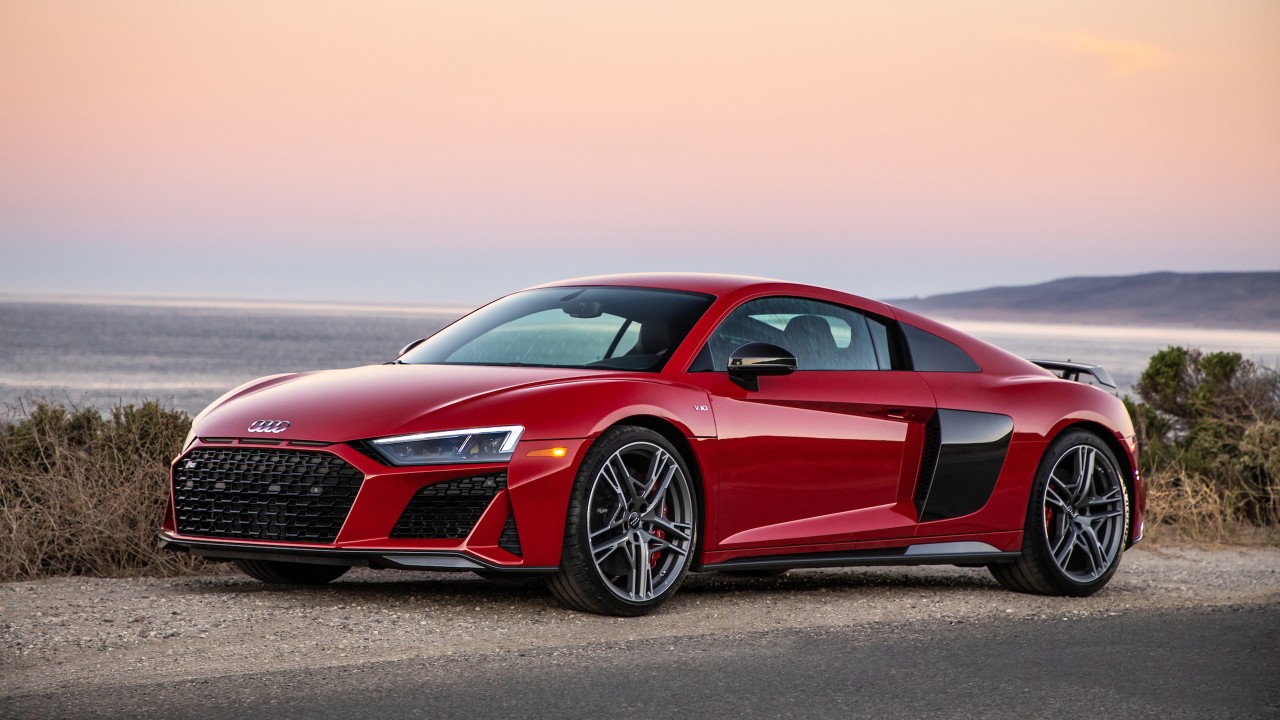
10. Audi R8 V10 Plus
The Audi R8 V10 Plus features a sophisticated cluster combining analog elegance with digital versatility. The central tachometer remains the dominant element, while surrounding displays show speed, tire pressures, oil temperatures, and optional navigation information. The integration ensures both driver engagement and access to advanced vehicle data.
Driving modes influence the cluster layout significantly. Comfort mode emphasizes readability and minimal distraction, while Dynamic and Track modes highlight engine performance, g-forces, and real-time torque distribution. This adaptability ensures that drivers have the data they need for different driving scenarios.
The R8’s cluster emphasizes precision and clarity. Animated needles, high-contrast displays, and clear font choices make the information easy to interpret quickly. Additional indicators for fuel efficiency, lap times, and tire status are presented without cluttering the interface, enhancing both usability and aesthetics.
Audi also allows partial customization of the cluster. Drivers can prioritize which information appears most prominently and adjust visual themes according to preference. This flexibility enhances usability for enthusiasts who track performance or use the car for spirited driving.
Finally, the R8 V10 Plus cluster combines modern technology with a classic supercar feel. Its design communicates both speed and refinement, making each glance at the dashboard engaging and informative. The result is a gauge cluster that supports high-performance driving while maintaining Audi’s characteristic balance of style and functionality.