Concept cars are often designed to generate excitement and showcase bold visions of what the future of driving might look like. Automakers reveal these dramatic prototypes at major auto shows to display new styling ideas, experimental technologies, and ambitious engineering.
While these vehicles frequently attract significant attention, most remain purely conceptual. When the time comes to develop a production model, strict safety regulations, cost constraints, and engineering realities usually force designers to tone down the original ideas. As a result, the production version often looks far more conventional than the concept that first appeared on stage.
However, there are rare cases when a concept car’s design and engineering are so strong that manufacturers decide to carry them into production with minimal alterations. In these situations, companies commit to preserving the distinctive styling, advanced technology, and bold identity that defined the concept from the start.
The result is a production vehicle that closely mirrors the prototype that inspired it. The following eight cars demonstrate how ambitious concepts can successfully transition from show floor spectacle to road-ready machines with very few compromises.
1. BMW i8: A Futuristic Icon in Everyday Life
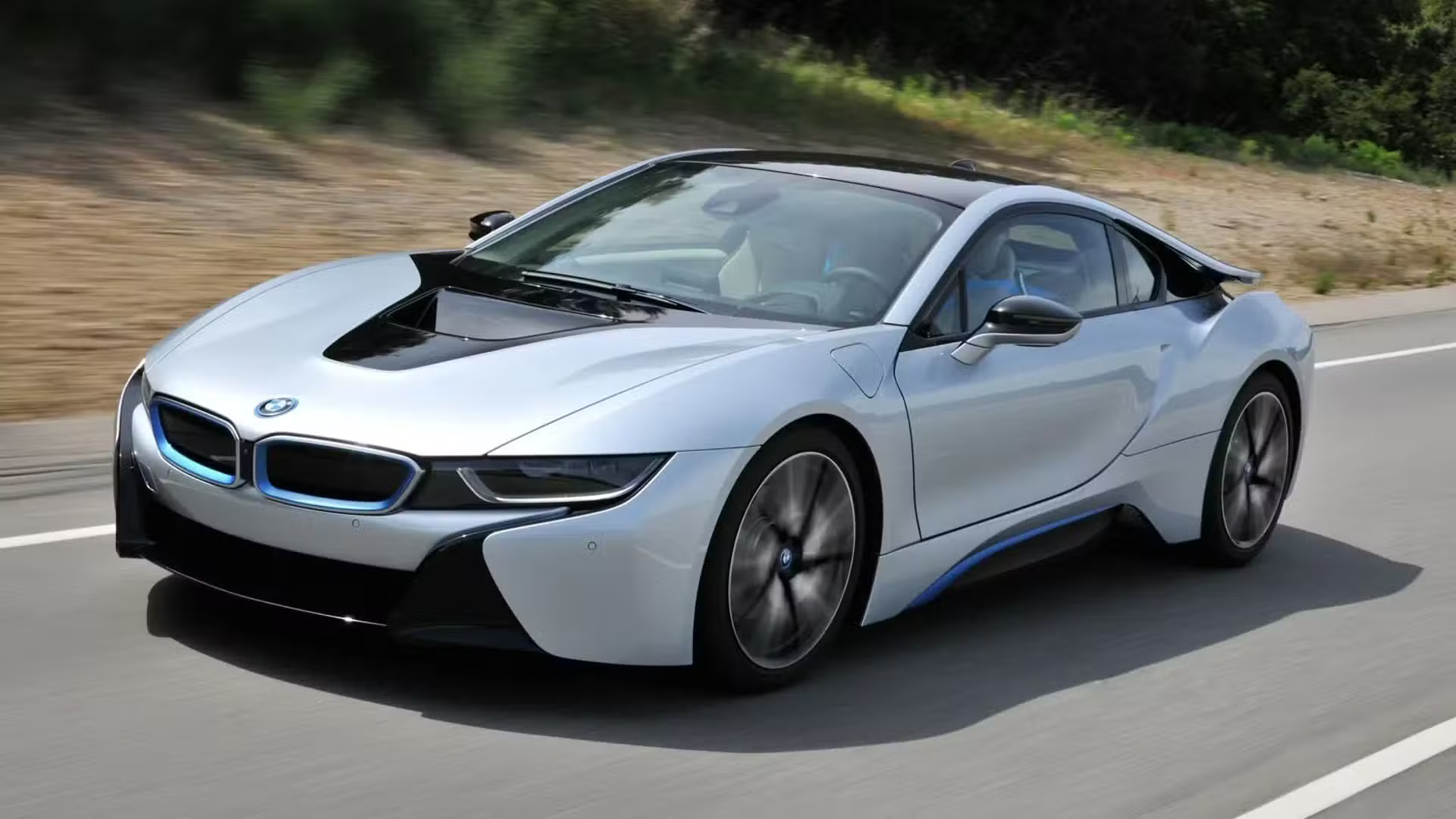
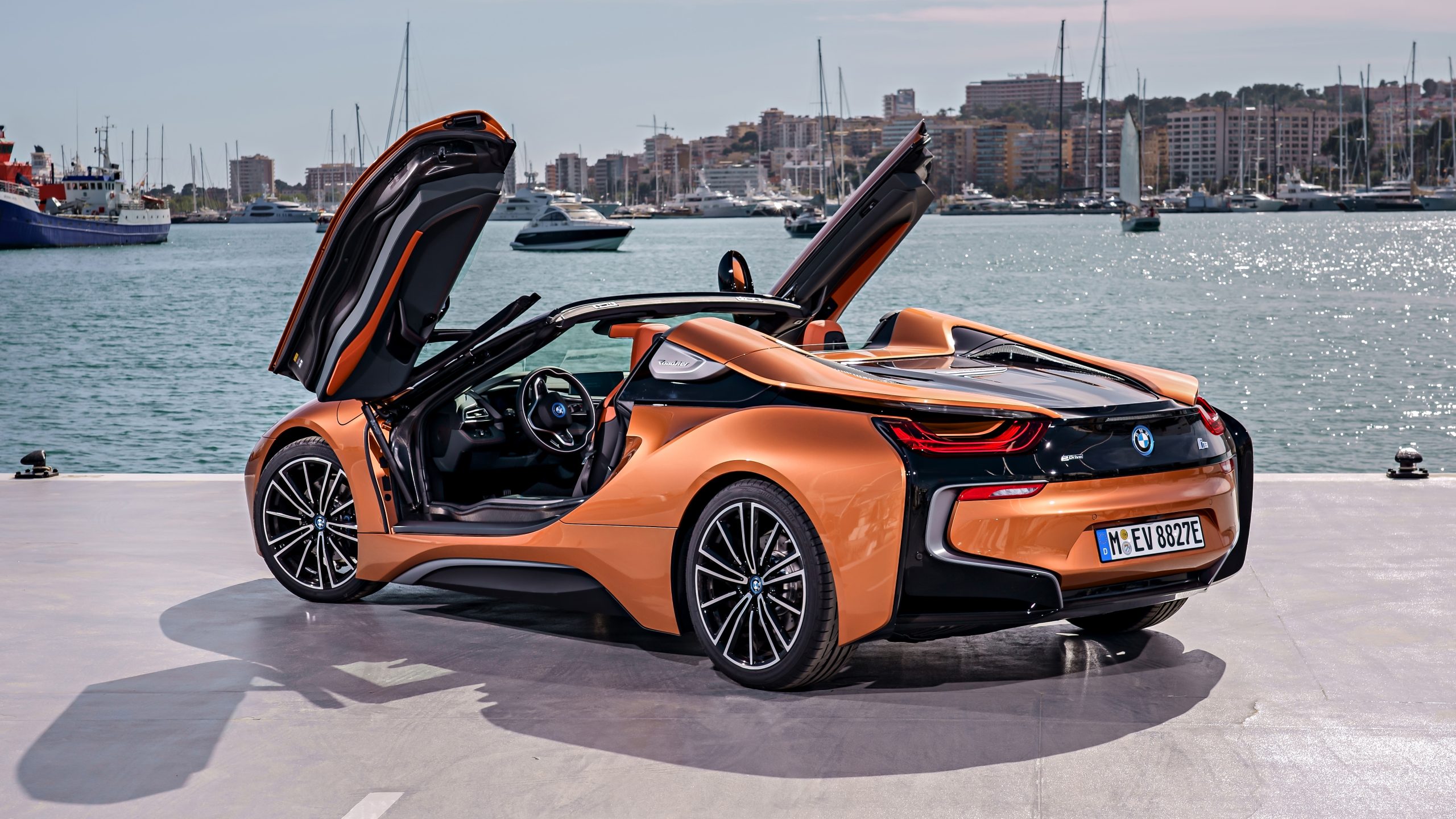
The BMW i8 first stunned the automotive world in 2009 as the Vision EfficientDynamics concept. Its futuristic glass doors, layered aerodynamic bodywork, and “floating” rear pillars seemed almost science fiction.
When the production model launched in 2014, it retained much of the concept’s bold design, including the dramatic butterfly doors, carbon-fiber-reinforced structure, and sleek silhouette, making it feel like a vehicle from the future. Glass panels were replaced with solid doors for safety and privacy, but the car maintained the distinct, forward-thinking aesthetic.
Minimal changes were made from concept to production for several reasons. The i8 was purpose-built to showcase a new era of electrified mobility, so preserving the lightweight, aerodynamic design was essential. Positive public and corporate feedback accelerated development, and the car acted as a “halo” model for BMW’s i-brand, prioritizing statement-making design over traditional sports car conventions.
Advanced engineering, particularly the LifeDrive module, allowed the production car to retain the dramatic proportions of the concept while offsetting the weight of the hybrid drivetrain. Interior adjustments were made for practicality without compromising the futuristic feel.
After 18 months and 15,000 miles of ownership, the i8 has proven versatile and capable. It handled daily commuting, school runs, shopping trips, and longer journeys to France and north Wales, including challenging winter conditions.
Fuel efficiency is impressive; on typical roads, the i8 regularly exceeds 60 mpg, with the potential for 80–90 mpg if workplace charging is available. In sports mode, performance is exhilarating, easily keeping pace with high-performance rivals such as the Ferrari 488.
Reliability has been strong, with only minor issues like a faulty parking sensor and an ECU cable problem, both quickly fixed under warranty. The dihedral doors required some initial caution in tight parking spaces, but they add a unique theatrical appeal and rarely cause practical problems. Interior wear is minimal, with only the seat bolsters and inner door sills showing normal signs of use.
The main limitations are electric-only range and depreciation. In practice, the battery delivers 10–22 miles of electric driving, improved to 33 miles in the 2018 facelift. Depreciation is significant, with cars losing roughly two-thirds of their value within three years, far faster than comparable sports cars.
Despite these drawbacks, the i8 remains a remarkable combination of futuristic design, hybrid technology, and everyday usability. Its ability to turn heads, deliver strong efficiency, and offer engaging performance makes it a rare hybrid that excites both the senses and the intellect. For many, the BMW i8 represents not just a car, but a vision of the future realized in the present.
2. Audi R8: The Everyday Supercar with a Screaming V10
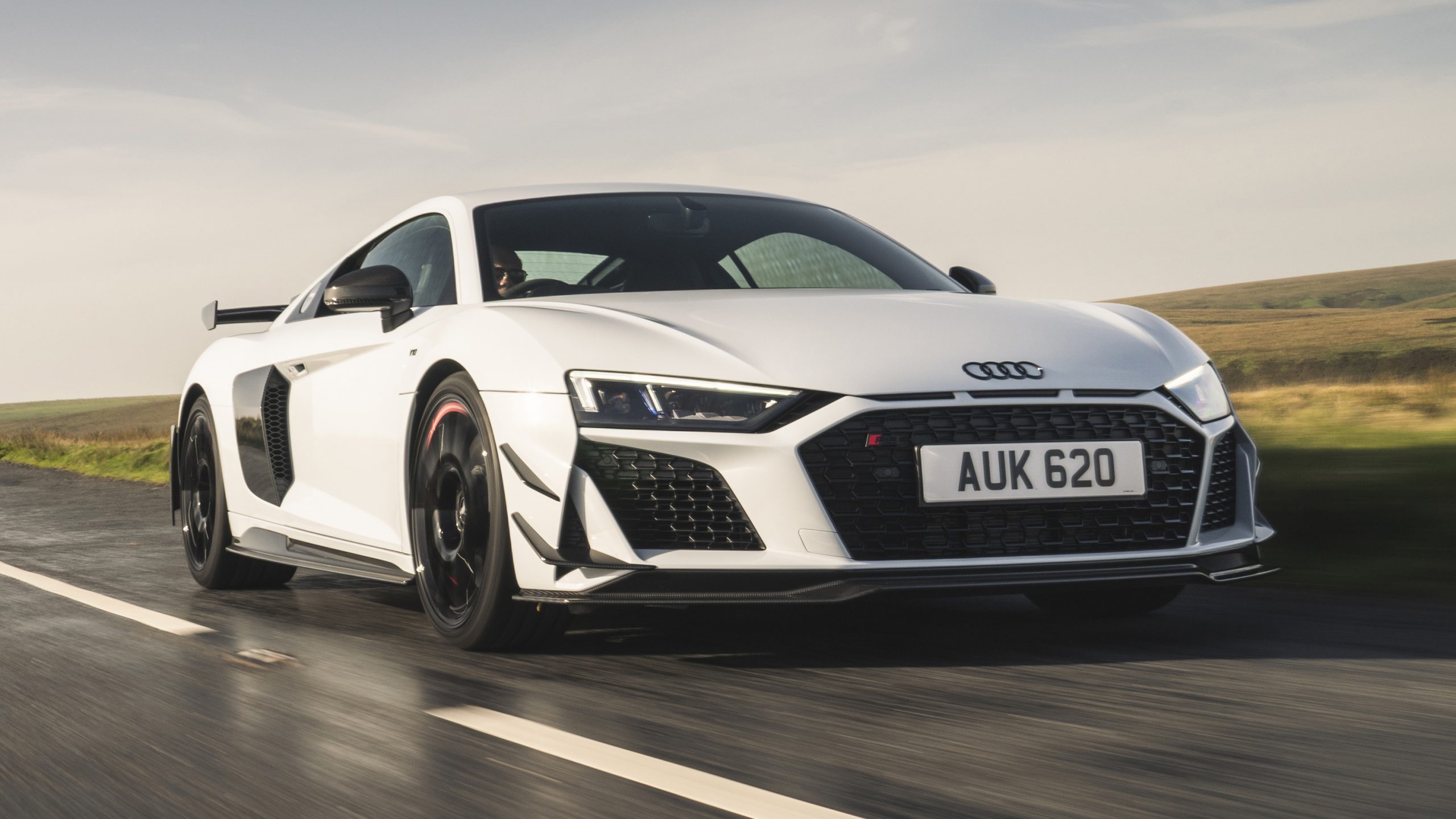
The Audi R8 traces its origins to the 2003 Le Mans Quattro concept, created to celebrate Audi’s dominance at the 24 Hours of Le Mans. Unlike many concepts that lose their character when adapted for the road, the R8 retained signature elements such as the vertical “side blades,” aggressive stance, cab-forward proportions, and futuristic LED lighting.
By preserving these features, Audi transitioned from a manufacturer of luxury sedans to a legitimate supercar contender, proving that a concept’s bold design could survive mass production.
Minimal changes occurred between concept and production due to several factors. The Le Mans Quattro was developed on a robust platform, sharing its chassis with the Lamborghini Gallardo via the Audi Space Frame aluminum monocoque.
This allowed the car to accommodate high-performance components like the 5.2-liter V10 engine and quattro all-wheel drive. The concept’s design was functional from the start: the side blades directed airflow to the engine, while full-LED headlights were production-ready technologies.
Intense public and media demand reinforced the decision to maintain the dramatic styling, with the R8 becoming a halo model that transformed Audi’s brand image into one capable of competing with Porsche and Ferrari. Production at a specialized Neckarsulm facility ensured high-quality, hand-built execution.
The R8 was notable for blending supercar performance with everyday usability. Its ergonomically sound interior comfortably accommodated average-sized passengers, and it offered the reliability and build quality expected of Audi. On the road, the naturally aspirated 5.2-liter V10 delivered a thrilling experience, with 8,700 rpm screams setting it apart from turbocharged competitors.
This engine remained largely unchanged throughout the car’s life, even as the 2018 facelift refined driving dynamics with stiffer suspension, a lighter carbon anti-roll bar, recalibrated steering, and sharper styling inspired by the Sport Quattro rally car.
The final model range featured the entry-level Performance RWD with 562 bhp and the Performance quattro producing 612 bhp.
Pricing started at approximately $175,000 for the RWD and $195,000 for the quattro, making it a relative bargain compared with McLaren and Porsche competitors. Limited-run editions, such as the R8 GT with only 15 units in the U.S., added exclusivity through carbon-fiber upgrades and weight-saving enhancements.
Despite ending production of its petrol V10 in March 2024, the R8 remains a benchmark for everyday usability in a supercar. Its combination of naturally aspirated engine excitement, hand-built quality, and accessible performance makes it one of the most complete and enjoyable supercars of its era.
Even against newer rivals, the R8’s engine, design, and balance of performance and practicality ensure it holds a revered place at the top table of modern supercars.
3. Lexus LC 500: From Radical Concept to Flagship GT
The Lexus LC 500 represents one of the most remarkable concept-to-production stories in modern automotive history. When the LF-LC concept debuted in 2012, Lexus described it as a design study rather than a production preview. Its low hood, 21-inch wheels, and complex multi-link suspension seemed nearly impossible to translate into a road car.
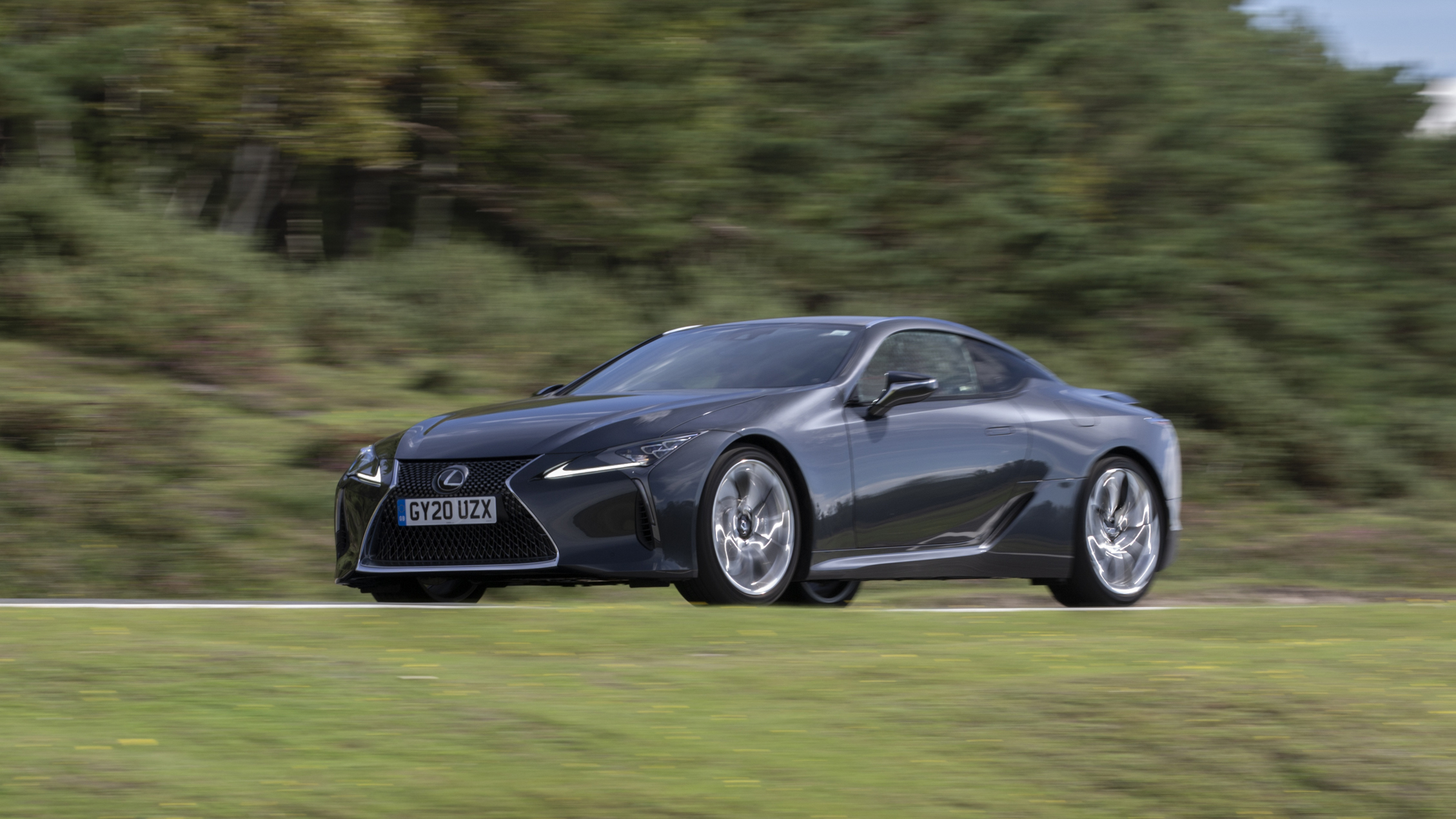
Yet, four years later, the LC 500 arrived almost unchanged, retaining the radical spindle grille, 3D-effect taillights, and impossibly low proportions. The production model remains a rare example of a flagship GT car that looks nearly identical to the original concept sketch.
The LC 500 achieved this faithful execution through a design-first approach, advanced engineering, and specialized craftsmanship. Lexus prioritized the “ultimate beauty” theme of the LF-LC, preserving dramatic, low-slung aesthetics and the distinctive gradient spindle grille.
A dedicated rear-wheel-drive luxury platform allowed engineers to accommodate the concept’s extreme proportions rather than forcing it onto an existing chassis. Production at the Motomachi plant employed hand-finished techniques perfected during the LFA supercar project, while high-tech assembly methods, including laser-screw welding and specialized adhesives, maintained structural rigidity and complex design lines.
During its seven-year production run, Lexus continually refined the LC 500. Suspension lightening and re-engineering, differential recalibration, revised steering racks, and an upgraded infotainment system improved the original package.
A convertible variant launched in 2021 added open-air GT appeal. Despite these incremental updates, the LC 500 retained its unique blend of sports car agility, grand tourer comfort, and futuristic styling.
Performance-wise, the V8 coupe impressed with a ten-speed automatic transmission and atmospheric engine delivery, while the hybrid variant offered smoother but less engaging performance. Ride and handling were firm yet controllable, with a chassis that encouraged confident driving.
The interior combined striking design with high-quality materials and craftsmanship, featuring adaptive dampers, large infotainment displays, and an LFA-inspired digital dial cluster. Optional packages, such as the Sport Pack Plus, added rear-wheel steering and a limited-slip differential for enhanced dynamics.
In its final 2024 iteration, the LC 500 carried a U.S.-equivalent price of around $120,000 for both V8 and hybrid models. Despite facing rivals like the Porsche 911, BMW M850i, and Bentley Continental GT, the LC stood out thanks to its build quality, emotional design, and charismatic interior. The convertible offered a more relaxed GT experience while retaining desirability among enthusiasts.
Although Lexus discontinued the LC 500 in 2024, the car’s combination of concept-level design, thoughtful engineering, and compelling performance ensures it remains one of the most impressive and underappreciated GTs of recent times, securing a place at the sharp end of the luxury coupe market.
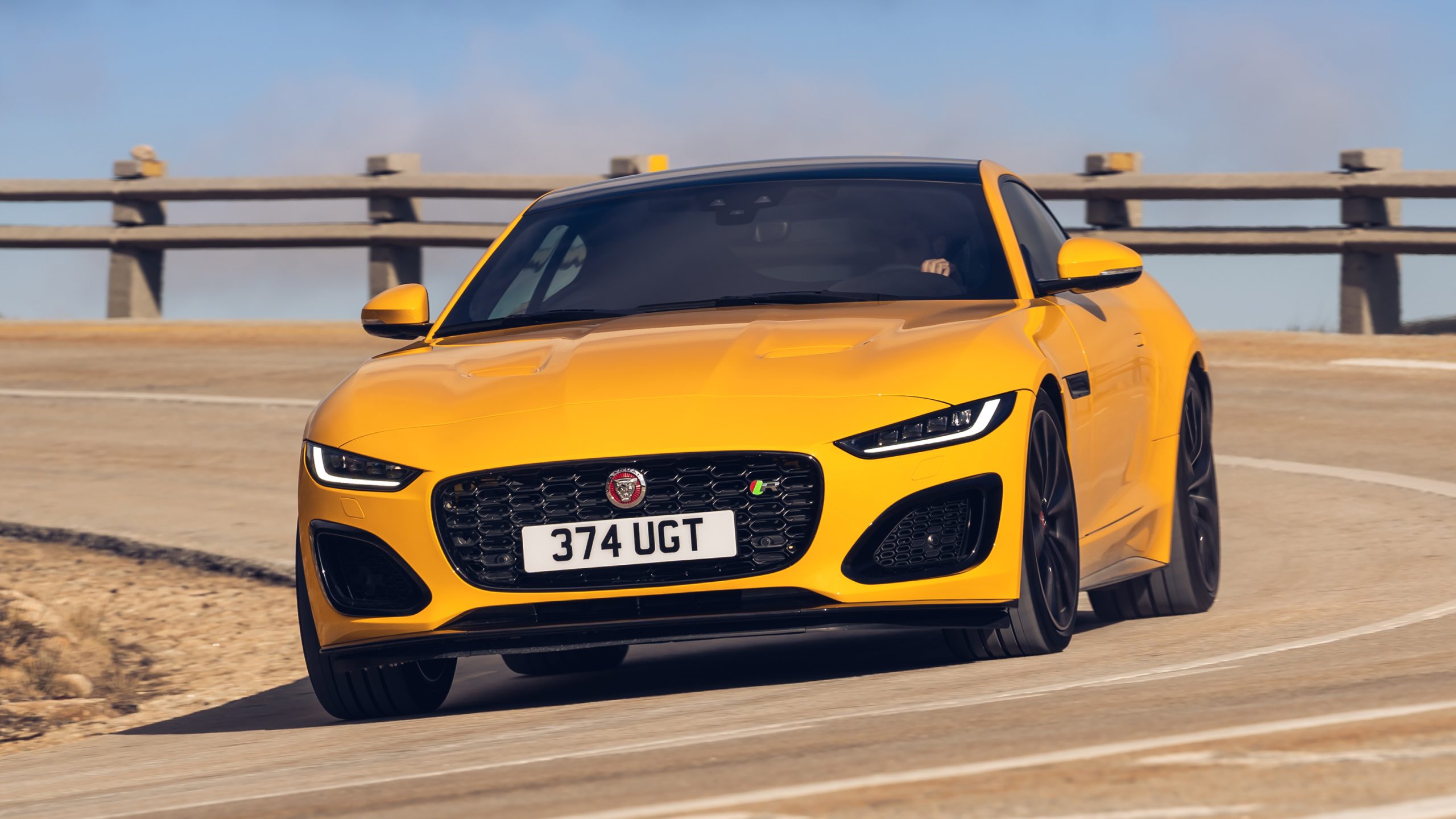
4. Jaguar F-Type: From Concept Inspiration to Modern Sports Car
The Jaguar F-Type traces its origins to the 2011 C-X16 concept, a compact coupe created to introduce a new direction for Jaguar’s design language. Guided by design director Ian Callum, the project aimed to produce a sports car that captured the elegance and spirit of the legendary E-Type while presenting a modern and performance-focused identity.
When the production F-Type arrived in 2013, it remained remarkably faithful to the concept. Signature features such as the muscular rear haunches, wraparound taillights, minimalist front fascia, and the distinctive “heartline” that runs from the front fender to the rear were preserved with impressive accuracy.
This close relationship between concept and production helped the F-Type gain recognition as a modern classic soon after it entered the market.
One major reason the design required few changes was that the C-X16 concept had already been developed as a near-production prototype. Jaguar deliberately avoided creating an unrealistic show car that would later need significant alterations.
Instead, the concept represented a design that engineers believed could reach production with minimal compromise. This strategy allowed the dramatic styling that attracted attention from enthusiasts and critics to remain largely intact in the final car.
A design-first development process also played a key role in maintaining the concept’s appearance. Ian Callum and his team prioritized the vehicle’s pure sports car proportions, including its low roofline, sculpted bodywork, and strong rear stance. Engineers supported these goals with innovative manufacturing methods.
One notable technique was “warm forming,” a process in which aluminum panels were heated to approximately 500 degrees Fahrenheit before shaping. This approach made it possible to create complex structural components, including the inner door structure, from a single piece of aluminum. As a result, the production model retained the concept’s sleek lines while maintaining structural strength and lightweight construction.
Jaguar positioned the F-Type as a focused sports car rather than a traditional grand tourer like the XK that came before it. The company wanted a vehicle capable of competing with performance-focused rivals such as Porsche.
To support this goal, the design emphasized athletic proportions and dynamic styling. At the same time, engineers incorporated several proven Jaguar components to simplify development and ensure reliability.
There were still a few differences between the concept and the production car. The C-X16 appeared as a coupe with a hybrid drivetrain, but the production F-Type initially launched as a convertible powered by supercharged gasoline engines.
A coupe version followed later. Certain design elements also changed slightly for practicality. The concept’s 21-inch wheels were reduced to 19 or 20 inches, and a side-opening rear door concept was removed before production.
Throughout nearly a decade of production, the F-Type received several updates. A significant refresh in 2019 introduced slimmer headlights, updated infotainment technology, and a modernized interior.
Engine choices ranged from a 296-horsepower turbocharged four-cylinder to powerful supercharged V8 models producing up to 567 horsepower. With prices beginning near $80,000 and reaching around $140,000 for high-performance versions, the F-Type occupied a unique space between sports cars such as the Porsche Cayman and the Porsche 911.
With its striking styling, engaging performance, and strong connection to Jaguar’s heritage, the F-Type remains one of the brand’s most celebrated modern sports cars.
Also Read: 5 Cars That Feel Practical Every Day vs 5 That Don’t
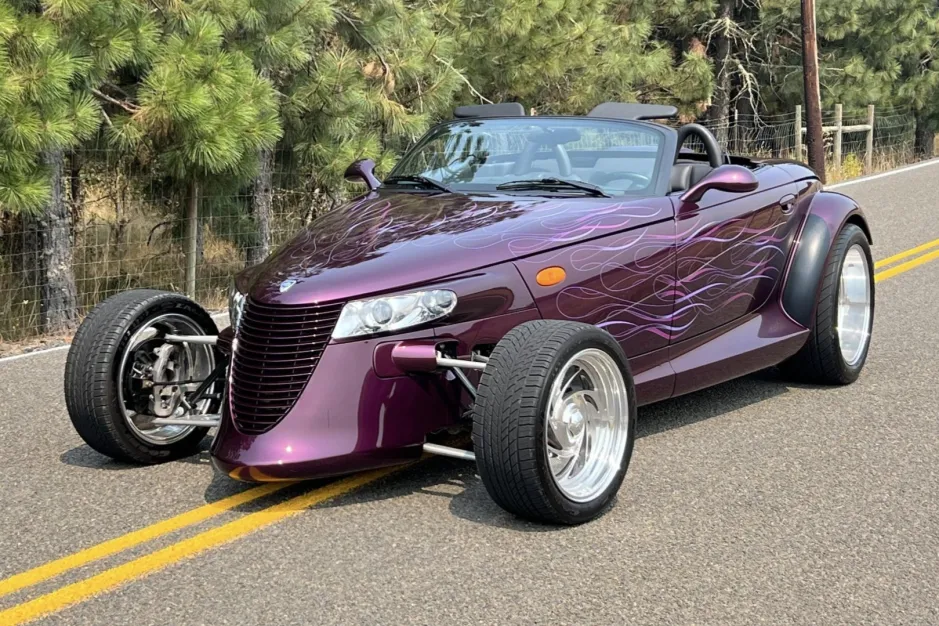
5. Plymouth Prowler: A Factory-Built Hot Rod
The Plymouth Prowler stands as one of the most unusual concept-to-production stories in modern automotive history. Inspired by the styling of 1930s hot rods, the original concept appeared in 1993 with dramatic open front wheels, exposed suspension components, and a wedge-shaped body that seemed nearly impossible to meet modern safety standards.
Despite these challenges, Chrysler engineers successfully adapted the design for production. When the Prowler entered the market in 1997, it retained much of the concept’s radical appearance, including its cycle fenders, wide rear stance, and custom hot rod proportions. The result was a production car that looked more like a handcrafted show vehicle than a traditional factory automobile.
One reason the Prowler changed very little between concept and production was the strategic use of existing Chrysler components. Engineers relied heavily on parts from the company’s existing lineup to control development costs.
The car used a 3.5-liter V6 engine sourced from Chrysler sedans and a four-speed AutoStick transaxle originally found in the Eagle Vision. By focusing resources on design and engineering rather than creating an entirely new drivetrain, Chrysler was able to maintain the vehicle’s distinctive styling while still keeping the project financially viable.
The Prowler also served as an experimental platform for advanced manufacturing techniques. Chrysler used the project to explore aluminum construction, resulting in a lightweight structure with a curb weight of about 2,832 pounds.
Nearly 900 pounds of the car consisted of aluminum components, including the hood, doors, frame, suspension arms, and steering parts. Additional weight savings came from a magnesium dashboard brace and stainless steel exhaust manifolds. These innovations allowed the Prowler to maintain structural strength while supporting its unconventional design.
Beyond engineering experimentation, the Prowler played an important role in Chrysler’s brand strategy. During the 1990s, the company wanted to change its reputation from producing conservative vehicles to creating bold and exciting designs. The Prowler acted as a high-visibility halo car that attracted attention wherever it appeared.
Chrysler’s design chief, Tom Gale, championed the project and pushed to preserve its 1932 Ford-inspired hot rod styling. Only small additions such as bumpers, lighting adjustments, and practical door handles were introduced to meet safety regulations and everyday usability requirements.
Inside, the Prowler combined dramatic exterior styling with familiar Chrysler components. Controls and interior pieces were borrowed from vehicles such as the Neon, Viper, and Grand Cherokee, helping maintain reliability and reduce costs. The cockpit featured leather seating, a central instrument cluster, and a high driving position that provided decent visibility despite the car’s unusual shape.
Although critics questioned the decision to use a V6 engine and automatic transmission in a hot rod-inspired vehicle, the Prowler’s striking appearance ensured its place in automotive history. Few manufacturers have ever brought such a bold concept to production with so few compromises, making the Plymouth Prowler one of the most distinctive factory-built custom cars ever created.
6. Porsche 918 Spyder: Concept Innovation Realized
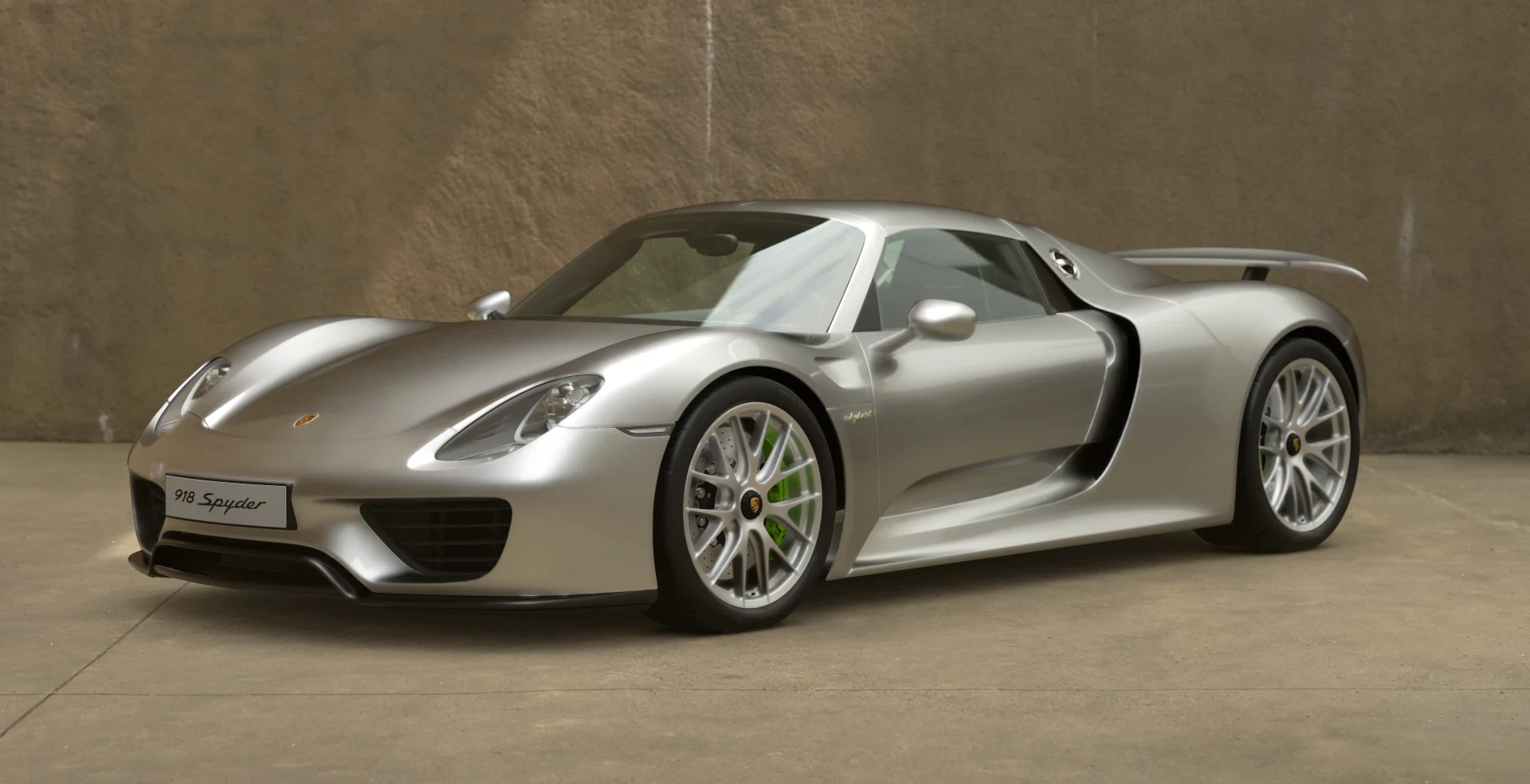
The Porsche 918 Spyder represents one of the most successful concept-to-production transformations in the modern hypercar era. First presented as a concept at the 2010 Geneva Motor Show, the car attracted enormous interest thanks to its combination of futuristic design and advanced hybrid technology.
The strong public response convinced Porsche to move forward with production while keeping the design and engineering remarkably close to the original concept. When the production model arrived in 2013, it retained the same low, sculpted bodywork, athletic proportions, and distinctive top-exit exhaust system that made the concept so striking.
One of the key reasons the 918 Spyder changed so little during development was that the concept had already been engineered with real production feasibility in mind. Unlike many concept cars that serve primarily as styling exercises, the 918 concept included a fully functioning plug-in hybrid powertrain.
This system combined a naturally aspirated 4.6-liter V8 engine with electric motors to deliver both performance and efficiency. Because the technology was already functioning during the concept stage, Porsche engineers were able to carry most of the drivetrain architecture directly into the final production model.
The car also showcased advanced materials and construction techniques that helped maintain the design’s dramatic proportions. The production version used a carbon-fiber-reinforced plastic monocoque structure to provide both strength and lightweight performance. Engineers also retained the unusual top-mounted exhaust outlets located behind the cockpit.
This feature required extensive thermal management engineering but allowed for improved exhaust flow and reduced heat around the engine and drivetrain components. Keeping such a distinctive design element helped ensure the production car looked nearly identical to the original concept.
Performance goals were another reason Porsche stayed true to the concept’s design. The 918 Spyder was developed to demonstrate the future of high-performance hybrid technology.
Its powertrain produced more than 800 horsepower when the V8 engine and electric motors worked together, allowing the car to deliver hypercar-level acceleration while still offering multiple hybrid driving modes. These modes provided both high performance and efficient electric-only operation, making the 918 one of the most versatile cars in its class.
The finished car quickly became part of the so-called “Holy Trinity” of hybrid hypercars alongside the McLaren P1 and Ferrari LaFerrari. Compared with its rivals, the 918 Spyder was often seen as the most usable and refined. Its traction, responsive throttle, and high-quality construction gave it a reputation as a hypercar that could be both thrilling and surprisingly approachable.
Originally priced at roughly $845,000, the Porsche 918 Spyder was produced in a limited run of 918 units. Today, it remains one of the most significant performance cars of its era, combining advanced hybrid technology, striking design, and extraordinary performance in a package that stayed remarkably faithful to its original concept.
7. Subaru SVX: A Futuristic Grand Tourer Ahead of Its Time
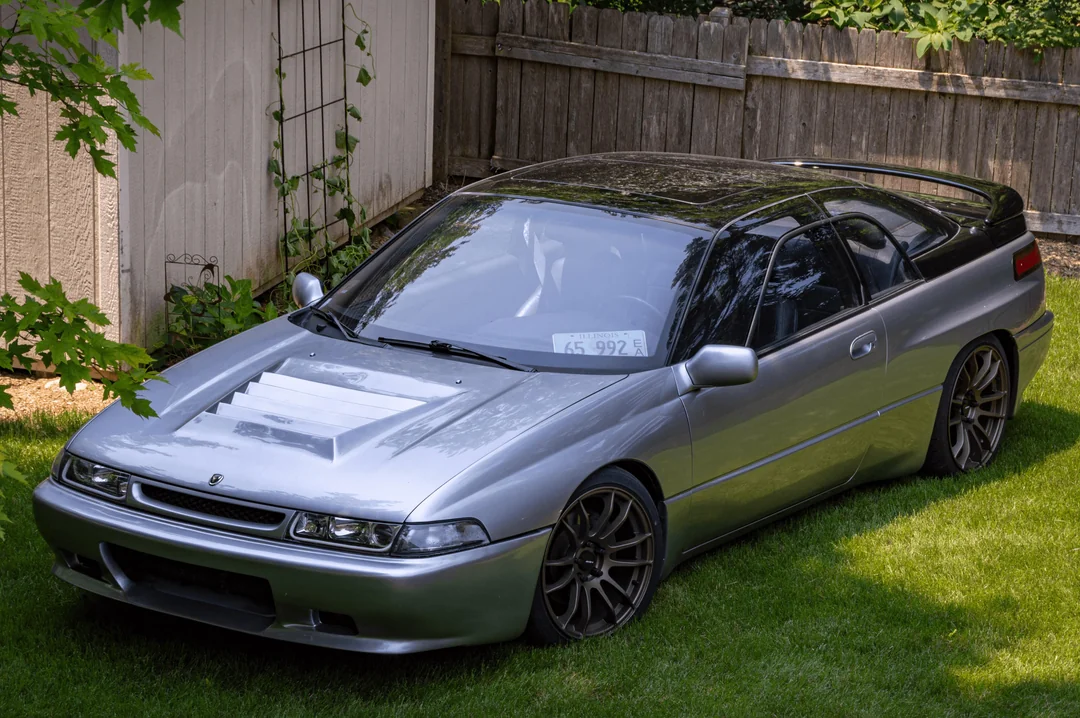
The Subaru SVX stands as one of the most distinctive concept-to-production vehicles of the early 1990s. First introduced as a concept in 1989, the car was designed by legendary Italian designer Giorgetto Giugiaro and immediately captured attention with its futuristic styling.
When the production model arrived in 1992, it closely resembled the original concept, retaining its bold, aircraft-inspired glass canopy and unusual “window-within-a-window” side glass design. These unique features gave the SVX a striking appearance that made it look more like a futuristic spacecraft than a typical Japanese coupe of the era.
Subaru’s decision to maintain the concept’s design largely intact was part of a broader effort to reshape the company’s brand image. During this period, Subaru was widely known for producing affordable and practical vehicles, but the SVX project aimed to demonstrate that the company could also build a sophisticated luxury-performance grand tourer.
By keeping the concept’s radical styling and advanced engineering features, Subaru presented the SVX as a technological showcase that highlighted its engineering capabilities.
One of the most important design elements carried from concept to production was the distinctive glass canopy. The “window-within-a-window” design divided the side glass into two sections, with a smaller operable window located inside a larger fixed pane.
This unusual feature increased structural rigidity while creating a dramatic visual effect that set the SVX apart from any other coupe on the market. Subaru preserved this complex design despite the additional manufacturing cost because it was central to the car’s identity.
The SVX also featured advanced engineering for its time. Power came from a 3.3-liter EG33 flat-six engine producing about 230 horsepower. The engine delivered smooth and refined performance that many drivers compared to the character of a V8.
Subaru paired the engine with its advanced all-wheel-drive system, which provided stable and confident handling in various driving conditions. The drivetrain emphasized comfort and long-distance capability rather than outright sports car performance, positioning the SVX as a grand tourer rather than a track-focused machine.
Inside, the SVX offered a well-equipped and comfortable interior designed for long journeys. The cabin featured supportive seating, modern technology for the era, and a high level of refinement that distinguished it from other Subaru models. The car’s smooth ride quality and quiet operation made it particularly well-suited for highway cruising.
Despite its striking design and impressive engineering, the SVX struggled commercially. Its price was significantly higher than that of other Subaru models, which made it difficult for buyers to justify the cost. In addition, the car was offered only with a four-speed automatic transmission that later gained a reputation for reliability issues.
Although production ended in 1997, the Subaru SVX has since gained a strong cult following. Its unique design, advanced engineering, and bold attempt to move Subaru into the luxury performance segment have helped secure its reputation as a fascinating and underappreciated modern classic.
8. Audi TT: A Design Icon That Stayed True to Its Concept
The Audi TT is widely regarded as one of the most influential examples of concept-to-production automotive design. First shown as a concept in 1995, the car immediately stood out because of its distinctive Bauhaus-inspired styling. Designed by Freeman Thomas and Peter Schreyer, the TT followed the philosophy of “as much as necessary, as little as possible.”
Its design relied on simple geometric forms, especially circles and straight lines, creating a clean, symmetrical appearance that felt modern yet timeless. When the production model launched in 1998, it remained remarkably faithful to the original concept, preserving the unique dome-like roofline, minimalist interior, and distinctive aluminum details.
One reason the TT’s design remained largely unchanged was its “style-first” development philosophy. The design team focused on creating a visually pure form before engineering constraints were applied. Because the concept’s shape was so distinctive and well-received, Audi chose to protect its appearance during the transition to production.
The result was a sports car that looked almost identical to the original show car, including signature features such as the exposed aluminum fuel filler cap and the circular air vents inside the cabin.
Another factor that allowed the TT to reach production with minimal alterations was Audi’s use of existing mechanical components. The car was built on the Volkswagen Group’s PQ34 platform, which it shared with vehicles such as the Volkswagen Golf Mk4 and Audi A3.
By using a proven platform, Audi avoided the need for expensive engineering changes and instead focused on maintaining the concept’s distinctive exterior design and interior layout. This strategy made the project economically feasible while allowing the original design vision to remain intact.
Only a few functional changes were made during the transition to production. Engineers slightly enlarged the rear side windows to improve visibility and modified the bumpers to meet safety regulations.
Later, early production models required a recall to add a small rear spoiler after stability concerns were discovered during high-speed driving. Even with these adjustments, the car’s core shape and design philosophy remained untouched.
The original Audi TT quickly became a design success and gained widespread recognition. Its smooth, rounded form and distinctive proportions made it instantly recognizable on the road. Although some critics dismissed it as less aggressive than traditional sports cars, many drivers appreciated its unique blend of style, practicality, and all-wheel-drive capability.
Over time, the TT evolved through three generations, gaining sharper performance and more powerful engines. High-performance versions such as the TTS and TT RS demonstrated that the model could compete with serious sports cars while retaining its design identity. After more than two decades on the market, Audi announced the end of the TT in 2024 as the company shifted its focus toward electrification.
Despite its departure, the Audi TT remains a landmark in automotive design. Its faithful transition from concept to production proved that bold design ideas can successfully reach the road with minimal compromise.
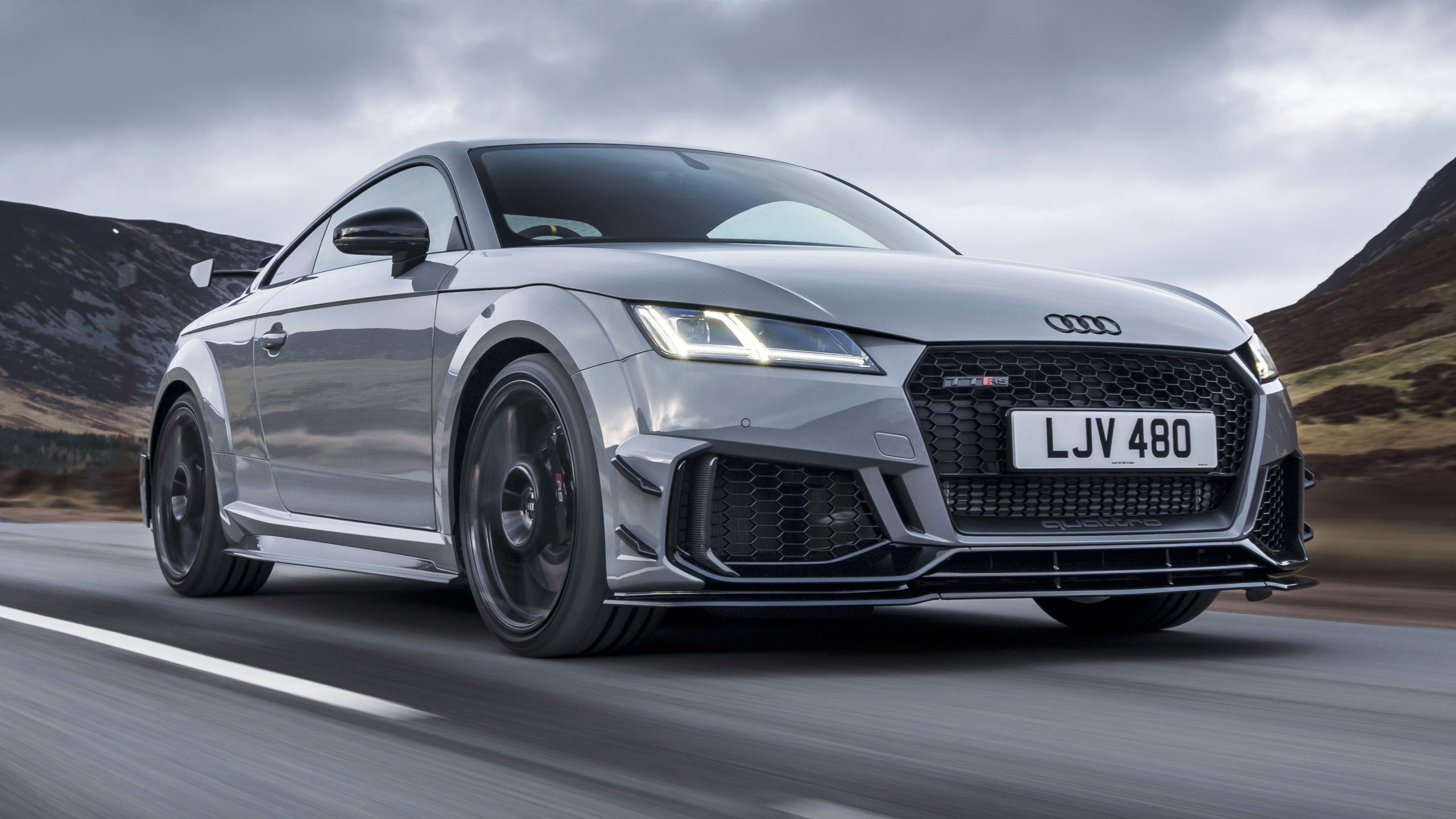
Transforming a concept car into a production vehicle usually requires extensive changes. Engineers must balance creative design with manufacturing realities, regulatory requirements, and long-term reliability. Because of these challenges, many concepts lose their most dramatic elements before reaching dealerships. The cars highlighted here stand out because their manufacturers chose to stay remarkably faithful to the original vision.
From the futuristic hybrid technology of the BMW i8 to the naturally aspirated supercar experience of the Audi R8 and the daring retro styling of the Plymouth Prowler, each model carried its concept identity into production with impressive accuracy. These vehicles show that when design teams and engineers work together with a clear goal, it is possible to deliver cars that look almost exactly like the prototypes that inspired them.
Today, these models remain memorable not only for their performance or innovation but also for proving that bold automotive ideas can successfully make the leap from concept to reality.
Also Read: 10 Cars That Use Strange Materials Like Wood or Fabric in the Frame