
Modern vehicles are more advanced than ever, but the core of every car still comes down to one crucial component: the engine.
For American drivers who often keep vehicles for 150,000–250,000 miles or more, engine durability plays a major role in ownership costs.
While technology has improved performance and efficiency through turbocharging, direct injection, and variable valve timing, it has also introduced additional complexity.
Some modern engines have proven incredibly durable despite these advancements, while others have developed reputations for recurring design flaws.
Automakers today face intense pressure to balance emissions regulations, fuel economy standards, and consumer expectations for performance.
The result is an engineering landscape where some engines are built conservatively for long-term durability, while others push technological boundaries that sometimes lead to reliability concerns.
Over the past decade, mechanics and long-term owners have identified clear trends, certain engines consistently reach very high mileage with minimal problems, while others struggle with specific design weaknesses.
Below are five modern engines known for strong durability, followed by five engines that have gained notoriety for problematic design choices.
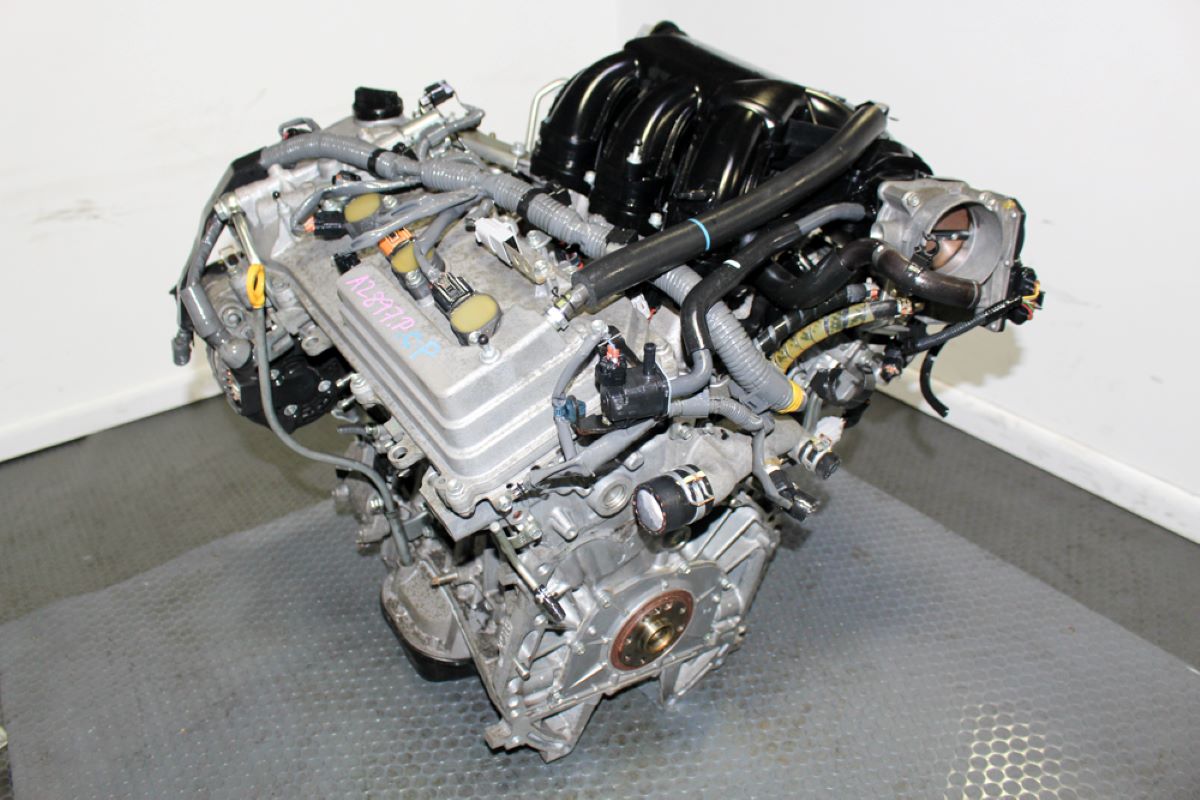
1. Toyota 2GR-FE 3.5-Liter V6 (Built to Last)
The Toyota 2GR-FE stands as one of the most respected modern engines for durability and long-term reliability, representing a key chapter in the engineering evolution of Toyota.
Introduced in 2005 as part of Toyota’s GR engine family, the 2GR-FE was developed during a period when automakers were seeking to balance performance, efficiency, and longevity in midsize vehicles.
The engine quickly became a cornerstone of Toyota’s lineup, powering a wide range of sedans, crossovers, and trucks sold throughout the United States. Vehicles such as the Toyota Camry, Toyota Highlander, and Lexus RX all relied on versions of this powerplant, demonstrating its versatility across multiple vehicle segments.
From an engineering standpoint, the 2GR-FE uses a 3.5-liter displacement V6 configuration arranged in a 60-degree layout, a design that provides a natural balance between compact packaging and smooth operation.
Constructed with an aluminum block and aluminum cylinder heads, the engine reduces overall weight while maintaining structural rigidity. Dual overhead camshafts operate four valves per cylinder, allowing the engine to breathe efficiently at both low and high engine speeds.
Toyota also incorporated its variable valve timing technology, which continuously adjusts valve timing to optimize power delivery, fuel efficiency, and emissions performance. In most applications, the engine produces roughly 270 to 300 horsepower, depending on tuning and vehicle configuration.
The 2GR-FE is typically paired with either front-wheel-drive or all-wheel-drive drivetrain layouts, making it suitable for both sedans and larger crossovers. Power is delivered through modern automatic transmissions designed to balance smooth everyday driving with responsive acceleration.
Despite its relatively high output for a naturally aspirated V6, the engine is widely recognized for its mechanical simplicity compared with many turbocharged alternatives introduced in the same era. That simplicity contributes significantly to its long-term durability.
Design characteristics also play a major role in the engine’s reputation. The use of a timing chain rather than a belt reduces routine maintenance requirements, while careful internal balancing minimizes vibration and mechanical stress over long periods of operation. Cooling and lubrication systems were engineered with durability in mind, ensuring that the engine can operate reliably under a wide range of driving conditions.
Historically, the 2GR-FE has become known among mechanics and owners for routinely exceeding high mileage with proper maintenance. Its ability to deliver strong performance while maintaining Toyota’s traditional reputation for reliability has helped it earn widespread respect in the automotive community.
That combination of robust engineering, consistent performance, and long service life is precisely why the Toyota 2GR-FE belongs among modern engines that are truly built to last.
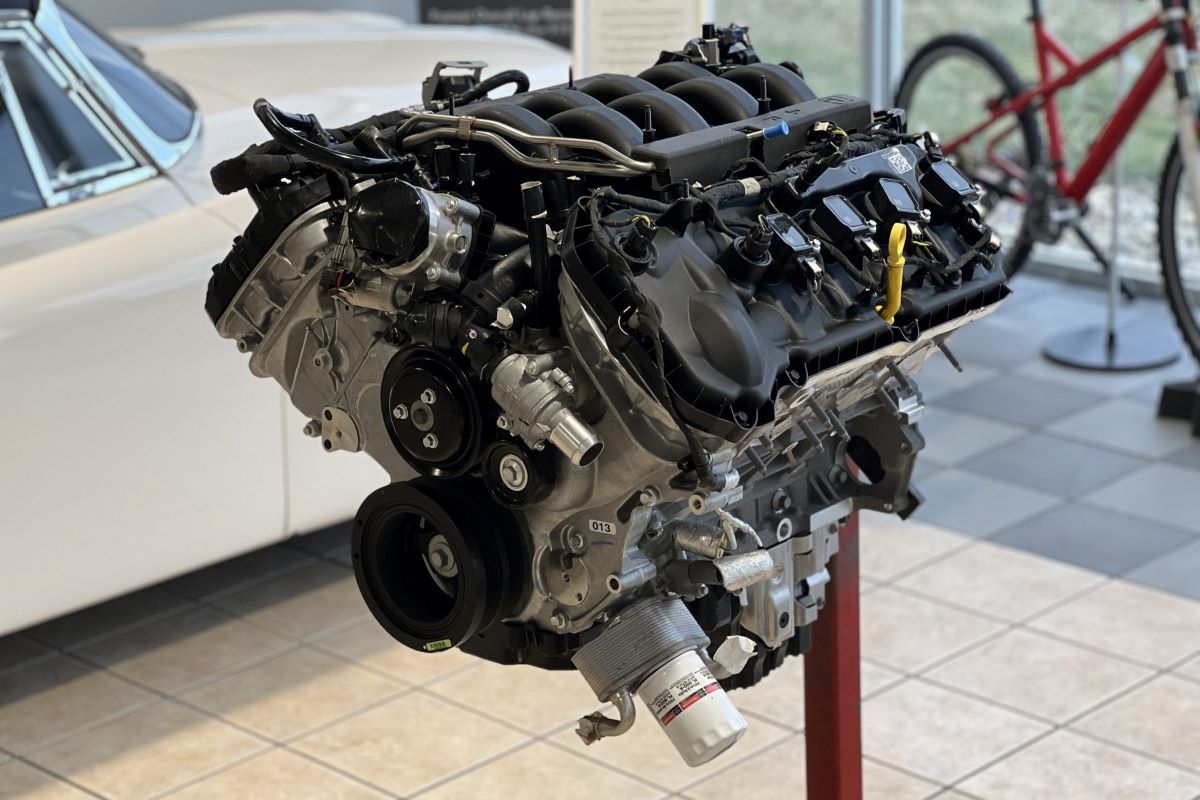
2. Ford 5.0 Coyote V8 (Built to Last)
The modern Ford 5.0-liter Coyote V8 revived the brand’s reputation for powerful and durable naturally aspirated engines.
Introduced in 2011 for the Ford Mustang and later used in the F-150, the Coyote combines modern technology with a fundamentally strong architecture.
Unlike older pushrod V8s, the Coyote uses a dual overhead camshaft layout with four valves per cylinder. It also features variable valve timing and a high-strength rotating assembly capable of handling significant power increases.
Enthusiasts regularly modify these engines for racing or forced induction without catastrophic failures.
In stock form, Coyotes have demonstrated impressive longevity. High-mileage F-150 trucks equipped with this engine routinely exceed 200,000 miles with minimal internal issues.
The combination of strong internals, efficient cooling, and conservative factory tuning makes it one of the most durable performance engines currently available.
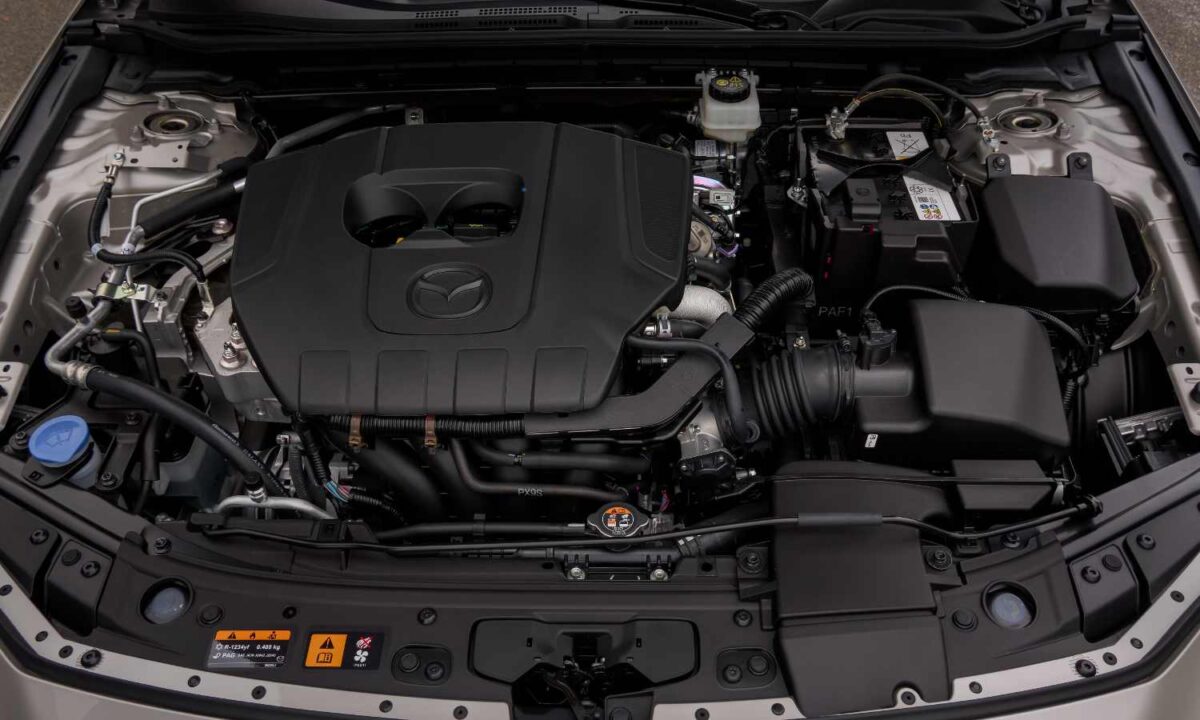
3. Mazda Skyactiv-G 2.5 Inline-Four (Built to Last)
The Mazda Skyactiv-G 2.5 represents a modern engineering philosophy focused on efficiency, simplicity, and long-term durability. Developed by Mazda as part of its broader Skyactiv technology initiative, the engine debuted in the early 2010s during a period when many automakers were turning heavily toward turbocharging and smaller displacement engines.
Mazda chose a different path, refining the naturally aspirated gasoline engine to achieve high efficiency while preserving mechanical reliability. The 2.5-liter Skyactiv-G became a core component of Mazda’s North American lineup, powering vehicles such as the Mazda6, Mazda CX-5, and Mazda CX-9.
From an engineering standpoint, the Skyactiv-G 2.5 uses a naturally aspirated inline-four configuration mounted in a front-engine layout.
The engine typically operates with front-wheel-drive drivetrains, although all-wheel-drive configurations are available in certain crossover models. One of its most distinctive technical features is its unusually high compression ratio for a mass-produced gasoline engine.
Early versions in global markets approached a 14:1 compression ratio, allowing the engine to extract more energy from each combustion cycle while maintaining strong fuel efficiency. Achieving this required careful engineering of piston shapes, exhaust manifolds, and combustion chamber design to reduce knocking and maintain stable operation.
The engine employs dual overhead camshafts and four valves per cylinder, along with direct fuel injection to precisely meter fuel delivery. Variable valve timing further enhances performance and efficiency by adjusting valve operation based on engine load and speed.
Despite these modern technologies, Mazda deliberately kept the engine naturally aspirated in most configurations, avoiding the additional thermal stress and mechanical complexity associated with high-boost turbocharging. The result is a powerplant producing roughly 185 horsepower in standard form, with strong mid-range torque that suits everyday driving.
Design characteristics also emphasize durability. The Skyactiv-G engine uses lightweight aluminum construction paired with carefully optimized cooling and lubrication systems that reduce internal friction.
Mazda engineers paid close attention to minimizing mechanical losses, improving combustion efficiency, and strengthening internal components to withstand long service intervals. The simplicity of a naturally aspirated design helps reduce the number of high-stress components that can shorten engine life in more heavily boosted powertrains.
Historically, the Skyactiv-G 2.5 represents Mazda’s commitment to refining conventional internal combustion technology rather than abandoning it prematurely. At a time when many manufacturers relied on downsized turbo engines, Mazda demonstrated that thoughtful engineering could achieve both performance and efficiency while preserving mechanical longevity.
This approach explains why the Skyactiv-G 2.5 fits perfectly within a list of modern engines built to last. Its combination of high compression efficiency, straightforward naturally aspirated design, and carefully engineered internal components has given it a reputation for reliability among drivers and technicians alike. In an era of increasingly complex powertrains, the Mazda Skyactiv-G 2.5 stands out as a durable and intelligently engineered modern engine.
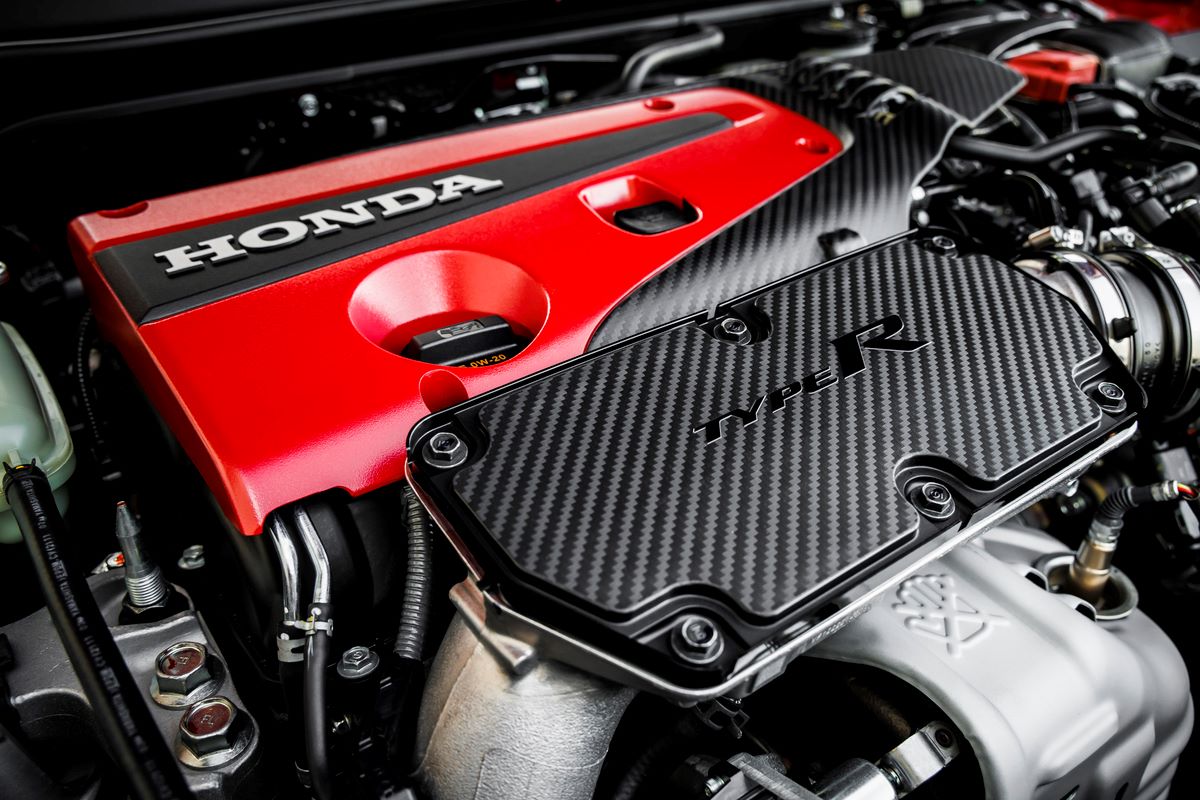
4. Honda K20C1 2.0 Turbo (Built to Last)
Performance engines are often assumed to sacrifice longevity, but Honda’s K20C1 turbocharged four-cylinder challenges that assumption.
Used in the Honda Civic Type R, this engine produces over 300 horsepower while maintaining impressive durability.
Honda engineered the K20C1 with reinforced internal components, including a forged crankshaft and strong pistons.
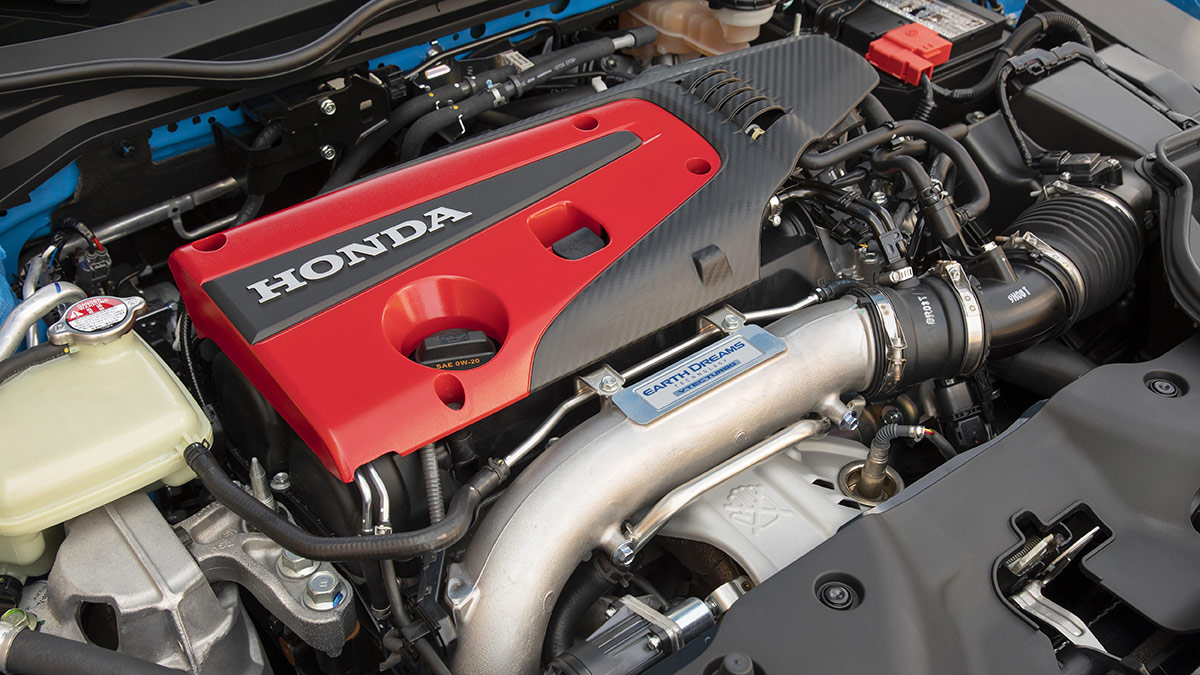
Advanced cooling strategies help manage heat during high-load driving conditions, which is critical for turbocharged performance engines.
Despite being used aggressively by enthusiasts, the K20C1 has demonstrated strong reliability. Many owners report high mileage without major internal engine issues, proving that careful engineering can deliver both performance and durability.
5. GM LT1 Small-Block V8 (Built to Last)
The GM LT1 represents one of the most durable modern interpretations of the classic American V8 formula. Introduced in 2013 by General Motors as part of its fifth-generation small-block engine family, the LT1 was developed to power a new era of performance vehicles while maintaining the long-term reliability that had defined GM’s small-block architecture for decades.
Designed for modern sports cars and performance sedans, the engine debuted in the Chevrolet Corvette C7 and later appeared in models such as the Chevrolet Camaro and the Cadillac CTS-V. Despite incorporating contemporary technologies, the LT1 remained faithful to the engineering philosophy that made the small-block V8 legendary for strength and longevity.
At its core, the LT1 is a naturally aspirated 6.2-liter V8 arranged in a traditional 90-degree configuration. The engine uses a front-engine layout paired with rear-wheel-drive drivetrains in most applications, a configuration long favored for performance vehicles because it balances power delivery and handling characteristics.
Like earlier small-block V8 designs, the LT1 employs a pushrod valvetrain with a single camshaft located within the engine block. While many modern engines rely on dual overhead camshafts, the pushrod layout allows the LT1 to remain physically compact while still delivering impressive performance.
The engine produces around 455 horsepower in standard Corvette form, combining strong low-end torque with smooth high-speed power delivery.
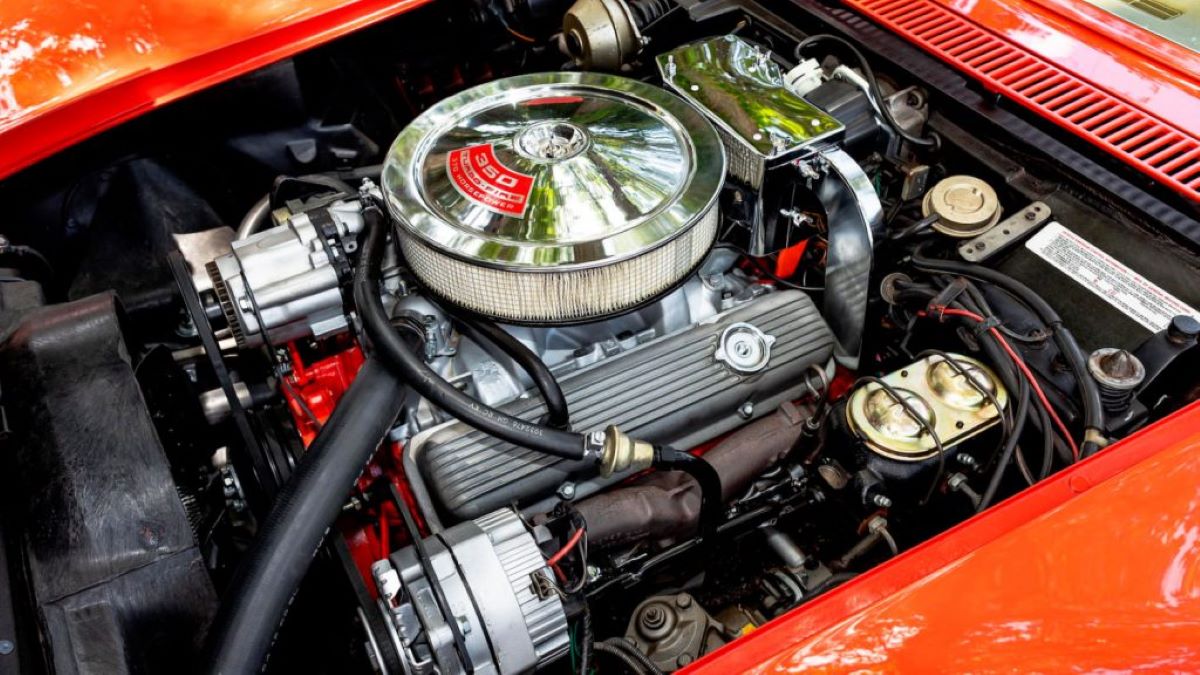
The LT1 also integrates advanced technologies designed to improve both efficiency and durability. Direct fuel injection precisely meters fuel into the combustion chambers, improving combustion efficiency and reducing emissions. Variable valve timing allows the engine to optimize valve operation across different driving conditions, enhancing both power and fuel economy.
Additionally, GM incorporated cylinder deactivation technology that allows the engine to temporarily operate on four cylinders during light-load cruising, reducing fuel consumption without sacrificing the performance expected from a large V8.
Design characteristics emphasize strength and long-term service life. The LT1 uses an aluminum block with cast-in cylinder liners to reduce weight while maintaining structural rigidity.
The crankshaft, pistons, and connecting rods were engineered to handle substantial torque loads, reflecting the engine’s role in high-performance vehicles. A robust cooling system and efficient lubrication design further support the engine’s ability to withstand demanding driving conditions over extended mileage.
Historically, the LT1 continues the legacy of GM’s small-block V8 engines, which have powered American performance cars for generations. The engine demonstrates that traditional V8 architecture can still compete in a modern automotive landscape increasingly dominated by turbocharged and downsized powerplants.
This combination of proven mechanical design, modern efficiency technologies, and strong structural engineering explains why the LT1 belongs among modern engines built to last. It delivers high performance without sacrificing durability, preserving the reputation of the small-block V8 as one of the most resilient engine designs in automotive history.
6. Hyundai/Kia 2.4 Theta II (Known Design Flaws)
While some engines earn praise for reliability, others become known for recurring issues. One example is the Hyundai and Kia 2.4-liter Theta II engine used in models such as the Hyundai Sonata, Santa Fe, and Kia Optima.
The primary issue involved manufacturing debris left inside the engine during production. These metal particles could restrict oil flow and cause premature bearing wear. In many cases, engines failed suddenly due to bearing seizure.
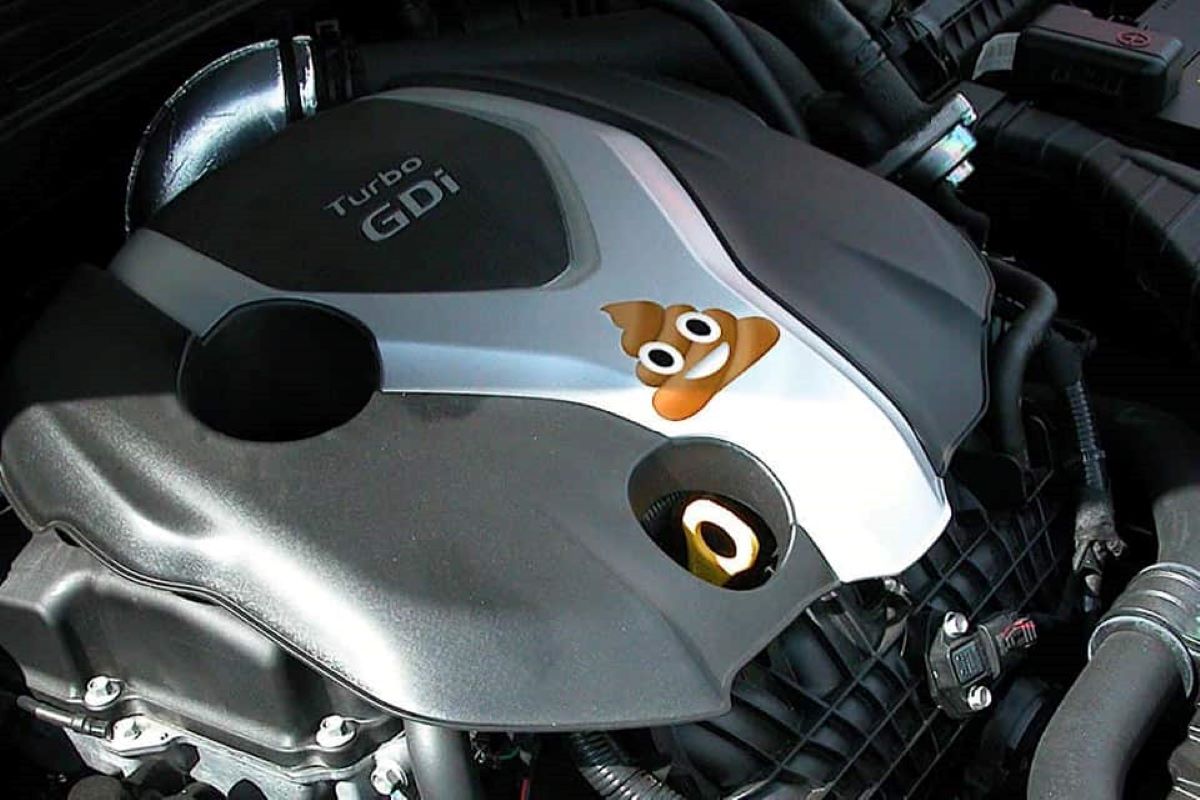
The problem became so widespread that it triggered large recalls and extended warranty programs across the United States. While newer engines have improved, the Theta II remains one of the most widely criticized modern engines.
7. Subaru EJ25 2.5 Boxer (Known Design Flaws)
The Subaru EJ25 is one of the most widely used engines developed by Subaru, yet it has earned a complicated reputation among enthusiasts and mechanics. Introduced in the mid-1990s as part of Subaru’s long-running EJ engine family, the 2.5-liter boxer engine was designed to provide more torque and power than the earlier 2.0-liter variants while maintaining the company’s signature horizontally opposed architecture.
It quickly became a central powerplant across Subaru’s lineup, appearing in vehicles such as the Subaru Impreza, Subaru Forester, and Subaru Outback throughout the late 1990s and 2000s. While the engine delivered solid performance and a distinctive driving character, it also became known for several durability issues that complicated its long-term reliability record.
From an engineering perspective, the EJ25 uses a 2.5-liter horizontally opposed four-cylinder configuration. In a boxer engine, the pistons move outward from the center of the crankshaft in opposing pairs, which helps lower the vehicle’s center of gravity and improves overall balance.
The engine is mounted longitudinally in a front-engine layout and is paired with Subaru’s symmetrical all-wheel-drive system, a drivetrain configuration that became a defining characteristic of the brand’s vehicles.
Early versions used aluminum cylinder heads and blocks with dual overhead camshafts and four valves per cylinder, delivering solid performance for compact sedans and crossovers. Depending on the variant, the engine produced roughly 160 to more than 300 horsepower, particularly in turbocharged performance models.
However, the EJ25’s design also introduced several well-documented weaknesses. One of the most widely discussed issues involved head gasket failures, particularly in naturally aspirated versions built during the late 1990s and early 2000s.
The combination of aluminum construction, thermal expansion characteristics, and cooling system design sometimes caused the head gaskets to degrade prematurely.
When this occurred, coolant and oil leaks could develop, requiring extensive repairs. In certain turbocharged variants, additional concerns such as ringland failure and oiling issues occasionally appeared under high-performance conditions.
Despite these flaws, the EJ25 remains historically significant within Subaru’s lineup. It powered numerous rally-inspired performance models and helped establish Subaru’s reputation for all-wheel-drive capability in everyday passenger vehicles. The engine’s distinctive boxer layout contributed to stable handling and a unique driving feel that many enthusiasts continue to appreciate.
For a list highlighting modern engines built to last, the EJ25 serves as a notable counterexample. While it demonstrated innovative engineering and strong performance potential, its known design flaws illustrate how durability challenges can emerge when mechanical complexity, thermal management, and material design are not perfectly balanced.
The EJ25’s legacy ultimately underscores the importance of robust engineering when designing engines intended for long service lives.
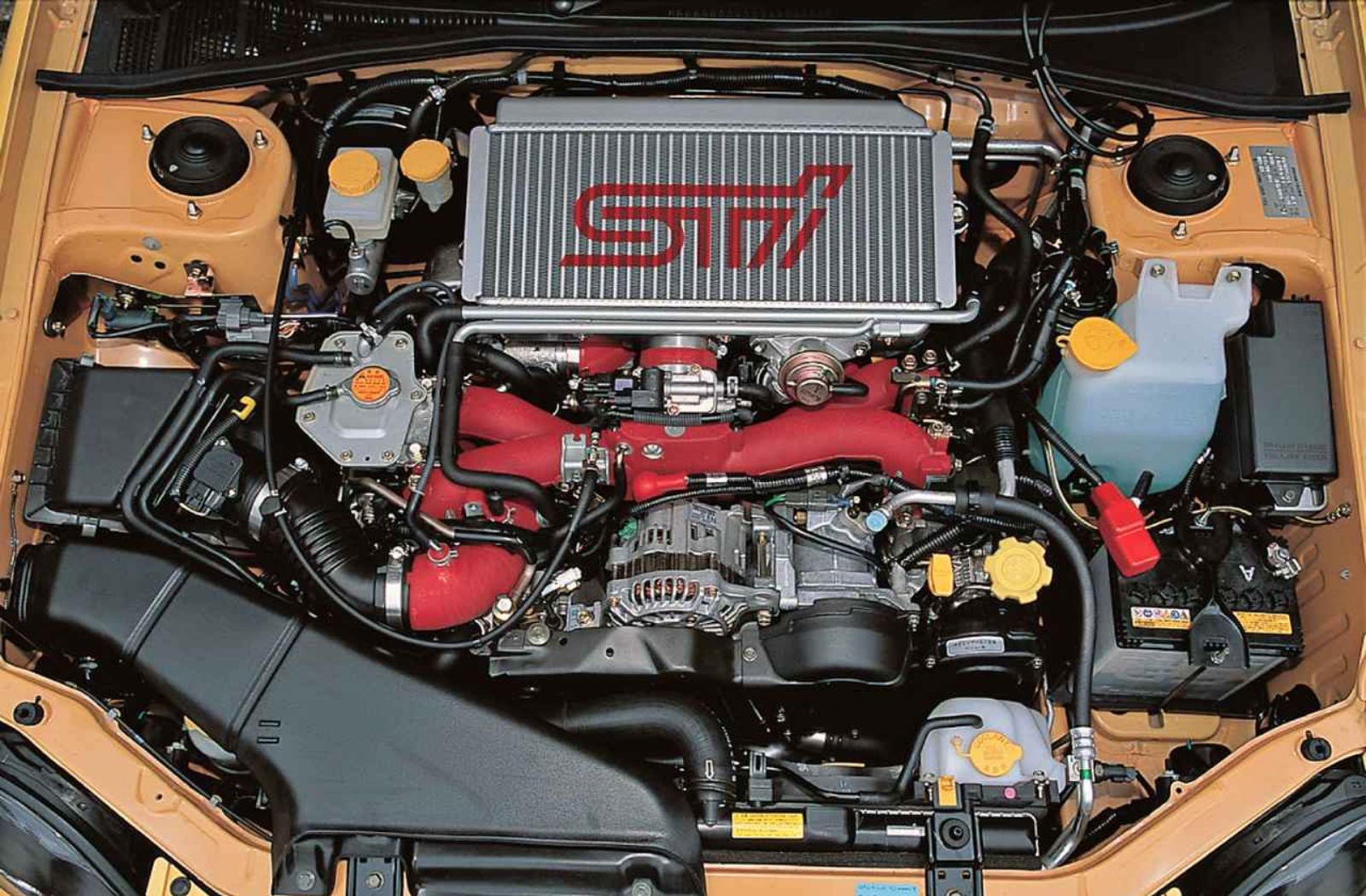
Although Subaru eventually redesigned its engines to address these issues, the EJ25 remains associated with head gasket problems among long-time owners and mechanics.
8. BMW N63 Twin-Turbo V8 (Known Design Flaws)
BMW’s N63 engine introduced an innovative “hot-vee” turbocharger layout, placing the turbochargers between the cylinder banks rather than outside them. This design improved turbo response and packaging efficiency.
However, concentrating the turbochargers in the engine valley created extreme heat buildup. The elevated temperatures accelerated wear on several components, including valve stem seals and timing chains.
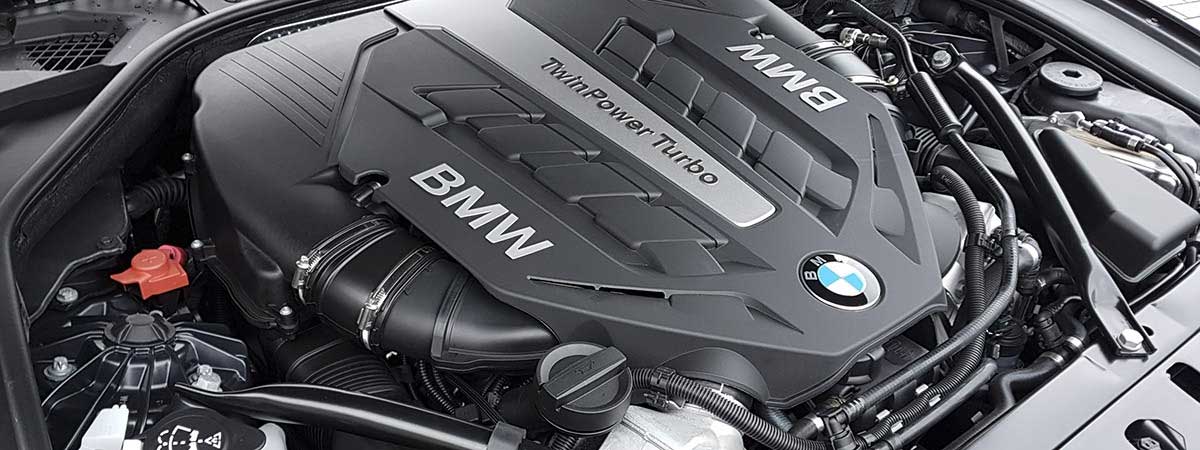
Early versions of the N63 developed reputations for high oil consumption and expensive maintenance requirements. BMW eventually revised the design in later iterations, but the engine’s early reliability problems remain well known.
The BMW N63 represents one of the most ambitious yet controversial modern engine designs developed by BMW. Introduced in 2008, the N63 marked a major shift in BMW’s approach to high-performance luxury powertrains.
Designed to power large sedans, SUVs, and grand touring vehicles, the engine appeared in models such as the BMW 750i, BMW X5, and BMW 550i. At the time of its debut, the N63 was celebrated for its innovative architecture and impressive power output, but over time it also became widely known for reliability concerns that affected many early examples.
From an engineering perspective, the N63 is a 4.4-liter V8 arranged in a traditional 90-degree configuration but with a highly unconventional internal layout. Instead of placing turbochargers outside the cylinder banks as most engines do, BMW designed the N63 with a “hot-vee” configuration.
In this arrangement, the turbochargers sit inside the valley between the cylinder banks, while the intake manifolds are positioned on the outer sides of the engine.
This layout shortens the path between the exhaust ports and the turbochargers, improving throttle response and reducing turbo lag. Combined with direct fuel injection and variable valve timing, the engine produced impressive performance figures, typically exceeding 400 horsepower in early production versions.
The N63 is typically mounted in a front-engine layout paired with rear-wheel-drive or all-wheel-drive drivetrains depending on the vehicle platform. The engine was designed to deliver strong torque across a broad rev range, providing the kind of effortless acceleration expected in large luxury vehicles.
Eight-speed automatic transmissions often accompanied the engine, helping translate its substantial power output into smooth and responsive driving performance.
9. Ford 1.0 EcoBoost Three-Cylinder (Known Design Flaws)
Ford’s 1.0-liter EcoBoost engine was praised for delivering impressive power and efficiency from a very small displacement. However, some early versions experienced significant cooling system problems.
A design flaw in certain coolant hoses could cause coolant loss and overheating. Because the engine operates under high stress due to turbocharging, overheating sometimes led to severe engine damage.
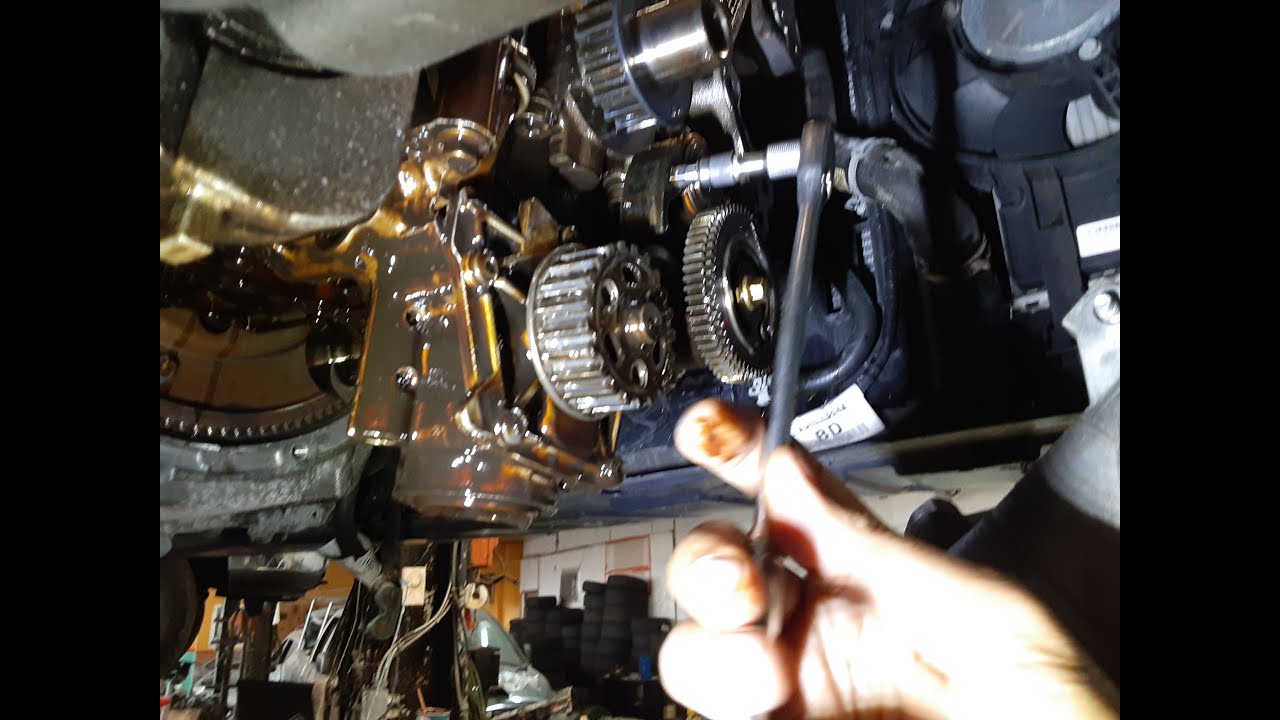
Ford addressed the problem through recalls and redesigned components, but the issue affected the engine’s reliability reputation.
10. Volkswagen EA888 Early 2.0 TSI (Known Design Flaws)
The early versions of Volkswagen’s EA888 2.0-liter turbocharged engine were widely used across Volkswagen and Audi models, including the VW GTI and Audi A4.
Unfortunately, early models experienced timing chain tensioner failures that could allow the timing chain to slip.
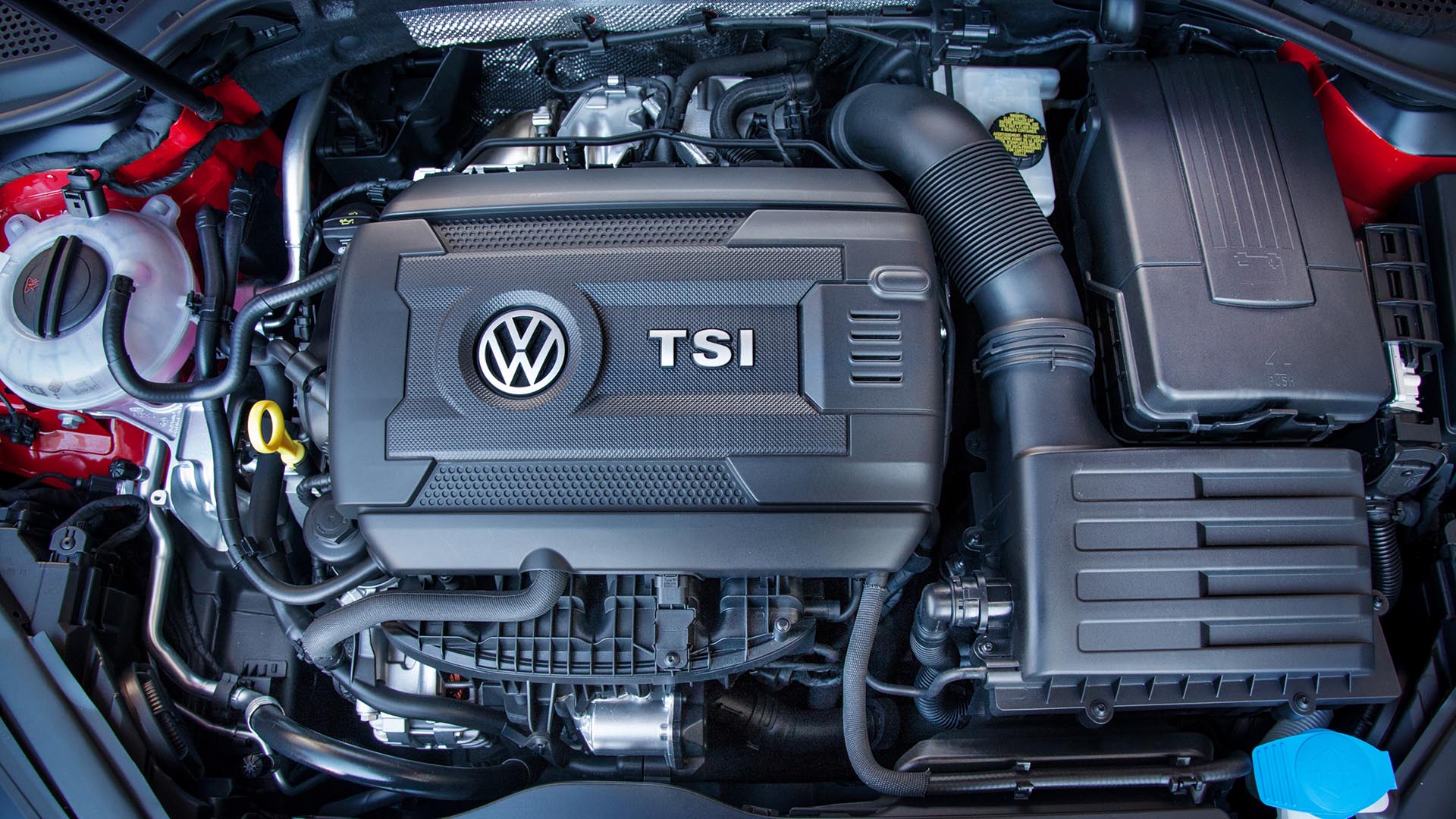
When this happened, internal engine damage often followed. Some engines also suffered from excessive oil consumption due to piston ring design issues.
Later revisions of the EA888 significantly improved reliability, but early versions remain a cautionary example of how small design weaknesses can cause major long-term problems.
Modern engines are engineering marvels that balance power, efficiency, and emissions compliance. However, long-term reliability still depends heavily on design philosophy and manufacturing quality.
Engines like Toyota’s 2GR-FE, Ford’s Coyote V8, and Mazda’s Skyactiv-G demonstrate that modern technology can coexist with durability when engineered carefully.
Meanwhile, engines such as the Theta II and early EA888 highlight the risks of manufacturing errors or unproven design concepts.
For American car buyers who plan to keep their vehicles for many years, understanding these differences can make a significant financial impact.
A well-designed engine can deliver hundreds of thousands of miles of dependable service, while a flawed one can turn ownership into a costly experience.
