Classic cars have a unique charm that continues to captivate car enthusiasts and casual drivers alike. They offer a blend of style, nostalgia, and craftsmanship that modern vehicles often cannot replicate. While many classic cars are celebrated for their high performance on open roads or scenic routes, some models also excel in the challenging environment of heavy city traffic.
Navigating urban streets requires vehicles that are not only stylish but also manageable, fuel-efficient, and responsive in stop-and-go conditions. These classic cars combine timeless design with practical driving characteristics, making them suitable for daily commuting as well as weekend drives.
City driving often demands cars that are compact enough to handle narrow streets, yet comfortable enough to withstand the constant braking and acceleration. Drivers frequently face traffic lights, congested intersections, and unpredictable behavior from other motorists, all of which put unique demands on a car’s performance.
Classic cars that shine in these conditions typically have smooth handling, precise steering, and reliable brakes. They must offer good visibility and manageable controls, ensuring the driver feels confident even when navigating tight spaces. In addition to mechanical reliability, certain classic cars are known for their strong construction, which helps absorb the shocks and vibrations common in urban traffic.
Another important factor is maneuverability. Classic cars that are too large or heavy can be difficult to park or weave through crowded streets. Conversely, models with compact dimensions, tight turning circles, and responsive transmissions allow drivers to move fluidly among vehicles.
Fuel efficiency, while not always a priority in older cars, also plays a role in city driving. Vehicles that sip fuel rather than guzzle it are preferable, as idling in traffic for long periods can become expensive and environmentally taxing. Many classic cars with smaller engines or lightweight designs strike an excellent balance between economy and performance.
Driving a classic car in a city environment also provides a unique sensory experience. The tactile feel of a manual transmission, the sound of an engine, and the interaction with the road surface create a connection that modern cars often minimize. However, this experience must be balanced with safety and convenience.
Classic cars that maintain a harmonious relationship between driver engagement and urban practicality are highly prized among enthusiasts. They allow drivers to enjoy the thrill of driving without the frustration of constantly struggling with the limitations of their vehicle.
This article examines ten classic cars that have earned a reputation for being well-suited to heavy city traffic. These models combine elegance, performance, and practicality, demonstrating that classic cars can be both enjoyable and functional in urban settings.
Each vehicle discussed here offers a distinct driving experience while addressing the challenges of city life, from compact dimensions to smooth steering, reliable braking, and manageable engine power. By considering these factors, drivers can appreciate why certain classic cars remain popular choices for navigating the complex twists of urban streets.
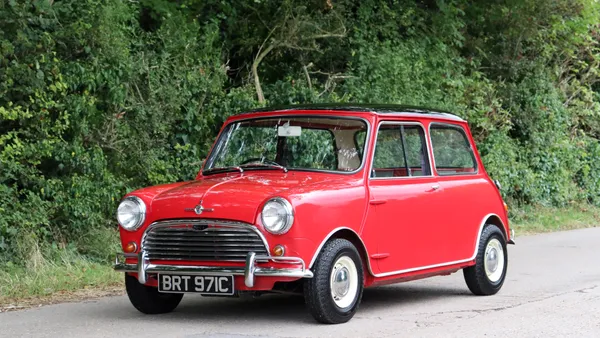
1. 1967 Mini Cooper S
The 1967 Mini Cooper S is a legendary compact car that has been celebrated for its agility and efficiency in urban settings. Its small size allows it to squeeze through narrow streets, and its lightweight construction makes handling in stop-and-go traffic remarkably simple.
Drivers enjoy the direct steering feel and responsive brakes, which provide confidence even in the busiest intersections. The Mini’s design prioritizes practicality, ensuring that maneuvering around tight corners and parking in limited spaces is never overly stressful.
The engine options for the Mini Cooper S were modest but efficient, making them ideal for city driving. While not built for high-speed performance, the car accelerates quickly enough to merge safely in traffic without straining the engine.
Its suspension system is tuned to absorb bumps and potholes, ensuring comfort even on uneven urban roads. Fuel consumption remains reasonable, which is a significant advantage when dealing with frequent stops and long waits at traffic lights.
One of the most appealing features of the Mini Cooper S is its visibility. The upright seating position and large windows allow drivers to see surrounding vehicles clearly, reducing blind spots and improving safety. The car’s compact width and short wheelbase make it exceptionally nimble, allowing easy lane changes and quick turns. Even during peak traffic hours, the Mini feels surprisingly controlled and responsive.
The interior design is simple yet functional, emphasizing the essentials without unnecessary complexity. Controls are easy to reach and intuitive, allowing the driver to focus on the road rather than the dashboard.
This user-friendly design contributes to a less stressful driving experience in crowded urban conditions. Additionally, the Mini’s enduring style adds a touch of classic charm to daily commutes, making it an attractive option for enthusiasts who value aesthetics and practicality equally.
In terms of maintenance, the Mini Cooper S has a strong support network, with parts and service widely available. This makes it feasible to keep the car running smoothly, even for drivers who use it regularly in heavy city traffic.
Its combination of size, handling, and reliability ensures that the Mini Cooper S remains a top choice for classic car lovers seeking a vehicle that performs admirably in urban environments.
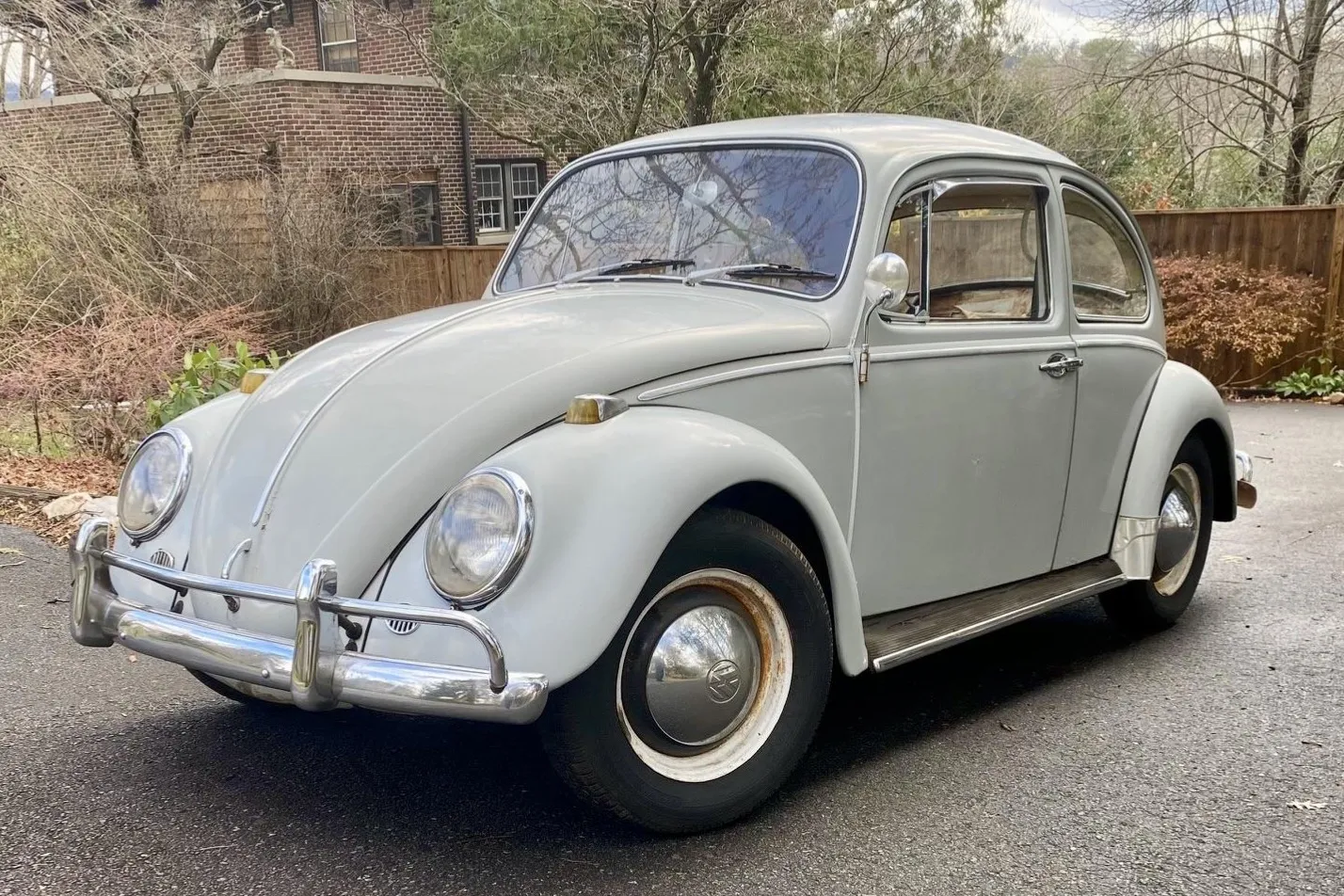
2. 1965 Volkswagen Beetle
The 1965 Volkswagen Beetle is another classic that excels in congested city streets. Known for its rounded, friendly appearance, it is also remarkably practical in terms of size and maneuverability.
The Beetle’s lightweight body and tight turning radius make it simple to navigate narrow lanes and crowded intersections. Drivers can enjoy a predictable, steady ride, even when faced with frequent braking and acceleration cycles. Its unassuming design allows it to blend seamlessly into urban traffic while still providing a distinctive vintage presence.
Engine performance is modest but adequate for city use. The rear-mounted air-cooled engine provides consistent power delivery, making slow-speed driving smooth and predictable.
Fuel efficiency is surprisingly good for a car of its age, especially when idling and navigating traffic congestion. Its simple mechanics also allow for easy repairs and maintenance, which is an advantage for those who drive it regularly in urban environments.
The Beetle is praised for its comfort and ergonomics. The seating position allows drivers to sit upright, enhancing visibility and awareness of traffic conditions. Its compact width and short length make parking in tight spaces feasible, a valuable feature for city dwellers. The suspension absorbs minor bumps efficiently, and the steering remains precise and responsive under various urban driving conditions.
Another strong point is reliability. The Beetle’s simple, durable construction means fewer unexpected breakdowns in traffic. The mechanical components are straightforward, and replacement parts are still accessible.
This reliability is critical in a busy city where mechanical failures can quickly turn a commute into a frustrating experience. Classic enthusiasts value the Beetle not just for style but for its dependability under everyday stress.
Finally, the interior, while minimalistic, is functional for daily city driving. Essential controls are easy to use, and the driver’s perspective provides excellent road awareness. The Beetle balances classic charm with practical urban performance, making it an enduring favorite. Its combination of size, efficiency, and reliability ensures it remains a solid choice for navigating busy streets without sacrificing character or enjoyment.
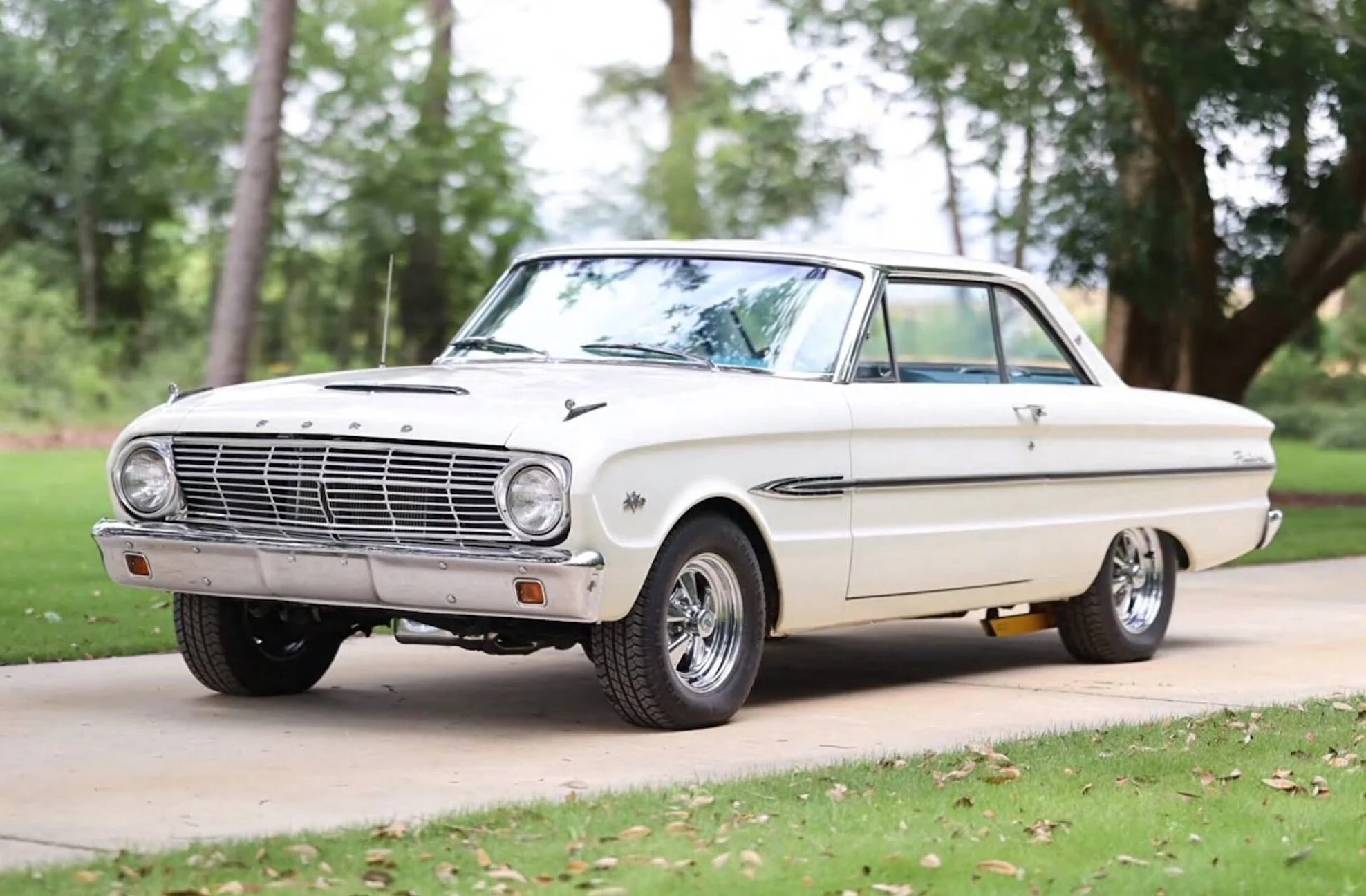
3. 1963 Ford Falcon
The 1963 Ford Falcon is a classic American compact that was designed with versatility and city driving in mind. Its small size makes it easy to navigate congested streets while still providing ample interior space for passengers.
Unlike many larger American cars of the era, the Falcon emphasizes practicality, combining manageable dimensions with smooth handling. Its lightweight chassis allows drivers to maneuver easily in tight traffic, giving it an edge over heavier sedans.
Under the hood, the Falcon offers engines that balance power with efficiency. While not designed for high-speed performance, the car handles stop-and-go traffic with ease.
The brakes respond predictably, and acceleration is steady without being overwhelming. Drivers find it particularly suitable for urban driving due to the reliable mechanical setup and smooth transmission options. The combination of performance and control ensures that the Falcon remains practical for daily city use.
Comfort is another strong point for the Ford Falcon. The suspension absorbs bumps effectively, and the seating provides a comfortable upright position that enhances visibility in traffic.
Its straightforward interior layout makes it easy for the driver to focus on the road without distractions. The Falcon’s wide windows offer excellent outward visibility, which is essential for city driving where pedestrians and cyclists are common.
Parking in urban environments is simpler with the Falcon compared to larger vehicles from the same period. Its relatively short wheelbase allows for tight turns, while the compact width facilitates parallel parking. These qualities make the Falcon not only a stylish classic but also a practical choice for city dwellers who need to navigate narrow streets. Its functionality complements its timeless appearance.
Finally, the Ford Falcon’s durability makes it well-suited for frequent city use. Parts are widely available, and its simple mechanical design allows for straightforward maintenance. This reliability means that even older models can be driven regularly in urban environments without fear of frequent breakdowns.
Combining practicality, comfort, and manageable performance, the Falcon is a strong contender for drivers seeking a classic car suitable for heavy city traffic.
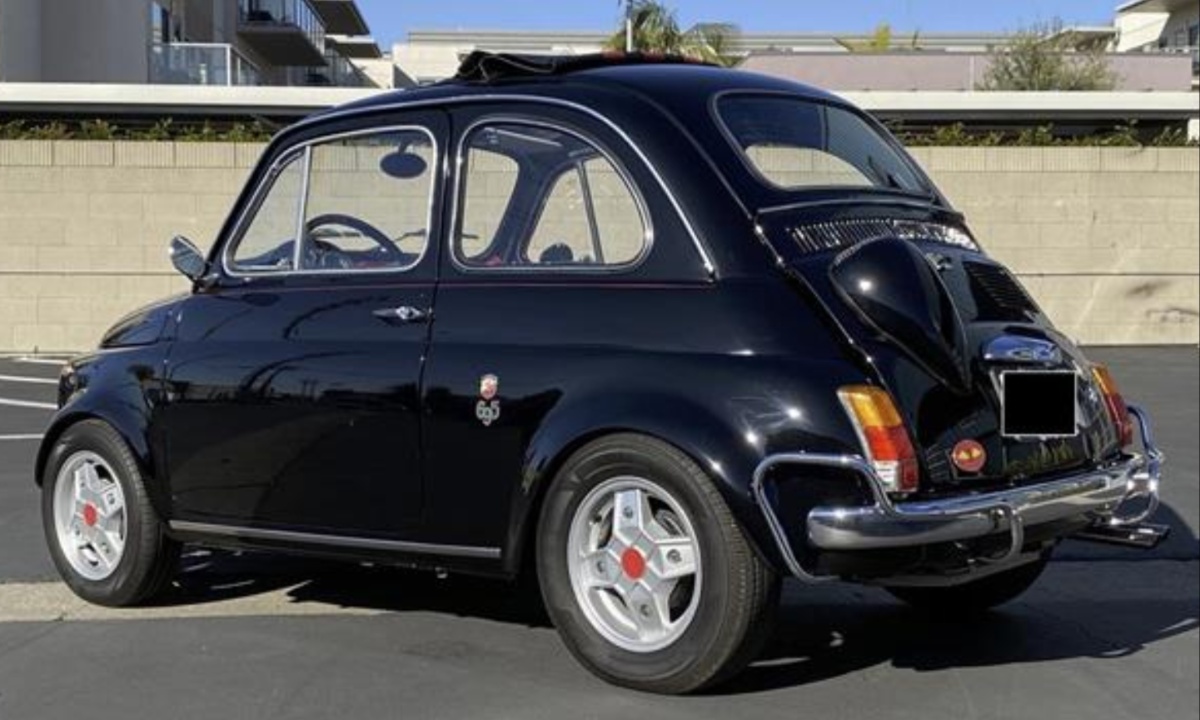
4. 1970 Fiat 500
The 1970 Fiat 500 is a small, nimble car that has been a favorite among urban drivers for decades. Its incredibly compact size allows it to navigate narrow streets and tight corners with ease, making it perfect for heavy city traffic.
The car’s light weight contributes to its agility, while the small engine ensures manageable performance that is sufficient for city speeds. Drivers appreciate how the Fiat 500 feels responsive without being overly powerful, offering a stress-free driving experience.
The engine is compact yet efficient, allowing the car to accelerate smoothly from stoplights and maintain steady progress in congested streets. Its manual transmission provides precise control, which is beneficial in traffic-heavy conditions.
Despite its small size, the Fiat 500 maintains a surprising level of comfort, with a suspension system that softens bumps and reduces the impact of uneven city roads. Fuel consumption remains low, a critical factor when idling in constant traffic.
Visibility in the Fiat 500 is excellent due to its upright seating and large windows. The driver can easily monitor surrounding vehicles and pedestrians, making navigation safer and more predictable. The car’s narrow width allows for easier lane changes, while its short wheelbase facilitates maneuvering through tight spaces. These features make the Fiat 500 one of the most practical small classics for urban environments.
Interior design emphasizes simplicity and functionality. Controls are straightforward and intuitive, and the dashboard layout allows the driver to maintain focus on traffic. The cabin, while small, maximizes space efficiently, accommodating passengers comfortably during short city trips. Every aspect of the car reflects thoughtful design that caters to practicality in heavy traffic.
Maintenance for the Fiat 500 is relatively simple due to its minimalistic engineering. Replacement parts are accessible, and repairs can be completed without specialized tools, which is advantageous for a vehicle frequently used in stop-and-go conditions.
The combination of compact size, nimble handling, and practical design ensures the Fiat 500 remains a top choice for classic car enthusiasts who need a city-friendly vehicle.
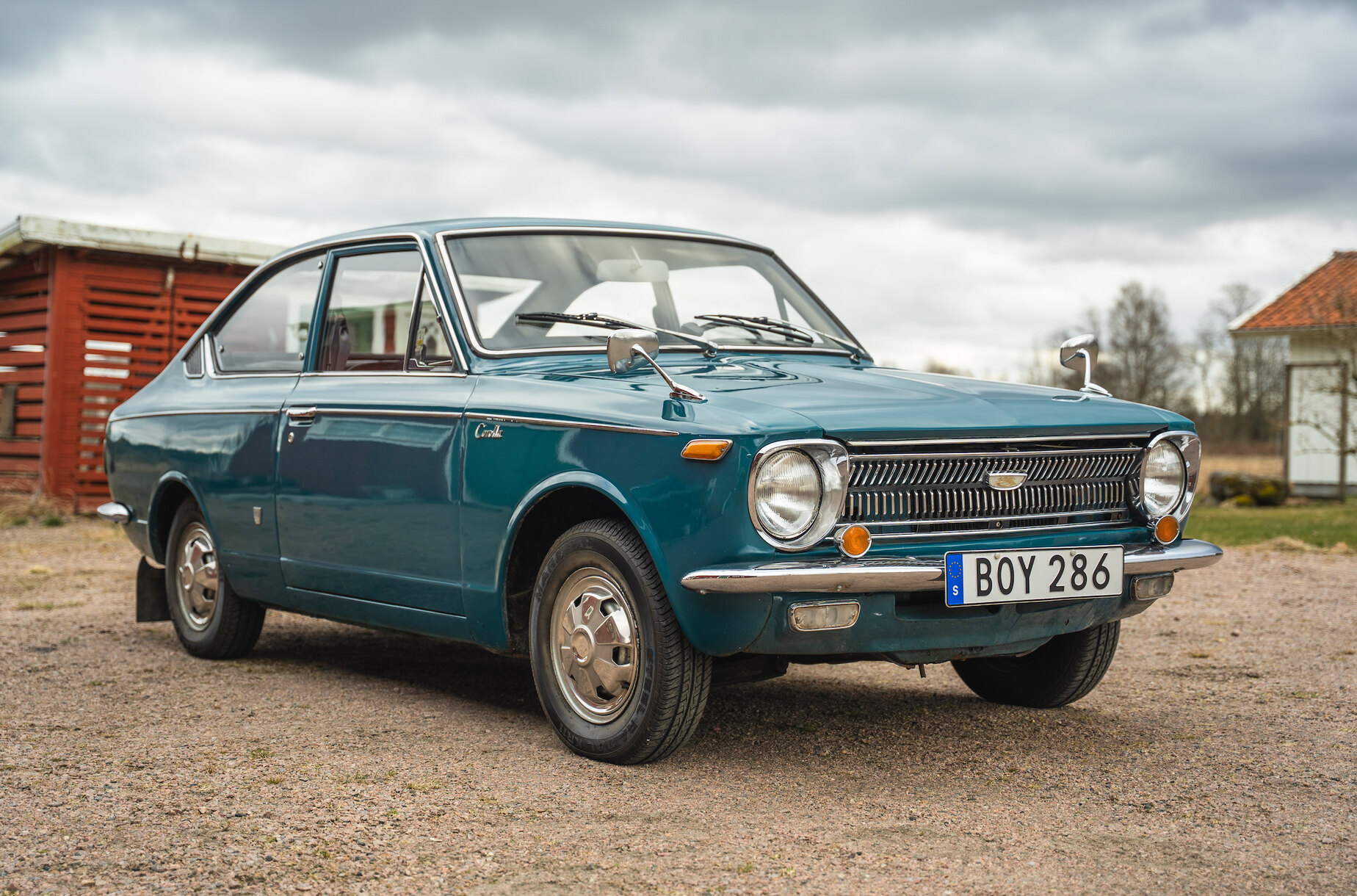
5. 1969 Toyota Corolla
The 1969 Toyota Corolla is a pioneering Japanese compact that offers reliability and efficiency in urban settings. Its modest dimensions make it suitable for congested streets, while its lightweight frame ensures nimble handling.
Drivers benefit from its responsive steering and easy maneuverability, which are critical for navigating intersections and tight turns. The Corolla’s balance between size and comfort allows it to remain practical for daily commuting without sacrificing classic appeal.
Its engine delivers sufficient power for city driving, allowing smooth acceleration from traffic lights. The transmission is well-suited for stop-and-go conditions, providing a controlled and predictable response.
Fuel efficiency is another strong point, as the Corolla consumes less gasoline than many contemporaries, making it economical for urban commuting. Its suspension absorbs minor road imperfections, ensuring a comfortable ride even on uneven surfaces.
Visibility in the Corolla is excellent due to its thoughtfully designed windows and seating position. The driver can monitor both vehicles and pedestrians, reducing potential hazards in busy city streets. Its short turning radius enhances maneuverability, while the compact body allows for easier parallel parking. These features make the Corolla an ideal choice for those who prioritize safety and control.
Interior ergonomics are simple yet effective, with all essential controls within easy reach. The cabin is comfortable for daily use, and the dashboard layout minimizes distractions. The Corolla’s practical interior complements its exterior design, emphasizing function without compromising on style. Its straightforward features contribute to a less stressful driving experience in heavy city traffic.
The reliability of the 1969 Toyota Corolla is legendary, with durable components that can withstand the rigors of daily driving. Maintenance is uncomplicated, and replacement parts remain available, making it feasible to keep the car running smoothly in an urban environment. Its combination of efficiency, reliability, and compact design ensures that the Corolla remains a classic favorite for city drivers seeking practicality and charm.
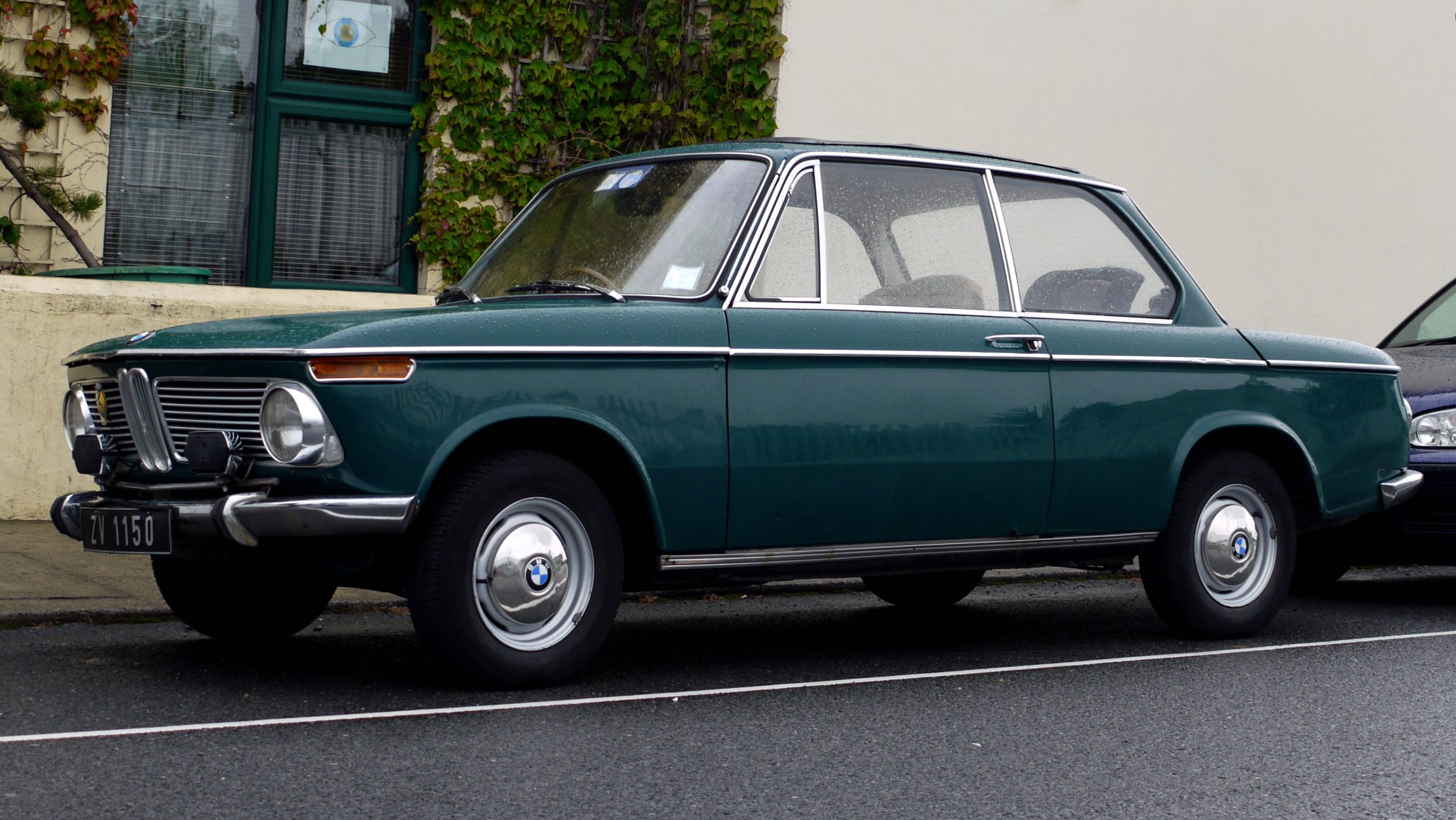
6. 1968 BMW 2002
The 1968 BMW 2002 is a classic German sedan that combines sportiness with practicality, making it an excellent choice for city driving. Despite its compact size, the 2002 offers a surprisingly spacious interior that comfortably accommodates passengers.
Its precise steering and responsive brakes allow drivers to navigate congested streets confidently. The car’s balanced weight distribution and well-tuned suspension make maneuvering through tight corners smooth and predictable.
The engine provides lively performance without being excessive for urban traffic. Its four-cylinder design delivers adequate power to move through stop-and-go conditions efficiently. The gearbox is responsive, allowing smooth acceleration from traffic lights.
Drivers appreciate how the car remains stable during sudden stops and quick lane changes, making daily commutes less stressful. Fuel consumption, while not as economical as smaller compacts, remains reasonable for a car of its era.
Comfort and visibility are key strengths of the BMW 2002. The upright seating position provides a clear view of surrounding traffic, and the relatively short body helps with navigation in crowded streets. The interior is thoughtfully designed, with controls positioned within easy reach of the driver. Suspension tuning absorbs minor road imperfections, making it suitable for urban streets that often contain potholes or uneven surfaces.
Parking and low-speed maneuverability are practical advantages of the 2002. Its size allows for easy parallel parking, and the tight turning radius makes U-turns or sharp maneuvers feasible. Drivers can confidently weave through congested traffic, benefiting from the car’s combination of precision and responsiveness. These qualities make it a standout classic for those who need both style and function in a city environment.
Maintenance and reliability also contribute to the 2002’s appeal. Parts availability and relatively straightforward mechanical systems mean owners can keep the car running smoothly without extensive effort.
Its combination of classic styling, engaging driving experience, and urban practicality ensures that the BMW 2002 remains a highly respected choice among enthusiasts who regularly face city traffic.
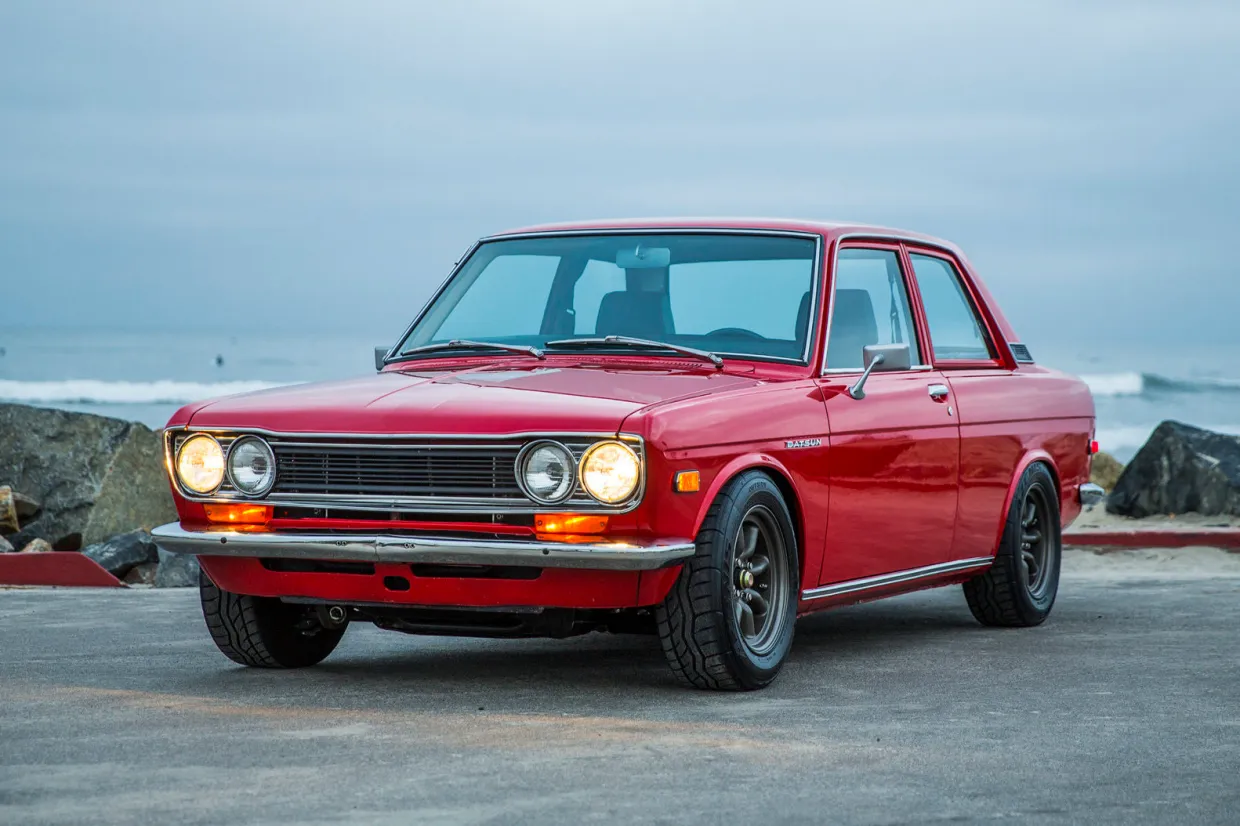
7. 1971 Datsun 510
The 1971 Datsun 510 is celebrated for its combination of compact dimensions and agile handling, ideal for navigating crowded city streets.
Its lightweight chassis and responsive suspension make cornering and lane changes precise, even in stop-and-go traffic. The 510’s low weight contributes to fuel efficiency and reduces strain on the brakes, making it easier to drive in frequent traffic jams. Its unassuming styling also allows it to blend seamlessly with modern vehicles while retaining classic appeal.
Engine performance is practical for urban environments, delivering smooth acceleration from traffic lights. Its four-cylinder engine offers enough power to merge safely without overwhelming the driver.
The manual transmission enhances control, allowing precise input in dense traffic conditions. Fuel economy is one of its strong points, and the simple mechanical design ensures consistent performance over time. Drivers appreciate how the 510 feels predictable and responsive under varying traffic scenarios.
Visibility is another advantage for city driving. The upright seating and large windows provide a clear view of other vehicles and pedestrians. Its compact width and short wheelbase make maneuvering through tight streets easier than larger sedans.
Drivers can confidently navigate congested intersections and parking lots, which are common challenges in urban areas. These characteristics make the 510 an ideal combination of classic style and practical usability.
The interior design is functional and driver-friendly. Essential controls are easy to access, allowing attention to remain on the road. While not luxurious, the cabin provides comfort for short city commutes. Ergonomic placement of instruments and the simple layout reduce stress when driving in stop-and-go traffic. The Datsun 510 emphasizes practicality without compromising its vintage aesthetic.
Reliability and maintenance further enhance the 510’s urban credentials. Its mechanical simplicity allows for easier repairs and parts replacement, an important consideration for those who plan to drive a classic car regularly in the city. The combination of handling, size, and durability ensures that the Datsun 510 continues to be a favorite for enthusiasts who want a responsive and manageable vehicle for heavy traffic conditions.
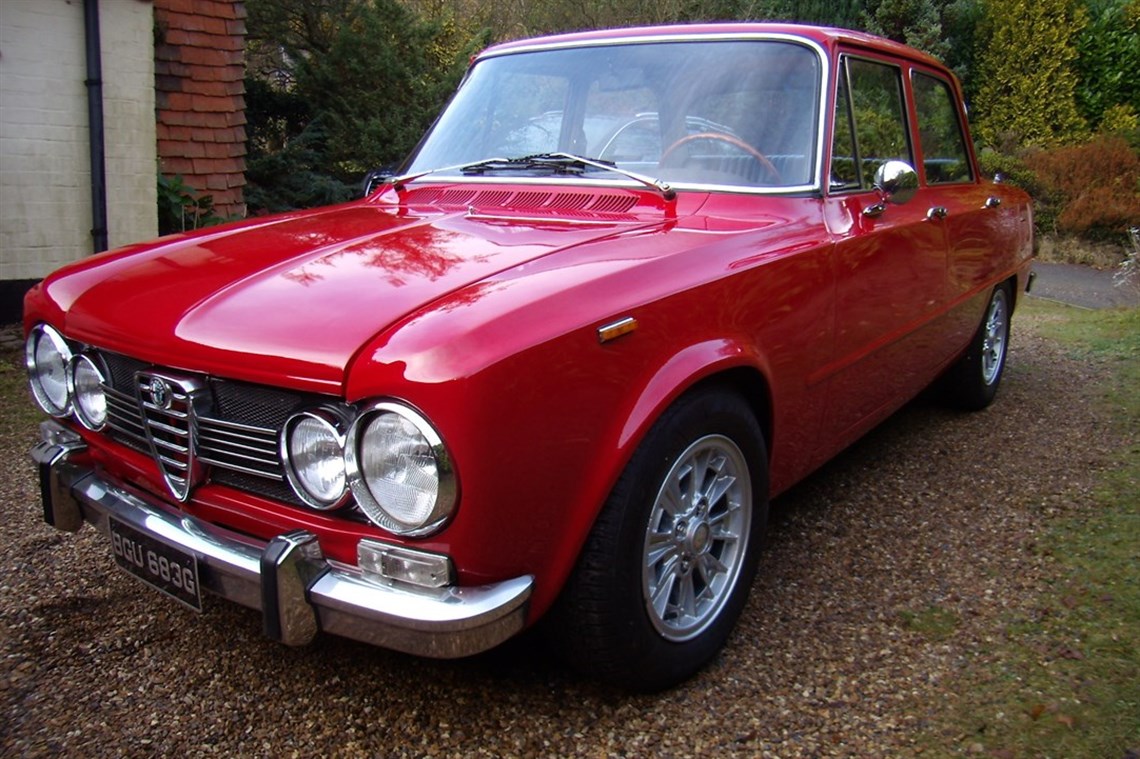
8. 1969 Alfa Romeo Giulia
The 1969 Alfa Romeo Giulia is a classic Italian sedan that combines elegance with agile performance suitable for city traffic. Its compact dimensions make maneuvering through crowded streets easier than larger sedans, while its responsive suspension ensures smooth handling.
The Giulia’s lightweight construction enhances control and makes cornering more predictable. Drivers often praise its precise steering, which allows for confident navigation of intersections and tight urban turns.
Its four-cylinder engine delivers enough power to handle urban driving efficiently. The gearbox is smooth and responsive, allowing the car to accelerate gently from traffic stops without strain.
Fuel consumption is moderate, and the engine design emphasizes durability, important factors when the car is used frequently in heavy traffic. The Alfa Romeo Giulia balances driving enjoyment with practicality, making it ideal for classic car enthusiasts who commute in the city.
Visibility and driver awareness are strong points. The upright seating and large windows provide excellent sightlines, reducing blind spots and improving safety. Its relatively compact width allows the driver to navigate narrow streets and tight parking spaces easily. These features enhance the car’s urban usability, ensuring the Giulia remains practical for everyday use despite its classic status.
The interior combines driver-focused ergonomics with classic Italian style. Controls are positioned intuitively, allowing the driver to concentrate on traffic conditions. Seating is comfortable for short trips, and the cabin layout emphasizes clarity and simplicity. The combination of aesthetics and functionality makes the Giulia enjoyable to drive in congested city environments.
Maintenance and mechanical reliability are also important considerations. Alfa Romeo enthusiasts value the Giulia for its durability and accessibility of replacement parts. Its mechanical simplicity allows for easier servicing, which is critical for a car frequently driven in stop-and-go conditions. The Giulia offers a blend of style, performance, and city-friendly practicality that makes it a standout classic for urban driving.
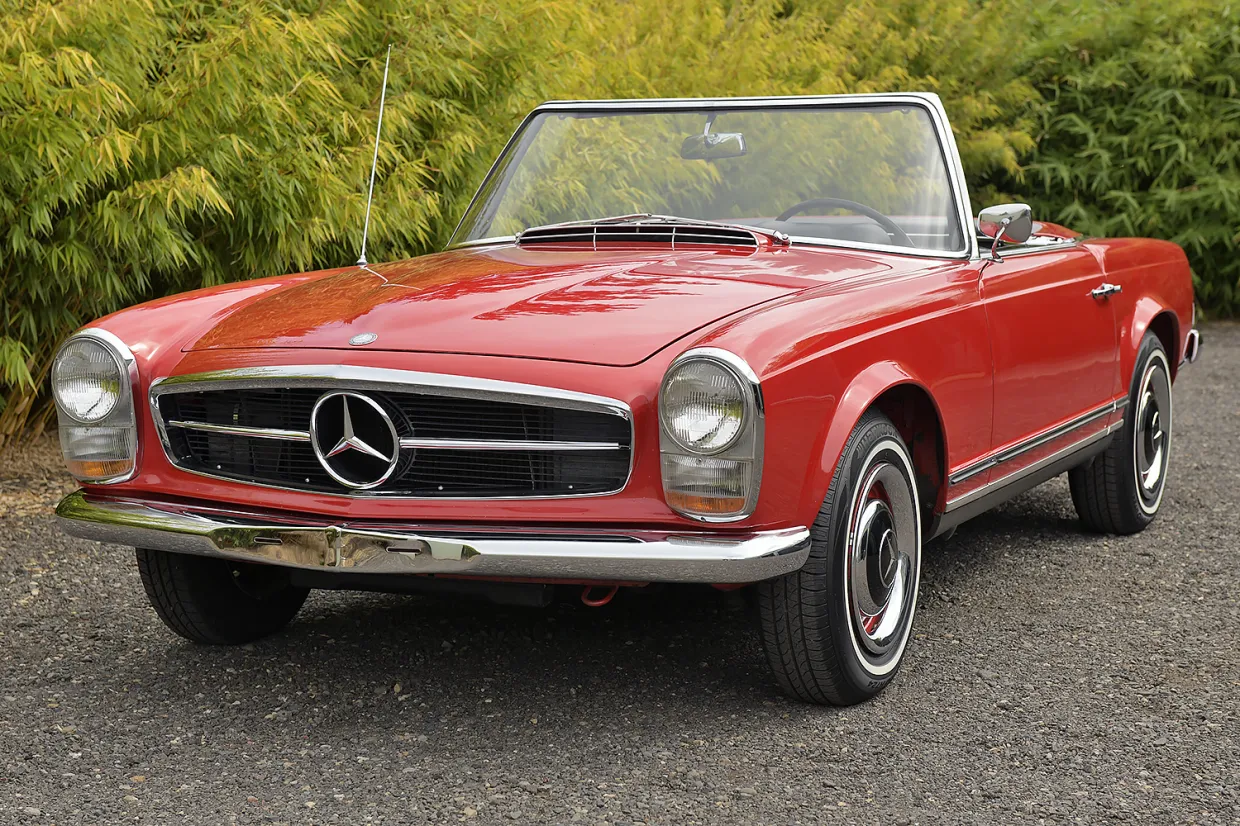
9. 1967 Mercedes-Benz 230SL
The 1967 Mercedes-Benz 230SL is a luxury roadster that surprisingly performs well in urban traffic conditions. Despite its reputation as a stylish sports car, it has compact dimensions that allow it to navigate city streets efficiently.
Its precise steering and solid brakes give drivers confidence in stop-and-go conditions. The car’s responsive handling and well-balanced chassis allow smooth movement through intersections and tight turns, making it practical for daily city driving.
The inline-six engine provides enough power for urban acceleration while remaining controllable. The transmission offers smooth gear changes, which is essential for driving in traffic-heavy areas. Fuel efficiency is moderate, but the car compensates with exceptional build quality and reliability. The suspension absorbs minor road imperfections, offering a comfortable ride even on uneven city streets.
Visibility in the 230SL is enhanced by large windows and a low but well-positioned seating arrangement. Drivers have a clear view of surrounding vehicles, which is crucial in congested traffic conditions. Its relatively short wheelbase allows for tight turns, while the car’s width remains manageable for urban streets. These features make the 230SL a rare combination of luxury, style, and city usability.
The interior emphasizes both elegance and practicality. Controls are well-organized, allowing drivers to focus on traffic rather than instruments. Seats are comfortable and supportive for short city drives, and the dashboard design enhances usability without unnecessary complexity. The 230SL delivers a satisfying driving experience that balances enjoyment with practicality in urban settings.
Maintenance and durability further contribute to its suitability for city use. Parts and service support for the 230SL are well-established, allowing owners to maintain reliability even with frequent use.
The combination of engineering excellence, comfortable handling, and city-friendly size makes the 1967 Mercedes-Benz 230SL a distinguished classic that performs admirably in heavy traffic.
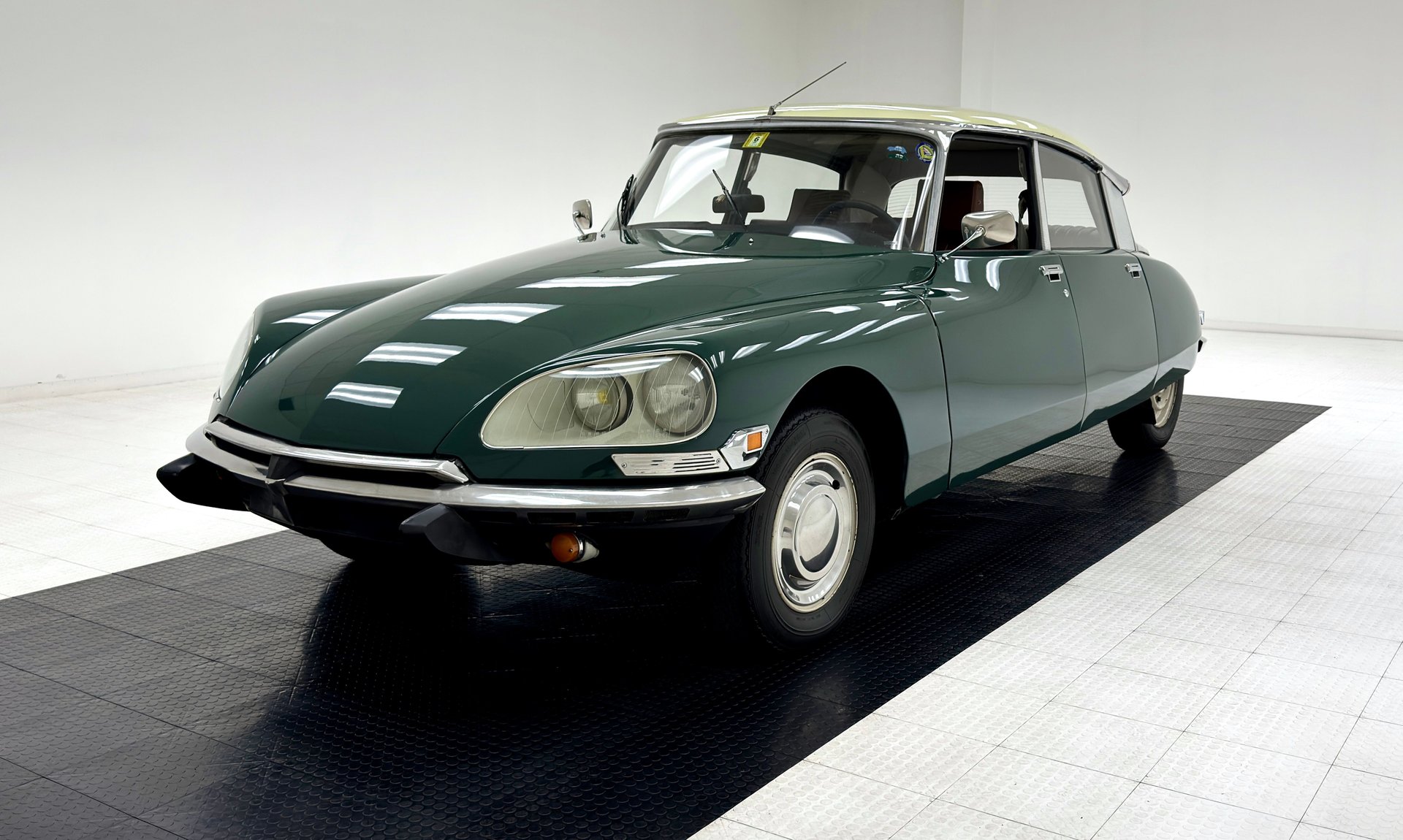
10. 1966 Citroën DS
The 1966 Citroën DS is an iconic French sedan known for its innovative suspension and smooth ride, ideal for urban traffic conditions. Its hydropneumatic suspension adapts to road imperfections, providing exceptional comfort in stop-and-go city driving.
Despite its larger exterior dimensions, the DS handles surprisingly well in tight streets due to its advanced steering system. Drivers benefit from the car’s stability and predictability, which enhances confidence in dense traffic.
The DS is powered by an engine that provides reliable urban performance. Acceleration is steady, and the transmission responds predictably to city driving demands. Fuel efficiency is reasonable for a car of its size, especially considering the smoothness of its engine and suspension setup. Its braking system offers strong, controlled stopping power, which is essential for navigating busy intersections safely.
Visibility is excellent thanks to large glass panels and a well-designed seating position. Drivers can monitor surrounding traffic effectively, reducing the risk of accidents in crowded streets. The DS’s steering is precise, allowing for easy lane changes and smooth navigation of tight corners. These factors make the Citroën DS a rare classic that combines luxury, comfort, and urban practicality seamlessly.
Interior design is thoughtful and functional, balancing luxury with usability. Controls are ergonomically placed, and the cabin is comfortable for both driver and passengers.
The suspension system reduces vibrations and shocks, ensuring a calm and smooth driving experience even in heavy traffic. Its combination of comfort, style, and practicality makes it highly desirable for city driving enthusiasts.
Maintenance and longevity are strengths. The DS’s mechanical systems are robust, and parts remain available for restoration or repair. Its unique engineering, combined with urban-friendly handling, ensures the DS continues to be a practical choice for classic car enthusiasts who want a comfortable and stylish vehicle suitable for heavy city traffic.