
Video games and cars have shared a long history. From the earliest arcade racers to modern simulation platforms, developers have constantly tried to capture the thrill, physics, and culture of driving.
However, realism in car-themed games can mean different things depending on the design philosophy.
Some titles focus on highly accurate vehicle physics and track simulation, while others attempt to recreate the broader experience of car ownership, modifications, tuning, racing culture, and open-road exploration.
For American players in particular, realism also connects to recognizable driving environments, licensed vehicles, and believable handling models that reflect how real cars behave under acceleration, braking, and cornering.
While many racing games prioritize spectacle and speed over authenticity, a select group has built a reputation for delivering driving experiences that feel surprisingly close to real-world motorsport or car culture.
The following ten car-themed video games stand out because they go beyond simple arcade racing.
Through advanced physics engines, real-world tracks, licensed vehicles, and careful attention to automotive detail, these titles offer experiences that car enthusiasts often describe as genuinely realistic.
1. Gran Turismo Series
Few racing franchises have carried the reputation for realism as strongly as Gran Turismo. Since its debut in 1997, the series has positioned itself as “The Real Driving Simulator,” and it consistently delivers on that promise.
Developed by Polyphony Digital, the franchise emphasizes authentic vehicle physics, extensive car catalogs, and meticulously recreated circuits.
What sets Gran Turismo apart is its approach to driving mechanics. Cars behave differently depending on weight distribution, drivetrain layout, tire compound, and suspension setup.
A front-wheel-drive hatchback will handle differently than a rear-wheel-drive sports car, and players quickly learn that throttle control and braking technique matter just as much as raw speed.
Later entries such as Gran Turismo Sport and Gran Turismo 7 pushed realism even further with advanced tire modeling, dynamic weather, and laser-scanned tracks.
For players interested in learning the fundamentals of racing, braking points, racing lines, and vehicle balance, the series functions almost like a training tool. Many professional drivers have even cited Gran Turismo as their first introduction to racing theory.
The Gran Turismo franchise has long stood as the benchmark for realism in car-themed video games, bridging the gap between entertainment and automotive simulation. First released in 1997 for the original PlayStation, the series was developed by Polyphony Digital under the direction of Kazunori Yamauchi.
Yamauchi envisioned a driving game that treated cars with the same technical respect found in professional motorsport engineering. At a time when most racing titles favored arcade handling and exaggerated speed, Gran Turismo pursued authenticity. The original game launched with over 140 licensed vehicles and an unusually detailed physics model, establishing a formula that would define the franchise for decades.
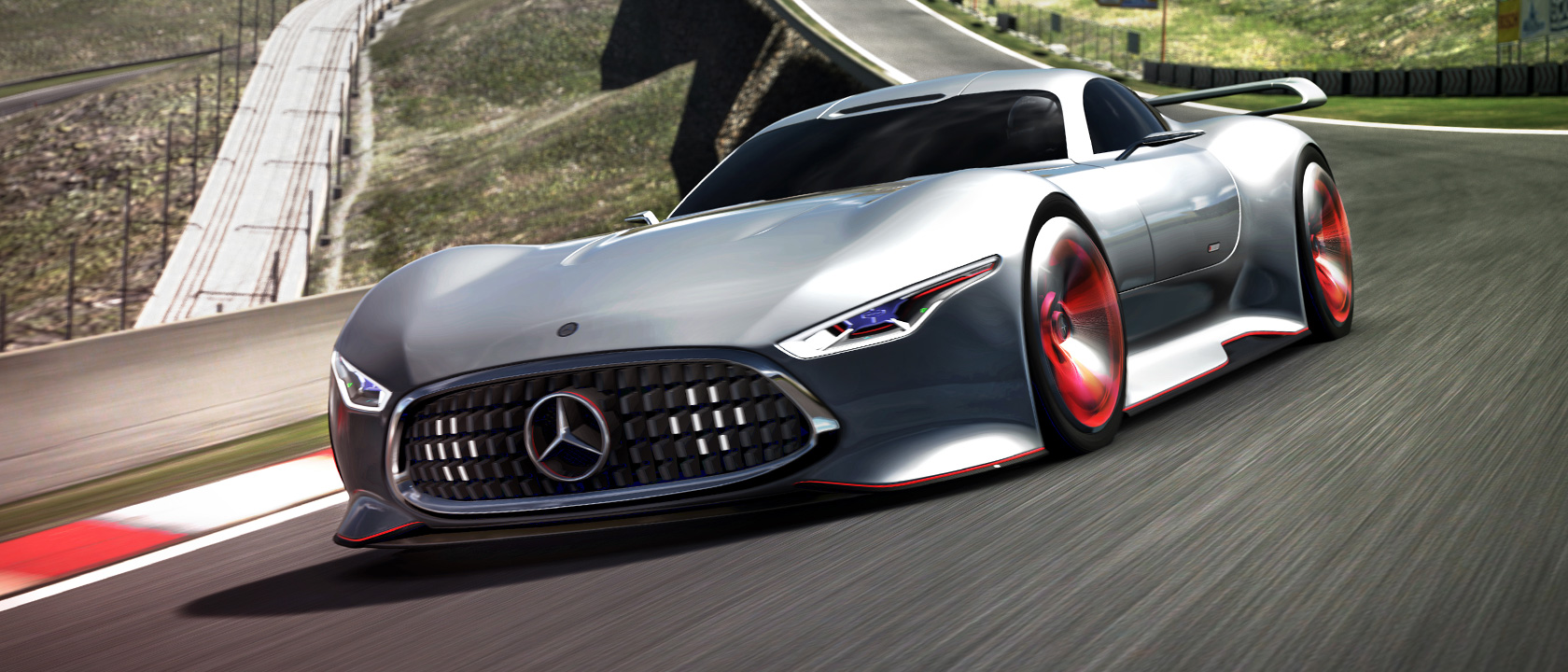
Unlike arcade racers that treat vehicles as generic performance templates, Gran Turismo carefully recreates the engineering architecture of each car it features. Vehicles are modeled according to their real-world engine configurations, inline-four, V6, V8, boxer, or rotary, while drivetrain layouts such as front-engine rear-wheel drive, front-wheel drive, and all-wheel drive behave according to realistic traction characteristics.
Suspension geometry, weight distribution, and tire compounds all influence handling in ways familiar to real automotive engineers and racing drivers. In many entries, players can modify vehicles with upgrades that mirror real performance tuning: adjustable suspension, turbocharging, racing transmissions, and differential settings. This approach transforms the game from a simple racer into a functional introduction to automotive engineering concepts.
Visually, Gran Turismo also distinguishes itself through obsessive design accuracy. Each car’s bodywork, interior layout, and lighting details are digitally scanned or modeled using reference data from manufacturers.
Cockpit views reproduce instrument clusters, steering wheels, and seating positions with remarkable fidelity, reinforcing the sense that players are operating an authentic machine rather than a generic game asset. The series pairs this attention to detail with laser-scanned racetracks that replicate real circuits and road surfaces, allowing braking zones, camber changes, and corner radii to behave much like they do in actual motorsport.
Historically, the franchise has played an unusual role in the automotive world by influencing how younger audiences engage with cars. For many players, Gran Turismo served as an early education in vehicle dynamics, drivetrain layouts, and performance tuning.
Automakers themselves recognized this cultural impact; companies such as Nissan and Toyota collaborated directly with the series, and the GT Academy program even turned skilled players into real professional racing drivers.
This blend of accurate vehicle engineering, faithful visual reproduction, and authentic driving physics explains why Gran Turismo belongs on any list of car-themed video games that truly feel realistic.
Rather than exaggerating speed and spectacle, the series treats automobiles as complex mechanical systems, giving players a virtual experience that closely mirrors the challenges and rewards of real driving.
2. Forza Motorsport
Microsoft’s Forza Motorsport series occupies a similar space in the realism spectrum but approaches simulation with slightly more accessibility.
Developed by Turn 10 Studios, the franchise blends authentic physics with a progression system designed to keep players engaged over hundreds of races.
The realism in Forza Motorsport comes from its advanced physics calculations and detailed car modeling. Every vehicle in the game is recreated using manufacturer data, which includes engine output, weight distribution, and aerodynamic behavior.
Damage modeling also plays a role; aggressive driving can cause mechanical failures or degraded performance during longer races.
In recent installments, the developers introduced track surface simulation, where rubber buildup, temperature, and debris influence traction levels.
This attention to detail allows races to evolve dynamically, much like real motorsport events. For American players accustomed to iconic tracks like Laguna Seca or Road America, the accurate recreations add an extra layer of immersion.
The Forza Motorsport franchise represents one of the most technically ambitious attempts to translate real-world automotive engineering into an interactive simulation. First released in 2005 for the Xbox, the series was developed by Turn 10 Studios as Microsoft’s flagship answer to realistic console racing.
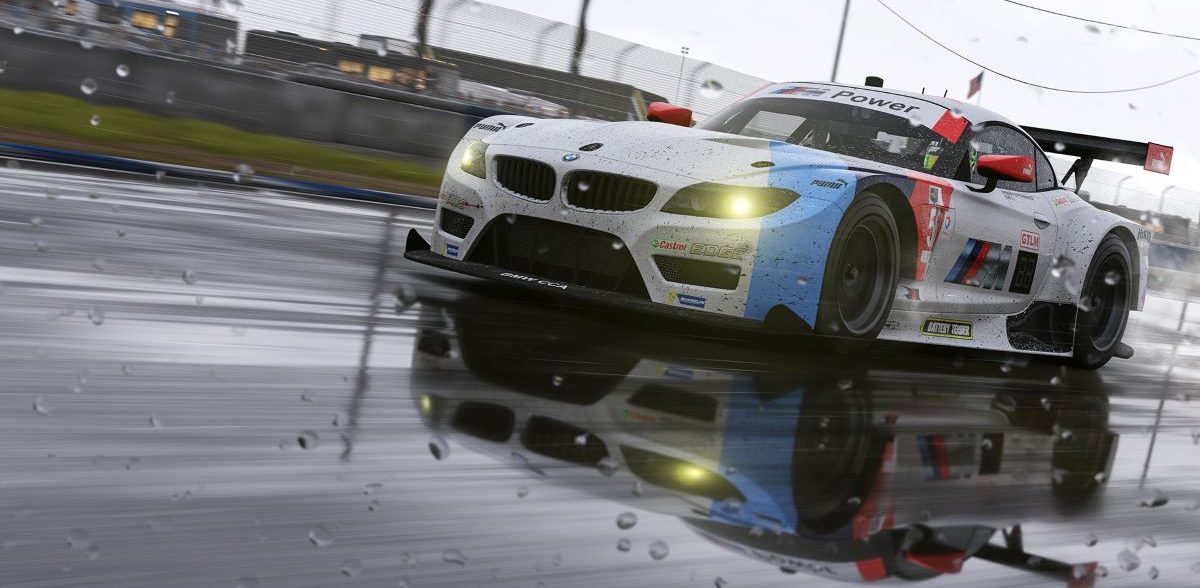
From its earliest entry, the design philosophy centered on replicating how cars actually behave under acceleration, braking, and cornering rather than exaggerating speed for arcade-style thrills. Over the years, each new installment has refined that simulation approach, evolving alongside improvements in computing power and graphics technology.
At the heart of Forza Motorsport’s realism is its detailed vehicle engineering model. The game simulates hundreds of production and racing cars using authentic mechanical specifications sourced from manufacturers.
Engine configurations—ranging from naturally aspirated inline-four powerplants to high-revving V10s and turbocharged V8 race engines—produce performance characteristics that closely mirror their real-world counterparts. Drivetrain layouts also play a major role in the driving experience.
Front-wheel-drive cars exhibit torque steer and understeer tendencies, rear-wheel-drive vehicles reward precise throttle control, and all-wheel-drive platforms deliver superior traction out of corners.
The physics engine further incorporates variables such as tire temperature, suspension compression, aerodynamic drag, and weight transfer, allowing players to feel subtle differences between vehicles that share similar horsepower figures but vastly different chassis layouts.
Customization and tuning add another layer of engineering authenticity. Players can upgrade intake systems, camshafts, exhaust components, and forced induction hardware to alter engine output in realistic ways.
Suspension geometry, differential settings, brake balance, and gear ratios can also be adjusted, effectively transforming the game into a virtual garage where mechanical experimentation directly influences performance on the track. This level of configurability reflects the practices of real-world motorsport teams and performance tuners.
3. iRacing
Among hardcore simulation enthusiasts, iRacing is often considered the most realistic racing platform available to consumers.
Unlike traditional games, iRacing functions more like an online motorsport service where players participate in structured racing leagues.
The realism comes from an obsessive commitment to accuracy. Tracks are laser-scanned to millimeter precision, ensuring every bump, curb, and elevation change matches the real-world circuit.
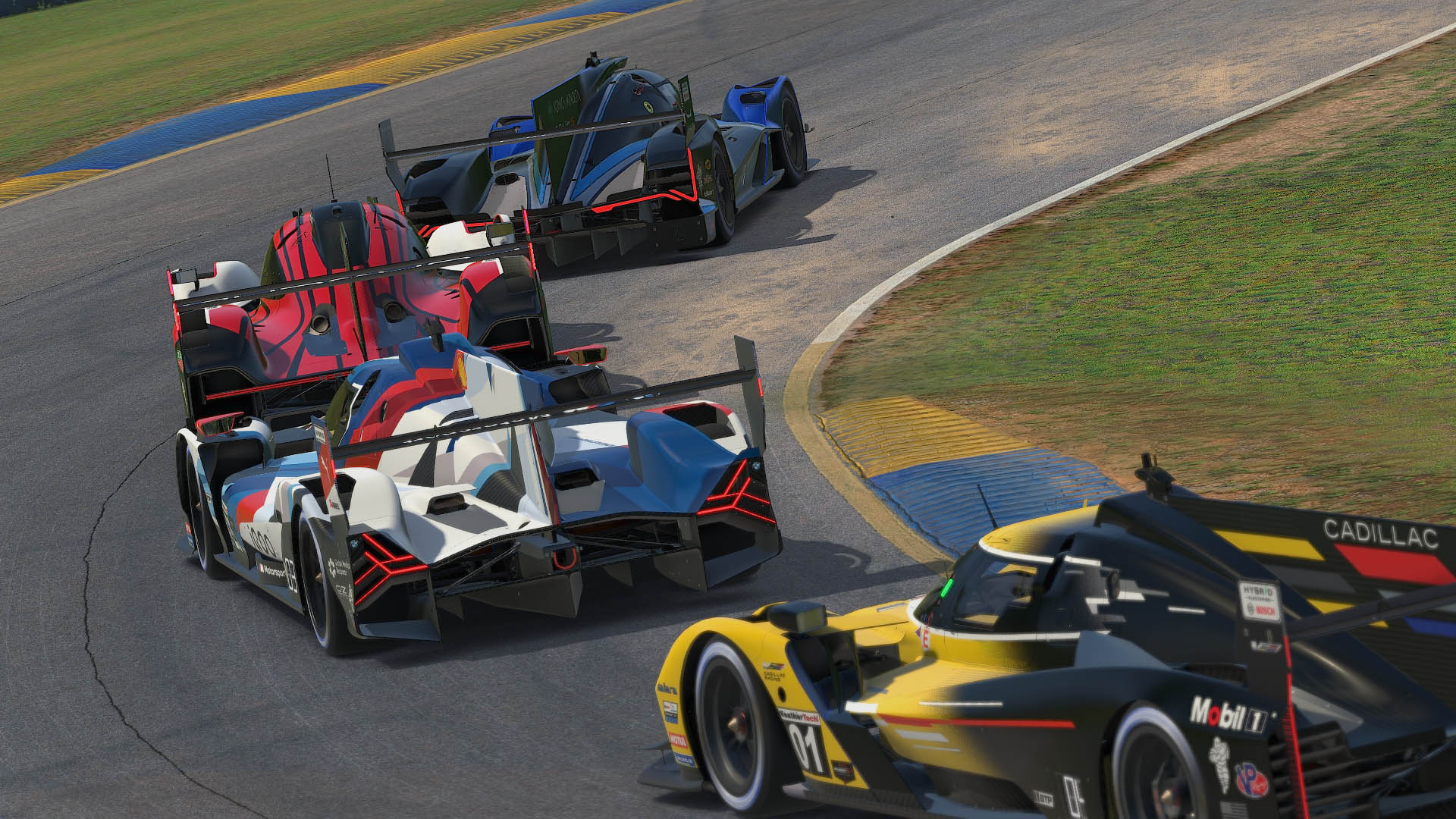
Cars are built using engineering data provided directly by manufacturers and racing teams.
Another factor that enhances realism is the competitive environment. Players must earn licenses through clean driving and consistent results. Reckless behavior leads to penalties or lower rankings, which encourages drivers to race responsibly.
This structure mirrors the etiquette and discipline of real-world motorsport, making iRacing feel less like a game and more like a professional simulation platform.
4. Assetto Corsa
Developed by Kunos Simulazioni, Assetto Corsa quickly became a favorite among sim racing enthusiasts after its release. The game focuses heavily on realistic vehicle dynamics and precise physics modeling.
One of Assetto Corsa’s defining strengths is its tire simulation. Tire temperature, pressure, and wear all affect grip levels, meaning aggressive driving can quickly degrade performance. Drivers must manage braking zones and cornering forces carefully to maintain control.

The game also features a strong modding community that expands its realism even further. Players can add new vehicles, tracks, and physics tweaks, allowing the platform to evolve constantly.
Many automotive enthusiasts use Assetto Corsa with steering wheels and pedal setups to replicate the sensation of driving real performance cars.
Released in 2014 by the Italian developer Kunos Simulazioni, Assetto Corsa quickly established itself as one of the most technically faithful driving simulators ever produced for both PC and consoles. The title emerged during a period when simulation-focused racing games were regaining popularity among enthusiasts who wanted an experience closer to real motorsport rather than arcade-style racing.
Developed with close input from professional drivers and automotive manufacturers, Assetto Corsa was built around the philosophy that accurate physics modeling should take priority over spectacle. The name itself translates from Italian as “race setup,” reflecting the game’s strong emphasis on mechanical authenticity and vehicle tuning.
The engineering depth behind Assetto Corsa is what separates it from many other racing games. Each vehicle in the simulation is constructed using detailed manufacturer data that reflects real-world mechanical architecture.
Engine configurations range from compact turbocharged inline-four units found in lightweight sports cars to naturally aspirated V12 engines powering exotic supercars. These engines deliver power through authentic drivetrain layouts, including front-engine rear-wheel drive, mid-engine rear-wheel drive, and sophisticated all-wheel-drive systems.
Torque curves, throttle response, turbo lag, and rev limits are carefully modeled so that acceleration characteristics mirror what drivers would experience behind the wheel of the real machines.
Equally important is the simulation of chassis dynamics. Assetto Corsa calculates suspension movement, tire deformation, aerodynamics, and weight transfer in real time, allowing vehicles to respond naturally to driver inputs.
Braking too late can overwhelm the tires and lock the wheels, while aggressive throttle application can induce oversteer in powerful rear-wheel-drive cars. Tire temperature, grip levels, and track surface conditions also influence handling, meaning that each lap requires careful management of braking zones and corner entry speeds. These mechanics make the driving experience feel less like a traditional video game and more like operating an actual race car.
Visually, the game reinforces this realism with carefully modeled interiors and accurate vehicle proportions. Cockpit views reproduce steering wheels, digital displays, and seating positions, creating the impression of sitting inside a genuine competition machine.
Many racetracks featured in the simulation were laser scanned to capture exact elevation changes and corner geometry. Circuits such as Autodromo Nazionale Monza and Silverstone Circuit replicate real-world surfaces so precisely that professional drivers often use the software for practice and familiarization.
5. Project CARS 2
When Slightly Mad Studios released Project CARS 2, the goal was to deliver a racing simulator that captured the unpredictability of real-world motorsport. The game achieved this through a complex physics system and an ambitious weather simulation.
Project CARS 2 includes dynamic weather that can change mid-race. Rainstorms gradually soak the track surface, reducing traction and forcing drivers to adapt their racing lines.
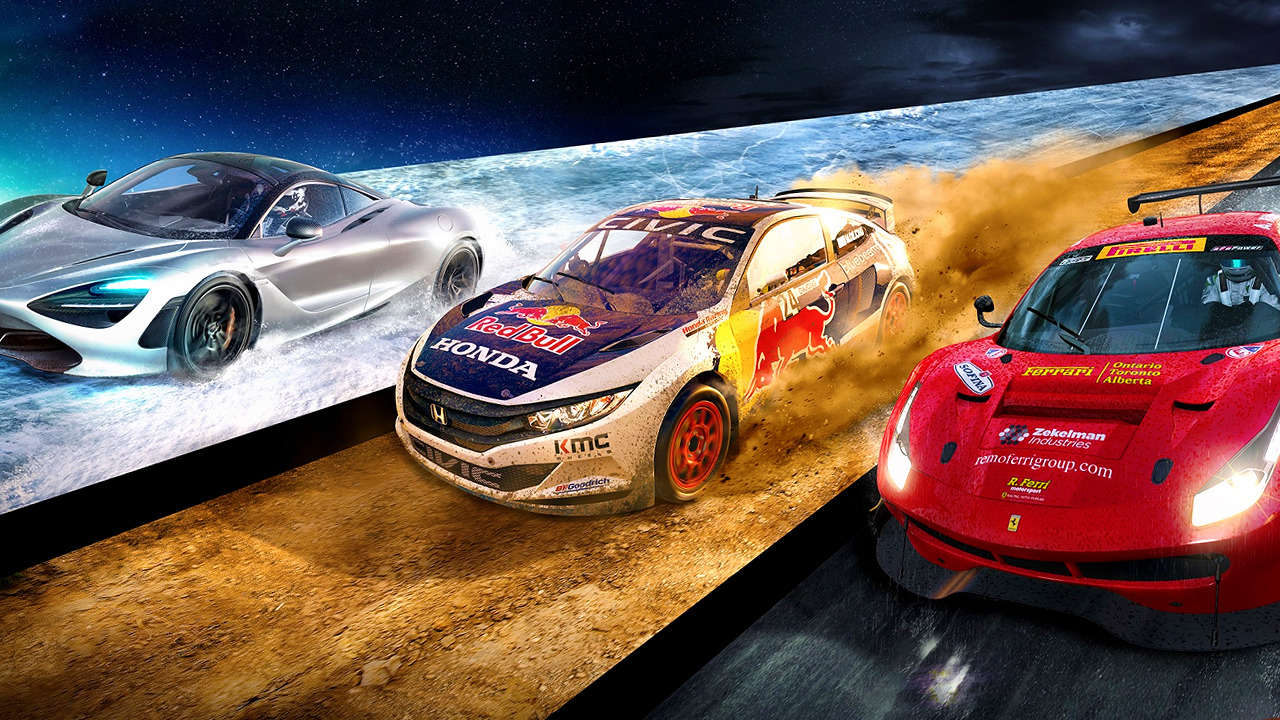
As conditions improve, a dry racing line emerges where tires clear water from the asphalt.
This evolving track behavior creates a strategic element rarely seen in traditional racing games. Drivers must consider tire choices, weather forecasts, and pit strategies, much like real racing teams do during endurance events.
6. BeamNG.drive
While most realistic racing games focus on speed and competition, BeamNG.drive approaches realism from a different angle—vehicle physics and damage modeling.
The game’s soft-body physics engine simulates how every part of a car bends, twists, and breaks during collisions. Instead of simple damage textures, vehicles deform dynamically depending on impact speed, angle, and structural integrity.
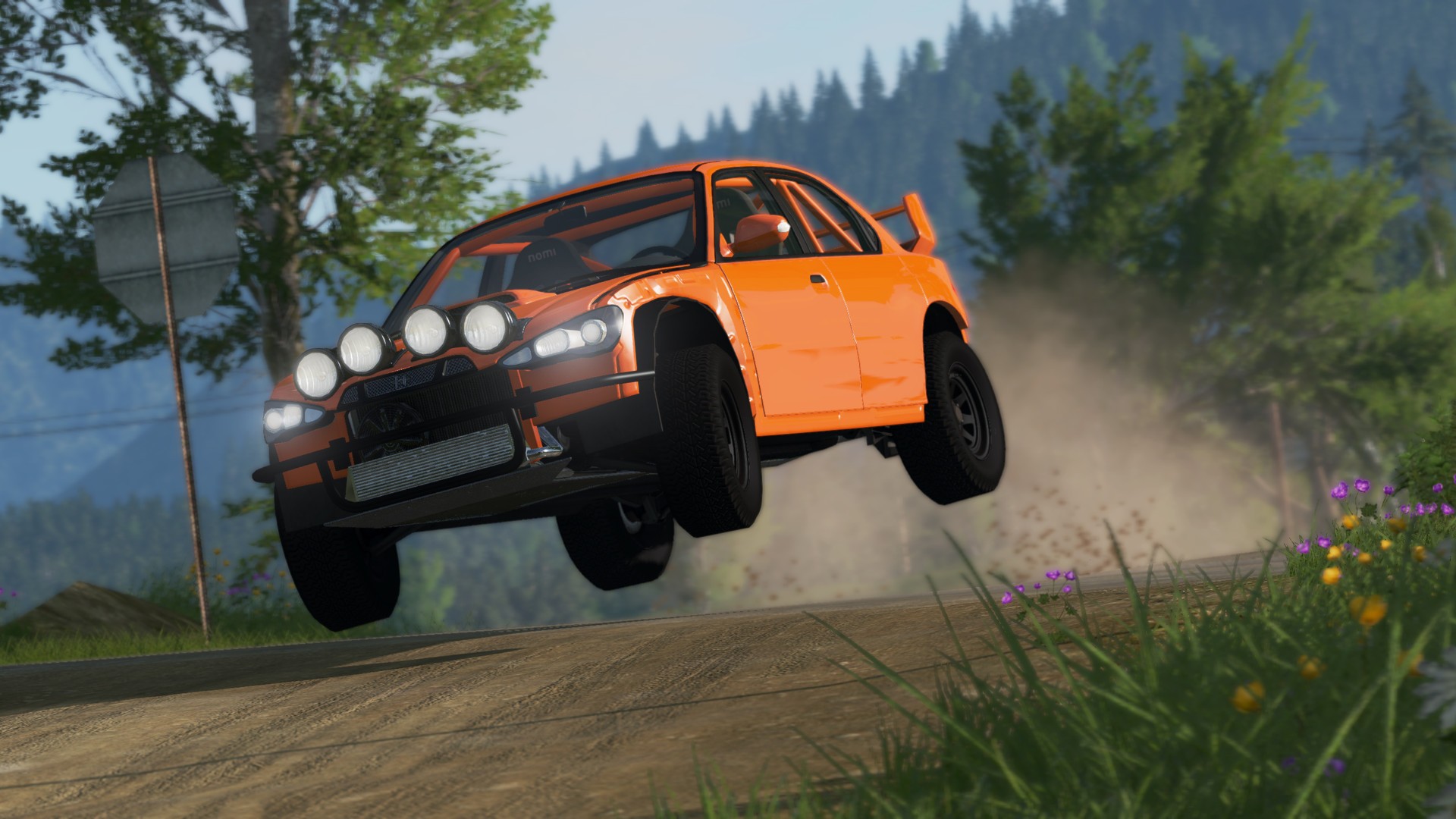
This makes BeamNG.drive particularly fascinating for players interested in automotive engineering. Crashes behave much like they would in reality, with frames collapsing, suspension components snapping, and body panels crumpling.
Though it includes racing elements, the real appeal lies in experimenting with vehicle behavior under extreme conditions.
The core engineering concept behind BeamNG.drive is its advanced soft-body physics engine. Instead of representing vehicles as fixed models, the simulation constructs each car using a lattice framework of nodes and beams that replicate the behavior of real automotive structures.
These virtual components mimic how metal frames, suspension arms, and body panels flex or deform under stress. Engines in the game follow realistic configurations such as inline-four, V6, or V8 layouts, with power delivered through authentic drivetrain systems including front-wheel drive, rear-wheel drive, and all-wheel drive.
Torque curves, transmission ratios, and weight distribution influence how vehicles accelerate and handle, while suspension travel and damping determine stability across rough surfaces or during aggressive maneuvers.
This detailed physical modeling means that even minor design differences can dramatically affect vehicle behavior. A lightweight rear-wheel-drive coupe responds very differently from a heavy pickup truck with a ladder-frame chassis and four-wheel drive.
When a car crashes into a barrier or rolls down a hillside, the deformation happens progressively and realistically, with crumple zones collapsing and structural components bending in ways similar to real crash-test footage. The simulation even accounts for how damage alters performance; bent suspension arms can misalign wheels, while crushed radiators can cause engines to overheat.
7. Dirt Rally 2.0
Rally racing presents unique challenges compared to circuit racing, and Dirt Rally 2.0 captures that complexity remarkably well.
Developed by Codemasters, the game emphasizes the precision and concentration required to race on unpredictable terrain.
Unlike traditional track racers, rally drivers must rely on pace notes delivered by a co-driver to anticipate upcoming corners.
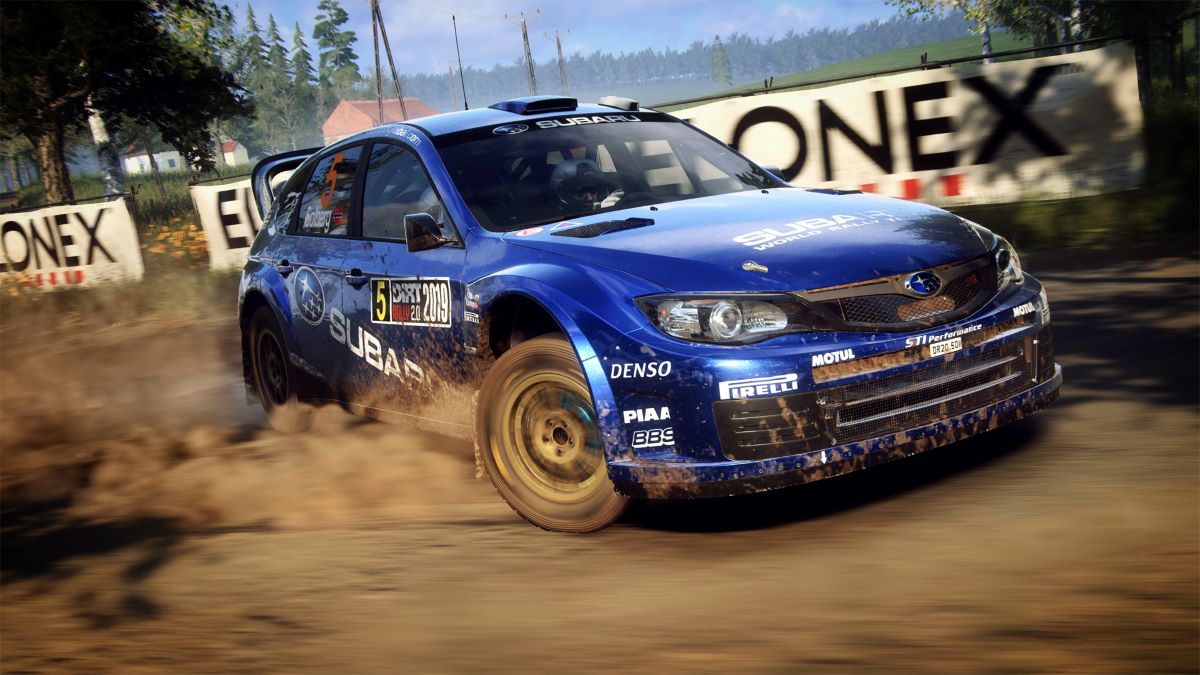
Dirt Rally 2.0 replicates this experience accurately, forcing players to react quickly to instructions while maintaining control on loose surfaces.
Gravel, mud, snow, and asphalt all behave differently, and small mistakes can send a car sliding off the road. The demanding handling model means that finishing a stage without crashing often feels like an accomplishment.
8. Richard Burns Rally
Even years after its release, Richard Burns Rally continues to be praised for its uncompromising realism. Named after the late British rally champion, the game was designed to replicate the technical difficulty of rally driving.
Vehicle handling in Richard Burns Rally is intentionally unforgiving. Cars react sharply to throttle inputs, weight transfer, and braking forces.
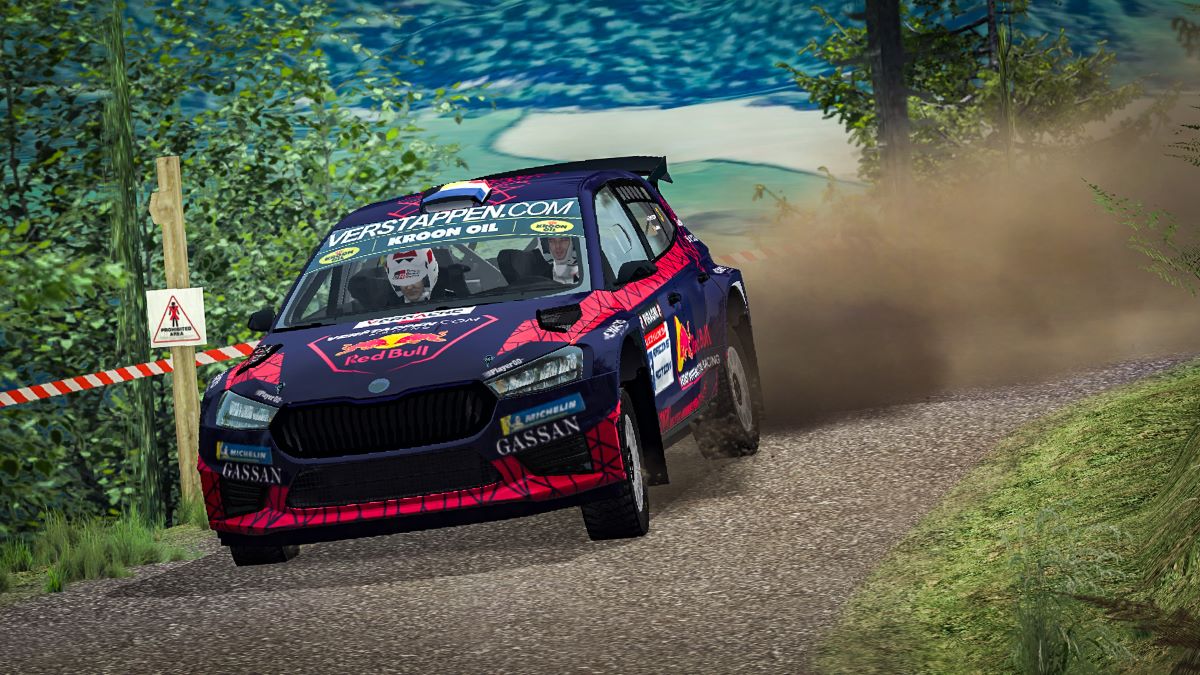
Players must learn proper rally techniques such as left-foot braking and throttle modulation to remain competitive.
Despite its age, many sim racing communities still consider it one of the most authentic rally simulations ever created.
9. Car Mechanic Simulator
Realism in car games does not always come from driving. Car Mechanic Simulator focuses instead on the process of diagnosing and repairing vehicles.
Players take on the role of an automotive technician working in a repair garage. The gameplay revolves around identifying mechanical problems, removing faulty components, and installing replacements.
Engines, transmissions, brakes, and suspension systems are all modeled with impressive detail.
For players curious about how cars work under the hood, the game provides a surprisingly educational experience. It demonstrates the complexity of automotive maintenance while also capturing the satisfaction of restoring vehicles to working condition.
First released in 2014 by the Polish developer Red Dot Games and published by PlayWay, the Car Mechanic Simulator series approaches automotive realism from a different angle than most racing titles.
Instead of focusing on lap times or high-speed competition, the game places players inside a functioning repair garage where the core experience revolves around diagnosing mechanical issues, replacing worn components, and rebuilding vehicles piece by piece.
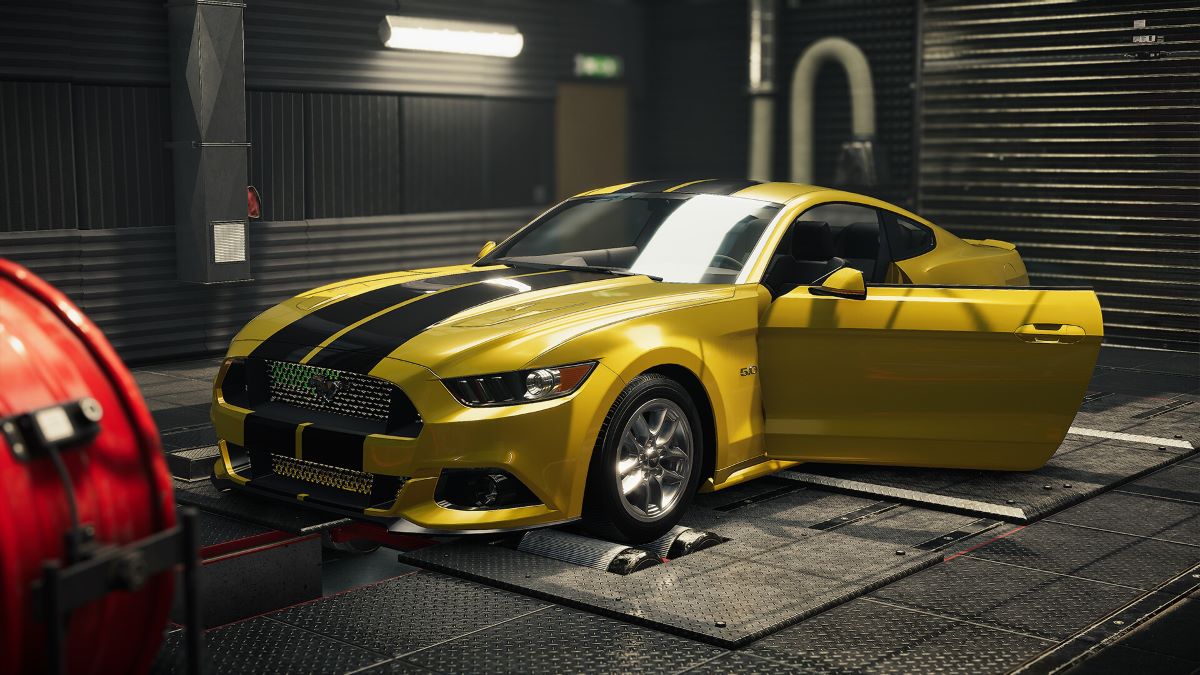
Since its debut, the franchise has evolved through several iterations—including Car Mechanic Simulator 2015, 2018, and 2021—each expanding the depth of mechanical detail and the number of systems players can interact with.
The realism of Car Mechanic Simulator lies in its meticulous representation of automotive engineering. Every vehicle in the game is constructed from hundreds of individual parts that mirror the layout of real production cars.
Engines are assembled according to authentic configurations such as inline-four, V6, and V8 layouts, with components including pistons, crankshafts, camshafts, timing chains, and cylinder heads modeled individually.
Players must often disassemble large portions of an engine to identify faults, reflecting the diagnostic process real mechanics perform when troubleshooting issues like worn bearings or damaged valves.
Drivetrain systems are similarly detailed, featuring transmissions, differentials, driveshafts, and suspension assemblies that connect to the wheels in ways consistent with real front-wheel-drive, rear-wheel-drive, or all-wheel-drive vehicle layouts.
10. My Summer Car
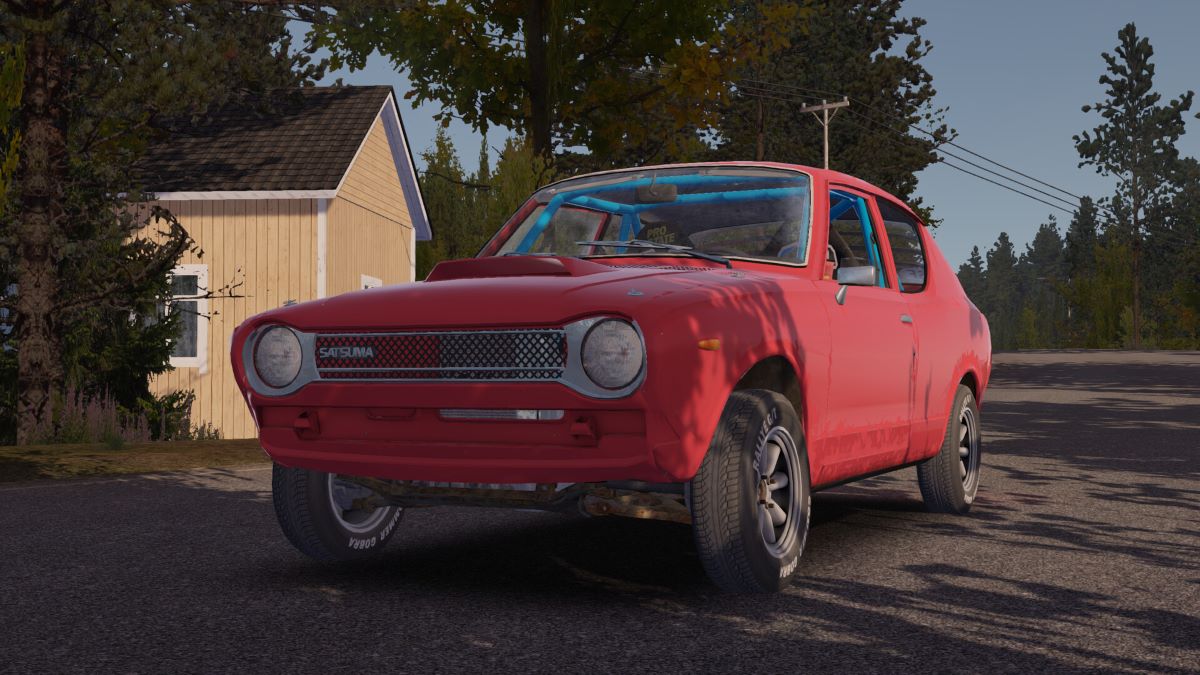
Few games simulate the messy reality of car ownership quite like My Summer Car. Set in rural Finland during the 1990s, the game revolves around building, maintaining, and driving a car from scratch.
Players must assemble hundreds of individual parts to construct a functioning vehicle. Mistakes during assembly can lead to breakdowns, overheating, or engine damage. Even basic tasks, like installing the battery correctly or tightening bolts, matter.
Beyond mechanical realism, the game also simulates everyday life around car culture. Players manage fuel levels, vehicle maintenance, and the occasional roadside repair.
The result is a strangely authentic experience that captures the frustrations and rewards of owning an old project car.
Realism in car-themed video games is not limited to high-speed racing alone. Some titles focus on accurate driving physics and competitive motorsport, while others explore the engineering, maintenance, and culture surrounding automobiles.
Together, these games illustrate how developers have approached realism from multiple angles.
For American players interested in cars, whether through racing, mechanics, or enthusiast culture, these titles offer experiences that feel grounded in real automotive behavior.
From the competitive simulation environment of iRacing to the hands-on mechanical challenges of Car Mechanic Simulator, each game demonstrates that realism in gaming can be just as engaging as fantasy.
As technology continues to improve, the line between real driving and digital simulation will likely become even thinner. For now, these ten games remain some of the best examples of how the automotive world can be convincingly recreated in interactive form.
