When it comes to midsize sedans, engine longevity can make or break ownership satisfaction. Some models, like the Toyota Camry, Honda Accord, and Mazda 6, are engineered with durability in mind, often surpassing 300,000 miles with routine maintenance.
These vehicles benefit from conservative designs, proven components, and thoughtful engineering that prioritize reliability over extreme performance.
Conversely, other midsize sedans, such as early Ford Fusions, Hyundai Sonatas, and certain Kia Optimas, carry engines prone to premature failures due to manufacturing defects, coolant intrusion, or carbon buildup. Understanding which sedans are built for longevity versus those that demand early rebuilds is essential for informed buyers.
5 Midsize Sedans With Engines Built for 300000 Miles
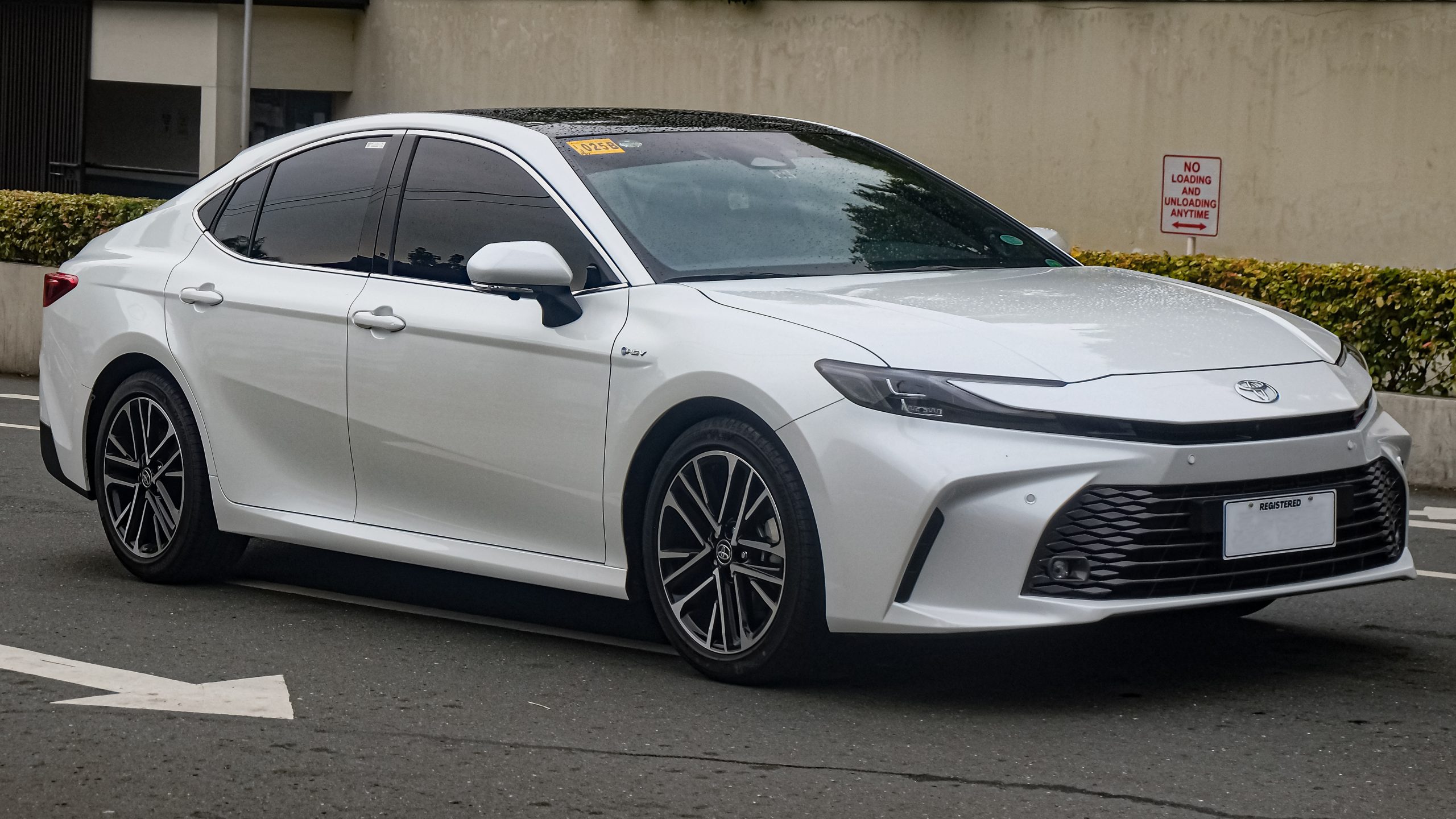
1. Toyota Camry (2.5L / 3.5L): Engineering for Long-Term Reliability
The Toyota Camry, equipped with the 2.5-liter four-cylinder or the 3.5-liter V6 engine has developed a strong reputation for durability and long service life. Many Camry models regularly surpass 300,000 miles, which is about 480,000 kilometers, when properly maintained.
This longevity comes from Toyota’s design philosophy that prioritizes reliability, conservative engineering, and high manufacturing quality instead of focusing only on maximum performance.
A key factor behind the Camry’s longevity is the design of its engines. The 3.5-liter V6 engines, known as the 2GR-FE and 2GR-FKS, are widely regarded as some of Toyota’s most dependable powerplants. These engines use a timing chain rather than a timing belt.
The chain is designed to last for the life of the engine, which reduces the need for major replacement work over time. Many examples of the V6 Camry have exceeded 300,000 miles with only routine maintenance such as oil changes, cooling system service, and periodic component replacement.
The 2.5-liter four-cylinder engines, including the A25A-FKS and the earlier 2AR-FE, also contribute to the Camry’s strong reliability record. These engines are designed with a long stroke and advanced variable valve timing to balance power and efficiency while minimizing internal stress.
Because they are naturally aspirated and not heavily boosted with turbochargers, they operate under lower pressure and heat during daily driving. This reduced stress helps extend the life of internal components such as pistons, bearings, and valves.
Another important feature is Toyota’s D-4S fuel injection system used in the V6. This system combines direct fuel injection with traditional port injection. The dual system improves fuel efficiency and performance while also reducing carbon buildup on intake valves. Carbon buildup is a common issue in engines that rely only on direct injection, so the combined system helps maintain long-term engine health.
Toyota’s conservative engineering strategy also supports reliability. The engines are designed to operate well within their mechanical limits, which means they experience less strain and heat compared with smaller turbocharged engines that must work harder to produce similar power. Lower operating stress contributes to slower wear and a reduced risk of major failures.
High manufacturing standards further strengthen durability. Toyota maintains strict quality control during production and uses durable materials for pistons, timing chains, and cylinder heads. Tight tolerances help maintain proper lubrication and sealing, which reduces oil consumption and internal wear over time.
The Camry also benefits from conventional automatic transmissions. These traditional torque-converter units are known for smooth operation and long life, often lasting well beyond 200,000 miles when maintained properly.
Finally, regular maintenance plays a crucial role in achieving high mileage. Routine oil changes every 5,000 to 10,000 miles prevent sludge buildup, while cooling system service and timely water pump replacement help prevent overheating. Real-world examples support this durability, with many Camry vehicles reaching 250,000 to 300,000 miles without major engine repairs.
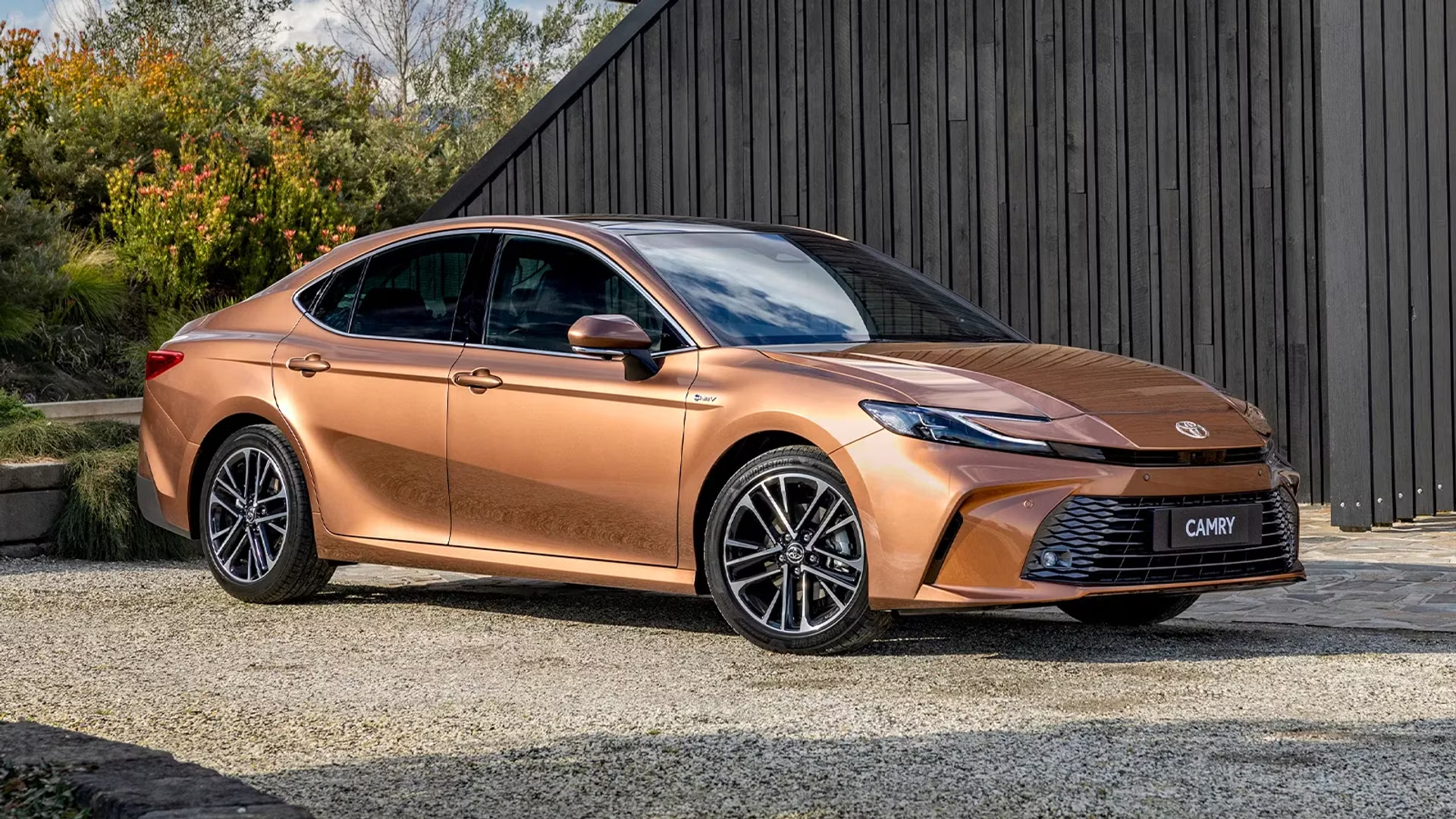
2. Honda Accord (2.4L K-Series): Durable Engineering for High Mileage
The Honda Accord, powered by the 2.4-liter K-Series engine, commonly known as the K24, is widely recognized for its ability to exceed 300,000 miles when properly maintained. Introduced in the early 2000s, the K-Series engine family quickly gained a reputation for durability, efficiency, and balanced performance.
This reputation has made the Accord a popular choice for commuters, enthusiasts, and long-term owners who value reliability. Many owners report that the vehicle’s interior components often show wear long before the engine or transmission experiences serious mechanical issues.
A major reason for the K24 engine’s longevity is its robust internal engineering. The engine uses strong components such as forged steel crankshafts and connecting rods, which are more resistant to metal fatigue than standard cast parts.
Its aluminum engine block includes durable cast-iron cylinder sleeves that provide additional resistance to wear while maintaining good heat management. The engine also operates with a moderate compression ratio, generally between 9.6:1 and 11:1, depending on the model year, which reduces stress on the internal components and helps extend engine life.
Another important factor is the use of a timing chain rather than a timing belt. Timing belts often require replacement at specific mileage intervals and can cause severe engine damage if they fail. The K-Series timing chain is designed to last for the life of the engine under normal conditions, reducing maintenance costs and eliminating a common failure point in many engines.
The K24 engine also benefits from Honda’s advanced i-VTEC valvetrain system. This technology adjusts valve timing and lift depending on engine speed, allowing the engine to operate efficiently at low revolutions while still providing strong performance at higher speeds. By optimizing valve operation, the system reduces unnecessary strain on the valvetrain and helps maintain long-term mechanical stability.
High-quality internal components further contribute to durability. Roller rocker arms reduce friction inside the valvetrain, while carefully designed cooling channels help manage engine temperatures during heavy use. These design features allow the engine to remain stable even during extended driving or higher load conditions.
Ease of maintenance also plays a significant role in the engine’s long lifespan. The K24 engine is relatively simple to service, encouraging owners to keep up with routine maintenance such as oil changes and fluid replacements.
Some later models, particularly those produced between 2008 and 2012, may experience mild oil consumption or timing chain tensioner wear, but these issues are typically manageable when addressed early.
The Honda Accord equipped with the 2.4-liter K-Series engine combines strong engineering, durable materials, and practical serviceability. These qualities have established it as one of the most dependable midsize sedan powertrains capable of reaching extremely high mileage.
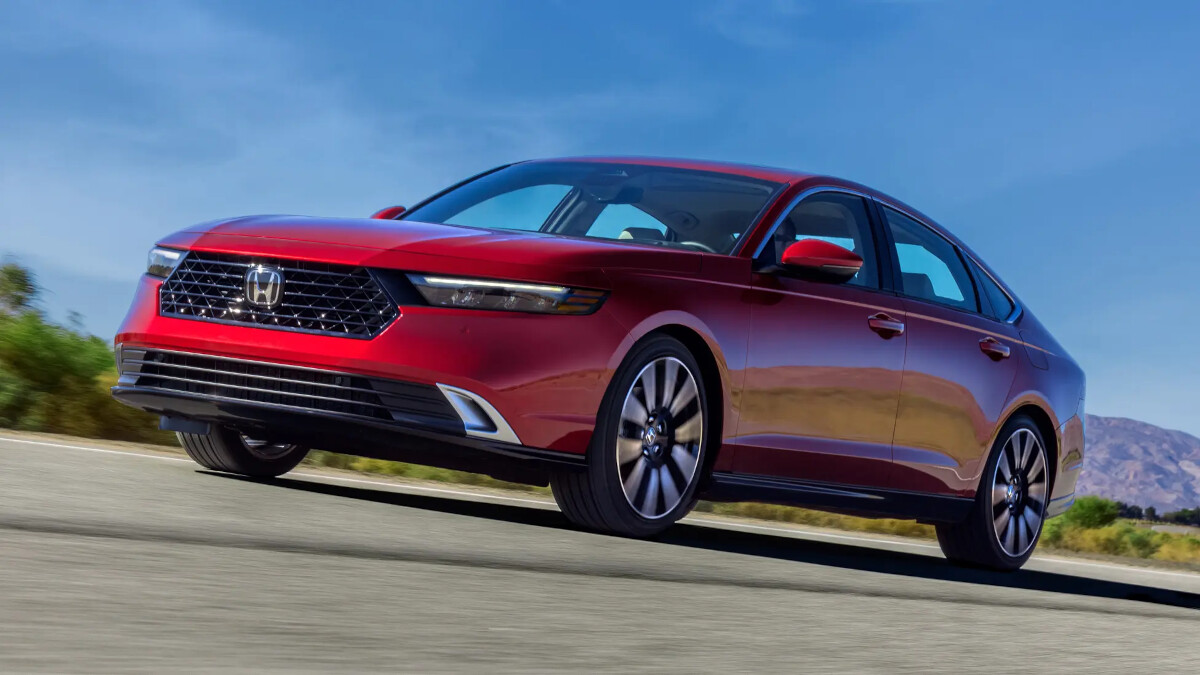
3. Lexus ES: Luxury Comfort with Proven Long-Term Reliability
The Lexus ES has built a strong reputation for long-term durability, with many examples surpassing 250,000 to 300,000 miles when properly maintained. Often described as a luxury counterpart to Toyota’s reliable sedans, the ES benefits from the same engineering philosophy that emphasizes durability, proven technology, and smooth performance.
Instead of relying heavily on high-stress turbocharged engines, the ES typically uses naturally aspirated powertrains and well-tested hybrid systems designed for longevity and efficiency.
One of the most important reasons for the ES’s reliability is its 3.5-liter V6 engine, commonly known as the 2GR-FE or 2GR-FKS. This engine is widely regarded as one of the most dependable V6 engines produced in modern vehicles. It is designed to operate well within its mechanical limits, meaning it does not experience excessive heat or pressure during normal driving.
Because the engine is not pushed to extreme performance levels, internal components such as pistons, bearings, and valves experience less wear over time. As a result, the V6 engine can run smoothly for hundreds of thousands of miles when routine maintenance is followed.
Another factor contributing to the ES’s longevity is Lexus’s strict manufacturing and quality control standards. Lexus vehicles are assembled with exceptional attention to detail, ensuring that seals, gaskets, and other components are properly installed to prevent leaks and premature wear.
This careful assembly process reduces the likelihood of long-term mechanical issues and helps maintain the engine’s reliability over extended periods of use.
The Lexus ES also offers a hybrid variant known as the ES 300h, which uses a 2.5-liter four-cylinder engine combined with an electric motor and battery system. This hybrid powertrain is based on Toyota’s well-proven hybrid technology, which is designed to reduce stress on the gasoline engine by sharing the workload with electric components. The result is improved fuel efficiency, smooth operation, and extended mechanical life for both the engine and drivetrain.
Many ES owners also contribute to the car’s longevity through consistent dealership maintenance. Because the ES is positioned as a luxury sedan, owners often follow recommended service schedules closely. Regular oil changes, cooling system maintenance, and inspections help prevent overheating or internal damage, which can shorten the lifespan of many luxury vehicles.
In addition to its reliable powertrains, the ES is built on a sturdy platform that emphasizes structural stability and comfort. The interior is designed to provide a quiet and refined driving experience, with high-quality materials and sound insulation that enhance long-distance comfort.
The Lexus ES combines durable engine design, strict quality control, proven hybrid technology, and careful maintenance practices. These factors make it one of the most reliable luxury sedans capable of achieving extremely high mileage.
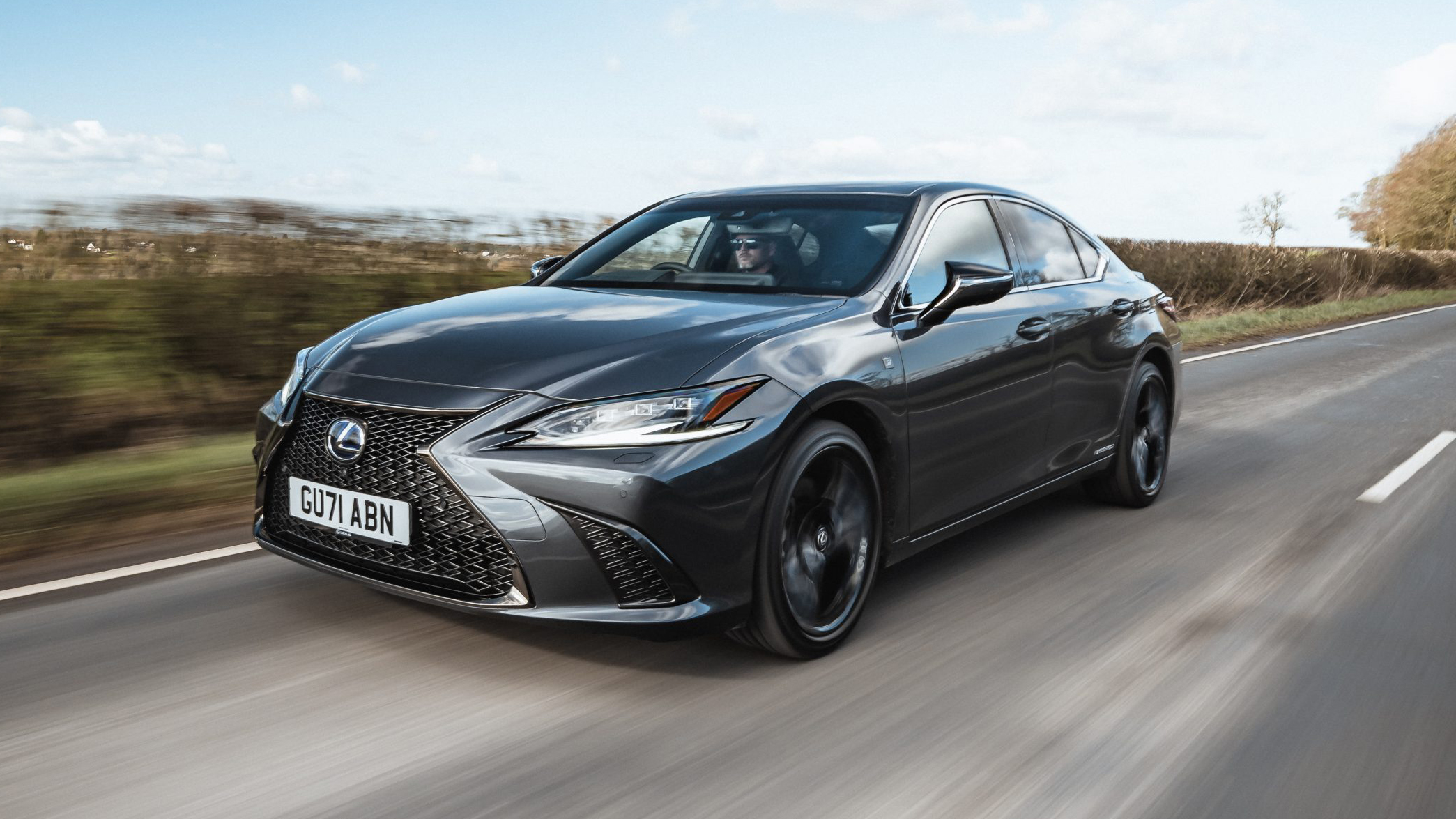
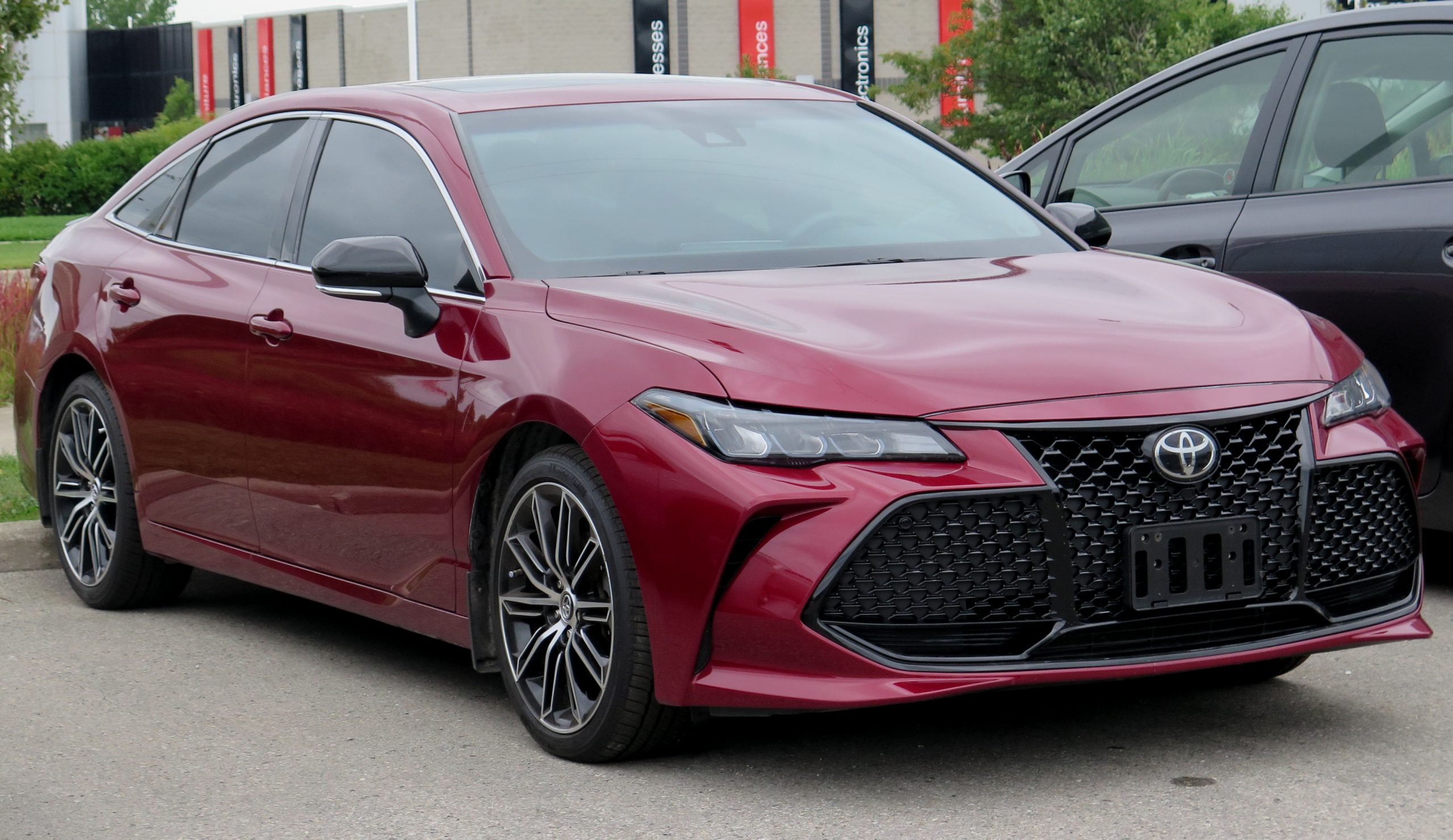
4. Toyota Avalon: Built for Longevity Through Simplicity and Proven Engineering
The Toyota Avalon has long been known for exceptional reliability and longevity, with many vehicles surpassing 300,000 miles when properly maintained. Often described as a large, comfortable “land yacht,” the Avalon combines Toyota’s conservative engineering philosophy with durable components and proven technology.
Because it shares many mechanical elements with other reliable Toyota models, particularly the Camry and Lexus ES, the Avalon benefits from decades of engineering refinement designed to prioritize durability over cutting-edge complexity.
A key factor behind the Avalon’s longevity is its 3.5-liter V6 engine, commonly known as the 2GR-FE or 2GR-FKS. Introduced in the mid-2000s, this engine is widely considered one of Toyota’s most dependable powertrains. It is naturally aspirated and designed to produce power without relying on turbochargers or excessive engine stress. 4
Because the engine operates comfortably within its mechanical limits, it experiences less heat buildup and internal strain compared with smaller turbocharged engines. This lower operating stress allows components such as pistons, bearings, and valves to last significantly longer.
Another reason the Avalon achieves high mileage is its simple and proven engineering design. Many Avalons use timing chains instead of timing belts, which are designed to last the life of the engine and reduce the need for major maintenance.
Toyota also tends to use established technologies rather than introducing overly complex systems that may reduce long-term reliability. This approach means fewer components are exposed to failure over time, especially compared with vehicles that rely heavily on complicated turbocharging systems or numerous electronic sensors.
The Avalon also benefits from high build quality and shared components with Lexus vehicles. Many parts are similar to those used in the Lexus ES, which results in a higher standard of durability than many typical midsize sedans. Toyota’s manufacturing philosophy of continuous improvement ensures that even smaller components, such as starters, alternators, and cooling system parts, are designed to withstand long-term use.
Ease of maintenance also contributes to the car’s longevity. Because the Avalon shares parts with the Toyota Camry, replacement components are widely available and relatively affordable. The engine bay is designed for accessibility, making routine maintenance easier and more likely to be performed on schedule.
Proper maintenance remains essential for reaching extremely high mileage. Regular oil changes with synthetic oil help prevent sludge buildup, while cooling system service and timely water pump replacement help avoid overheating. Transmission fluid changes can also help extend the life of the drivetrain beyond 200,000 miles.
The Toyota Avalon’s durable V6 engine, simple engineering approach, high build quality, and accessible maintenance make it one of the most dependable large sedans capable of lasting hundreds of thousands of miles.
5. Mazda 6 (Skyactiv-G): Efficient Engineering Designed for Long-Term Durability
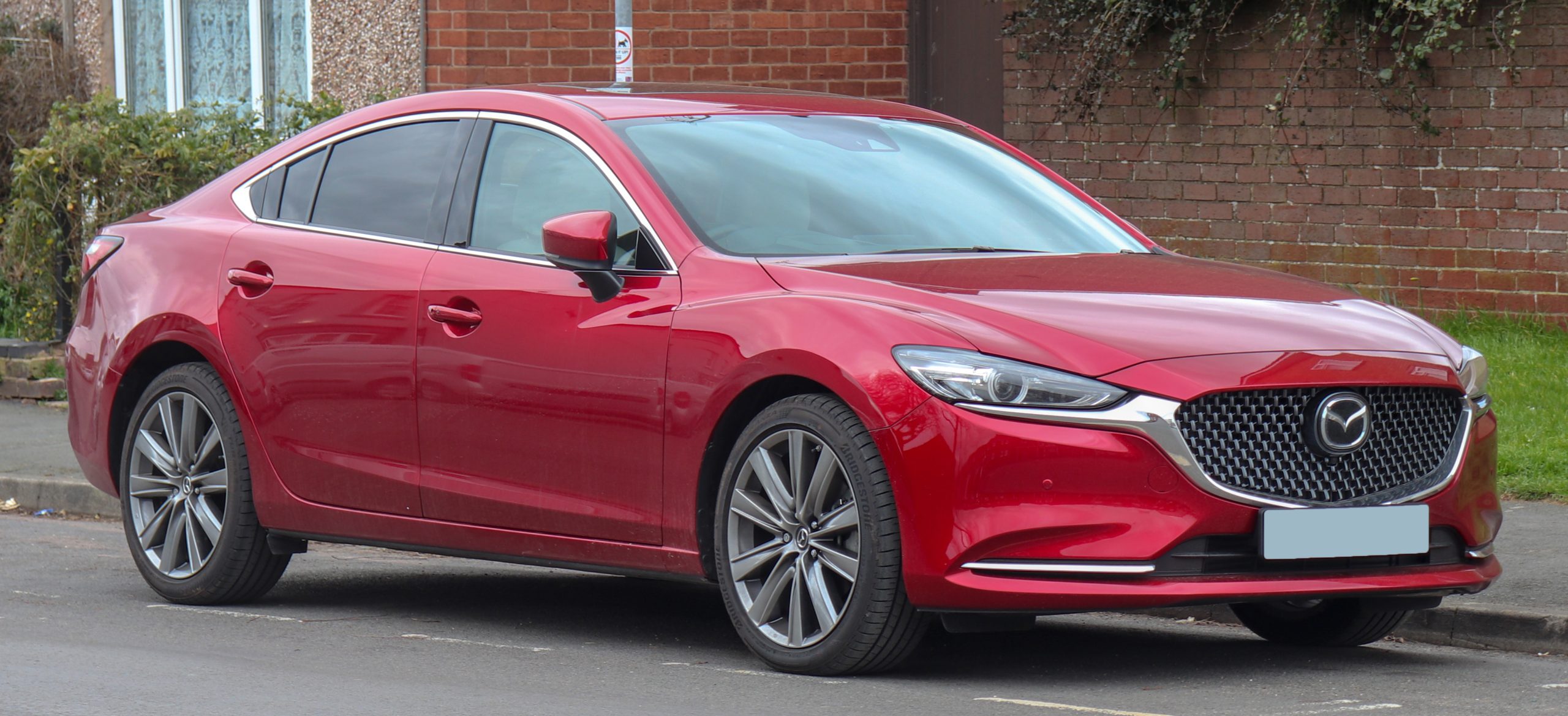
The Mazda 6 equipped with Skyactiv-G engines has earned a reputation as a reliable midsize sedan capable of reaching 300,000 miles with proper maintenance. Mazda’s engineering philosophy differs from many competitors that focus on small, highly turbocharged engines.
Instead, Mazda developed high-compression, naturally aspirated engines designed to deliver strong efficiency and performance while maintaining long-term durability. This approach reduces mechanical complexity and helps minimize the stress placed on the engine during everyday driving.
A key factor behind the Mazda 6’s longevity is the Skyactiv-G engine design, particularly the 2.5-liter naturally aspirated version. Unlike traditional engines with lower compression ratios, Skyactiv-G engines use high compression ratios that can reach between 13:1 and 14:1.
High compression typically increases the risk of engine knocking, but Mazda addressed this challenge with precise engineering solutions such as specially designed piston cavities and advanced fuel injection systems. These improvements allow the engine to burn fuel more efficiently while maintaining stable combustion and minimizing internal wear.
Another important design feature is the 4-2-1 exhaust manifold, which helps reduce engine temperatures and improve exhaust flow. Lower internal temperatures decrease the likelihood of overheating and reduce long-term stress on critical components such as cylinder heads, pistons, and valves. By improving heat management, Mazda ensures that the engine can operate reliably over extended periods and high mileage.
The Skyactiv-G engine also benefits from a simplified mechanical design compared with many competitors.
While some manufacturers rely heavily on turbocharging and complex engine systems to achieve performance targets, Mazda’s naturally aspirated setup reduces the number of high-stress components under the hood. Fewer parts mean fewer potential failure points, which contributes to long-term reliability and easier maintenance.
The Mazda 6 is also equipped with the Skyactiv-Drive six-speed automatic transmission, which is widely regarded as durable and responsive. This transmission is designed to combine the smoothness of a conventional automatic with the efficiency of a manual-style locking system, resulting in reliable performance during both daily commuting and highway driving.
Proper maintenance remains essential for achieving high mileage. Regular oil changes every 5,000 miles help prevent carbon buildup, which can occur in direct-injection engines over time. Maintaining the cooling system is also critical, as overheating can damage engine components. Periodic intake valve cleaning may also be recommended to remove carbon deposits and maintain optimal performance.
The Mazda 6 with a Skyactiv-G engine demonstrates how precise engineering, simplified design, and careful heat management can produce a midsize sedan capable of long-lasting reliability while still delivering engaging driving performance.
Also Read: 5 Cars With Excellent Air Conditioning for Hot Climates vs 5 That Struggle
5 That Require Early Rebuilds
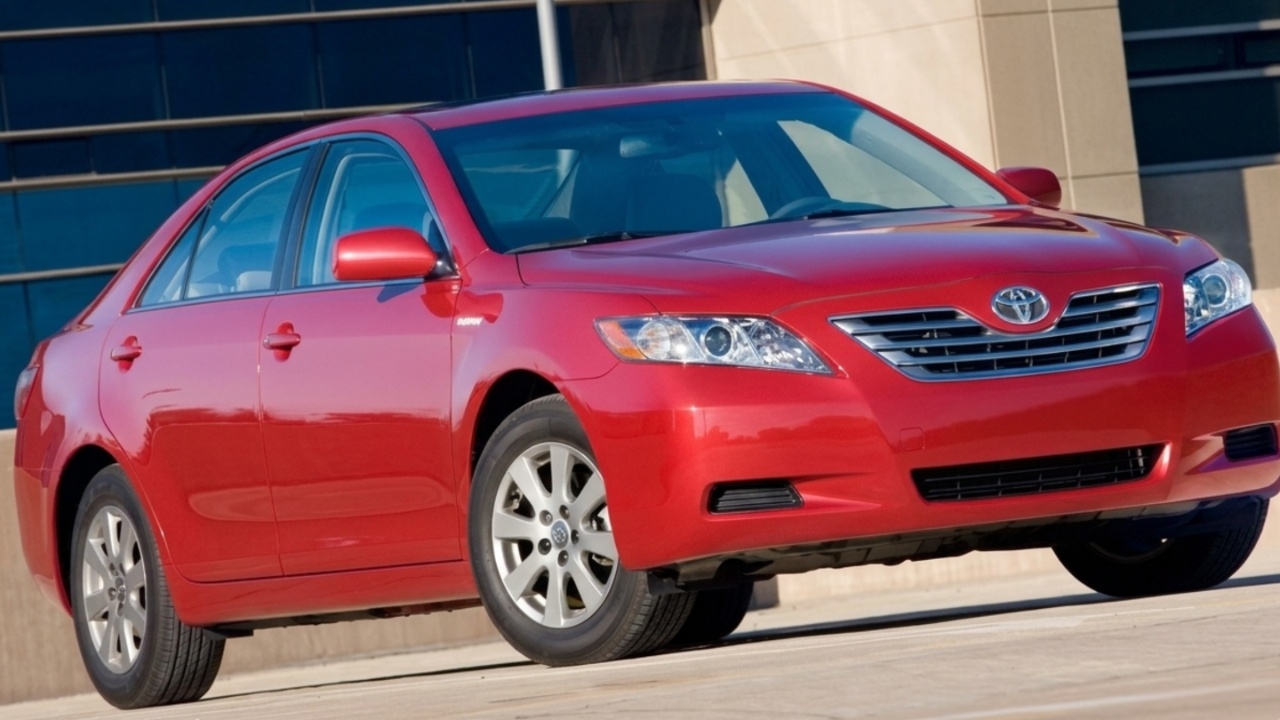
1. 2007–2009 Toyota Camry (2.4L 2AZ-FE): Oil Consumption Issues and Early Engine Rebuilds
The 2007–2009 Toyota Camry equipped with the 2.4-liter 2AZ-FE engine is widely known for a significant reliability issue that contrasts with Toyota’s usual reputation for long-lasting vehicles.
While many Camry models regularly exceed 200,000 miles, this particular engine from these model years often requires major repairs much earlier due to a manufacturing defect involving the piston rings. The issue became widespread enough to prompt a technical service bulletin from Toyota and eventually a class-action lawsuit.
The main problem with the 2AZ-FE engine during these years is excessive oil consumption caused by defective piston ring design. Toyota used low-tension piston rings in an effort to reduce internal friction and improve fuel efficiency.
However, these rings were unable to properly seal the combustion chamber over time. As the rings wore down, they failed to effectively scrape oil from the cylinder walls. This allowed engine oil to enter the combustion chamber, where it burned during the combustion process.
As a result, many affected engines began consuming oil at unusually high rates. In some cases, drivers reported the engine burning approximately one quart of oil every 1,200 miles, though the rate could be even higher depending on the condition of the engine.
If owners did not check the oil level regularly and replenish it, the engine could run with dangerously low oil levels. Operating with insufficient lubrication places severe stress on internal components such as crankshaft bearings, connecting rods, and cylinder walls.
Over time, the continued loss of oil can lead to serious internal engine damage. Bearings may wear prematurely due to a lack of lubrication, and the engine may develop knocking or other mechanical problems. Burning oil can also lead to carbon buildup inside the engine and may damage the catalytic converter, which is sensitive to oil contamination.
In many cases, the only permanent solution involves replacing the pistons and piston rings with redesigned components, which requires extensive engine disassembly. Because of the complexity of the repair, some owners choose to replace the engine short block entirely rather than rebuild the existing unit.
Although the 2AZ-FE engine family is generally considered durable in other model years, the 2007–2009 Camry versions remain the most frequently associated with excessive oil consumption. Without proper repairs or close monitoring of oil levels, these engines often fail prematurely, sometimes well before reaching 150,000 miles.
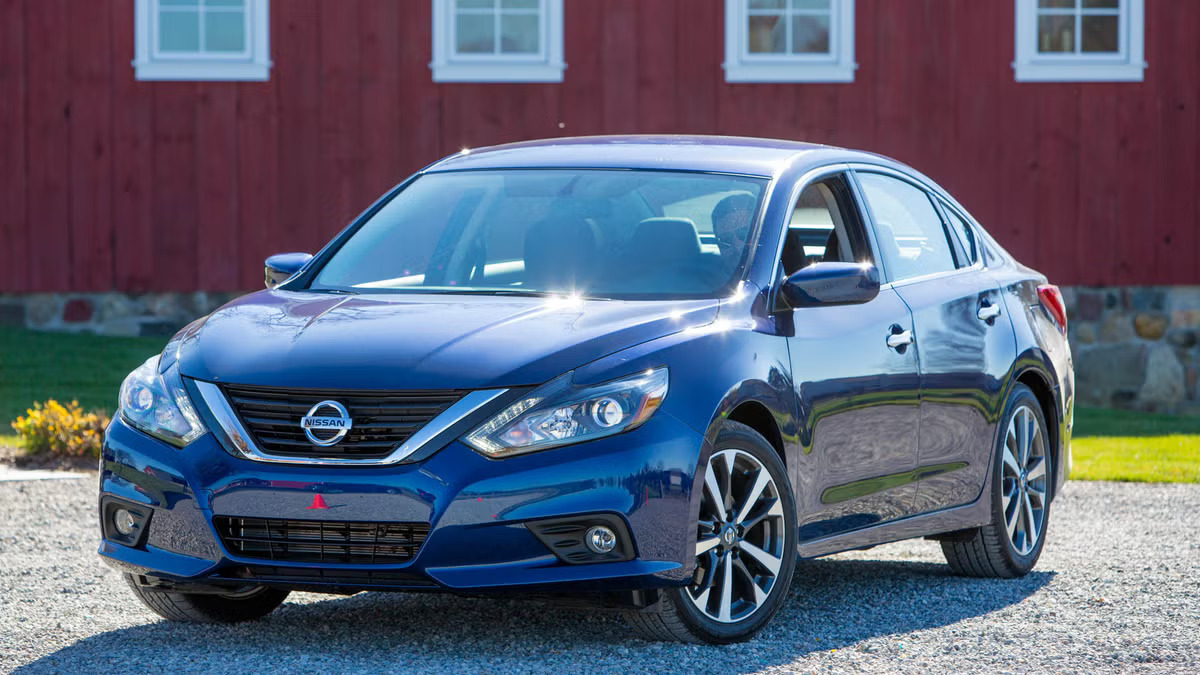
2. Nissan Altima (2013–2017): CVT Transmission Failures and Reliability Concerns
The 2013–2017 Nissan Altima gained popularity in the midsize sedan market because of its comfortable interior, good fuel efficiency, and competitive pricing. Despite these strengths, this generation developed a reputation for serious reliability concerns related to its continuously variable transmission (CVT).
While the engines used in these vehicles are generally dependable, the Altima’s drivetrain reliability was heavily affected by the Jatco-manufactured CVT, which became known for premature failures.
The CVT used in these models operates differently from a traditional automatic transmission. Instead of using multiple gears, a CVT relies on a system of pulleys connected by a metal belt to deliver smooth and continuous power.
This design helps improve fuel efficiency and allows the engine to operate at optimal speeds. However, the CVT units installed in the 2013–2017 Altima often experienced overheating and internal wear, which led to major mechanical problems earlier than expected.
One of the most common causes of failure was excessive heat buildup inside the transmission. High temperatures caused the transmission fluid to degrade more quickly, reducing its ability to lubricate and cool the internal components. Once the fluid broke down, pressure within the transmission could become unstable. This condition placed additional strain on the steel belt and pulley system that drives the CVT.
As the internal components wore down, drivers frequently reported noticeable warning signs. These included shuddering during acceleration, hesitation when pressing the gas pedal, jerking movements while driving, and, in some cases, sudden loss of power at highway speeds. These symptoms often indicated that the belt inside the transmission had begun to slip or that other internal parts were deteriorating.
Repairing these transmissions proved difficult for many owners. Unlike conventional automatic transmissions that can often be repaired by replacing individual components, a failing CVT typically requires complete replacement.
The cost of installing a new unit usually ranges from $4,000 to $6,000, depending on labor and parts. Because these failures often occurred between 60,000 and 100,000 miles, many vehicles faced expensive repairs while still relatively young.
For some owners, the high repair cost exceeded the resale value of the car. As a result, many Altimas from this generation were retired or sold rather than repaired. Later models received improvements to the CVT design, but the 2013–2016 versions remain the most widely associated with early transmission problems.
Although the Altima offered a comfortable driving experience and competitive fuel economy, the widespread CVT issues significantly limited its ability to achieve the long-term mileage commonly expected from midsize sedans.
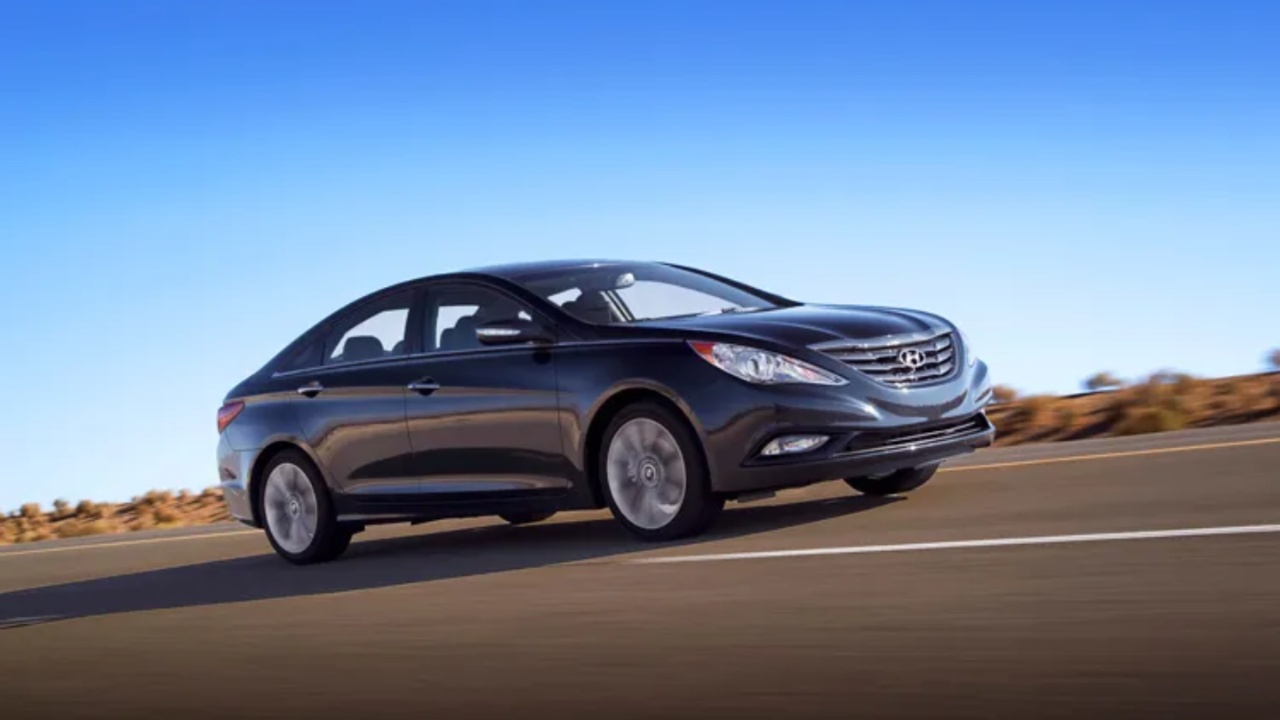
3. Hyundai Sonata (2011–2014 Theta II): Manufacturing Defects and Premature Engine Failures
The 2011–2014 Hyundai Sonata equipped with the 2.4-liter Theta II engine became widely known for serious engine reliability problems that often required early engine replacements.
Despite the Sonata’s competitive pricing, attractive design, and strong fuel economy, this generation developed a reputation for catastrophic engine failures caused by manufacturing defects. The issue became one of the largest automotive reliability controversies in recent years, leading to recalls, lawsuits, and billions of dollars in repair costs.
The primary cause of failure involved metallic debris left inside the engine during manufacturing. During production of the crankshaft at Hyundai’s Alabama manufacturing facility, metal shavings were not properly removed from internal oil passages. These tiny particles remained inside the engine and gradually circulated through the lubrication system during normal operation.
As the engine accumulated mileage, the debris began to restrict oil flow to critical components, particularly the connecting rod bearings. Bearings rely on a constant supply of clean engine oil to maintain proper lubrication and prevent metal-to-metal contact. When the oil flow became restricted, the bearings started to wear prematurely. This process gradually damaged the internal rotating components of the engine.
One of the most common warning signs was a distinct knocking noise, often referred to as “rod knock.” This sound occurred when worn bearings allowed excessive movement between the connecting rods and crankshaft.
As the damage progressed, the engine could lose lubrication entirely, leading to severe internal damage. In many cases, the engine would eventually seize, sometimes while the vehicle was being driven at highway speeds.
Owners also reported additional symptoms such as sudden engine stalling, excessive oil consumption, and poor engine performance. Once the internal damage reached a critical point, repair options were limited. Because the damage often affected multiple internal components, the most common solution was a complete engine replacement rather than a simple repair.
The widespread nature of these failures led to significant legal and financial consequences for Hyundai. Recalls and extended warranty programs were implemented to address the issue, and the company invested billions of dollars to repair or replace affected engines. The problem also affected several related Hyundai and Kia models that used the same Theta II engine design.
Although many vehicles received replacement engines under warranty, the reliability concerns from this period significantly affected the reputation of the Sonata.
Owners of surviving vehicles are often advised to maintain strict service records and monitor engine performance closely. Regular oil changes and inspections can help reduce additional wear, though the underlying issue originated from the manufacturing process rather than routine maintenance.
4. Kia Optima (2011–2015 GDI): Engine Reliability Challenges
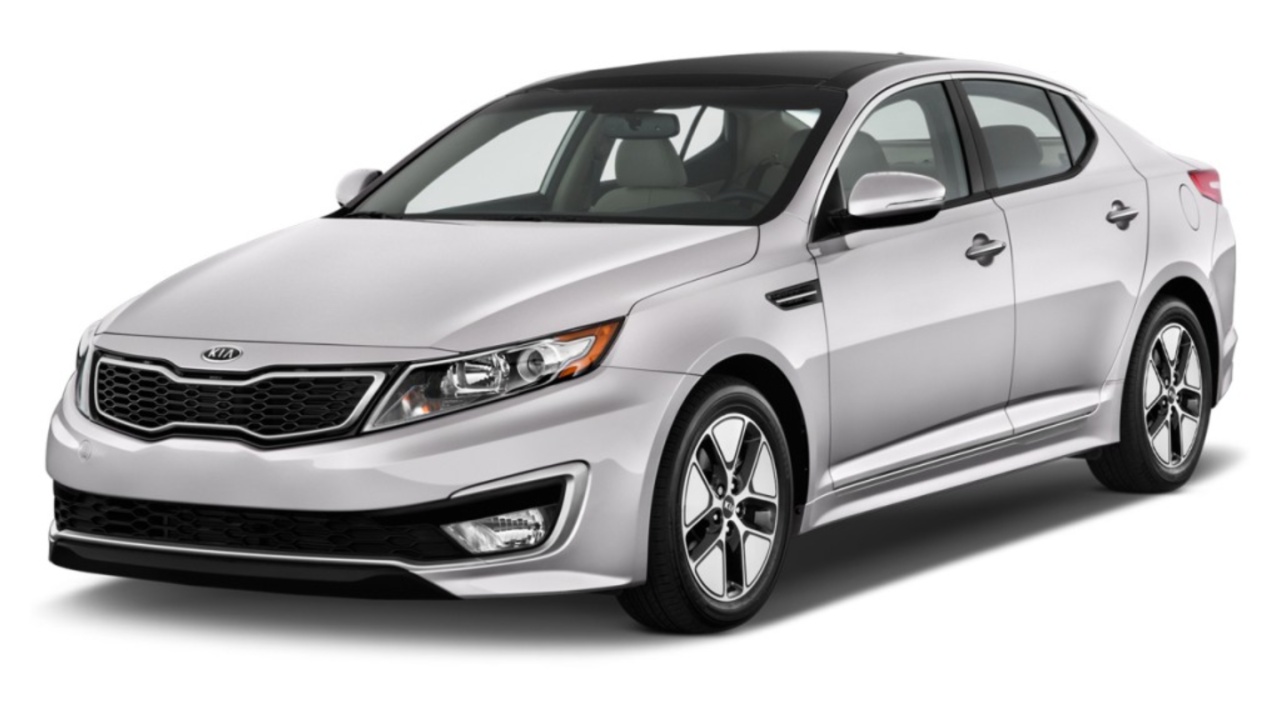
The 2011–2015 Kia Optima, sharing the Theta II engine with the Hyundai Sonata, faced serious engine reliability issues that often required early rebuilds or replacements. The primary concern stemmed from manufacturing defects in the crankshaft, where metallic debris was left inside oil passages during production.
This debris restricted lubrication to critical components, particularly the connecting rod bearings, causing premature bearing wear, rhythmic knocking sounds, stalling, and in severe cases, complete engine seizure before 100,000 miles.
In addition to bearing failures, the Gasoline Direct Injection (GDI) system introduced in these engines was prone to carbon buildup on intake valves, resulting in misfires, reduced performance, and costly top-end engine repairs.
Together, these issues made the 2011–2014 Optima particularly vulnerable, with owners reporting engine knocking, power loss, or sudden shutdowns. Due to the severity of these problems, Kia issued recalls and extended warranties to mitigate widespread failures.
Affected models include 2011–2014 Optimas with 2.4L Theta II GDI engines, and 2.0L turbocharged GDI engines, with 2011 being the most notorious year. Warning signs include a distinct knocking noise from the engine’s bottom, check-engine or oil-pressure warnings, and unexpected stalling. Many vehicles required complete engine replacements, reflecting the critical nature of the manufacturing defect.
Beyond mechanical concerns, the Optima stood out for its styling and driving experience. It adopted a sporty, Euro-inspired design, with an upright stance, chrome-tipped dual exhausts, and driver-oriented interior panels.
Performance benefited from the 200-hp 2.4L engine, which offered nimble acceleration and efficient fuel economy (up to 35 mpg highway), while the 2.0T turbo variant delivered 274 hp for a sportier feel. Ride quality was firm yet comfortable, and the cabin remained quiet even over rough surfaces.
The interior, though generally practical, had disappointing front-seat comfort with flat, firm cushions. Higher trims added heated and cooled front seats and heated rear seats. Safety equipment was robust, including stability control, anti-lock brakes, and multiple airbags, earning the Optima top IIHS ratings.
Features such as Bluetooth, dual-zone climate control, and smart-key systems enhanced convenience, while fuel economy remained class-leading for non-hybrid models.
Despite these strengths, the 2011–2015 Optima’s legacy is largely shaped by engine reliability issues stemming from the Theta II defects and GDI carbon buildup, making vigilance in maintenance and early detection critical for long-term ownership.
5. Ford Fusion (1.5L/1.6L EcoBoost): Early Engine Failures
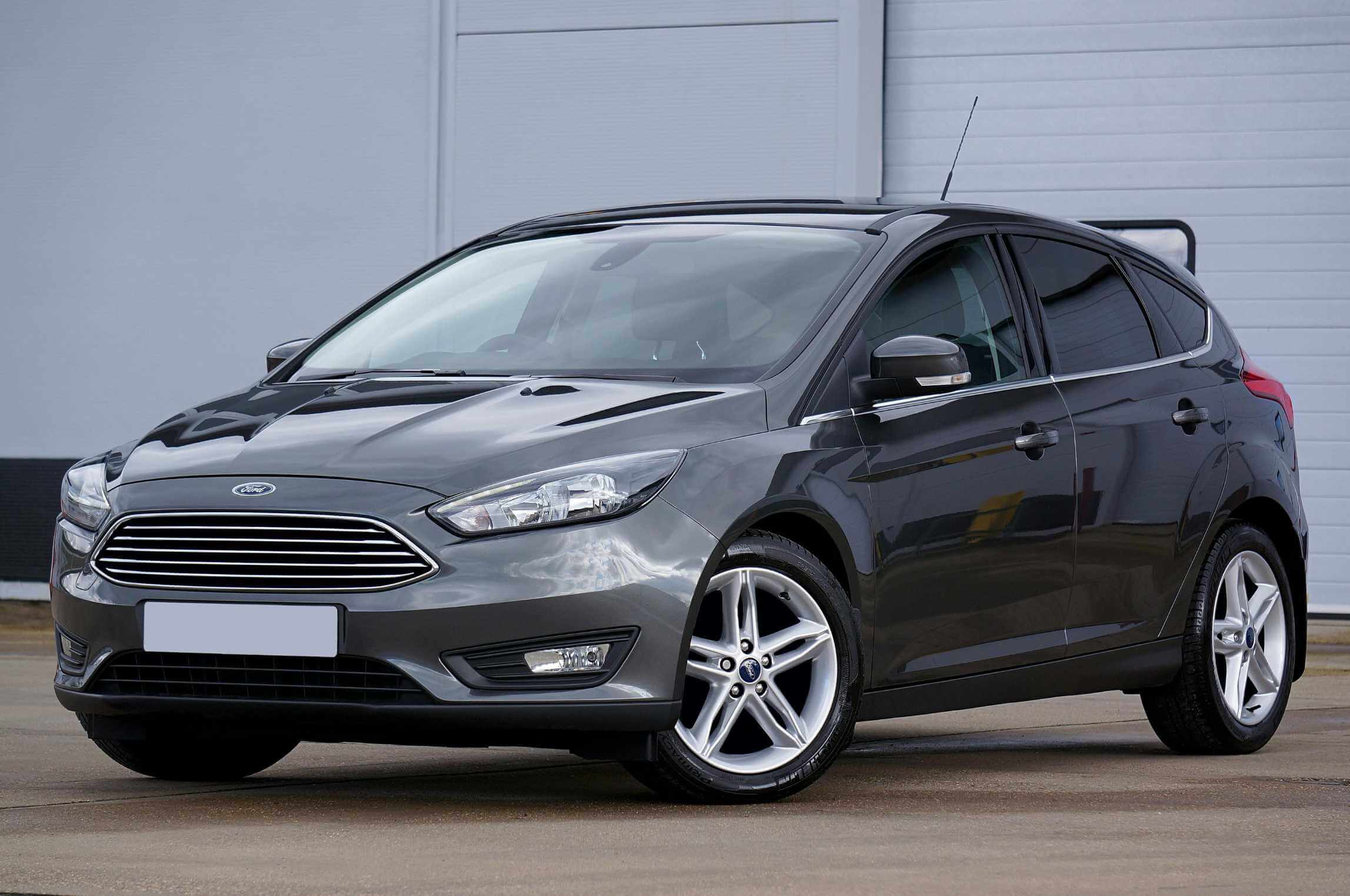
The 2013–2016 Ford Fusion equipped with 1.5L or 1.6L EcoBoost engines experienced significant reliability issues, largely stemming from coolant intrusion. Design flaws in the engine block and head gasket allowed coolant to enter the cylinders, resulting in constant misfires, white smoke, and, in severe cases, cracked engine blocks or hydrolock.
Once coolant contacted the cylinder walls, simple gasket repairs were insufficient, often necessitating a complete long-block replacement. These failures commonly occurred between 60,000 and 100,000 miles, making these small-displacement EcoBoost engines some of the least durable in the modern midsize segment.
Additional contributing factors include head gasket failure, which exacerbated overheating and engine misfires, and carbon buildup from direct-injection technology. Intake valves often accumulate deposits, leading to rough idle, reduced performance, and increased risk of component wear. The turbocharger, relying on high boost pressures, was also prone to premature failure, which further affected engine longevity.
Later Fusion models, particularly 2those from 017 and onward, demonstrated improved durability with fewer catastrophic failures. Owners of the early EcoBoost models faced intensive maintenance demands, and some opted for the 2.5L naturally aspirated engine as a more reliable alternative.
Despite these engine concerns, the Fusion offered a wide range of powertrain options. Base models had a 175-hp 2.5L four-cylinder, while the 1.5L turbo produced 181 hp, and a 2.0L turbo delivered 245 hp. Higher trims included the 325-hp twin-turbo 2.7L V6 in the Sport model, coupled with all-wheel drive.
Hybrid and plug-in hybrid variants combined a 2.0L engine with electric motors, producing 195 hp, with the Energi model featuring a larger battery for extended electric range. All models were paired with a six-speed automatic or CVT, depending on configuration, delivering smooth, unobtrusive shifts.
The interior ranged from basic cloth seats to upscale leather with touchscreen infotainment. The Sync 3 system included Apple CarPlay and Android Auto, supporting connectivity across trims.
Cargo space was generally competitive, though hybrid models sacrificed trunk room due to battery placement. Ride quality blended comfort and competent handling, though some models lacked the sharpness expected from sportier sedans.
Fuel economy was competitive for the class, particularly with the turbocharged four-cylinders. Safety systems included standard stability control, airbags, and anti-lock brakes, with NHTSA and IIHS ratings reflecting strong crash protection.
Early EcoBoost engines in the Fusion demanded careful monitoring, with coolant intrusion and gasket failures being the primary causes of premature, costly engine replacements.
Choosing a midsize sedan involves more than styling or performance; it’s about trusting the heart of the car: the engine. Models like the Camry, Accord, and Mazda 6 reward careful maintenance with exceptional mileage and minimal headaches, reflecting their robust engineering and reliable components.
Meanwhile, vehicles such as early Ford Fusions, Hyundai Sonatas, and Kia Optimas can require costly early rebuilds due to design or manufacturing flaws.
For buyers seeking long-term value, knowledge of engine reliability is key. Selecting a sedan with a proven track record of durability ensures peace of mind, lower maintenance costs, and the confidence to drive hundreds of thousands of miles without worry.
Also Read: Top 10 Cars With the Weirdest Factory Options Ever