When choosing a used SUV, buyers often face a trade-off between rugged capability and affordability. Some models are built with robust 4WD systems and durable mechanicals, designed to handle challenging terrain, heavy loads, and long-term ownership.
Vehicles like the Toyota 4Runner, Nissan Xterra, Suzuki Jimny, Lexus GX 470, and Mitsubishi Montero Sport offer proven off-road reliability, simple mechanical designs, and strong drivetrain components, making them excellent choices for buyers seeking both performance and peace of mind.
On the other hand, several popular SUVs come with differentials or complex all-wheel-drive systems that are prone to premature wear. Models such as the Land Rover Discovery 4, Jeep Grand Cherokee (2011–2015), early Chevrolet Equinox, and Renault Captur provide comfort, style, and modern features but carry higher mechanical risks, particularly in high-mileage examples. Understanding these differences is essential for finding an affordable SUV that balances capability, cost, and long-term reliability.
5 Affordable Used SUVs With Robust 4WD Systems
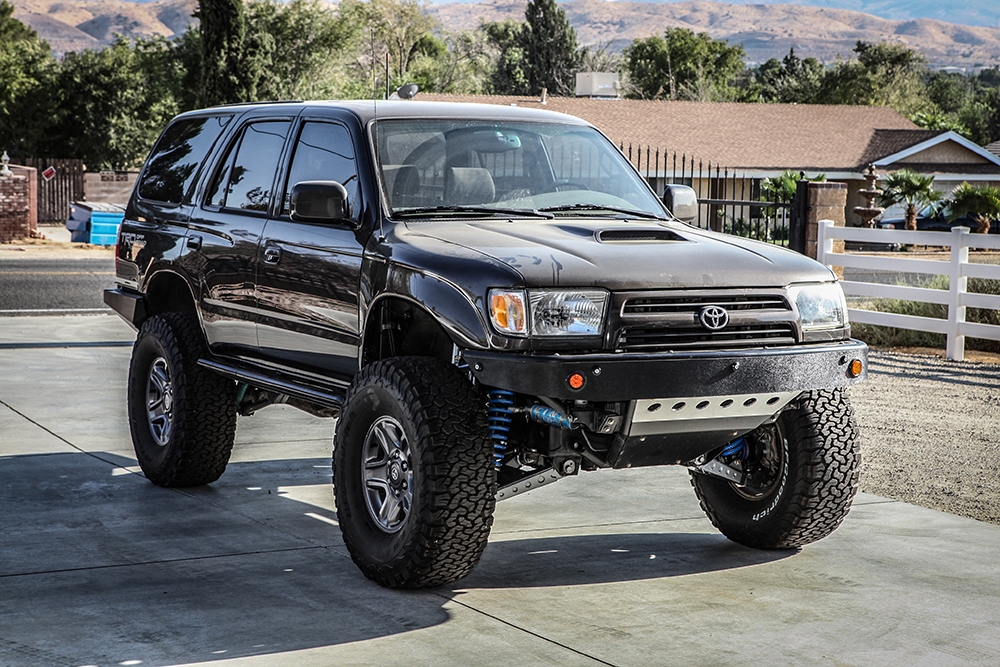
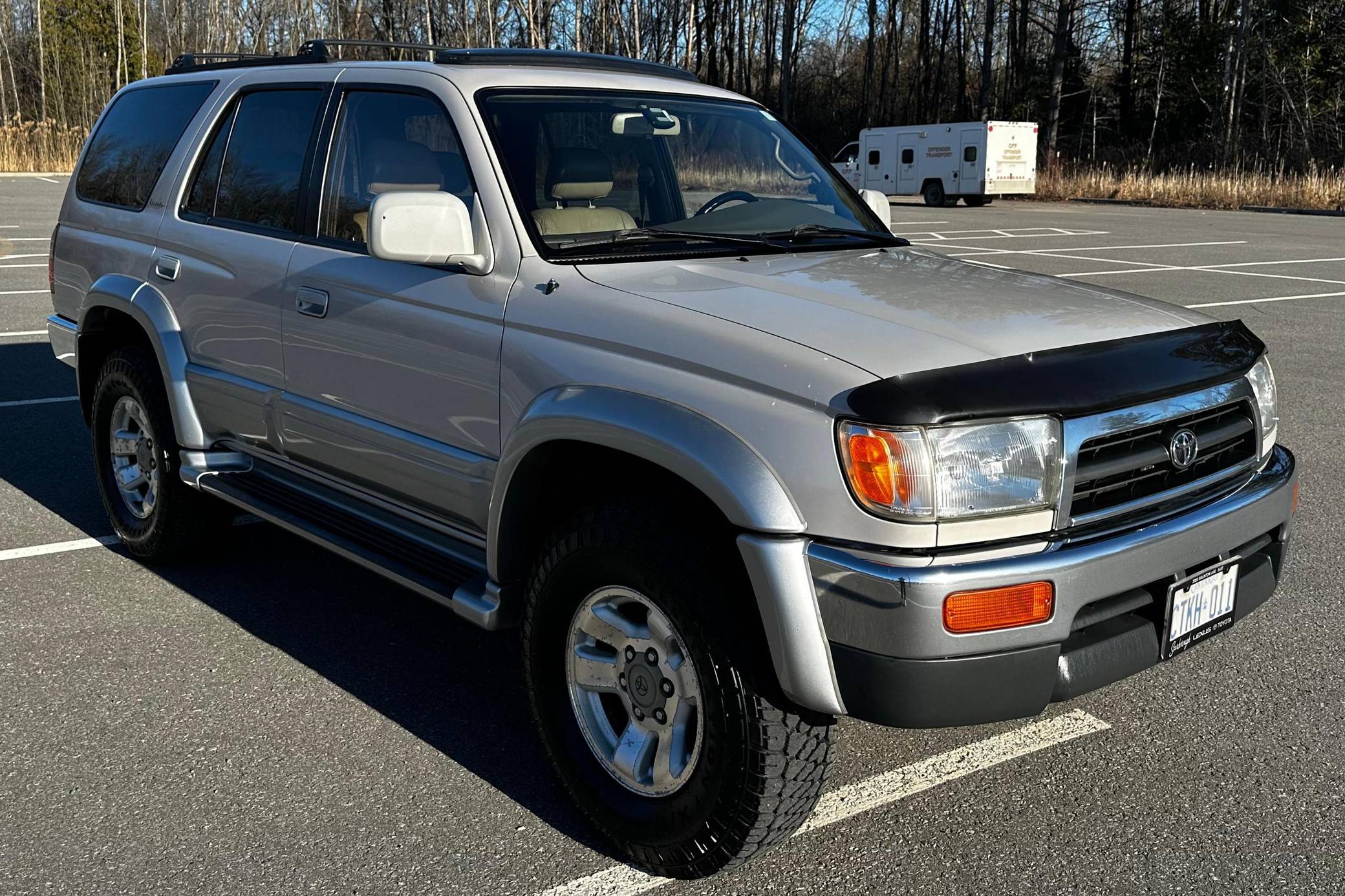
1. 1996–2002 Toyota 4Runner: Rugged Reliability and Timeless Off-Road Capability
The third-generation Toyota 4Runner (1996–2002) is widely celebrated as one of the most reliable and capable midsize SUVs on the used market. Built on a truck-based body-on-frame chassis with a solid rear axle, it was designed for toughness, off-road performance, and long-term durability.
Its 3.4-liter V6 engine (5VZ-FE) is legendary for reliability, often surpassing 300,000 miles with routine maintenance, while its mechanical transfer case and non-interference engine design minimize the risk of catastrophic failure. Simplicity is a key strength: many models feature a manual J-shifter for 4WD engagement, avoiding complex electronics that can fail on older vehicles.
The 4Runner’s robust 4WD system, double-wishbone front suspension, and optional Multi-Mode transfer case (1999–2002 Limited) provide both a smooth on-road ride and exceptional off-road articulation.
The SR5, Limited, and Highlander trims offered a variety of features, including automatic and manual transmissions, color-matched bumpers, and traction control systems like A-TRAC. While base models came with a 2.7-liter inline-four, the 3.4-liter V6 remained the preferred choice for power and durability.
Affordability and long-term value make the 3rd-gen 4Runner a standout in the used SUV segment. With low operating costs, widely available parts, and strong resale value, these vehicles remain a practical investment. The SUV’s styling has aged gracefully, maintaining a classic and rugged appearance that still appeals to enthusiasts today.
Potential buyers should, however, inspect for age-related issues, including rust on the frame and suspension, the risk of “strawberry milkshake” coolant-transmission fluid mixing, sagging rear springs, and lower ball joint wear. Despite these concerns, proper maintenance ensures a 4Runner can remain reliable and capable for decades, even with high mileage.
For those seeking an affordable, mechanically simple SUV that combines legendary off-road performance with bulletproof longevity, the 1996–2002 Toyota 4Runner remains a top choice, proving that thoughtful engineering and rugged design can stand the test of time.
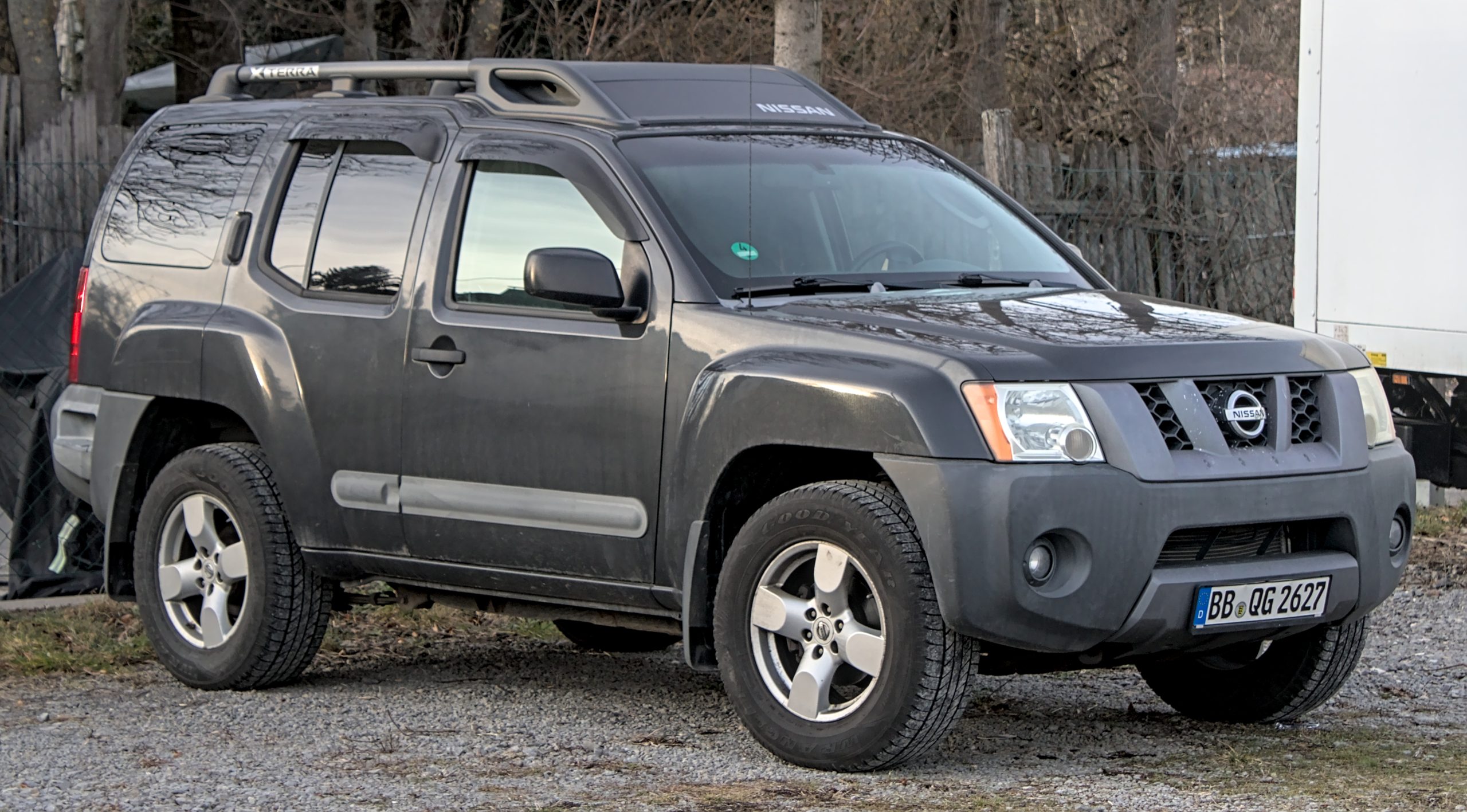
2. 2005–2015 Nissan Xterra: Rugged, Affordable, and Adventure-Ready
The second-generation Nissan Xterra (2005–2015) is widely regarded as a practical and reliable choice for off-road enthusiasts seeking a budget-friendly SUV. Built on the robust F-Alpha ladder-frame platform shared with the Nissan Titan pickup, the Xterra features a solid rear axle and durable suspension, making it capable of handling heavy-duty off-road tasks, rock crawling, and towing.
Its 4.0L V6 engine (VQ40DE) delivers 265 hp and 284 lb-ft of torque, often lasting over 250,000 miles with routine maintenance. The Xterra’s mechanical, part-time 4WD system with low-range gearing provides superior traction and control compared to most unibody crossovers in its class.
One of the Xterra’s standout features is its focus on hardware strength over luxury. Early models had radiator issues known as “SMOD,” but simple bypass modifications make them highly reliable.
The Off-Road package enhances capability with features like an electronically selectable rear locker, Bilstein shocks, skid plates, Hill Descent Control, and Hill Start Assist. Its 33.2-degree approach and 29.4-degree departure angles, combined with 9.5 inches of ground clearance, make it particularly adept in tight or challenging terrain.
The Xterra’s interior is practical and utility-focused rather than luxurious. It includes 60/40 folding rear seats, a Utili-Trak cargo channel system, multiple tie-down hooks, and ample storage compartments, making it ideal for adventure gear. Despite its ruggedness, the SUV offers a surprisingly comfortable highway ride with responsive steering and controlled wind noise.
While the Xterra is durable, buyers should consider trade-offs. Fuel economy is relatively low, the ride is stiffer than modern crossovers, and early automatic transmission models may require inspection for SMOD-related issues. However, these factors are balanced by low maintenance costs, widely available parts, and strong resale value.
For those prioritizing capability, reliability, and affordability, the 2005–2015 Nissan Xterra remains a standout choice. Its combination of proven powertrain longevity, durable 4WD systems, and practical interior design ensures it continues to appeal to outdoor adventurers and budget-conscious buyers alike.
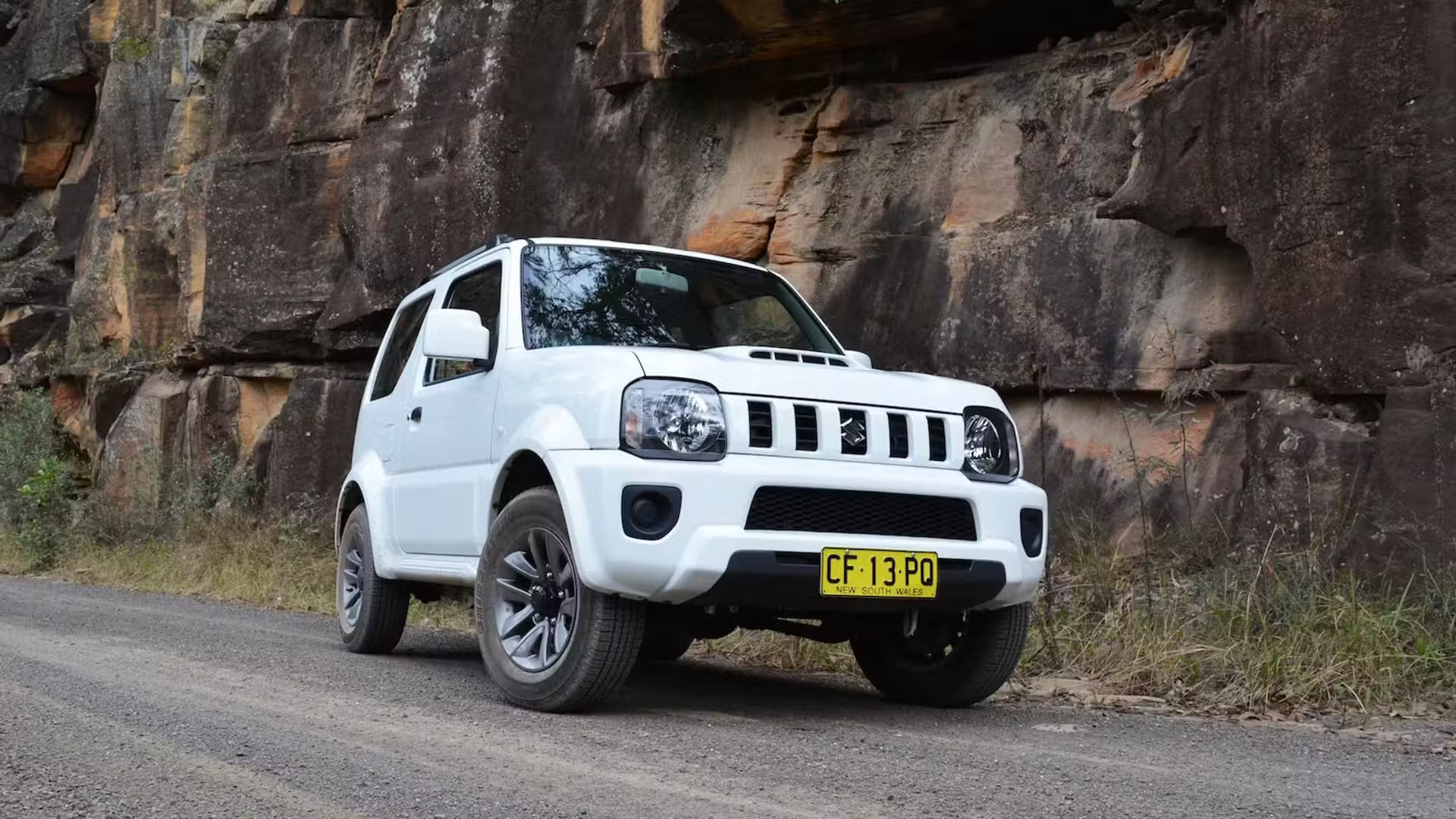
3. 2007–2016 Suzuki Jimny: Compact Off-Road Powerhouse
The third-generation Suzuki Jimny (2007–2016) is a small but formidable off-road SUV, earning a reputation as a “mountain goat” among 4×4 enthusiasts. Its lightweight design (around 1,110 kg), combined with a ladder-frame chassis and solid front and rear axles, allows it to tackle tight trails, mud, and technical terrain that would challenge larger vehicles.
The part-time 4WD system with a low-range transfer case provides excellent traction and low-speed crawling capability, while the 3-link rigid axle suspension with coil springs ensures maximum wheel articulation. These features make the Jimny incredibly durable, with underpowered mechanical components experiencing minimal stress.
Powering most Jimnys is the simple and reliable 1.3-liter petrol engine (M13A), producing 78–83 hp depending on the facelift. While underpowered for highway driving, it is extremely durable, keeping maintenance costs low.
The Jimny’s interior is basic but tough, able to withstand mud and heavy use, and later SZ4 trims improved comfort with alloy wheels, air conditioning, and partial leather seating. Storage is flexible with 60/40 folding rear seats and the Utili-Trak system in the boot for securing gear.
The Jimny’s off-road credentials are enhanced by excellent approach and departure angles, high ground clearance, and compact dimensions that prevent it from bogging down in difficult terrain. It offers a superior small-SUV off-road experience compared to rivals like the Daihatsu Terios or Mitsubishi Shogun Pinin, both of which have been discontinued, leaving the Jimny relatively unmatched in its class.
However, trade-offs include poor high-speed stability, underpowered performance for highway overtaking, limited interior space (especially for taller occupants), and subpar fuel economy. Automatic versions are notably slower, making manual SZ4 trims the preferred choice. Despite these drawbacks, ownership costs remain reasonable, with annual service intervals and affordable parts.
With its combination of affordability, extreme off-road capability, lightweight durability, and cult-classic appeal, the 2007–2016 Suzuki Jimny remains a highly desirable option for buyers seeking a capable, compact, and reliable 4×4 for weekend adventures or challenging terrain.
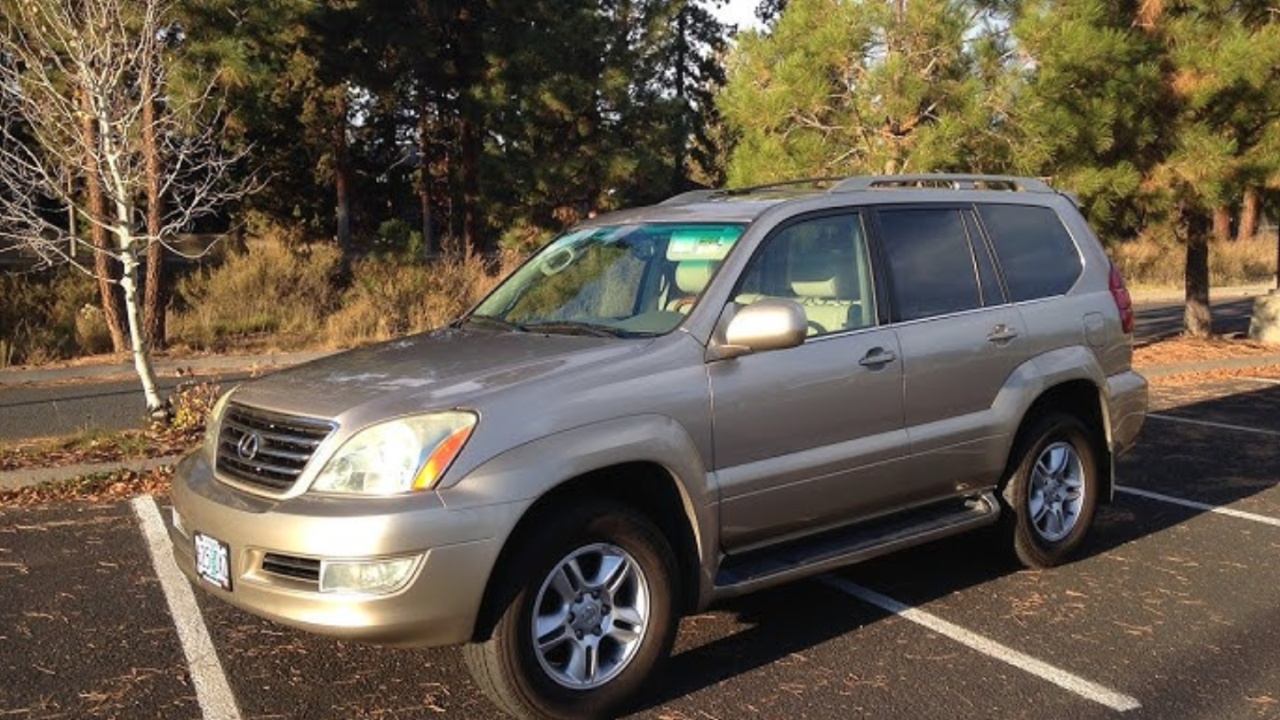
4. 2003–2009 Lexus GX 470: Luxury Meets Bulletproof Off-Road Capability
The Lexus GX 470 (2003–2009) is a rare combination of premium luxury and rugged off-road durability, built on the proven Toyota Land Cruiser Prado (J120) platform. Its full-time 4WD system with a Torsen center differential offers automatic 50/50 power split and can be manually locked for maximum traction.
Equipped with a dual-range transfer case, the GX 470 is capable of high-torque, low-speed crawling on challenging terrain, making it ideal for overlanders who need a reliable, gear-hauling vehicle for long-distance adventures. Later models also featured the Kinetic Dynamic Suspension System (KDSS) for enhanced off-road articulation and Adaptive Variable Suspension (AVS) with adjustable ride settings.
Under the hood, the 4.7L 2UZ-FE V8 delivers 235–270 hp depending on the year, paired with a heavy-duty transmission and drivetrain designed to endure extreme conditions.
Owners frequently report engine longevity beyond 250,000 miles with proper maintenance, and the GX 470 can tow up to 6,500 lbs on later models. Its luxurious interior with leather seating, wood trim, and high-quality audio remains durable even after years of use, retaining the comfort expected from a premium SUV.
Affordability is another key appeal. Once priced over $45,000, used GX 470s now start as low as $6,000–$10,000 for higher-mileage examples, offering access to a capable luxury 4×4 at a fraction of the cost of a new vehicle. Routine maintenance includes timing belt replacements every 90,000 miles, and buyers should inspect for frame rust in colder climates.
Some common issues include air suspension leaks, occasional rear driveshaft clunks, alternator and power steering wear, and interior wear on high-contact areas. Fuel economy is modest, reflecting the V8 engine and heavy build.
Owners consistently praise the GX 470 for its smooth on-road manners, quiet cabin, and confidence-inspiring off-road performance. Its combination of reliability, comfort, towing capability, and robust 4WD systems makes it a standout in the used SUV market.
Even after high mileage, the GX 470 continues to deliver a luxurious, capable driving experience, earning it a loyal following among enthusiasts seeking a versatile SUV that can handle both rugged trails and long highway journeys.
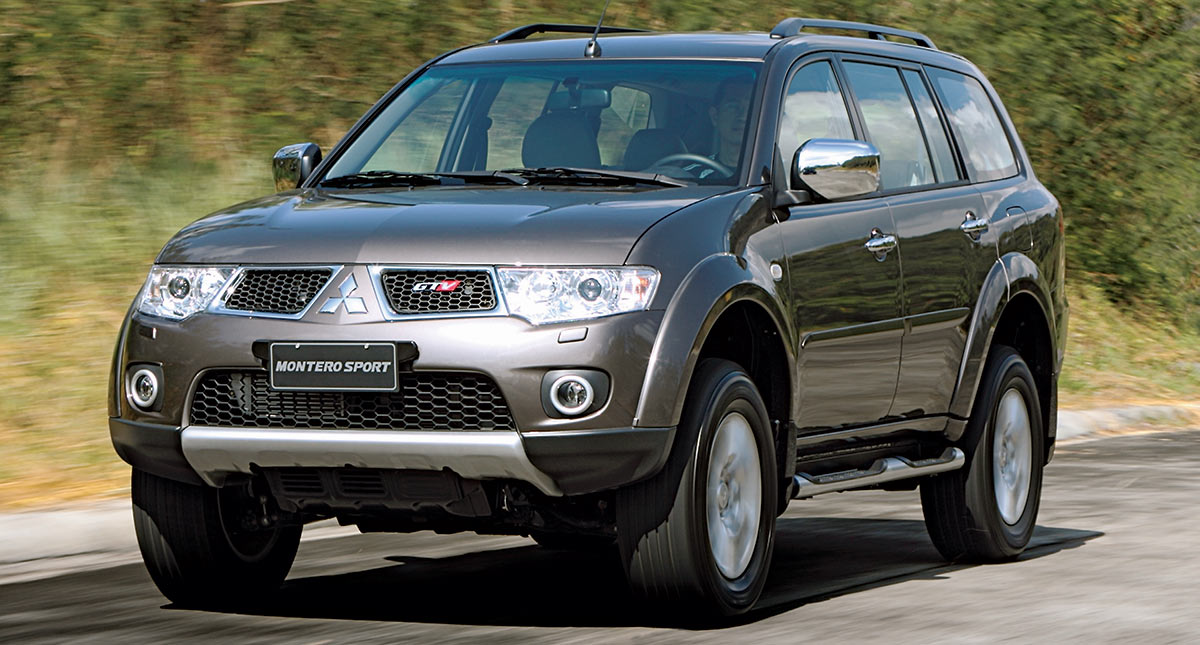
5. Mitsubishi Montero Sport 2nd Generation: Rugged 4WD Meets Family Utility
The 2nd Generation Mitsubishi Montero Sport (approx. 2008–2015) is a robust and affordable used SUV that combines Mitsubishi’s rally-proven 4WD technology with practical family-oriented features.
Built on a ladder-frame chassis shared with the Triton/L200 pickup, the Montero Sport offers exceptional durability, high ground clearance, and a 700mm wading depth, making it well-suited for off-road adventures and challenging global conditions.
Its Super Select 4WD-II system allows drivers to shift between 2WD and 4WD at speeds up to 100 km/h, with a mechanical locking center differential for serious traction, outperforming many clutch-based AWD systems found in competitors.
The Montero Sport is powered by reliable diesel engines, typically the 2.5L or 3.2L variants, known for longevity and strong low-end torque essential for off-roading.
Despite its rugged underpinnings, the SUV offers a surprisingly comfortable ride thanks to a more refined suspension setup than many body-on-frame rivals, balancing daily driving comfort with off-road capability. It is commonly configured with seven seats, making it practical for families while still maintaining the toughness expected from a Mitsubishi SUV.
Affordability and value are key selling points. The Montero Sport generally costs less than comparable models like the Toyota Fortuner while delivering similar off-road performance, solid construction, and dependable engines. Its combination of durability, capability, and lower price makes it an attractive choice for buyers seeking a long-lasting, budget-friendly 4WD SUV.
The vehicle also delivers decent handling and modern features for its generation. Although the diesel engines produce noticeable clatter and some turbo noise, the SUV’s performance remains strong, aided by an optional 8-speed automatic in later models. The cabin is spacious, though third-row legroom can be tight, and ride quality can feel firm over rough surfaces, a typical trait of truck-based SUVs.
The 2nd Generation Mitsubishi Montero Sport stands out as a reliable, versatile SUV with serious off-road credentials and family-friendly practicality.
It appeals to buyers who need a vehicle capable of handling rugged terrain without compromising interior space, comfort, or affordability. With its proven 4WD system, durable chassis, and capable diesel engines, the Montero Sport remains a competitive choice in the used mid-size SUV market.
Also Read: 5 Cars That Are Unstoppable in Deep Snow vs 5 AWD Models That Get Stuck
5 With Fragile Differentials
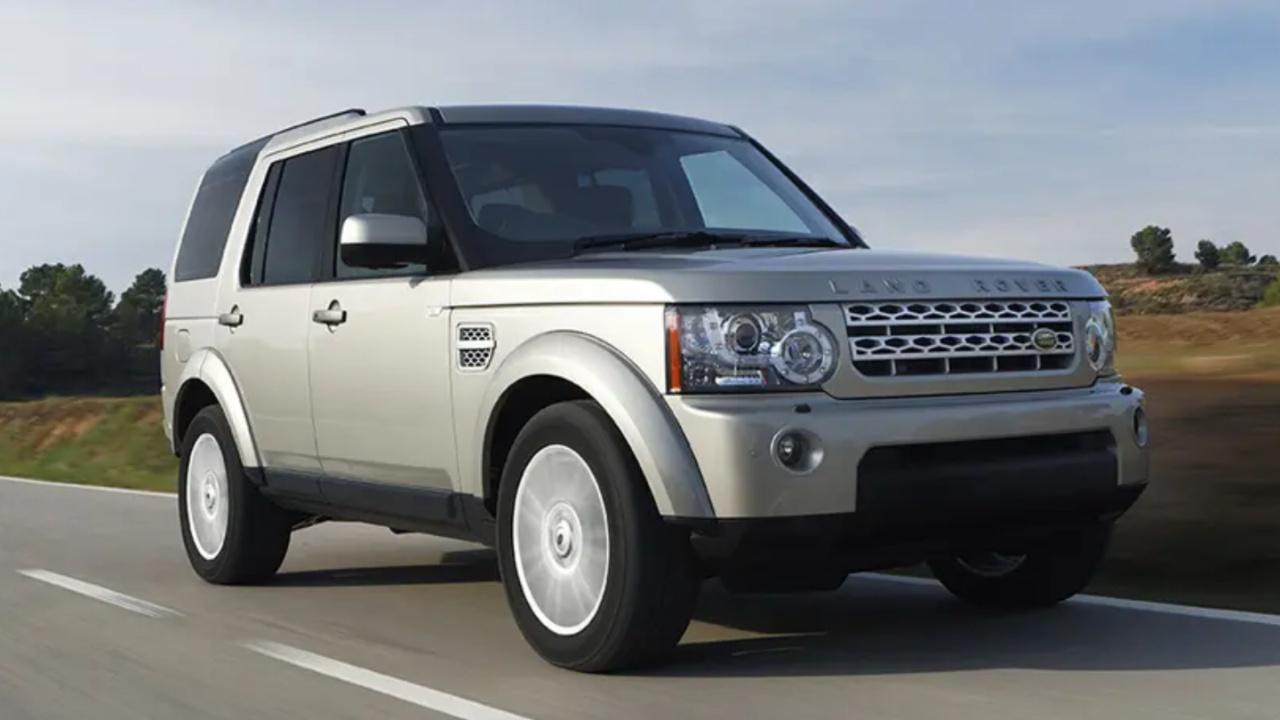
1. Land Rover Discovery 4 (2010–2013): Luxurious Off-Roader with High Maintenance Demands
The Land Rover Discovery 4, produced between 2010 and 2013, is a versatile full-size SUV blending luxury, off-road capability, and practicality. Built on the Integrated Body Frame (IBF) chassis, it combines the strength of a ladder-frame for rugged terrain with the refinement of a unibody for on-road driving.
Its design retains the boxy, purposeful silhouette of the Discovery lineage, enhanced by soft-touch materials, chrome accents, and a touchscreen interface, giving the cabin an upmarket feel without compromising functionality.
Under the bonnet, early models used a 2.7-litre diesel V6, later replaced by a twin-turbo 3.0-litre V6 producing up to 255bhp paired with an eight-speed ZF automatic gearbox. Despite its 2.5-tonne weight, the Discovery 4 delivers smooth, refined power, capable of towing up to 3,500kg.
On-road, it offers precise handling for its size and excellent ride comfort, while off-road features like the electronically controlled Terrain Response system, locking differentials, and adjustable air suspension allow it to tackle mud, snow, and steep inclines with ease.
However, the Discovery 4’s sophistication comes at a cost. It is prone to electronic and mechanical issues, particularly with the air suspension, EGR valves, differential seals, and transmissions that may slip into “Limp Home” mode.
Differential wear, often worsened by mismatched tires or neglected maintenance, is common. Repairs for these systems are expensive and can quickly exceed the vehicle’s used market value. Prospective buyers must ensure a full service history and evidence of careful upkeep to avoid costly surprises.
Fuel economy is modest, averaging 21–35mpg, with high emissions leading to significant road tax. Later trims, such as the Landmark, offered extensive luxury and tech features, including heated seats, Meridian audio, rear TV screens, and advanced parking aids. Interior space is generous, with three-row seating suitable for adults and practical storage solutions.
The Discovery 4 is an impressive, capable SUV for those seeking a blend of off-road prowess, towing ability, and refined interior comfort.
Its appeal lies in versatility and presence, but high maintenance demands, complex electronics, and running costs make it best suited for buyers who are financially prepared and attentive to maintenance. With meticulous care, the Discovery 4 remains a rewarding vehicle that can handle long-distance travel, family duties, and challenging terrain alike.
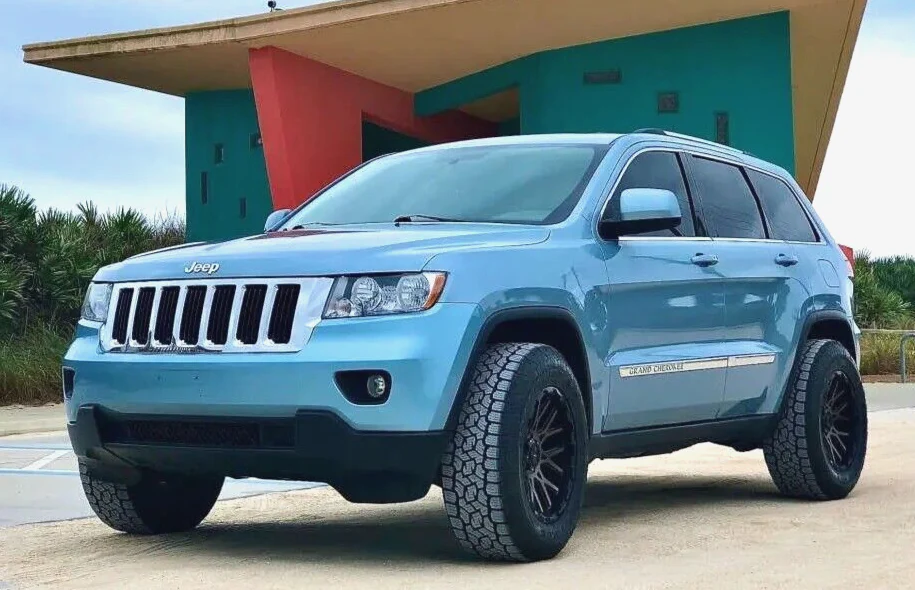
2. Jeep Grand Cherokee (2011–2015): Capable Off-Roader with Costly Reliability Concerns
The 2011–2015 Jeep Grand Cherokee (WK2) blends off-road capability, comfort, and premium features, yet carries notable reliability and maintenance challenges. Positioned as Jeep’s flagship SUV, it competes with luxury rivals like the BMW X5, Land Rover Discovery, and Volkswagen Touareg, offering a spacious, well-equipped interior and a range of powerful engines, including the torquey 3.0-litre diesel V6.
Standard features include 20-inch alloy wheels, heated and ventilated front seats, parking sensors, and advanced infotainment systems like the 8.4-inch Uconnect touchscreen paired with a 17.8-inch digital instrument cluster.
Higher trims such as Overland, Summit, and Trackhawk provide additional luxury and performance, with the Trackhawk rivaling performance SUVs like the Porsche Cayenne Turbo at a lower price point.
Despite its on-paper strengths, this generation struggles with drivetrain durability. Owners commonly report rear differential failures, bearing wear, driveshaft hanger issues, and “differential whine,” often resulting from high-mileage use, off-road strain, or mismatched tires.
Repairs for these components can reach several thousand pounds, making the Grand Cherokee a high-risk purchase for cost-conscious buyers. Transmission concerns are also prevalent, particularly with the early ZF 8-speed and Mercedes-derived 5-speed units, causing harsh shifts or shudders.
The complex Quadra-Trac 4WD systems, while advanced, can fail electronically, with expensive limited-slip differential replacements required. Additional reliability concerns include electrical gremlins and premature wear of drivetrain components, highlighting the need for a thorough pre-purchase inspection.
On-road, the Grand Cherokee delivers a comfortable, controlled ride, with competent handling for a large SUV and impressive towing capability. Off-road, it remains capable, leveraging Jeep’s heritage and terrain management systems. However, its refinement and build quality fall short of European rivals, and fuel efficiency is modest, with no hybrid options available in this generation.
The 2011–2015 Jeep Grand Cherokee offers a compelling mix of off-road prowess, luxury features, and towing ability, but high maintenance costs and drivetrain fragility make it suitable only for buyers willing to invest in upkeep and inspections. It remains a strong choice for those prioritizing rugged capability and creature comforts over long-term reliability.
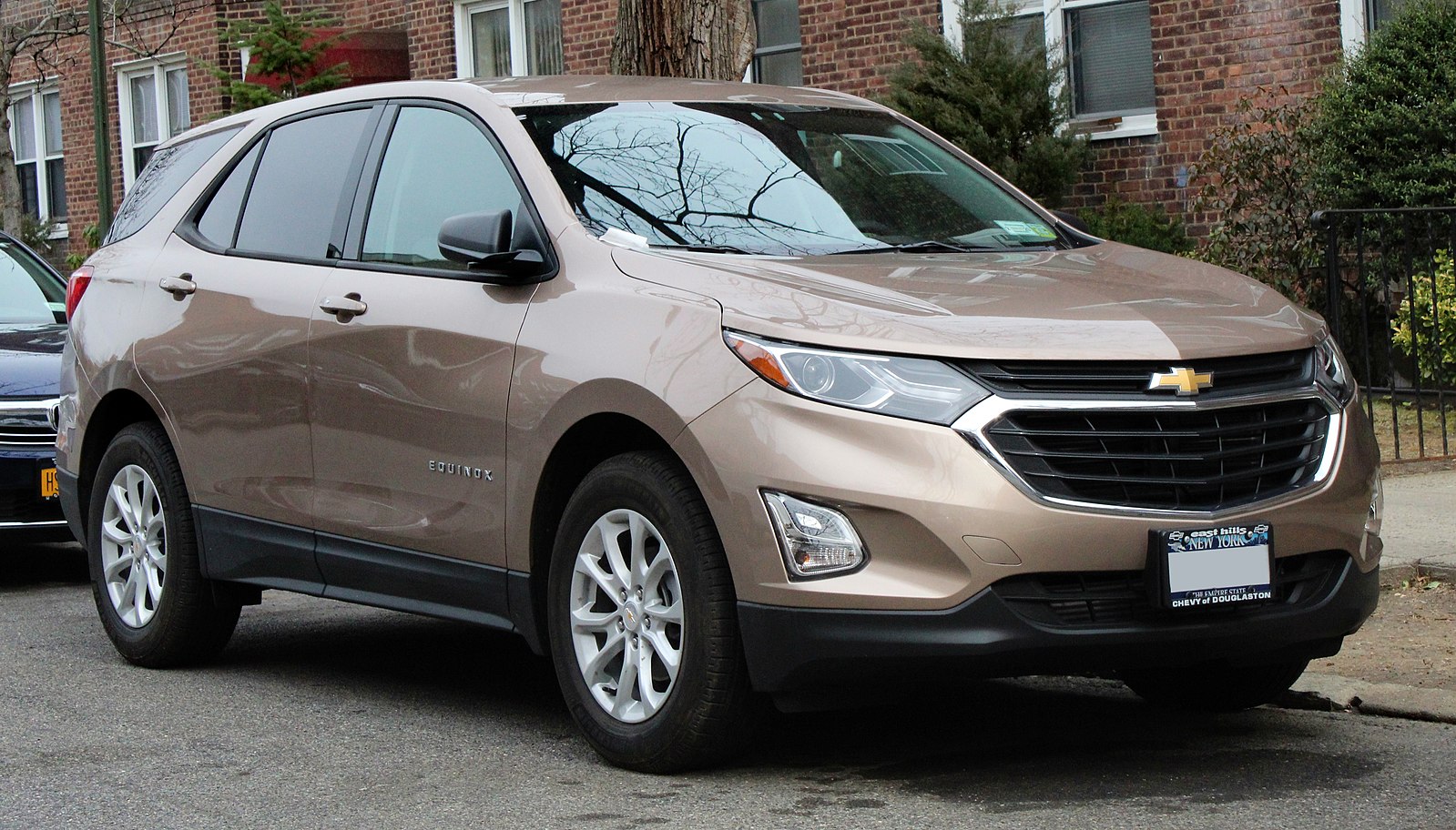
3. Chevrolet Equinox (2005–2013): Comfortable Suburban Crossover with Mechanical Risks
The early Chevrolet Equinox, produced from 2005 to 2013, was designed as a suburban-focused crossover rather than a rugged off-road vehicle. Its all-wheel-drive system was reactive, engaging the rear wheels only when the front wheels slipped.
This clutch-pack-based system was fragile and prone to overheating during prolonged use in snow or sand. Early models also suffered from weak transmissions that often failed well before 100,000 miles.
Combined with high oil consumption in the 2.4-liter four-cylinder engines and premature wear in drivetrain components, these issues made the Equinox a high-risk vehicle for serious off-road use or heavy-duty driving. As a result, these models are generally affordable, reflecting their reliability challenges and potentially costly repairs.
The 2010 to 2013 Equinox models were particularly problematic. The 2.4-liter engine consumed excessive oil, and the AWD differentials and transmission components were prone to premature failure.
Repairs such as engine or transmission replacement could exceed the vehicle’s market value. Drivetrain parts were not designed for sustained high-load conditions or off-road driving, limiting the vehicle’s capability beyond paved roads.
Despite these mechanical weaknesses, the Equinox offered comfort and practicality for everyday use. Its interior was roomy and flexible for five passengers, with improved soft-touch materials and acoustic design in later models. Active Noise Cancellation, laminated windshield glass, and triple door seals reduced cabin noise.
The suspension and steering were tuned for comfort and predictability rather than sporty handling. The 2.4-liter engine paired with a six-speed automatic provided adequate performance, and both front-wheel-drive and all-wheel-drive options were available. Fuel efficiency for the four-cylinder models was competitive, and an Eco Mode helped improve city and highway mileage.
Trim levels ranged from the base LS to the top LTZ. Standard features included power-adjustable seats, air conditioning, Bluetooth connectivity, rearview cameras, and upgraded audio systems. Higher trims added leather seats, heated front seats, memory functions, and premium audio. Chevrolet priced the 2010 Equinox lower than its predecessor while maintaining competitive content and comfort for its class.
The early Chevrolet Equinox is a practical, comfortable, and quiet crossover suitable for city and suburban driving. Its mechanical weaknesses, including fragile AWD components, prone transmission failures, and oil-hungry engines, make it a risky choice for high-mileage ownership or off-road use.
Buyers seeking reliability should avoid 2010 to 2013 models and consider later versions with improved engines and AWD systems for a more durable option.
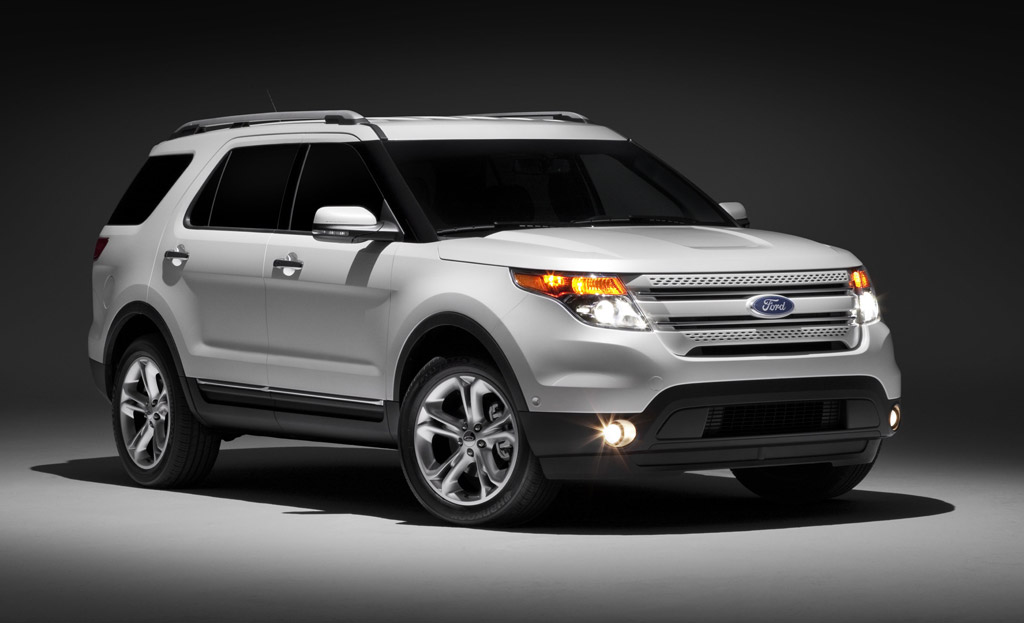
4. Ford Explorer (2011–2016): Comfortable Family SUV with Notable AWD Weak Points
The 2011–2016 Ford Explorer marked a major shift for the long-running SUV nameplate. Earlier Explorers were built using a body-on-frame truck platform, but this generation moved to a unibody design similar to modern crossovers. This change improved ride comfort, interior refinement, and road handling, making the Explorer more appealing as a family vehicle.
The SUV also retained its three-row seating layout, allowing space for up to seven passengers, while offering a wide range of convenience features such as power-folding third-row seats, large infotainment screens, panoramic sunroofs, and advanced driver information displays.
Under the hood, the Explorer commonly used a 3.5-liter V6 engine producing around 294 horsepower, paired with a six-speed automatic transmission. The engine provided strong acceleration for a vehicle of its size, although fuel economy remained modest, particularly in city driving.
Ford also introduced terrain management settings designed to improve traction on different surfaces, such as sand, mud, and snow. These features helped maintain the Explorer’s reputation as a versatile SUV suitable for family travel and occasional rough-road use.
Despite these improvements in comfort and technology, this generation of the Explorer developed a reputation for several mechanical weaknesses. One of the most widely reported issues involves the Power Transfer Unit, or PTU, which directs power to the rear wheels in all-wheel-drive models.
The PTU holds a small amount of fluid and is located close to the exhaust system, which can cause the fluid to overheat. Over time, the overheated fluid turns into thick residue that damages internal gears, often leading to complete PTU failure and expensive repairs.
Other reliability concerns include transmission problems, particularly in earlier models, along with throttle body malfunctions that can affect acceleration. Suspension components such as ball joints, control arm bushings, and shocks may also wear prematurely.
Some owners report electrical issues with the Sync infotainment system, while certain models equipped with the 3.5-liter V6 have an internal water pump that can be costly to replace if it fails. In addition, reports of carbon monoxide fumes entering the cabin have raised safety concerns in some vehicles.
Because of these potential problems, the 2011–2016 Explorer often sells for relatively low prices on the used market. Buyers interested in this SUV should pay close attention to drivetrain condition, listen for unusual noises, and watch for burning smells or rough shifting during a test drive. A thorough inspection and documented maintenance history are essential to avoid costly repairs.
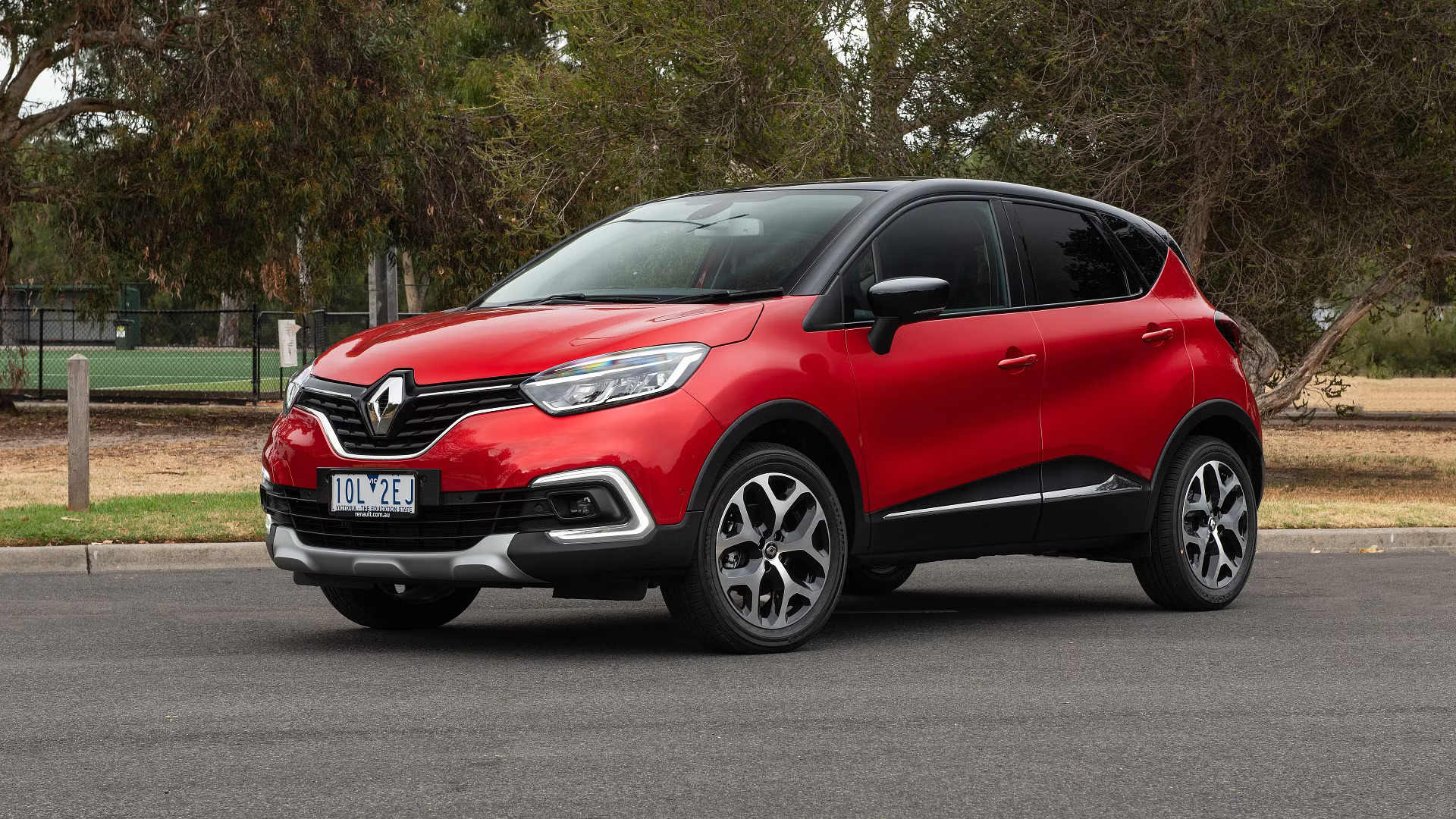
5. Renault Captur (2013–2019): Stylish City SUV with Practicality and Mixed Reliability
The Renault Captur, produced from 2013 to 2019, is a compact crossover based on the Renault Clio platform. It combines the elevated driving position and looks of an SUV with the size, efficiency, and running costs of a small hatchback.
Its strengths include low operating costs, flexible interior, and high popularity, making it an affordable and accessible used option. Sliding rear seats and removable seat covers add family-friendly practicality, while the boot capacity ranges from 377 to 455 litres depending on seat position.
Mechanically, the Captur is built for city use rather than off-road driving. It comes only with front-wheel drive and lacks a true 4WD system. Driveshafts and CV joints are light-duty and can wear prematurely if exposed to rough roads or heavy loads. Automatic models equipped with the EDC dual-clutch gearbox are more prone to issues.
Electronics such as infotainment, keyless entry, and dashboard warning lights may also malfunction. Petrol engine options start with a 0.9-litre turbo, which is suitable for city driving, while the 1.2-litre and later 1.3-litre engines provide more power for loaded or motorway driving. Diesel engines, particularly the 1.5 dCi 110, deliver good low-end torque and efficient long-distance performance.
The Captur was offered in five trims: Expression+, Dynamique Nav, Dynamique S Nav, Signature X Nav, and Signature S Nav. Entry-level models include essentials such as air conditioning, alloy wheels, Bluetooth, and automatic lights.
Higher trims add features like touchscreen infotainment, BOSE audio, heated leather seats, and rear parking cameras. The 2017 facelift refreshed the design with new bumpers, restyled lights, and revised interior plastics, improving refinement and appeal.
Fuel economy is strong for the class, with diesel models achieving 76 to 78 mpg under NEDC tests. Petrol engines return 44 to 55 mpg depending on the unit. Road tax and insurance are generally affordable, and service plans are available for vehicles under one year old, helping reduce running costs.
The Renault Captur is a practical and stylish small SUV suited for urban and suburban driving. Buyers should carefully check the service history, electronics, and automatic gearbox condition when considering a used example. While it is not designed for rough terrain, it offers economy, flexibility, and ease of use for commuting and family needs.
When buying a used SUV, drivetrain strength and mechanical reliability are key factors for long-term satisfaction. Vehicles with robust 4WD systems provide confidence in handling rough roads, steep inclines, or heavy towing while keeping maintenance costs manageable. These SUVs prioritize durability, tested engines, and simple, reliable components that withstand wear over time.
SUVs with fragile differentials or complex AWD systems may appear appealing due to luxury features, technology, or styling, but they often require more frequent repairs and careful upkeep.
For buyers focused on affordability, practicality, and dependable performance, choosing a model with a strong, proven drivetrain ensures a more satisfying ownership experience. Making informed decisions about mechanical durability versus features can help owners enjoy their SUV with fewer unexpected expenses and greater peace of mind.
Also Read: Top 10 Cars With the Most Bizarre Door Opening Mechanisms