
Luxury vehicles vary widely in terms of ownership costs and maintenance requirements. Some brands focus on reliability, shared engineering, and readily available parts, allowing owners to enjoy premium comfort without excessive expense.
Lexus, Acura, Tesla, Lincoln, and Buick are examples of this approach, offering durable engineering, common components, and straightforward maintenance that keeps routine repair costs reasonable. In contrast, brands such as Land Rover, Porsche, BMW, Mercedes-Benz, and Bentley follow a “premium for every bolt” philosophy.
These manufacturers combine bespoke craftsmanship, advanced technology, low-volume production, and specialized engineering to deliver exceptional performance, exclusivity, and luxury.
While these vehicles offer unparalleled driving experiences and unique features, they come with higher costs for parts, labor, and long-term upkeep. Understanding the difference between these two approaches helps buyers make informed decisions about maintenance, value, and the true cost of luxury ownership.
5 Luxury Brands With Reasonable Parts Pricing
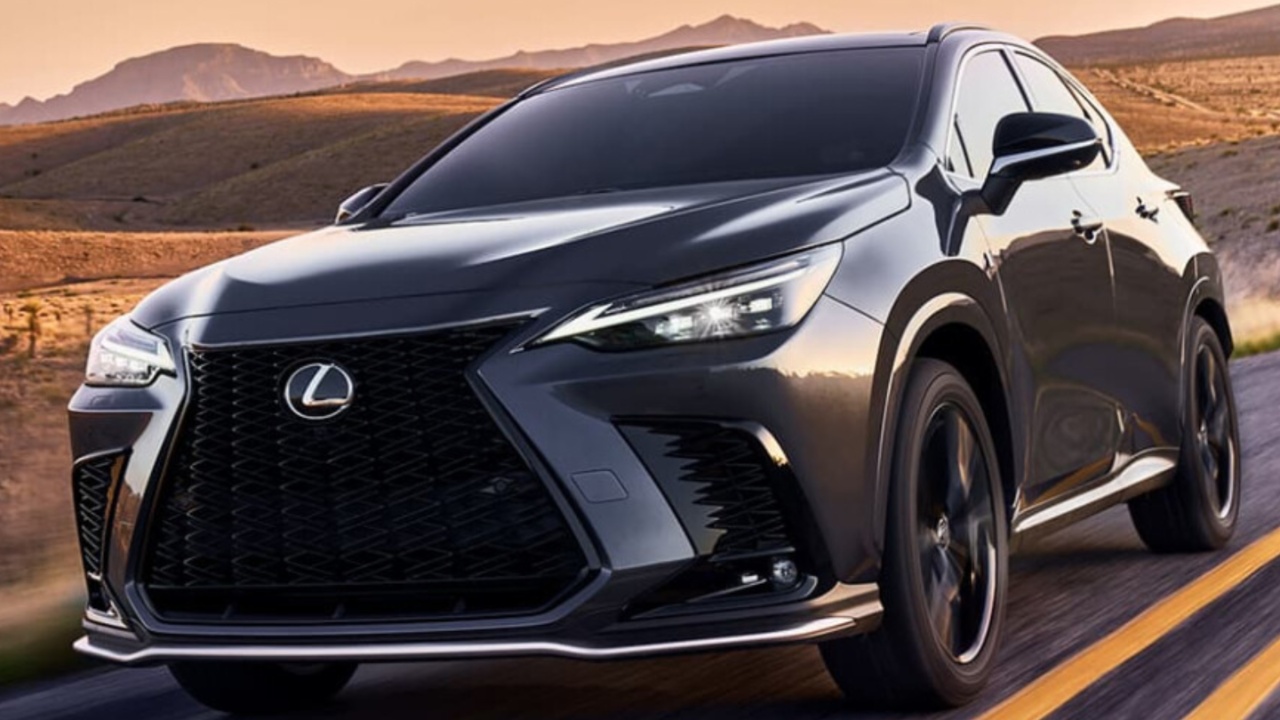
1. Lexus
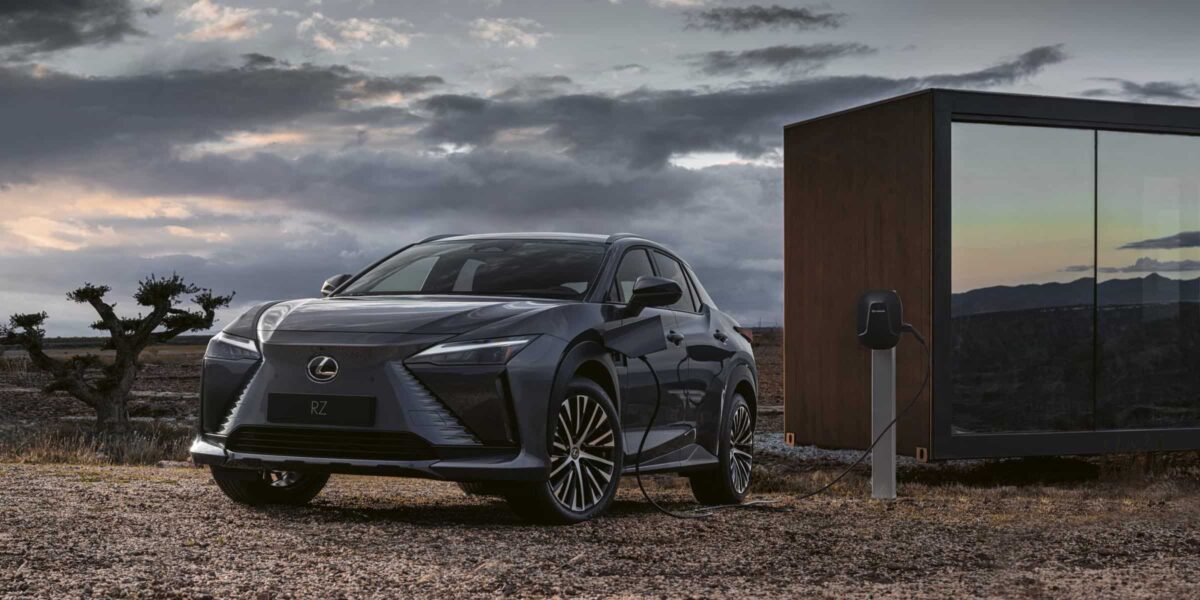
Lexus, the luxury division of Toyota, is widely regarded as a standard-bearer for reliability in the luxury vehicle segment. Many key mechanical components, such as filters, sensors, and engine mounts, are shared with mass-market Toyota models. This parts sharing allows owners to source original equipment manufacturer components at prices significantly lower than those of typical luxury brands.
Consumer Reports consistently ranks Lexus among the most affordable luxury brands to maintain over ten years. While dealership labor rates remain higher than standard vehicles, the durability of Lexus engines often results in fewer unexpected repairs compared to European competitors.
The reasonable cost of Lexus maintenance is largely due to its connection with Toyota. By sharing platforms, engines, and other components, Lexus can offer high-quality vehicles while keeping parts accessible and affordable.
The brand also focuses on over-engineering for long-term reliability rather than using high-performance components that may fail more frequently. In addition, economies of scale from Toyota’s large manufacturing operations reduce production costs, which in turn helps keep parts prices lower than those of many European luxury brands.
Routine maintenance for Lexus vehicles is straightforward and less frequent than for other luxury cars. Recommended upkeep typically includes synthetic oil changes every 5,000 to 7,500 miles and transmission fluid changes every 60,000 miles.
While most Lexus models are inexpensive to maintain relative to other luxury brands, certain vehicles, such as the LX570, may have higher repair costs for complex components, with individual repairs sometimes exceeding $5,500.
Some of the most reliable Lexus models include the RX and NX SUVs, which are known for long-term durability, and the ES and IS sedans, which balance luxury and reliability. Older models such as the LS 430 and GX 470 are also recognized for their long-lasting performance.
Lexus provides a premium driving experience without the excessive maintenance costs often associated with European luxury vehicles. Its combination of Toyota-based engineering, shared components, and proven durability makes it an excellent choice for buyers seeking both comfort and long-term reliability.
2. Acura
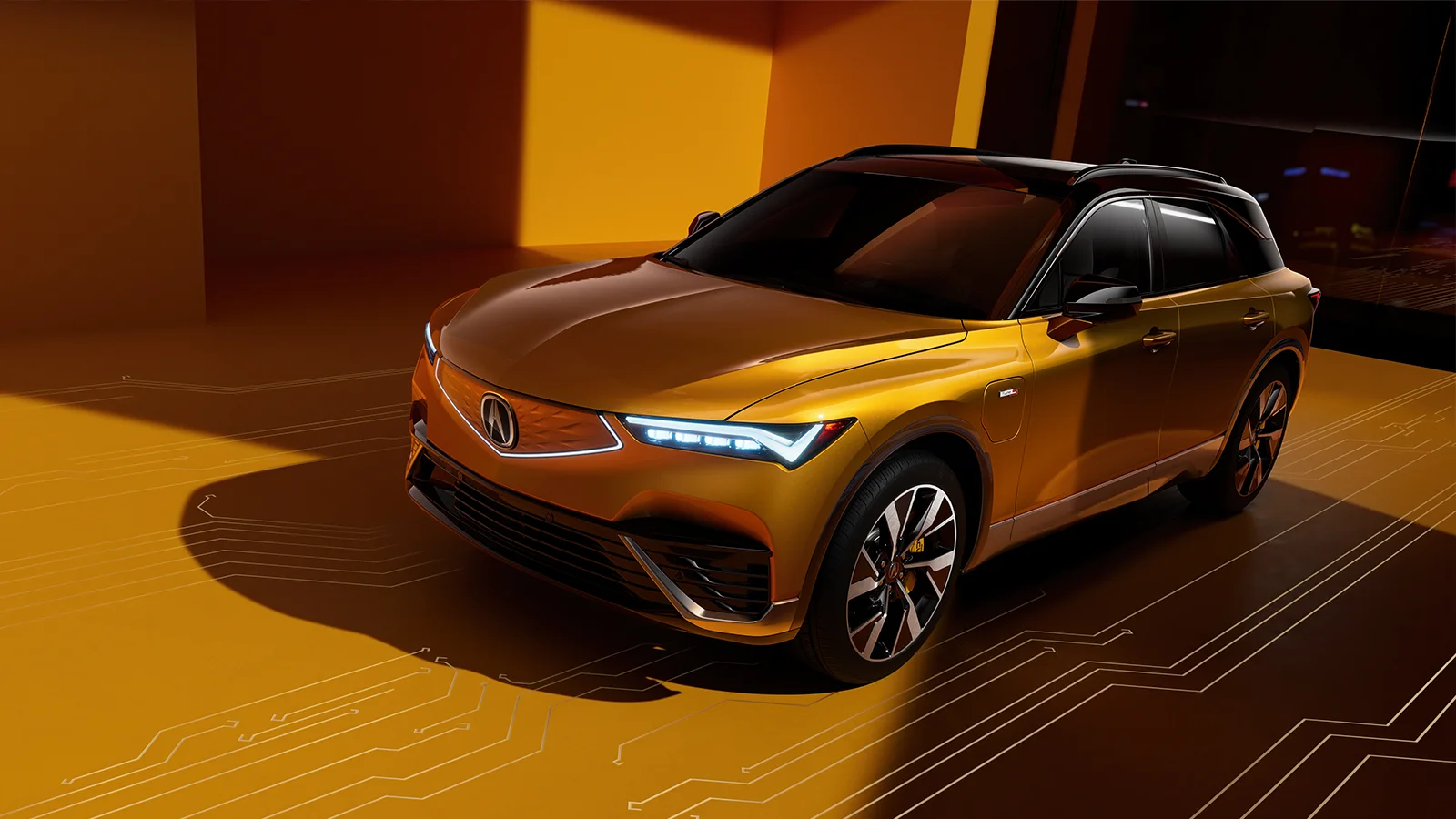
Acura, the luxury division of Honda, is recognized for delivering premium features and performance while keeping maintenance costs manageable. Many Acura vehicles share platforms, engines, and structural components with Honda models such as the Civic and Pilot.
This engineering overlap allows routine maintenance items like brake pads, oil filters, and spark plugs to be sourced directly from Honda, making repairs more affordable and widely accessible. Independent shops can service most Acura models without specialized tools, which further reduces ownership costs compared to European luxury brands.
The brand’s reputation for reliability is a key factor in its low long-term costs. Acura vehicles are designed for durability, with models like the MDX and RDX often exceeding 200,000 to 300,000 miles.
Their dependable engineering reduces the frequency of repairs, and the average annual maintenance cost is significantly lower than that of competitors such as BMW and Mercedes-Benz. Reports indicate that Acura owners typically spend around $500 per year on maintenance, compared to $902 for a Mercedes and $968 for a BMW.
Acura follows a “practical luxury” philosophy, offering advanced technology, comfort, and performance without unnecessary complexity or inflated prices. Features like Super Handling All-Wheel Drive (SH-AWD) and the AcuraWatch safety suite are often included as standard or cost-effective options.
While specialized components such as infotainment systems, Type S performance parts, or body panels may carry higher prices than standard Honda parts, they remain more affordable than proprietary parts for European luxury vehicles.
Domestic manufacturing also contributes to Acura’s cost advantages. Most models sold in North America are built in Ohio, which lowers supply chain and shipping costs, allowing original equipment manufacturer parts to remain reasonably priced.
Models such as the RDX and TLX are especially recognized for balancing luxury and value, while the MDX SUV combines reliability with premium features. Acura provides a strong combination of luxury, performance, and affordability.
Its shared engineering with Honda, high reliability, and practical design make it an excellent choice for buyers seeking premium features without the high repair bills often associated with European luxury brands. Acura demonstrates that true luxury does not have to come with excessive maintenance costs, offering both long-term durability and value in the luxury segment.
3. Tesla
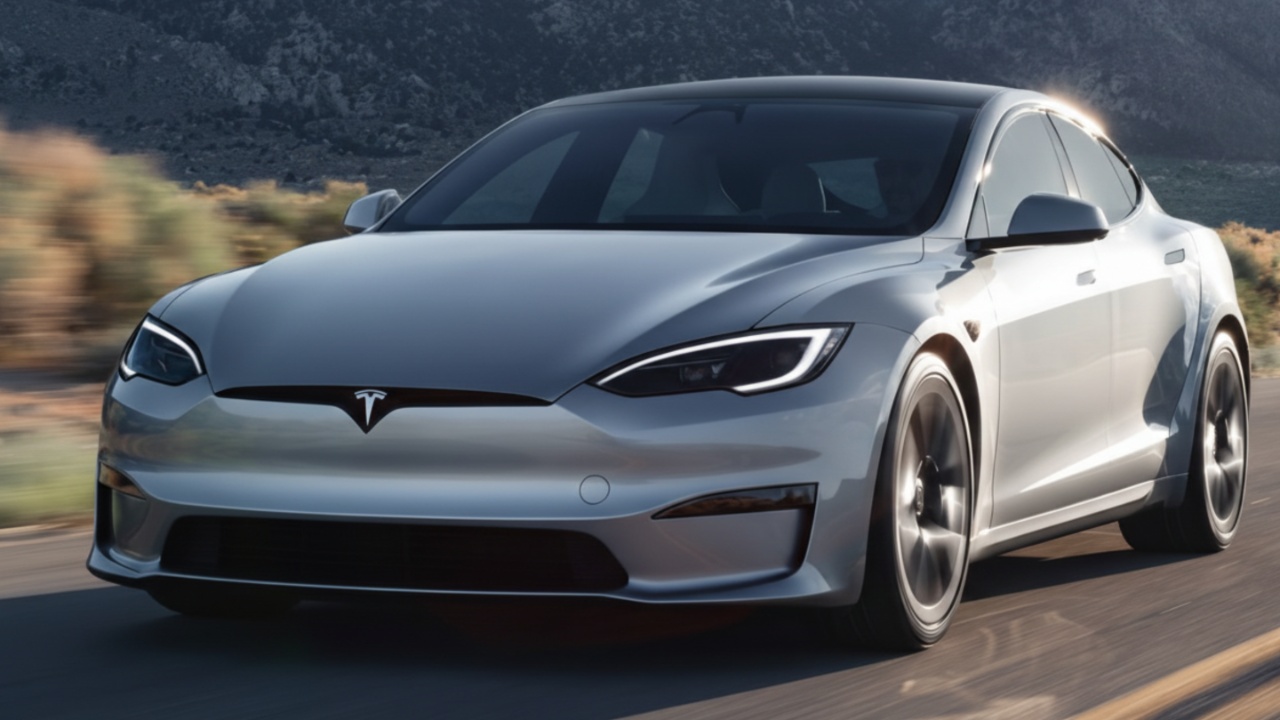
Tesla has emerged as a modern luxury brand that combines high-end performance, advanced technology, and premium appeal with some of the lowest routine maintenance costs among luxury vehicles. Ranked by CarEdge as having the lowest 10-year maintenance costs in the luxury segment, Tesla benefits from the simplicity of electric powertrains.
Without oil changes, timing belts, or complex exhaust systems, day-to-day maintenance is limited to items like tires, windshield wipers, and cabin filters. This significantly reduces ongoing ownership costs compared to traditional internal combustion engine luxury cars from brands like BMW, Audi, and Mercedes-Benz.
Tesla’s luxury appeal comes from cutting-edge technology, performance, and design. Features such as Autopilot, Full Self-Driving, and over-the-air software updates redefine the driving experience.
Models like the Tesla S and X offer acceleration and range that can outperform both traditional luxury and supercar competitors. The minimalist, modern interiors with vegan leather and clean lines provide a high-tech alternative to conventional luxury cabins, giving Tesla a strong brand identity among tech-savvy buyers.
The brand’s cost advantages stem from fewer moving parts and a direct-to-consumer service model. Electric drivetrains eliminate many costly maintenance items, while Tesla-owned service centers and mobile repair options provide transparent pricing and convenience. Routine service is inexpensive, often only $100–$200 over several years for minor checks, brake fluid monitoring, or caliper cleaning.
However, repair costs can be high for collisions or battery issues. While some exterior components, like bumper bars, are affordable, specialized parts such as airbags, suspension components, or rear-end structural elements can be very expensive due to their unique design and in-house manufacturing.
Front-end repairs are generally simpler and cheaper, but rear-impact damage may reach $35,000–$45,000. Insurance premiums can also be higher for Tesla vehicles, reflecting the cost of specialized repairs.
Tesla offers a compelling value proposition for luxury buyers focused on low routine maintenance. Models such as the Model 3 and Y provide a balance of performance, technology, and affordability for everyday ownership.
While major repairs and insurance costs require consideration, Tesla stands out as a luxury brand that delivers minimal routine upkeep, high reliability in daily operation, and a modern driving experience unmatched by many traditional luxury competitors.
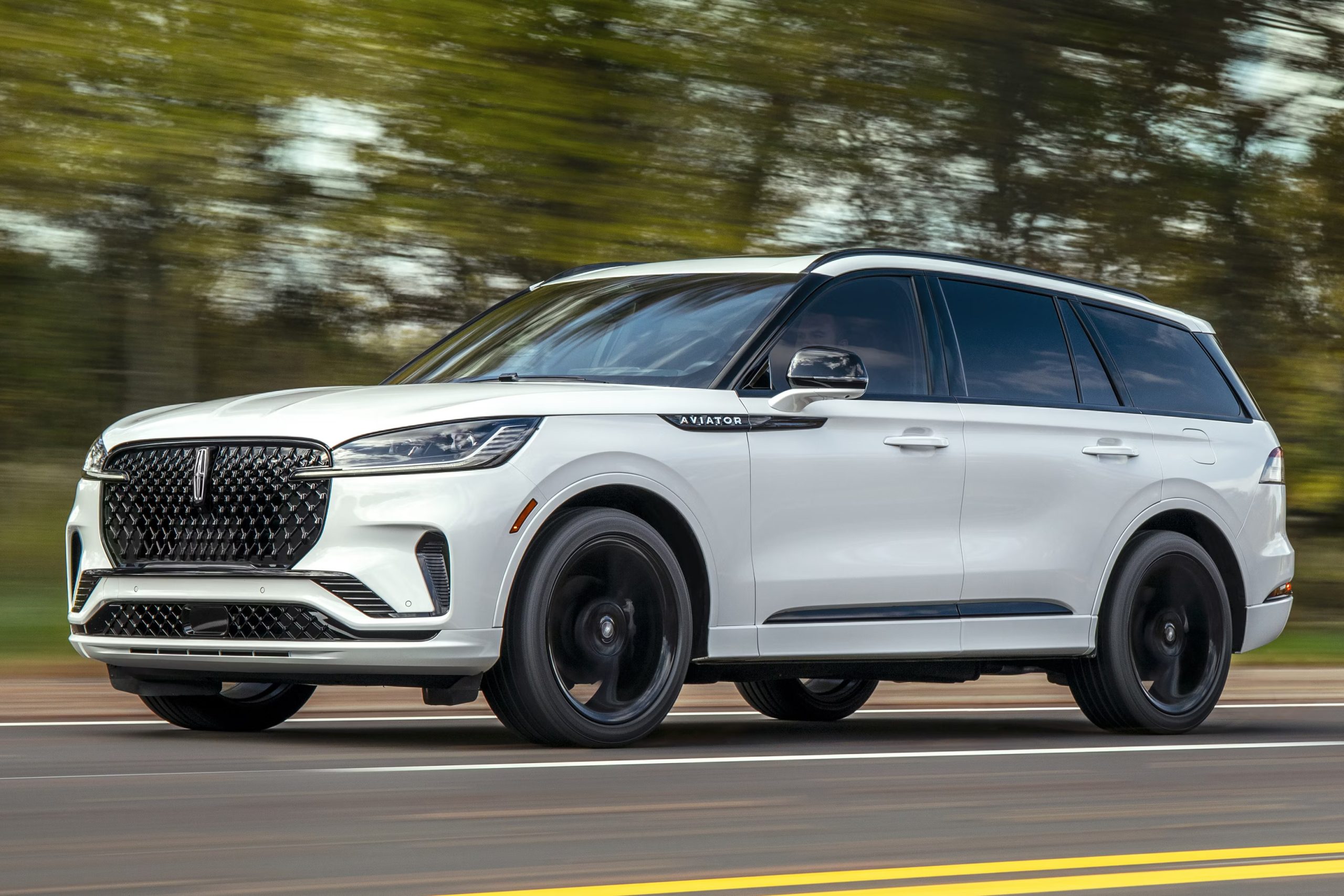
4. Lincoln
Lincoln, the luxury division of Ford, delivers a premium driving experience while keeping maintenance and repair costs reasonable. Many Lincoln vehicles share engines, sensors, and structural components with Ford models, allowing owners to access parts at lower, mass-market prices.
This part’s compatibility, combined with a widespread service network through Ford dealerships, helps Lincoln maintain competitive ownership costs compared to European luxury brands such as BMW, Mercedes-Benz, and Audi.
Shared components are a major factor in Lincoln’s cost efficiency. Common maintenance items, including alternators, water pumps, filters, and spark plugs, are generally inexpensive because they are standard Ford parts. Even large SUVs like the Lincoln Navigator, which use Ford’s 3.5L EcoBoost engine, benefit from this parts interchangeability.
The availability of components through an extensive supply chain ensures that replacements are both accessible and affordable. While specialized features, such as air suspensions or unique luxury trim, may carry a Lincoln-only premium, the mechanical reliability remains strong.
Maintenance and repair costs for Lincoln remain lower than those of many luxury competitors. RepairPal reports the average annual repair cost for a Lincoln at roughly $879, which is below many European brands.
Lincoln vehicles are built for durability, often exceeding 200,000 kilometers, reducing the frequency of major repairs. Routine maintenance, including oil changes, filters, and spark plugs, is straightforward and reasonably priced, even for high-mileage models.
Lincoln also emphasizes value through standardized luxury features. Many premium options, which would be costly add-ons on European vehicles, are included as standard, helping reduce the cost of ownership. The brand maintains strong resale value, offering high performance and comfort without the steep depreciation often associated with other luxury models.
Some maintenance considerations exist for specific engines and transmissions. Older EcoBoost engines may require attention to cam phasers, and high-mileage transmissions can need specialized repairs, though many of these are handled under warranty.
With shared Ford parts, accessible service, durable engineering, and included luxury features, Lincoln provides a practical and cost-conscious choice for drivers seeking premium comfort without high long-term maintenance expenses.
5. Buick
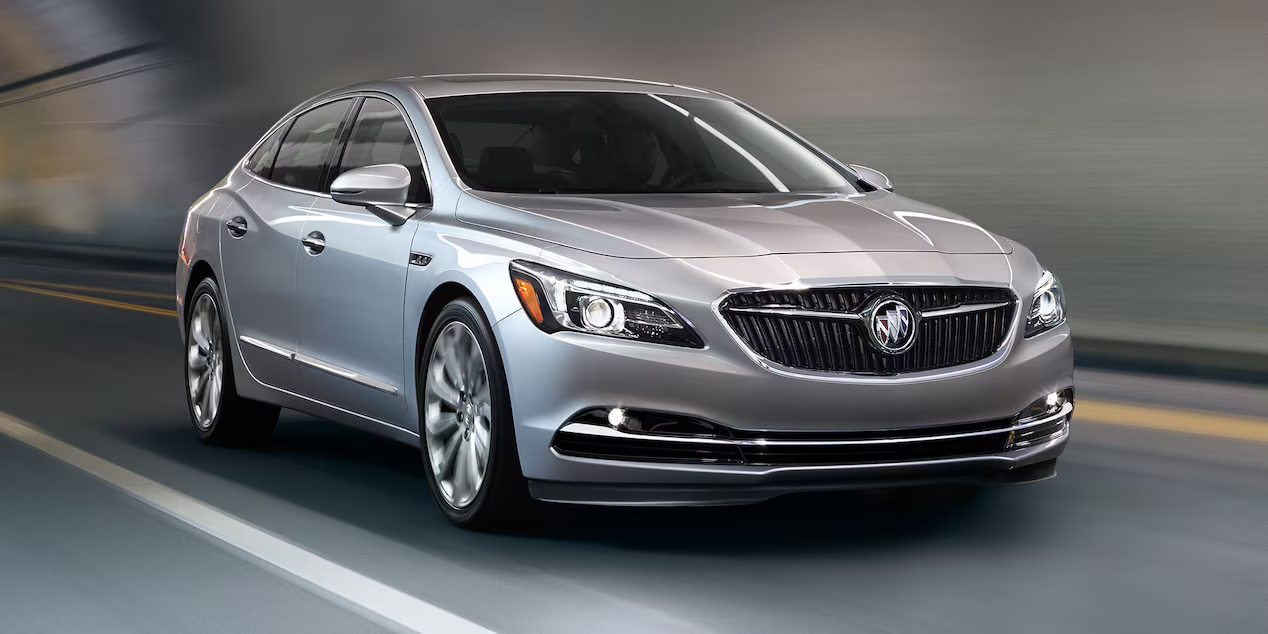
Buick, often considered a “near-luxury” or premium brand, delivers a comfortable, quiet, and technologically equipped driving experience while keeping maintenance costs relatively low. The brand leverages General Motors’ extensive parts network, sharing engines, platforms, and structural components with Chevrolet and GMC models.
This part’s compatibility allows Buick owners to pay prices similar to mainstream GM vehicles for routine repairs, making ownership more predictable and affordable than many traditional luxury brands like BMW or Audi.
Shared components and service infrastructure are major factors in Buick’s cost efficiency. Repairs can be performed at most Buick or GMC dealerships, providing a wide service network and lower labor costs than specialized European luxury technicians.
Common parts, such as alternators, water pumps, filters, and spark plugs, are mass-produced and widely available, keeping replacement costs reasonable. While higher-end features, like air suspensions or Avenir trim upgrades, may carry a small premium, the core mechanical reliability remains strong.
Buick’s emphasis on comfort and proven technology reduces repair frequency and long-term expenses. Engines and drivetrains focus on stability rather than high-performance complexity, helping maintain “no-surprise” service bills.
Many models, including older V6 Buicks, are designed to last over 200,000 miles with proper maintenance, limiting the need for major repairs. Routine maintenance intervals, such as oil changes and tire rotations every 7,500 miles, are straightforward and cost-effective.
The brand’s premium positioning provides a high-end experience without excessive pricing. Buick cabins feature QuietTuning for reduced noise, leather seating, and modern infotainment systems.
Avenir trims offer upgraded materials and features comparable to high-end luxury options at a fraction of the cost, making premium amenities more accessible. Average annual maintenance costs for Buick are approximately $608, which is lower than most luxury and premium competitors.
Models like the Envista and Encore GX combine low starting MSRPs with refined driving comfort, demonstrating Buick’s balance of affordability and luxury. By focusing on reliable engineering, widely available GM parts, and comfort-oriented design, Buick provides a premium driving experience that keeps ownership costs manageable while offering the upscale feel of a near-luxury brand.
Also Read: 5 Cars With Simple Dash Layouts vs 5 With Confusing Ones
5 That Charge a Premium for Every Bolt
1. Land Rover
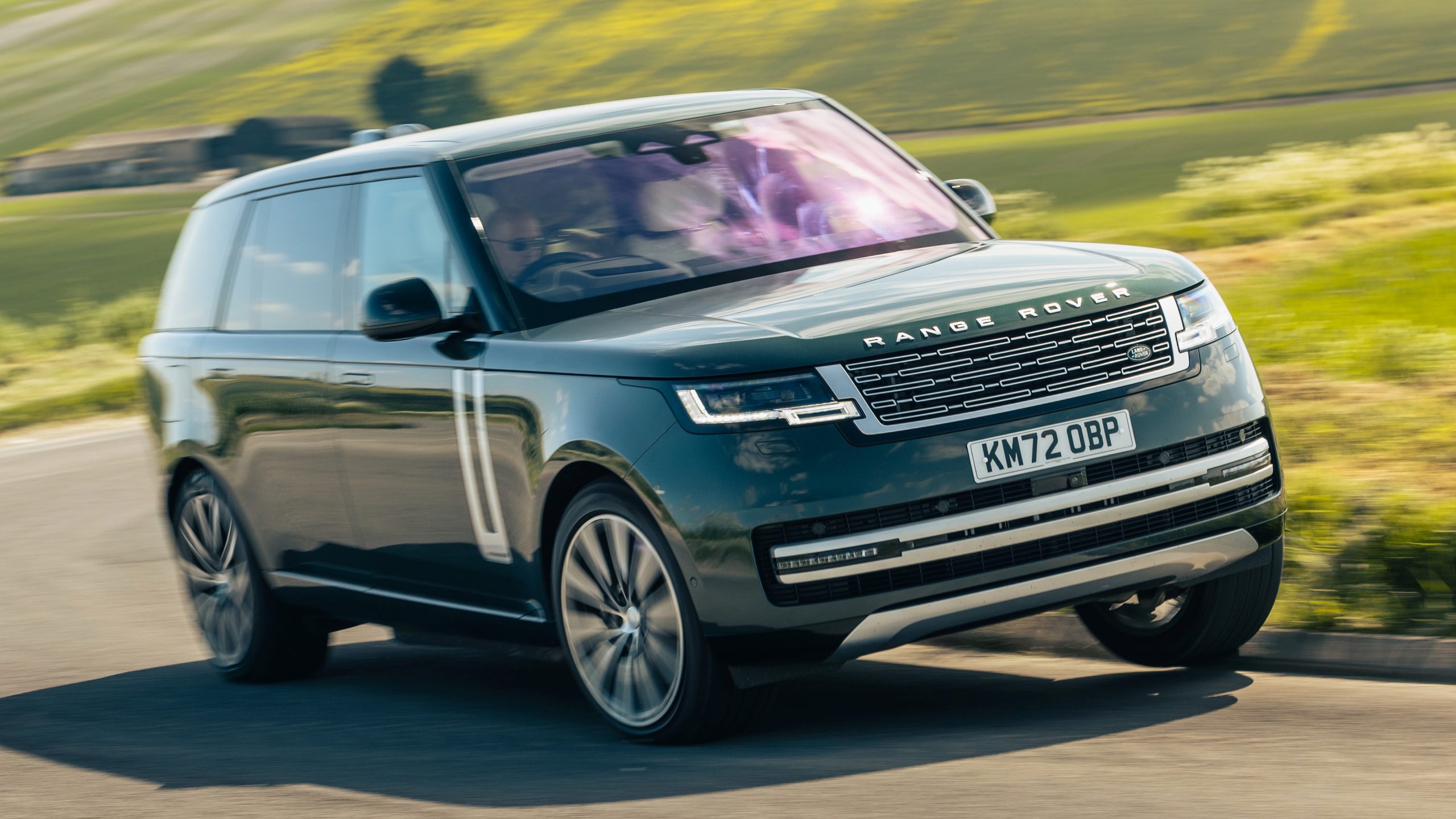
Land Rover is recognized as a top-tier luxury brand that combines extreme off-road capability with refined, high-end comfort. Its vehicles, including the Range Rover and Defender, are engineered to deliver a “rugged luxury” experience, featuring advanced Terrain Response systems, air suspension, plush interiors, and high-quality materials such as Windsor leather and Kvadrat textiles.
This combination of capability and sophistication, along with its heritage as a prestigious British marque, positions Land Rover as a symbol of status and performance.
The high cost of ownership reflects the brand’s complex engineering and low-volume manufacturing. Many Land Rover models use aluminum-intensive construction, specialized electronics, and proprietary off-road systems that cannot be shared with other vehicles.
Parts such as sensors, trim pieces, and suspension components are expensive, and affordable aftermarket alternatives are limited. Repairs often require highly trained technicians, making labor-intensive work costly. Because of these factors, 10-year repair costs for Land Rover vehicles frequently exceed $19,000, with annual maintenance often ranging from $2,000 to $3,000 for high-end models like the Range Rover.
Frequent unscheduled repairs are another contributor to high ownership costs. Complex systems, such as air suspension and infotainment electronics, can fail more often than simpler designs, adding to service visits over the vehicle’s life.
Even minor components carry a premium due to the brand’s specialized design, high-quality materials, and low production volume. Depreciation and specialized part costs make repairing older models particularly expensive, despite lower purchase prices for used vehicles.
Land Rover’s premium pricing also reflects its brand heritage and bespoke customization. Through Special Vehicle Operations, buyers can select options such as executive rear seats, cabin air purification, and hot-stone massage seats. These features, combined with luxury finishes, justify the higher initial cost but also increase long-term maintenance expenses.
Land Rover offers unmatched off-road capability and luxury, blending comfort, prestige, and advanced technology in a way few brands can match. Owners pay a premium not only for the brand’s heritage and capabilities but also for the complex engineering and specialized maintenance required.
While praised for its versatility and refined interiors, Land Rover is widely considered one of the most expensive luxury brands to maintain, with frequent repairs, high parts costs, and specialized labor driving ownership expenses well above those of other luxury SUVs.
2. Porsche
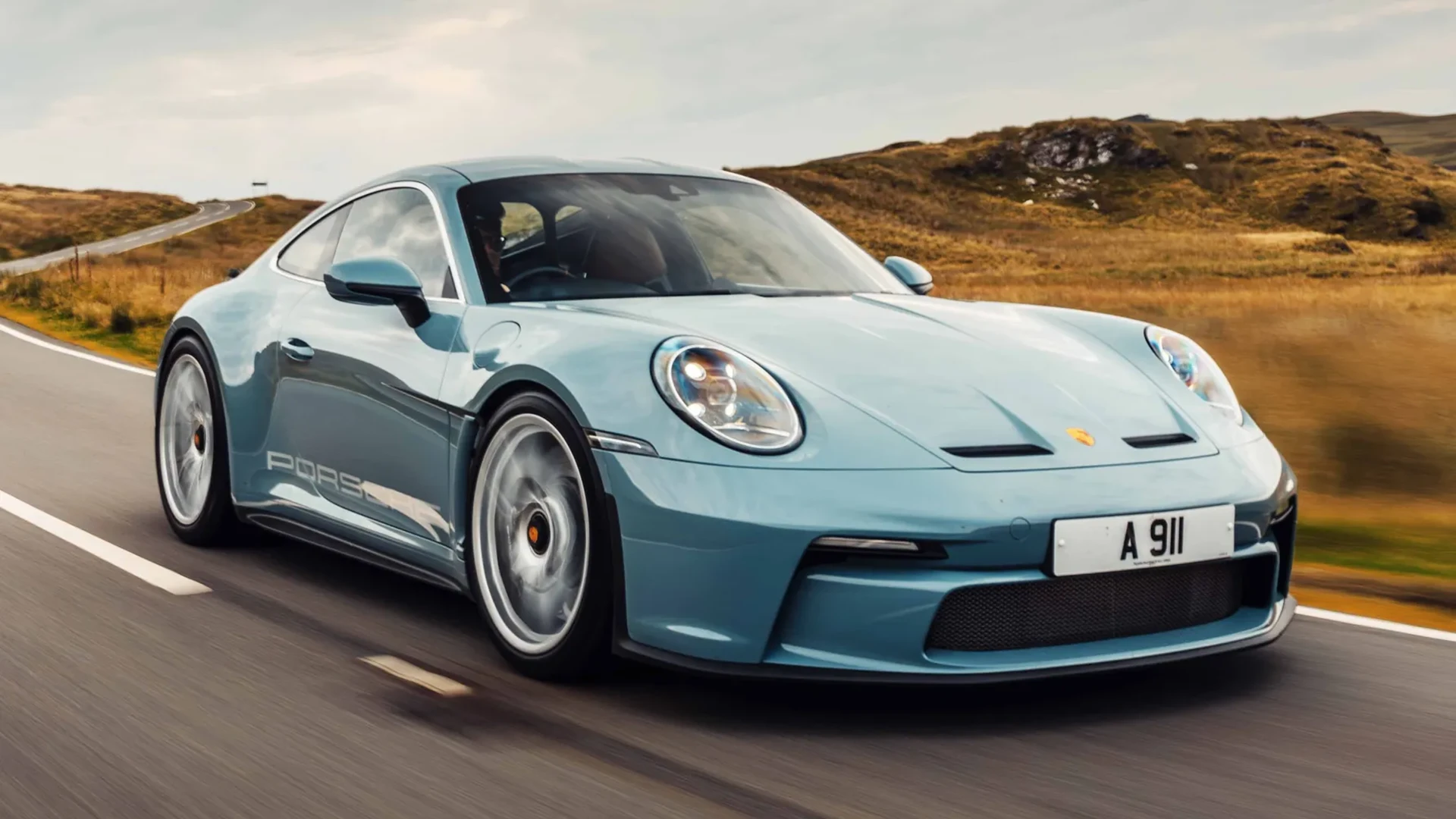
Porsche is widely regarded as a top-tier luxury brand that blends motorsport engineering, daily drivability, and high customization options. While the brand is praised for its engineering excellence and reliability, the cost of parts and options is famously steep.
Components such as brake rotors, starter motors, or alternators can cost several times more than comparable parts from domestic brands. This pricing reflects Porsche’s focus on precision engineering, high-performance tolerances, and the specialized design required for models like the 911, Cayenne, or Panamera.
The brand’s luxury status stems from its unique combination of performance, quality, and exclusivity. Every Porsche is designed to deliver superior handling and acceleration while remaining practical for daily driving.
High-quality materials, timeless design, and attention to craftsmanship contribute to strong resale value and enduring appeal. Porsche vehicles are often described as iconic, with models like the 911 maintaining a recognizable design across decades. Many Porsches remain on the road long after production, demonstrating their durability and reliability.
Porsche’s pricing strategy, sometimes described as “charging for every bolt,” is rooted in customization and high-margin options. The brand encourages buyers to tailor almost every aspect of the car, from paint colors and interior materials to performance upgrades and advanced technology.
This “à la carte” approach allows Porsche to offer near-limitless personalization while maintaining exclusivity. Bespoke components, low production volumes, and uncompromising engineering standards contribute to higher production costs that are passed to the customer.
The value proposition focuses on “value over volume,” with Porsche prioritizing high margins per vehicle rather than large-scale production. Optional equipment, such as upgraded audio systems, leather interiors, and performance electronics, can significantly increase the final price but provide a highly individualized ownership experience.
Customers are willing to pay a premium for this combination of performance, exclusivity, and personalization, which reinforces Porsche’s brand prestige and loyalty.
Porsche combines high-performance engineering, luxury craftsmanship, and extensive customization in a package that comes with a substantial price tag.
The brand charges a premium for parts, options, and features, but the cost reflects a deliberate strategy to deliver exceptional quality, personalization, and exclusivity. Porsche owners pay not only for the vehicle itself but also for the unique ownership experience and long-term value that the brand represents.
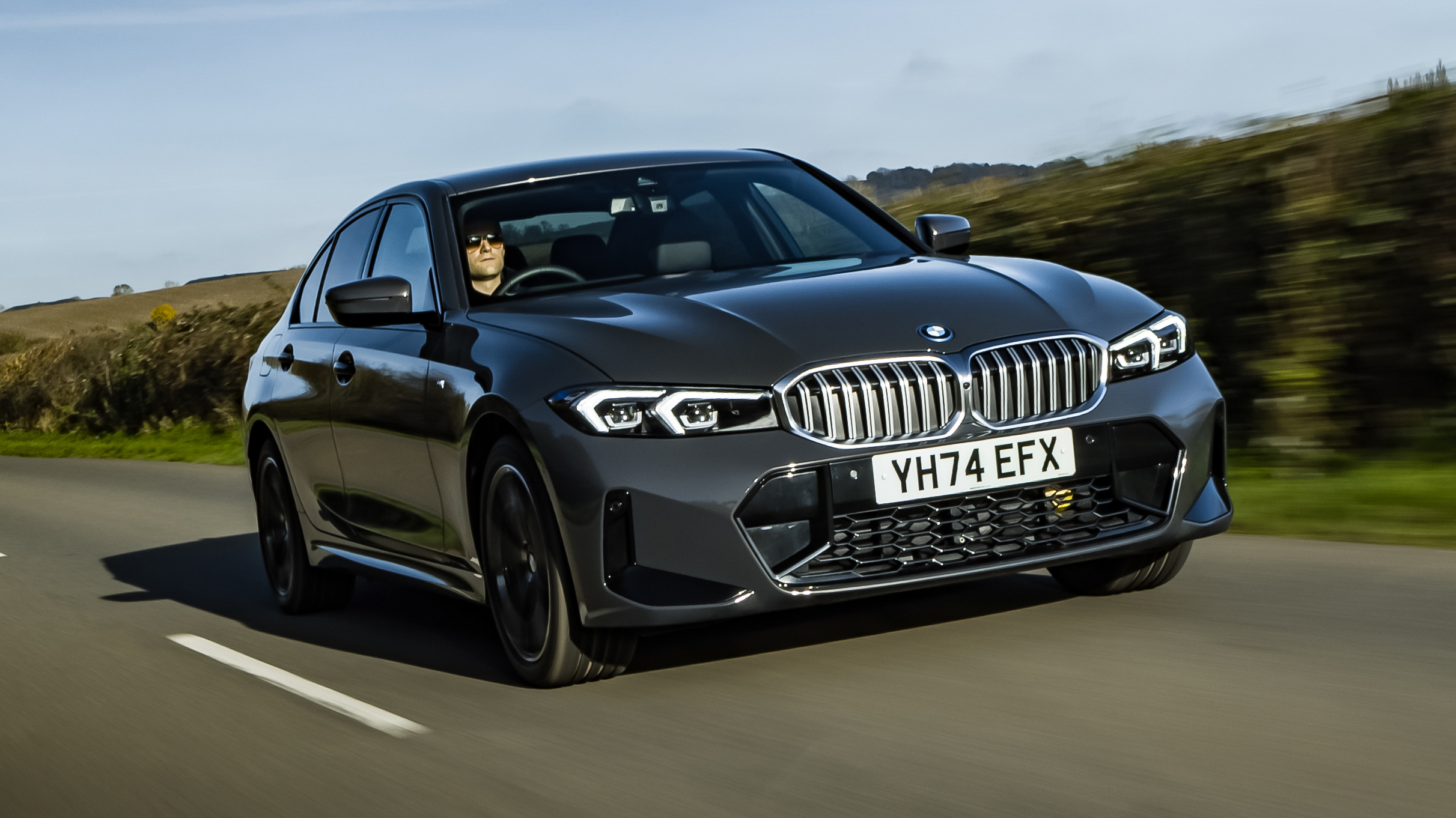
3. BMW
BMW is recognized as a luxury brand that delivers advanced engineering, high-performance driving, and premium craftsmanship, but its ownership costs can be steep. Maintenance expenses often rise sharply after the initial free service period ends, as complex systems, including proprietary electronics, cooling systems, and integrated assemblies, require specialized parts and labor.
Replacement components, ranging from $70 to $7,000, are rarely simple fixes; modules are often sold as complete units due to the intricate design, driving up repair costs. Independent mechanics typically need specialized diagnostic tools to service newer models, further increasing labor expenses.
The brand’s luxury positioning reflects its focus on engineering precision, quality materials, and a high-end driving experience. BMW invests heavily in tight-tolerance components such as engines, transmissions, and suspension systems that cannot be substituted with generic parts.
Interiors feature premium leather, exotic wood trims, and advanced infotainment systems, while production and quality control maintain strict standards, ensuring durability but raising production costs compared to mass-market vehicles.
BMW’s pricing strategy extends to both hardware and software. The brand historically implemented programs like “Functions on Demand,” requiring subscriptions to activate features such as heated seats or steering wheel functions already installed in the car.
Although consumer backlash led BMW to remove hardware-based paywalls, the company continues to offer software subscriptions for services like advanced parking assistance, remote engine start, and entertainment packages. This model reinforces the perception that BMW charges a premium for nearly every feature, aligning with the “menu-style” approach to luxury technology.
BMW’s high operational costs reflect its specialized labor and proprietary tools, along with research and development for cutting-edge driver-assistance systems, laser lights, and connected car technology. Import tariffs in certain markets can further raise the price of parts and services.
BMW combines advanced engineering, high-quality materials, and innovative technology in a luxury package, but owners should expect significant maintenance and repair expenses.
Buyers pay for the precision, performance, and brand prestige that come with the “ultimate driving machine,” and must be prepared for both high parts costs and subscription-based features. BMW is best suited for consumers seeking technologically advanced, performance-focused vehicles who value luxury and brand status and are willing to invest in long-term maintenance and optional features.
4. Mercedes-Benz
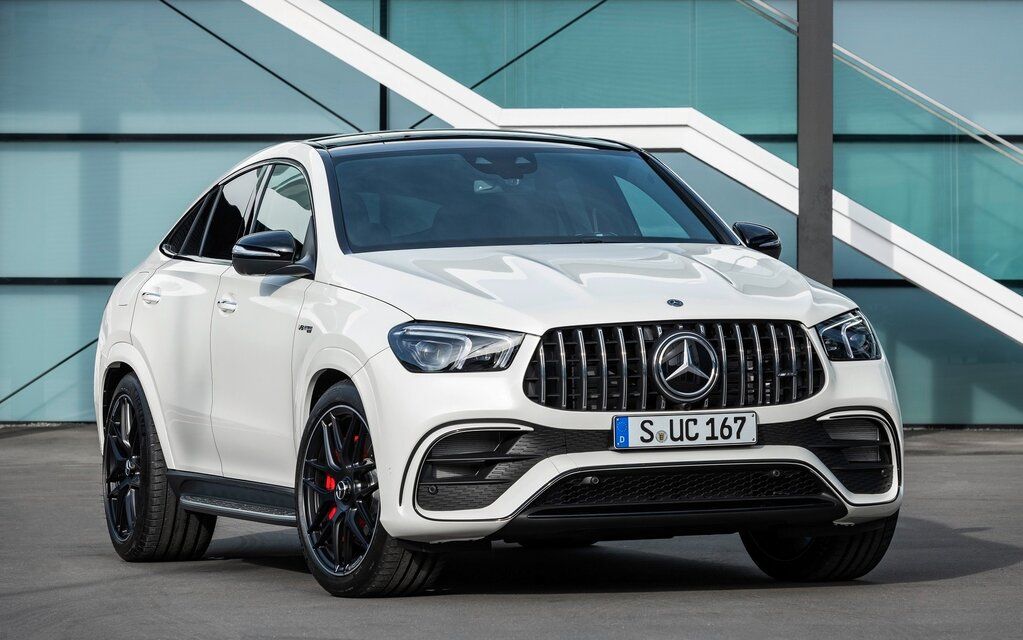
Mercedes-Benz is widely recognized as a premier luxury brand that combines cutting-edge engineering, high-end comfort, and prestigious styling, but it comes with significant maintenance and ownership costs. Average 10-year expenses often exceed $10,500, with genuine parts and specialized labor priced at a premium.
Many components, including LED matrix headlights, air struts, and advanced infotainment systems, are designed to be replaced rather than repaired, and independent service options are limited, requiring certified technicians with proprietary tools.
The brand’s luxury positioning stems from over a century of engineering excellence, dating back to Karl Benz’s invention of the first petrol-powered car. Mercedes-Benz follows the philosophy of “The Best or Nothing,” focusing on precision, safety, and performance.
Vehicles undergo extensive testing in extreme conditions to ensure durability, while interiors feature high-quality materials like Nappa leather, open-pore wood, and aluminum trim. Hand-finished details, such as stitching and assembly work, further differentiate the brand from mass-market competitors.
Mercedes-Benz invests heavily in innovation and technology. Industry-first safety features, advanced driver-assistance systems, and AI-driven MBUX infotainment highlight the brand’s focus on pioneering capabilities.
High-end models, including S-Class, AMG, and Maybach vehicles, use proprietary systems like AIRMATIC suspension and 4MATIC all-wheel drive, adding complexity and cost. Over-the-air software updates and subscription-based features, such as increased horsepower or additional digital functions, reflect the brand’s move toward monetizing technology beyond the initial purchase.
Parts pricing reflects exclusivity and engineering standards. Genuine components are 40–60% more expensive than comparable aftermarket parts, and many modules are integrated rather than replaceable individually.
While smaller models, like the A-Class, may be less costly to maintain due to shared components, high-performance and luxury-oriented divisions command significantly higher service expenses. Independent specialists can reduce costs by 35–45%, but dealership labor and proprietary tooling remain premium.
Mercedes-Benz delivers an exceptional luxury driving experience, combining safety, comfort, performance, and brand prestige. Owners pay a premium not only for engineering and materials but also for advanced technology, exclusivity, and meticulous craftsmanship.
The brand’s “premium for every bolt” approach ensures superior quality and innovation, but buyers should be prepared for high long-term maintenance, expensive parts, and potential subscription costs for digital and performance features.
5. Bentley
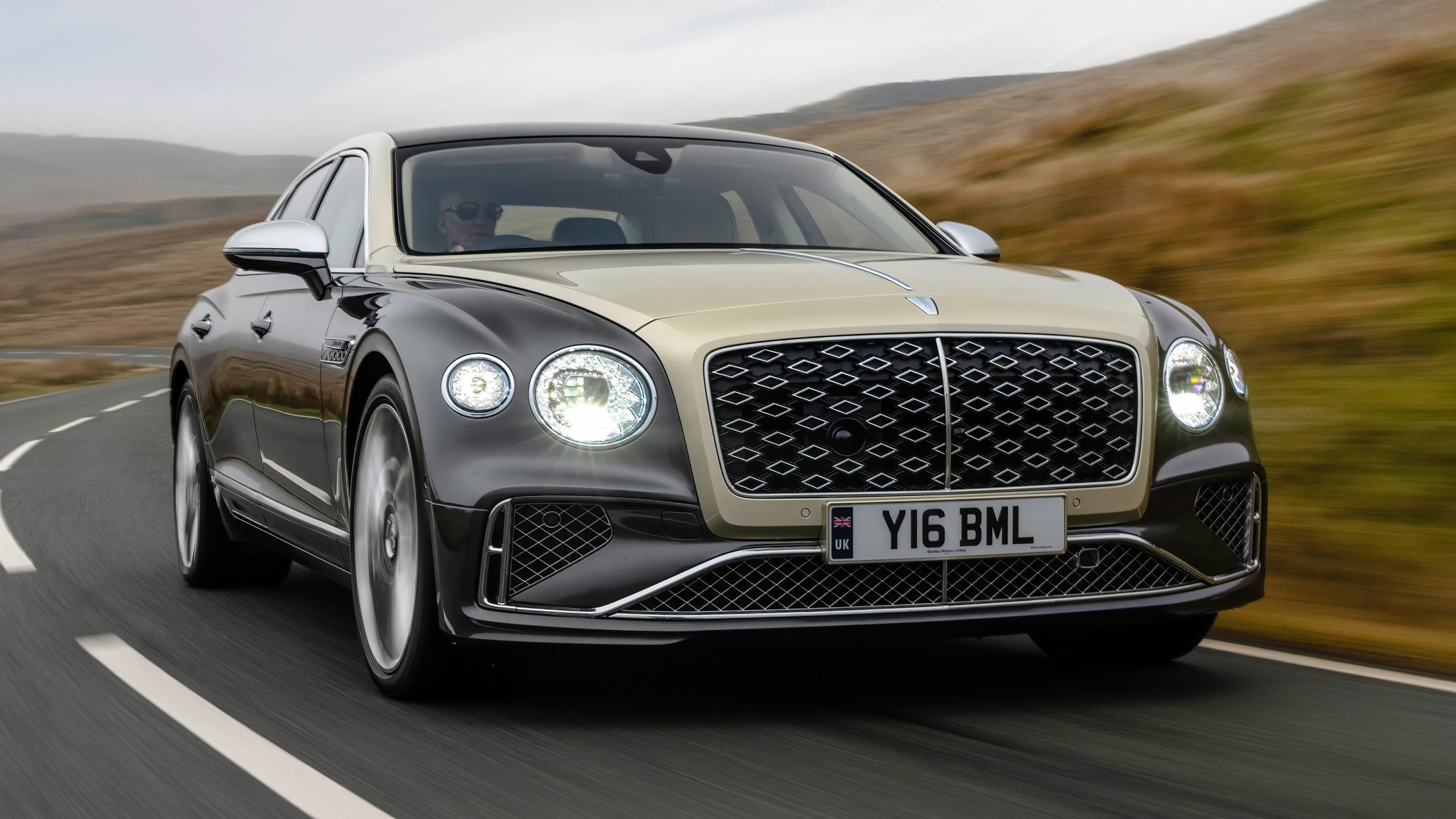
Bentley occupies the pinnacle of the luxury automotive market, where maintenance and ownership costs are exceptionally high. Ten-year estimates for upkeep can reach $36,400, reflecting both the bespoke nature of the vehicles and the specialized labor required.
While some components overlap with Volkswagen Group brands like Audi, the majority of parts, from massive W12 engines to hand-stitched interiors, demand expert attention that independent shops typically cannot provide. Every service interval is costly, making maintenance a significant part of owning a Bentley.
Bentley is considered a top-tier luxury brand because each vehicle is meticulously hand-built by skilled artisans at the Crewe factory in England. A single car can take 100 to 130 hours to assemble, with intricate details such as nearly 350,000 stitches in the interior of a Continental GT and up to 12 hours of hand-polished paintwork to achieve a mirror finish.
Materials are chosen for quality and rarity, including sustainably sourced wood veneers from a single tree and hides from male bulls to ensure premium, unblemished leather. Exotic finishes, such as 18-carat gold organ stops or Swiss watch-inspired trims, reinforce the brand’s luxury positioning.
Bespoke customization is central to Bentley’s appeal. Through its Mulliner division, buyers can personalize nearly every element, from exterior paint to intricate seat embroidery, sometimes requiring up to 500,000 stitches.
Special requests, such as in-car fly-fishing kits or diamond-quilted leather, are accommodated, driving up both cost and exclusivity. Production is limited to roughly 10,000–15,000 vehicles annually, enhancing the brand’s scarcity and prestige.
Performance is combined with serenity; Bentleys balance immense power and high-speed capability with whisper-quiet, comfortable cruising, supported by extensive soundproofing and engineering refinement. Every vehicle undergoes over 1,000 inspection points, reflecting Bentley’s commitment to quality and longevity.
Maintenance remains a substantial expense. Routine servicing can cost over $2,000, and bespoke replacement parts carry significant premiums and long lead times. Even used models retain high ownership costs, with insurance and maintenance adding thousands annually.
Bentley exemplifies a “money-no-object” philosophy, where every bolt, stitch, and material choice contributes to an unparalleled, personalized luxury experience. For owners, the high costs of parts, labor, and customization are not a drawback but part of the value of owning a hand-crafted, exclusive, and high-performance vehicle.
The difference between luxury brands with reasonable parts pricing and those that charge a premium for every component illustrates the balance between affordability and exclusivity. Lexus, Acura, Tesla, Lincoln, and Buick provide a high-end driving experience with lower long-term costs due to shared engineering, durability, and practical design.
Land Rover, Porsche, BMW, Mercedes-Benz, and Bentley offer unmatched craftsmanship, bespoke customization, advanced technology, and limited production, which drive higher maintenance and repair costs.
Buyers must consider their priorities when choosing a luxury vehicle, whether they value cost-effective reliability or the prestige and performance of an exclusive, highly engineered automobile. Evaluating both maintenance expenses and luxury features ensures a choice that fits lifestyle, budget, and expectations.
Also Read: 10 Cars That Use Strange Materials Like Wood or Fabric in the Frame
