Manual transmissions remain a favorite among driving enthusiasts because they offer a level of control, engagement, and mechanical connection that automatics often cannot match. For buyers searching the used car market, however, not all manual gearboxes are created equal.
Some hatchbacks are known for durable, smooth, and precise transmissions that can handle years of spirited driving with minimal problems. Others develop reputations for notchy, fragile, or inconsistent shifting, which can lead to frustrating driving experiences and expensive repairs over time.
This comparison of “5 Used Hatchbacks With Bulletproof Manual Transmissions vs 5 With Notchy and Fragile Gears” highlights the differences between the best and the most problematic options. On one side are models like the Honda Civic Type R and Ford Fiesta ST, which deliver crisp shifts, strong engineering, and long-term durability.
On the other side are hatchbacks that may offer style, affordability, or practicality but struggle with rough shifting, premature clutch wear, or gearbox weaknesses. Understanding these differences helps buyers choose a used hatchback that delivers both driving enjoyment and reliability.
5 Used Hatchbacks With Bulletproof Manual Transmissions
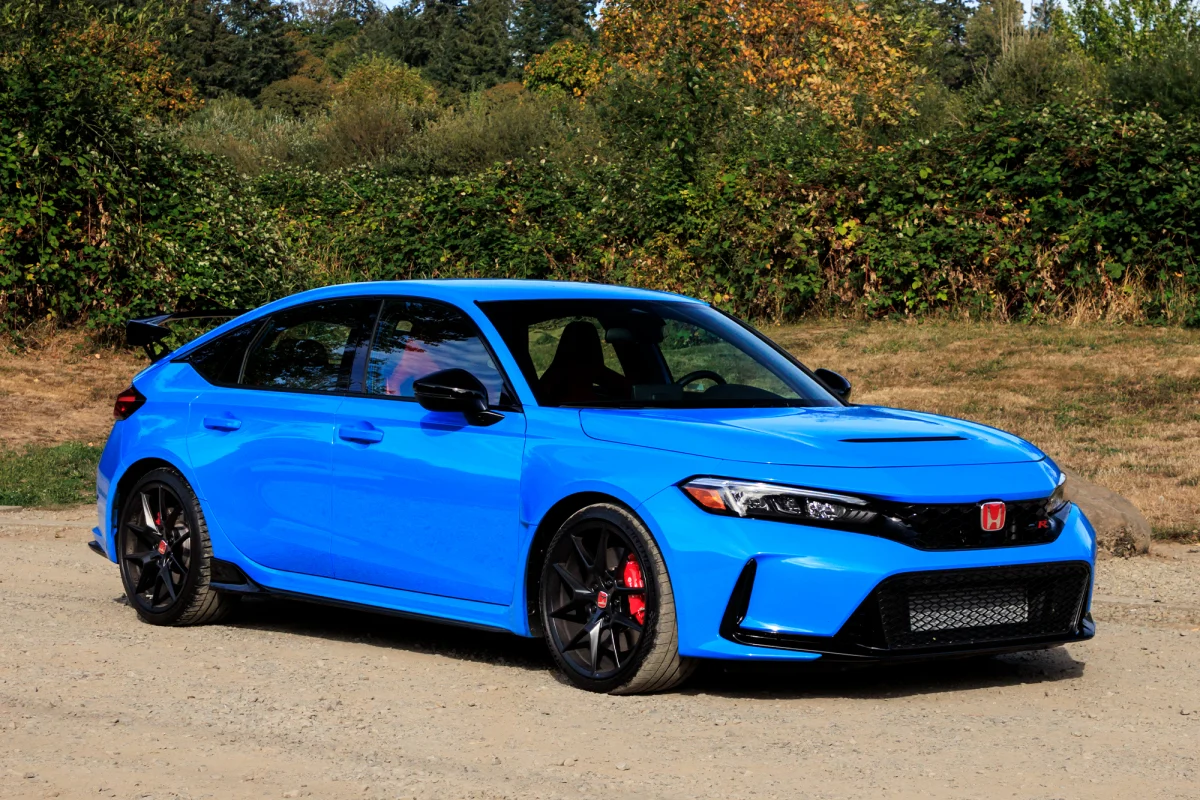
1. Honda Civic Type R: The Benchmark for Front-Wheel-Drive Manuals
The Honda Civic Type R has long been celebrated as the gold standard for front-wheel-drive manual cars, blending track-ready performance with daily usability. Its six-speed gearbox, featuring Honda’s signature titanium ball shifter, delivers exceptionally short throws, crisp engagement, and precise feedback.
Renowned for transmission longevity, the Civic Type R can handle high-RPM, aggressive driving without compromising reliability. Even in stop-and-go traffic, the clutch remains light and controllable, offering a refined and approachable manual experience.
The FK8 (2017–2022) and FL5 (2023+) models are particularly valued in the used market for their robust 6-speed manual transmissions. Designed with reinforced synchronizers and gear materials, the gearbox withstands high torque loads while maintaining everyday usability.
A built-in rev-matching system enhances shift smoothness and reduces drivetrain stress, contributing to the model’s “bulletproof” reputation. The combination of this transmission with the 2.0-liter K20C1 turbo engine, producing over 306 hp, offers a pure, driver-focused experience that balances exhilarating performance with practical reliability.
Performance-wise, the Civic Type R is praised for its sharp handling and rapid acceleration, with newer models achieving 0–62 mph in around 5.4 seconds. The short-throw shifter, responsive rev-matching, and firm but controllable suspension create a connected driving experience suitable for spirited driving or daily commuting.
Despite the sporty setup, the FK8 maintains practical features such as a large boot and usable rear seats, making it a viable daily driver.
However, certain drawbacks persist. The infotainment system is widely criticized for being unintuitive, while low ground clearance increases the risk of front bumper scrapes.
Track use may lead to overheating if cooling is insufficient. Maintenance considerations include potentially costly low-profile tires and inspection of adaptive dampers for leaks. Buyers should also be cautious of modified models in the used market, conducting thorough pre-purchase inspections.
The Honda Civic Type R FK8/FL5 is celebrated for its exceptional front-wheel-drive manual engineering, combining reinforced high-performance components, precise shifting, and robust reliability. Its balance of thrilling dynamics and everyday practicality continues to make it one of the most desirable hot hatches and a benchmark for manual driving excellence.
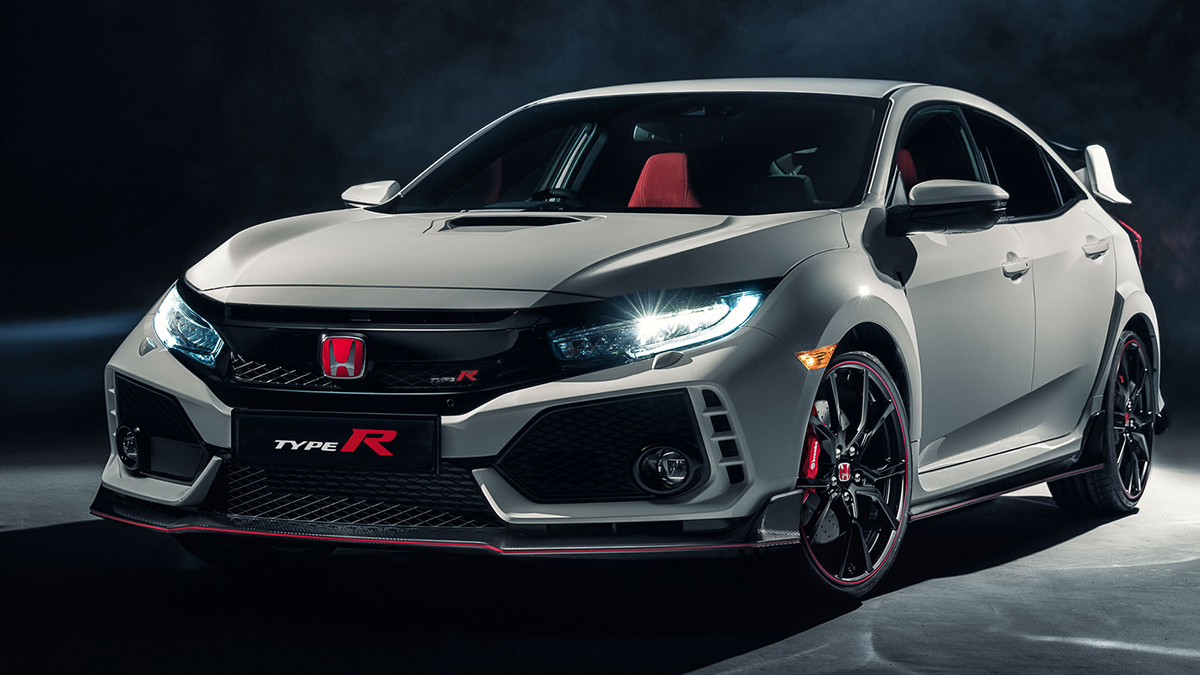
2. Volkswagen Golf GTI: Refined Hot Hatch with a Strong Manual Transmission
The Volkswagen Golf GTI, especially the Mk7 and Mk7.5 generations produced between 2013 and 2020, is widely recognized as one of the most balanced and refined hot hatchbacks available. Known for blending everyday practicality with strong performance, the GTI has earned a reputation for delivering engaging driving dynamics without sacrificing comfort or usability.
A key part of its appeal is the six-speed manual transmission, which many enthusiasts prefer for its smooth, precise shifting and engaging driving feel.
The GTI manual gearbox is often praised for its crisp and polished operation. It features narrow shift gates and predictable gear engagement that make the car easy to drive both aggressively and during relaxed commuting.
The iconic golf ball-style shift knob adds to the car’s classic character and reinforces its heritage as one of the most recognizable performance hatchbacks. While the dual clutch DSG automatic transmission offers faster gear changes, many drivers prefer the manual version because it provides a more connected and rewarding driving experience.
Durability is another strength of the GTI manual transmission. Compared with the DSG automatic, which requires strict servicing intervals and can be expensive to maintain, the manual gearbox is generally simpler and less prone to major mechanical issues.
It has been engineered to handle the torque of the turbocharged 2.0-liter engine and often performs reliably even under spirited driving conditions. Many owners report years of trouble-free use, which contributes to its reputation as a dependable “three pedal” performance option.
The Mk7 generation GTI features a 2.0-liter turbocharged engine producing around 227 horsepower in standard form, with slightly higher output in the Performance Pack version.
The Performance Pack also adds a limited-slip differential and stronger brakes, improving traction and cornering capability. The engine delivers strong mid-range power and smooth acceleration, allowing the GTI to reach 0 to 62 mph in about 6.5 seconds in DSG form.
Beyond performance, the GTI remains a practical family hatchback. The interior offers high-quality materials, comfortable seating, and distinctive features such as tartan-patterned seats.
There is generous passenger space and a versatile boot, making the car suitable for daily use. Buyers considering a used model should check for clutch wear or dual mass flywheel issues, though the manual gearbox itself is widely regarded as durable and satisfying to operate.
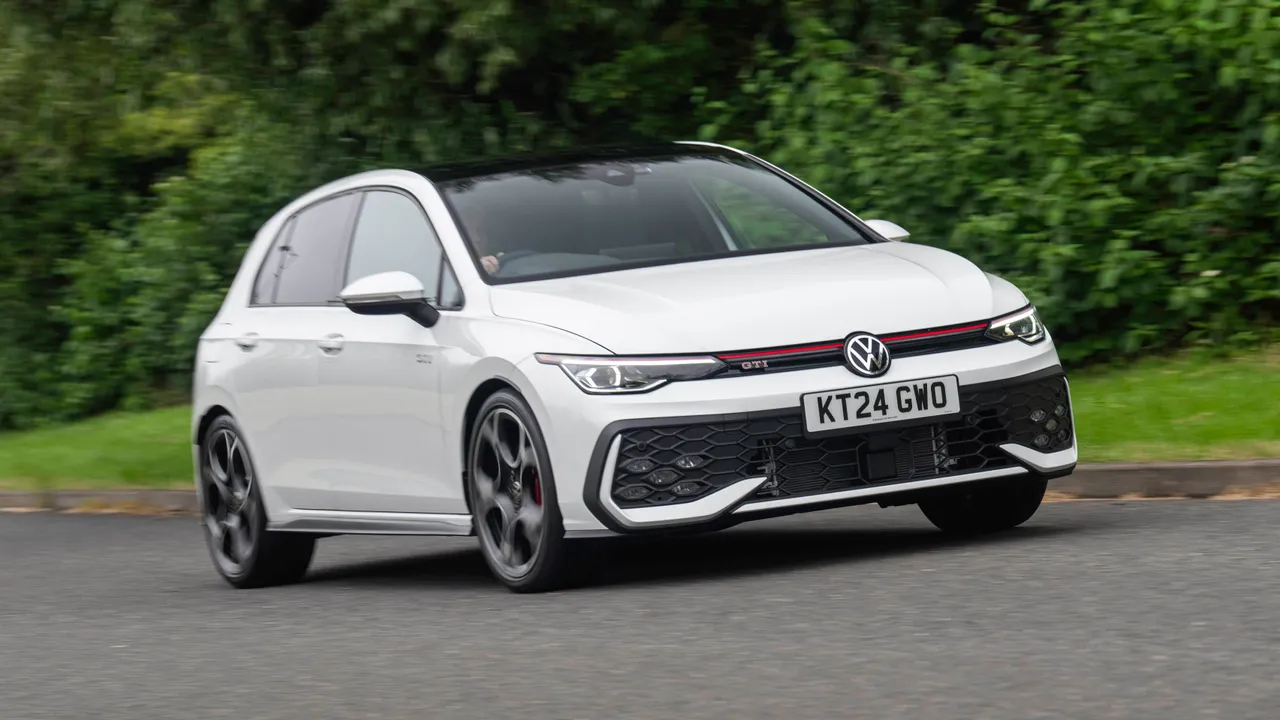
3. Mazda3: The “Front-Wheel-Drive Miata” Experience
The Mazda3 is celebrated for delivering a “front-wheel-drive Miata” experience, blending engaging driving dynamics with reliability and practicality. Its manual transmission is especially praised for being tight, precise, and smooth, with crisp, short throws that create a highly connected and enjoyable feel.
Many owners report these gearboxes remaining “bulletproof” well past 200,000 kilometers with only routine maintenance. Early quirks, such as minor first-gear alignment issues or clutch wear in 2010–2011 models, are rare exceptions, while later generations maintain an exceptionally solid reputation.
The Mazda3 hatchback benefits from robust and simple engineering. Manual transmissions have fewer moving parts than automatics, reducing potential failure points.
Modern Skyactiv technology (2014+) improves engine and transmission efficiency, lowers mechanical strain, and allows gearboxes to last 200,000–300,000 miles with proper care. Paired with naturally aspirated 2.0L or 2.5L Skyactiv-G engines, the manual transmission delivers a sporty, precise, and rewarding driving experience, often compared to the nimble feel of a Mazda Miata.
Reliability is a strong feature of the Mazda3. RepairPal rates it 4.0/5 for dependability, with average annual repair costs around $433. The manual gearbox’s compatibility with Skyactiv engines avoids many problems seen in older automatic variants.
Practicality is enhanced by the hatchback’s 20.1 cubic feet of cargo space behind the rear seats, expandable to 44.5 cubic feet, and a 5-door layout that combines utility with sporty design.
Used buyers should consider model years carefully. The 2017–2020 and 2022+ models are noted for combining reliability, modern features, and refined interiors. Early 2010–2011 models may experience premature clutch wear, while 2004–2006 models can be prone to rust. Regular maintenance, especially for the 2.0L engine and direct-injection systems, is essential to prevent carbon buildup and ensure long-term durability.
The Mazda3 hatchback remains a top choice in the compact car segment, offering premium interior quality, engaging handling, efficient engines, and dependable manual transmissions. Its combination of precise shifting, Skyactiv technology, and practical design makes it a compelling option for drivers seeking a fun, reliable, and well-engineered daily driver.
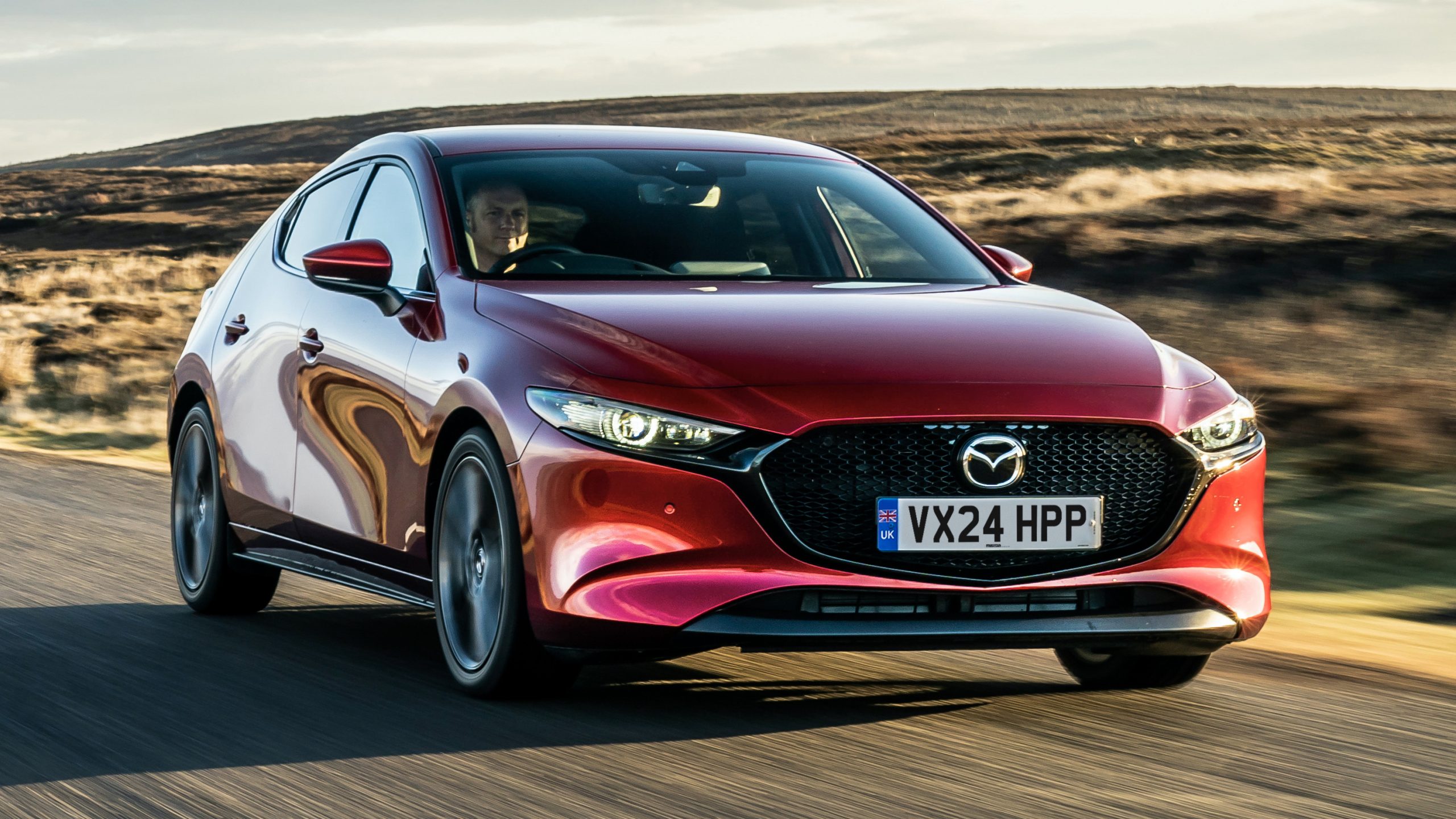
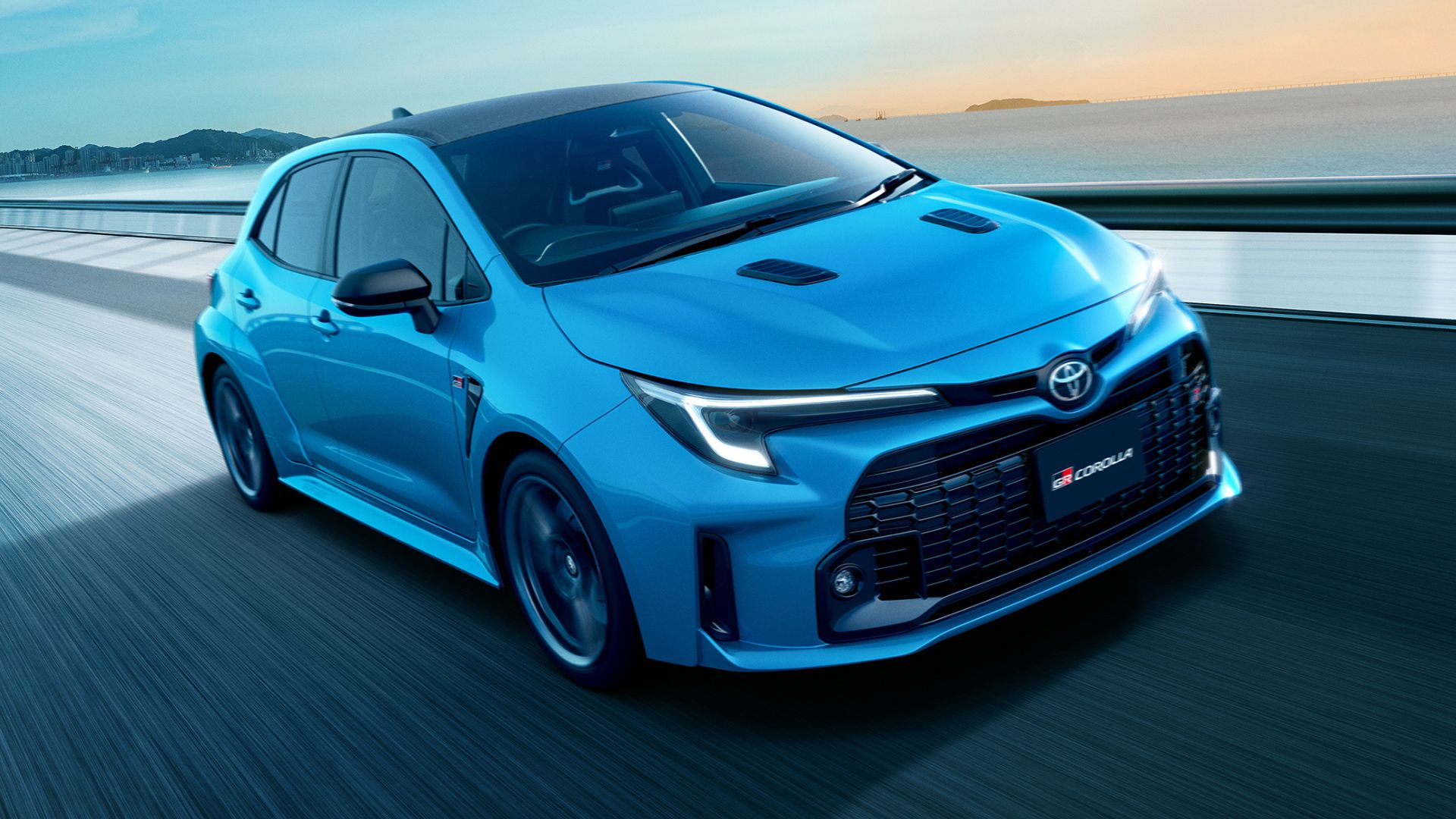
4. Toyota Corolla Hatchback: Durable and Dependable Manual Driving
Used Toyota Corolla Hatchbacks from 2019–2022 are widely regarded for their “bulletproof” manual transmissions, offering a reliable and engaging driving experience. These models feature a traditional 6-speed manual paired with the naturally aspirated 2.0-liter Dynamic Force engine, avoiding the long-term reliability concerns often associated with CVTs or complex automatics.
The gearbox is designed for durability, capable of high-mileage operation with minimal issues, making it a favorite among enthusiasts and commuters seeking long-term, low-cost ownership.
A key feature of the Corolla’s manual setup is the Intelligent Manual Transmission (iMT). This system includes automatic rev-matching, which ensures smoother downshifts and reduces stress on the clutch and transmission synchronizers.
The clutch itself is user-friendly, light, and forgiving in traffic, though it has a longer pedal travel than some sporty alternatives. The combination of iMT and a simple mechanical design gives the Corolla Hatchback a connected, precise feel that is both approachable for new drivers and satisfying for enthusiasts.
The 6-speed manual benefits from robust engineering. The naturally aspirated engine generates less heat and mechanical stress than turbocharged units, and the gearbox’s traditional design avoids complex components that could fail.
Reports indicate that with routine care, these transmissions can surpass 300,000–400,000 miles. Maintenance is minimal, primarily involving periodic fluid changes, and resale value remains high due to strong demand from enthusiasts and long-term owners.
Used buyers should be aware of a few considerations. Some clutches have experienced wear in heavy traffic or aggressive driving, and long gear ratios optimized for fuel economy may feel sluggish to certain drivers. Rear-seat space and boot capacity are more limited compared to rivals, and infotainment systems in early models (2019–2020) can be sluggish.
The 2019–2022 Corolla Hatchback offers nimble handling, excellent fuel economy (over 30 MPG combined in real-world conditions), and standard safety technology. Its manual transmission, bolstered by iMT, provides smooth, reliable, and engaging shifts, making it an excellent choice for drivers seeking a low-maintenance, long-lasting, and fun-to-drive compact car.
The hatchback’s balance of practicality, longevity, and driving enjoyment positions it as a standout in the segment for both new and experienced manual enthusiasts.
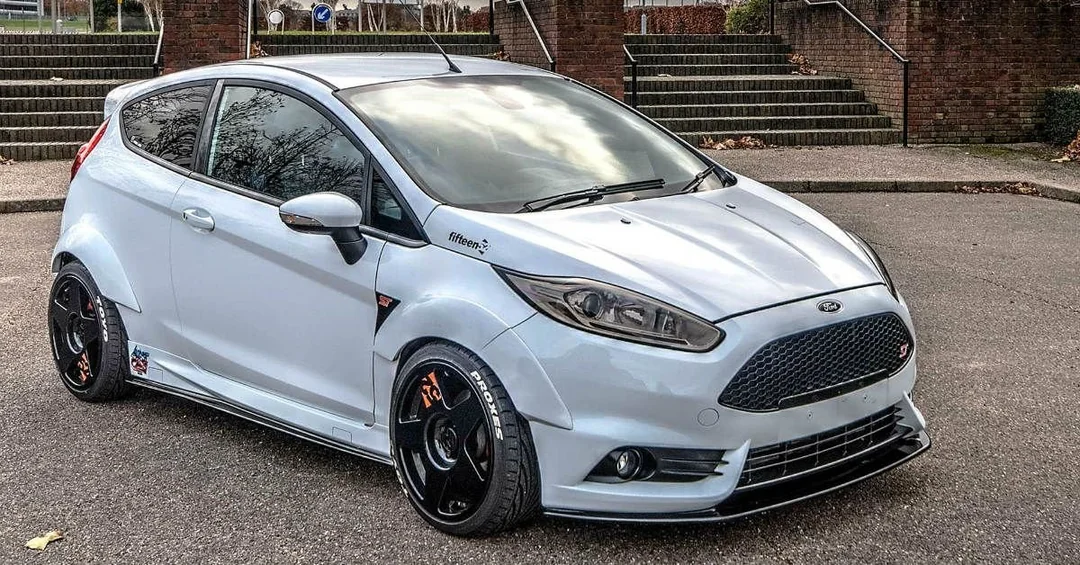
5. Ford Fiesta ST: Engaging Hot Hatch with a Durable Manual Gearbox
The Ford Fiesta ST is widely regarded as one of the most exciting and engaging hot hatchbacks available in the used car market. Known for its lively handling and responsive steering, it delivers a driving experience that many enthusiasts describe as energetic and highly enjoyable.
A key part of this reputation comes from its well-engineered six-speed manual transmission, which offers quick, crisp gear changes and a communicative clutch that makes spirited driving both accessible and rewarding.
The manual gearbox in the Fiesta ST has earned praise for being durable and easy to operate. Drivers often describe it as “idiot-proof” because the shift action is clear and precise, making it difficult to miss gears even during enthusiastic driving. The clutch pedal is responsive and easy to modulate, which allows smooth operation in heavy city traffic while still providing the feedback needed for performance driving.
Unlike some small performance cars, the transmission is designed to handle the torque of its turbocharged engine without suffering from premature synchronizer wear. This makes the Fiesta ST capable of handling track-day use while remaining practical for everyday commuting.
Two main generations define the modern Fiesta ST. The Mk7 model (2013–2017) features a 1.6-liter turbocharged four-cylinder engine producing around 180 horsepower, with an overboost function that temporarily increases output to about 197 horsepower.
The Mk8 generation (2018–2023) introduced a 1.5-liter three-cylinder turbo engine producing roughly 197 horsepower while adding cylinder deactivation technology to improve fuel efficiency. Both generations are offered exclusively with the six-speed manual gearbox, reinforcing the car’s enthusiast-focused character.
Handling is another highlight of the Fiesta ST. Many models are equipped with a Performance Pack, which includes a Quaife limited-slip differential, launch control, and shift lights. These features improve traction and help the car deliver strong cornering ability. Its compact size and responsive chassis allow drivers to confidently tackle winding roads with precision and control.
Despite its strengths, the Fiesta ST has some compromises. The ride can feel firm and occasionally bouncy on rough roads, and the interior is functional rather than luxurious.
Rear passenger space is limited, and the boot capacity of roughly 292 to 311 liters is smaller than some competitors. Used buyers should also inspect vehicles carefully, as these cars are often driven enthusiastically and may show signs of heavy use or aftermarket modifications.
5 With Notchy and Fragile Gears
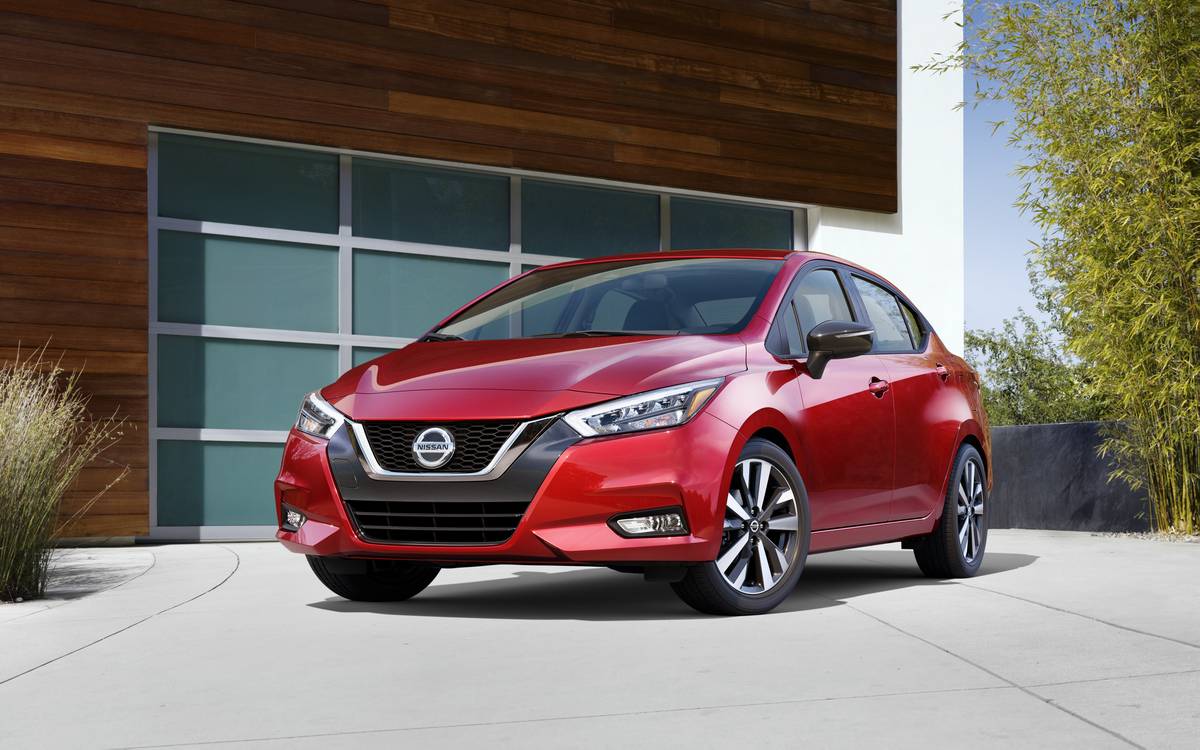
1. Nissan Versa: Budget-Friendly but Transmission Concerns
The Nissan Versa, particularly older hatchback models from 2012–2017, is widely known as an affordable and fuel-efficient subcompact car. However, its transmission options, both manual and automatic, have drawn criticism for durability and refinement issues. While the car offers low ownership costs and practical space for its class, concerns about transmission reliability and driving feel often shape buyer perceptions.
One of the most significant issues involves the Continuously Variable Transmission (CVT) used in many Versa models from this period. These CVTs are frequently associated with shuddering, jerking, whining noises, and, in some cases, complete failure between 80,000 and 100,000 miles.
The design relies on a belt-and-pulley system that can wear prematurely, especially if fluid changes are neglected or the transmission overheats. When failures occur, the solution is often a costly full transmission replacement. Because of these widespread complaints, many buyers are advised to avoid 2012–2017 Versa models equipped with CVTs unless thorough maintenance records are available.
The 5-speed manual transmission is generally considered more durable than the CVT, but it still receives mixed reviews. Drivers often describe the shifting experience as “notchy,” “rubbery,” or vague, lacking the crisp mechanical feel found in some competitors.
The clutch can feel grabby, and the shift quality may degrade as the car accumulates mileage. Some owners have also reported grinding noises, suggesting synchronizer wear. Additionally, the absence of a reverse lockout in certain versions raises the risk of accidental gear engagement.
Despite these shortcomings, the Versa remains appealing as a budget commuter car. It is inexpensive to purchase and maintain, with annual repair costs averaging around $456 and a reliability rating of about 4 out of 5.
Fuel economy is another strength, with newer models achieving up to 32 mpg in the city and 40 mpg on the highway. The cabin is surprisingly spacious for a subcompact vehicle, offering good rear legroom and basic but comfortable interior features.
Newer 2020 and later Versa models represent a major improvement, with updated styling, improved safety technology, and a more refined CVT.
Buyers seeking a used Versa should prioritize these newer generations or consider the manual transmission for better long-term durability. Even so, the car is best suited for economical commuting rather than spirited driving, as acceleration is slow and cabin noise can be noticeable at highway speeds.
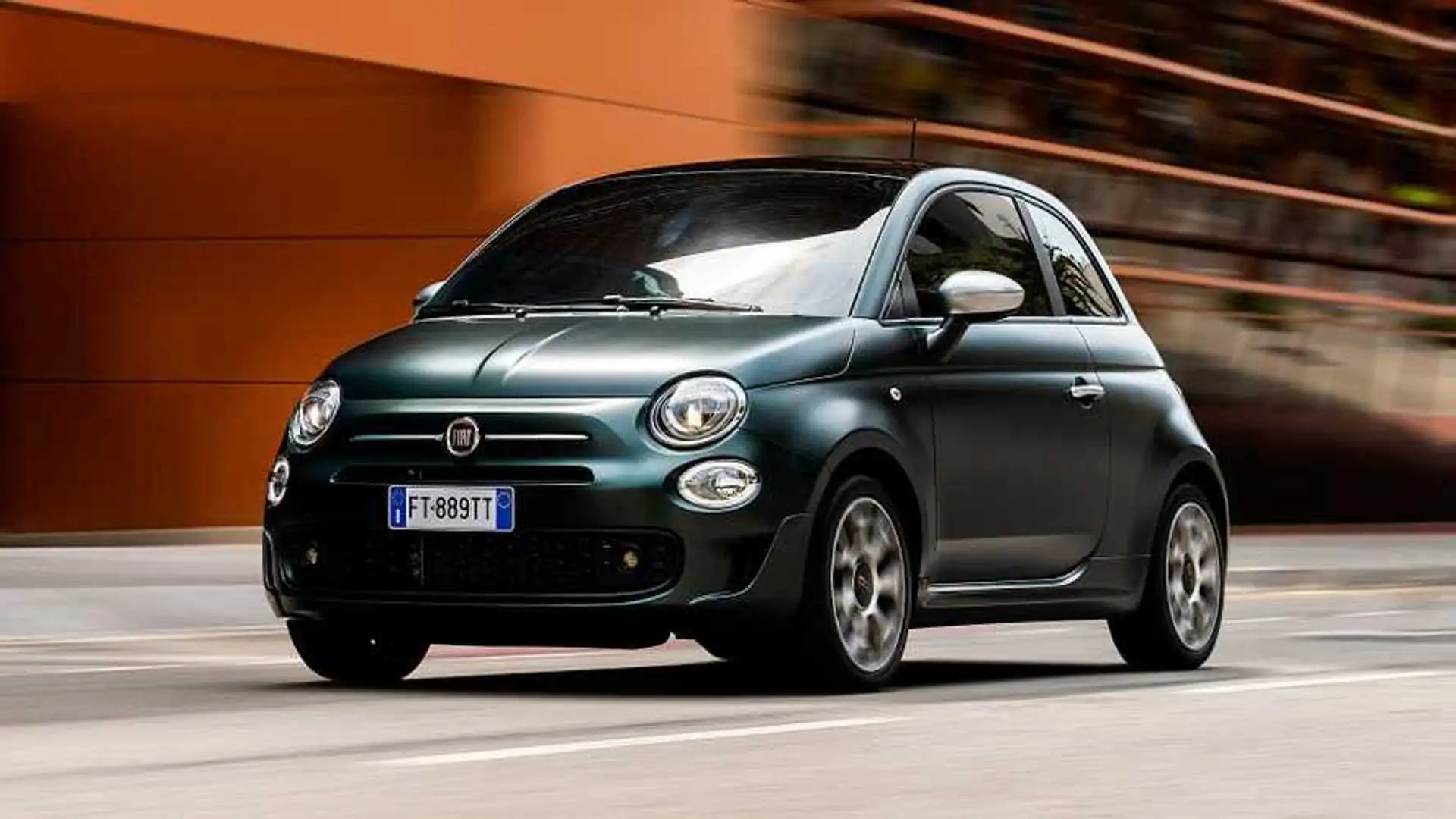
2. Fiat 500: Stylish City Car with Transmission Concerns
The Fiat 500 is well known for its retro styling and compact design, making it a popular choice for urban drivers who want a fashionable and easy-to-park vehicle. Its small size, light steering, and distinctive Italian character have helped it remain a recognizable city car for many years.
Despite its charm and personality, the Fiat 500 has developed a mixed reputation in the used car market, particularly when it comes to transmission reliability and long-term durability.
Many drivers describe the manual transmission as notchy and inconsistent compared with the smoother gearboxes found in many Japanese competitors. The shift action can feel vague and lacks the mechanical precision that enthusiasts often expect from a small manual car.
Premature clutch wear is a common complaint, especially on vehicles that spend most of their time in stop-and-go traffic. In some cases, internal gearbox problems can appear as mileage increases, which may result in expensive repairs and extended downtime.
One known failure point involves the clutch diaphragm spring. If this component fails, the driver may find it impossible to change gears. Another common issue is a failing clutch slave cylinder, which can create a soft clutch pedal or make it difficult to engage gears properly.
High-mileage Fiat 500 models can also develop worn shift linkages that lead to stiff or rough gear changes. Grinding sounds during shifting, particularly when selecting reverse, may indicate worn clutch components or synchronizers. Automatic versions are not free from problems either, as some owners report delayed or harsh gear changes and occasional slipping.
Even with these concerns, the Fiat 500 continues to attract buyers who value style and efficiency. Its small engines provide good fuel economy and relatively low insurance costs. Popular engine options include the simple 1.2-liter petrol engine for dependability, the lively 0.9-liter TwinAir engine for character, and the newer 1.0-liter mild hybrid introduced in 2020 that offers improved refinement.
Practicality remains limited, however. The Fiat 500 has tight rear seating and a small 185-liter boot. The ride can also feel bouncy on uneven roads. Reliability surveys often rank it below several competitors due to electrical and mechanical concerns. Buyers considering a used model should test the clutch and gearbox carefully, inspect for leaks, and confirm that the vehicle has a complete service history.
3. Subaru Impreza (5th Generation): Practical AWD with Mixed Transmission Feedback
The 5th generation Subaru Impreza hatchback (2017–2023) is known for its practicality, safety features, and standard all-wheel-drive capability. Built on the Subaru Global Platform, the car offers improved ride comfort, good cabin space, and strong crash safety ratings.
These qualities make it a popular compact car for drivers who value stability and all-weather capability. However, the transmission options in this generation have received criticism from both drivers and automotive reviewers, particularly regarding shift quality and responsiveness.
The 5-speed manual transmission has often been described as notchy, clunky, and outdated compared with newer 6-speed manual designs found in competing compact cars. Critics note that it lacks the crisp and precise shift action found in Subaru’s performance models, such as the WRX.
Drivers sometimes report difficulty achieving smooth gear changes because of significant rev hang, where engine RPM stays high between shifts. This behavior can make transitions between gears feel slow or awkward during everyday driving.
The design of the gearbox prioritizes durability and the ability to handle Subaru’s all-wheel-drive system, but it sacrifices the refined shifting feel that many drivers expect in modern manual cars.
Reports from owners also mention premature clutch wear and throwout bearing failures in some manual models. When these components wear early, drivers may experience difficulty selecting gears or unusual noises from the transmission system. Repairs can become costly if these problems appear outside of warranty coverage.
The Continuously Variable Transmission (CVT) used in many Impreza models has also drawn criticism. Some units develop valve body failures, hesitation, or shuddering during acceleration. Because the CVT must manage power delivery to Subaru’s symmetrical all-wheel-drive system, the transmission design is complex and can sometimes feel hesitant or “stepped” under certain driving conditions.
Despite these issues, the Impreza still offers several strengths. Standard all-wheel drive provides excellent traction in rain, snow, and slippery road conditions. The rigid platform improves ride comfort and handling balance, while the interior provides generous rear legroom and good visibility. Advanced driver assistance technology, such as the EyeSight safety suite, is also available in many models.
The 2.0-liter engine used in this generation prioritizes fuel efficiency rather than performance, which means acceleration can feel slow. Still, the Impreza remains a practical and dependable compact car for drivers who prioritize safety, stability, and everyday usability rather than sporty driving dynamics.
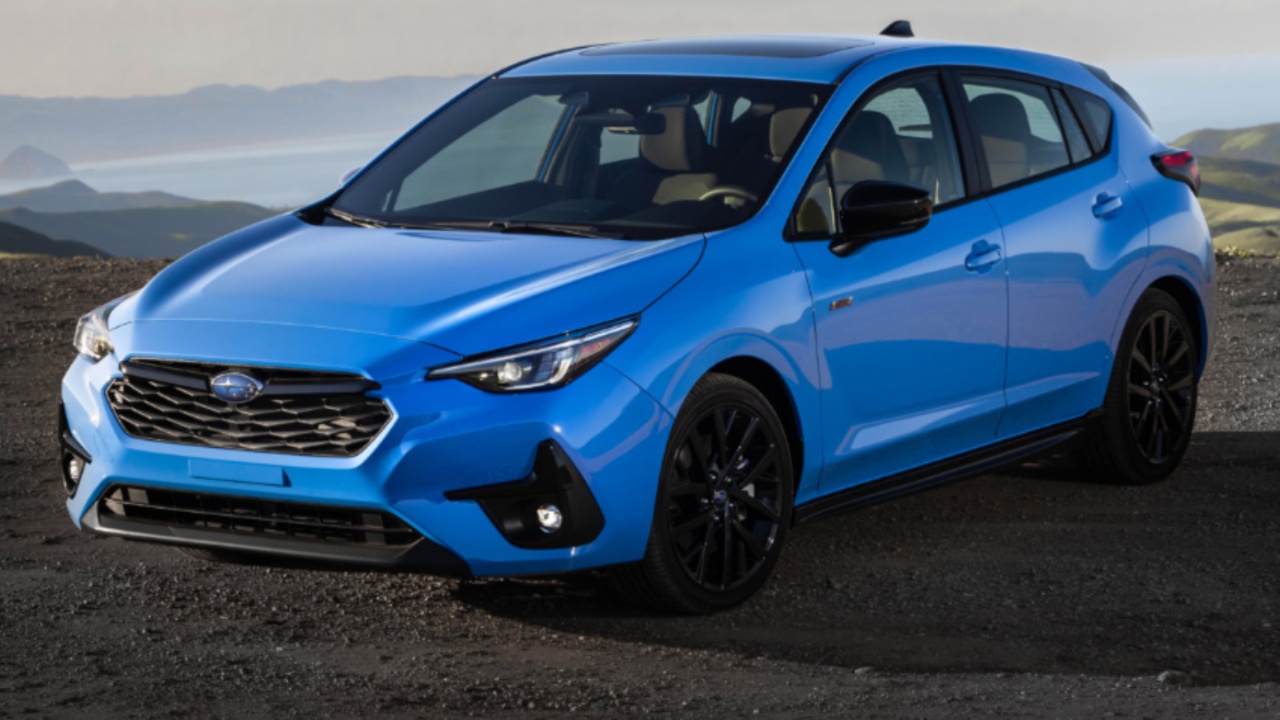
4. Mini Cooper: Fun Driving Character with Reliability Concerns
The Mini Cooper has long been praised for its playful personality and sharp handling. Known for its “go-kart-like” driving feel, the car offers quick steering, agile cornering, and an engaging experience behind the wheel.
Manual versions in particular appeal to enthusiasts who enjoy a direct connection with the car. However, many used Mini Cooper models have developed a reputation for transmission and reliability issues, especially in earlier generations produced between 2002 and 2013.
Manual Mini Coopers often deliver an initially enjoyable shifting experience, but the gearbox can become notchy and stiff as the vehicle ages. Drivers sometimes report a less refined feel compared with competitors from Japanese manufacturers such as Toyota or Honda. Clutch assemblies in these vehicles are known to wear prematurely, which can result in expensive repairs or early replacement.
The sporty design of the Mini, which encourages high-rev driving and spirited use, can place additional stress on the clutch and gearbox components. As mileage increases, these stresses may lead to degraded shift quality or mechanical failures if maintenance has not been carefully maintained.
Transmission problems are particularly common in early models. First-generation Minis from 2002 to 2006 used gearboxes derived from older Rover designs that were known for weakness and mechanical noise.
Some early automatic versions used a continuously variable transmission that became notorious for reliability problems and could even trap the car in a low gear when malfunctioning. Because of these issues, many buyers seeking a used Mini prefer manual models from later generations or avoid early automatic variants entirely.
Beyond the transmission, used Mini Coopers may experience additional reliability concerns. Models built between 2007 and 2013 with the “Prince” engine can suffer from timing chain issues, oil consumption, and tensioner failures.
Suspension components also tend to wear relatively quickly because of the car’s firm handling setup, and fluid leaks involving coolant or engine oil can occur. Electrical problems and aging trim pieces are also sometimes reported.
Later third-generation Mini Cooper models introduced in 2014 improved reliability and build quality significantly. These cars feature more efficient engines, better interior materials, and fewer mechanical problems than earlier versions. While rear seat space and boot capacity remain limited, the Mini Cooper continues to attract buyers who value style, engaging driving dynamics, and a premium small-car feel.
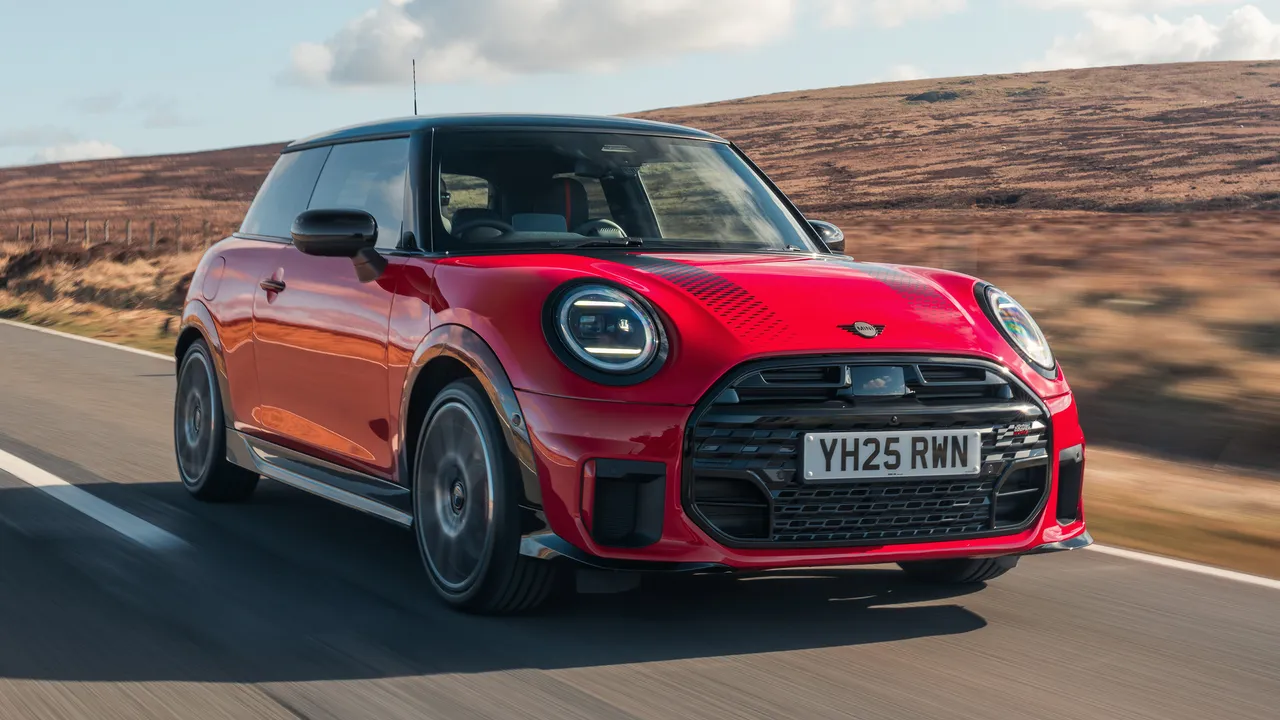
5. Kia Forte: Affordable Compact with Notable Transmission Concerns
The Kia Forte is a popular compact sedan recognized for its affordability, modern styling, and strong value in the used car market. Many drivers appreciate its comfortable cabin, straightforward technology, and good fuel efficiency.
These qualities make it appealing as a practical daily driver. However, the Forte has also received criticism regarding the performance and refinement of its transmissions, particularly in earlier model years and certain drivetrain configurations.
The 6-speed manual transmission available in several Forte models has often been described as vague or inconsistent. Drivers sometimes report a notchy or slightly stubborn shift action that lacks the smooth precision found in competing compact cars from brands such as Mazda or Honda.
Gear changes can feel resistant, especially when the vehicle is cold or driven quickly. Some owners have also mentioned unusual vibrations, mechanical noises, or a “crunchy” sensation during shifts.
In certain situations, the gearbox may hesitate during transitions between gears, which can interrupt acceleration and occasionally cause the engine to stall. These traits give the manual transmission a less refined character than many rivals in the segment.
Transmission concerns are not limited to manual models. Some Kia Forte variants, particularly sport-oriented trims equipped with dual-clutch transmissions (DCT), have also drawn complaints. Drivers sometimes report jerky behavior at low speeds, delayed engagement when starting from a stop, or hesitation during acceleration.
In rare cases, premature wear or mechanical failure has been reported. Early 6-speed automatic versions may also show slower or less responsive shifting compared with newer designs. These problems are often linked to component wear, maintenance history, or the complex design of dual-clutch systems that prioritize fuel efficiency and performance.
Even with these criticisms, the Kia Forte continues to attract buyers because of its value and practicality. Newer third-generation models produced from 2019 to 2024 introduced improved interior materials, modern infotainment systems, and efficient engines.
Fuel economy is strong, frequently reaching around 6.1 to 7.2 liters per 100 kilometers. The base 2.0-liter engine provides adequate performance for everyday commuting, while the GT trim delivers more power for drivers seeking a sportier experience.
Anyone considering a used Forte should test the transmission carefully and review the vehicle’s maintenance records. Well-maintained examples can still provide dependable and affordable transportation, supported by a comfortable interior and useful technology features.
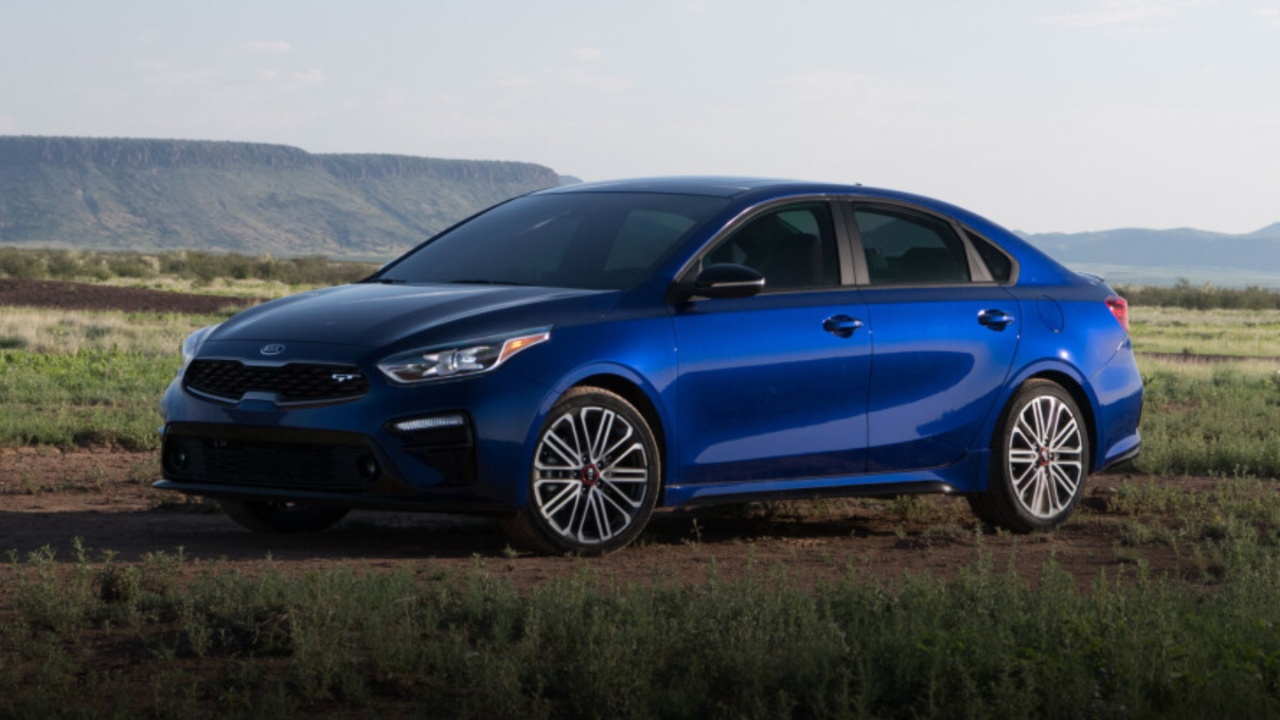
Choosing a used hatchback with a manual transmission can be incredibly rewarding, but the quality of the gearbox plays a major role in long-term satisfaction.
Models such as the Honda Civic Type R, Volkswagen Golf GTI, Mazda3, Toyota Corolla Hatchback, and Ford Fiesta ST stand out for their precise shifting, strong engineering, and proven durability. These vehicles show how a well-designed manual transmission can enhance driving engagement while remaining dependable for everyday use.
In contrast, hatchbacks like the Nissan Versa, Fiat 500, Subaru Impreza (5th Gen), Mini Cooper, and Kia Forte demonstrate how inconsistent shift feel, premature clutch wear, or fragile components can detract from the driving experience. While many of these cars still offer value in other areas, their gearboxes may require extra attention or maintenance.
For buyers who enjoy three-pedal driving, researching transmission reliability is just as important as evaluating performance, practicality, or styling. Selecting a hatchback known for a strong manual gearbox can ensure a more enjoyable and dependable ownership experience.
Also Read: Top 10 Cars With the Best Headlight Ratings for Curvy Roads