
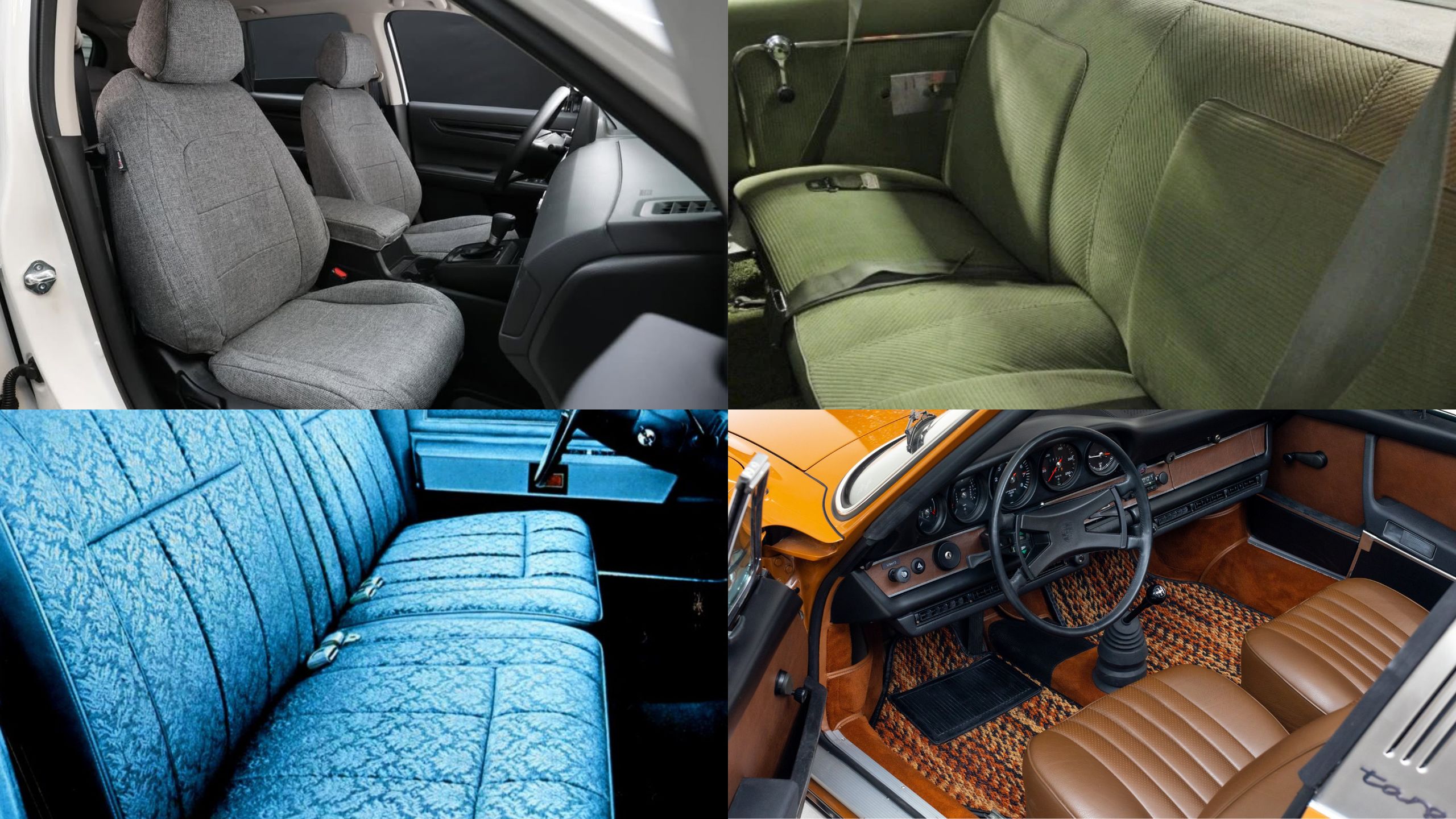
The 1970s were a decade unlike any other in automotive history a time when car interiors became canvases for bold self-expression, cultural rebellion, and unapologetic excess.
As the muscle car era gave way to a more comfort-focused philosophy, automakers and aftermarket suppliers began experimenting with fabrics, textures, and patterns that reflected the vibrant aesthetic spirit of the decade.
From the earthy, natural tones inspired by the environmental movement to the psychedelic patterns born from counterculture influence, the fabrics of 1970s car interiors told a vivid story about who Americans were and what they valued.
This was also an era of practicality meeting personality. Manufacturers needed materials that could withstand daily wear while still dazzling buyers in showrooms.
Velour, plaid cloth, crushed velvet, and vinyl all found their place inside the cars of the decade, each bringing its own texture, personality, and cultural significance.
Whether you were cruising in a Lincoln Continental or rattling down the highway in a Ford Pinto, the interior fabric beneath you was far more than upholstery it was a statement. Today, these retro fabrics are experiencing a powerful revival among restoration enthusiasts and vintage car lovers. Here are the top ten.
1. Crushed Velvet
If there was one fabric that captured the lavish, indulgent spirit of the 1970s more than any other, it was crushed velvet. Appearing in everything from living room sofas to evening gowns, crushed velvet made a particularly dramatic statement inside the automobile interiors of the decade.
Its rich, multi-directional sheen caught light differently depending on the angle, giving car interiors a sense of depth and opulence that no other fabric could replicate.
Crushed velvet was especially prominent in luxury and personal luxury cars of the era. Vehicles like the Cadillac Eldorado, Lincoln Continental Mark IV, and Chrysler Cordoba were frequently optioned with crushed velvet seating surfaces in deep, jewel-toned colors burgundy, navy blue, forest green, and chocolate brown being among the most popular choices.
These colors reflected the broader interior design trends of the decade, which favored rich earth tones and jewel hues over the brighter, more optimistic palettes of the 1960s.
What made crushed velvet so appealing to buyers was the way it communicated status and comfort simultaneously. Sitting in a car lined with crushed velvet felt like sitting in a private lounge plush, enveloping, and undeniably luxurious.
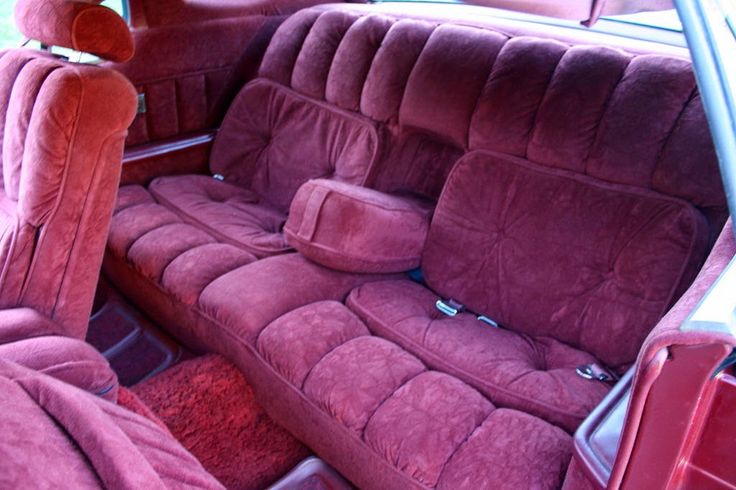
Automakers understood this and marketed their velvet-equipped models heavily, often emphasizing the “living room on wheels” concept that dominated luxury car advertising during the 1970s.
The fabric itself is produced by pressing or twisting the pile of velvet in multiple directions, creating an irregular, shimmering surface. This process gives crushed velvet its signature appearance part glamorous, part decadent, entirely 1970s.
In automotive applications, the fabric was typically treated with stain-resistant coatings to improve durability, as velvet’s long pile could trap dust and absorb spills more readily than tightly woven alternatives.
From a restoration standpoint, sourcing authentic crushed velvet for period-correct restorations remains one of the more rewarding challenges. Modern reproductions are available, but genuine vintage crushed velvet from the era has a particular weight and texture that enthusiasts immediately recognize.
The revival of interest in 1970s aesthetics has also pushed contemporary designers to reintroduce crushed velvet into modern custom builds, cementing its legacy as one of the most iconic automotive fabrics ever produced.
Also Read: Top 10 Modern Sedans With the Best Steering Feel and Feedback
2. Plaid Cloth
Few fabrics are as immediately, viscerally associated with 1970s American car interiors as plaid cloth. Bold, geometric, and impossible to ignore, plaid upholstery was everywhere during the decade from economy compacts to mid-range family sedans.
It was the fabric of the everyday driver, democratizing pattern and personality in a way that luxury materials like velvet could never quite achieve. Plaid cloth upholstery in 1970s cars typically featured wide bands of contrasting colors arranged in intersecting horizontal and vertical stripes.
Common color combinations included orange and brown, gold and tan, green and cream, and blue and grey all deeply representative of the decade’s broader design sensibility.
These weren’t subtle patterns. They were bold, confident declarations of style, designed to catch the eye of showroom visitors and communicate that even an affordable car could have character.
Automakers like Ford, Chevrolet, and American Motors Corporation (AMC) made particularly extensive use of plaid in their economy and mid-range models. The AMC Gremlin and Pacer are especially remembered for their daring interior fabric choices, with some models featuring plaid patterns so bold that they have become cultural touchstones of the era.
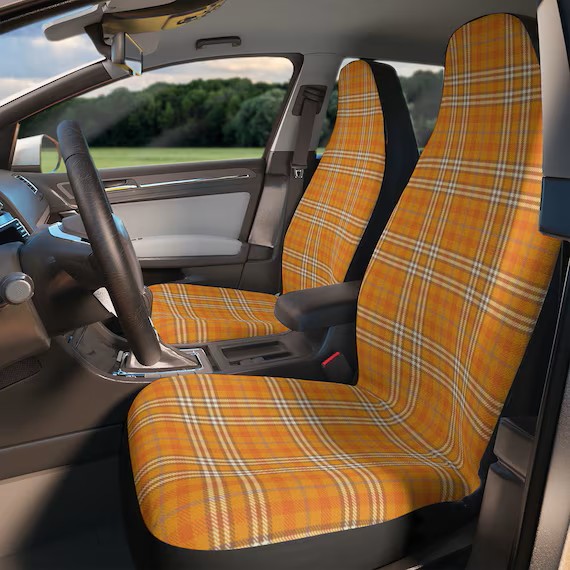
Volkswagen also used distinctive plaid patterns in their American-market Beetles and Buses, further associating the look with the counterculture spirit of the period.
Beyond its visual appeal, plaid cloth was a practical choice for high-volume automotive use. The woven construction was durable and relatively easy to clean, while the busy pattern effectively concealed minor stains and wear that might be more visible on solid-colored fabrics.
This combination of aesthetics and practicality made it a natural choice for manufacturers who needed to balance cost, durability, and style appeal.
Today, original plaid interiors in good condition are among the most sought-after features for collectors of 1970s vehicles. Restoration specialists work hard to source period-correct plaid fabrics, and several companies now produce faithful reproductions that allow enthusiasts to preserve the look and feel of these iconic interiors.
In the broader world of design, 1970s automotive plaid has also found renewed appreciation among those who recognize it as a genuine expression of a culturally rich and visually adventurous decade.
3. Vinyl
Vinyl may lack the glamour of velvet or the personality of plaid, but no survey of 1970s automotive fabrics would be complete without it. Vinyl was, without question, the most widely used interior material of the decade, appearing in virtually every car segment from bare-bones economy models to well-appointed family cars.
Its combination of durability, affordability, and ease of maintenance made it the default choice for automakers going through the economic pressures of the oil crisis era.
The vinyl of the 1970s was a significant evolution from earlier versions of the material. Advances in manufacturing technology allowed for the creation of vinyl with embossed grain patterns that convincingly mimicked leather a feature that allowed automakers to offer a premium aesthetic at a fraction of the cost.
Tufted vinyl, which featured padded squares or diamonds stitched into the seating surface, was particularly popular and gave cars a sense of tailored luxury that belied the material’s modest price point.
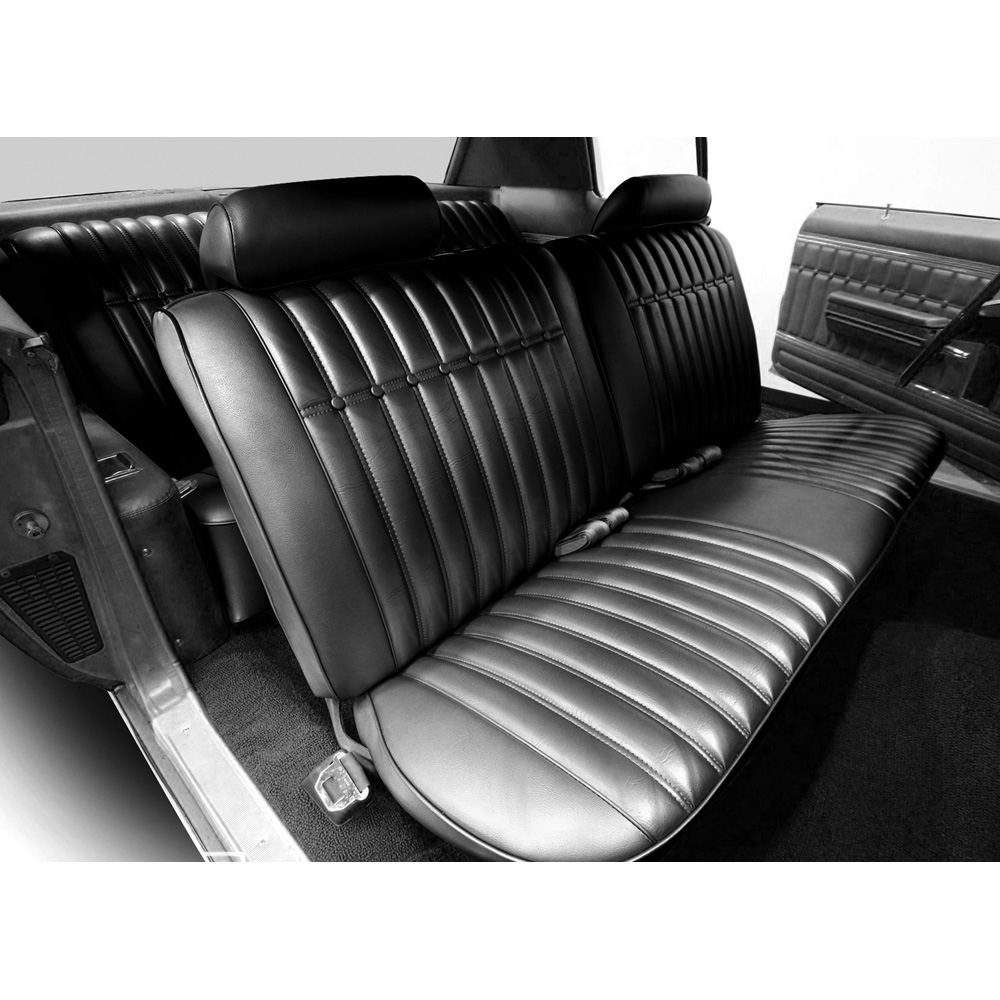
Color was a major part of vinyl’s appeal during the 1970s. Automakers offered vinyl interiors in an extraordinarily wide range of shades, from conservative black and medium blue to the decade’s signature avocado green, harvest gold, and burnt orange.
Matching or contrasting two-tone vinyl combinations were also common, with instrument panels, door cards, and seating surfaces often coordinating in complementary shades.
One of the defining characteristics of 1970s vinyl and one that anyone who lived through the decade will immediately remember is how it behaved in summer heat.
Vinyl absorbed and retained heat dramatically, making summer driving in vinyl-equipped cars an exercise in endurance. The material also had a distinctive smell when new, a scent so strongly associated with new cars of the era that it has become a nostalgic trigger for millions of people.
Despite its practical limitations, vinyl from this period is now celebrated for its aesthetic authenticity. Restoration specialists prize original vinyl in good condition, and high-quality reproduction vinyl in period-correct colors and textures is widely available for those undertaking authentic restorations.
4. Velour
Velour occupied a fascinating middle ground in the 1970s automotive fabric world more affordable than genuine velvet, more luxurious-feeling than standard woven cloth, and versatile enough to appear across a wide range of vehicle segments.
By the mid-to-late 1970s, velour had become one of the most popular upholstery options available, celebrated for the soft, plush seating surface it provided.
Unlike crushed velvet, which featured a longer, more dramatic pile, velour used a shorter, more uniform pile that was easier to maintain and more resistant to wear. This made it practical for everyday automotive use while still delivering the tactile richness that buyers desired.
Automakers and their customers responded enthusiastically, and velour seating became a widely available option across the model ranges of most major manufacturers.
The color palette for velour interiors largely echoed the broader design trends of the decade rich earth tones, deep jewel colors, and the now-iconic avocado, gold, and brown combinations that define the visual identity of the 1970s.
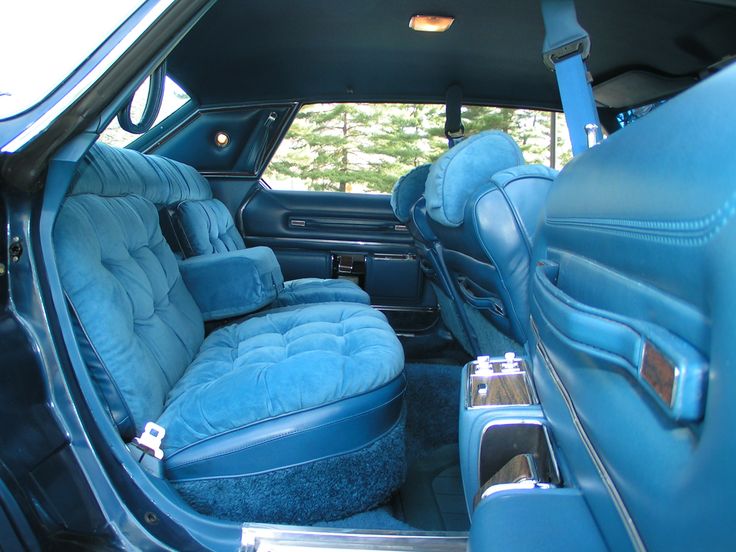
Some manufacturers also offered velour in more subdued shades of grey and beige as the decade wound toward the 1980s, anticipating the shift toward more conservative interior aesthetics that would characterize the following decade.
Velour’s softness made it particularly valued in long-distance touring cars and larger family vehicles, where passenger comfort over extended journeys was a primary concern. Chrysler’s various luxury brands made extensive use of velour throughout the late 1970s, and Ford’s personal luxury cars frequently featured velour as a premium interior option.
For collectors and restorers today, velour interiors in good original condition are treasured for their period authenticity. The fabric ages distinctively wearing at contact points and potentially developing a matted appearance in high-use areas which means finding unworn or professionally restored examples is genuinely exciting for serious enthusiasts.
Also Read: 6 Ways AI is Reducing Cost of Professional Car Repairs in 2026
5. Tweed and Woven Cloth
Tweed and heavier woven cloth fabrics represented the more restrained, practical end of the 1970s automotive fabric spectrum, but this did not make them any less characteristic of the era.
Used extensively in European imports and increasingly in American vehicles as the decade progressed, textured woven fabrics brought a sense of craftsmanship and tactile interest to interiors that prioritized longevity and understated style.
The appeal of tweed and woven cloth in automotive applications was largely practical. These tight-weave fabrics were exceptionally durable, resisting wear and abrasion far better than softer pile fabrics like velour or velvet.
They were also more breathable, making them more comfortable in warmer climates and during summer driving a significant advantage over vinyl, which could become uncomfortably hot.
In European cars of the 1970s particularly German and Swedish models tweed and heavy woven cloth were standard upholstery choices, reflecting a design philosophy that valued function and durability.
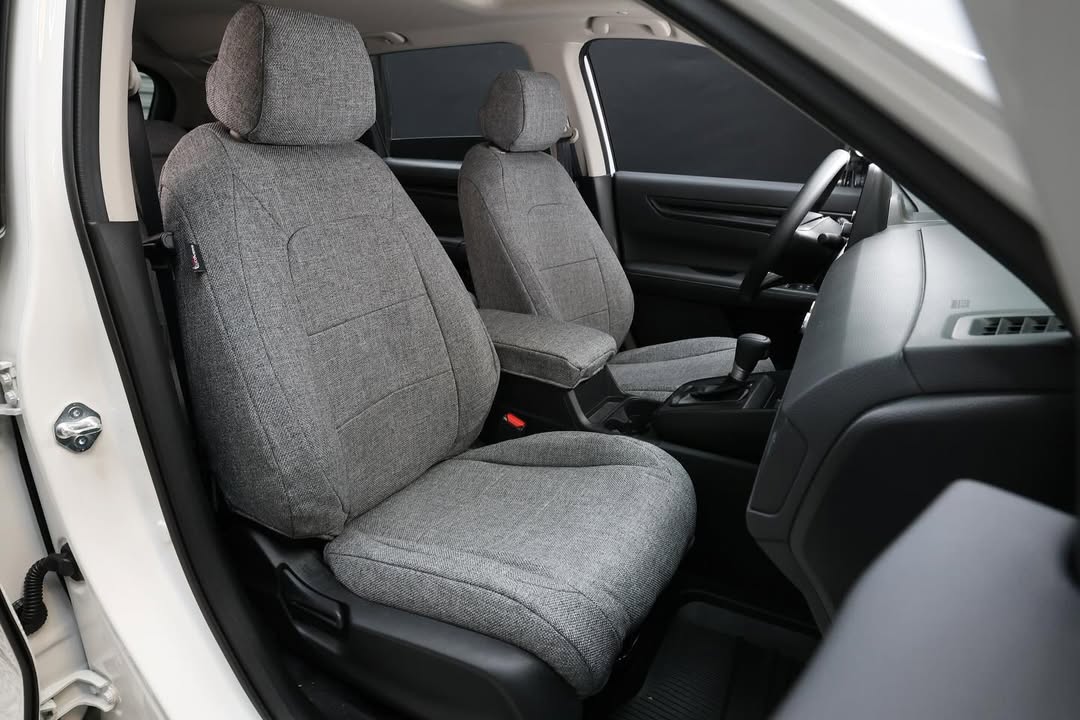
Volkswagen, Volvo, Saab, and BMW all made extensive use of textured woven fabrics, and the distinctive patterns and color combinations used in these cars have become strongly associated with the premium European automotive aesthetic of the period.
American manufacturers began incorporating more woven cloth options as the decade progressed, partly in response to the growing popularity of European imports and partly as a way to offer more breathable alternatives to vinyl in warmer markets.
The patterns used tended to be less bold than plaid but more visually interesting than solid fabrics, often featuring subtle geometric or herringbone designs.
Today, original tweed and woven cloth interiors from 1970s European imports are among the most faithful period details that collectors preserve. These fabrics have aged remarkably well in many cases, and their classic, understated quality has given them an enduring appeal that more extravagant fabrics of the era have sometimes struggled to maintain.
6. Brocade Fabric
Brocade fabric, with its richly patterned, raised woven designs, represented the absolute pinnacle of decorative excess in 1970s automotive interiors.
Used almost exclusively in the highest-tier luxury cars of the decade, brocade brought a level of visual complexity and tactile richness that made the interiors of top-spec vehicles feel genuinely palatial. It was fabric as architecture intricate, layered, and unmistakably expensive.
The patterns used in automotive brocade of the 1970s drew heavily from traditional textile design, featuring stylized floral motifs, geometric abstractions, and interlocking patterns rendered in metallic or contrasting threads woven into a rich base fabric.
Gold and silver metallic threads were particularly popular, adding a shimmering quality that complemented the plush velvet and leather accents frequently found alongside brocade in the most luxurious applications.
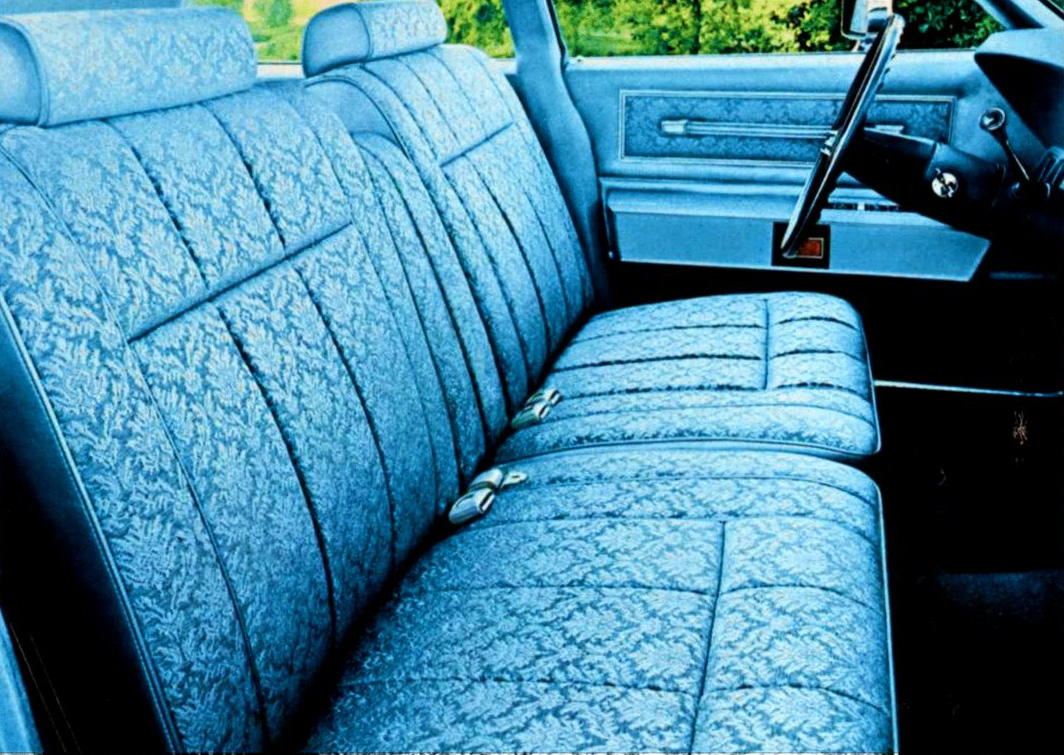
Lincoln, Cadillac, and Imperial were among the American brands most associated with brocade interiors, and the fabric appeared in limited-edition and top-trim-level models throughout the decade.
Cadillac’s Fleetwood series, for example, offered brocade seating as part of its most exclusive interior packages, positioning it as a marker of genuine automotive luxury.
The production of automotive-grade brocade required sophisticated weaving equipment and skilled textile workers, which contributed significantly to its cost and exclusivity.
Unlike mass-produced vinyl or even velour, brocade was a fabric with genuine heritage in high-end fashion and interior design, and its presence in an automobile’s interior communicated a clear message about the vehicle’s intended buyer.
Restoring brocade interiors today presents unique challenges, as authentic period brocade fabric is genuinely rare. Some specialist suppliers produce limited runs of reproduction automotive brocade for the restoration market, but the cost and scarcity of these materials mean that truly authentic brocade restorations remain exceptional achievements.
7. Leather and Leatherette
Leather has been a premium automotive upholstery material for virtually the entire history of the automobile, but the 1970s gave it a distinctly era-specific character.
While genuine leather continued to appear in the most expensive and performance-oriented vehicles of the decade, it was leatherette the high-quality synthetic leather alternative that truly defined the 1970s leather aesthetic for the majority of car buyers. Leatherette, produced from a PVC or polyurethane base coated to resemble genuine leather, had improved dramatically in quality by the 1970s.
Advanced embossing techniques allowed manufacturers to produce convincing grain patterns, and improvements in colorfast dyes meant that leatherette could be offered in a far wider range of colors than genuine leather while maintaining consistent appearance across a production run.
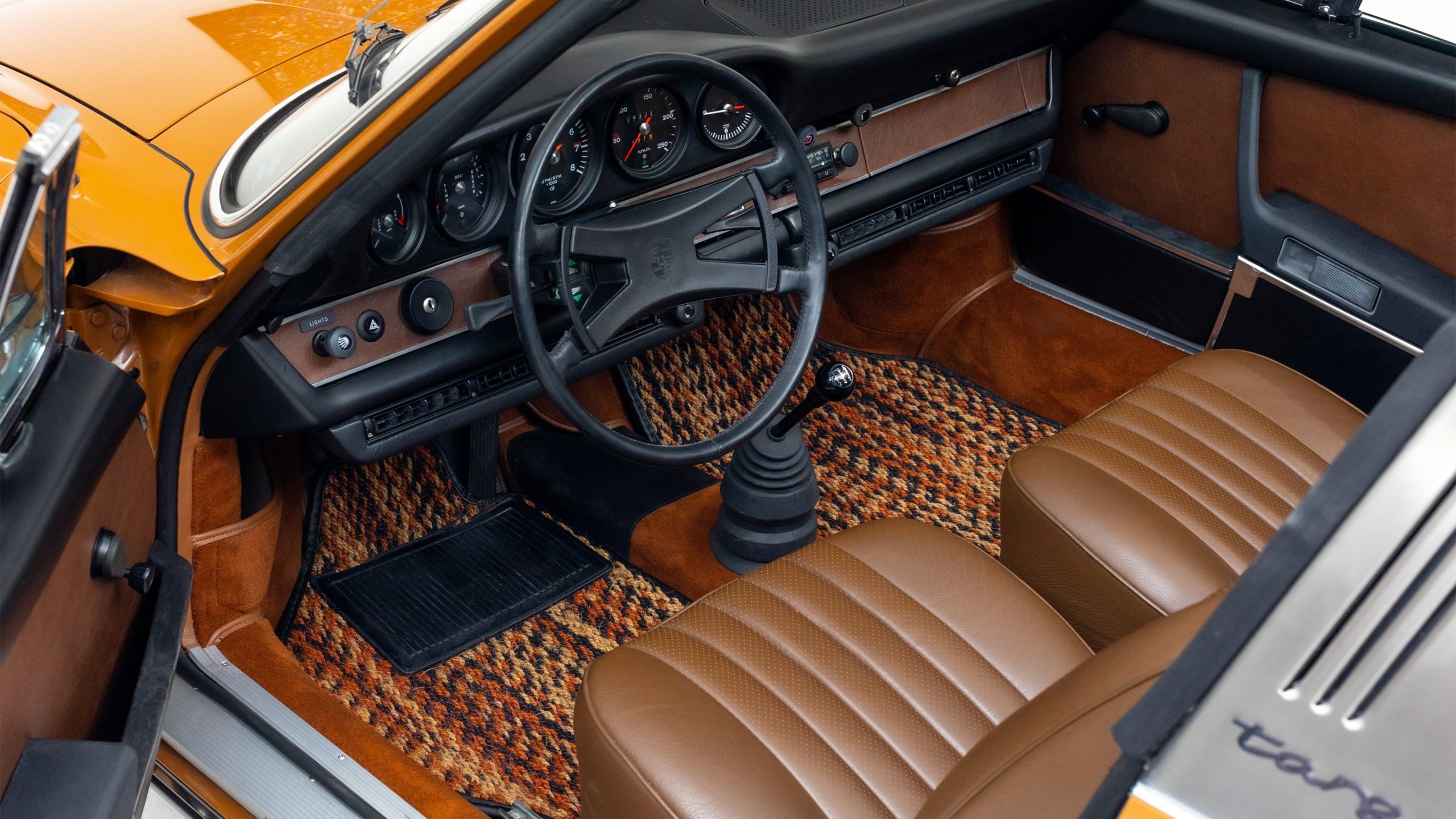
The color palette for leather and leatherette in 1970s cars was distinctively of its time. While black and tan remained perennial choices, the decade also saw widespread use of white and off-white leather in sports and luxury cars, deep burgundy and wine tones in personal luxury vehicles, and even cream-colored leatherette in mid-range models aiming for an upmarket appearance.
Two-tone combinations white with black, tan with brown, or cream with chocolate were particularly fashionable. Genuine leather continued to be associated with European sports cars and American performance vehicles, where it contributed to a driver-focused, purposeful interior aesthetic.
Porsche, Mercedes-Benz, and BMW offered leather as standard or easily specified optional equipment, while American muscle and pony cars of the period used leather seating to signal performance intent.
The legacy of 1970s leather and leatherette is complicated but fascinating. Original leatherette from the period, while often hardened and cracked by now, gives restored cars an irreplaceable period character, and specialist suppliers work to reproduce the specific grain patterns and colors of the era.
8. Corduroy Cloth
Corduroy was one of the more unexpected materials to make a significant appearance in 1970s automotive interiors, but its use reflected the decade’s broader embrace of casual, tactile comfort.
Associated in popular culture with relaxed academic style and outdoor living, corduroy brought an informal warmth to car interiors that neither vinyl nor velour could replicate.
The distinctive ridged surface of corduroy, created by cutting the woven pile to form parallel raised cords or wales gave the fabric a unique texture that was both visually interesting and genuinely comfortable to sit on.
The ridges provided a subtle gripping surface that prevented the sliding commonly associated with smooth vinyl, making corduroy a practical as well as stylish choice for everyday driving.
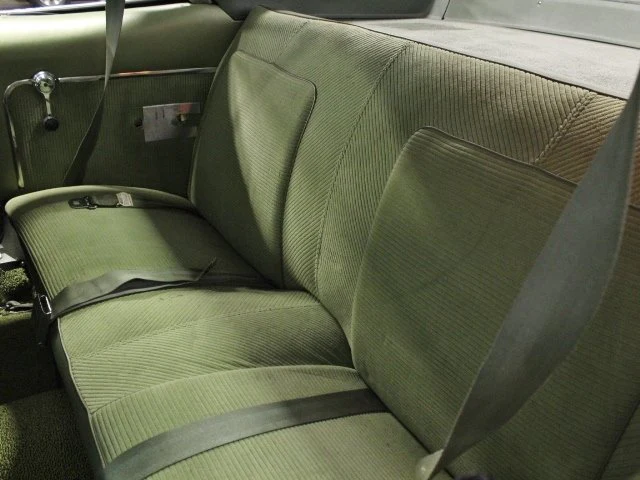
Corduroy appeared most frequently in vans, pickup trucks, and the nascent recreational vehicle market, where its casual associations and durability made it a natural fit.
The custom van craze of the 1970s, in particular, embraced corduroy enthusiastically alongside shag carpet and other textured materials as part of the mobile living space aesthetic that defined the era’s personalization culture.
Some mainstream passenger car manufacturers also experimented with corduroy seating in mid-range and economy models, particularly for optional interior packages that aimed to distinguish trim levels without significantly increasing cost. AMC, always willing to experiment with bold interior choices, made notable use of corduroy in several of its models during the decade.
Color choices for automotive corduroy tended toward the warmer, earthier end of the spectrum tobacco brown, rust orange, olive green, and warm tan reflecting both the material’s natural textile heritage and the broader design trends of the 1970s. These colors have aged beautifully in well-preserved examples, giving surviving corduroy interiors a genuinely warm and inviting character.
9. Shag Carpet and Pile Fabric
No discussion of 1970s automotive fabrics would be complete without addressing the extraordinary phenomenon of shag carpet and deep-pile fabrics in car interiors.
While shag carpet was primarily a flooring material in domestic settings, its migration into automotive use particularly in custom vans, recreational vehicles, and aftermarket applications represents one of the most distinctive and culturally resonant interior choices of the entire decade.
Shag carpet’s appearance in vehicles was directly connected to the custom van movement, which reached its peak popularity in the mid-to-late 1970s.
Enthusiasts who converted standard cargo vans into personal living spaces embraced shag carpet as a key element of the cozy, den-like interior aesthetic they sought to create.
Walls, floors, and even ceilings were sometimes covered in shag, creating an immersive, enveloping environment that reflected the era’s emphasis on personal comfort and self-expression.
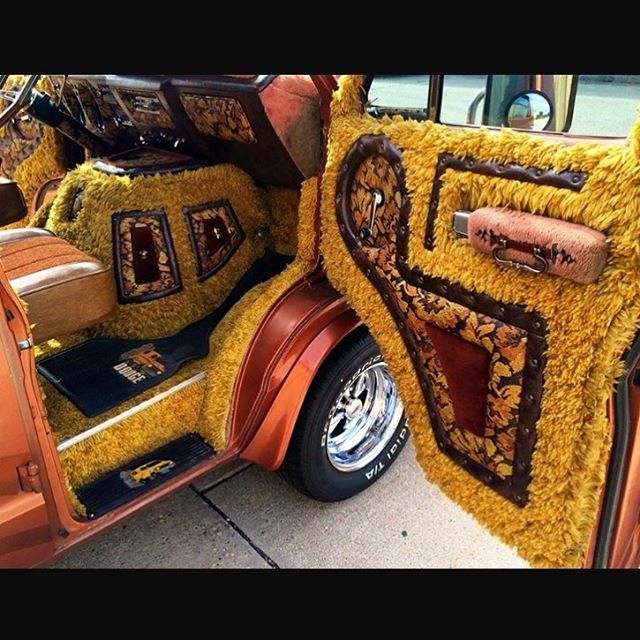
The shag used in automotive applications typically had a pile height of one to two inches, giving it a dramatically textured surface that was visually striking and surprisingly comfortable underfoot.
Colors ranged from the expected earth tones brown, tan, and rust to more adventurous choices including bright orange, deep blue, and even multicolored combinations that reflected the psychedelic aesthetic influences still present in 1970s culture.
Maintaining shag carpet in automotive use was challenging, as the long pile trapped dirt, debris, and moisture far more readily than conventional automotive carpeting.
This practical limitation meant that shag interiors required significantly more maintenance than standard materials, and many original examples have not survived in good condition.
Despite or perhaps because of its impracticality, shag carpet remains one of the most evocative and immediately recognizable symbols of 1970s automotive culture.
Well-preserved or authentically restored shag interiors command genuine admiration from enthusiasts and are celebrated as honest expressions of a uniquely creative decade.
10. Nylon and Synthetic Blend Fabrics
Closing our survey of 1970s automotive fabrics, nylon and synthetic blend materials represent an important but often overlooked part of the decade’s interior story.
As the energy crisis reshaped the automotive industry and manufacturers sought ways to reduce costs without sacrificing comfort or aesthetics, advanced synthetic fabrics emerged as a practical and surprisingly versatile solution.
Nylon-based automotive fabrics had been in development since the 1960s, but it was during the 1970s that they became sophisticated enough to serve as credible alternatives to natural-fiber and vinyl materials across multiple vehicle segments.
Advances in fiber technology allowed manufacturers to produce nylon blends that were softer, more colorfast, and more durable than earlier synthetics, opening up new possibilities for pattern and texture that had previously been difficult to achieve.
The synthetic blend fabrics of the 1970s were particularly notable for their ability to incorporate complex patterns and color combinations that would have been technically challenging in natural fibers.
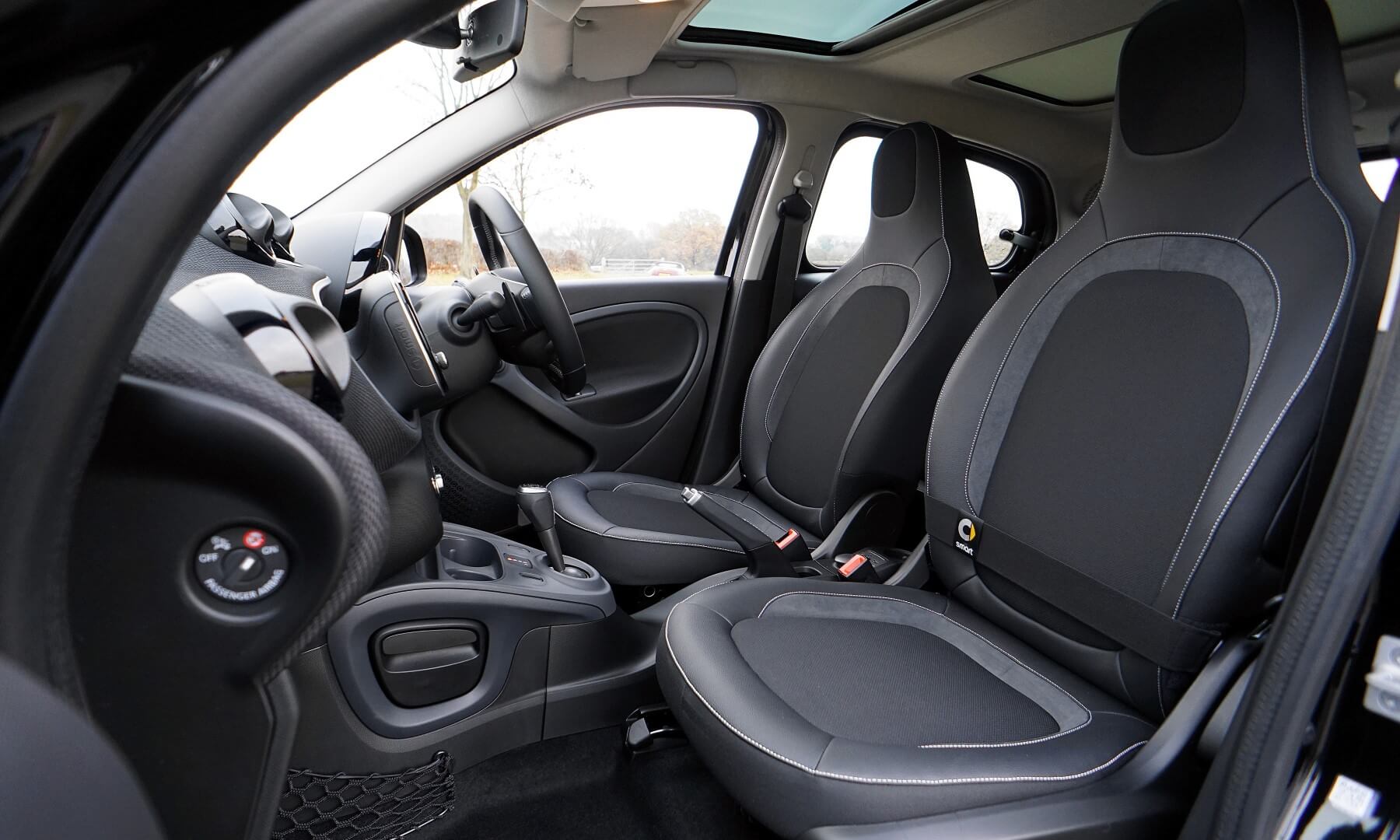
Geometric patterns, abstract designs, and even representational motifs became achievable in automotive upholstery through advances in synthetic textile printing and weaving technology.
This gave manufacturers new creative freedom and allowed them to differentiate trim levels through interior fabric design in ways that went beyond simple color variations.
Durability was another key advantage of nylon and synthetic blends. These fabrics resisted fading more effectively than natural fibers, maintained their appearance through repeated cleaning, and generally outlasted organic materials in the demanding conditions of automotive use.
For economy and mid-range cars where value and longevity were primary concerns, synthetic fabrics offered an excellent proposition. The legacy of 1970s synthetic fabrics is a complex one. Some have aged remarkably well, maintaining their color and texture through decades of use.
Others have degraded in ways specific to their synthetic composition pilling, fading in distinctive patterns, or developing a characteristic brittleness.
For restorers and collectors, these fabrics offer a window into the technological ambitions of 1970s automotive design and the industry’s ongoing search for materials that could be everything at once: beautiful, durable, affordable, and unmistakably of their time.
Also Read: Top 10 Cars With Smart Windows That Tint Automatically
