Front wheel drive performance cars have changed the way many enthusiasts view track capable machines. In earlier decades, front driven layouts were often associated with economy cars and daily transportation rather than competitive performance.
Engineers and racing teams gradually proved that this assumption was incomplete. With careful chassis tuning, lightweight construction, and strong turbocharged engines, many front driven cars began producing lap times that surprised even experienced drivers.
The biggest challenge for front driven performance cars is managing power and traction at the same time. When the front wheels are responsible for both steering and acceleration, the car can experience understeer if the balance is not carefully engineered.
Manufacturers responded with advanced suspension setups, limited slip differentials, and high performance tires. These solutions allowed modern hot hatch models to carry impressive speed through corners while still maintaining strong acceleration on straights.
Track records at famous circuits have also played a major role in building the reputation of these machines. Circuits such as the Nürburgring Nordschleife have become a benchmark for performance cars across the industry.
Several front driven models from brands like Honda and Renault have competed for the fastest production lap time in their class. The competition between these manufacturers has pushed engineering standards higher every year.
Another reason for the popularity of these cars is accessibility. Many front driven performance cars are based on practical hatchbacks or compact sedans that remain comfortable for daily use. Drivers can enjoy strong track capability without sacrificing interior space, reliability, or affordability.
This balance between performance and practicality makes them appealing to enthusiasts who want one vehicle for both commuting and weekend track days.
Today the front wheel drive performance segment includes machines capable of astonishing lap times on demanding circuits. Lightweight construction, turbocharged engines, precise steering systems, and track focused suspension allow these cars to perform at a level once reserved for expensive sports cars.
The following list highlights ten front driven vehicles that have proven their ability to deliver impressive speed on racing circuits around the world.
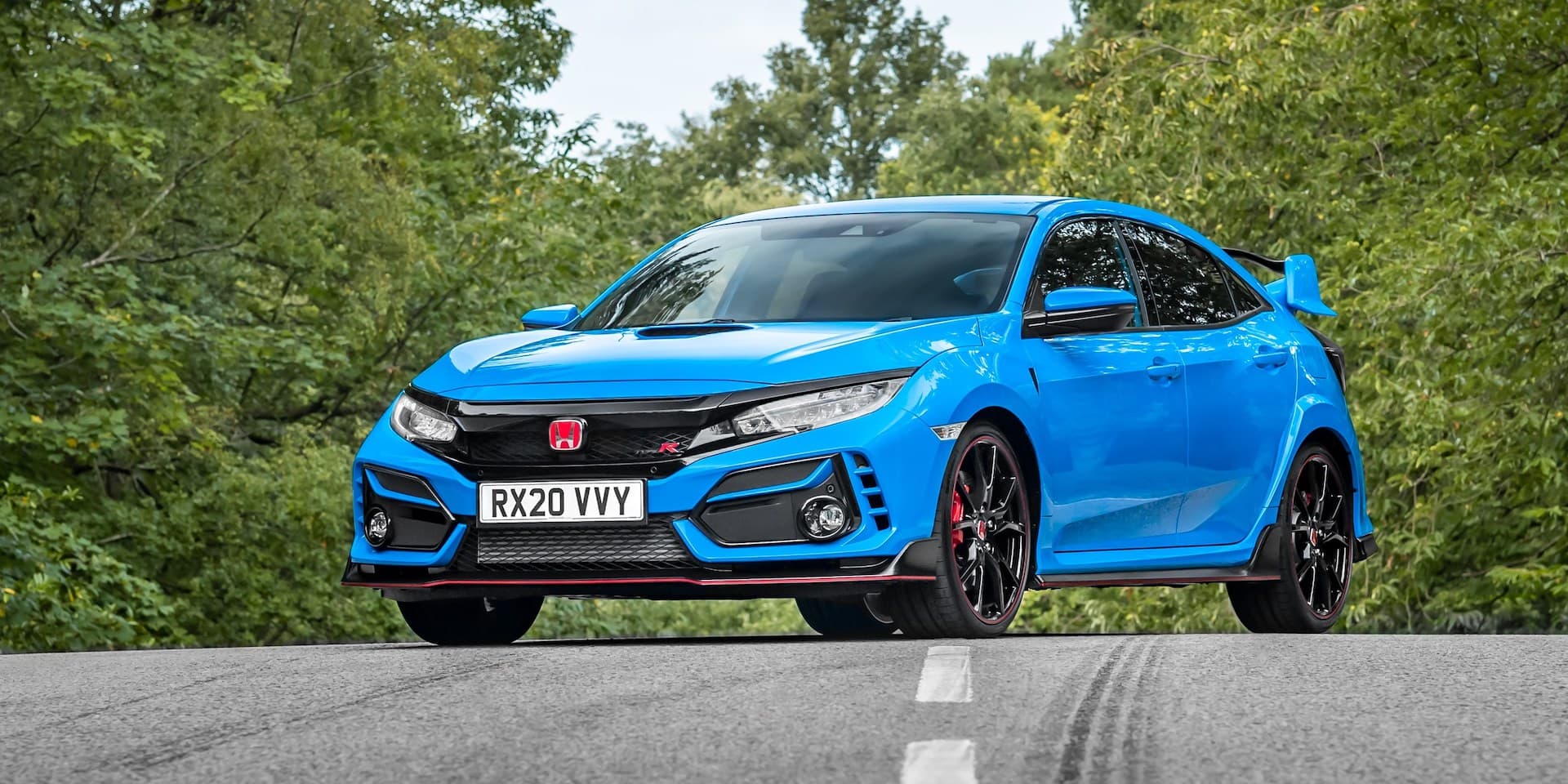
Honda Civic Type R
The Honda Civic Type R has become one of the most recognized front wheel drive performance cars ever produced. Built with track capability as a priority, the car combines aggressive aerodynamics with a powerful turbocharged engine. The precise steering system and balanced chassis allow drivers to attack corners with confidence. Its reputation has grown through many generations of development.
One of the biggest achievements for this model came when it recorded an extremely quick lap at the Nürburgring. The latest generation produced a lap time of about 7 minutes and 44 seconds around the famous track. This result placed it at the top of the front driven production car category. The performance demonstrated how refined the engineering of the car had become.
Power comes from a turbocharged 2.0 liter four cylinder engine that produces more than 300 horsepower in modern versions. This engine works with a six speed manual transmission that emphasizes driver involvement. The limited slip differential improves traction while exiting corners at high speed. These components together create a responsive and exciting driving experience.
Another strength of the Civic Type R is its aerodynamic design. The large rear wing, front splitter, and functional air vents help control airflow around the body. These elements increase stability at high speed and improve cooling for track sessions. The aggressive appearance also signals that the car was designed with performance in mind.
Many enthusiasts appreciate the Civic Type R because it remains practical despite its performance focus. The interior still provides useful cargo space and comfortable seating for daily driving. Drivers can commute during the week and attend track events on weekends without switching vehicles. This balance has helped the car become a favorite among performance fans.
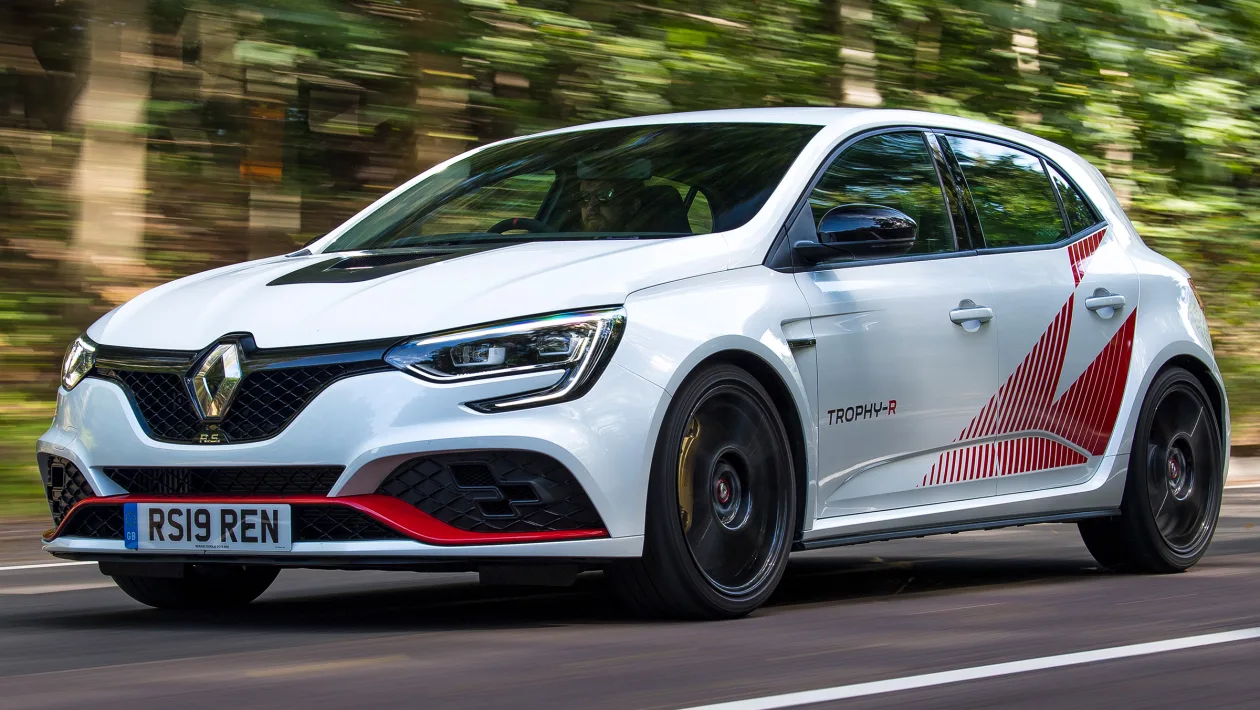
Renault Megane RS Trophy R
The Renault Megane RS Trophy R has built a reputation as one of the most focused front driven track cars ever produced. Engineers designed this model with weight reduction and chassis precision as primary goals. The result is a hot hatch that performs at an extremely high level on technical circuits. Its performance has earned respect from enthusiasts and professional drivers.
One of the most famous achievements of this model was its Nürburgring lap record. The car completed the challenging circuit in about 7 minutes and 40 seconds, making it one of the fastest front wheel drive production cars ever tested there. This accomplishment highlighted the effectiveness of its lightweight design and advanced suspension setup.
To achieve this performance, Renault removed several comfort features and replaced them with lighter components. Carbon fiber parts, lightweight seats, and specialized wheels helped reduce the total weight significantly. Every kilogram saved improved acceleration, braking, and cornering performance. This dedication to weight reduction played a major role in the car’s speed.
The suspension system also received extensive upgrades. Adjustable dampers and performance oriented geometry allow the car to maintain stability during aggressive cornering. Combined with high grip tires, the chassis delivers exceptional control even on demanding circuits. Drivers often praise the car for its sharp handling characteristics.
Because of its extreme track focus, the Megane RS Trophy R is often considered a collector piece among hot hatch enthusiasts. Production numbers were limited, which increased its appeal among performance fans. Despite its rarity, the car remains an important example of how far front driven engineering has progressed.
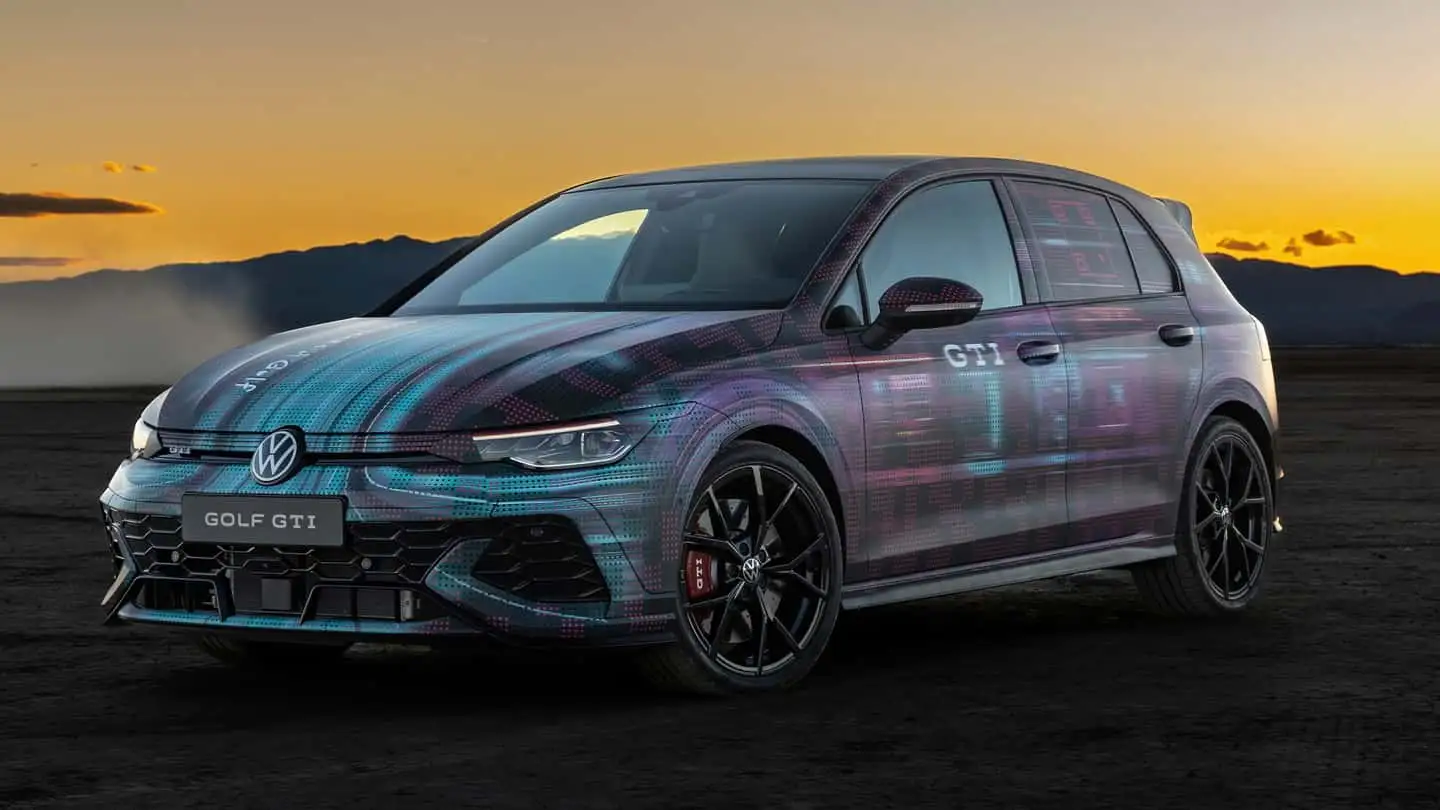
Volkswagen Golf GTI Clubsport S
The Volkswagen Golf GTI Clubsport S represents one of the most focused versions of the legendary Golf GTI lineup. Volkswagen created this model specifically to demonstrate the performance potential of front wheel drive engineering. The car features a powerful turbocharged engine and a carefully tuned chassis for track performance.
When the Clubsport S was introduced, it achieved a Nürburgring lap time of about 7 minutes and 47 seconds. This result made it the fastest front driven production car at the circuit during its release period. The accomplishment gained international attention and strengthened the reputation of the Golf GTI brand.
The engine in this model produces around 310 horsepower, giving the car strong acceleration for a compact hatchback. A manual transmission and limited slip differential help deliver power effectively to the front wheels. Drivers can feel confident pushing the car through high speed corners and quick direction changes.
Weight reduction also played an important role in the design. Volkswagen removed the rear seats and some interior components to reduce mass. This decision improved the car’s agility and responsiveness during track driving. The lighter body allowed the suspension and brakes to perform more effectively.
Despite its extreme performance orientation, the Clubsport S still maintained the recognizable character of the Golf GTI. The familiar design, comfortable driving position, and practical hatchback shape remained intact. This combination of everyday usability and track capability made the model especially appealing to enthusiasts.
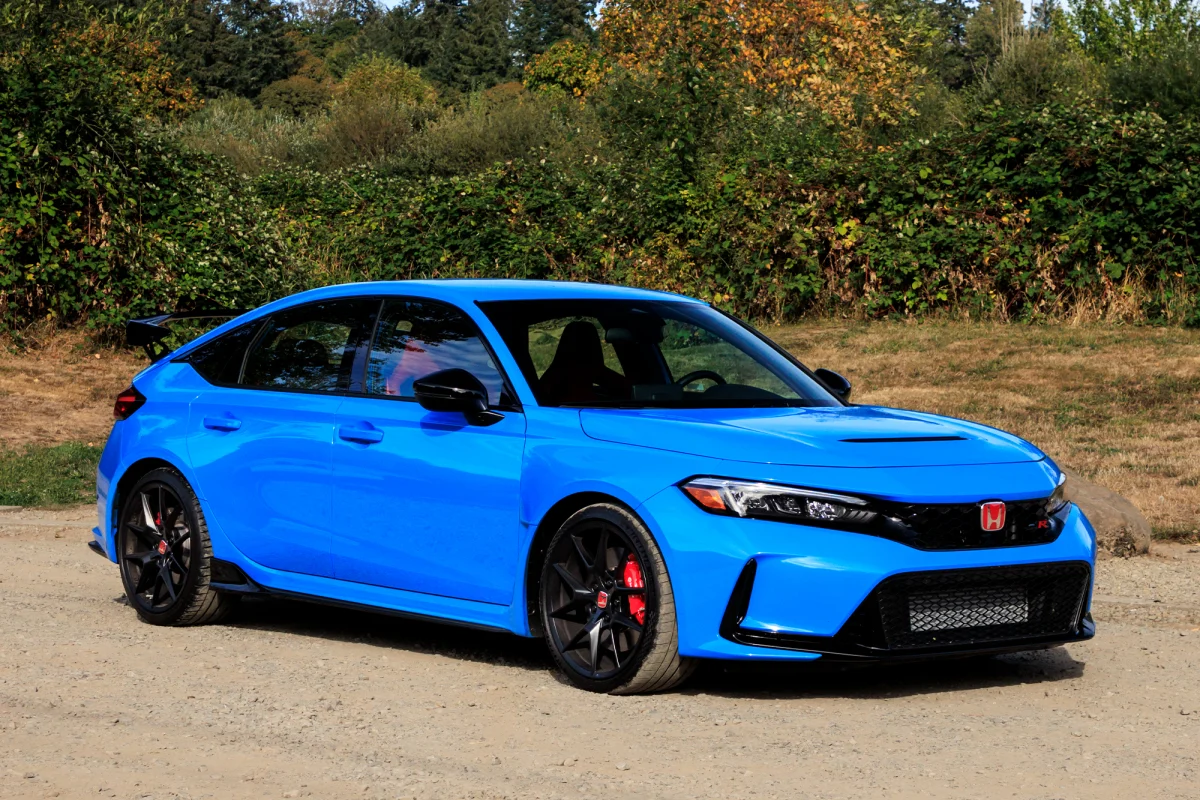
Honda Civic Type R FK8
Another standout front driven performance car is the previous generation Honda Civic Type R known as the FK8. This version introduced dramatic styling and major improvements to the chassis compared with earlier models. The engineering team focused on improving aerodynamics and stability.
The FK8 also achieved an impressive Nürburgring lap time of around 7 minutes and 43 seconds. At the time of its release, this result placed it among the fastest front wheel drive production vehicles ever recorded on the circuit. The achievement demonstrated the continuing development of the Civic Type R platform.
The car uses a turbocharged 2.0 liter engine producing more than 300 horsepower. The power delivery is smooth and consistent across the rev range, which helps maintain traction when exiting corners. Drivers often describe the engine as both powerful and highly responsive.
Handling precision is another major strength of the FK8. The adaptive suspension system allows drivers to adjust the ride characteristics depending on driving conditions. This feature improves comfort during daily driving while still providing stiffness for track sessions.
Many drivers consider the FK8 to be one of the most engaging hot hatches ever produced. The manual transmission, precise steering, and strong braking system create a highly interactive driving experience. These qualities have helped the model earn a dedicated following among performance enthusiasts.
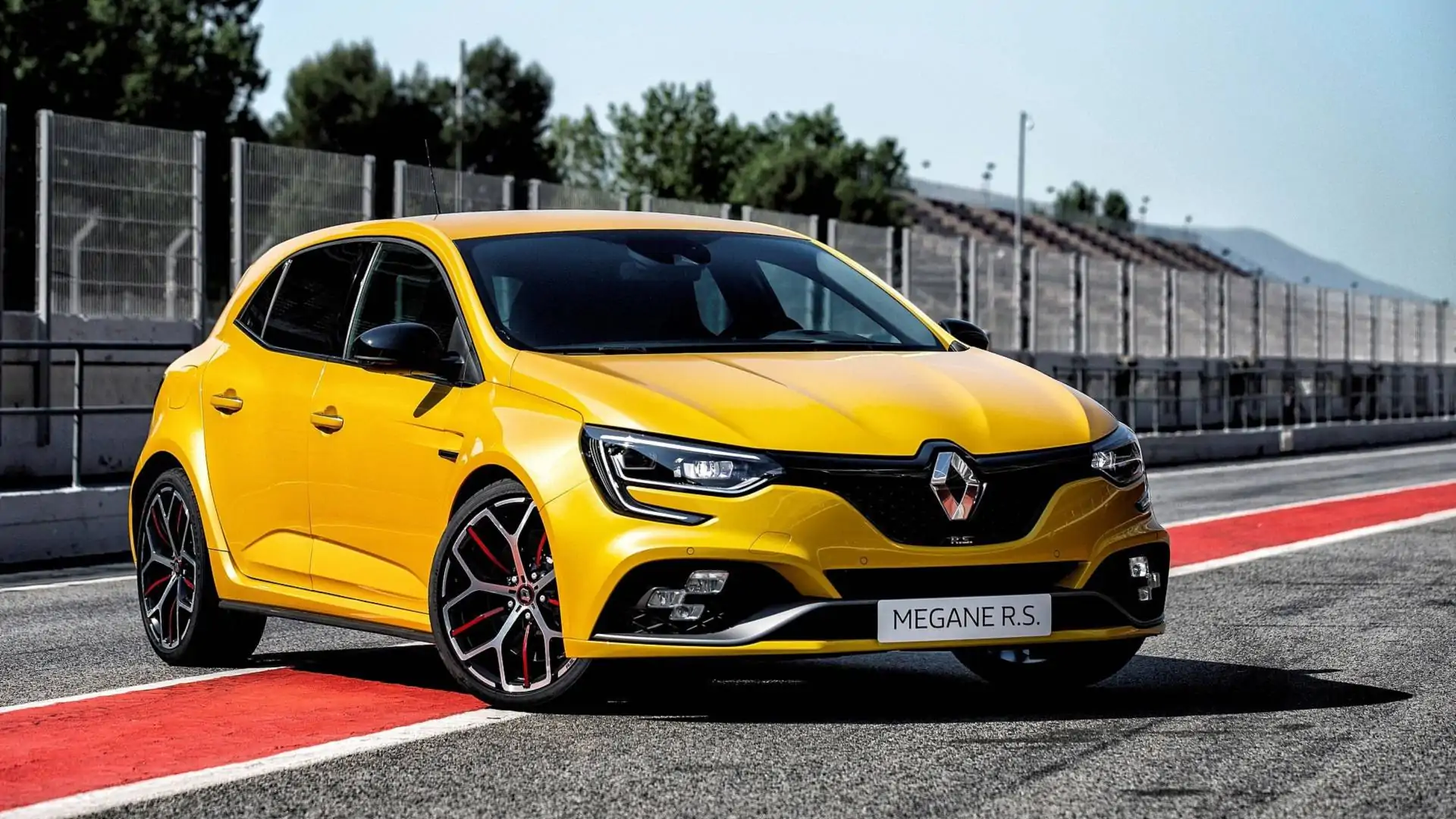
Renault Megane RS
Before the latest Trophy R model appeared, Renault introduced the Megane RS 275 Trophy R as a highly focused track machine. This car represented an earlier step in Renault’s pursuit of front driven performance records. Engineers concentrated on reducing weight and improving suspension performance.
The car produced a Nürburgring lap time of about 7 minutes and 54 seconds, which was extremely impressive for a front wheel drive hatchback at the time. This record helped establish Renault as one of the leading manufacturers in the hot hatch performance segment.
A turbocharged 2.0 liter engine producing around 275 horsepower powered the car. Although the power figure may seem modest compared with newer models, the lightweight construction allowed the car to achieve excellent performance. The balance between power and weight created strong acceleration.
Specialized suspension components such as adjustable dampers improved cornering stability. Combined with high performance tires, the car could maintain impressive grip during fast track sessions. Drivers appreciated the precise and predictable handling characteristics.
The 275 Trophy R remains an important chapter in the development of modern hot hatch performance. It demonstrated that careful engineering could allow a front driven car to compete with far more powerful machines. Many enthusiasts still regard it as a classic track oriented hatchback.
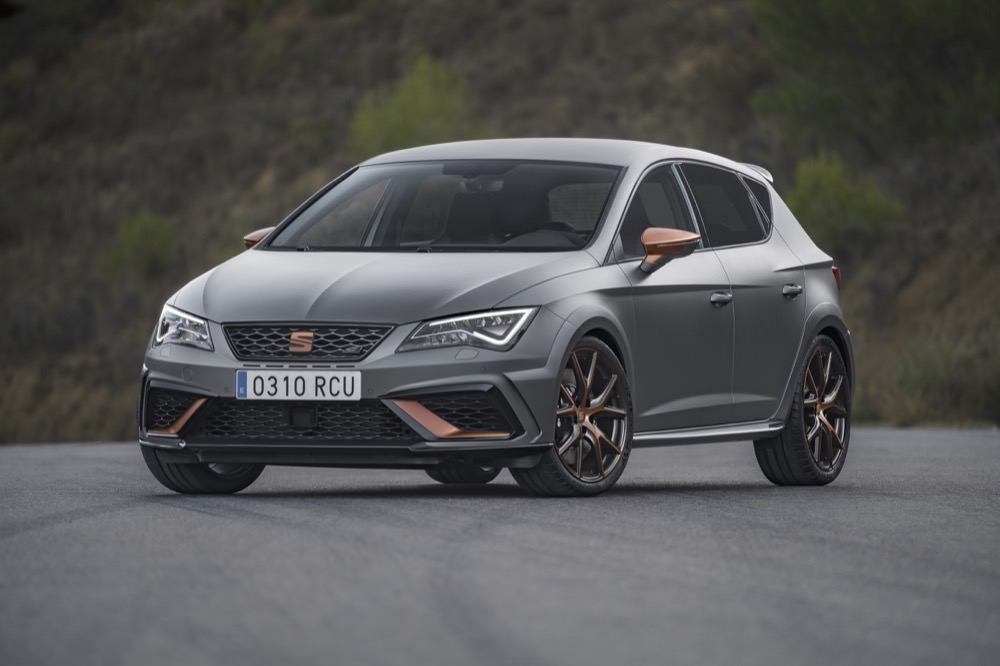
SEAT Leon Cupra R
The SEAT Leon Cupra R is another front wheel drive performance car known for strong track capability. Developed by the Spanish performance division of the Volkswagen Group, the car shares many engineering principles with the Golf GTI but adds its own character and styling.
Under the hood is a turbocharged four cylinder engine producing more than 300 horsepower. This engine provides quick acceleration and strong mid range torque. The power delivery allows the car to maintain speed through longer sections of a racing circuit.
The Cupra R also features a sophisticated limited slip differential. This system improves traction when exiting corners and helps reduce understeer. Drivers can apply throttle earlier during corner exits without losing stability.
Aerodynamic improvements also play a role in the car’s performance. Carbon fiber accents and a redesigned front splitter help guide airflow around the body. These changes contribute to better stability at high speed.
Because the Leon Cupra R combines performance with everyday usability, it appeals to a wide range of drivers. The spacious interior and practical hatchback design make it suitable for daily transportation. At the same time, the car remains capable of delivering strong lap times during track events.
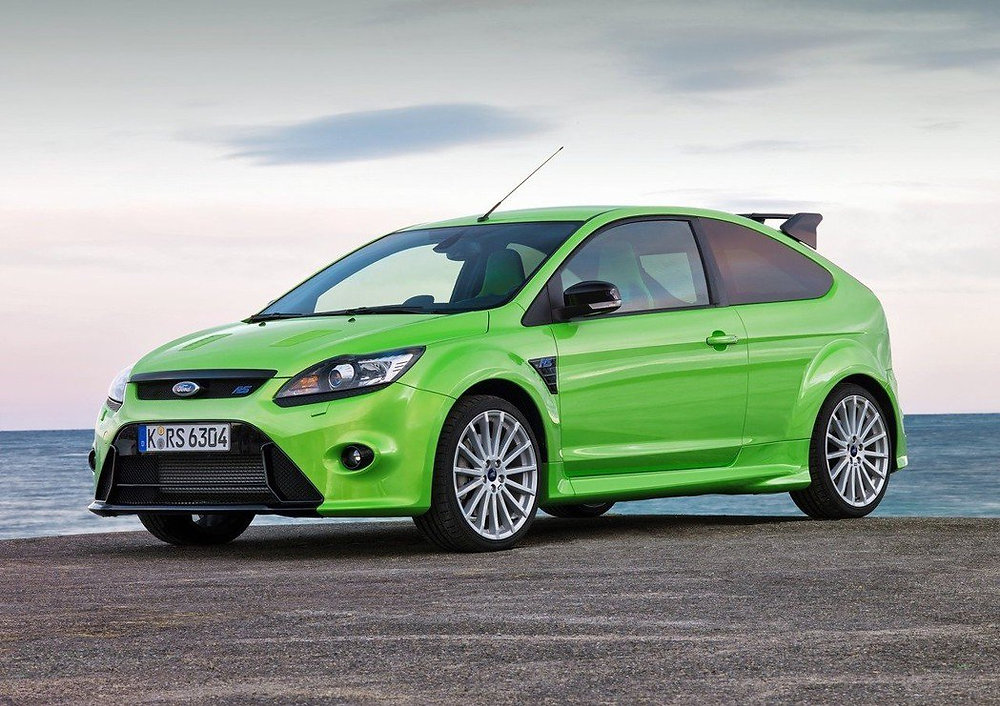
Ford Focus RS FWD Prototype
Although the production Ford Focus RS is known for its all wheel drive system, early development included powerful front wheel drive versions. These prototypes demonstrated impressive performance potential during testing phases.
Engineers experimented with advanced differential systems to manage the high engine output. These systems allowed the car to distribute power effectively across the front wheels. The technology helped reduce torque steer and maintain stability during acceleration.
The turbocharged engine produced strong horsepower figures for a compact hatchback. Combined with a lightweight chassis, the car could reach impressive speeds on track layouts. Drivers reported strong acceleration and responsive handling.
Although the final production model adopted all wheel drive for maximum performance, the front driven prototypes proved that the platform could deliver strong lap times. These development cars helped influence the engineering decisions that followed.
The experimentation with front driven performance in the Focus program contributed valuable knowledge for future models. It also demonstrated how far engineers could push the limits of front wheel drive systems.
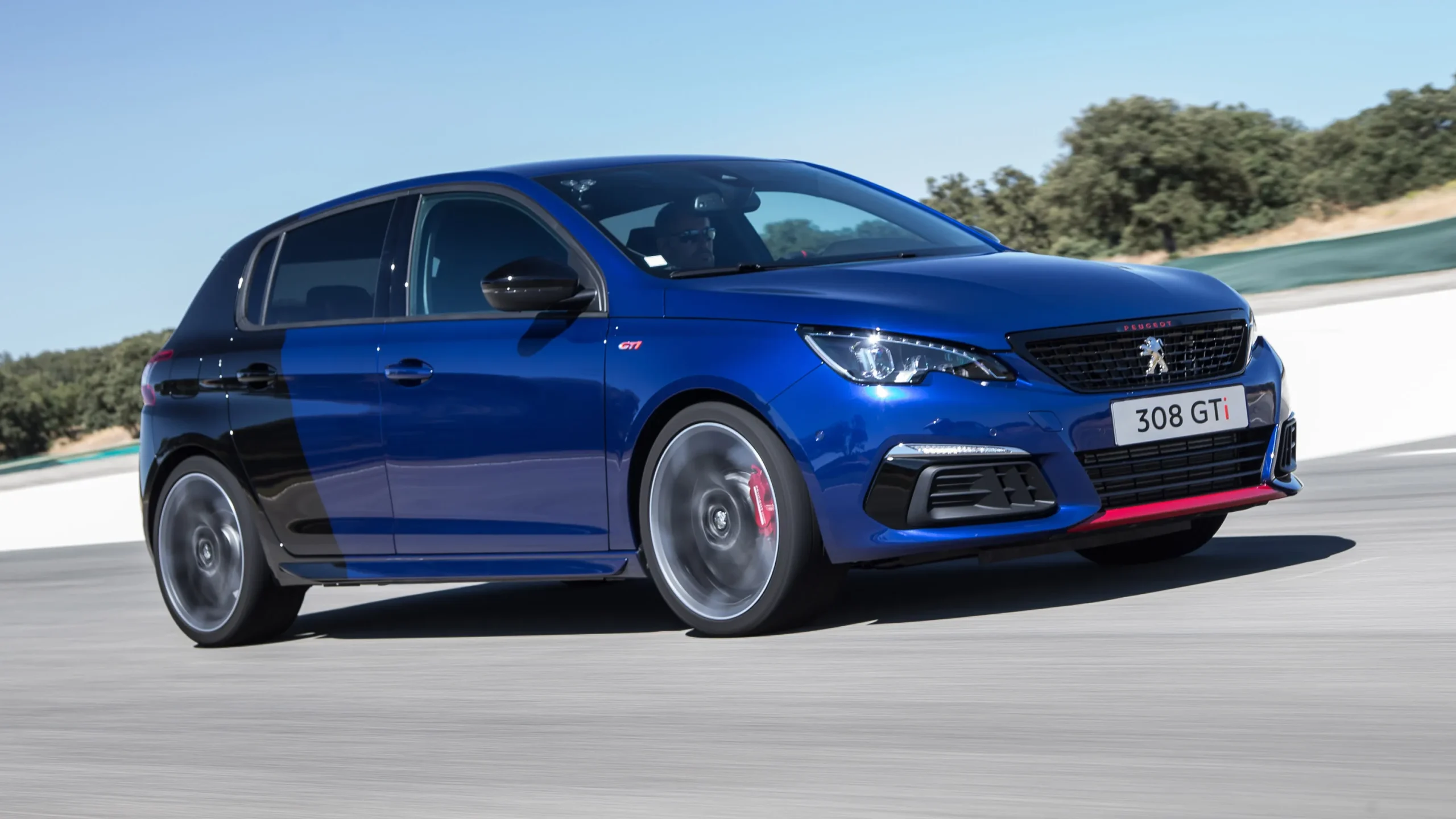
Peugeot 308 GTI
The Peugeot 308 GTI represents another example of a front driven hatchback designed for serious performance. Built by Peugeot Sport, the car combines a lightweight chassis with a powerful turbocharged engine.
The engine produces more than 260 horsepower, which is impressive for a compact hatchback. Paired with a manual transmission, the engine delivers strong acceleration and driver engagement. The power output allows the car to compete with other hot hatches on track.
Handling precision is enhanced by a mechanical limited slip differential. This system helps control power delivery during aggressive cornering. Drivers can maintain high speed through turns without losing grip.
The suspension system is tuned specifically for performance driving. Stiffer springs and upgraded dampers improve cornering stability and steering response. These features make the car feel sharp and responsive during track sessions.
Despite its performance orientation, the Peugeot 308 GTI maintains a comfortable and practical interior. Drivers can enjoy track capable performance while still benefiting from everyday usability. This balance remains a key strength of modern hot hatch design.
Hyundai i30 N
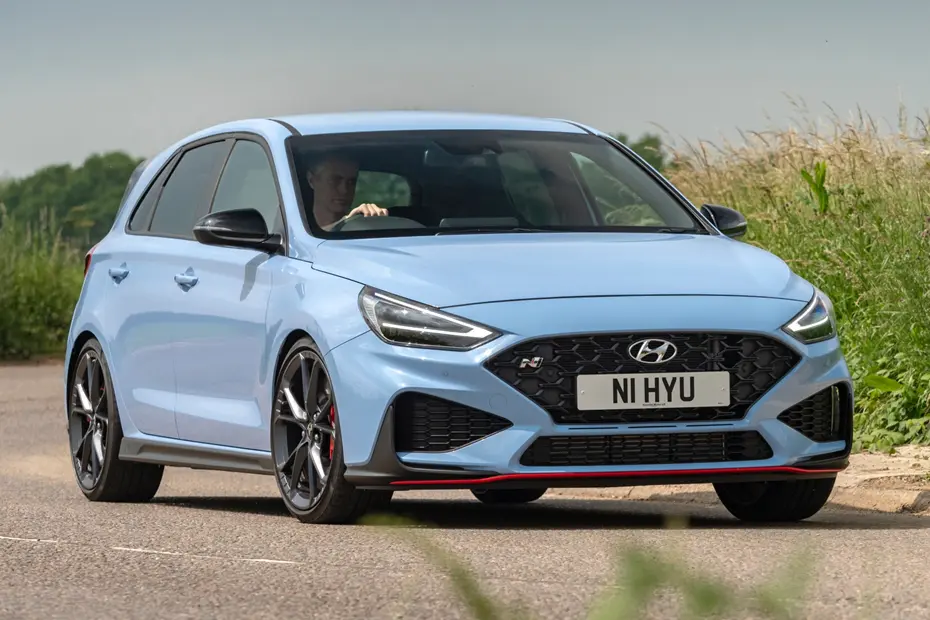
The Hyundai i30 N surprised many enthusiasts when it entered the performance hatchback segment. Developed under the guidance of experienced performance engineers, the car quickly gained a reputation for impressive track capability.
The turbocharged engine produces around 275 horsepower in its more powerful configuration. This engine provides strong acceleration and a distinctive exhaust sound. Drivers often appreciate the energetic character of the powertrain.
Hyundai equipped the i30 N with an electronically controlled limited slip differential. This system improves traction during aggressive driving and allows the car to maintain stability through corners. The technology contributes significantly to its track performance.
Adjustable driving modes allow drivers to tailor the car’s behavior to different conditions. Suspension stiffness, steering response, and throttle sensitivity can all be modified. This flexibility makes the car suitable for both daily driving and track events.
The i30 N represents Hyundai’s commitment to entering the performance car market. Its success proved that a new competitor could challenge established brands in the hot hatch category. Enthusiasts around the world quickly recognized its impressive capability.
MINI John Cooper Works GP
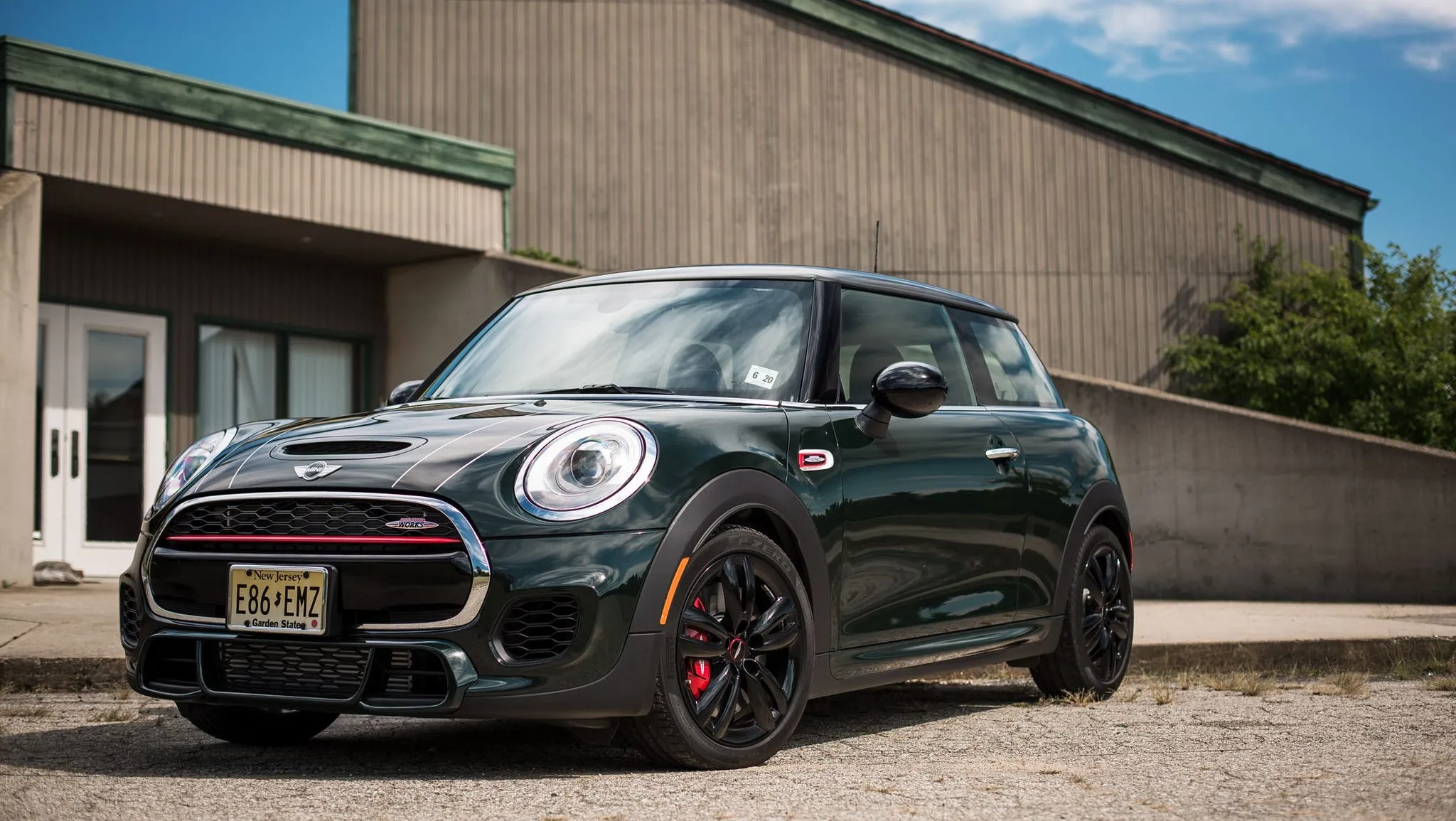
The MINI John Cooper Works GP is one of the most extreme front wheel drive hatchbacks ever produced. Designed with track performance as the main priority, the car features aggressive styling and numerous performance upgrades.
Power comes from a turbocharged four cylinder engine producing more than 300 horsepower. This output gives the small hatchback impressive acceleration and strong straight line speed. The engine’s responsiveness adds excitement to the driving experience.
The chassis of the car was reinforced to handle intense track driving. Upgraded suspension components improve stability and cornering grip. These changes allow the car to maintain high speed through tight sections of a circuit.
Weight reduction also played a role in the design. Several interior components were removed to reduce mass and improve performance. The result is a lightweight vehicle that responds quickly to driver inputs.
Because of its limited production numbers and extreme design, the John Cooper Works GP has become a highly sought after model among enthusiasts. The car represents the track oriented interpretation of the classic MINI platform.