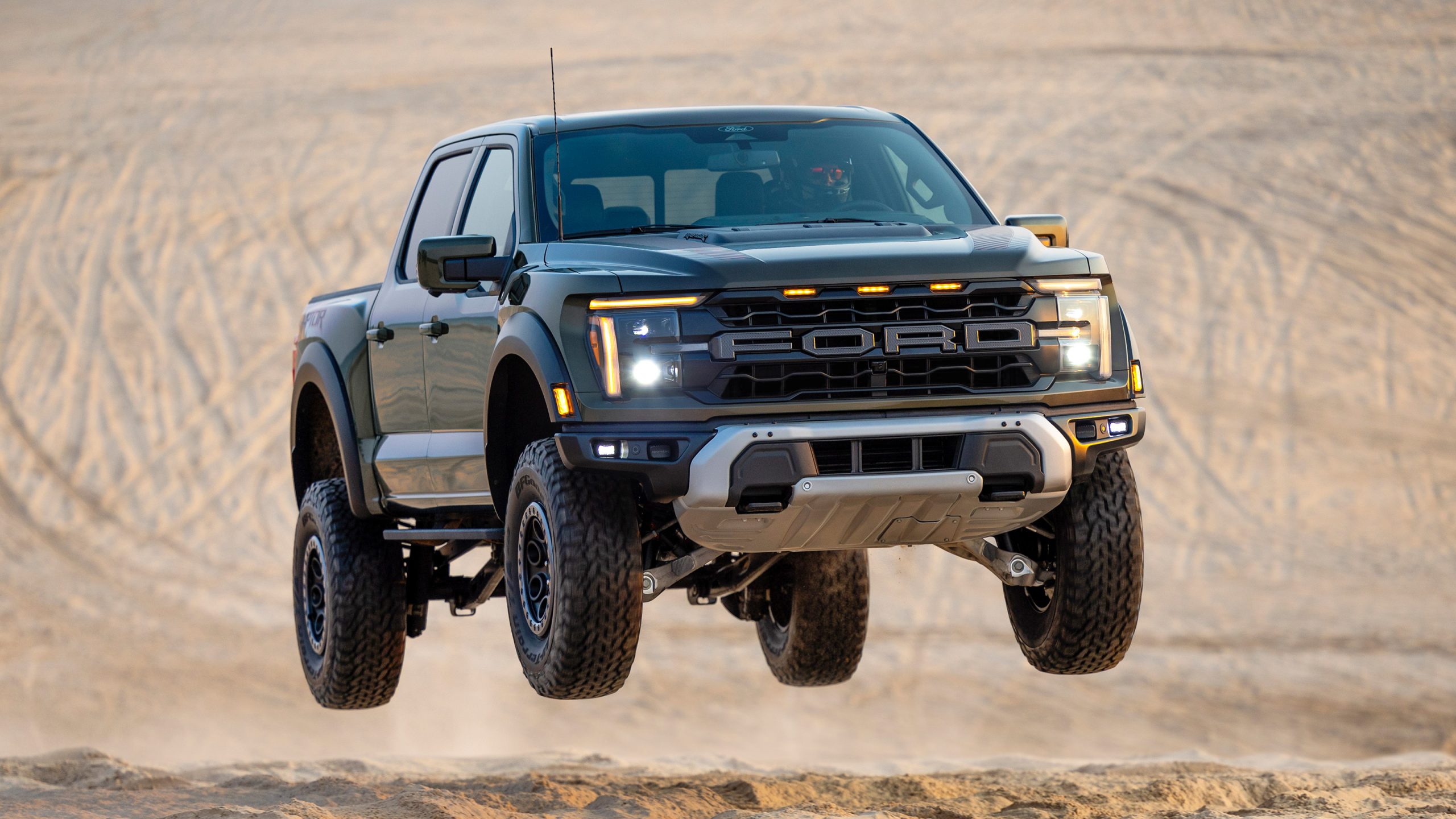
Overlanding has become one of the most exciting ways for drivers to explore remote landscapes and experience long distance off road travel.
Unlike short recreational trail driving, overlanding focuses on extended journeys through isolated areas where travelers must rely on their vehicles for transportation, shelter, and carrying essential supplies.
Because these trips often take place far from paved roads and service stations, choosing the right truck becomes a critical part of the adventure.
A capable overlanding truck must combine durability, off road performance, cargo capacity, and long term reliability. Remote environments such as deserts, forests, mountain ranges, and tundra regions can present unpredictable challenges.
Drivers may encounter deep mud, loose sand, rocky terrain, river crossings, and steep inclines. A truck built for these conditions must have a strong drivetrain, dependable four wheel drive system, and suspension capable of handling rough terrain for many hours at a time.
Cargo space is another important factor when planning overland travel. These trips often require carrying camping equipment, recovery gear, water, fuel, tools, and spare parts.
Pickup trucks are especially well suited for this purpose because their open cargo beds allow travelers to mount rooftop tents, storage systems, and expedition racks while still maintaining room for essential supplies.
Range and reliability also play a major role. Overlanding routes frequently pass through areas where fuel stations may be hundreds of kilometers apart. Trucks known for dependable engines and efficient fuel consumption can help travelers reach remote destinations without worrying about mechanical issues.
In the following sections, we will explore ten trucks that stand out as excellent choices for overlanding through remote areas. Each truck brings a different combination of capability, reliability, and practicality that makes it well suited for long distance exploration.
Also Read: Top 10 Affordable Classic Trucks for a First Time Restorer
1. Toyota Tacoma
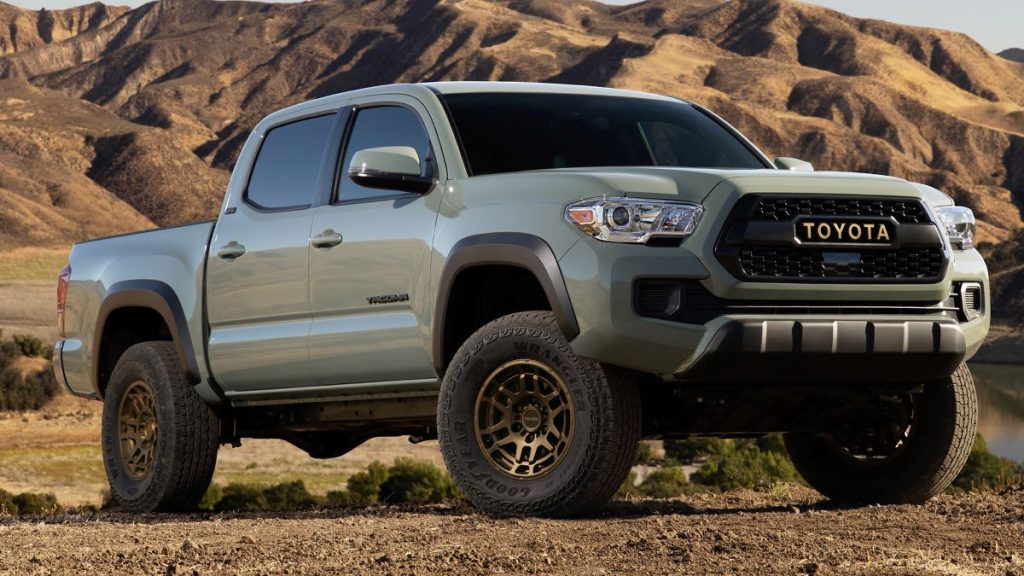
The Toyota Tacoma has become one of the most popular trucks among overlanding enthusiasts, and the reasons behind its reputation are rooted in practicality and durability.
Travelers planning long journeys through remote regions often prioritize reliability above everything else, and the Tacoma has built a long history of dependable performance in challenging environments.
One of the key strengths of the Tacoma lies in its balanced size. Overlanding routes frequently pass through narrow trails, mountain paths, and forest tracks where larger trucks can become difficult to maneuver.
The Tacoma’s midsize dimensions allow it to navigate these areas with relative ease while still offering enough cargo capacity for expedition equipment.
The truck’s off road capability also plays a major role in its popularity. Many Tacoma models are equipped with four wheel drive systems designed to handle difficult terrain. Features such as locking rear differentials and specialized traction control systems allow the truck to maintain forward movement even when surfaces become slippery or uneven.
Suspension design contributes significantly to the Tacoma’s performance during long overland journeys.
The truck is built with a rugged suspension setup that can handle rough trails while supporting additional weight from camping gear, rooftop tents, and storage systems. Many travelers also modify the suspension to improve ground clearance and load carrying capacity.
Another advantage comes from the truck’s strong aftermarket support. Because the Tacoma has such a large following within the off road community, a wide range of accessories are available for overlanding setups.
Roof racks, bed racks, auxiliary fuel tanks, recovery gear mounts, and lighting systems can all be added to transform the truck into a capable expedition vehicle.
Fuel efficiency also benefits travelers who venture far from urban areas. Compared with larger trucks, the Tacoma often consumes less fuel, which helps extend driving range between refueling stops. This can be especially valuable when exploring deserts or remote mountain regions.
Inside the cabin, the truck provides a comfortable environment for drivers who spend long hours behind the wheel. Clear instrumentation and supportive seating help reduce fatigue during extended journeys.
The Toyota Tacoma has proven itself across countless overlanding trips around the world. Its combination of manageable size, dependable engineering, off road capability, and extensive aftermarket support continues to make it one of the most trusted trucks for remote exploration.
2. Ford Ranger
A truck chosen for overlanding must handle far more than occasional off road driving. It becomes a traveling companion for thousands of miles, often operating in places where mechanical help may be extremely difficult to find.
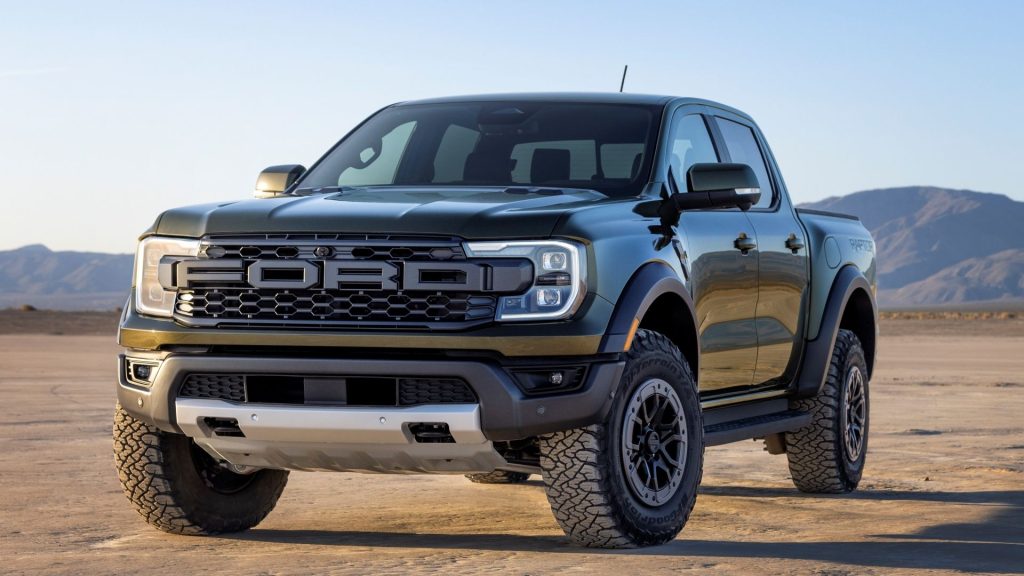
The Ford Ranger has steadily gained attention in the overlanding community because it offers a practical blend of durability, capability, and efficiency that suits remote travel.
One characteristic that immediately appeals to overlanders is the Ranger’s manageable size. Large full size trucks can sometimes struggle on narrow trails or tight mountain passes.
The Ranger avoids this issue by maintaining midsize proportions that allow it to squeeze through forest tracks, winding desert routes, and rocky paths without excessive difficulty.
The truck’s turbocharged engine contributes to its usefulness during long distance journeys. Strong torque delivery helps when climbing steep grades or driving through sand and loose terrain.
At the same time, the engine remains efficient enough to provide respectable fuel range, which becomes extremely important when traveling far from fuel stations.
Another reason the Ranger performs well on expedition style trips involves its four wheel drive system. Overlanding routes can shift quickly from gravel roads to muddy sections or rocky climbs. The truck’s traction systems help maintain stability and control as terrain conditions change throughout the journey.
Cargo management also plays a large role in expedition travel. Overlanders often carry camping gear, recovery tools, water containers, spare tires, cooking equipment, and navigation devices. The Ranger’s cargo bed provides the flexibility to organize these supplies using racks, drawer systems, and secure storage boxes.
Comfort during long drives should not be overlooked. Overlanding trips frequently involve hours of driving between campsites or remote landmarks. The Ranger offers a cabin environment designed for extended travel, with supportive seating and clear controls that allow drivers to focus on the terrain ahead.
Durability remains one of the most important factors when evaluating a truck for remote exploration. The Ranger’s frame and suspension are built to tolerate rough terrain, which helps ensure the vehicle remains dependable even when subjected to demanding trails.
These characteristics make the Ford Ranger a practical choice for travelers who want a capable midsize truck that can support long journeys across remote landscapes.
3. Chevrolet Colorado ZR2
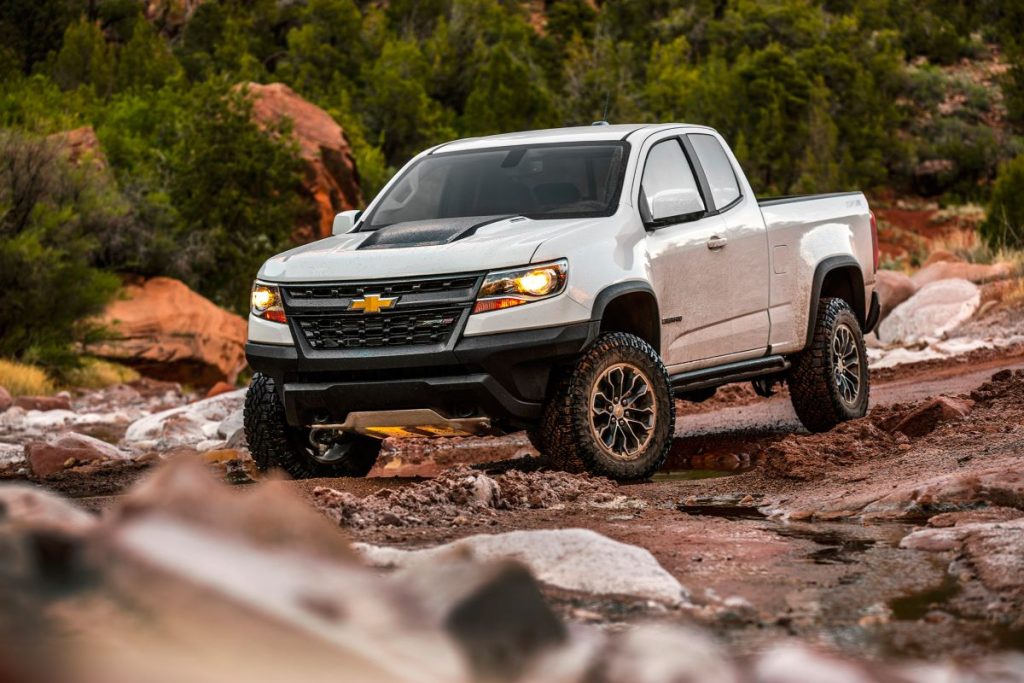
Some trucks are designed primarily for highway driving with occasional off road capability. Others are engineered with serious trail performance in mind. The Chevrolet Colorado ZR2 belongs firmly in the second category, and that focus makes it an attractive platform for overlanding through rugged terrain.
At the center of the ZR2’s design philosophy is its specialized suspension system. Unlike many standard pickup trucks, the ZR2 uses advanced off road dampers that improve control when traveling across uneven surfaces.
These dampers help absorb impacts from rocks, ruts, and rough trails, allowing the truck to maintain stability while carrying expedition equipment.
Ground clearance is another factor that influences how well a vehicle performs in remote environments. The ZR2 sits higher than the standard Colorado, which reduces the risk of underbody damage when crossing rocky terrain or steep trail obstacles. Protective skid plates also help shield important components such as the engine and transfer case.
Traction management plays a crucial role in off road travel. The ZR2 includes front and rear locking differentials, a feature that significantly improves traction when driving across loose surfaces or climbing steep trails.
Locking differentials ensure that power reaches both wheels on an axle, helping the truck continue moving even when one wheel loses grip.
Overlanding travelers often appreciate vehicles that require fewer modifications before heading into remote areas. Because the ZR2 already includes many off road focused features from the factory, it provides a strong starting point for building an expedition vehicle.
The cargo bed of the Colorado also supports a wide variety of overlanding equipment. Travelers can install bed racks, rooftop tents, storage systems, and auxiliary lighting to prepare the truck for extended journeys.
Engine performance remains steady and reliable during long trips. Whether traveling across open desert highways or navigating slow rocky trails, the ZR2 provides consistent power delivery suited to changing terrain conditions.
Inside the vehicle, the cabin layout emphasizes practicality. Drivers have access to clear instrumentation and useful controls that make it easier to monitor vehicle performance during demanding off road travel.
By combining strong off road engineering with practical cargo capability, the Chevrolet Colorado ZR2 stands out as a truck that is well prepared for exploring remote landscapes.
4. Toyota Tundra
Long distance overlanding often demands a truck that can carry heavier loads while maintaining reliability across thousands of miles. The Toyota Tundra fits this role well because it combines strong construction with a reputation for durability that many travelers value when planning remote expeditions.
Unlike midsize trucks that prioritize compact maneuverability, the Tundra offers a larger platform that supports greater cargo capacity. Overlanding equipment can add significant weight to a vehicle.
Water containers, recovery gear, camping supplies, spare tires, and cooking equipment all require space and structural support. The Tundra’s larger bed and robust frame make it easier to carry this type of equipment without placing excessive strain on the vehicle.
Power also plays a significant role during expedition travel. Remote routes sometimes involve steep climbs, long highway stretches between trails, or deep sand that requires steady engine output. The Tundra’s engine options deliver strong torque, which helps maintain momentum when the terrain becomes demanding.
Another quality that benefits overland travel is the truck’s dependable four wheel drive system. Overlanding routes rarely remain consistent for long periods.
Gravel roads may transition into muddy trails, rocky climbs, or sandy desert sections. The ability to engage four wheel drive ensures that the truck can adapt quickly when traction becomes limited.
Durability is one of the characteristics most frequently associated with the Tundra. Toyota engineered the truck with a focus on long term reliability, which explains why many examples remain in service for hundreds of thousands of miles. When traveling through isolated regions, mechanical dependability becomes far more important than luxury features.
The truck’s suspension system is designed to support both cargo weight and rough terrain travel. With the addition of upgraded springs or off road shocks, many overlanders further enhance the Tundra’s ability to handle heavy expedition setups.
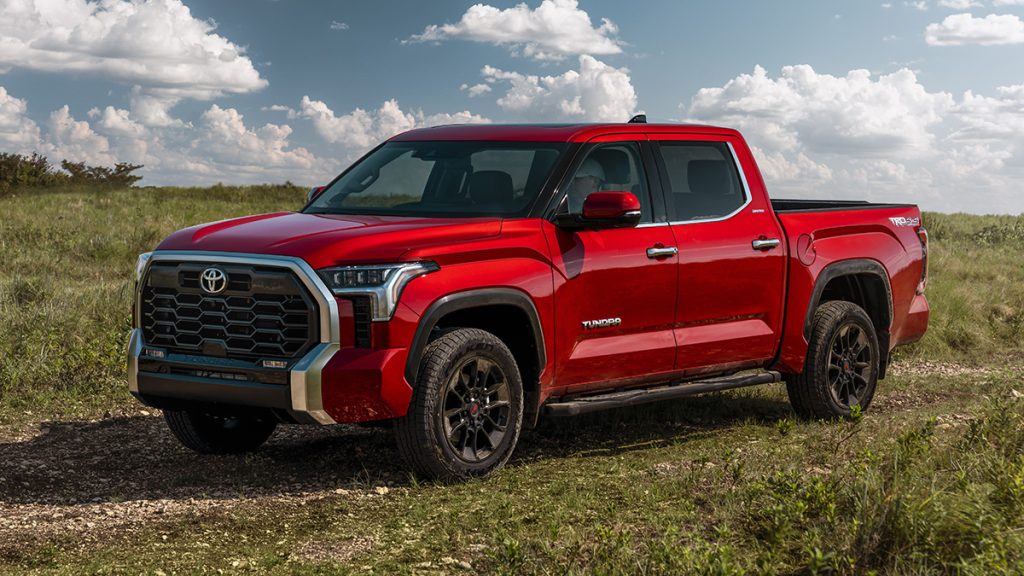
Inside the cabin, the Tundra provides a comfortable environment for drivers who spend extended hours traveling between destinations. Clear controls and supportive seating help reduce fatigue during long journeys.
All of these characteristics combine to create a truck that is well suited for travelers who prioritize durability, power, and cargo capacity while exploring remote landscapes.
5. Ram 1500
Overlanding trucks are sometimes expected to handle two very different environments during the same trip. A vehicle might travel hundreds of highway miles before reaching remote dirt trails that require careful driving across uneven terrain. The Ram 1500 stands out because it manages both types of travel with impressive balance.
One of the first things drivers notice about the Ram 1500 is its comfortable ride quality. Long overlanding trips often involve extended periods behind the wheel, and the truck’s suspension system helps absorb bumps and road imperfections.
This smoother ride reduces driver fatigue and allows travelers to maintain focus during lengthy journeys.
At the same time, the truck maintains the strength needed for off road exploration. Its frame construction and drivetrain components are built to support demanding tasks, including carrying expedition equipment across challenging terrain.
This balance between comfort and durability makes the Ram 1500 particularly appealing to travelers who plan long distance expeditions.
Cargo flexibility is another area where the truck performs well. The bed provides ample room for storage systems, camping equipment, and fuel containers. Many overlanders install bed racks that support rooftop tents and additional gear, transforming the truck into a mobile campsite capable of supporting extended trips.
Engine performance also contributes to the Ram’s suitability for remote travel. Strong torque allows the truck to climb hills and maintain steady progress when traveling through loose terrain such as sand or gravel. At the same time, efficient cruising performance helps maximize driving range between fuel stops.
Four wheel drive capability ensures that the vehicle remains stable when road conditions deteriorate. Whether encountering muddy trails after heavy rain or rocky paths deep in the mountains, the Ram’s traction systems help maintain control and forward movement.
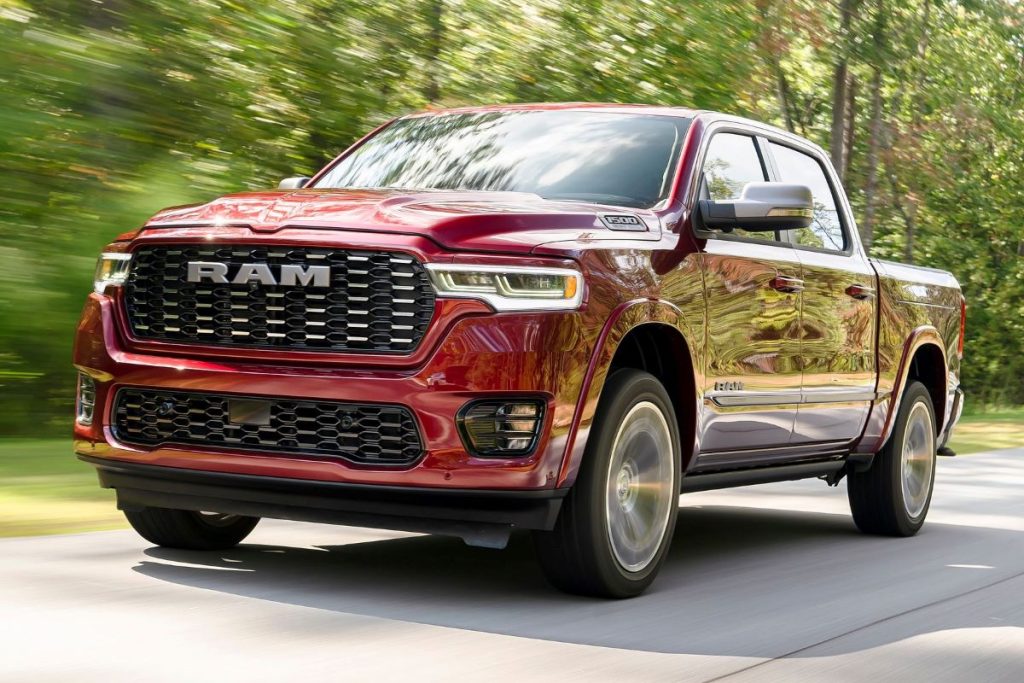
The cabin environment also supports long expeditions. Drivers benefit from well organized controls and comfortable seating, which become especially valuable when traveling across remote landscapes for several days.
Although many trucks can handle occasional off road driving, the Ram 1500 demonstrates that a vehicle designed with both comfort and strength can be extremely effective for overlanding journeys.
Its ability to support long highway drives while still performing on rough trails makes it a practical choice for remote exploration.
6. Ford F-150 Raptor
When overlanding routes include extremely rough terrain, some travelers prefer trucks that are engineered with high performance off road capability from the beginning. The Ford F 150 Raptor represents this approach.
Instead of relying entirely on aftermarket upgrades, it arrives from the factory with features designed specifically for demanding off road environments.
The Raptor stands apart from conventional pickup trucks because of its specialized suspension system. Long travel suspension components allow the truck to absorb large bumps and uneven surfaces more effectively than standard setups.
This capability helps maintain control when traveling across rocky trails, desert tracks, or deeply rutted paths that would challenge ordinary trucks.
Ground clearance also contributes to the vehicle’s usefulness during remote travel. The Raptor sits higher than many standard trucks, reducing the chance of the underbody contacting rocks or uneven terrain.
Protective skid plates are also installed beneath critical components to provide additional protection while navigating difficult routes.
Power delivery plays an important role during expedition driving. The Raptor’s turbocharged engine provides strong torque that helps the truck maintain forward momentum in challenging environments. Whether climbing steep hills or driving across loose sand, the engine supplies the necessary power to keep the vehicle moving.
Traction systems also enhance the Raptor’s ability to handle varied terrain. Advanced four wheel drive technology allows drivers to adapt to different surfaces by adjusting vehicle settings for sand, mud, or rocky trails. This flexibility becomes useful when overlanding routes transition between different environments throughout the journey.
Cargo carrying capability remains important even for performance oriented trucks. The Raptor’s bed allows travelers to install racks, storage systems, and rooftop tents that support extended expeditions. Many overlanders configure the truck with auxiliary lighting, recovery equipment, and additional fuel storage for remote travel.
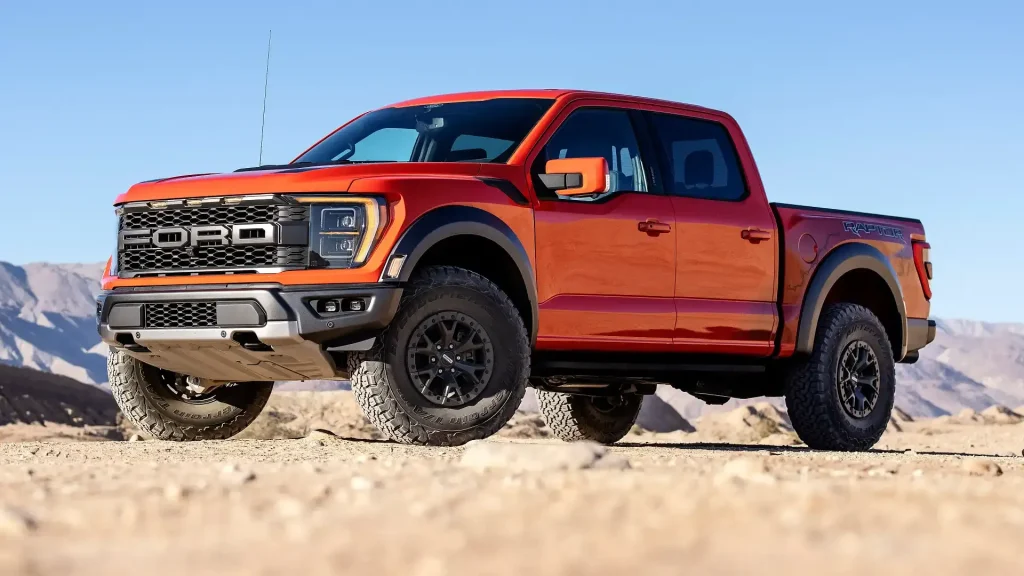
Inside the cabin, the Raptor offers a comfortable environment designed for long hours of driving. Clear displays and supportive seating help drivers remain focused while traveling across remote regions.
For travelers who plan to explore demanding terrain at a quicker pace, the Ford F 150 Raptor provides a unique combination of performance and durability that makes it well suited for adventurous overlanding routes.
7. Nissan Frontier
Not every overlanding truck needs to be large or heavily equipped with advanced technology. Many travelers prefer vehicles that emphasize simplicity and mechanical reliability.
The Nissan Frontier fits this description well, offering a straightforward design that can perform effectively during long journeys through remote landscapes.
The Frontier belongs to the midsize pickup category, which provides several advantages for overland travel. Its smaller footprint allows it to navigate narrow trails and tight forest routes more easily than larger trucks.
This maneuverability can become extremely useful when exploring older off road paths that were never designed for wide vehicles.
Reliability also contributes to the Frontier’s reputation among adventure travelers. Trucks used for overlanding must operate far from repair facilities, and dependable mechanical systems help reduce the risk of unexpected breakdowns.
The Frontier’s engine and drivetrain have proven capable of handling demanding conditions over long periods of use.
Another element that supports expedition travel is the truck’s practical cargo area. Although smaller than the beds found on full size pickups, the Frontier’s cargo space still allows drivers to carry essential equipment such as camping gear, recovery tools, water containers, and spare parts.
With the addition of bed racks or storage systems, the truck can easily support a compact overlanding setup.
Four wheel drive capability ensures that the vehicle remains capable when road conditions deteriorate. Remote trails often involve steep climbs, muddy tracks, or loose gravel surfaces. Engaging four wheel drive improves traction and helps the truck maintain stability in these situations.
Fuel efficiency is another benefit often appreciated by overlanders. Compared with larger trucks, midsize vehicles like the Frontier can sometimes travel farther on a single tank of fuel. This extended range becomes valuable when traveling through regions where fuel stations may be scarce.
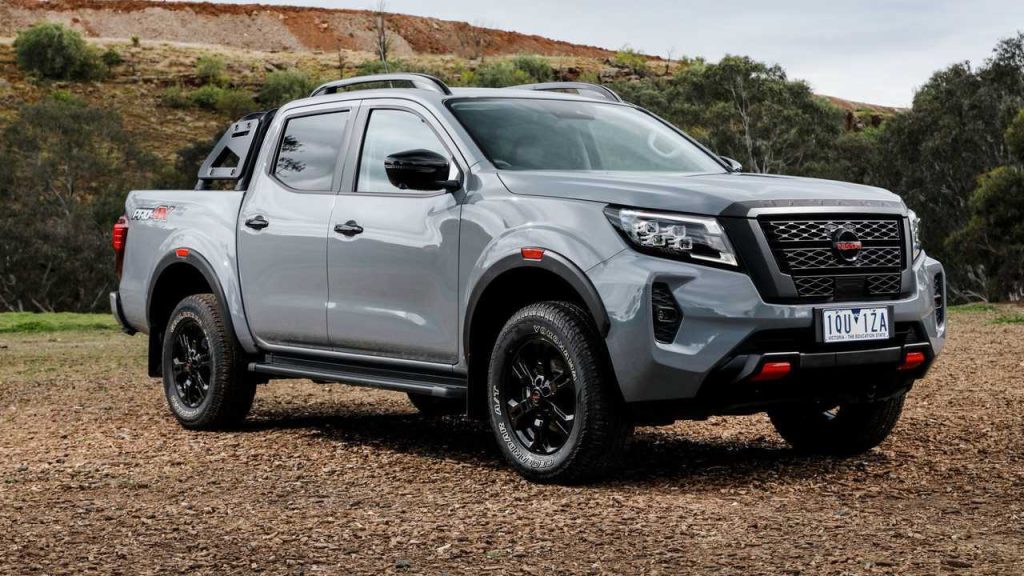
Inside the vehicle, the cabin layout focuses on practicality and ease of use. Drivers can access controls quickly without distraction, which helps maintain concentration when navigating challenging terrain.
For travelers who prefer a dependable and manageable truck rather than a large expedition vehicle, the Nissan Frontier offers a balanced platform capable of supporting remote exploration.
8. GMC Sierra 1500 AT4
Overlanding vehicles are often judged by how well they handle the unpredictable nature of remote travel. The GMC Sierra 1500 AT4 was developed with off road capability in mind, making it an appealing platform for travelers who want a truck that can manage long distances and challenging terrain without extensive modifications.
The AT4 variant is designed specifically for off road use. It includes factory features that improve ground clearance and enhance traction. These upgrades allow the truck to travel across rough trails, rocky surfaces, and uneven ground with greater confidence than many standard pickup models.
One of the most valuable characteristics for overlanding is the Sierra AT4’s durable construction. The truck’s frame is built to handle demanding workloads, which becomes important when additional expedition equipment is added.
Overland setups frequently include rooftop tents, water tanks, recovery gear, and storage systems that increase the overall weight carried by the vehicle.
Another element that benefits expedition travel is the truck’s powertrain. The Sierra AT4 offers engines capable of producing strong torque, allowing the vehicle to move steadily through challenging terrain such as sand, mud, or steep climbs. Consistent power delivery helps maintain momentum when the trail becomes difficult.
The four wheel drive system also supports the truck’s ability to adapt to changing conditions. Remote routes rarely remain consistent for long. Drivers may travel from gravel roads to rocky paths or muddy tracks within the same journey. The traction systems help maintain stability when the surface beneath the tires changes.
Cargo flexibility remains an important part of the Sierra’s design. The spacious bed allows travelers to mount racks, storage compartments, and camping equipment. Many overlanders also add auxiliary lighting and recovery tools to prepare the truck for extended expeditions.
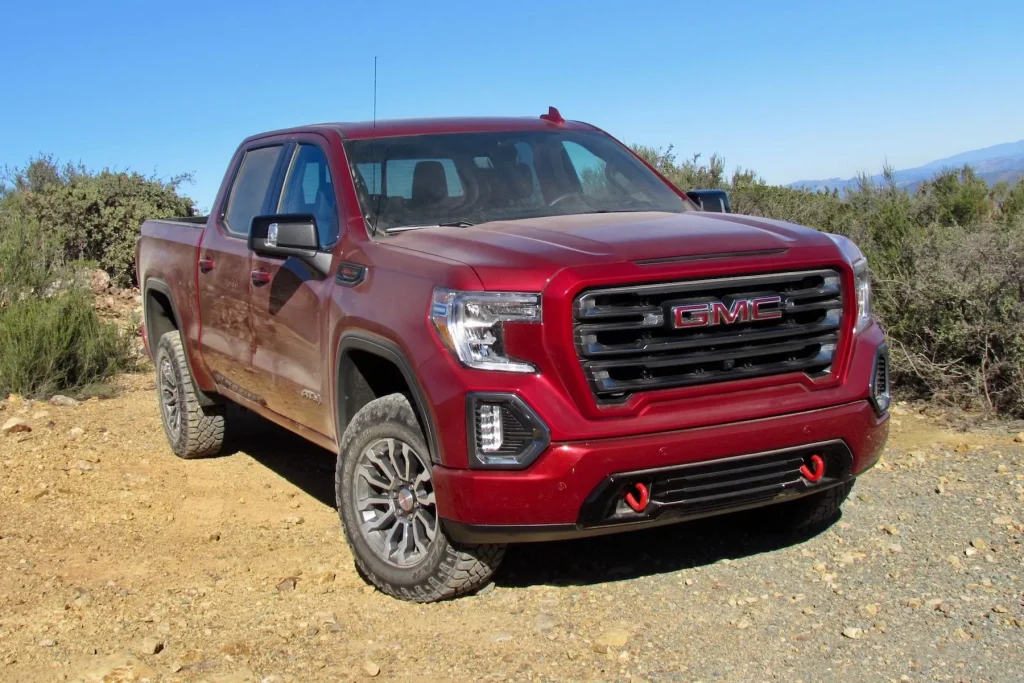
Driver comfort should not be overlooked when planning long journeys. The Sierra AT4 provides a well organized cabin environment with supportive seating and clear controls that make long distance travel less tiring.
By combining factory off road features with strong construction and practical cargo space, the GMC Sierra 1500 AT4 becomes a capable choice for exploring remote landscapes during extended overlanding trips.
9. Jeep Gladiator
The Jeep Gladiator occupies a unique position among pickup trucks because it combines traditional truck utility with the off road heritage of the Jeep brand. This combination has made it particularly attractive to overlanding enthusiasts who want a vehicle capable of handling both cargo needs and challenging trails.
Unlike many conventional trucks, the Gladiator shares much of its design philosophy with Jeep’s well known off road vehicles. Solid axles, strong suspension components, and a four wheel drive system built for trail performance allow the truck to tackle terrain that might stop less specialized vehicles.
One of the Gladiator’s advantages for overlanding is its strong off road geometry. Approach angles, departure angles, and ground clearance all contribute to how effectively a vehicle can navigate obstacles.
The Gladiator’s design allows it to climb over rocks, cross uneven terrain, and maneuver through difficult sections of trail without excessive risk of underbody damage.
Another benefit comes from the truck’s cargo bed, which provides space for expedition equipment while keeping the vehicle relatively compact.
Overlanders frequently install bed racks that support rooftop tents and additional gear. This setup allows the truck to function as both transportation and campsite during long journeys.
Flexibility also plays a role in the Gladiator’s popularity. Some drivers appreciate the removable roof and doors, which provide a more immersive experience when traveling through scenic landscapes. While this feature is not essential for overlanding, it adds to the vehicle’s sense of adventure.
The truck’s drivetrain options deliver steady performance across different environments. Whether driving slowly through rocky trails or covering long highway distances between destinations, the Gladiator maintains a balanced level of capability.
Another factor that supports expedition travel is the large aftermarket community surrounding Jeep vehicles. Numerous accessories are available that help transform the Gladiator into a fully equipped overlanding platform.
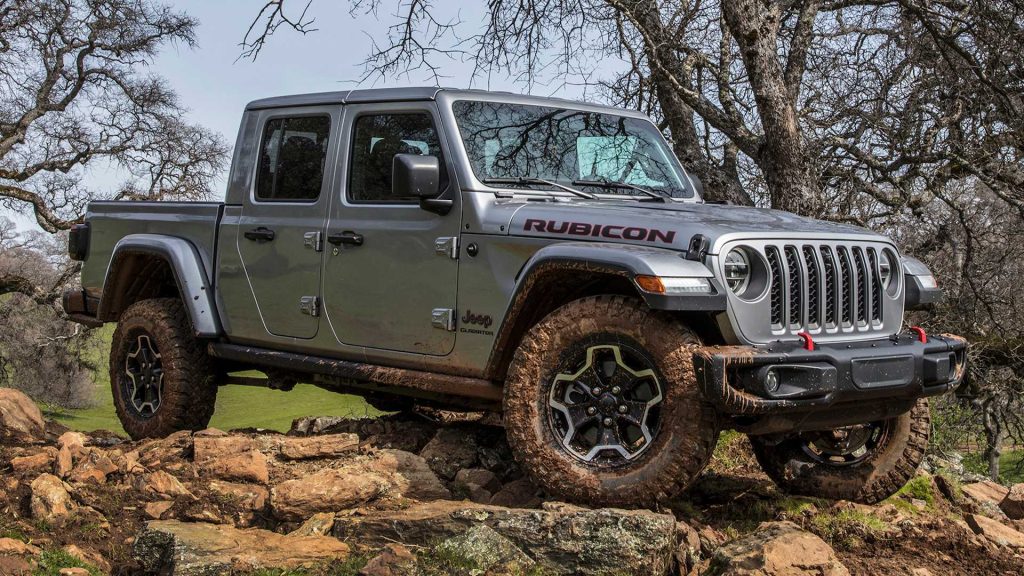
These additions can include storage systems, lighting upgrades, recovery equipment mounts, and suspension modifications.
Inside the cabin, the vehicle offers practical controls and a straightforward layout that allows drivers to concentrate on navigating remote terrain.
With its combination of trail focused engineering and pickup truck utility, the Jeep Gladiator provides a distinctive solution for travelers who want to explore remote regions while carrying expedition gear.
10. Toyota Hilux
In the remote travel world, few trucks have built a reputation as strong as the Toyota Hilux. Across deserts, mountains, jungles, and remote rural regions, the Hilux has proven itself as one of the most dependable pickup trucks ever produced.
For overlanding through isolated areas, reliability often becomes the most important factor, and this is where the Hilux stands out.
One reason the Hilux has gained such global respect is its durability. The truck was engineered to operate in demanding environments where road conditions can vary from smooth highways to deeply rutted dirt trails.
Its frame and drivetrain components are designed to withstand heavy use over long distances, making it well suited for expedition travel.
Another quality that supports overlanding is the truck’s strong low speed torque. Many Hilux models are equipped with diesel engines that deliver steady pulling power. This type of engine performance is valuable when climbing steep trails, navigating rocky terrain, or moving through soft surfaces such as sand and mud.
The Hilux also benefits from a reliable four wheel drive system that helps maintain traction when the terrain becomes unpredictable. Overlanding routes may include river crossings, muddy forest paths, or gravel mountain roads.
Engaging four wheel drive allows the truck to maintain stability and continue progressing through these environments.
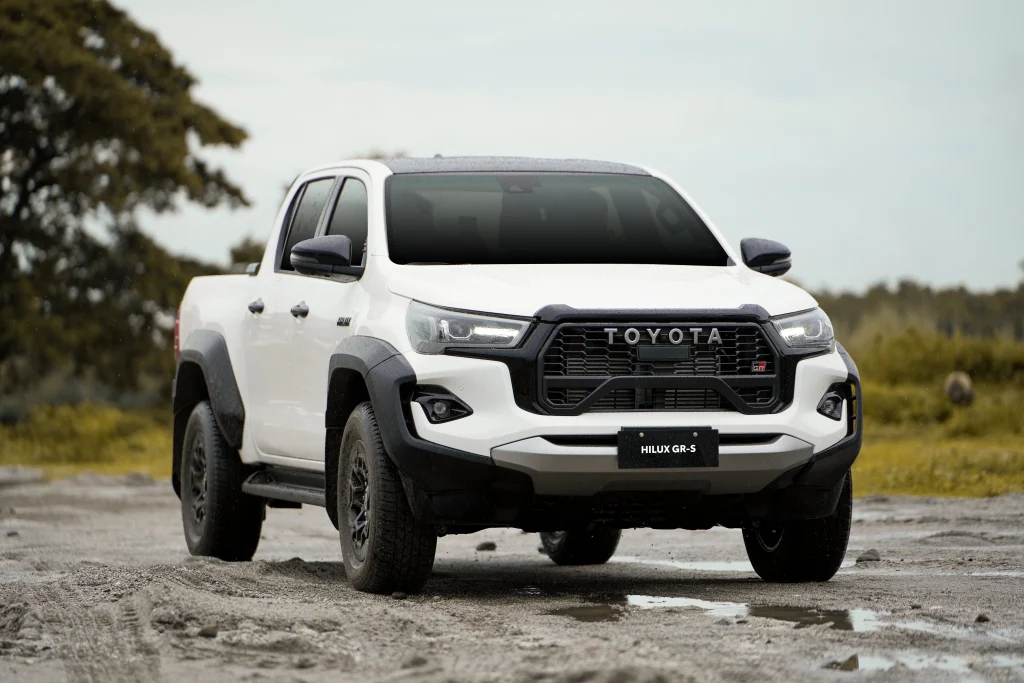
Cargo capacity is another important advantage. The pickup bed allows travelers to organize equipment such as camping gear, fuel containers, recovery tools, and spare parts.
Many overlanders install bed racks that support rooftop tents and additional storage systems, turning the truck into a complete mobile base for extended trips.
The vehicle’s global availability also contributes to its appeal. Because the Hilux is widely used around the world, replacement parts and mechanical knowledge are often easier to find in remote regions compared with less common vehicles.
Inside the cabin, the truck focuses on practicality rather than luxury. Durable materials and straightforward controls help ensure that the vehicle remains functional even after years of heavy use.
For travelers planning to explore distant landscapes where reliability matters most, the Toyota Hilux continues to be one of the most trusted trucks available for overlanding adventures.
Also Read: 10 Front Wheel Drive Cars That Can Set Fast Lap Times