
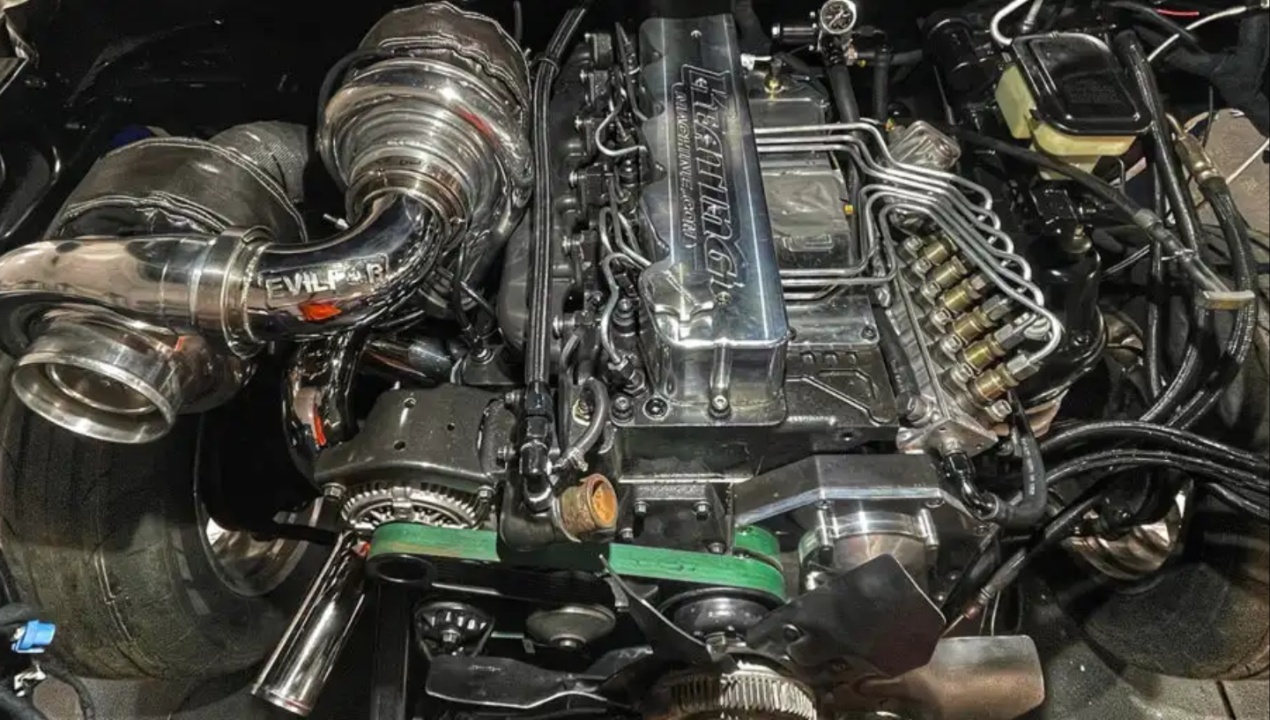
Pickup trucks are built for work, endurance, and long-term reliability. For decades, diesel engines have been the backbone of many of the toughest pickup trucks ever produced.
Compared with gasoline engines, diesel powerplants are known for their durability, strong low-end torque, and ability to handle heavy workloads for hundreds of thousands of miles. Because of these qualities, diesel pickups have earned a loyal following among contractors, farmers, long-distance haulers, and off-road enthusiasts.
Reliability is one of the most important qualities people look for when choosing a diesel pickup engine. A dependable engine reduces maintenance costs, minimizes downtime, and allows the truck to remain productive for many years.
Some diesel engines have gained legendary reputations because they consistently deliver exceptional longevity even under extreme operating conditions. Many of these engines are known to exceed 500,000 miles with proper care, and some have even reached the million-mile mark.
The most reliable diesel engines share several key traits. They are usually built with strong internal components, simple yet effective engineering, and designs that prioritize durability over complexity.
Many of these engines were developed during periods when manufacturers focused heavily on mechanical strength and long-term serviceability. As a result, they remain highly respected today among truck owners and mechanics.
Over time, different automakers have produced standout diesel engines that shaped the reputation of their pickup trucks. Companies such as Ford, Cummins, and General Motors have introduced powerplants that became benchmarks for reliability in the truck industry.
These engines helped define entire generations of pickups and remain highly sought after in the used truck market.
In this article, we will look at ten of the most reliable diesel engines ever installed in pickup trucks. Each of these engines earned its reputation through years of real-world performance, mechanical toughness, and the ability to keep working long after many other engines would have failed. Their legacy continues to influence modern diesel engineering and truck design.
Also Read: Top 10 Affordable Classic Trucks for a First Time Restorer
1. Cummins 5.9L 12 Valve (1989–1998)
When discussions about reliable diesel engines begin, the Cummins 5.9 liter 12 valve almost always appears at the top of the list. Introduced in 1989 in the Dodge Ram pickup, this engine completely transformed the heavy duty truck market.
Before its arrival, diesel pickups were often slow and noisy machines primarily designed for commercial fleets. The 5.9L Cummins changed that perception by delivering a combination of durability, torque, and mechanical simplicity that quickly earned widespread respect.
One of the main reasons the 12 valve Cummins became legendary is its extremely simple mechanical design. Unlike many modern diesel engines that rely heavily on electronics, this engine uses a mechanical fuel injection pump.
Because of this design, the engine has fewer electronic components that can fail. Many owners appreciate this simplicity because it allows repairs and maintenance to be performed without complicated diagnostic equipment.
The engine block itself is made of heavy duty cast iron, and the internal components were built with long term durability in mind. The inline six cylinder layout also contributes to its strength.
Inline engines typically experience less internal stress compared with V shaped engines, which helps extend engine life. The long crankshaft and balanced firing order make the engine smoother and more durable during heavy workloads.
Another factor behind the 12 valve Cummins reputation is its remarkable ability to handle modifications. Truck enthusiasts often increase fuel delivery or add turbo upgrades without significantly reducing engine life.
Even in stock form, the engine produces strong low end torque, which makes it ideal for towing trailers and hauling heavy loads.
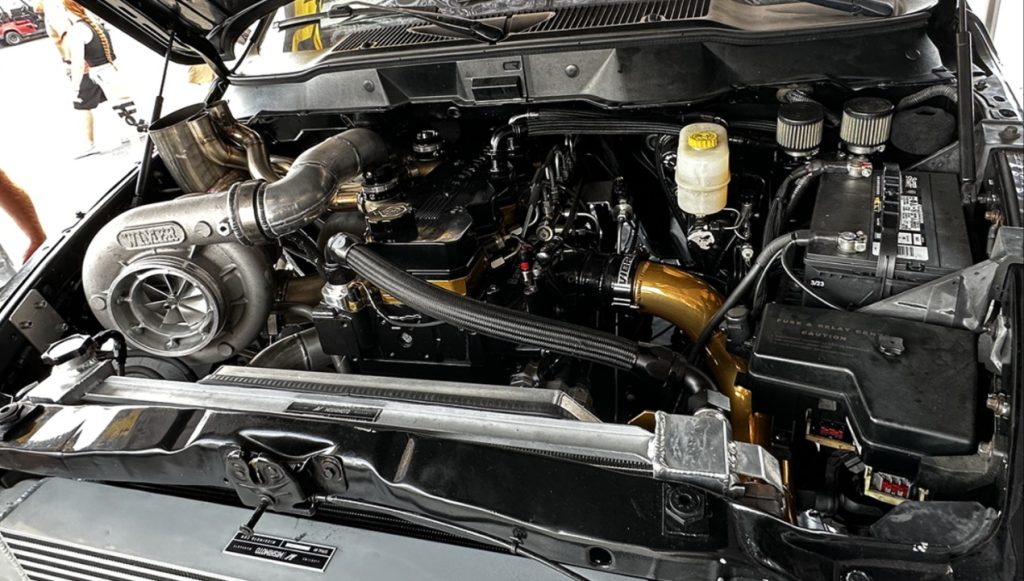
Many trucks equipped with this engine have exceeded 500,000 miles with proper maintenance. Stories of engines surpassing 700,000 miles are not uncommon among long time owners. Routine maintenance such as regular oil changes and proper fuel filtration often allows the engine to continue operating reliably for decades.
Because of its durability, mechanical simplicity, and massive torque output, the Cummins 5.9L 12 valve remains one of the most respected diesel engines ever placed in a pickup truck.
2. Ford 7.3L Power Stroke (1994–2003)
Few diesel engines in the pickup truck world enjoy the near mythological reputation of the 7.3 liter Power Stroke. Introduced by Ford in the mid 1990s, this engine quickly became a cornerstone of the Super Duty lineup and established itself as a benchmark for durability in heavy duty trucks.
At a time when diesel technology was evolving rapidly, the 7.3L Power Stroke struck a balance between modern engineering and mechanical toughness.
The engine was developed through a partnership between Ford and International Navistar. It used a cast iron block and cylinder heads, which provided excellent structural strength.
This construction allowed the engine to handle high compression ratios and heavy loads without excessive wear. Truck owners who regularly tow large trailers often praise the engine for its ability to maintain consistent performance even under demanding conditions.
One notable feature of the 7.3L Power Stroke is its hydraulic electronic unit injection system. This system uses high pressure engine oil to operate the fuel injectors, providing precise fuel delivery and efficient combustion.
While the design is more advanced than earlier mechanical systems, it still proved extremely durable in long term use. With proper oil maintenance, the injectors and high pressure oil system can operate reliably for many years.
Another reason for the engine’s popularity is its relatively conservative power output compared with later diesel engines. Producing between 210 and 275 horsepower depending on the model year, the engine was not overly stressed. This allowed many components to last longer, contributing to the engine’s long service life.
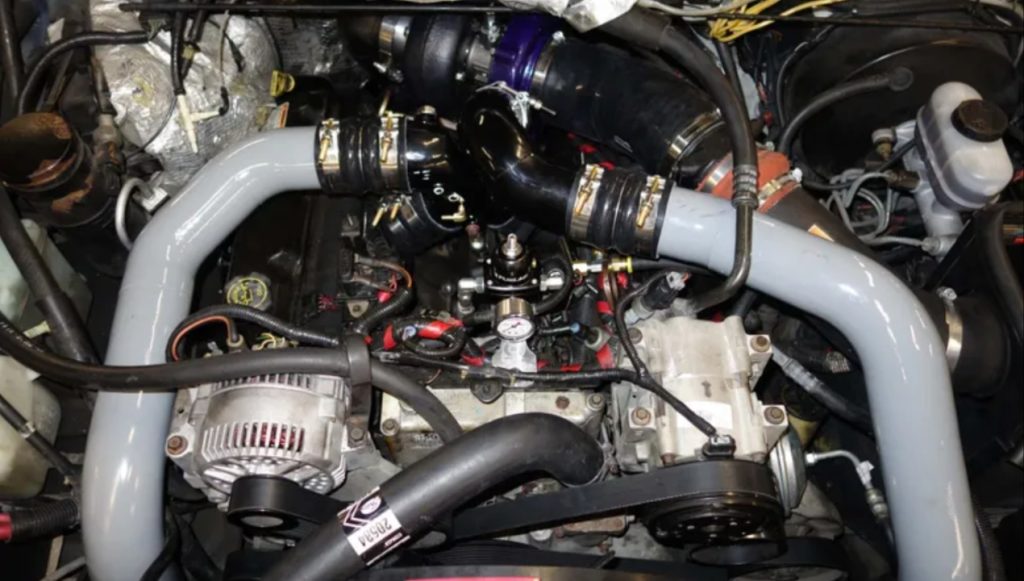
Owners frequently report these engines reaching 400,000 to 500,000 miles with proper maintenance. Many fleet vehicles equipped with the 7.3 Power Stroke continued operating reliably for decades. Mechanics also appreciate the engine because its layout provides relatively straightforward access to major components.
The 7.3L Power Stroke ultimately became one of the defining engines in Ford truck history, proving that reliability and heavy duty capability could coexist in a modern diesel pickup.
3. Cummins 5.9L 24 Valve (1998–2007)
When the 24 valve version of the Cummins 5.9 liter engine arrived in the late 1990s, it built upon the reputation established by the earlier 12 valve design. The core architecture remained the same durable inline six cylinder layout, but several updates improved power delivery and efficiency.
Despite these changes, the engine maintained the rugged characteristics that made Cummins diesel engines famous among truck owners.
The most noticeable difference between the 12 valve and 24 valve versions lies in the cylinder head design. By increasing the number of valves per cylinder, engineers improved airflow through the engine.
Better airflow allows the engine to burn fuel more efficiently, which increases both power output and overall responsiveness. These improvements helped the engine deliver stronger acceleration while still maintaining excellent torque for towing.
Early versions of the 24 valve engine used the Bosch VP44 injection pump, which electronically controlled fuel delivery. This represented a step toward more modern diesel technology.
While the injection system introduced additional electronics, the engine itself retained the same heavy duty construction that made its predecessor so durable. The cast iron block, forged internal components, and robust crankshaft continued to provide excellent long term reliability.
In 2003, Cummins introduced the high pressure common rail fuel system in the 5.9L engine. This upgrade significantly improved fuel atomization and combustion efficiency.
As a result, the engine produced more power while also reducing noise and improving drivability. Even with these technological advancements, the core design remained focused on durability and long service intervals.
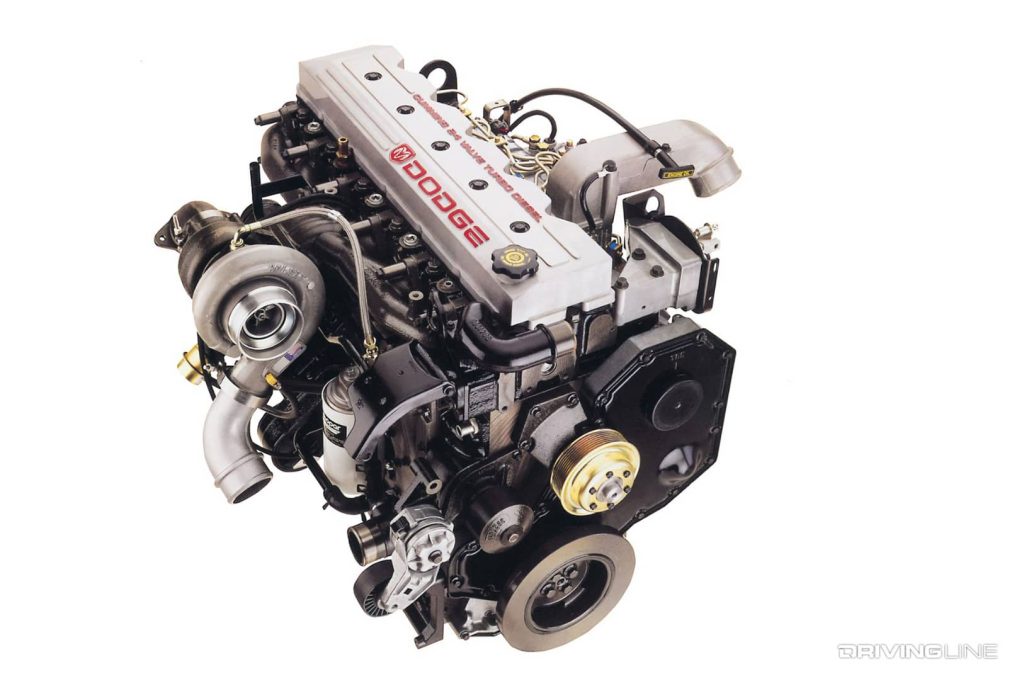
Truck owners value the 5.9L 24 valve Cummins not only for its reliability but also for its versatility. The engine responds well to performance tuning and aftermarket upgrades, yet it remains dependable in stock form for daily work use. Many examples continue to operate with more than 400,000 miles on the original engine.
The combination of proven engineering, increased performance, and long term durability secured the 24 valve Cummins a place among the most reliable diesel engines ever installed in a pickup truck.
4. Duramax LB7 6.6L (2001–2004)
When General Motors introduced the LB7 version of the 6.6 liter Duramax diesel engine in 2001, it represented a completely new direction for the company’s heavy duty pickup trucks.
Developed in partnership with Isuzu, the engine brought modern diesel technology to the Chevrolet Silverado and GMC Sierra HD lineup. It quickly earned recognition for combining strong performance with impressive long term reliability.
At the heart of the LB7 Duramax was a high pressure common rail fuel injection system. This technology allowed extremely precise control over how fuel entered the combustion chamber.
Instead of relying on mechanical timing alone, the system could deliver fuel in multiple small injections during each combustion cycle. The result was smoother engine operation, improved power delivery, and reduced engine noise compared with earlier diesel engines.
Construction quality also played a major role in the engine’s durability. The LB7 used a cast iron engine block paired with aluminum cylinder heads. This combination provided both strength and effective heat dissipation.
The engine’s internal components were designed to handle the high compression ratios typical of diesel engines, allowing it to operate reliably under demanding workloads such as towing heavy trailers or hauling equipment.
Performance was another reason this engine gained popularity. The LB7 produced around 300 horsepower and 520 lb ft of torque, numbers that were considered impressive for a pickup truck diesel at the time.
This power gave GM trucks strong acceleration and confident towing capability without pushing the engine to its mechanical limits.
Owners often praise the LB7 Duramax for its smooth operation and responsive throttle compared with older diesel engines. While later versions of the Duramax family added more technology and emissions equipment, many enthusiasts still appreciate the relative simplicity of the early LB7 design.
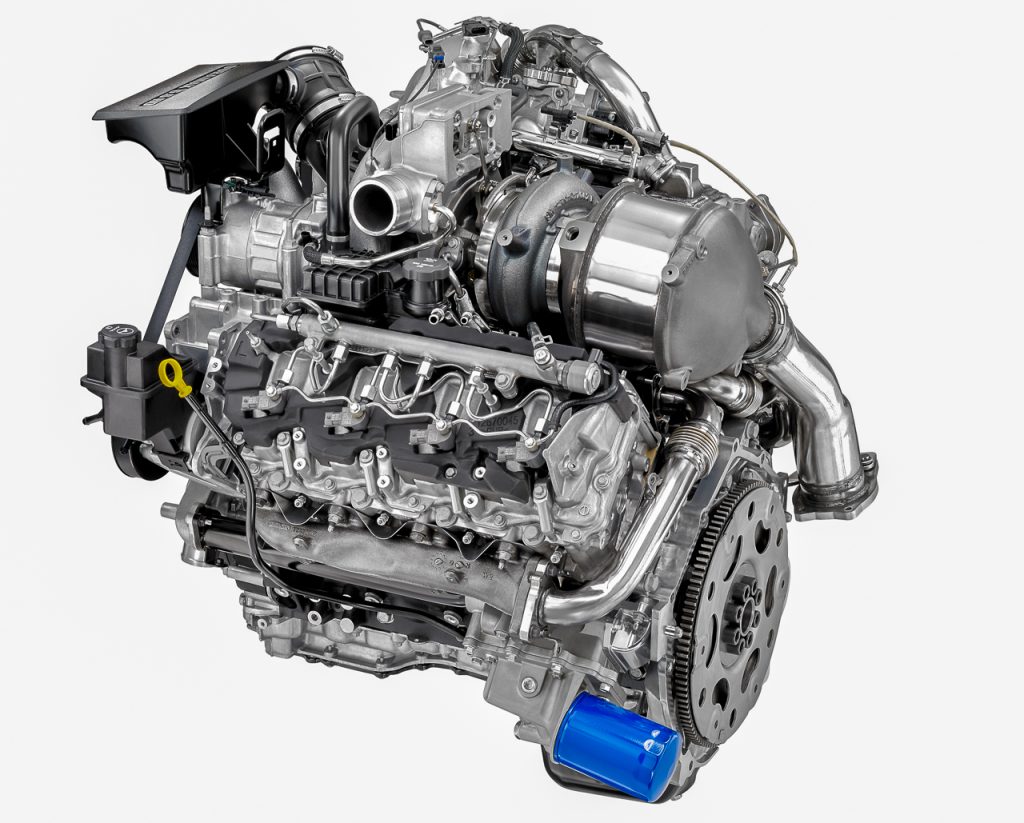
With proper maintenance, many LB7 powered trucks have surpassed 350,000 miles while continuing to perform their intended duties. Its balance of advanced engineering and mechanical strength helped establish the Duramax brand as a serious competitor in the diesel pickup market.
5. Cummins 6.7L Turbo Diesel (2007–Present)
The Cummins 6.7 liter turbo diesel represents the evolution of one of the most respected diesel engine families ever used in pickup trucks.
Introduced in 2007 as the successor to the 5.9L Cummins, this engine was designed to meet stricter emissions regulations while still preserving the durability and torque that truck owners expected from a Cummins powered vehicle.
One of the defining characteristics of the 6.7L engine is its massive low end torque. Diesel engines are valued for their ability to produce strong pulling power at low engine speeds, and the 6.7L Cummins excels in this area.
Depending on the model year and configuration, modern versions of the engine produce well over 1,000 lb ft of torque. This level of output allows Ram heavy duty trucks to tow extremely large trailers with confidence.
The engine retains the classic inline six cylinder configuration that has long been associated with Cummins diesel engines. This layout naturally promotes smoother operation and reduces internal stress compared with many V style engine designs.
Combined with a sturdy cast iron block and heavy duty rotating components, the architecture provides a strong foundation for long term reliability.
Another significant improvement is the variable geometry turbocharger. Unlike traditional turbochargers that operate at a fixed geometry, this design adjusts the angle of internal vanes to control airflow through the turbine.
The system improves throttle response at low speeds while still providing strong boost pressure during heavy acceleration or towing.
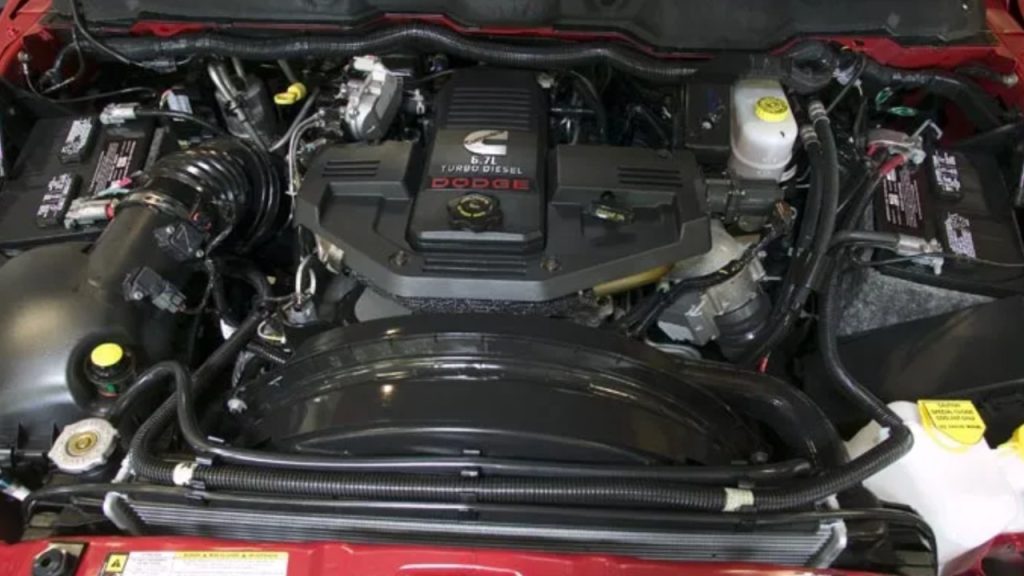
Although emissions systems such as exhaust gas recirculation and diesel particulate filters were added to meet environmental standards, the core engine remains highly durable. Many owners who maintain the engine properly report extremely long service lives even under demanding workloads.
The 6.7L Cummins continues to power modern Ram heavy duty trucks and remains a favorite among drivers who require serious towing capability combined with long term mechanical durability.
6. Detroit Diesel 6.2L (1982–1993)
Long before the Duramax era began, General Motors relied on a very different diesel engine to power its pickup trucks. The Detroit Diesel 6.2 liter V8 appeared in the early 1980s and quickly became known for its durability, fuel efficiency, and straightforward mechanical design.
Although it was not created as a high performance engine, it developed a strong reputation for dependability and long service life.
The development of the 6.2L engine focused heavily on efficiency and reliability rather than outright power. Engineers designed the engine to provide a practical diesel alternative for truck buyers who wanted better fuel economy than gasoline engines could offer at the time.
The engine produced modest horsepower figures, but its torque delivery made it suitable for hauling cargo and light towing.
One of the most important characteristics of the Detroit Diesel 6.2L is its mechanical simplicity. The engine used a mechanical fuel injection system rather than advanced electronic controls.
This allowed the engine to operate with fewer sensors and electronic components. For many truck owners and mechanics, this simplicity made the engine easier to maintain and repair compared with more complex diesel engines that arrived later.
The internal construction of the engine also contributed to its reliability. A cast iron block and strong rotating assembly helped the engine withstand the high compression ratios required for diesel combustion.
When properly maintained with regular oil changes and clean fuel filtration, the engine often continued operating well beyond typical mileage expectations.
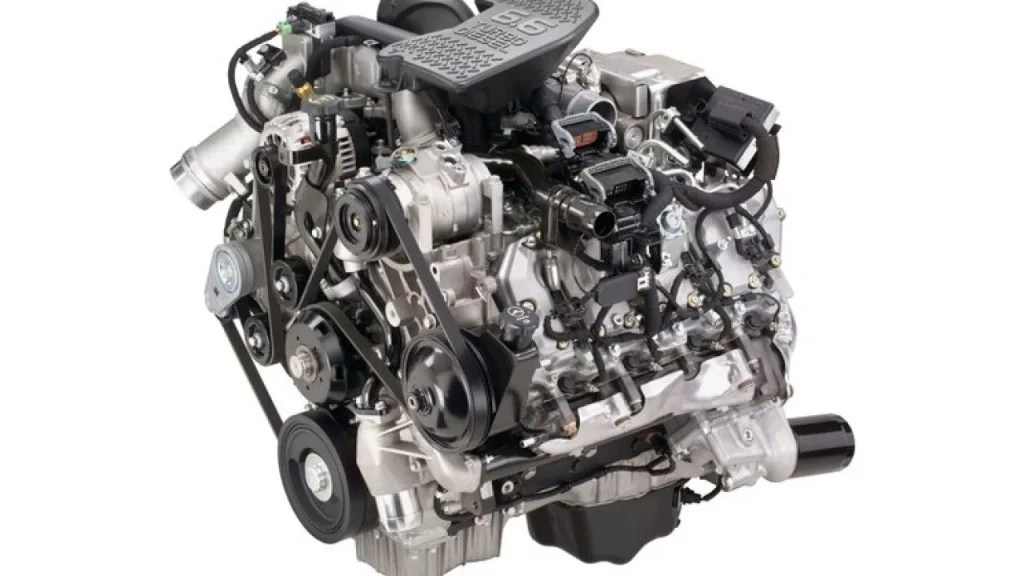
Drivers who owned trucks equipped with the 6.2L diesel frequently appreciated its steady and predictable behavior. It was not designed to deliver aggressive acceleration, but it performed its intended tasks with consistency. Many trucks powered by this engine remained in service for decades in farming, utility, and commercial environments.
Because of its durability and ease of maintenance, the Detroit Diesel 6.2L earned a place among the most reliable diesel engines ever used in pickup trucks.
7. Ford 6.7L Power Stroke (2011–Present)
When Ford introduced the 6.7 liter Power Stroke diesel engine in 2011, it marked a major shift in the company’s diesel strategy. Unlike earlier Power Stroke engines that were developed with outside partners, the 6.7L was designed entirely in house by Ford engineers.
The goal was to create a modern diesel engine that could deliver outstanding power while maintaining strong long term reliability.
A defining feature of the 6.7L Power Stroke is its unique turbocharger configuration. Early versions of the engine used a single sequential turbocharger mounted within the engine’s V shaped valley.
This compact design improved throttle response and helped the engine produce strong power throughout the rev range. Later versions transitioned to a different turbo setup, but the emphasis on efficiency and responsiveness remained.
Ford engineers also focused heavily on durability when developing this engine. The block is constructed from compacted graphite iron, a material that is stronger and more resistant to stress than traditional cast iron.
This material allows the engine to handle extremely high cylinder pressures, which are common in modern diesel engines designed to produce high torque.
Fuel delivery is handled through a sophisticated high pressure common rail system. This system allows precise control of fuel injection timing and quantity. The result is smoother combustion, improved efficiency, and reduced emissions. At the same time, the system contributes to the engine’s ability to generate impressive power figures.
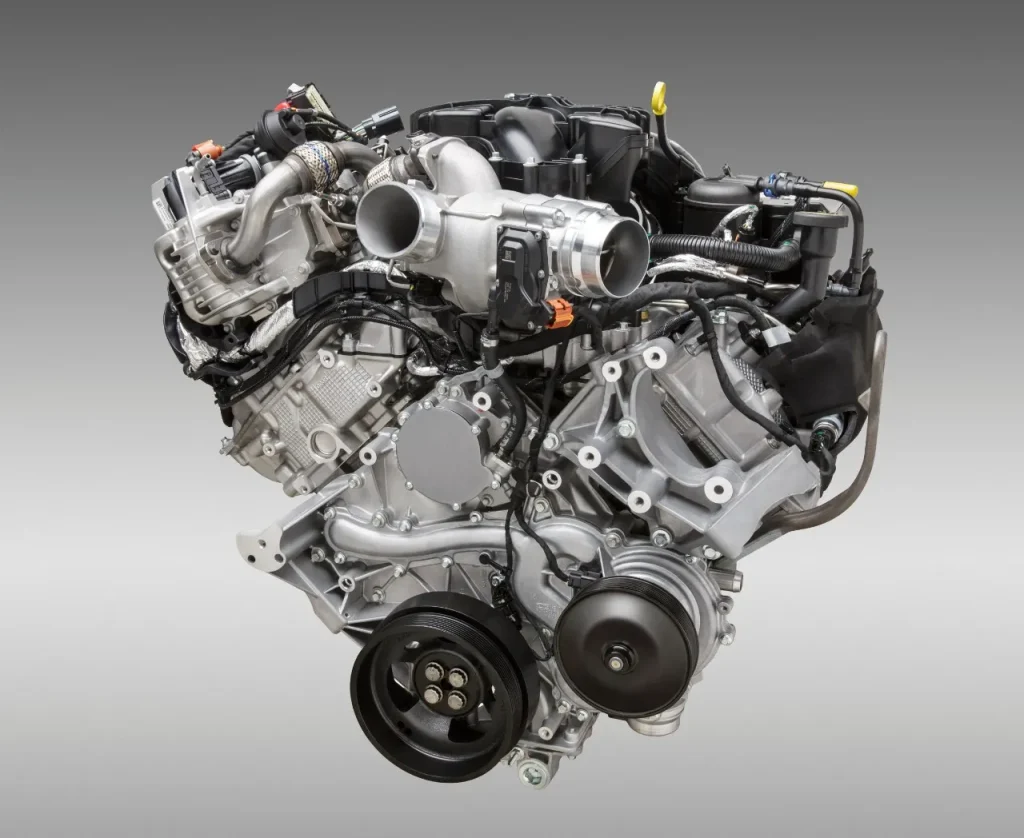
Modern versions of the 6.7L Power Stroke produce more than 450 horsepower and over 1,000 lb ft of torque. Despite these high output levels, the engine has proven to be remarkably durable when maintained correctly. Many fleet operators have reported excellent reliability from trucks equipped with this engine.
By combining advanced engineering with strong materials and thoughtful design, the 6.7L Power Stroke established itself as one of the most capable and reliable diesel engines in the modern pickup truck market.
8. International 7.3L IDI (1988–1994)
Before the famous Power Stroke era began, Ford trucks relied on a diesel engine that quietly built a strong reputation for durability. The 7.3 liter IDI diesel, built by International Harvester, powered Ford pickups during the late 1980s and early 1990s.
IDI stands for Indirect Injection, a fuel delivery method that was widely used in diesel engines before the adoption of high pressure direct injection systems.
This engine was designed during a time when long term durability mattered more than maximum horsepower.
Instead of focusing on high performance numbers, engineers concentrated on creating an engine that could operate dependably for years under demanding work conditions. The result was a powerplant that proved extremely reliable in real world truck use.
The IDI design used a pre combustion chamber to mix fuel and air before ignition occurred in the cylinder. This approach helped the engine run more smoothly and reduced some of the harsh combustion noise commonly associated with older diesel engines.
Although this design produced slightly less efficiency than modern direct injection systems, it contributed to the engine’s durability and mechanical simplicity.
One of the biggest strengths of the 7.3L IDI engine is its rugged construction. The cast iron block and cylinder heads provided excellent structural strength.
Internally, the engine used components that were built to withstand the constant high compression forces required for diesel operation. Because of this strong foundation, many engines continued running reliably even after decades of use.
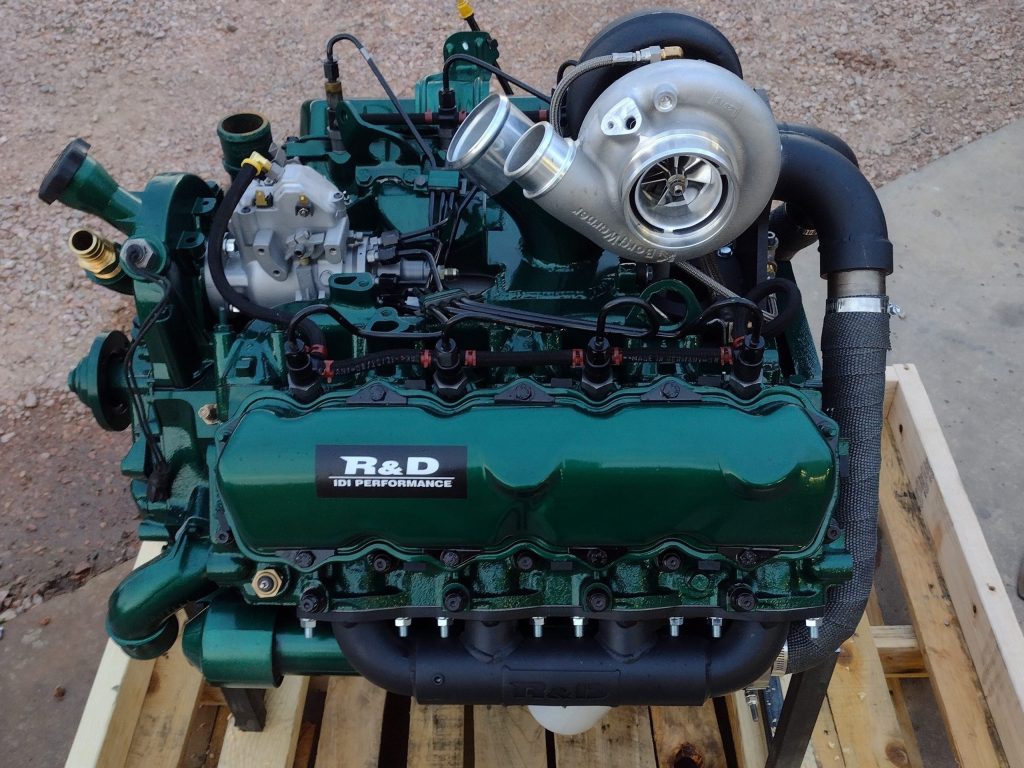
Truck owners often appreciate the engine’s straightforward design. Repairs and maintenance tasks are relatively manageable compared with newer diesel engines that rely heavily on complex electronics. For many drivers, this simplicity made the engine particularly appealing in rural or work environments where easy servicing was important.
Even though later engines introduced more advanced technology, the International 7.3L IDI remains remembered as a dependable diesel workhorse that helped establish Ford’s reputation in the diesel pickup market.
9. Duramax L5P 6.6L (2017–Present)
The Duramax L5P engine represents the most modern entry on this list, yet it has already gained recognition for its durability and performance.
Introduced in 2017 for heavy duty Chevrolet Silverado and GMC Sierra trucks, the L5P was engineered to deliver major improvements in strength, efficiency, and towing capability compared with earlier Duramax engines.
Engineers redesigned many internal components when developing the L5P. The block was strengthened to handle higher cylinder pressures, and the rotating assembly was upgraded to support increased torque output.
These changes were necessary because modern diesel engines are expected to produce significantly more power than earlier generations while still meeting strict emissions regulations.
Fuel delivery is handled by an advanced high pressure common rail injection system capable of extremely precise control. This system injects fuel at pressures exceeding 29,000 psi, which allows very fine fuel atomization. Better fuel atomization improves combustion efficiency, resulting in stronger power delivery and cleaner emissions.
A key factor that contributes to the L5P’s reliability is its improved cooling system and airflow management. Diesel engines generate significant heat during operation, especially when towing heavy loads.
The L5P addresses this challenge with upgraded cooling capacity and improved turbocharger design, allowing the engine to maintain consistent performance even during prolonged heavy duty use.
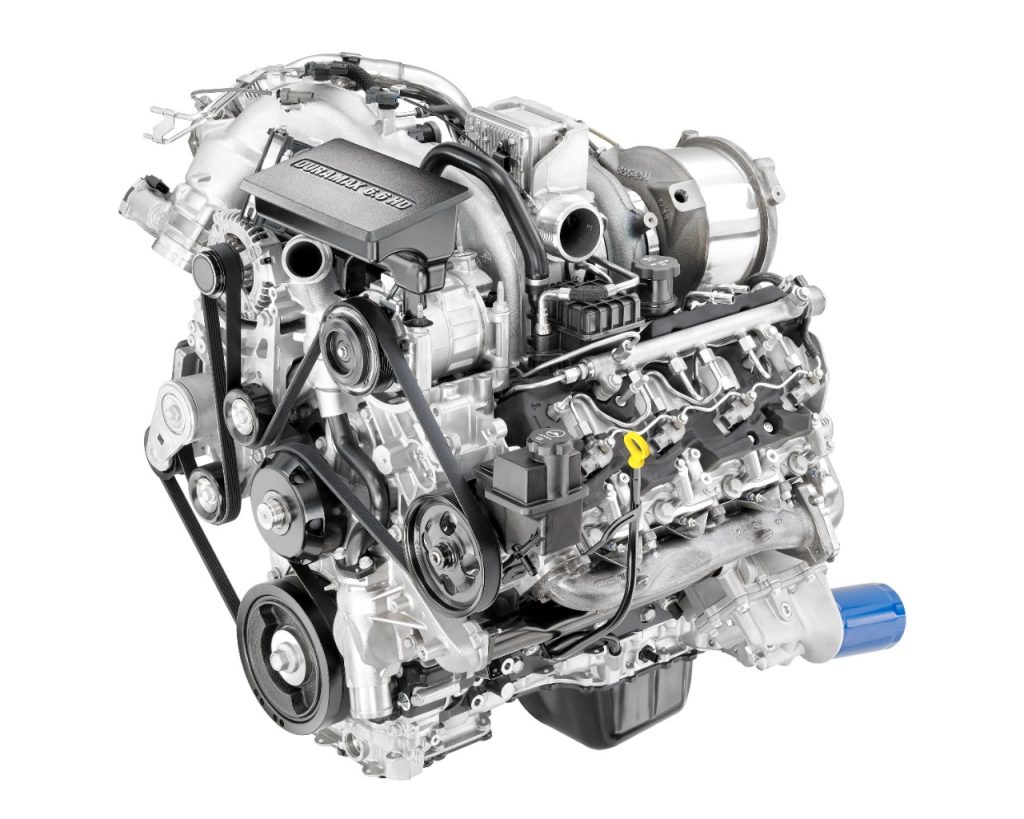
Power output is one of the highlights of this engine. The L5P produces over 445 horsepower and around 910 lb ft of torque in many configurations. Despite these impressive numbers, the engine has proven capable of maintaining long term reliability when maintained properly.
Owners frequently note that the engine delivers smooth performance, strong acceleration, and exceptional towing capability.
The combination of modern engineering, strong internal construction, and high efficiency has allowed the L5P Duramax to quickly build a reputation as one of the most dependable modern diesel engines in the pickup truck segment.
10. Cummins 5.0L V8 Turbo Diesel (2016–2019)
Not every reliable diesel engine becomes famous because of massive production numbers. Some earn recognition because of the engineering behind them and the durability they demonstrate during their time on the market.
The Cummins 5.0 liter V8 turbo diesel falls into this category. Introduced in the Nissan Titan XD pickup, this engine represented a unique attempt to bridge the gap between light duty and heavy duty diesel trucks.
The engine was designed to offer strong towing performance without requiring buyers to move into a full heavy duty pickup. In many ways, it served as a middle ground between smaller diesel engines used in half ton trucks and the larger engines commonly found in heavy duty work trucks.
That positioning made it an interesting option for drivers who needed more capability but did not want the size or cost of a larger truck.
Cummins engineered the 5.0L V8 with durability as a central priority. The engine uses a compacted graphite iron block, a material known for its strength and resistance to stress.
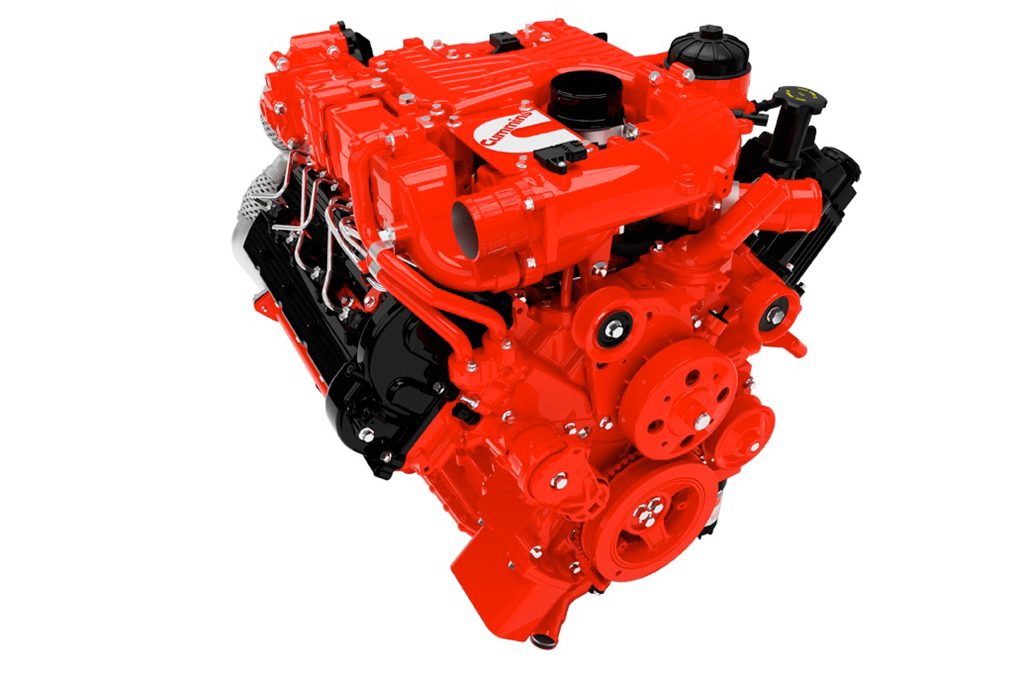
This material allows the engine to handle high combustion pressures while maintaining long term structural integrity. The design also includes a forged steel crankshaft and heavy duty internal components that support consistent operation under load.
Another notable element of the engine is its advanced turbocharging system. The turbocharger helps deliver strong torque across a wide range of engine speeds.
This characteristic makes the engine particularly useful when towing trailers or carrying heavy payloads, where steady low speed pulling power is essential.
Fuel delivery relies on a high pressure common rail injection system that ensures efficient combustion and smooth engine performance.
Combined with modern emissions technology, the engine was able to meet environmental standards while still delivering competitive power figures for its segment.
Although the production run of the Nissan Titan XD diesel was relatively short, the Cummins 5.0L V8 demonstrated the reliability and engineering quality associated with the Cummins name.
Its solid construction and balanced performance helped secure its place among the most dependable diesel engines ever installed in a pickup truck.
Also Read: 10 Classic Cars That Are Actually Reliable Enough to Drive Every Day
