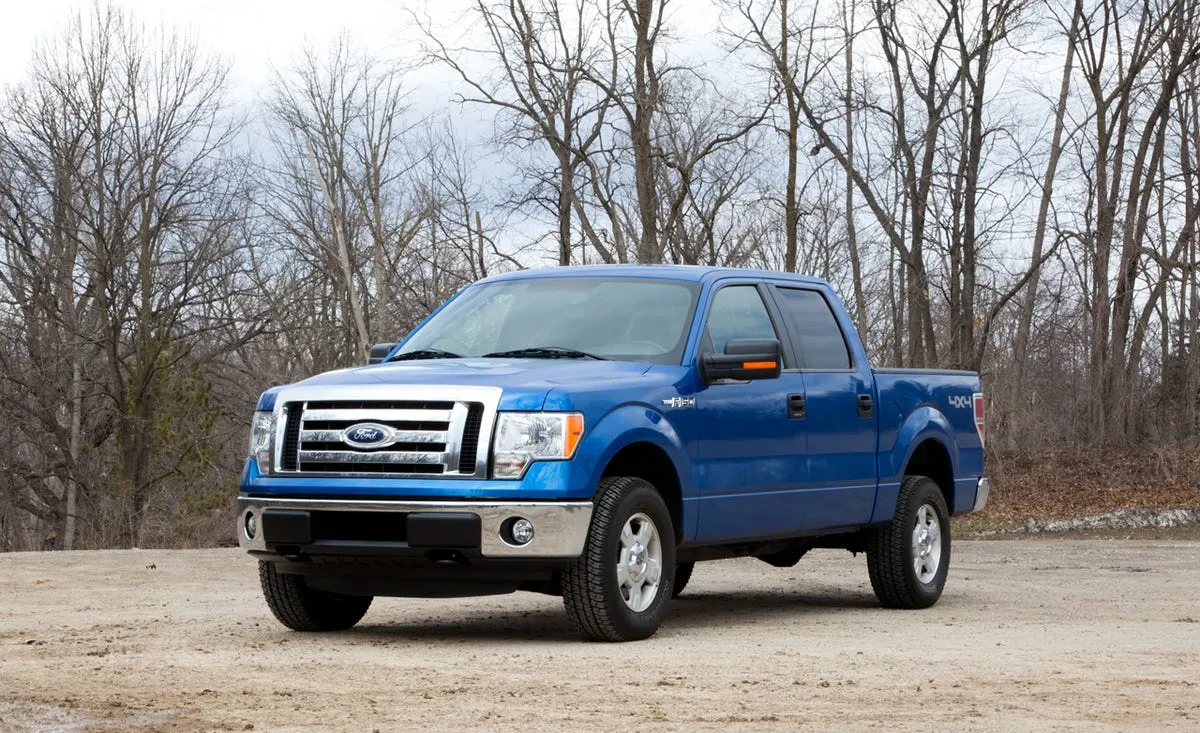
Many SUVs already possess the core traits needed for off road exploration. They have higher ground clearance, strong drivetrains, and spacious interiors that allow them to travel far beyond paved roads.
However, transforming a standard SUV into a true off road sleeper requires more than just factory capability. The right accessories can quietly enhance performance, practicality, and self sufficiency without turning the vehicle into an obvious trail rig.
An off road sleeper is a vehicle that appears mostly stock from the outside but hides serious capability beneath the surface.
Instead of extreme lift kits or oversized tires that immediately attract attention, sleeper builds rely on carefully selected upgrades that improve traction, durability, and survival in remote environments while maintaining a subtle appearance.
For many drivers, this approach offers several advantages. A sleeper SUV can navigate trails, rough terrain, and remote campsites while still blending into everyday traffic. It remains comfortable enough for daily driving and does not attract unnecessary attention in urban environments or parking areas.
Another benefit is versatility. With the right equipment, an SUV can support long distance travel, overnight camping, and unexpected off road situations. Accessories such as recovery gear, lighting solutions, and storage systems help drivers handle challenges that might otherwise stop a trip.
The key to building an effective sleeper setup lies in choosing upgrades that deliver real functional value. Instead of focusing only on appearance, these accessories should improve reliability, self recovery ability, and overall convenience during outdoor adventures.
This list highlights ten accessories that can quietly transform a regular SUV into a capable off road sleeper. Each item enhances a different aspect of performance or practicality, helping drivers prepare for rugged terrain while maintaining the low key character that defines the sleeper concept.
Also Read: Top 10 Vehicles With the Most Iconic Hood Ornaments
1. All Terrain Tires With Subtle Sidewalls
If there is one modification that instantly improves off road capability without drastically changing the appearance of an SUV, it is upgrading the tires. Factory tires are usually designed for quiet highway driving and fuel efficiency, which means they often struggle when the road disappears and rough terrain begins.
All terrain tires provide a major improvement in traction across dirt, gravel, mud, and loose surfaces. Their tread patterns are deeper and more aggressive than standard road tires, allowing them to grip uneven terrain more effectively.
At the same time, many modern all terrain designs maintain relatively quiet road manners, which keeps the SUV comfortable during daily driving.
For a sleeper build, the key is choosing tires with subtle sidewall styling. Some off road tires feature extremely bold lettering and aggressive patterns that immediately signal a heavily modified vehicle. Sleeper setups benefit from more understated designs that deliver performance without visually transforming the SUV.
Traction improvements become noticeable as soon as the vehicle leaves pavement. On loose dirt roads, the deeper tread blocks help prevent wheel slip during acceleration and climbing. When driving through mud or sand, the wider channels between tread blocks help clear debris so the tire can maintain contact with the ground.
Another advantage is durability. Off road environments often include sharp rocks, uneven surfaces, and hidden obstacles that can damage weaker tires. All terrain tires are typically built with reinforced sidewalls that resist punctures and cuts, which adds confidence during remote travel.
Even in wet weather on paved roads, these tires can improve safety. The aggressive tread pattern channels water away from the contact patch, helping reduce the chance of hydroplaning.
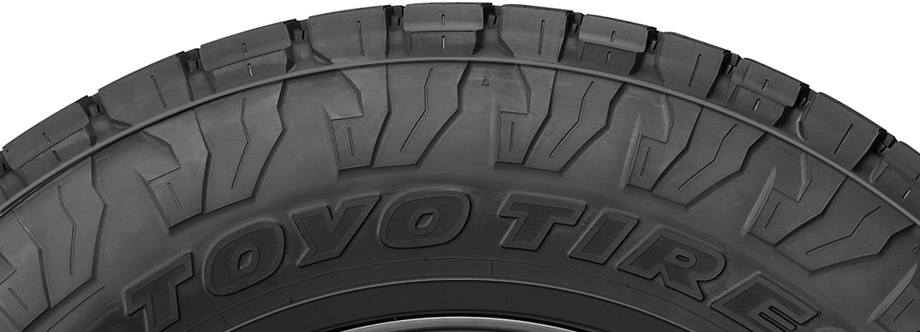
What makes this upgrade ideal for a sleeper SUV is how naturally it integrates with the vehicle. The tires do not require dramatic body modifications, and from a distance the SUV still appears largely stock.
Yet once the pavement ends, the difference in traction and durability becomes immediately clear. This simple change quietly transforms the SUV into a far more capable off road machine without compromising everyday usability.
2. Hidden Portable Air Compressor System
Off road driving places unique demands on tires. Lower tire pressure improves traction on sand, rocks, and uneven trails because it allows the tire to spread out and grip the terrain more effectively.
However, once the vehicle returns to paved roads, those tires need to be reinflated to normal pressure for safe highway driving. This is where a portable air compressor becomes one of the most valuable accessories for an off road sleeper SUV.
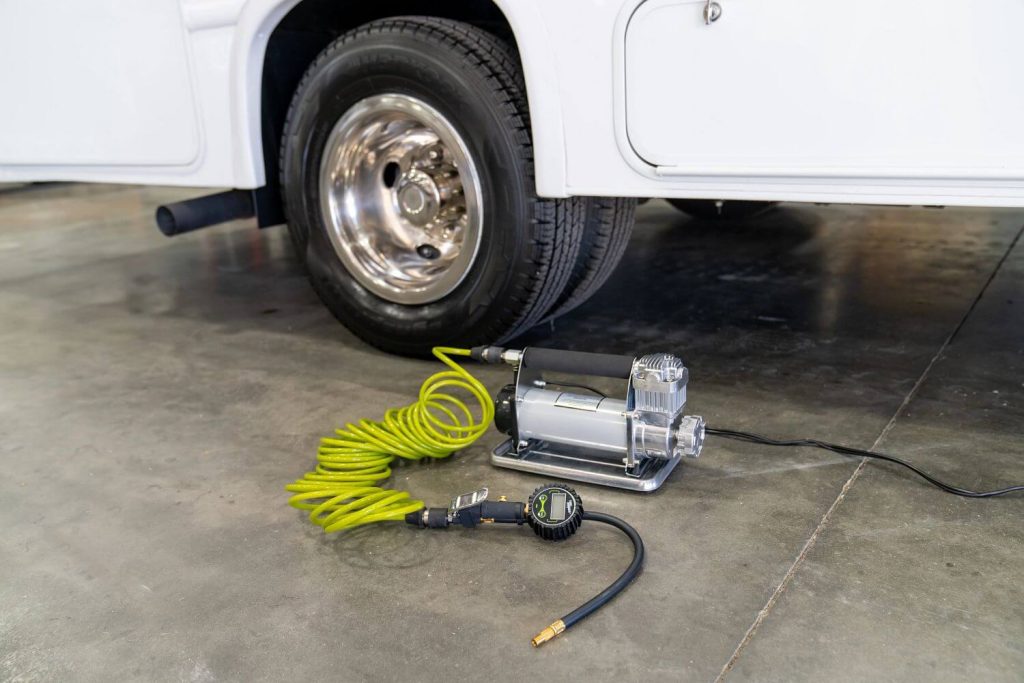
Unlike large visible compressor setups often mounted under the hood of dedicated off road vehicles, a sleeper build benefits from a compact portable unit that can be stored out of sight. Many high quality compressors are small enough to fit inside a storage compartment, cargo organizer, or under seat area.
When needed, the compressor connects directly to the vehicle’s battery or power outlet and can inflate tires quickly. This makes it possible to adjust tire pressure depending on terrain without relying on gas stations or external equipment.
The flexibility this provides becomes extremely useful in remote environments. Drivers can lower tire pressure for difficult trails to increase traction, then restore proper pressure before returning to highways.
Without a compressor, drivers might be forced to continue driving with incorrect pressure levels, which can damage tires and reduce safety.
Another advantage is its usefulness during emergencies. A portable compressor can help refill a slowly leaking tire long enough to reach a repair location. In areas far from services, this capability can make the difference between continuing a trip or becoming stranded.
Some systems also include digital pressure gauges that allow drivers to inflate tires with precise accuracy. Maintaining correct pressure improves handling, fuel efficiency, and tire lifespan.
Because the compressor remains stored inside the vehicle until needed, it does not affect the appearance of the SUV. The vehicle still looks completely stock from the outside, which is exactly the goal of a sleeper build.
Despite its hidden nature, this accessory dramatically increases the vehicle’s ability to adapt to different terrains and unexpected situations during off road travel.
3. Roof Mounted Cargo Storage System
Space quickly becomes limited when preparing an SUV for off road adventures. Camping gear, recovery equipment, food supplies, and personal items can easily fill the cargo area. A roof mounted cargo storage system provides a practical way to expand carrying capacity without permanently altering the vehicle’s appearance.
For sleeper builds, low profile roof storage systems work especially well. These systems sit close to the roofline, maintaining a clean look that does not immediately signal heavy modification. When combined with a simple cargo box or compact rack, the SUV gains significant additional storage while still appearing relatively normal.
The biggest benefit is organization. By moving bulky equipment such as tents, sleeping pads, or camping chairs to the roof, drivers can keep the interior cargo area free for frequently used items. This makes it easier to access tools, food, and other gear during long trips.
Roof storage also allows travelers to carry larger items that might not fit inside the cabin. Recovery boards, compact spare tires, and water containers can be secured safely outside the interior space.
Weight distribution plays an important role in how the system is used. Heavier items should remain inside the vehicle when possible, while lighter equipment is better suited for roof storage. This approach maintains stability while still taking advantage of the additional space.
Modern roof cargo systems are designed to reduce wind noise and aerodynamic drag. Low profile designs help maintain fuel efficiency while preventing the loud whistling sounds that older roof racks often produced.
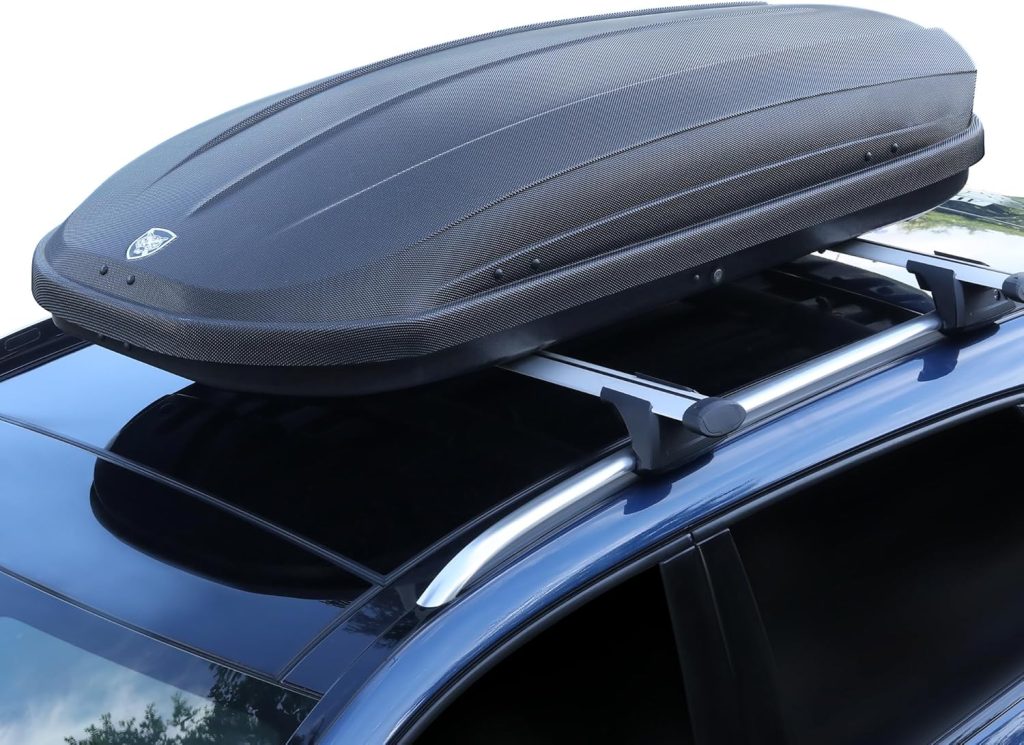
Another advantage is flexibility. When the rack or cargo box is not needed, it can often be removed quickly. This allows the SUV to return to its normal everyday configuration.
From a distance, a modest roof storage setup looks like a common travel accessory rather than a specialized off road modification. Yet when the trip begins, the extra cargo capacity makes extended off road travel far easier to manage.
4. Compact Vehicle Recovery Kit
Off road travel often involves unpredictable terrain. Mud, loose gravel, deep sand, and uneven trails can quickly trap even capable SUVs. Because of this, experienced drivers rarely venture far from pavement without carrying recovery equipment.
A compact vehicle recovery kit allows drivers to free their vehicle from difficult situations while maintaining the low profile appearance that defines an off road sleeper.
Unlike large visible recovery setups mounted on bumpers or roof racks, a sleeper build keeps these tools hidden inside the cargo area. A well organized recovery bag can hold essential equipment without taking up excessive space. Most kits include a recovery strap, heavy duty shackles, gloves, and a small shovel.
The recovery strap is often the most important item in the kit. Designed with strong reinforced fibers, it allows one vehicle to pull another free from mud or sand. When attached to proper recovery points, the strap absorbs energy and transfers pulling force safely.
Shackles play a supporting role by connecting the strap to the vehicle’s recovery points. Modern soft shackles are especially useful because they are lightweight and easy to store while still offering impressive strength.
A compact folding shovel can also prove invaluable when wheels become buried. Digging away loose soil or sand around the tires can reduce resistance and allow the vehicle to regain traction.
Keeping these tools organized is important. Many drivers store them in a durable canvas bag or storage box so they remain easy to locate during stressful situations. When equipment is scattered throughout the cargo area, valuable time can be lost searching for the right tool.
Another advantage of carrying recovery gear is independence. Drivers do not need to rely entirely on roadside assistance or external help when traveling far from populated areas. With basic recovery tools available, many situations can be resolved quickly.
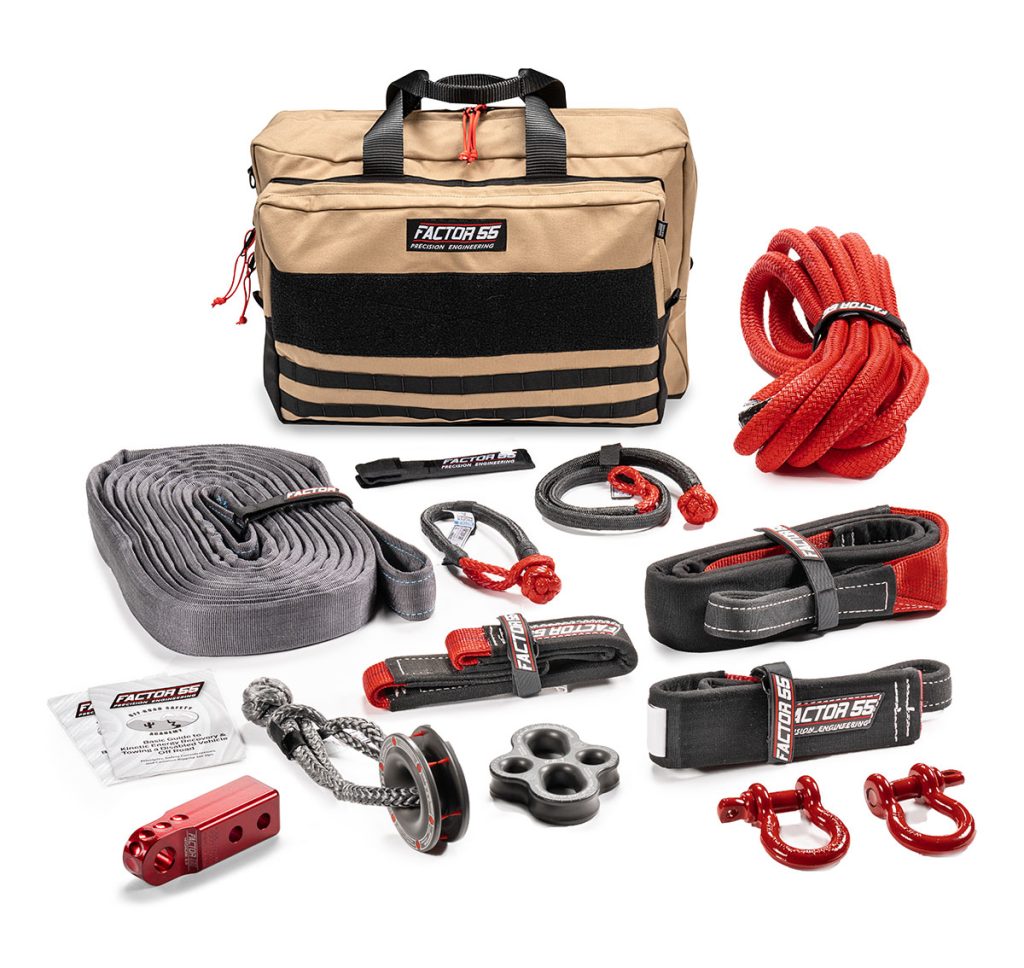
Because the entire kit remains hidden inside the vehicle, it does not change the SUV’s exterior appearance. The vehicle continues to look like a normal daily driver while secretly carrying equipment capable of handling serious off road challenges.
5. Underbody Skid Plates for Hidden Protection
Off road environments often hide hazards that are difficult to see from the driver’s seat. Rocks, tree roots, and uneven ground can strike vulnerable components underneath the vehicle.
Engine oil pans, transmissions, and fuel tanks are particularly exposed when traveling across rough terrain. Skid plates provide an effective solution by adding a protective barrier beneath the SUV.
Unlike large exterior modifications that immediately signal an off road vehicle, skid plates remain almost completely invisible. Mounted underneath the vehicle, they protect critical mechanical components without affecting the SUV’s outward appearance. This makes them a perfect addition for sleeper builds.
Most skid plates are made from durable materials such as steel or aluminum. These materials are strong enough to absorb impacts that might otherwise damage essential parts of the vehicle.
When the SUV encounters a rock or obstacle, the skid plate distributes the force and allows the vehicle to slide across the surface instead of suffering direct mechanical damage.
Protection becomes especially valuable when driving on unfamiliar trails. Even experienced off road drivers occasionally misjudge terrain, and unexpected contact with the ground can occur. With skid plates installed, these moments are far less likely to cause expensive repairs.
Another benefit is increased confidence while exploring remote areas. Drivers can focus on navigating challenging terrain rather than constantly worrying about what might be hidden beneath the vehicle.
Installation usually involves attaching the plates to existing mounting points on the frame or chassis. Once installed, they require very little maintenance other than occasional inspection for dents or scratches.
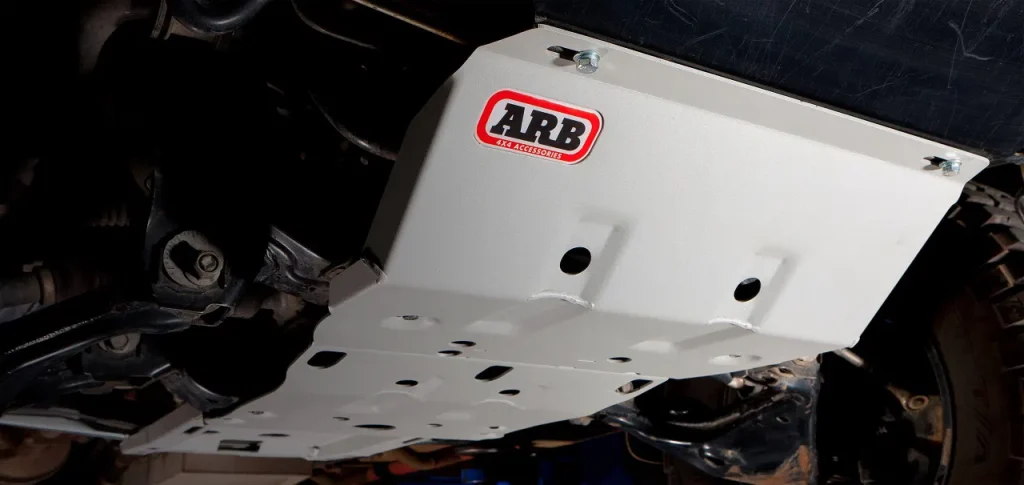
Weight is another consideration. Aluminum skid plates provide a balance between durability and reduced weight, while steel plates offer maximum protection for extremely rugged environments.
From the outside, the SUV still looks completely stock. There are no visible modifications that attract attention or change the vehicle’s everyday appearance.
Yet underneath the vehicle lies a layer of armor that quietly protects critical components during demanding off road adventures.
6. Portable Power Station for Remote Travel
Extended off road trips often involve more than simply reaching a destination. Many drivers use their SUVs for overnight camping, remote photography, or long distance exploration where electrical power becomes necessary.
A portable power station offers a practical way to supply energy for devices and small appliances without requiring permanent vehicle modifications.
Unlike hard wired auxiliary battery systems that require complex installation, portable power stations remain completely self contained.
These compact units can be stored in the cargo area and brought out only when needed. Because of this, they fit perfectly with the sleeper philosophy of keeping modifications subtle and reversible.
A typical power station includes multiple outlets designed for different devices. USB ports can charge smartphones and tablets, while larger AC outlets allow drivers to power laptops, cameras, or small cooking appliances. Some models also include 12 volt connections for additional accessories.
During overnight trips, the power station becomes especially useful. Camp lighting, portable refrigerators, and communication equipment can operate without draining the vehicle’s primary battery. This ensures the SUV will still start normally the next morning.
Charging options make these units extremely flexible. Many can recharge while the vehicle is driving, drawing power through a 12 volt outlet. Others can be replenished using portable solar panels during long stays in remote locations.
The benefit of this system is independence. Drivers are no longer limited by the electrical capacity of the vehicle itself. Instead, they carry a portable energy source that supports extended outdoor activity.
Storage remains simple as well. Most power stations are designed with durable handles and compact shapes so they fit neatly within cargo organizers or storage boxes.
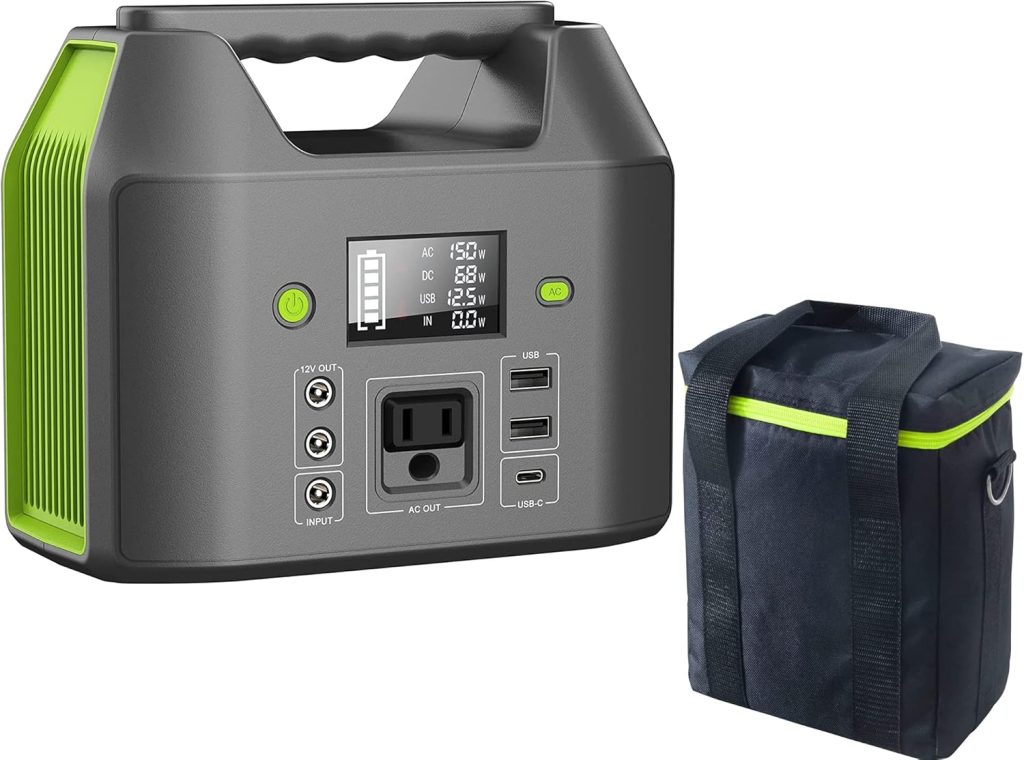
Because the system is removable, the SUV retains its normal appearance and functionality during everyday driving. Nothing about the exterior reveals the additional capability hidden inside.
For off road sleeper builds focused on versatility and self sufficiency, a portable power station quietly expands what the vehicle can accomplish far from civilization.
7. Low Profile LED Auxiliary Lighting
Driving off road often means encountering environments with very little natural lighting. Trails in forests, deserts, or mountain regions can become extremely dark after sunset. Standard factory headlights may not always provide enough visibility to safely navigate obstacles, especially when traveling on narrow paths or unfamiliar terrain.
Low profile LED auxiliary lighting provides a powerful solution while maintaining the subtle appearance required for a sleeper SUV. Instead of installing large roof mounted light bars that immediately attract attention, many drivers choose compact LED pods that blend into the vehicle’s design.
These small lighting units can be mounted discreetly within the front grille, near the bumper, or along existing mounting points. When positioned carefully, they are difficult to notice during normal driving but deliver impressive illumination when activated.
LED technology offers several advantages for off road travel. The lights produce strong, bright beams while consuming relatively little electrical power. This allows drivers to run additional lighting without placing excessive strain on the vehicle’s electrical system.
Another benefit is durability. High quality LED housings are sealed against dust and moisture, allowing them to operate reliably in harsh conditions such as rain, mud, and snow.
Visibility improvements become immediately noticeable when traveling on unlit trails. Auxiliary lights can widen the driver’s field of view, making it easier to spot rocks, branches, or sudden changes in terrain.

Different beam patterns allow drivers to customize how the lights function. Flood beams illuminate a wide area close to the vehicle, while spot beams project light farther down the trail.
Installation can often be completed without permanent body modifications. Many systems attach to existing brackets or mounting points, allowing the lights to remain removable if desired.
During everyday driving, the lights remain off and largely hidden. The SUV still appears like a standard daily driver.
Yet when darkness falls on a remote trail, these discreet lighting upgrades dramatically improve visibility and safety.
8. Drawer-Based Cargo Organisation System
Off road travel often requires carrying a surprising amount of equipment. Tools, recovery gear, camping supplies, cooking equipment, and personal items can quickly fill the cargo area of an SUV.
Without proper organisation, finding specific items becomes frustrating, especially in the middle of a trail or during poor weather. A drawer-based cargo organisation system solves this problem while maintaining the discreet nature of a sleeper setup.
Unlike external cargo solutions that dramatically change the appearance of a vehicle, drawer systems are installed inside the rear cargo area. They usually replace the standard cargo floor with a sturdy platform containing one or two sliding drawers. Once installed, the entire system remains hidden beneath the cargo cover or rear window line.
These drawers create dedicated storage compartments for important equipment. Recovery straps, tools, and spare parts can be stored in one section, while camping supplies or cooking gear occupy another. Because the drawers slide out smoothly, drivers can access items without unloading the entire cargo area.
The platform surface above the drawers also adds useful functionality. It provides a flat and durable surface where additional gear can be stacked securely. Some travelers even use this platform as a sleeping surface during overnight trips.
Durability is an important feature of most drawer systems. They are typically built from reinforced aluminum or heavy duty composite materials designed to support substantial weight. This allows them to handle rough terrain without shifting or rattling.
Organization also improves efficiency. Instead of searching through bags or loose equipment, drivers know exactly where each item is located. This becomes particularly valuable during recovery situations where time and quick access to tools are important.
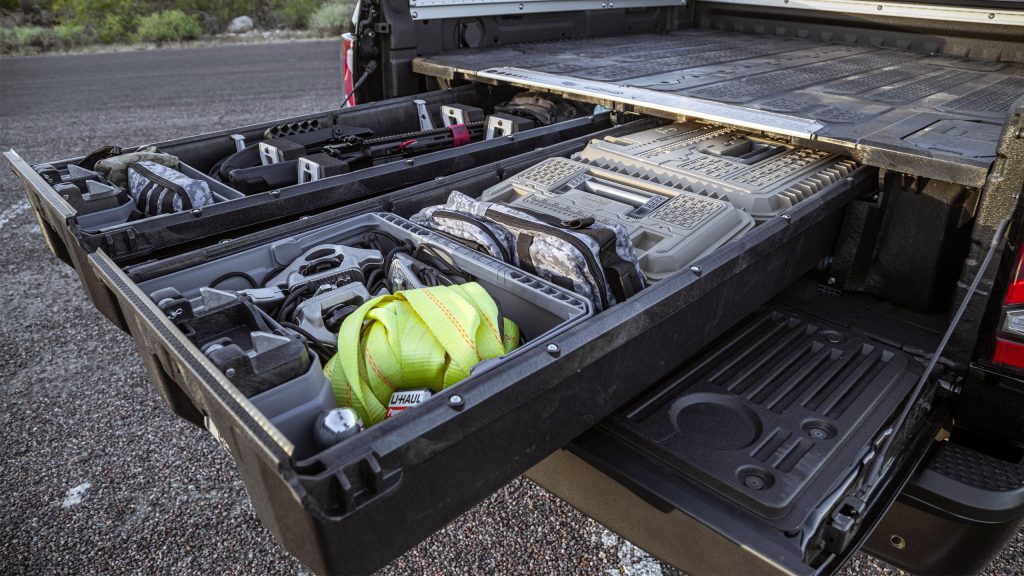
Installation generally requires only basic mounting points inside the cargo area. Once secured, the system becomes a stable part of the vehicle without interfering with normal driving.
From outside the SUV, the drawer system is completely invisible. The vehicle still appears like a normal daily driver.
However, inside the cargo area lies a highly organized storage system that quietly supports serious off road travel.
9. Portable Traction Boards
Off road terrain can change dramatically within a short distance. A trail that begins as firm dirt may suddenly turn into deep sand, sticky mud, or loose gravel. In these conditions, tires may lose grip and begin spinning without moving the vehicle forward. Portable traction boards provide a simple but extremely effective solution for these situations.
Traction boards are lightweight panels made from reinforced composite materials. Their surface contains aggressive ridges that help tires regain grip when placed under the wheels. When a vehicle becomes stuck, the driver positions the boards directly in front of the tires, creating a temporary path with improved traction.
The concept is straightforward but highly effective. As the vehicle accelerates slowly, the tires climb onto the board’s textured surface and gain the traction needed to move forward. Once free, the driver retrieves the boards and continues the journey.
For sleeper builds, the advantage lies in how easily these boards can be stored. Instead of mounting them on exterior racks where they become highly visible, many drivers place them inside roof cargo boxes or secure them flat within the cargo area.
Because the boards are lightweight, they can also be strapped to the underside of roof racks where they remain largely hidden from view. This approach keeps the vehicle’s exterior appearance clean while still providing quick access when needed.
Traction boards are especially valuable in sandy environments where tires tend to dig deeper when spinning. They also work well in muddy trails where traditional recovery methods may be difficult without another vehicle nearby.
Another advantage is independence. Drivers can often free their vehicles alone without requiring help from other off roaders.
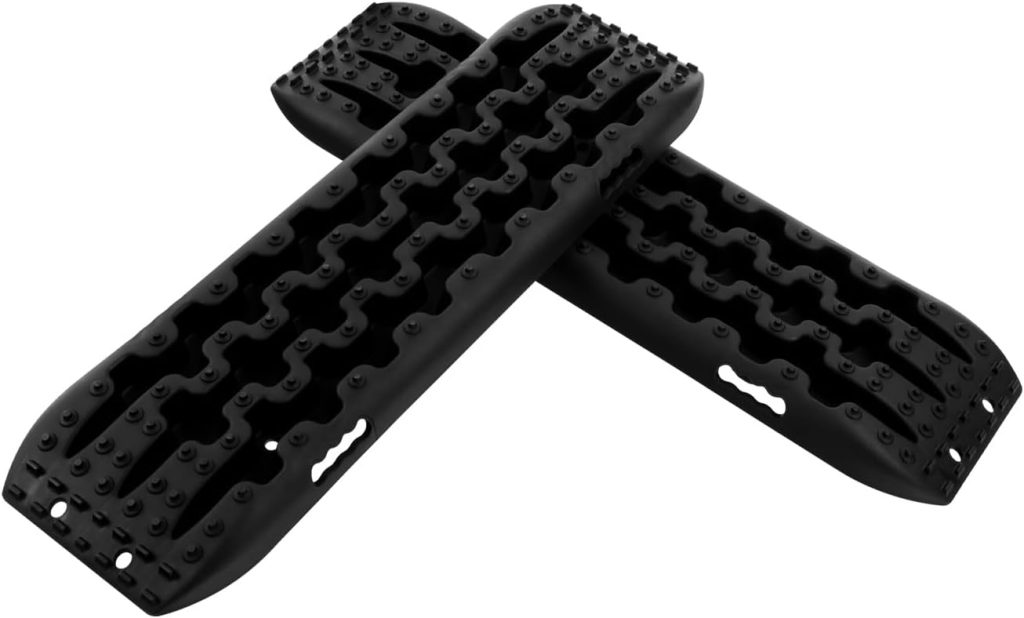
Durability is also impressive. High quality boards are designed to withstand the weight of heavy vehicles while maintaining their shape through repeated use.
Although small and easy to overlook, traction boards can prevent minor obstacles from turning into major recovery challenges. For sleeper SUV builds focused on self recovery, they are one of the most practical accessories available.
10. Interior Sleeping Platform Conversion
Among all the accessories that can transform an SUV into a capable off road sleeper, an interior sleeping platform stands out as one of the most practical.
While many off road vehicles focus entirely on trail performance, the ability to rest comfortably inside the vehicle adds an entirely new level of versatility for long distance travel and overnight adventures.
An interior sleeping platform is typically a raised structure installed in the rear cargo area after the rear seats are folded or removed. The platform creates a flat surface large enough for a mattress or sleeping pad, allowing travelers to sleep inside the vehicle instead of setting up a tent outside.
For sleeper builds, this solution offers several advantages. First, it allows the SUV to remain visually normal from the outside. There are no rooftop tents or external modifications that signal a specialized camping vehicle. When parked in urban areas, parking lots, or remote trailheads, the SUV still appears like a typical daily driver.
Another benefit is convenience. After a long day of driving or exploring trails, setting up a tent can feel like extra work. With an interior platform, drivers can simply climb into the back of the vehicle and rest. This becomes especially valuable during bad weather or cold conditions.
Most sleeping platforms are designed with storage space underneath. Drawers or compartments below the platform can hold camping equipment, clothing, cooking supplies, or recovery gear. This combination of storage and sleeping space maximizes the usefulness of the SUV’s interior.
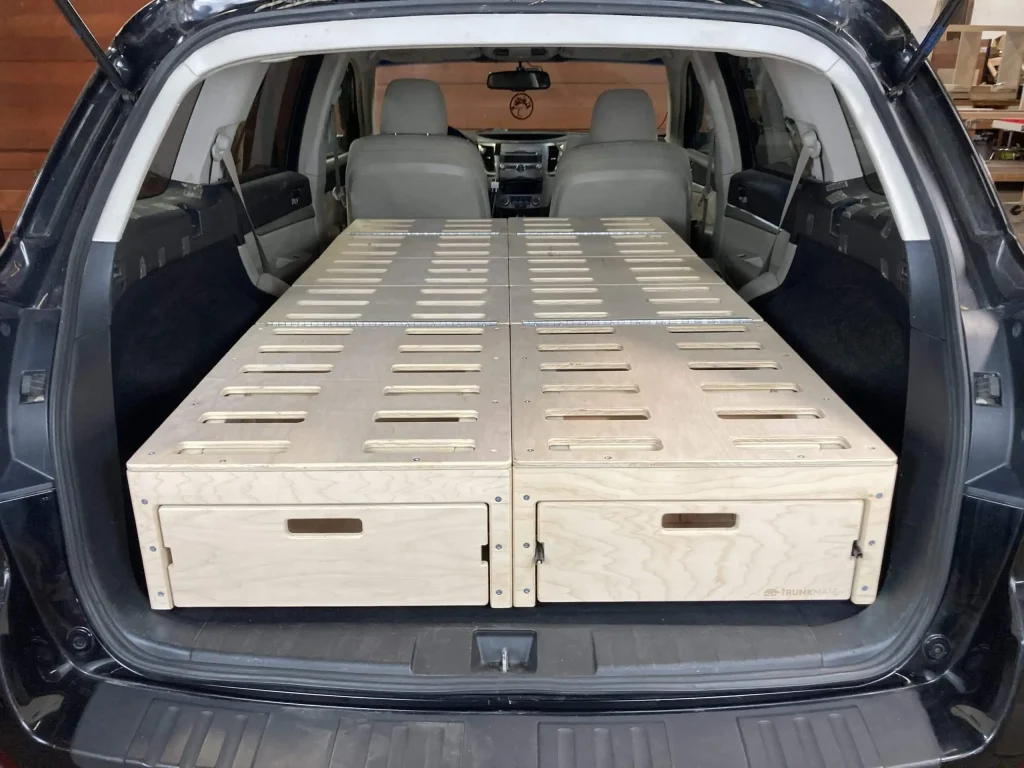
Comfort also improves compared to sleeping directly on the ground. The platform creates a stable surface that can support a foam mattress or inflatable pad. Combined with the protection of the vehicle’s cabin, it offers a secure and comfortable sleeping environment.
Ventilation can be managed with window screens or small portable fans, allowing fresh air to circulate during warm nights.
Importantly, many sleeping platforms are removable. When the SUV needs to return to everyday duties, the platform can be taken out and the cargo area restored to normal use.
For travelers who want a discreet yet highly capable adventure vehicle, an interior sleeping platform quietly transforms the SUV into a self contained exploration machine.
Also Read: Top 8 Brands Leading the Way in Sustainable Interior Materials